
First responders and members of the military spend their careers toiling in intense, close knit team environments. Assignments and responsibilities vary as widely as the personalities of the people in these vital jobs and there is little dispute that the careers are challenging, intense, and reliant on teamwork. Then comes retirement. Predictably, as we enter retirement, many of us are suffering from compassion fatigue, frustration with our employers, physical aches and pains and fatigue in general so the idea of doing nothing or devoting ourselves to a single recreational passion is remarkably tempting. Therein lies the retirement paradox.

At the time in our lives when many are strongly drawn to just throwing our hands up and calling “time out”, I am going to urge you to do the opposite. Make no mistake, I recognize and in fact endorse a brief period of rest, recovery and just breathing. After that period however, we need to get moving. Resist the temptation to do nothing, to withdraw, to occupy yourself with a single hobby or pastime. Instead, make the monumental effort (and it will be tougher than you expect) to challenge yourself and experience new things.
Probably two of the most important things that we can all do as we transition from our military/first responder career to retirement is to exercise and maintain and in fact expand social connections. Study after study place these two things at the top of lists of how to live longer and more productive lives. It seems pretty straightforward, but after our careers, there are some obstacles.

As we age (most of us anyhow) exercise becomes more challenging. We experience physical challenges and motivational challenges that can be surprisingly difficult to overcome. But, exercise we must. Adapt, improvise and overcome your challenges. Find new ways of exercising. Get a workout buddy. Someone to hold you accountable and challenge you. If you can’t run anymore, walk. If you can’t crash through the woods on a mountain bike any longer, try the recumbent bike (yes, boring I know) at the gym. Whatever you do, get moving. The science is solid. Exercising four times a week for in excess of twenty minutes improves your physical well being, improves your psychological well being (and mood), staves of dementia related ailments and, in summary helps us live happier, healthier, and longer lives.
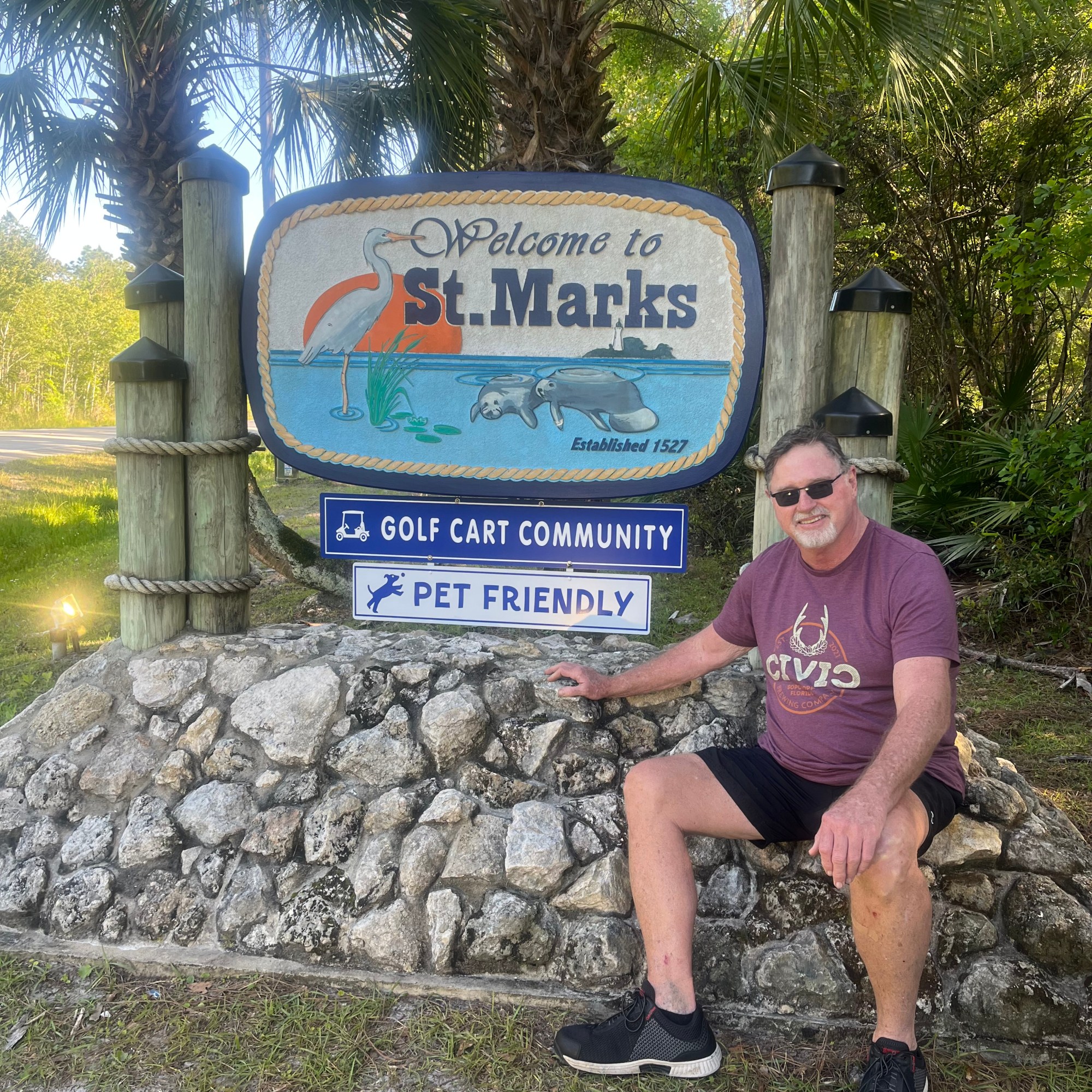
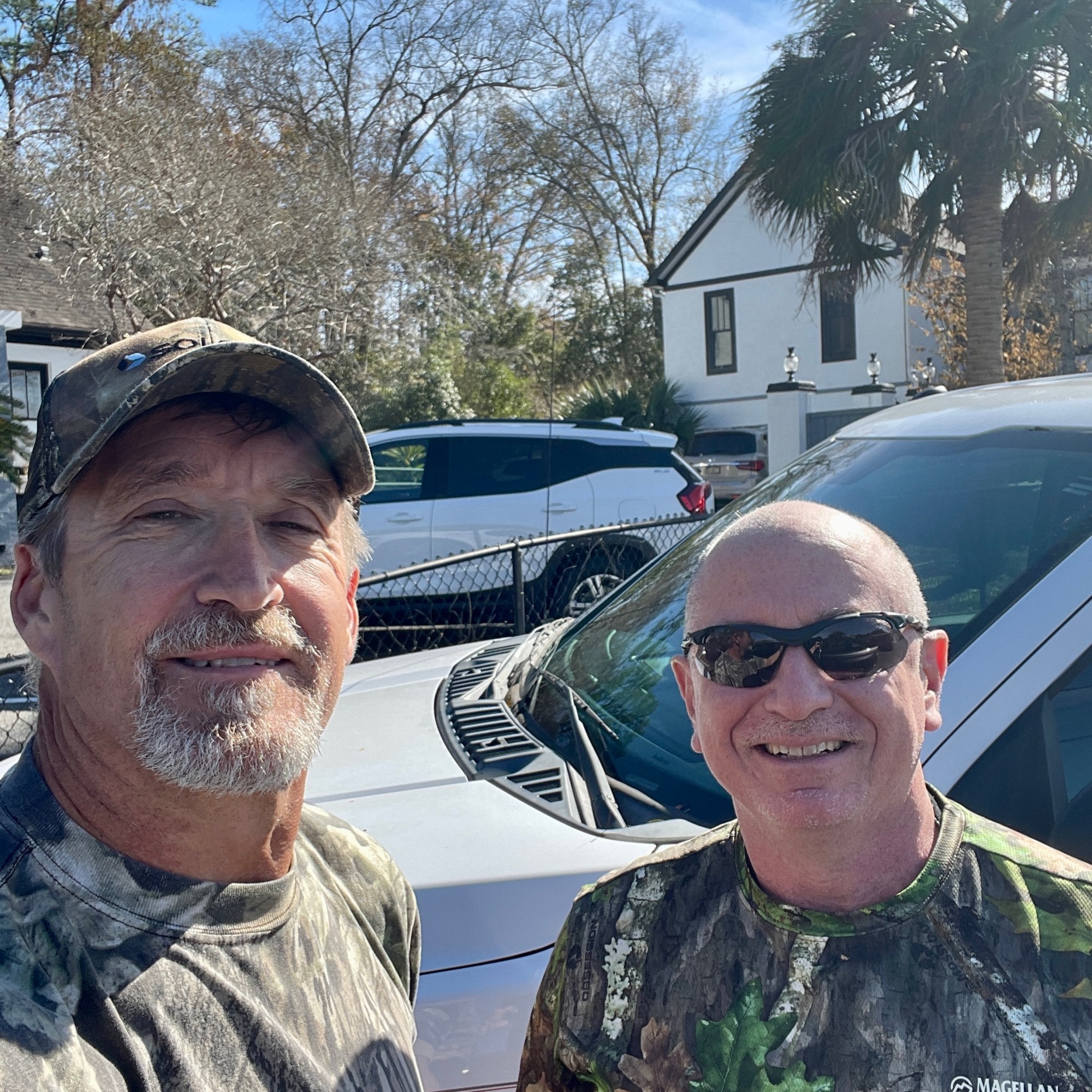
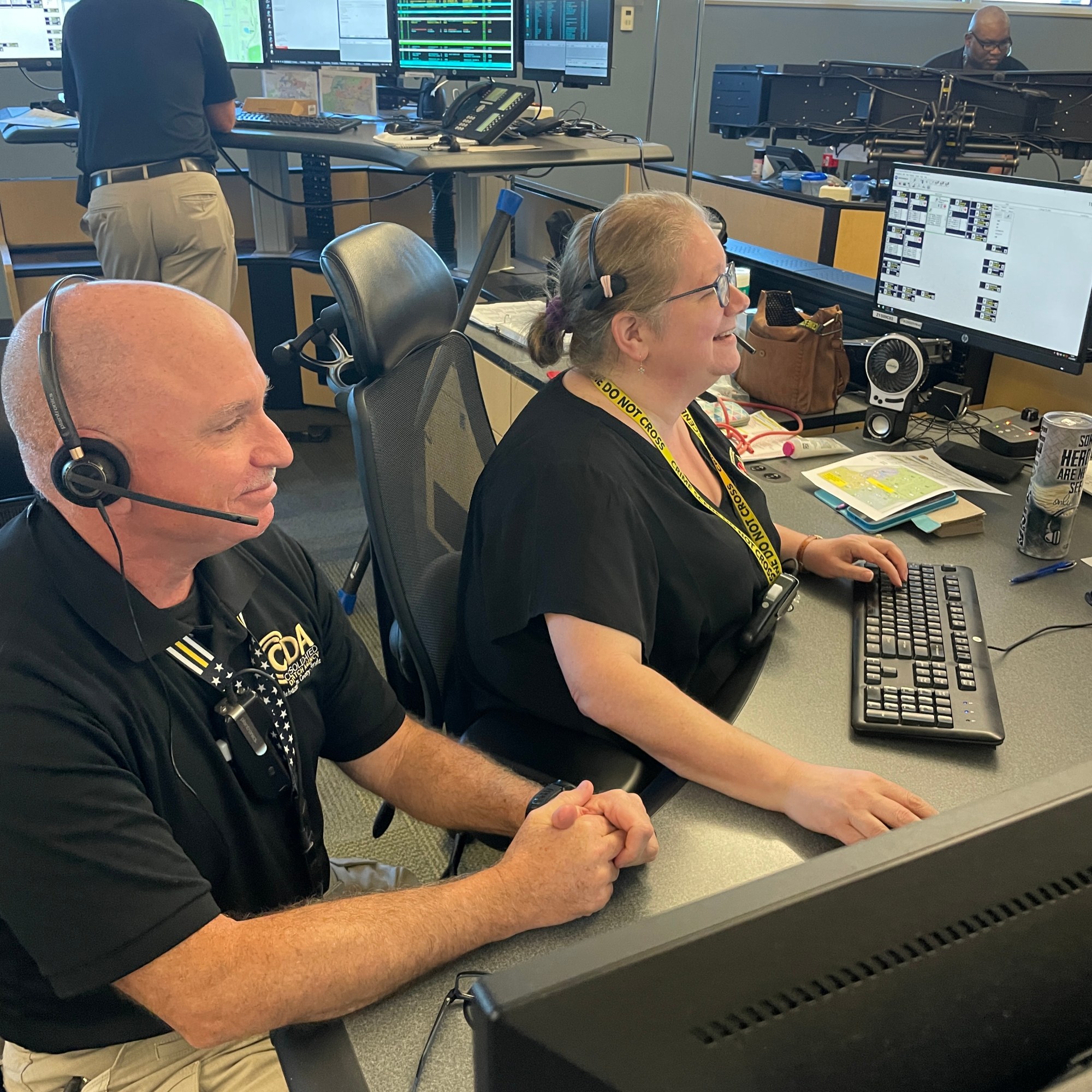
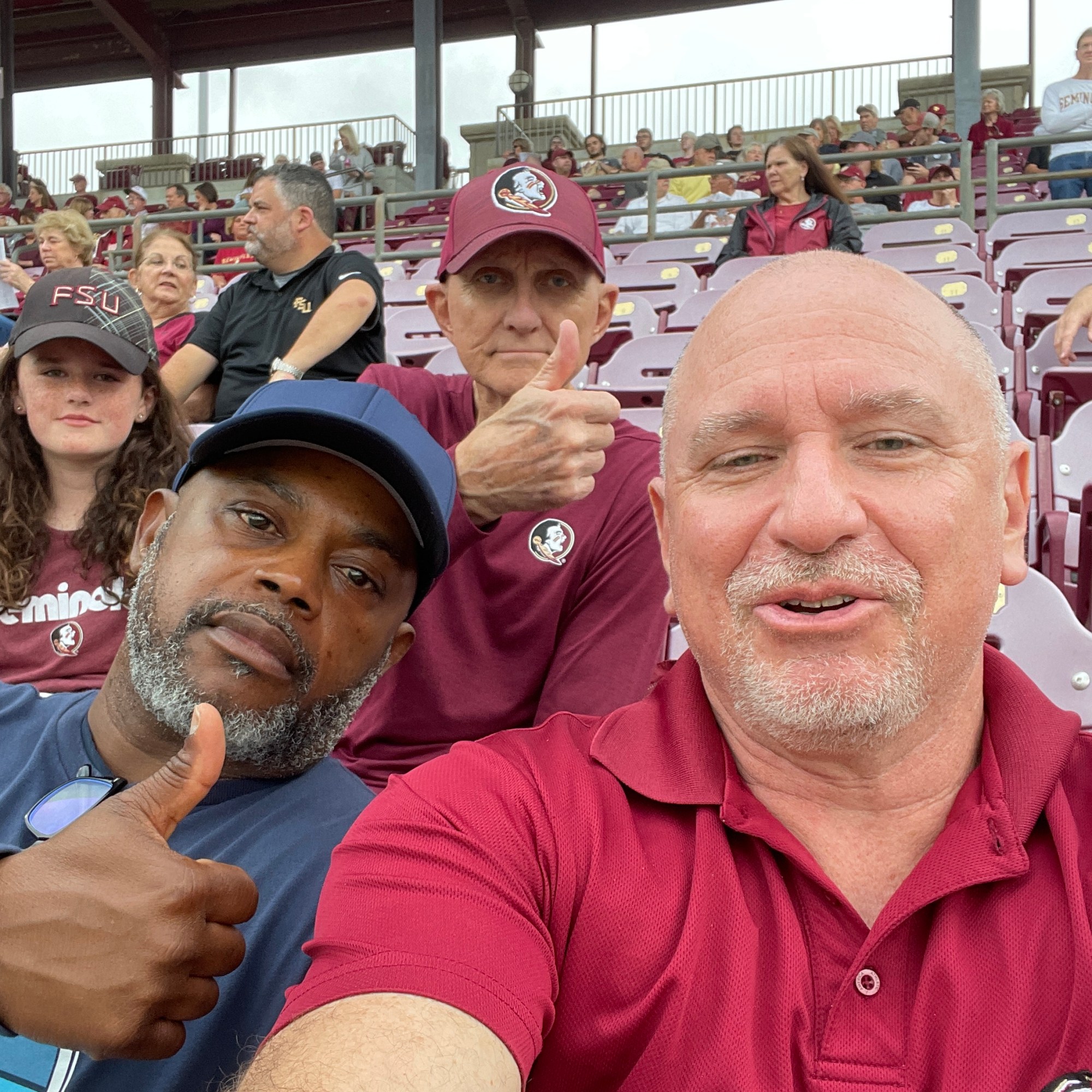
Images above:
Top-My friend and former FTO Paul Sheddan. Now Mayor of Saint Marks, Florida. Bottom left-My friend and mentor Dave Ferrell before a hike and photography expedition. Middle bottom-Me at work sitting with a talented and dedicated dispatcher on a police radio position. Bottom right-me and my friend and former coworkers Rod Looney and Ken Bergstrom at a baseball game.
Maintaining and establishing social connections may be even more difficult than exercising. During our careers, we were likely part of a team. Whether team was dysfunctional in some way or vibrant and and thriving we were part of a team. We were working with like minded people who had similar interests, goals and aspirations. We made lifelong friends and shared intense experiences that ranged from hilarious to dangerous. Many of those bonds last a lifetime. However (I know this is tough to believe for those of you not yet retired) many of the people you are closest to right now will drift away in a matter of months after you retire. It is not that you did anything or didn’t do anything to cause that drift…you simply are not in their orbit any longer. People have busy lives and balancing family, personal and professional lives is remarkably challenging so they forget about folks who aren’t in their orbit daily. And, if they don’t forget, they are so busy that making time is all but impossible.
This means that it is our responsibility to maintain old connections and seek new ones. As a reminder, this aspect of healthy living and aging is nearly as important as exercise and has been verified in a variety of studies over the years.
So how do we accomplish this? First, identify people in your life who are vital to you and are worth effort (unfortunately careful consideration after a few months of retirement will likely lead you to the conclusion that everyone isn’t) and dedicate yourself to maintaining relationships with them. Call them. Text them. Take time for meals, coffee, shared adventures and opportunities. This will require some self discipline but the juice is worth the squeeze. Secondly, we absolutely must put ourselves out there and create opportunities to meet new people and form new friendships that are not based on our previous career. Sign up for a class. Find a part time job doing something new. Join a club. Do something new at a place you have previously been involved with (like taking a yoga class at your gym). Volunteer somewhere. Instead of simply attending your church, get involved. Each one of these suggestions has its own specific challenges and rewards. Only you can know what is right for you and it may take some time and trial and error to figure out what thing or combination of things is right for you. Failure to challenge ourselves in this manner can lead to loneliness, isolation, depression and lack of personal growth. None of which seem consistent with a vibrant, healthy and happy retirement.
There are things in our life that are beyond our control. Aspects of our health, how friends and coworkers respond to our retirement, and so on. There are also aspects of our life that are squarely within our control and vital to our health and happiness. I encourage all to make the effort. The payoff is incredible.

 On Beyond Blue
Awesome read Mike!!!!
LikeLike
Thank you!
LikeLike