If anyone in my orbit discussed retirement with me in the early stages of my career, I don’t recall it. If they did, I’m sure I was too driven, too short sighted, and too focused on my mission at the time to pay any attention what so ever to a discussion that focused on a topic that seemed so far off. The next arrest, the next case, the next school, the next position, family and so on were plenty to occupy my young mind. Im sure that more than a few folks who are reading this can identify with that. Retirement was a long way off and the topic was one reserved for “dinosaurs”. During that same time period, I recall hearing the phrase on more than one occasion during training “prior planning prevents piss poor performance” as it related to training, tactics and interactions with the public. It took me a long time to understand that the overused phrase has relevance to the last chapters of our career and the transition into retirement.
At some point during my career, I stumbled upon some healthy pursuits that still invigorate me today. Through years of conversations with other warrior servants, it is apparent to me that my experience of stumbling upon those pursuits is not unique. With that in mind, I want to devote some time, energy and space on this blog to mindfully, with purpose and devotion to task, exploring healthy pursuits (plural) that will sustain and invigorate you beyond your years of service. As I share these, readers should be concious that I speak of these things from the stumbling point of view. Trial, error, disappointment, discovery, and delight were and are the way things went and still go. I won’t and can’t preach because the few things I’ve learned about this topic have taken a long time to learn and came about in part because of the great example my parents, family, and some amazing friends set for me. These folks helped show me the way. My hope here is to provide insights and examples so that anyone reading this doesn’t stumble in the same fashion that I did. In other words, my hope is to pay it forward and make things easier for other warrior servants.
In the twenty first century, I have heard the word”sustainable” spoken so many times that hearing it brings on waves of nausea. So it is with caution and some trepidation that I use that very word in this blog. Sustainable. When it comes to healthy pursuits, some at least need to be sustainable. Seize opportunities to participate in things that are primarily available to the younger and more physically capable. Step up to the buffet of life and sample pastimes that appeal to you. However, as you sample these pastimes, it is to your benefit to mindfully select some that are sustainable. One can be a powerlifter, rock climber, flag football enthusiast and so on as a younger person. And, while there are older people who continue on in these endeavors, they become less and less feasible for most people. With that in mind, having healthy pursuits that are sustainable that overlap with the more vigorous, youth oriented pursuits is wise. As our ability to participate in some of the pursuits we were so fond of in youth wanes, the sustainable pursuits are there, thus leaving no gap. Without gaps, it becomes less likely we will find ourselves adrift and tempted to pass the time with unhealthy pursuits.
When considering this topic, I have found it helpful to remember something that I taught when I was teaching officer survival. I am referring to the “survival pyramid”. The survival pyramid (not my invention by any means) consists of physical fitness, mental fitness and spiritual fitness. For the pyramid to be intact, the warrior servant should have all three corners in solid shape. In other words, feed your mind, feed your body, and feed your soul. If we seek sustainable healthy pursuits that nourish all of these areas, it is more likely that we will be healthy and fulfilled for the long term no matter what trauma or obstacles we may confront along the way. And, after all isn’t this our goal? This is a good time to remind myself and anyone reading this that if we don’t take care of ourselves, we aren’t much good to those who we love and who depend on us.
One of the healthy pursuits that I stumbled on along the way to where I am now is photography. Although I literally grew up in and out of my father’s darkroom, I only dabbled in it until the digital age was upon us. At that moment, I found myself thrust into administering a digital camera project at my agency. The cameras we used were Sony Mavicas that had a resolution of about a half a megapixel and saved their images to a floppy disk. Although it seems ridiculous from our vantage point now, they were good hardware at the time. As I immersed myself in administering this project, I rediscovered photography. Off duty, I began to dabble more and took a lot of family pictures. Then, my oldest son began to take a serious interest and got some tutoring from Dave Ferrell and my father. Eventually, my son became an exceptionally skilled professional photographer. As such, he could no longer tolerate my use of point and shoot digital cameras and conspired with my wife to get me my first DSLR. A camera I now regularly use and thoroughly enjoy.
Some might wonder what it is was and is about the hobby of photography that I find fulfilling. Although I began in this hobby from a purely pragmatic perspective, taking pictures of coworkers and family, I rapidly progressed to something well beyond pragmatic. I find something magical about looking at the world as though I had a camera in my hands. It forces me to take time time admire beauty, capture poignant moments in time, and stitch together stories with those moments captured. I am arguably not very good, but it doesn’t matter. Photography forces me to see beauty, capture it and doing so is immensely satisfying and enjoyable. All the while distracting me from events of the day (be they work or otherwise).
There are quite a few warrior servants for whom photography has become a passion and who, when they wield a camera capture beauty, excitement and are capable of telling stories with the click of a shutter. Here a few I would like to profile:
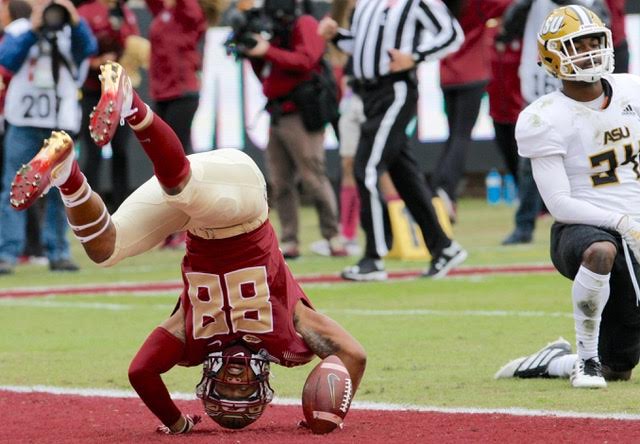

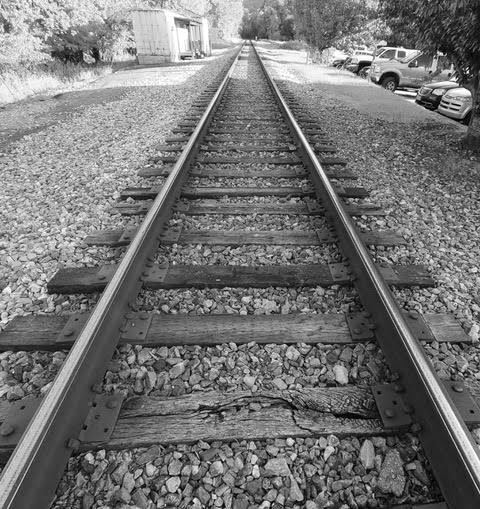
David Ferrell is a retired police sergeant. He served his community for well in excess of a quarter century. His assignments were many but included multiple stints in narcotics, over twenty years as an Entry operator on his agency’s tactical (SWAT) team and lengthy tours of duty on the agency’s community policing squad. I am lucky enough to count him as a friend and a mentor.
David recounts that he started photography as a “crazy fluke opportunity”. This fluke, took him to the sidelines of professional football, photographing NASCAR legend Dale Earnhardt and many other exciting places. His images have graced the pages of Sports Illustrated and hometown newspapers alike. Although primarily self taught, he had plenty of mentors in this field who helped him refine his craft. He describes photography in the following manner; “Photography took me away from my day job…it provided me an outlet to be creative and challenge myself with something aside from chasing bad guys”. “Photography was like shooting my bow, when I was doing those things, I thought of nothing else”. David describes photography as fun and a great way to memorialize moments with friends, family and moments in sports. He finds photography challenging, fulfilling, exciting and rewarding. David now primarily shoots for his blog (https://black-water-images.com) and he encourages anyone with any interest in photography to “go for it!”.



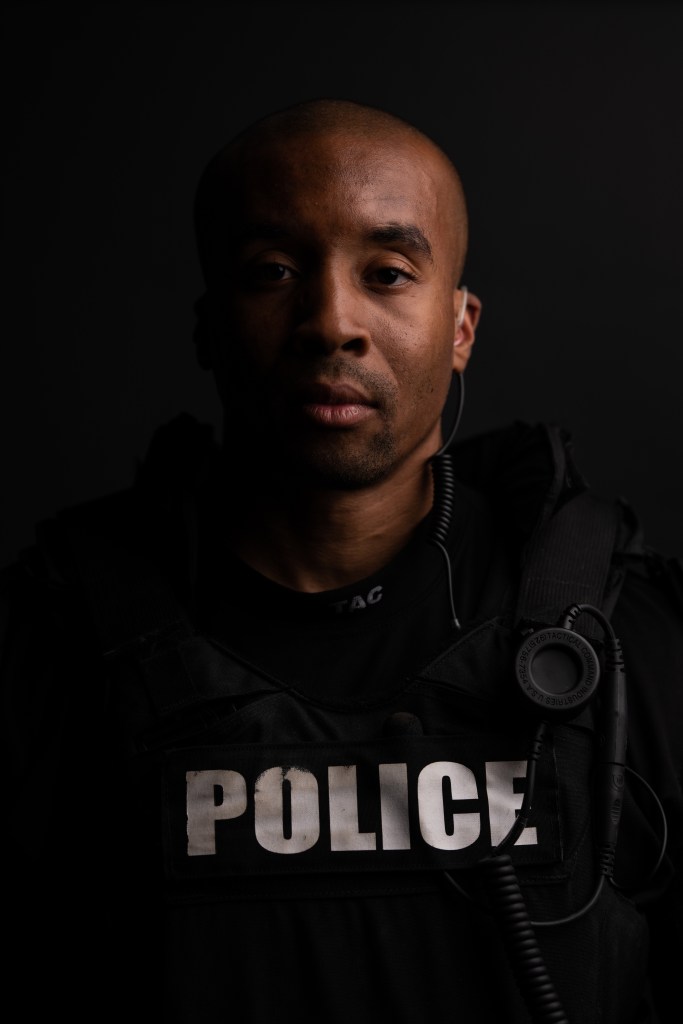
Marcus Johnson is a talented police officer whose assignments have included criminal investigations and SWAT. He is currently working on his law degree and still pursues photography as a hobby.
Marcus began taking pictures to give his mind a break from law enforcement when off duty and photography appealed to him in part at least because it “…generally speaking, had nothing to do with law enforcement”. He is self taught and his work can be viewed at Instagram.com/JohnHancockSignaturePhoto.

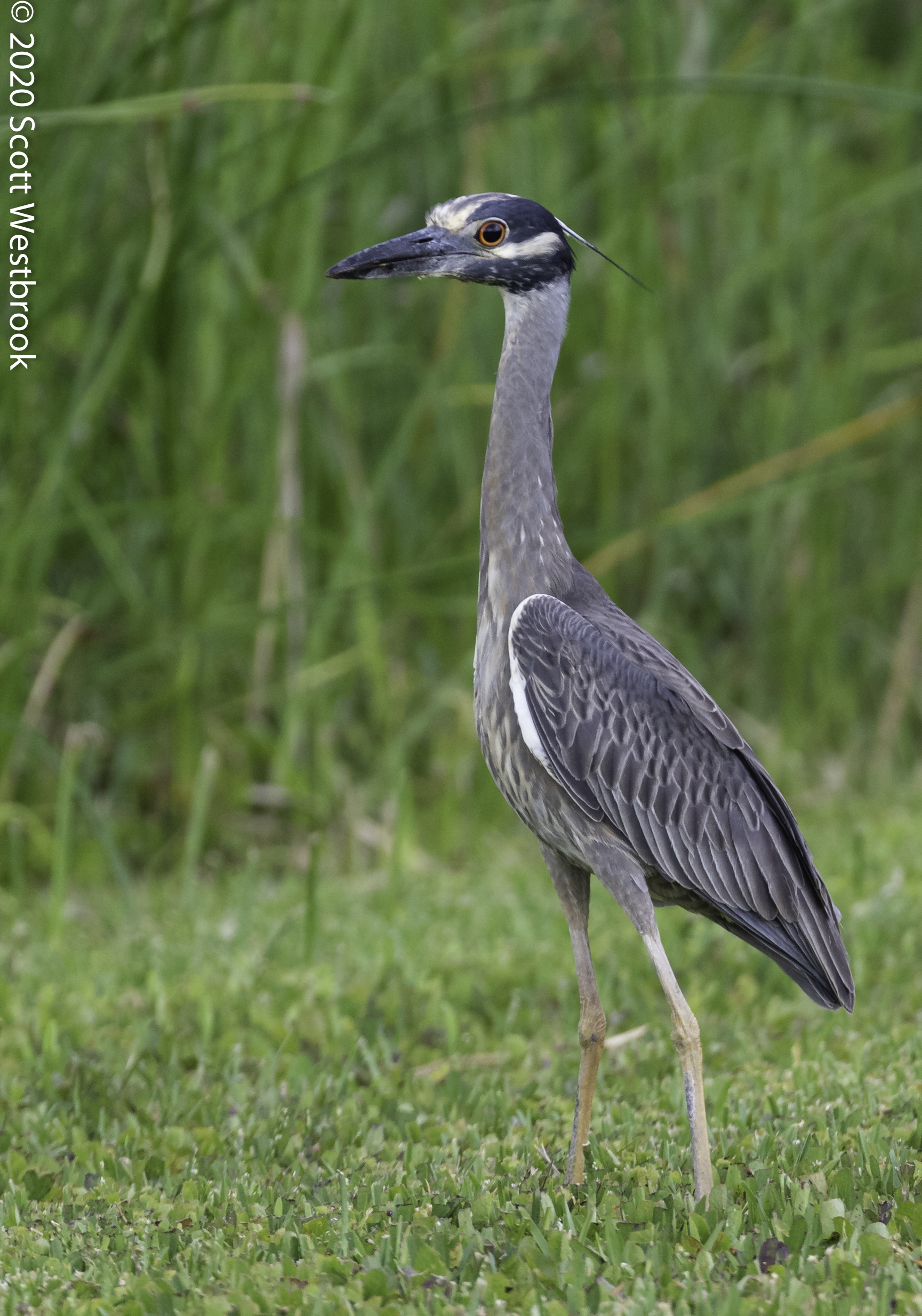


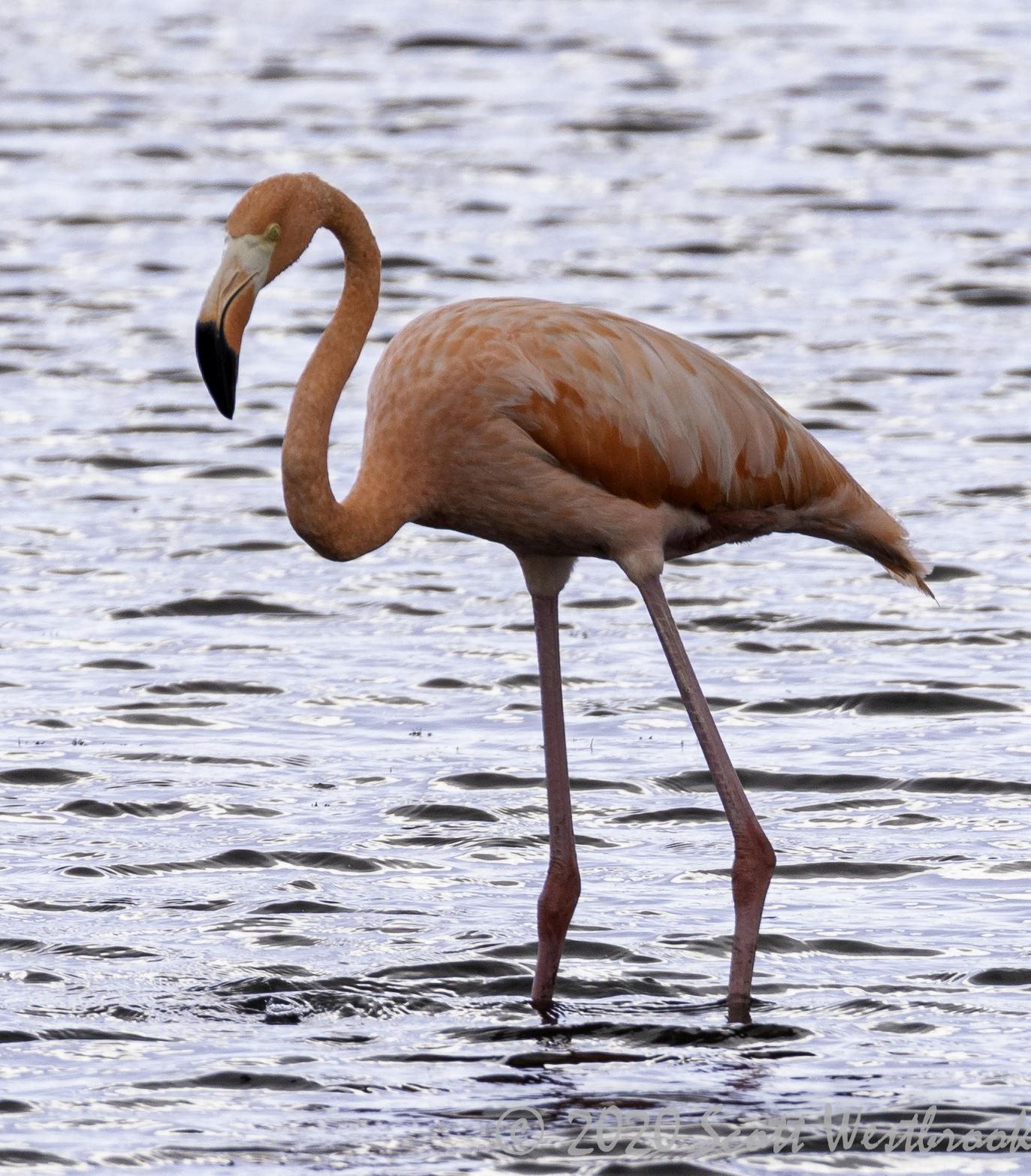

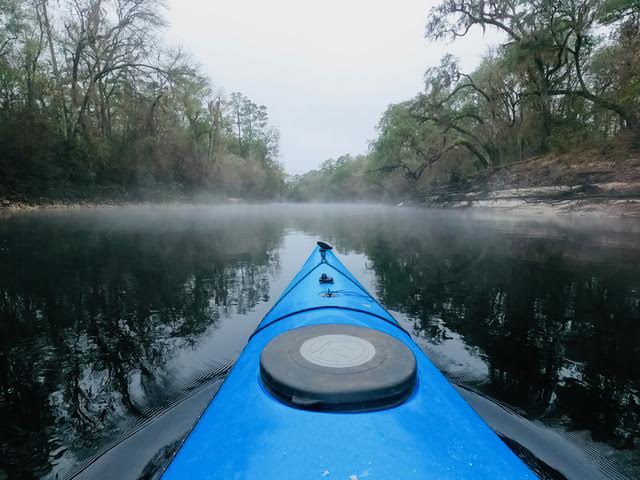
Photos by Scott Westbrook
I am deeply grateful to know and have served with Scott. He was a genuinely kind, compassionate and highly skilled warrior servant. His story is one of bravery, pain, perseverance, and ultimately triumph that we can all learn from. In Scott’s own words:
I am not much of a writer. I do, however, believe in paying forward. Mental health has long been a taboo subject within the public safety community. Everyone in the community knows of someone, if not knowing them directly, that has fallen due to suicide. PTSD is present in Fire, EMS, Public Safety Communications, and law enforcement with a higher frequency than the general public. Many more are known to deal with decreased job performance, physical ailments, substance abuse, etc. This is a brief overview of my mental health journey.
My exposure to traumatic events started well before my law enforcement career. My mother was killed in a crash with a drunk driver when I was 8. When I was 10, I watched our puppy get run over. Fast forward to college…during my internship I had to assist on a case where a father murdered his infant daughter in a most brutal fashion. I also assisted on a child pornography investigation. I would have no idea at that point that these events would haunt me much later.
In 1991, I became a reserve police officer. I completed the first two phases of my Field Training (FTO) volunteering 3 nights per week and working the other four at a major retailer. I was hired full-time at the PD at the end of Phase 2. Within a week of going full-time, I would get my first traumatic event as a police officer. I was called to a death investigation where the man had dies resulting from complications with AIDS. He had been suffering for some time, until Hospice came in at the end. My training sergeant was later involved in a shooting. I can still see the look on the man’s face as my sergeant stood over him. I worked a fatal traffic crash involving a pizza delivery driver, where the owner of the pizza restaurant showed up on scene, and was asking if he could get the pizzas to finish the delivery.
Our department was more progressive than most at the time, and actually required probationary officers to attend a session with one of the psychologists affiliated with the department at least once during each of the training phases. I would later forge a professional relationship with the psychologist I saw, but at the time, did not take it seriously.
Crashes with dismemberment and death would follow over the ensuing years. Watching a stabbing patient slowly decline and die on the ambulance ride to the hospital, was a trying event (even though he was a robbery suspect). Nothing would affect me as negatively as the events of October 11, 1995 (and the weeks following).
It was about 8:30 in the evening and we responded to a domestic disturbance. We learned that was a middle-aged man and his elderly mother. The mother admitted us into the apartment. As we gathered information from her the son came out of back bedroom carrying a double-barrel 12-gauge shotgun. I yelled for the man to drop the gun many times. The man started to raise the barrel of the shotgun. I fired to shots at him. My partner was simultaneously pulling the mother out of the way and returning fire as well. The suspect did not survive. In the days that followed, we were told we had to attend a mandatory counseling session, and well as a fitness for duty evaluation. Again, I fulfilled every requirement, but did not really take it seriously. I definitely felt the stigma associated with mental health concerns. I remember being told, take the time off that you need. Within 7-10 days of the shooting, however, our watch commander was calling and asking if I was coming to work the following day. Several weeks later, testifying in front of the grand jury was almost as traumatic as the shooting itself.
About two weeks after reporting back to full duty, I nearly had to shoot a 15 year-old that was armed with a handgun. Once we got him taken into custody, the gravity of what just happened started to sink in. In the days following, I went to my first voluntary counseling session. I genuinely liked the psychologist but was unsure if it was going to do any good. He confirmed one of the forward-looking practices that our department had put in place…the practice would bill the department with an anonymous ID number. I still resisted making the therapy a regular practice.
Before long, the addition of a second child, my wife being diagnosed with clinical depression, and several deaths in the family my stress level shot through the roof. I gained 60 pounds in the years after the shooting. I first became interested in photography around this time but being a single-income family, I did not feel I could afford something like that for myself (even a 2-megapixel camera was pricey back then).
I finally realized that I needed to see someone on a regular basis (at least for a while). I started bi-weekly sessions, then monthly, then as needed. I would continue to struggle with weight and hypertension the remainder of my career. I had a couple of people that recognized I was heading down a bad path, and I am thankful that they had the courage to speak up.
My wife finally forced me to take up photography when she bought me a camera after I retired. We took a trip to Alaska for our silver anniversary, and I quickly realized how much I did not know about digital photography. I got involved with a local nature photography club and the members were all too happy to share their knowledge with me. I have found new joy, and challenges abound. I wish I had taken up the hobby 30 years ago!
My advice to all those younger officers, PSCOs, firefighters, and medics is to find a hobby that you will enjoy. I chose nature photography because it allows me to be alone with nature. It helps me find peace. Do it sooner than later. Even if your department doesn’t have a counseling option available, please reach out and find a counselor if you need it. Do it sooner than later. If you see your colleagues struggling, reach out to them. Do it sooner than later.
Many thanks to Scott, Marcus, and David for sharing their photos, story and journeys. I encourage all who are reading this to sustainably feed their mind, body and spirit. Start early, be prepared for obstacles, encourage others and take care of yourselves and each other. May God bless the warrior servants all across our planet and strengthen and protect them.
 On Beyond Blue
Outstanding!!!
>
LikeLike
Great blog, Mike!
LikeLiked by 1 person
Wow! That was a wonderful read. I am honored to have worked with you guys.
LikeLike
Masterfully written and special thank you to Scott for his personal sharing. I think there is something therapeutic about the detachment of looking through a camera lens at something, yet feeling like you’re up close and personal in the experience that appeals to all LEOs. Especially in a PTSD world. We can be a part of it, but from a “safe” distance. And you know what… that’s a great healing strategy!
LikeLiked by 1 person
Thanks for sharing each of your stories and promoting tools for well being!
LikeLiked by 1 person
You go Mike! I still get a smile on my face every time I’m out in the middle of nowhere on my motorcycle. My therapy for sure.
LikeLiked by 1 person
Just stumbled on this site. Good job my “son”. Liked the story about your first day on on the job as I had forgotten that one. Keep on keeping on brother. Was proud to be your FTO
LikeLiked by 1 person
Grateful for your presence in my life and all you taught me!
LikeLike
Another good read…as you know, I can relate to Scott. Very few persons actually know my entire story. They only “know” rumors and versions from those not even involved in my life. Thanks for always being my friend including the dark times that were hard to even look at me!
LikeLike
Grateful that this blog is started. After being in this career field for over 33 years we must start recognizing and talking about scars, visions, etc….
LikeLiked by 1 person
Thank you for your continued devotion to service!
LikeLike
This was wonderful. I forwarded the post to my entire Fire and Police Departments. This is a message that every single first responder needs to hear. Thank you for sharing.
LikeLike
Thank you and stay safe.
LikeLike