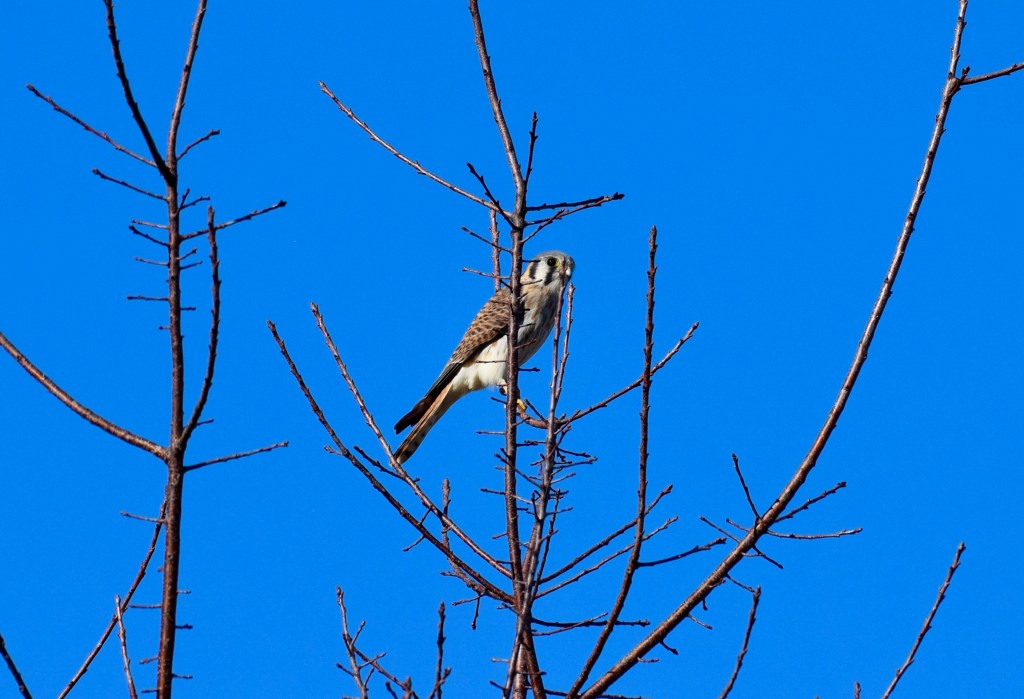
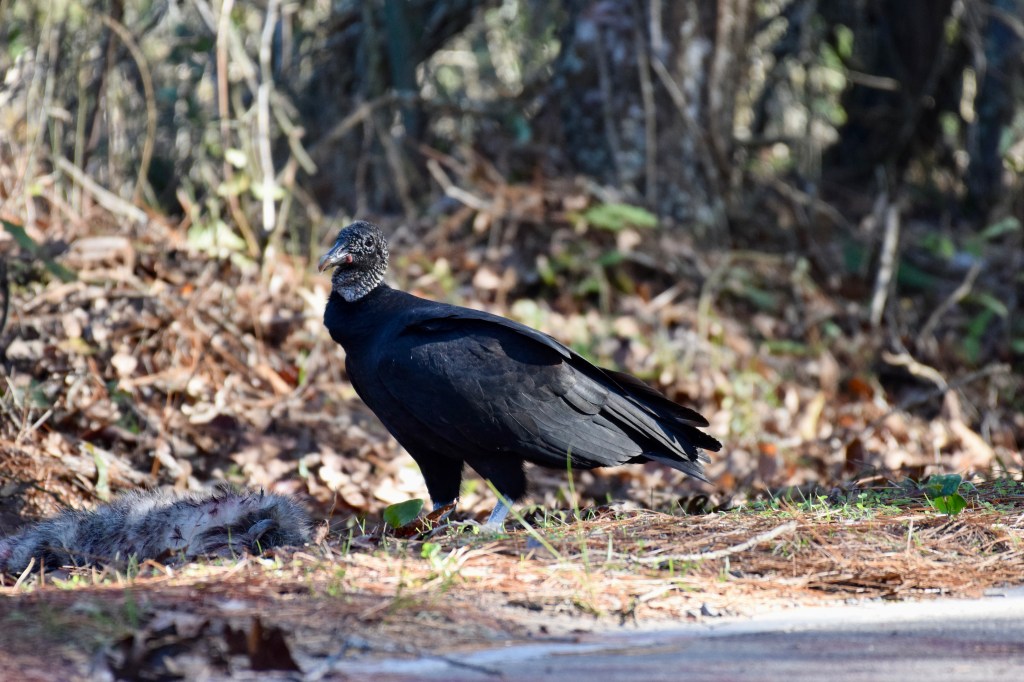
Shortly after the last blog dropped, I bumped into an old friend while traipsing about looking for subjects for my camera. The subject of this blog is in part as a result of that conversation, and in part as a result of feedback that I got as a result of the previous blog. Birding and photos of birds are not for everyone. I really love the beauty (although the Black Vulture above may press the boundary of the definition of that word) of the feathered animals, the boundless variety of the creatures, the intelligence and the significant challenge that taking a photo that is worth a damn represents. But, it’s not for everyone. I think what folks should focus on is getting out there. Wherever “there” may be, get out there. In this blog, I’m going to focus on the benefits of doing just that along with how to spot wildlife and a few tips on remaining safe in your wild environments.

The most important thing any first responder, veteran or frankly any of us can do, is break the plane of your front door. Get off of the couch, walk toward the door, open it and go outside. Separate yourself from the television, social media, video games, the same inside environment of your house, and get outside. As little as a twenty minute walk in the woods can lower blood pressure, reduce stress and help people sleep better. I’ve mentioned in a previous blog (it is worth mentioning again due to new subscribers) Japanese Forest Bathing. Simply put, it is a type of guided meditation done in the woods to improve health and reduce stress. Nature has some good stuff going for it. There are limitations. Some people have weather that limits them. As I type, I know that some of my subscribers are in less friendly climates. There are physical limitations (which I am very familiar with). Each of these has to be respected within reason, and in their own right. But, the goal is to get outside. Even if it requires assistance.
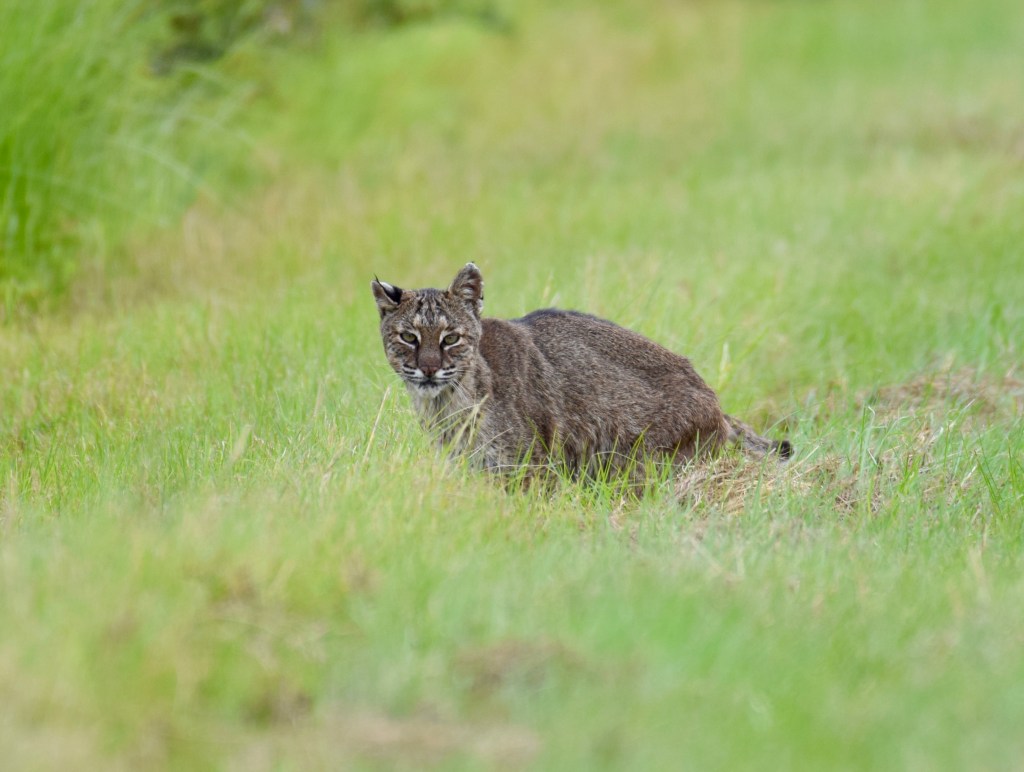
Once you are out there, if your intent if to go into wild places and hopefully see some wild animals in their habitat, there are some things I encourage you to do. First, prepare. Know where you are going, the types of terrain, flora and fauna that you can expect to encounter and be ready. Even a twenty minute walk in the woods can be ruined (as I have experienced) by failing to do something as simple as bringing bug spray. Water, a charged cell phone, sunscreen (if you live where I do), bug spray and weather appropriate clothing are all easy items to set aside ahead of time. Plan to stay on trails you know. Make certain people know where you are going and when you expect to be back. DO NOT damage anything or litter while you are out there. Next, of crucial importance recognize that some places you go, you are NOT on the top of the food chain. Wild animals are dangerous. I have a substantial telephoto lens that makes it look like I’m standing next to the nice kitty about to hand her a snack. In fact, I’m respecting her space and making certain that she knows I’m there.
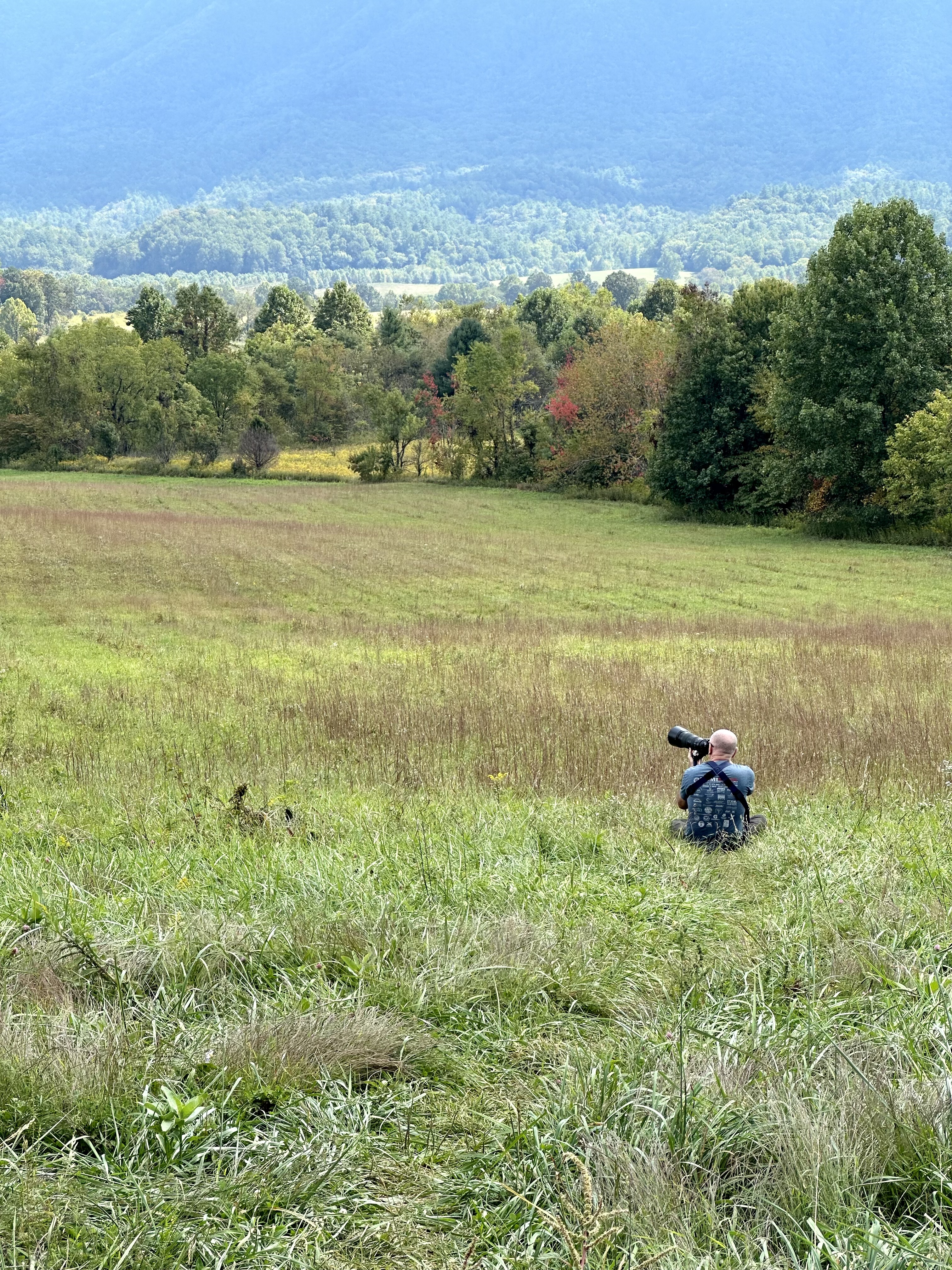
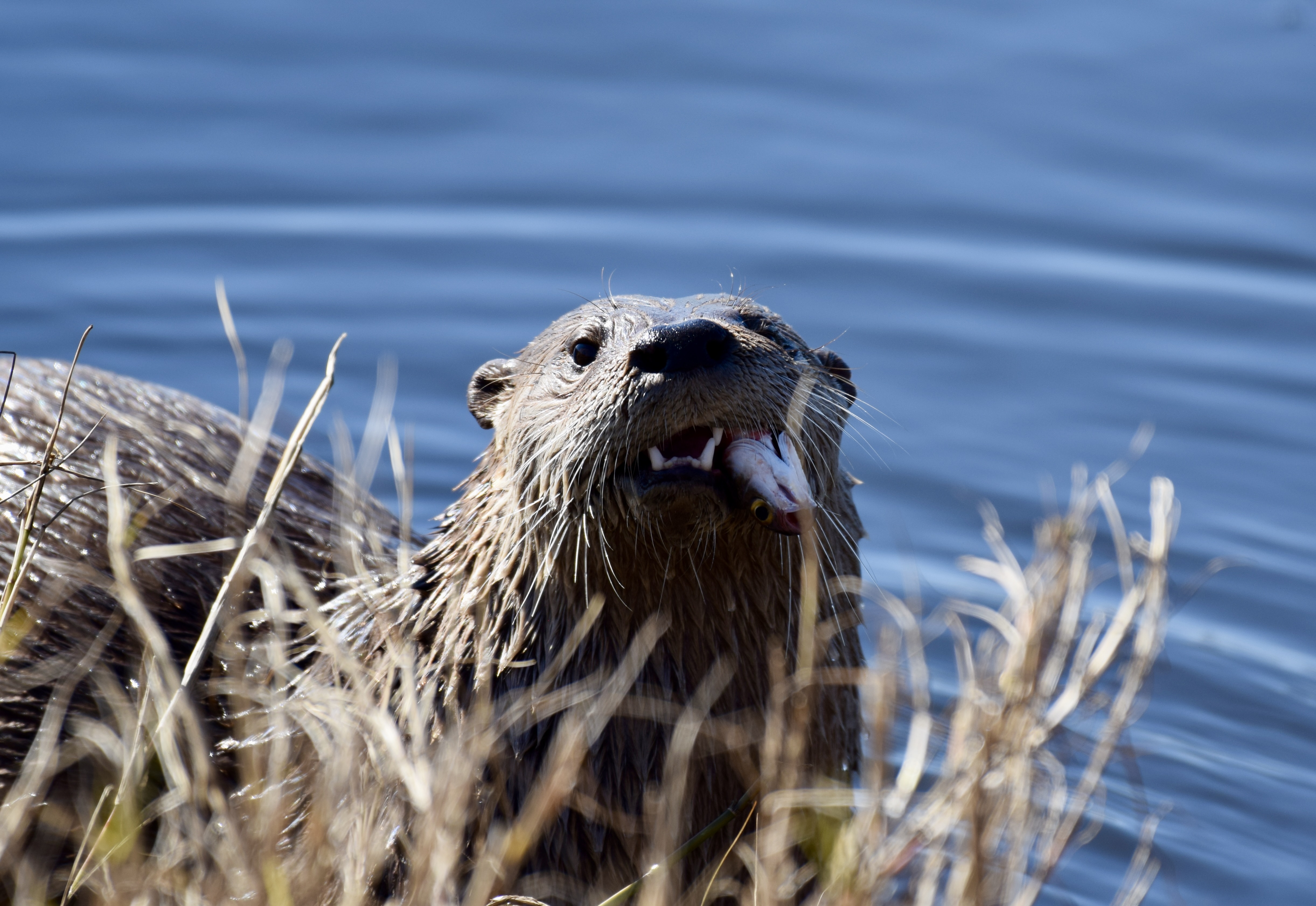
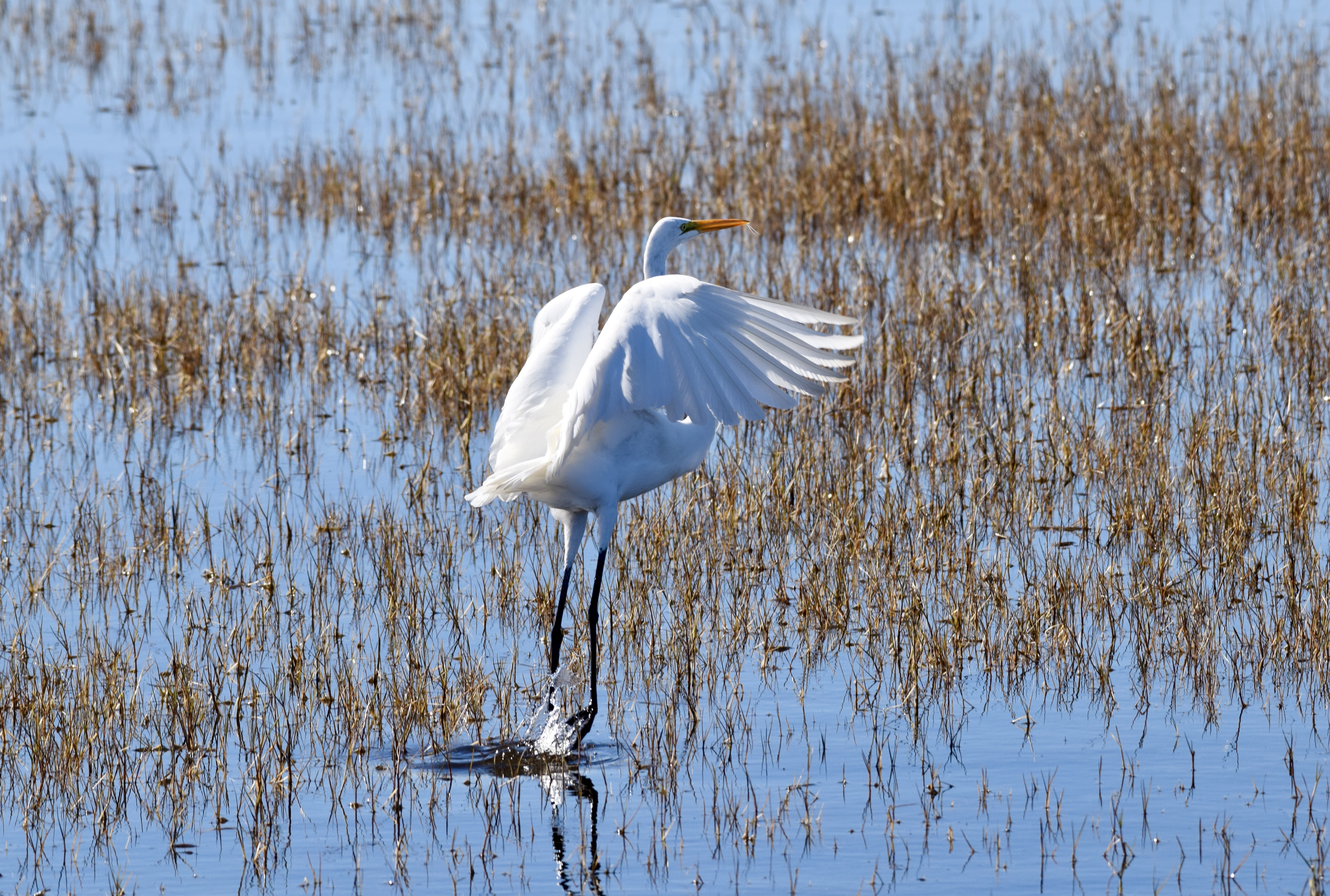
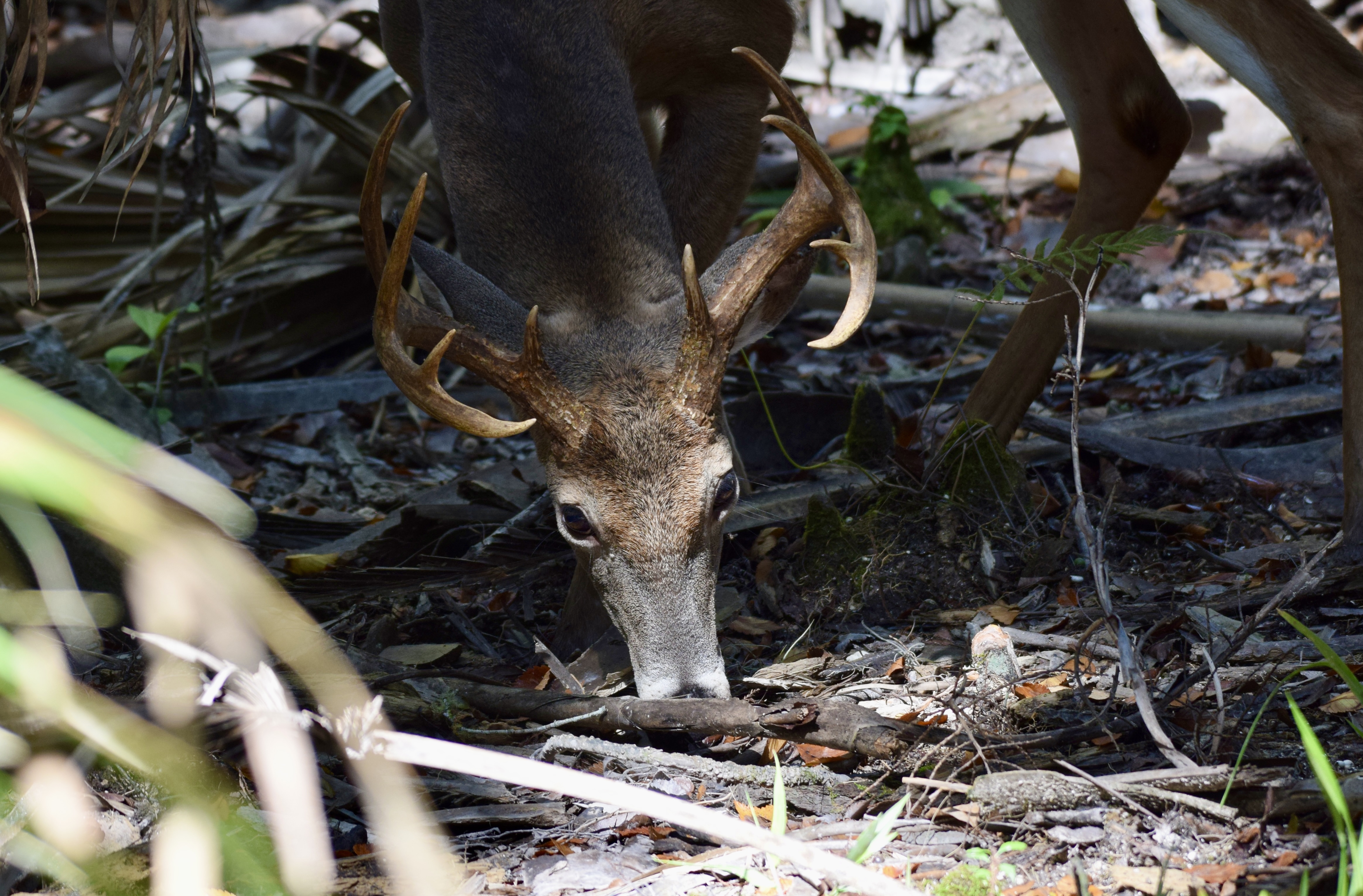


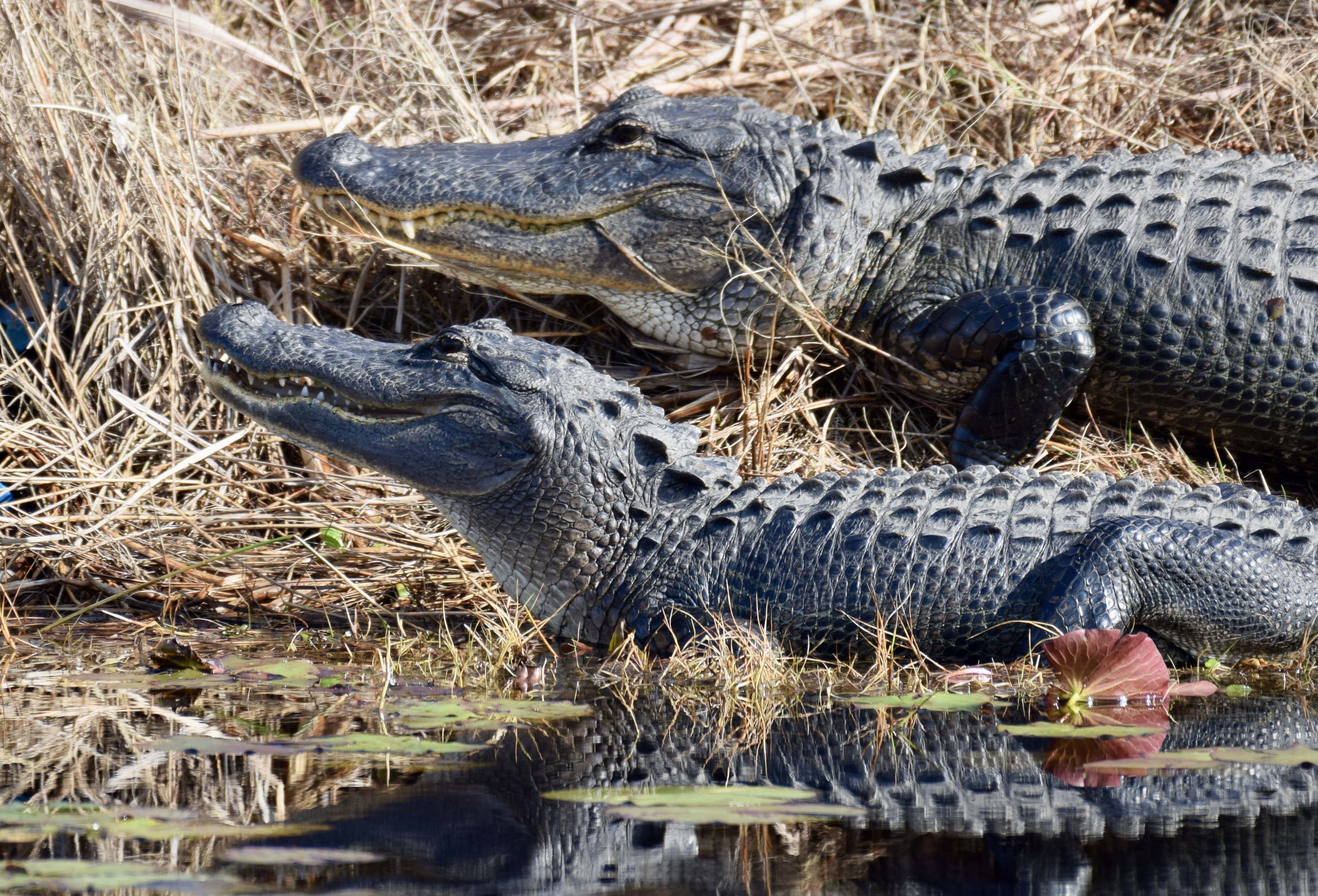
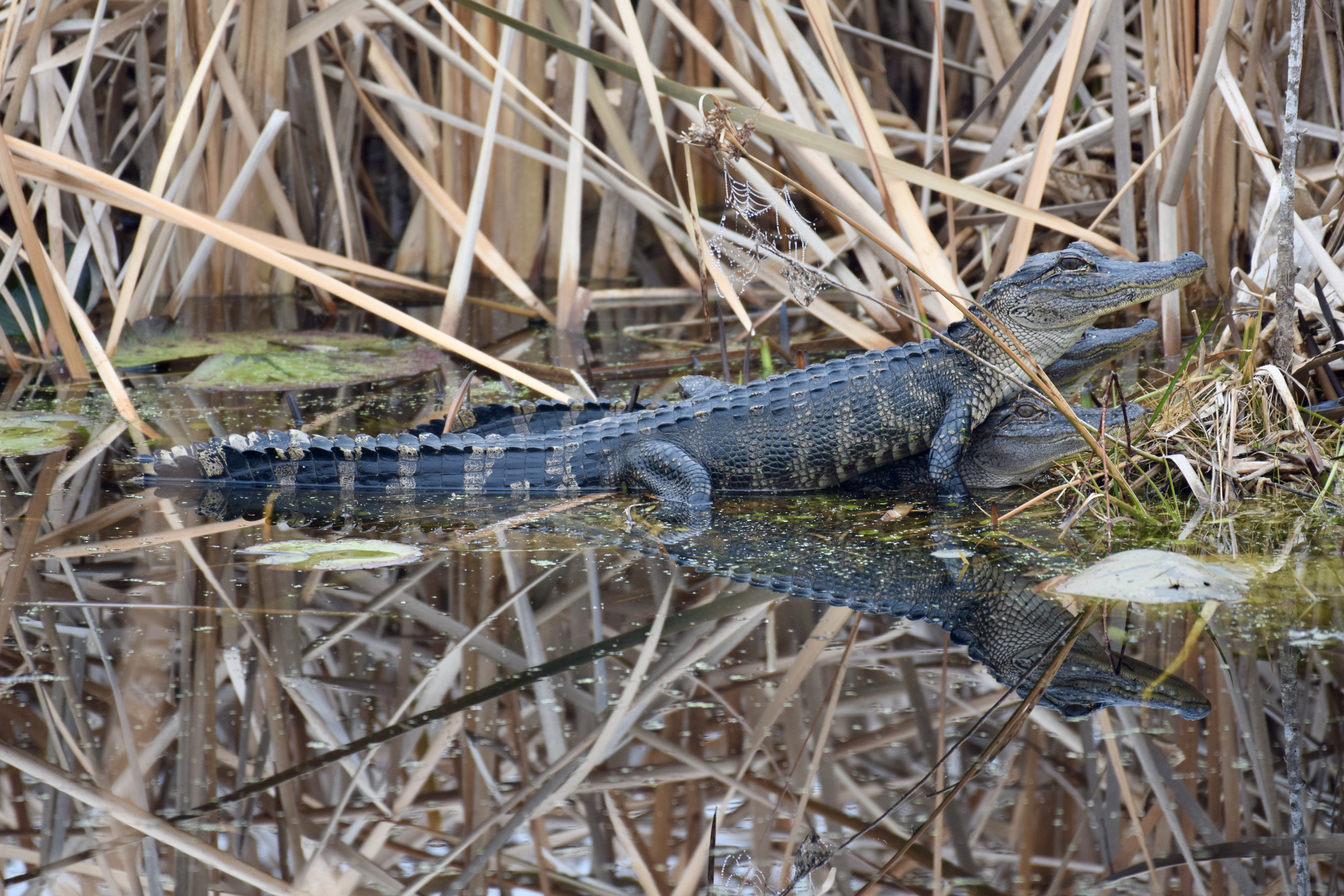
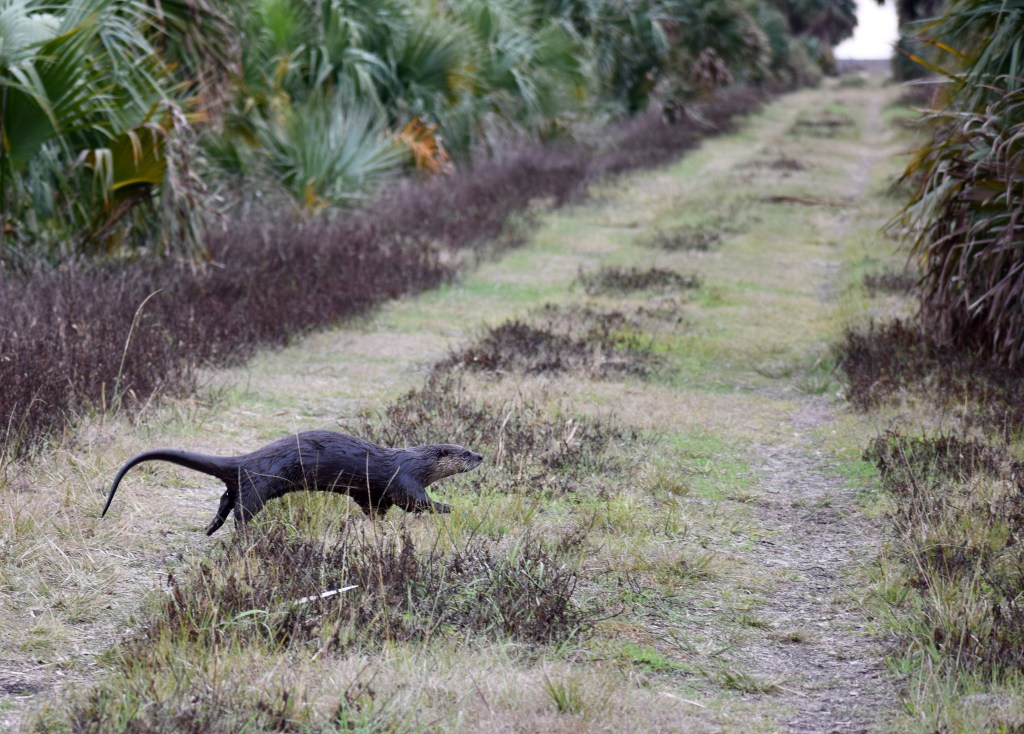
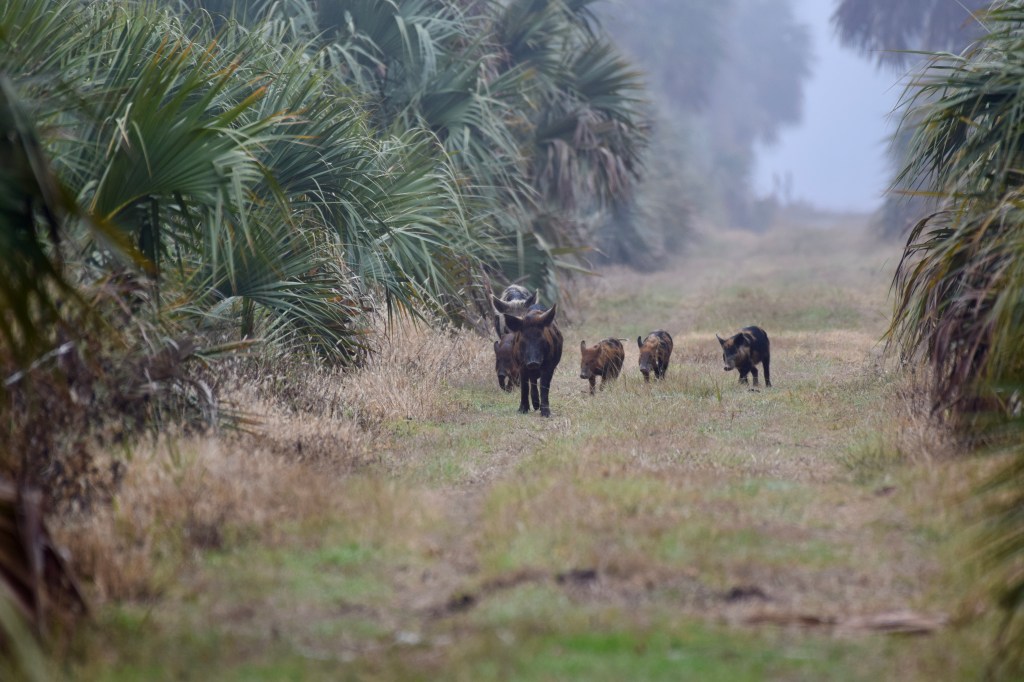
In Cades Cove (photo above with me in the meadow and the bear) my wife and I were reminded of the fact that we were not on top of the food chain when we came across a thankfully placid mother black bear and two cubs while on a hike. If I had the correct lens on my camera, the image might have been National Geographic quality. Not so. Alas. Otters have sharp teeth and have been known to defend territory and their young, We have alligators where I live that range in size like the three (lower right-yes there are three there) are are cute-sized to the two (lower left) that could eat one of those wild pigs I saw in a single bite. Know where you are going, what the hazards are and what to look for. It’s your responsibility.
If you have any hope what-so-ever of seeing even a ground squirrel, go into the wild expecting to see wild animals. By this I mean the following: Shut up. Chattering away with a group of friends is a wonderful activity for a walk in the woods certainly, but it is not compatible in most cases with observing wild animals unless you just happen to find a deaf one or one acclimated to loud humans. Silence your phones. Listen carefully and watch what is going on around you. It takes a while to tunes our brains to the wilds and see and hear things around us. It certainly won’t happen with your Ear Pods in. Be careful of your smells…perfumes, after shaves etc. I suppose the most important thing is our attitude. We are going to someone else’s home. Tread lightly and expect to find them there, and you just might be delightfully surprised while you are lowering your blood pressure and reducing your stress. Happy, healthy hiking. Get out there.
If you are interested in getting notified when a new blog is posted and are not subscribed, please consider subscribing by entering your email in the “subscribe” icon on the home page. Then you’ll get an email each time a new blog is posted. If you appreciate what you have read here, please feel free to share as you are led across your social media or via email. There just might be someone out there who needs to see this content. Thank you all and stay safe.

