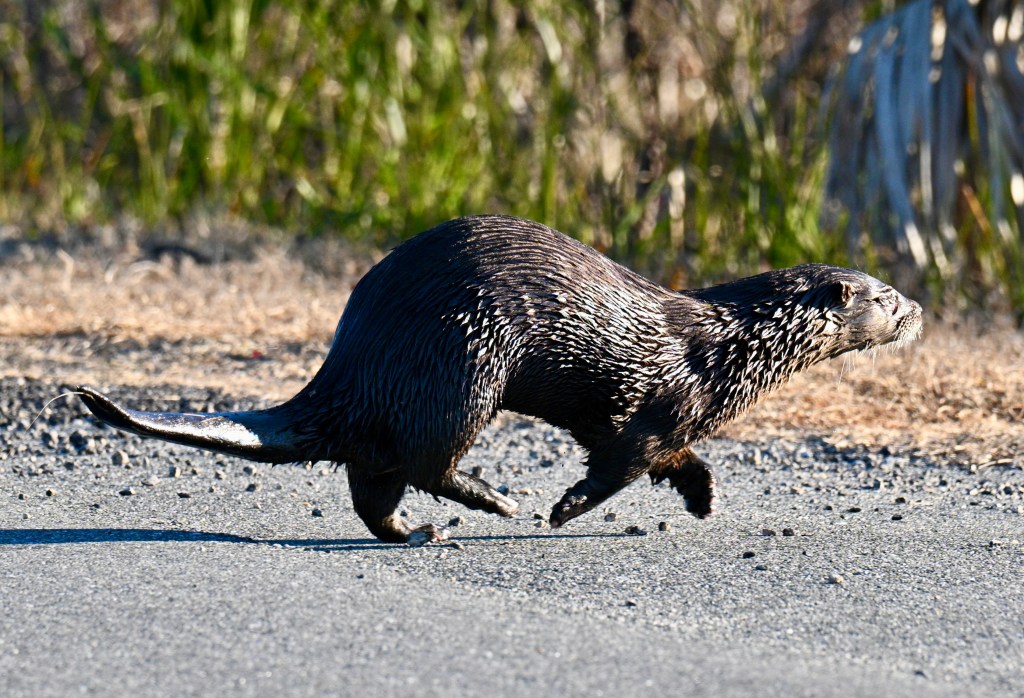
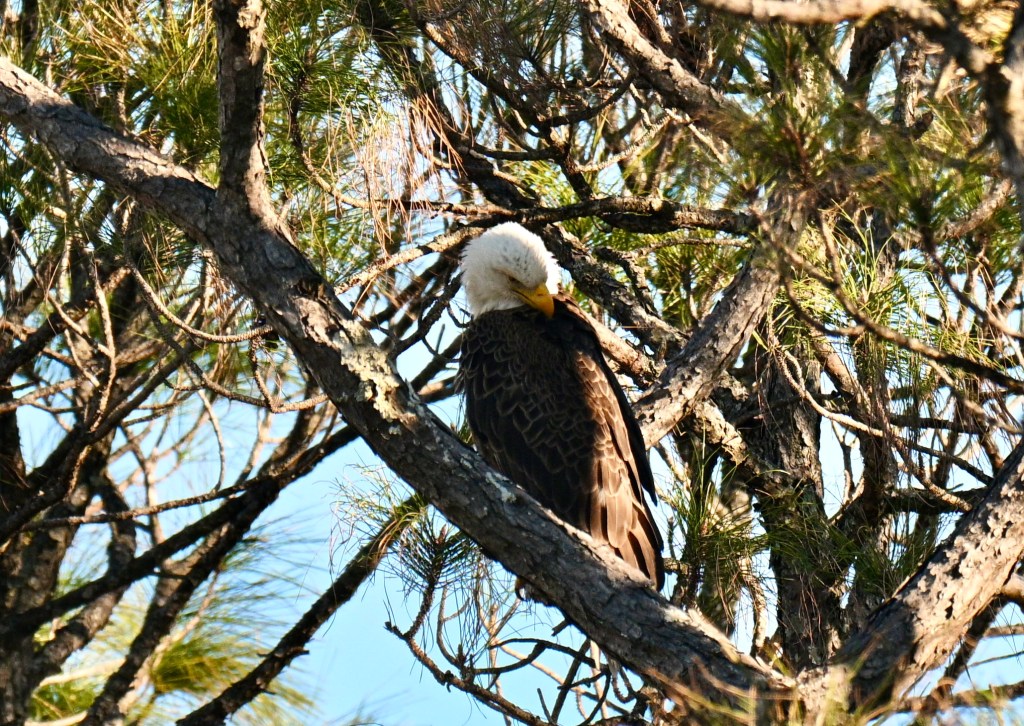
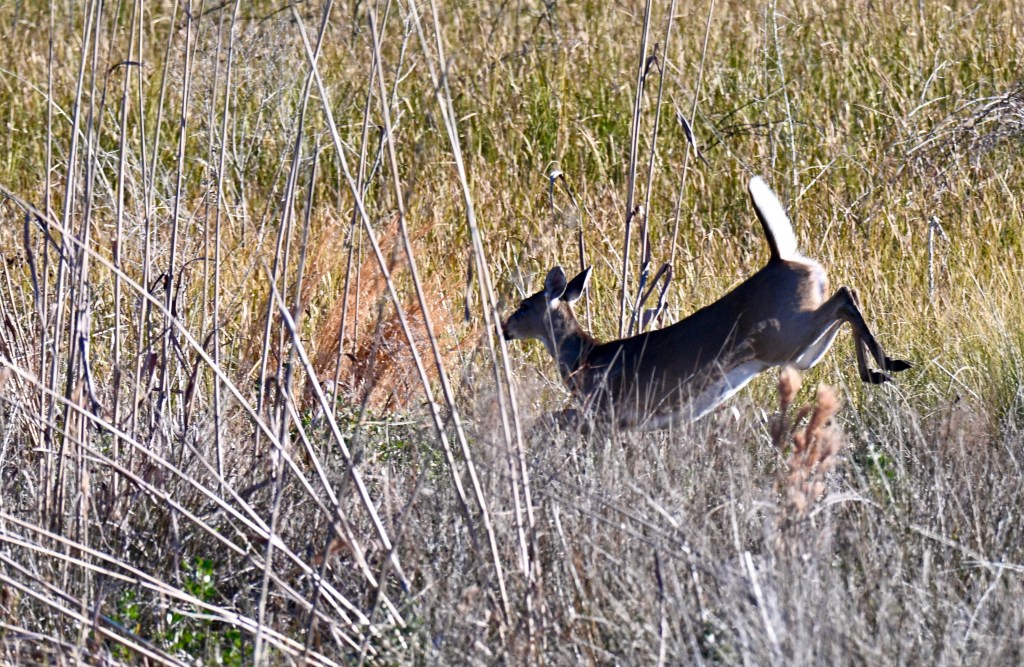
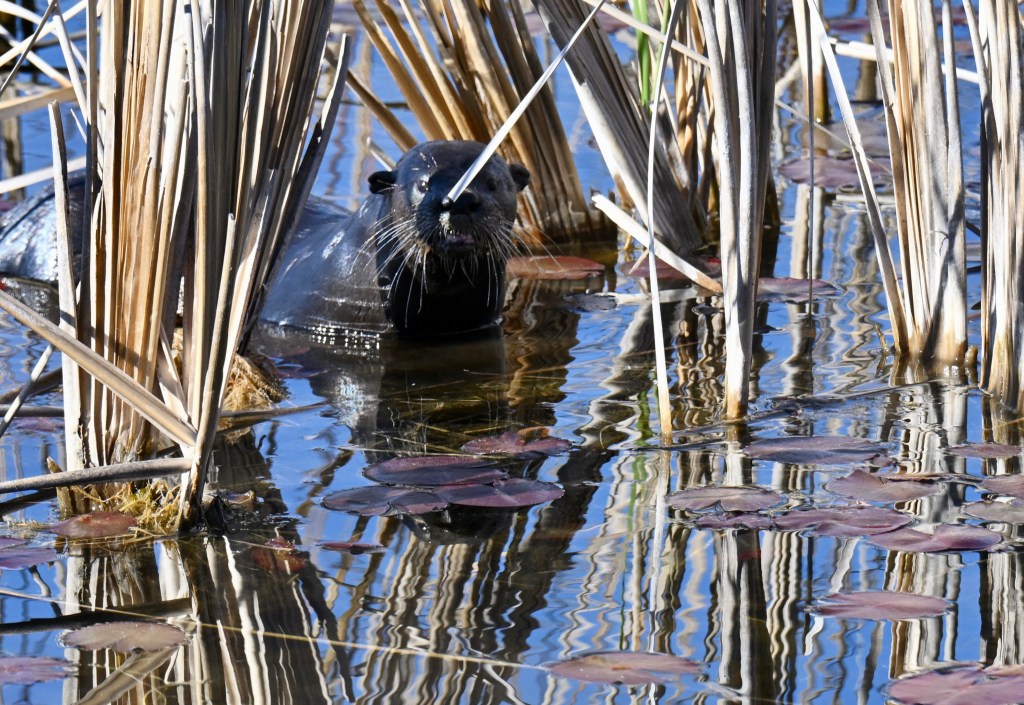
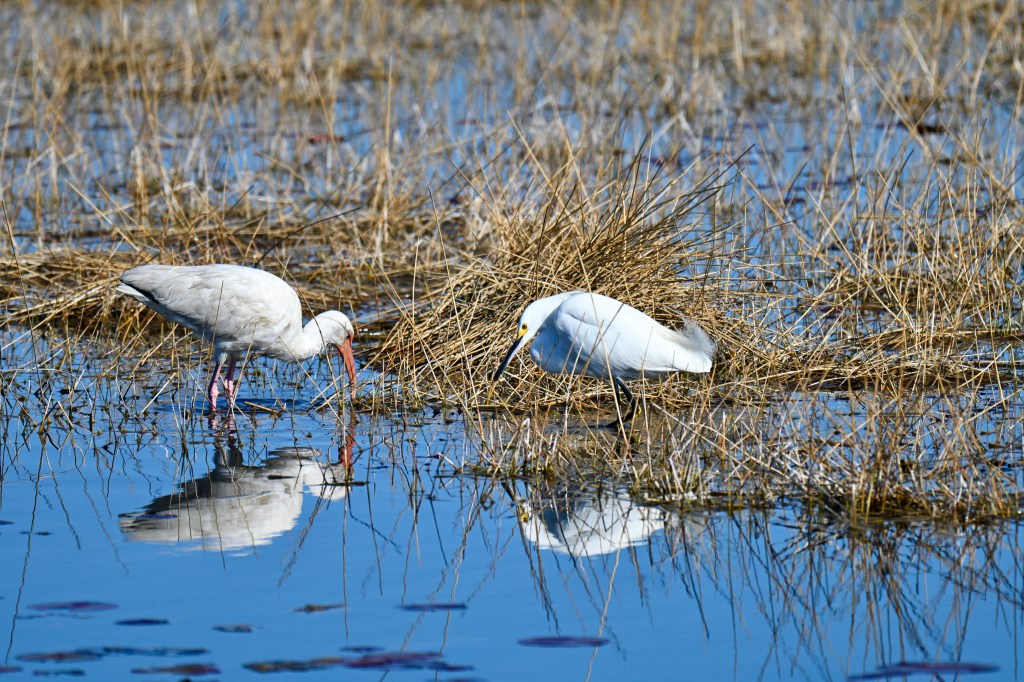
As I step out of the truck, the air is a crisp 33 degrees. There is no traffic noise. Just the sound of a light breeze in the palmettos. It is just after sunrise in the Saint Marks National Wildlife Refuge and there is a lot going on here already. My boots crunch on the frost covered grass as I go about the business of preparing to hike into the backcountry of coastal North Florida. No sooner than I have gotten myself together and stepped away from the truck, than I encounter a large otter meandering across the road right in front of me with the morning sun shining off its gleaming wet fur. I reveled in that encounter and the several photos I managed to take of the beautiful, placid creature and unbelevably, no more than four minutes down the trail I ran into another otter! This one climbed the side of the levy, and nosed about right in front of me for a couple of minutes before easing off the levy on the other side. This hike had begun in a spectacular manner I thought walking away to the tune of the morning warblers and the palmettos.

Trauma. In the context that I’m discussing it here can be defined as an emotional response to a deeply troubling, or terrible event with long lasting effects. The cumulative toll of this can be devastating for first responders, PSCOs (public safety communications operators) and veterans if they are not aware of the potential damage and take steps to mitigate it. The best way to explain this for anyone reading this who might not be part of this world is the average American experiences about three traumas in their lifetime. The average first responder experiences somewhere between 178-900 traumas in a career depending on where they work, the assignments they have etc. That is an AVERAGE with some first responders who work in larger agencies and work in higher risk/liability assignments (homicide/sex crimes/traffic homicide/SWAT etc.) experiencing higher than that. Consider the PSCO who works at the public safety answering point (PSAP) where I work. They handle 550,000 calls a year and in an average 12 hour shift can answer 50-75 calls. PSCOs listen to homicides, guide parents through the birth of children and give CPR instructions to teenagers who have found unresponsive parents. That is one hell of a paragraph. Let it all sink in for a minute.

So what does all this mean? Well, for one thing there is a reason first responders and veterans should be able to retire in twenty to twenty five years. In the last few years there has been a pendulum swing toward longer careers in the first responder world. Lets not. Additionally, we should all be aware of the risks from these careers. I was not fully aware when I started my career, but it was a very different time then. There is no excuse now. Being aware means that as non-members of the professions, we should be understanding and supportive. Those within the professions should be actively working to make them safer, provide viable, healthy choices for members in need and put early warning systems in place. Education and stigma removal is huge component of barrier removal for a lot of these options.
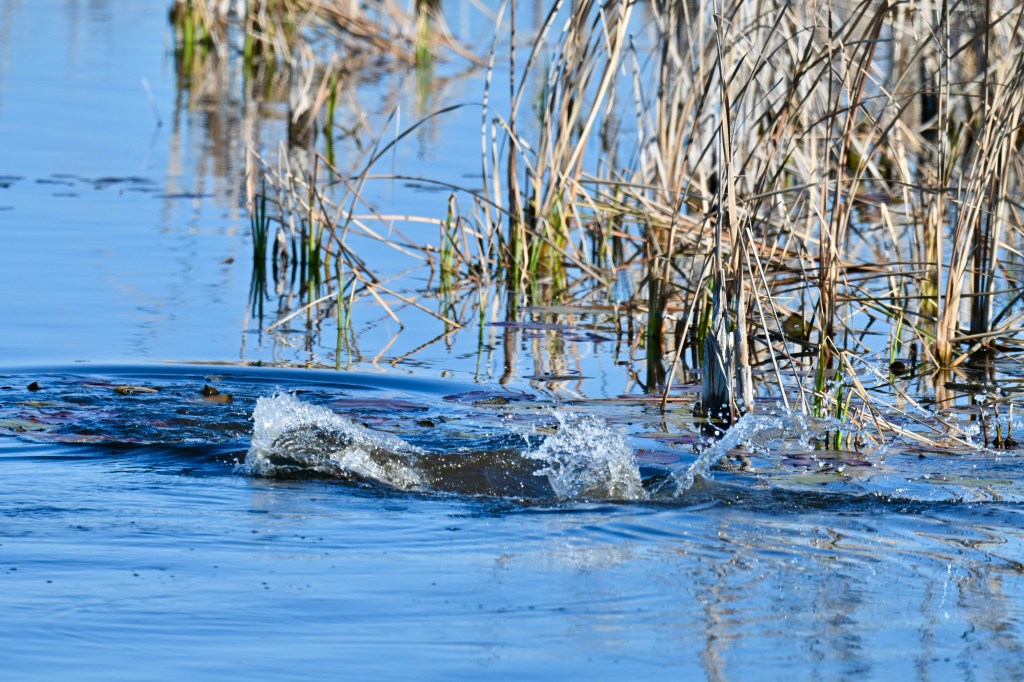
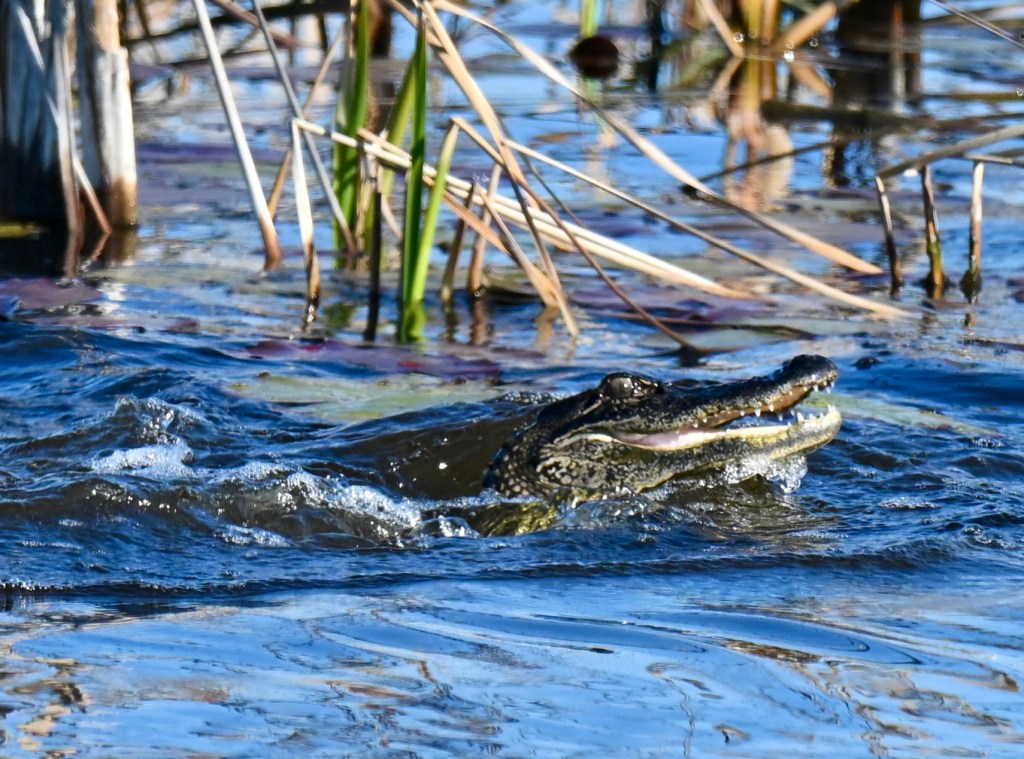
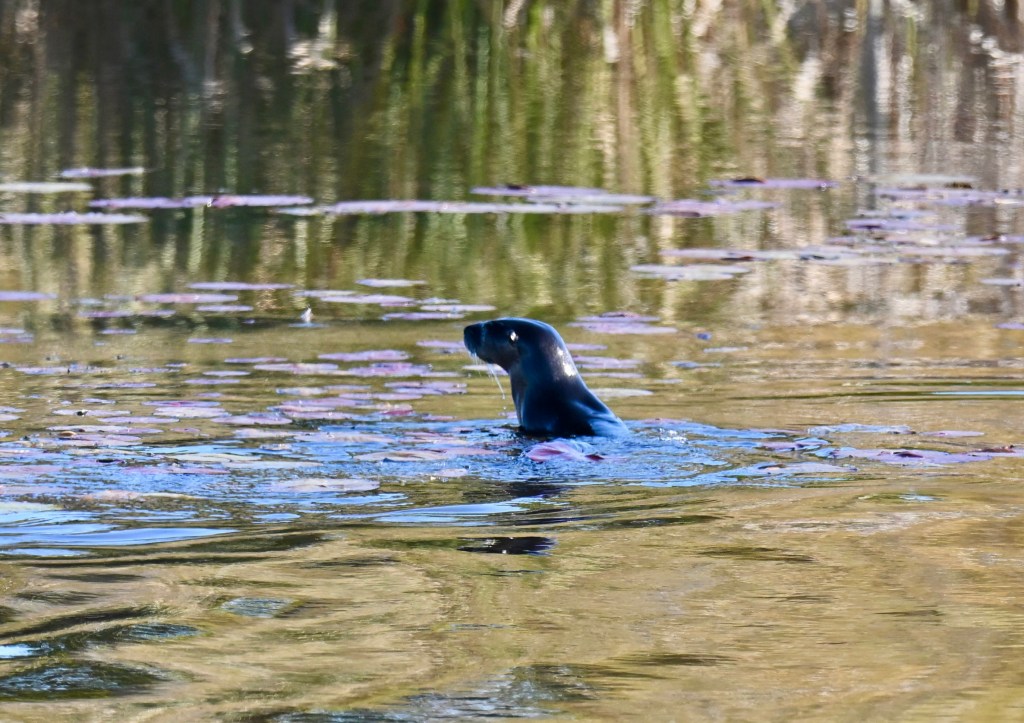
Once we recognize that there is a need for taking care of ourselves in a healthy fashion and that the individual shares responsibility for that burden, then each person needs to come up with healthy (emphasis on healthy) strategies to help them deal with the long term effects of unbelievably heavy stress loads and exposure to trauma at levels that most of society can barely begin to comprehend. I’m calling that “The Reset”.
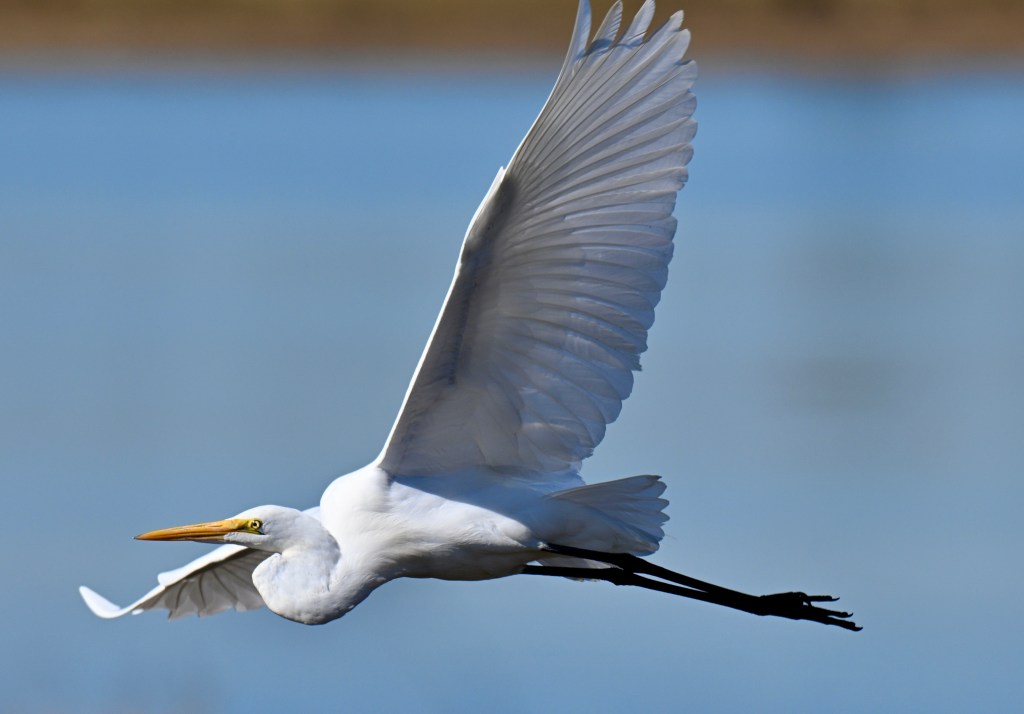
Your reset and mine are probably different but should share things in common. First, they should build on healthy habits. No excessive alcohol, drug use, extramarital affairs (risk taking behavior is common) or anything else that works against a healthy, whole person. Secondly, the reset should take you out of the damaging environment. In other words, volunteering for extra shifts and working more is NOT a good reset strategy. On the other hand, volunteering at your church gets you out of the environment and helps build a healthy support network while you volunteer.
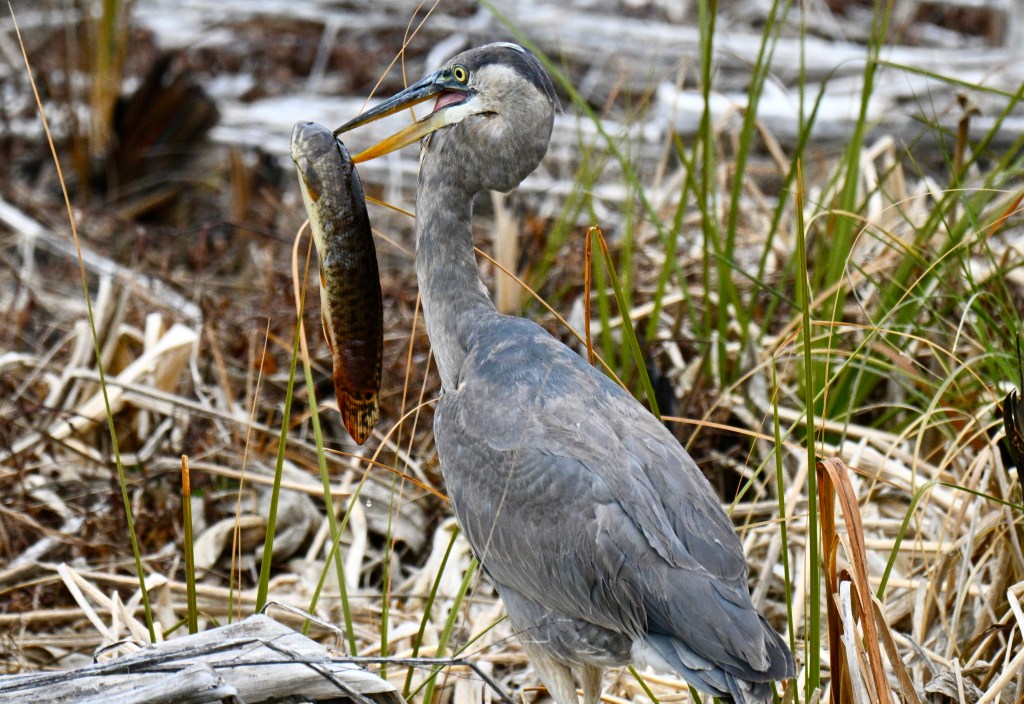

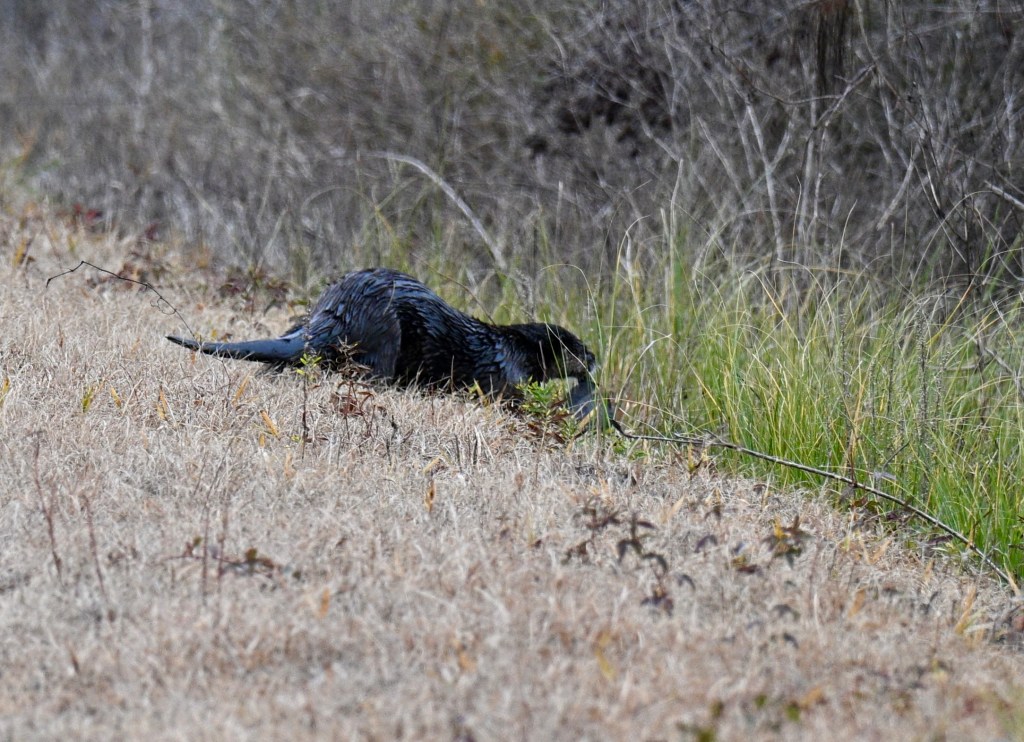

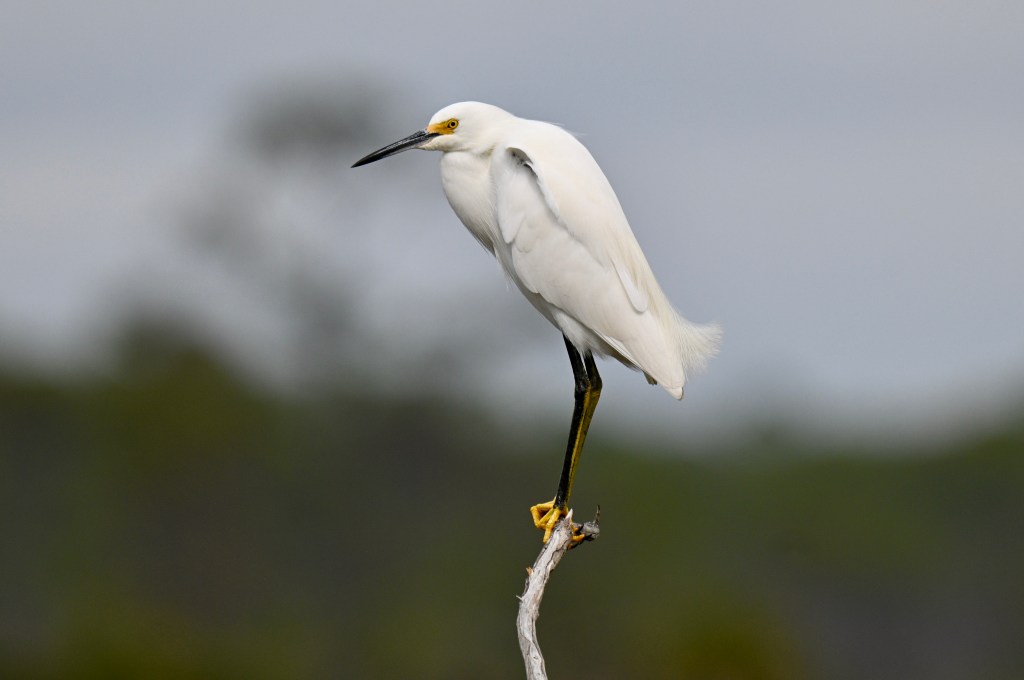
Whatever your reset is, you should mindfully select one (or several) strategies. Wether you are a first responder, PSCO, a veteran or not it is wise to have healthy coping mechanisms for when life doesn’t work out the way we want it to…especially if that culminates in trauma. One of my resets is the wilderness. It is quiet, beautiful, where I live it’s accessible and full of other creatures who remind me constantly that I walk this earth in the company of billions of other creatures. They all wake every morning, fend for themselves and their offspring and live their lives. Walking in the quiet wilderness and absorbing the beauty of it I realize that I am but one of many. It is an excellent reset.
Whomever you are, wherever you work take care of yourselves please.
If you or someone you know is struggling, there is help. Call 988 or if you are in the Big Bend of Florida call 211. The 2nd Alarm Project has many resources available as well (2ndalarmproject.org). If you are interested in getting notified when a new blog is posted and are not subscribed, please consider subscribing by entering your email in the “subscribe” icon on the home page. Then you’ll get an email each time a new blog is posted. If you appreciate what you have read here, please feel free to share as you are led across your social media or via email. There just might be someone out there who needs to see this content. Thank you all and stay safe.
 On Beyond Blue
Good article, Mike.
Sent from my Verizon, Samsung Galaxy smartphone Get Outlook for Androidhttps://aka.ms/AAb9ysg ________________________________
LikeLiked by 1 person