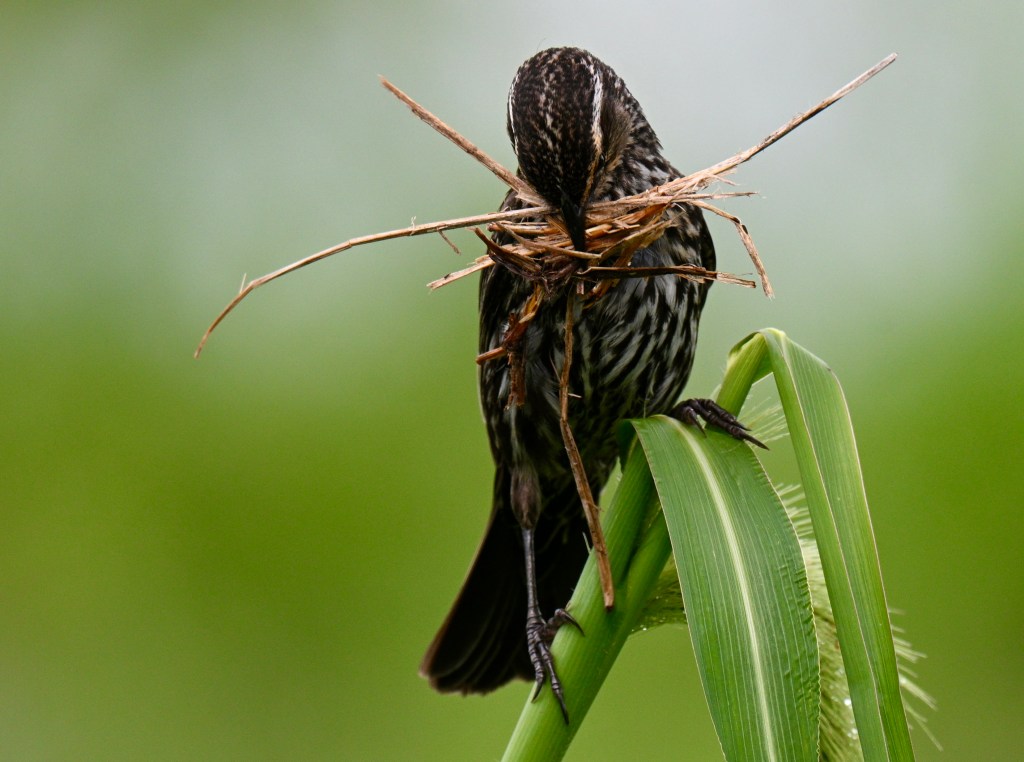
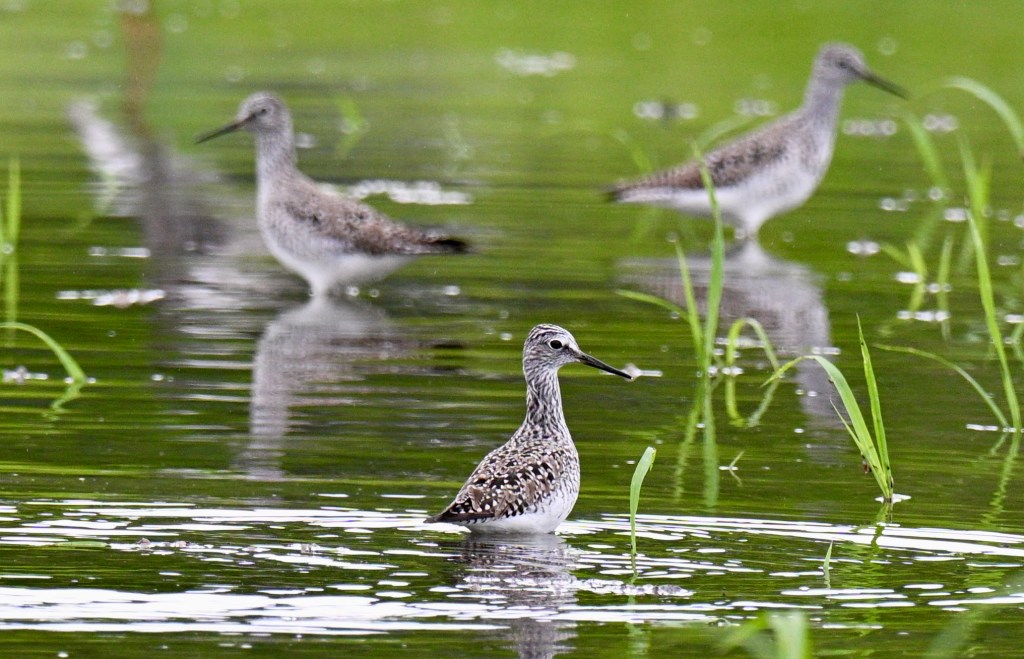
It is early on a spring morning and I am once again moving quietly with my camera amongst the waist high prairie greenery in what once was Leon County’s Lake Jackson. Although the lake has mostly drained, there are marsh lands like the one I walk in now dotted along the edges now turned brilliant green by the recent rains we have had. The sun is creeping up over the horizon and the Red Winged Black Birds, Northern Cardinals and Carolina Wrens are joining together in a disjointed chorus to welcome the rays of sunshine as they break through the early morning gray. Tree frogs join the cacophony and the whole group seems to serenade me as I quietly walk, listen and look for opportunities to take pictures.
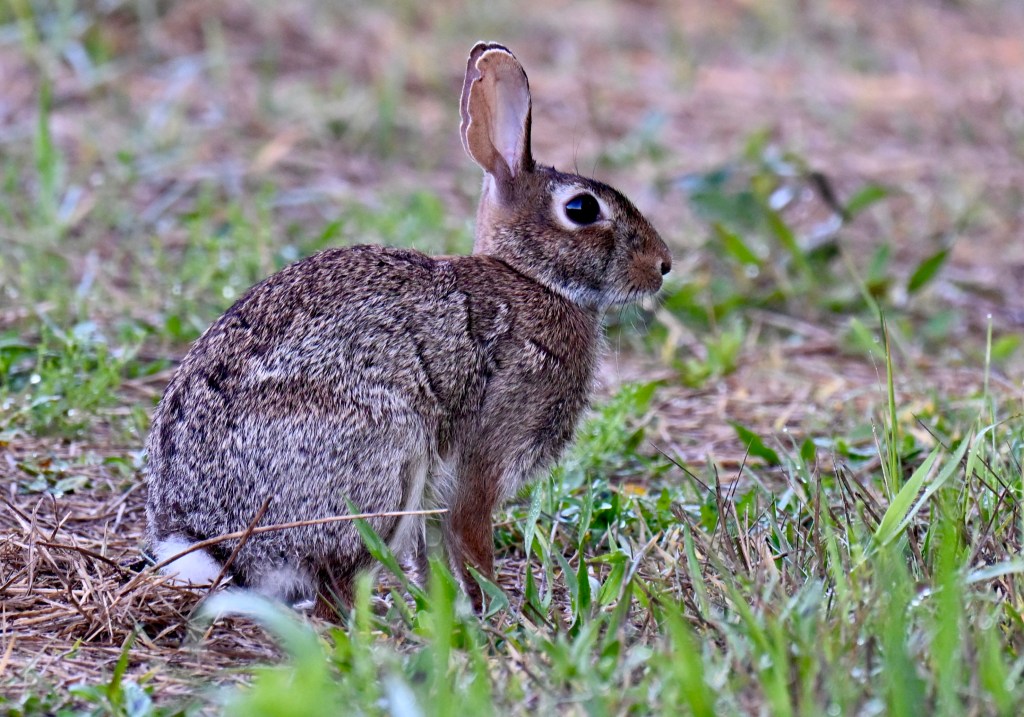
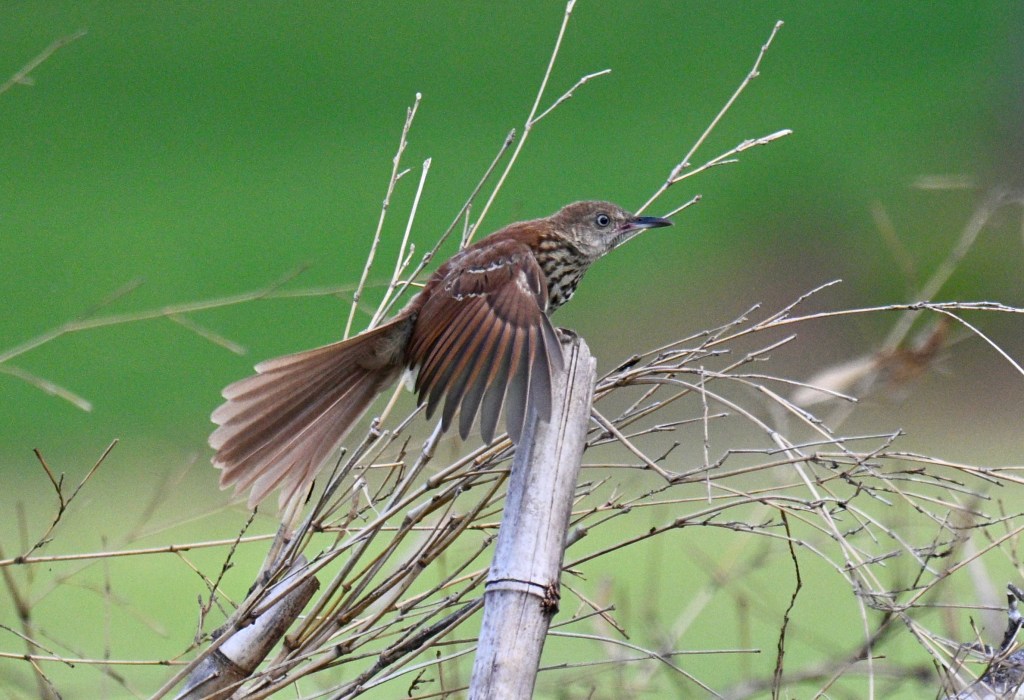
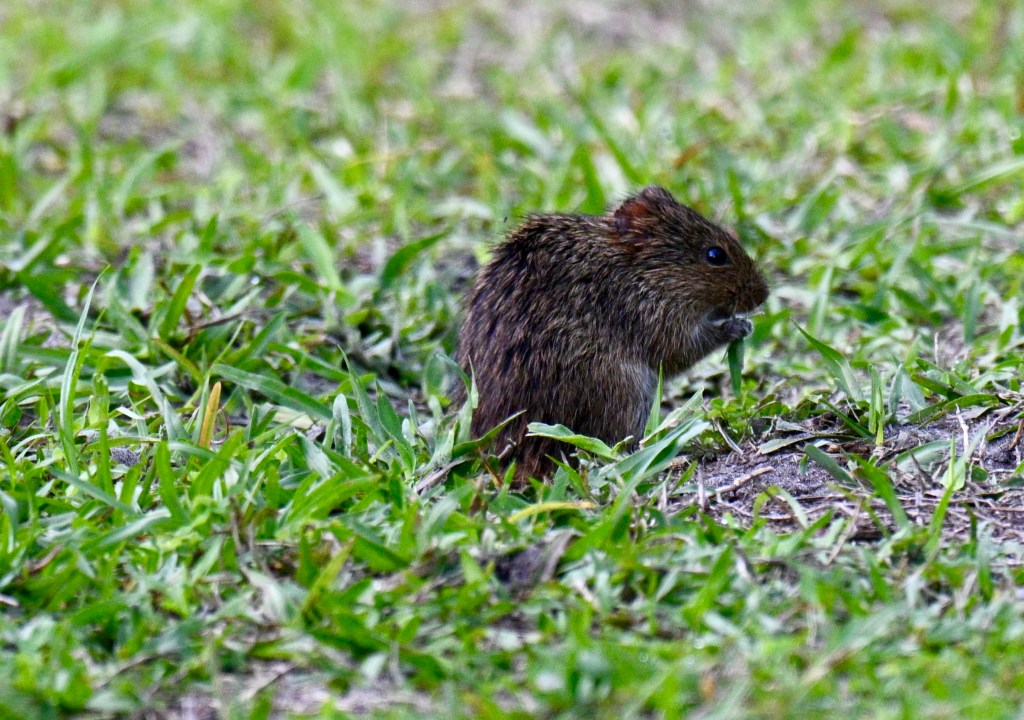
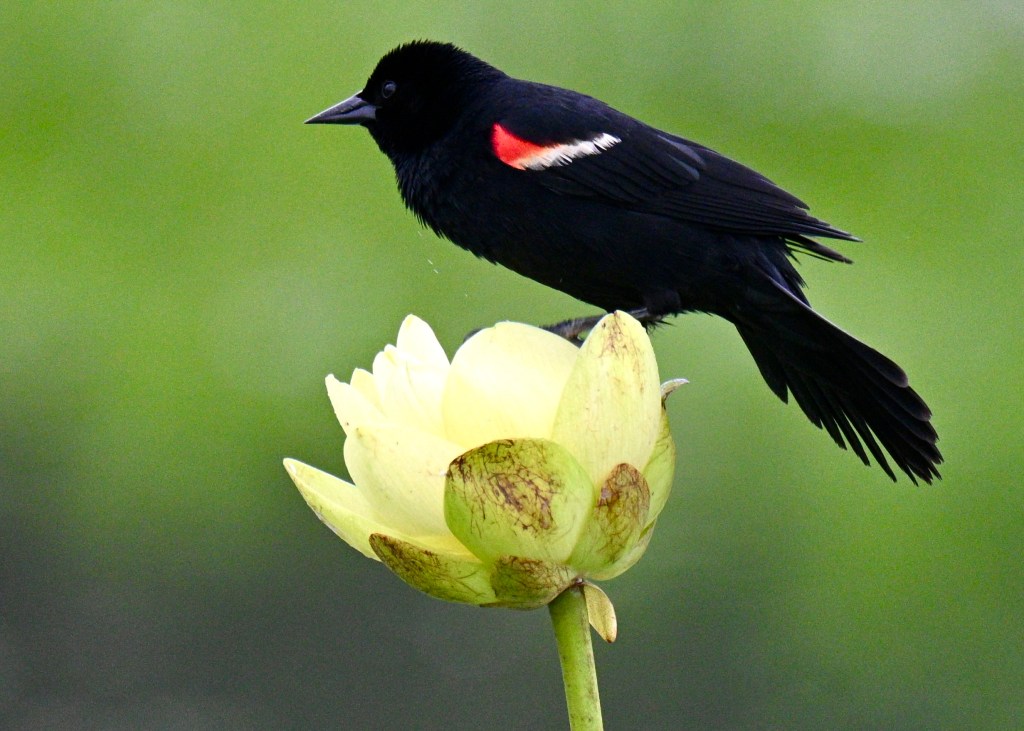
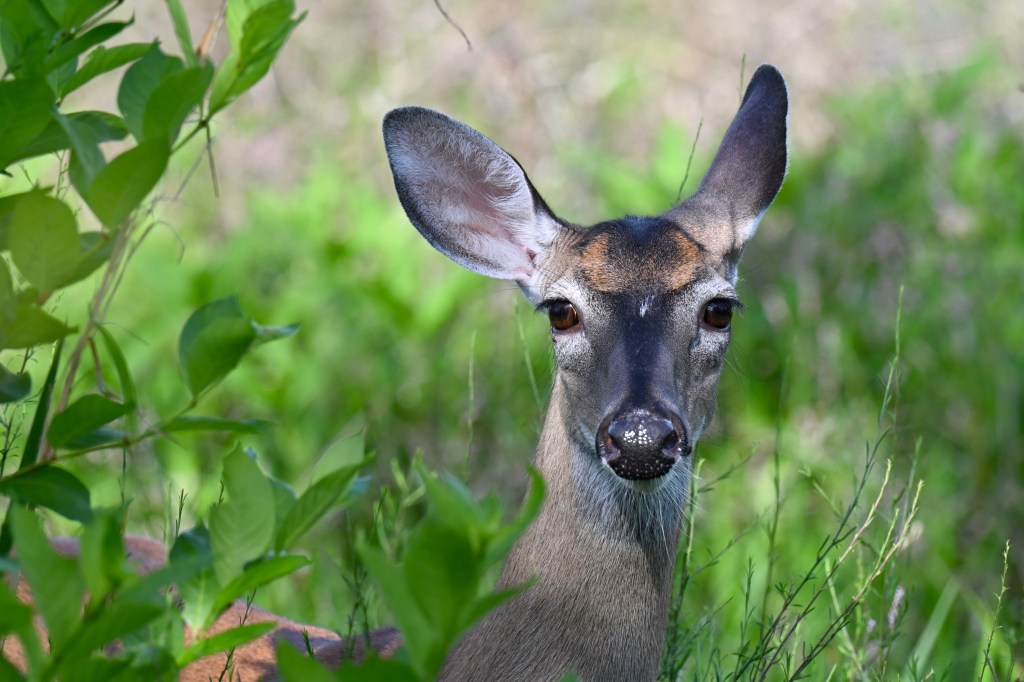
As I continue to walk, my boots fall quietly on the wet grass and undergrowth. It rained recently and the morning is humid. Apparently the bullfrogs are okay with all this because I reach a point in my walk where the birds are joined by a throaty chorus of noisy bullfrogs. I stand in awe listening and watching as the morning life moves around me. It’s like this in each of the wetlands I visit here locally with subtle variations according to the location. At one location while I sat quietly recently, I was treated to a thunderous bellowing of bull alligators in the reeds a few feet away. I was not fortunate enough to have been able to photograph them.
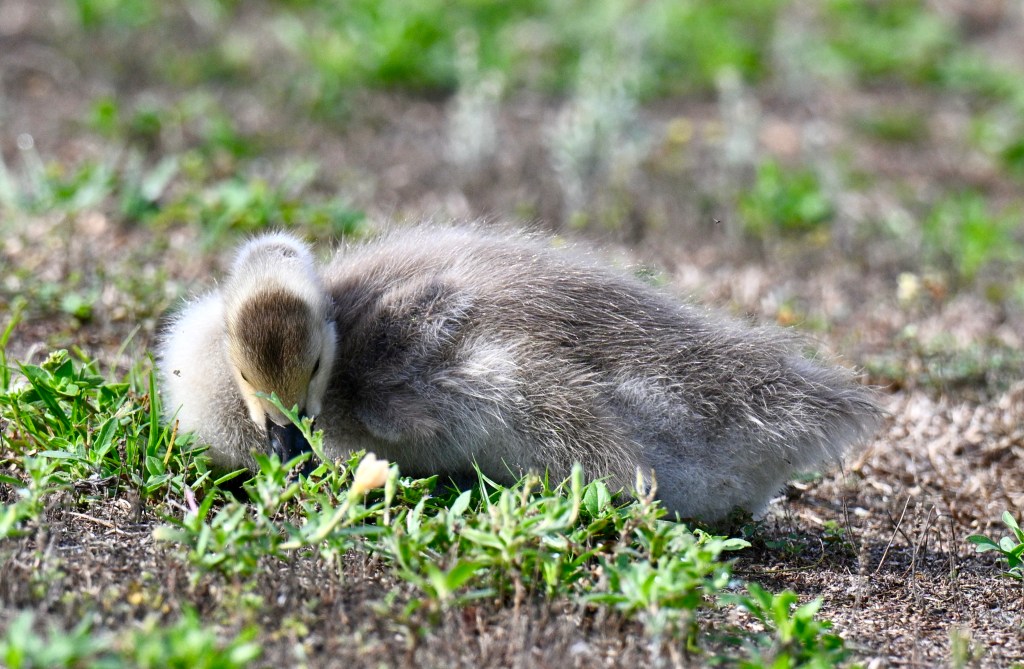
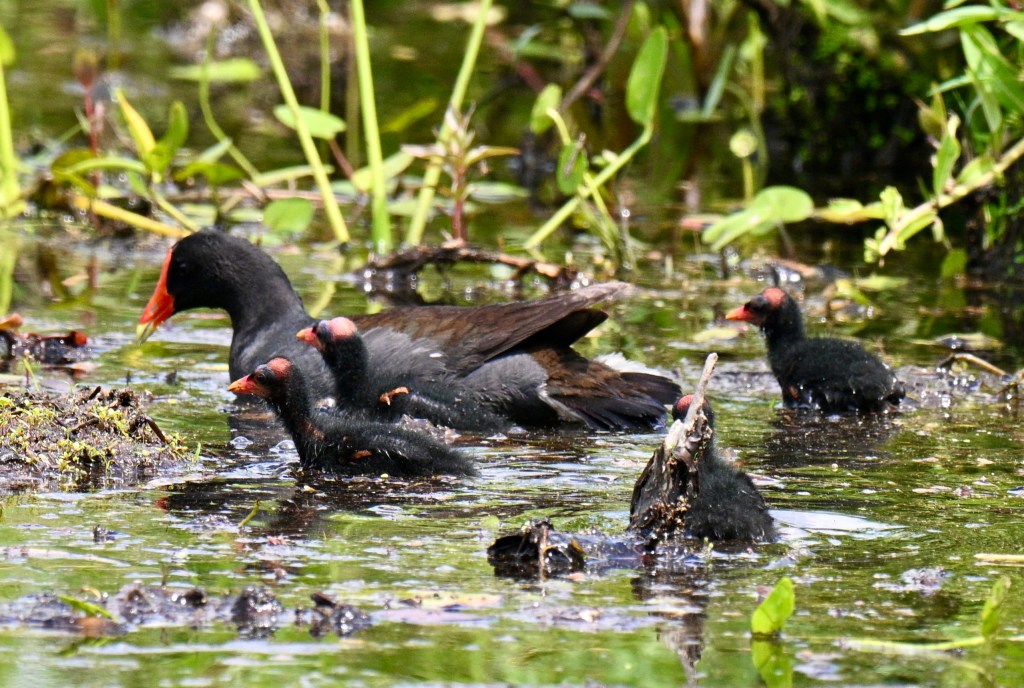
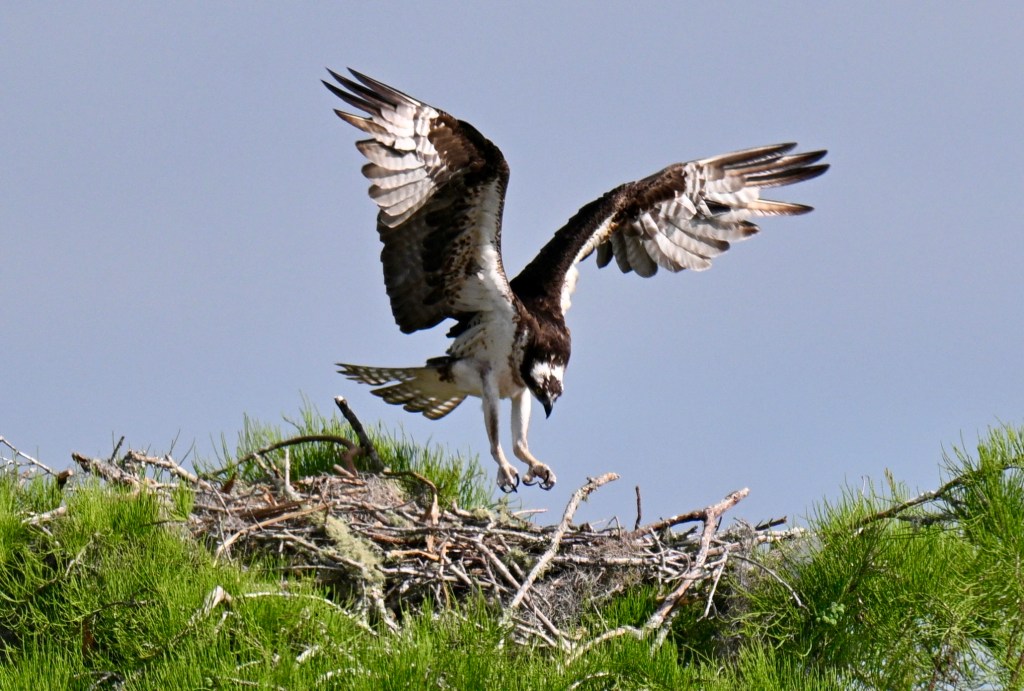
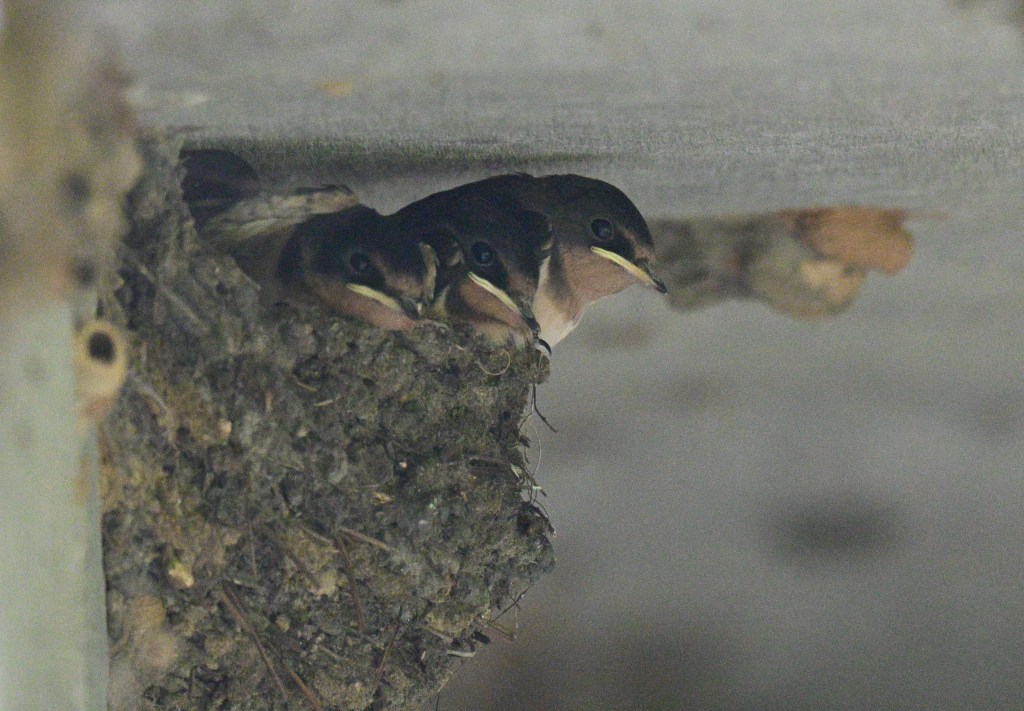
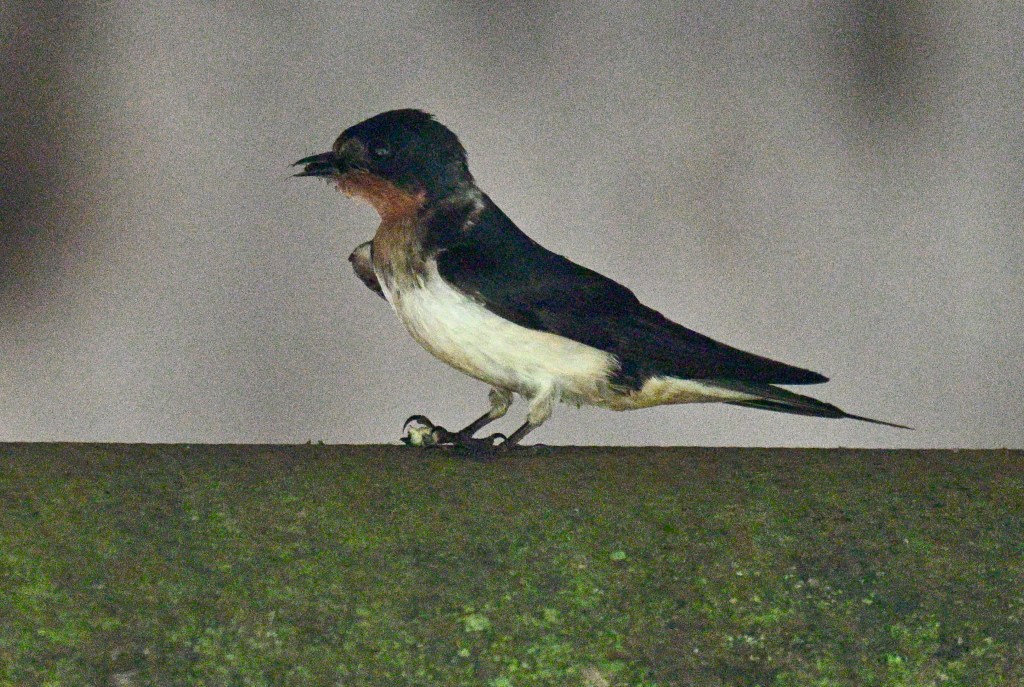
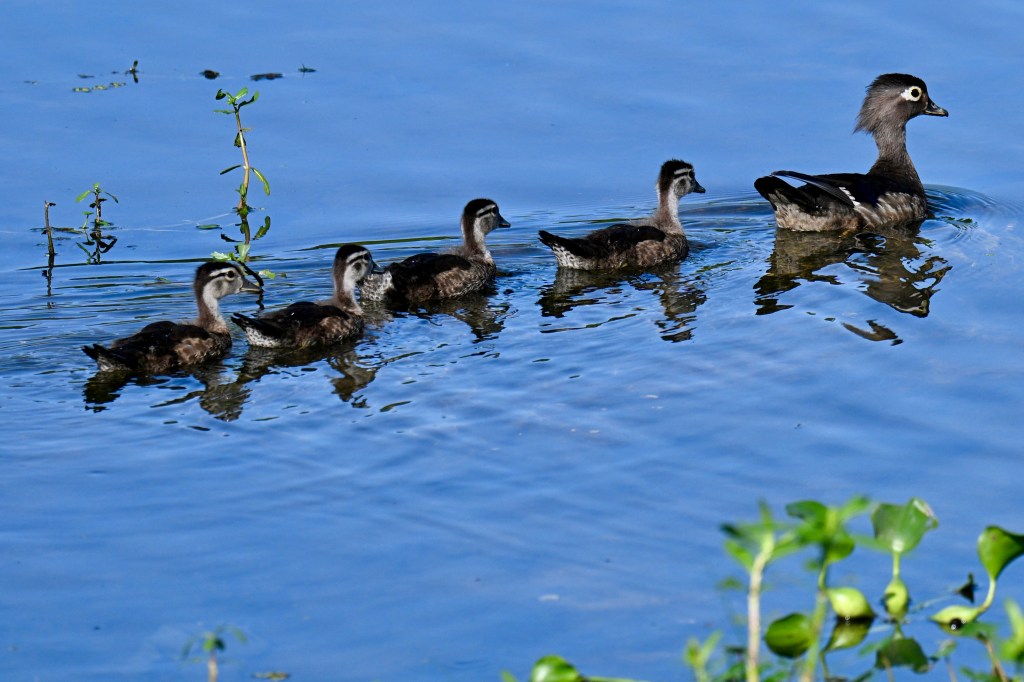
One of the more surprising things to me is the way I think about wetlands now and the way I used to think about wetlands. I previously considered marshy areas neither here nor there. They were not the water I wanted access to nor the land I was comfortable having adventures on. I considered them insect infested and hazard riddled and therefore generally avoided them. I was mistaken. They are alive. Alive with a broad diversity of plants, animals, birds, and every kid of wildlife you can think of. They are critical to our ecosystems in so many ways it would take too long for me to articulate here. These places are to be visited, not avoided. Be quiet. Watch and listen in the sanctuary and the choir will sing for you.
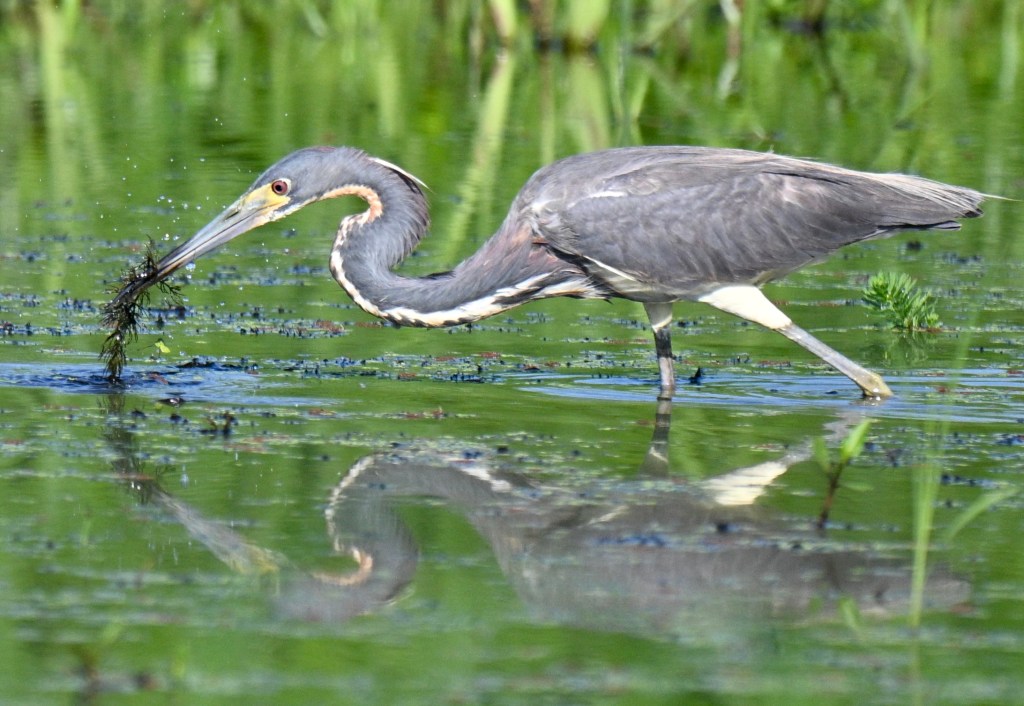
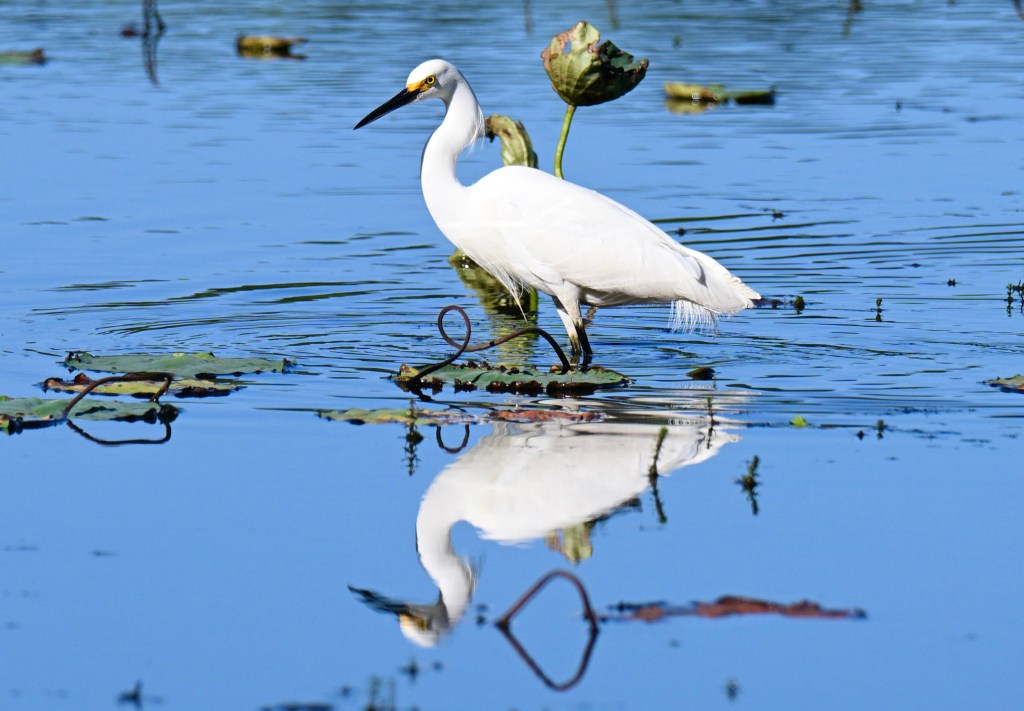
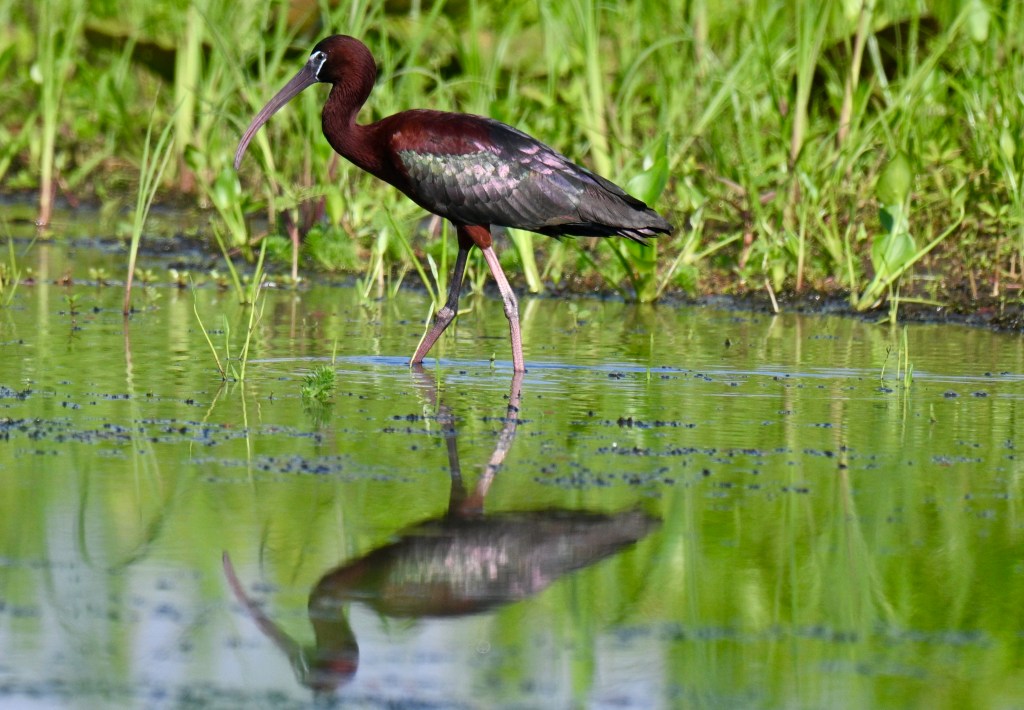
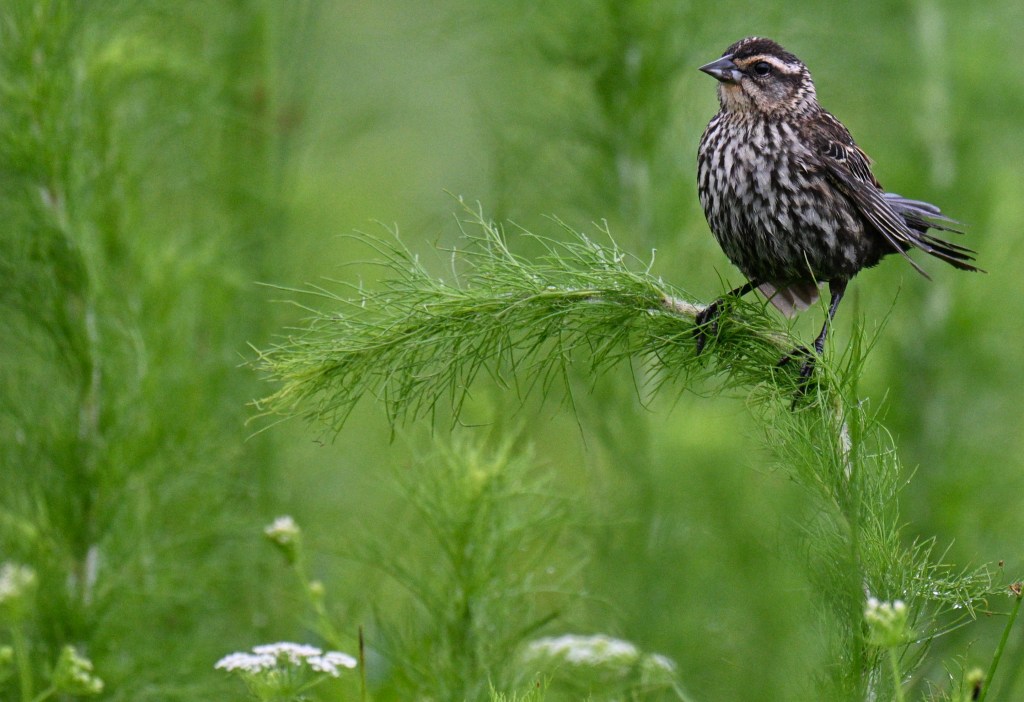
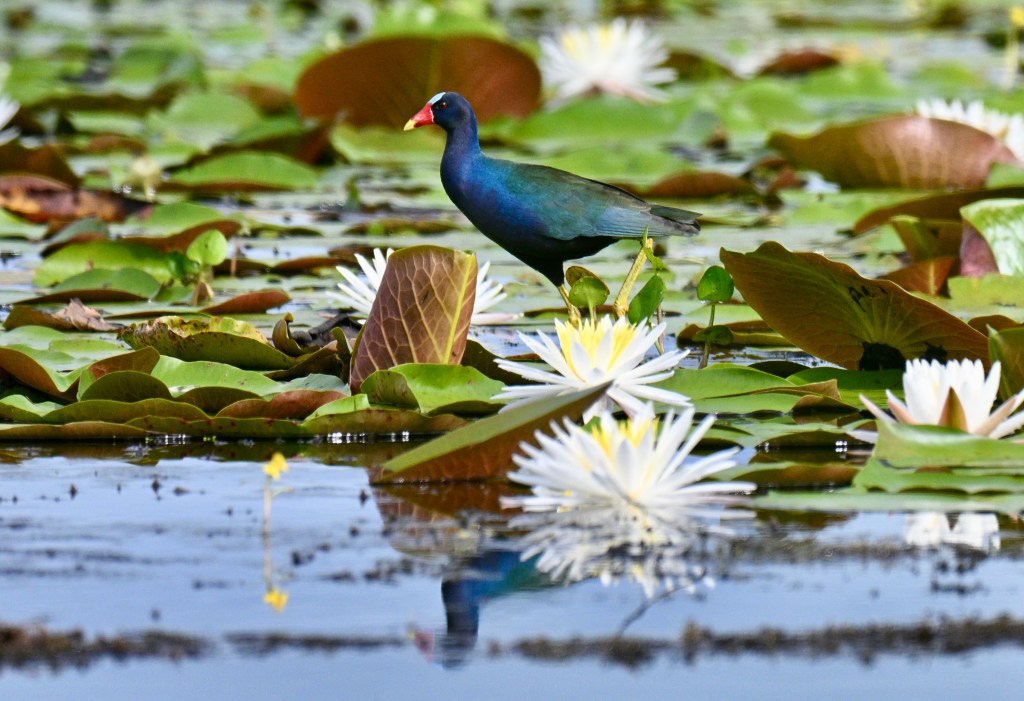
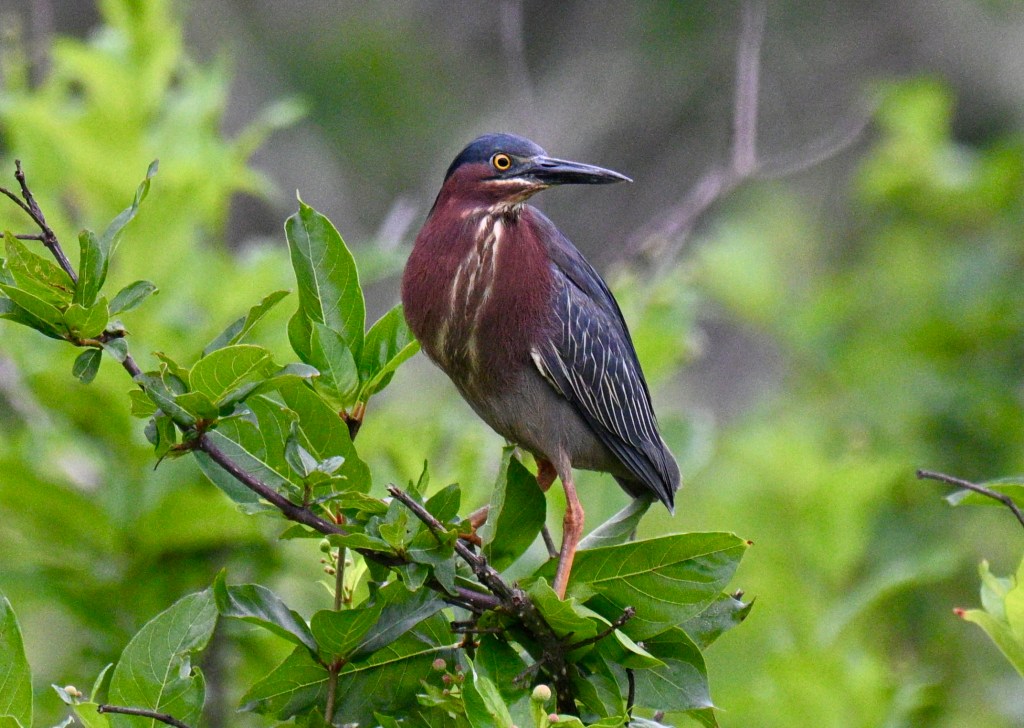
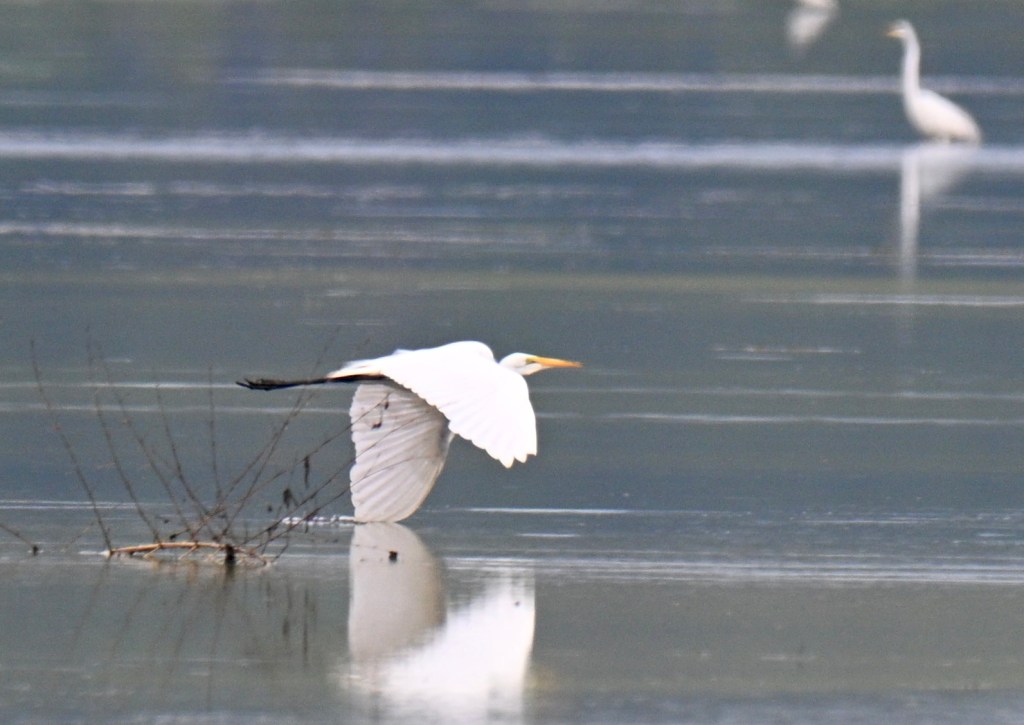
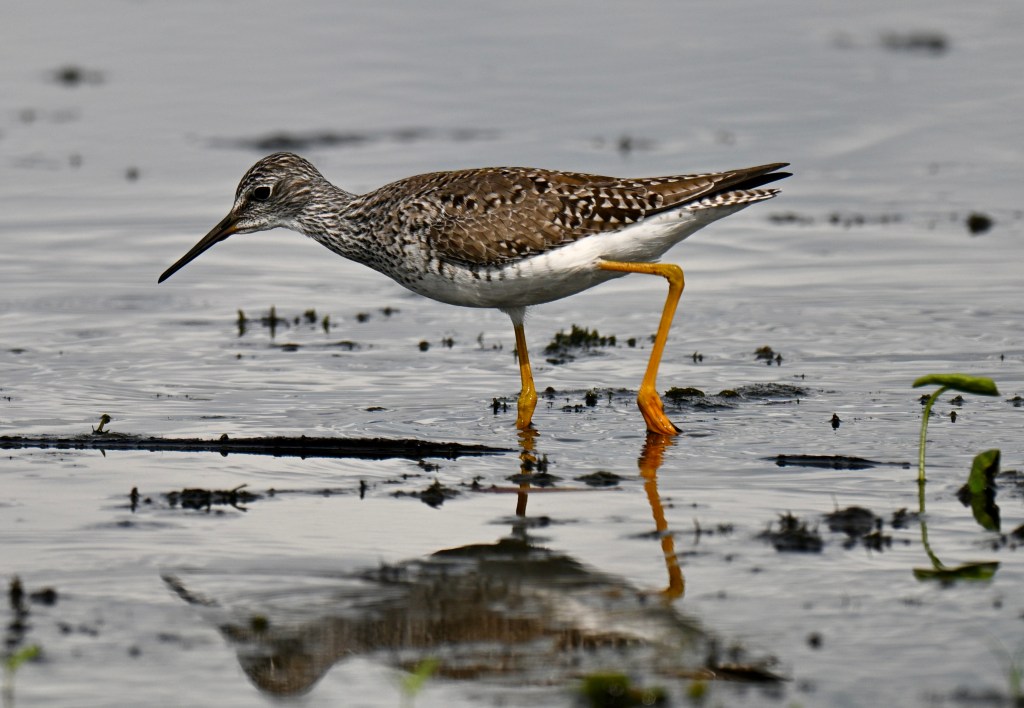
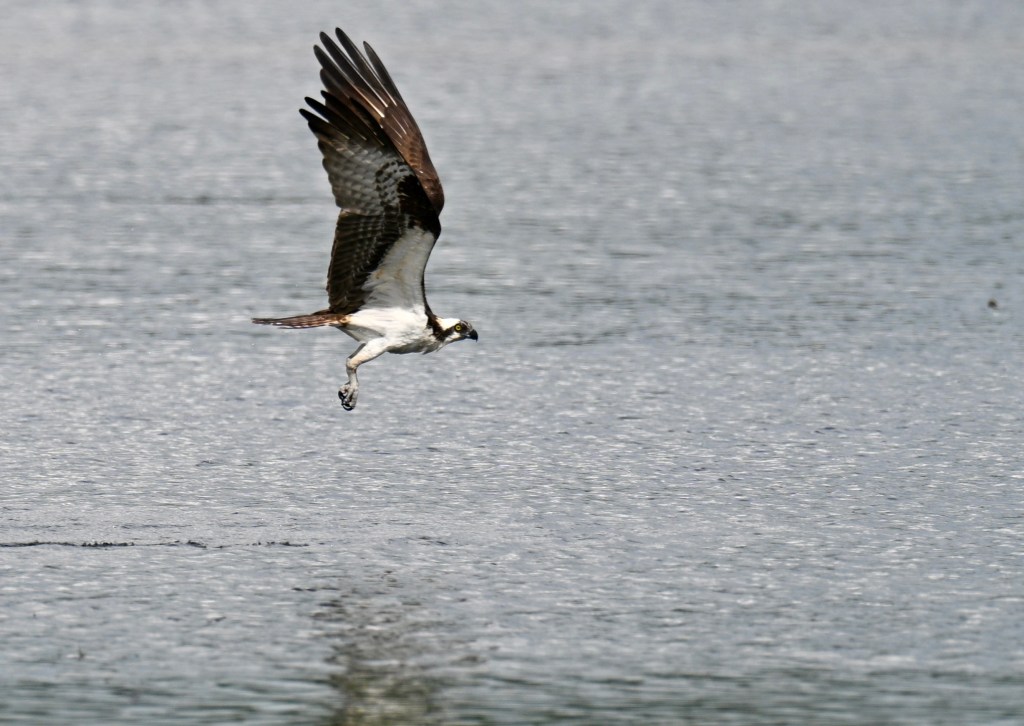
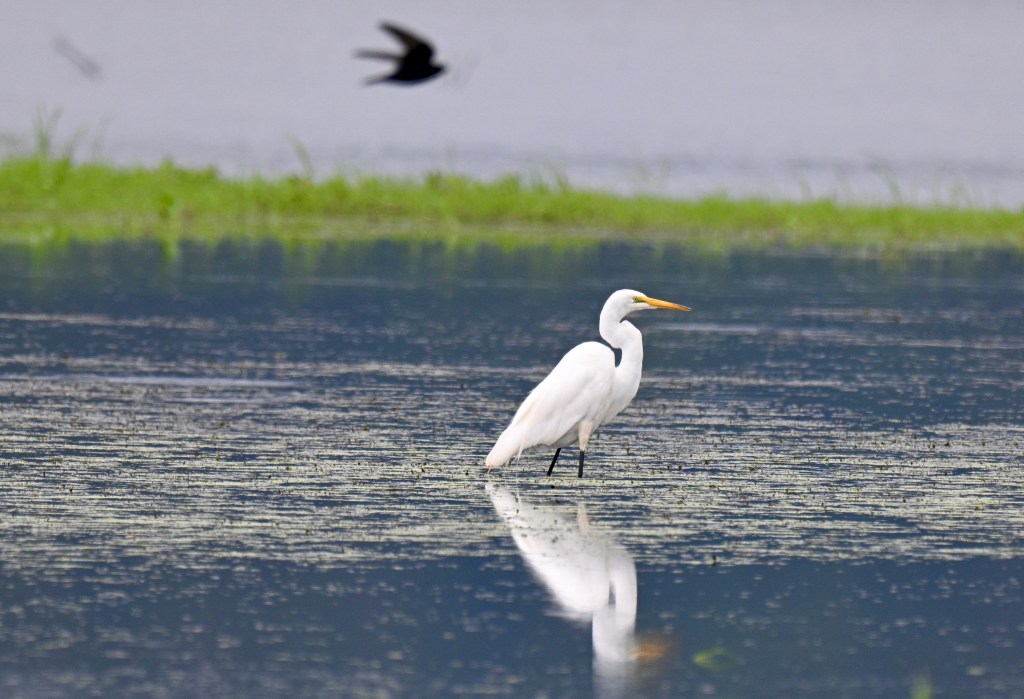
The choirs often sing for us and we do not listen. We are distracted by life, technology, other people, trivial problems and so on. I invite you, come to a sanctuary some morning. Sit in the pew quietly and watch and listen. Open your heart to the healing sounds of nature and listen to the choir. They will sing even if you do not listen.
**A brief note on my writing. I am not an English professor, nor do I elect to use Chat GPT or any other AI tool to write with. So, on occasion, this retired police officer will in fact write like a retired police officer and not an English professor or AI. In other words, I’ll make mistakes. Consider it a mark of authenticity and accept my heartfelt apologies for that up front. I genuinely try my best NOT to make grammar, spelling and content errors. Thank you all for your patience.**
If you or someone you know is struggling, there is help. Call 988 or if you are in the Big Bend of Florida call 211. The 2nd Alarm Project has many resources available as well (2ndalarmproject.org). If you are interested in getting notified when a new blog is posted and are not subscribed, please consider subscribing by entering your email in the “subscribe” icon on the home page. Then you’ll get an email each time a new blog is posted. If you appreciate what you have read here, please feel free to share as you are led across your social media or via email. There just might be someone out there who needs to see this content. Thank you all and stay safe.


beautiiiiful!
LikeLiked by 1 person
Thank you my friend!
LikeLike