Double click to enlarge photos in galleries and use mouse or arrow keys to scroll. A cloudy sunrise at a local lake and a Lilly pad seemingly blossoming out of glass.
I am not an advocate of New Year’s resolutions. I understand the desire to make them for sure. New Year, new you. I get that. However, real change takes time. Old habits take time to break and new habits take time to form. Dietary changes are difficult, Waking earlier for any reason much less an unpleasant reason like a creaky trip to the gym or running when you are out of shape is very hard. Don’t take my word for it. Look it up yourself. When you do (if you do) you’ll find that the success rate for New Year’s resolutions for Americans is 6 to 9%. For perspective, that is just slightly better than the 4% chance of being seriously injured around your home during the year.
Scenes of spring around Tallahassee: Left to right, top to bottom. A female Red Winged Black Bird pokes her head out of a waist high bunch of yellow flowers. The sun rises over the cypress trees at Lake Munson. A Pied Bill Grebe sits on glassy water near an Osprey nest (below) and an Eastern Kingbird surveys his kingdom early in the morning.
Real change is found through concerted effort over time. Maybe nature has something to teach us here. Slower, more sustained efforts creates beauty and lasting results. Spring is a single day on our calendars but it is also a seasonof transformation. Dormant plants send up shoots. Migratory animals return home. Flowers blossom.
If you were one of million who made New Years resolutions and fell short, don’t cancel your gym membership. Don’t throw away those running shoes. Don’t get rid of the art supplies. You can do it. Whatever IT IS. Try reframing your efforts as a gradual transformation with consistent effort. Find an “accountability buddy”. Someone who will check you when your humanness creeps in and you don’t want to get out of bed when the alarm goes off (or whatever). Finally, allow yourself the grace to know that it is your journey. You may fall now and again and skin your knee. The skinned knee is much less important than the getting up and the getting going. You will fall. It happens. Allow yourself that grace and please be encouraged to continue.
A Cedar Waxwing brilliantly displayed amongst the spring berries it was feasting on and a small rabbit wary of me on a recent hike.
If you or someone you know is struggling, there is help. Call 988 or if you are in the Big Bend of Florida call 211. The 2nd Alarm Project has many resources available as well (2ndalarmproject.org). If you are interested in getting notified when a new blog is posted and are not subscribed, please consider subscribing by entering your email in the “subscribe” icon on the home page. Then you’ll get an email each time a new blog is posted. If you appreciate what you have read here, please feel free to share as you are led across your social media or via email. There just might be someone out there who needs to see this content. Thank you all and stay safe.
A small rabbit cautiously watches me during a recent morning hike.
When I was a child, I was a very poor student. I had better things to do than pay attention in class. I doodled, read stuff that was not assigned, talked, and gazed out of the window because the outside world beckoned. As an aging adult, I hope that I’m a better student now than I was then. As poor a student as I was then, it shouldn’t be difficult.
I have previously written about things I’ve learned while on the journey as a wildlife photographer that are relevant to the world of wellness, veterans and first responders and retirement but I’d like to really zero in on three things. These three things can be restorative and helpful to everyone…especially those who have been exposed to the volume and intensity of trauma like these groups.
Double click to enlarge and scroll through gallery. Left to right top to bottom: A Red Shouldered Hawk in the street, a Swallow Tailed Kite soaring above is one of the first indicators of spring. A tiny American Kestrel in a dead tree surveying its territory. A curious otter and majestic Bald Eagle at the S.M.N.W.R.
I try to shoot every day and usually manage to get 100-250 (On occasion many more) shots in. I only keep a small portion of what I take. None of these animals have ever manifested themselves in my living room. In other words, if I don’t have the self discipline to get out there, I won’t get these shots. Period. Some days are easier than others. Some mornings it’s cold. Some mornings I work and have to adapt and go later. Some mornings it’s raining. Most of the time I make it. On the days I do not for whatever reason, the school of wildlife photography has taught me the undeniable lesson that the adorable face of the teenage otter is not found in the comfort of my living room. I have to go and get it.
An Eastern Phoebe in the rain.
The world of photography has all sorts of lessons in patience. If the photographer specialized in landscapes, weddings, people or wildlife each has its own less that it will teach you along the way if you sit still and listen in class. Oddly, wildlife doesn’t pose on request. Wild animals in fact have an annoying habit of appearing in just the right place and lighting when my camera is slung/on my vest or pointed somewhere else and then when I bring it to bear they seem to get a text message from some friend and immediately move. Larger animals are somewhat easier to photograph as a rule and small, fast moving ones are devilishly difficult. As a result if I want to get photographs of any of these more difficult animals, I have had to develop…patience. Patience in abundance. It takes patience to stalk the animals, wait for them and return time and time again if you are unsuccessful. Patience was not something that I have traditionally had in abundance.
All these creatures are small to tiny and fast moving.Sparrows: Often unseen because of their remarkable camouflage (adding to the difficult of photographing) small and fast moving. I often pack a small stool with me to sit on and wait for them to cease being afraid of me and appear. Many are quite beautiful and worth the wait.
At the outset of this post I said there were three things I wanted to focus on. The final one is the “Zen” of the wild places. As I hike into the wild place, I’m quiet if I hope to see and photograph wild animals. I walk softly and listen intently. My breathing is controlled and I am relaxed.
If I am doing it correctly, I feel the wind on my skin, hear each bird’s song and feel the slight crunch of the early morning dewy grass under my boot. When the camera comes to bear on a subject, the entire world is reduced to the viewfinder for that moment or moments. If it is a particularly good day, there will be a string of moments through the viewfinder connected by the sights, smells and feel of the wild place I’m present in. It is a sort of wilderness meditation. I have, on occasion taken others with me. I can quietly narrate what’s happening for them and many who are merely hiking with utilizing binoculars and enjoying the wilderness provide feedback that they experience the same thing.
Sunrise over what is left of Lake Jackson over the winter.
Nature and the wild has a great many lessons to teach us all if we will sit still in class, stop passing notes, doodling and staring out the window. First responders and veterans are exposed to so much trauma with such intensity that they must pay particularly close attention to wellness. Theirs, their family’s their team’s and agency’s. Grab a camera or your phone. Step outside. Seek a wild place and practice patience while you listen and feel the world around you and take some pictures of the creatures that live there. You might just be surprised at what you find out there and in yourself.
If you or someone you know is struggling, there is help. Call 988 or if you are in the Big Bend of Florida call 211. The 2nd Alarm Project has many resources available as well (2ndalarmproject.org). If you are interested in getting notified when a new blog is posted and are not subscribed, please consider subscribing by entering your email in the “subscribe” icon on the home page. Then you’ll get an email each time a new blog is posted. If you appreciate what you have read here, please feel free to share as you are led across your social media or via email. There just might be someone out there who needs to see this content. Thank you all and stay safe.
A discussion about moral injury and its impact on first responders and members of the military.
The great and small. Deserving of equal treatment.
Prior to going to work in the field of first responder wellness, I had never even heard of the term of moral injury. If someone had spoken it in my presence, I’m certain I would have taken an educated guess at what it meant, consulted Google and moved on with my life with little thought given to the deeper meaning of what I was hearing. After all, this squishy wellness stuff was for other people anyhow. Now I find myself having finished an objectively aggressive policing career with three tours on SWAT/TAC, a focus on training and narcotics enforcement and thirty years of bad stuff of all shapes and sizes. First responder wellness has a whole new meaning to me now and I approach it with passion hoping that younger generations do not have to experience what I did in the way that I did. I approach it much as we parents teach our children and hope for better lives for them. To that end, it’s time to briefly discuss moral injury.
Because I’m not an expert on this topic, I plan on citing articles and web sites for the curious minds who frequent my blog to investigate. There is a lot of information out there on the topic. I don’t plan on writing a doctoral thesis, just illuminating some dark corners of our world.
This A.I. generated image is used to illustrate moral injury. The officers look displeased, disgruntled and closed off from whatever message the officer in charge is delivering. About 1/3 of moral injury incidents are from perceived leadership failures.
Before I go too much further, let’s define what exactly moral injury is. One of the best definitions I found came from a study on health care workers from https://ptsd.va.gov and says:Moral Injury in Health Care Workers and said:
Moral injury can occur when someone engages in, fails to prevent, or witnesses acts that conflict with their values or beliefs. Examples of events that may lead to moral injury include:
Having to make decisions that affect the survival of others or where all options will lead to a negative outcome
Doing something that goes against your beliefs (referred to as an act of commission)
Failing to do something in line with your beliefs (referred to as an act of omission)
Witnessing or learning about such an act
Experiencing betrayal by one’s organization or by trusted others
Such potentially morally injurious experiences may lead to distressing feelings such as guilt, shame, anger, or a sense of betrayal. Moral injury is the lasting psychological, spiritual, behavioral or social impact that may result from these experiences.
The bold and the meek worthy of our protection?
It seems that in the first responder and military world about a third of moral injuries are attributed to leadership failings. In my experience this seems about right. Leaders making amoral decisions, decisions based on factors that are outside of our moral compasses or the moral compass of anyone in our orbit. Leaders who seem more concerned with their own personal survival than public safety, the team they are responsible for or just what is actually right in any given situation. Situational ethics…
Another broad group of moral injuries happens when those we are sworn to protect are harmed and we are helpless. Children killed on the battlefield. Innocent people cut down by gunfire between drug dealers in a mall parking lot. You get the picture. It is made especially worse if you identify with an innocent victim. If a child killed is the same age as your child at home for example.
Members of the military and first responders are, quite obviously exposed to moral injury on a regular basis. What is the possible fallout from it? The outlook from repeated moral injury is not good. It includes: intense guilt, shame, social isolation, depression, PTSD, burnout, and suicidal ideation. Moral injury is not PTSD but can be a contributing factor. None of this sounds like a picnic to me.https://maralinjuryproject.syr.edu
The key here is to recognize what we are dealing with and talk about it openly. There are answers. Peer support, spiritual care, and psychotherapy are all part of the solution to this problem. The biggest leap is for leaders in the professions to openly discuss this topic and admit that this is dangerous and can lead to the loss of our friends and coworkers by burnout or worse. I fear that my former profession is lagging the furthest behind here and is the most exposed.
I hope this has been just enough to raise awareness while not overwhelming and shutting folks down. Pray for and support your first responder and military brothers and sisters. They bear a heavy burden.
If you or someone you know is struggling, there is help. Call 988 or if you are in the Big Bend of Florida call 211. The 2nd Alarm Project has many resources available as well (2ndalarmproject.org). If you are interested in getting notified when a new blog is posted and are not subscribed, please consider subscribing by entering your email in the “subscribe” icon on the home page. Then you’ll get an email each time a new blog is posted. If you appreciate what you have read here, please feel free to share as you are led across your social media or via email. There just might be someone out there who needs to see this content. Thank you all and stay safe.
The thick morning fog over the Saint Marks Wildlife Refuge must all but the most vibrant colors.
On account of reader requests, this is going to be primarily a photo-drop. But it will be a photo-drop with a theme. Make the effort to find tranquility. It’s worth it.
As always, double click to enlarge and scroll through the gallery.
I arrived in the wildlife refuge without the fanfare of a brilliant sunrise on this trip. No crimson rays streaking across the marshes. No flurry of animal activity as the radiant orb rose. I was not greeted this time by a large otter trotting across the access road. What I was greeted by was a stifling, thick shroud of fog. Visibility was seriously reduced as the photos show and the fog seemed to suppress all sounds except the Red Winged Black Birds who chattered away all over the wetlands. My footfalls were soft on the dew laden ground and moisture dripped from the brim of my ball cap as I hiked. There was no noise but the chatty black birds and the quiet sound of the electronic stutter on my camera.
A male Red Winged Black Bird on the left lets the foggy wetlands know he is awake. Right-a female carefully eyes my approach silently.
The Saint Marks National Wildlife Refuge is teeming with wildlife of all sorts and, if you let it, The Refuge always has a surprise or two for you. Walking quietly through the fog focused on the sights (what I could see) and sounds of this place and stopping to take pictures when they presented themselves I soon became “lost” in the place. When that rare moment happens and the outside world stops intruding I allow myself to just exist in and around the creatures there. It is usually at this point when I am surprised in some way.
While I was taking pictures, this little fellow appeared. He/she was just as curious about me as I was about him!Left to right-top to bottom: A spider web holds the morning dew like jewels. A small alligator surrounded by reflections of the reeds. What is a reed and what is a reflection? An Osprey flies away with breakfast. A Tricolored Heron stalks the shallows and a brilliant lavender flower gives me hope of spring amid the fog.Snowy Egret ballet in the still waters of the wetlands.What mysteries lie within these fog shrouded woods?A Great Blue Heron stands so still it looks like the reeds themselves. A Great Egret makes a stunning sight as it wings by me into the fog. Not to overlook the very small…the tiny Palm Warbler pauses from its morning routine to give me the side eye. Lastly, the most unlikely of companions, a Tricolored Heron seems to glance cautiously back at its toothy neighbor to the rear.
More than three hours of hiking is a long time to listen to the noisy calls of the Red Winged Black Birds and wade through almost continuous fog. Somewhere along the way I could no longer hear the noises of the highway, the access road, my truck engine or the worries of the day. The foggy wetlands were quiet, beautiful and tranquil.
Find your tranquility. Make the effort. Take the drive. It’s worth it.
Song Sparrow amongst the dewy grass.
If you or someone you know is struggling, there is help. Call 988 or if you are in the Big Bend of Florida call 211. The 2nd Alarm Project has many resources available as well (2ndalarmproject.org). If you are interested in getting notified when a new blog is posted and are not subscribed, please consider subscribing by entering your email in the “subscribe” icon on the home page. Then you’ll get an email each time a new blog is posted. If you appreciate what you have read here, please feel free to share as you are led across your social media or via email. There just might be someone out there who needs to see this content. Thank you all and stay safe.
In the age of digital photography there is a freedom that I never felt with a 35mm film camera in my hands. The person behind a digital camera can point it and fire it off as many times as they like with no cost except a time penalty on the back end when they have cull through and edit the massive number of photos they’ve shot. I spoke to my son the other day who recently covered a sporting event and shot over a 11,000 images in one weekend. I average 150-200 per outing (I try for one outing daily). So that’s 1,050 to 1,400 shots per week. You hope there comes a moment when all that time you’ve put in pays off and pays of grandly.
The family (two adults and one sub adult) of Bald eagles where I hike routinely hunt over what’s left of the lake. They don’t keep a schedule. They don’t post on X or Instagram when they are about to go on the hunt. They just go. All of the sudden these massive birds with 7 foot wing spans arrive and begin doing things that terrify all living creatures below. So you have to be lucky and you have prepared. When the moment happens you just might be able see what they are doing and maybe…just maybe catch the drama on camera.
Bald Eagles are apex predators and eat just about anything. They kill American Coot on the water, rabbit, fish, eat carrion and just about anything else they can sink their talons into and carry off or eat on the spot. In the series below I caught the female (identifiable because she is larger than the male) hunting the American Coot one sunny morning.
Double click to enlarge and scroll through the gallery. The first time I was in place to get half way decent pictures of the hunt. The female swoops in over the American Coot early in the morning.She doesn’t take any and flies directly toward me and eventually right over my head and into the rising sun.
Some might have been satisfied with these photographs. Frankly, they just inspired me. These enormous, elegant creatures are more inspiring and graceful up close in the wild (like thirty feet over my head) than I could have imagined. I was hooked and went back for more. I learned their wing shape, wing beats, how they circled when hunting and where exactly I needed to be and I’ve made certain I’ve been there.
Second Try: A beautiful sunny morning and she is back terrorizing the American Coot. I spent nearly a half hour creeping into place, dropped my phone, bent to pick it up, heard the coot scrambling and glanced up to see the hunt.Again, she did not succeed in the hunt but flew into the sun right by me.
Back a third time on an overcast day that was less than ideal for photography, one of the pair (later realized it was the male) circled overhead twice and dove on something in the shallows near my location. This time he came up with a huge bass and hauled it out of the water to a nearby mud bar. Once there, his female counterpart arrived and a squabble erupted. The female clearly wanted the fish and he was having none of it. Eventually, she backed off and stood by watching the smaller male try to take off with the huge fish with a smug look on her feathered face. Eventually, he managed it. She flew to some nearby grass (I think she was wiping mud off her talons) and then flew after him presumably to try to share the sushi elsewhere.
He circles, makes the grab (which I didn’t get because the location was behind thick brush) and hauls it to a mud bar where the squabble begins.No doubt that the mud encrusted fish weighed quite a bit more than it did when he snatched it in the first place.Finally! Success. He gets airborne with his muddy sushi cargo.
I hope whomever you are reading this that you enjoy these images as much as I enjoyed seeing the live. I hope that I can encourage you to pursue your passion(s) persistently, doggedly and maybe, just maybe over time you’ll have the satisfaction of seeing things come together. I’m quite certain that my neighbors are slowly getting used to my shouts of surprise and joy that emanate from my study when I am editing photos.
None of these photographs is of the quality that I aspire to, so I’m headed out to shoot some more as soon as I finish typing. Persistence.
If you or someone you know is struggling, there is help. Call 988 or if you are in the Big Bend of Florida call 211. The 2nd Alarm Project has many resources available as well (2ndalarmproject.org). If you are interested in getting notified when a new blog is posted and are not subscribed, please consider subscribing by entering your email in the “subscribe” icon on the home page. Then you’ll get an email each time a new blog is posted. If you appreciate what you have read here, please feel free to share as you are led across your social media or via email. There just might be someone out there who needs to see this content. Thank you all and stay safe.
The first otter surprises me, crossing right in front of me into the morning sun.
As I step out of the truck, the air is a crisp 33 degrees. There is no traffic noise. Just the sound of a light breeze in the palmettos. It is just after sunrise in the Saint Marks National Wildlife Refuge and there is a lot going on here already. My boots crunch on the frost covered grass as I go about the business of preparing to hike into the backcountry of coastal North Florida. No sooner than I have gotten myself together and stepped away from the truck, than I encounter a large otter meandering across the road right in front of me with the morning sun shining off its gleaming wet fur. I reveled in that encounter and the several photos I managed to take of the beautiful, placid creature and unbelevably, no more than four minutes down the trail I ran into another otter! This one climbed the side of the levy, and nosed about right in front of me for a couple of minutes before easing off the levy on the other side. This hike had begun in a spectacular manner I thought walking away to the tune of the morning warblers and the palmettos.
Otter number two slowly poking about in the frost covered grass.
Trauma. In the context that I’m discussing it here can be defined as an emotional response to a deeply troubling, or terrible event with long lasting effects. The cumulative toll of this can be devastating for first responders, PSCOs (public safety communications operators) and veterans if they are not aware of the potential damage and take steps to mitigate it. The best way to explain this for anyone reading this who might not be part of this world is the average American experiences about three traumas in their lifetime. The average first responder experiences somewhere between 178-900 traumas in a career depending on where they work, the assignments they have etc. That is an AVERAGE with some first responders who work in larger agencies and work in higher risk/liability assignments (homicide/sex crimes/traffic homicide/SWAT etc.) experiencing higher than that. Consider the PSCO who works at the public safety answering point (PSAP) where I work. They handle 550,000 calls a year and in an average 12 hour shift can answer 50-75 calls. PSCOs listen to homicides, guide parents through the birth of children and give CPR instructions to teenagers who have found unresponsive parents. That is one hell of a paragraph. Let it all sink in for a minute.
A tricolored Heron stalks its breakfast in the glassy waters.
So what does all this mean? Well, for one thing there is a reason first responders and veterans should be able to retire in twenty to twenty five years. In the last few years there has been a pendulum swing toward longer careers in the first responder world. Lets not. Additionally, we should all be aware of the risks from these careers. I was not fully aware when I started my career, but it was a very different time then. There is no excuse now. Being aware means that as non-members of the professions, we should be understanding and supportive. Those within the professions should be actively working to make them safer, provide viable, healthy choices for members in need and put early warning systems in place. Education and stigma removal is huge component of barrier removal for a lot of these options.
A tussle! A small alligator and this sizable otter apparently had a difference of opinion while I watched. No blood spilled.
Once we recognize that there is a need for taking care of ourselves in a healthy fashion and that the individual shares responsibility for that burden, then each person needs to come up with healthy (emphasis on healthy) strategies to help them deal with the long term effects of unbelievably heavy stress loads and exposure to trauma at levels that most of society can barely begin to comprehend. I’m calling that “The Reset”.
Some of the sights during my hike.
Your reset and mine are probably different but should share things in common. First, they should build on healthy habits. No excessive alcohol, drug use, extramarital affairs (risk taking behavior is common) or anything else that works against a healthy, whole person. Secondly, the reset should take you out of the damaging environment. In other words, volunteering for extra shifts and working more is NOT a good reset strategy. On the other hand, volunteering at your church gets you out of the environment and helps build a healthy support network while you volunteer.
Left to right, top to bottom: A great blue heron speared a LARGE breakfast. One of hundreds of alligators basks in the morning sun. Yet another otter darts across the levy with a large fish in its mouth. A bald eagle landed atop a dead tree and announces its presence to the refuge and a snowy egret poses for me by the road.
Whatever your reset is, you should mindfully select one (or several) strategies. Wether you are a first responder, PSCO, a veteran or not it is wise to have healthy coping mechanisms for when life doesn’t work out the way we want it to…especially if that culminates in trauma. One of my resets is the wilderness. It is quiet, beautiful, where I live it’s accessible and full of other creatures who remind me constantly that I walk this earth in the company of billions of other creatures. They all wake every morning, fend for themselves and their offspring and live their lives. Walking in the quiet wilderness and absorbing the beauty of it I realize that I am but one of many. It is an excellent reset.
Whomever you are, wherever you work take care of yourselves please.
If you or someone you know is struggling, there is help. Call 988 or if you are in the Big Bend of Florida call 211. The 2nd Alarm Project has many resources available as well (2ndalarmproject.org). If you are interested in getting notified when a new blog is posted and are not subscribed, please consider subscribing by entering your email in the “subscribe” icon on the home page. Then you’ll get an email each time a new blog is posted. If you appreciate what you have read here, please feel free to share as you are led across your social media or via email. There just might be someone out there who needs to see this content. Thank you all and stay safe.
The Oxford Dictionary defines raptor in the following manner: noun, a bird of prey, e.g., an eagle, hawk, falcon, or owl. Raptors tend to inspire a sense of awe in us humans. They are strong, fast, agile, fierce, loyal (some mate for life and defend territories fiercely) and striking to look at. They inspire a sense of honor and patriotic sense of pride. Maybe that’s why these stunning animals can be found as symbols literally everywhere from the United States national bird to military patches, and SWAT logos and pins. They inspire the best in us.
An injured Bald Eagle at The Alaska Raptor Center keeps an eye on me in Sitka, Alaska.
Over the last several months I have had the unbelievable privilege to trek into the woodlands and wild lands of North Florida and photograph all kinds of birds and wild animals in their natural habitat. During that time, I have been very lucky and come across multiple raptors doing what they do in the trees and skies of our country. I have watched, taken pictures and learned as I have gone. In spite of hundreds of years of directed cruelty, misunderstanding and recreational hunting many of these animals will very surprisingly tolerate the presence of a patient, slow, non-threatening human in proximity to them. Therefore, allowing me to capture a few photographs I’m actually pleased with that tell a lot about these creatures and should remind us to look inwardly now and then.
Red Shouldered Hawks are probably the most commonly seem raptor in my area. They can be beautiful, regal and very tolerant. They hunt small mammals, retiles, amphibians and insects and usually mate for life. The females are larger than the males. The pair in my neighborhood frequent my yard, have treated the my pond (frogs) like a buffet and the female is quite tolerant of me and the camera. The male…not so much. Double click on each image to enlarge and scroll.
Raptors fill an important niche in our ecosystem. They eat stuff that, left out of control become intolerable pests for humans. Consider the “great hawk hunt” of the early 1900s up until about 1945. It nearly wiped out Red Tailed Hawks, Red Shouldered Hawks and similar species. Why? Because of a huge misconception that these animals feed exclusively on chickens fueled by an erroneous (albeit amusing) cartoon. The farmers began to realize that without the hawks around, they had an intolerable rodent problem. Bald Eagles and Great Horned Owls eat anything from carrion to medium sized game like rabbits and American Coot. For those of you who are not fans of snakes, thank hawks in part for keeping the population in check. Yes, there is one hawk that is nearly universally despised by bird lovers. If it shows up in your back yard by your bird feeders, you are likely in for a grisly show. The Coopers Hawk feeds almost exclusively on songbirds I’m sorry to say. Hey, they have to make a living too.
North America’s smallest Raptor The American Kestrel in the top three panels and second two on left. For size reference, note the dragonfly that she snagged for dinner in the middle panel and how it compares to her size. The next two images are to Female Northern Harriers with the bottom right the ONLY decent shot I have of a male Northern Harrier. He looks like he should be something out of a Harry Potter movie.
On a recent hike in the biting cold I had a chance to watch an Osprey hunt at close range. Nearly exclusive a “fish hawk” when they hunt its over water and even with a telephoto lens remarkably difficult to capture moments like these. In spite of being very large, they are capable of “hovering” (like the aircraft that bears their name), they circle, dive and their giant talons are on display.
The Osprey during a hunt.
The Bald eagle is an immense bird. The wingspan of an adult can reach just over seven feet. Think about it. A wingspan that is wider than most NBA players are tall. Having had close encounters with them in the wild, I can attest to the fact that they are tall when perched as well. We are all familiar with the black and white coloring of adults. Sub-adults have a mottled brownish coloring that lends its self to camouflage better. Females are notably larger than the males.
On the hunt! An adult swoops in over a large raft of American Coot on what’s left of Lake Jackson recently, makes the kill and flies right over my head with it’s breakfast dangling behind it in the wind.Parental joy! In the same area, I saw two eagles approaching and threw up the camera. It turned out to be an adult and pre-adult. I thought they might be hunting but instead caught teenage horseplay! Lower right hand frame is a good shot of the teenager..Beautiful Fury-Saint Marks Wildlife Refuge
As we go about our daily business, take the time to cast your eyes skyward. Listen for the cries of the hawk in the morning or the sweet duet of the barred owls in the evening. Remind yourself why these majestic animals are so symbolically prevalent in our society. They aren’t simply symbols…they are reminders of who we can be. Who we are.
Barred Owl tolerating me and two other photographers gawking.
Somber note. Yesterday I learned of yet another law enforcement officer in my area who committed suicide. We never know what’s happening with our fellow human beings. Practice kindness and compassion.
If you or someone you know is struggling, there is help. Call 988 or if you are in the Big Bend of Florida call 211. The 2nd Alarm Project has many resources available as well (2ndalarmproject.org). If you are interested in getting notified when a new blog is posted and are not subscribed, please consider subscribing by entering your email in the “subscribe” icon on the home page. Then you’ll get an email each time a new blog is posted. If you appreciate what you have read here, please feel free to share as you are led across your social media or via email. There just might be someone out there who needs to see this content. Thank you all and stay safe.
A friend of mine and former coworker recently passed away and for reasons beyond my control, it seems likely that I will not attending the memorial service tomorrow. His passing saddens me and the apparent inability to attend the service saddens me. What follows is a tribute to this man and the many others (living and dead) who stepped into the gap during a sweeping time of change and desperate need.
I began my law enforcement career in 1989 just as the tidal wave of crack cocaine broke over Tallahassee, Florida. Tallahassee had been the kind of place where people didn’t lock their homes or cars, where they didn’t mind walking at night and most were hard pressed to conjure up the name of a friend or relative who had been the victim of crime. All that changed when the wave broke on our fair shores. Crimes of all kinds surged. Robberies, burglaries, thefts, aggravated assault with firearms, you name it. People locked their doors. People knew people who were crime victims and the citizens wanted something done about it. The high crime areas of the city were simply blighted. On weekend nights several hundred people would be out on foot. Open air drug deals, fights and gunshots were quite normal. On busy weekend nights the number could soar to a thousand in these areas. Even police officers were cautious about going into these areas and rarely ventured there alone.
But we could not and would not cede the ground. There were people…human beings who lived in and around these areas who relied on us when no one else would help them. When no one else would come, we would…at 2am or 2pm, we would be there. Be it to CPR on a gunshot victim or to screw a light bulb on an old lady’s porch for her.
The stakes were high. Drug dealers used networks of lookouts, often were armed and carried large amounts of narcotics on their person back then. Tasers didn’t exist. Pepper gas didn’t even exist when I started. Our equipment was a revolver, nightstick, heavy flashlight and a lot of your friends in blue or green. Officer injuries were common and fortunately minor.
My friend who passed did start in the 80s but policed the streets while the open air markets and street crime was very high. Like so many, he did so with honor, integrity, bravery, in all kinds of weather, on holidays, at night and in situations that civilians simply cannot comprehend. Cities all over our country owe what they have today to people just like him. They don’t make movies about men like him, but they damn sure should.
We were the thin blue line.
The sun is going down over forgotten parts of the city. Parts of the city citizens have chosen longer routes to drive around now. But there are men and women who sought out these places, drove there and often times walked for hours.
We were the thin blue line.
There was blood on the sidewalk at 3am and an angry crowd has gathered. They hated the police but wanted the police to do something now. A grandmother sat quietly in the shadows on her front porch two houses away and prayed for the safety of her family and for peace to someday return to her little neighborhood.
We were the thin blue line.
Sodium vapor lights buzz as a pair of uniforms quietly made their way through the shadows. Their job was “blockers” when the calvary came. When that happened, you won’t just hear crickets, cicadas and the lights any longer. “50” or “99” rang out from lookouts and patrol cars roared in looking for the guy we had probable cause on. Foot pursuit. Fight. Others involved. Did it make a difference? Ask the grandmother.
We were the thin blue line.
Fear is real. Don’t let anyone tell you it isn’t. There were scary people, places and times. Four things held the line: faith, training, the sound of your dispatcher’s voice in the night and the knowledge your partner is coming.
We were the thin blue line.
We chased bad guys and tried like hell to help those in need before they were victimized…certainly after. But…that’s not all. We held dressings on gunshot wounds, did CPR, comforted car crash victims and held the hand of your dying relative when no one else was there.
We were the thin blue line.
We had roll call the next day, went lights and siren from roll call to an “officer down/needs assistance” radio call our heart in our mouth only thankfully to be cancelled. Then we responded to your neighbor’s vandalized mailbox.
We were the thin blue line.
We played pranks on each other, got on each other’s nerves, dated each other’s girlfriends and otherwise behaved like squabbling siblings in a big family. But…punch one of us and you punched the entire family.
We were the thin blue line.
May my friend rest in peace. May his family rest easy knowing that after a long battle, he is finally at peace. May they also rest easy knowing he was one of the finest members of the thin blue line that I have ever known and an all around good man.
If you or someone you know is struggling, there is help. Call 988 or if you are in the Big Bend of Florida call 211. The 2nd Alarm Project has many resources available as well (2ndalarmproject.org). If you are interested in getting notified when a new blog is posted and are not subscribed, please consider subscribing by entering your email in the “subscribe” icon on the home page. Then you’ll get an email each time a new blog is posted. If you appreciate what you have read here, please feel free to share as you are led across your social media or via email. There just might be someone out there who needs to see this content. Thank you all and stay safe.
The photo barely does the moment justice. A look down the mountain as it drops off 1000 feet to the Pacific with the sun setting and a storm rolling through in the distance.
Many great movies, novels and stories in general start with the unfolding of conflict. Conflict between protagonist and antagonist, quests for survival, great feats of courage and so on. It is the nature of a good story…a good adventure. Many times the protagonist must give up something or lose something to really grab at the heartstrings of the audience. This is NOT such an opening, but a the setting the stage for what I hope to be the great expedition of 2025 for me and my wife.
On the day morning of our departure because of the twenty first century security risks associated with air travel, we awoke at an insane hour for normal humans. Only to be casually informed by our airline that we had a five hour delay due to “aircraft maintenance”. No worries. Except that meant we would never make any of our connections. Many machinations and difficulties with the airlines later my wife had secured our transport the following day…on separate aircraft. This meant chopping a day off the front end of our trip.
Flying to the Big Island of Hawaii is no easy feat for anyone from the East Coast of North America anyway. For those of you who are unfamiliar with the time and distances associated with this process, let me familiarize you with it. We flew on the same aircraft from Tallahassee to Atlanta. I then had a NINE AND A HALF HOUR non-stop flight from Atlanta to Honolulu. There, I had a five hour layover before my flight to Kona International on Big Island. For reference, the flight from Honolulu to Kona is usually aboard a commuter jet the size that takes you to from Tallahassee to Atlanta and it takes about the same amount of time. In other words, I couldn’t hop a ferry.
The Honolulu airport is open air with breezes blowing through its corridors and the occasional bird flying by. It also has carefully manicured gardens in the middle of the airport full of wildlife giving one a sense of what awaits on the islands. Double click to enlarge and scroll through the gallery.
Meanwhile, my wife literally sprinted from our plane in Atlanta to her connection on another concourse, flew to Seattle had a layover then flew to Kona International.
So what do you get for that kind of investment in loss of sleep, emotion, time and energy? The Hawaiian islands are simply other worldly. Striking majestic beauty that ranges from green sand beaches to towering mountains and rain forests there is a reason they have been used so often as part of movie sets. I’ll not give you a tour of the whole island chain, anyone can Google that if you are interested. I’m most enamored and familiar with Big Island anyhow.
As the name implies, it is the largest of the chain. Although it has a few resorts, condos and tourist traps, a lot of what appeals to me about this island is how insulated it is from a lot of the grotesque tourism and tidal waves of humans who seem to wreck a lot of what they touch. Big Island has ten climate zones, national parks, wildlife refuges, state parks, little known beaches, a myriad of hiking trails and if you are interested in eco-tourism, lots to do.
Hiking at Honokohau National Park brought a variety of sights: Fields of broken lava, amazing vistas of the mountain shrouded in vog (volcanic fog) sea turtles desert flowers and brightly colored birds like this Yellow Beaked Cardinal.
So, the answer in part to the question I posed above concerning what do you get for your investment of loss of sleep etc. is unparalleled beauty. Landscapes that are unlike anything I’ve ever seen before, 13,000 to 14, 000 high mountains, abundant wildlife, coffee plants growing beside roadways, friendly inviting people and something new around each bend on the winding roads.
One might think that based on the fact that Hawaii is an island, it would be fairly straightforward to see everything you wanted to see in a week. If one came to that conclusion, one would be very wrong. Hawaii is 93 miles long and 76 miles wide. No significant portion of the island can be traveled in a straight line and it has very tall mountains in the middle that bisect it. Four lane roads are a rarity and 18% grades are not unheard of. In other words, any mainland North America timetable you have for getting around is incorrect the moment you set foot on the island. Get over it. Island time.
Some of the sights encountered while hiking in the Pu’uwa’a Bird Sanctuary. As with many hikes on Hawaii, the going was very rough over broken, sharp lava rock that ranged in size from golf ball to soft ball size.The remote but simply breathtaking view at Waipi’o Lookout.
We have driven through vast deserts of dry, open lava flows. The lava is mostly ʻAʻā (pronounced “ah-ah”) and is broken, crusty and foreboding. Some invasive grasses have taken hold and dot the ʻAʻā but not much else grows or moves there. On the opposite end of the spectrum, we have driven through great, majestic forests festooned in deep green, hiked through wildlife sanctuaries teeming with great flocks of brightly colored birds and patrolled by errant sheep. We sipped coffee at coffee a plantation overlooking a steep slope patrolled by hundreds of birds looking over the thousands of coffee plants standing sentry waiting for the sun to splash into the Pacific again.
Kona Joe Coffee plantations drops steeply off to the Pacific. Coffee grown there and pineapple too. Although not grown for export any longer Hawaiian pineapple is superb.Humpback whales migrate to Hawaii to bear young and mate each winter. Seeing these huge creatures in the wild is a treat.
Hawaii is a land of beauty, of surprises and of warm, welcoming people. Its great remoteness has protected it to some extent and been its own undoing in other ways. Goods and services are generally much more expensive as nearly everything has to travel here by ship. But, if you embark upon your expedition as a wide eyed, well informed traveler, you won’t be shocked. Come to this land of beauty. Enjoy its unparalleled and wondrous natural beauty, its history, its food, culture and its lovely people. Break your boundaries and embark on your next expedition.
The mountain slopes to the lava field, which yields to the airport, which is immediately adjacent to the Pacific.
If you or someone you know is struggling, there is help. Call 988 or if you are in the Big Bend of Florida call 211. The 2nd Alarm Project has many resources available as well (2ndalarmproject.org). If you are interested in getting notified when a new blog is posted and are not subscribed, please consider subscribing by entering your email in the “subscribe” icon on the home page. Then you’ll get an email each time a new blog is posted. If you appreciate what you have read here, please feel free to share as you are led across your social media or via email. There just might be someone out there who needs to see this content. Thank you all and stay safe.
Webster defines expedition in the following way: noun a journey or excursion undertaken for a specific purpose. I don’t quibble with that definition, but the word seems to carry more meaning as well. That additional meaning is why auto manufacturers and movie makers have included the word in their products. There is a sense of excitement and adventure associated with an expedition.
Fort Jefferson at Dry Tortugas National Park as seen out our sea plane window.
First comes is the leap of deciding to actually go. Where do you go on this great big amazing planet? What experiences and sights await you? Once you commit to going, there is preparation. Planning routes, stays, packing and all the logistics that comes with any epic adventure. Some enjoy this. I must admit that I do not. However the value here is that you’ve committed to going, breaking out of the routine and having an expedition. Our first expedition this fall was to the Florida Keys.
Left to right top to bottom-double click to enlarge as you scroll. Top left. Our expedition nearly ended before it began. About 30 minutes after we were under way, my wife got violently ill forcing us to full over in a rest area for hours and eventually turn back cutting a day off our trip. Fortunately, whatever she had was 24 hours and we were back under way a day later. As soon as we arrived in the Keys, we had reservations on a seaplane to fly to the Dry Tortugas!It was so windy that the water was murky and snorkeling was out of the question between that and the red flag conditions. It also made the small plane ride sporty!
The Florida Keys are over 600 miles from our home. Although in the same state, they couldn’t be more different. Crossing the Seven Mile Bridge on a bright sunny afternoon, the late afternoon sun cast a billion diamond sparkles on the wind swept waters. All the familiar trees had long since disappeared and it was as though we were driving to the Caribbean.
Once connected to the mainland only by rail, the Keys were visited by a growing number of tourists and it required adding a roadway atop the rail bridge. The old bridge eventually became inadequate, fell into disrepair and was closed off to all traffic when the new bridge opened. All but the American Kestrel in the lower right hand corner were in the Keys. I did see a Kestrel in the Keys, but the photo wasn’t as good as this one which I took camping on the way back. Left to right-top to bottom: Palm Warbler, Spotted Sandpiper, Brown Pelican (in its white form), Great Egret, Prairie Warbler (another long distance migrant) and the American Kestrel.
We stayed in two different places in the Keys. Both had their positives and negatives. One was directly in the flight path for the Naval Air Station and every morning promptly at 0730 whether you liked it or not, US Navy Jets screamed over our campsite. If you weren’t prepared for it, you might end up wearing your morning coffee. The second place we stayed was the eagerly awaited Bahia Honda State Park. It has taken TWO YEARS to get a site here. The park is a sprawling state park with stunning views and unbelievable opportunities to snorkel, beach comb, fish, paddle board etc. There is one thing we did not anticipate however. Because the island is so small, it is impossible to escape the traffic noise from US 1. So sitting quietly in your campsite is simply not an option. That is a small price to pay for the unparalleled beauty of the place. The other worldly feel. Am I in the Caribbean?
No trip to the Keys is complete without a visit to Old Town and the marker at the Southernmost Point in the US. Middle-One of the more than 50 resident cats lounges in the shade outside Earnest Hemmingway’s home. Invasive or not, the iguanas are HUGE (this one was about 3′ long) and unsettling. A striking sunset on our final evening there.
I mentioned that planning and logistics are the first part of the expedition. Adventure is the next part. Learning about the world we live in, experiencing new places, people, food, customs and climates. All are part of adventures. As we age, “adventure” seems more difficult. Comfort and familiarity seem to be what the aging process naturally points us toward for a variety of reasons. The bang is worth the buck. Have yourself an expedition if you can.
Remember-you never know what your fellow human is going through.
If you or someone you know is struggling, there is help. Call 988 or if you are in the Big Bend of Florida call 211. The 2nd Alarm Project has many resources available as well (2ndalarmproject.org). If you are interested in getting notified when a new blog is posted and are not subscribed, please consider subscribing by entering your email in the “subscribe” icon on the home page. Then you’ll get an email each time a new blog is posted. If you appreciate what you have read here, please feel free to share as you are led across your social media or via email. There just might be someone out there who needs to see this content. Thank you all and stay safe.
MGM movies begin with a roaring lion and “Ars Gratia Artis“. Recently I’ve noticed that MGM has added a translation for those of us not fluent in Latin and I now know it means “Art for Art’s Sake“. I love the sentiment behind this and after some thought, decided that after writing about retirement, wellness, the dangers of wolves prowling our fences, photography, birding and a few other topics maybe readers would enjoy scrolling through a variety of images that I simply consider beautiful. No punchline. No hook(s), no hoping to reach someone in need. Just beauty for beauty’s sake. Part of this idea came from watching people “read” posts. Most were drawn to the photos/images and it seems that’s where some were focused. I’ll add cations where appropriate. Enjoy.
A Great Egret stands in colorful stark contrast to the drab pool it was standing in recently at the Saint Marks Wildlife Refuge. You knew I’d start with a bird right?Coastal Landscapes From Saint Marks National Wildlife Refuse and Saint George Island State Park. Double click on any image to enlarge and scroll through gallery.
Images from a drying lake. All of the above photographs were taken in the Lake Jackson lakebed as waters receded and were replaces by swamps, marshes and prairies. AloneSometimes a photograph can convey powerful feelings about a time, place or situation. The lone Cattle Egret perched on a dead tree in the gloom is an example of one such photo. Meanwhile the Spanish Moss, cypress trees and mirror-still waters immediately remind any viewer they are at lake’s edge on a breathless southern morning. While capturing the lake photos, a Limpkin watches the photographer cautiously.Because no discussion of raw beauty is complete without mountains and Alaska….whales and the Tongass National Forest.And finally because I live in the land of The Mouse and this photo looked so beautiful that it looked as though it was generated by AI…Disney World.
I hope you have enjoyed this brief chance to escape and scroll. If you enjoyed this, let me know and I’ll revisit it from time to time. In the mean time, have a safe and happy holiday season. Treat your fellow human with dignity and respect (Matthew 22:39) and remember, we never know what our fellow human beings are going through. Thank you all for subscribing and following.
If you or someone you know is struggling, there is help. Call 988 or if you are in the Big Bend of Florida call 211. The 2nd Alarm Project has many resources available as well (2ndalarmproject.org). If you are interested in getting notified when a new blog is posted and are not subscribed, please consider subscribing by entering your email in the “subscribe” icon on the home page. Then you’ll get an email each time a new blog is posted. If you appreciate what you have read here, please feel free to share as you are led across your social media or via email. There just might be someone out there who needs to see this content. Thank you all and stay safe.
Left to right-Orange Crowned Warbler, Swamp Sparrow and Ruby Crowned Kinglet. Double click on any photo in a gallery to enlarge and scroll.
Throughout my career and certainly during the first portion of my career, the people I have worked with would likely agree that a commonly used adjective to describe me would not be “patient”. It’s likely that my children and some of my friends would join my former coworkers in a chorus of laughter if someone attempted to apply that term to me. When I started making forays into the woods and fields with a camera and really working on my skills there was some self evaluation that came with it.
If you open up Google and type in “Attributes of a good wildlife photographer”, you’ll get the following response from Google A.I. “They must be patient, observant, and possess a deep passion for wildlife and nature.” Right out of the gate, it seems as though I had what it took as far as being observant and having a deep passion for wildlife and nature. My career had taught me to be observant and tuned that to a very high level. Since I was a child bringing lighting bugs inside the house in a jar and watching chipmunks in our campsite with my brother wildlife and nature have been passions. But patience? I’ll just say that after reflection I recognize there is room to grow in this regard.
A Great Blue Heron in flight and perched in a cypress tree. An enormous alligator basks in the sun in Saint Marks.
Large animals like the ones pictured above are striking and usually draw a great deal of attention. They are fairly easy to spot, fairly easy to get good quality images of and every now and then produce some striking images. But what about an animal like the birds in the first gallery that are three to five inches long, have unbelievable camouflage, and often move like they are on their twelfth cup of coffee in less than an hour? Now there is a challenge. As I have previously written about, I have physical limitations that make challenges like triathlon and charging through the woods on my mountain bike like I used to enjoy unrealistic right now. So, noting that patience is clearly something I’ve needed to work on…challenge accepted.
A bumblebee three different types of sparrow, a Yellow Rumped Warbler and a butterfly all subjects of my new strategy.
My strategy previously had been to hike and seek the wildlife. When I found it, I would loiter and photograph until I felt that I had either adequately captured the moment, or the wildlife tired of me and disappeared. Now I have modified that. I carry a camp stool with me as I hike and when I find the wildlife or a likely spot, I stop, sit, wait and watch in silence. It has proven to be a real challenge for me, but incredibly rewarding as I have, on occasion been able to capture images of these tiny, quick and elusive creatures. It requires a great deal on concentration over time as well as I found out. If my mind wanders, if I set the camera down, stretch etc. that is precisely the time nature will decide to reveal itself.
So, what have I learned? I learned that there is growth for me in sitting still. Very still. I can work on something I’ve needed to for some time while pursuing a passion and hopefully capturing images of some of the most beautiful and difficult to see little creatures that I can subsequently share with others. I’ll never grow tired of the excitement of being in the presence of and taking pictures of nature’s larger creatures I’m certain of that. But I’m also certain that nature has yet again (once I paid attention) taught me a lesson.
Honorable mention-not quite the pint size challenge that the little guys above it are, but this female Belted King Fisher rarely sits still and is very wary of humans making it a tough photographic subject.
A quick somber note before I close. There have been two first responder suicides in the area where I live in the last couple of months. The strain on the members of our military and on our first responders is very real. If you are a member of the military, a veteran or a first responder, take care of yourself and your mental health needs. If you are not, please provide your prayers and friendship to those who are.
If you or someone you know is struggling, there is help. Call 988 or if you are in the Big Bend of Florida call 211. The 2nd Alarm Project has many resources available as well (2ndalarmproject.org). If you are interested in getting notified when a new blog is posted and are not subscribed, please consider subscribing by entering your email in the “subscribe” icon on the home page. Then you’ll get an email each time a new blog is posted. If you appreciate what you have read here, please feel free to share as you are led across your social media or via email. There just might be someone out there who needs to see this content. Thank you all and stay safe.
The sun rises over the misty marshes of what once was Lake Jackson
My footfalls were quiet on the moisture laden grass. There was just enough light so I was comfortable walking through the mist and finding my way. The sun broke over the horizon fully and the mist covered marsh I was standing in suddenly began to come alive. In the part of the world where I live the feisty little Carolina Wrens and spritely Cardinals are usually the first to wake, stir and perform a cappella for any other early risers. This morning this was not the case. As soon as the rays of the sun crept across the marsh it came alive. Small creatures I could not see stirred in the tall grass. Birds of all sorts sang and flew about and great flocks began to fly into the area. It was an awakening.
Left to right top to Bottom-The morning mist vanished quickly over land and the sun full rose. A female Red Winged Blackbird surveyed the landscape sunrise reflecting off her feathers. Some of the first visitors were White Ibis and a pair of Common Ground Doves. Double click to enlarge images in galleries and scroll.
The sense of sorrow that I felt at other times as I looked out of what is left of Lake Jackson as it recedes during the drought we are having was replaced this morning with a sense of awe and wonderment. As a young man I water skied and fished on this lake. On occasion in the very spot where I was standing this morning in no danger what so ever of getting my feet wet. Where one ecosystem had pulled away, it was being replaced with another. Clearly, this new ecosystem was thriving as the old one faded. Whatever my sense of sentimentality and frustration at the loss of the lake, there is nothing I can do to change what’s happening. In fact, I pondered it just might be a metaphor for a parallel issue that veterans and first responders face.
Swamp Sparrows-Northern Cardinal-Eastern Bluebird-American Goldfinch all enjoying the crisp morning air and bright sunshine.
As a matter of fact its people in general. Veterans and first responders just seem to like it a whole lot less…CHANGE. It is inevitable. Our world changes. Our bodies change. Our situations, environment, jobs and so on. And yet we fight against it as hard as possible. It becomes particularly difficult in retirement. Change is forced upon us because of retirement. We are aging which tends to make us less likely to try new things and open to new ideas and paradoxically it is a time when we should be open to new ideas and trying new things for our mental physical and social health and longevity. Yes, it would seem that this marshy lakebed where I was standing had more to offer than memories of slicing through boat wakes and today’s beautiful. sunrise.
Embrace change. Cherish memories, but work as hard to create new ones as you did to create the old ones.
Carpe Diem.
If you or someone you know is struggling, there is help. Call 988 or if you are in the Big Bend of Florida call 211. The 2nd Alarm Project has many resources available as well (2ndalarmproject.org). If you are interested in getting notified when a new blog is posted and are not subscribed, please consider subscribing by entering your email in the “subscribe” icon on the home page. Then you’ll get an email each time a new blog is posted. If you appreciate what you have read here, please feel free to share as you are led across your social media or via email. There just might be someone out there who needs to see this content. Thank you all and stay safe.
A delicate Savannah Sparrow takes a moment from its morning routine to watch over the photographer.
Since the dawn of photography, photographs have been glimpses of people, places, animals and events…moments in time captured in a way that seems to appeal to the human psyche. As I set forth with a camera in hand I usually have several goals in mind. Among them capturing beauty is certainly one. Eliciting emotion on the part of the person who views the image later is another. As I have lightly tread upon the forest paths, I have practiced with the new camera and have come to learn it came with blistering speed, That speed can capture insights that early photographers only dreamt of. Through trial and error and by happy accident I have come to realize that the camera (especially this new mirrorless technology) can capture moments in time that our eyes simply cannot. Or, more precisely, if our eyes see the moment then our brains cannot possibly register what is happening in that moment. Digital cameras have become such a pervasive part of our lives that we have almost come to expect these moments in photography. As it turns out, acquiring these images requires a combination of dedication, skill and blind luck. Let me take you along for some of the moments where I may have captured beauty or an image that evokes emotion. Maybe it will inspire you to pick up a camera and go forth.
The camera/lens gives insights the eye cannot. To the unassisted human eye, the large birds tumbling through the air might be “interesting”. But with the assistance of the speed and magnification of the camera, I find two teenage Bald Eagles wrestling and learning aerobatics. Double click to enlarge and scroll through the gallery.
As the series above shows, I saw the birds and knew that there was an interchange. But their altitude and speed made it difficult to understand what type of creatures they were much less what was happening there. They were moving so quickly and changing direction with such agility that readers will, no doubt notice I was unable to keep both in frame for the most dramatic shot.. The camera gives us insight into that life and those moments that we would likely never have otherwise. Those insights can reveal teenage raptors behaving much the same way rowdy teenage human boys do. Or they they can reveal adults having quiet moments of peace together.
Magnificent creatures by themselves. In pairs, they are breathtaking.
Although the most numerous subjects and certainly some of my favorite are my avian friends, they are not the only ones I point the camera at. Beauty can be found everywhere if we pause to take the time to look. Capturing those moments transports the photographer and later the person(s) viewing the images (hopefully). It is therefore a noble and worthwhile venture in this age of ill will and discontent.
The view from the Gulf toward Saint George Island State Park. A true gem in the crown of state park.Photos can also evoke a sense of place as these three shots in the Saint Marks National Wildlife Refuge are intended to (remember to double click and scroll to see full image).A slightly different look at the moon with the aid of a modern digital camera and a quality telephoto lens.
There are times that the camera has revealed surprisingly complex lives of creatures that I frankly never previously paid much attention to. Take the ubiquitous Eastern Bluebird for instance. Almost everyone has seen these beautiful little creatures. Point a camera at the bluebird and you’ll find out interesting things about it. Point a camera that has blinding speed a bluebird family , and you never know what the result will be.
Bath time.Trespasser apparently evicted.
These moments go on so often that now that I have taught myself to look, I see them nearly everywhere. Breathtaking Beauty on the largest scale with sunsets and horizons, large birds of prey or the tiniest of insects going about their business on a a strikingly stunning flower. We simply have to pay attention.
Busy Bee
While I was hiking today I was overwhelmed with gratitude. As I moved in near total silence my footsteps were muffled by sand and wind rushing through palmetto bushes and pines. The palmettos rattled and the pines whispered as only they can. The sun was just warm enough to make me not regret being out in the brisk wind. Gratitude washed over me. Gratitude to be in such a beautiful place, to have been brought up to appreciate the beauty, to have made it through a career and and be here appreciating it when some of my friends did not and many…many other things. As I have other times, I urge you all to break away from the news, break away from your devices, find beauty and take time to appreciate it. If you can, capture some of those moments with a camera to savor and enjoy later and share with others.
The side of St George Island few see.A Northern Harrier swoops low over the parking lot as I was about to leave.
If you or someone you know is struggling, there is help. Call 988 or if you are in the Big Bend of Florida call 211. The 2nd Alarm Project has many resources available as well (2ndalarmproject.org). If you are interested in getting notified when a new blog is posted and are not subscribed, please consider subscribing by entering your email in the “subscribe” icon on the home page. Then you’ll get an email each time a new blog is posted. If you appreciate what you have read here, please feel free to share as you are led across your social media or via email. There just might be someone out there who needs to see this content. Thank you all and stay safe.
Sun setting on the airfield as the L39 jet streaked across in front of us feet off the ground shocking and awning all. Click on any picture in a gallery to enlarge and scroll.
Most adventures begin with a hero pondering life or in an epic clash with some antagonist. There are a few that begin with a hero at rest in a tranquil environment experiencing life as it should be only to be interrupted by a damsel in distress or an offer he can’t refuse. Clive Cussler was wickedly good at those types of setups. But this adventure didn’t start that way. It started with a nagging feeling that I should get some RV maintenance done and was followed by a loud “BANG” like a shotgun blast at 65 miles per hour on US 27.
One catastrophic failure and two tread separations.
We pulled off the lonely stretch of the highway to see what had taken place only to find one of the four camper tires completely destroyed itself, another was losing air and a third in bad shape and likely to go any time. The fourth was okay since it had been replaced on a previous “adventure”. Triagetime. We got to work on the one that was in pieces and had to be replaced right now. Fortunately, I had the tools (many thanks to a dear friend and travel companion who encouraged me to buy the impact driver!) and the rig was undamaged by the explosion. About the time we finished getting the spare on and finished using the last of the battery power in our compressor to put some air in the tire that was losing air, along came a local kid to check on us. It turned out he was a nice young bull rider whose stepfather worked at a local tire store (the ONLY local tire store) in a small town named Edison, Georgia. The shop just happened to have tires in stock that fit us and was twelve miles away. So off we limped on three and a half tires at 45 mph. They were great people who got us fixed up at a reasonable price. It’s nice to know they still exist. Hats off to small town American tire stores! That’s twice now. The first night was remarkably tranquil after exercise in making sure I was proficient with our tools and the good people of Edison, Ga.
Sun sets on our first night’s campground.
Setting off at a reasonable hour the next day fully caffeinated and expecting anything, the drive to the airfield in Rome, Georgia was tedious but not perilous. We arrived to wind our way in through back gates, met a hostess who gave us our packets and directions and urged us “Not to run over Perry because he has to make me dinner”. We met the jovial Perry up the hill and just inside the grassy airfield gates (he was never in any danger of being run over I assure you). He directed us down the hill and backed in to our spot within 125 yards of the bluff overlooking the whole places and the best seat in the house.
RVs on an airfield.Some of the local wildlife looks on as “other birds” begin to arrive and practice.
The event we had journeyed to and driven so far out of our way for was Wings Over North Georgia. An annual airshow that was supposed to feature none other than the Blue Angels. However, the Naval Aviators are considered “necessary” workers during a government shutdown as part of the fleet, apparently they aren’t as The Blue Angels and the act was canceled as part of the airshow. As disappointing as that was, there was plenty else going on. Getting sixty RVs of all shapes and sizes onto and around a modest sized airfield was a show itself. Volunteers guided us in and stuffed us side by side on a “first come, first served” basis (also who bought tickets first). Because of my wife’s excellent planning and organization, we found ourselves planted on prime real estate. Friday was practice day and couldn’t have been more stunning. Wispy clouds drifted across the otherwise crisp blue sky. Close parked neighbors dragged chairs to the top of the bluff with their favorite beverage and a liberal dose of sunscreen as aircraft began to arrive.
Top to bottom-left to right-In between flights there were supercars you could buy rides in or drive at 150mph up and down the runways. The red L39 even looks fast. The small yellow experimental plane was never made to do trick flying, but it sure did! A retired rocket scientist got bored in retirement apparently and strapped jets to a glider and a T28 trainer and P51 Mustang roared to life and leapt from the runway.The T28 and P51 were endlessly thrilling for me to watch.
There on the airfield nestled in closely and up on the bluff parked in our chairs and on blankets. Children played, music wafted over speakers people chatted and a funny thing happened…no one wanted to miss any of the practice action, so few were staring at their phones and ignoring the world. People were actually talking to each other. We met fantastic people. A structural engineer about to retire, a corporate security guy who used to build model airplanes like me when we were kids and eagerly stood by with his camera. Parents whose children were playing with helicopter spinners from all walks of life all ooooh and ahhhing with eyes on the sky. The show on the ground was almost as delightful as the one in the sky.
Sun set and the show didn’t stop, it just changed. Aircraft flew in the setting sun, fireworks blasted and the drone show was breathtaking. Finally, we all packed it in and headed back to our rigs. Most of us tired. Some sunburned and all wondering what in the world this would have been like with the addition of the Blue Angels.
Saturday’s show included real aerial acrobatics and a glider with jets attached screeching near ground level.
As great as time as we were having there was bound to be a twist and Saturday morning brought it. Weather. The weather report was forecasting rain Saturday night/Sunday morning. Given how soft the airfield was when bone dry, we decided that we should mid afternoon pull out and head for a campground to the south. The idea of being caught in a muddy quagmire with an 11,000 plus pound fifth wheel behind us was not appealing.
Views from our campsite.
Adventures are not always what we expect. Sometimes we roll along expecting to change tire when we get back in town and fate has us meeting great people at Edison Tire. Sometimes we expect to be standing atop our camper taking pictures of the airshow and instead we are sitting next to a group of new-best-friends admiring the show together for hours and sharing stories. You expect to stay for one period and instead stay for another. While resting up at the next camp group I met a supremely talented wildlife photographer and his wife two campsites away who were gracious and shared knowledge and hospitality. Adventure is not a novel but it is unpredictable and savory.
If you or someone you know is struggling, there is help. Call 988 or if you are in the Big Bend of Florida call 211. The 2nd Alarm Project has many resources available as well (2ndalarmproject.org). If you are interested in getting notified when a new blog is posted and are not subscribed, please consider subscribing by entering your email in the “subscribe” icon on the home page. Then you’ll get an email each time a new blog is posted. If you appreciate what you have read here, please feel free to share as you are led across your social media or via email. There just might be someone out there who needs to see this content. Thank you all and stay safe.
Most Saturdays like everyone, I like to sleep in. Yesterday my body had other ideas. I woke earlier than on the days when I need to be in early for work. I checked the news and found the world was still crazy. People still hated each other and overlooked the many things they have in common for the few things they seem to disagree upon. I ate my breakfast in silence and noticed that after I fed the dogs it was so early that they went back to bed on their own. When they did, Russia was still fighting any peace process, Gaza was a wasteland and the federal government was shut down with furloughs imminent. Cheery stuff. Part way through my coffee I decided I needed nature. I needed a lot of nature. So, I packed up my camera equipment, laced up my hiking boots, left my wife a note by the coffee maker and pointed my truck out of the driveway in the dark and toward the Saint Marks Wildlife Refuge.
A reasonable drive and another cup of coffee later, the headlights of the truck were giving way to sunrise in the refuge. Normal sunrises are quiet affairs that slowly make themselves known to the world. Yesterday’s sunrise exploded over the tree line and burst into existence. One minute I was driving down the access road in the dark and the next minute The Refuge was covered in oranges and yellows and wildlife began moving all around me. I knew then that I had made the right decision.
Before I had even left the truck, the beauty of the place was overwhelming. A Turkey Vulture soaring in the morning breeze with a snack they found as their wings caught the light of the sunrise and two Snowy Egrets gliding by. Their white feathers nearly orange by the bursting of the sun into morning existence. As always double click to enlarge and scroll.Left to right-top to bottom: A lone Boat Tailed Grackle’s iridescent feathers glimmer in the morning sun. A beautiful and hardy (hardy due to enduring the strong winds tossing it about) Monarch taking a moment to allow its picture to be taken. An as yet unknown bird of prey plies the morning air over the marsh eluding identification when I took this photo. A Tricolored Heron stalking it’s prey and a HUGE alligator (one among many) basks in the early sun.
I set out on the levees in the direction where I know I can run into wildlife. The conditions were nearly perfect. There was a strong wind in my favor, the grass was wet so I made little noise walking and there were few other people out at this time of day. The wind and cool morning air were delightful. Every now and then there would be a lull and I could hear the refuge awakening. Millions of insects, birds and animals singing a morning chorus together. I hiked in silence and simply listened, watched and took photographs for miles. Keeping in mind of course that the last two times in a row that I have hiked The Refuge, I have come upon venomous snakes on the Levees. Wise not to become completely hypnotized.
Sometimes the larger animals seem to take all the lens time from me. But, when they will hold still for a half second and allow me to fight the wind (it was blowing so hard that it was tough to stabilize my long lens against it) they can be stunning subjects! These Yellow Warblers and this Belted Kingfisher are examples of that. Both move in thickets like they are over caffeinated, but the wait is worth it.
About four miles into my hike, I was working my way along the levee back toward the truck watching the wind swept waters and keeping my eyes open for my first glimpse of any land animal. So far none had shown themselves. Camera in hand photographing Glossy Ibis at the time, a medium sized brown hawk shape glided slowly across the levee in front of me out onto the marsh near me. It looked the like the one I had taken a picture of earlier but had not been able to identify. I thought at first it was an American Kestrel. No…too big. Then it hit me…Northern Harrier. I have read about these interesting marsh predators. They have the bodies of hawks and heads and faces that look like an owl. The owl shape, apparently aids in the use of sound to hunt mice, moles, and voles etc. Here was this beautiful mythical looking creature seeming to pose for me.
Northern HarrierThe Glossy Ibis I was so enamored of before the harrier came along. A juvenile Little Blue Heron (hence the white coloring) seemingly sheltering near some reeds. The wind was strong enough to blow the feathers on the Great Egret’s head backward. Two adult Little Blue Herons ply the shallows.
The Saint Marks Wildlife Refuge is stunning on a bad day. Saturday was NOT a bad day. It was an excellent day. A beautiful day. A gift of a day which I was grateful for many times aloud. Multiple times in this forum I have suggested to readers that you unplug and go outside in some form or fashion. Saturday, I merely needed to follow my own advice I pondered as I walked the windswept levee nearing the trailhead.
Lone Western Cattle Egret amid the marsh grass.
But I never leave The Refuge after a hike without a slow drive down toward the lighthouse. You never know what awaits around the bend for the curious mind. So, I loaded my stuff into the truck and puttered toward the lighthouse enjoying the sights. While doing so I pulled off the road and allowed others who were speeding down the access road to rush past me. What could be so important at the end of the dead end road? Don’t you know what you are missing? On my way out of The Refuge my patience was rewarded. Off in the distance…so far away that my 180-600mm lens was stretching to capture it was a beautiful bald eagle. Our nations symbol.
Not as crisp as I’d like, but still a beautiful creature.
As I headed home I was grateful. Grateful I had followed my instinct to come to The Refuge, grateful I can go, grateful to be able to see these stunning creatures somewhere so close to home. Then, I was grateful to be grateful. Some may not ever experience the humility that comes with gratitude. I think that I shall try to remember that lesson.
Nature hit my reset button yesterday. It didn’t change the world’s problems. It just changed my perspective. If you live in the Tallahassee-Leon County area and are reading this and have not experienced the Saint Marks Wildlife Refuge, go. You will be grateful you took the time to do so. If you don’t around here, find a wild place near you and go be in it. Be quiet and watch and listen while you are. Spend time there and prepare by learning what to look for. You’ll be glad you did.
A quick note about subscribers-As those of you who subscribe to this blog know, it’s free. I would like to extend my reach and expand my subscribers. For that, I need your help. If you like what you see and read here, please share it and encourage others to subscribe. I’d be grateful.
If you or someone you know is struggling, there is help. Call 988 or if you are in the Big Bend of Florida call 211. The 2nd Alarm Project has many resources available as well (2ndalarmproject.org). If you are interested in getting notified when a new blog is posted and are not subscribed, please consider subscribing by entering your email in the “subscribe” icon on the home page. Then you’ll get an email each time a new blog is posted. If you appreciate what you have read here, please feel free to share as you are led across your social media or via email. There just might be someone out there who needs to see this content. Thank you all and stay safe.
The river is quiet right before dawn, but the shoreline bustles with activity as volunteers prepare for a long day.
Somewhere in a southern city in late September over two thousand athletes ranging in skill level from professional to amateur gather. They are fully ambulatory to para-athletes and gather with growing anticipation. The two thousand or so athletes are joined by are joined by an army of two thousand volunteers, hundreds of employees, vendors, thousands of friends, family and curious onlookers. The city is for all intents and purposes shut down for this event. Droves of law enforcement officers are visible standing posts, roving on motorcycles and working with employees. There is no other event like it. It is…Ironman.
Ironman Village is a must stop for all who participate and attend. As always, double click to enlarge and scroll through galleries.
Triathlon is a special kind of mountain to climb for most people. Merely surviving the approximately half mile swim to go on and finish the twelve to sixteen mile bicycle ride and 3.1 mile run in a sprint triathlon (generally recognized as the shortest distance triathlon) is a heck of an accomplishment, but for a human being willing to tackle the 2.4 mile swim, 112 mile bike ride, and 26.2 mile run in an Ironman is tantamount to scaling Mount Everest for most of us.
Ironman’s motto is “Anything is possible” (https://www.ironman.com). All the athletes have compelling stories. Some are cancer survivors. Some are combat veterans battling severe PTSD. Some have overwhelming disabilities that are so severe that they require guides to get them through the course/day. Some are just dealing with life and need to know they can do it. But…all have stories. I made it to this particular Ironman because my son who hasn’t competed since he was eighteen (12 years ago) and went to the World Championships decided about five months earlier that he was going to register and compete. For perspective, when I competed in a half Ironman, I felt barely prepared after a solid year of hard training and I had been competing continuously for years prior!
A glimpse at some of the logistics and scenery the day before the race.
Chattanooga is a fantastic place to have a race like this. The city is beautiful, the people are welcoming and gracious and there is a tremendous amount to do for everyone when you aren’t engrossed with the race.
Race morning is always an early one. We were up around five in order to be where we needed to be to see the swim exit. Triathlon is not an easy sport to spectate. Spectators have to strategically place themselves where they believe they will get the biggest bang for the buck. For me and my camera equipment, it was between transition (where athletes change and move to the next sport) most of the time early on. Once the sun was all the way up, the pros were the first in the water. Triathlon is one of the only sports I know where amateurs (they are called Age Groupers in triathlon) compete in the same field with the pros. As soon as the pros were in the water, the day was officially underway.
My vantage point allowed me to capture the first footprints as the first pro made it out of the water after a blazing fast swim. The sunrise was so striking that it almost distracted onlookers from the fact that world class athletes were churning their way past the volunteers in boats and on paddle boards.
No time for resting. Out of the water and onto the bike for 112 miles. As athletes arrived for their second transition, they all had different strategies for speed off of the bike. Some came out of their shoes completely while still riding. Race officials patrol the course on motorcycles making certain all obey the rules.
The grind: There is little doubt that even for premier athletes, once run distances get to half marathon and marathon distances, it’s a grind. The hotter it is during the run, the harder it is. Athletes have already been at it for hours and keeping up with nutrition and hydration after hours of strenuous competition is part of what makes this sport a Mount Everest amongst sports. While I was on the course with my camera, I saw more than one runner being brought into the medical tent. Undoubtedly a terrible way to end your race day aspirations.
The grind. Runners grind out 26.2 miles. All visualizing the finish chute.
7:34 minutes after the starting cannon went off, the first finisher crossed the finish line to cheers and the now famous exclamation “YOU ARE AN IRONMAN!”. For perspective on that kind of blazing speed let me point out a few things. My fastest HALF was just under seven hours (granted-obviously-I was no speedster). That means the winner swam over two miles in 40 minutes, transitioned, rode 112 miles at an average of 28mph, transitioned and ran an average of 6:29 a mile for 26.2 miles before knocking off for the day. I rode my bike 28mph once. Downhill. I could run 6:29 miles…when I was in my 20s for a 5k. And nothing else. Maybe a 10k.
As I stood at the finish chute and watched and listened I was energized by the crowd. I was saddened that I’ll never compete again. The sport is an amazing test of athleticism and will. But most of all as I heard the spectators blowing whistles, rattling cowbells, screaming for people whom they didn’t know over the blaring music and then another “Bob Smith you are an Ironman!” I considered how each and every one of these athletes who had gotten into the river this morning was a champion. The stood at the base of the tallest peak they could find, looked up and said “Screw it. Hold my beer and watch this.” And in they went. It takes a lot to take that first step. My son finished faster than he did in Kona when he was eighteen and got to hear his name of that speaker system again. I hope the pros never lose sight of what it takes for those who finish behind them to say “Screw it. Hold my beer and watch this.” and actually take that first step into the water. Champions…champions all.
If you or someone you know is struggling, there is help. Call 988 or if you are in the Big Bend of Florida call 211. The 2nd Alarm Project has many resources available as well (2ndalarmproject.org). If you are interested in getting notified when a new blog is posted and are not subscribed, please consider subscribing by entering your email in the “subscribe” icon on the home page. Then you’ll get an email each time a new blog is posted. If you appreciate what you have read here, please feel free to share as you are led across your social media or via email. There just might be someone out there who needs to see this content. Thank you all and stay safe.
Double click to enlarge images in galleries and scroll.
Humankind has always had creators and consumers. Farmers and those who frequent the farmers market. Artists, actors and musicians and those who consume or appreciate their art. It’s how our world works. We have to have products and a marketplace and a market. But lately, fewer and fewer people are creators. People seem to be satisfied with mass produced, easily obtained, short lived trash that ends up in a landfill a few months after the consumer has wasted their money on it in the first place. Then of course the consumer repeats the process and buys the same stuff again. My encouragement with this blog is straightforward. First, be a creator if possible. Build something and leave your fingerprints behind for others. Second, when you consume, where you can, consume quality from someone who took the time to build the thing so it will last and so when/if and if it breaks, it can be repaired.
While walking in the neighborhood, I came across a very old cedar trunk that had been scorched by fire and thrown away. After considerable work, the addition of live edge feet and handles and the restoration of the hardware the chest is now a little girl’s hope chest.
If you go on Amazon, you can find a cheaply made “cedar” (I use quotation marks on account of the fact that I find it questionable that they are actually cedar) for relatively low prices. They are built by machines, finished by machines and all look exactly alike. Many are made in foreign countries and utilize cheap, questionable labor. The chest I refinished was made in America, likely by hand (although I could not verify or date-just approximate). I hand sanded it, strengthened it, removed its weakened and broken legs and handles and replaced them with lifetime-solid stuff. The family that purchased it bought it sight unseen because they understood what it means to buy something like this as opposed to flimsy junk. My hope is that their child passes it to her child.
Hand made end grain cedar and oak chess board with black walnut trim sitting on a hand made table from Abbey Woodworking.
What does it mean when you consume these kinds of goods? To begin with, there is a craftsman somewhere whose work and craft you are supporting. Your purchase at minimum allows that craftsman to continue to refine and produce their craft. Materials are not free. Time is not free. Tools are not free. It takes hours and hours to be able to produce the thing you desire after years of practice. And your purchase allows that to continue. Additionally, you now have a unique one of a kind item that is not available on Amazon or in Wal-Mart. You can give this gift with pride and share the story of its acquisition with others. You can use it, display it share it and know with certainty that this item is not a landfill occupier. I don’t do much woodworking any more. When I do, if I charge someone I only charge what they want to pay (plus my cost of materials). The value is in what they see in the item. I derive great joy in the delivery and seeing the item used.
Various items I’ve produced, the mess my shop turns into during production and my brand.
I’ve talked about the consumer side a bit, now I want to focus on creation. To build, make or create something is no easy task if you want to create a quality item, an item of beauty and something visually appealing. The dictionary defines “craftsman” simply as a person who is especially skilled at a particular craft. To be a craftsman is to spend endless hours working at your art. Refining it. Discarding anything you see as less than perfect. In my case, plenty of tools have gone flying across my driveway and plenty of projects have turned into kindling. When it comes together there is great satisfaction in creating and delivering the item to a consumer who appreciates it. All the cursing, throwing and kindling worth it. Your craft can be anything. Pottery, cutting boards, photography, painting, hand drawn art, home-made furniture and so on. For those of you who have been reading this blog for any time, you know I got a new camera some time ago. I am approaching 10,000 photographs with it. Create, refine and leave your fingerprints behind as you pass the creation on to an eager consumer who appreciates your effort and quality.
Share your love and passion by creating and giving or selling what you’ve created. If aren’t the creative type, then consider making your purchases from a craftsman when possible. You” be glad you did in many ways. Consuming a hand made item contributes your fingerprints to those on the quality item whatever it is.
If you or someone you know is struggling, there is help. Call 988 or if you are in the Big Bend of Florida call 211. The 2nd Alarm Project has many resources available as well (2ndalarmproject.org). If you are interested in getting notified when a new blog is posted and are not subscribed, please consider subscribing by entering your email in the “subscribe” icon on the home page. Then you’ll get an email each time a new blog is posted. If you appreciate what you have read here, please feel free to share as you are led across your social media or via email. There just might be someone out there who needs to see this content. Thank you all and stay safe.
Sometimes the buffet is as easy as stepping up and serving yourself. Sometimes, pesky insects with stingers are in the way. That calls for improvisation. Double click to enlarge and scroll.
Each of us chart our own path to and through retirement. We have our own idea about what this chapter should look like. Sometimes circumstances beyond our control alter the landscape. Our health. Our loved one’s health. Financial health…etc. Most first responders and veterans are quite adaptable and capable of improvising and moving beyond the insects with stingers that can ruin our plans. We have back up plans, contingency plans and think well on our feet. We are the guy in the reflective vest guiding everyone out of the building for the fortieth emergency drill this year. Interestingly enough, although we tend to be quite good at the drills and the missions, many of us are not so good at retirement.
I’ve written about this before, but the topic deserves revisiting for two reasons: One, I’ve learned new things since I last wrote and two, I have some new subscribers (keep sharing please) who have not seen this content.
Soar
First things first. As you prepare for retirement everyone needs a plan. You should have a rough outline of what you are going to do, how you are going to live and support yourself. For the record, I am not counting recreational pastimes as plans. Golfing, fishing, sailing or hiking can be PART of a plan but they are not THE plan. If you set out with recreation as your plan, in all likelihood you will fail before you start. Right now somewhere someone’s head is exploding. “He is full of shit! I can golf all day seven days a week if I want to!” Yes. Yes you can. Then the very thing you love will begin to bore you. In addition, a Prussian general once said “No plan survives first contact with the enemy” (or some version of that). You could get injured. Your partner could decide they don’t want to play any more…and so on.
That brings me to the second part. We all have to be flexible. It’s easy to say but as we age, flexibility and adaptability become challenging for some reason. No matter what, we can’t get stuck. If something unexpected happens (and it always does) we have to adapt and move forward. If you wake up and realize that you are in the same place with no growth, no learning, nothing added to your life than where you were six months ago, a year ago or whatever your metric of measurement is…make an adjustment.
Again the paradox. At a time in our lives when we are more set in our ways, less flexible and less likely to take risks, I’m suggesting taking some risks to increase your reward in retirement. We humans are meant to grow. We need stimulation and challenges and this can be difficult as an older person who has left the workplace. Here are a few suggestions.
Enroll in continuing education classes at a college or university. Finish your degree. Take some classes that merely interest you. Take them in person and not visually if possible which will force interaction with other people..
Volunteer somewhere. This can be highly rewarding and lead to other interactions (other volunteer jobs or part time jobs etc.) too. Just because you start volunteering somewhere doesn’t mean you are signing a mortgage with them. The idea is interactions, learning new things and a sense of being needed. If it doesn’t work out, ditch it and move on to the next one!
Get a part time job. Many employers would kill for talented, responsible retired first responders or veterans (or retirees period!) on thier payroll. The same rules apply for the part time jobs as the volunteer ones noted above.
Pick up a new hobby. Try something that you are interested in but never did before. Get involved in a group that does this. Learn from others and participate with the group. You might just find out there are a whole lot of folks out there in the same boat as you.
Humans are gregarious creatures who need to exercise their minds and bodies. Retirement can be a wonderful time to spread your wings and experience a lot of what the world has to offer in that regard. Best to remember the many lessons our careers had to offer and the addition of planning and flexibility in retirement. May all of you reading this have a lengthy, healthy, happy retirement full of challenges and rewards.
If you or someone you know is struggling, there is help. Call 988 or if you are in the Big Bend of Florida call 211. The 2nd Alarm Project has many resources available as well (2ndalarmproject.org). If you are interested in getting notified when a new blog is posted and are not subscribed, please consider subscribing by entering your email in the “subscribe” icon on the home page. Then you’ll get an email each time a new blog is posted. If you appreciate what you have read here, please feel free to share as you are led across your social media or via email. There just might be someone out there who needs to see this content. Thank you all and stay safe.
The small county park off of the Crawfordville Highway here in Leon County is easy to drive by. I must have done so hundreds of times. But this still summer morning I stood on the modest graffiti laden boardwalk/overlook and looked out at the still, glassy waters of Lake Munson. The long eerie cry of a Limpkin echoed across the mirrored morning waters and a federally endangered Snail Kite made lazy circles over the lake. The longer I stood there, the more wildlife I saw and heard. In spite of its troubled past and poor stewardship, this lake is alive with life.
Double click to enlarge and scroll-left to right top to bottom-A snail kite soars by me. Two snail kites (one banded) sit in a dead tree while one enjoys a meal of an invasive apple snail. A view of the lake from the dam. The dead tree is a favorite perch apparently for more than snail kites.
The lake and Munson Slough have had a checkered past. The lake feeds Munson Slough which is a tributary of Wakulla Springs through Ames sink and has been previously confirmed as such with dye trace studies. The problem is pollution. Lake Munson is apparently polluted with high levels of nutrients (nitrogen and phosphorus), bacteria, toxic heavy metals like mercury, arsenic, and lead, and organic contaminants such as PCBs. Which makes it that much more surprising that anything at all thrives there.. While on one of my trips to the lake, I ran into members of a group “Friends of Lake Munson” (https://www.lakemunson.org) and chatted with them a bit. I was hoping to hear from one of them before writing this, but have not to date. I know they also have a Facebook page if anyone is interested.
Trash left by fishermen adorns the bank of the lake. Hard to ignore a sign like this. If you go to see the wildlife, just know facilities are spartan. A view of the glassy waters.
So in spite of not wanting to drink the water, eat anything that comes out of it or bathe in it, the area is spectacular for wildlife viewing. I basically stumbled across this gem while looking around and researching for my previous blog. And, I’m glad I did. Although I only explored what I could from the land. I imagine utilizing the small boat ramp for a John boat, canoe or kayak would yield even better results. If you go, make certain that you wander the trails and find your way to the dam.
Top left two-Limpkin are speciality wading birds who also eat the invasive apple snails. The next two are White Ibis. A Snowy Egret rests on a rock just below the dam. The last picture is actually TWO birds one in front of the other just below the dam-a juvenile Little Blue Heron standing just in front of a Limpkin.
The water crashes through the dam and has a tendency to briefly overwhelm your senses. Once one gets past that, you realize that you are literally surrounded by wildlife. I discovered this place by accident. It is polluted, and fixing that would be better for the entire ecosystem all the way to Wakulla Springs, but it is stunning nonetheless. No telling what it might be like if cleaned up.
Getting out of your house and comfort zone can yield great dividends as it did for me in this case. Reach out and bring a friend if you can, especially if you know someone in need.
If you or someone you know is struggling, there is help. Call 988 or if you are in the Big Bend of Florida call 211. The 2nd Alarm Project has many resources available as well (2ndalarmproject.org). If you are interested in getting notified when a new blog is posted and are not subscribed, please consider subscribing by entering your email in the “subscribe” icon on the home page. Then you’ll get an email each time a new blog is posted. If you appreciate what you have read here, please feel free to share as you are led across your social media or via email. There just might be someone out there who needs to see this content. Thank you all and stay safe.
Do not adjust your monitor, the image you see is black and white. A view of the Miccosukee Greenway.
I imagine it was sometime in the early 1970s. The television was small, black and white and had an arrangement of antennas on top that would make any modern HAM radio operator jealous. Occasional lines zig-zagged across the screen and static was common as members of my family and I tuned into Mutual of Omaha’s Wild Kingdom. Marlin Perkins made his way through the static and the Sub-Saharan brush to tell us about the latest creatures he might be encountering this episode and we didn’t dare move until an advertisement came on. When the program was over, we went outside to play. It’s what we did back then. And there we stayed until forced by some pseudo-responsible adult to come inside and bathe and go to bed. We were young and our imaginations fertile. We were quite certain that like Mr. Perkins we too would encounter lions, water buffalo or maybe just a sixteen foot constructor of some kind. Our parents assured us that it was just the neighbor’s cat and a garter snake.
Left to right top to bottom-Another view of the Greenway. A Juvenile Tricolored Heron surveys the area. An endangered Snail Kite keeps an eye on me. A grumpy looking Cattle Egret with a tenuous perch. Finally, a hungry Cooper’s hawk all found in one morning on the Miccosukee Greenway. Double click to enlarge and scroll.
Although I no longer believe there is a lion waiting outside our back door or a hungry python I might have to grapple with about (not too far from the truth here in Florida) after spending a good portion of my life outdoors, I have come to the conclusion that not only are we often surrounded by beauty if we just take time to look, but wildlife flourishing everywhere. So for this blog, I thought I’d take folks along on an adventure. I chose two parks on the margins of the city and two completely surrounded by the city and set out to see what I could find.
One of the first things I found while photographing the canopied road leading to Greenway’s trailhead was an old friend who watched with some amusement as I played “Frogger” with my camera. You never know wait is waiting when you walk out that door. Right-the dense foliage of the pond beneath the perch.
The other place I chose on the margin was a stormwater reclamation project. It is a truly remarkable transformation of what used to be a trash heap that polluted a Wakulla Springs tributary called Lake Henrietta Park. Paved trails border a pond and end in a dirt trails with some remarkable wildlife. I heard a lot more animals than I was able to photograph.
When I finished there, I headed downtown to Cascades Park. Cascades Park is in the shadow of downtown Tallahassee and is a reclaimed toxic site. When I arrived it was a hot but not too stifling afternoon. I parked and wandered into the creek bed. It was other worldly. The sounds of passing cars were muffled. I could hear the children above playing and laughing and the water in the creek and waterfall churning by. As the numerous dragon danced and dodged by me, I found it hard to believe that I was a five minute walk from downtown.
Everywhere I turned here there were animals. There were numerous birds, turtles, and frogs all quietly making a living right next to dozens and dozens of people jogging, eating, playing and having endless conversations on the phone.
Left to right top to bottom-White Ibis working the creek bed. Some turtles enjoying the sun more than I was. A very industrious House Sparrow made a nest over the amphitheater. A Great Egret posing for me and finally a Little Blue Heron contrasts the greenish water quite a bit.
The last stop I made was a small park in the heart of suburban Tallahassee not far from I-10 called Dorothy B. Oven Park. I was chatting with a friend of mine on the phone wondering aloud if I was going to find any wildlife here when wildlife found me! A sizable Red Tailed Hawk launched from beside the road with a squirrel that she had just acquired for dinner and swopped up into a tree right in front of my truck. I excitedly informed my friend I had found the hawk (much to his amusement) and got out with my camera.
Clearly pleased with the dinner she acquired this gorgeous example of a Red Tailed Hawk made herself available for an impromptu photo shoot. And she was NOT shy. Another park goer described her as a “velociraptor”.
This tiny park was awash in life too. Many birds (not surprisingly most had sought cover) and the small pond had a small alligator and an otter! I was able to photograph the otter but the alligator slipped under before I brought the camera to bear.
I expected that my travels to these parks would yield some interesting animal encounters. I expected that some of the parks might be nice. What I failed to anticipate was the absolute abundance of wildlife of all kinds. I failed to anticipate beauty where none had existed before. I certainly did not anticipate the “velociraptor” taking off right in front of my truck with its culinary prize clutched tightly. I challenge you all to channel your inner Marlin Perkins and get out there. If you already do, try someplace new and prepare to be suprised.
If you or someone you know is struggling, there is help. Call 988 or if you are in the Big Bend of Florida call 211. The 2nd Alarm Project has many resources available as well (2ndalarmproject.org). If you are interested in getting notified when a new blog is posted and are not subscribed, please consider subscribing by entering your email in the “subscribe” icon on the home page. Then you’ll get an email each time a new blog is posted. If you appreciate what you have read here, please feel free to share as you are led across your social media or via email. There just might be someone out there who needs to see this content. Thank you all and stay safe.
“Oh my God you cannot make that stuff up!” The small group of police officers walking back to their patrol cars were intermittently illuminated by the evenly spaced street lights. Water still ran down driveways and gutters from the recent rains and the streets sparkled in the night reflecting the now clear sky and the lights of the city. The officers laughed loudly as they retold the story of the call they were just on. The rookie was even laughing along although he was taking the brunt of the jibes and story telling. As they reached the parked patrol cars, the group slowly dispersed, laughter faded and as the last officer stepped into his car, he turned to the rookie and off handedly said “We should be writing this stuff down. It would make a helluva book.”. The taillights faded into the night and each officer headed to the next call.
First responders and veterans are a collection of stories just like this. If you are a first responder, then as you read the paragraph above I suspect it vividly took you back to some poignant place in your career where something similar happened. The intensity of the shared experiences in the field is profound. The bonds built between officers, deputies, firefighters, soldiers and marines often lasts a lifetime. The humor we find in the midst of the fray is often not understood (or approved of) by those outside of the first responder/military world. As a matter of fact, I have made the mistake of cracking jokes that are culturally appropriate for us with a citizen observer present who looks at me as though I’m mentally ill and later asked me about it. Not great.
Very few of us had the foresight to take pictures of the stuff early in our careers. I know I have few photos from the early times and the ones that survive are like gold at this point. Few still of us have the talent, time, energy or know-how to write anything coherent about our experiences. So, one by one…they fade. Memories just do. It is the nature of memories.
It is the nature of memories that is unless we share them. The more we share our stories, our laughter, and yes the tough times the less they fade. I may not remember something, but you may and you remind me. Stories told around a fire, over a beer or at a shared meal. These are the stories of the men and women who built the safety of our country. Who quite literally walked the fences here and abroad as others slept so that we might have peace. These are the stories of fallen comrades not forgotten, buffoons for leaders, tears by a graveside and laughter at some rookies’ expense. These stories are the threads in the fabric of freedom and safety in America. There are 4.6 million first responders (this doesn’t include public safety communications officers yet) in America and 1.3 million active duty military personnel. That’s a total of 5.9 million currently employed people with stories to tell. Each with hundreds of stories…and that doesn’t even begin to touch retirees.
You could write a book. You could get someone to write a book for you. Or, you could simply tell your story. You are the book. Share your experiences. Tell younger generations. Get together with other folks you work(ed) with. These stories are history and are important. Be the book and share your history. These stories are too often lost and they don’t need to be.
If you or someone you know is struggling, there is help. Call 988 or if you are in the Big Bend of Florida call 211. The 2nd Alarm Project has many resources available as well (2ndalarmproject.org). If you are interested in getting notified when a new blog is posted and are not subscribed, please consider subscribing by entering your email in the “subscribe” icon on the home page. Then you’ll get an email each time a new blog is posted. If you appreciate what you have read here, please feel free to share as you are led across your social media or via email. There just might be someone out there who needs to see this content. Thank you all and stay safe.
As the first crimson fingers of what promises to be a stunning sunrise sneak across the inky sky, creatures begin to stir. The first birds to herald the coming of the sunrise are Northern Cardinals and Carolina Wrens where I live. Their songs pierce the cool, humid summer morning air. They are the first to rise and the first to call aloud to the rest of us to get moving. But, what’s this? I can barely make it out through the morning gloom. The dogs are pulling. A sure sign that someone or something is just beyond my ability to discern. Rabbits. Someone’s front yard is full of peacefully grazing rabbits. They are very aware of our presence. Either of my dogs present a real danger to them. Together they have killed a rabbit before. Then there are the neighborhood owls. A barred owl could easily take one of these peaceful critters. Its seems that there is more going on this morning than I first thought. And, of course there are us humans. We have been awake here and there all over the planet coming up with new reasons to hate each other, ways to make war, coming up with differences to highlight in each other and otherwise busying ourselves about being rabbits, dogs and owls.
A female ruby throat hummingbird stops briefly at a bottle brush bush. Taken with my old DSLR. As always, please double click on each photo to enlarge and scroll left or right.
There is however something else happening. While the world of humans self importantly finger-points, chest thumps and swaggers about, the animal world moves relentlessly on. Sometimes affected by human hubris, but mostly oblivious to our teeth gnashing and thrashing about. There is a secret life afoot here, one of staggering beauty, delicate form, and grace. We have but to pause in our harried lives, step out of the crosswalk and observe the natural world around us. When that happens, when we are able to do so we have no choice but to be humbled by the rhythm and choreography of the great dance of life going on around us.
The male Ruby Throat hummingbirds are smaller than the females and their beaks are shorter which is saying something as the females are no larger than your pinky finger. Yet, every spring these tiny, delicate creatures manage to fly all the way here from Central and South America including across the 500 mile expanse of the Gulf. The feathers on the tiny birds are iridescent. Unless the male turns just so, his tiny head looks black. But when he does turn the patient observer is gifted with a brief glimpse of the namesake ruby red scarf. These birds are so small that they jockey for position at the feeders with insects. Something the naked eye can certainly see but a fast camera brings to light as never before. Think that guy in line at the grocery store was annoying? He didn’t have a stinger.
There is drama in the rhythm that we might never see if it were not for technology. Competition for food and territory is ever present in the natural world no matter what the size of the creature. As we observe that world around us and drink in its beauty, we should humbled and grateful that in our modern first world situation this is not a daily occurrence for us as well.
Shot just before dark with a high shutter speed so the pictures are slightly grainy inspire of the new camera.
Since moving to Florida as a teenager, I’ve weathered a lot of powerful storms. Hurricanes, tropical storms, and tornadoes. I’ve come out of shelter in the aftermath as a first responder and a civilian. Each time the response has always been the same. Neighbors were not asking each other what their political parties neighbors were. They were simply helping. Friends weren’t asking what church you went to. They were simply grilling the food that was going to spoil in the freezer to feed everyone. Strangers lent a hand based on need not on the last social media post made or bumper sticker attached to the ruined car. I know its a stretch, a fantasy, a real reach, but maybe we should all step out of the crosswalk and look around us for a minute of two and then treat each other like we just survived a natural disaster. That kind appreciation for our natural world and each other might…not…be…the…worst…thing.
Taking time to observe the rhyme of life around you, the natural beauty where you live may be exactly what you need. Share that when you can with someone. When we turn off the news, get our faces out of social media and look around, this world is dancing all around us. What part did the choreographer intend for each of us to play?
Taking a break from writing, I pointed the camera upward to capture someone a bit larger than a hummingbird today.
If you or someone you know is struggling, there is help. Call 988 or if you are in the Big Bend of Florida call 211. The 2nd Alarm Project has many resources available as well (2ndalarmproject.org). If you are interested in getting notified when a new blog is posted and are not subscribed, please consider subscribing by entering your email in the “subscribe” icon on the home page. Then you’ll get an email each time a new blog is posted. If you appreciate what you have read here, please feel free to share as you are led across your social media or via email. There just might be someone out there who needs to see this content. Thank you all and stay safe.
This country of ours is filled with people and places that never cease to amaze and impress me. Breathtaking landscapes touched by the hand of God himself, thundering waterfalls, abundant and wildly varying wildlife and amongst that splendor are kind, interesting, engaging, hard working people. RVing and camping is a fantastic way to see our country and meet some of those people. I have been camping and RVing for a very long time. Something happened during and after Covid. The sheer number of people interested in seeing our country via RV rose by such a volume, that some state parks and private campgrounds near coveted destinations were nearly impossible to book a reservation. That’s when we discovered Harvest Host “Campgrounds”.
The Bama Bison namesakes lounge, graze and have a dirt bath. Double click to enlarge any image as you scroll.
The way it works (https://www.harvesthosts.com/how-it-works) is that for an annual membership fee, members can stay at Harvest Host campgrounds for (usually) no cost. You are expected to patronize the hosts business in some form or fashion. Many Harvest Hosts are farm related. They produce fresh produce or meats. There are alpaca farms, bison farms (obviously) wineries and so on. Some (Like Bama Bison) also have Air bnb option. All that we have been to are friendly, welcoming and interesting. But none come close to Bama Bison. The Harvest Host campgrounds can make an excellent diversion while you are on your way somewhere and they reduce the dependency on larger campgrounds for overnight stays.
Bama Bison is an active farm. If you need to be reminded of that, the rooster crowing in the morning in your campsite will remind you! As an avid birder, I was delighted to spot two Loggerhead Shrikes like the one above (R) perched on the barb wire that they are known for impaling their prey on.
Bama Bison is female veteran owned and operated and is an active farm operation. There are only a small number of camp sites, but they have full hook ups with 30 or 50amp electric and most are in the shade. The property is immaculate and awash in the sounds of birds. I probably saw or heard over two dozen different species including two (the Loggerhead Shrike and the Yellow Billed Cuckoo-No Photo-Heard only) that are listed by Cornell Lab as a “Common Bird in Steep Decline“. We walked all over, took pictures, enjoyed the tranquility, bought some bison and thoroughly enjoyed ourselves.
A few of the residents and sights at Bama Bison.
We all tend to stick to what we know and are comfortable with. I think it’s the human condition. I would encourage you to stretch your legs and see someplace new. Meet new people. Try new things. There are delightful surprises to be had all over our country just like Bama Bison. Maybe even right around the corner from you right now. We just need to seek them out.
If you or someone you know is struggling, there is help. Call 988 or if you are in the Big Bend of Florida call 211. The 2nd Alarm Project has many resources available as well (2ndalarmproject.org). If you are interested in getting notified when a new blog is posted and are not subscribed, please consider subscribing by entering your email in the “subscribe” icon on the home page. Then you’ll get an email each time a new blog is posted. If you appreciate what you have read here, please feel free to share as you are led across your social media or via email. There just might be someone out there who needs to see this content. Thank you all and stay safe.
I’ve previously written about leadership. The topic is expansive and important and as I’ve recently been “called off the bench” to serve in a leadership capacity, it deserves revisiting. If you are a reader who has served in the military or as a first responder then I suspect the topic is especially important to you as lives were and are at stake based on leadership decisions. I also suspect that each and every one of you have worked for poor leaders. Leaders who are or were so bad at what they do that the organization would be better off if they were not there at all. Leaders who erode morale, risk lives unnecessarily, waste resources, promote sycophants and are otherwise generally incredibly cringe worthy all the way around.
On the other hand, some of us may have had the opportunity to meet or work for the rarest of all unicorns…the great leader. Like Jacobellis Vs. Ohio (US Supreme Court 1964) a great leader is difficult to define but “…you’ll know it when you see it.”. Although admittedly the Supreme Court decision had to do with a little bit different topic. I’ve said for years that the few great leaders I’ve worked for and been around I’d follow to the gates of Hell armed with a soda straw to fight the devil himself if they led me there.
What sets them apart from poor leaders or the rest of the field of highly average leaders? Charisma? Skill? Passion for their subordinates? Raw talent? All of the above? I’ve found that it can be difficult to pin down. There are this who shine in situations where others do not. First responder organizations are notoriously awful at recognizing leadership, cultivating it and maximizing it where the skill is at its best. As I have no direct experience with the military, I can only speculate based on accounts of friends and what I have read that it too has some failings is this department.
First responder organizations are notorious for promoting people beyond their depth and leaving them to drown. Time after time, a favorite son or daughter rockets through the ranks without gathering the requisite experience, skill and wisdom to handle the level of responsibility they have been handed. In response, they dump all over subordinates, make terrible and completely avoidable errors and create the miserable environment that a thrashing, panicked, drowning victim makes right before going under.
These same organizations frequently make the mistake of moving talented, happy low level leaders up in rank until they are no longer talented and no longer happy. Many first responder organizations…in fact I’d say most, have no mechanism to continue to reward and challenge low level leaders without additional promotions. They run out of lateral transfers that appeal to them, special assignments etc. and are viewed as “stagnant” by members of the administration unless they want to move upward. This is tragic as it robs the lower echelons of the most experienced and talented leaders and it also means that lower level leaders who are happy doing what they do are forced to consider moving up and being unhappy. This also fails to take into account where skills are at their highest.
There are “battlefield commanders” and “support commanders”. There are also those rare individuals who can do both. A battlefield commander can most certainly be trained to take on support leadership and vice versa. But the question is for the organization; where are they best utilized? One talented, experienced, content battlefield commander is certainly who leadership really, really wants in the field when things go to hell rather than multiple inexperienced, not-so-talented and now very unhappy people who just made a real mess of things. Figuring out leaders’ talents and where they are best utilized is a huge management responsibility.
As I mentioned earlier, I was recently “called off the bench” into a leadership position. Meaning I went from working part time wellness for a first responder organization to now running its field training program. For those unfamiliar with how that works, new employees attend classroom/academy and then move to on the job training. Once there, they become my responsibility. I have numerous trainees, trainers and four supervisors to whom I am responsible. My position is in a support chain of command but works directly daily with operations and the result in a complex web of communications. I had certainly forgotten some of the challenges of leadership. Others, I did not need to be reminded of.
There are a few things that I had forgotten and needed to be vividly reminded of. One of those things is that when negative leadership influences are replaced by positive ones, how remarkably most people respond. Leadership can be difficult. There are difficult decisions. Long hours. Thankless chores. Crappy jobs that have to be done. But when the smoke clears and you look around and see people responding to the positive efforts…all of it is worthwhile. The top two people in my organization are incredible and effective leaders. Now I am in a position to watch people around me respond and grow. It’s a responsibility that I take seriously every day and strive to ensure I don’t foul up. Don’t misunderstand me. None of what I write is intended to portray me as some sort of great leader…just as a fossil who is incredibly humbled by what I see around me. The growth and development of a new generation of leaders and public servants is simply inspiring.
I sincerely hope all of you have had the opportunity to be influenced by a highly effective leader. If you haven’t I hope you will. One old battlefield commander here has been lucky enough to have experienced several. I’m grateful and forever trying to pay it forward.
If you or someone you know is struggling, there is help. Call 988 or if you are in the Big Bend of Florida call 211. The 2nd Alarm Project has many resources available as well (2ndalarmproject.org). If you are interested in getting notified when a new blog is posted and are not subscribed, please consider subscribing by entering your email in the “subscribe” icon on the home page. Then you’ll get an email each time a new blog is posted. If you appreciate what you have read here, please feel free to share as you are led across your social media or via email. There just might be someone out there who needs to see this content. Thank you all and stay safe.
Double click on the images in the galleries to enlarge and scroll.
In many of my blogs I write about things that we can do to take care of ourselves or our families. I have written about the challenges of retirement, working in retirement, hobbies and even the wolves inside the fence. In other words, I’ve covered a lot of ground. Today, I’d like to challenge my small readership on two fronts.
Left two images-two female ruby throat hummingbirds duel for feeder space. Right-one fame enjoys a moment in the sun before her snack.
The first challenge is to share your gifts. Plant some flowers. Paint pictures. Teach a child some craft. Share some skill of yours with someone at work. Go absolutely crazy and help a neighbor with a project. Everyone reading this has a gift that can make the world a more beautiful place. Instead of sharing the divisive meme on social media, share something creative and beautiful instead. Yes, I’m aware. The later won’t get as many “likes”. Who cares? Let’s just stop contributing trash. Speaking of trash, if you don’t feel like sharing your gifts, how about simply picking up? Garbage is EVERYWHERE. Go for a walk with a trash bag and some gloves. Listen to uplifting music and pick up along the way. I have been continually surprised by the vast array of creative gifts the people around me have. I challenge you to share yours and make our world a more beautiful, caring place. Your positivity can be contagious. We need it to spread.
Left-a chickadee sips from a bird bath. Center- A wood duck slips peacefully through the water at the Miccosukee Greenway. Right-Purple martins frolic in the morning light.
Next I’d like to challenge you to share this blog. Every blog I write doesn’t appeal to everyone. I know that. But I am hoping that over time, I cover such a broad array of topics that more people than just the veteran and first responder community might appreciate the content. I work very hard to stay away from anything that comes even closeto politics. Since my goal is generally positive here, I’d like to stay off of the third rail that is politics. That said, almost all of you have some way to share this. Social media. Email. A handwritten note to a friend who you think might like it. So, I’m sure you are asking why I’m challenging you to share this. The answer is simple and two-fold. First, it’s on topic with today’s blog; share your gift. Secondly, we never know what our friends, neighbors, coworkers etc. are going through. I frequently write about wellness and even mention resources on occasion. What if by the simple act of sharing you were able to help someone who was struggling without knowing it? John 13:34
This has been an unusual blog for me. I hope it encourages some of you to share your gifts and make the world a more beautiful place. You may just find that in doing so, you find yourself feeling pretty damn good. The fact is that there is a substantial amount of science that supports the fact that altruistic acts are connected to physical and mental wellness.
If you or someone you know is struggling, there is help. Call 988 or if you are in the Big Bend of Florida call 211. The 2nd Alarm Project has many resources available as well (2ndalarmproject.org). If you are interested in getting notified when a new blog is posted and are not subscribed, please consider subscribing by entering your email in the “subscribe” icon on the home page. Then you’ll get an email each time a new blog is posted. If you appreciate what you have read here, please feel free to share as you are led across your social media or via email. There just might be someone out there who needs to see this content. Thank you all and stay safe.
Two cameras. Roughly the same size, weight and made by the same company. Both look similar, feel similar and to the casual observer are similar. But, if you were to draw that conclusion, you would only be correct in the most superficial manner of describing them. The old Nikon D5300 on the left above is like a 1979 Datsun B210. It has a four cylinder engine, roll down windows, minimal safety features and will go the speed limit if you don’t try to run the aftermarket air conditioner. The new Z50 ii on the other hand is more like a brand new 2025 Corvette. It’s also just as complicated and may have more features than the Corvette.
What is it about the aging process that makes us less and less likely to lean into challenges? When the new camera came and I opened up the pitiful “owners manual” that was contained in the box, I realized that even Nikon had given up to some degree based on the complexity of the camera. They included a “starters manual” that guides the user through how to charge the camera, insert an SD card and take a photo. That’s it. Then they included a QR code that led to the online owners manual that takes the deep dive. Menus that lead to other menus that lead to other menus. That plus a 55 minute phone call with my pro photographer son who has another version of this camera…and I had one custom setting all set.
Then I set out to practice with the new tool. I leaned into the new challenges. Finding ways to overcome the differences between the ’79 Datsun I was so comfortable with and had served me so well so I could get in the fast lane with the Corvette.
So far, I’ve taken hundreds of photographs with the new camera. I practice and practice. I hike and shoot. I sit on the porch and shoot. I walk the neighborhood and shoot. A lot of them frankly are not good, but I’m getting better and I’m learning the new tool and what it can do when I stretch its legs.
There is great risk in challenging yourself. There is frustration, the ever present risk of failure and setbacks. But with all that comes rewards. Great satisfaction in accomplishing something that you weren’t certain you could accomplish. Learning new skills. Building new relationships. Forging new experiences. All of these positive experiences should encourage you to accept the challenge…whatever it is. Go for it.
If you or someone you know is struggling, there is help. Call 988 or if you are in the Big Bend of Florida call 211. The 2nd Alarm Project has many resources available as well (2ndalarmproject.org). If you are interested in getting notified when a new blog is posted and are not subscribed, please consider subscribing by entering your email in the “subscribe” icon on the home page. Then you’ll get an email each time a new blog is posted. If you appreciate what you have read here, please feel free to share as you are led across your social media or via email. There just might be someone out there who needs to see this content. Thank you all and stay safe.
I have traveled fairly extensively across our great country. The people here are amazing. Wherever I have gone, I have run into friendly, accommodating, helpful, kind people who share their stories and are eager to help a stranger if they need it. But recently there has been a change. A change in how people think, how they interact with each other and how we as a country seem to identify. And, that change has not necessarily been positive. People are certainly politically divided, but it’s more than that. It’s how we think and process information.
For example: over the last few of years I’ve seen an increase in municipalities urging dog owners to bag their dog’s excrement. I guess it makes sense. There are more of us, more dogs, and if we don’t clean up after them it’s messy and contributes to increased nitrogen levels in local waterways. Recently I’ve noticed a trend. People taking the time to bag dog feces and then leave the bag on the ground. Completely dumbfounding. The bags are not biodegradable why bag in the first place if you are just going to litter? One example of many of how people are processing information and coming to some sort of conclusion that simply defies logic and understanding when examined carefully.
FSU Baseball Game at Dick Howser Stadium
On April 17, 2025, a wolf made it inside the fence that I have previously written about. At 11:57am that wolf walked on to the Florida State University campus and began murdering and attempting to murder people’s sons, daughters, husbands, wives, friends and family. As soon as law enforcement was made aware of the incident, literally hundreds of law enforcement officers from multiple agencies drove and ran to the sound of the gunfire and within minutes, a brave officer had encountered the suspect, shot him and ended the rampage. In doing so, the officer limited the damage. However, after the shooting, I became aware that apparently some people thought that brave officer who stopped the shooter should have warned him to drop his gun before he shot him! First, let me say that I don’t know for certain that he didn’t. Second, I hope that he didn’t. If as you read this your emotions roil and you feel that the shooter who had been running around a college campus executing people deserved a verbal command, let me frame it for you this way. If some of those in harms way were your loved ones, would you want the officer to pause seconds to utter a command and thus allow the shooter more time to murder your loved one? We came perilously close a couple of years ago to having law enforcement force applications permanently screwed up preventing officers from doing what they need to do in these extreme circumstances. That also would have meant that any young person in their right mind would never have gone near the profession. Fortunately, that did not come to fruition and we still have people who run toward the sound of gunfire when a wolf slips under the fence. Maybe, if people don’t understand something, they should use resources and learn about it rather than vilify it. If any of my readers have questions about active shooter response, I have taught it at multiples levels before, including to academy cadets.
I don’t pretend to understand why people make decisions the way they do. I have no idea why our society is as polarized and as fractured as it is, but I do know this; it doesn’t have to be this way. If you only get your news from a conservative source, try broadening your horizons. If you only get your news from a liberal source, try broadening your horizons. Make decisions based on research and fact rather than emotion and presumption and things will turn out better for everyone than bagging dog feces and leaving the non-biodegradable bag full of poop along the path. Social media is entertainment and information. NOT news. Finally, the world needs veterans and first responders more than ever.. The group as a whole is taught to make decisions based on fact. They are taught careful analysis, planning and contingencies. They are NOT trained to shout a verbal warning to someone murdering or trying to murder your loved ones. They are trained to keep Thanksgiving dinner tables full and happy. Even if you are retired, your skills are needed. Volunteer. Mentor. You are valued.
If you or someone you know is struggling, there is help. Call 988 or if you are in the Big Bend of Florida call 211. The 2nd Alarm Project has many resources available as well (2ndalarmproject.org). If you are interested in getting notified when a new blog is posted and are not subscribed, please consider subscribing by entering your email in the “subscribe” icon on the home page. Then you’ll get an email each time a new blog is posted. If you appreciate what you have read here, please feel free to share as you are led across your social media or via email. There just might be someone out there who needs to see this content. Thank you all and stay safe.
I’ve written about getting out there and about photography. Maybe it’s time to combine the two, take you with me and chronicle an actual adventure. It’s late in the season to hike in the Saint Marks Wildlife Refuge. Not because a person on a hike might not be able to see all kinds of wonderful wildlife, but because a good portion of that wildlife is now alive and hungry and can make the hike miserable. So, if you go, take plenty of insect repellant, a head net and understand you are in a swamp.
An armadillo raises its head up in a shady spot as I approach. Double click to enlarge any photo and to scroll through galleries..From left to right-A red head enjoying a morning snack, a boat tailed grackle in the sunshine and an orchard oriole in a pine tree.
The Saint Marks Wildlife Refuge is about forty five minutes south of Tallahassee on the Gulf Coast. It is over 83,000 acres of wilderness that is teeming with wildlife of all kinds. Migratory birds, local animals and hundreds of alligators. The best time to go is always in the morning. And, the earlier the better. Be quiet, watch where you step and keep to the marked trails.
A Purple Gallinule makes a lively color statement.
Moving quietly along the trail/levies as soon as I was not able to hear the sounds of the roadway, I was treated to a wide array of wildlife. The wind (such as it was) was in my face, so as long as I could keep my swearing over the biting flies inaudible, I would have a great chance of seeing all all kinds of animals.
This tiny rabbit must have heard me coming but held still until I was quite near.. I raccoon did not see me, hear me, or smell me. Note the spiderweb in the lower right hand photo as it peers toward me right before I made myself known.
Alligators are everywhere. Now that it is warming up, when the sun comes out, they are out. I saw tiny ones and a big one that killed something in the water some fifty feet from me and ate it. If you hike with a dog in this area, NEVER let it off leash. I managed to get the aftermath of the big alligator strike on camera, but I have no idea what he had for breakfast. It was already gone.
Difficult to tell size from a photo, but the fella in the bottom left and center was probably 10-12 feet long. The one in the lower right? 2 feet.
The Saint Marks Wildlife Refuge has black bear, deer, otter, coyote, and all other manner of wildlife. But it is also a birder’s paradise. The refuge is a migratory stopover for hundreds of thousands of birds. The ponds, tributaries, forests and rivers are packed with everything from sparrows to eagles. Today was no different. They were everywhere.
After a little over five miles of hiking, I made it back to the trailhead. The Saint Marks Wildlife Refuge is a stunning and remarkable place (even with the biting insects!). If you have the chance to take yourself on a North Florida Safari, this is a destination. Just make sure you are well protected from the insects after April.
Two on the non-biting insects stopping to get some breakfast in the morning sunshine and a female soft-shell turtle laying her eggs on the levy.
If you or someone you know is struggling, there is help. Call 988 or if you are in the Big Bend of Florida call 211. The 2nd Alarm Project has many resources available as well (2ndalarmproject.org). If you are interested in getting notified when a new blog is posted and are not subscribed, please consider subscribing by entering your email in the “subscribe” icon on the home page. Then you’ll get an email each time a new blog is posted. If you appreciate what you have read here, please feel free to share as you are led across your social media or via email. There just might be someone out there who needs to see this content. Thank you all and stay safe.
I had a fantastic childhood. Although it was not without bumps and bruises, I was blessed with an outstanding family. My brother and I were constantly outside roaming the neighborhood when we were home with a group of friends. We rode bikes, built forts, battled unseen foes, played sports and had to be forced to return home for dinner. Our parents took us all over the country in a Volkswagen mini bus. We camped, trekked, fished and learned to love the outdoors away from the house too. We learned right from wrong. Learned an appreciation for the arts and one of the siblings (not me) was quite a talented student and thespian. In other words, we had a well rounded childhood. Of all the things my parents did right, they could not have known at the time the impact of one of them however.
Photos By Stuart Abbey Glimpses Magazine 1971. Double click on a photo in the galleries to enlarge and scroll.
My father was a professional photographer when I was a kid and I grew up in and out of his darkroom. I went on a couple of assignments with him, but the process of taking the film from the camera and turning it into actual photographs was pure magic to me. Some might call it good parenting that he allowed a curious kid who was a crappy student, got plenty of skinned knees and more than a couple of well deserved sore bottoms to learn about photography. I call it excellent parenting and divine intervention. Who would have been able to predict that many years later I would pursue photography with such passion and that my son would also become a talented professional photographer.
My father’s excellent parenting and passion for the craft ultimately led to two other generations of family members behind the camera and tens of thousands of photos. My iPhoto told me today that I have 6,194 images. Considering that I only keep about 10-15% of what I take…
A Blue Heron family. I was fascinated by the fact that these huge chicks stay in the nest and are quiet.
In the twenty first century photography has changed quite a lot. There is AI, digital enhancement and everyone has a smart phone and thinks themselves an artist. In their defense, the cameras on modern smart phones can do an awful lot. Here’s what I think photography should be. It should be original (certainly not fake) and not done a million times over. It should not be over edited. And most of all, it should move the person(s) viewing it.
Easter Sunday sunrise in Saint George Island State Park
The sunrise this morning on Saint George Island was beautiful. To add to it, I was up early enjoying the wind in my face and the sound of the surf on Easter Sunday. One of the reasons I enjoy nature photography so much is that animals are challenging as hell to take good photos of. They do not follow directions to pose, hold still and rarely are where they are supposed to be when I expect them to be. I do enjoy the challenge fortunately. I also enjoy never knowing what they are going to do and I’m often pleasantly surprised.
While snapping some pictures of this bald eagle recently in Eastpoint, she surprised me and showed off her talons
I try not to over edit my photos. I want the viewer to see what I saw…or as close to it as I can get. Oftentimes I see digital photos (specifically nature photos) that are so over edited that they wind up with colors not found in nature. They are still stunning. However, they have moved from the realm of photography to digital art. The eagle above for example, had just a light touch up.
Right before sunrise on the Easter Sunday Saint George Island beach
Lastly, I like for my photos to tell a story and move the viewer if possible. My goal is for the viewer to feel something…to be transported. If I can hear someone say “Awwww!” or “Holy cow!” or something to that effect, then the image has had the intended effect. I figure maybe 1% of all the stuff I’ve taken has risen to that level even though I try with every frame, with every snap and every edit. The series above I’m hoping conveys the beauty, peacefulness and tranquility of the moment. Sometimes I shoot stuff just for me too. I take a picture and save it simply because it pleases me, because I find it beautiful, moving in some way or it tells me a story.
A little green heron thinks it’s hiding from me. The telephoto lens and his bright yellow eyes and legs work well together.
I hope that some reader finds this story encouraging. As a parent, encourage your curious child to learn things. Sow those seeds. You have no idea how they will sprout. Try a new hobby. Photography is an easy one to start. Most people have a smart phone. Start there and see what happens. Anyone can take a photograph in our modern world. Practice. Point and click…then click some more. It’s more difficult to take a good photograph and downright rare to take an excellent one. I should know…I don’t know that I have ever achieved that mark. But, I’ll keep trying and keep clicking about.
A mother osprey sits in her nest just prior to taking flight right past me.
If you or someone you know is struggling, there is help. Call 988 or if you are in the Big Bend of Florida call 211. The 2nd Alarm Project has many resources available as well (2ndalarmproject.org). If you are interested in getting notified when a new blog is posted and are not subscribed, please consider subscribing by entering your email in the “subscribe” icon on the home page. Then you’ll get an email each time a new blog is posted. If you appreciate what you have read here, please feel free to share as you are led across your social media or via email. There just might be someone out there who needs to see this content. Thank you all and stay safe.
A Little Blue Heron prowls the wetland early in the morning in search of breakfast.
3/30/25. One of my readers gave me some feedback recently. Apparently, when reading the blog, it is not obvious to the reader when the blog was written. Good information for me to have, and I appreciate the feedback. The last bog was lengthy. This one will not be. I did want to follow up with a couple of brief points to consider.
A Belted Kingfisher proudly surveys his domain.
First of all, I encourage you birding or not to get out there. But, if you are interesting in birding, or our natural world in general, you have to get out there. Even if only out there onto your porch. It seems pretty straightforward, but if you don’t step up to the plate, you can’t take a swing. And, if you don’t swing, there’s no chance for a hit, much less a home run. That is how I approach my photography of the natural world. I try to take the camera as many places as possible recalling that if I don’t have it, I can’t step to the plate. I take thousands of pictures. Few are worthwhile. Fewer still are what I would call “good”. But, if I’m not snapping, I’m not getting anything.
Left-a bobcat keeps a watchful eye on my in the wildlife refuge. Right-a hungry otter wolfs down some mullet in the same refuge on a different day.
Getting out there is the most import thing. However, while you are stomping around looking for birds, if you are quiet, respectful of nature and its creatures, you never know what else you may run into. Birding takes you out, but our woodlands are beautiful and birds are not the only creatures that inhabit them. Take the time to enjoy your surroundings. But, be careful. Often we are not alone at the top of the food chain in the wildlife environment.
In my previous blog I mentioned a few free resources. I failed however to mention one enormous resource available to you. If you are reading this, then I assume you have internet access. There are a large number of birders and educational videos on Youtube. For instance, I follow a talented young man who has two channels; one called Bright-Eyed Birding (@brighteyedbirding) and an educational channel called Bright-Eyed Birding Learn. He is quite good, is focused mostly on the western U.S. and I find him educational and entertaining. Bright-Eyed Birding is not alone though. There are lots of other Youtube channels with fantastic information, beautiful video, photos and good entertainment. They include Badgerland Birding and Real Science when the channel focuses on birds (they do deep dives).
Left-a Lesser Yellow Legs placidly wanders the shallows. Right-a large Osprey surprises not only its intended prey, but a shocked Cormorant as well in the water nearby with the ferocity of its hunt.
I am hoping that the beauty, diversity and ease of access to these amazing creatures will encourage some of you readers to venture out and pay attention to what’s around you. The hobby is relaxing, engaging, can involve moderate exercise, fresh air and exposure to nature’s beauty other than just birds. May you safely trek, bathe in the beauty that surrounds us and learn to appreciate the staggering beauty of our wild lands.
If you or someone you know is struggling, there is help. Call 988 or if you are in the Big Bend of Florida call 211. The 2nd Alarm Project has many resources available as well (2ndalarmproject.org). If you are interested in getting notified when a new blog is posted and are not subscribed, please consider subscribing by entering your email in the “subscribe” icon on the home page. Then you’ll get an email each time a new blog is posted. If you appreciate what you have read here, please feel free to share as you are led across your social media or via email. There just might be someone out there who needs to see this content. Thank you all and stay safe.
Kayakers paddle through a sea of diamonds at St. George Island on a recent trip there to hike and bird.
For my newer readers who are not aware, I’ll quickly recap how I started birding. Then for those who might be interested, I’ll share how birding connects to wellness, give you a few pointers based on the many mistakes I’ve made, and then share some of what I’ve found. Shortly after I retired, I found myself saddled with chronic pain. It escalated to the point where most of my hobbies, when pursued punished me with a level of pain that made pursuing them further completely untenable. So, when things were bad, I installed bird feeders in our front yard, fought with the squirrels began watching with interest and reading about birding and the various species. I bought a “Life List” book to check off birds that I’d seen, but found that somehow unappealing so I decided that If I couldn’t get a photograph of the bird, I wouldn’t check it off. That evolved into getting a good photograph which evolved into what I am doing now.
A lone Eastern Bluebird greets me on the first day of spring as I arrived at a nearby greenway in search of a good photograph of an endangered Snail Kite.
Top to bottom/left to right-double click on an image to enlarge and scroll through the gallery: The diversity of the avian community is incredible. Red Shouldered Hawks are common around here and mate for life. These two hang out at a local ball field. A male Ruby Throated Hummingbird glances around so that the sun catches the iridescent red feathers on his neck. A Swallow Tailed Kite visited my neighborhood recently. These raptors catch most of their prey (insects) while flying. A loggerhead Shrike poses for me with a spider in his mouth (making him an instant favorite of mine). The little songbird has the nickname of the “Butcher Bird” because they are carnivores and often catch prey as large as they are and impale it on thorns. A Wood Stork surprised me at a greenway recently. This large bird is not common in North Florida and likes nesting sites surrounded by alligators.
How does one get started? Well, one of the beautiful things about birding as a hobby is that in its most basic form, it requires nothing but you. Nothing but you to watch, listen, observe and learn. I’ll suggest that if you are interested in this or if you have someone who you are going to try to get started on this hobby (a family member or friend) that there are a few things that can make your experience more interesting and fulfilling. There are also some things that I’m going to suggest that you do, and that you avoid doing. Because I did these things and either wasted my time or money or both.
A Laughing Gull on St. George Island greeting us as we got out of our vehicle (more likely seeing if we had food. An Eastern Towhee and a Hairy Woodpecker that we encountered on the hike. The Hairy Woodpecker was a species I had previously not photographed and was able to check off my list.
Stuff: Like any other hobby, you can spend a lot of money birding. A lot. I suggest stating off small/slow with a few things you can pick up for free or inexpensively. Find a pair of binoculars. They don’t have to be great. Just good enough so that you can see the detail on a bird that you can’t make out with your naked eye. You should have a bird identification book of some kind. I use Peterson Field Guides Eastern Birds. There are many out there, just make sure what you get covers the geographical area where you live and has a handy way to identify your critters that includes pictures. I also suggest two different resources from Cornell University that are FANTASTIC. The first is their web site the online bird guide (https://www.allaboutbirds.org/news/). It has a tremendous amount of information, identification resources, maps and so on. The second is an app from Cornell called Merlin Bird ID. It can identify your bird by song, by photo, or step by step.
An endangered Snail Kite making a rare appearance at a greenway near me. Not at all common this far north, but great to see. Also very very shy. Hence the lower quality of the photo.
Okay, now you have your stuff! It’s time to go out and bird! Some of you may want to keep a “life list”. There are apps that can do that, but as I don’t use them I can’t recommend any. There are books. I use the National Geographic Birder’s Life List and Journal. This book seems to work well for me and as of today, I have recorded 97 species. A word of caution based on what I’ve learned. Try and verify your identification with two resources. Some of these little critters (like the sparrow family) can be very difficult to identify correctly.
My journal and a White Throated Sparrow in How Springs National Park.
There are different strategies for bird watching. You can stay right at home and watch from your dining room or porch, or you can go to where the birds “are”. As I’m certain it is obvious to everyone by now, I employ both strategies. If you are going to feed birds, set out to feed the birds and not the other wildlife. Squirrels, raccoons, opossum and black bears to name a few rather enjoy bird seed. The squirrels being the worst of the feeder raiders. A little guidance: 1. Set the feeders more than jump distance from any bush or tree. 2. Invest in a raccoon baffle (they also foil the limb rats). 3. Prepare for trial, error and frustration at first.
Raccoon baffle just visible under the tray feeder to the left. If you hang unprotected feeders, don’t buy plastic just (like I did). Metal feeders like these sparrows are arguing over that close under the weight of the thief have proven effective at deterring seed theft from all my neighborhood critters and they can’t chew through the metal.
If you have a retail store like Wild Birds Unlimited where you live, they are a great resource for feeder types, food etc. You can attract a great many types of birds to your yard with a variety of feeders and food. But, careful observation, a keen eye and patience will also show you who is really flying around your neighborhood.
Some of (not nearly all) the variety of visitors we have had at our suburban front yard.
This is a fantastic hobby for everyone from kids to seniors. Birds are everywhere. They are interesting, for the most part (the Turkey Vulture above may be an exception) beautiful, and they add to our lives. Who hasn’t been to a dentist’s office with a bird feeder outside the room? Who among us in the south has not had a plucky little Carolina Wren take up residence in our garage or a wreath left on a door for a day too long? We wake to the song of the cardinals in the morning and they are joined by the wrens. We turn the lights off at night often serenaded by Barred Owls hooting in the distance. Try the hobby. What have you got to lose? The birds are already your neighbors and I guarantee they are watching you. Watch them back!
Please double click and scroll through the pictures.
If you or someone you know is struggling, there is help. Call 988 or if you are in the Big Bend of Florida call 211. The 2nd Alarm Project has many resources available as well (2ndalarmproject.org). If you are interested in getting notified when a new blog is posted and are not subscribed, please consider subscribing by entering your email in the “subscribe” icon on the home page. Then you’ll get an email each time a new blog is posted. If you appreciate what you have read here, please feel free to share as you are led across your social media or via email. There just might be someone out there who needs to see this content. Thank you all and stay safe.
Setting out on an epic journey. The longest by far for both parties.
Webster defines adventure in the following ways: a an undertaking usually involving danger and unknown risks or b the encountering of risks.
Sometimes we forget how small our world has become. It’s healthy for us to remind ourselves that the world is vastly larger than the space we occupy in our banal, day to day existence. In order for us to expand those horizons, we have to make a concerted effort to break out of our comfortable lives and seek new horizons and challenge our status quo. That can be a lot. The older we get, the more burdensome this task seems to become for most people for a variety of reasons. So why make the effort? In this post, I’ll try to answer that question by taking you along on an epic journey (adventure) of my own. You can share in some of the joys, beauty and challenges we met along the way.
Before I set the stage, let me dispel any myth that might exist that any such undertaking would just be laughter and good times. Two trucks, two fifth wheels, four adults and two dogs for ten days and 1737 miles has its share of challenges as well as good times. That said, I’ll set the stage now for this adventure. Who? I traveled with my wife, and one of my best friends (a former zone partner of mine whom I’ve worked with for over thirty years) and his wife and our two dogs. What? We did our 1700 plus miles in fifth wheels that are both about the same size-between 33 and 35 feet long. Where? Our ultimate destination was Hot Springs National Park. But we had a carefully planned itinerary that my wife put together that took us to Georgia, Alabama, Mississippi, Arkansas, Tennessee, and back through Alabama to Florida. Why? The national park looked interesting and was a great destination as did the variety of stops in between that were between 250 and 350 miles apart. When? The trip was planned for ten days.
On the road in the middle of nowhere in northern Mississippi.
I’ve thought a lot about how to chronicle a trip like this. The friendship, the hardship (there was some), the stunning countryside, getting out of our box, working together learning new things or seeing amazing new parts of our great country. Jamming all that into a manageable blog sounds difficult. As a matter of fact, it sounds more like a book than a blog. However, I’m going to try.
I’ll begin by going over the hardships. Let me start out by saying that my friend and I are experienced RVers and that between the two of us we are prepared for just about anything. While on the road, we communicate via GRMS radio (thankfully-cellular signals were not always dependable where we were). We carry tools, extra supplies and we were still challenged.
Our first challenge was a tire problem with his tow vehicle that required both of our compressors to solve. Shortly after that, there was a stop because of a high pitched whining noise from the rear end of his tow vehicle that, after the second time we stopped, we finally diagnosed as an errant mud flap. We fixed that with high quality duct tape (never buy the cheap stuff) and we were on the way. Not far outside the national park in Arkansas, my radio cracked “Hey Mike, you need to pull over. You have a flat.” One of the tires on my rig had gone flat. We used his previous experience with a flat on his rig on another trip and his 20v torque driver and had the tire changed in something like 25 minutes. Ten minutes or so after we were back on the road he called me again…”I think you have another flat on the same axle.” Oh, and by the way, again we were using both of our compressors. This time we were highly freaking suspicious since we found no damage on the last flat or this one. We removed the tire pressure monitoring system (TPMS) valve stem caps, put air in the tire we had removed and the one still on the rig that had gone flat (only one spare) and it held air. The TPMS caps were causing the failure in the valve stems! The tire on rig held air while we held our breath and limped into the national park campground.
Lower right-TPMS valve stem cap the culprit in the multi-flat problem. A local tire shop in Hot Springs got us a new tire and metal valve stems all the way around. Who would have believed it?
The campground in Tupelo, Mississippi was beautiful but our site was difficult to get into. Since we have owned our rig, we have experienced something I call “kingpin bite”. This happened because the space between the truck’s tailgate and the kingpin/hitch of the fifth wheel is too little and when the truck and fifth wheel move up and down in opposite directions too much the 10,000 pounds of fifth wheel damages the tailgate. It happened again in Tupelo while I was maneuvering into the site. I had to drop the truck off of the pavement and I damaged the tailgate again. This time the most severe damage to date. My travel partner had a suggestion that involved a trip to the local Tractor Supply in Hot Springs and then tailgate repair and hitch removal and re-install in the campground. Done. Problem apparently solved.
Left-a close up of the surface damage to the top of the tailgate. Right-A view from under the kingpin forward to the hitch. Note the line on the column above where the safety chains are attached. It shows how much I was able to raise things.
Well, the second to last challenge was a doozy. There are few things in the life of an RVer that are worse than a malfunctioning RV toilet (I will spare you readers any photos). My travel partner experienced this in Chickimaunga State Park, Tn. We were up until all hours of the night trying everything you can think of and NOTHING worked. We had to pull out early and head to the nearest repair shop to have it fixed. Wow.
As far as challenges, the last one was massive. Geographically and problem solving-wise. Post toilet fix, we ended up in a small state park in Alabama and were preparing to take a breath and relax when we realized that the giant, dangerous storm system that had been in the news over the last couple of days had moved and we were in the highest risk part of it and it was bearing down on us. All four of us talked about it. No one was happy about it, but we packed up and headed for home to get out of its way. We have been in an RV for a tornado, high winds and hail before. I’d rather have a 16 hour drive day than do that again. Given the way the storm wrecked parts of the country that we were in, I’d say we were right to get the heck out of dodge. If for no other reason than both rigs are 13’6″ high and towing them in high winds ain’t no fun.
Our dogs came with us and were troopers. They love camping and aside from excited whining when we get close to our destination from the big one, they are excellent camp companions.Spring has barely begun to spring in Hot Springs National Park. Double click on each image to enlarge and scroll through gallery.
The places we saw were beautiful. We drove through hundreds of miles of the most beautiful American countryside you can think of. Farmland. Open fields. Rolling hills and low foothills/mountains. There were cattle and horses, sheep and goats. Towering trees and low grasslands. We met other RVers from all over the country and chatted with them roadside and in the campgrounds. The campgrounds were great but the two best were, without a doubt Hot Springs National Park and Chickasaw State Park.
Hot Springs National Park campground is small…about 40 sites. It is nestled into a valley of some low mountains. Our site backed up to a small river/large creek that babbled its way past us and was part of the feeder system for the hot springs. The park is laced with hiking trails and rich with animal life. I took a lot of pictures of birds and hoped to capture one of a Golden Eagle (I read that they live there). We had a wonderful close encounter with a golden eagle on a hike that took off from a perch in dense trees some thirty feet over our heads, but I was unable to even bring the camera to bear. Besides the trees were so thick that there was little chance of a decent photo. But…wow, what a treat and privilege.
Upper left-the view from the observation tower in How Springs National Park and the view of the tower from the hiking trail below. Some shots while while hiking in How Springs.
The City of Hot Springs is loaded with history too. Bathhouse Row is part of the national park and steeped in history. There is a lot to do and we barely scratched the surface.
Chickasaw State Park. Top left-two Pilated Woodpeckers fight just inside the woodbine. A Dark Eyed Junco and a crow keep an eye on me as I prowl with my camera. Early in the morning a Turkey Vulture expresses his displeasure at my rude interruption of the vulture gathering. The park has stables, and a large lake among other things.
Chickasaw State Park was sprawling and beautiful as has been my experience with Tennessee state parks. It was absolutely loaded with bird life and things to do and see. Hiking trails crisscrossed the park. You can ride horses, rent boats (or bring your own), fish, practice archery (they have a range) and get lost if you aren’t careful and don’t have a map. What a beautiful place.
Takeaways: My wife did a stellar job of planning and coordinating this complex trip across the southeastern part of the United States. We ran into a lot of people along the way and never met anyone who wasn’t kind, generous, and friendly. A very special thanks to the good people Of Hot Springs Tire who made certain that the rest of our trip was safe and uneventful in the tire department.
Our national parks be they large or small are wonderful treasures. If you have an opportunity to visit a national park, seize that opportunity with both fists. It is well worth your time and trouble.
Tennessee State Parks are in my experience simply superb. No entry fee. Beautiful. Feature heavy, well maintained and situated to take advantage of the state’s remarkable natural wonders.
Webster’s definition of adventure involves risk. There certainly is more risk in travel than sitting at home watching TV. But, the rewards are beyond this writer’s simple means to communicate. Travel with loved ones and shared experiences. Travel with friends, problem solving as a team, experiencing our country and being OUT THERE. I encourage you all to pack your things, plan a trip and see some of this great country.
Post Script-In the planning and preparation area, every tool and doohickey that my fiend and I bought or acquired and took with us was worth every nickel and the trouble to pack and figure out how to take with us. I think we used everything we had between the two of us and I will be acquiring a couple more after this trip.
If you or someone you know is struggling, there is help. Call 988 or if you are in the Big Bend of Florida call 211. The 2nd Alarm Project has many resources available as well (2ndalarmproject.org). If you are interested in getting notified when a new blog is posted and are not subscribed, please consider subscribing by entering your email in the “subscribe” icon on the home page. Then you’ll get an email each time a new blog is posted. If you appreciate what you have read here, please feel free to share as you are led across your social media or via email. There just might be someone out there who needs to see this content. Thank you all and stay safe.
A threatened Loggerhead Shrike (AKA Butcher Bird) resting on a fence with a spider in its beak posing for me recently. Although classified as a songbird they have hunting habits like tiny raptors. https://www.allaboutbirds.org/guide/Loggerhead_Shrike
I have had the opportunity recently to spend a great deal of time thinking about retirement lately. Over the last couple of weeks, I have attended retirement functions, spoken to friends who recently retired and read more about the topic. Retirement is a monumental step in our lives. We are stepping away from the teams we have been a part of, into a life where we are not functioning as part of some large brotherhood. It can be abrupt and occasionally profoundly lonely. It is a time of unknowns and uncomfortable sensations after a career that likely resulted in mastering a portion or all of a craft. So, here are a couple of quick things to think about no matter where you are in your career.
Plan your finances and get help doing it. No matter how good you are at saving, investing and taking care of yourself and your family in this regard, this is too important not to get outside help. Find a trusted advisor and start early. People (me included) tend to wait longer than they should to do this and it sneaks up on you. Do it now. Today. Do not wait. When you cross the finish line you want to be absolutely secure in this regard. It will change your life.
Recognize that people who are highly successful in their primary career, are most likely to be highly successful in the retirement chapter. While not always true, I have found it is most of the time. The same drive, self discipline, internal guidance and adaptability that made you highly successful in your primary career will make you successful in retirement. But, that means you have to work to develop those traits and once you have them, you have to continue to exercise them or lose them.
Every retiree charts their own path. The only wrong paths are unhealthy ones. I know retirees who live in their RV, retirees who live at the coast, some who work full time, and some who volunteer some who travel extensively. You chart your own way. This is your time. Just make sure what you are doing is healthy so that you can do it for a long damn time.
If you have been in a first responder career, a military career or a high pressure civilian career, expect that when you retire there will be a period of detox. Some do not experience this, but most that I know do. Your body adjusts to not always being in a stressed state. Not always having cortisol coursing through it. Phones don’t ring at all times of the night, on the weekends, there aren’t SWAT callouts in the middle of dinner etc. Breathe. Relax and expect some of this detox. Breathe.
Finally, for those of you who have read my blog for any time at all you will have seen this before. Make yourself get out there. Volunteer. Join hobby groups. Get a part time job. Get active in your church. Whatever. But do something that gets you out and interacting with other people. There is enormous value in doing that including delaying or preventing dementia/cognitive diseases and depression. Besides, over the course of your career, you have developed incredible skills. There are all kinds of people outside the bubble you just came from who would greatly appreciate those skills in their world.
Retirement is your time. Prepare for it thoughtfully. Make the best of it. Make healthy choices and live the life you want to.
If you or someone you know is struggling, there is help. Call 988 or if you are in the Big Bend of Florida call 211. The 2nd Alarm Project has many resources available as well (2ndalarmproject.org). If you are interested in getting notified when a new blog is posted and are not subscribed, please consider subscribing by entering your email in the “subscribe” icon on the home page. Then you’ll get an email each time a new blog is posted. If you appreciate what you have read here, please feel free to share as you are led across your social media or via email. There just might be someone out there who needs to see this content. Thank you all and stay safe.
As I struck out on my hike, this heron set the tone.
Over the course of previous blog posts, I have extolled the virtues of hiking/walking in the woods for our well being. I do not intend to re-hash those posts. What I do want to do here is share an experience I had recently with a walk in the woods and wilderness and its effect on me. For a variety of reasons I found myself stressed recently. As a younger man, I might have hopped on my bike and hammered out a hard hour of road riding or crashed through the woods on my mountain bike. I might have laced up my running shoes and loped out the front door and disappeared into the neighborhood or neighboring trails for a hard run. Those options are not viable at this stage of my life.
So I set out to do what is often quite difficult; take my own advice. I packed up my camera and camera pack (which per previous blog includes basic survival stuff) and headed to the Saint Marks Wildlife Refuge early one morning. I found it oddly challenging. Because I didn’t feel great, I didn’t want to go. It took me longer than normal to get ready, I kept forgetting things and I was less than excited about the trip in general. When I arrived, it was early enough so that there were hardly any other people about. I decided to explore a part of the refuge that I was unfamiliar with. I made that decision in part because of the adventure and in part because there are very few other people who tromp around in that area. I gathered my things and set off into the fading morning mist.
Two Tri-colored herons stalk the shallow waters in search of breakfast while a small alligator who still has his stripes basks in the emerging morning sun. Double click on the photos to enlarge and scroll through the galleries.
I soon ran into one of only two other human that I saw during my hike this day. Another photographer as luck would have it. He was taking video of a Tri-colored heron when I met him. He knew the area well and told me about some eagles and threatened woodpeckers up ahead. I watched and listened with care, but low expectations. When I left the more open part of the levy I was hiking on, bird life simply exploded. Small birds were all around me. They were at ground level, flying across the trail and in the upper tree stories. Eventually, I heard a call I didn’t recognize and my app identified it as the Red-cockaded Woodpecker. This is the threatened species the other guy had told me about. So I stood quietly and waited.
The Red-cockaded Woodpecker. If you look closely, a friend of mine noted while looking at these images that this fellow has been banded and sports a blue band on one leg.
Somewhere along about this time, something happened. I forgot about the weight of the pack I was carrying, the heavy lens on the camera, the stressors and concerns that brought me to this place. I was just here.
From left to right/top to bottom: A robin eyes my progress in the bustling bird heavy part of the trail. Port Leon Road cuts through the wilderness. Other travelers have passed through here this morning, and a red bellied woodpecker is silhouetted in the morning sun.
I finally headed back the way I had hiked in after having a light lunch out on the trail. The sun was up fully now and when I passed open sections of water, alligators, turtles and any other creature that wanted to sun bathe were out in force. As I walked quietly and slowly, I was stunned to see a VERY large bald eagle sitting in the top of a deciduous tree that had dropped all its leaves overlooking an estuary. The sun was facing me so my first images were into the sun.
What a striking figure to come upon a few feet above me. This is no robin or woodpecker.
After watching the eagle for a few moments, I walked under the tree (no other way to get where I was going) with the eagle some thirty feet overhead. I fully expected it (probably a HER) to take off because of my proximity, but when I emerged on the other side, she was still there keeping an eye on me.
Notice that she kept an eye on me the whole time.
When this grand lady finally grew tired of my admiration, she leaned forward and spread that seven foot wingspan and was aloft.
I was lucky enough to have the camera up, the right lens on, the right settings applied and she broke out into the open. If I hadn’t seen or experienced anything else during my five miles in the woods and wilderness, this…this would have been more than worth it. What a truly magnificent animal.
As I was loading my pack and camera back up for the trip home, I felt different; lighter and more at ease. I can’t always spend nearly three hours plus drive time to and from my destination tromping about in the wilderness. I know that. I can’t expect that you can either. But I can tell you that study after study says it’s good for us. It de-stresses us, eases anxiety and improves our overall sense of well-being. My field (pun intended) work confirms this. Get out there if you can. You may not want to go, but you’ll almost certainly be glad you went.
If you or someone you know is struggling, there is help. Call 988 or if you are in the Big Bend of Florida call 211. The 2nd Alarm Project has many resources available as well (2ndalarmproject.org). If you are interested in getting notified when a new blog is posted and are not subscribed, please consider subscribing by entering your email in the “subscribe” icon on the home page. Then you’ll get an email each time a new blog is posted. If you appreciate what you have read here, please feel free to share as you are led across your social media or via email. There just might be someone out there who needs to see this content. Thank you all and stay safe.
Bald eagle leaving the area during my decompression hike in the Saint Marks Wildlife Refuge
To say that I was a little out of my comfort zone by enrolling in a public safety communications operator academy would be equivalent to saying that the eagle in the photo above resembles a hummingbird. I wasn’t a little out of my comfort zone. I was in a different zone altogether. In this zone, there were no bad guys. There were lots of computers and monitors. Many of the laws and rules I had been following for years did not apply. It was like…like driving my car backward the wrong way down the interstate. Among other things, I realized that it had been a very long time since I had endeavored to do anything associated with the word EXAM. In this endeavor, I had five of those. I also came to realize fairly quickly that I was having some trouble finding the self discipline to study. I eventually came to realize that this was, in part because I knew I was studying and learning material that I was never going to use. Once I confronted that reality, studying was somewhat easier confront and conquer.
My perspective of what training looked like during my academy experience.
There were some unexpected challenges as well. I was keenly aware that as I had been requested to attend the academy by the boss, there were many eyes on me. That created an unexpected pressure and coupled with the word EXAM, I experienced test anxiety in a real way as an adult for the first time. That was fun. NOT.
Now that I have covered what took me out of my comfort zone, let’s talk about the benefits of this endeavor.
Well, to begin with, I haven’t walked a mile in a PCVSO’s shoes, but I have done a quick lap. For a guy born in the last year of the Baby Boomers, it ain’t no picnic. I have a HUGE amount of respect for the folks who do this job. I always knew it was not for me. Give me an armed, barricaded suspect any day. This drinking from a fire hose, multi tasking, next gen. stuff is stressful, difficult and unappreciated. However, I met some amazing people. Those other folks enduring the training were inspiring. They kept me going and encouraged me.
So, I passed the course, met great people, learned a lot, walked the walk of the PCSO and sat on the student side of the desk for a change. There were a few unexpected results of the class too. After the class had concluded, I learned that there had been anxiety on the part of instructors as well. “How will this be perceived?” “Will the guy who taught to instruct, me think this method is okay?” Wow. More people than I anticipated were out of their comfort zone. Lots of respect. Attending class instantly created bonding with PSCOs and I have had conversations about training where I have actually spoken intelligently (shocking) and been able to relate to their experience.
Yes, it was very uncomfortable for me to do this. But in the end the result was growth. And, I am grateful for that growth. I am grateful for the instructors who gave their all to make sure the tire old cop in the class understood the curriculum. I am grateful for the new friends I have made. And…I am grateful for the new understanding that I have for the first responder profession that I work within.
If you or someone you know is struggling, there is help. Call 988 or if you are in the Big Bend of Florida call 211. The 2nd Alarm Project has many resources available as well (2ndalarmproject.org). If you are interested in getting notified when a new blog is posted and are not subscribed, please consider subscribing by entering your email in the “subscribe” icon on the home page. Then you’ll get an email each time a new blog is posted. If you appreciate what you have read here, please feel free to share as you are led across your social media or via email. There just might be someone out there who needs to see this content. Thank you all and stay safe.
After a career working for a lot of people who made it their business to reflexively say no, part way through my supervisory career I made the conscious decision to try to say “Yes” to every reasonable request. This meant several things: First it meant that I was forced to carefully consider the proposition before me, no matter how uncomfortable, scary, or difficult that proposition was. Frequently when I did so, I found that if I had the fortitude to say yes, my organization, the public and I benefitted from doing so. Next, after doing this for a while and encouraging this type of communication, people actually came to trust that I would not outright dismiss ideas…no matter how seemingly outlandish they were. Given the fact that I worked with a lot of brilliant people who were subject matter experts in their fields, that became critical to high functioning operations. The final part of the “Yes” philosophy that I learned was there was magic in it. “No” is negative. It’s easy, final and for the speaker avoids the effort of research and debate. No shuts people down. A “Yes” is empowering and gives people skin in the game and incentive to keep trying to improve. But, while all this was going on something completely unexpected happened; these brilliant people who felt comfortable bringing me ideas and communicating with me, began teaching me and making me better. One single little word with such incredible power…
Now I am retired. “Retirement” has many meanings for many different people. At this point, I think I can safely say that what “retirement” really means for most people is another chapter with a lot of freedom. Freedom to pursue passions, dreams, new experiences and freedom from the shackles of the structure of the previous career in some cases. I’d like to suggest “Yes” to you as part of your personal philosophy in retirement (or in your career). What can it do for you? Why should you bother reading further? I’ll tell you in one word…GROWTH.
Since retiring, I have made a concerted effort to say “Yes” to as much as I can. Here is what has happened as a result: To begin with, it has repeatedly put me well out of my comfort zone. Saying “Yes” is what unexpextedly landed me in the wellness business, it put me and my boss/partner on a platform speaking at a worldwide conference in front of a large audience, my boss has tapped me to speak in his place at other agencies, I’ve taught, and I’ve become a student again. Each time these things happen, I get out of my comfort zone. Each time I get out of my comfort zone, I learn new things and grow. We all love to be comfortable, especially later in life. But unless we make an effort to get out of that comfort zone, I assert that growth is unlikely to happen. How many Olympic athletes have “Comfortable” workouts? How many Iron Man World Champions get there with “Comfortable” workouts? How many great ballet dancers command the stage with “comfortable” rehearsals? How many great business people, leaders, artists and so on achieve greatness through comfort? I think as we examine the answers to those questions we can agree…zero.
So, the one question that remains is whether you are retired or still in your primary chapter, are you getting out of your comfort zone? If not, why? Sometimes when we get out that comfort zone, we try and do not succeed. Failure is indeed a powerful motivator to stay in the comfort zone. There is no arguing that. But, if you want to move, to grow, to thrive, to experience new things you have to say “Yes” and get out of that comfort zone. Even in failure there is opportunity for growth. We learn new things, meet new people, acquire new skills, test ourselves and exercise our brains. When opportunity presents its self, resist the inner pull to say “NO” and find the power in “Yes“.
Part of my “Yes” adventure recently that has pulled me out of my comfort zone. PSCO (Public Safety Communications Operator) academy at the Consolidated Dispatch Agency. A significant distance from anything I’ve done before and a long time since I’ve been a student.
I’ll close with a couple of things: First, I’ll address the critics. A lot of people have an idea of what retirement should look like. I love that! But their ideas are their ideas. Retirement is a time for individuality. Chart your own path. Go your own way. Be healthy. Have adventures. Grow and follow your dreams, but follow YOUR dreams not someone else’s. There is no one right way to live in retirement as long as that living includes taking care of yourself. Secondly, and lastly if you choose to embrace the ideal of saying “Yes” as often as possible, recognize that there are people in the world who would take advantage of that. Do your best to avoid that .
“Yes” can be a powerful leadership philosophy and a surprising personal growth strategy. Open new doors for yourself. Say yes. Philippians 4:13
If you or someone you know is struggling, there is help. Call 988 or if you are in the Big Bend of Florida call 211. The 2nd Alarm Project has many resources available as well (2ndalarmproject.org). If you are interested in getting notified when a new blog is posted and are not subscribed, please consider subscribing by entering your email in the “subscribe” icon on the home page. Then you’ll get an email each time a new blog is posted. If you appreciate what you have read here, please feel free to share as you are led across your social media or via email. There just might be someone out there who needs to see this content. Thank you all and stay safe.
Across our great country in less than a span of twenty four hours, an individual decided to drive a truck through a crowd celebrating the arrival of the New Year in New Orleans slaughtering multiple innocent people. When that wasn’t enough, he got out, and shot it out with the brave members of The New Orleans Police Department who ran to defense of the defenseless. Thankfully, his improvised explosive devises did not detonate thereby limiting the carnage. A short while later, another individual killed himself and injured others detonating his improvised explosive devise across the country reminding us yet again that wolves are indeed among us. In both of these circumstances as far as I can tell, our first responders performed nothing short of admirably.
For those of you who are not familiar with the terminology I’m using, let me provide a little background and clear the air cluttered by the oft ill informed. Years ago, Lt. Colonel Dave Grossman and Loren Christensen wrote a paper called “On Killing“. It was a call to action against TV, Move and video game violence. Lt. Col. Grossman was (only part of his extensive resume) an Army Ranger and taught at West Point. In the paper Lt. Col. Grossman wrote in part “Most of the people in our society are sheep. They are kind, gentle, productive creatures who can only hurt one another by accident.” He went on to say that “Then there are the wolves. And the wolves feed on the sheep without mercy. Do you believe that there are wolves out there who feed on the flock without mercy? You’d better believe it. There are evil men in this world capable of evil deeds. The moment you forget that that or pretend that it is not so, you become a sheep. There is no safety in denial.”
“Then there are the sheepdogs….If you have no capacity for violence , then you are a healthy productive citizen, a sheep. If you have a capacity for violence and no empathy for your fellow citizens, you are an aggressive sociopath, a wolf. But what if you have a capacity for violence and a deep love* for your fellow citizens? Then you are a sheepdog, a warrior, someone who walks the hero’s path. You are able to walk into the heart of darkness, into the universal human phobia and walk out unscathed.” Many people over the years have twisted the words, found fault with the term warrior, and criticized this teaching. Frankly, the only real problem I have with it is the “unscathed” portion of it. Never happens. *John 15:13
Now that we all understand were the terms come from and what they really mean, lets talk about what we do now that we have to acknowledge that the wolves are inside the fence. The way I see it, there are four things that we can all do, and living in fear inside our houses isn’t one of them. If you are part of the first responder corps or military, train as though someone’s life depends on it. If you are not, be vigilant and when stuff isn’t right, report it. If you are trained to carry, carry. And, finally…support each other.
Training can be a an unending grind. All of us can lose sight of our objective(s). But, if you are a first responder or in the military, you have to have the self discipline to train as though lives depend on it. Including your life. I have spent most of my career teaching others how to do various high liability tasks in law enforcement, so I say this with complete confidence: you will only rise to the level of your training in a crisis. You will absolutely not rise to the level of your fantasies or hopes.
Over and over again as these tragedies make news, I hear and read the same series of things: “The suspect posted their intentions on social media.” “The suspect acted strangely in the days leading up to the event.” “The suspect purchased_______(you fill in the blank).” And so on and so on. These two most recent incidents were apparently no different. That means that people knew or suspected that they were wolves or becoming wolves.. They either knew and did nothing or knew and reported it and the authorities did nothing. In most cases, people did nothing. It’s not because they don’t care. People care busy. They are scared of sociopathic wolves and distrusting of police to keep their reporting information confidential. They are fearful of overreactions by law enforcement and slew of other quite frankly valid reasons.
Put quite simply, our country’s safety is a partnership between good citizens and law enforcement. Without that partnership, it will fail. If you see, read, or hear something that isn’t right, report it and let the law enforcement professionals bear the burden of figuring out if they have the authority to act. Your phone call may just contain the puzzle piece needed for it all to come together.
If you are trained, carry. Over the years, statistics have shown that active shooter/murder incidents can be interrupted and stopped by an armed intervention. That intervention does not have to be law enforcement, but it should be by someone who is trained and knows what they are doing. Wading into a gunfight in plainclothes with minimal equipment is, let’s just say, the least highly hazardous and, among other things might result in you getting shot by responding law enforcement. But, if you are trained, (and lawfully allowed to carry) leaving your firearm at home, in your truck etc. is probably something you will look back on and reflect on with regret if you could have saved lives. Just remember, if you carry, it is your responsibility to know the laws and regulations in your geographic area and no matter what, you always yield to a uniform.
Finally, a piece of the puzzle that is often forgotten…supporting each other. No one component of the first responder world is more important than another (no matter our friendly rivalries). We cannot function without our dispatchers who are often overlooked and forgotten by the folks in the field. Conversely, we have to remember the folks in the field are in the thick of it day after day. Police officers get frustrated with paramedics who get frustrated with firefighters and so on, but no matter what, never allow any of that to be more than just frustration. I can tell you from experience, when you are standing beside a burning car with people inside and no way to get them out, the petty frustrations with the firefighters from the previous day fade quickly. We are and must remain a team.
There is no doubt that wolves are a part of our ecosystem. If we can remain a functional, professional team at the municipal, state and federal level, maybe, just maybe we can keep the wolves outside the damn fence.
If you or someone you know is struggling, there is help. Call 988 or if you are in the Big Bend of Florida call 211. The 2nd Alarm Project has many resources available as well (2ndalarmproject.org). If you are interested in getting notified when a new blog is posted and are not subscribed, please consider subscribing by entering your email in the “subscribe” icon on the home page. Then you’ll get an email each time a new blog is posted. If you appreciate what you have read here, please feel free to share as you are led across your social media or via email. There just might be someone out there who needs to see this content. Thank you all and stay safe.
One of the last images of 2024: a female American Kestrel at a nearby park. A retake after a frustratingly poor image on the first outing and one of the first images of 2025: a Black Vulture on the side of the road making a snack of a road kill possum. Double click on images to enlarge and scroll through galleries.. All images are mine unless otherwise noted.
Shortly after the last blog dropped, I bumped into an old friend while traipsing about looking for subjects for my camera. The subject of this blog is in part as a result of that conversation, and in part as a result of feedback that I got as a result of the previous blog. Birding and photos of birds are not for everyone. I really love the beauty (although the Black Vulture above may press the boundary of the definition of that word) of the feathered animals, the boundless variety of the creatures, the intelligence and the significant challenge that taking a photo that is worth a damn represents. But, it’s not for everyone. I think what folks should focus on is getting out there. Wherever “there” may be, get out there. In this blog, I’m going to focus on the benefits of doing just that along with how to spot wildlife and a few tips on remaining safe in your wild environments.
Secluded lake reached during a hike in Tongas National Forest, Alaska
The most important thing any first responder, veteran or frankly any of us can do, is break the plane of your front door. Get off of the couch, walk toward the door, open it and go outside. Separate yourself from the television, social media, video games, the same inside environment of your house, and get outside. As little as a twenty minute walk in the woods can lower blood pressure, reduce stress and help people sleep better. I’ve mentioned in a previous blog (it is worth mentioning again due to new subscribers) Japanese Forest Bathing. Simply put, it is a type of guided meditation done in the woods to improve health and reduce stress. Nature has some good stuff going for it. There are limitations. Some people have weather that limits them. As I type, I know that some of my subscribers are in less friendly climates. There are physical limitations (which I am very familiar with). Each of these has to be respected within reason, and in their own right. But, the goal is to get outside. Even if it requires assistance.
Top left: a large otter ambles across the trail in front of me during a hike. Top Center: Monarch butterfly pausing to allow me to capture an image. Top right: A sounder of wild pigs has yet to realize that my wife and I are there, so I’m able to take a few pictures before they bolted. Bottom: A female bobcat eyes me as I snap away.
Once you are out there, if your intent if to go into wild places and hopefully see some wild animals in their habitat, there are some things I encourage you to do. First, prepare. Know where you are going, the types of terrain, flora and fauna that you can expect to encounter and be ready. Even a twenty minute walk in the woods can be ruined (as I have experienced) by failing to do something as simple as bringing bug spray. Water, a charged cell phone, sunscreen (if you live where I do), bug spray and weather appropriate clothing are all easy items to set aside ahead of time. Plan to stay on trails you know. Make certain people know where you are going and when you expect to be back. DO NOT damage anything or litter while you are out there. Next, of crucial importance recognize that some places you go, you are NOT on the top of the food chain. Wild animals are dangerous. I have a substantial telephoto lens that makes it look like I’m standing next to the nice kitty about to hand her a snack. In fact, I’m respecting her space and making certain that she knows I’m there.
In Cades Cove (photo above with me in the meadow and the bear) my wife and I were reminded of the fact that we were not on top of the food chain when we came across a thankfully placid mother black bear and two cubs while on a hike. If I had the correct lens on my camera, the image might have been National Geographic quality. Not so. Alas. Otters have sharp teeth and have been known to defend territory and their young, We have alligators where I live that range in size like the three (lower right-yes there are three there) are are cute-sized to the two (lower left) that could eat one of those wild pigs I saw in a single bite. Know where you are going, what the hazards are and what to look for. It’s your responsibility.
If you have any hope what-so-ever of seeing even a ground squirrel, go into the wild expecting to see wild animals. By this I mean the following: Shut up. Chattering away with a group of friends is a wonderful activity for a walk in the woods certainly, but it is not compatible in most cases with observing wild animals unless you just happen to find a deaf one or one acclimated to loud humans. Silence your phones. Listen carefully and watch what is going on around you. It takes a while to tunes our brains to the wilds and see and hear things around us. It certainly won’t happen with your Ear Pods in. Be careful of your smells…perfumes, after shaves etc. I suppose the most important thing is our attitude. We are going to someone else’s home. Tread lightly and expect to find them there, and you just might be delightfully surprised while you are lowering your blood pressure and reducing your stress. Happy, healthy hiking. Get out there.
Rosate Spoonbills casting a beautiful reflection in the Saint Marks Wildlife Refuge
If you are interested in getting notified when a new blog is posted and are not subscribed, please consider subscribing by entering your email in the “subscribe” icon on the home page. Then you’ll get an email each time a new blog is posted. If you appreciate what you have read here, please feel free to share as you are led across your social media or via email. There just might be someone out there who needs to see this content.Thank you all and stay safe.
They are all around us. Some of the most prolific and visible life forms on the planet. In the south, we wake to the songs of the Cardinals and Carolina Wrens singing bright, vibrant song to herald the arrival of the new day.Another benefit of living in the south is that many of us have been privileged to have been dive bombed if we mistakenly walked too close to a Mocking Bird’s nest. The tiny, plucky Carolina Wrens make nests in literally anything they can fit in, and don’t mind trespassing in your garage while they do it. But, many other of our winged neighbors are less conspicuous.
Cardinals, Carolina Wrens and a Mocking Bird going about their days. All photos in this blog are mine unless otherwise noted. Double click on photo to enlarge and scroll through gallery.
Most of my blogs have something to do with wellness and the first responder and veteran worlds. Not this one (directly at least). I’d like the point of this one to be the beauty of our natural world, and, if I am successful, encouraging readers to take the time to enjoy that beauty and examine it more closely. We all lead busy lives. Some of you reading this probably couldn’t care less about birds. I’m fine with that. That said, if you slow down and take the time to listen and look, you’ll be shocked and who shows up in your neighborhood.
A stately Mississippi Kite perched on top of one of my neighbors tree this summer. He and his mate were very noisy and drew my attention while they screamed back and forth across the street. They would have been hard to miss.
We have had a family of crows visiting us for some time now on a regular basis. I have previously written about them, but it is worth revisiting briefly that they are incredibly intelligent, caring, family oriented birds. As far as I can tell, this group is a father, a mother and adult child. The not-so-great picture above of the two preening each other are the father and mother. He brings her food, preens her and frequently comes down to check things out before anyone else. They frequently utilize our bird bath to wash their peanuts before consuming them and leave the discarded shells in the bath. I know people who could learn a lot from these birds. By the way, if you want to feed them, they love unsalted peanuts in the shell and dog food kibble.
The large birds are certainly show stoppers. They grab everyone’s attention. But, the small birds can be strikingly beautiful and have an array of colors that are remarkable..
The images above include: goldfinches in early plumage and late, a downy woodpecker, a red bellied woodpecker (often mis-identified because of its red head), the always stunning blue birds, a white breasted nuthatch (looks like a cartoon character to me), and a yellow romped warbler and tufted titmouse sharing space on a feeder. I also included a shot of the goldfinches doing their thing at the feeder. The camera often opens up windows into the lives of these animals that we could never imagine otherwise. Go figure what those six birds might be saying to each other…
The majesty of large birds is unmistakable as mentioned above. There is a reason that they find their way to being our national bird, sports team mascots and the subject of many SWAT team logos. They are smart, selfless, family orient and fierce apex predators. They are also all around us if we bother to pay attention.
From left to right/top to bottom: A Turkey Vulture consuming a squirrel in my front yard, an American Kestrel surveys a ball field at a local park, a Red Shouldered Hawk looks over my front yard and tolerates my fawning with the camera, a Coopers Hawk watches my bird feeders (diet is primarily birds), and a gigantic Osprey poses near the gulf coast. The next to the last photo is a neighborhood Barred owl. Another large apex predator and commonly “hoot hoot hooter” in many neighborhoods. Finally, our national bird coming in for a landing at the Saint Marks Wildlife Refuge.
Some of these birds are difficult to photograph well. I have come to appreciate the clear, crisp, colorful photos often found in wildlife publications more than ever. I used to take them for granted, but as I have tried to check more of these winged creatures off my list, I recognize that sometimes they just don’t pose for me like the female Red Shouldered hawk in the above right panel. The American Kestrel is a strikingly beautiful little predator, but the angle, lighting and general overcast nature of the day does not lend itself to showing that in the above photo. Sometimes, I get what I get.
If you live close to the water, the water birds are a mater of life where you live. They live on the water, near the water and fly over it and around it all the time. Many of them can be graceful and elegant in the water and much less so out of it.
I suppose I would be remiss in closing out this already lengthy blog without including our tiny friends. The hummingbirds are amazing creatures with wing beats so fast that high speed cameras have difficulty capturing them in flight. They grace us with their presence during the summer and then migrate across and around the Gulf of Mexico for the winter. It’s difficult to believe that a creature that is so delicate and so small that it would easily fit in the palm of my hand, could make a journey of that nature. In North Florida, we primarily have Ruby Throat hummingbirds. The females are less colorful and larger than the males. I also found out that the females bully the males away from the feeders, making it quite difficult to obtain a good photograph of a male. But, as with many birds, the insertion of a camera into the lives of hummingbirds reveals aspects of their lives that we would otherwise never know. They duel with each other, joust with honey bees, pose elegantly on branches between feedings and have the most delicate, jeweled, iridescent feathers.
Top row is all female Ruby Throats. Top right; a honey bee jockeys for position at the feeder while she drinks giving the reader good perspective of her size. Bottom left: After about an hour and a half of frustration and watching him being bullied away, I finally got a decent shot of the male with his head turned so that the setting sun illuminated his iridescent ruby throat feathers.
If you made it this far, thank you for your interest! I hope something along the way inspired you to look outward and up, listen, or even put up a feeder. Our natural world is all around us filled with beautiful creatures living side by side with us. Watching them can teach us a great deal, relieve stress and distract you from the daily grind. In addition, they are a plentiful, whimsical reminder that we are not the sole inhabitants of this planet.
As I frequently try to remember to do, I’d like to remind you to please share as you feel led to do via email, social media etc. We never know what is going on with our fellow human beings and as you forward this content, there just might be someone out there who receives it who needs it. If you are reading this and not subscribed and would like to be, you may subscribe by filling out your email in the icon on the home page on the right hand side. Some people find that tricky, if that is the case for you, please contact me and I’ll take care of it for you. I hope the New Year is full of blessings and new adventures for all of you.
We are fast approaching a near year. Full of new opportunities and new challenges. This is a time when people are prone to grand celebrations and resolutions. Neither of which I have ever really understood. Grand celebrations seem like overkill to me and resolutions are most often disregarded by spring. But, this is a great time to reflect on the previous year, what went well, where we could have done better, how we intend to challenge ourselves in the coming year and to take time to remember to be grateful for being able to soar into another new year.
I’ll start with the last first. Gratitude. In our daily lives we often forget it. It is a human condition. We focus on what we don’t have, where we didn’t travel, the promotion we didn’t get, the car we couldn’t afford to buy and so on. But this post is meant for reflection. Reflect on the people whom you have lost, the suffering many communities in the south east were dealt this year with natural disasters, and the fact that we are still here to soar into the new year. I have lost friends and coworkers. Many have lost homes and livelihoods. I am deeply grateful for those who I have in my life, where I live, where I work and my health. I challenge everyone reading this, no matter what has happened, to take a personal inventory, find some things to be grateful for, some people to be grateful for and find some ways to express that gratitude. You’ll be better for it in the new year.
Think about challenges. This blog has been primarily aimed at first responder and veteran retirees and those looking at retirement soon, but this applies to all. Get out of your comfort zone. This is when growth takes place. We all like to be comfortable. Especially as we age. I was recently reminded of that when my boss asked me to do something challenging (that I’ll write about fully at a later date) and I said yes. It involves a lot of training. A lot of technology. Exams. When the hell was the last time I had a damn exam? Well, I’m damn sure out of my comfort zone. And, I’m damn sure learning in the hands of some wonderful (patient) people. But, the lesson here is that we have to think like we did when we were younger. Would we have gotten where we did if we never got out of our comfort zone back then? What is the deal as older people/retirees? We should be more ready to blast out of the comfort zone based on what we have experienced, not less. Challenge yourself. Learn. Grow.
Lastly, reflect on what worked for you during the previous year and what did not. That’s right, a good, old fashioned debrief. If we aren’t honest with ourselves about what we were doing that was not working, then aren’t we likely to continue doing it?
All of this seems pretty straightforward, but in practice it is decidedly not. We are creatures of habit. We eat crummy foods even though we know they will make us sick. We watch TV that bores us. None of this makes anyone a bad or lessor person. It just makes you human. I do encourage you all to reflect, debrief and challenge yourself as you soar into the new year. But if you find those things too daunting, then gratitude is at your fingertips.
It’s the day after Thanksgiving, and for the last twenty four hours I’ve been mulling over something. For about the last decade I have read and watched the press and pundits talk about the thin blue line. While not all portray it in the following manner, most have framed the thin blue line in exactly the following manner at one time or another or consistently– Law enforcement solidarity to cover up a crime or excessive force with silence or outright falsehoods. This could not be further from the truth.
Across our country we were peacefully gathered around our tables with friends and family enjoying Thanksgiving and remembering why we should be thankful. Many of us honor traditions before meals that include discussing why we are thankful. I’ve participated in a few of those discussions, and topics range from health to new family members gathered in the warmth of the candle light. But, rarely is there a mention of those who are out working at that very moment making certain that the darker elements, the wolves of our world remain outside the fence allowing us to enjoy…our peace.
When I started this blog, I said “no politics”. This is as close as I’ll get, and I’ll only go this closely because this issue is very closely related to first responder wellness and is vitally important to law enforcement.
Let’s briefly talk about why these characterizations are horrifically damaging. First and foremost, no one wants law enforcement officers who color outside the lines corrected more than cops do. No one. But that simply does not always mean being fired and arrested. There is due process. Trial by press is not part of our criminal justice system. No matter how ugly something looks, the accused has a right to a full, complete investigation without undue political pressure or threats of cities burning. Then, and only then, should the decisions be made. Retraining? Discipline? Termination? Prosecution? Police cannot do their jobs under the weight of the pressure such as we have seen and I have described. The levels of stress, attrition and disinterest in the profession are testaments to that fact. We can’t bury problems, but they can’t be solved by crushing political pressure and burning cities either. Swift, transparent action (when possible) on the part of law enforcement leaders is the answer. Imagine going to work in fear every day worried that you’ll be fired or imprisoned if you make a mistake. It is simply not sustainable.
Now that a situation has been created where top tier law enforcement candidates are not interested in employment, second tier candidates are hired more often and standards have been lowered. The result? Who knows? But, most likely, mistakes are going to be more likely to happen rather than less likely. If I call 911, I want the best possible police officer to respond to my call for help. I think the community wants the highest caliber cops out there keeping the wolves at bay, not the “Well, we couldn’t get our first choices, so we got these guys” like middle school dodgeball selection. And, if you are a top tier officer and are now forced to work with folks coming into the profession that are not as well educated, motivated, trained, or morally guided, how do you suppose that effects you and your desire to remain in the profession?
When I first started in law enforcement, I wasn’t that long out of college. I had taken some courses on journalism. I had innocent ideas based on my limited education (only a couple of classes on this topic) and life experience. I began going to major crime scenes, seeing the press there and reading what they wrote later or seeing it on TV and frequently having the reaction “That isn’t what happened!”. As we moved into the twenty first century and “journalism” began moving at the speed of light this began happening more frequently. Then, the struggle to make money for these outlets came into play with fierce competition and truth became less interesting. Sound bite sensationalism reporting is the flavor of the day. Five seconds of a five minute encounter aired designed to enflame emotions were the big sellers. Then, at the apex of all this, a funny thing happened. Law enforcement agencies all across the country began purchasing and utilizing body worn cameras and…the unprecedented assault on police and slanted discussion of the thin blue line began to fade. I wonder why…I’ll give the reader a hint; policing hasn’t changed, the public just gets to see what really happened now.
Now, I’ll close with what thethin blue line really is. There are dedicated, professional. community servants all across our country who tirelessly pursue peace and safety in our names. They are the thin blue line. When we wake in the middle of the night because someone threw a brick through our window, call 911 and sigh with relief when the lights appear, they are the thin blue line. When one of the dozens of the officers looking for the lost child on a cold night find her and return her home unharmed, that, is the thin blue line. When shots ring out in a crowded mall and an off duty officer tells her family to go the other way then runs towards the sound of gunfire, that is the thin blue line. At two am an officer does a traffic stop on a speeding car and finds a woman in labor in the back seat and delivers the baby in the back seat before the ambulance can arrive, that, is the thin blue line. And, yes, the officer sticking his thumb in the femoral artery of his zone partner who has been shot responding to a home invasion robbery as he also applies the tourniquet is the thin blue line.
Every night, every holiday, every weekend, every special event, every time we are gathered around the table with our loved ones enjoying peace, professional members of the thin blue line are working to keep the wolves at bay. They have tens of thousands of contacts with citizens from all demographics every day across the country that we never hear a word about because those contacts go perfectly. And, perfect police contacts don’t sell so media outlets don’t report them.
Many of you reading this may be thinking “So? What can I do? I’m helpless in this matter.”. Let me suggest two things: First, be discerning consumers of news and information. When salacious information crosses your path, fact check it. Most of us have supercomputers in our pockets or on our desks the likes of which colleges and research labs only dreamt of a few years ago. Cross check that story. Especially if it has a five second clip of an officer seemingly behaving poorly. If you routinely catch your media outlet pushing out bullshit, call them on it. Let them know about it and then, stop consuming information from that outlet. Secondly it is vitally important that if one of these incidents takes place in the area where you live that you not remain silent. Advocate the CEO of the law enforcement organization (Chief, Sheriff etc.) to be open and transparent but follow due process. Advocate politicians (local and otherwise) not to apply pressure on law enforcement to do anything aside from doing a thorough investigation with plenty of updates and briefings. And, remind them that you vote. All this can be done from the comfort of your home via email. Remaining silent conveys approval for this foul pattern of behavior and threatens to undermine public safety, the safety of our law enforcement officers, and places our officers in a terrible situation. Of the 127 law enforcement officers who have died in 2024, 64 have died from suicide and 47 from gunfire…a sobering statistic. It’s not an easy job. Lets at least afford the folks who stand in the gap the curtesy of full, complete investigations and due process before verdicts.
I’d like us all to take a moment to reflect on all the first responders and members of the military who quietly went about serving us and keeping the wolves at bay while we ate our turkey and shared time with our family. Doing so allowed us to be at peace with those we love, ponder why we are thankful and sleep easily. For that, I submit, we should all be grateful as well.
They are the real thin blue line.
If you are interested in getting notified when a new blog is posted and are not subscribed, please consider subscribing by entering your email in the “subscribe” icon on the home page. Then you’ll get an email each time a new blog is posted. If you appreciate what you have read here, please feel free to share as you are led across your social media or via email. There just might be someone out there who needs to see this content.Thank you all and stay safe.
Recently I begrudgingly attended a wedding. Begrudgingly only because I am generally speaking not a wedding person. The pomp, circumstance, expense, and pageantry are for the most part wasted on me. The people I’m good with and in this case they were dear friends whose daughter was the bride. So, off I went. We arrived quite early. The weather was North Florida fall beautiful and the venue was a converted barn which was simply stunning. I had plenty of time to think and it was the right place to think.
First responders tend to become less likely to celebrate milestones as we age (been there-done that). Some grow tired. Some are disillusioned. Some do not like the attention and some, I submit are just so damaged from a career of doing what we have done that the luster of the milestones has dulled. As I sat amongst stately live oak trees (some of which had to be five hundred years old) adorned with ferns and Spanish Moss gently swaying in the fall breeze, I pondered these things. As the small crowd of well dressed people gathered in between the oaks in front of the small chapel to celebrate the milestone of this wedding I decided to see if I could clarify some reasons that milestones should be recognized and celebrated by all of us.
When we are young, milestones are celebrated frequently. This birthday and that. This graduation and that. We were dating and celebrated our “one month anniversary”. As time goes by, something happens. Maybe we over celebrated our milestones, maybe we just have more important things on our mind than a one month anniversary, but somewhere along the way most of us lose the youthful desire to raise a glass every time the wind changes direction. Maybe…we should all watch the youth more closely and revisit that loss. While I am by no means advocating dancing on tables and tying one on because your team won a playoff or something, I am suggesting that we might make a concerted effort to celebrate more like when we were younger. Recognize moments in each other’s lives that matter, lift them up and make them matter even more…even if it requires staying up past our usual bedtime. There is great value in making others feel special and greater value still in mindfully making good use of the time we have here together in some kind of joyous celebration and memory making.
Some people are uncomfortable with being the subject of celebrations. I understand that. I spent the latter part of my career trying to celebrate others and found it difficult when the tables were turned. And, of course there are the disillusioned. I would appeal to both of these groups in much the same way. Many of the milestones we celebrate in your name are not actually for you. This is especially true in the military and first responder worlds. These worlds are by design secretive, cliquish, and protective of their own. Many spouses, friends or family members who work in these professions are unable or unwilling to share what they do, where they do it or how with family and friends. Some of the reason they can’t is for security’s sake, and some is simply in an effort to avoid traumatizing those whom they love. Either way, it works out the same…a shroud of secrecy. These milestones are a chance for friends and family to come together for promotions, transfers of command, and retirement and get a glimpse into the lives of their loved ones in a way that they might not ever be able to do otherwise.
The agency that I retired from has a fantastic retirement tradition. When officers retire, they can elect to have a formal retirement ceremony followed by an informal ceremony/roast. People come together and tell stories, laugh and make mock presentations. During mine among other things one of my best friends revealed that he was responsible for a fantastic practical joke years before for which I paid someone else back! I also got a “Tactical Walker” complete with a horn and a few other items. I was uncomfortable with doing this, but decided to do so and I’ll be forever glad that I did. It allowed my family and non-first responder friends to see the law enforcement family I loved at its best, laugh heartily with that family and celebrate the retirement milestone as an extended family should. Sometimes, it’s just not about us.
Finally, in careers where we run toward the sound of gunfire, wear body armor to the office, and carry machine guns to lunch (and everywhere else), where life expectancy is shorter than the rest of the country’s population, where most of us die within five years of retirement, and where the world as a whole takes us for granted don’t you think you have earned a little celebration? Celebrate your milestones. Find some youthful energy and a friend or two and share a meal, some laughs and a beer. You have earned it. If you can’t wrap your mind around that, then do it for your family. Let them in. They have earned it.
If you are interested in getting notified when a new blog is posted and are not subscribed, please consider subscribing by entering your email in the “subscribe” icon on the home page. Then you’ll get an email each time a new blog is posted. If you appreciate what you have read here, please feel free to share as you are led across your social media or via email. There just might be someone out there who needs to see this content.Thank you all and stay safe.
To date, everything I have written has been about wellness, heathy living and warrior servants moving into the retirement chapter of their lives. Sometimes, things need a slightly different perspective. I recently realized that I have been observing and photographing a mated pair of red shouldered hawks who live in my neighborhood for about three years. During that time, I have amassed a number of photos that document their behavior and learned a good deal about the duo. Since my bird watching/photography is related to wellness as I have as I have previously shared with readers, I thought a blog about this pair specifically and briefly what I have learned about them/the species might be in order.
Red shouldered hawks mate for life. Unless one of the pair dies, once they are paired up, they are together forever. These two have been together since I have been paying attention. They eat pretty much anything that they can catch (with the notable exception of squirrels) and fly away with but seem to focus on small mammals, lizards, and amphibians (as the diminishing frog population in my pond is evidence of). They also eat other birds. I once witnessed an attempt on a mourning dove at my bird feeders that ended in a puff of feathers. The dove made a narrow escape. Red shouldered hawks are frequently noisy and their distinctive “scree scree scree” will grab your attention and pierce the still morning air.
Each bird has a surprisingly distinctive personality. For example: the female of the pair I am familiar with is placid and easy going. She has allowed me within a respectable distance and tolerates me fawning over her with the camera quite well. The male on the other hand, is skittish, jumpy and, on occasion has been a downright shithead. If the two are making use of our bird baths and I walk out, he flies off immediately while she is prone to loitering and keeping an eye on me. On one occasion I was watching as the male was being “mobbed” by chickadees as he sat high up in a pine tree when he suddenly “fell” from the branch, then extended his wings and talons and made a lightning dive at my bald head! I ducked, and he missed me by a couple of feet.
The female of the pair with a frog she appropriated from my pond.The duo found a large lizard
These are beautiful, graceful creatures. I am grateful that I have been lucky enough to have been able to see and photograph them on a regular basis for so long. Also grateful the male didn’t split my scalp the day he dove on me. But he did remind me that we need to respect wild animals (I was keeping my distance-he was 40′ up in a tree). Nonetheless a reminder. Take the time to look around where you live and listen. You just may have some feathered neighbors like these two who can entertain you and enrich your life too.
All photos contained within this blog are mine. Each photo is best viewed by double clicking on it. Double clicking will also allow you to scroll through the galleries. If you are not subscribed to this blog, please consider doing so. The subscribe button can be found on the home page on the right hand side as you scroll down. Simply enter your email for an alert when a new post drops. If you have difficulty doing so and wish to be subscribed, contact me and I’ll do it for you. If you like what you see here, please consider forwarding the link over your social media/email. There just might be someone out there who wants or needs to see it. Stay safe and well.
In the fall of 2018, I was well into my training for Iron Man North Carolina. The race was Scheduled for the following fall, and I was diligently keeping up with my training regimen. Hurricane Michael had just blasted through North Florida and I was retiring from law enforcement. There was a lot going on.
On one of my days off I was doing a workout called a “brick”. The workout consists of a moderate distance ride followed by a run. I recall finishing the ride with a headache which was unusual for me. I never got headaches. I went through the mental checklist…had I fouled up my hydration? My nutrition? I took my salt/potassium right at the hour mark…I wasn’t sure what the issue was. I ditched the bike at the house, changed shoes and was off on what passed as a run for me at that age. I made it about thirty of the 45 minutes and had to stop. My head was pounding. I knuckled under and walked the rest of the way home wondering what was wrong. Was I sick? In fact, what I later came to know is that this was the first time the train wreck in my neck manifested its self and fouled up my life. I have had a headache of varying severity every day since that brick.
Along the way to finding out what was causing the problem, my headaches became debilitating. Triathlon was certainly not an option. When the headaches were really bad, sitting in my truck crying or lying bed was about the only option. Chronic pain is a real fucking bitch. Over the counter medication and numerous medical procedures and doctor’s visits here locally had zero effect. The pain grew worse. About that time, three things happened; I came to the realization (in spite of various doctors very upbeat rhetoric) that my athletic life had changed forever, I began distracting myself by birdwatching/studies in combination with photography and I found some doctors who began to find ways to reduce my pain levels (no narcotics).
None of this was a journey that I expected. I did not expect chronic pain. I have come to describe it best as a “sprained ankle in my neck all the time that gives me a headache”. I did not expect that focusing on birdwatching in combination with photography would distract me (somewhat) from misery. I did not expect that I would ever quit triathlon. I did not expect that anything would take me away from passionate pursuits such as woodworking, but when the “pain penalty” became too much my shop became idle. I did not expect after years of poking, prodding, trials and errors that anyone would have any measure of success in helping me, but they have. All of it has been a journey and will, no doubt continue to be.
This condition has tested my resilience in unpredictable ways. Many of my “go to” stress management regimes were rendered useless at one point or another by my “sprained ankle neck”. Aggressive exercise? Nope. Woodworking? Nope. Many forms of socialization? Nope (very difficult to socialize when you feel like that). Going to baseball games? Nope. I felt worse after I left than before I got there. It is also very difficult with chronic pain and no external injury. When others can’t see the thing that plagues you, they often forget that you feel rotten or how rotten you really feel. Thereby doubling the difficulty socially. So, what does one do when your resilience is tested? Well, I don’t know about other people, I had my fair share of awful days (still do), but I was forced to recalibrate and come up with new things to be in my “go to” bag of tricks.
Priority one was getting help for the unrelenting and increasing pain. I left town for that because of a referral that my wonderful GP (forever grateful) made when I was in to visit her one day in one of my lowest of lows. I am intentionally omitting names here, but if anyone reading this is having similar issues, contact me and I’ll tell you who I went to see. As soon as the specialists figured out what was wrong, they began treating it and the pain began to subside slowly to a manageable level. It was also very important to me to have a definitive and uncompromising answer about what was causing my issues. Nebulous answers from well meaning medical professionals that included statements like “this shouldn’t be causing your headaches” did little to comfort me. In fact, they increased my anxiety substantially in combination with the increasing pain and other factors.
Secondary priorities were to fill in the gaps left by triathlon, strenuous exercise and my inability to do any woodworking and other things I enjoyed. I LOVE competition. It doesn’t matter if it’s racing my friend down a single track trail on a mountain bike or an Iron Man race. The wind in my face, the strain on my muscles, the shit talk, the exhilaration in the back stretch and win or lose (mostly lose for me) knowing that I gave it my best. I am very very glad that I raced when I had the chance. I’m glad that when my friends called on chilly mornings that were below my temperature threshold, I said “yes” to crashing through the woods on my mountain bike with them. Because, in all likelihood, those are now just fond memories. So, I began walking and hiking when I could. I sat and watched the birds and learned about them. I figured that If I was going to birdwatch, I was going to challenge myself by photographing the birds and making those photos as artful as I could before I checked another bird off my “life list”. We camp and explore and I continue to scan and look for other opportunities to recreate and practice resilience.
I encourage all who are reading this to pursue your dreams. Climb high mountains. Shoot the rapids. Wander the wilderness. While you do, develop multiple resilience strategies. There just may come a day when life surprises you and you can’t climb high mountains, shoot rapids, or wander the wilderness. So, do it while you can and live with no regrets. I was certainly surprised. I may have been surprised but because of the combination of parents who have continued their journeys with adaptive strategies (thereby setting great examples for all), diverse resilience practices and some really excellent medical professionals in my life, I’m moving forward. Iron Man might not be a reality for me any longer, but maybe I can encourage you. Hiking, photography, woodworking, camping and the North American outdoors await me.
It is my sincerest hope that those who read this will process this blog in the manner that I intended. I don’t feel sorry for myself, and therefore neither should you feel sorry for me. Rather, after reading this, my hope is that you are encouraged to broaden your resilience strategies so that you might not be surprised as I was if you are pitched a life curve ball. My hope is that you take life by the reins, apply some spurs and ride with the wind while you have that opportunity and desire.
The photographs in this blog are shot by me with, the exception of course of the two Iron Man North Carolina 2019 pictures (FinisherPix). Double clicking on the images will allow you to see them full size and/or scroll through the gallery.
As always, if you like what you read here, please feel free to subscribe. The subscribe icon is on the first page on the right hand side and only requires your email. If you experience difficulty (some do-it can be finicky) please contact me and I’ll do it for you. Then you’ll get an email whenever a new blog drops. Please share across your social media and email as you feel led. There just may be someone out there who needs/wants to see this material and you can make that happen. Many thanks to those who are subscribed!
In the first responder and military world much importance is rightfully placed on toughness, grit, strength and endurance. Without these things, our community stands little chance when we come upon the darkness that lurks just outside our civilized fences. What about during all the time that passes when we aren’t confronting the darkness? How are we conducting ourselves during that time? I would submit to you that in the law enforcement world, the one with which I am most familiar, and one that is quit closely knit…we eat each other alive for sport.
There are elements of the professions who worry that kindness may be interpreted as weakness by darkness and its allies. Some of those same folks may say that writing something like this signifies that I’m getting old and soft. I’ll concede that. I’ll also concede that those same people might think Christ himself weak and call him out as such. In other words, I largely discount what they have to say and as long as we don’t compromise our safety standards and tactics, I really couldn’t care less what the critics have to say.
With that out of the way, let lay out a few reasons for people in our professions (or anyone for that matter) not to forget to extend the hand of kindness whenever possible. There are practical reasons, life altering reasons and the deep meaning of the acts of kindness for you and the people whom you touch.
The practical reasons are frankly going to be most compelling for some of my younger readers and they are also the very reasons that eluded the younger me. I was, however not a cruel person, but just so focused on safety and tactics in combination with arriving in the profession during a time when people just didn’t talk about this kind of thing that this stuff never occurred to me. But, the fact is that kindness and respect in the law enforcement world can avoid force applications. There are three types of people who law enforcement officers deal with. This is a universal truth…yes people, maybe people and no people. NO people will not do what you want or need them to no matter what. Yes people will under all circumstances because you simply ask. Maybe people however…they have to be convinced. They will often resist. But with kindness and respect, this can be avoided. Which means so can unpleasantness, skinned knees, sprained ankles and so on. As well as the crowds, videos and potential complaints. I spent a fair portion of my career working narcotics and dealing with informants as well as teaching others to utilize informants. Guess what? Cultivating informants works better if law enforcement treats the potential informant with kindness and respect rather than the reverse. Even if they aren’t going to be an informant, but you just want information (post Miranda or otherwise) being an asshole is a certain way to make sure that no one talks to you. Like, ever.
Practical matters can have direct bearing on your career too. Extending the hand of kindness often requires little of us at the time and means a great deal to the person whom you extended the hand to. As a result, It will likely be remembered by them long after you have forgotten the incident. I experienced something on the giving side very early in my career. When I finished the academy, my graduating class that was hired by my agency was joined by a pre-certified officer from another agency. This officer came with experience and joined us during our “In House” training. A major milestone for us was firearms qualification as it meant that we would be able to finally come to work in uniform. After we all qualified, we headed back to the police station and upon arriving, learned that our pre-cert. classmate had failed to qualify and therefore could not carry their revolver (yes that’s what we carried back then). I suggested that If one of us couldn’t then the whole class shouldn’t until our classmate got remediated and qualified (which happened a short time later). Everyone agreed and I promptly forgot about it. That is…until twenty something years later when I was working for this person and they reminded me of the incident and how much it had meant to them.
As the previous example may have shown to a small degree, extending your hand of kindness can be memorable and even life changing for those to whom you extend it. You may also find yourself looking across the desk of your boss hearing about how you treated them years ago. It certainly was good to hear that they recalled that story instead of one of the many times I struggled. It’s true and I’ve learned it many times over, we never really know what is going on in other people’s lives. Consequently, a small act of kindness may not only be remembered for a whole career, but be life changing.
Before I retired, I had a young officer on my shift on patrol who was…well, struggling. He had rotten luck and was terribly nervous. Doubly so about coming to my shift. Many things had not gone well for him, but I was confident he was going to be fine and counseled him to that effect. One day he was dispatched to a crash which I rolled up on before he arrived. I began to gather information and get things going when he arrived a short time later. He parked and met with me and as I was telling him what I had discovered so far, I looked up and said “HOLY SHIT!” because his patrol car was literally driving its self away from the scene. He had not gotten it all the way into park. To our horror, the car cruised along the road a while, left the road and thankfully was apprehended by a large stand of kudzu with zero damage. He was beside himself and thought it was going to be his last day. I calmed him down, laughed with him a little, called his sergeant and got him back working on the crash. No damage…no crash…no discipline…no big deal. Years later after attending an FTO school, he wrote his major (a former trainee of mine) an email outlining the incident and what an impact it had on him and his career because of the way I handled it. She forwarded the email to me. I (again) had long since forgotten the incident (minor to me) but I was moved to see where it took him. He will be a great FTO.
As a very senior, very tired police lieutenant, I was on my way home from work one day and nearly there when I rolled up on a nasty crash that had occurred seconds before my arrival. The not-at-fault-vehicle was overturned in the roadway in my path and some good hearted do gooders were attempted to drag the occupant out of the vehicle through broken glass. Shoeing them away and stabilizing her neck, I called for the appropriate resources, checked her out and told her she was going to be ok. I held her hand as she was terrified, told her I would call her husband and took down his number. When fire and EMS arrived, I helped put on the C collar, crawled out and told the police officer who pulled up what happened. I then called her husband, filled him in and went home. Just another day. Just another incident that faded into the thousands of others over a career. Except it wasn’t. When I retired a couple of years later, the couple found out about it and came to my retirement. They were so moved that the husband spoke at my retirement. What was just another day to me, had a profound impact on two other human beings. We can never know what is happening with anyone else or how impactful our kindness and respect will be.
Finally, kindness (altruism) has direct health and wellness benefits for us. Studies have repeatedly shown that treating others in this fashion and being kind to our fellow human beings lowers blood pressure, releases endorphins, tends to extend life expectancy, makes you feel more grateful for what you have and can distract you from your own problems. These are of course broad summaries of in depth studies but, nonetheless, point out that on top of the practical reasons to be kind, the life changing implications of kindness that there are real, compelling, health related reasons to extend a hand to your fellow man.
Our world has gone mad. Not a day goes by when my mailbox isn’t filled with hate filled political fliers. The TV is loaded with fear inducing programming and advertising. Everyone is screaming at everyone. People have simply forgotten that we all have more in common with each other than we do things that separate us. We may all have also forgotten the power in kindness. Be the eye of the storm. Extend a hand when you don’t need to. Give freely. Be the change we all need. Mindfully seek opportunities to do these things.
Consider Luke 6:35
If you like what you read here, please consider sharing across your social media platforms and subscribing. Subscribing can be accomplished by entering your email in the WordPress icon found on the home page, or contacting me and I’ll take care of it for you. Once subscribed, you’ll get an email prompt indicating that a new blog has dropped. I am trying to increase the number of subscribers so that I may reach those in our community who want/need to see this content.
Many thanks to those of you already subscribed and those of you who have shared across social media.
On the heels of two enormous hurricanes, and with hopes of being deployed into the wake of the second one to provide peer support for the first responders, guard units and others working hard to restore some sense of normality to our storm battered world, a brief retreat to the mountains to visit family was in order. Self care is a vital part of all of our wellness repertoires and family is more important than nearly anything else. That said, illness cancelled a previous trip, storms, and scheduling made it difficult at best, so when the opportunity arose, we didn’t think twice.
The Chattanooga area offers nearly endless opportunities for recreation. I have a particular fondness for the mountains. The wildness of the rock rising to the sky and the ability to lose myself in nature where the harder I work, the fewer folk I see and those I do see are likely quiet, like minded people there for the same reason: loosing themselves in the beauty of the woods one step at a time and regaining sanity while they are doing so.
For the creative and adventurous, the Chattanooga area has so much more to offer than the stunning beauty of the woodlands of the mountains. My son is the consummate tour guide. As a result, I got a cargo bike view of the city and we went train watching (hoping to catch a steam train that was not apparently running). I saw some amazing architecture, splendid sights and rode to the top of Lookout Mountain on a somewhat nail biting cable pulled rail car with the best possible company.
A walk downtown provided some dazzling views, interesting local architecture and amazing parks. During our wanderings, I soaked in the atmosphere, time with family washed the stress of the storms away. We ate locally at the suggestion of my son and daughter in law and wandered aimlessly…it was delightful.
No matter what is going on in your life, take time for self-care and family. The regrets from failing to do so can be enormous (for both). We all lead busy lives that speed by increasingly fast with time. Some sort of mathematical equation with which I only truly became acquainted with after the age of 50 and for which there is no remedy apparently. Take care of yourselves and see your families while you have the chance to the life to the fullest and without regrets.
One of the residents at Bama BisonSun setting and the moon rising on our trip at the Bama Bison ranch
Each photograph above can be enlarged for better and complete viewing by clicking on it. This should allow the reader/viewer to scroll through each gallery.
We finished our adventure at a wonderful veteran owned Harvest Host campground called Bama Bison. Check them out at https://bamabison.com.
As with all my posts, if you like what you have read, please feel free to share this as you are lead. I am attempting to reach a wider audience. Your email, social media or friend list may help reach someone who is interested in the material or needs to see it. Subscription is free and may be on easiest on the opening page with the WordPress icon in the right hand column. Enter your email and be notified when new posts drop. Stay safe.
As Hurricane Helene slowly formed, the entire Gulf Coast held its breath. Forecasts were dire. The better organized it got, the more it looked as though it would make landfall as a major storm (category 4 or 5), come straight into Apalachacola Bay, through Saint Marks and run over Tallahassee. Emergency managers, first responder organizations and NGOs began frantic preparations for what scientists were certain was going to be a once in a lifetime storm incident. Literally at the last moment and by an estimated mere ten miles the beast came ashore as a category 4 just south and east enough of Tallahassee so as not to destroy the capital (and my home).
But where it came ashore, it did so like a a depot of runaway trains full of bombs. It swept in with winds exceeding 100 miles per hour, torrential rains and proceeded go off the rails on a six state rampage over the next 36 hours. Screeching winds, pouring rain and floodwaters ravaged Florida, Georgia, South Carolina, North Carolina Tennessee, and parts of Alabama. As of this writing there are well over 200 confirmed dead, and I expect that toll to rise as teams sift through mud, debris and vast expanses of wrecked rural areas.
Now…another “once in a lifetime” storm looms large in the Gulf certain to strike Florida at least.
So what’s the point of this blog? Rehashing well told history? No. Helene wrecked some 600 miles of the United States. Let that sink in for a minute. Damage ranging from minor to not recoverable for months to maybe ever. In each of those areas, first responders deploy immediately. I mean during the storm immediately. Rescuing people too ignorant to evacuate or unable for health or financial reasons to do so. Guard units are with them. Closely followed by swarms of utilities crews, specialized rescue teams, FEMA, NGOs, first responders from outside jurisdictions there on mutual aid, civilians wanting to help, and so on. Many of them will work with no days off and 12 hour shifts and see/experience things that will damage them for the rest of their life. They will be separated from their families for long periods, work under crushingly difficult conditions, deal with mind bending trauma, pull bodies from the muck and debris and do it again the next day. These stories don’t end up on CNN. They aren’t told on Netflix miniseries. Why? Because it is ugly, painful, extremely difficult and frankly because many people just don’t know about it.
With a storm the size of Helene that wreaked havoc in the way that it did, there will be hundreds…who knows maybe thousands of unseen injuries to the dedicated people who came to help. I know that here locally teams of specialists (peer support etc.) have been sent to disaster areas to support the teams who are working. It is my fervent hope that is happening all across the southeast so that these unseen injuries do not also become forgotten injuries. Please keep the scores of people trying to right our ship from Helene in your thoughts and prayers. They are going to need it since Helene apparently has a very angry juvenile delinquent younger brother named Milton.
Last month was Suicide Prevention and Awareness month. if you or someone else you know needs help, don’t hesitate to ask for it.
Note-I used stock images for this blog. I am not a member of the press and therefore possess no credentials to go traipsing into disaster areas and jamming a camera into people’s faces who have lost everything or photographing what’s left of their dreams, life and world. Even if I had credentials I would likely not do that as I find it distasteful. Those images are plentiful on the mainstream news.
Before I get going on this blog, let me acknowledge a universal truth amongst first responders and veterans who retire; all of them have unique experiences. Each individual experienced their career in a unique and profound way that is their story and their history. But, that said, we are all bound together by common experiences, common goals and a brotherhood/sisterhood that can bind us together for a lifetime. Additionally, retirement is a fantasy portion of our lives that most people look forward to, dream about, and few adequately prepare for and plan for.
One day you are a part of a team (however small or large) and something bigger than yourself. You work with others daily toward common goals and celebrate goals achieved together. The next, you are on your own. No team. No larger goals. No bigger group and no shared celebrations and no support. This also means that whatever demons or emotional burdens the first responder or veteran has been shouldering successfully with the help of comrades, immersion in work, the comfort of routine and so on…is abruptly torn away. Even if the new retiree has managed to navigate a career without picking up a large number of demons or emotional burdens (I would submit that this is a rare occurrence) the abrupt departure from the tight knit brotherhoods/sisterhoods is difficult and best and life altering at worst. Those reading this fall into two groups; retired and not yet retired. The not yet retired likely view all this with great suspicion and or apathy. The retired may be nodding and confirming what they are reading as they read. If you question the premise posed above, see if you can find the answer for why so many clubs and organizations exist for retirees, for first responders, and for veterans. Why are so many instantly drawn back to work in the field they just left or a related field? There are likely a few good answers to that question, but the most compelling will fall into line with Occam’s razor; they simply miss the brotherhood/sisterhood too much to go cold turkey.
I too miss that brotherhood. I miss it a great deal as any even casual reader of this blog is likely to have discerned. I stay in touch, work around the profession and passionately advocate for it. So what I am about to say comes from a place of experience, education, and reflection. While the shock to our systems from leaving the team is real and profound, the deeper problem may be finding your peace.
Serving as a first responder or in the military for a full career in any front line capacity is likely to cause wear and tear even if we don’t see it. Much akin to the used car on the corner lot that looks pretty good as you walk by, but has an unusually low price and a small sign on the windshield that reads: “very high milage”. These retirees can feel close to, or absolutely worn out. Hence, one of the reasons why wellness practitioners teach resilience now. Aside from improving our ability to respond to individual incidents, resilience techniques improve our overall outlook and may be able to remove that “very high milage” sign from our windshield. Even so, we still all need to find our peace.
By now some of you are wondering what I mean by “find your peace”. I mean simply beginning today, mindfully move forward finding healthy pursuits in your life that bring you peace. Hike into the woods and rest amongst the trees for a while. Put up bird feeders and watch the birds come and go. Learn photography. Find a new hobby. In the area where I live, we have a Senior Center (admittedly suffering from poor name choice) that offers a wide array of opportunities to learn new things while connecting with other people (an incredibly important thing for aging adults). Volunteer somewhere. Each time you mindfully try a new hobby, volunteer etc. you’ll make connections, build bonds and eventually find the healthy pursuits that bring you peace. A word of caution about some of these pursuits…if your pursuits are your children, that’s fantastic! But, kids grow up and leave. Then what? If your pursuit is travel, and for some reason you become unable to travel, then what? My point is simply to diversify and make certain that you find a way to take care of you and diversify so that self care does not discontinue in the case of the unexpected.
When you find those things that bring you peace, immerse yourself in them. When you do so, magic happens and demons and emotional baggage that hang on persistently will slowly, silently drift away as you mindfully immerse yourself in your pursuit.
When you find the things that bring you peace, embrace them and if you can share your gift with others. Maybe just maybe, you can help someone else who is struggling find their peace too. You deserve a healthy, peaceful retirement and so do others who have sacrificed greatly.
Footnote: The images above represent some of the things that are my peace. Hiking, photography, triathlon (hoping I can get back to it), woodworking, camping, friends, FSU Baseball, birding and working at the CDA.Double clicking on the images should allow the reader to see them at full size.
As always thank you for patronizing my blog. You can subscribe at no cost by locating the icon along the right margin, clicking on it and entering your email. You’ll get an email every time a new post comes out. Please feel free to share this blog on social media etc. as you are led.
Theodore Roosevelt is credited with having said “It is not the critic who counts; not the man who points out how the strong man stumbles, or where the doer of deeds could have done them better. The credit belongs to the man who is actually in the arena, whose face is marred by dust and sweat and blood; who strives valiantly; who errs, who comes short again and again, because there is no effort without error and shortcoming; but who does actually strive to do the deeds; who knows great enthusiasms, the great devotions; who spends himself in a worthy cause; who at the best knows in the end the triumph of high achievement, and who at the worst, if he fails, at least fails while daring greatly, so that his place shall never be with those cold and timid souls who neither know victory nor defeat.” I can think of no combination of words that better sums up TAC Tryouts. All over our great nation, year after year no matter what is going on in the world or nation, SWAT teams hold tryouts. They hold tryouts so that a very select few of the smartest, best decision makers, strongest, fastest, and best qualified with firearms have a chance to serve their communities. Of those who try out, not all will pass the physical and firearms assessments. Fewer still will pass the oral panel interview and few still have the honor to be selected to serve on the team. But, one thing they all have in common is that they did not cower in the shadows of giants afraid to take the greatest leap, to take the great chance of…failing. No. They took the first steps toward fulfilling Isiah 6:8…”Send Me”.
My entire career I heard haters, whispers from the shadows, and passive aggressive command personnel who outranked me pulling shit that made life difficult for me and other team members. Who were they? People who had never tried out…never had the opportunity to serve on the team and therefore never truly understood what the team was, what it meant to the members, the organization and to the community. These officers are willing to work harder, train harder, be held to higher standard than the higher standard law enforcement is already held to, and at a moments notice drop everything and leave friends, family and loved ones in the middle of the night, in the cold of winter and even on Christmas to uphold the highest standard of all; THE PRESERVATION OF LIFE.
These candidates came together on tryout day to sweat, bleed and maybe even cry a little all for a chance to move on to the next level. If selected, they will serve quietly as a collateral duty. Meaning that their TAC assignment, their dedication is in addition to whatever their primary assignment is. Make no mistake, my passion for the team should be viewed as as diminishing the efforts of the dedicated men and women in uniform who serve selflessly every day service of their community. I am just especially passionate about the team.
It took me three tryouts to make the team. I regret none of them. I was chosen when I was ready, and I am forever grateful for the opportunity to have been able to have served with some of the finest men and women my agency has ever produced. It is possible that a fair number of these candidates will not be selected after this tryout. So be it. No matter…they should all hold their heads high and be proud that they are not among the cold and timid souls. As I stood by and watched and took these pictures, I was overcome with pride for this team and these candidates. Our community has no idea how lucky they are.
Sooner or later the adventure comes to an end. Then we have memories and a lot of stories to tell. Veterans and first responders experience the same thing. One chapter closes and another opens. Our career of service ends and we begin retirement in some form or fashion. Some of us move to another full time job, some a part time job, some volunteer, some travel, some pursue hobbies and some find themselves quite lost. But no matter what, all travel the retirement road with all its twists, turns and scenic pullouts. If this is something that we all experience then why are so few of us prepared for retirement?
Consider this conversation that I recently had with a first responder days from retirement; Me: “What are you going to do when you retire?” Them: “Sit on the couch.”. In order to prepare for the first part of my journey, I worked, worked in a related field, went to college, interned at a law enforcement agency and spent untold hours gathering information (researching, ride alongs, conversations etc.) that would guide my decisions about what I was going to do and for whom I was going to work. As I approached retirement, I approached it differently. I somehow believed that this new chapter would write itself and that I did not need to plan, prepare and educate myself. While I concede that this retirement chapter does not require the same level of preparation as the previous chapter, it most certainly did require planning and preparation.
What I learned from my journey and those willing to share their journeys with me is that planning for retirement is no different than any plan we conceived of during our careers. There is a famous quote “No plan survives first contact with the enemy” that is attributed to a 19th century Prussian Field Marshall. It seems quite fitting for retirement too. Have a plan going into retirement. It will lead to another plan, and another and, quite possible another. All the while, you will travel this interesting road with many of your friends and coworkers and share new adventures with them. Each plan leads to opportunities, connections and relationships.
I miss policing. I the unprecedented opportunities that it gave me to help those in need, see to the needs of victims, and catch and prepare for prosecution those who had victimized them. I especially miss the tactical team that I was blessed to have been a part of, the Special Investigations Section and all the wonderful, talented people that made it special, and the last Patrol shift I worked with. Some days, I miss them so badly that it’s hard to actually define, but I cannot linger in that last chapter. The pages turn and I have found it best to lean into retirement with effort, vigor and my eyes forward.
All that said, I also love my part time job and the adventures it has taken me on. I have learned so much, met wonderful new people, made new friends, faced new challenges and, no doubt, become a better version of myself. I also pursue my hobbies, friendships, travel and a wide variety of activities that keep me constantly busy. My journey, my retirement road is not unusual. Many friends and acquaintances experience the same thing once they realize they have to get off the couch. After full careers doing what we have done, veterans and first responders have a great deal to offer in the workplace, as volunteers and in the world in general. In return, if you aren’t careful, you’ll find yourself becoming a better version of yourself along the way. Look forward. Never forget where you came from. Never forget those who helped you get there, those who sacrificed all and never forget the incredible previous chapter you’ve had.
Our destination was Tallulah Falls State Park with the idea that we would hike, I would take a lot of photographs and maybe we would attempt to hike the gorge floor. After we arrived and settled in to the campground, we set out on a short, get-to-know the area hike. I, of course took my camera. We hiked to the North Rim and I was treated to some of the most beautiful scenery in the southeast. Then and there, I realized that in spite of my physical limitations and my relative lack of fitness I had to attempt the gorge floor hike. Based on recent experiences and what I was to learn about this hike, I was challenged about whether or not I should stay on safer ground for me or not. Double clicking on each image should enlarge them.
It was not without a good deal of anxiety, a great deal of preparation, and a lot of encouragement from my wife that I headed off to wait in line with her to see if we could even be lucky enough to get a permit to hike that day. You see, the park only issues one hundred permits per day to the first appropriately prepared potential hikers. No prospective hikers in flip flops, Crocs or parents carrying infants. We were eventually ushered in, briefed, and during the course of that briefing informed that we would traverse 1,066 steps, the hike should take approximately four hours, there was no marked trail, and the ascent/exit (unless we chose to go back the way we came in) was a nine hundred foot 45 degree scramble/climb that the ranger described as “the hardest hike you will ever have in your life”. There were murmurs in the room and some spilled coffee I think. After our briefing, we headed back to the campground (located adjacent to the gorge) for last minute preparation and dog walking.
By 9:30am we were heading out on our adventure presumably (if they all went) with 98 of our new best friends. Because some will wonder, I’ll answer the equipment question now. I was carrying my camera pack with my trusty Nikon D5300, two lenses, a full two liter hydration bladder, an assortment of basic survival stuff, food, my phone, water shoes and a towel. From the beginning of the hike until the ascent, the D5300 hung around my neck. We had perfect weather that showed off the staggering beauty of the gorge and I took pictures non stop with the Nikon and my iPhone. By the time we reached the gorge floor, it was in the mid 80’s, my legs were burning and I didn’t care. These images should show you why.
We weren’t certain what we would find when we reached the floor, but I was at this point, quite sure that the sweat soaked haul down the stairs and slippery river crossing had been worth it. For about the next two hours, maybe more…I lost track of time, we climbed, crawled, shimmied, hopped and hauled ourselves across a boulders and deadfall strewn riverbanks. The ranger was right (I had assumed it was hyperbole) there was no trail. There was, just a general direction worn by many others before us. Was it the right direction? Who knew? No blazes. No indication of any kind. A tall person could make it that way, a short one that way…figure it out as you go. And we did. We stopped and took in the beauty and rested a couple of times. We just breathed and looked and breathed some more.
Finally, we reached the end of the gorge floor hike a point called Sliding Rock. Many folks gathered there jubilantly availing themselves of the cool water and the slippery rock before turning around and going back the way they came in or making the climb out as we did.
We rested again and soaked in the scenery before making our final water crossing and starting the climb. About a hundred yards into the climb out (no pictures as it was so difficult and steep all my gear was secured) I realized my hydration bladder was empty. By this time it was bloody hot. The sun was beating down on this section of the gorge wall intensely whenever we broke out of the shade. Things went from difficult for me to very damn difficult. I’m certain based on how I felt and later examination of my Garmin that on the ascent I hit maximum heart rate. Eventually, we made it to the top, around the south rim and back to the campground. I was dehydrated, very sore already (the following morning even more so) but rarely have I been more glad to have spent three hours and 46 minutes of my life in nature. It was stunning.
The next day we hiked both rims and the suspension bridge again. This time I brought the telephoto lens.
I have previously written of challenging ourselves in retirement, getting out there and seeing what the world has to offer. The world has a fantastic amount to offer…a stunning, breathtaking amount of memories to be made. Our great challenge is getting out of our comfort zone, finding the beauty, making the memories and experiencing life to its fullest. I was challenged by some of my limitations physically. But I pushed the envelope, and thanks to a supportive wife, a great doctor, and the determination to see what lies around the next bend in the river I followed my own advice. The challenge was quite real and I can empathize with those who struggle. But, despite full body soreness and an afternoon bathing up on hydration, the rewards were substantial. Deeply grateful to be able to have done this.
May you all seek what is around the bend. May you all find beauty and peace and have the time and opportunity marvel at the world. You’ve earned it.
The American Crow (Corvus brachyrhynchos) is, I have come to find out in the broad class of songbirds. For hundreds of years this large, ominous, occasionally noisy black bird has been maligned by generations of humans. The crow has been the center of evil superstitions, believed to be bad luck, signs of a plague and so on. Farmers have shot them believing them to damage crops. Because they are omnivores and occasionally take the young of other birds, humans have great difficulty with that idea. These are but a few of the negative things spoken and written of the American Crow and his cousins.
A few months ago during my studies of the birds I have been photographing, I predictably came across the crow and began to study this big bird. What I found out after looking into the bird for a while was that absolutely everything that I thought I knew about crows was wrong. Crows are in fact highly intelligent, family oriented, sensitive creatures who have learned to survive alongside humans in spite of our litany of flaws. Maybe even exploiting some of our flaws. After learning how fascinating these majestic and bright birds are, I began the lengthy process of trying to attract them to my feeders. No simple task.
Eventually a pair began to show up regularly to eat at my feeder. They are cautious and wary of my camera and telephoto lens but I have managed a couple of decent photographs. This is what I have learned first hand about American Crows: 1. They are tender and loving. On two occasions, I have seen the pair alight on a branch of a tree in my yard. One of the two sat with its head lowered while the other gently preened it. Then after the caring attention, the one who had been doing the preening came to the feeder, retrieved food and brought it to the other one (see the first picture-you can see the food in its beak). 2. Sometimes they bring more of the family. Although the birds are shy and difficult for an amateur birder to discern differences, I am quite certain that the first two bring offspring to eat on occasion. When they do, they are quite cautious and will not eat at the feeder if I am outside which indicates a high degree of care for the family. 3. The birds have a broad diet. They love dog food kibble, but also eat peanuts, meal worms, mixed bird seed and insects from my yard. 4. Although they do not share well with blue jays at the feeder, I have seen no sign of aggression or anything to indicate that they are dangerous in any way.
So what is the “problem with crows”? As first responders and veterans, we are exposed to careers filled with trauma, vicarious trauma and endless stress of all kinds. Many of us became jaded by are fellow human beings behavior which includes lies on the best day and on the worst day unspeakable acts of violence. We form opinions about people, places, activities, and life in general based on our interactions and career. Some of this is based on a challenging career and some of this is a natural product of aging.
What if we are missing out on beauty, tenderness and genuine connection with people places and nature because we are in our own way? I believed what I believed about crows because I “just knew it”. Once I took the time and effort to find out for myself, these majestic sensitive creatures have added value to my life. As veterans and first responders, life is difficult enough during your career. There are well known dangers. Retirement presents lesser known challenges, but they are very real. I encourage anyone reading this to find the “crows” in your life and seek truth. It may lead to unexpected beauty and connections. Get out there, explore new worlds and make the best of the next chapter.
Few moments in a career are as sharply recalled as when you are called upon to step off of an otherwise perfectly structurally sound building that is five or six stories above ground. I recently had the honor to attend rappel day during a Basic SWAT School that the Tallahassee Police Department was conducting and had the opportunity to see these Basic SWAT students demonstrate their commitment to their craft, their faith in their teammates (and future teammates) as well as their equipment and their absolute trust in the instructors as they took the step over the edge.
Those who have not jumped tend to view this activity from two different camps. One is the “Hell NO” camp and the other is “I don’t get it” camp. The “Hell no” folks see the height of the tower and process it with their own fears and anxieties and rapidly land in the camp that they are in. The second camp tends to look on with passing curiosity and just not understand why someone would take the risk, why they climb the tower in the first place, why it is a skill required in Basic SWAT school, and maybe even wonder if they have anyone in their life whom they could trust enough to rig them prior to taking that first step. I’ve always understood the first group as I was never fan of rappelling, but never understood the “I don’t get it” camp.
Committing yourself to a cause, an ideal, a team, something greater than you are is noble. True commitment requires dedication and bravery. As many before me have said, bravery is not the absence of fear, but the continuance of the mission in spite of the fear. Climb that tower with your gut in knots. Put the harness on with an elevated heart rate. Look your teammate in the eye with mutual understanding that your life is quite literally in the hands of the rappel master. Hook up. Be inspected.
Shout “On rappel!” and hear the response “On belay!” Your heart pounds. No matter the temperature, beads of sweat pop out on your forehead. You look at the rappel master one last time and get a confident look of encouragement in response. Then you step and descend.
The best I can say for me and rappelling is that during the time I was training for SWAT Roundup, I was forced to rappel so many times, that I became less uncomfortable. Some lose all fear of it. Some remain petrified. But everybody on the team does it. Rappelling is just one of many intense experiences that forges trust between teammates, builds requisite skills to protect the community and builds the lifelong bonds between friends.
Unfortunately those “Hell no” and “I don’t get it” folks will likely never know the joy and exhilaration of overcoming an abject fear. Or the creation of a lifelong friendship forged on the top of the tower built with a hand shake and placement of your life in another’s hands. That kind of commitment, that kind of trust and faith is rare these days. I deeply admire these men for taking those steps, and I’m grateful to the team leadership for allowing an old fellow like me amongst you/them this week.
Confronting my fears while dangling on a rappel rope was just one of many profound experiences on the team. Those folks have turned out to be some of the most amazing people in my life…then and now.
Challenge yourself mightily and do so with friends. You will likely not regret doing so.
Many first responders and veterans are so dedicated to service that they forget self care should be an important part of all of our lives. A particularly poignant line in a movie I recently saw (Mending the Line) went something like “In the book of every soldier’s life, the military is a chapter. That’s it. Some people think it’s the whole book. No, it’s part of you. It never . . . never leaves you. But, it’s not . . . not the whole story.” We have to write the other chapters. No matter how bad ass the first responder or military chapter was, there will be something afterward. It’s up to us to author those subsequent chapters. With that in mind, some time ago I adopted the philosophy of trying to say “yes”. Yes to new challenges. Yes, to travel. Yes to new friends, places and experiences. It doesn’t always work, but mindfully making that decision to say “yes” was a leap in the right direction. So, when family members said they were camping in Tennessee this spring, I said yes, convinced my oldest son to go and the adventure began.
After a very long drive on my own and overnighting by myself, I picked my son up and we headed for Cumberland Mountain State Park. This was my first experience in a Tennessee state park and I found them nothing short of excellent. Clean, beautiful, well laid out and picturesque. We got set up, snapped a few pictures of birds on the feeders outside the office and went hiking. The trails wandered through mixed forest where the sunlight filtered through and made taking good photographs relatively easy. The trails were dotted with bridges, creeks, rapids, and lush undergrowth.
Once we exhausted the trails in Cumberland Mountain State Park, we set out to explore some nearby trails. The weather turned from near perfect to cool, very windy and raining. Not deterred, we set out to find a short section of the Cumberland Trail near us. When we arrived, it was drizzling and we parked in a parking lot near the base of a radio tower atop the mountain we were on. The wind was blowing with such force that it literally howled through the radio tower making an eerie noise as we set off. Although cold, the beauty of the trail was worth the trip and mild discomfort.
Our final day of exploration and hiking took us to Fall Creek Falls State Park. It was a good drive from our campground but absolutely worth it. As soon as we entered the park, we knew we were someplace special. Wild rapids, towering old growth trees and silence of the forest that I’m always drawn to with the background orchestra of a roiling river.
In spite of another day of rain, we were not deterred. The main attraction of the park awaited us. 150 foot waterfalls with shorter falls next to it. The hike down to the base of the falls was slow going over wet, slippery, jumbled rocks that was tough on my aging knees and would have made a tumble laden with camera gear unpleasant. But the views…the jaw dropping views. The views were enticing from above…
And only got better as we descended.
After we maxed out my heart rate climbing out of the falls, we checked out another set of falls nearby and some other sights in the park but barely scratched the surface of what there was to see and do. This place is special, beautiful beyond my poor command of the English language allows me to articulate, wild, and waiting for you to say “yes”.
After dropping my son off, I spent hours a state of semi-shock mire in interstate traffic having believed the alluring tale of the GPS (again) that the interstates were faster. The contrast between that mess and the beauty I had come from was too much to contemplate. After hours of agonizing traffic and increasing rain, I arrived in Florence Marina State Park in the RAIN. I set up in the rain and then the DRIVING rain. Which was, needless to say…unpleasant. I slept late the next day and spent some time looking for birds to photograph.
There have been times that I have regretted saying “yes”. This was not one of them. The trip included precious time with family, unparalleled low mountain beauty, and it surely qualifies as self care. I urge you all to extend yourself and after a life of service, say “yes” to new adventures, new friends, new beauty, to your family, and most importantly…to yourself.
A few of the photos above were taken by the much more talented photographer Colin Abbey. His work can be found at: https://colinabbeysphotography.com
Preface: First, it has been a good while since I have written. Uninspired and busy is a poor combination and for those who read and follow this blog I have endeavored to give you the best quality that I am capable of. So, writing just to write and churning out sub-par material seems counter productive. Secondly, the topic of this blog is leadership. Before I dive into this, I want to say up front that I do not profess to be a great leader of men. I do profess to have made many mistakes along my journey have found myself in a somewhat unique situation now where I have been able to humbly reflect upon those mistakes, share what I have learned with others and thusly create a better version of myself.
The assignment: Although retired, I work part time at a public safety communications organization. My primary capacity in this organization is wellness. In that mission, I take care of the dispatchers. I assist in providing peer support, critical incident stress debriefings, and other things that help the dispatchers thrive. The director of the organization (a long time friend and coworker of mine ) believes in this mission and wholeheartedly supports it. That said, he also believes in utilizing his staff to the best of their abilities. To that end, many months ago he approached me and challenged me to put together leadership training for the entire agency. Knowing that I had a strong background in training, some leadership experience, had assisted with training previously around the agency and knew most of the issues the agency faced, I suppose he felt I was right for the job. I, on the other had found the assignment daunting on many levels.
I ran at the assignment from a couple of different angles. Each time, I found myself stymied. Finally, I came up with what I believed would be the right fit for our agency. A custom built, tailor made nine hour training session with two guest speakers (our prosecutor and sheriff). It was a heavy, heavy lift.
The Build: It took me several weeks to build the class. The PowerPoint is over sixty slides long (plus accompanying lesson plan). There are handouts, coordinating and scheduling the guest speakers, classrooms, shift worker students and making certain that the content met the needs and expectations of the director of the organization. Aside from building the training, there were meetings, practice run throughs, a bit of pre-game drama and some concern about my syllabus and the time allotted. Since I had never taught this, was it too much? Too little? How would it work? Could I deliver it with the energy and focus that it warranted?
Game Day: As of this writing, I have presented three of the predicted five classes for the agency. The first of which was a condensed version for the administrative personnel which allowed me to do a run through on a faster timeline with a live audience. The next two classes were live nine hour long classes with the guest speakers and all. I learned an awful lot. First of all, I learned that apparently, I am not as young as I used to be. After nine hours…I was done. After two nine hours classes in one week, I was exhausted. I brought my best to the classroom. At the outset of the class I challenged the students with three things: 1. Be polite to me and each other. 2. If I agree to give them everything I had, all I asked in return is that they participate actively. and, 3. As we discuss the various aspects of leadership to reflect inwardly and see if there was anything we talked about that they could utilize in their lives to improve their leadership skills. Almost without exception (there are always one or two) I was delighted by the stunning level of engagement and professional demeanors during that engagement.
The Teacher Becomes the Student: I became a law enforcement instructor in the early 90s. I’ve been an FTO, a high liability trainer, taught academy classes, lectured civilians, had recurring teaching roles at a high school, and guest lectured for university classes. Each time I taught somewhere, I learned from my students/audience so it was no surprise when the employees at the PSAP (Public Safety Answering Point) where I work took to me to school. Here are a few things I learned and am grateful to have been present in the classroom for:
Never underestimate the ability of the students to surprise you. There were multiple surprises all throughout the classes, but here are some of the highlights. Most of the employees were grumpy about attending this compulsory training. It was long, came on some of their days off and some of the other employees had spread rumors about lack of breaks etc. that made it even less appealing. Even after all of that, I had numerous people in person and in writing (course evaluations) tell me that although they were not looking forward to the class and didn’t think the material had anything to do with them, they were now excited about it!
Personal growth sometimes happens in class right in front of you. A portion of the class has to do with discipline/corrective action as it relates to leadership. During the discussion of that during one class, a student who had not had much to say raised their hand and quietly said something to the effect of “I used to think I was being targeted, but then I realized that it was just me.” I was stunned, asked them to repeat this and we discussed it as a class. That was an amazing realization to come to and an even more amazing thing to share with the class!
There were also lessons that I learned from side discussions, classroom banter and exercises that disturbed me. One is that to divide is not to lead. Leaders by definition unite and inspire people to action. Divisiveness, should not be a part of en effective leader’s lexicon. Note-this was some of the stuff I overheard, not any agency practice. Finally, I learned that there are people who are under the impression that learning is finite. Education ends. Whether this is hubris, ignorance, or wether they actually are leadership experts who “didn’t learn anything new” in the nine hours of class with two exceptional guest speakers or not, only they know. What I know is that after all these years of teaching, I learn something every time I set foot in front of a class.
I may never have an opportunity to experience positional leadership again in my career. That’s okay with me. I grateful for my time behind the wheel and I am even more grateful for all the students over the years who taught the teacher.
Each of us found ourselves serving for different reasons. Each reason powerful and driving in its own way. All our reasons as varied as the servant warriors who don the uniforms each day and protect our nation, our cities and our homes. But, we share one thing in common…purpose. Our work, our lives, our mission gives us purpose. That purpose propels us forward. It drives learning, growth, challenges us in many ways, and creates social networks that last a lifetime. Many of these things can be quite difficult in the moment. I don’t mean to romanticize our lines of work at all. But, the truth is that in spite of the stressors, in spite of the challenges and difficulties, there is great power in purpose. Servant Warriors, especially when functioning as a team with a well defined mission (purpose) can accomplish great things.
So what happens when a servant warrior driven by purpose reaches the end of that first servant warrior career? Or, what happens when that career is cut short by injury, politics or some other force beyond our control? Well, in my experience, some drift. Lacking purpose, lacking team, lacking motivation and social connections that previously acted as thier GPS they simply drift.
I drifted. Everyone needs to decompress after a life of stressful service. No one disputes that least of all me. I realized that I was adrift when I found myself standing in front of the family washer and dryer with our vacuum next to me and one of my dogs looking up at me. As I separated lights from darks in preparation for washing I also separated the delicates from the items that could be dried, I had the following epiphany: I used to carry a machine gun to work, I was responsible for a SWAT team, a narcotics unit, high risk operations in the capital of a major state of our country. Now, I’m separating laundry for the 100th time, talking to the dog and contemplating my grocery list. Nothing wrong with any of that, but, I was adrift and I needed purpose. This was not enough. I needed to learn new things. I needed someplace where people relied on me for something. I needed to build new social connections, take on responsibility other than the laundry and the scintillating conversation with the dog and generally chart a new course instead of drifting.
The benefits of “re-charting” and finding new purpose are vast. Learning new things, challenging yourself and establishing new social connections can keep older adults mentally sharp and even delay the onset of dementia or Alzheimer’s Disease. Our circles of friends and acquaintances shrink as we age and expanding that circle is wise as it leads to more instead of fewer engagements. If your “re-charting” means employment (it doesn’t have to) that can mean a supplemental source of income at a time when most of us need it (anyone look at healthcare prices for retirees?). Recent studies have shown that cultures where people work longer also tend to be cultures where they also live longer. The list of potential benefits is quite long and could certainly chew up a blog of its own.
So, why do people chose to drift? I suspect that some don’t recognize it as drifting. They may see it as “relaxing”. Why should they go join a club, volunteer, or get a part time job? They already worked a full career. Another reason may just be because it’s damn difficult. It’s tough to make yourself go do things with people you don’t know. To fill out applications, to risk rejection, to force your brain to learn new and challenging things. Damn. Its tough. But, wait, servant warriors are tough people and the consequences of not having purpose are dire! They include but are not limited to physical decline, mental decline, isolation, depression and premature death. If you are reading this and have not retired from your servant warrior job, I challenge you to plan to chart a new course after retirement. If you have retired and have not, I encourage you to do so. And, if you have “re-charted”, then I applaud you and ask that you tell others about the things it does for you.
One of the things that I realized pretty quickly when I got out there and attempted to correct my drift was that this chapter of my life was not like the earlier chapters. In earlier chapters, we have little in the way of resumes, experience, knowledge and understanding. We are likely not sought after as we don’t have much in the way of any kind of skillset to offer a prospective employer. This chapter is different. We come with all the stuff. We come with a long resume, long lists of skills, all kinds of things that make us attractive to employers and experience and training that makes retired servant warriors people employers want on their payroll. Once you get out there, once experience, leads to another. If you don’t like what you are doing, bounce to the next and don’t settle for anything except the job that makes you happy and fulfilled. You earned it. Go get it. Don’t settle for anything less than a new course that takes you into waters that makes you happy.
A few years ago when I picked up the camera in earnest birds became frequent subjects of mine. Frequent mostly on account of their abundance and easy access. After some years and occasional success capturing the beauty, diversity and glory, I came to realize that birds are, simply put an often overlooked gift to us from God that the camera lens allows a lucky photographer to capture.
On occasion, the photographer gets exceedingly lucky and captures a moment when the light is right that the human eye would not have been otherwise capable of seeing. Sometimes the aid of a telephoto lens, the speed of the camera and the seeming cooperation of the bird its self come into play. As I have struggled with a chronic pain condition that has limited my mobility in some ways and the activities that I pursue in others, sometimes sitting with the camera waiting waiting for my avian friends is a welcome distraction.
The number of species that visits my yard and feeders has been surprising. Each one expressing themselves differently, with their own pecking order and way of doing things. And, the camera uncovers these secrets so much more effective than my eyes.
Now and again, the beautiful and statuesque can be comical and less than graceful. Once again, a little luck, the right equipment and some persistence and you find yourself with a couple of laughs at the bird’s expense.
I encourage anyone reading to pick up a camera, look around you, pay attention to the feathery creatures we share space with and see what beauty you can capture! We live in the digital age. The worst that can happen is you waste a bit of time, a delete a few images. There is beauty everywhere.
It’s North Florida. Afternoon thundershowers are a fairly normal occurrence here. So, I wasn’t surprised when while out running errands recently when the skies opened up. No big deal. The usual series of things proceeded to happen where I live; people drive as though they have never seen rain before, traffic congests, tempers flare, parking spaces near entries to buildings are non existent and many common curtesies aren’t common any longer. As I was not in any particular hurry, I waited inside my vehicle, chatted on my phone and when the worst of the rain had passed and I could no longer delay the inevitable, I got out and ventured toward the grocery store. I had been outside my car no more than a second or two and had fortunately just closed the door of my vehicle when one of my kindly fellow citizens came through this crowded grocery store parking lot in his sizable SUV at about triple the safe speed for that parking lot at that time, especially in that weather. In doing so, he soaked me under the wall of water generated by his SUV and that tsunami blasted the cars on both sides of the parking aisle as well. “What a great F@#! American” I muttered as I slogged my way to the grocery store and wondered what the hell is wrong with people.
To make matters worse, I had just returned home after evacuating. My wife, dogs and I had chosen to get out of Dodge ahead of the wobbly drunken sailor that was Hurricane Idalia. Forecast to make landfall at one point directly south of where I live as a category four, being retired, having previously been required to work through these events and now not having to do so, we have plans in place to scram. I was surprised and confused when the storm blessedly careened east of us and spared my home town much more than tropical storm force winds that some of my friends and acquaintances seemed to evaluate my evacuation and the governmental response based on the eventual outcome. Curious. Some of these folks said things like “nothing more than an overblown thunderstorm” and “We live inland and were never in any danger these storms only effect the coast” and finally the partially true “The media always exaggerates these storms. It was no big deal”. Fact check: My city had 45,000 residents without power in the aftermath of the storm. Outlying areas did not regain power for as long as two weeks and these were the areas only hit by tropical storm force winds. The area where the storm made landfall and worked its way inland will not be the same for years to come. Some thunderstorm.
I am going to take just a moment to set a couple of records straight. In 1985 when I was in college, a little storm called Kate came rambling through my town on a nearly identical trajectory as Idalia. Kate was supposedly a “minimal” category two when she came breezing through our neck of the the woods and she knocked the frame out of our community for weeks. I hid in the bathtub of my rental duplex with a stray dog I’d found as tornados ripped all around the house. When I finally summoned up the courage to come out, it looked like a movie set…and one that I wouldn’t want to be on. In 2018, Hurricane Michael came ashore with a fury that was historic. Wind ripped buildings completely off foundations. Snapped trees like matchsticks. Killed, maimed and left entire communities homeless. So what kind of stinking thinking has crept into our collective minds that evaluating the potential danger of these storms should now be based on outcome? It missed us therefore it wasn’t dangerous???
Is it possible that these two seemingly unrelated topics (me getting soaking by some thoughtless jerk in the grocery store parking lot and some odd inability to critically think about natural disasters in our area) might be related? The more I thought about the problems, the more I believe that they are related. Hear me out, this might be one of my lengthier ones, but hopefully I’ll bring it together.
What seems to be missing in how people are treating each other lately? What’s missing in the risk analysis of these natural disasters? The ability for people to critically think in the twenty first century appears to have been seriously eroded, kindness is much more rare, and there is this strange inability to see anything except for what is happening right now. he last one is difficult, ephemeral, and wispy as concepts go. But it is there. Long term goals are less valued. Pension? what’s a pension?
Critical thinking is something that we all need to be able to be able do. Some are able to do it better than others, but I posit that most can be taught how to critically think. I recall vividly in school bringing newspaper clippings into class of things (politics etc.) that interested me and that I supported. We would have class discussions (civil) and then we would be forced to argue against what we believed in. Those types of things forced you to think in an educational setting. Before technology dominated our lives, a tree would fall across a road and we would have to work out with maps and our knowledge of the city alternate routes to get to where we were going. Technology has given us great advances in many ways, I it has also, I fear produced a “garbage in garbage out” effect. Most people don’t have to exercise that muscle at all and if they are in need of problem solving, they “ask Google or SIRI”. Or, even worse seek information on social media. No research needed. No real thought required. No independent sources cited. Algorithms feeding us what they think we want and need.
Traffic and grocery stores seem to be excellent microcosms of society to observe kindness in our fellow humans. What do the people who tailgate get out of tailgating anyhow? What about the guy who leaves his grocery cart in the middle of the aisle in the grocery store while he aimlessly compares ingredients on two loafs of bread while other shoppers back up in two directions? The list can go on…has your small town seemingly felt larger? More like a big city and less like akin to a small community? The city in which I reside is one where we did not lock our doors when I was growing up. Now it is one of the per capita most violent cities in the country. Many simple kindnesses are gone and I imagine social scientists will study the reasons for years and I suspect there is no one reason but one reason that stands out is the disease of “what’sin it for me?”. Let me start by saying that I do not object to doing something for yourself. We work to earn money for ourselves and our family etc. That said, sometimes we can, and we should just do things for others out of kindness. Yes, that’s right I said it. Just out of kindness. With no plan to be recognized. No plan to be paid back in some way. No thought of anything except just…doing something kind. Like, for example holding a door open for someone. Slowing down in a busy parking lot. Obeying the residential speed limit (oh yeah, that checks the critical thinking box too). Helping a neighbor (do you even know yours?). Giving money to a cause anonymously. Studies also show that these acts of kindness are also good for you.
I won’t spend a lot of time on the strange “live in the moment” thing I sense from a lot of people. But, it seems that it comes from an ever changing landscape of social media. This moment to moment landscape that has been created of likes, hits, views, trends and so on. Then, something changes and on to something else. Almost like some sort of electronic algorithmic ADD. There is only now, maybe tomorrow, but ten years from now? That’s ridiculous.
So what are the answers? There are no easy answers. To begin with, We must stop treating each other with disrespect and like enemies. If we disagree on something then we have to learn (once again) to do so in a respectful manner. A different opinion does not make one an enemy. We have to teach our children and our friends to critically think. Use the supercomputers in our pockets (our smart phones folks). Check various sources. Even check sources that (perish the thought) you may not politically agree with. Listen to voices other than your own or than “the algorithm”. The man who shouts into the silo only hears his own voice. Fact check. If it is important, or if it sounds outrageous, do some research and take the time to fact check. Recall that even if you disagree with your neighbor, you probably have hundreds of more things in common with him/her than the one or two things that you disagree about. Make an effort to find that common ground. It might just humanize them and might make it more difficult to make them into an enemy. Practice kindness. Hold doors for people. Say “yes” to projects at work even if you don’t want to do them. Volunteer somewhere without posting it all over social media for the world to see. Quietly do something for a neighbor. Drive like you live there. Remember that could be you under the wall of water in that parking lot. Work to build a callus on your hand to benefit someone else.
Grateful to our friends who showed us kindness and allowed us to shelter with them as Idalia came our way. Critical thinking, kindness and teamwork are required while dealing with a cattle like these. The bull in the pen was getting a vet visit and his horns measured at the same time. 89 inches as I took the picture.
There is a storm coming our way folks and if we don’t change our ways, we might just look up one day and find ourselves in the middle of it. Maybe a little less time on social media worrying about like, clicks, trends and so on and a little more time in the real world caring for the real people who inhabit it.
We arrived in Chattanooga a few days before the race, got settled into the hotel and oriented to the city. Lori had been here before, raced previously and was anxiously awaiting the arrival of members of her team (Big Sexy Racing). Our hotel was about eight blocks from the river and we walked everywhere we went for the entire weekend. Chattanooga is a lovely city. The downtown area has obviously seen a substantial amount of rehabilitation and seemed welcoming to the athletes and accompanying friends and families. Reasonable walks from the hotel took us to good food, interesting sights, rolling hills, curated gardens, waterfalls bursting from nowhere, the Aquarium, the art museum and miles of walking paths along the river.
As I was not competing in this race, and I realized that I would be out on the race course for a considerable amount of time with the camera while my wife was racing, I thought I would share a little bit about triathlon, why people are nuts enough to participate and this race in particular. To begin with, there are race distance to suit nearly everyone. For those who are just getting started or who would like to scream along the course at top speed for a short distance, there is the sprint distance. It consists of a half mile swim, a 12.4-15 mile ride and a 3.1 mile run. Then there is an Olympic distance and the then the 70.3. If you choose the 70.3, then you get to swim 1.2 miles, ride 56 miles and finish with a 13.1 mile run. The 140.6 distance has a 2.4 mile swim, a 112 mile ride and a 26.2 mile run. Distances may vary slightly according to terrain and available waterways and roadways. None of these endeavors should be taken lightly, but training for the 70.3 distances and above is intense. 70.3 finish times for average athletes can range from 5 hours and 45 minutes to 6 hours 45 minutes. That is a long day of constant strenuous exercise and it is not to be taken lightly.
So, one might ask, why in the world do people take on these challenges? Well, there are as many reasons as there are people who race, but let me address a couple. When I retired, I needed a mountain to climb. I needed a challenge. I missed the SWAT team I had been a part of, the narcotics team I had been a part of, I missed the goals, the challenges and people around me who were driven to achieve them. I found that in triathlon. And, I found that within myself training and competing (competing with myself-I was never “competitive” in the sport). Some do triathlon because others said they could not. Some do it because they experienced near death or life altering experiences and are fighting back, and a challenging, self paced sport is a useful milestone. Each athlete has a story. And each story is compelling.
It is my hope that in telling the story of Iron Man Chattanooga 2023 70.3, it will inspire some to take up the sport or at least begin to pursue healthy lifestyles if you aren’t doing so now.
Iron Man is a logistics machine. This year, Chattanooga reportedly had approximately 3,000 registered athletes supported by 1,000 volunteers. They arrive a couple of days before the race and begin to take over sections of the city the race takes place in. The photos above show the village and transition area the day before the race as bike check in commences.
Sunday morning athletes and spectators were up early. Transition opens some two hours before the race and athletes want to make certain that their equipment is just right and that they have everything. I made it to the transition area at about 6:15am so that I could be there for the 6:33am sunrise. The image in the upper left below is 3,000 athletes waiting for shuttles to take them to the race start upriver in the light provided by Iron Man generators.
At dawn the professional women and disabled athletes hit the water for the first leg of the race. I had wedged myself into the near perfect spot to catch them coming up the hill from the river to transition.
I failed to consider one thing when selecting my “near perfect” spot to catch the athletes on their way to Transition One (T1)…my bladder. By the time Lori hit the water for the start, I had to leave my spot and was not able to return to it. However, I was able to get some splendid views and pictures from my secondary spot of the swim exit and wet suit strippers. For those readers who may not be familiar, in some wet suit legal (where water temperature is low enough to warrant/allow the wearing of wet suits) races, some races have volunteers who help “strip” the wet suits from the athletes. Blech. Bless the hearts of the volunteers it cannot be a fun job.
With the swim finished, Lori set out on the bike. One of Lori’s teammates very graciously loaned me a bag chair and I parked myself strategically near the bike finish and relaxed in the shade. Even at 16-18 miles per hour (her average speeds in the hills and wind) it takes a while to finish 56 miles. So I waited, watch and chatted with other spectators and tracked her on the Iron Man Tracker. Lori wears a pink helmet and shoes. Prior to this, I had no clue how many athletes wore pink helmets and shoes, but I am now keenly aware that a great many do. I am also aware that the more athletes got on the course that day, the more lag it appeared the tracker had. I got a couple of nice pictures of other athletes in pink helmets on their bikes approaching T2 who were not Lori. Eventually, the tracker said she was two miles away. In an abundance of caution, I packed up my loaned chair and camera bag and as another spectator commented on yet another woman in pink going by…I realized I had missed Lori. So, picture below is not Lori, but a talented athlete arriving at T2 in a pink helmet and shoes.
Leaving T2, athletes head out on a run and head uphill. By this time the temperature had gotten up to around 80 and it was clear and breezy.
Finishing a race like this fills an athlete with a mixture of emotions. Relief. Pride. Gratitude. Sense of accomplishment. I miss racing. I hope that I am able to get back to it someday. I am proud of my wife, her teammates and the other athletes who rocked it Sunday.
If you have been one of the few loyal readers of this blog, thank you. This may be one of my last or at least one of the last in the form that the blog has taken previously. I’ve asked myself the tough questions concerning the low interest and low readership. Some of the answers to my inquiries may be my steadfast refusal to get back onto social media platforms such as Facebook. Refusal to do so has no doubt negatively impacted my ability to acquire a wider readership. Some of the answers may lie in the somewhat niche area that Ive chosen to write about and some quite frankly may lie in the fact that adults do like being told to sit down and eat their vegetables, exercise and take their vitamins. Whatever the reasons, I write for a very small audience that requires a substantial amount of effort for for very little in the way of returns and I am weighing my options…continue with modifications? Or discontinue?
First responders loathe change. We hate the way things are and bitch about the idiots who landed us in this predicament but would rather take a beating than change. But, change we do. When I started in law enforcement, I came to work with a revolver and a pair of speed loaders. Then I purchased my own double action only .45 ACP pistol. Then, my agency went through a couple of iterations of Sig Sauer .40 caliber pistols, then the Glocks in .40 caliber. Now my old agency carries Glocks in 9mm. Things change. We recognized the need for that. In our personal lives, we moved, got new roommates, got married, and had kids, They graduated from college and moved out. We retired. Circles of friends change.
At the beginning of my career, a patrol officer with a model 19 revolver and a Remington 870 shotgun was considered heavily armed and well prepared in my jurisdiction. During that time, what we primarily saw (and we saw plenty of them) were small frame revolvers and small caliber semi-automatic handguns. By the time I retired in 2018, I felt naked as a watch commander without a high capacity handgun with extra magazines, a bailout bag that included magazines and medical supplies and a patrol rifle.
That great squad I was on back in 1998 doesn’t still hang out after work or work out together. Hell, some don’t even live near me. The wonderful group of mothers and fathers who helped each other survive the endless summer swim meets have gone their separate ways, and I don’t see the guys on my old team as much as I’d like to. Back when I started, I cut my hair because it was regulation. Now, my hair is short because I have no other choice…I’m bald.
We change. Times change and we adapt or evolve in so many ways over the years, why is it that as we ease into our sixties that suddenly becomes more difficult? Our already small circle of friends shrinks and we become more isolated. For some years studies have shown that people in their sixties begin to become more socially isolated and I think first responders and veterans can be more vulnerable to this isolation. All of us were once part of close knit, purpose driven teams (even if some were dysfunctional) and moving away from those teams is a difficult transition. In addition, humans are by nature gregarious creatures. We rely on each other for all kinds of things and living in relative isolation deprives us of those things we rely on. Studies have shown that social isolation can lead to increases in cognitive problems, heart disease decreased life expectancy and a host of other health problems.
The conundrum is in part because as we age we become inflexible. We like what we like and who we like. We are stuck in our ways and new and different things and people can be uncomfortable and challenging. In addition, Warrior Servants can experience difficulty bonding with people outside our groups making development of social connections even more difficult.
So what to do? Although the following answers are straightforward, they exceptionally difficult and require the highest levels of self discipline, effort and occasionally…courage. We have to step out of our comfort zones. Find a part time job doing something you enjoy where people depend on you and you can learn something new and meet new people. Volunteer somewhere. Join a club. There are literally hundreds of choices that range from nature clubs to book clubs. Join an exercise group. Join a church group. Take some classes to learn a new craft, hobby or skill. Whatever you do, you need to mindfully become part of a new group or groups. That group should be learning something. Doing something. Creating something and they should expect you to be there.
You are valued. There are people waiting to meet you and learn the value of your skills, insights and abilities that you spent a lifetime building and refining. As they learn the value of those things, you may make one of the most valuable things in life…a friend.
First responders and members of the military spend their careers toiling in intense, close knit team environments. Assignments and responsibilities vary as widely as the personalities of the people in these vital jobs and there is little dispute that the careers are challenging, intense, and reliant on teamwork. Then comes retirement. Predictably, as we enter retirement, many of us are suffering from compassion fatigue, frustration with our employers, physical aches and pains and fatigue in general so the idea of doing nothing or devoting ourselves to a single recreational passion is remarkably tempting. Therein lies the retirement paradox.
At the time in our lives when many are strongly drawn to just throwing our hands up and calling “time out”, I am going to urge you to do the opposite. Make no mistake, I recognize and in fact endorse a brief period of rest, recovery and just breathing. After that period however, we need to get moving. Resist the temptation to do nothing, to withdraw, to occupy yourself with a single hobby or pastime. Instead, make the monumental effort (and it will be tougher than you expect) to challenge yourself and experience new things.
Probably two of the most important things that we can all do as we transition from our military/first responder career to retirement is to exercise and maintain and in fact expand social connections. Study after study place these two things at the top of lists of how to live longer and more productive lives. It seems pretty straightforward, but after our careers, there are some obstacles.
As we age (most of us anyhow) exercise becomes more challenging. We experience physical challenges and motivational challenges that can be surprisingly difficult to overcome. But, exercise we must. Adapt, improvise and overcome your challenges. Find new ways of exercising. Get a workout buddy. Someone to hold you accountable and challenge you. If you can’t run anymore, walk. If you can’t crash through the woods on a mountain bike any longer, try the recumbent bike (yes, boring I know) at the gym. Whatever you do, get moving. The science is solid. Exercising four times a week for in excess of twenty minutes improves your physical well being, improves your psychological well being (and mood), staves of dementia related ailments and, in summary helps us live happier, healthier, and longer lives.
Images above:
Top-My friend and former FTO Paul Sheddan. Now Mayor of Saint Marks, Florida. Bottom left-My friend and mentor Dave Ferrell before a hike and photography expedition. Middle bottom-Me at work sitting with a talented and dedicated dispatcher on a police radio position. Bottom right-me and my friend and former coworkers Rod Looney and Ken Bergstrom at a baseball game.
Maintaining and establishing social connections may be even more difficult than exercising. During our careers, we were likely part of a team. Whether team was dysfunctional in some way or vibrant and and thriving we were part of a team. We were working with like minded people who had similar interests, goals and aspirations. We made lifelong friends and shared intense experiences that ranged from hilarious to dangerous. Many of those bonds last a lifetime. However (I know this is tough to believe for those of you not yet retired) many of the people you are closest to right now will drift away in a matter of months after you retire. It is not that you did anything or didn’t do anything to cause that drift…you simply are not in their orbit any longer. People have busy lives and balancing family, personal and professional lives is remarkably challenging so they forget about folks who aren’t in their orbit daily. And, if they don’t forget, they are so busy that making time is all but impossible.
This means that it is our responsibility to maintain old connections and seek new ones. As a reminder, this aspect of healthy living and aging is nearly as important as exercise and has been verified in a variety of studies over the years.
So how do we accomplish this? First, identify people in your life who are vital to you and are worth effort (unfortunately careful consideration after a few months of retirement will likely lead you to the conclusion that everyone isn’t) and dedicate yourself to maintaining relationships with them. Call them. Text them. Take time for meals, coffee, shared adventures and opportunities. This will require some self discipline but the juice is worth the squeeze. Secondly, we absolutely must put ourselves out there and create opportunities to meet new people and form new friendships that are not based on our previous career. Sign up for a class. Find a part time job doing something new. Join a club. Do something new at a place you have previously been involved with (like taking a yoga class at your gym). Volunteer somewhere. Instead of simply attending your church, get involved. Each one of these suggestions has its own specific challenges and rewards. Only you can know what is right for you and it may take some time and trial and error to figure out what thing or combination of things is right for you. Failure to challenge ourselves in this manner can lead to loneliness, isolation, depression and lack of personal growth. None of which seem consistent with a vibrant, healthy and happy retirement.
There are things in our life that are beyond our control. Aspects of our health, how friends and coworkers respond to our retirement, and so on. There are also aspects of our life that are squarely within our control and vital to our health and happiness. I encourage all to make the effort. The payoff is incredible.
Life has an amazing tendency to fill our emotional cup. When this happens, it can seem as though there is a fire hose filling our cup instead of a gentle and manageable flow from the kitchen tap. Troubles at work, troubles at home, illnesses, friends in need, exposure to trauma and profound human adversity can rapidly fill the emotional cups of even the most resilient among us. Then, just when we believe that life has settled down and our coping mechanisms have stabilized our full cups…one last drop falls into the already full cup and our emotions overflow and make a mess of things. It happens every day in first responder agencies, the military and veterans communities across the country. Sometimes with tragic consequences. But, what if I were to tell you that there a straightforward way to prevent some of this? What if we had a model that helped prevent the overflowing cups from making a mess of things when that one last unexpected drop added to them?
Spoiler alert: we do.
Peer support and peer to peer counseling can be highly effective in managing low level troubles before they become acute. I’ll save those of you who may not be familiar a Google search and explain. A peer to peer counseling program utilizes employees who demonstrate an aptitude and interest to “counsel” (mostly listen to) other members of an organization. These peer counselors complete training, are certified and should be then supervised by someone with a higher level of training. In my case, I was blessed and exceptionally grateful to have a boss who is highly skilled and who was very patient with me when I began the peer support adventure. Peer counselors can be readily available and as they are embedded and hopefully trusted members of the organization already should be trusted. Both of those advantages make them well suited to serve within Warrior Servant servant professions.
There are multiple keys to any peer support program succeeding, but chief among them is absolute trust. In professions where our professional currency is built on a foundation of trust in our ability to perform under even the most difficult of circumstances, the stigma of being “troubled” can prevent warrior servants from getting the help they need. They worry about losing assignments, promotions, and so on. Add to that concern that many in the profession are lied to literally all the time (at least some days it can seem that way), absolute trust is the rebar that holds the foundation of any successful peer support program together. No one wants to share their troubles with someone they don’t trust. Especially a warrior servant. Programs can benefit from solid policy and well thought out laws to help with this issue. In my home state, we have Florida Statute 111.09 that helps solidify confidentiality.
Since my target audience includes members of professions who are by nature often suspicious and often view any effort at mental health with great trepidation, I’ll take a moment to chat about what peer support and peer counseling is and is not. Succinctly, it is not psychotherapy, it is not creating excuses for someone not to work, and it is not a covert way for management to collect information on its employees. It is a way for employees to unburden themselves to someone in their professional ecosystem and subsequently feel better. By doing so, the aim is to make the employee safer and more effective while doing an already difficult and dangerous job.
If your agency doesn’t have a peer support program, I urge you to look into starting one. If it does, don’t be shy about using it. Effectively dealing with the problems the warrior servant professions throw our way now can make the future a whole lot more pleasant. It may also prevent tragedy.
As I have previously written, my belief is to get the most out of life and especially retirement, we should all pursue our passions. I have recently been blessed to have four of those passions collide in two hikes in the Saint Marks Wildlife Refuge. Friends, family, photography and the splendor of our natural world. On New Years Day, my wife and I set out on a foggy, overcast day. We were treated to wild otters, wild hogs, a vast number of alligators and quite possibly tens of thousands of birds. Today, I set out with a long time friend, mentor and former coworker Dave Ferrell. Although we began our hike in the early morning fog, it soon burned off and we were treated to brilliant sunshine and sun-splashed vistas of pristine marshland.
Foggy News Years Morning
A family of wild hogs enjoys their News Years morning together.
On both hikes (as is the case on most occasions when I hike) as soon as the sounds of the highway and people faded into the distance, I found myself at peace. My senses heighten, and I see and hear things that I might have ignored earlier. Walking quietly through the stunning landscape quiets the mind and feeds the soul.
After spending time with people I care about in a place of such stunning beauty and peace doing things I love to do, I find myself awash in gratitude. If you are still working as a first responder or in the military, take time to explore things that interest you. If you are retired…pursue your passions! Doing so will most certainly bring you great satisfaction, peace and a sense of gratitude.
From the time I began my first law enforcement academy, it was beaten into us that we were to be “in control”. Control the suspect, the victim, the scene, turn chaos into calm and then go on to the next call. And the next and the next and the next. In the Field Training Program, trainers would mark us down and provide remedial training if we failed to control a scene (rightfully so). Part of the way that many of us learned to wrest that control was to tamp down our emotions and do the job. Dead baby? Tamp down emotions and do the job. Gunshot victim? Tamp down the emotions and do the job. You have to. If a first responder or member of the military allows the horror of what they are seeing, experiencing and living soak all the way in then emotions bubble up and completing the mission becomes difficult if not impossible.
So, we experience the trauma. Whatever the day has to offer, we roll in it, wear it and go home at the end of the tour of duty wearing it like bad body odor lingering in clothing that should have been discarded years ago. The first responder community is slowly beginning to recognize that we have to figure out a way to wash the stench of trauma off of us. While there is no magic soap for this, no bath that can make us forget the burned body, the screams or the pooling blood, we are finding a way forward. As much as it pains me to say so, the fire services have been leading the way with this. Pioneering Peer to Peer counseling, and robust wellness programs. The IAFF (International Association of Fire Fighters) has a fantastic curriculum (https://www.iaff.org/peer-support/) that can be in person training and virtual training. A Peer to Peer program offers an excellent way to manage trauma that first responder find less uncomfortable that traditional counseling or EAP.
Our challenge as first responders, veterans or active duty military is to do our jobs as effectively as possible. Still run toward the sound of gunfire, crawl through the window of the burning building to rescue the baby or handle the suicide scene where the guy killed himself by stepping in front of the freight train and to not go home stinking of trauma.
You see, the trouble with trauma I’ve learned is that no matter what we want or don’t want…no matter how tough, no matter how strong, no matter how experienced, we will deal with trauma. We ignore it at our own peril. We will either deal with it on our terms mindfully and intentionally, or we will deal with it on trauma’s terms. Trauma doesn’t care that your spouse wants to celebrate your anniversary, that your kid has a game, that you just want to sit and watch a movie. No it doesn’t care. When it is ready for you to deal with its shit, it will bubble up and your cup will overflow right then. Your desires and intentions be damned, trauma ignored is a ticking time bomb that you may not be able to see or hear until it explodes at the least opportune time you can imagine.
So, what are we to do? To begin with, first responder agencies and the military must acknowledge the damage that untreated trauma does to our community (and by “our community” I mean the first responder and military community AND the community we reside in). Stop teaching our trainees to ignore it. Stop joking about it and the unhealthy ways that we have dealt with trauma for decades. Understand what wellness for responders is and is not. It is, helping our people live their best lives and be the most effective that they can be at work and at home. It is NOT sticking pacifiers in the mouths of our responders. It is not giving them excuses for not working and it is definitely not holding hands and crying while we sing your favorite song. Teach coping methods, build and provide robust resources and take the time to learn how the hell to do these things correctly. Build programs. Send people to training and then (crazy talk here) listen to what they learned when they return and apply it.
If you are an administrator with your hands on the reins of your agency, consider this for one moment; if you had the ability to create a program that effectively treated trauma (I mean vicarious trauma too) and prevented even one divorce, one substance misuse, one arrested member, one prolonged mental illness or…God forbid, one suicide, wouldn’t do just that?
If you are an administrator who has already done that (such as where I work now), thank you. You are changing lives, saving lives and taking care of your agency and the community at the same time.
The trouble with trauma is that we all experience it, but for a variety of reasons we don’t all deal with it when we experience it. If you are one of the very few people who read this blog and this sounds familiar, please be proactive. Please urge your agency to develop and utilize effective programs for our warrior servants. And…please take care of yourself.
There comes a time in the lives and careers of most first responders and members of the military when they begin, slowly at first, discussing retirement. The discussions grow in duration and intensity as the predicted date approaches. The young ones ask the soon to be retired when they will be going in a thinly veiled effort to attempt to decipher organizational matrixes, promotional opportunities and in an effort to respectfully interact with the senior member. The other senior members share ideas, disdain for the organization, stories of the “good old days” and most importantly…what they intend to do in retirement.
Buried in those conversations are the fairy tales we tell ourselves and others. Fairy tales of vibrant health, single-mindedly pursuing that one thing that we love. Those on the glide path to retirement can be overheard speaking in reverent hushed tones about “golf’, “fishing” and the like. I participated in many such discussions wherein I told what I now understand are fairy tales and listened to others tell some. These are harmless daydreams often shared by members of a broad and diverse group who sorely deserve peace, adventure, and dreams realized…the warrior servants of our country.
But alas, in spite of the group richly deserving the things they seek, there are some obstacles that change the discussion from dreams hoping to be realized to the fairy tales they most often are. The most frequent obstacles to realizing the dreams discussed come in the form of financial surprises and difficulties, health and vitality, and the need for purpose. Before I discuss the topic at hand here, there are a couple of orders of business. First, I recognize that all people, especially warrior servants need to find their own way and in doing so, often resist any effort by anyone to provide guidance or insight. Understood. I was (and still am to some degree) the same way. Secondly, I am not an expert in all (or any for that matter) matters concerning retirement. What I am is a retired warrior servant who made a great many errors myself and can speak for my experiences. So, what follows are my opinions, which like anyones, should be taken seriously but with a huge grain of salt. Do your own research. Lastly, retirement is a huge life change. Expect difficulties, bumps in the road, changes, required adaptations and unlike many of the fairy tales we tell each other, stresses unique to the phase of life called retirement.
All the problems in life and especially retirement for warrior servants present unique challenges. Over the course of careers as first responders and members of the military, we are taught and train, to be prepared, and to be adaptable. The first area we should apply those same principles to in preparation for retirement is financial preparation.. Begin by living within your means. Save until you can’t stand it any longer. Teach your family to do the same and resist the temptation to keep up with the Joneses. Equally important, find a reputable financial advisor and do it soon. Even if you are smart with your investments, there are very few warrior servants who are good enough to literally place their futures and their families futures in their hands in this regard. A good financial advisor will objectively look at your whole situation, asses your goals, and help you reach them. If anyone reading this is not a senior warrior servant, the importance of being financially secure when you reach retirement age cannot be overstated. You can do it and if you start early and with the right guidance, you can do it better than you can imagine.
Since all of us adult learners like to know the “why”, let me share a few things with you all. First, healthcare. The cost of healthcare while you are working is likely ridiculous unless you are quite lucky. However, healthcare in retirement can look like a mortgage payment. I fear that when confronted by this information for the first time in the retirement office, I sounded as though I had Tourette’s . Children grow and we all go through a sweet spot where they cost less. And then they don’t. Late high school, college, trade schools, transportation needs, medical, weddings and so on cost a hell of a lot of money. Meanwhile, you still have to maintain your house, your vehicles, and yourself while trying to live the dream and “see the world”. If you are not on very solid financial ground, you may find yourself seeking another full time job with benefits as a retiree. Less than optimal for a lot of us.
I’m going to pause here for a moment to address something important. Some warrior servants want to continue to work full time in retirement. If that is your thing, then bless you! The experience, training, maturity and leadership that retired warrior servants can bring to the work force is beyond fantastic. Find the thing that makes you happy and provides for you and your family and go for it. If working full time makes you happy, then I’m happy for you! Just know that some day, even that will end for one reason or another and you should be prepared.
One of the ironies of retirement is that, in order for us to fully enjoy retirement, we should be healthy. The stresses of a career in the fields that this blog is aimed at take a tremendous toll. When I retired the statistics available to me at that time indicated that law enforcement retirees (the area I am most familiar with) still indicate that we on average don’t survive for more than five years after retirement, are 2-3 times more likely to contract cancer as the general population and have a life expectancy of 15-20 years less than the rest of the population. The life long effects of the physical loads we carry while working in those fields should never be underestimated either. This topic is, after all why I started writing this blog in the first place and I could write volumes on the topic and other have written volumes. So, here, I’ll just pause and say that if you do not take care of your mind and body in a mindful, purposeful fashion, unless you are quite lucky they will wear out prematurely. I suspect that it goes without saying that no matter how much of a hard charger you are, if the vessel and guidance system wear out prematurely, it will adversely impact your ability to enjoy retirement and all it potentially offers.
Finally, comes one of the things that I struggle most with. I loved being part of a team. I loved being part of something bigger than I was, dedicated to a common goal and populated by some of the finest human beings that I ever met. Three tours on my agency’s TAC (SWAT) team culminating with responsibility for the team made for some of the most challenging and rewarding work of my entire career. The people on the team, in the world of narcotics investigations (someplace I also loved working) and generally within policing were some of the finest our country has to offer. I miss them and team environment daily. This seems to be a common theme amongst warrior servants who led their jobs. Amongst the crowd that counted days until retirement and resented the profession, agency and so on, I suspect they never look back.
Within a few months of retirement I found myself standing in front of our washer and dryer with the household vacuum next to me separating laundry. Now, I don’t mind doing laundry, but the realization that under the watchful eye of my dogs, separating colors from whites and delegates from other stuff that this was now my life provided a stark contrast to team oriented tactical operations and evolving critical incidents in the field. So, what to do? I miss my team(s) and the people deeply. I missed being part of something bigger, but I was convinced that it was time to be retired. What helped me was a busy combination of the following:
Maintain contact with those who you care about and who are willing to maintain contact with you. Recognize that not being in the same orbit as you were before means some might not be able to keep up the contact. Thats okay. Do what you can.
Actively pursue multiple hobbies and pastimes. Try new things. Expand on the old. Some of this will be challenging and some of these pastimes will turn out not to be your passions. Don’t let that dissuade you. Try them anyhow. Frequently you’ll be surprised and they may also lead to new and gratifying social connections.
Find a part time job doing something you have a passion for or volunteer with an organization you believe in. Once you have the drive to work within a close knit team, it will likely never leave. Seek it out again and share the experience and expertise you have gained over your career. I have been very lucky in this regard and currently work in such a place.
Pay attention to your family in a way that was not possible while you were working full time. They deserve you being present. Most warrior servants by way of shift work, on call status, deployments etc. have missed birthdays, anniversaries, quiet times, bedtimes, and so on. Be there for them now.
As I close, I’ll remind the few who read this that retirement is just another chapter of life. there is no magic in leaving your career. If you aren’t happy or healthy while you are working, things don’t just change. Planning, preparation, mindfully approaching this new chapter with all the good information available is what the situation calls for. Be busy, but be busy doing what makes you happy and keeps you around for as long as possible for you, your family and your friends.
Stay safe and healthy fellow warrior servants. If you chase this next chapter with the same fervor you chased the last one, you will reap great dividends.
The first in a series featuring stars of the wellness world who specialize in caring for our military members and first responders.
Dr. Kellie O’Dare
Once in a while we all run into someone so amazing, that we instantly know they are a star in some way. Then, as we get to know them, we realize that we were incorrect…they are in fact a super star. Dr. Kellie O’Dare is one of those people. Humble, gregarious and approachable, Dr. O’Dare exudes professional acumen when one first meets her and after you get to know her, it becomes quickly obvious that first impressions were incorrect. She isn’t just talented and knowledgeable; she is supremely so.
After going to work in the wellness field, I met Dr. O’Dare. Prior to meeting her, I heard her name mentioned in wellness circles as an expert. After meeting with her and chatting at length, I came to the realization that in spite of her humility and a continuing desire to add to her understanding, she is an expert in the field. Dr. O’Dare is a faculty member at Florida A and M University in the Public Health Program. She has a PHD in social work, a master’s in public administration and a bachelors in education. Although trained as a clinical social worker she doesn’t retain her license. As a faculty member at FAMU, her focus is health policy and management. Dr. O’Dare’s teaching is limited as she focuses researching service (grant work).
Dr. Kellie O’Dare is the founder of the 2nd Alarm Project (https://2ndalarmproject.org-also in the app store). The web site describes it in the following manner: The 2nd Alarm ProjectTM, which includes Florida’s 10-4 Center for Responder Resiliency, is a nonprofit organization established to offer comprehensive, evidence-based resiliency initiatives in our first responder communities. I might have described it as a one stop shop for all things wellness related for our first responder community. But, Dr. O’Dare concedes that if she has a super power, it is to turn a one-page document into a three-page document. The 2nd Alarm Project was born out of Dr. O’Dare’s passion to help others especially within the first responder community in late 2019 and has grown in scope and importance since that time.
When I asked her where the drive to help others (especially those in our first responder community) came from, she shared that she had grown up in a fire service family (now married to a firefighter) and when she was a child, lost a close relative to a line of duty death. Although she wanted to be a firefighter, Dr. O’Dare’s mother guided her towards college. Now educated in the area and fueled by the memory and the first-hand experience of the trauma and grief her family experienced when she was a child, Dr. O’Dare works tirelessly to provide services to our first responder community. In addition, Dr. O’Dare shared with me that early in her husband’s career, he responded to a couple of pediatric fatalities. The crushing weight of those horrific events helped guide her. Now, she works her full-time job at FAMU, runs the 2nd Alarm Project and makes readily herself available to those within the wellness community in a nearly round the clock manner. The operational definition of tireless I’d say.
Dr. O’Dare and her husband Brandon
Not content to just teach, conduct research, work on grants, administer the 2nd Alarm Project and generally be a wellness guru and advocate within our community, Dr. O’Dare also pursues her own personal growth and spends time with her family. She is married to a firefighter, has a teen aged son and passes what spare time she has weight lifting, camping, boating and participating in crossfit.
As I concluded a delightful interview with Dr. O’Dare over coffee, I asked her what she would like to see in the first responder community as far as wellness is concerned. After thoughtful consideration, she replied “Evidence based initiatives to build wellness.” That led to a brief discussion of things first responders can work on to comprehensively help build their wellness. Dr. O’Dare spoke of resiliency, pointed me to a book (Resilience by Southwick and Charney which I subsequently purchased and highly recommend) and to courses on the topic of resiliency that The 2nd Alarm Project and the IAFF offer.
One of the marks of a great teacher is that they can teach and you often don’t recognize that class is in session. When I met with Dr. O’Dare, I hoped I would learn something and I most certainly did. But, class continues to be in session for me as I continue to learn and benefit from my discussion with Dr. O’Dare, the book she recommended and the guidance she effortlessly dispenses. She appears to epitomize resilience and professionalism while managing to be easy going and highly relatable. The North Florida first responder community has been indelibly changed by Dr. Kellie O’Dare and is much better off for it. Class is still in session for me and Dr. O’Dare, my boss and a few others are teaching even when they (and I) don’t realize it. Thank you to Dr. O’Dare and the others who have the patience, expertise and passion to guide folks like me.
Not long ago I was speaking with a friend of mine whom I know to be a compassionate person. During the course of the conversation, I mentioned that I was going to be introducing my boss to some folks interested in bringing relaxation meditation to our place of business in the interest of the folks whom I currently serve as part of a wellness team. This friend of mine got a horrified look on their face and exclaimed something to the effect of “You have lost your $#&%*!& mind with this! They don’t want that. They just need to go to work and do their job!” Although I did initially find the comment rude and condescending, I thought about it and did not take the outburst personally, but it does warrant some “unpacking”.
To begin with, it is entirely possible (however improbable) that I have lost sight of what is important and the idea of bringing relaxation meditation to a group of overworked, highly stressed public safety communications operators is, in fact, lunacy. Is it possible that I have lost sight of the mission and I am now too focused on “touchy feely” crapola? After some consideration, I don’t think so.
For many years I have believed that abdication of one’s oath of office for whatever reason (laziness, fear, public sentiment etc.) is dishonorable. That is not to say that it is dishonorable to take a break on occasion from hard charging. That is healthy, wise and doesn’t mean that you have abandoned your oath of office. If you take a position as a warrior servant, it should be with open eyes and a clear-headed understanding of what is expected of you. You are to go in harm’s way. Anyone who worked with me in my previous law enforcement career was likely subjected to that opinion on numerous occasions. Most will not be surprised that it has not wavered much. Hiding and not doing your job (not just pulling back because you need to temporarily) is a violation of your oath of office and is dishonorable. Period. In the case of PSCO’s, they vicariously (vicarious trauma discussed in a previous post) go in harm’s way. Where I work, they do so on 12 hour shifts to the tune of 1,200 to 1,300 calls to our switchboard every 24 hours (with an average of 3-5 call takers per shift). Their chain of command expects them to honorably uphold their end of the bargain, recall the vital role they play in the first responder community and keep in mind the gravity and incredible import of what they do. In other words, they are absolutely expected to “just do their job”. However, along with management’s expectations, and in recognition of what they do, they are provided access to a small but eager wellness team who works hard to care for them.
Wellness is kind of a “squishy” word. It’s easy when speaking or hearing it to visualize hand holding, pacifiers and lots of “there there”. In spite of that “squishy” feel to it, first responder wellness teams know what the real mission is. We are there to help people who work in dangerous, stressful jobs cope with the dangers, stresses and traumas and be able to function. If we are lucky, maybe those first responders making use of a wellness program might even benefit to the degree that they thrive, are happier and live longer for having done so. What is the consequence of ignoring the silent hazards of the profession? Decreased job performance, weight gain, depression, anxiety, PTSD, absenteeism, shorter life expectancy, substance abuse, shortened life expectancy and increased suicide rates to name a few.
Now, consider this; when I was a child, there were no shoulder harnesses in cars. Most had lap belts and no one had ever heard of a child safety seat. I dimly recall loading about twelve deep in our neighbor’s station wagon to go places. No problem. Now, after loads of scientific evidence, years of unnecessary carnage and death, most of us would never even consider getting into an automobile without buckling up and we damn sure buckle our little ones in the best child safety seat that we can lay our hands on. Is that what is happening here? Do we have members of our first responder/military/PSCO and veteran community who are stuck in the lap belt era where warrior servant mental health is concerned?
When members of our warrior servant community raise their right hand, swear an oath and go to work in these vital capacities, they enter into an agreement with the public whom they serve to go in harm’s way when called to do so. The public and the organizations for whom they work also have a couple of vital responsibilities. First, the organization owes the warrior servant a clear-eyed vision of the risks involved in service. This should include not only the physical hazards, but an understanding of the psychological risks and the dangers that we are now aware of stemming from prolonged exposure to stress and trauma. If the warrior servant is then willing to go in harm’s way, the public and the organizations have the moral responsibility to provide metaphorical shoulder harnesses, air bags, child safety seats and ABS in the way of reasonable care for the warrior servants when they are exposed to what we now know is life altering (and shortening) risks. I am lucky enough to work within an organization and among other organizations who have taken that responsibility seriously and provide for their people.
When I started in law enforcement there was a recognition of risks. Hell, I recall my recruit group even bringing our spouses/other halves to a meeting with our agency psychiatrist so we could all discuss the risks. That was the lap belt in the station wagon loaded with neighborhood kids. Now we know better and therefore better is expected of us. Merely training someone to do the job, telling them to have at it and expecting that they will “just do their jobs” is no longer realistic. I’ll go as far as to say that it might be irresponsible and if employers were to actually try that, employees would complain bitterly that they were not supported. I am not advocating hand holding. If you have taken on the responsibility of going in harm’s way, then we all rely on you to do just that! What I am saying is that with all that we have learned over the years, the mountains of science, reems of anecdotal evidence and personal stories, we also absolutely owe it to these warrior servants to make a reasonable damn effort to keep them healthy and make sure they have at least a shot at a healthy retirement from these jobs. We lose too many to violence, illness, and suicide.
Photo by Colin Abbey colinabbeysphotography.com
I think I’ll continue to buckle up and resist the temptation to look back at the lap belt and station wagon era with a nostalgic eye.
Dragons of myth and legend are terrifying fire breathing beasts. For centuries they have been centerpiece in myths and legends across cultures and times. Frequently equipped with wings and a hunger for humans, these beasts would soar about in the night and consume the innocent. That is, until a brave soul equipped with the right weapons and tactics would step forward, engage in battle with the dragon and slay it.
These fire breathing beasts who stalked the skies and nightmares of generations of peoples across multiple cultures seems a fitting metaphor for the dragons whom we face today. The dragons of today stalk the conscious, subconscious and dream world of many people who have experienced trauma, grief and profoundly complex life issues. If left to themselves, the dragons propagate, and consume part of or all of the unsuspecting villager. In recent days I have been privileged to witness real courage. That courage was manifested in those “knights” who chose not to ignore the dragons in hopes that they won’t become the next meal, but to confront them.
It takes courage, real courage to face a physical adversary. To know that engaging the larger, younger, better equipped physical adversary may result in your injury or death. Moving toward the sound of gunfire, stepping into the blazing inferno in spite of the heat and fear and rescuing a child or breaching a door during the execution of a search warrant to secure a murderer and evidence for the case are just a few of the things that require courage and steadfast commitment to a cause. But, I submit to anyone reading this that those are, in fact baby dragons. Infants in the world of fear and predation. The real fire breathers are the ones we don’t see.
Mark Twain said “Courage is resistance to fear, mastery of fear, not absence of fear.” It would seem that Mr. Twain could easily have been speaking of the courage to confront our dragons. In all things that require courage, there must be an associated cost. Either real or perceived, but there must be a cost that scares the living shit out of most of humanity. That cost might be death, dismemberment, severe physical harm or vulnerability when confronting truly frightening situations, grief and emotions so unsettling that we cannot understand or cope with them. What brilliant courage it requires to face these dragons, brandish a sword or lance and move forward. I have witnessed this recently and these acts have engendered deep and abiding respect.
To those rare, steadfast and truly courageous folks who have faced their full-grown fire breathers recently, I am in awe. Your movement forward with swords drawn is truly inspirational and has taught me a great deal. My thoughts and prayers are with you. Know also through the shining example you set, others might find inspiration and see a way forward.. May all of you emerge unscathed from the dragons lair into the sunshine and live free of the beasts.
“I learned that courage was not the absence of fear, but the triumph over it. The brave man is not he who does not feel afraid, but he who conquers that fear.”
Our next treat was from the ship where we parked ourselves on the balcony outside our stateroom to watch as the captain and pilot skillfully wedged our giant ship into a fjord (Endicot Arm) that led to Glacier Bay (Daws Glacier). The views were staggering and the fjord was positively littered with chunks of ice that ranged in size from a standard mid-sized sedan to the size of a rail car or two. As it turned out, the water was so littered with ice chunks, the captain and pilot made the call not to run the gauntlet and get us next to the glacier. Although disappointed we did not get to experience that, I am grateful for that decision as the idea of sitting in a lifeboat in that cold water and weather was and remains unappealing.
Endicot Arm
Our next port of call was Icy Strait Point, Alaska. We did not have an excursion planned here, so we walked for miles and then rode a gondola up an insanely steep mountain and enjoyed a view like none other. It was difficult to take a poor photograph in this scenic fishing town (Hoonah) and atop this mountain.
Ketchikan, Alaska was where we found ourselves next. Like most of the communities we had visited, for years the primary source of income for residents had been fishing and fishing related and all things related to logging. As our captain and the pilot wedged our huge ship into an inconceivably small bay, harbor and pier, we noted some dilapidated ruins of something that had once obviously been industrial immediately adjacent to our pier. We came to find out that this entire area had once been a pulp mill that was eventually shut down by the EPA because it was polluting to such a large degree. A consortium that included our cruise line had purchased the land after it had been cleaned up and was repurposing it. The inside of the cruise terminal was an amazing testament to that. Although the oversize brick had obviously been cleaned, the company left rail cars inside that had been repurposed as bathrooms, storage and, as it turns out, the exit we took with our guide to get to the van that would take us on our next hike. This hike too would take us back into another portion of the Tongas National Forest (see previous post also regarding this hike). Although this hike was much less strenuous that the previous one, it was beautiful, peaceful and ended at a jewel of a lake whose beauty cannot be overstated.
Talbot Lake in the Tongass National Forest
After our all too quick visit to Ketchikan, the ship’s captain and pilot reversed course and backed out of the tight confines of the small inlet and mooring there. We then eased our way to the open sea surrounded by rain shrouded Alaskan mountains that seemed to beckon us to stay longer. But, leave we did and the ship left those mountains astern. Our last port of call was Victoria, BC. Although we only spent a couple of hours ashore in the evening, we found it to be spotlessly clean, beautiful and welcoming.
As with all journeys, this one eventually came to an end. But before I conclude, I would be remiss if I failed to mention a few things that happened toward the end of our epic journey.
First, while enjoying a very tasty Alaskan beer in a lounge on board the ship, a younger couple came and sat down by us. There was plenty of seating in the lounge, but for some reason they sat near us. Eventually, the conversation revealed that the young man (not terribly young but quite a bit younger than I) is a warrior servant currently serving our country. As the conversation progressed, I came to find out that he had struggled (and still was struggling but to a greatly lessor extent) with weighty issues concerning his psychological health. This young man opened up to two strangers and detailed some of his struggles. Out of the deepest respect for him and his companion (a survivor of domestic violence) I will not go into detail, but I found myself in awe of their courage and perseverance. As we parted ways, I did my best to encourage them both and was overjoyed that they are both healthy and taking the opportunity to spend time with each other and recharge. I was also once again in awe of how people are often placed in each other’s paths by pure “chance”. What are the odds that might find ourselves spending time together on that huge ship? I am grateful to have shared time and a cold beer with them and deeply honored that these folks felt comfortable enough to share their struggles and a few laughs with us. These two embodied resilience and I wish them the best and will pray for their continued ability to heal and thrive.
Secondly, after an exceptionally distasteful encounter with someone who should be classified as a warrior servant, I think it is important to remind anyone who managed to tough it out and read this far that if you are in a position of authority and you abuse that authority, are condescending, rude, difficult, and obnoxious simply because you can get away with it, you are not a warrior servant. What you are quite simply…is an asshole who occupies a position that should be occupied by a warrior servant. Yes, all get tired. All work long hours. All are tried by difficult people and circumstances. And, all of us fall short on occasion (I know I did). But when your behavior is so egregious that most folks would classify you as a disturbed bully, you should seek help and step away from your position.
Finally, as I work to understand wellness especially as it relates to warrior servants, I am beginning to understand that resilience is of vital importance. It is of vital importance to everyone. However, if your profession takes you in harm’s way and exposes you to repeated immersion in trauma and or stress (either directly or indirectly) this thing called resilience is absolutely vital. I am also beginning to come to grips with the idea that there are many paths to resilience. There are many strategies that we can all use to make us more resilient, and thusly more able to rebound to a more comfortable and reasonable baseline after trauma, stress, and unforeseen life events. One of those strategies is taking the time to care for yourself, unplug and get away from “it all”. Sometimes you just need to sit and stare out the window of a cruise ship (or the equivalent) at epic scenery. Sometimes you need to contemplate snow-capped peaks, migrating whales and the occasional rainbow. Relax. Recover. Recharge. By doing so, you will contribute greatly to your resilience and wellness. In doing so, you are likely to be happier, healthier, have better relationships and live a longer, fuller life.
Thank you for spending your valuable time with me on this journey. If you find value in what you see here at Onbeyondblue.com, please share.
Sometimes an epic journey begins and we find ourselves completely unaware that we have struck out on the trail. Sometimes the journey is planned for years in advance and we are well aware when, after years in the making, we have finally set out. My career in law enforcement was an epic and amazing journey that took me places I couldn’t have imagined prior to embarking upon it. As far as journeys go, it most certainly fell into the first category. In. other words, I was clueless to the fact that I had begun what would become an epic journey. Additionally, most of the time while I was on the journey, I was unaware that this great and momentous adventure was under way and would someday draw to a close. Recently, my wife and I began a journey that falls into the second category. We headed to Alaska on a cruise. As I began writing, we were stopped briefly in Jacksonville visiting a friend who kindly agreed to take us to the airport at some ridiculous hour. Thus began what should be classified as a journey of epic proportions if for no other reason than the roughly 7,600 miles that it will took us (combined total of driving, flying and cruising). Attempting to capture this journey in a short blog post seems nearly impossible, so bear with me as I cover this in two chapters.
My goal with this post is to chronicle our journey to Alaska, and in doing so share the value of allowing ourselves to rest, recharge and rebound from life and its unending challenges. To begin with, I’m going to take a moment to address a common myth that I have heard a thousand times in the last couple of years, and even, at one point believed myself. I can’t tell you how many times I have heard someone say a version of the following “What do you mean you are “busy”? You are retired!” In expressing that sentiment, those folks are sharing the idea that retirement equates to sitting still and doing nothing. Retirement is a movement to another chapter. If you are exceptionally lucky and have planned well, that chapter is of your own making. It does not mean that you aren’t busy, it does mean that you are busy with what you want to be busy with. I have a part time job with a first responder organization where I love serving. I work with amazing people and for bosses who I greatly respect and to whom I’m dedicated. I also have family, exercise, household responsibilities, woodworking as folks want/need items that I can make, hobbies and a blog. My situation is not unusual. For example, one of my best friends (blackwaterimages.com) is busier than I am. A talented photographer, avid outdoorsman, dedicated husband, dedicated athlete and skilled handyman, this retired cop also maintains two houses, does maintenance at an apartment complex, builds wheelchair ramps for the disadvantaged, and maintains lawns. He makes me look positively lazy. But he is busy because he wants to be busy and is busy doing what he wants to do. He also takes the time to recharge. He cycles, swims, kayaks, skis, hikes and loves to camp.
I have not always been disciplined enough to take the time to recharge and rebound. I was the guy who didn’t burn enough leave time so I was perpetually in a “use it or lose it” situation at work. If I was away from work, I rarely disengaged (especially in the later part of my career). I always had my phone, always kept up with what was going on and frequently found myself reading and responding to work email while away from work. None of that was good for me. I have however finally reached the point in my life where I recognize that fact. I also recognize that if you love what you do, are driven, dedicated and involved, in this world of hyper-connectivity it is profoundly difficult to disconnect. But disconnecting is vital to recharging and rebounding (resilience). I am now learning (thanks to the patience of my boss and Dr. O’Dare-blog interview forthcoming) about resilience. One of the things I have gleaned so far is that we should approach resilience in a mindful, intentional and purposeful manner. That means everyone, especially warrior servants should build times into their lives that focus on recharging and rebounding from life’s challenges, stresses and daily drudgeries. Periodically we should all consider some sort of epic journey that transports us from our daily routine, scenery and comfort zone. Plan recharging that ranges from routine to epic. But, take care to plan something and do some self-care. Doing this can help make us more resilient people and therefore lead to healthier lives and retirements.
The first leg of this epic journey was driving. It was marked by an uneventful lope down Interstate 10 and into the Jacksonville metropolitan area. We spent a relaxing day and two nights (well one and a half) with a dear friend who kindly agreed to drive us to the airport at the obscene hour of 3:00am. Of course, that meant we were awake, well, at least vertical well before that time. What followed was an awful and arduous leg of the journey. Baggage check. TSA. Wait. Wait some more. Board aircraft. Wait. Fly to Atlanta. Wait. Board aircraft. Squeeze into a middle seat too small for an average adult. Wait. Fly to Seattle. At the end of my endurance, finally get extricated from my tiny, cramped perch. Baggage claim. Find the cruise transportation official and get vague instructions. Wait. Wait even longer. What is this? Why do they seem incredibly disorganized and scattered? Finally. Board shuttle to port. No, wait…too many people for this shuttle. They counted wrong. Wait some more. More confusion. Finally. Our shuttle. On to the port. I’m hungry. I’m sleep deprived. Arrive at port. Security. Papers…finally! Board the ship! Wait? Where are our bags? They arrive piecemeal over the next three hours. The bag containing my camera gear being the last to arrive and thusly briefly convincing me that it was lost. Finally…payoff. We are under way. I suppose in hindsight that I might find myself appreciating the wonderous splendor of the Alaskan wildlands even more after some travel adversity. Although that may be true, I could have done without any of it.
Our cruise was booked with Norwegian on the Bliss. Everything about this ship was grand. Very large and well-appointed it was well suited for a trek through the fjords to this land of rugged beauty. There are large numbers of excellent viewing opportunities inside and on the decks of this grand ship. Spacious enough so that passengers don’t trip over each other and amenities that should be engaging for most people while at sea. After we found food, had a refreshing beverage and got settled in our pleasant cabin, we discussed our long-awaited shore excursions. When not contemplating going ashore or actually ashore, we spent the vast majority of our time gazing out the spacious windows at breathtaking scenery. It seemed as though even the longer stints at sea held our attention with migrating whales, captivating vistas and fiery sunsets.
Our first trip ashore found us in Sitka, Alaska. The morning was breathtakingly clear, sunny and brisk. We piled aboard a large catamaran for whale and otter watching. Surrounded by snowcapped mountains that seems to drop directly off into a sun kissed bay, we were not disappointed and were treated to multiple mother/baby humpback sightings and a few grey whale sightings. Before heading back ashore, we caught sight of a large group of sea otters. Even with my long lens, we were forced to stay far enough away so that the pictures were not excellent, but all certainly captured our hearts as well as those who remained on deck (quite cold by that time).
We bid goodbye to the whales and otters and came ashore to be whisked off to a bear rescue facility and a raptor sanctuary. Both offered unparalleled opportunities to see and photograph these majestic animals safely while at a distance that made for exquisite photographs. Of all the places we visited on this trip, the city of Sitka was the most beautiful, clean, picturesque of the entire trip. Clearly still a functional working town, it has also adapted to the influx of cruise ship tourists without losing its heart and soul. And we could not have been there on a more beautiful day.
When next we made port, it was Juneau. Our excursion was a hike here and started fairly early in the morning. As flatlanders from the lowest of the lower 48, we took care to dress in accordance with the 38-degree rainy conditions. Then we left the shift in search of our excursion which consisted of a hike to the Mendenhall Glacier. Our guide for the hike was an insightful, bright and capable young man named Max. He kept a solid pace while not overworking folks like me and pausing to provide us relevant and interesting information about the Tongas National Forest. This temperate rain forest lived up to its title as a rain forest. It rained or sleeted on us most of the way through this strenuous hike. But, that did not detract in any way from the other worldly sights in the forest. The forest floor was carpeted with mosses, fallen trees, skunk cabbage and a wide assortment of conifers. It was tattooed with creeks and streams that fed waterfalls and lakes. Multiple times we topped out on ridges and were treated to the type of breathtaking vistas that grace the front of postcards and creep into the imagination after a good book. When we finally reached the peak where we overlooked what is left of the glacier, the view was breathtaking and inspirational. More than worth the time, expense and trouble to climb to that point. I only wish we had been able to linger before making the trek back down the mountain in the sleet.
A view from on high of the Mendenhall Glacier, mountains and frost line.
I realize that just introducing the idea of Forest Bathing (shinrin-yoku) to my intended audience will likely induce groans and eye rolling. Knowing that, I’ll keep this short and save lengthier efforts for other topics. But, if you have made it this far, all I ask is that you stick with me, entertain the idea openly, and try your own version of this when possible. You never know, it might fit well in your wellness tool kit.
Forest Bathing apparently originated in Japan. The idea is fairly straightforward and was brought to my attention by an astute coworker not long ago. Although many of us have recognized for years that time spent outside and especially in the woods made us feel better, there has been a rising body of scientific evidence supporting the idea and indicating that time in the woods exceeding twenty minutes reduces symptoms of depression, reduces anxiety, lowers cortisol, lowers stress, lowers blood pressure and increased an overall sense of wellness. The Japanese built on that science and began leading quiet guided walks in the forest that included a picturesque, quiet and secluded resting point. Here, the person engaging in ”bathing” would pause, and meditate quietly while taking in the sights, sounds and smells of the forest. Participants report at minimum a feeling of relaxation and, when everything comes together heightened sense of wellness with the measurable effects mentioned above.
Recently while visiting Alaska, I had the opportunity to hike in the Tongass National Forest. This great expanse of temperate rain forest includes a small, picturesque lake in the middle of what used to be a heavily logged area called Talbot Lake. After about two miles of easy hiking down a two-rut road surrounded by the sights and sounds of the Alaskan wilderness while our guide narrated the hike, we reached this breathtaking gem. The small group that I was with seemed to recognize that we were somewhere special and while our attentive guides bustled about preparing a fire and some hot chocolate, we quietly soaked in the stunning vision of the glassy lake and mist covered mountains. While we basked in the visually stunning landscape, we were serenaded by cheerful songbirds who were undeterred by the cool, damp morning. I sat on a stump of local Sitka Spruce and just breathed and listened. Already relaxed from the serene and supremely stunning hike there, I purposefully slowed my breathing and cleared my mind. As I did so, I became aware of everything slowing and quieting. Finally, all I heard was the quiet chatter of my fellow hikers, the chittering of the songbirds, and I was completely and absolutely quiet and at peace.
Tongass National Forest-Lake Talbot
I’m including some photos of the lake and surrounding rain forest. The landscape was staggeringly beautiful and serene and I seriously doubt any photograph will come close to doing it justice.
I heartily encourage all to find a friend and find an hour or so to take to some woods near you. Disconnect from your daily life. Turn your phone off, ignore email for a few minutes, leave social media behind long enough to actually disconnect briefly and go “bathe” in what God has generously placed all around us. Attempt to find a companion for your walk who can quietly narrate your walk, but who understands why you are there and will allow you to sit quietly when you reach your destination. If you can practice rhythmic breathing and meditate once you reach your serene destination…even better. Forest Bathing may not be for everyone, but it works and is a readily available tool for most. It is also simple and straightforward. And, best of all, it is accessible to most people regardless of where you live or what your income is. If you go, be safe, be prepared (sunscreen, insect repellant etc.) and be well.
A short while ago, I wrote a blog titled “Life After Service”. In that post, I mentioned making sure we all have sustainable and diversified healthy pursuits and focused some on some warrior servants who pursue photography as a healthy pursuit. Over the last few years I too have revisited this hobby. I suppose that I come by it somewhat naturally. I literally grew up in my professional photographer father’s darkroom watching him work and with his work all around us. In the last few years of my career, I picked up the hobby, and annoyed most everyone around me at work by taking thousands of pictures. In the mean time, I also took up woodworking, triathlon, and camping. I pursued all with the passion, intensity and the fervor I may have once been known for. Of those pastimes, if I had to pick just one that nourished and sustained me the most, it was and is triathlon.
I came to understand that triathlon is a generic term that describes the multi-sport endeavor that consists of swimming, cycling, and running. The distances can range from short (sprint distance) to simply all day (140.6 miles and longer). I love the challenge of training, the camaraderie, the thrill of the race, goal setting, and the profound sense of accomplishment. The sport has drawn me closer to my wife (she is quite talented-I am not) gotten me out exercising in a healthy manner and given me mountains to climb of whatever height I thought I could manage. I have competed all over the south eastern United States in races that ranged from sprint to Olympic and finally a couple 70.3 mile races for years. Now, what seemed sustainable is in question.
Loss-noun. The fact or process of losing something or someone.
I have come to realize that loss can be experienced in many different ways. Some things are more obvious such as the frustration and anxiety I have experienced from the loss of my keys, the crushing and weighty grief from losing a friend and the unique sadness that dog lovers feel at the passing of a canine family member. But alas, now I am beginning to experience another kind of loss. Over the last three to four years, I have been troubled by a relatively minor, yet persistent orthopedic injury that has slowly, insidiously, increased in intensity preventing me from training to the level I like to train. Finally, during a recent doctor’s visit, the doctor kindly and quietly suggested that “Father Time” may have overtaken me in this regard and triathlon in the manner in which I like to compete, may therefore be a thing of the past.
Before I go any further, lest someone misunderstand, I do not want sympathy or pats on the back. What I do want, is to take this time to point out the value of having a variety of sustainable pursuits, contingency plans and contingency plans for our contingency plans (weren’t we all trained that way anyhow?). Once I realized that I was experiencing a real sense of loss and was depressed at the prospect of “Father Time” kicking my pastime to the curb, I felt led to share so others might evaluate their own sustainable healthy pursuits. I recognize that I have been blessed to have been able to train, compete and participate in this sport (and I encourage others to do so) and I recognize that my physical limitations are quite minor in comparison to others.
So, why prattle on about it then? The simple answer is that having these other hobbies/pastimes/pursuits has helped me through what has been a surprisingly tough time. Knowing this in an academic way and experiencing it first hand are wholly different experiences. I’m living it now and grateful that I have other interests to pursue. Please find sustainable and healthy pastimes that engage you, get you out of your comfort zone, away from the office and go after them. Try new stuff. Expect that some of your “go to” pastimes will not last, and expect that you will probably not be very happy about it.
As a group, active duty military, veterans, first responders and PSCOs plan contingencies in their sleep. Contingencies for life altering, vast and complex situations and daily simple situations. So why is it that we (I) have a tough time seeing the need to plan in the same way for ourselves. The answer from me is that I don’t know. But, now more than ever, I recognize that being active, engaged, learning new things, goal setting and achieving goals is absolutely essential to healthy living. Therefore, being prepared when your version of triathlon grinds to a halt for some reason is equally essential. Dealing with your sense of loss when the time comes will be so much easier if you have multiple pursuits to fall back on. Take it from the guy who just learned (again) the difference between academic understanding and real life experience.
All photos by Michael Abbey with the exception of the photo of me and my friend Derek Friend (by Lori Abbey at the Rocket Man Olympic triathlon and the race photo of Lori Abbey at ITU World Championships Penticton, BC Canada.
As I have worked on this blog, I have worked hard to make sure the content is relevant, recent, and of a quality that encourages readers to read, follow, share and return. While researching and writing this post, I worked harder than ever. I labored to collect information that filled the categories I mentioned above, but harder even to honor the courage of the man who I now feature in this blog. He was courageous enough to become a firefighter and serve his community, to enlist in the military and serve his country, to care for the wounded here at home and on the battlefield and now he has been courageous enough to talk about his struggle and journey with PTSD. This man, my friend is (lieutenant/Chief) Michael Terhune. Having worked with Mike, I know him to epitomize the Warrior Servant.
Before I start chronicling Mike’s journey, I wanted to briefly address a few things; 1. I am not a veteran. I am dedicating myself to learning military language, structure, command, rank, and protocol so that these wellness topics might be as relevant as possible to our military brothers and sisters. However, if I make mistakes, those mistakes come from a genuine place of respect. 2. The purpose of this post is to inform and share. I will avoid making editorial statements about any actions or inactions on the part of any entities, or speaking in clinical terms about any psychology. I am not in a position to do either with any credibility. Instead, I will tell Mike’s story to the best of my ability. I’ll tell you where he started, how his journey progressed and where he is now with the goal of allowing the reader to derive lessons learned, self reflect and reach conclusions on the topic. 3. According to the US Department of Veterans Affairs, the number one and number two cause of death among veterans is heart disease and suicide. 4. Lastly, if, as you read through Mike’s struggle and journey, you see yourself in the story…reach out. Reach out now. I’ll provide vetted links at the conclusion of the story.
The first few paragraphs of this story are a highly condensed background/biography that is necessary to set up critical events during this journey of service and eventually PTSD. The young Mike Terhune was like many of us. Unsure of what he wanted to do for a living, he was attending college and working at Publix. In 1990 Mike began his career in the fire service by attending the local fire academy. Following his completion of the fire academy, he enlisted the the United States Coast Guard. During boot camp, Mike was appointed Recruit Commander and was an honor graduate of boot camp. These honors would foreshadow leadership later in his life and career. By this time, Mike was fully committed to getting hired at the Tallahassee Fire Department and when he was not working at Publix, with the Coast Guard, or as a reserve firefighter he was filling out fire department applications and getting certified as an EMT and eventually a paramedic.
1995 was a big year for Mike. It was in 1995 that Mike was hired full time by the Tallahassee Fire Department and also when he enlisted in the Navy. Like many in our line of work, he passed the time when he was not working by running, working out and riding jet skis whenever possible. 1995 also marked the first time he experienced a disturbance of any kind. Shortly after starting as a full time firefighter, fellow firefighters reported to Mike that he was having “night terrors”, sleep walking and talking to them while he was sleep walking. No one thought much of it, and as is the case with all of us on occasion, fellow firefighters light heartedly joked about it and it faded into firehouse lore. When I paused here to inquire more about the circumstances surrounding these nighttime incidents, Mike was unable to recall any single trauma or series of incidents at that time aside from the usual calls for service for the fire department. This was likely the first warning bell.
As an enlisted man in the US Naval Reserve, Mike was an E4 (3rd Class Petty Officer), attended and completed HM3 (Hospital Corpsman) and was assigned to support Marine Corps personnel. He devoted himself to his assignment and to caring for others. Over the next couple of years, he was promoted to driver at the Fire Department, continued his service and training with the Navy and assumed as many responsibilities with the Fire Department as he was able. The Navy assigned Mike to the 3rd Force Recon. This assignment meant a substantial amount of training over and above what he had to this point and included but was not limited to Jump School and Dive School.
In 2003 Petty Officer Second Class Michael Terhune woke up and found himself being deployed to Camp Coyote Kuwait. This was his first combat deployment and the young corpsman had looked forward to the challenges, trained hard and did everything a person could do to prepare to serve his country and fellow soldiers, sailors and Marines. Mike spent about six months at Camp Coyote helping to set up the facility and then went on to work in the battlefield hospital. The hospital treated all types of battlefield trauma including but not limited to gunshot wounds, amputations, blast trauma, and dehydration. When pressed a little about the nature of the casualties, Mike described them as “major trauma casualties”.
After his duties in Camp Coyote, Mike returned home with no notable problems and continued to pursue his career in fire service. In 2007, the newlywed volunteered for another deployment and was assigned to 4th Force Recon as an E6 (Petty Officer First Class/Company Corpsman). This assignment eventually found him deployed in Fallujah Iraq. Mike’s responsibilities as a Company Corpsman meant that he was supervising other corpsman, deploying with the Marines, fighting with the Marines and rendering aid as a corpsman. This deployment was in the vast Saladin Governorate which at that time was loaded with the enemy, physical hazards of all kinds and exacerbated by environmental hazards such as scorching heat. Contact with the enemy happened during his deployment and included an IED detonating right in front of him, damaging the vehicle in front of him and injuring people in that vehicle. In 2008, Marine Sgt. Michael Ferschke was killed in action. Terhune knew him and was aware of his death.
January of 2009 saw Mike return stateside and begin his demobilization. By this time, he had contracted a rare infection called Leishmaniasis. Mike was forced to strongly self advocate for treatment and was eventually sent to Walter Reed for treatment that turned out to be rather unpleasant and lengthy. When he finished treatment, he joyfully returned to his home town, wife, family and friends. The return was uplifting, overwhelming and primarily positive. But, eventually the activity and interaction began to subside. Mike wasn’t back at work as a firefighter yet and there was quiet in his life. It was here that the second warning bell rang and rang loudly. In this quiet, fresh from the chaos of Iraq, treatment for his Leishmaniasis and demob. Mike began hearing things that weren’t there. He began flinching in the car as his wife drove him places. He became irritable, easily frustrated and experienced a sense of profound uselessness and despair associated with routine frustrations such as being unable to help a child with math homework.
As most of us would surmise, this made life incredibly unpleasant, relationships difficult and added to the already deep sense of despair he was feeling. Eventually, things came to a head at home and Mike’s wife urged him to seek help. Although initially hesitant, Mike did seek help at the VA and that began what would amount to over a decade of counseling. Counseling, vigorous exercise and a monumental effort from Mike, family and friends found him stabilized, on track at home and at work and moving forward until 2020.
However, there were peaks and valleys along the way for Mike. He was promoted to lieutenant and assigned a prestigious position in his agency called “Fire Med One”. Peak. In this position, he responded to major incidents one right after the other all over the county. Crimes with medical trauma, car crashes, traumatic injuries, and deaths. In 2010, Mike was working in his position of Fire Med One and responded to a crash (car vs. pedestrian) adjacent to his fire station. In that crash, the daughter of a coworker (the pedestrian) had been hit by a car and was killed. Mike was on scene and had the exceptionally unpleasant and overall rotten task of pronouncing her deceased. That day, he continued working after that incident and continued to respond to critical incidents for some time. Eventually, he returned to the fire house for a critical incident stress debrief (CISD). Although well intentioned, Mike describes the CISD as run by outsiders and ineffective. In the aftermath, two firefighters quit. Valley. During this time, Mike also returned to the Medic Team for his local police department TAC (SWAT) team in the position of team leader. Peak.
Mike served in the Navy Reserve until 2015 when he retired at the rank of E7 (Chief).
By the time 2020 rolled around a series of things took place that can only be called a giant, ominous, third warning bell ringing. To begin with, Lieutenant/Chief Terhune lost a marine and friend with whom he served to suicide. Proximal to that, he retired from the fire department. Within five months of retirement, Mike found himself standing on his back porch with his pistol intending to kill himself. In part, what blessedly brought him back from the ledge was seeing the bracelet he was wearing at the time with his friend’s name on it as he held his pistol.
If you made it to this part of Mike’s story, thank you. The good news is that Mike is well, able to openly discuss his journey and adamant that he wants to help others through the telling of his story and in other ways. This is a good time to point some things out. First, as far as the big picture goes, Mike certainly had his share of direct trauma over the years. But, to say that he had a boat load of vicarious trauma, barely begins to describe what he experienced. Secondly, after losing his friend to suicide and another marine who was KIA, he experienced profound, crippling guilt. When I inquired as to why that was, he simply stated “I was their medic” thereby explaining that he felt responsible for taking care of them. Lastly, in the lead up to planning and nearly carrying out his own suicide, he experienced crushing hopelessness, uselessness and overpowering emptiness in the quiet of retirement. The lack of mission, structure and team were all part of what contributed to those feelings. Some of you reading this who are still not within sight of retirement may wonder why I mention this last part. Well, it is for two reasons; partly because it is part of what led Mike to the edge of the cliff and partly because I suspect a large number of warrior servants experience that same sense of loss when separated from mission, structure and team.
As I wind down this story it is worth mentioning that within a day or so of having been to the edge of that cliff, Mike was walking near where he lives. On that walk, by pure chance, he bumped into one of the most prominent advocates for first responder mental health…Dr. Kellie O’Dare (see 2nd Alarm link below). She greeted him and asked how he was doing. Mike responded honestly and the two had spontaneous dialog right there in the street that was part of what helped get him pointed in a healthier direction. I spent too long doing what I did for a living to believe in coincidences like this. God does bless warrior servants. Sometimes those blessings are obvious like this one and sometimes they are quieter blessings that may go unnoticed.
In conclusion, I hope any warrior servants who read through Mike’s journey pause to take the time to consider what I have chronicled here. Mull over his career, the warning bells (individual incidents and the totality) and ask yourselves if you have experienced any of these. Also know that Mike did not self medicate in any way and led what should be considered a healthy lifestyle that was loaded with exercise, engagement, supportive family, counseling and first hand knowledge of the gravity of the situation. With all this, he still found himself standing on the edge of the cliff and staring over into the abyss. After a life of service, you deserve to be happy, healthy, vital and you deserve to enjoy the next chapter. If you see yourself in between the lines here, reach out and take the steps you need to take in order to be happy, healthy and vital in that next chapter.
Vetted resources for you:
Safe Call Now – Safe Call Now is a confidential, 24/7 crisis referral service for all public safety employees, emergency services personnel and their family members.
Call (206) 459-3020.
Redline Rescue – Red Line Rescue provides trained Peer Support and licensed clinicians to first responders. Redline Rescue is dedicated to the mission of serving firefighters and their families in times of need.
2nd Alarm Project – The 2nd Alarm Project, funded by SAMHSA, offers behavioral health resources to firefighters (career, volunteer and retirees) and fire departments across the Florida Panhandle.Schedule free counseling here.
UCF Restores – UCF Restores is a nonprofit clinical research center and treatment clinic established to change the way post-traumatic stress disorder (PTSD) and other trauma-related concerns are understood, diagnosed and treated.To learn more about UCF Restores services, call (407) 823-3910. Those interested in the UCF Restores Single-Session Consultation Program can call (407) 823-1657
Veterans Crisis Hotline 800-273-8255
I am deeply grateful for Lieutenant/Chief Terhune’s friendship, openness, service and continued caring for his fellow human beings. https://teamguardian.net. If you want to contact Mike, you can email him at Ter1max@aol.com.
Somewhere on the planet it is early in the morning. As an embattled city awakes, a squad of American soldiers pick their way carefully through a debris cluttered street taking care to watch for furtive movements, unusual objects beside the road and anything and everything that might be considered a threat. Their boots crunch on broken bricks and glass and although the sun has only risen a few minutes ago, the temperature is already stifling. The soldiers sweep their areas of responsibility with their rifles deliberately as they move looking high and low for a heretofore unseen enemy. They walk where no one else wants to walk. They walk there because their country has asked them to walk there, because of duty, because humans suffer if they do not walk there. They are all that stands in between the oppressed and oppressor and probably most importantly, because in spite of the danger, the physical and mental strain, they walk there because they are willing to walk there when few others are willing.
A category four hurricane looms in the Gulf of Mexico. The RADAR image shows the massive storm occupies most of the shallow, warm body of water as it grinds its way toward landfall. Most people who can evacuate have done so. Grocery store shelves are empty. Streets are empty. The outer bands have brought wind, rain and a howling noise that portends a darker time. Power blinks out all over the area and its now too dangerous for the power crews to even attempt to restore power. While all this is going on, a group of people are setting up tents and hammocks in their place of business. Their families far away. Sleeping bags are rolled out and folding chairs set here and there. These folks are here for the duration in spite of maelstrom. They are your PSCO (Public Safety Communications Operators). They are camped out because once the beast has passed, most are aware they won’t be able to move much less come to work and their sense of duty has brought them into the makeshift campground so that they can help care for the community through the raging storm and after it subsides.
It’s a few days before Christmas and it’s cold out. At this early hour of the morning in this frigid weather, little moves with the exception of the men and women in bunker gear leaping from their vehicles. The house they are in front of has thirty foot flames and oily black smoke shooting from the living room window. The din is incredible. The fire roars, firefighters shout to each other to be heard over the noise while neighbors watch in horror. Most of the family is huddled together across the street bundled in blankets and as they recover from the shock, one of the parents frantically reports to a firefighter that their toddler and dog are still inside the house. Instantly, and without a second thought the duty driven firefighters spring into action and go where no other person would or could go…into the fire. As sirens blare in the distance, a window shatters on the side of the house and the smoke parts enough to reveal firefighters hand a small boy and the terrified family dog to their partners outside the inferno.
Somewhere in the United States, it is a busy day for the officers working on patrol. There aren’t enough of them to answer the high volume of crashes, burglaries, shoplifting incidents, and other miscellaneous calls for service. Then when the city seems to pause and take a breath, police radios all over the jurisdiction sound with an emergency tone “Shots fired! Subjects down”. and officers are directed to local elementary school. These officers, some of whom are parents, all turn their cars and hurtle toward the gunfire. Thats right, they do the unthinkable and move to the sound of gunfire. When they arrive, without hesitation a small team drives into the school stepping around a bleeding teacher in the hallway, consumed with their duty to drive to the threat and neutralize the threat or…refocus that threat on them instead on teachers and children.
Author Michael D. Janich describes the warrior as well or better as any other. He says: “And although we may do our best to avoid trouble, sometimes trouble insists on finding us. When that happens, when the time for talk is over, warriors act. They flip theswitch and act decisively-ruthlessly if necessary-to preserve and defend the things that they hold dear. And when the fight is over, they turn off the switch and continue to cherish the things they valued enough to defend. That’s what makes them warriors. And that’s what makes them the good guys.” Well said Mr. Janich. Well said. The only thing I would add is that warriors flip the switch to act decisively to preserve and defend the things that they and others hold dear. The warrior mentality is not inherently violent. It is not inherently cruel or indifferent, callous or craven or dominated by hubris. Warriors are instead a rare breed of human who are willing to step into the gap when they are needed most for the greater good. Then, after the need has abated as Janich stated, they flip the switch and blend into the crowd fading away with their arm wrapped around their spouse and holding their child’s hand walking away cherishing what they and others hold dear.
So what of the “servant” portion of the term warrior servant? Author James P. Owen in part describes duty as the responsibility to something larger than one’s self, a willingness to sacrifice self interest and doing what has to be done. In his book “Cowboy Values” he speculates: “Without question or complaint, he (the cowboy) puts duty first. Why else would someone go out into a blizzard to rescue a calf that doesn’t even belong to him?” Is it possible that the answer to this question is because the cowboy in question has the heart of a servant? What about those soldiers, firefighters, PSCO’s and law enforcement officers mentioned above? Pause a moment to consider that in all of these professions and many more that fall into the “warrior servant” category spend most of their days with the “switch” as Janich calls it flipped into the servant position. Somewhere in that same beleaguered city where the soldiers patrol, a soldier in heavy vest and a rifle plate has slung his rifle and is giving a kid a candy bar. Somewhere a firefighter is taking the blood pressure of a citizen that has walked into the fire house and afterward, gives their children a tour of the fire apparatus. While that is happening, a PSCO is taking up a donation for a child orphaned by an act of violence that the PSCO had the horrifying experience of witnessing over the phone. A police officer comforts the mother of a child that died in a crash, another screws in a light bulb on the front porch of an elderly widow who lives by herself in a high crime area, while yet another officer listens to and comforts a mother whose child has descended to addiction. There are hundreds of thousands of stories like these that illustrate the servant side of the flipped switch. Yet somehow, these amazing and oft maligned people are thankfully able to flip the switch back when needed for the rest of us.
These warrior servants are the glue that holds our fragile world together. They are called to do what they do, and although many cannot explain how they were led to the calling they concede that it is a calling. Vast numbers of these warrior servants pursue their calling at great peril, be that physical peril or psychological or the perfect storm of both. These risks go unimagined by those whom they serve and mostly without recognition. In that light, it is worth my time to write about them and your time to read about just exactly who these unsung heroes are.
Additionally, it is worth closing with a final thought. The term “warrior” as it relates to first responders has taken a beating in recent years. And while a small percentage of these beatings are well deserved, warrior servants must always stand at the ready for that moment when the wolf arrives on our doorstep, your doorstep. The warrior servant must not, cannot, ever succumb to the belief that those whom we/they serve are the enemy. Yes, it is a difficult line to walk when one must always remain on high alert, when one is subjected to repeated and tragic traumas, but a true warrior servant always remembers why they are there, the love for those whom they serve and the principles that brought them to service in the first place. True warrior servants are men and women of peace who only throw the “switch” Janich refers to out of absolute necessity and once the necessity has passed, throw the switch the other way and fade into the crowd indiscernible from any other citizen. Our wellness as a society depends on our warrior servants and the wellness of the warrior servant depends absolutely on the confidence of the people for whom they serve and making sure they never forget that most of what they do is on the servant side of the “switch”. All the while staying fit and resilient enough to bring it when the wolf arrives and duty requires a warrior. It is my fervent hope that none who read this ever have an encounter with a “wolf” on their doorstep, but if you do, it is my equally fervent hope that a healthy, resilient warrior servant is around to step between you and that wolf.
People sleep peaceably in their beds at night only because rough men stand ready to do violence on their behalf.George Orwell
If anyone in my orbit discussed retirement with me in the early stages of my career, I don’t recall it. If they did, I’m sure I was too driven, too short sighted, and too focused on my mission at the time to pay any attention what so ever to a discussion that focused on a topic that seemed so far off. The next arrest, the next case, the next school, the next position, family and so on were plenty to occupy my young mind. Im sure that more than a few folks who are reading this can identify with that. Retirement was a long way off and the topic was one reserved for “dinosaurs”. During that same time period, I recall hearing the phrase on more than one occasion during training “prior planning prevents piss poor performance” as it related to training, tactics and interactions with the public. It took me a long time to understand that the overused phrase has relevance to the last chapters of our career and the transition into retirement.
At some point during my career, I stumbled upon some healthy pursuits that still invigorate me today. Through years of conversations with other warrior servants, it is apparent to me that my experience of stumbling upon those pursuits is not unique. With that in mind, I want to devote some time, energy and space on this blog to mindfully, with purpose and devotion to task, exploring healthy pursuits (plural) that will sustain and invigorate you beyond your years of service. As I share these, readers should be concious that I speak of these things from the stumbling point of view. Trial, error, disappointment, discovery, and delight were and are the way things went and still go. I won’t and can’t preach because the few things I’ve learned about this topic have taken a long time to learn and came about in part because of the great example my parents, family, and some amazing friends set for me. These folks helped show me the way. My hope here is to provide insights and examples so that anyone reading this doesn’t stumble in the same fashion that I did. In other words, my hope is to pay it forward and make things easier for other warrior servants.
In the twenty first century, I have heard the word”sustainable” spoken so many times that hearing it brings on waves of nausea. So it is with caution and some trepidation that I use that very word in this blog. Sustainable. When it comes to healthy pursuits, some at least need to be sustainable. Seize opportunities to participate in things that are primarily available to the younger and more physically capable. Step up to the buffet of life and sample pastimes that appeal to you. However, as you sample these pastimes, it is to your benefit to mindfully select some that are sustainable. One can be a powerlifter, rock climber, flag football enthusiast and so on as a younger person. And, while there are older people who continue on in these endeavors, they become less and less feasible for most people. With that in mind, having healthy pursuits that are sustainable that overlap with the more vigorous, youth oriented pursuits is wise. As our ability to participate in some of the pursuits we were so fond of in youth wanes, the sustainable pursuits are there, thus leaving no gap. Without gaps, it becomes less likely we will find ourselves adrift and tempted to pass the time with unhealthy pursuits.
When considering this topic, I have found it helpful to remember something that I taught when I was teaching officer survival. I am referring to the “survival pyramid”. The survival pyramid (not my invention by any means) consists of physical fitness, mental fitness and spiritual fitness. For the pyramid to be intact, the warrior servant should have all three corners in solid shape. In other words, feed your mind, feed your body, and feed your soul. If we seek sustainable healthy pursuits that nourish all of these areas, it is more likely that we will be healthy and fulfilled for the long term no matter what trauma or obstacles we may confront along the way. And, after all isn’t this our goal? This is a good time to remind myself and anyone reading this that if we don’t take care of ourselves, we aren’t much good to those who we love and who depend on us.
One of the healthy pursuits that I stumbled on along the way to where I am now is photography. Although I literally grew up in and out of my father’s darkroom, I only dabbled in it until the digital age was upon us. At that moment, I found myself thrust into administering a digital camera project at my agency. The cameras we used were Sony Mavicas that had a resolution of about a half a megapixel and saved their images to a floppy disk. Although it seems ridiculous from our vantage point now, they were good hardware at the time. As I immersed myself in administering this project, I rediscovered photography. Off duty, I began to dabble more and took a lot of family pictures. Then, my oldest son began to take a serious interest and got some tutoring from Dave Ferrell and my father. Eventually, my son became an exceptionally skilled professional photographer. As such, he could no longer tolerate my use of point and shoot digital cameras and conspired with my wife to get me my first DSLR. A camera I now regularly use and thoroughly enjoy.
Some might wonder what it is was and is about the hobby of photography that I find fulfilling. Although I began in this hobby from a purely pragmatic perspective, taking pictures of coworkers and family, I rapidly progressed to something well beyond pragmatic. I find something magical about looking at the world as though I had a camera in my hands. It forces me to take time time admire beauty, capture poignant moments in time, and stitch together stories with those moments captured. I am arguably not very good, but it doesn’t matter. Photography forces me to see beauty, capture it and doing so is immensely satisfying and enjoyable. All the while distracting me from events of the day (be they work or otherwise).
There are quite a few warrior servants for whom photography has become a passion and who, when they wield a camera capture beauty, excitement and are capable of telling stories with the click of a shutter. Here a few I would like to profile:
DCIM\100GOPRO\GOPR1237.JPGDCIM\\GOPR1534.JPGPhotos by David Ferrell
David Ferrell is a retired police sergeant. He served his community for well in excess of a quarter century. His assignments were many but included multiple stints in narcotics, over twenty years as an Entry operator on his agency’s tactical (SWAT) team and lengthy tours of duty on the agency’s community policing squad. I am lucky enough to count him as a friend and a mentor.
David recounts that he started photography as a “crazy fluke opportunity”. This fluke, took him to the sidelines of professional football, photographing NASCAR legend Dale Earnhardt and many other exciting places. His images have graced the pages of Sports Illustrated and hometown newspapers alike. Although primarily self taught, he had plenty of mentors in this field who helped him refine his craft. He describes photography in the following manner; “Photography took me away from my day job…it provided me an outlet to be creative and challenge myself with something aside from chasing bad guys”. “Photography was like shooting my bow, when I was doing those things, I thought of nothing else”. David describes photography as fun and a great way to memorialize moments with friends, family and moments in sports. He finds photography challenging, fulfilling, exciting and rewarding. David now primarily shoots for his blog (https://black-water-images.com) and he encourages anyone with any interest in photography to “go for it!”.
Photos By John Hancock Photography
Marcus Johnson is a talented police officer whose assignments have included criminal investigations and SWAT. He is currently working on his law degree and still pursues photography as a hobby.
Marcus began taking pictures to give his mind a break from law enforcement when off duty and photography appealed to him in part at least because it “…generally speaking, had nothing to do with law enforcement”. He is self taught and his work can be viewed at Instagram.com/JohnHancockSignaturePhoto.
Photos by Scott Westbrook
I am deeply grateful to know and have served with Scott. He was a genuinely kind, compassionate and highly skilled warrior servant. His story is one of bravery, pain, perseverance, and ultimately triumph that we can all learn from. In Scott’s own words:
I am not much of a writer. I do, however, believe in paying forward. Mental health has long been a taboo subject within the public safety community. Everyone in the community knows of someone, if not knowing them directly, that has fallen due to suicide. PTSD is present in Fire, EMS, Public Safety Communications, and law enforcement with a higher frequency than the general public. Many more are known to deal with decreased job performance, physical ailments, substance abuse, etc. This is a brief overview of my mental health journey.
My exposure to traumatic events started well before my law enforcement career. My mother was killed in a crash with a drunk driver when I was 8. When I was 10, I watched our puppy get run over. Fast forward to college…during my internship I had to assist on a case where a father murdered his infant daughter in a most brutal fashion. I also assisted on a child pornography investigation. I would have no idea at that point that these events would haunt me much later.
In 1991, I became a reserve police officer. I completed the first two phases of my Field Training (FTO) volunteering 3 nights per week and working the other four at a major retailer. I was hired full-time at the PD at the end of Phase 2. Within a week of going full-time, I would get my first traumatic event as a police officer. I was called to a death investigation where the man had dies resulting from complications with AIDS. He had been suffering for some time, until Hospice came in at the end. My training sergeant was later involved in a shooting. I can still see the look on the man’s face as my sergeant stood over him. I worked a fatal traffic crash involving a pizza delivery driver, where the owner of the pizza restaurant showed up on scene, and was asking if he could get the pizzas to finish the delivery.
Our department was more progressive than most at the time, and actually required probationary officers to attend a session with one of the psychologists affiliated with the department at least once during each of the training phases. I would later forge a professional relationship with the psychologist I saw, but at the time, did not take it seriously.
Crashes with dismemberment and death would follow over the ensuing years. Watching a stabbing patient slowly decline and die on the ambulance ride to the hospital, was a trying event (even though he was a robbery suspect). Nothing would affect me as negatively as the events of October 11, 1995 (and the weeks following).
It was about 8:30 in the evening and we responded to a domestic disturbance. We learned that was a middle-aged man and his elderly mother. The mother admitted us into the apartment. As we gathered information from her the son came out of back bedroom carrying a double-barrel 12-gauge shotgun. I yelled for the man to drop the gun many times. The man started to raise the barrel of the shotgun. I fired to shots at him. My partner was simultaneously pulling the mother out of the way and returning fire as well. The suspect did not survive. In the days that followed, we were told we had to attend a mandatory counseling session, and well as a fitness for duty evaluation. Again, I fulfilled every requirement, but did not really take it seriously. I definitely felt the stigma associated with mental health concerns. I remember being told, take the time off that you need. Within 7-10 days of the shooting, however, our watch commander was calling and asking if I was coming to work the following day. Several weeks later, testifying in front of the grand jury was almost as traumatic as the shooting itself.
About two weeks after reporting back to full duty, I nearly had to shoot a 15 year-old that was armed with a handgun. Once we got him taken into custody, the gravity of what just happened started to sink in. In the days following, I went to my first voluntary counseling session. I genuinely liked the psychologist but was unsure if it was going to do any good. He confirmed one of the forward-looking practices that our department had put in place…the practice would bill the department with an anonymous ID number. I still resisted making the therapy a regular practice.
Before long, the addition of a second child, my wife being diagnosed with clinical depression, and several deaths in the family my stress level shot through the roof. I gained 60 pounds in the years after the shooting. I first became interested in photography around this time but being a single-income family, I did not feel I could afford something like that for myself (even a 2-megapixel camera was pricey back then).
I finally realized that I needed to see someone on a regular basis (at least for a while). I started bi-weekly sessions, then monthly, then as needed. I would continue to struggle with weight and hypertension the remainder of my career. I had a couple of people that recognized I was heading down a bad path, and I am thankful that they had the courage to speak up.
My wife finally forced me to take up photography when she bought me a camera after I retired. We took a trip to Alaska for our silver anniversary, and I quickly realized how much I did not know about digital photography. I got involved with a local nature photography club and the members were all too happy to share their knowledge with me. I have found new joy, and challenges abound. I wish I had taken up the hobby 30 years ago!
My advice to all those younger officers, PSCOs, firefighters, and medics is to find a hobby that you will enjoy. I chose nature photography because it allows me to be alone with nature. It helps me find peace. Do it sooner than later. Even if your department doesn’t have a counseling option available, please reach out and find a counselor if youneed it. Do it sooner than later. If you see your colleagues struggling, reach out to them. Do it sooner than later.
Many thanks to Scott, Marcus, and David for sharing their photos, story and journeys. I encourage all who are reading this to sustainably feed their mind, body and spirit. Start early, be prepared for obstacles, encourage others and take care of yourselves and each other. May God bless the warrior servants all across our planet and strengthen and protect them.
We all sustain injuries over a lifetime. Some are self inflicted, some just fall under the umbrella of living, some spring from unnecessary spats we have in the workplace, and some come from the choice we made to serve. Unfortunately for those PSCOs, military and first responders who have or are currently serving, they are exposed to injury on all the levels I have mentioned and more. Now, as unfortunate as this is for those warriors, it is equally fortunate for those whom they serve. The fact that these folks have chosen a life of service means that those whom they serve experience fewer of these injuries and traumas and when they do, they have these fine people standing in front of and beside them to pull them from the clutches of despair. This repeated, long term exposure to injury and trauma both directly and vicariously (a concept I’ll explore further later in this post) means that our warriors bear an incredible burden over the course and totality of their careers. One they are often ill equipped to deal with, that society as a whole understands poorly and that the various warrior professions have only recently begun to address.
Although I have no intention of spending my time and my sparse readership’s valuable time storytelling about my own experiences, I think the brief sharing of some of my experiences is worthwhile. I do not share these experiences to generate sympathy or pity. I share them so that PSCOs, first responders and military members can see and understand that others have walked their walk and I share them so anyone taking the time to read this who is not from one of these walks of life can catch a glimpse into some of the things that mold us.
In 1989, I was a young, energetic new officer who had just finished the police academy and was chomping at the bit to get the hell out of the classroom and into the field. That day came finally for me. Roll call was thrilling. I had been assigned the most driven tactically proficient field training sergeant that the agency had to offer. After roll call and inspection, I met with my field training officer (FTO) and we set about our pre-shift and phase briefing. Part way through our discussion, we heard a call go out in reference to a shooting not far from where we were. We responded to that call and took primary on the call. This was my first call of my first day in the FTO program. When we arrived on scene, we found two extended families grieving. They were crying, screaming, pushing on officers trying to access the crime scene and, in summary…inconsolable. As we made our way into the scene, it became apparent that a sixteen year old kid had accidentally shot and killed his seventeen year old best friend with a gun that one of them had found a few blocks away after school. One dead kid on floor of his bedroom resting in a pool of his blood that was seeping from his skull, another suffering from shock, grief, remorse and any other awful emotion you can think of and two families completely destroyed. My trainers and the others officers on the scene were compassionate and understanding, but there was not critical incident stress debrief or anything. We just did the job. Day one for me.
A couple of years later, I was part way through a midnight shift working on completing paperwork. I was sitting in the parking lot of a local toy store some half mile or less from a major intersection at the edge of my assigned zone. I was quietly listening to some country music on the patrol car stereo and chipping away at my paperwork. My zen state was rudely interrupted by an off duty officer working at a nearby bar excitedly reporting over the radio that he had seen an “explosion” at the major intersection. I threw my clipboard into my briefcase (yes, we had those things back then) slammed the car into drive and careened out onto the road pointing myself in the direction of the reported explosion. Seconds later, I crested the hill that had separated me from the intersection in question and was able to see my destination. Nothing in my background could possibly prepare me for what I was and was about to experience. The entire intersection (two major four lane roads) was on fire. The asphalt was burning. One car was fully involved and consumed with flame and another seemed to be oddly parked in the midst of the conflagration. I parked short, leapt from my car and grabbed my issued fire extinguisher. I extinguished a path for myself and inched my way closer to the fully involved car. When the heat became too much and my uniform began to succumb, I was forced to stop. From that vantage point through the torrent of fire I was able to see a body moving back and forth in the drivers seat amidst the inferno. At that moment I believed that I was helplessly standing by and watching a human being incinerated alive (days or weeks later the autopsy revealed that the man had died on impact and the movement I was seeing was from the intense heat moving his body). But the day kept getting better. Fire personnel arrived (I have never been so glad to see the guys on the big red trucks) and I turned my attention with other officers to the person from the other car. It turned out to be an off duty police officer who I worked with and in fact was the first officer from the agency I had ever ridden along with. He was polluted drunk, had been driving him in excess of 80 miles per hour and had slammed into this car instantly killing two brothers in law. I participated in the DUI investigation and had to notify him prior to blood collection at the hospital that he had killed two people. He tried to grab our guns to kill himself and we had to take appropriate steps to prevent that. Again, no CISD (this should in no way be considered a criticism of the agency, just a fact.) we just did our jobs the best we could.
These examples are just two of literally thousands of injuries sustained during an entire career. Some injuries resulted in surface scars, some resulted in scars that run much deeper. Some were vicarious, some direct. Some included the line of duty death of a friend and fellow officer, some included direct assaults and physical injuries sustained from a career that focused on protecting fellow citizens from those who would do them harm. Some were heartaches such as grieving with a family at the loss of an infant. Some were heartaches such as watching a human die and helping a fellow officer who was helpless to prevent the tragedy (a repeated occurrence) deal with that death. All caused injury. All leave scars. I am no different than any other first responder, member of the military or PSCO.
Before I go on, I want to briefly touch on the term vicarious trauma. A very wise person recently described this to me in a way that resonated so thoroughly that I think it is important to share. It goes like this: Imagine a pool as trauma. You walk to the edge of the pool but do not go in. You are just standing next to it. While you are standing there, person after person walks by you and cannonballs into the pool. As they do, you get splashed. After a few of them have done so, you are just as wet as they are. That, is vicarious trauma. Those of us in warrior professions have been soaked many times.
Well, if you made it this far, you have to be wondering if the rest of this blog is going to be as dark and depressing as the last few paragraphs. Fear not.
I want to pause here to speak to injury, trauma, and scars sustained by our warrior servants. These people are some of the toughest most compassionate servants you can possibly have the privilege to know. At least part of why it has taken so long for the various professions within this category to recognize that more needs to be done to care for their folks, is likely that based on the toughness and can do attitudes of these servants. Because of this, the full extent of the problems were not known for a very long time. Most of these folks interact daily with people not involved in the warrior professions and no one is the wiser.
So, if you are a warrior servant, what can you do to minimize scarring from the inevitable injuries? How can you prepare yourself for a fulfilling retirement where the scars don’t prevent you from enjoying what you have earned? And, finally what should you do if you recognize that you have been badly injured and need help? These questions are really at the heart of this blog and I intend to explore them more in future entries, but I’ll touch on some of them now.
In my experience one of the biggest hurdles to long term healthy living for warrior professionals is that the very kind of driven, problem solving “can do” people who we seek in these professions are also the types of people who are the least likely to acknowledge at the outset of their respective careers that they are vulnerable in any way to these injuries and scars and least likely to acknowledge the injuries when they happen. When you combine the naivety of youth with that and add a sprinkle of industry denial, it’s a great recipe for long term problems and decreased vitality in retirement. So, what is the most important thing for all first responders, PSCOs and military to be aware of concerning injury, trauma and scarring? Simply, that it can and is likely to happen to you. In other words, understand at the outset of your career and throughout your career that this is as real a hazard as bullets, cars, pathogens and knuckles. Give avoiding and mitigating these scars the same attention that you give the other, more obvious and less touchy feely (something we all likely loathe) hazards the same attention. If you sustain an injury, treat it. Develop healthy pastimes. Develop healthy support networks. Recognize unhealthy life habits. Get treatment if the injury is severe or persists.
Everyone deserves a healthy, vital retirement. Warrior servants are no exception. Acknowledging that these honorable careers come with hazards and risks that are likely to expose you to injury, trauma and scarring is the first step. No one wants to live with that gruesome threesome in the first place, and no one should have to drag them over the finish line of your career and into retirement.
Stay safe my friends and many thanks to all who continue to serve.
First responder, PSCO (public safety communications officers) and military careers are intense, consuming and rewarding careers. The intensity however can sometimes be at the expense of healthy living which can exact a hefty cost over the long run. We surround ourselves with people who have similar interests, become consumed pursuing our career and forget to care for ourselves over the short and long term. Developing healthy habits early on in the career is vital. Mindfully updating those habits and adding healthy pursuits as time goes by is even more important. My goal with this blog is to share some of my experiences, thoughts, successes, failures and pursuits with you. It is my most profound hope that in doing so, I might spark an idea or interest that will help a first responder, PSCO, or member of the military live longer, healthier and more fulfilling lives.
As I venture forth on this new endeavor, there are a few things that I should state. First, I am a retired law enforcement officer and not an english professor. I will no doubt make grammar, spelling and usage errors. I apologize in advance for them. I’ll do the best I can to proofread and edit, but if you find those errors, please consider them marks of authenticity. Secondly, I will not be discussing politics here at all. That said, it is important to acknowledge that there is a perception in the 21st century that warriors like first responders, military members and PSCOs are violent, racist, fringe humans bent on destroying all before them. That is the complete opposite of what I have experienced over the course of a nearly thirty year career and over the course of my life. So, in this space I will acknowledge that there are humans in these careers who behave badly, but in smaller numbers than outside the warrior family of careers. Furthermore, no one wants them weeded out more than those within the warrior family and for the purposes of this blog all those within this family are stellar humans until proven otherwise. These warriors are fathers, mothers, sons, daughters, wives, husbands, neighbors, church members, friends, coworkers, people who work tirelessly in the most adverse of conditions and who, on occasion, run toward the sound of gunfire for the altruistic sake of their fellow humans (even those who criticize them harshly). Lastly, I’m not a doctor, lawyer, accountant, financial advisor or mental health professional. Anything contained herein should be considered to be my musings, opinions, experiences and the things I have learned from them. If something here moves you to take action and change a direction in your life, have the personal responsibility to research that move, consult professionals if appropriate and be mindful and deliberate about your decisions.
The photos above are a collage representing some of the themes I hope to touch on. Healthy pursuits (hobbies and past times), healthy living (exercise) and taking time to acknowledge the beauty and wonder of the world around us.
From left to right and top to bottom, here is a brief description of the images and any relevant story connected to them:
Shortly after my oldest son moved out. He let it be known that he would like me to make him a chess board. The board you see is one of the more difficult and time consuming projects I have undertaken. Constructed of white oak and cedar making up the checkerboard and black walnut around the edges, all the wood is locally sourced or reclaimed locally. As imperfect as the man who built it, I was pleased with the outcome none the less as was my son I believe.
I am an avid bicyclist. This is something that I will, no doubt, touch on in other posts in detail. On this particular day, I was on a long ride, got rained on and although initially annoyed by that fact eventually recognized that the rain made the already scenic ride even more beautiful.
While hiking with my wife at Saint Andrews State Park on a recent camping trip, we came upon this lovely Great Egret (I think) wading and looking for it’s brunch. My modest photography skills were barely adequate to capture the beauty of this elegant creature as it seemingly posed for me in the glassy water and reeds.
Most of the photographs I will use here are mine. If they aren’t I’ll try to give credit to those who took them. In this case my friend and coworker (part time job) Linda took this whimsical picture of a cutting board I built for her replete with a wonderful looking chicken dish. Her dog apparently also shared an appreciation for the board, dish or both.
The last image shows off a camera lens of mine and a knife that my son gave me sitting on a table that I built for another friend. My son was apparently amused that I so pleased with the picture that included a less expensive knife than he had requested a picture of. I liked it however. The table was a labor of love for a wonderful person, the knife a gift from my amazing son, the lens a gift from my wife and life partner and the photograph and hobby of photography inspired by my father and my son.
If you made it this far, congratulations! Thank you for taking the time to read this. Stay healthy. Stay safe.
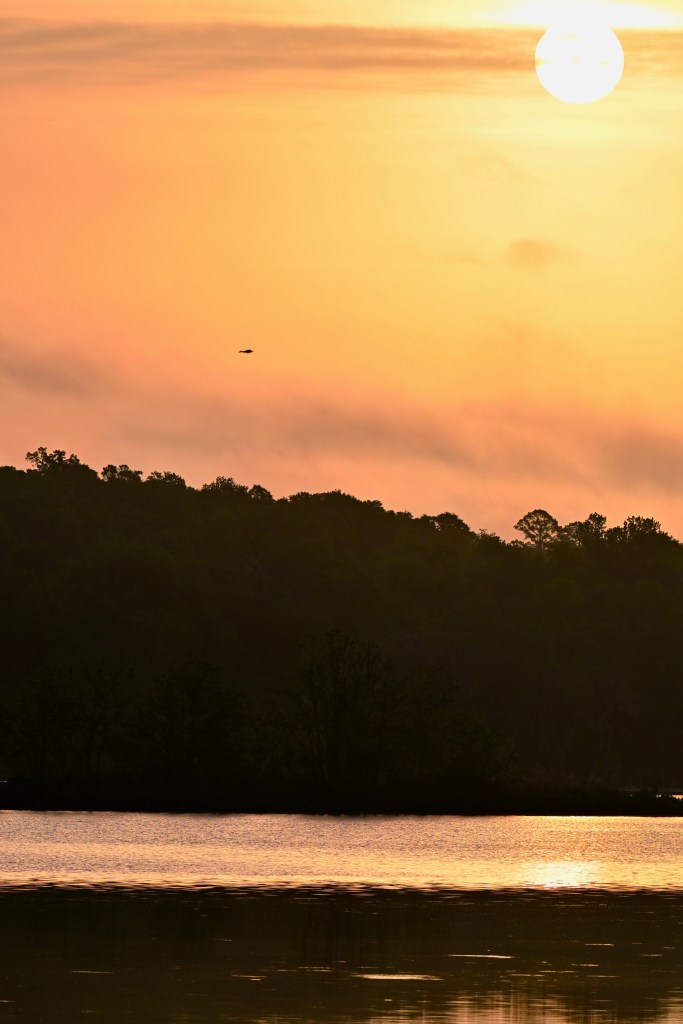

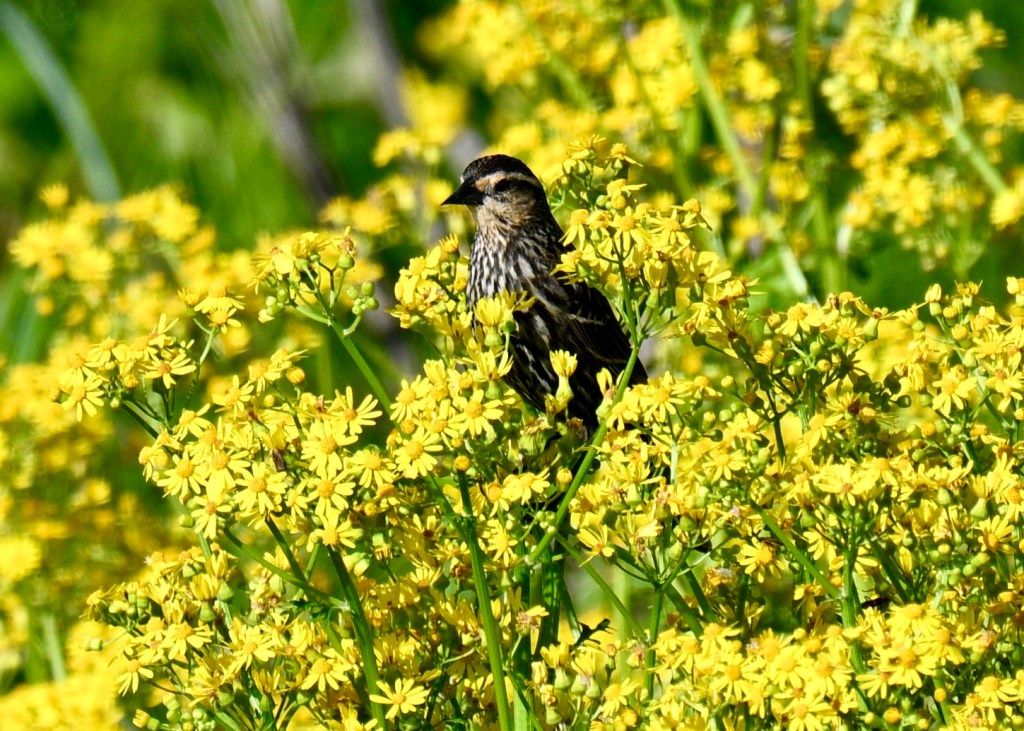
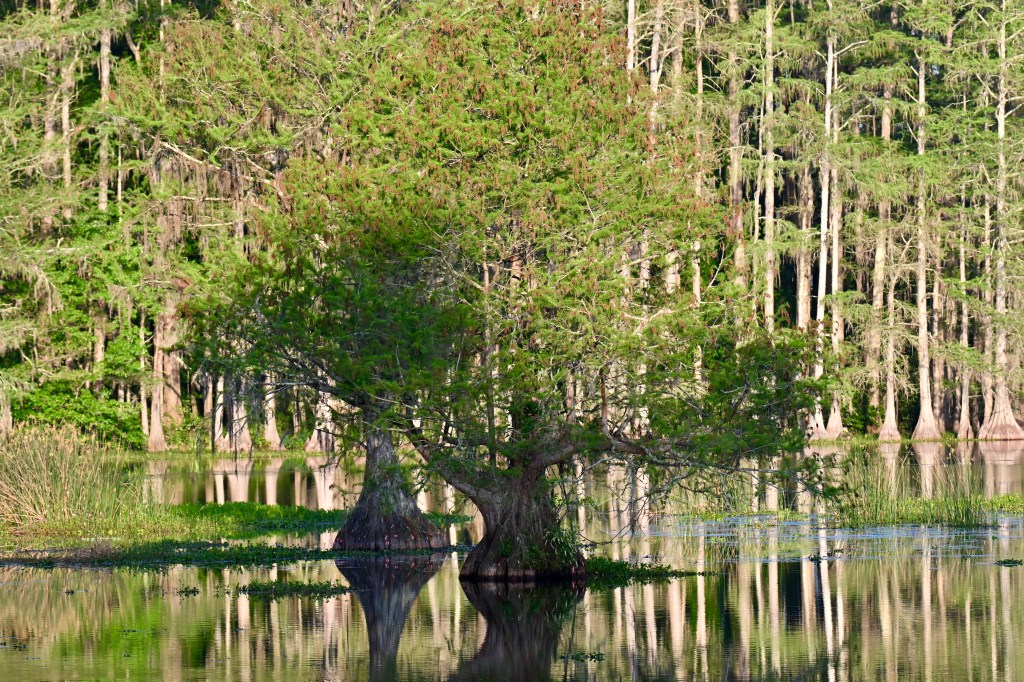
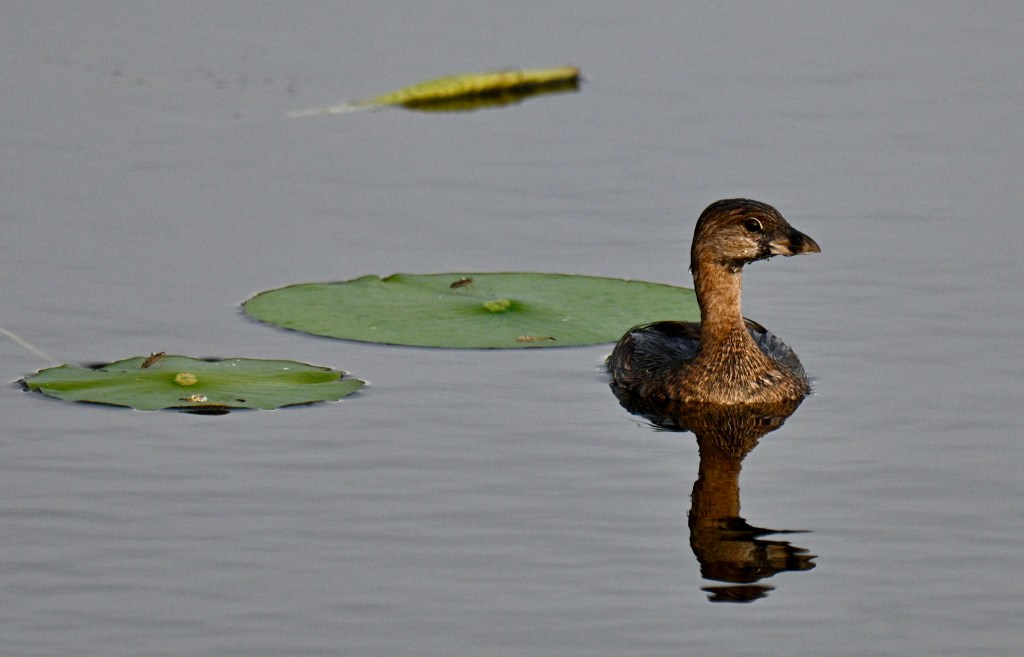
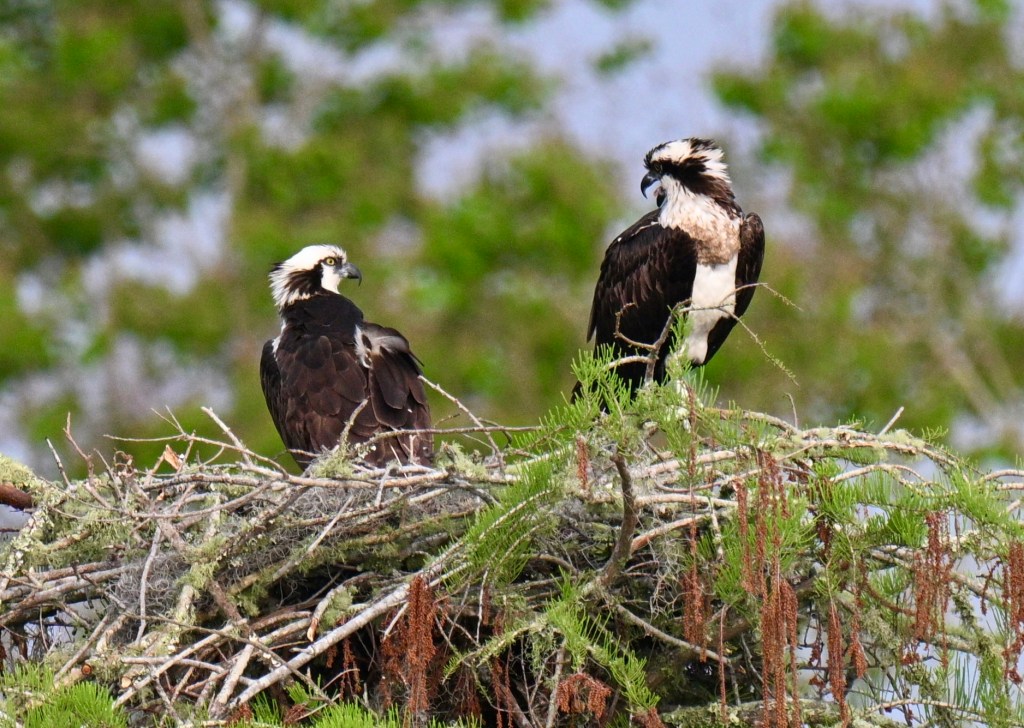
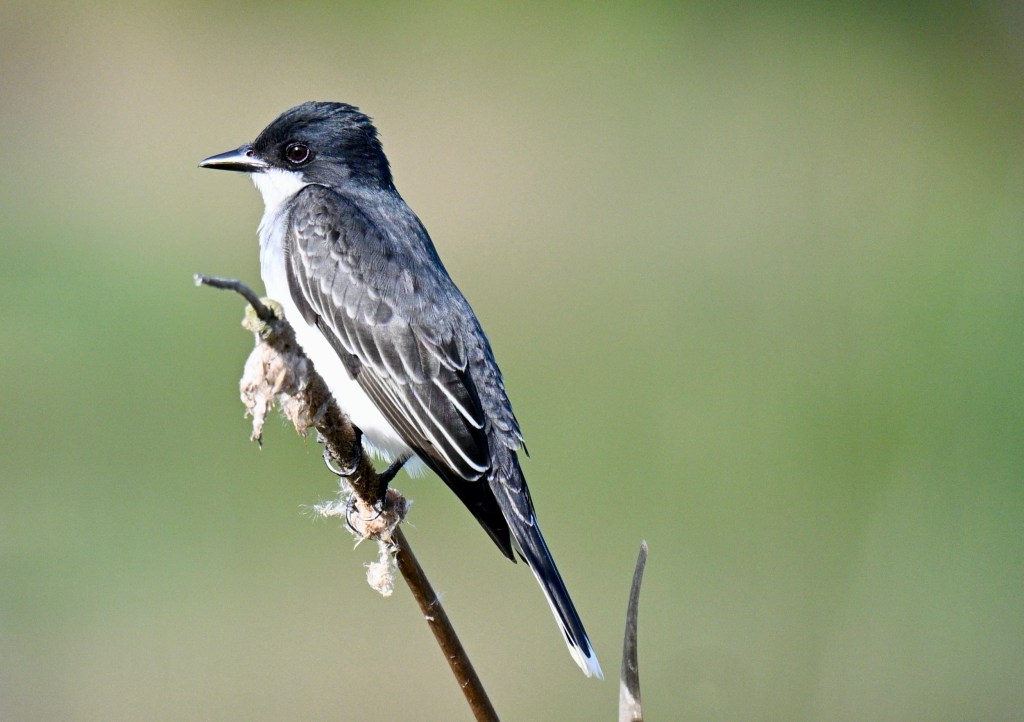
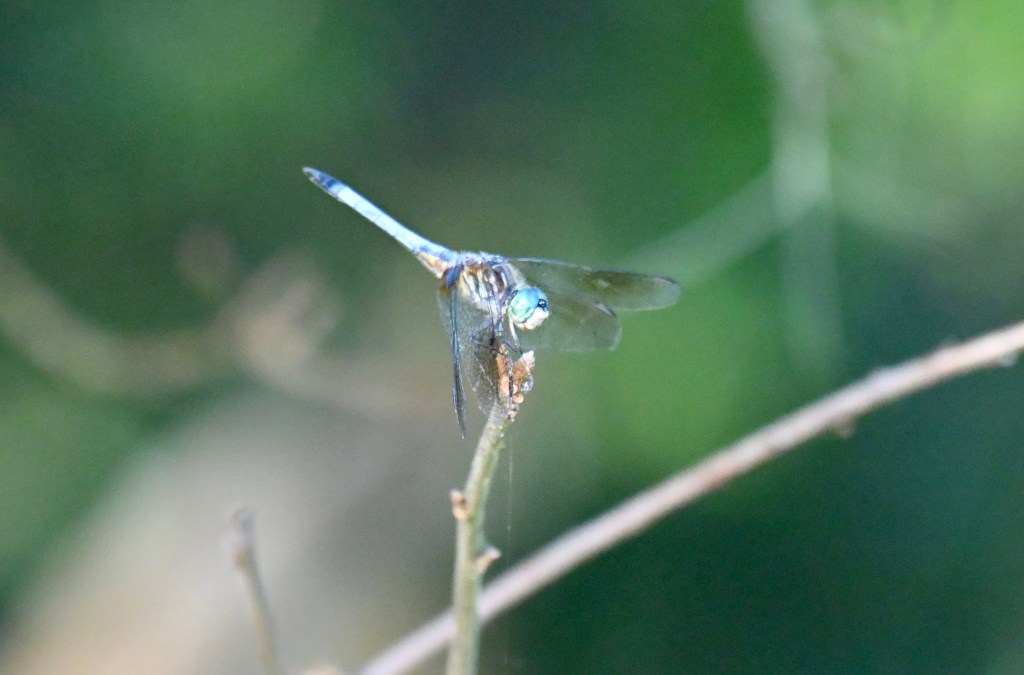
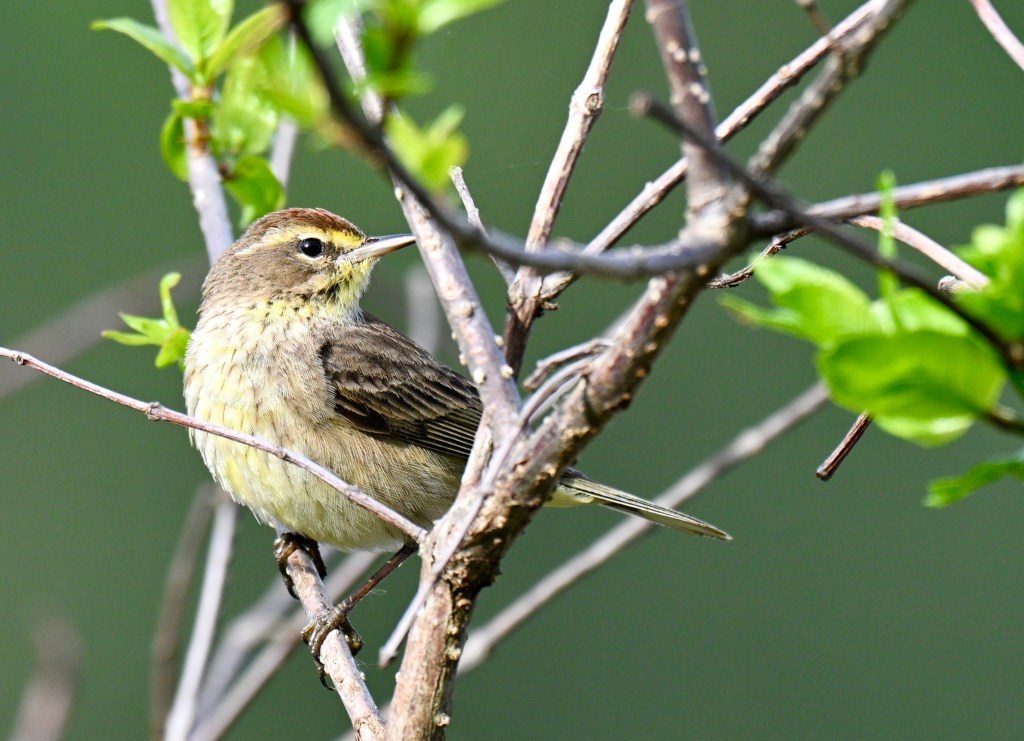
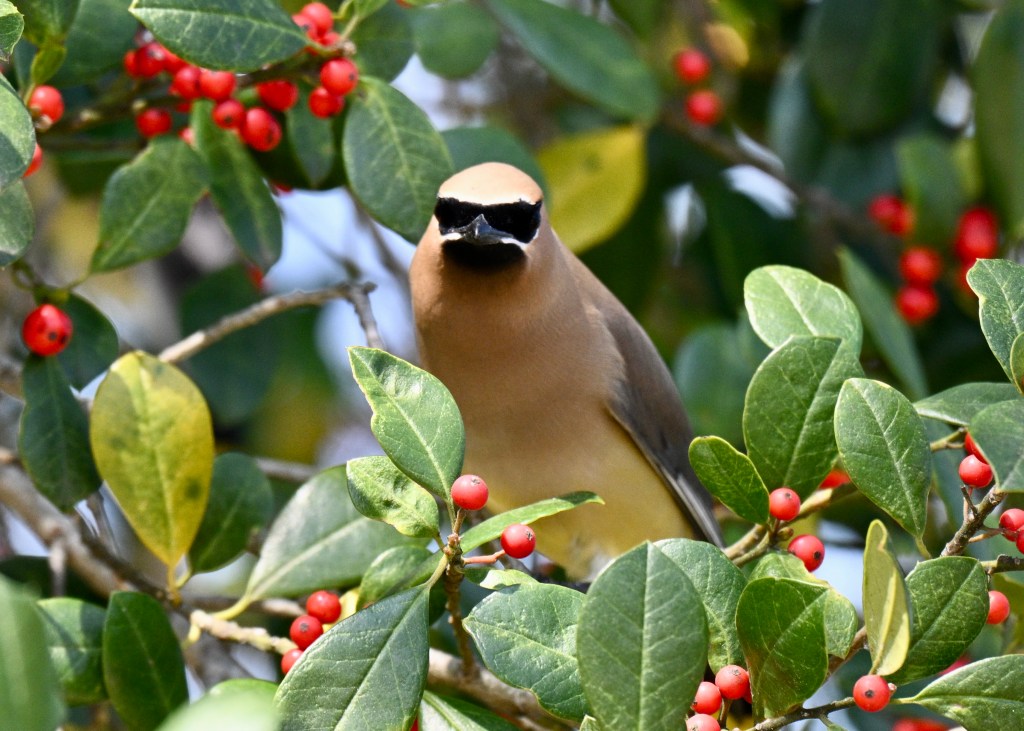
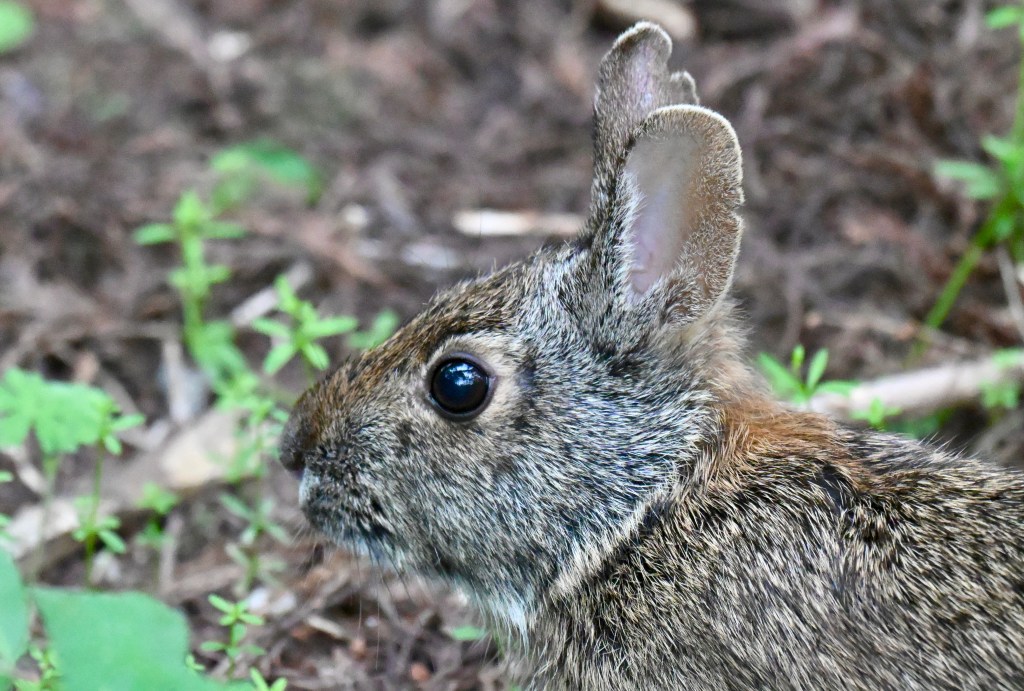
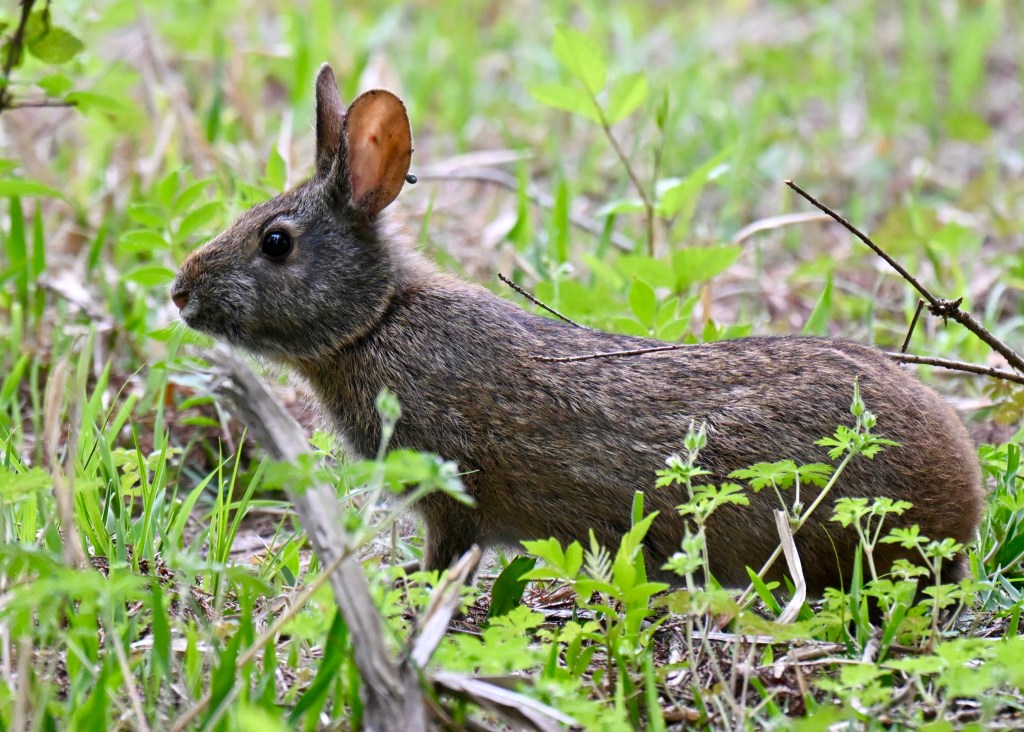
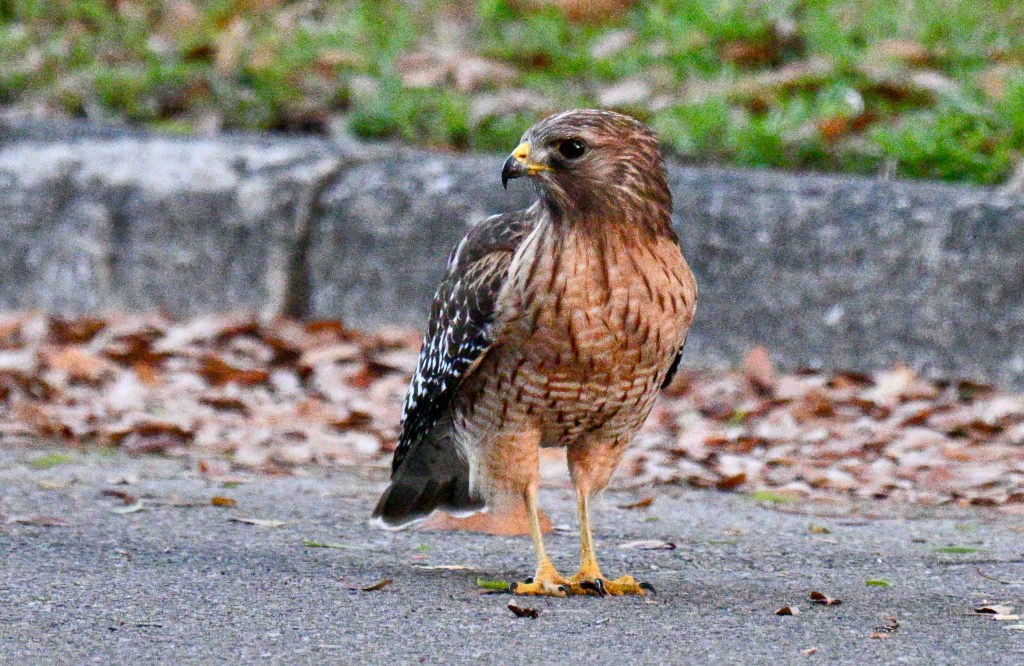
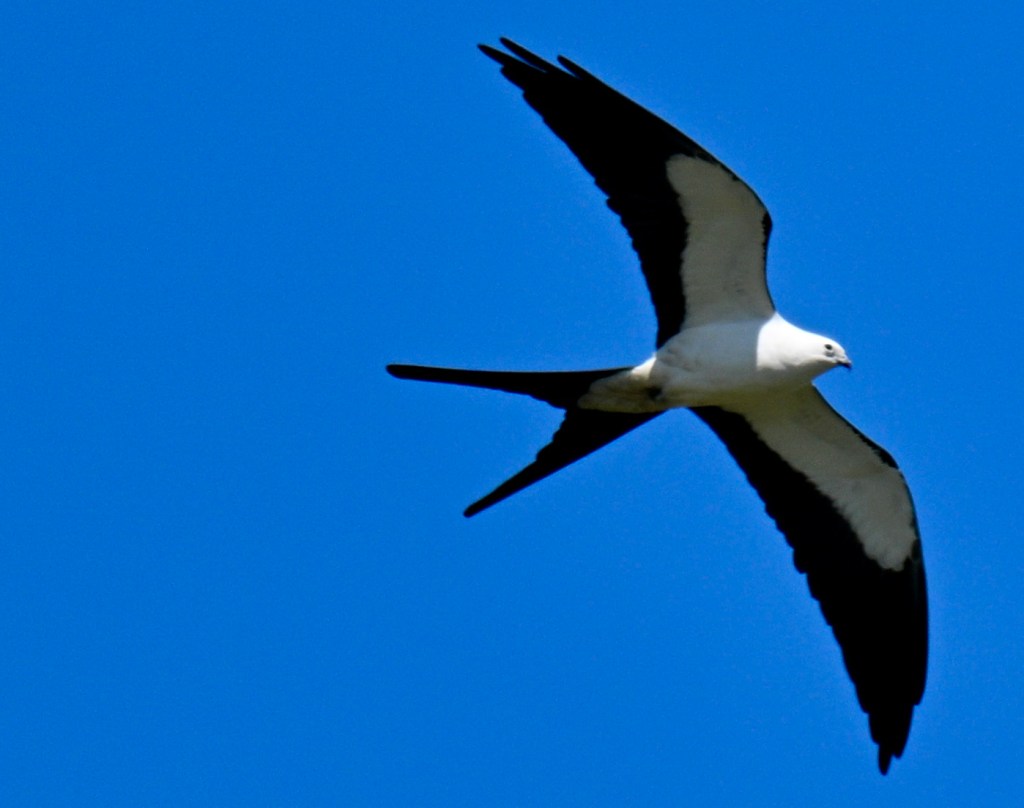
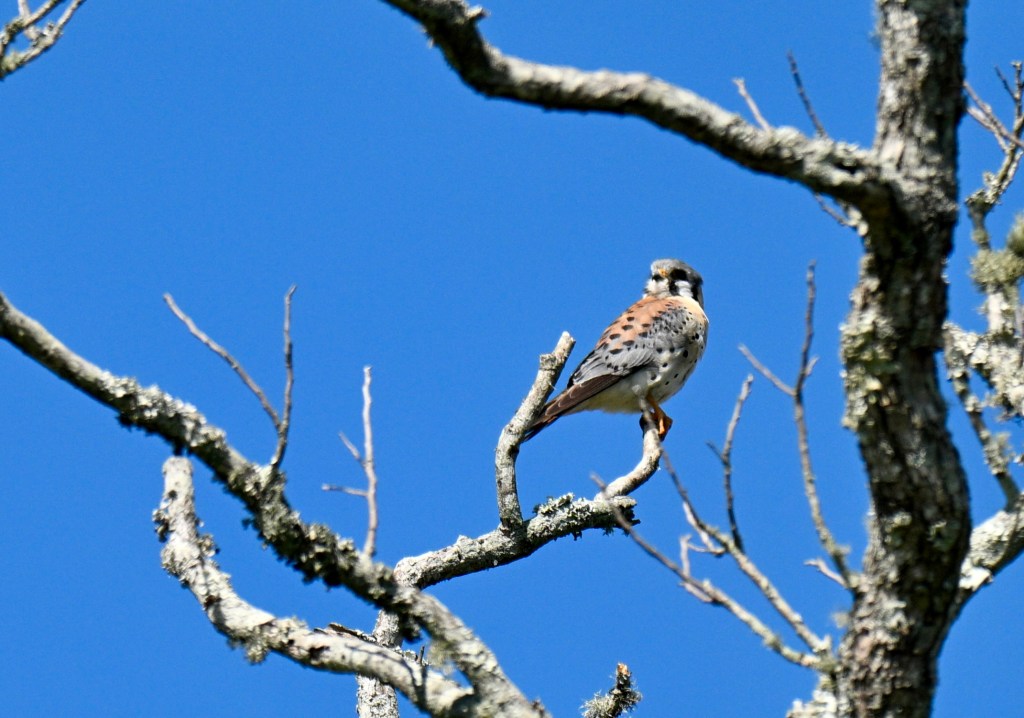
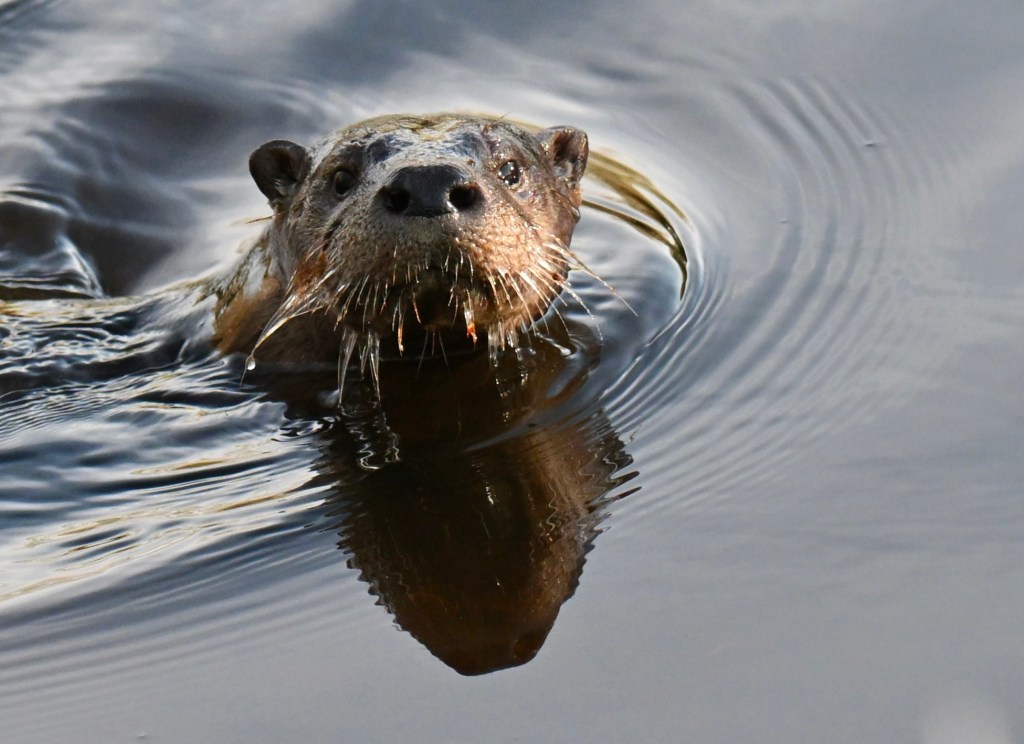
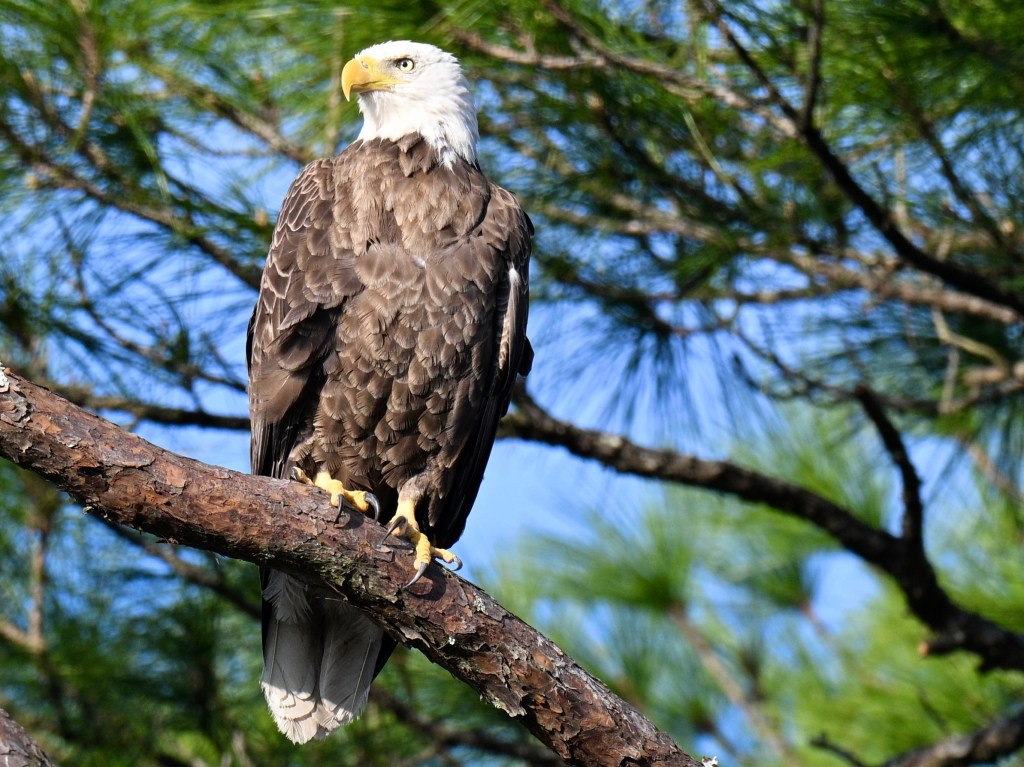
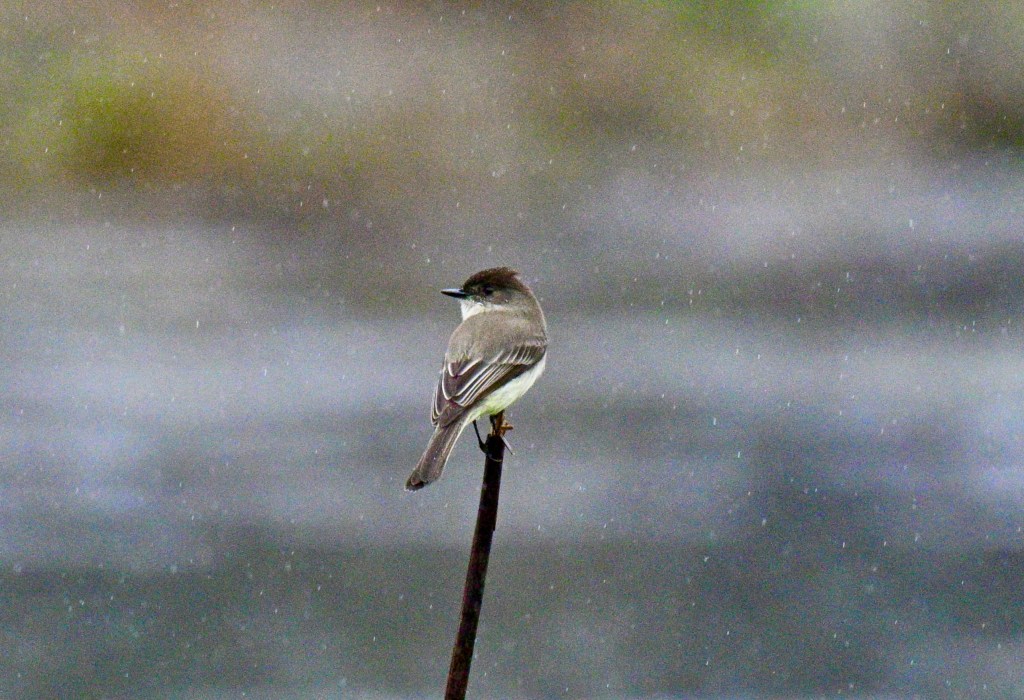
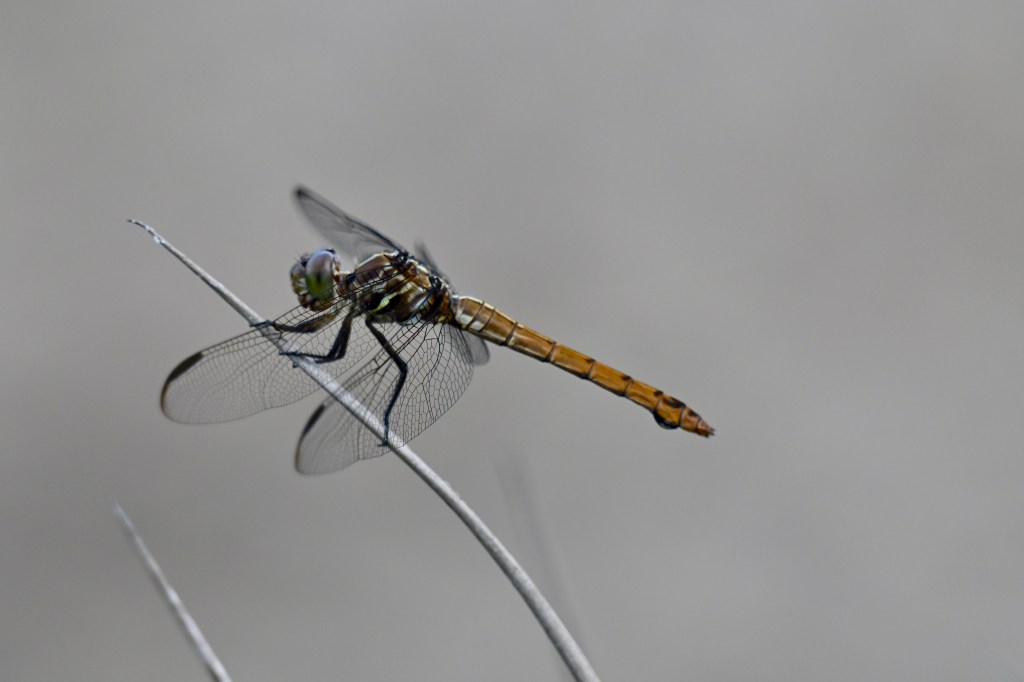
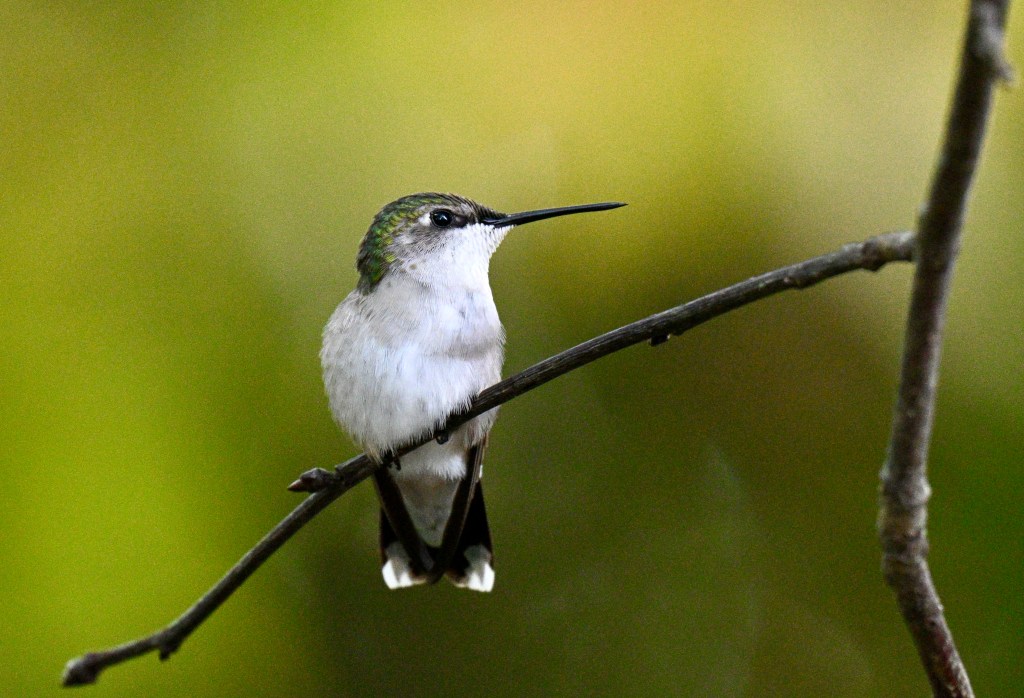
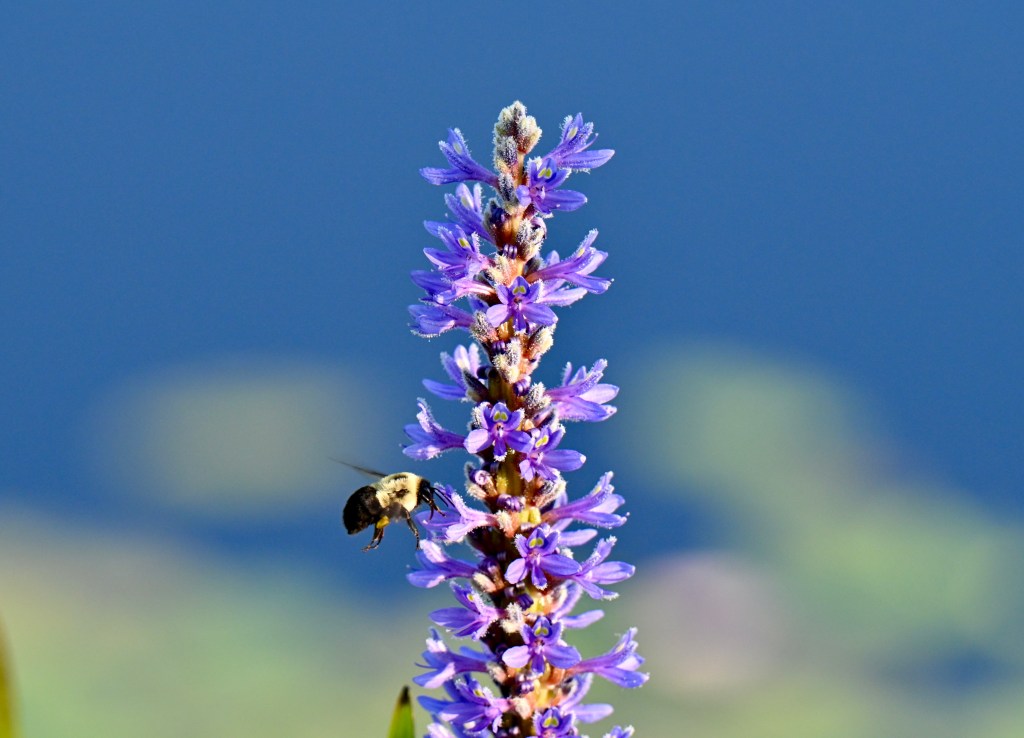
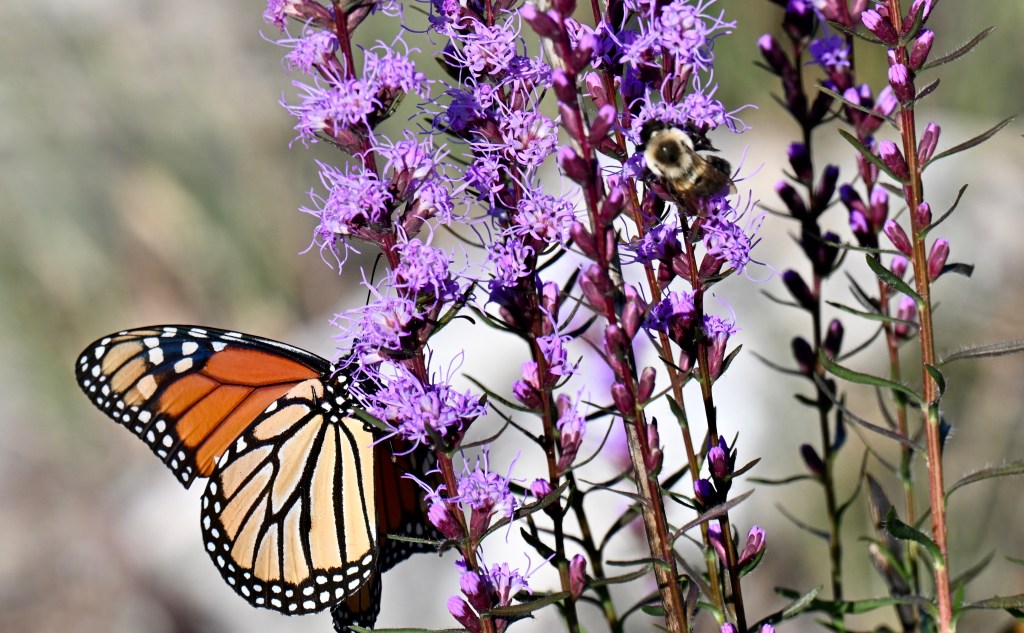
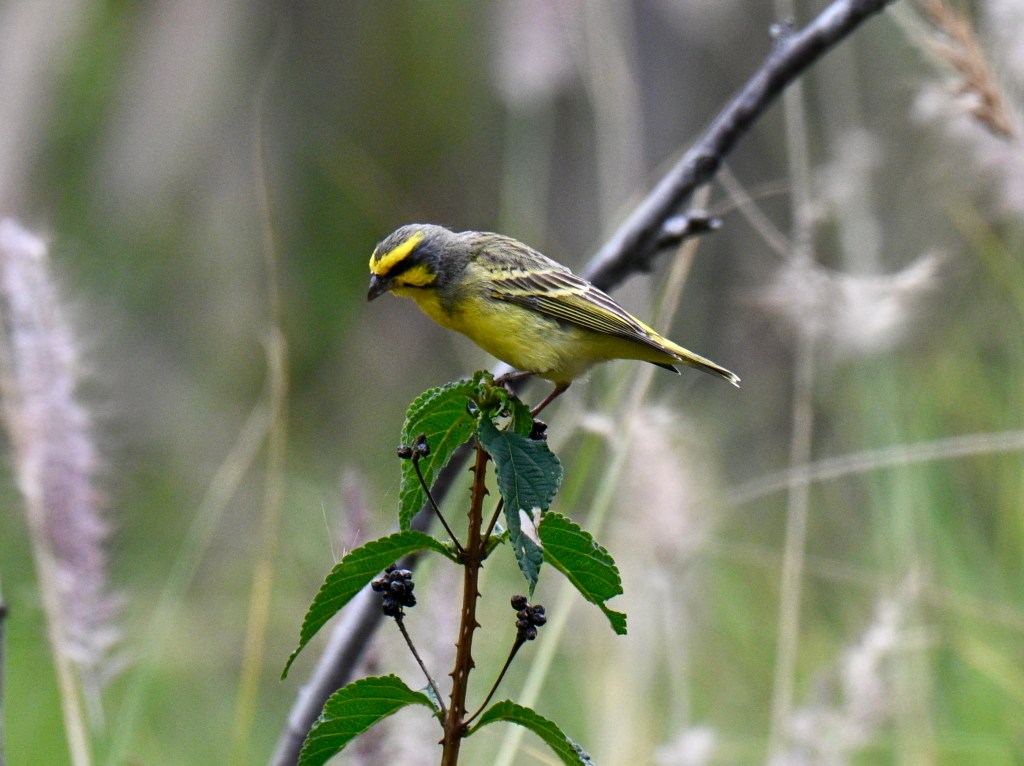
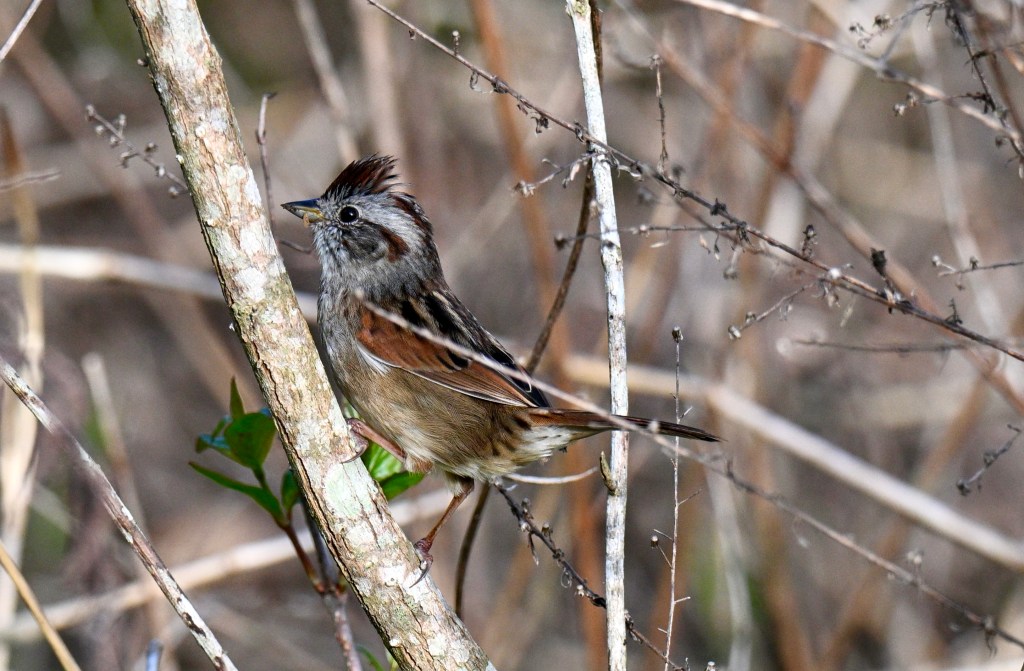
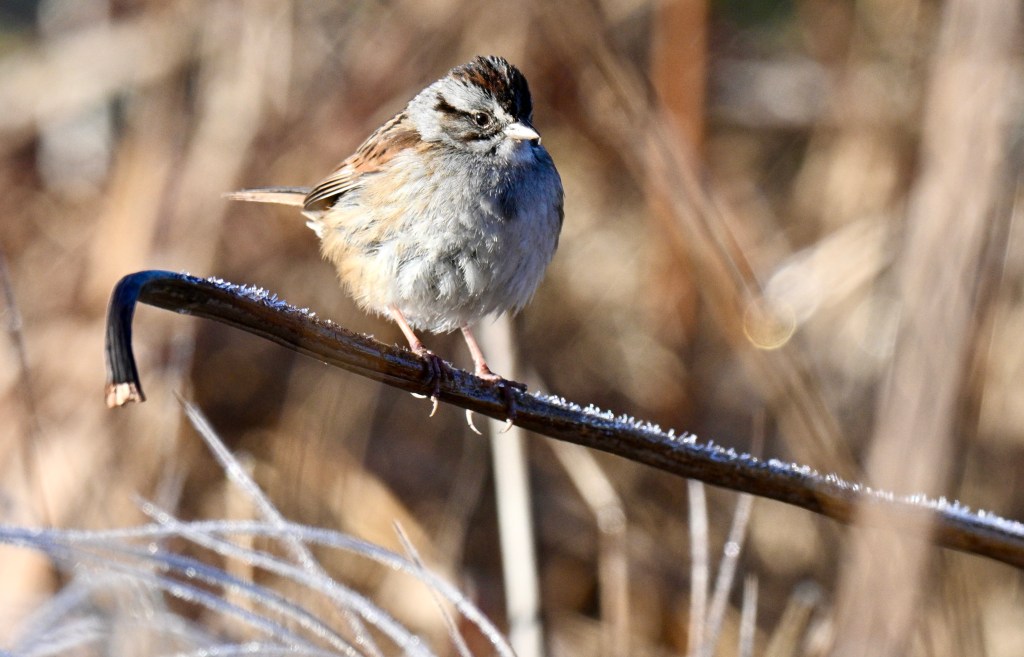
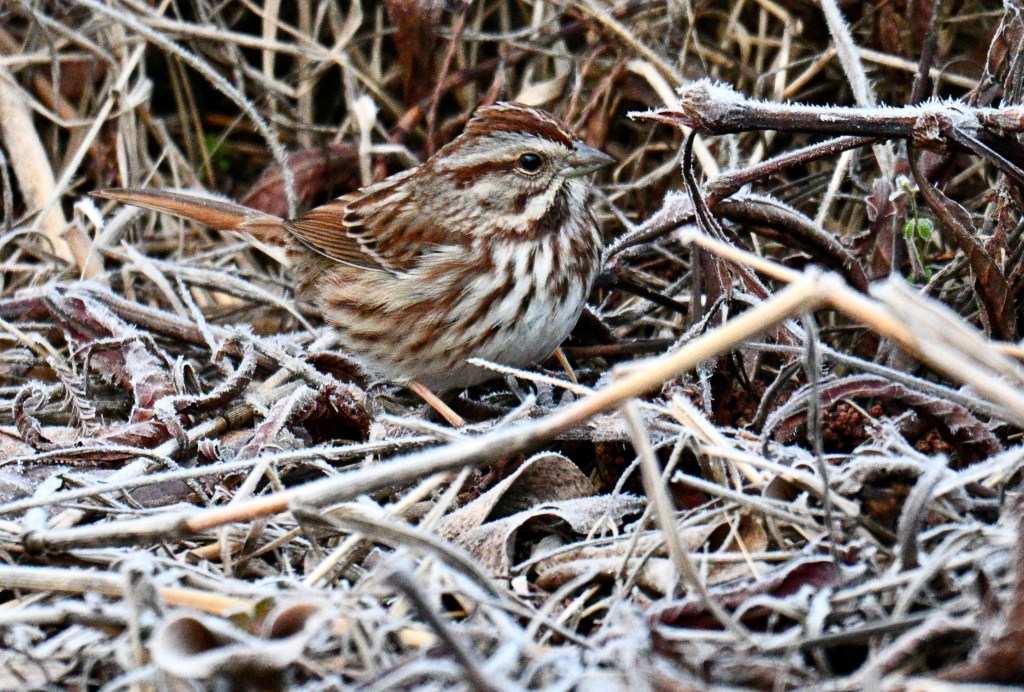
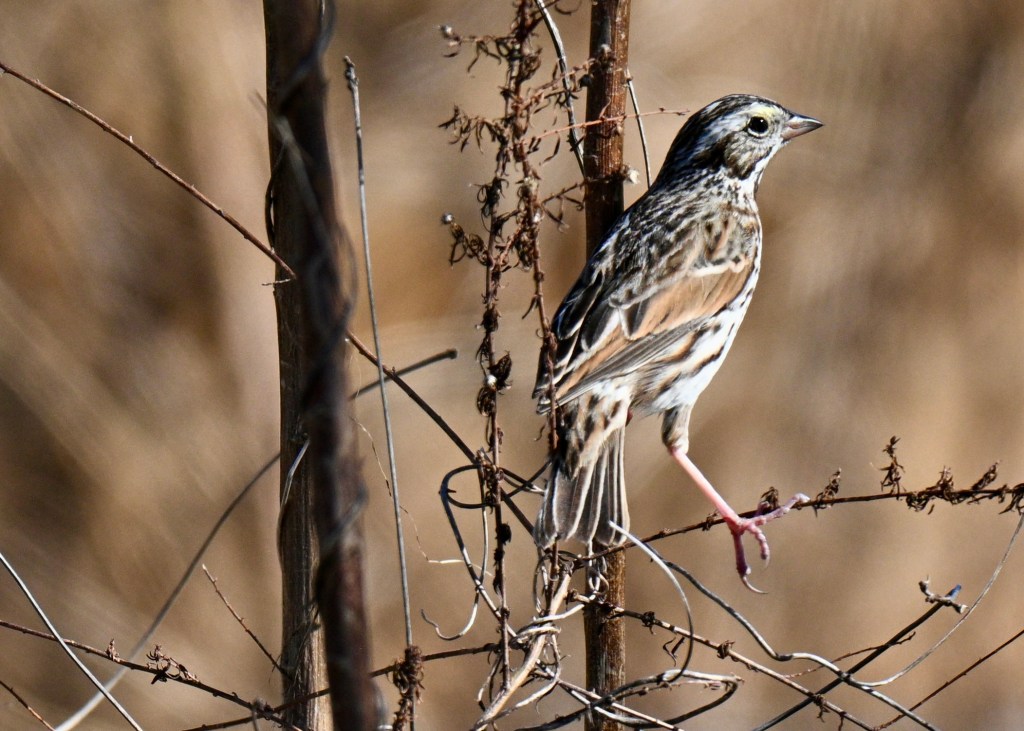
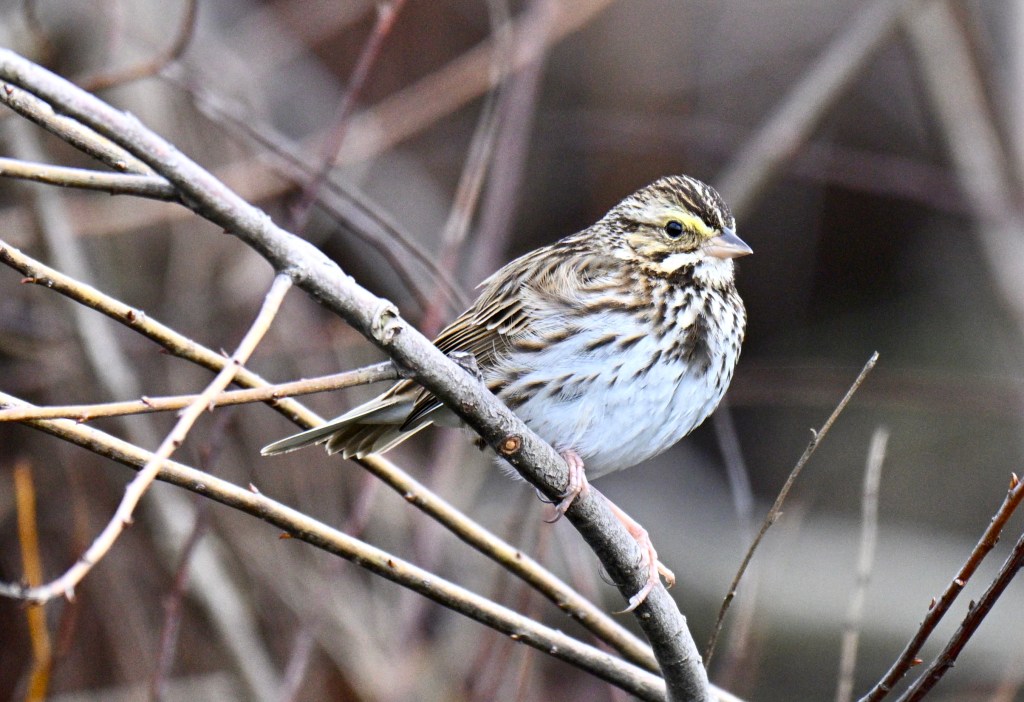
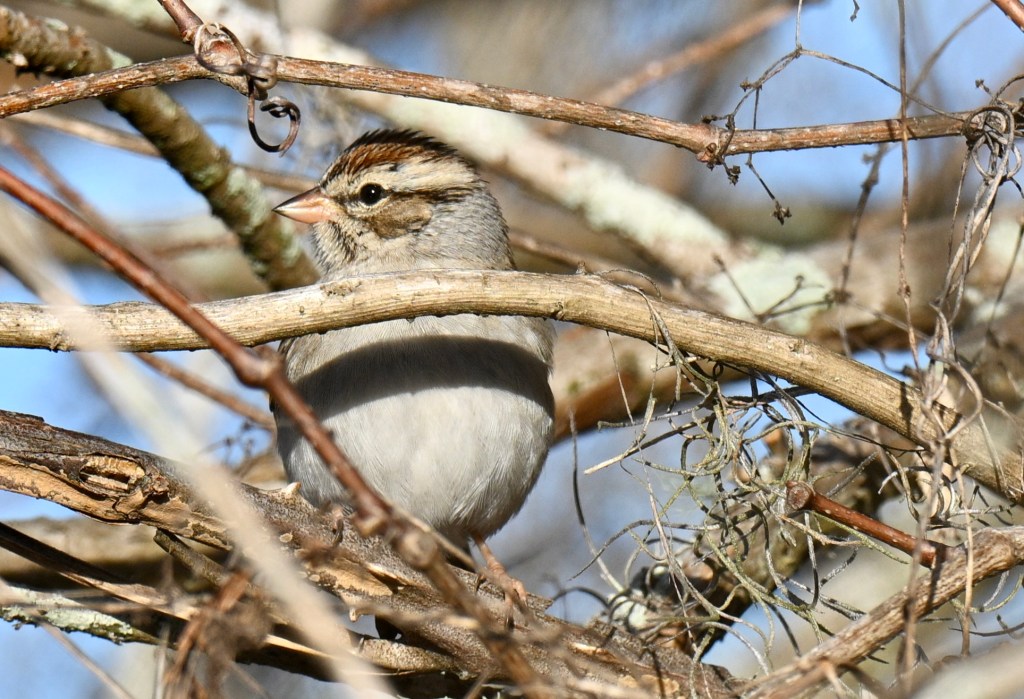
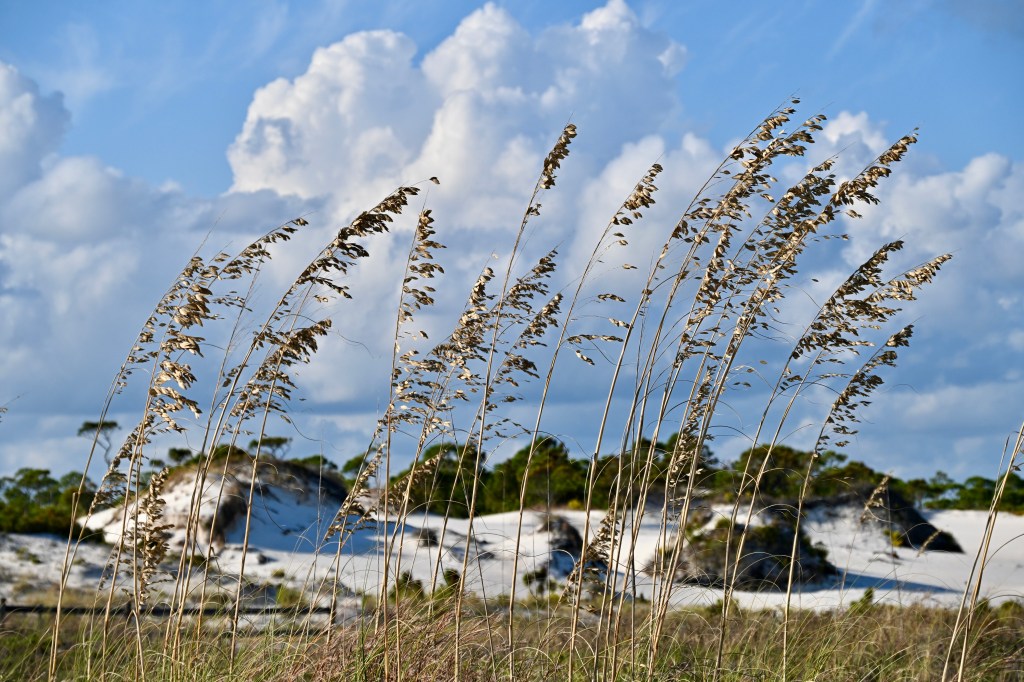
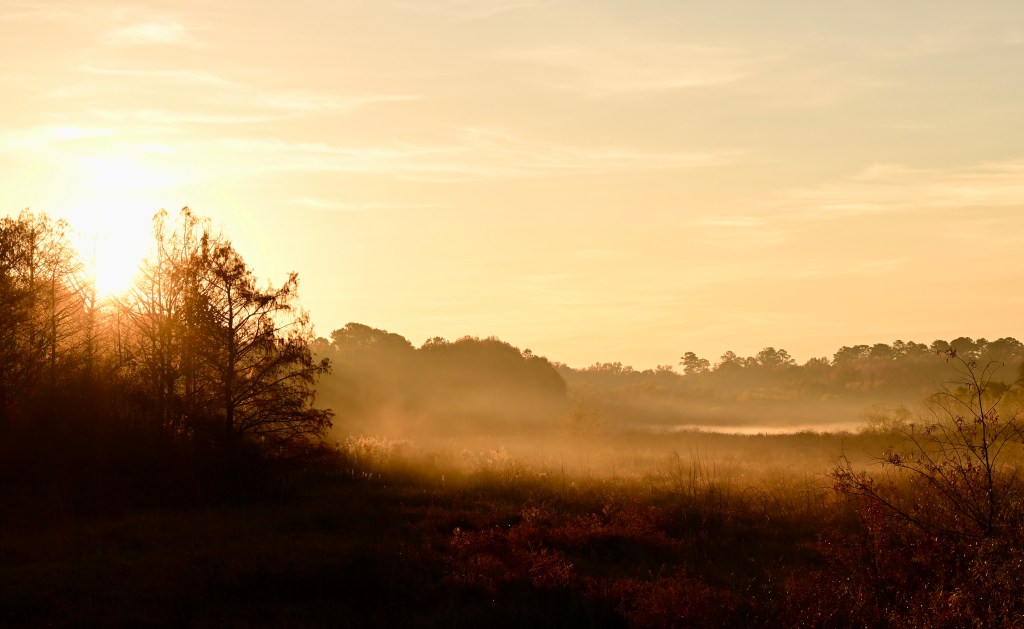
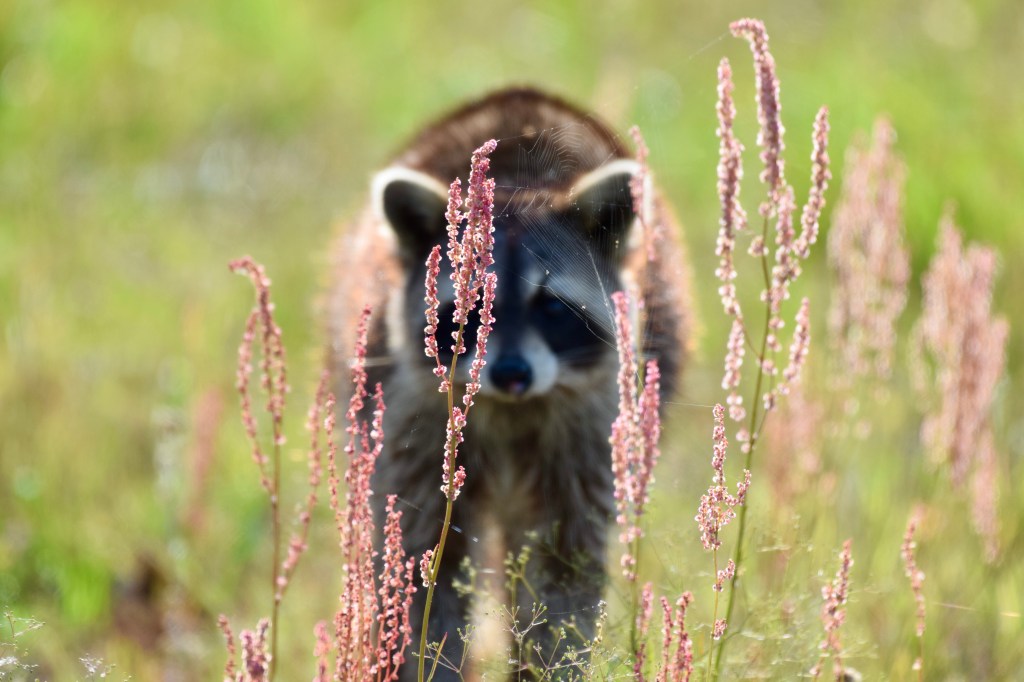
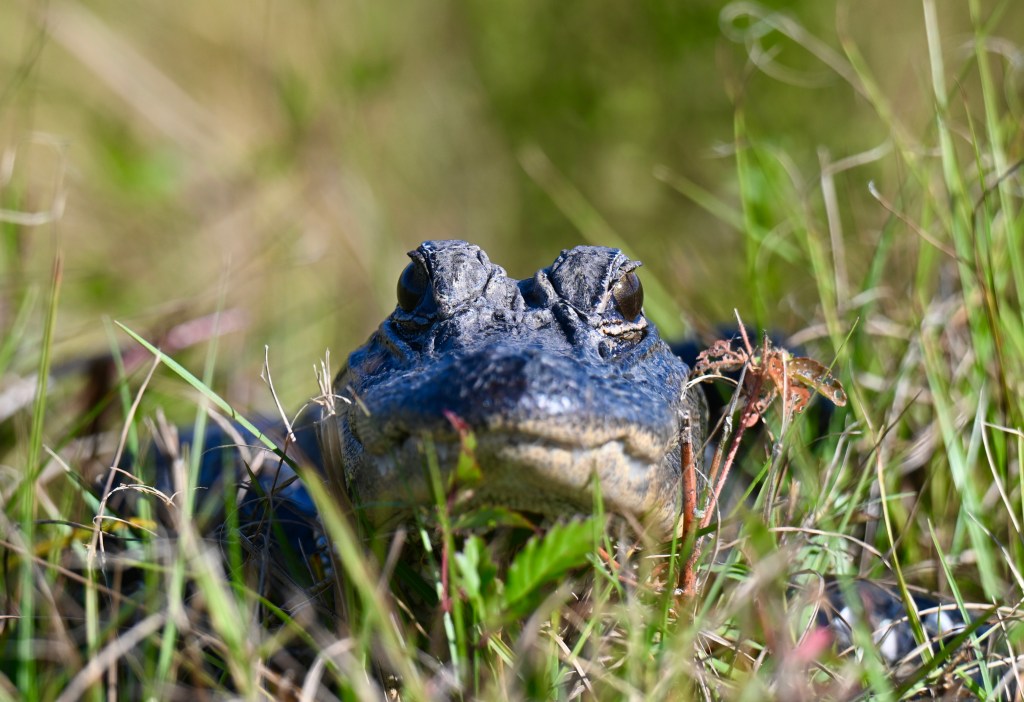
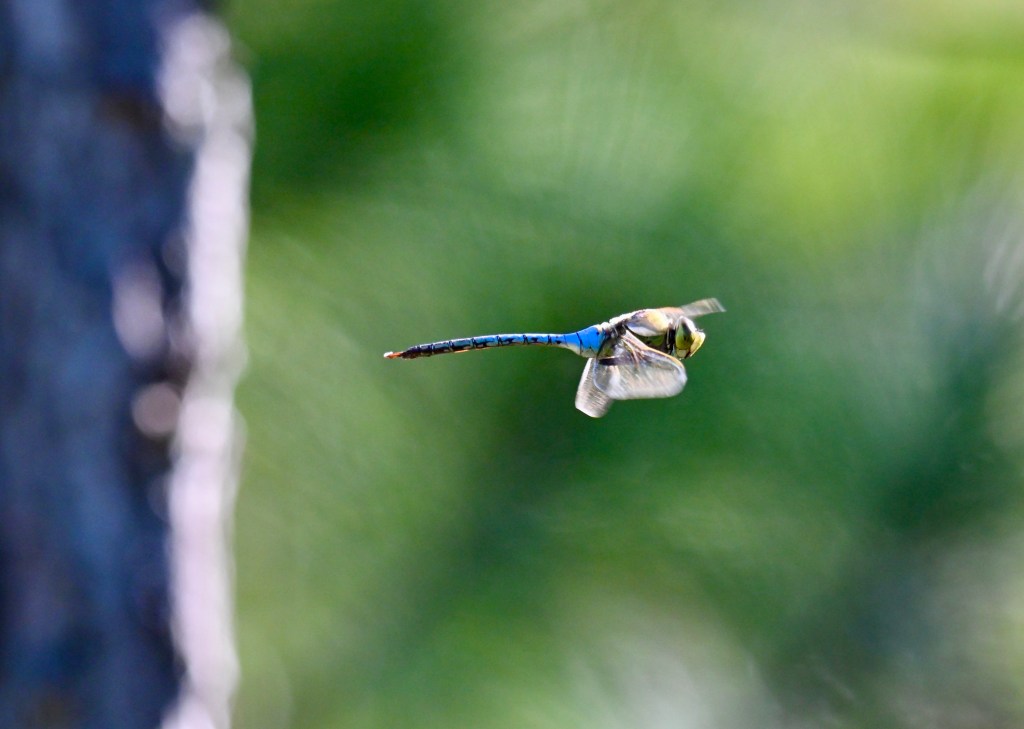
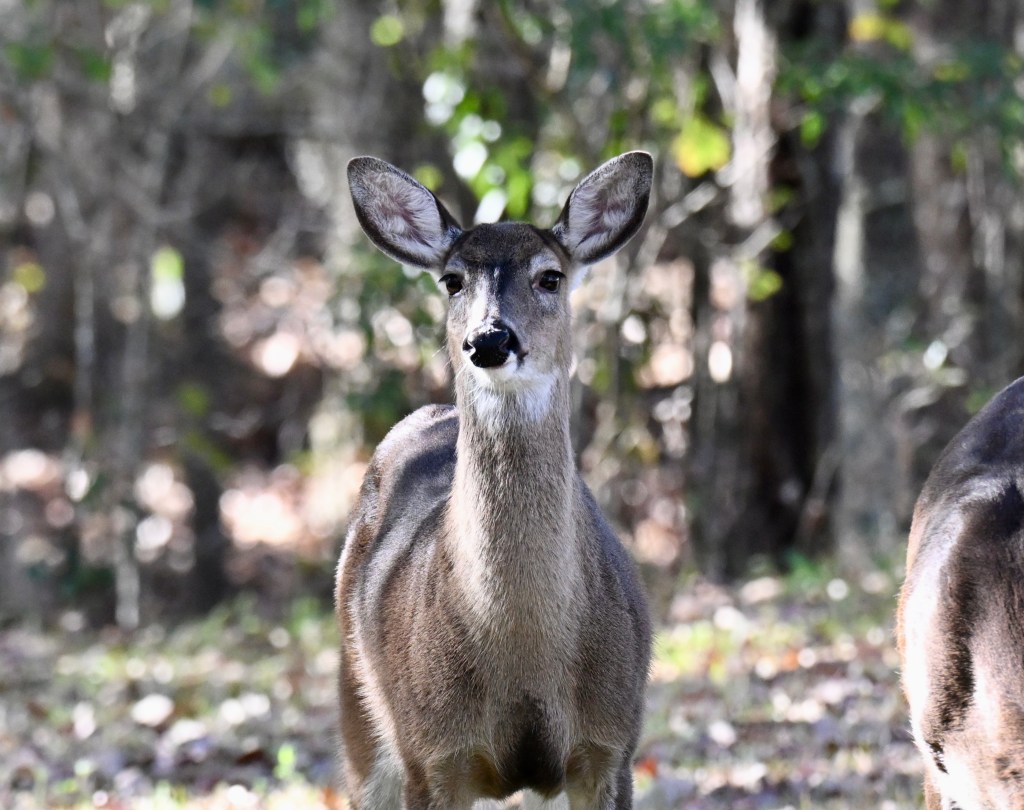
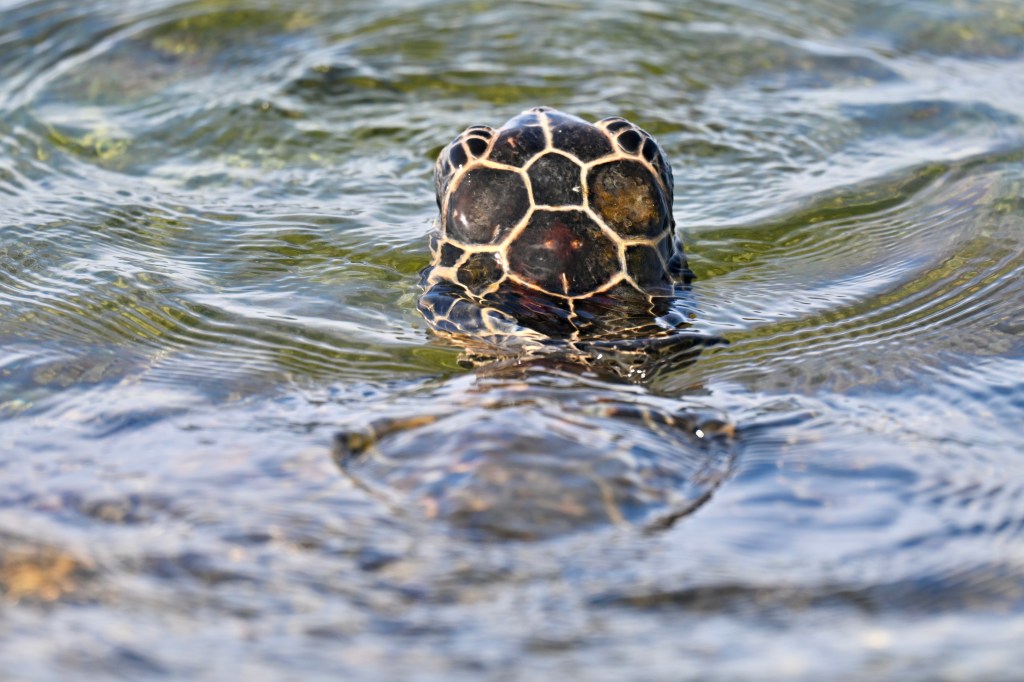
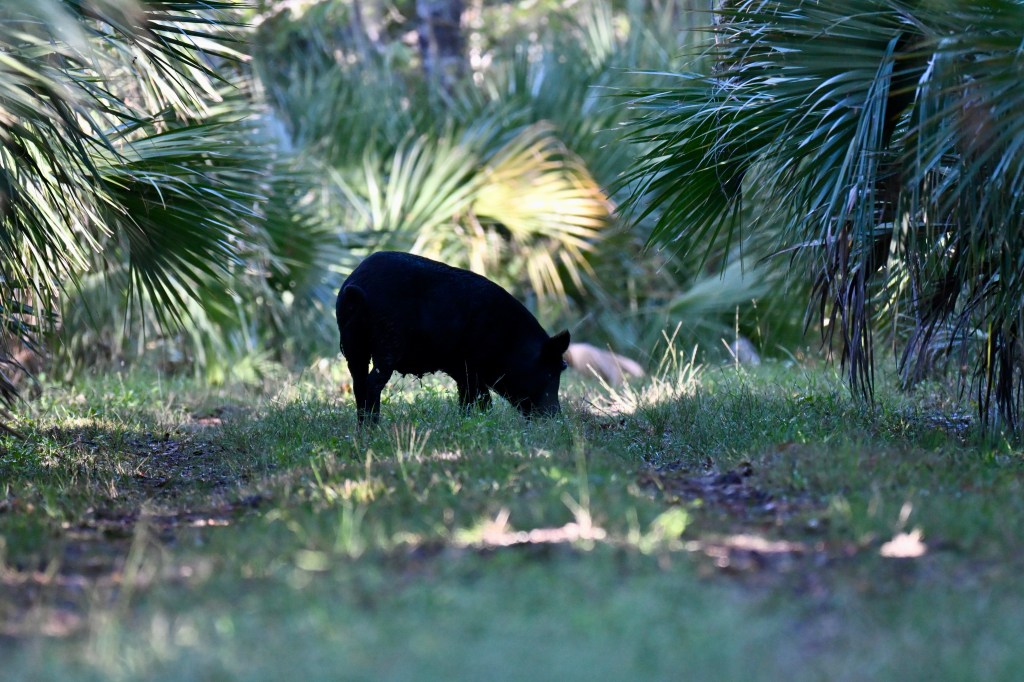
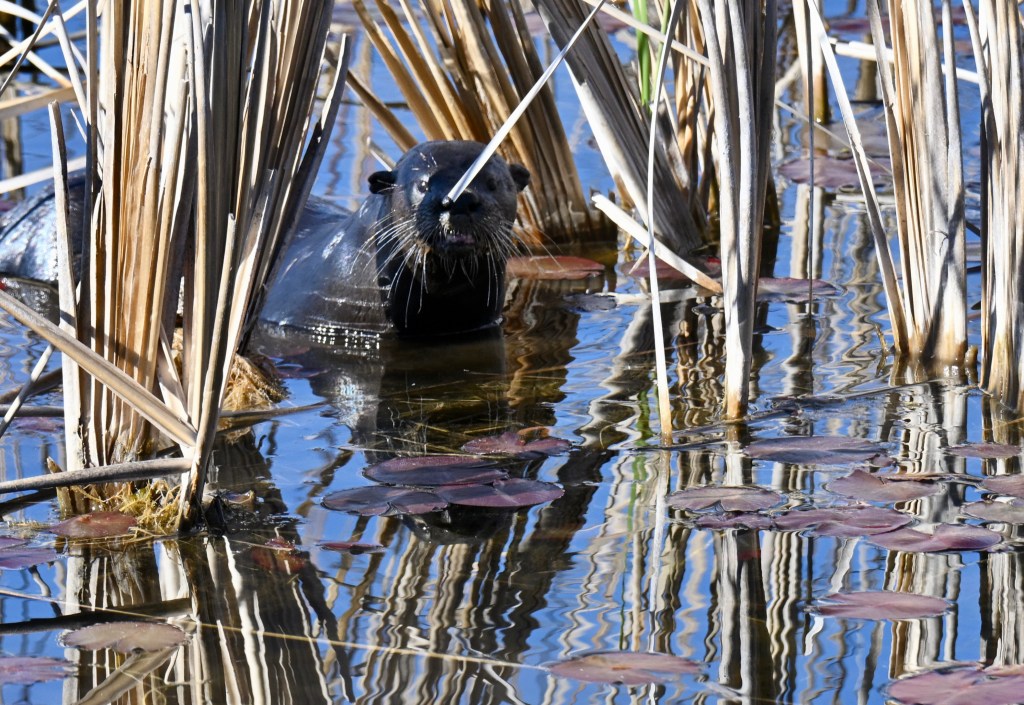
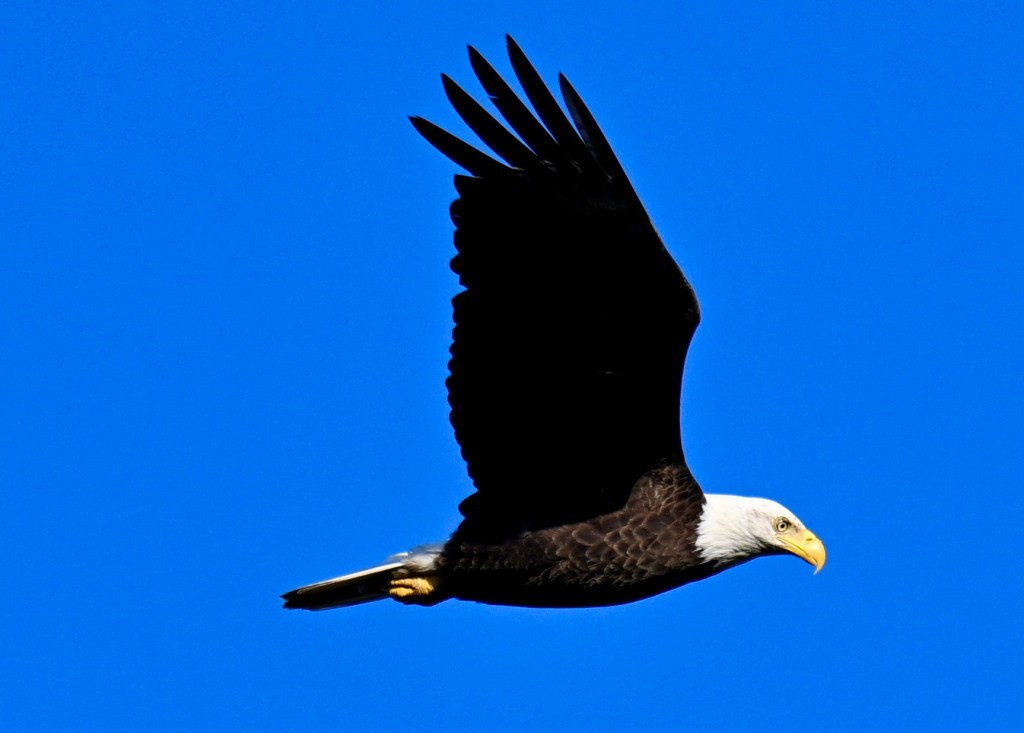
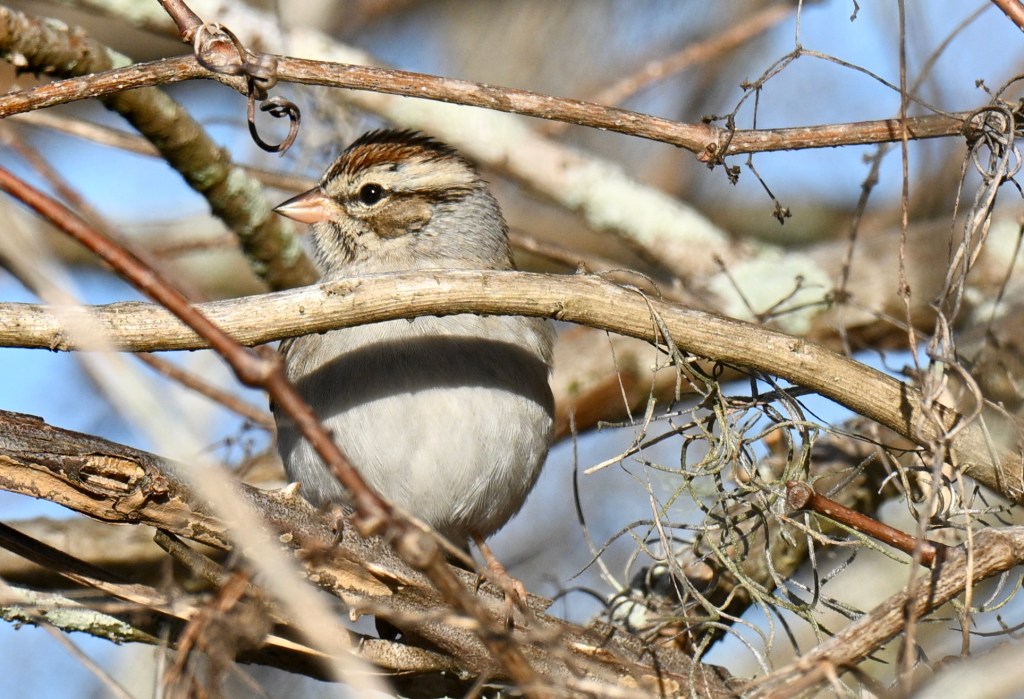
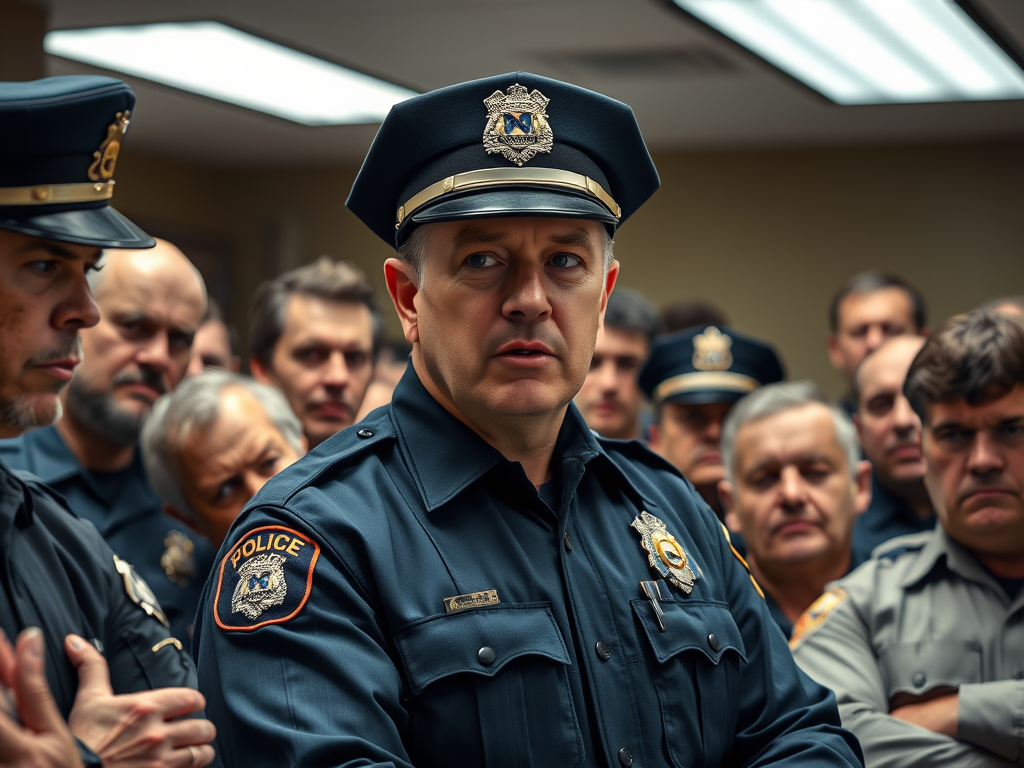
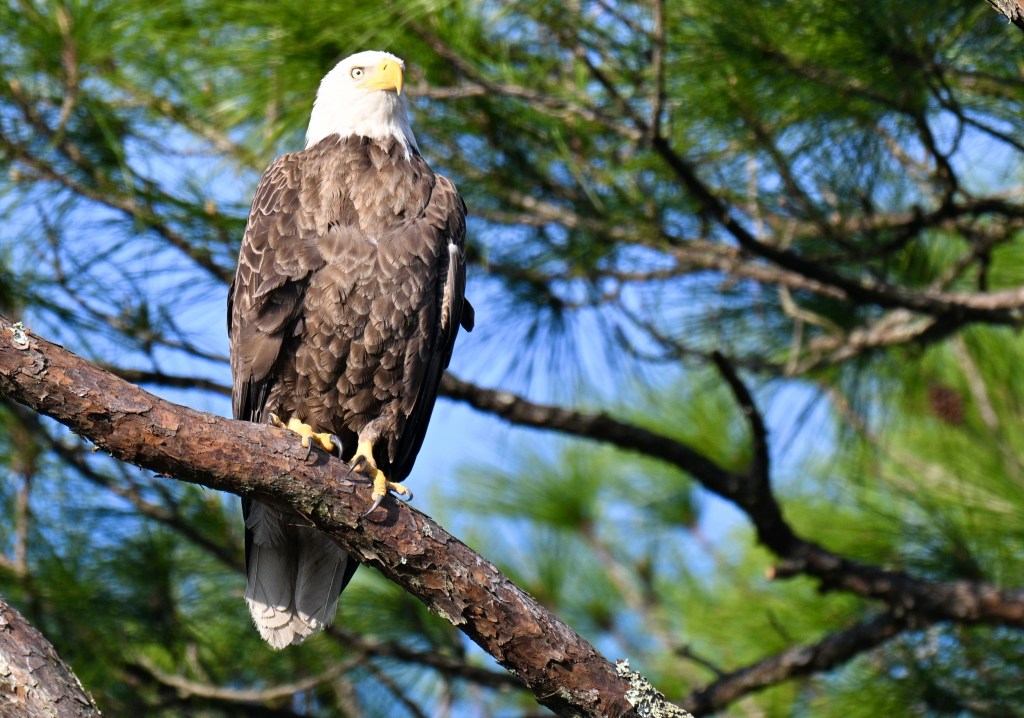
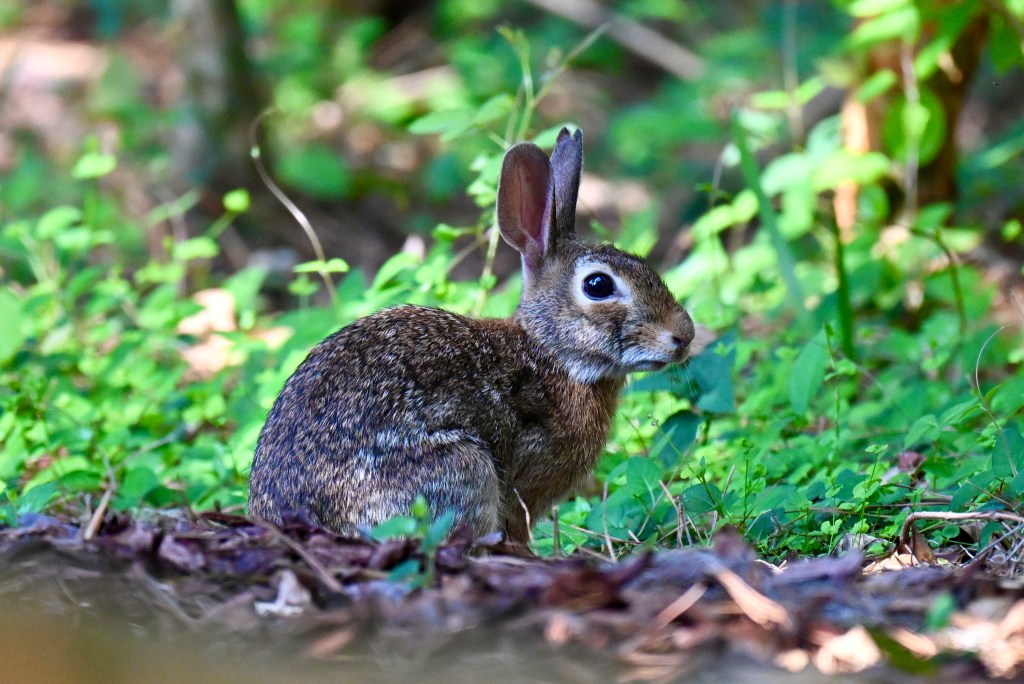
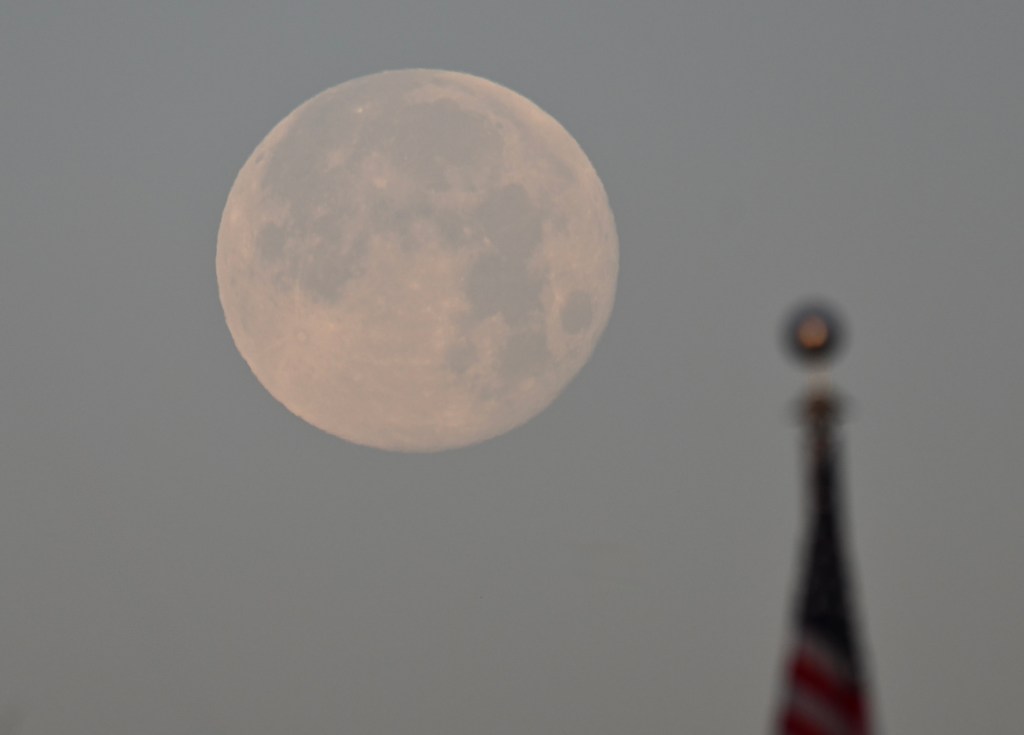
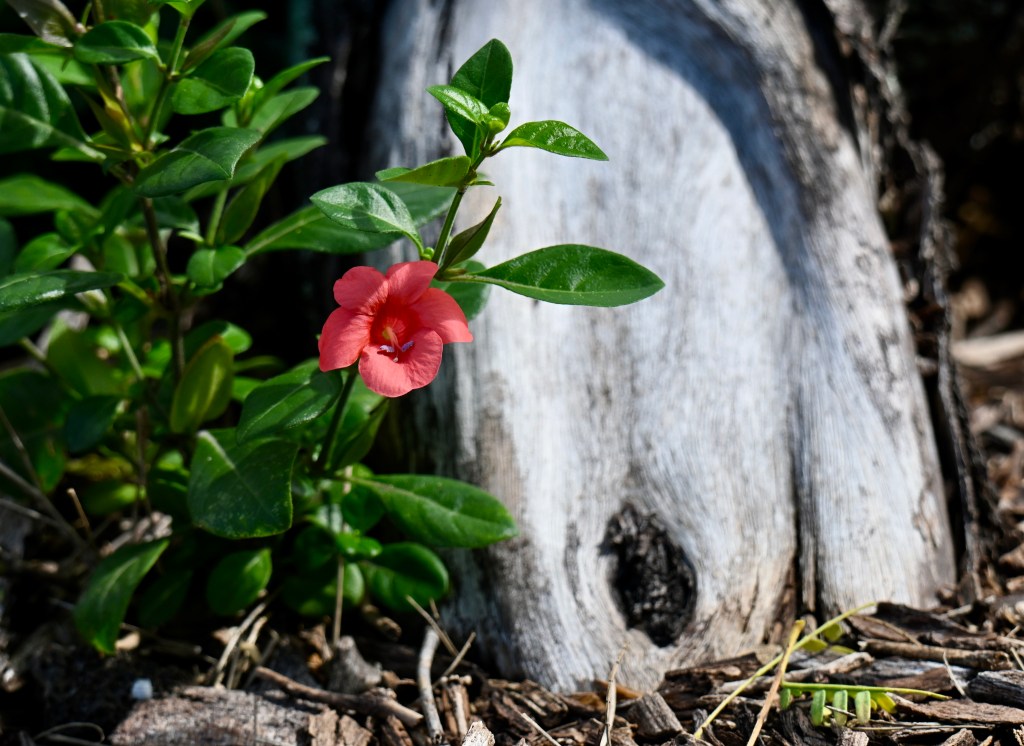
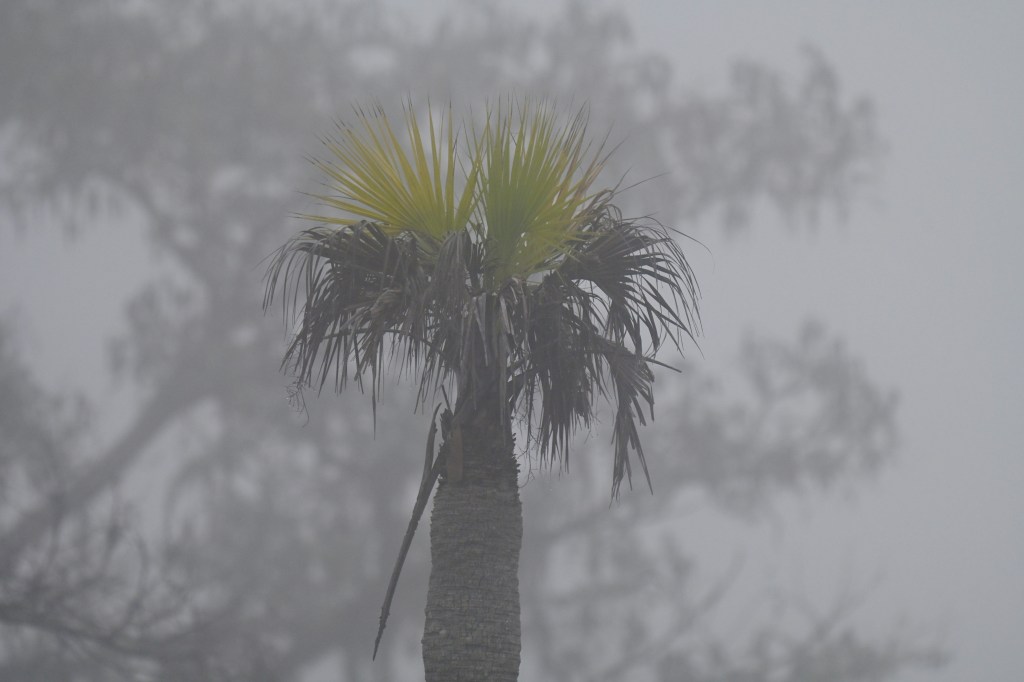
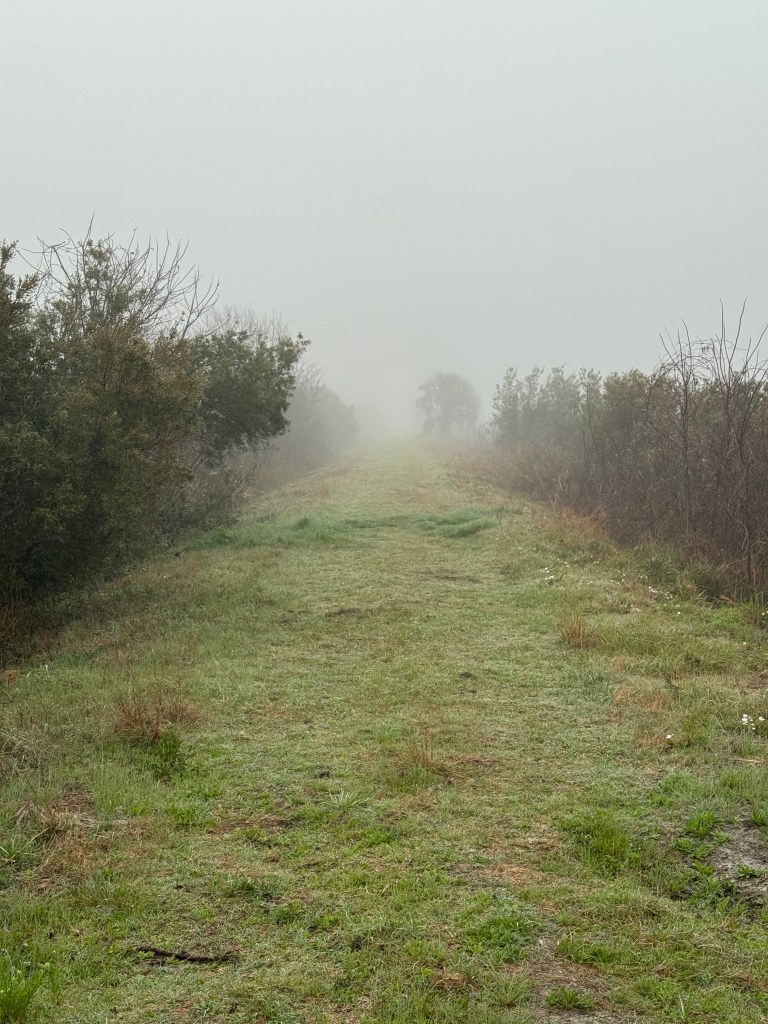
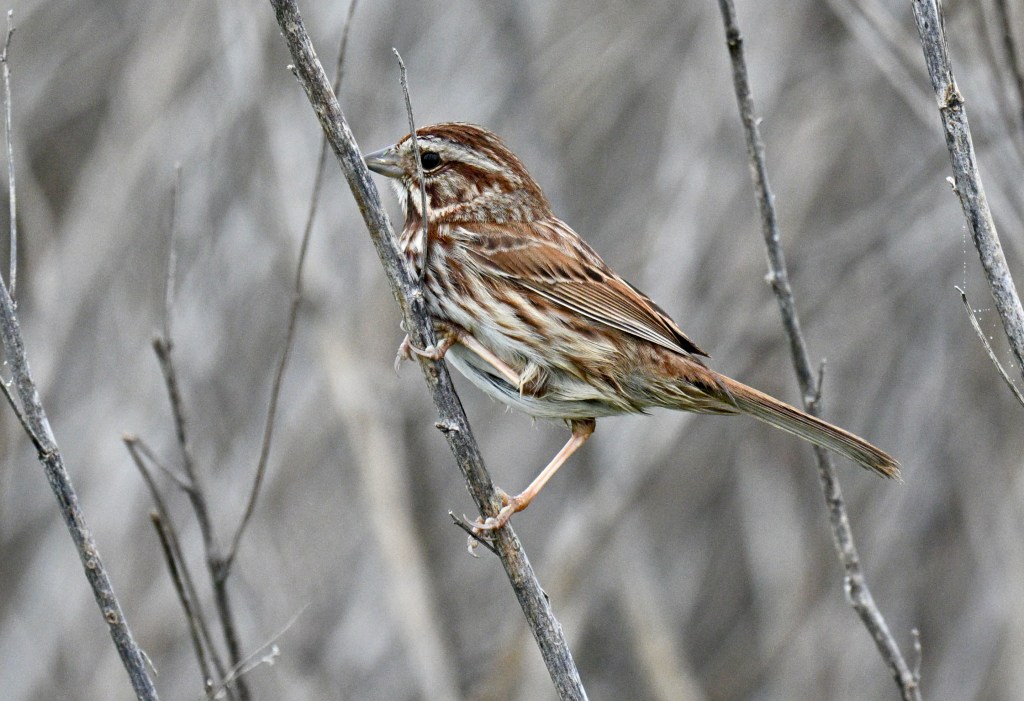
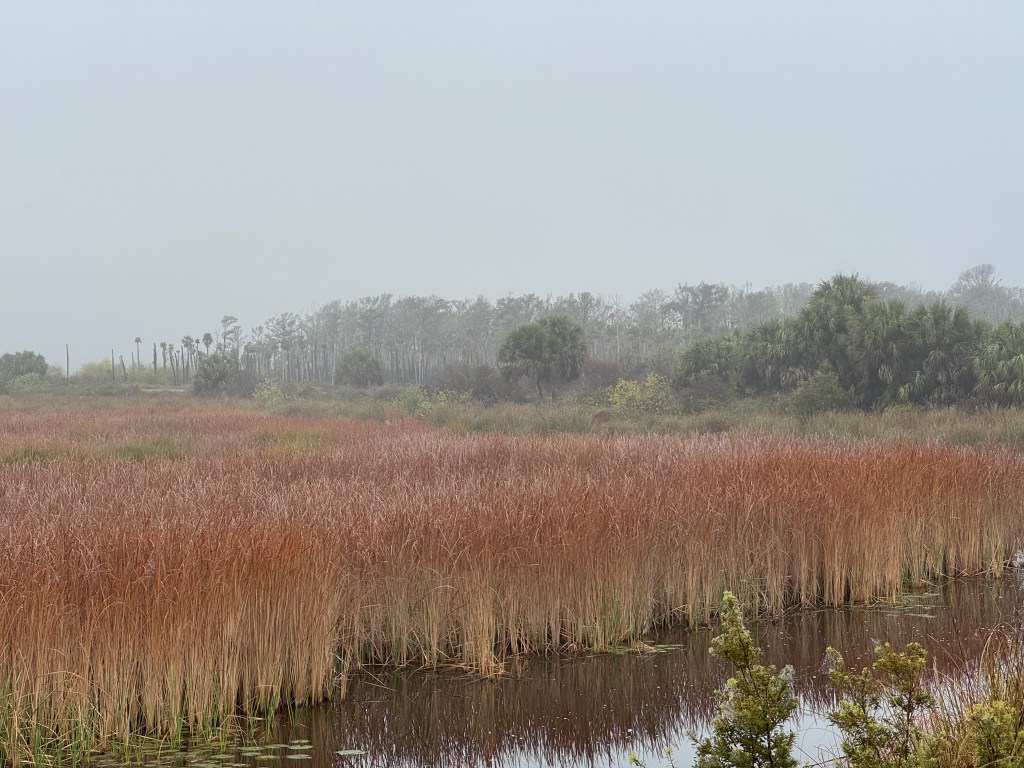
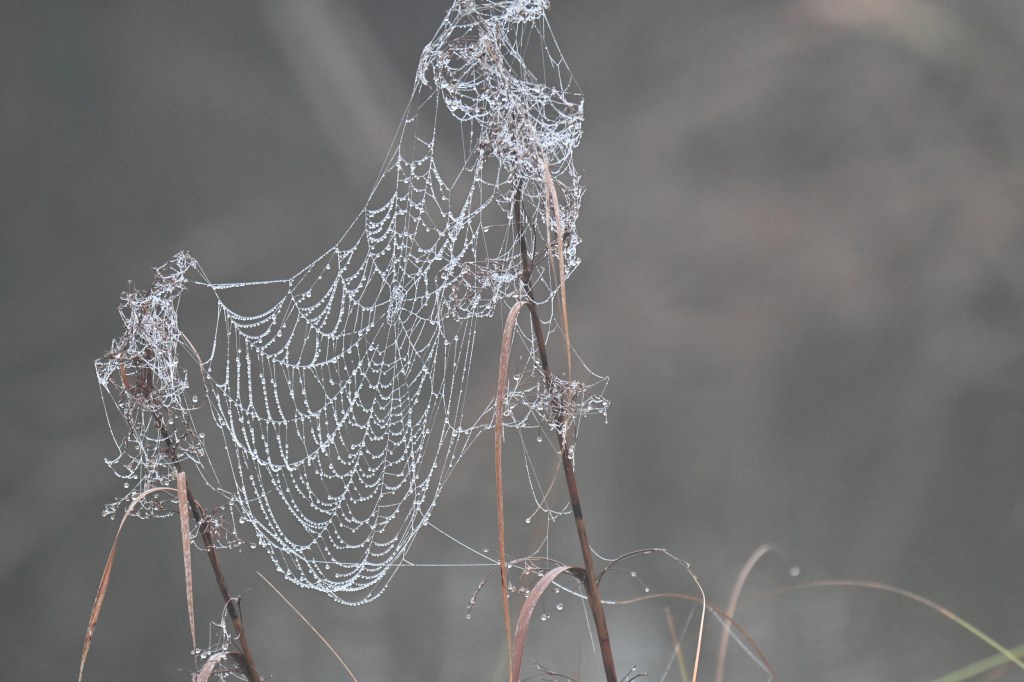
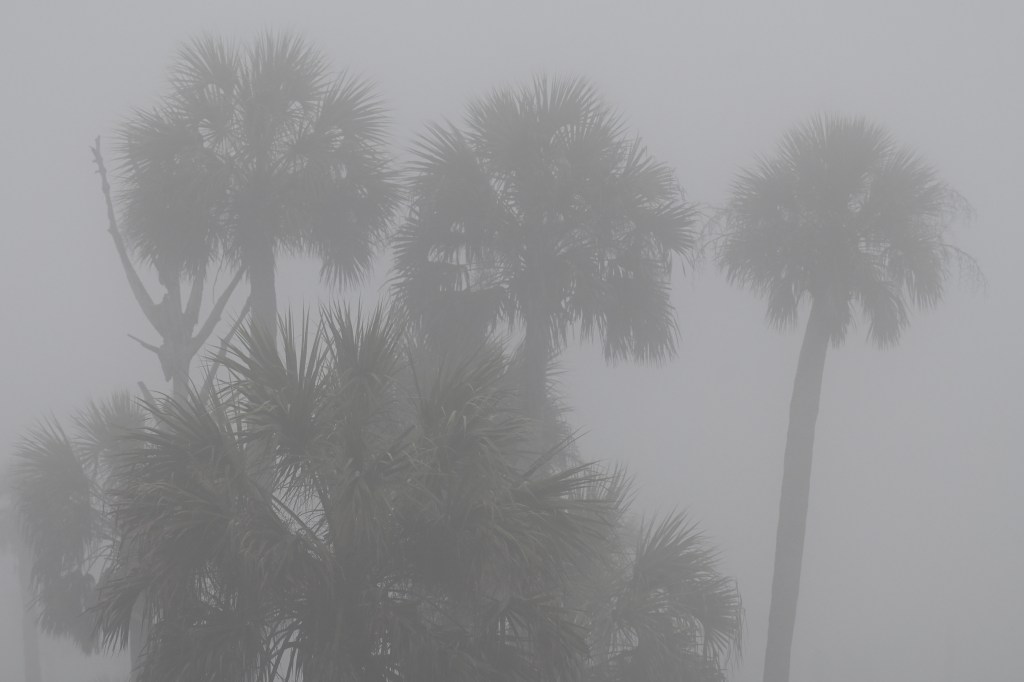
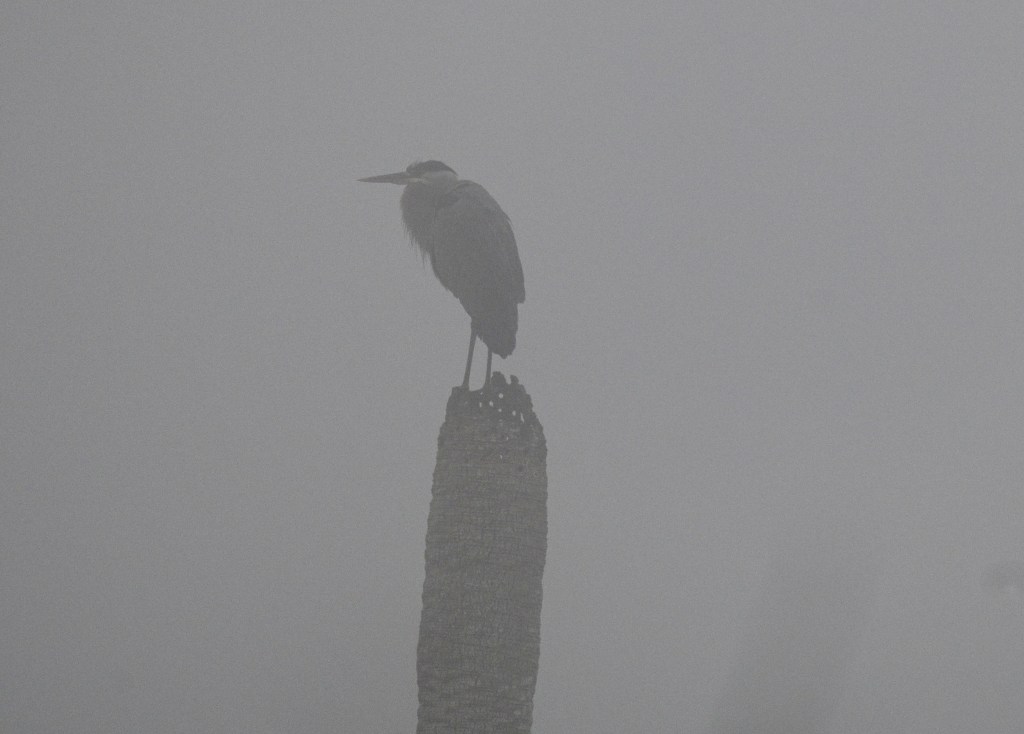
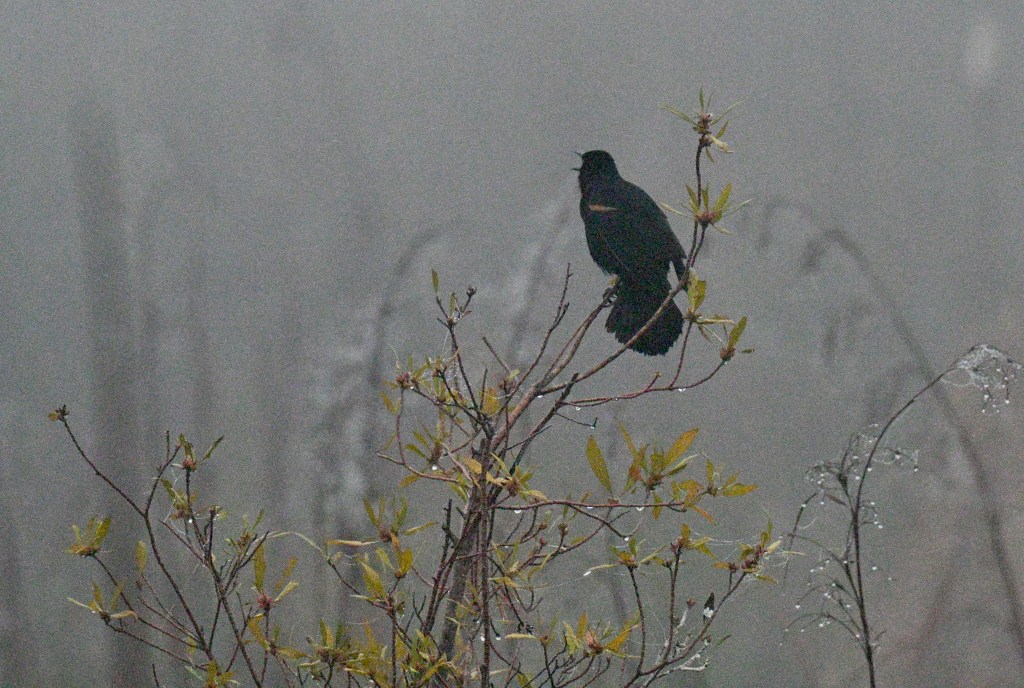
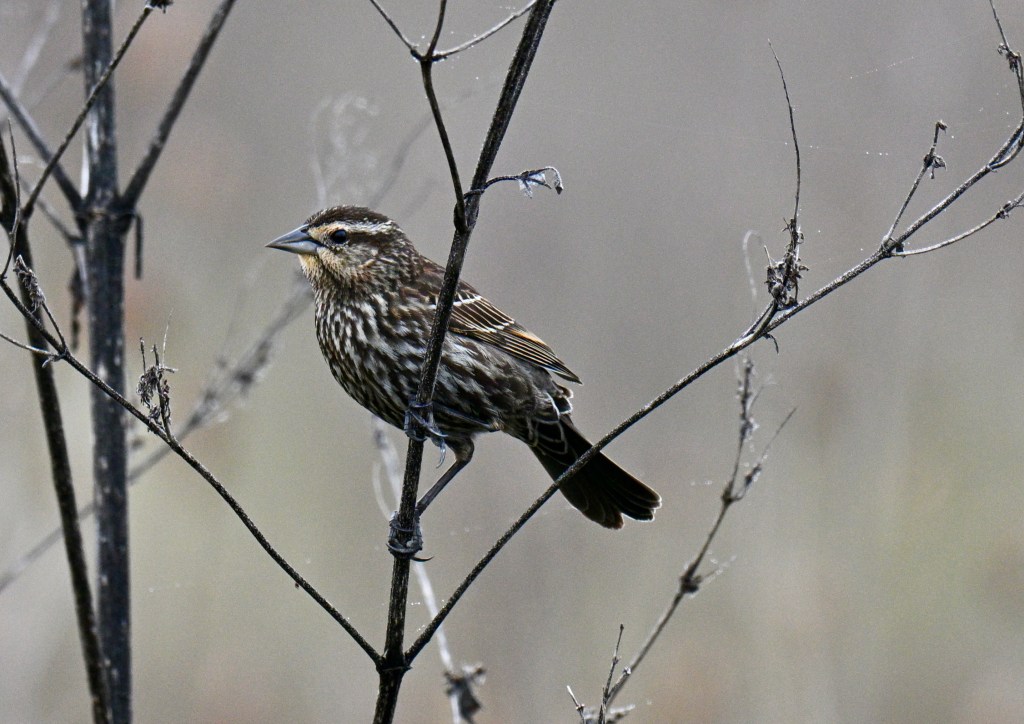
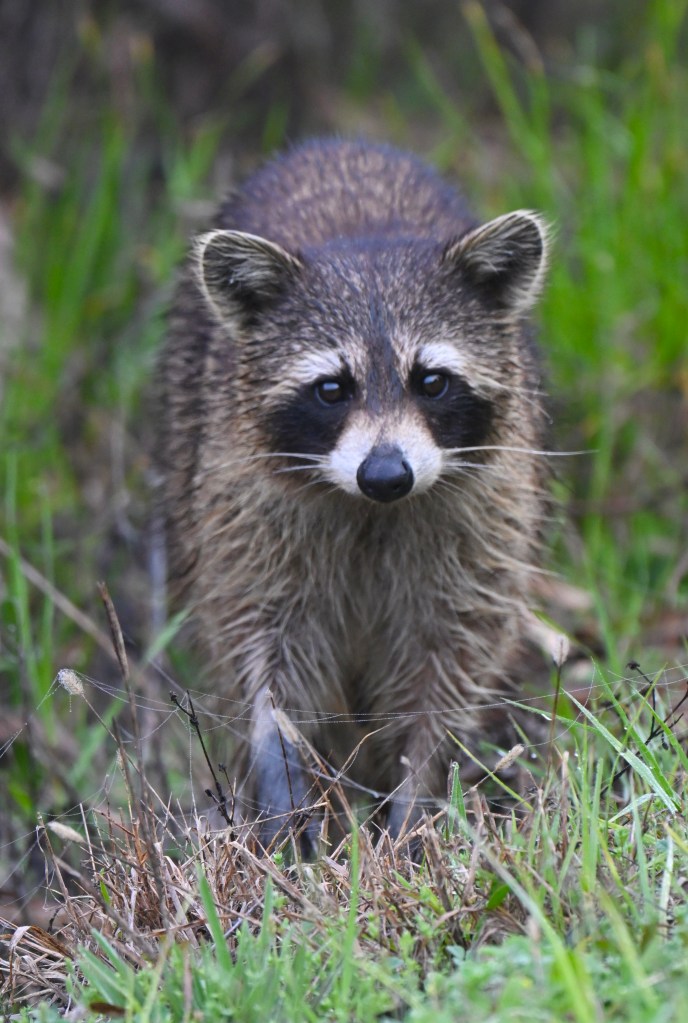
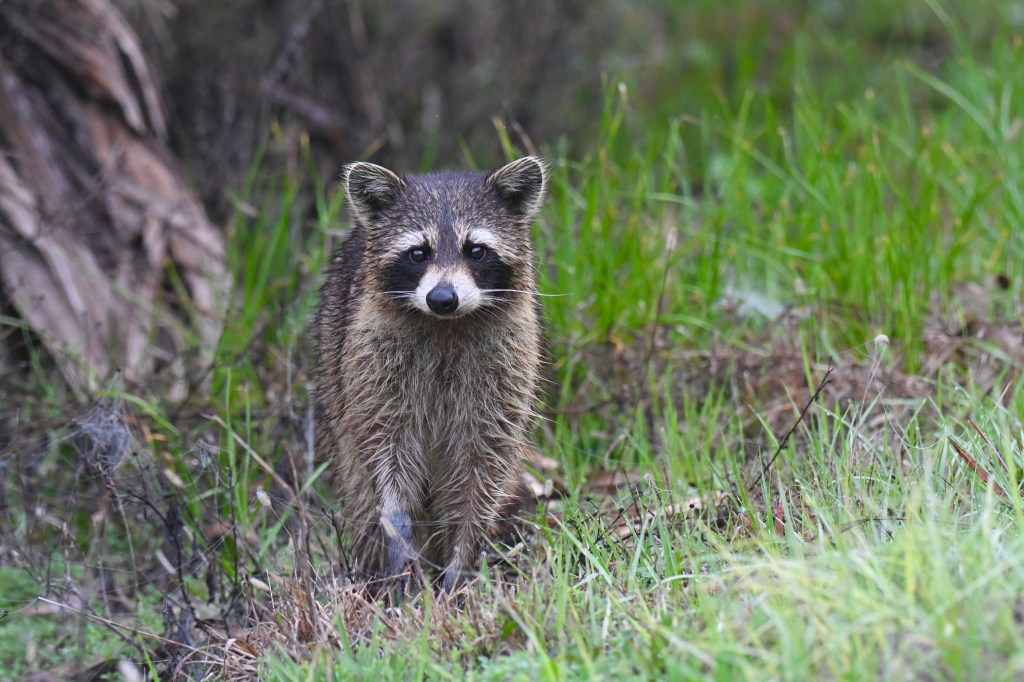
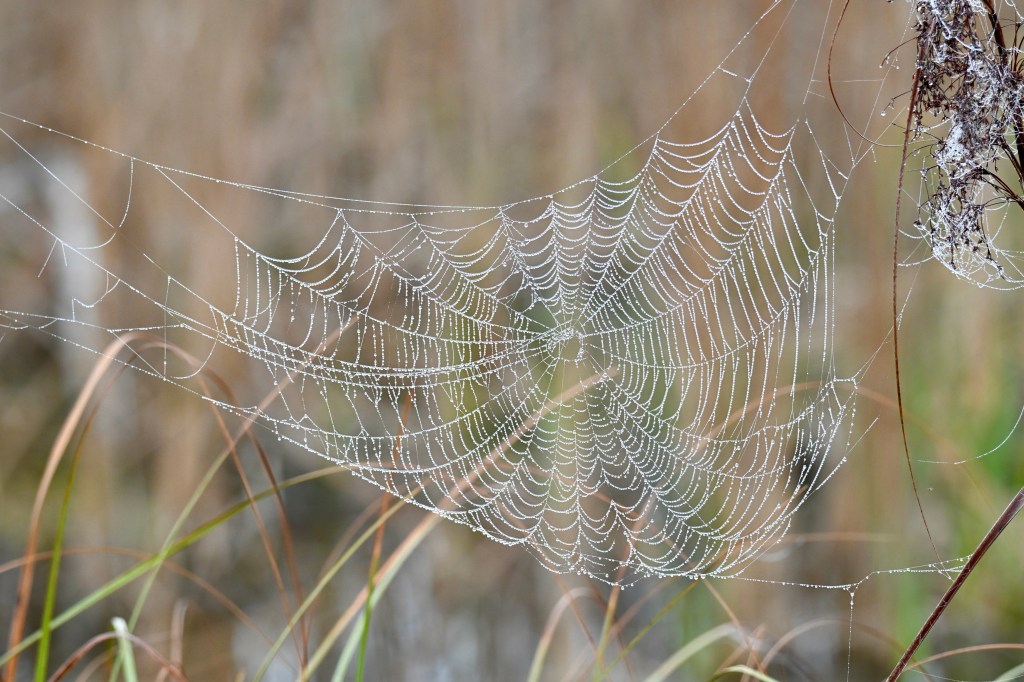
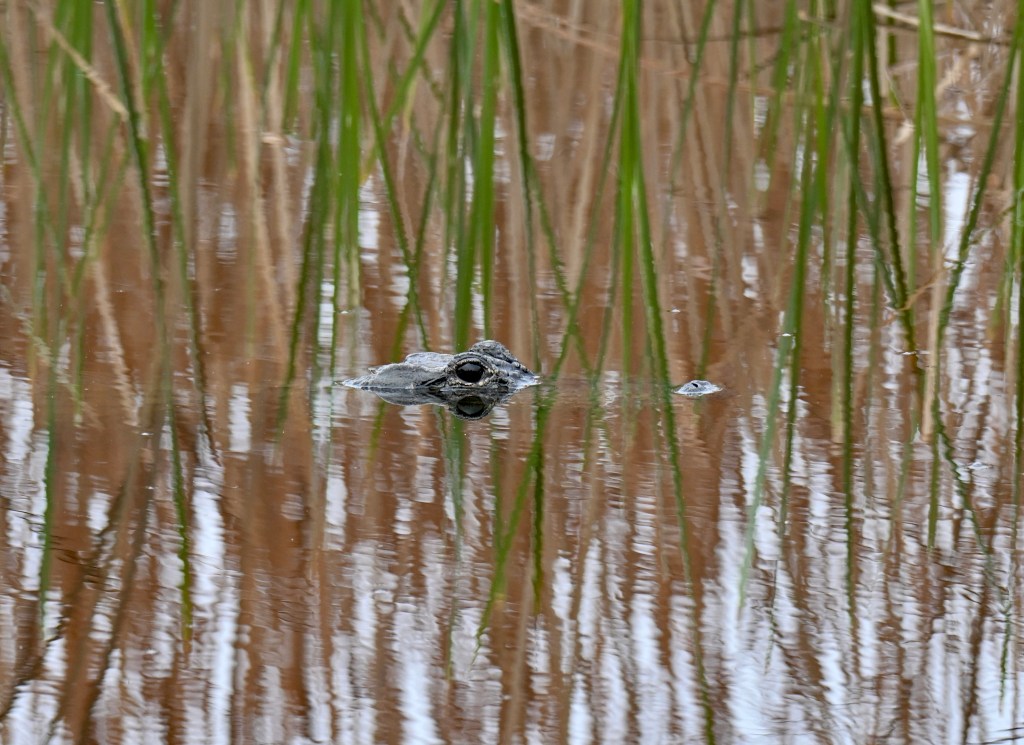
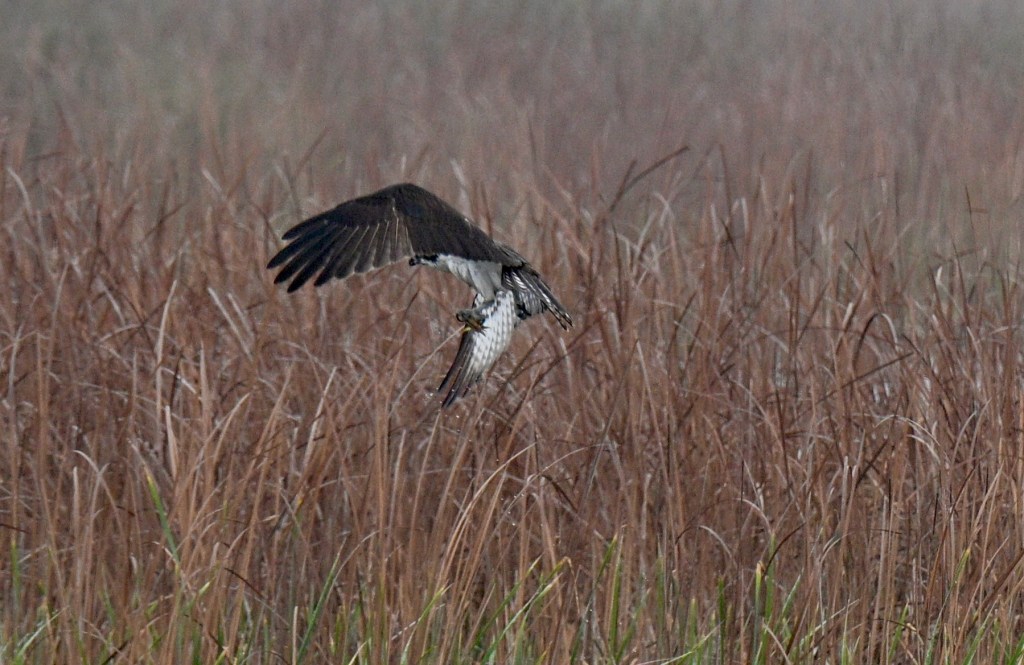
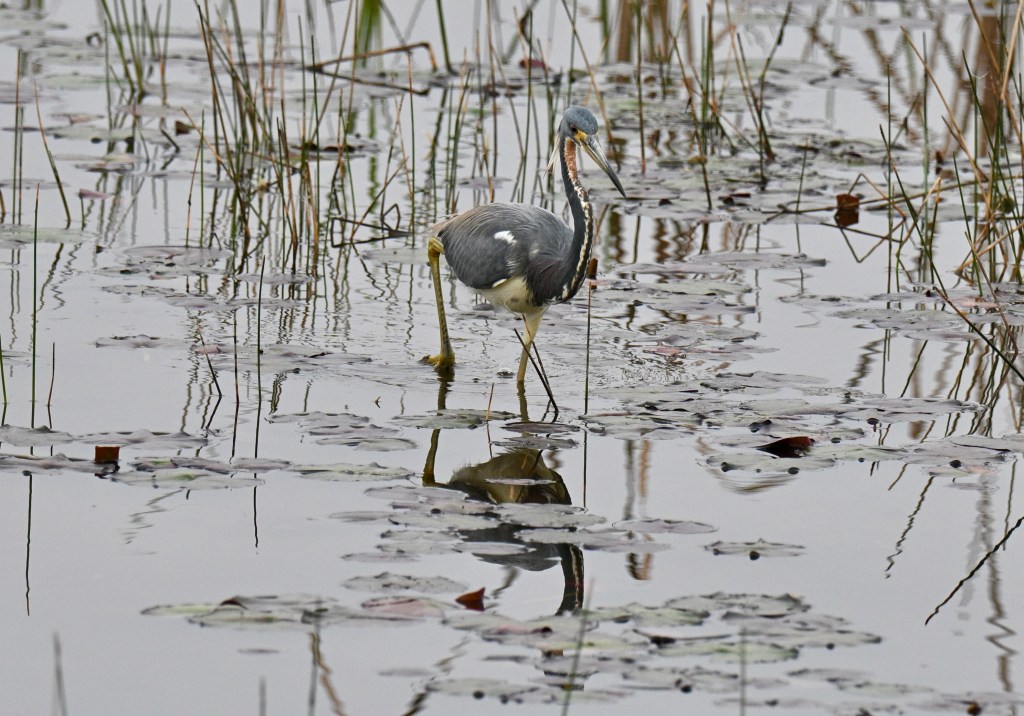
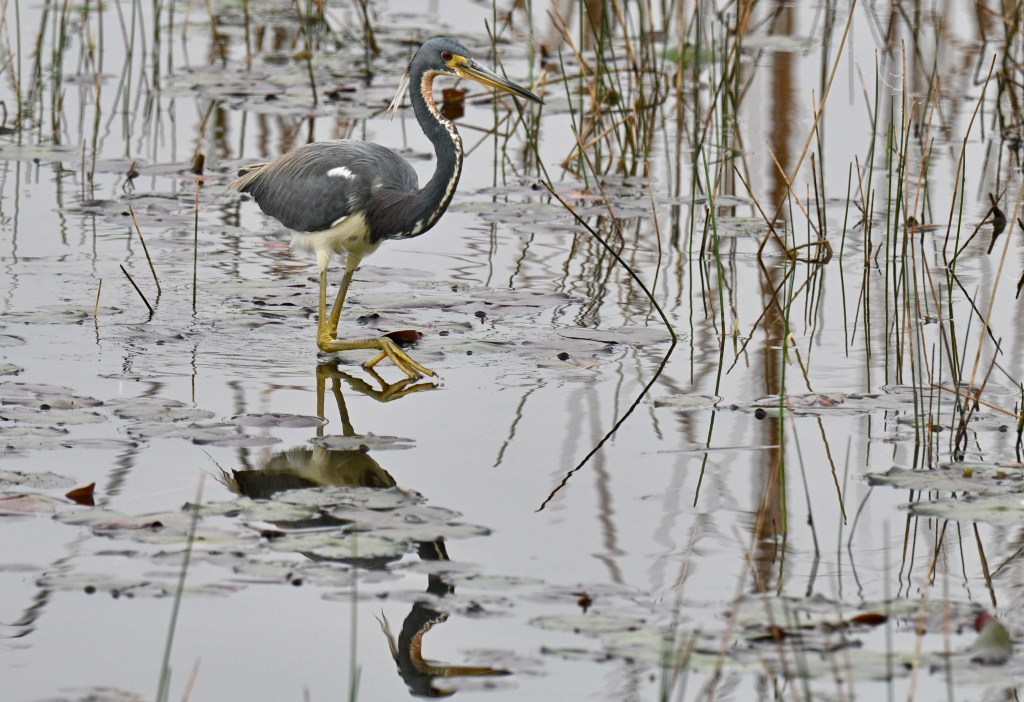
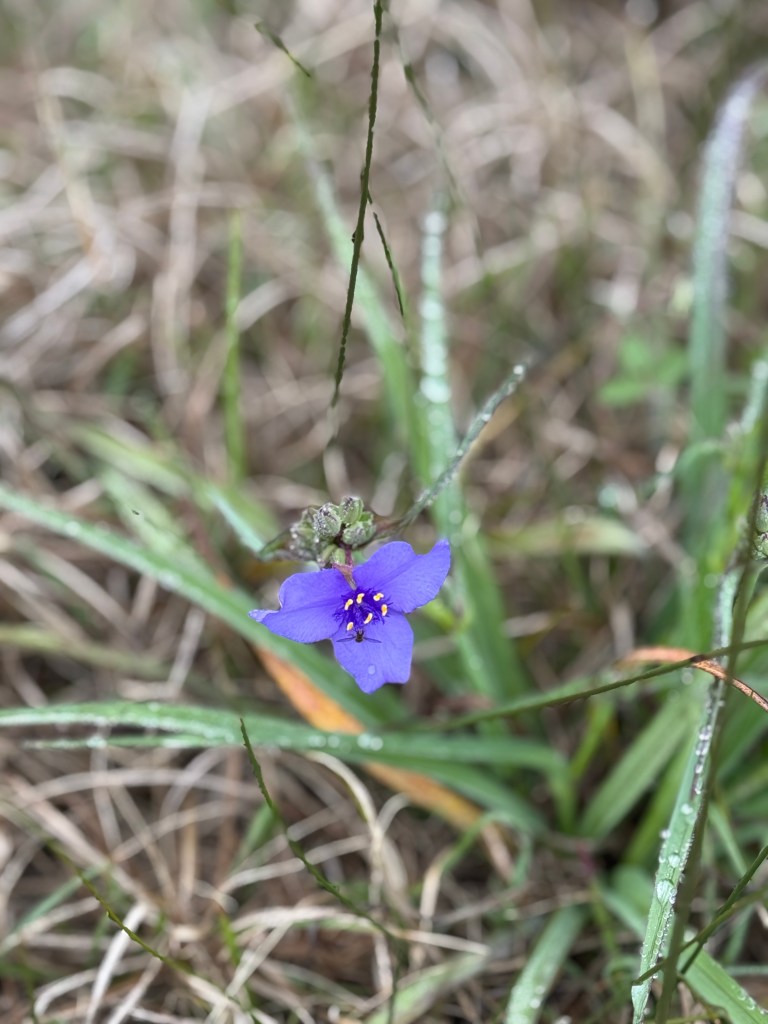
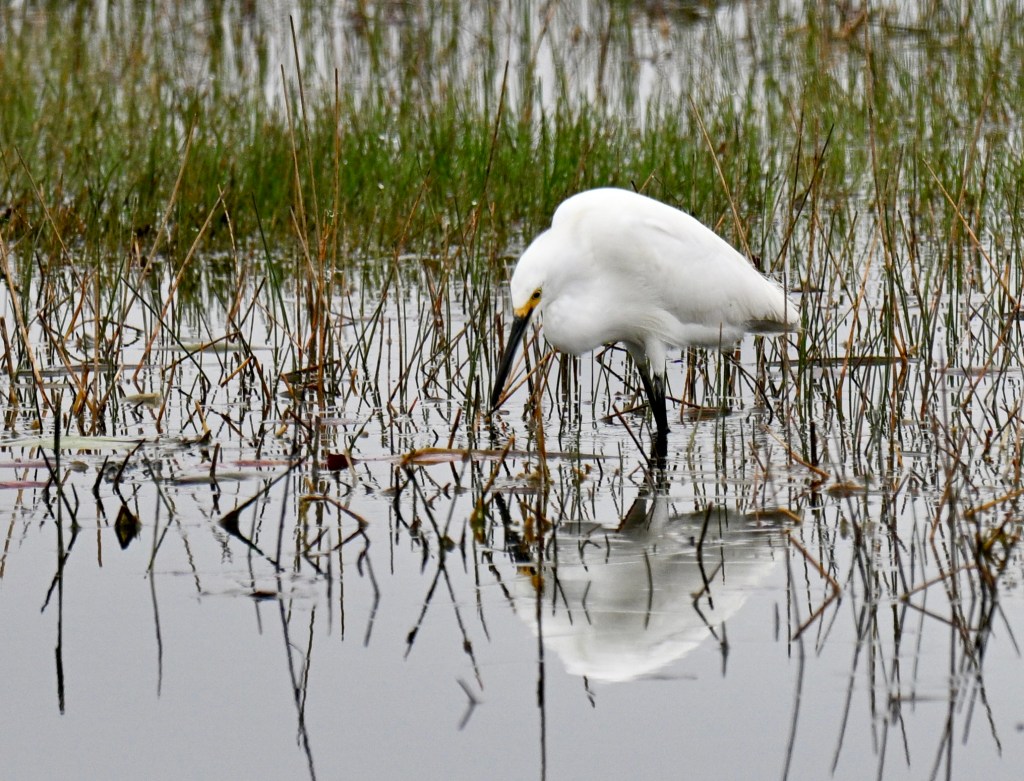
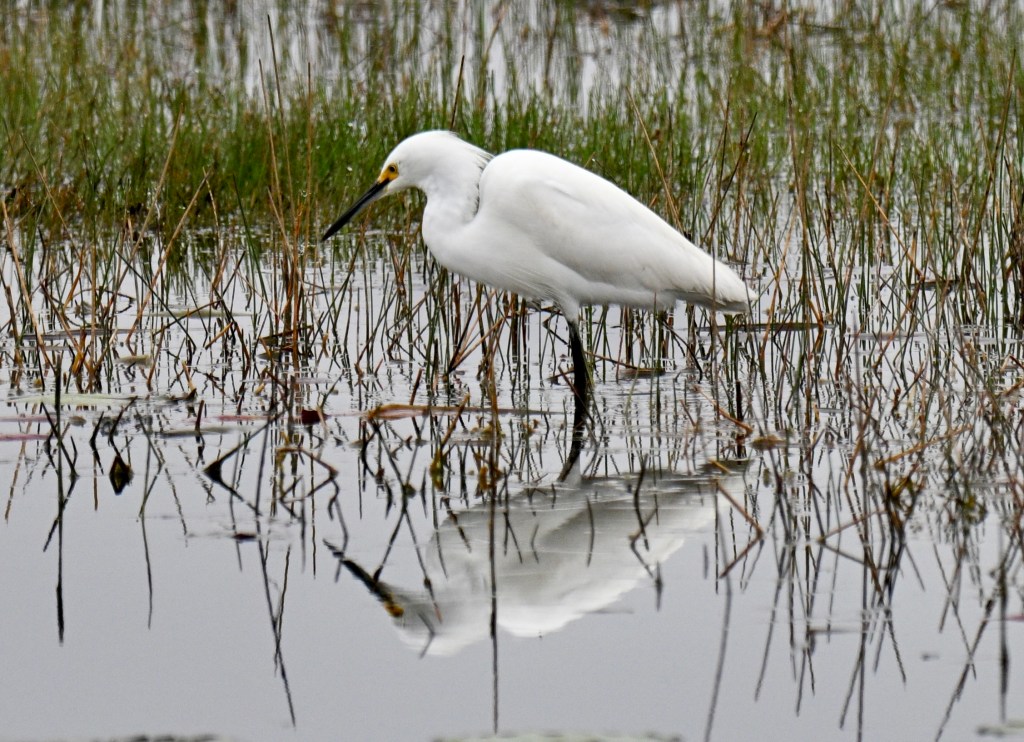
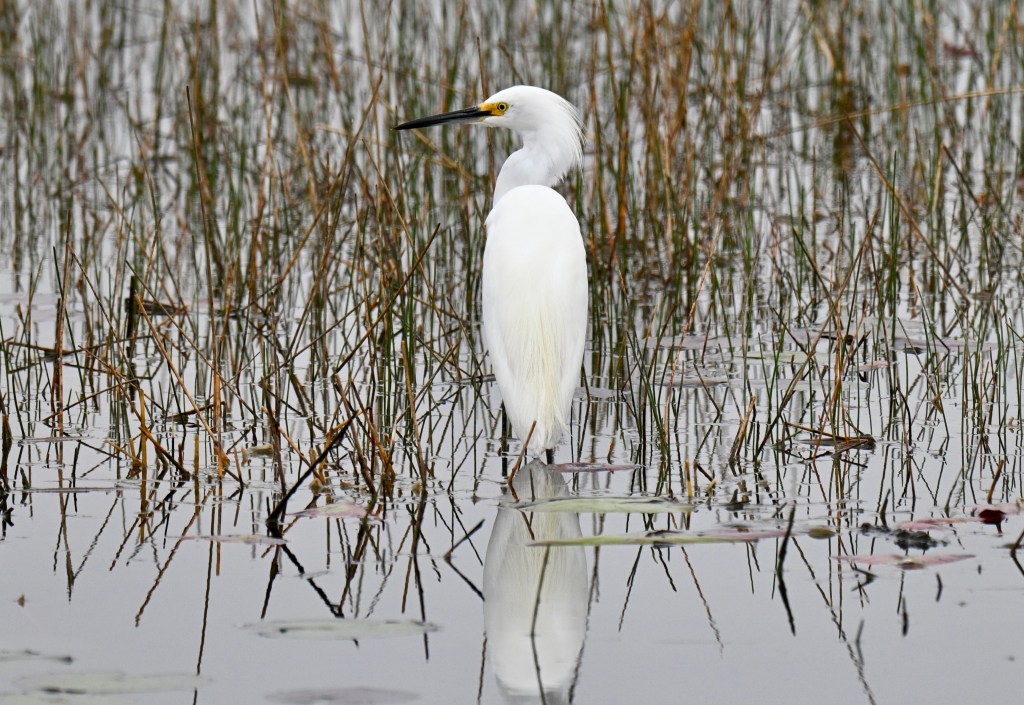
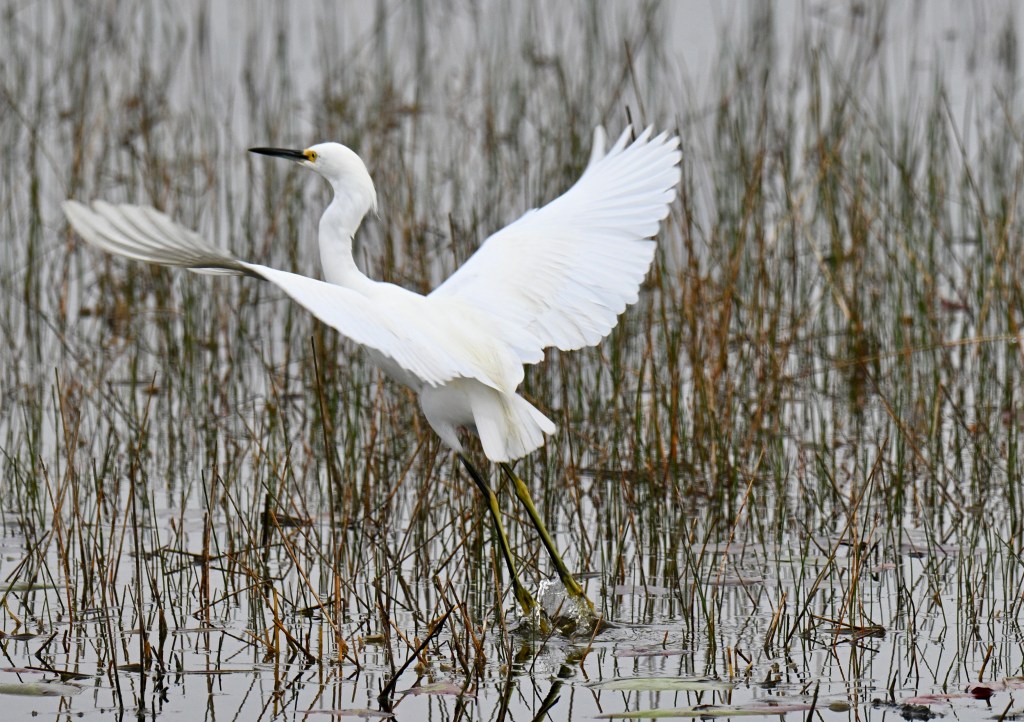
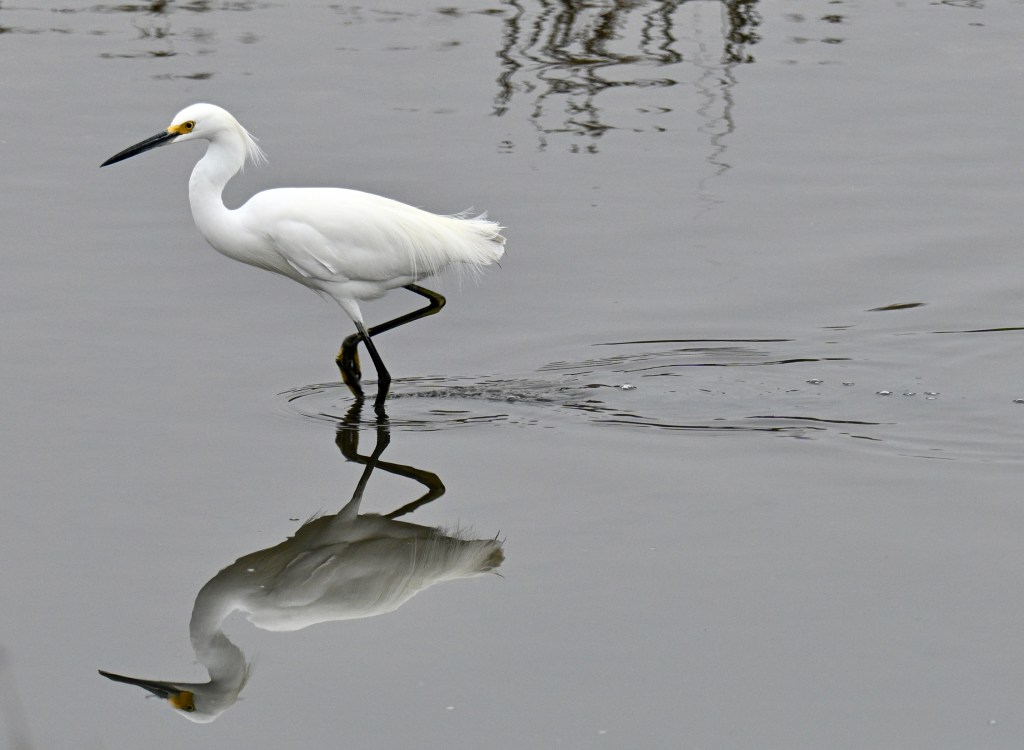
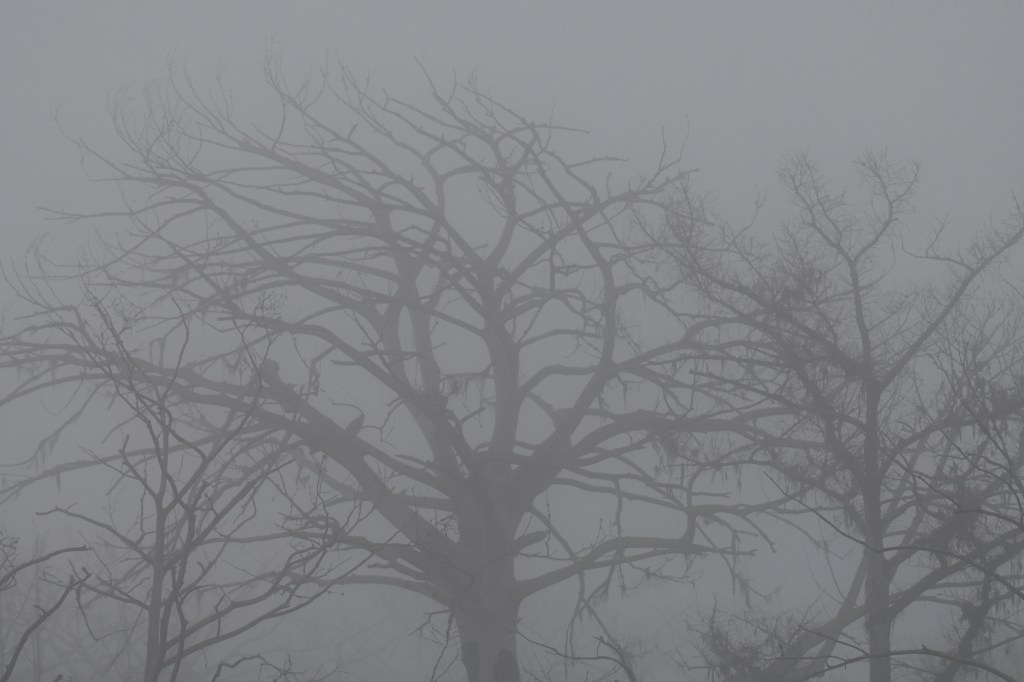
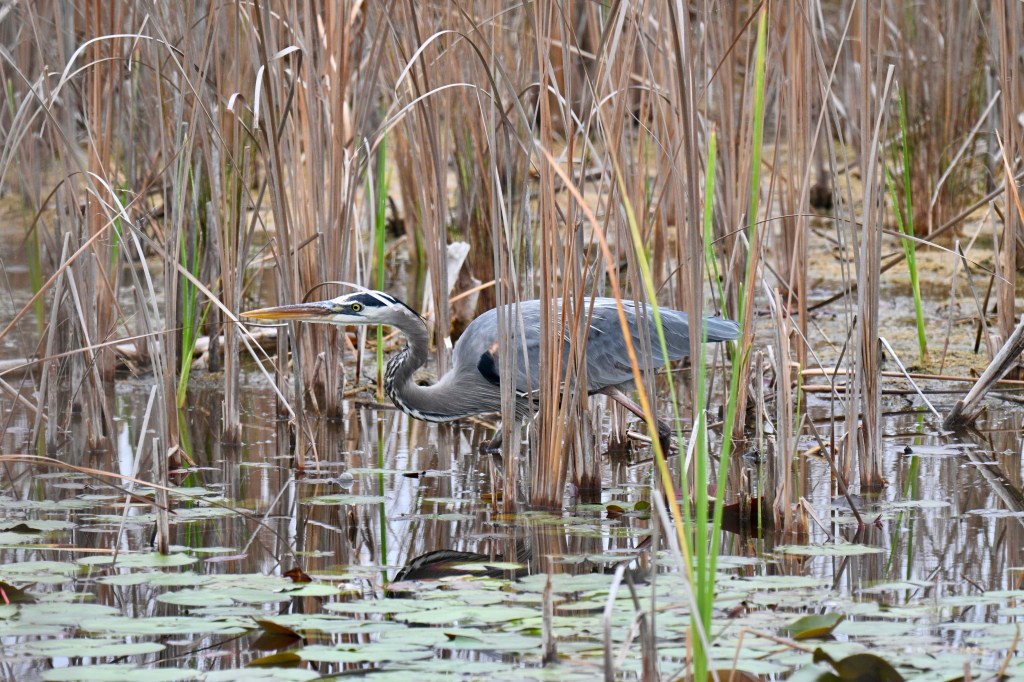
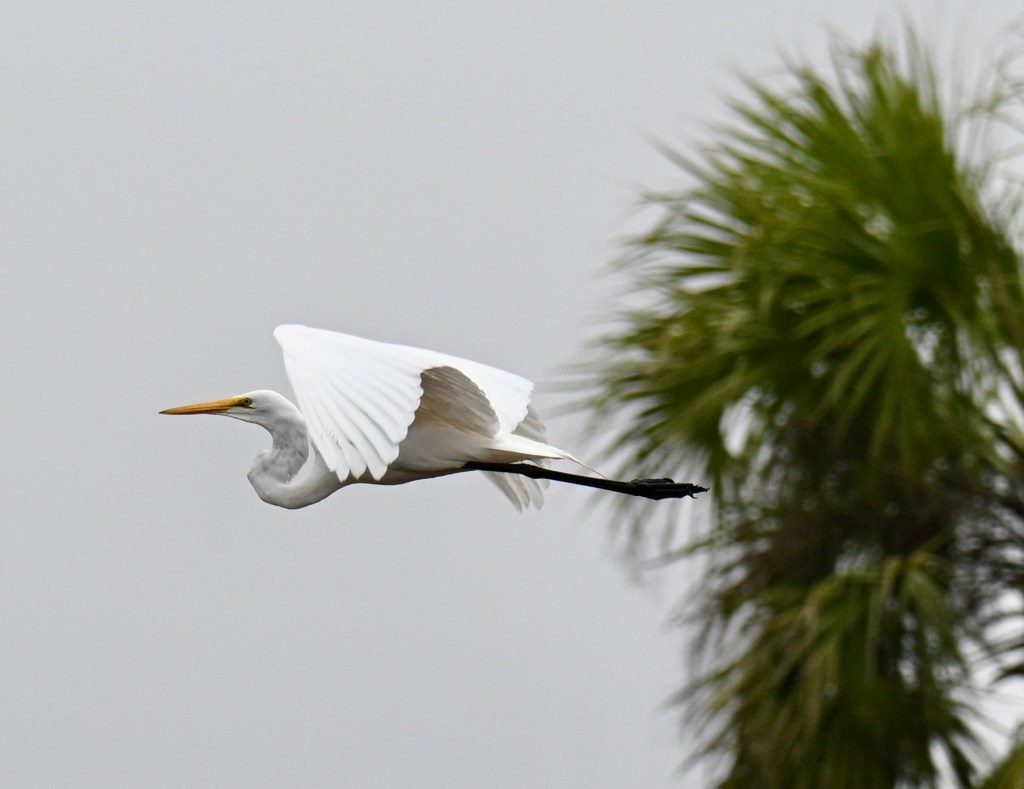
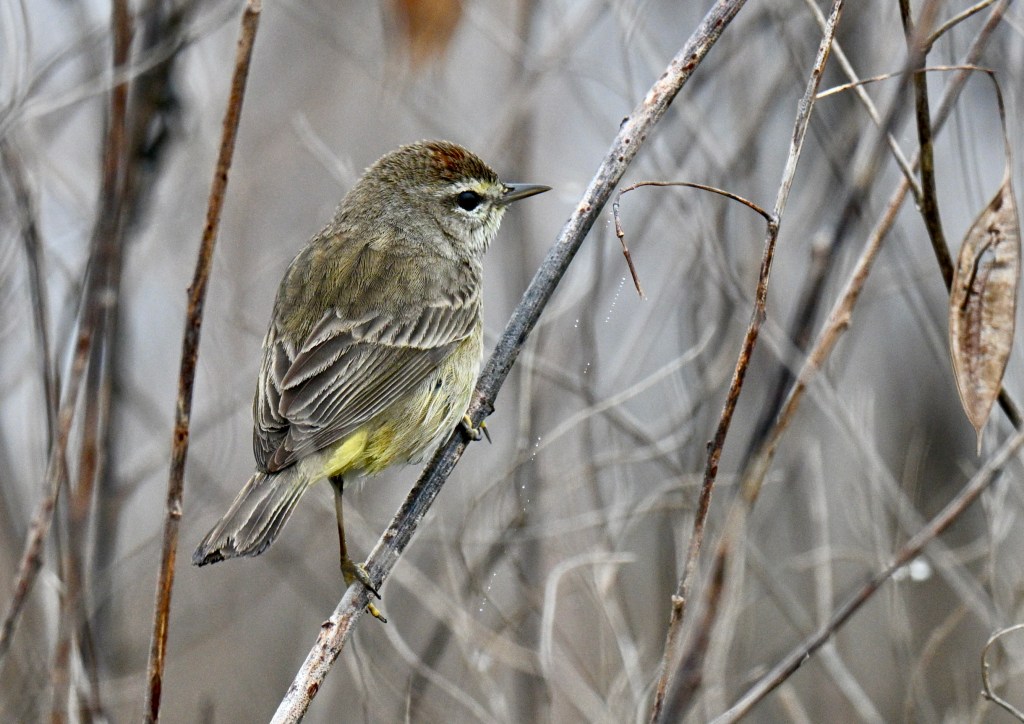
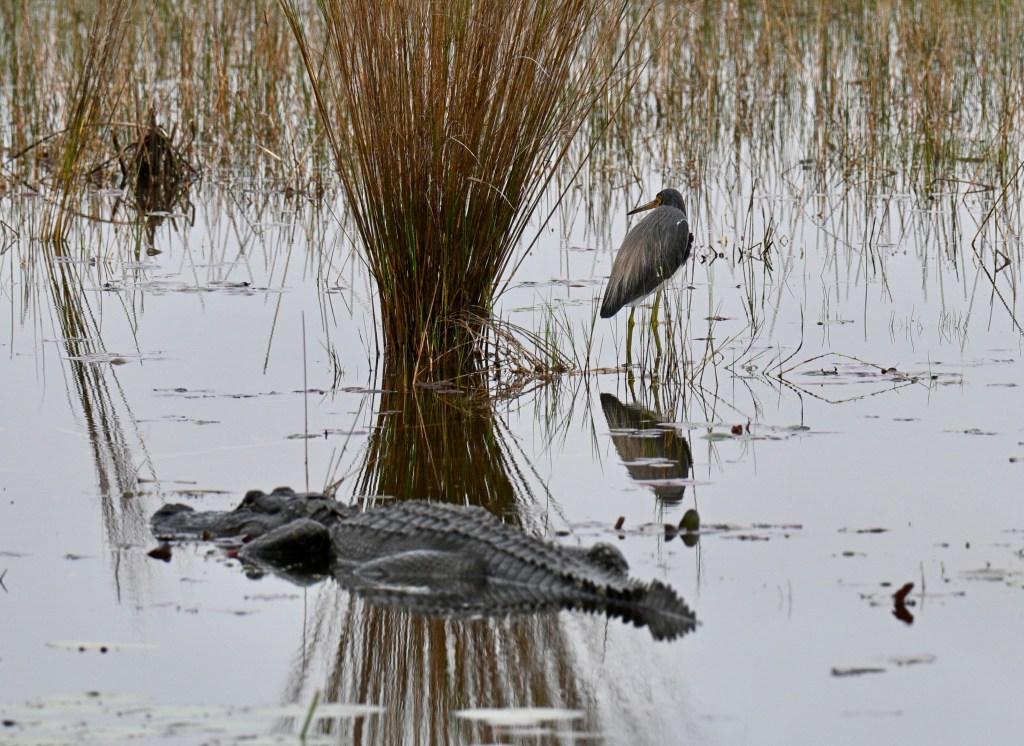
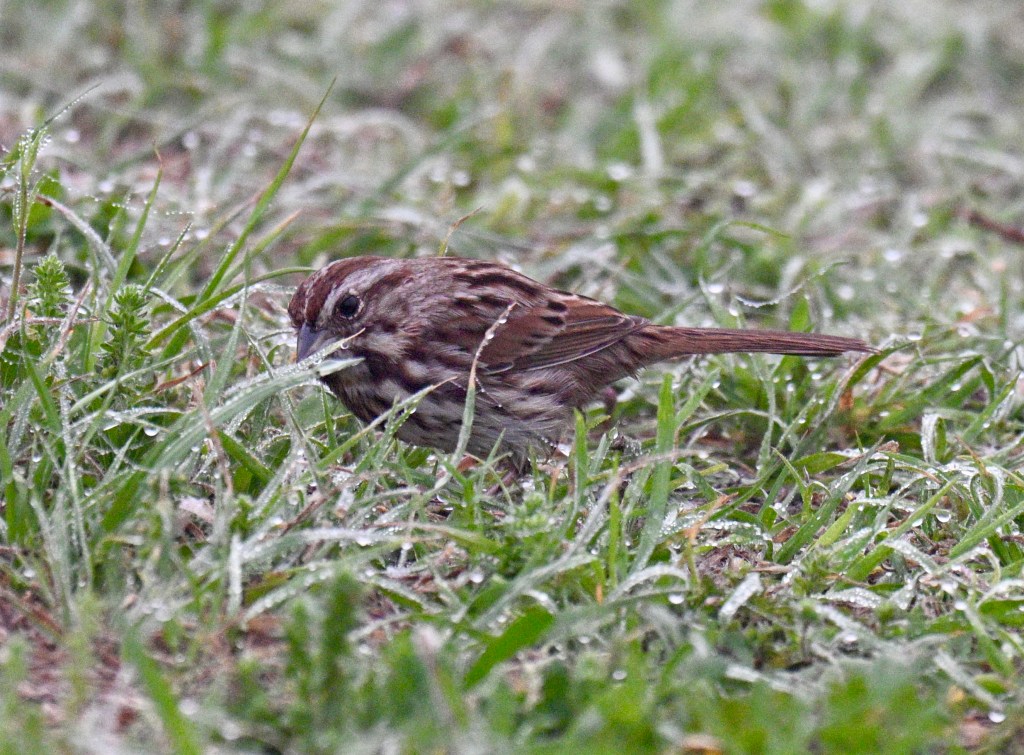
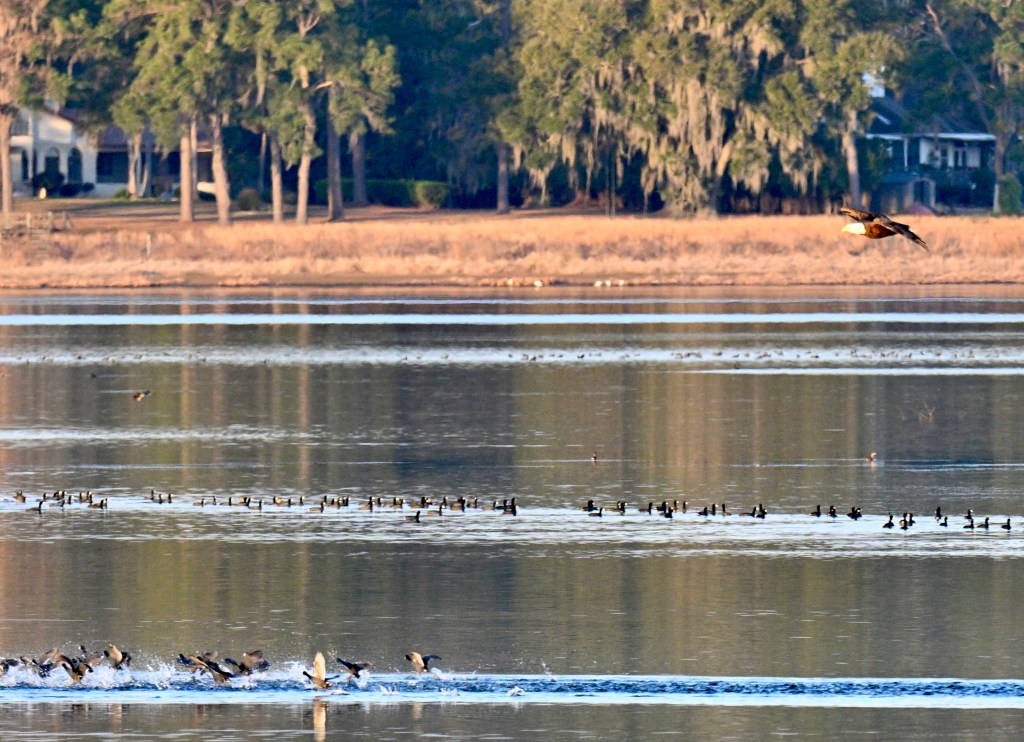
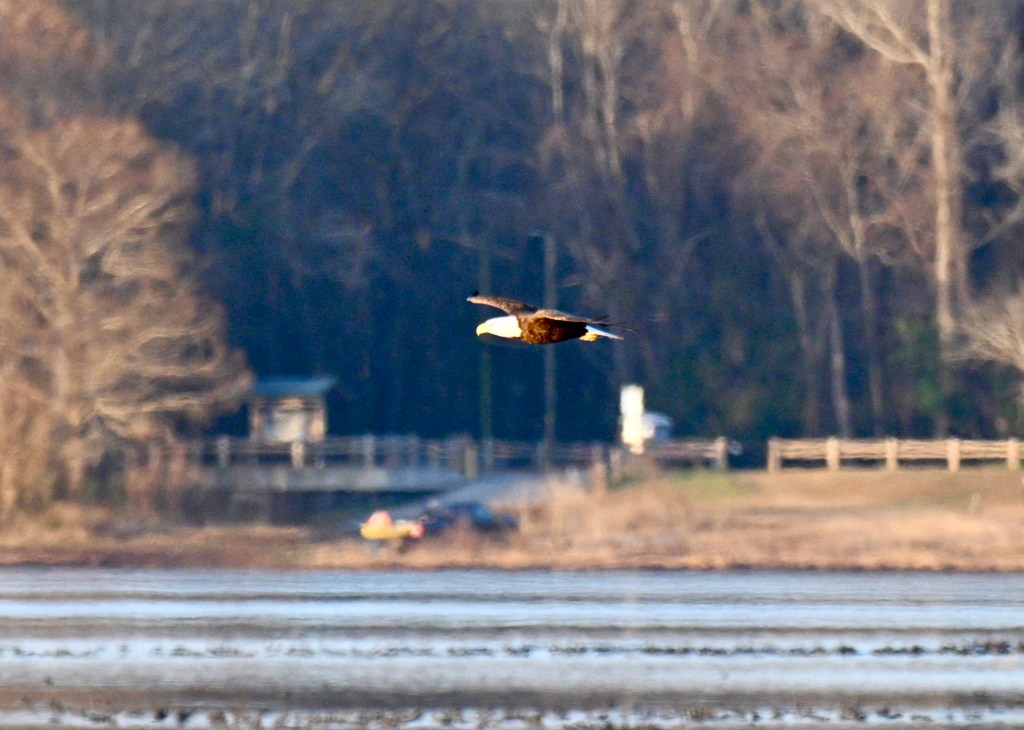
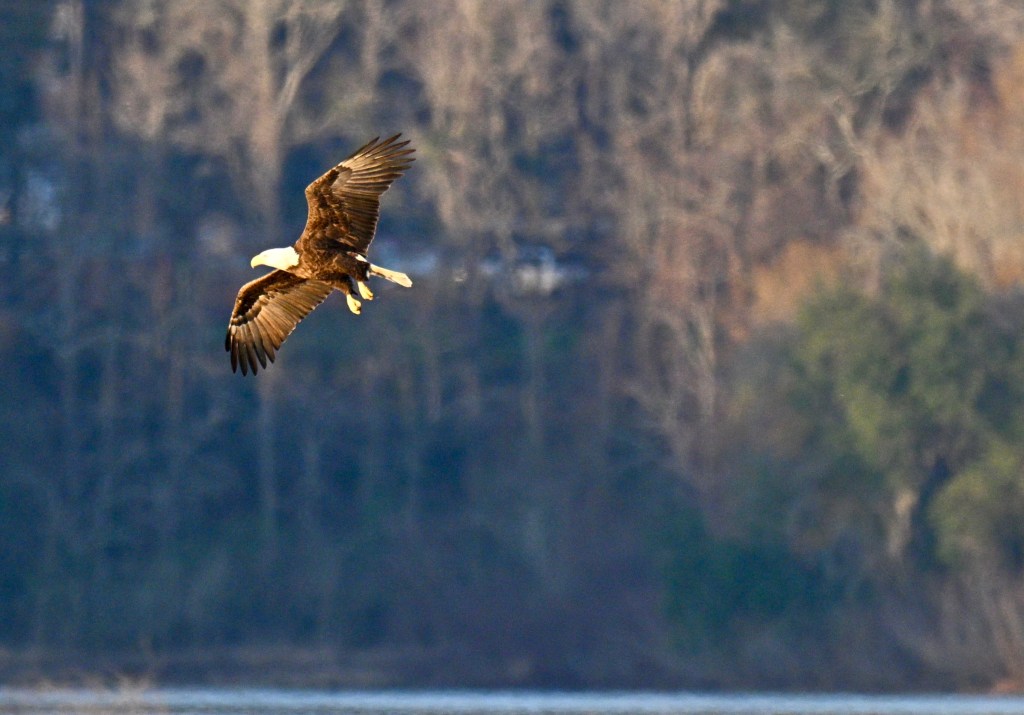
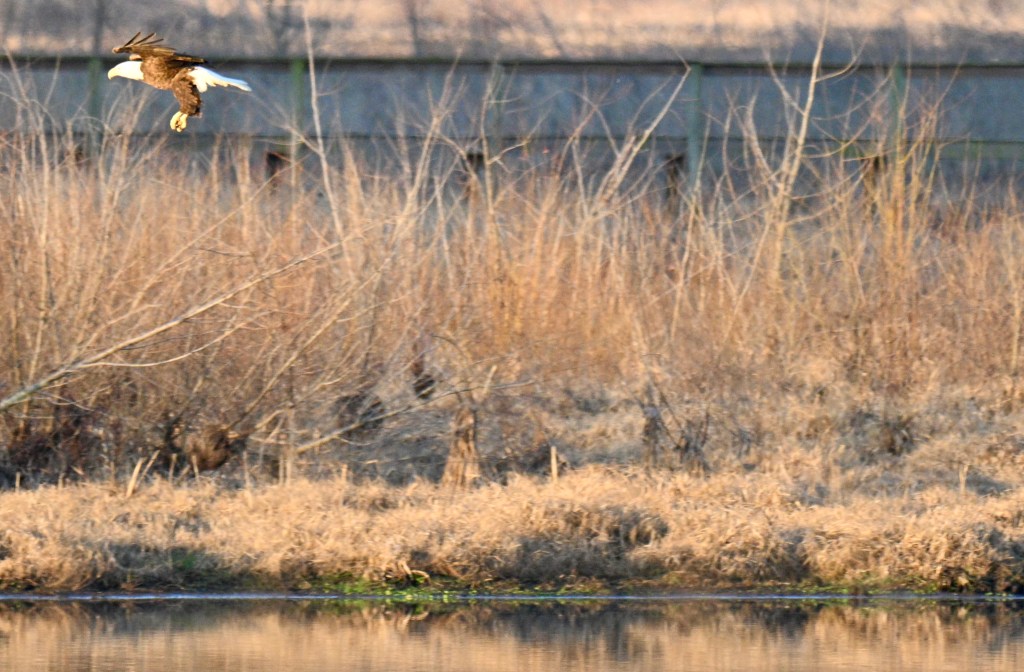
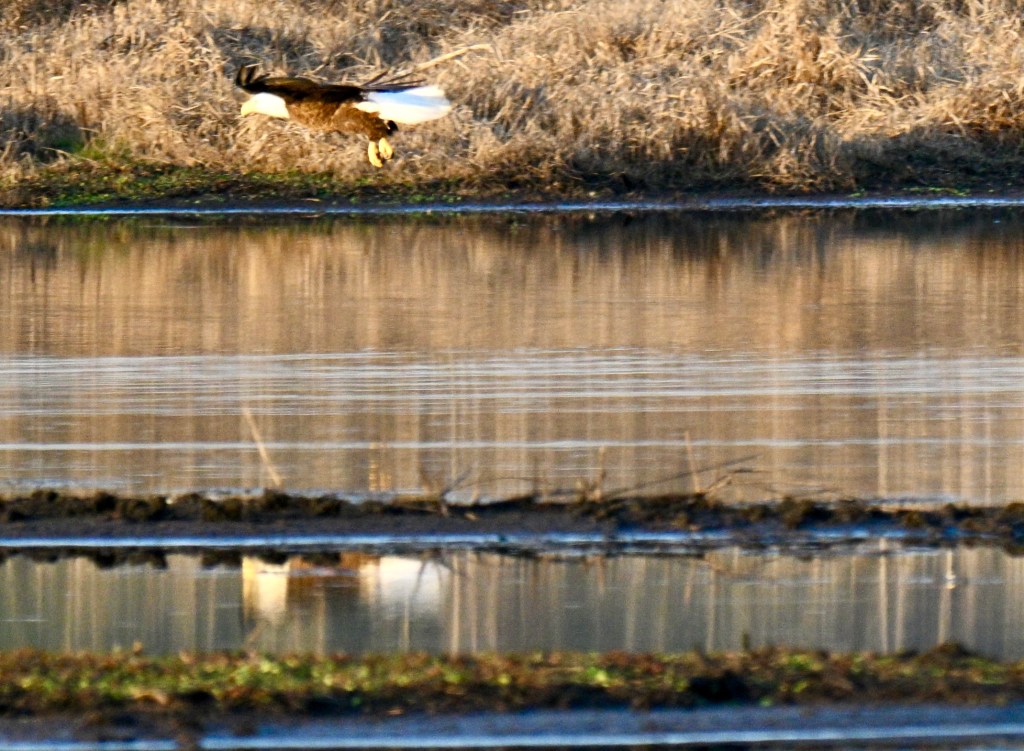
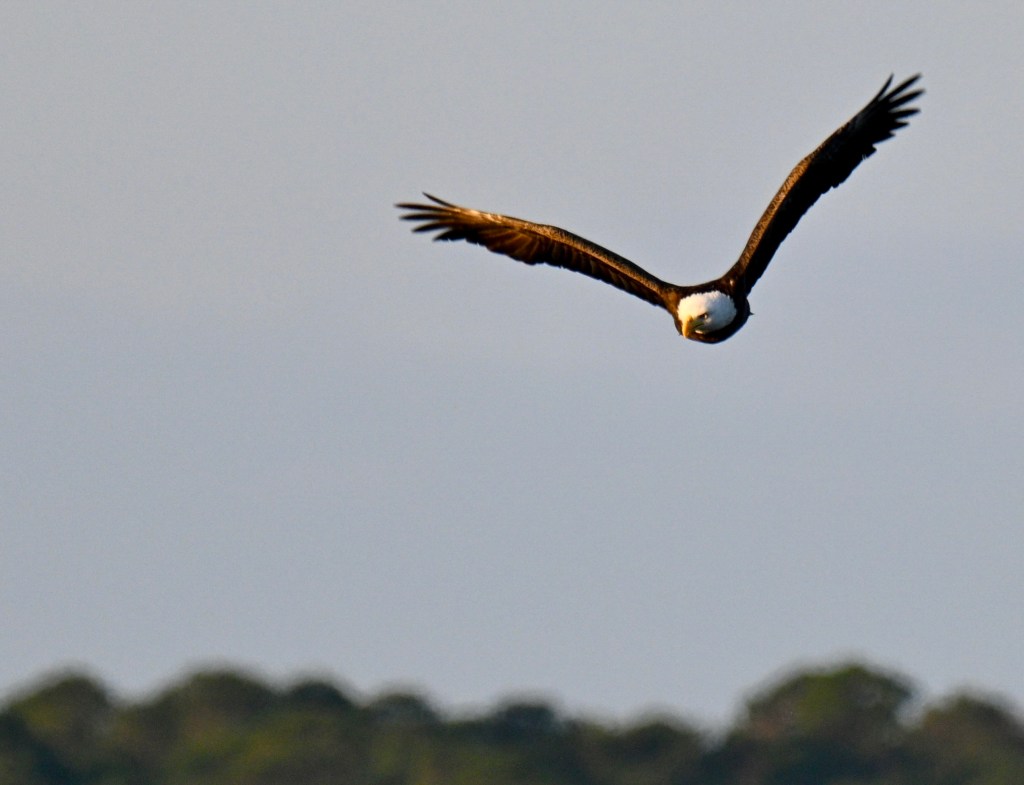
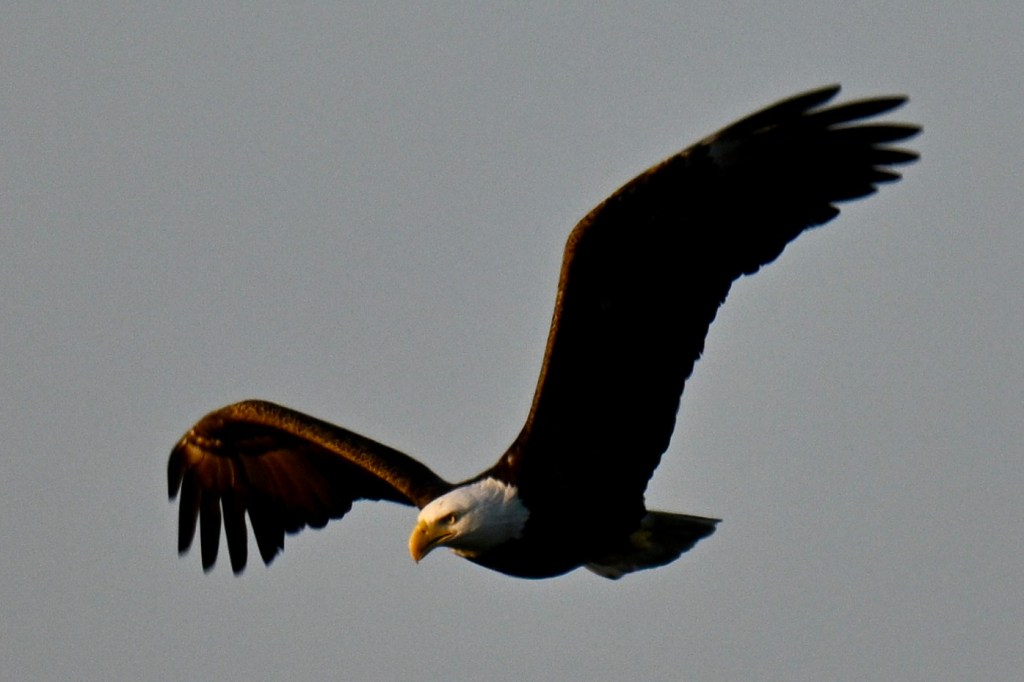
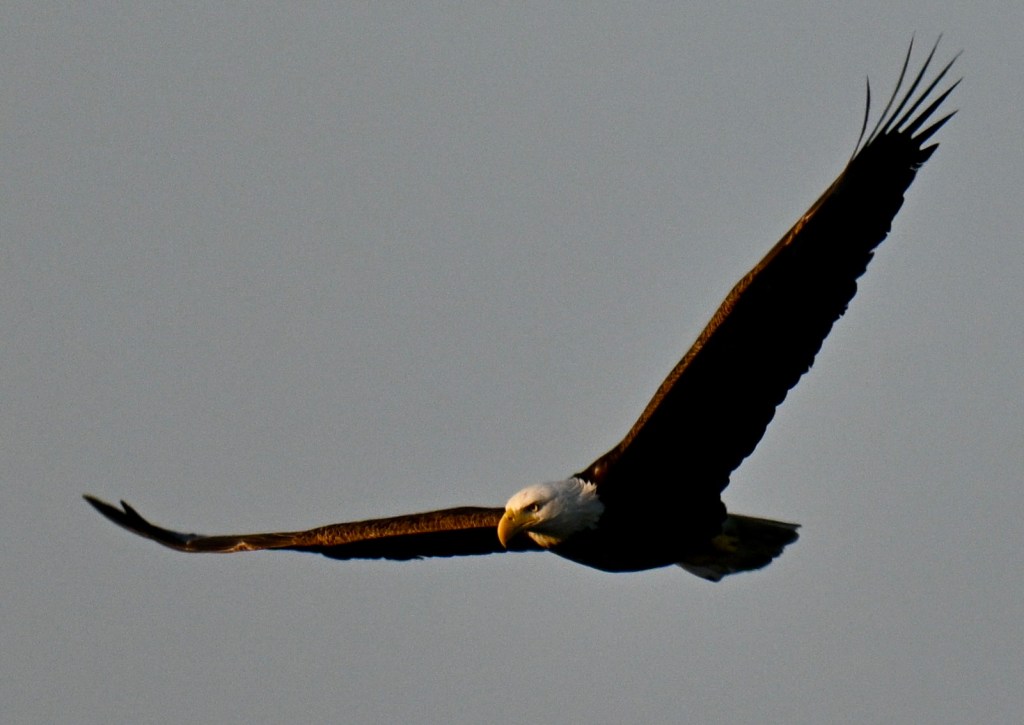
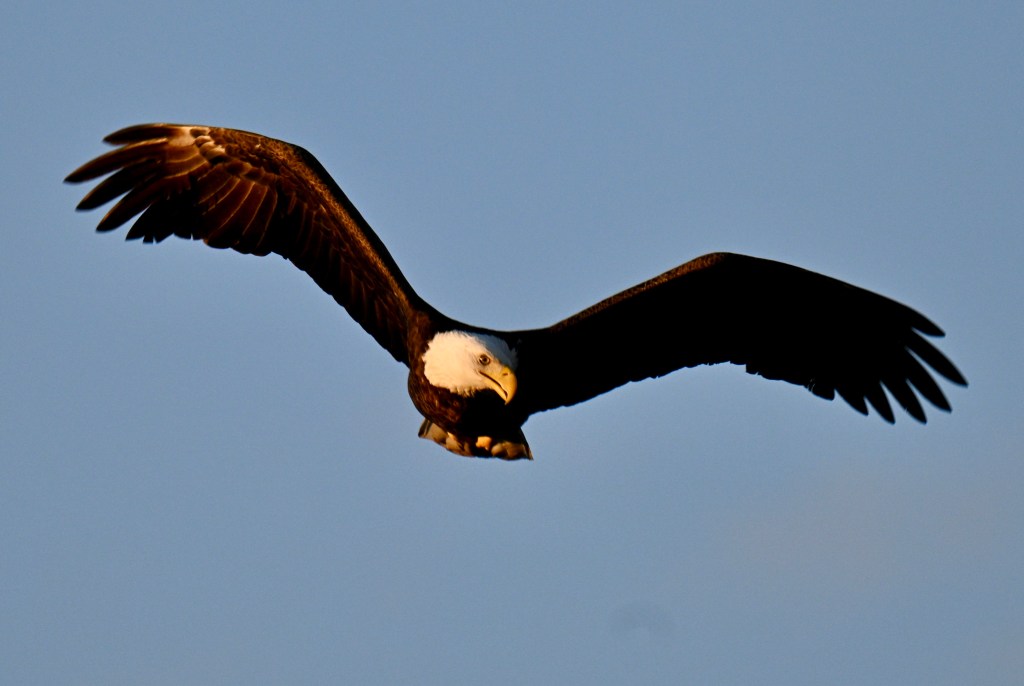
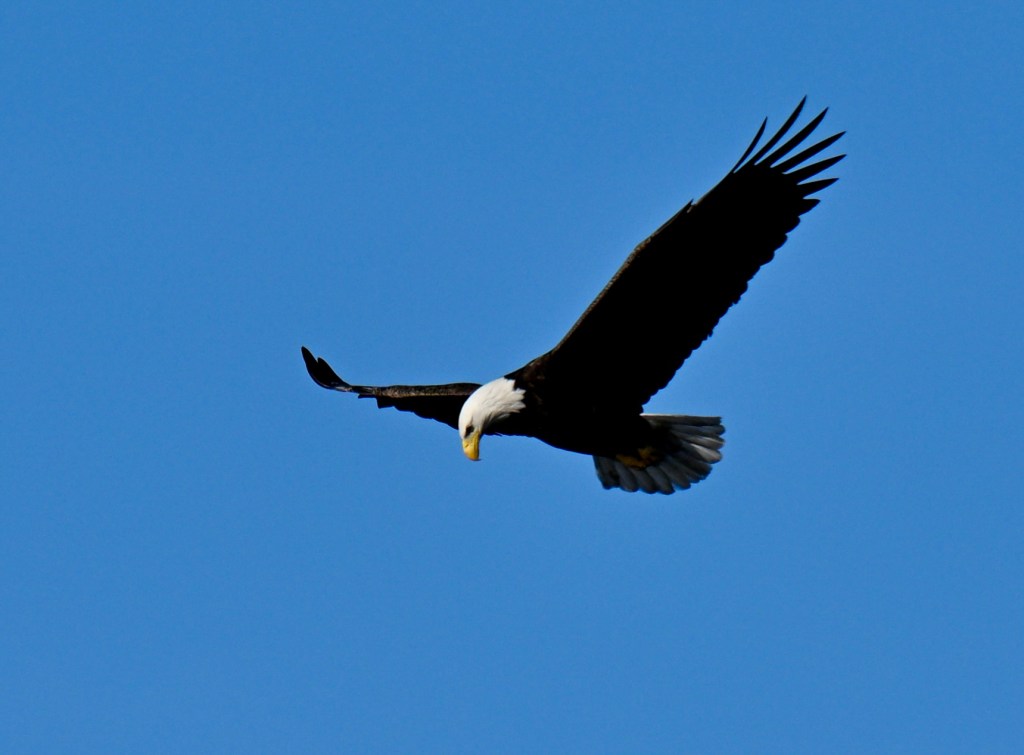
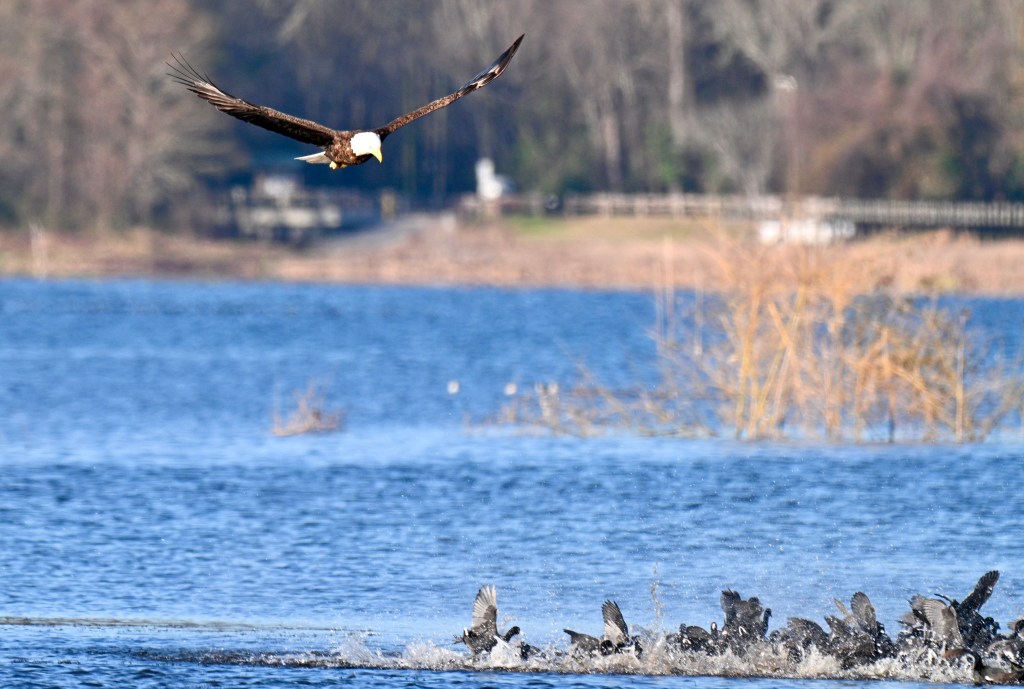
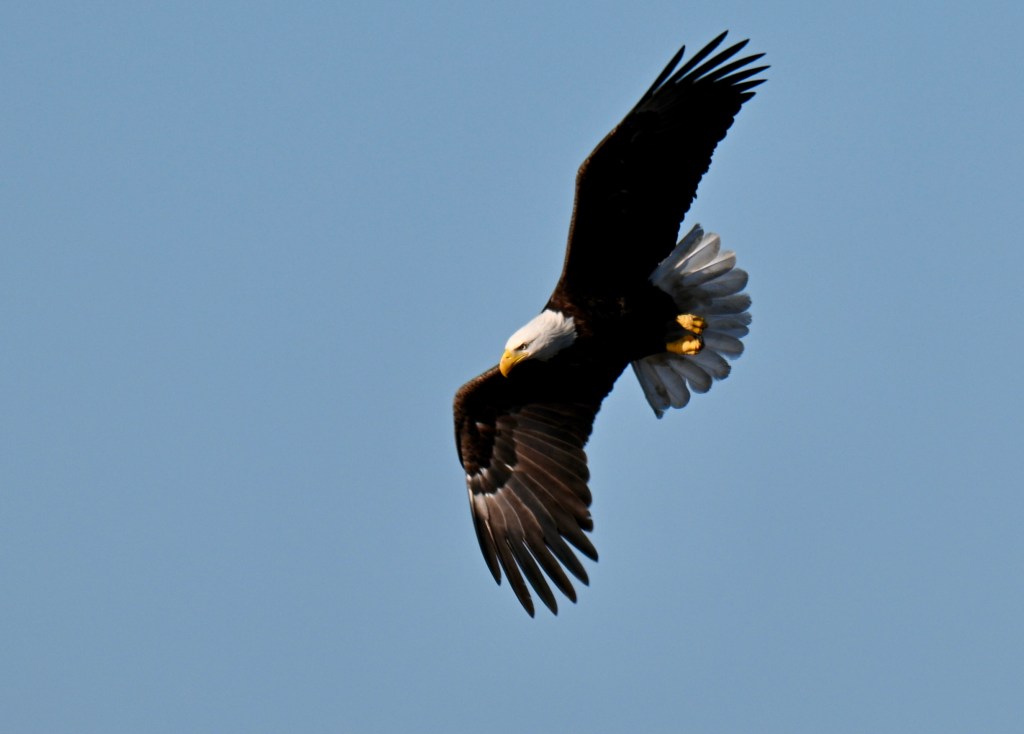
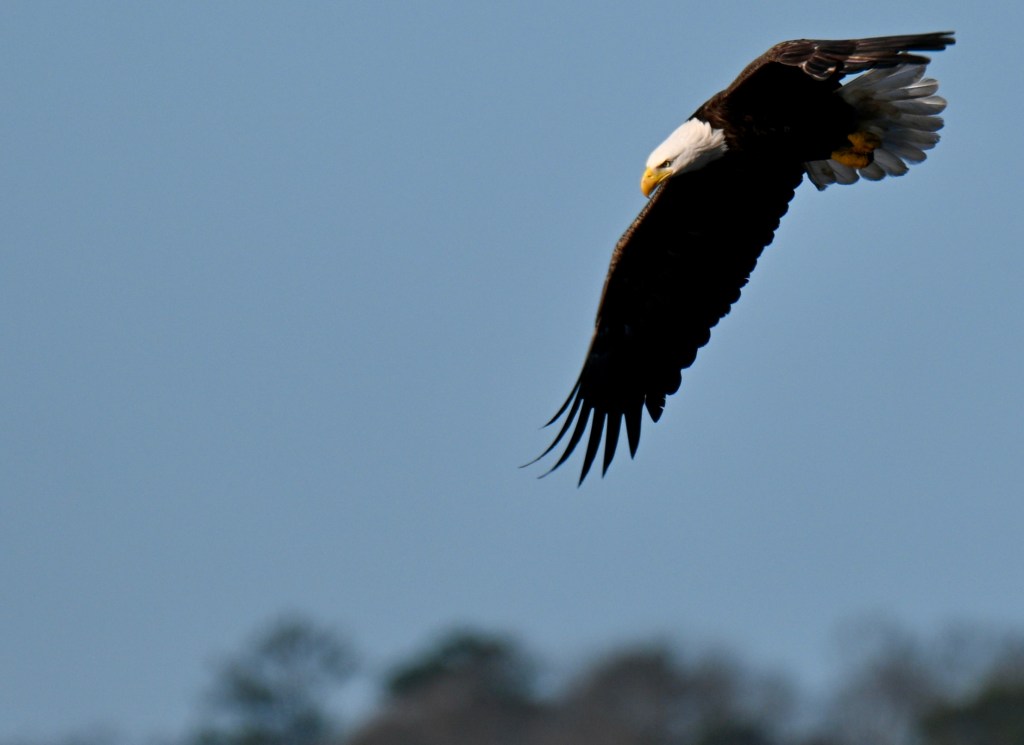
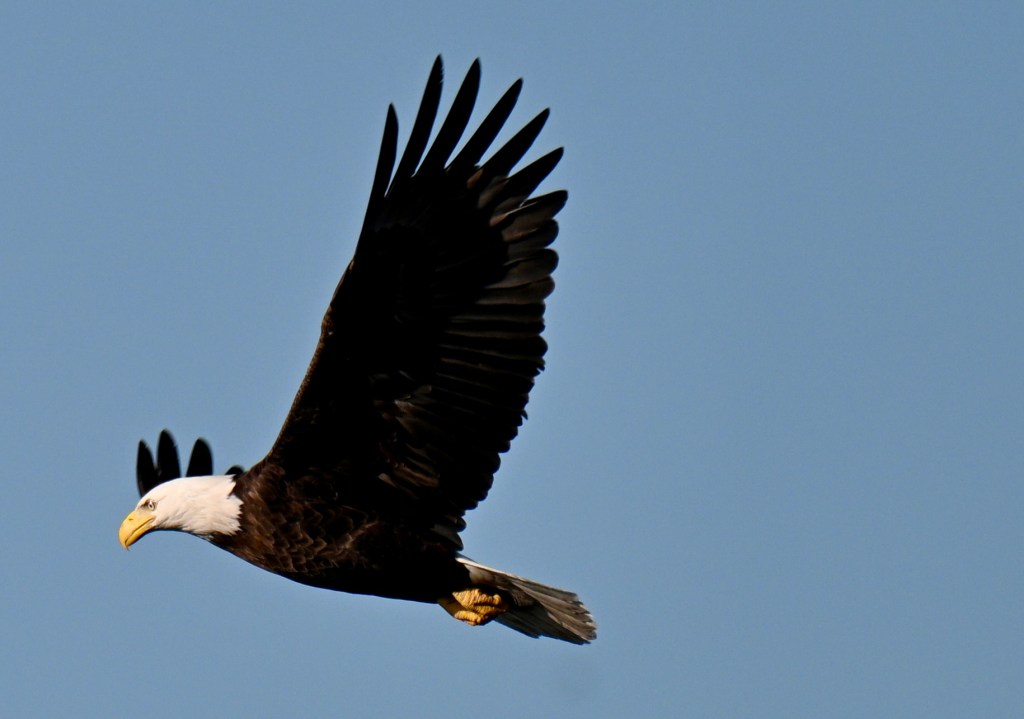
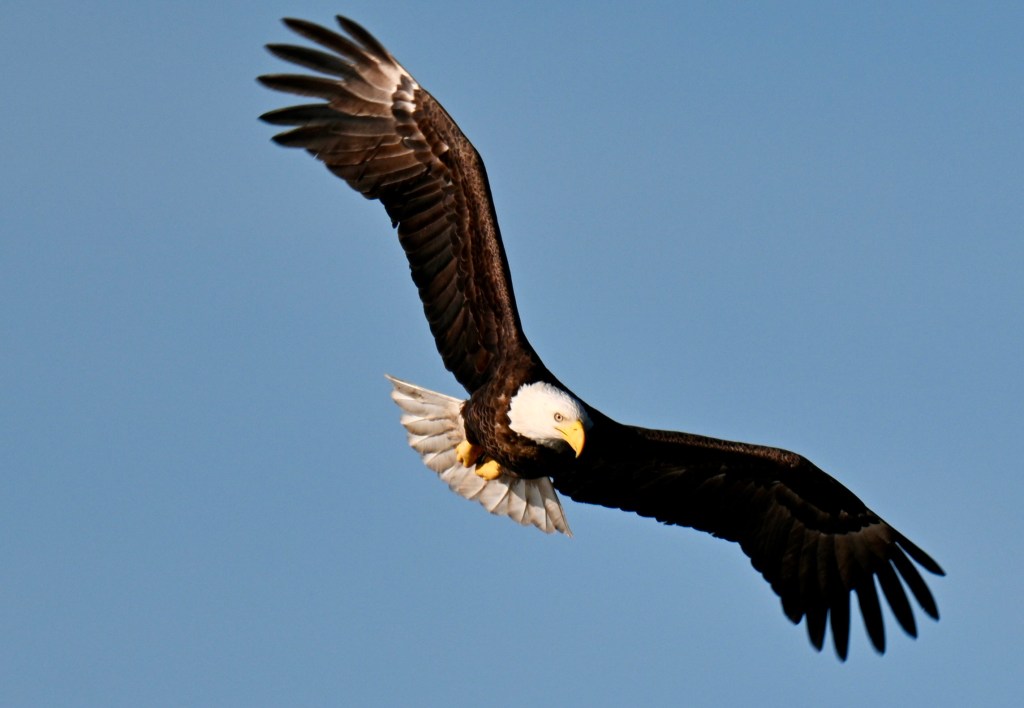
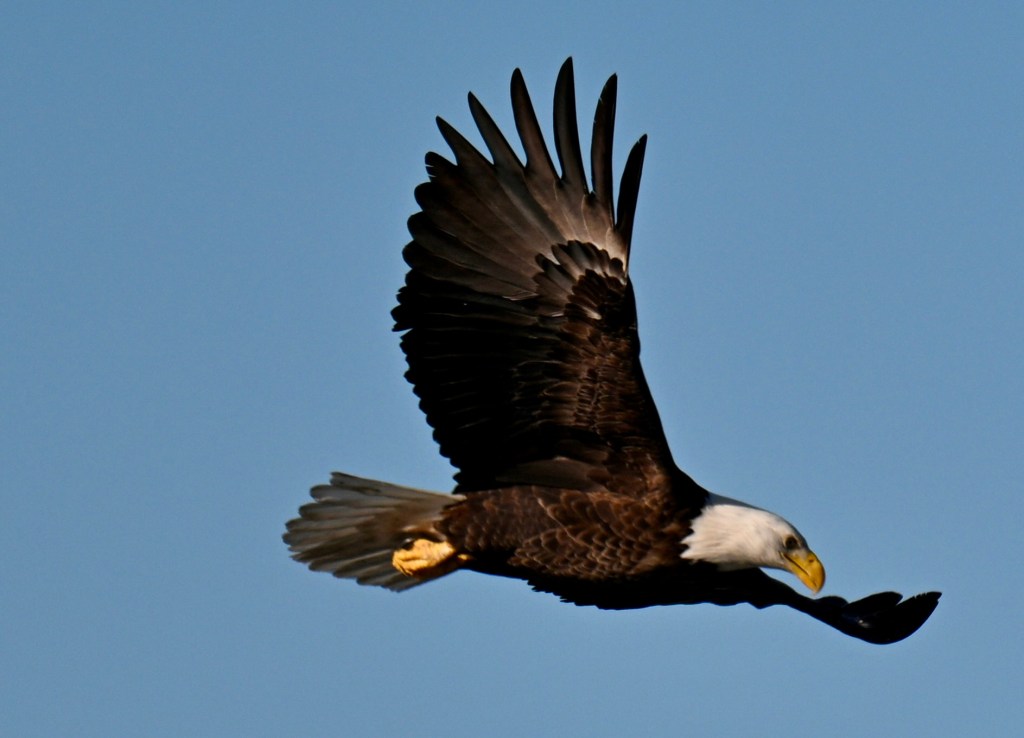
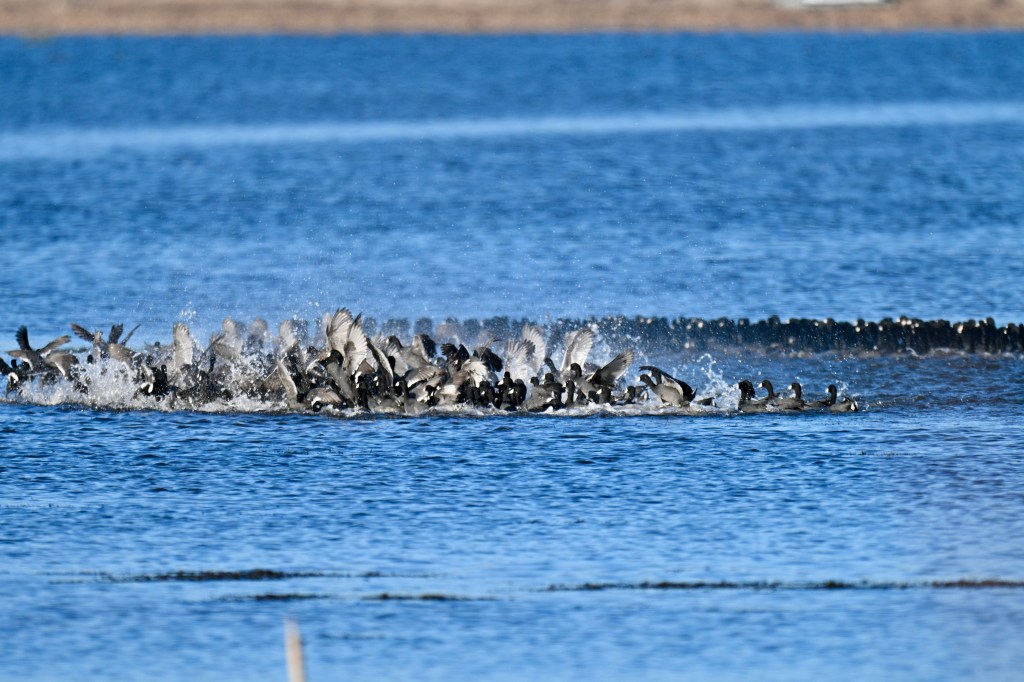
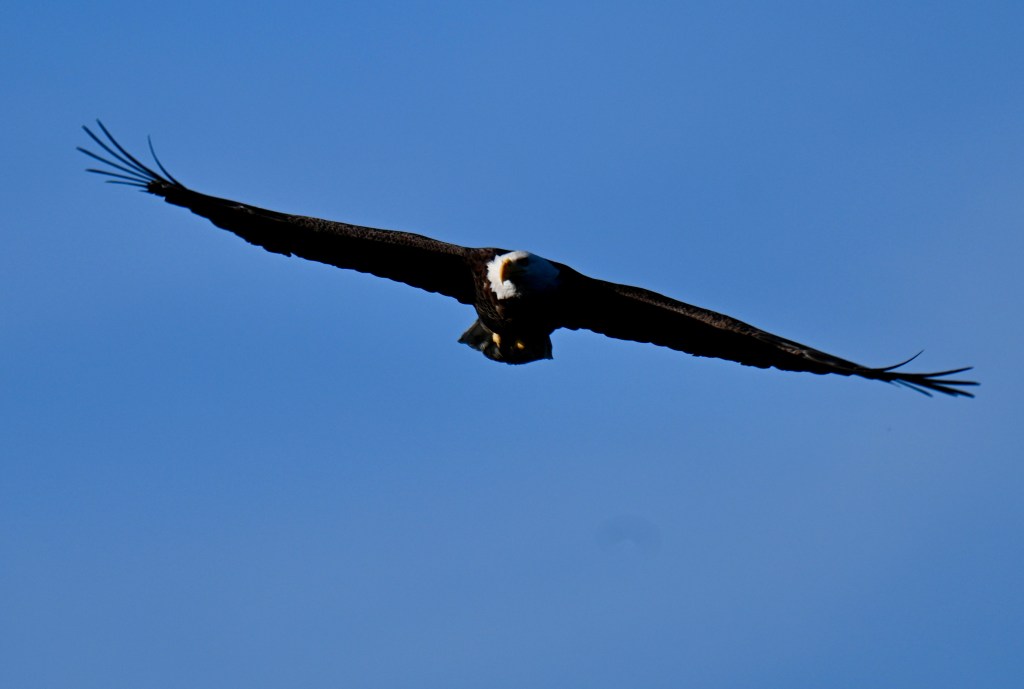
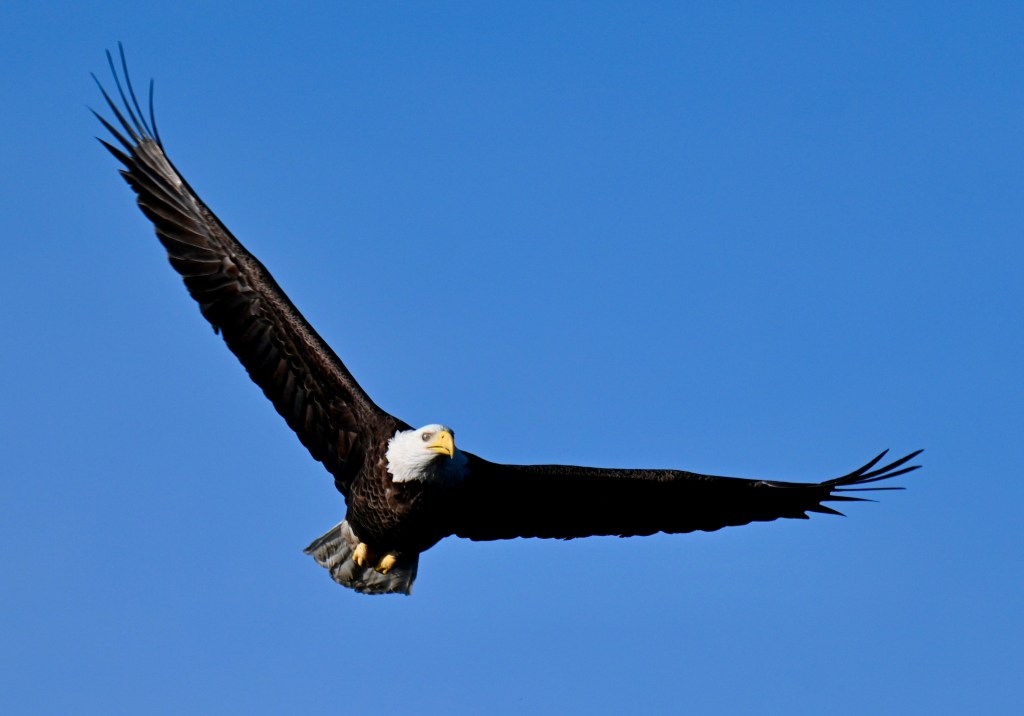
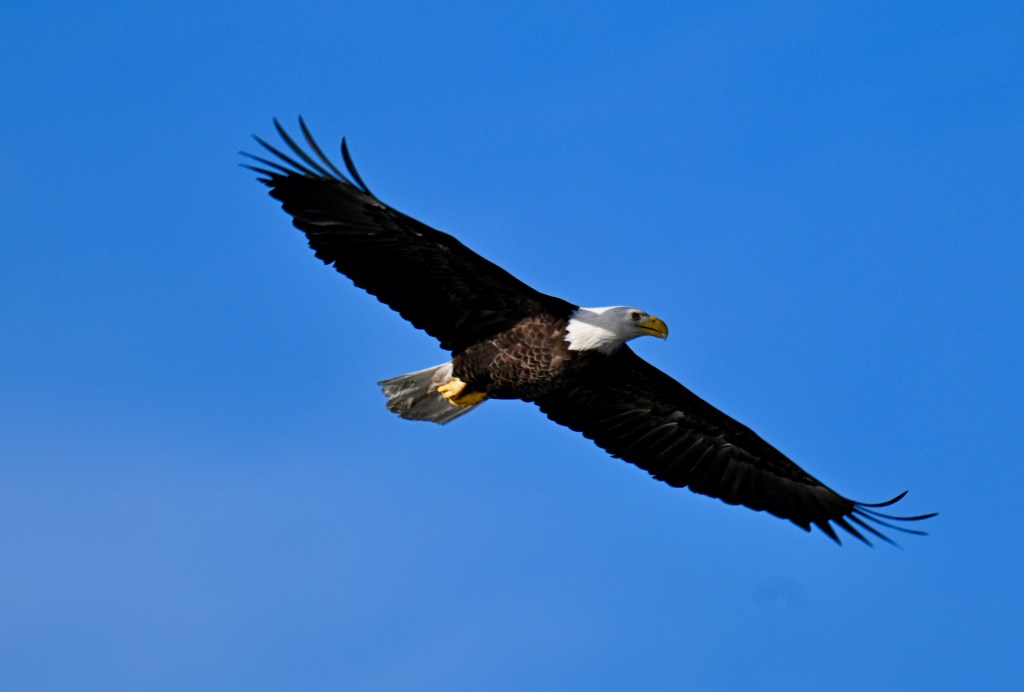
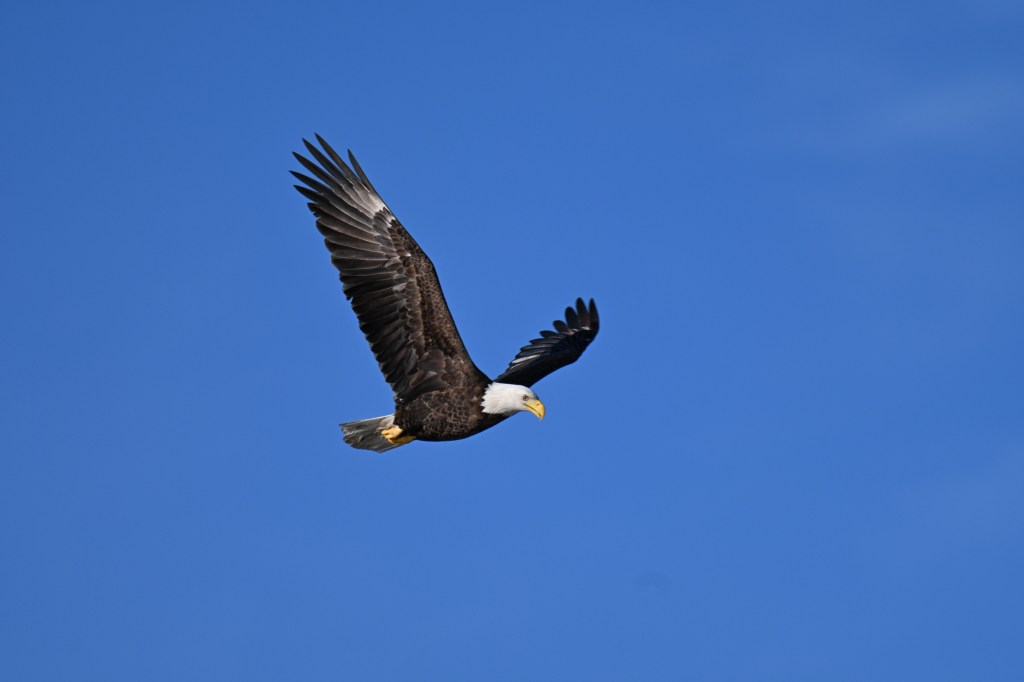
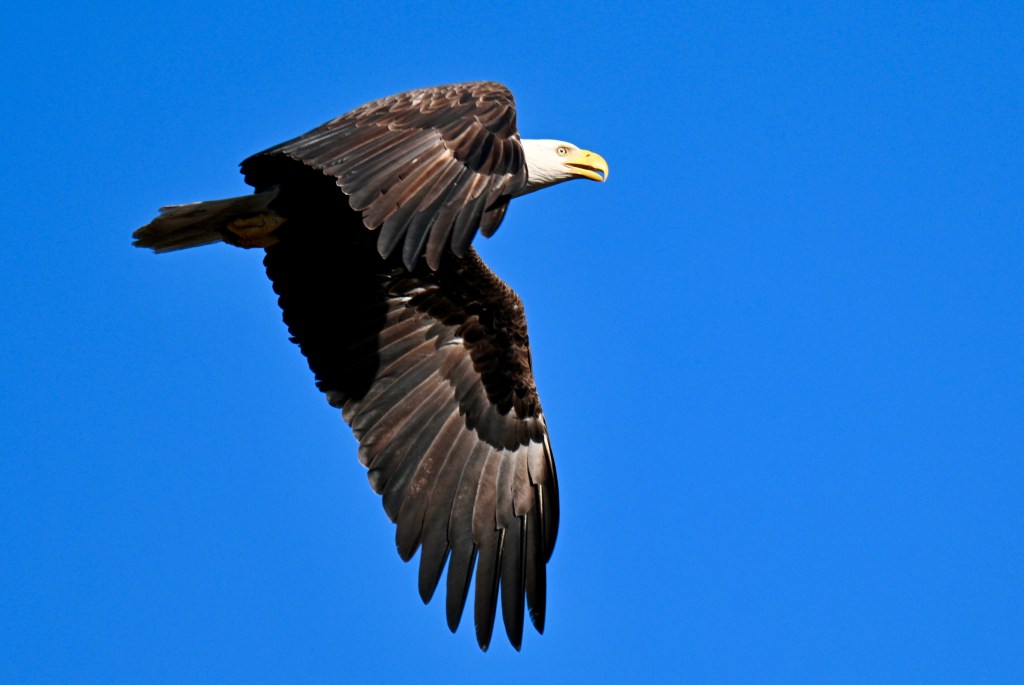
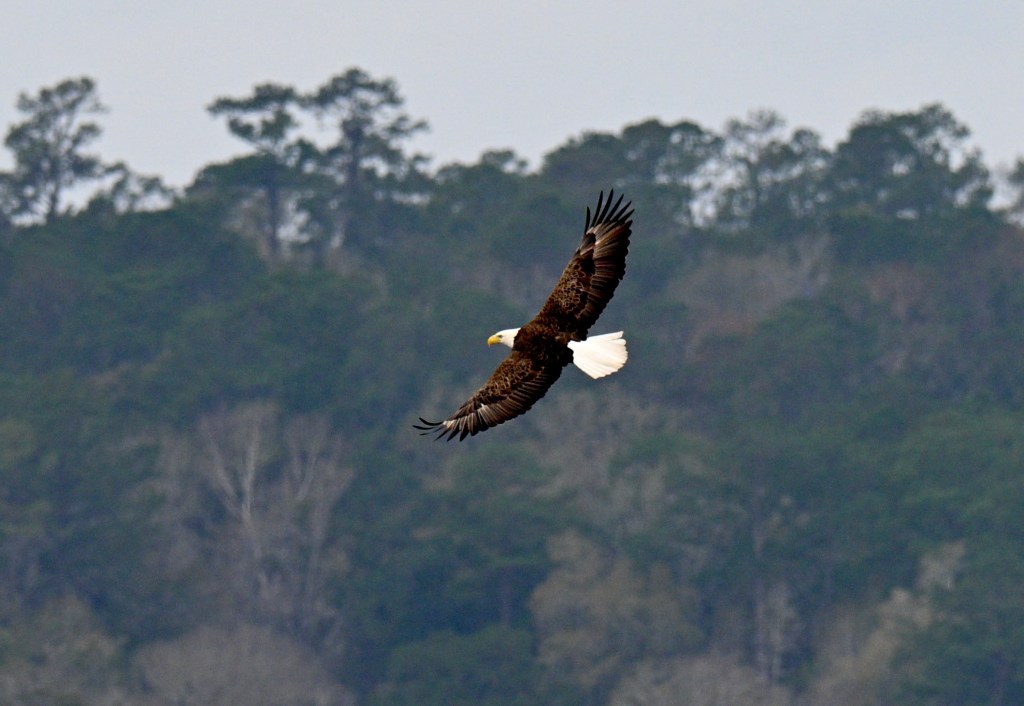
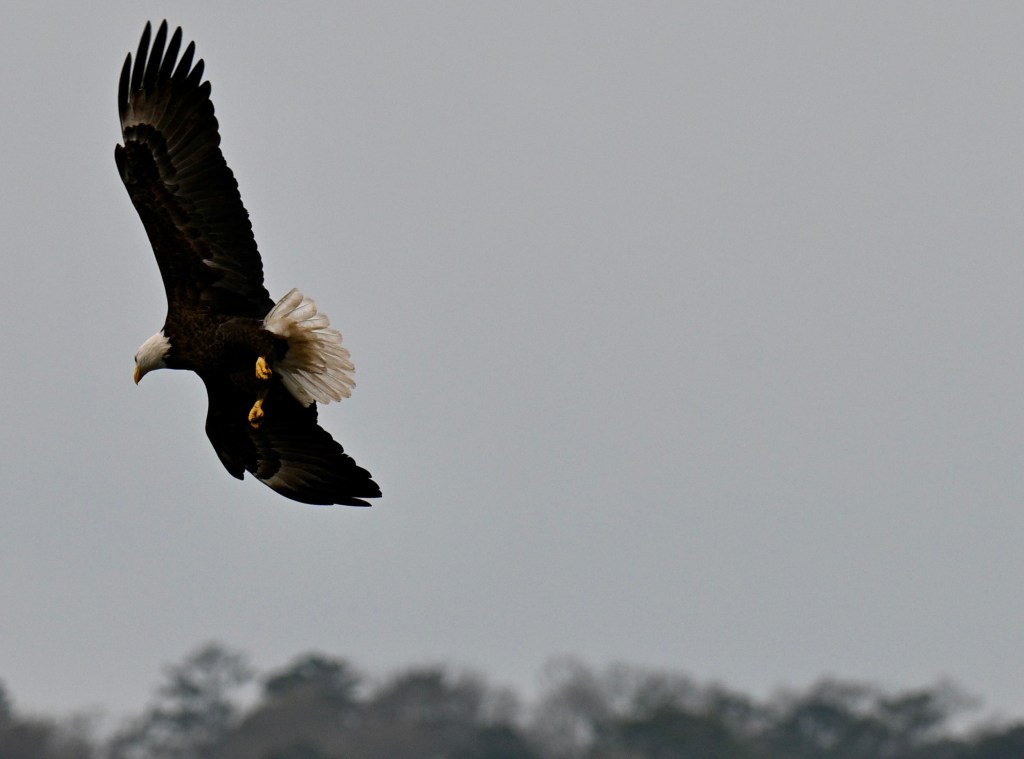
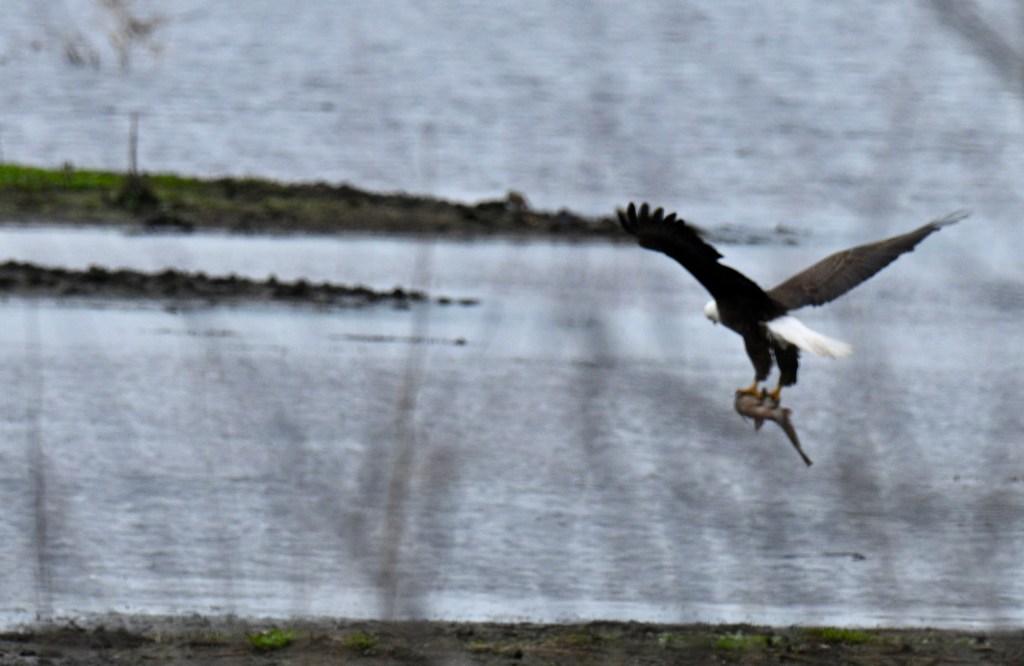
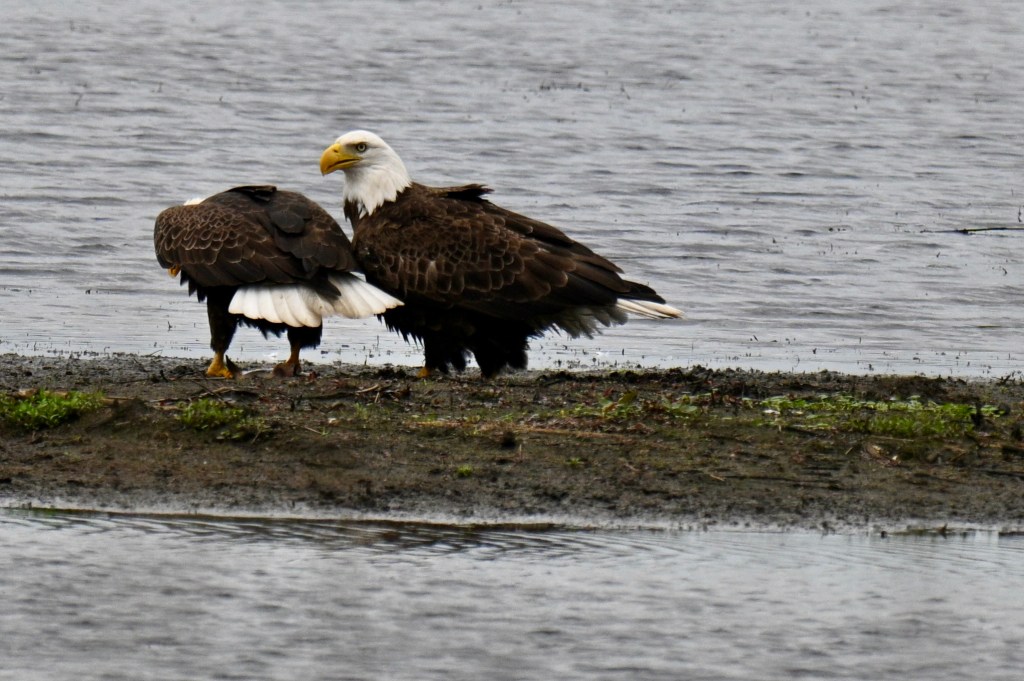
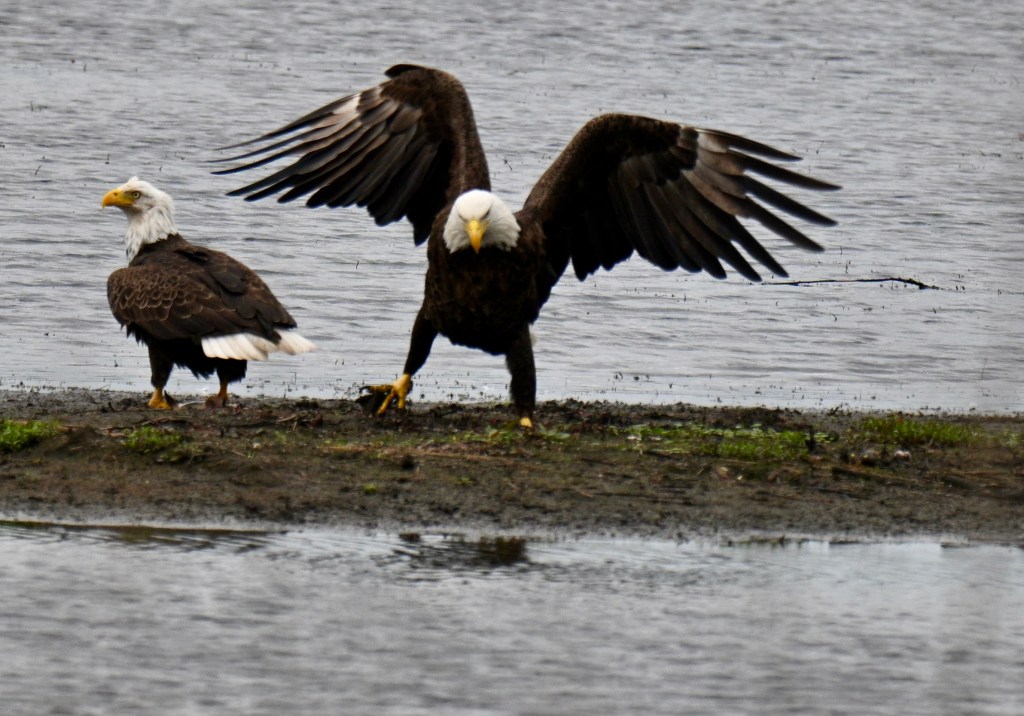
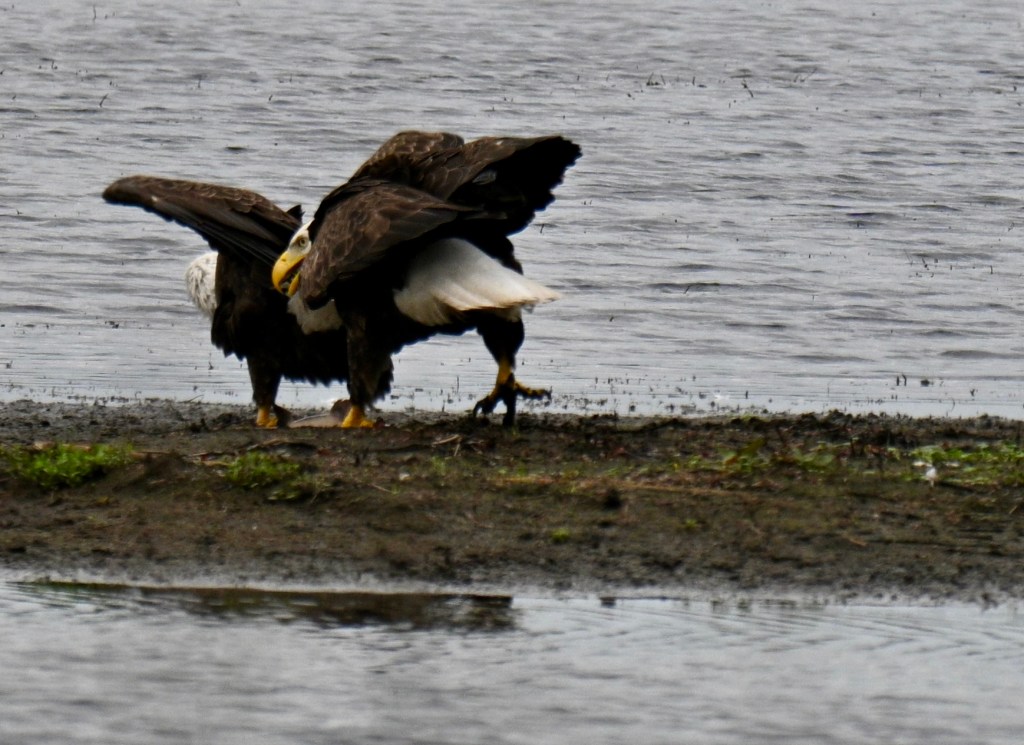
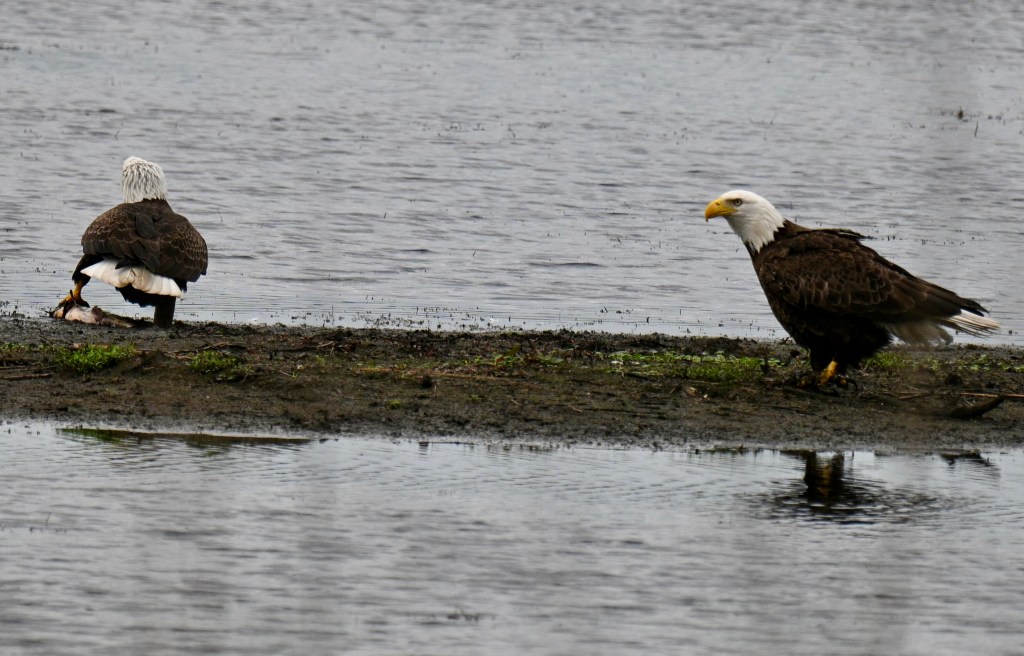
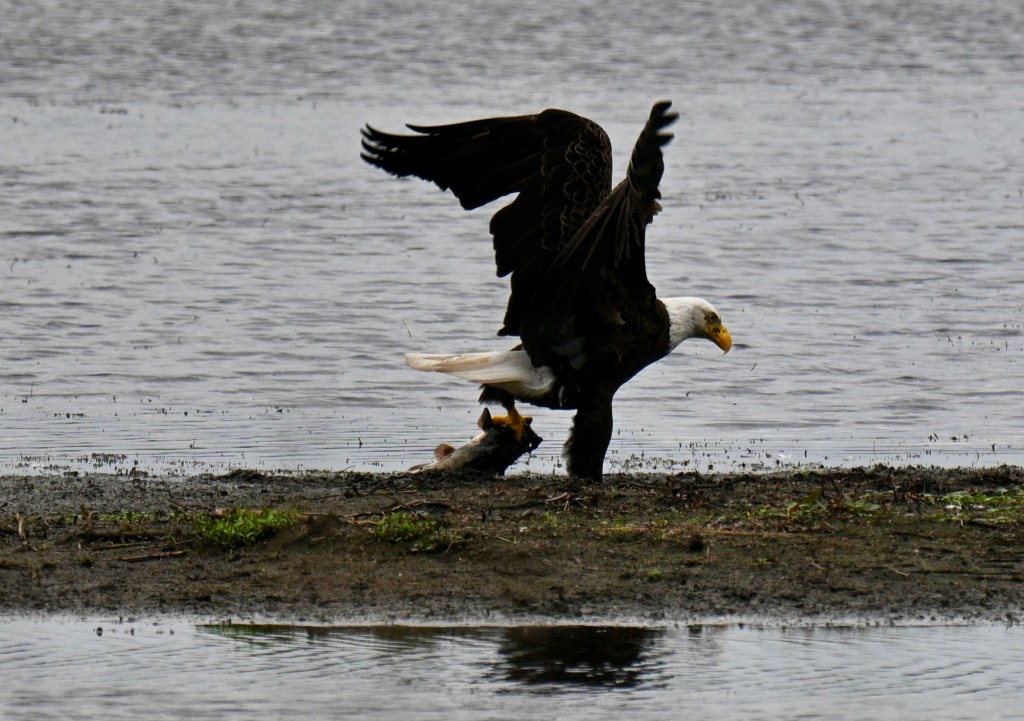
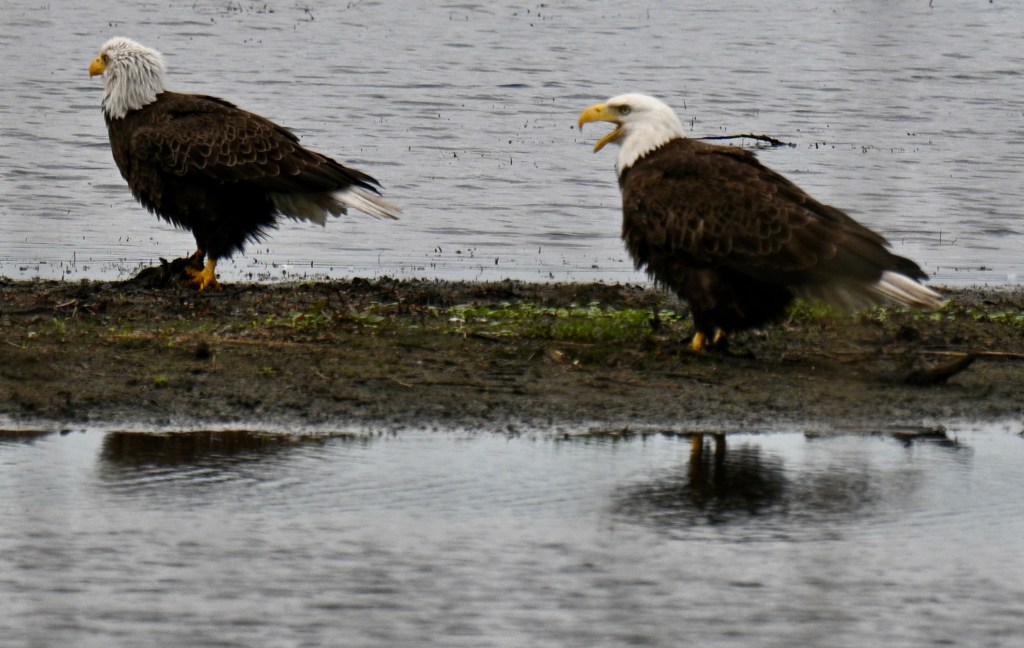
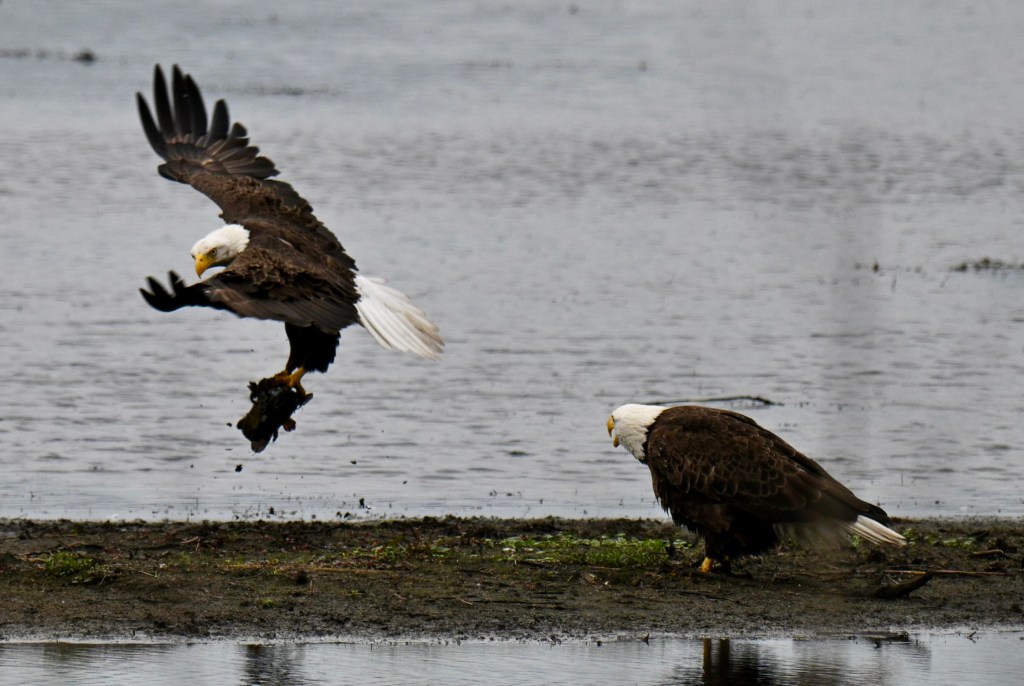
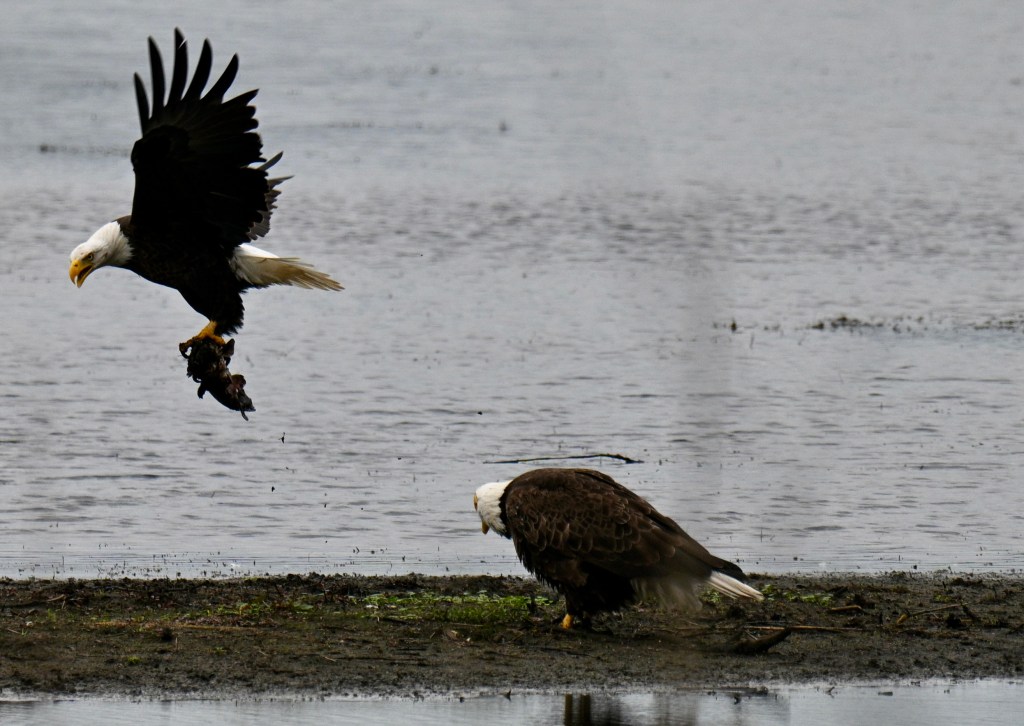
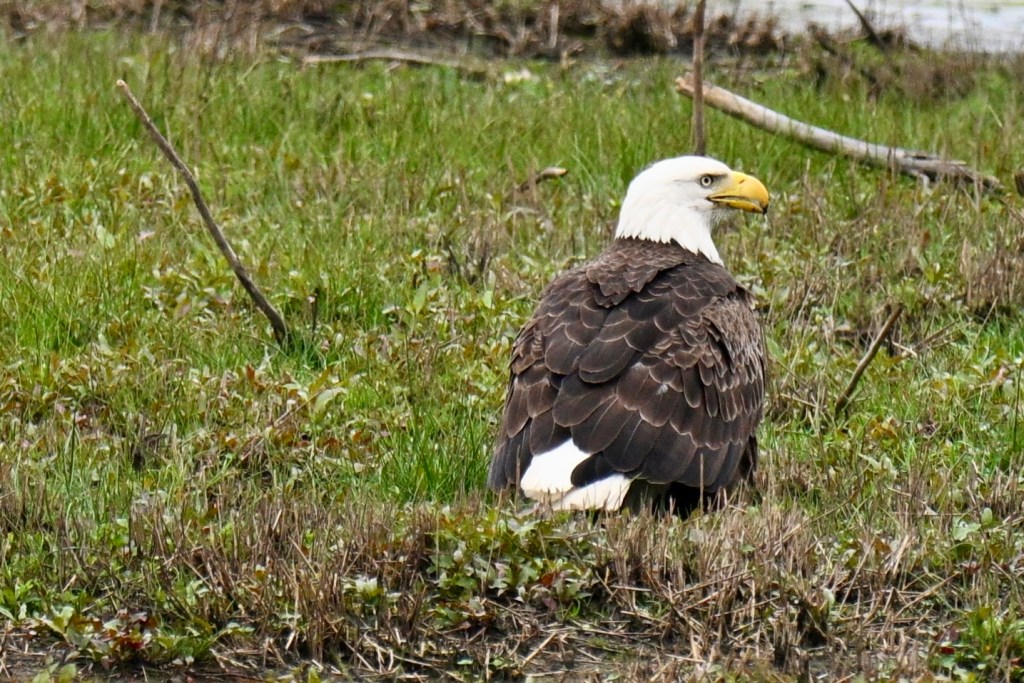
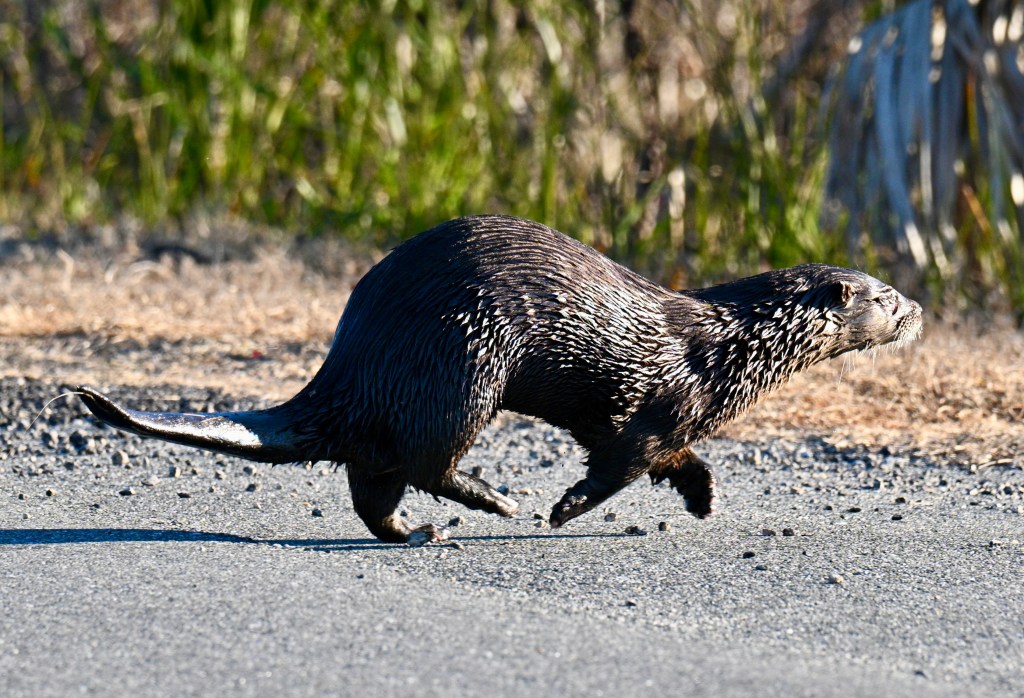
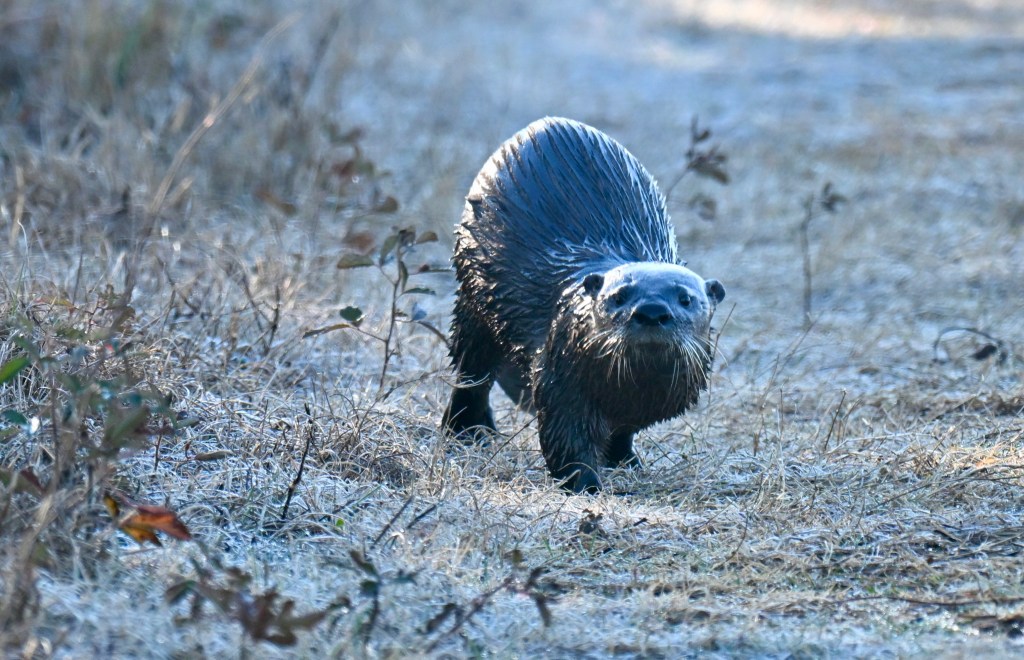
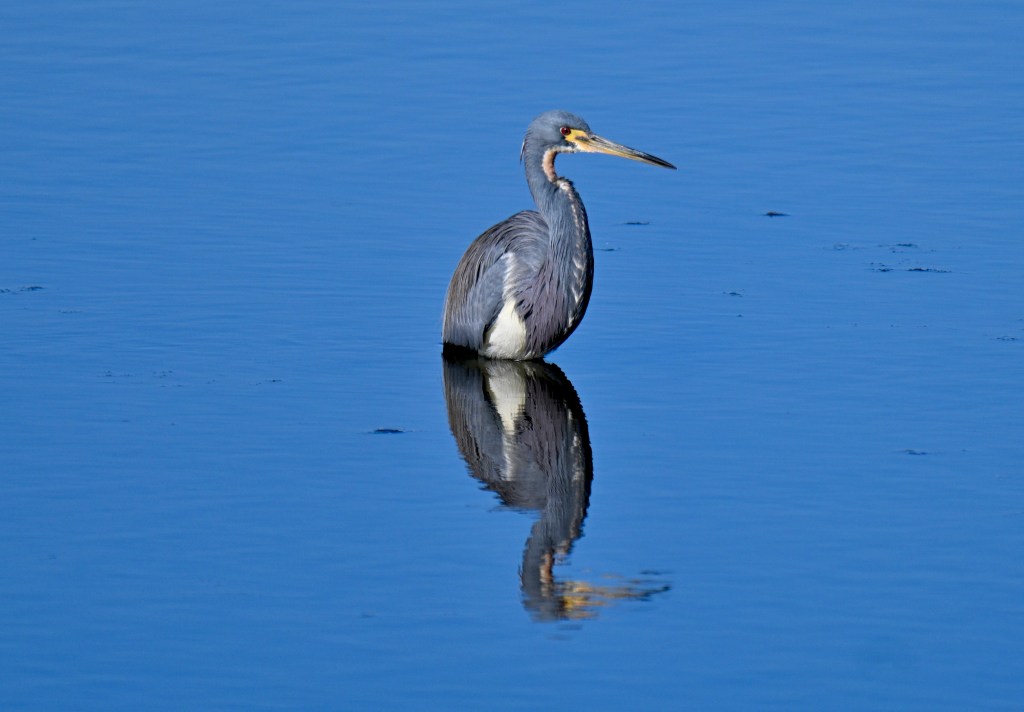
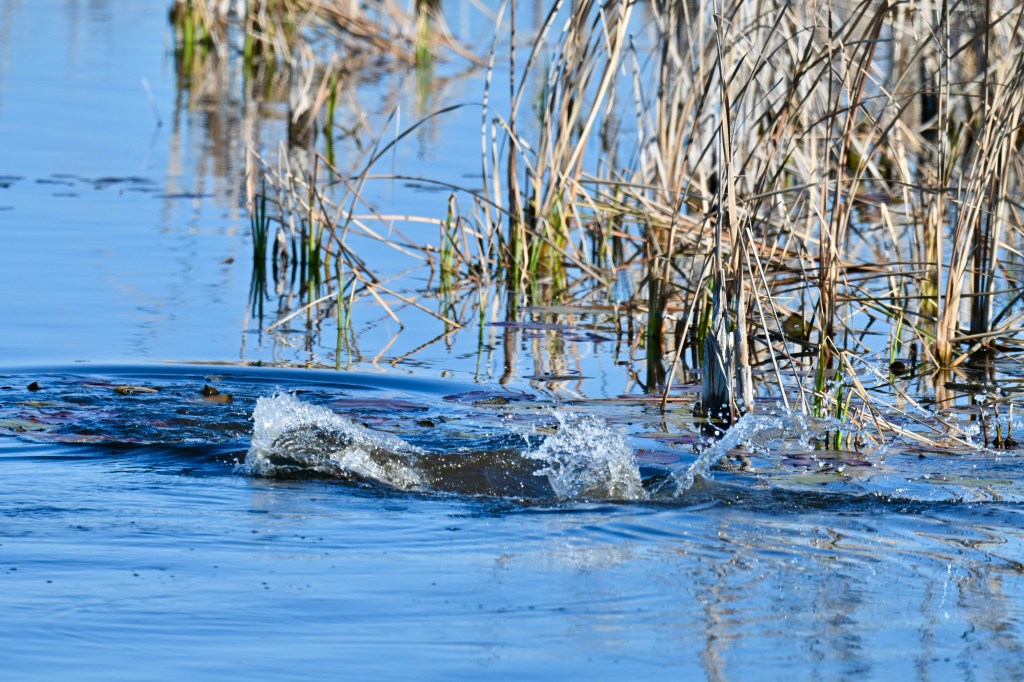
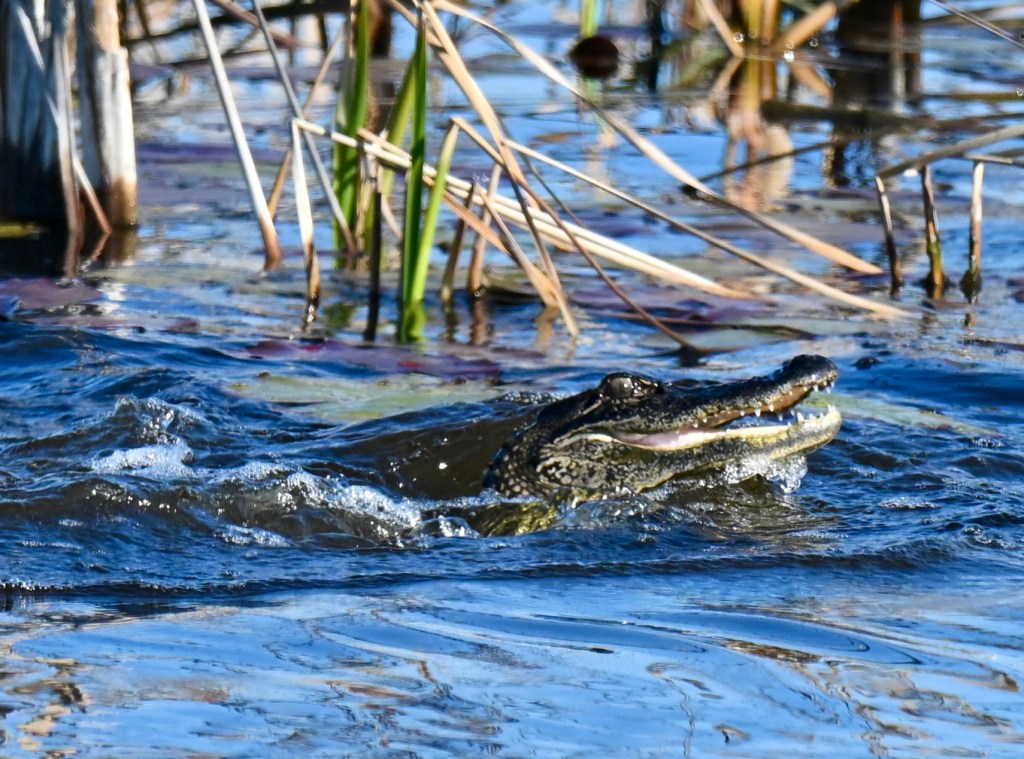
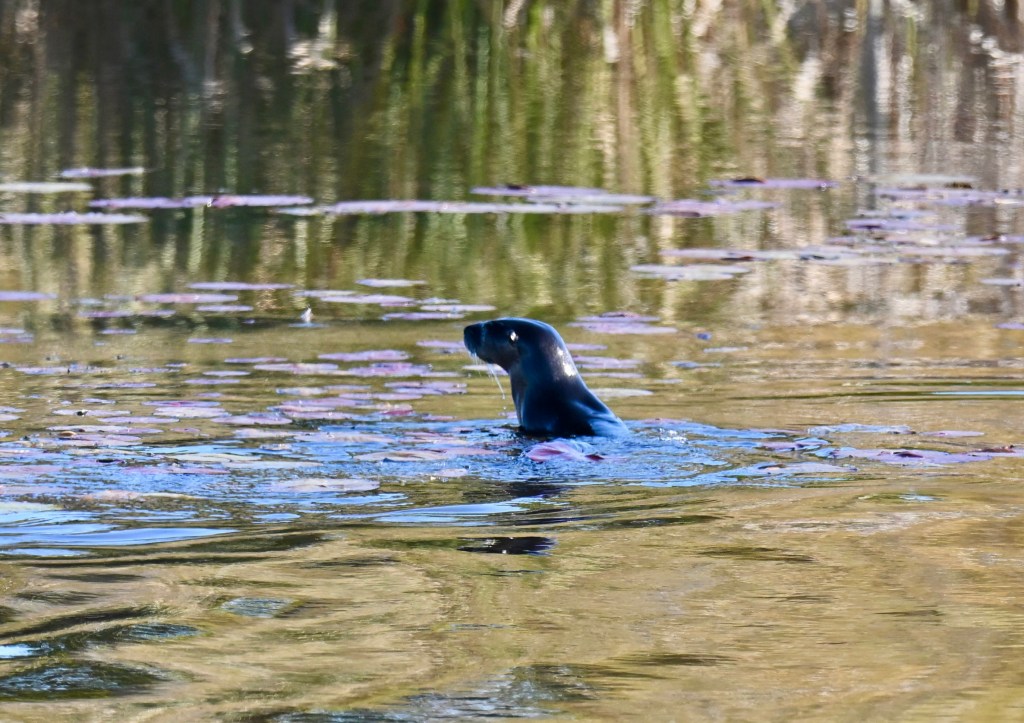
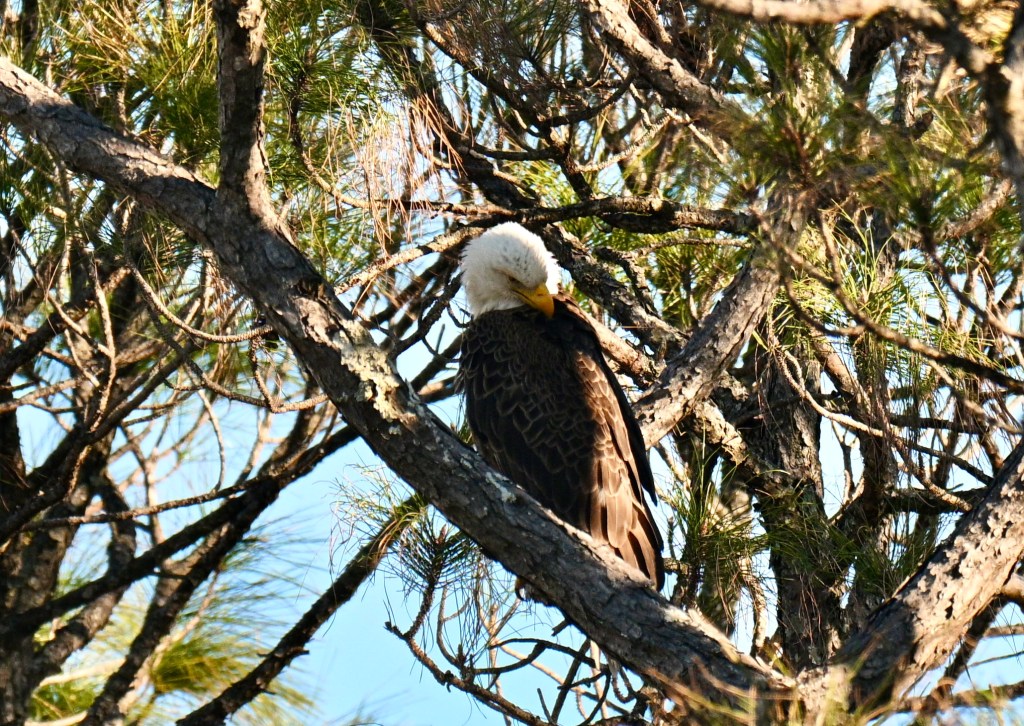
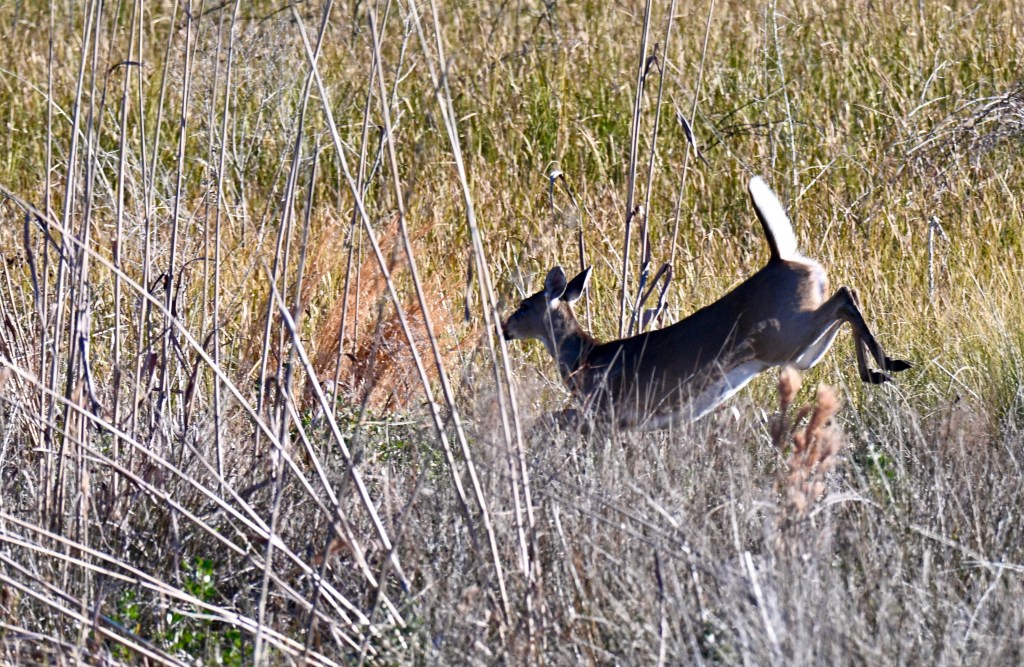
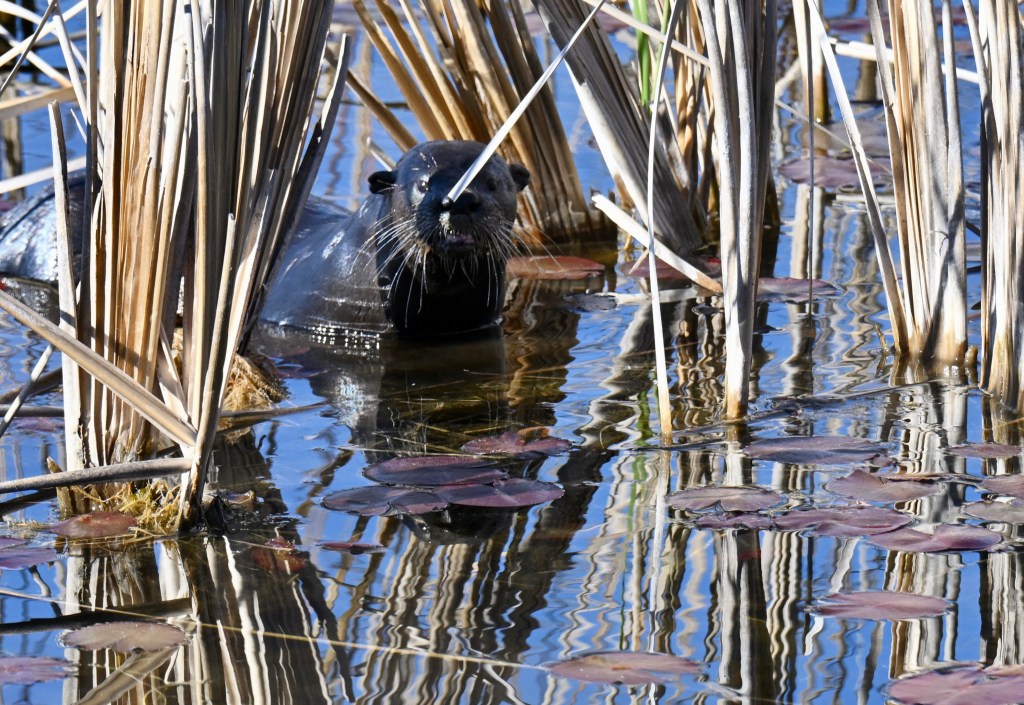
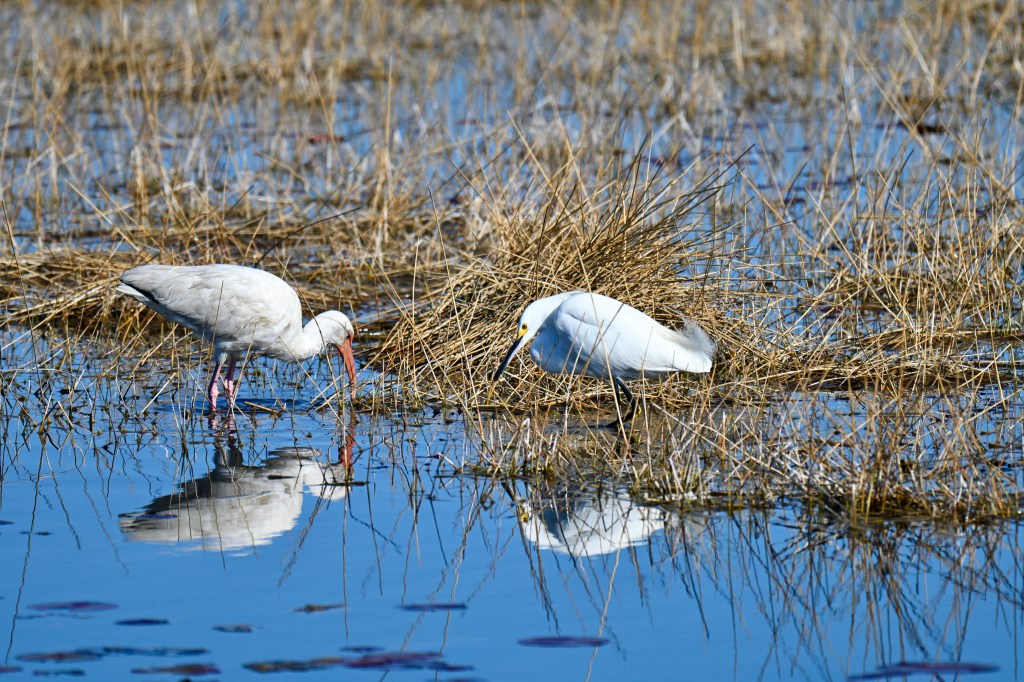
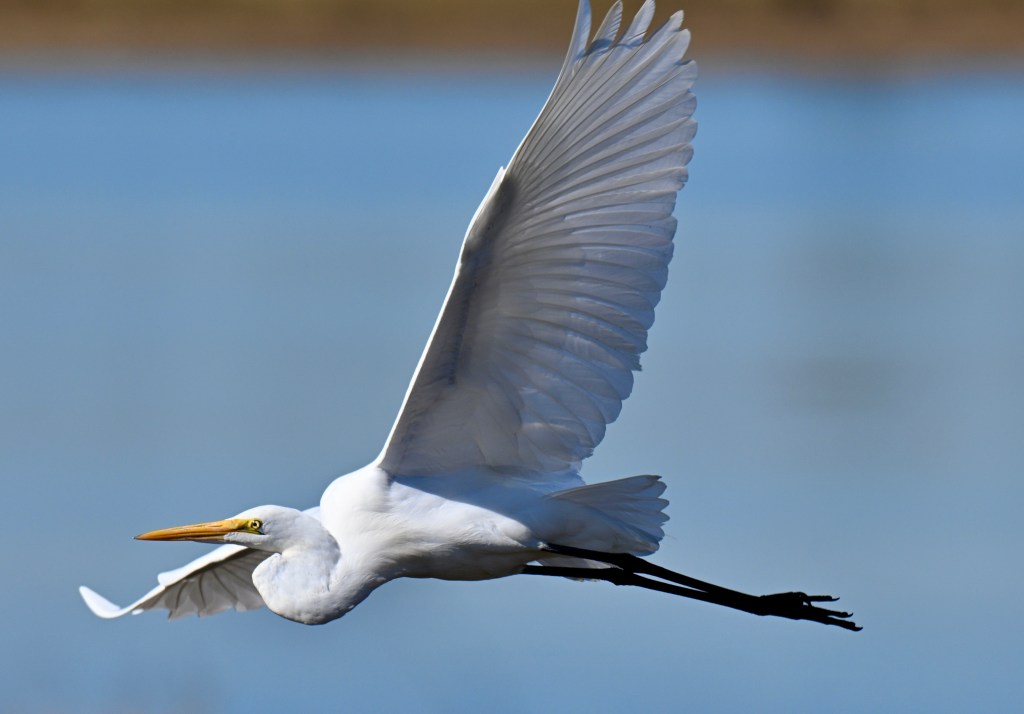
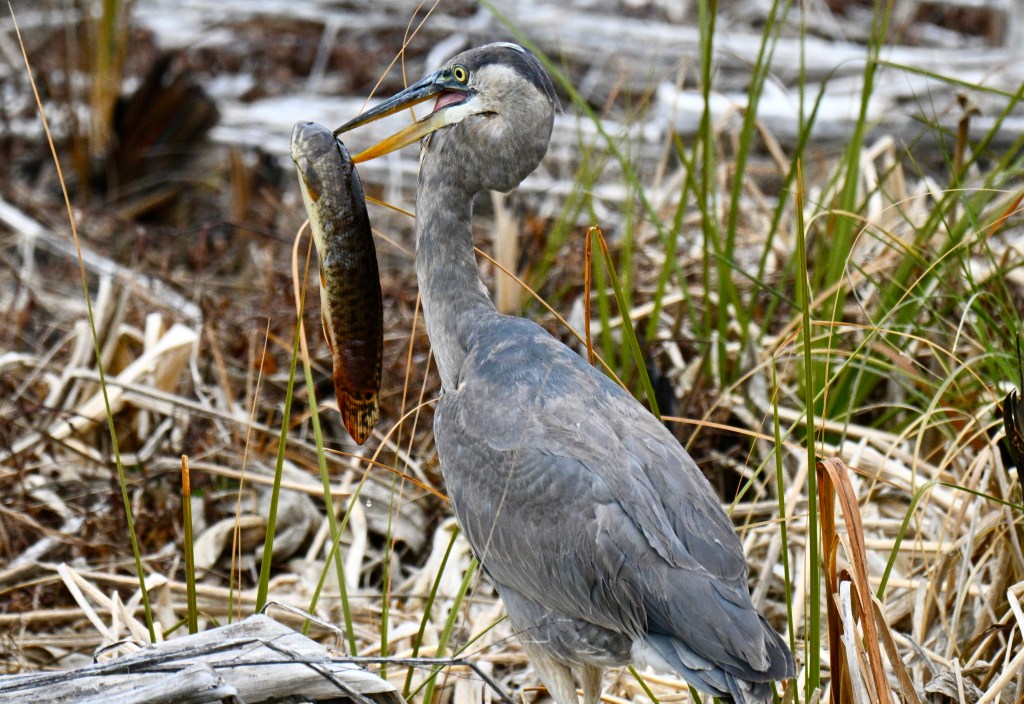
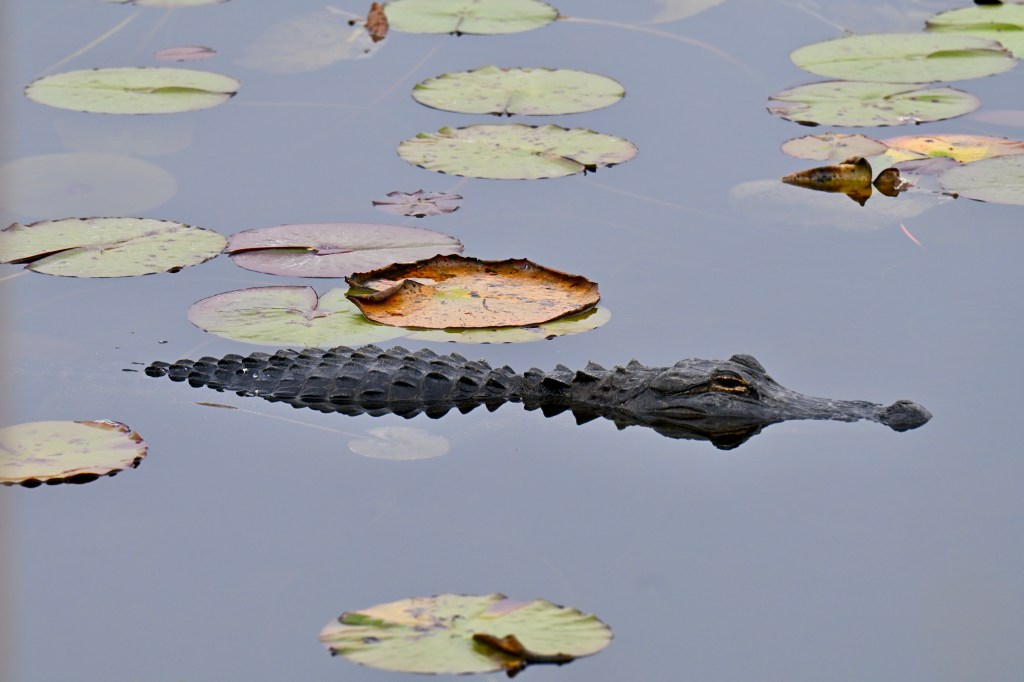
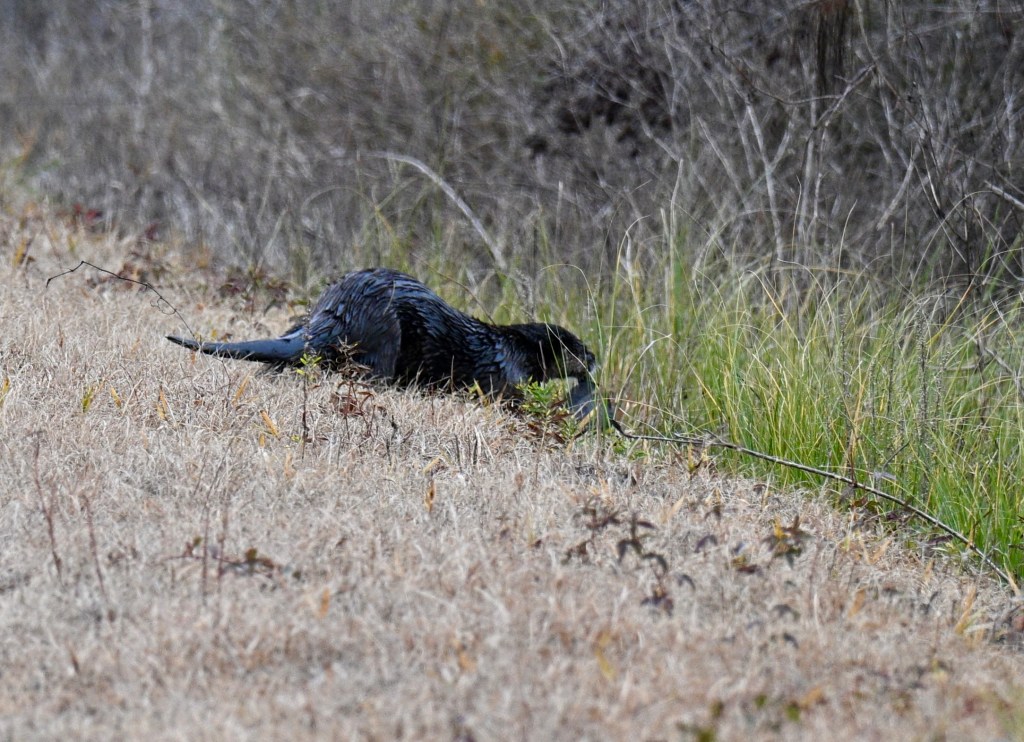
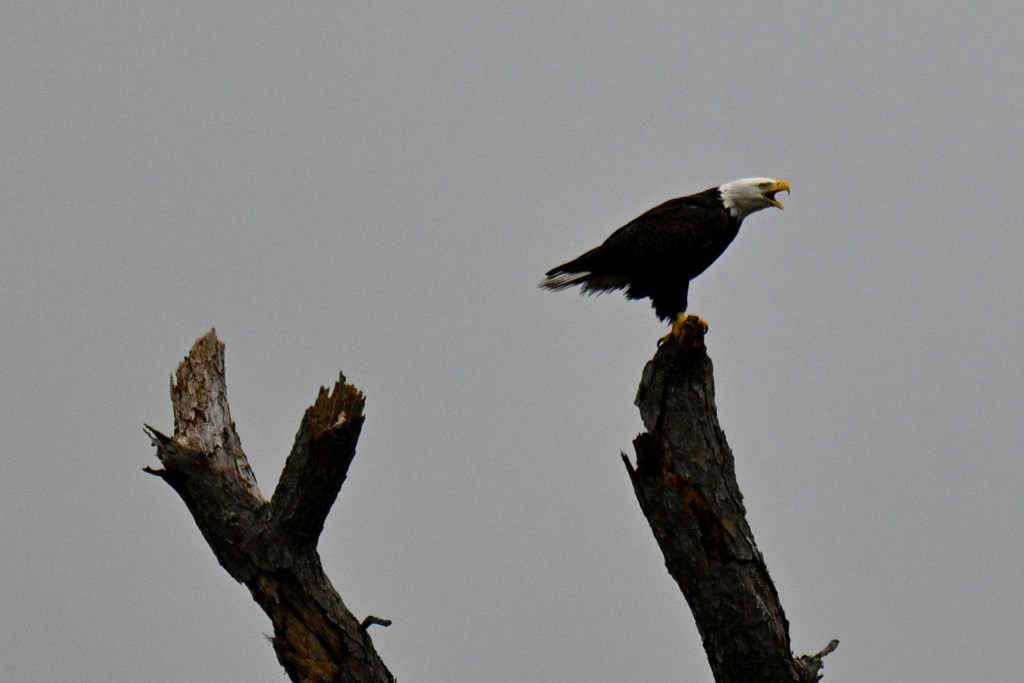
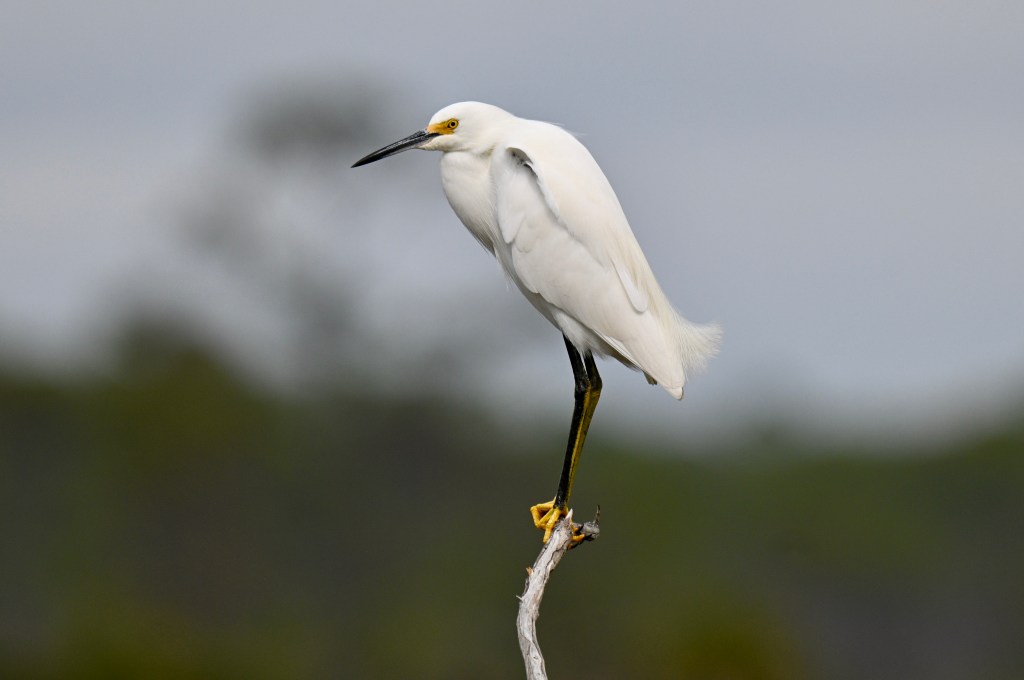
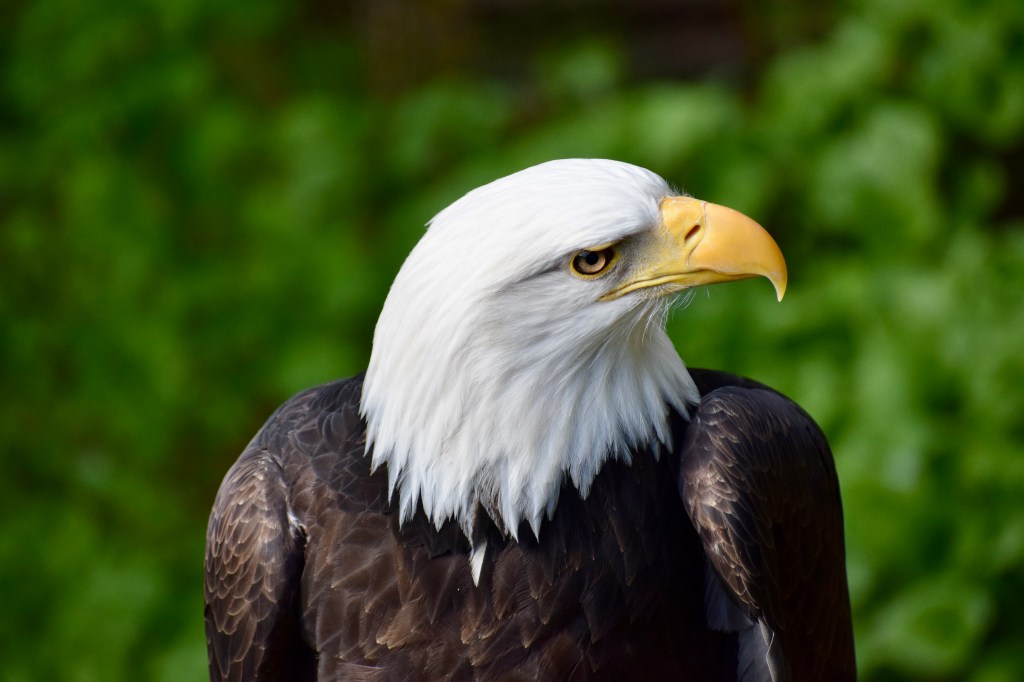
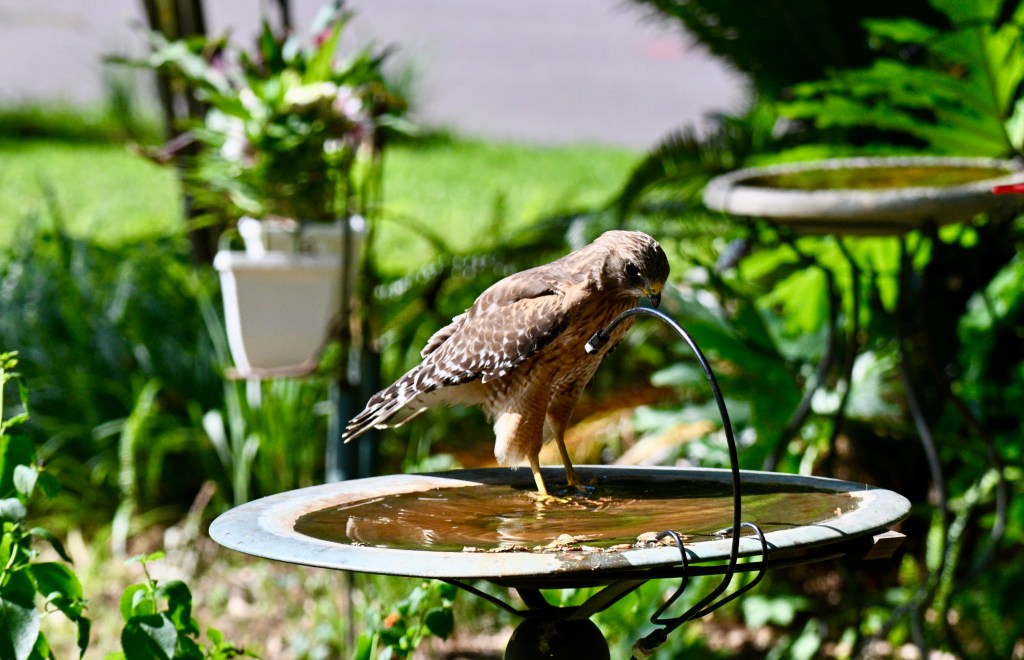
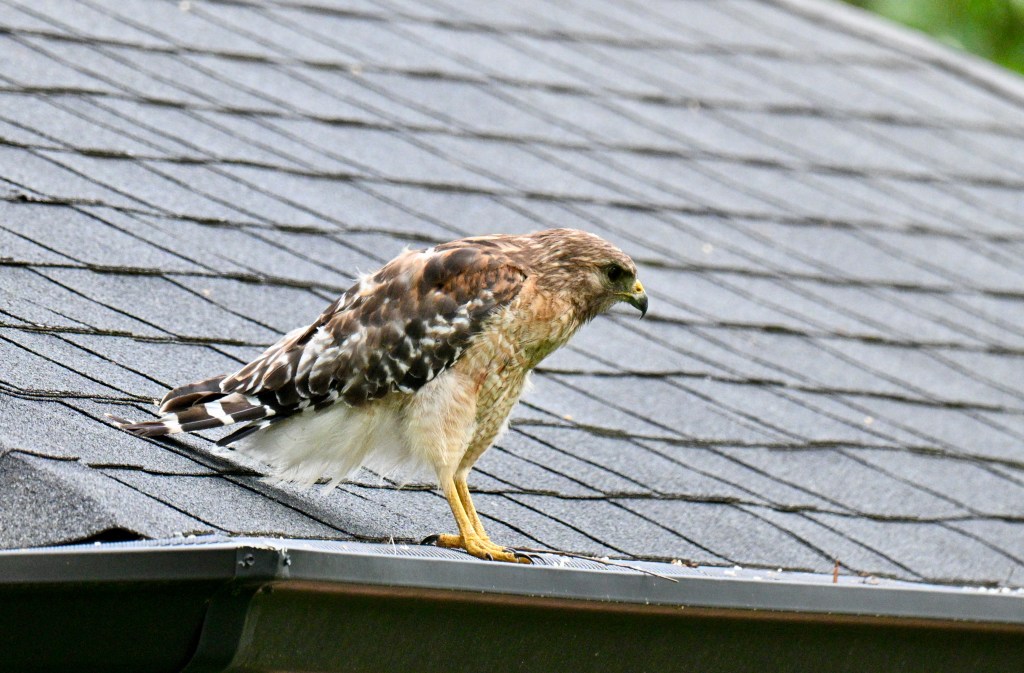
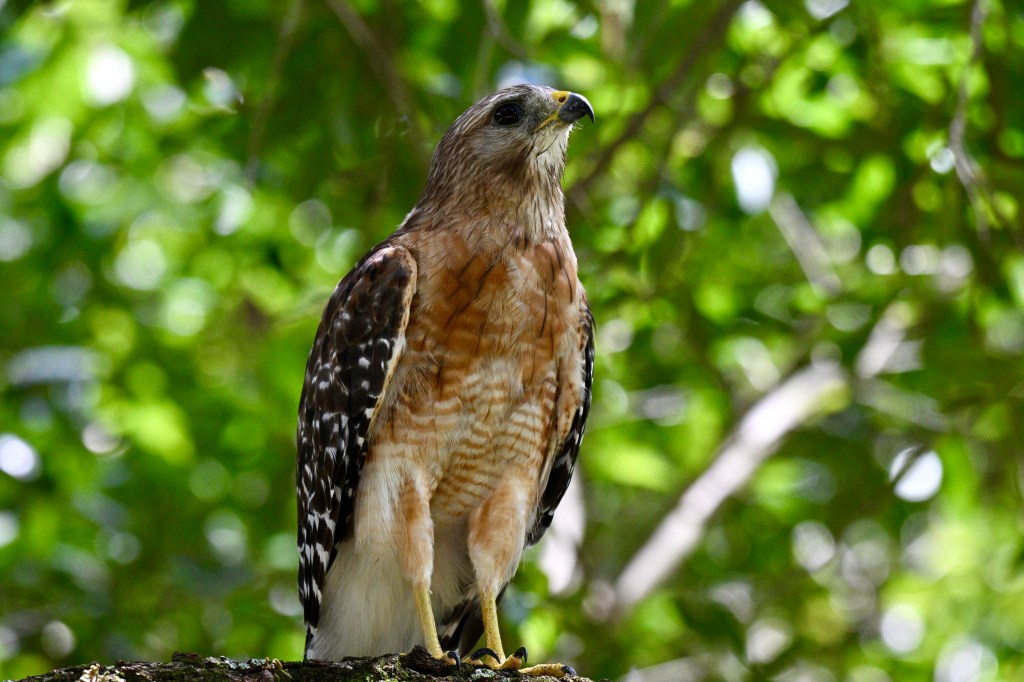
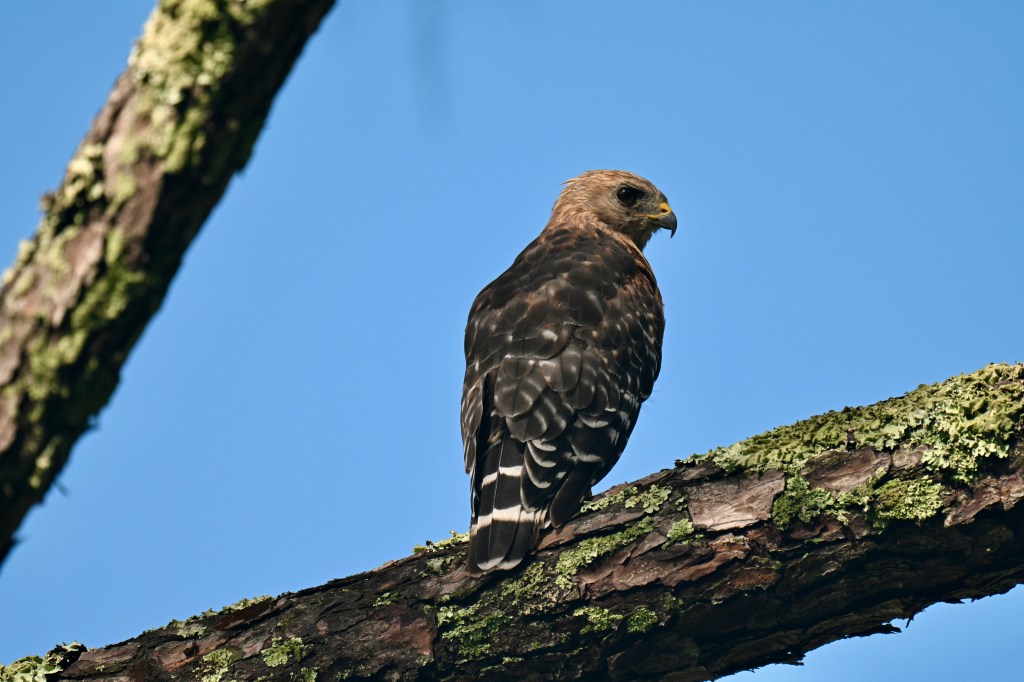
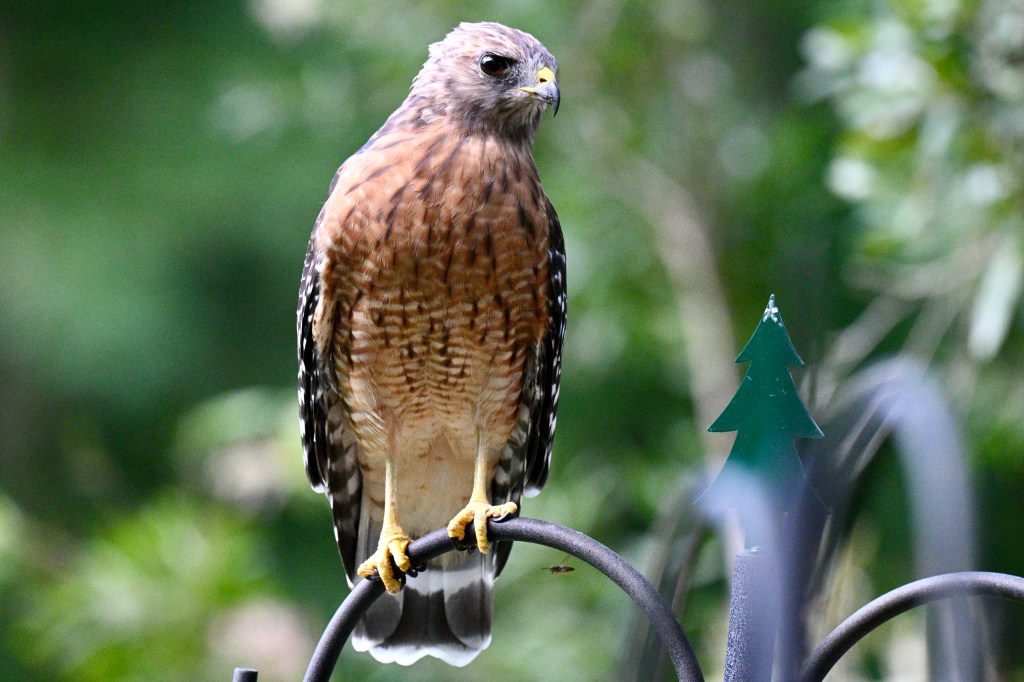
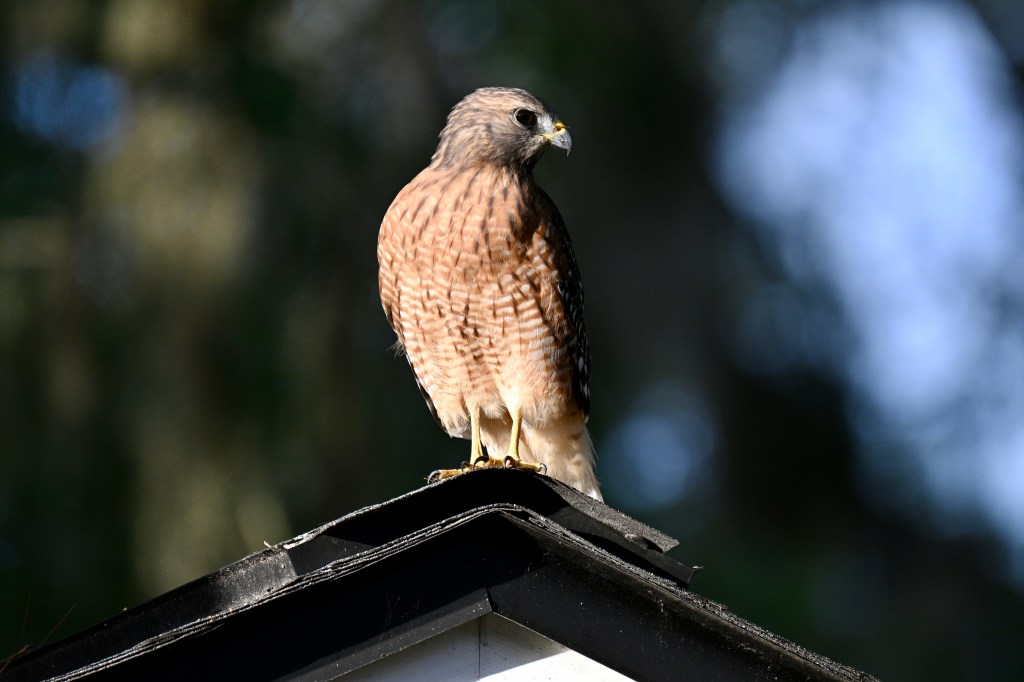
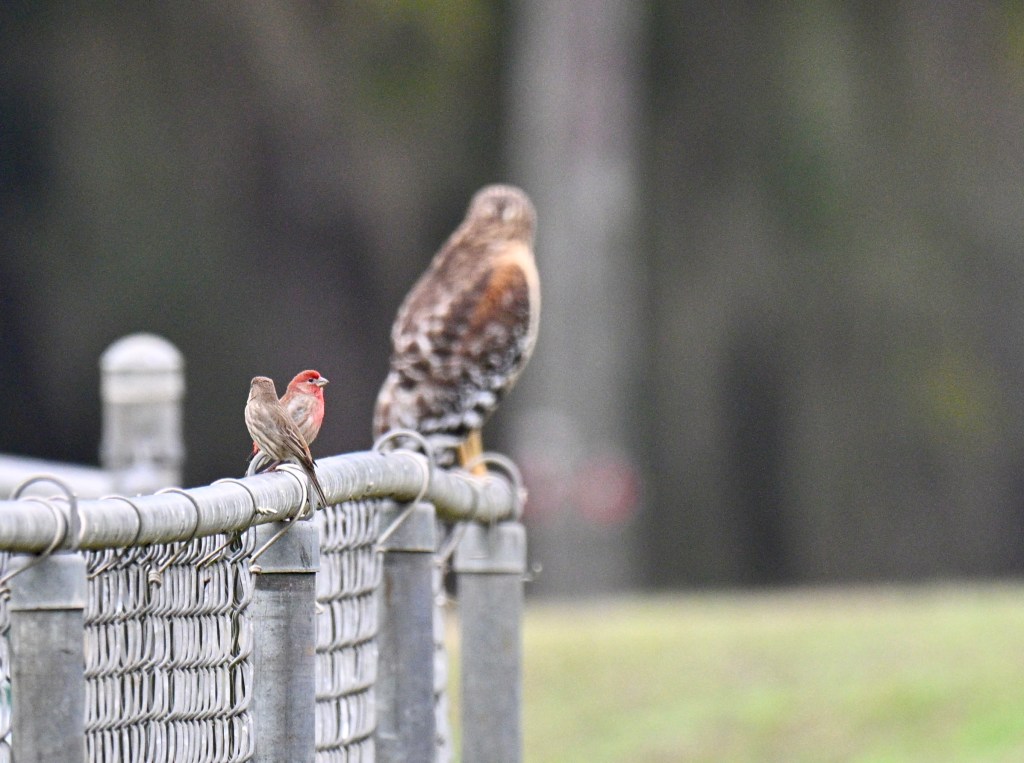
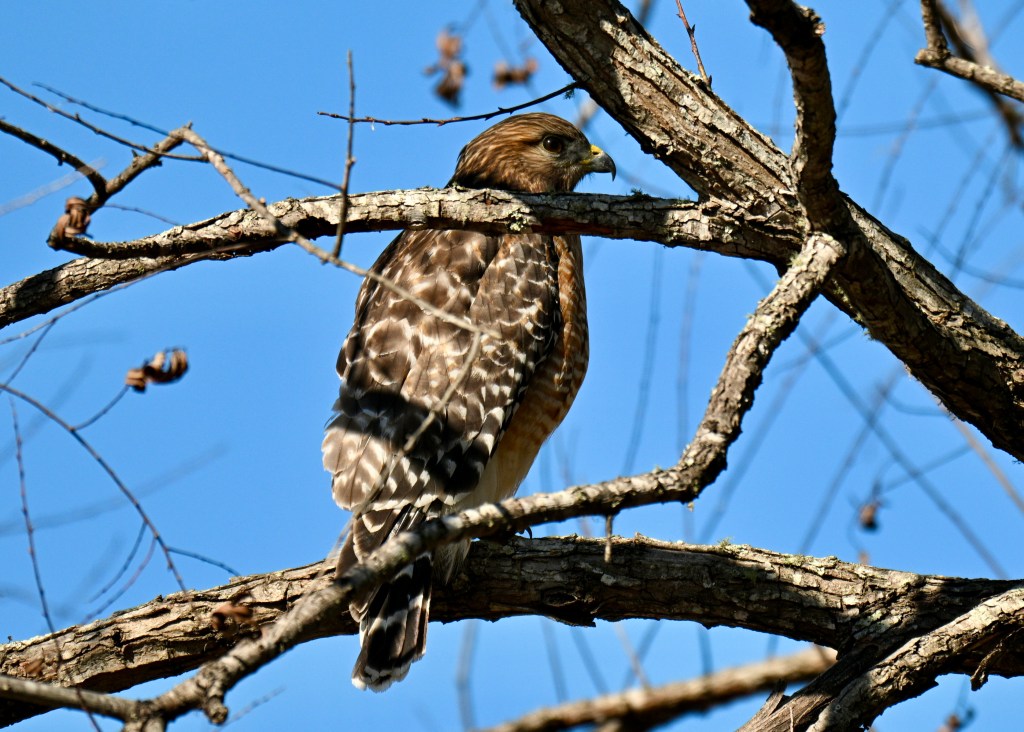
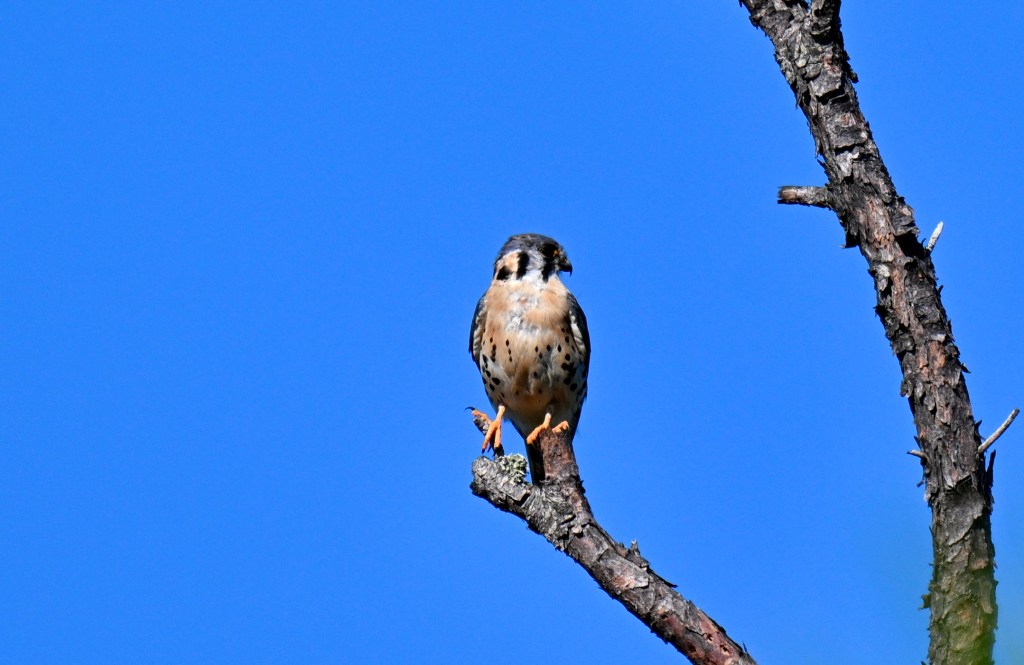
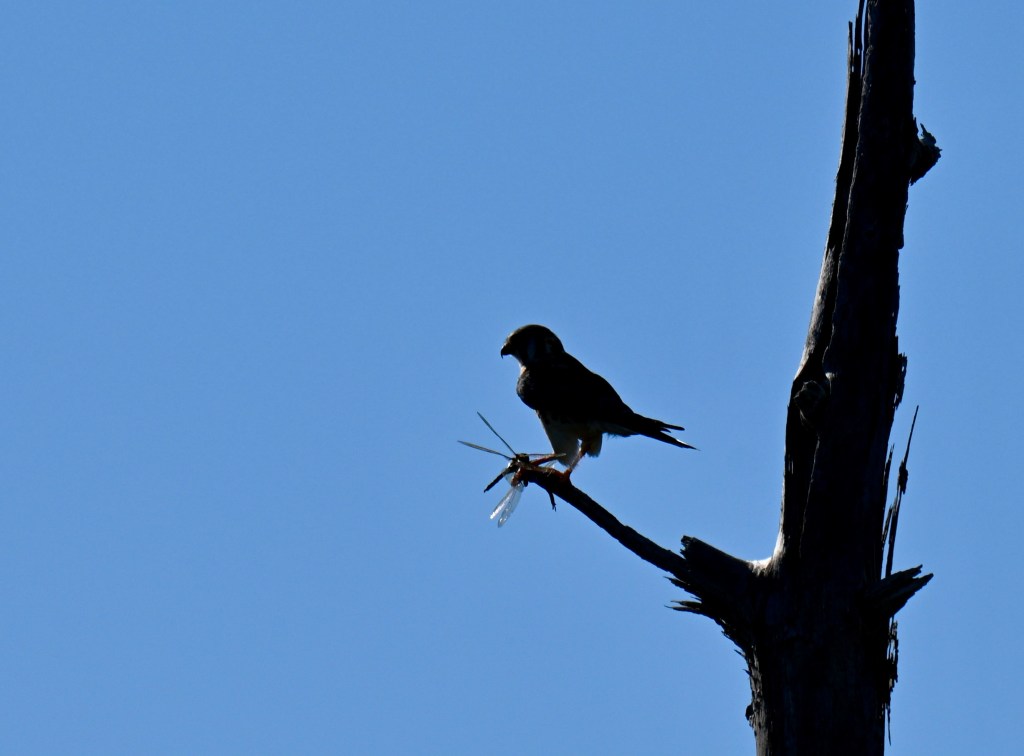
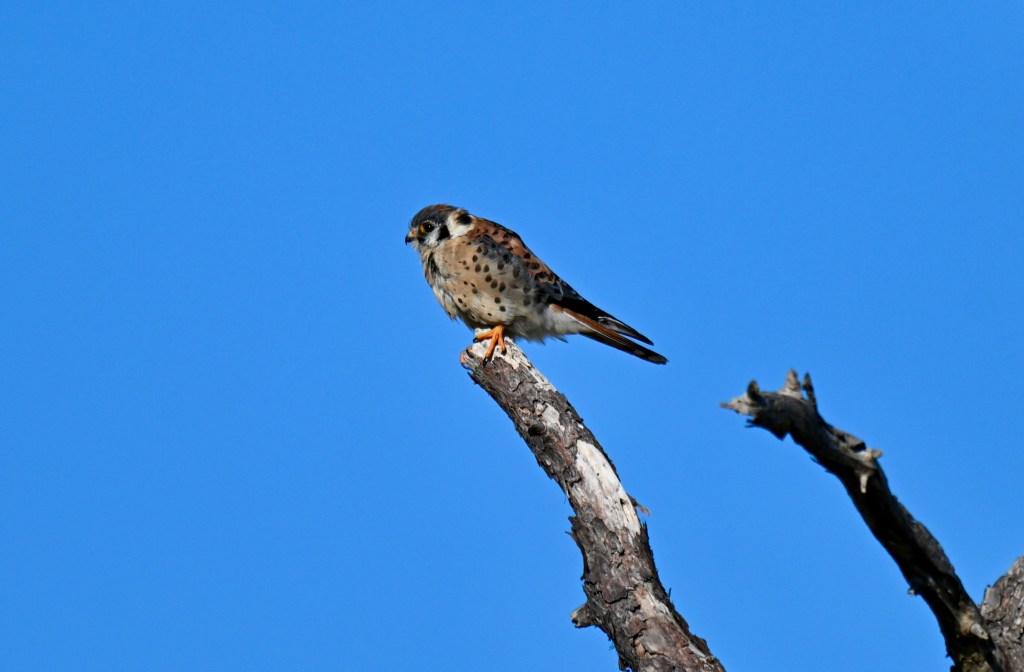
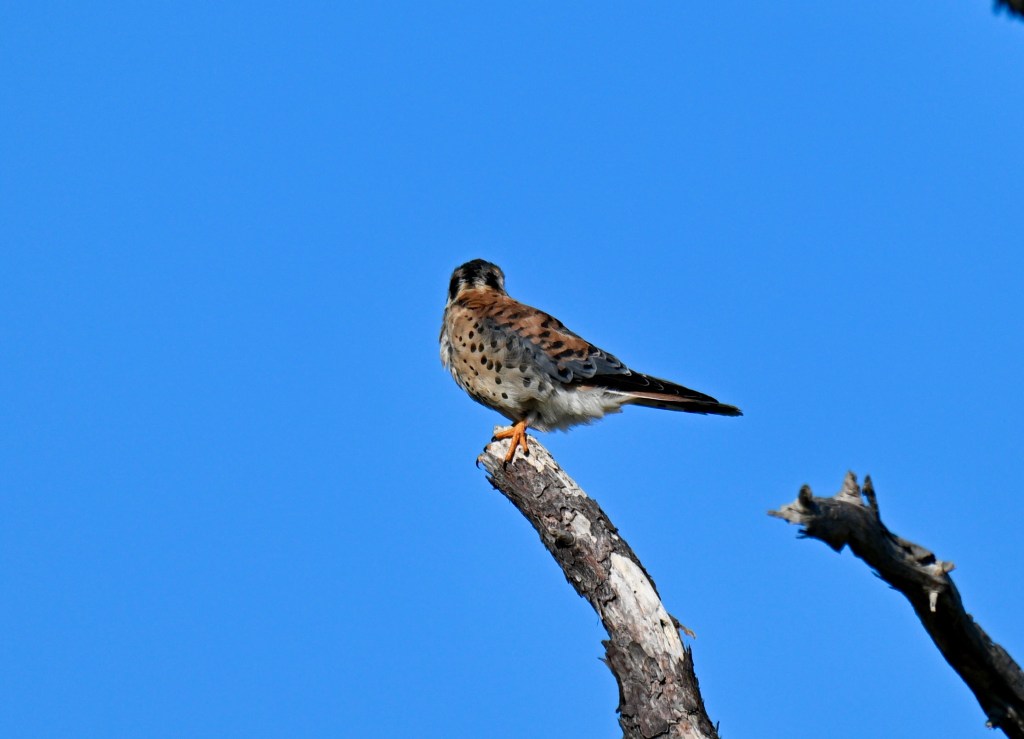
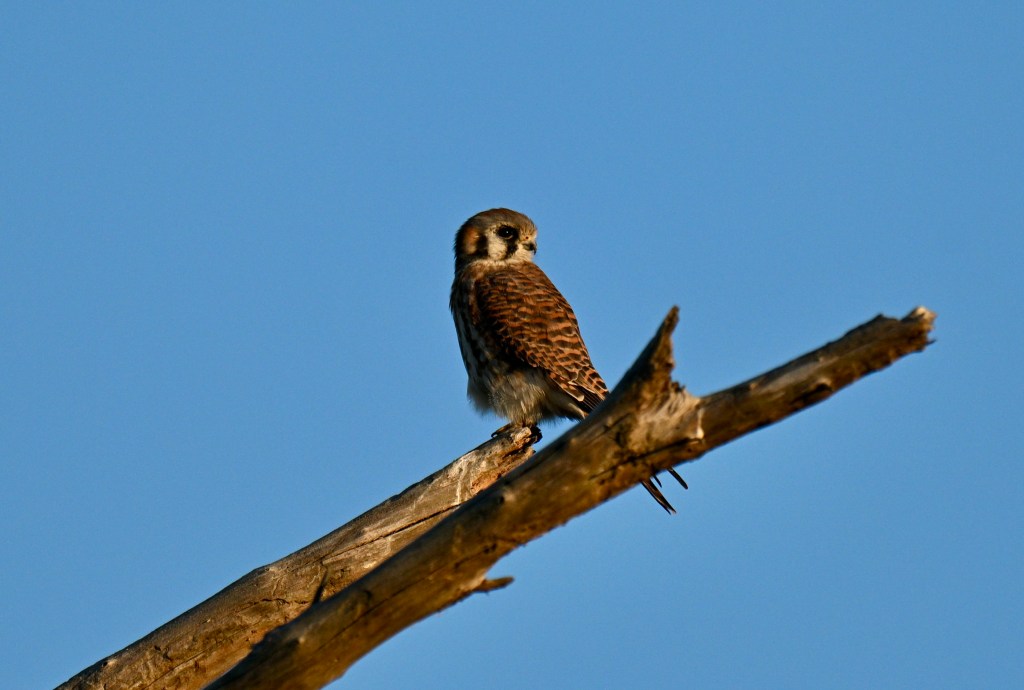
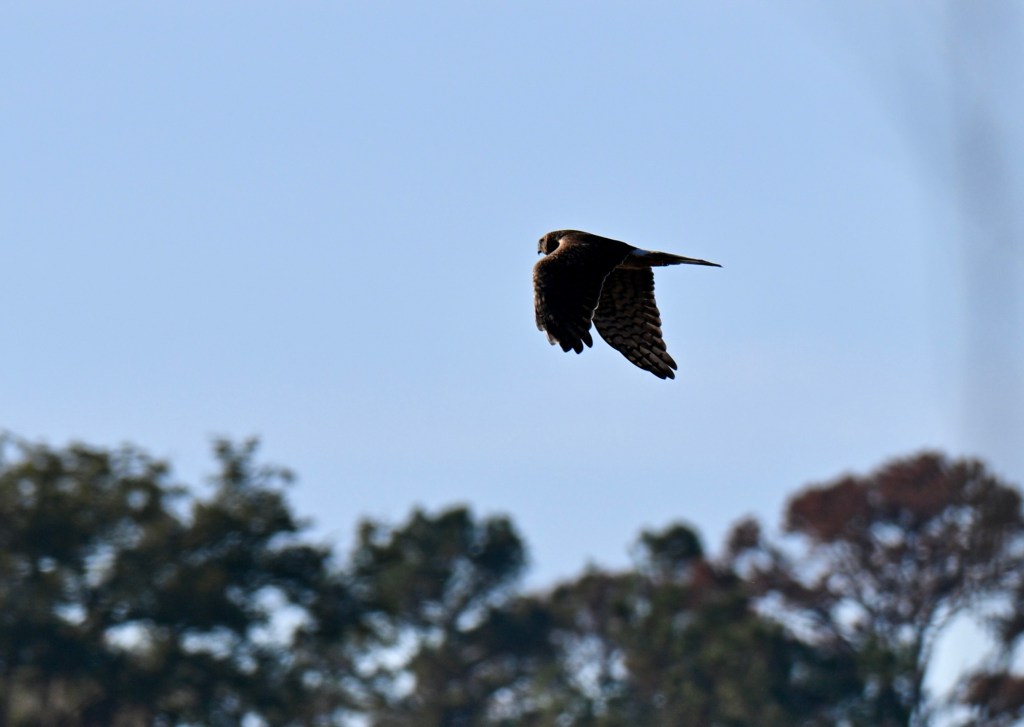
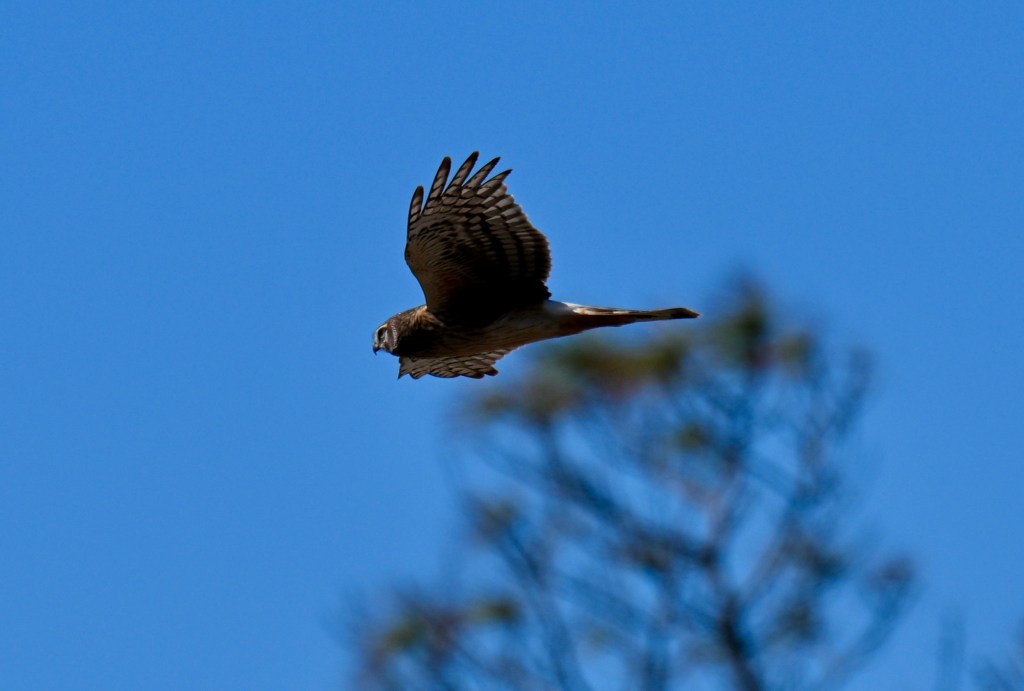
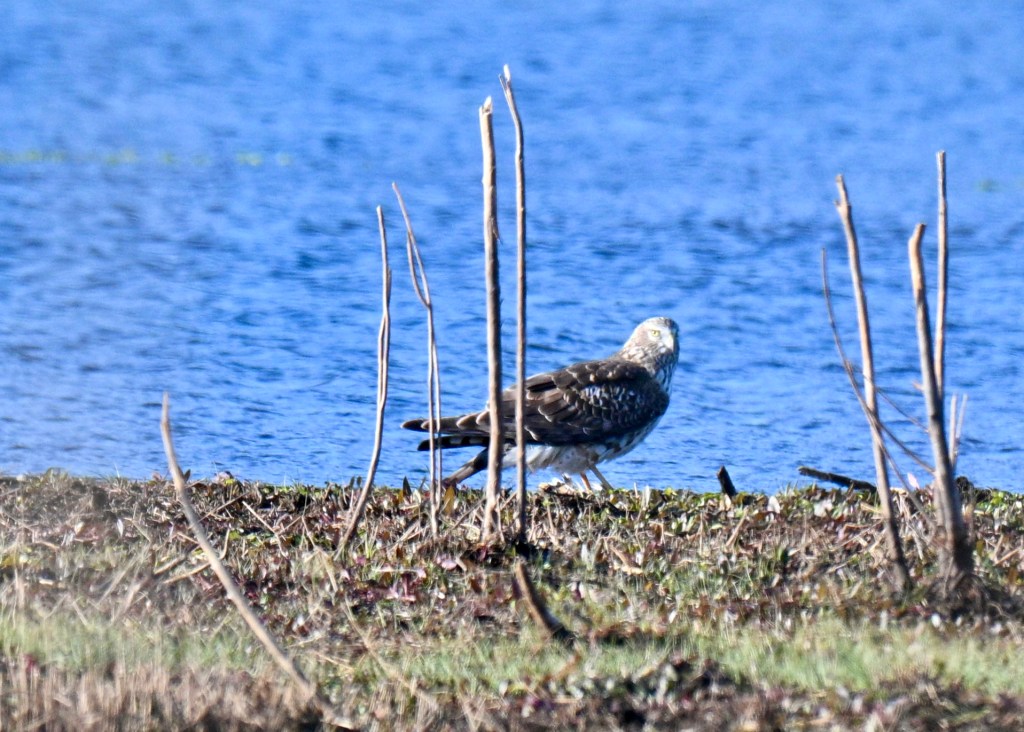
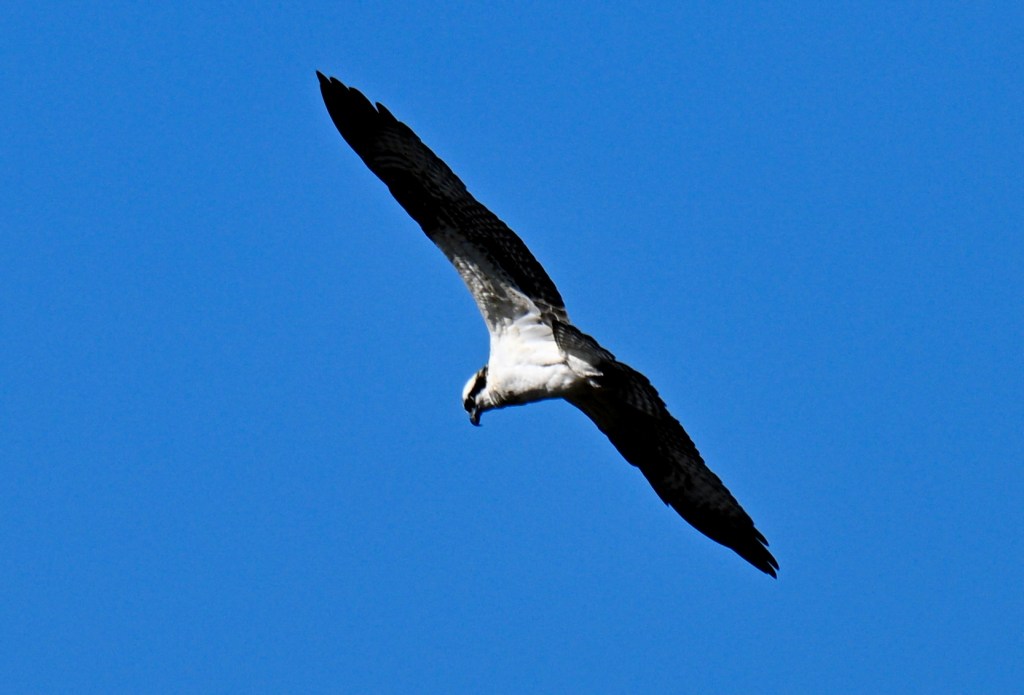
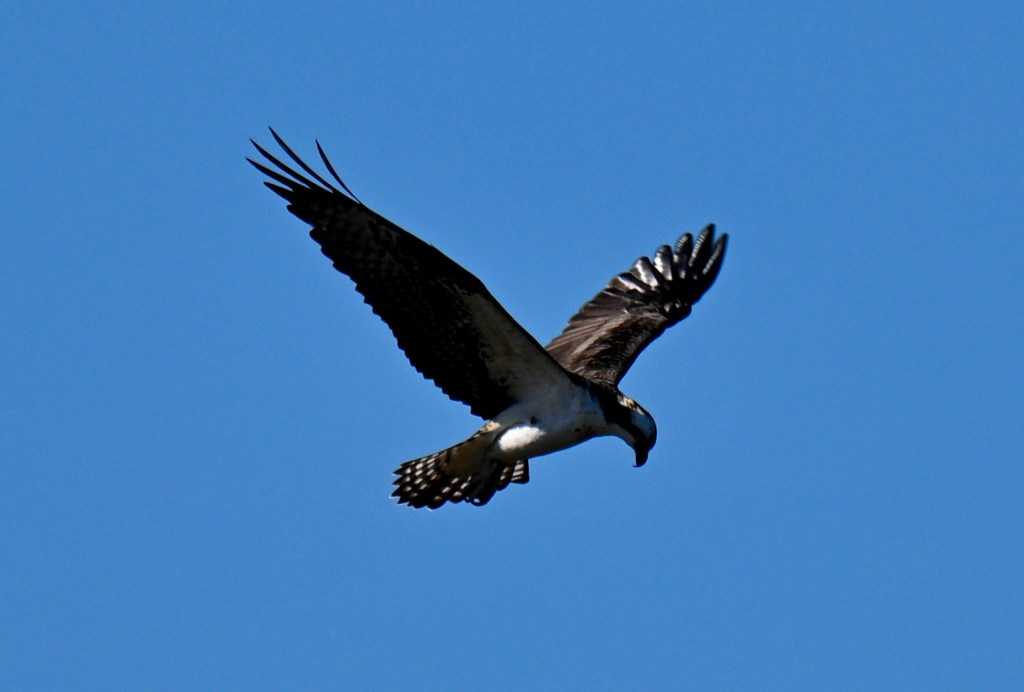
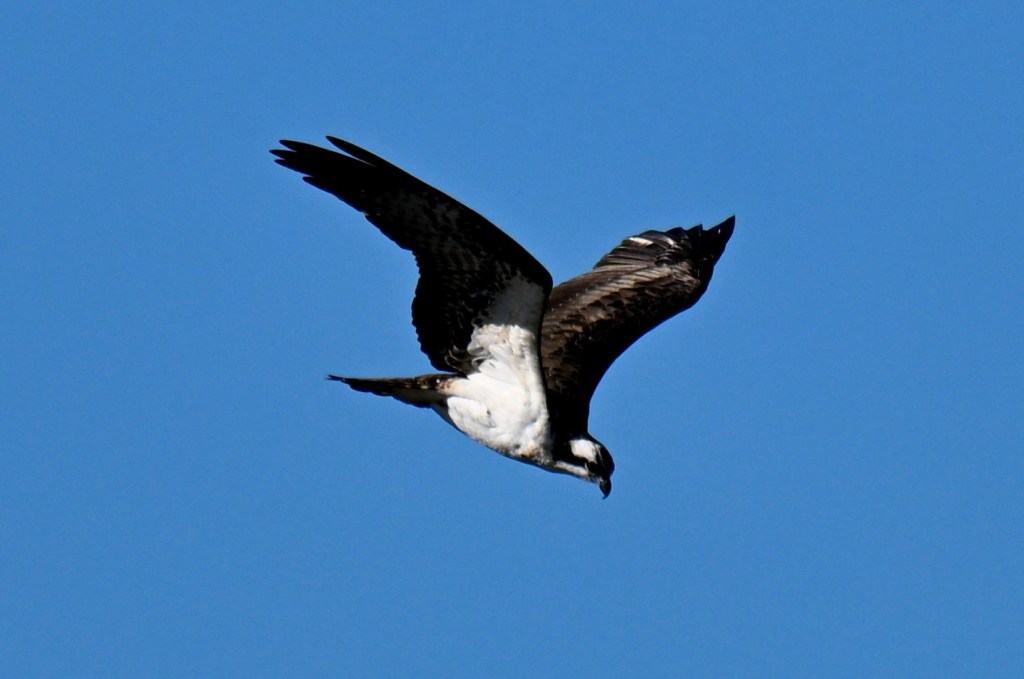
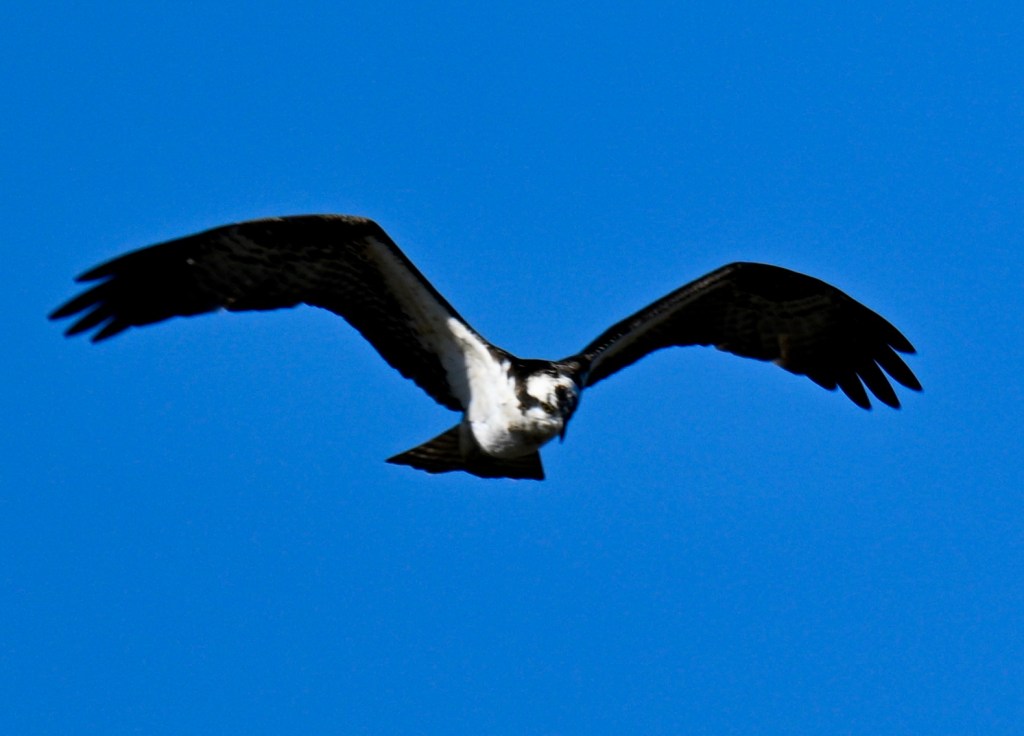
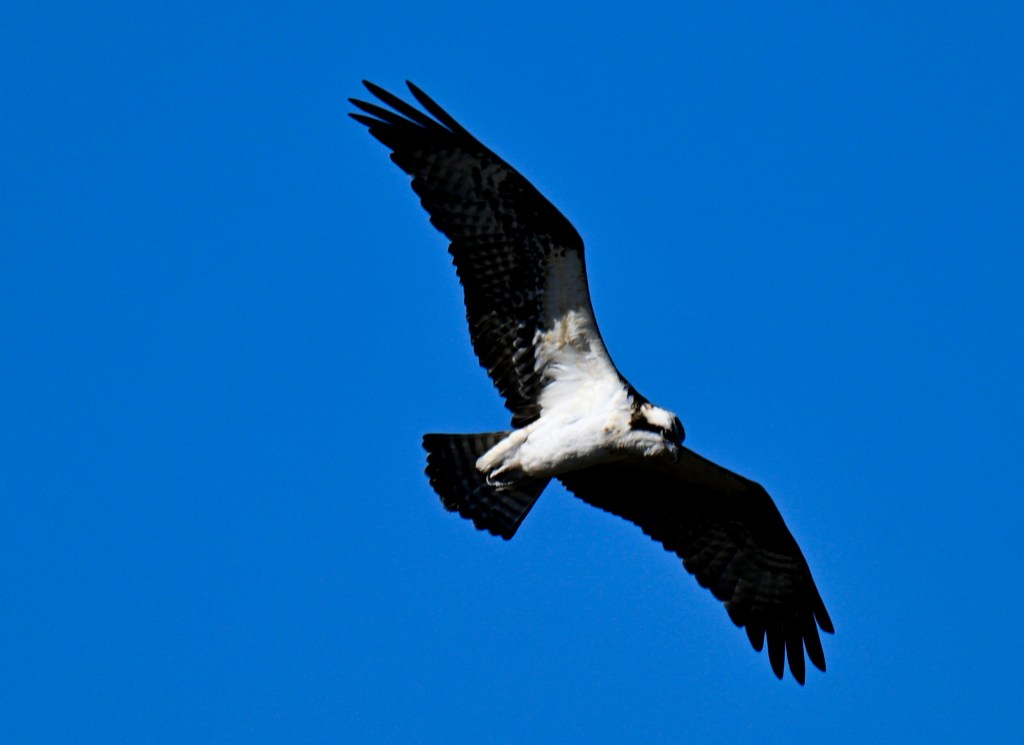
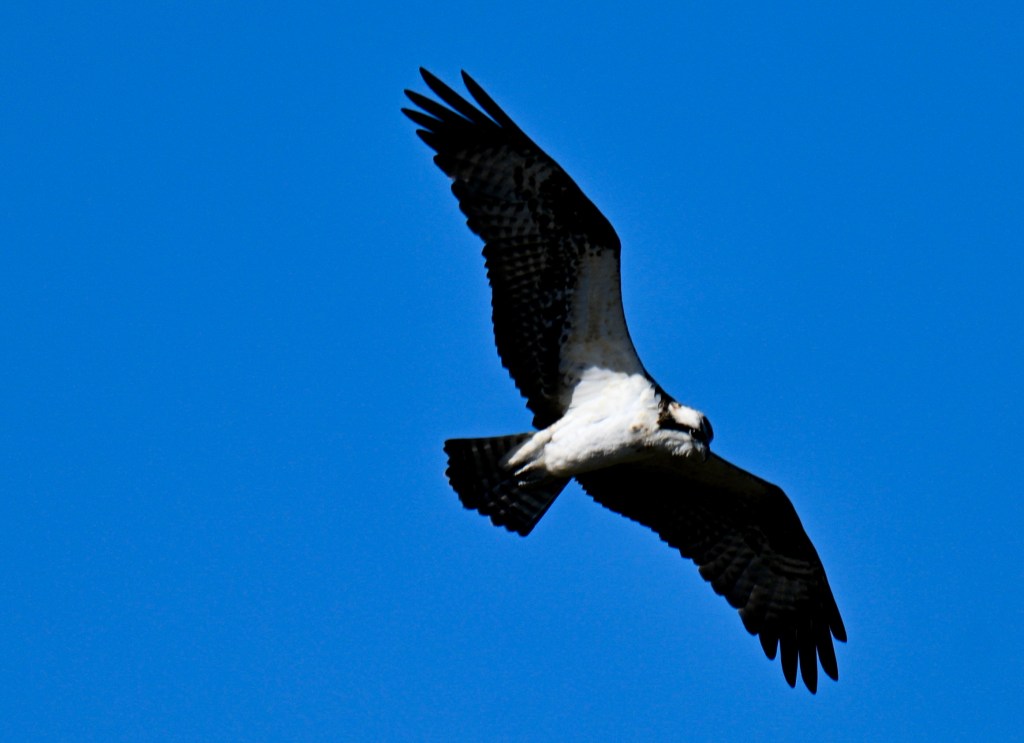
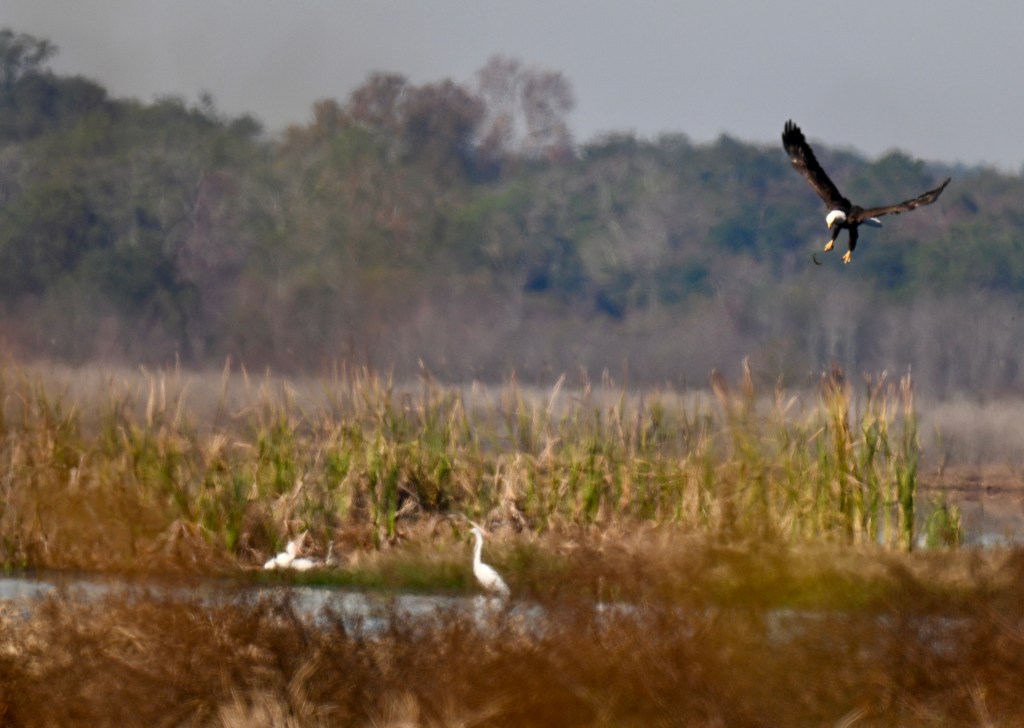
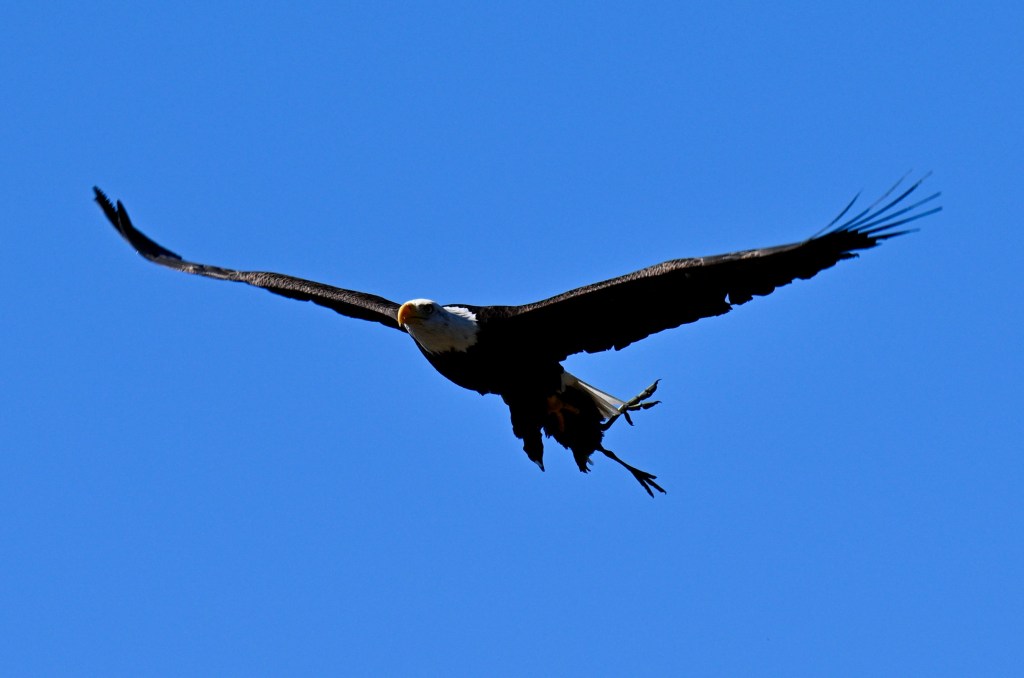
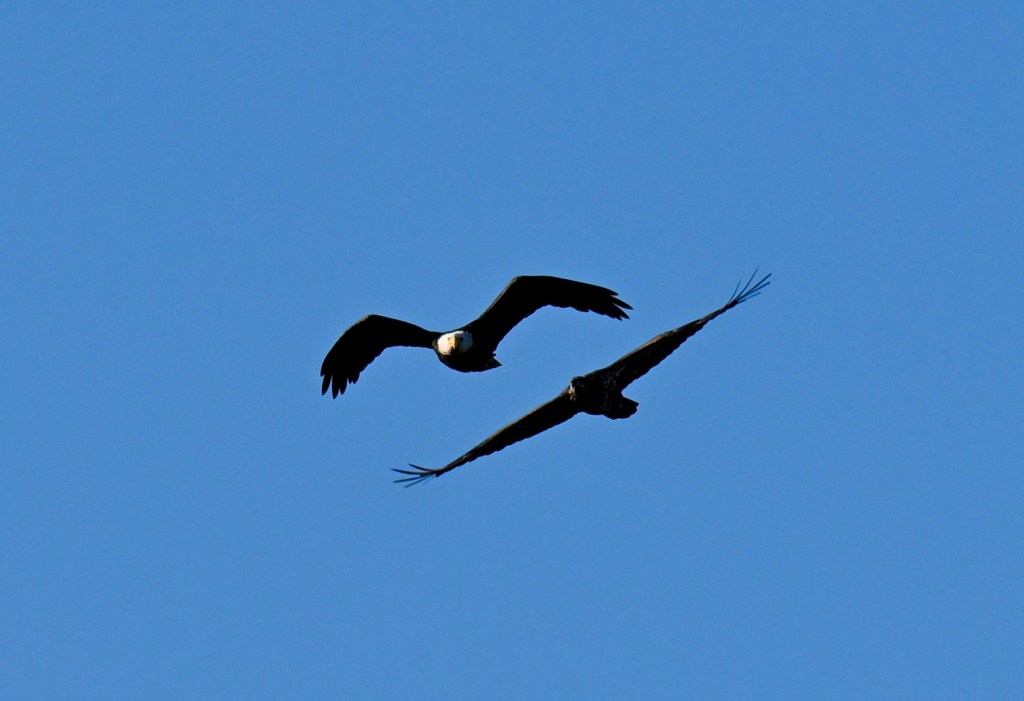
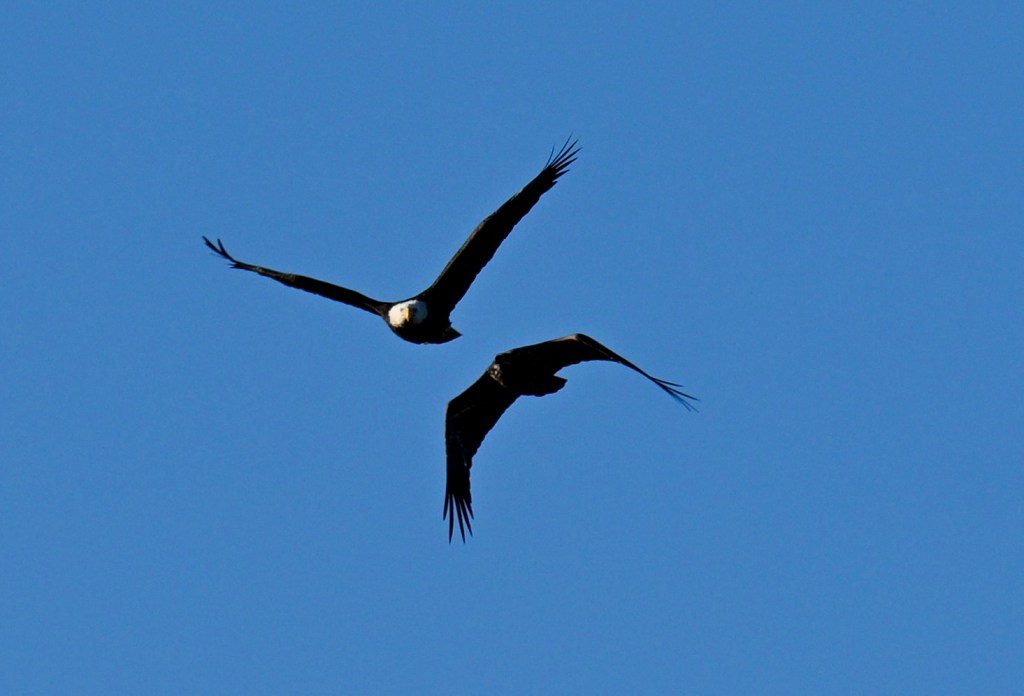
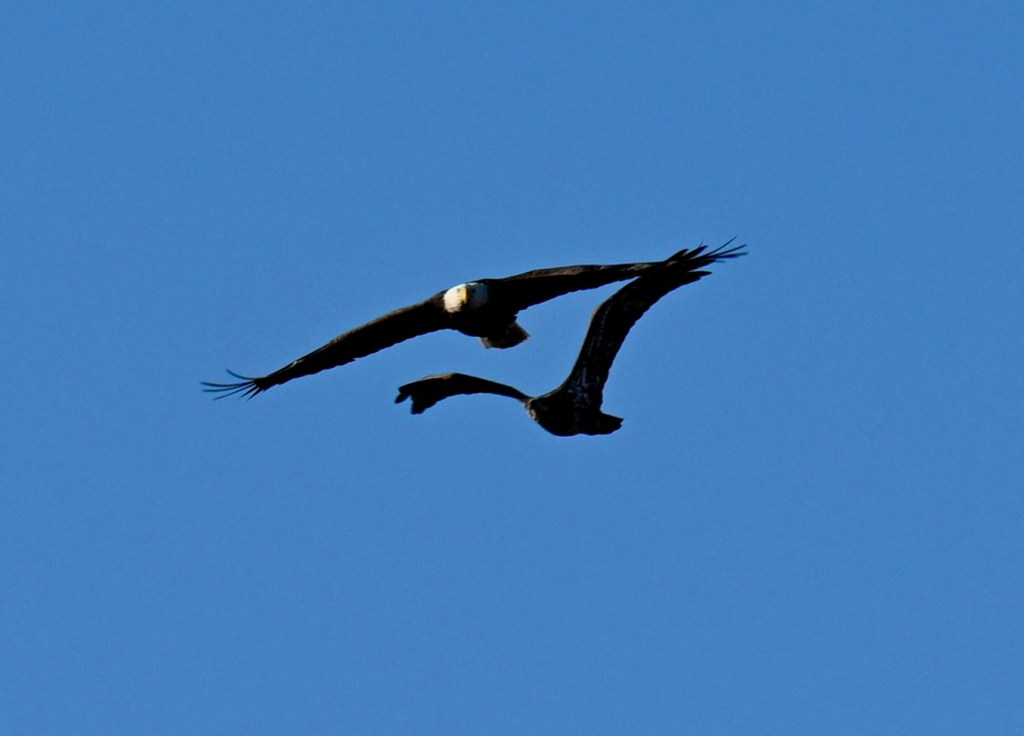
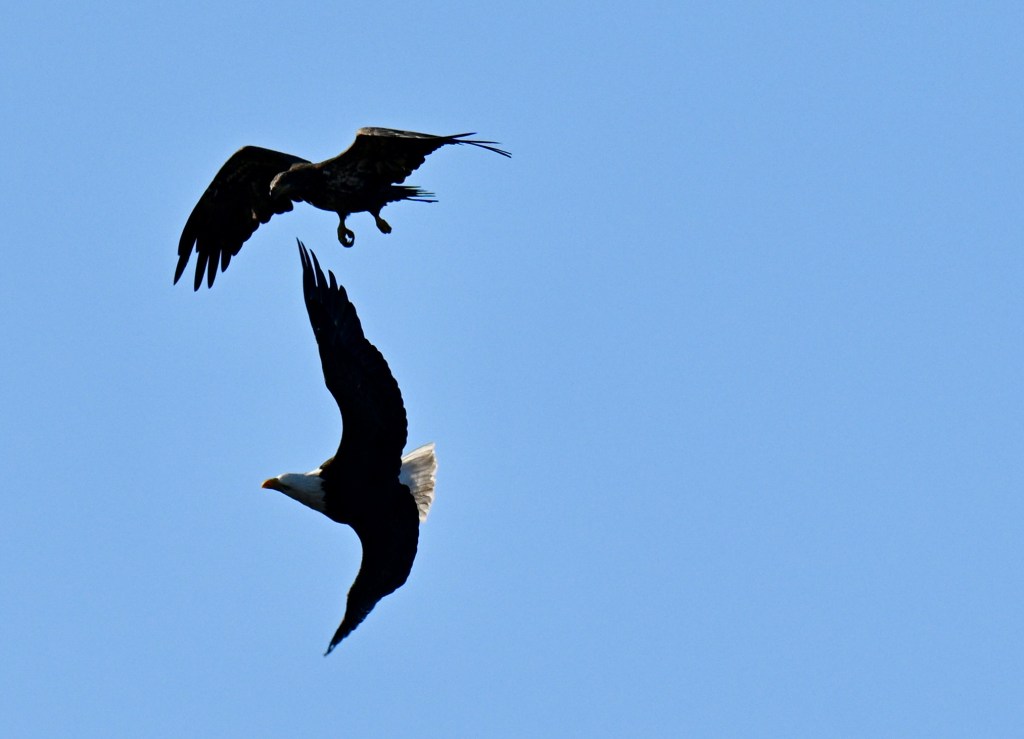
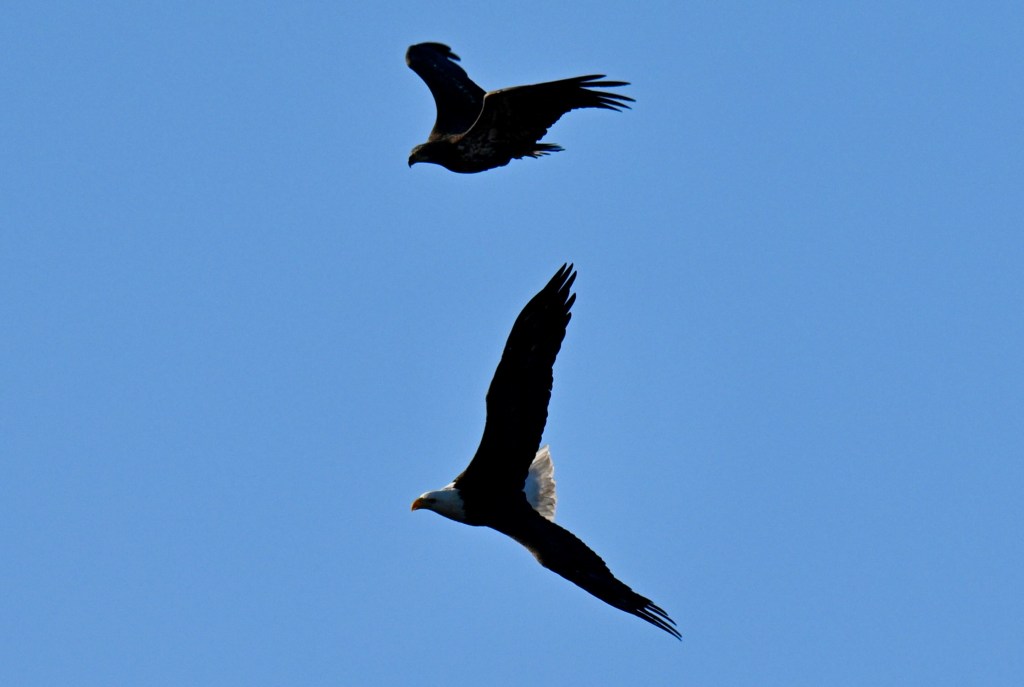
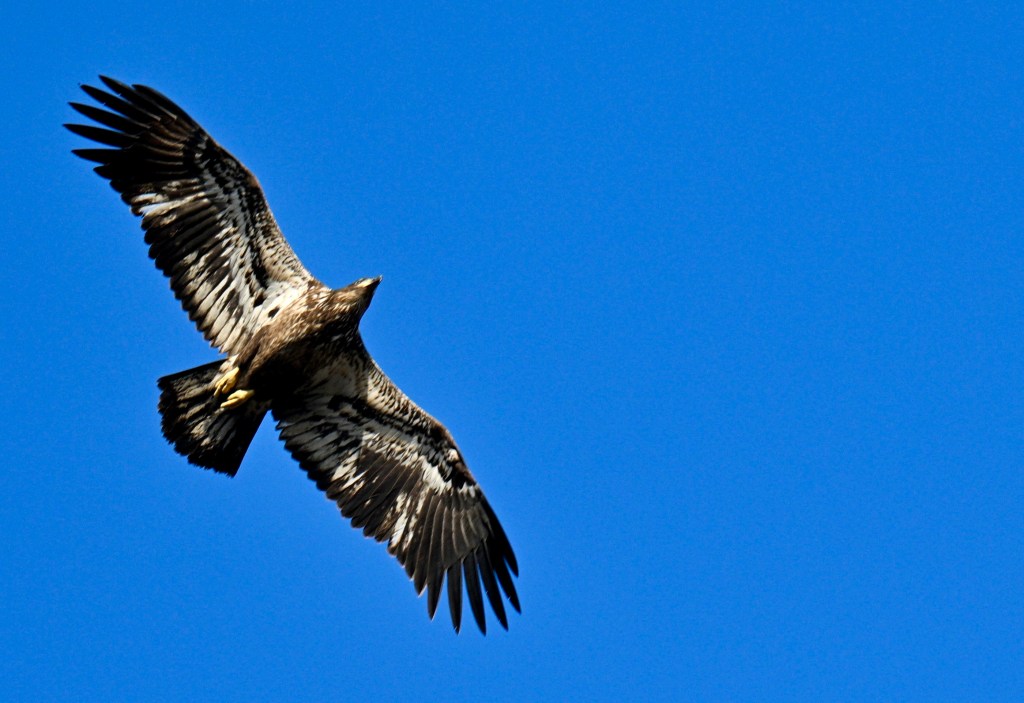

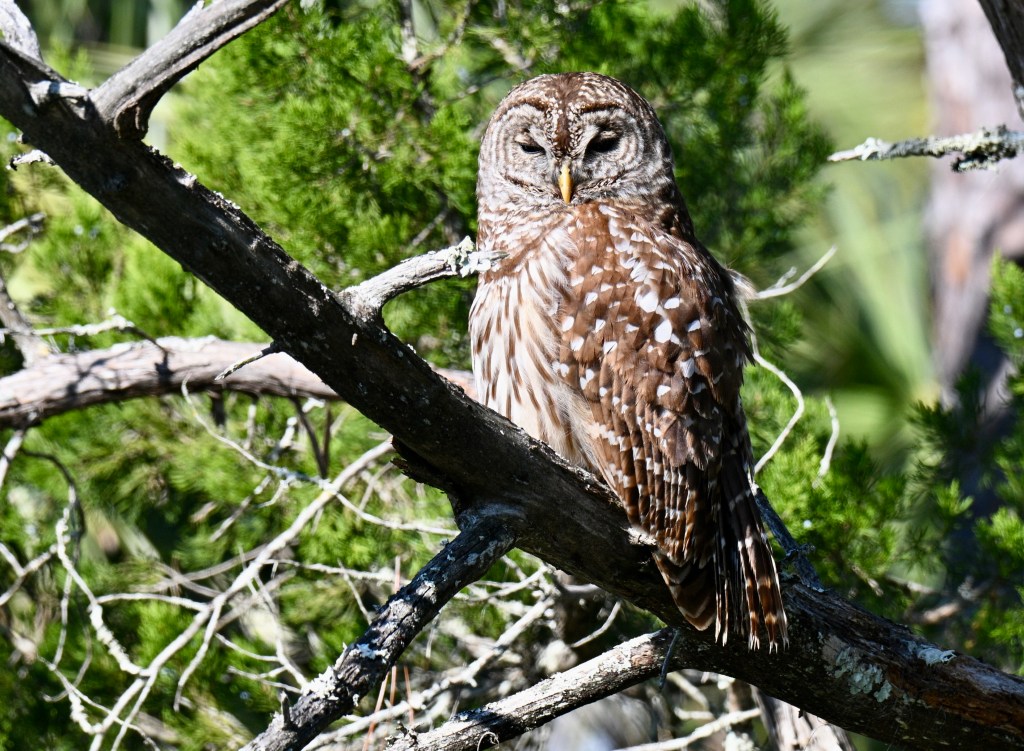
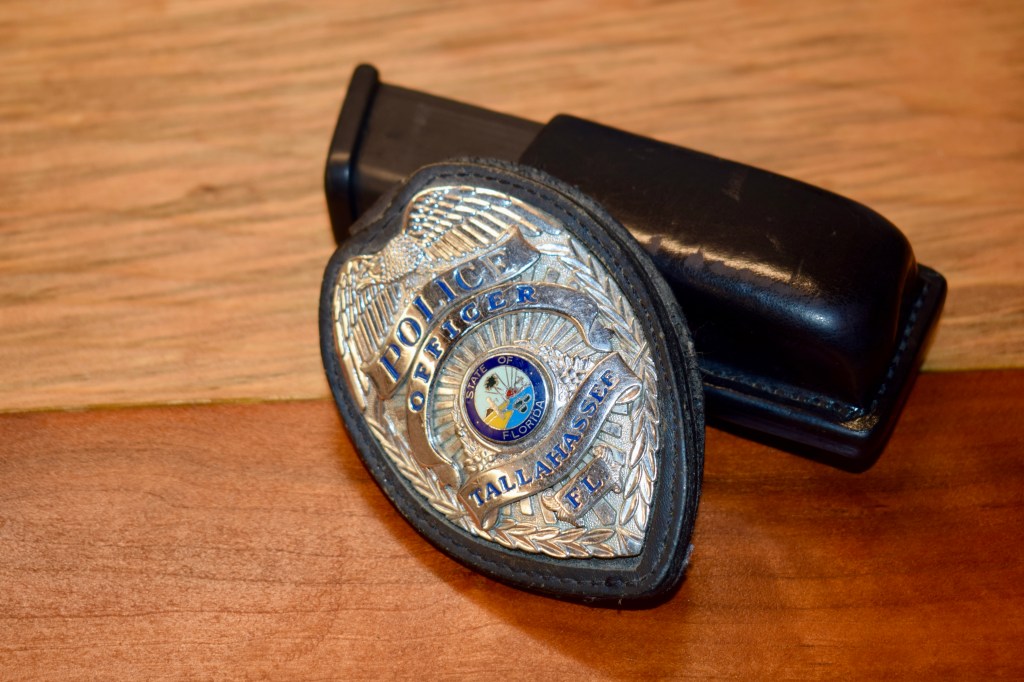
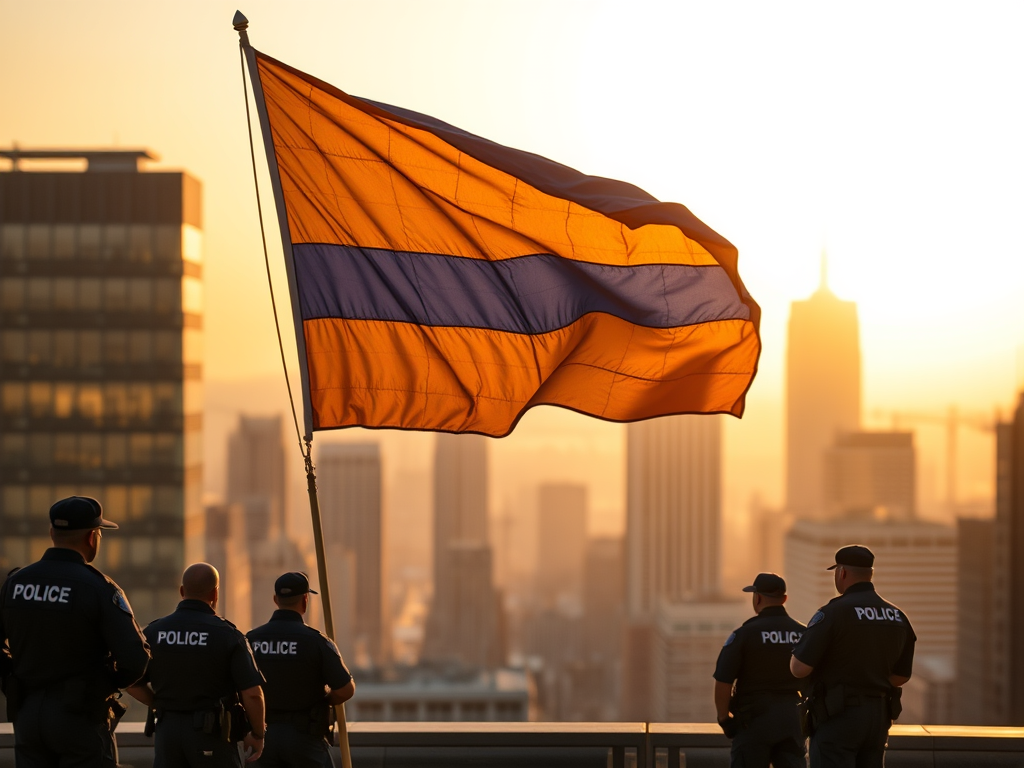


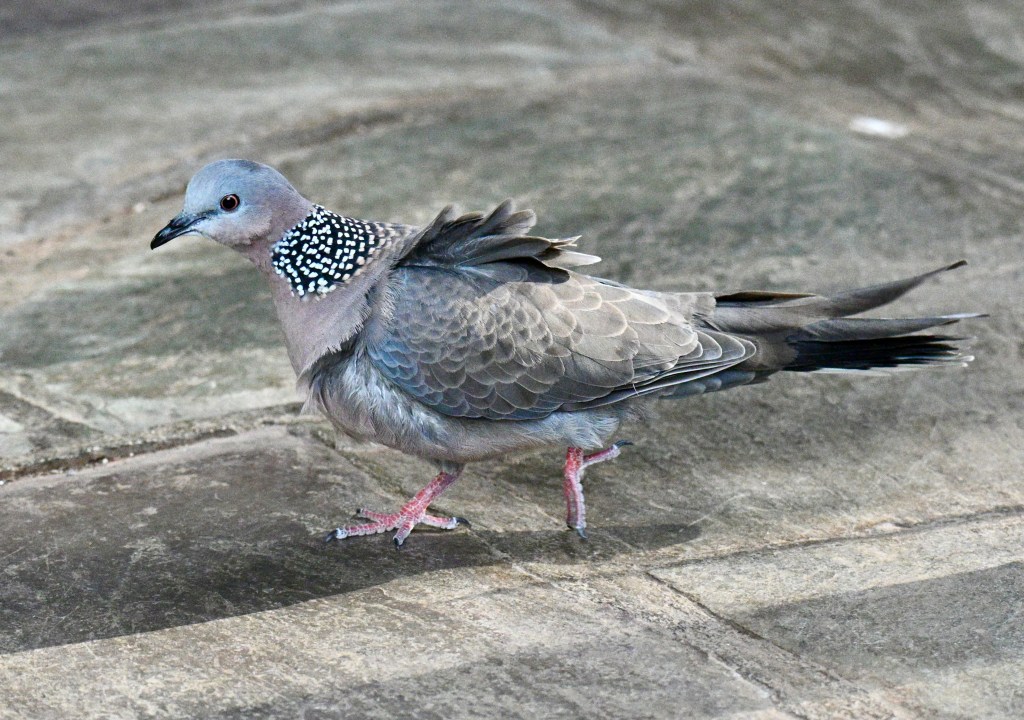
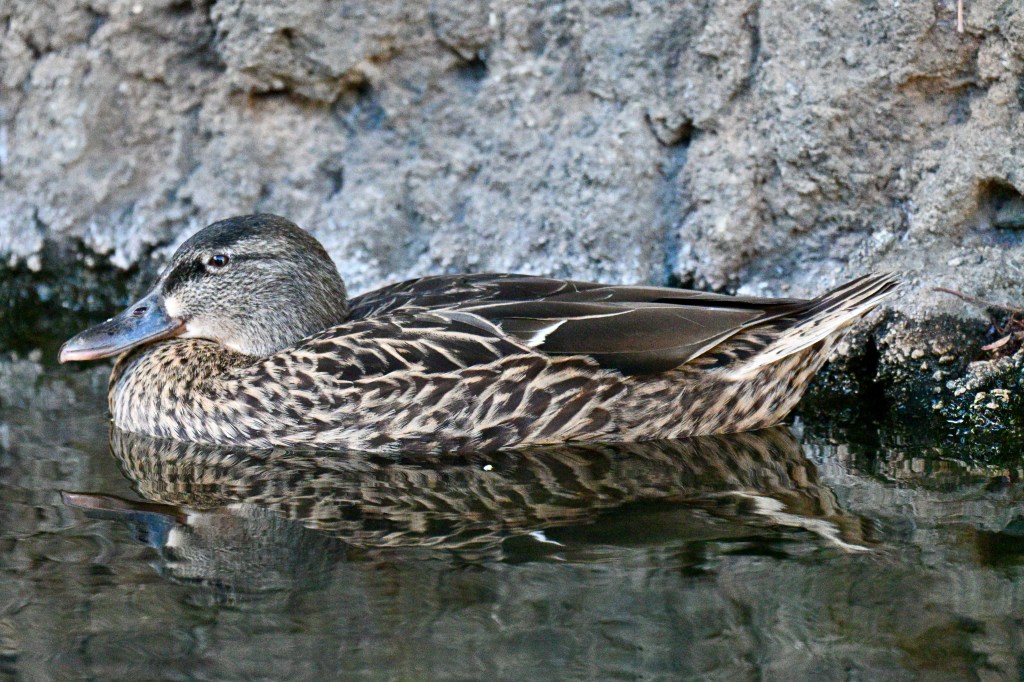

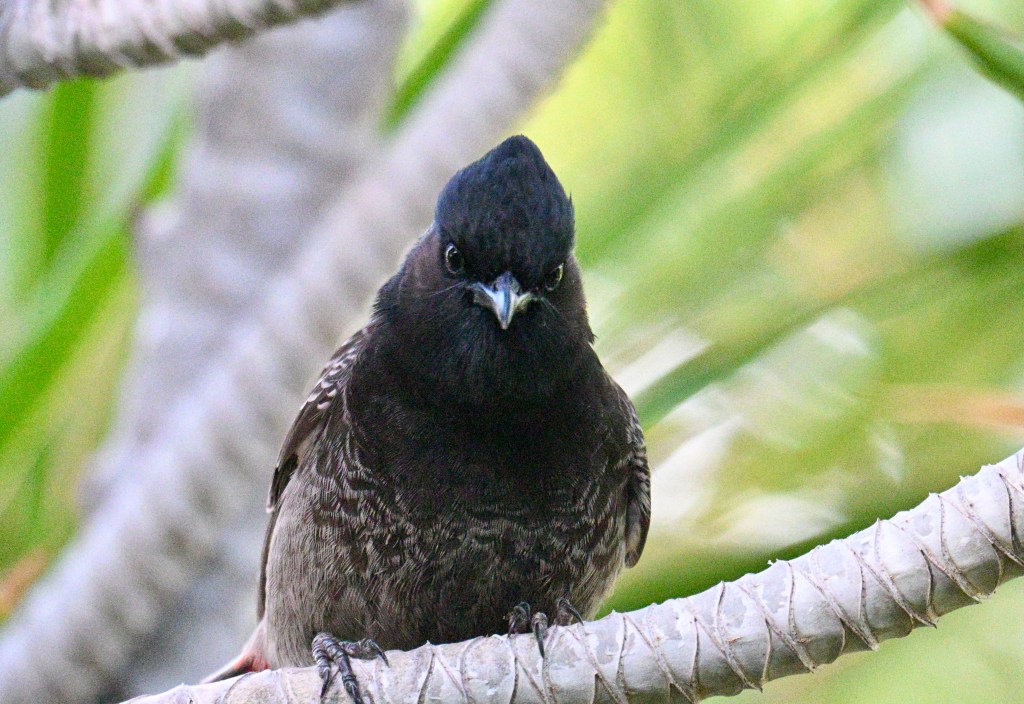
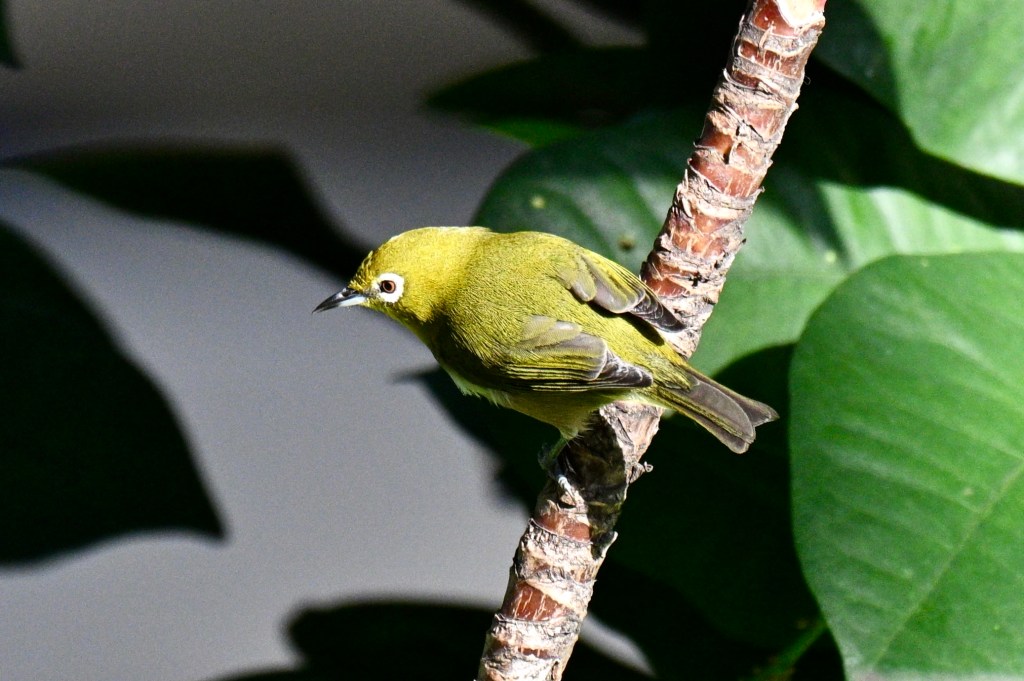
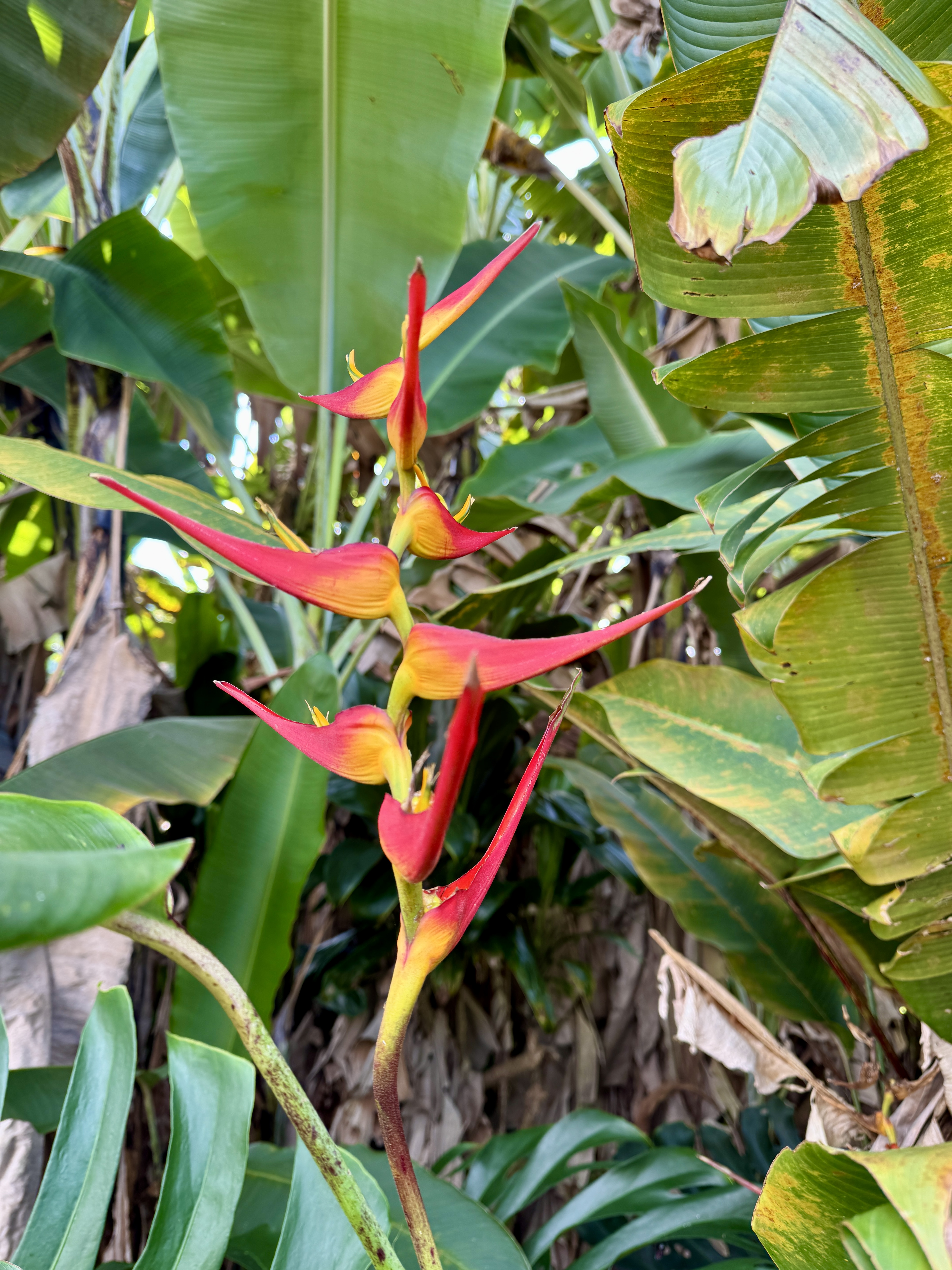
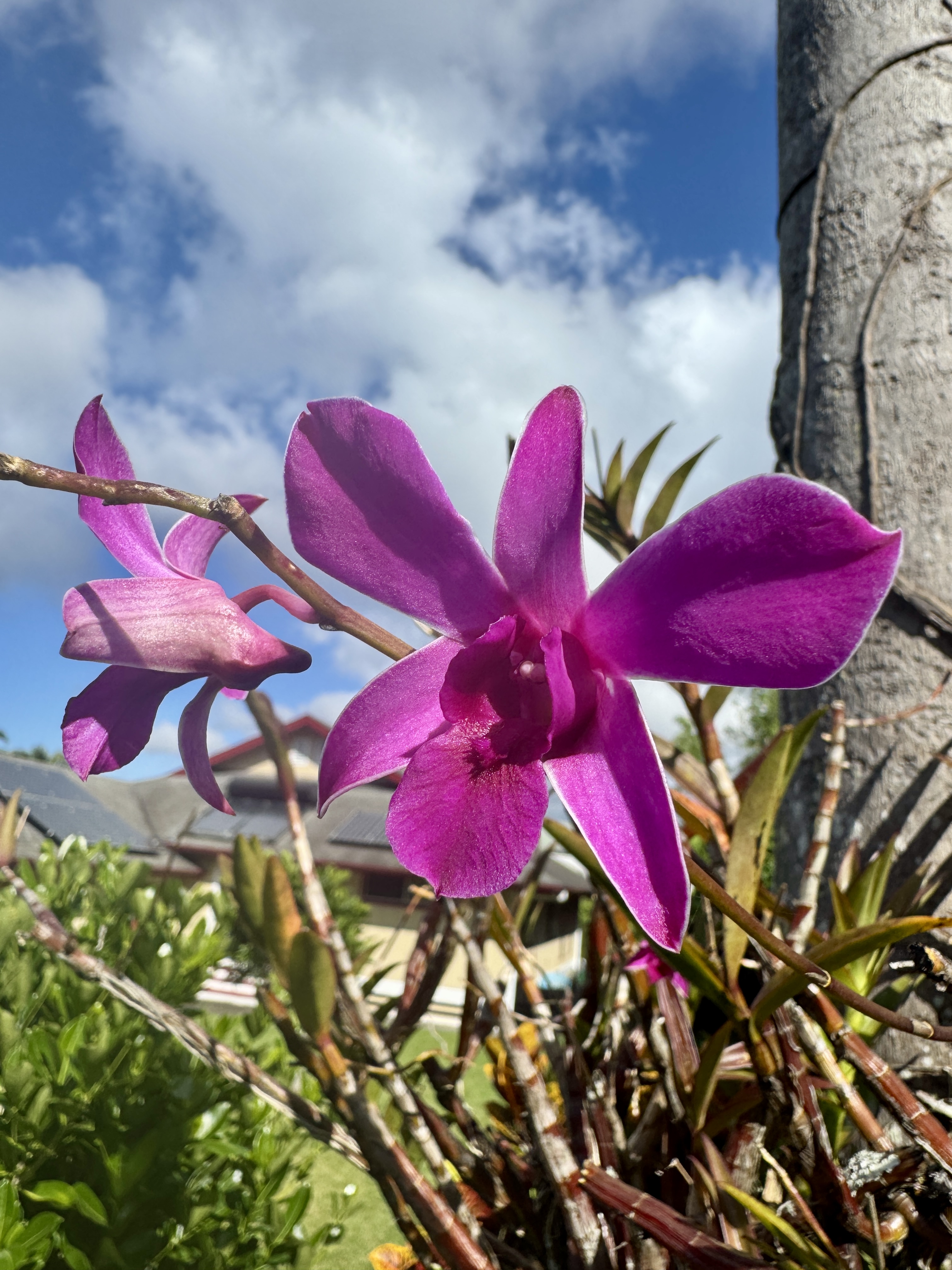
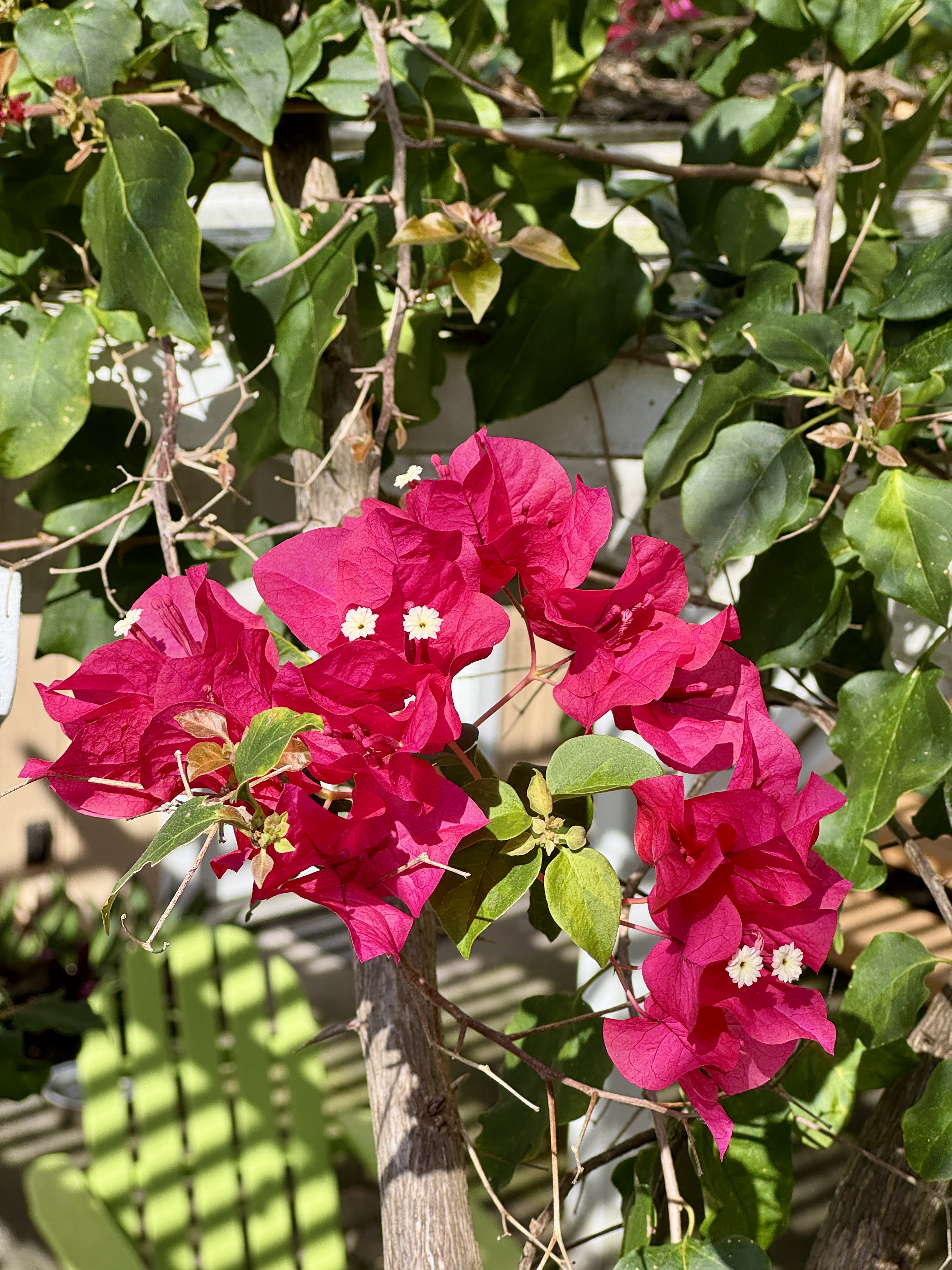
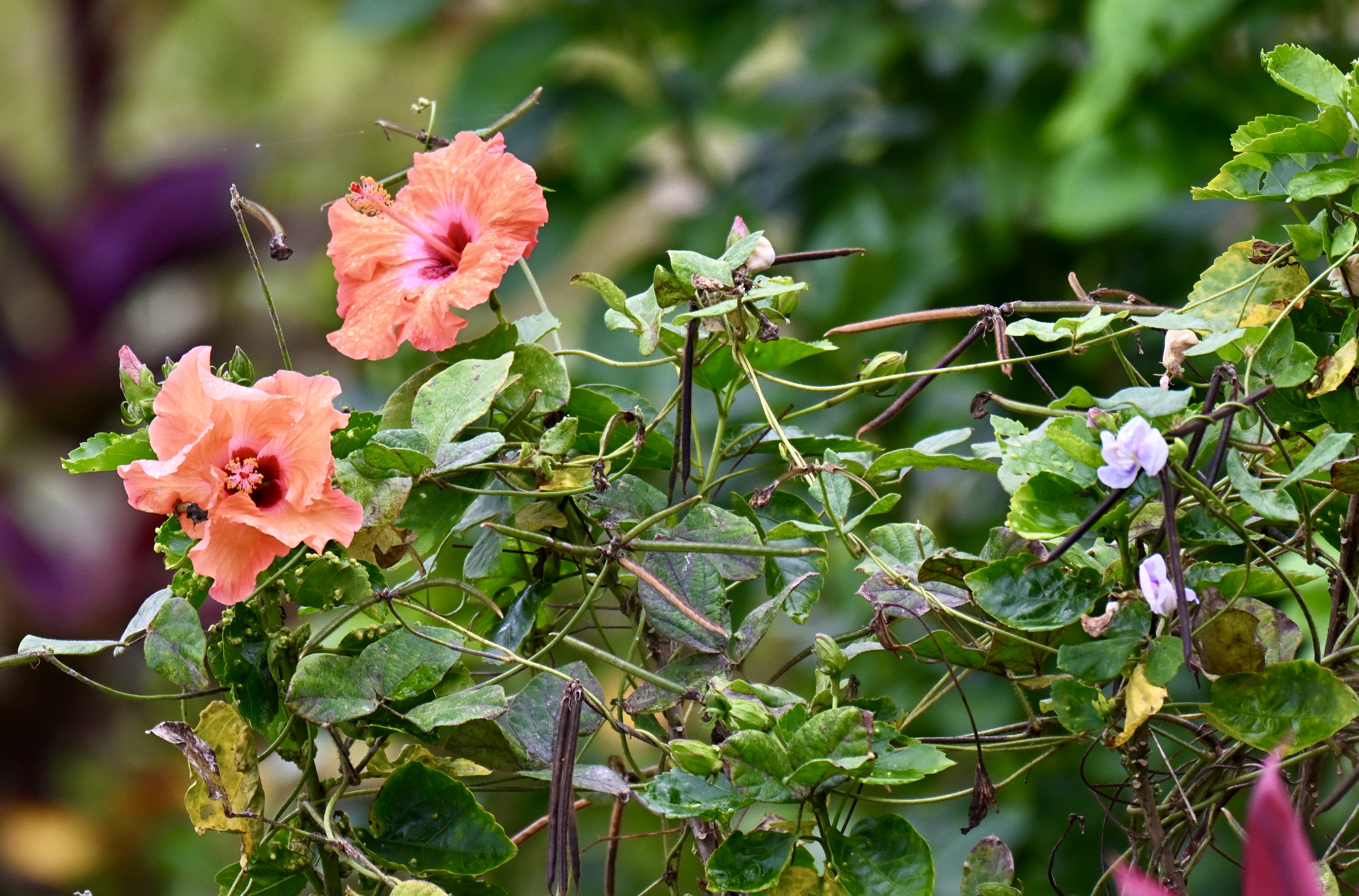
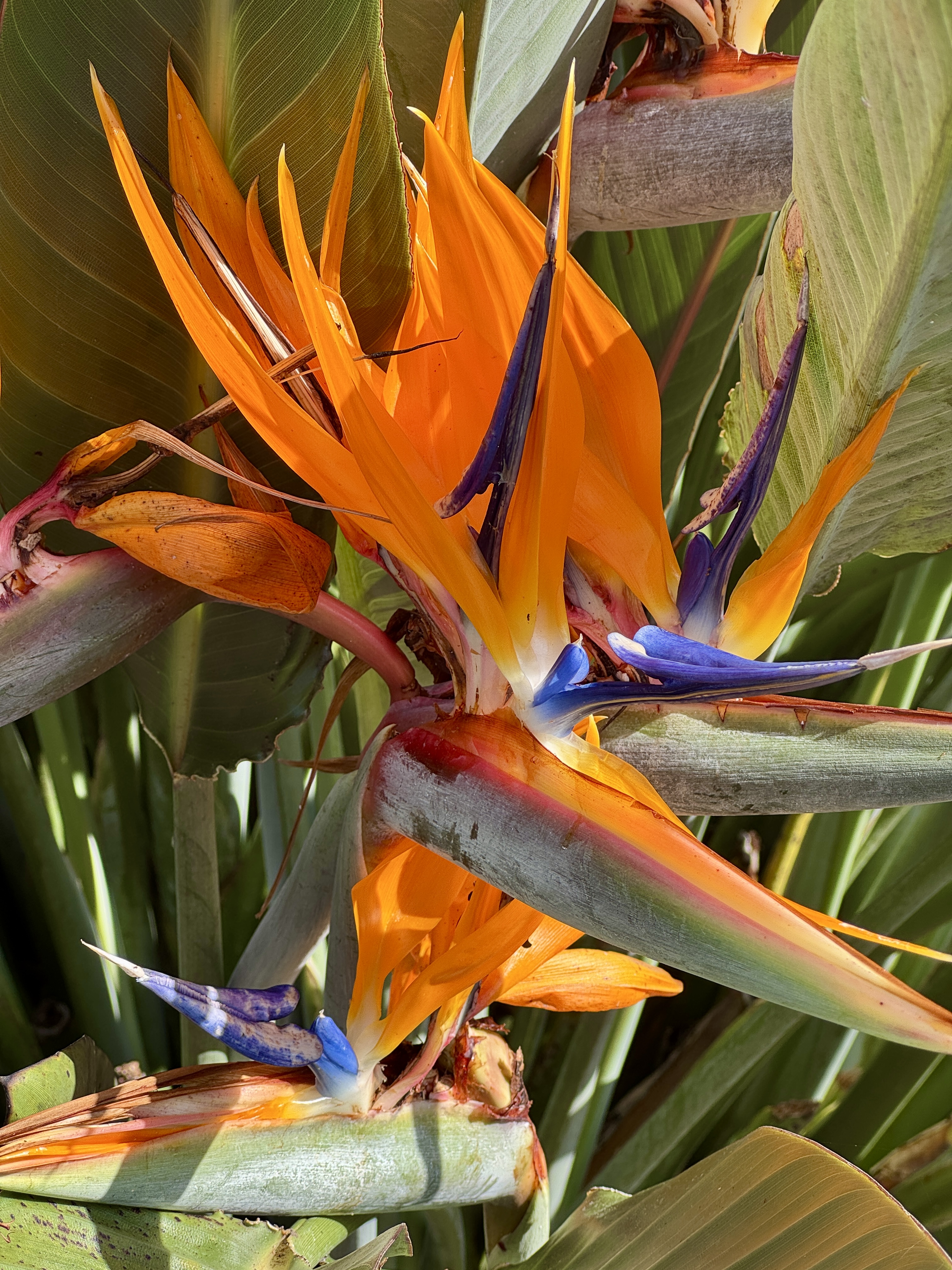
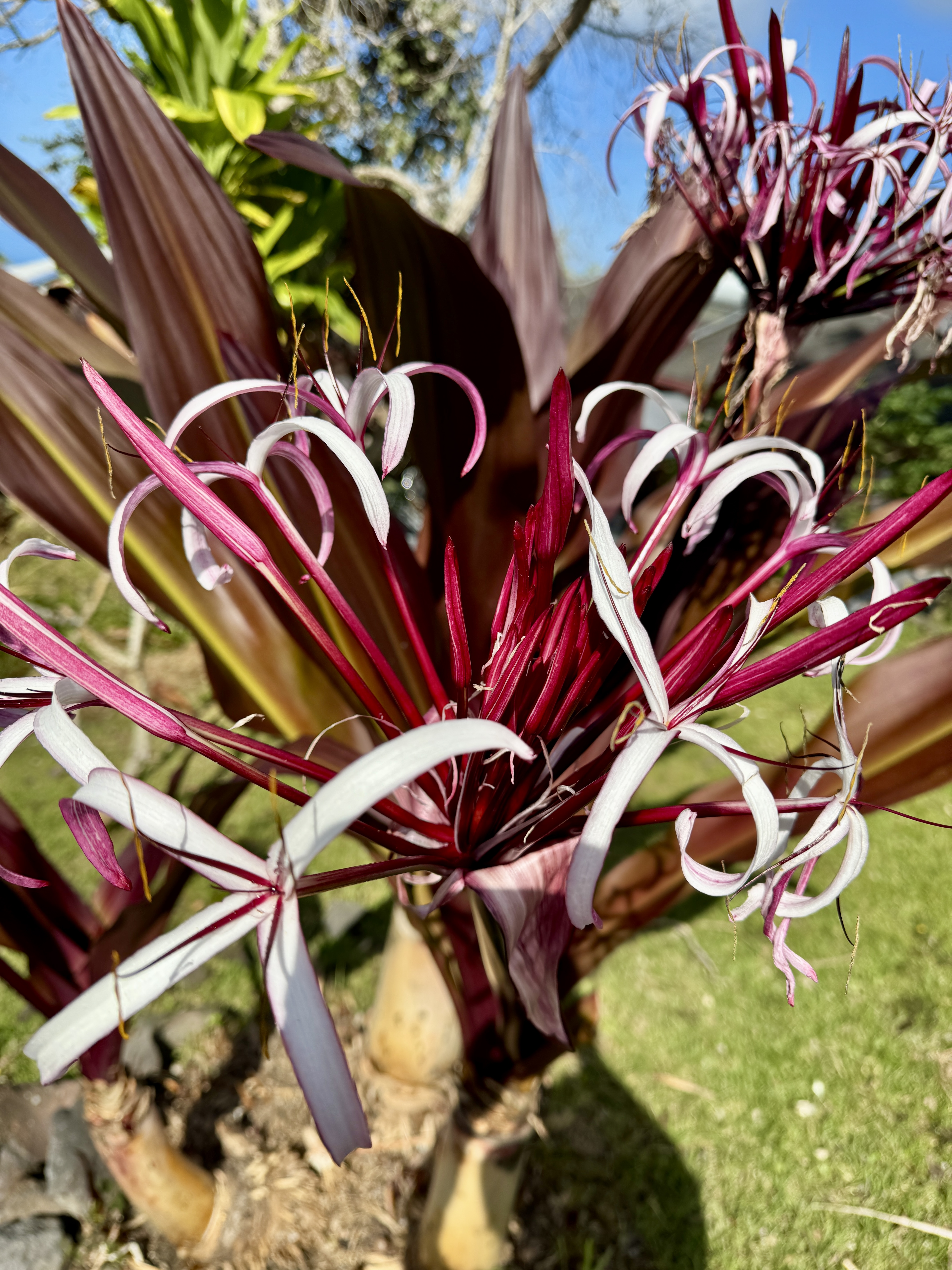
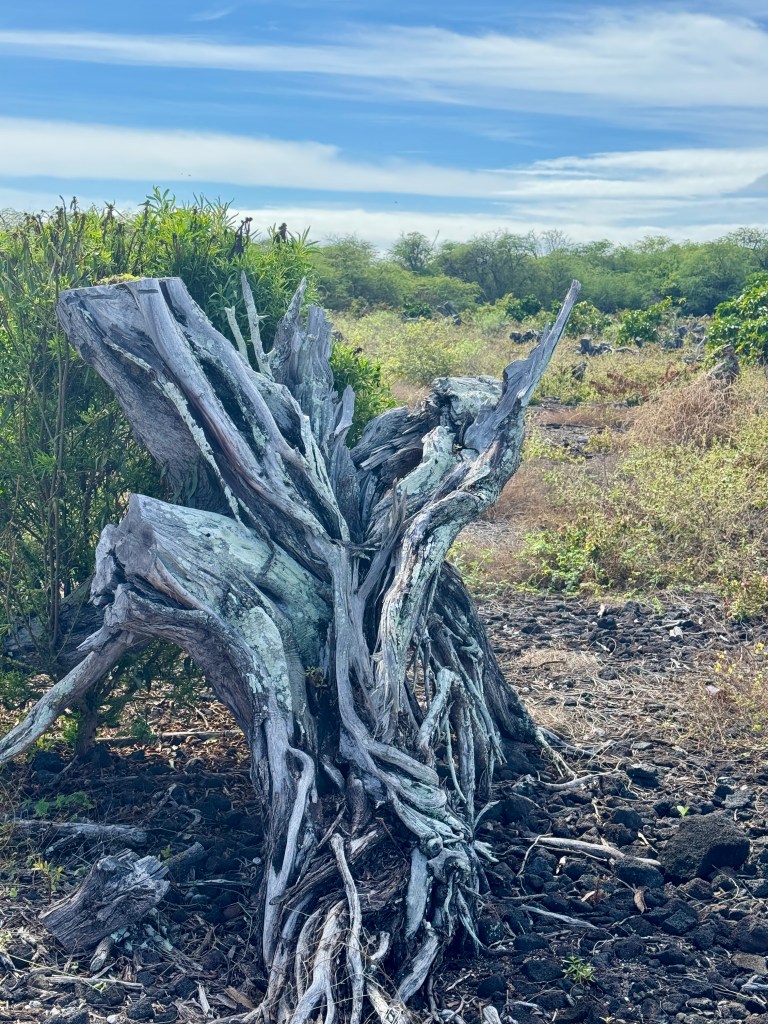
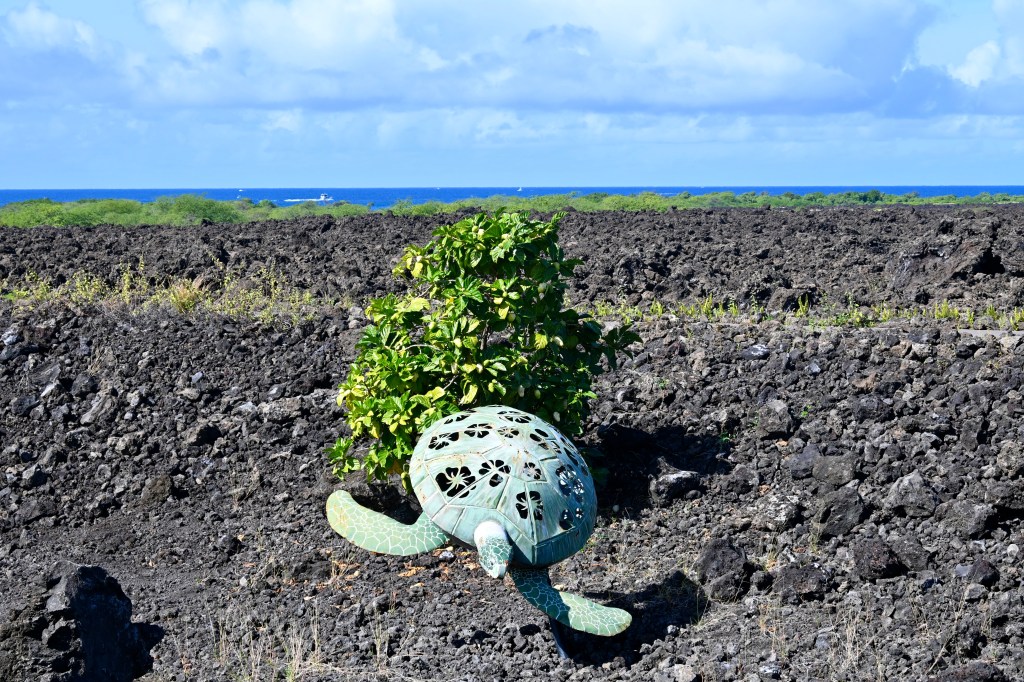
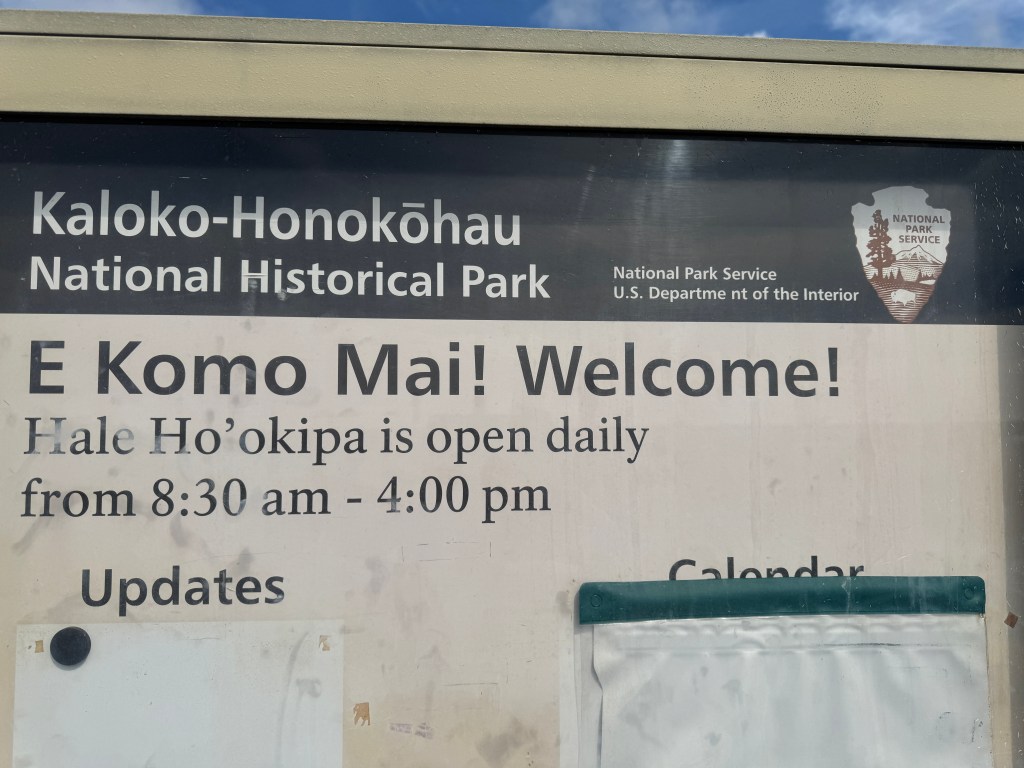


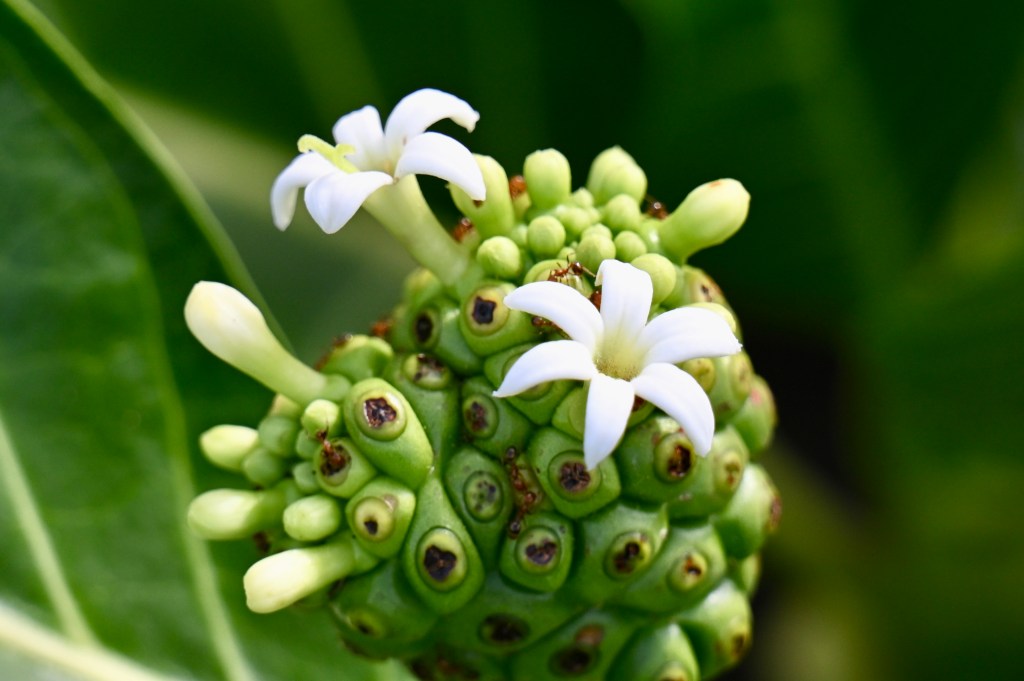
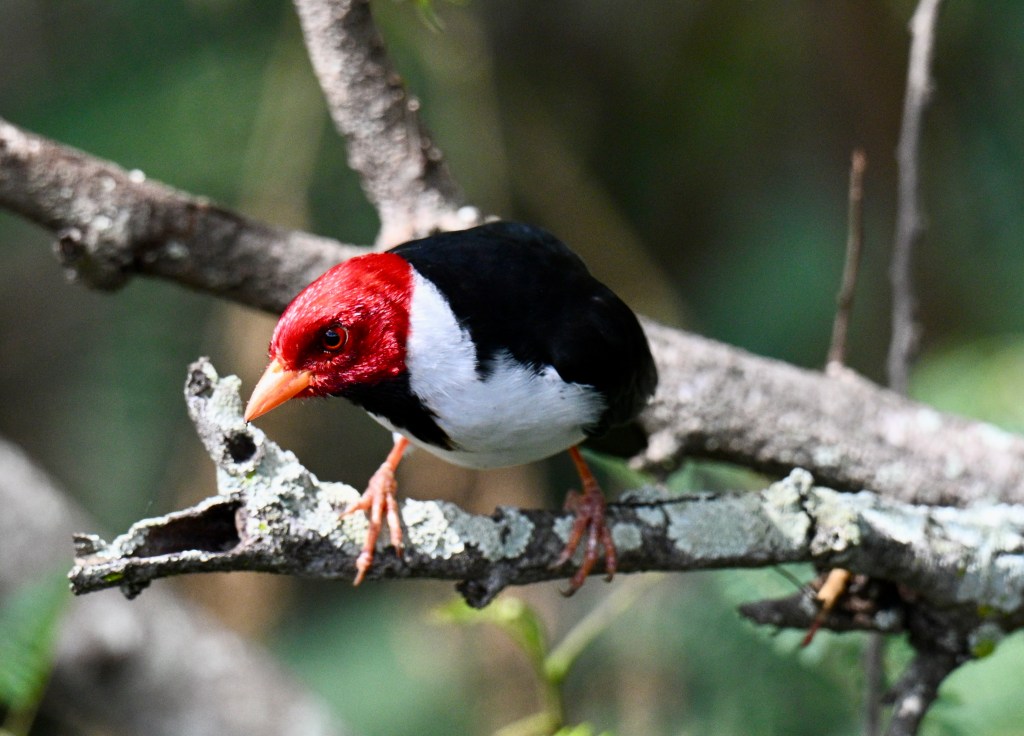
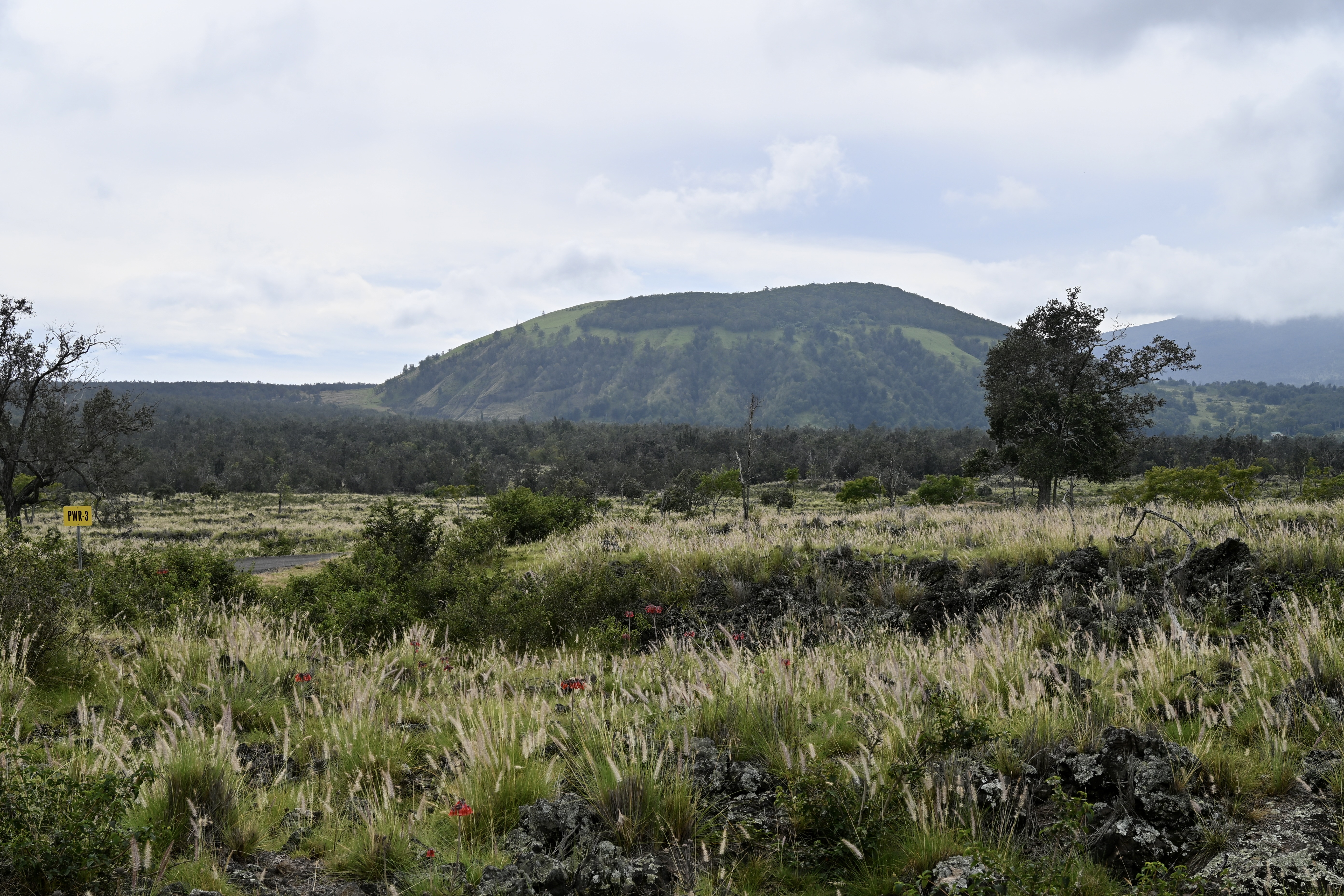
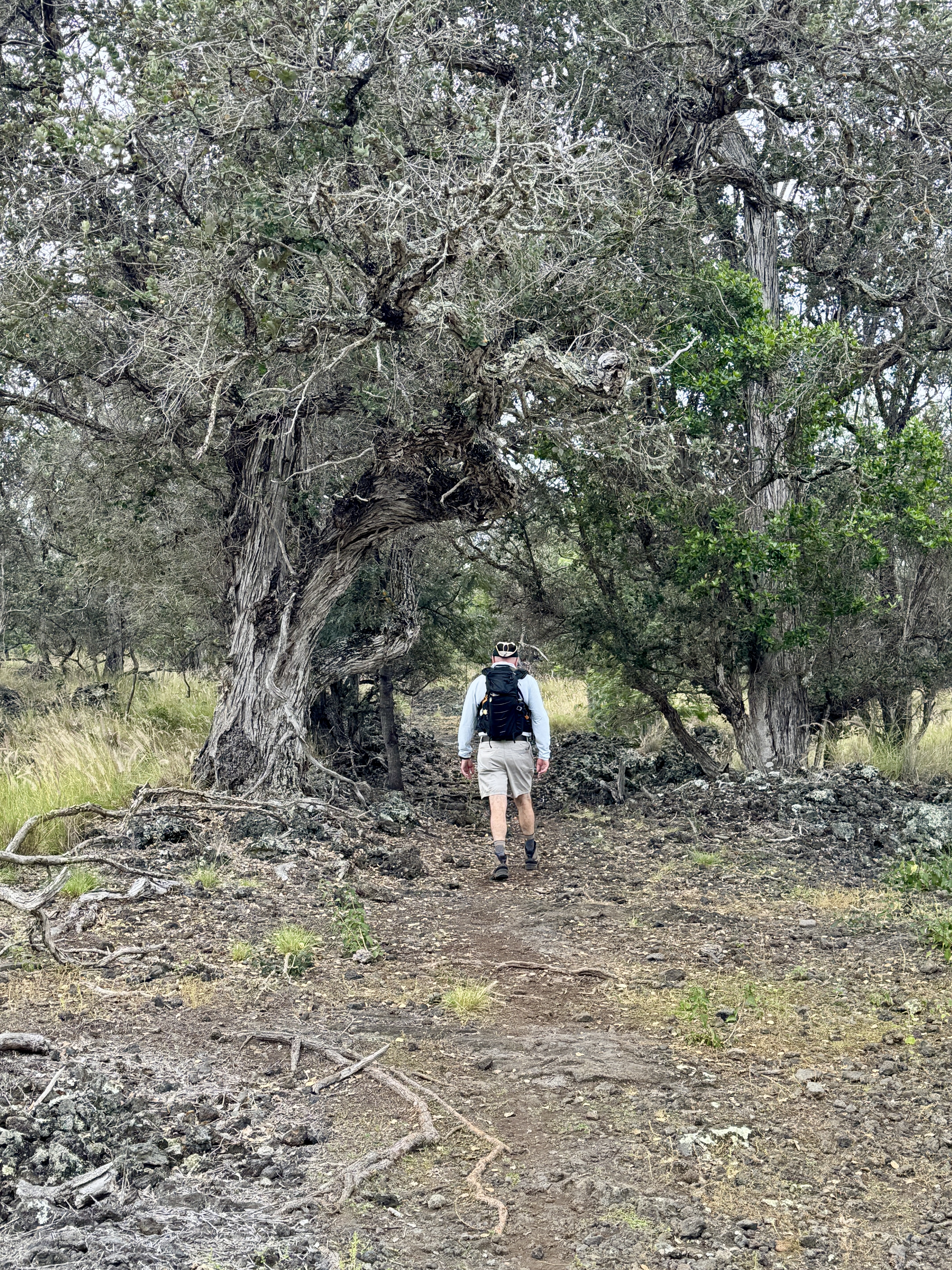
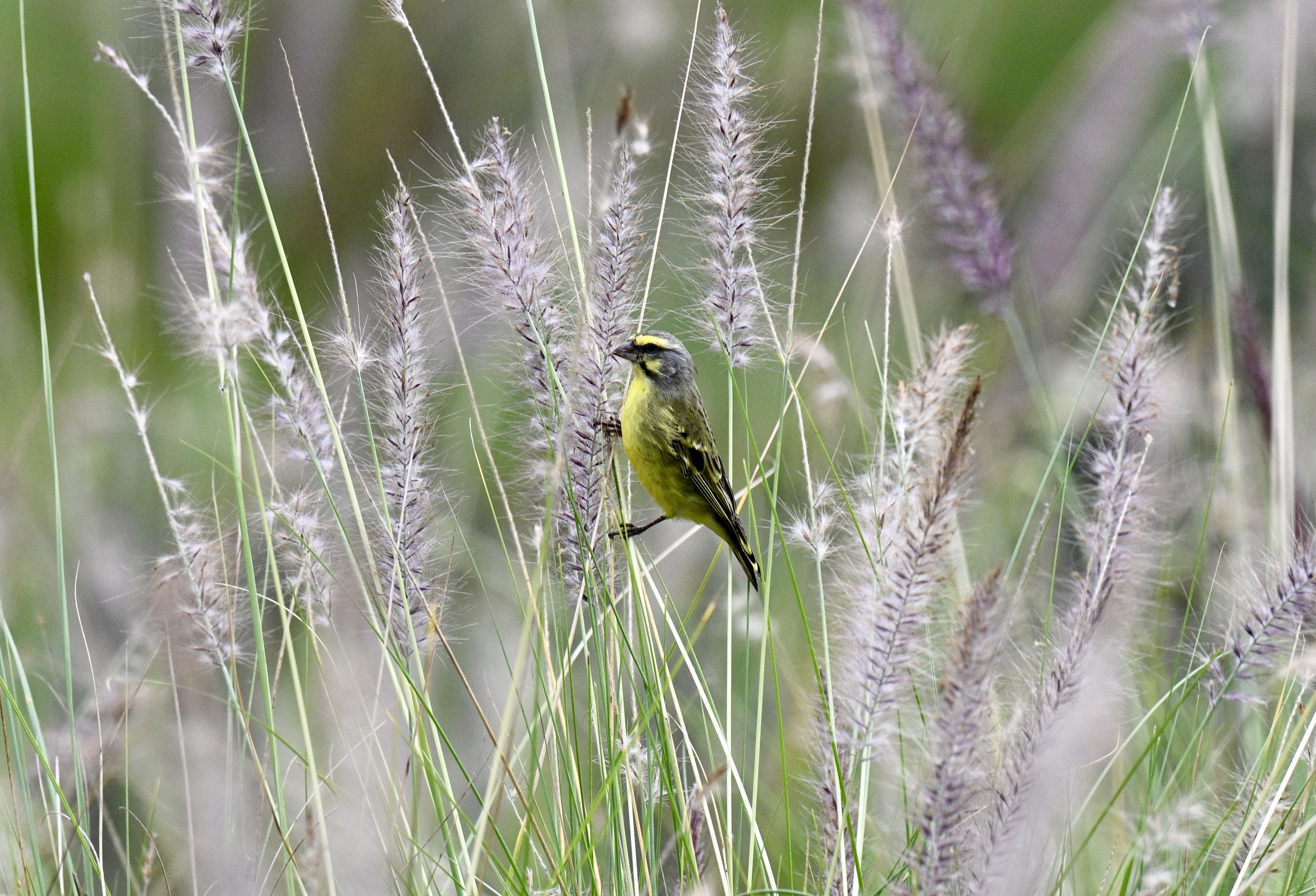
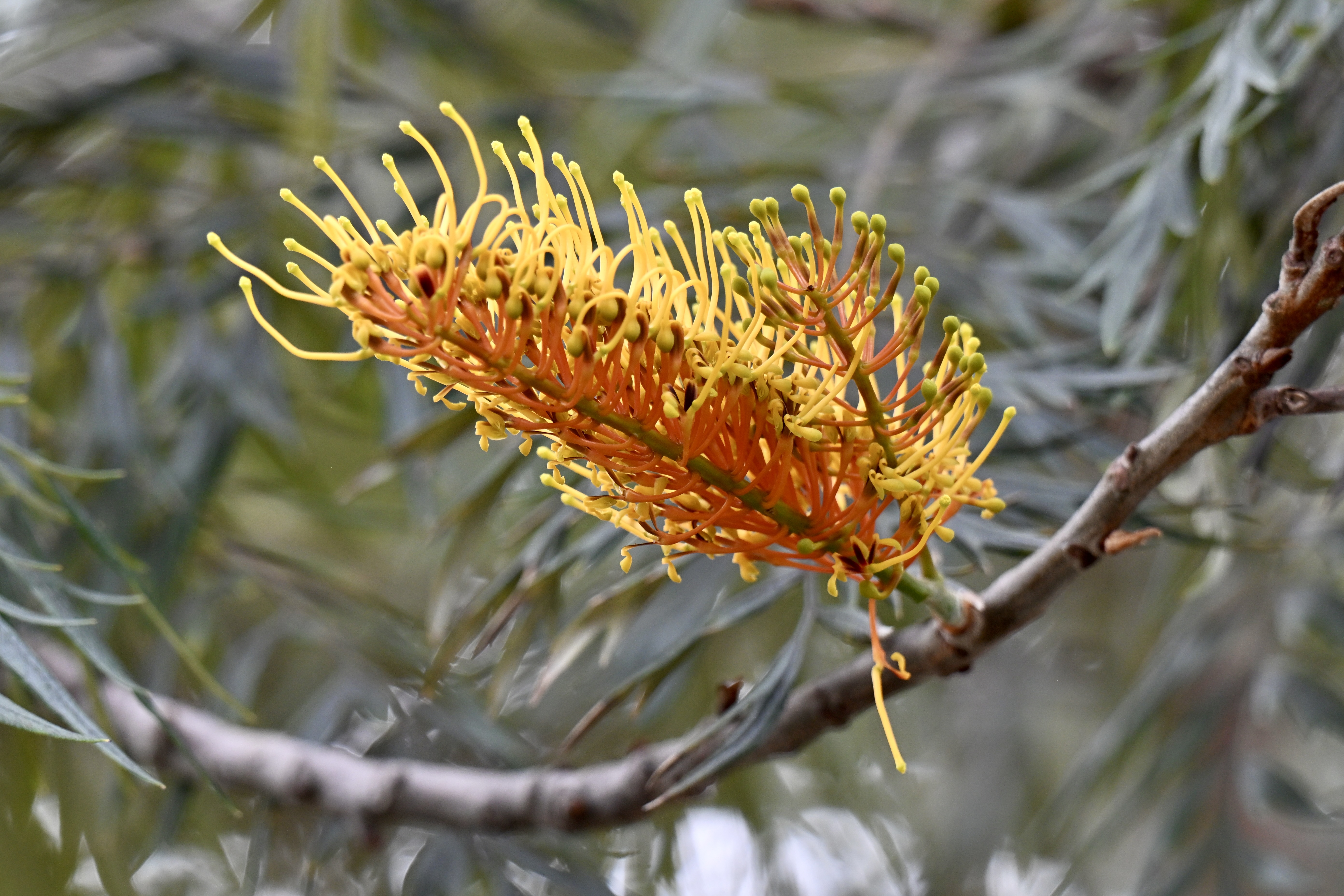
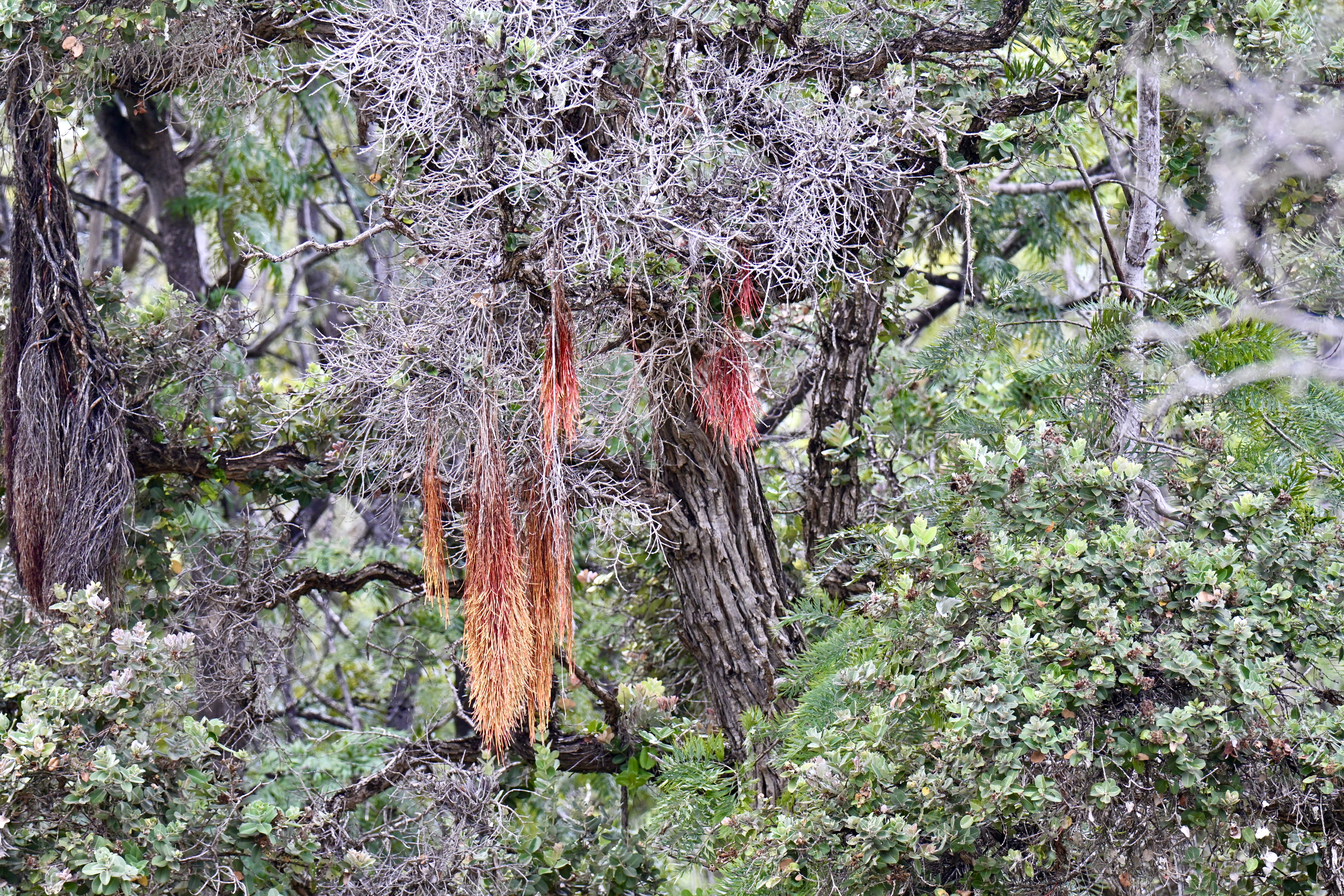
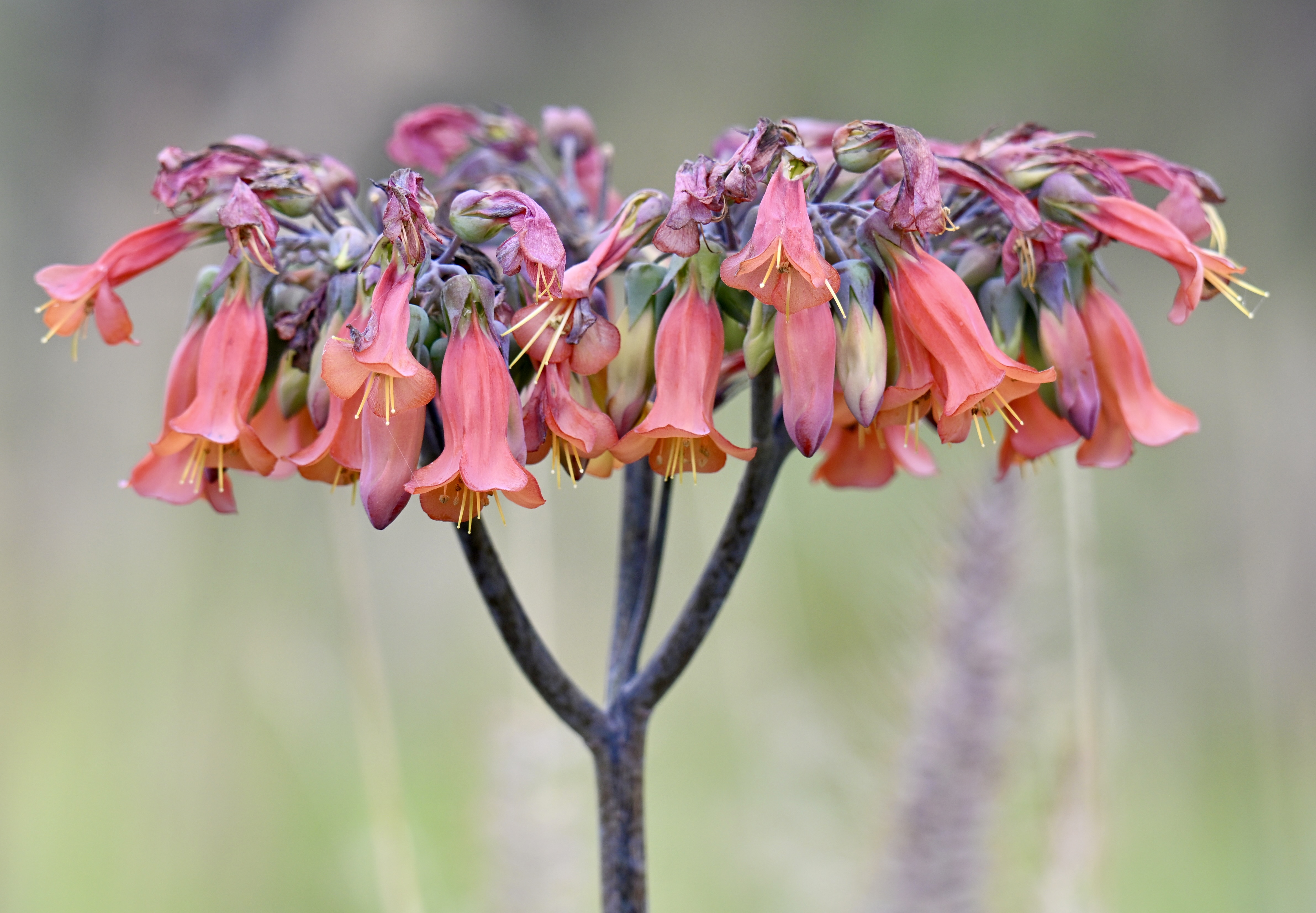
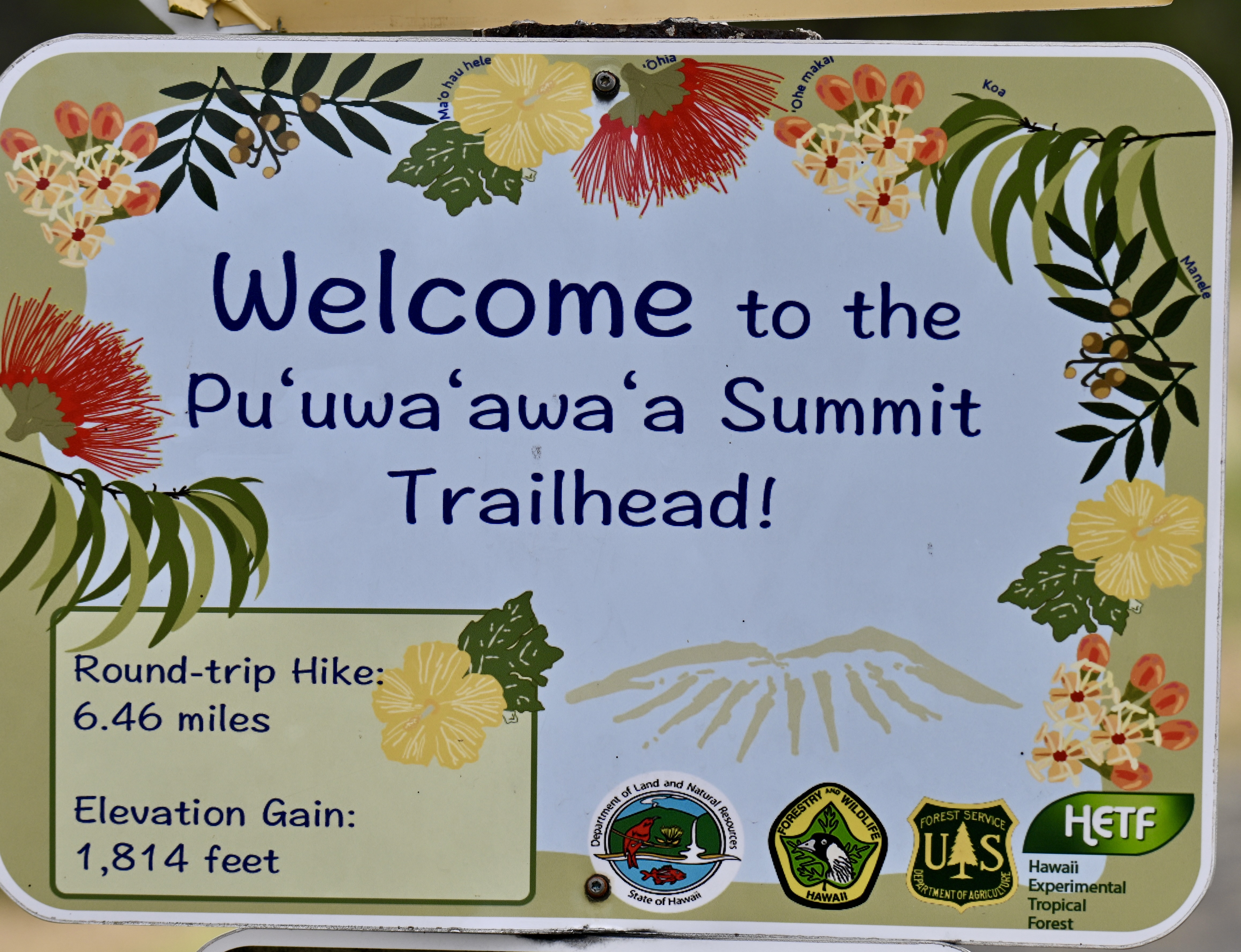
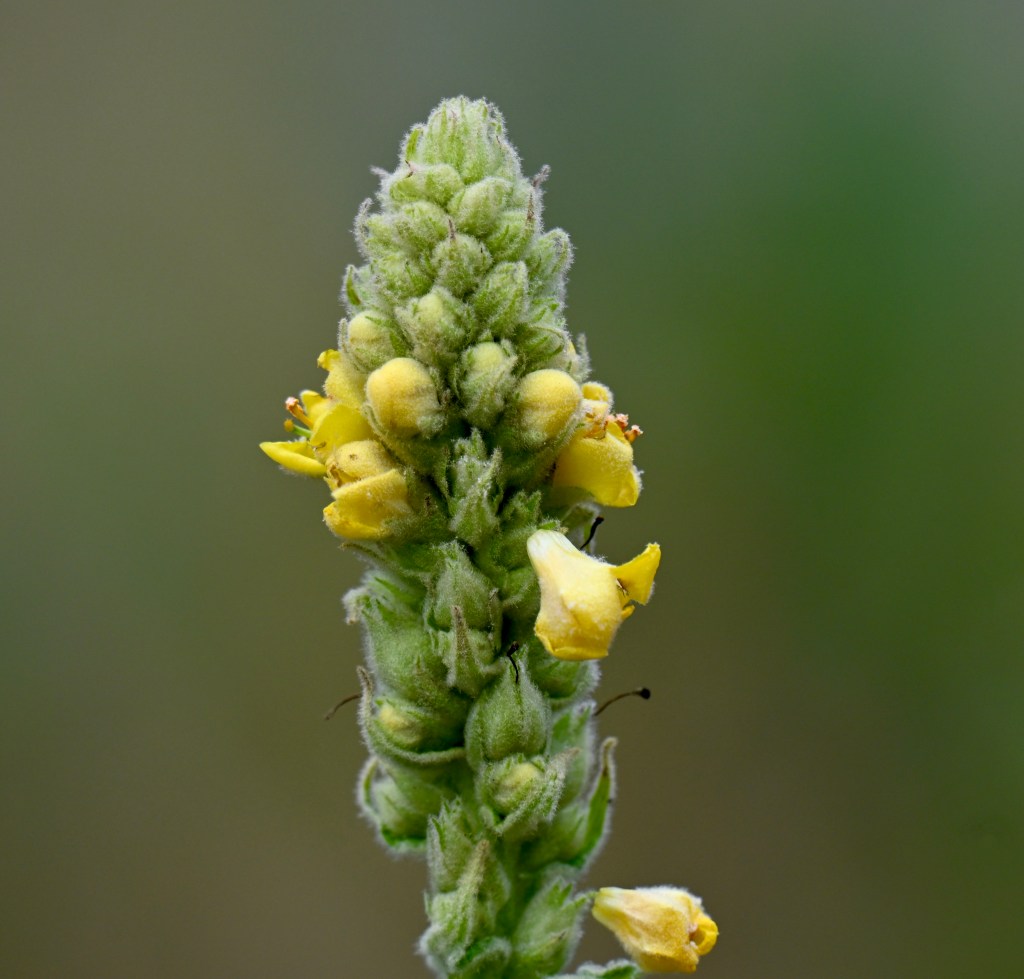


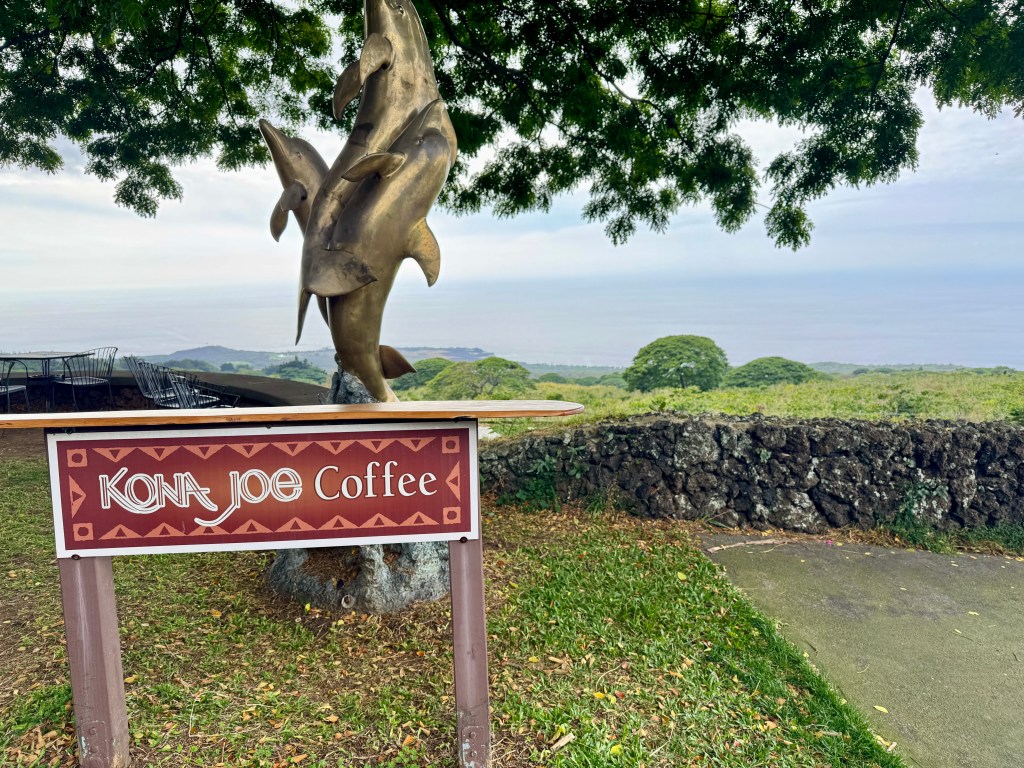
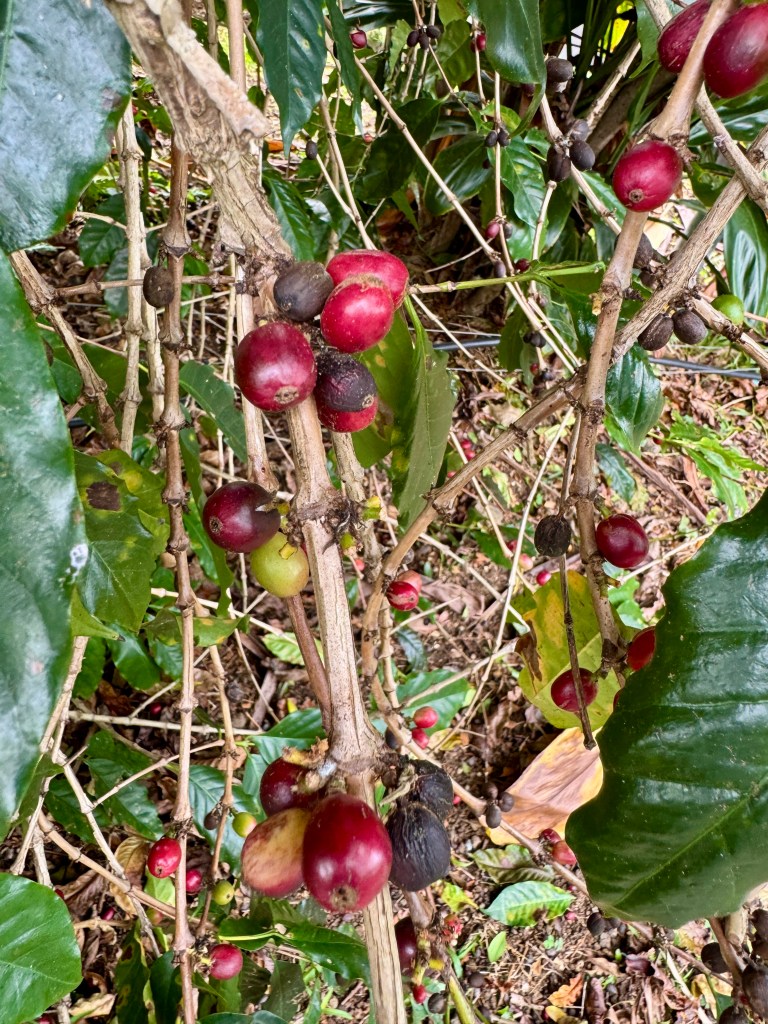
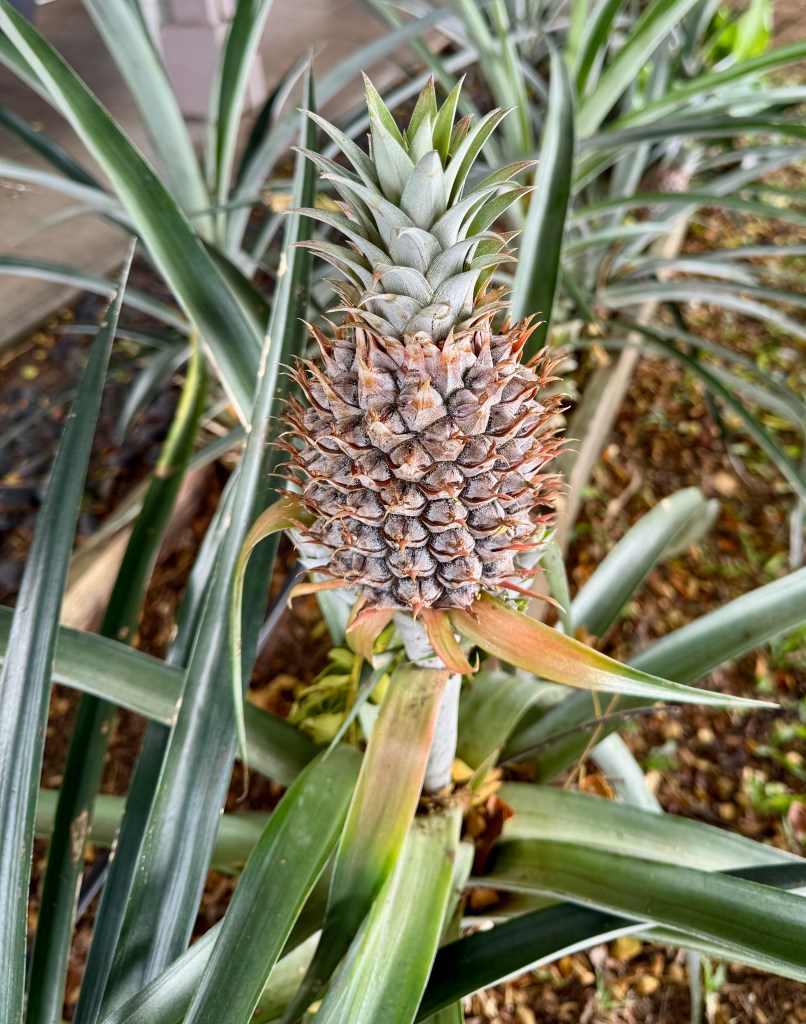
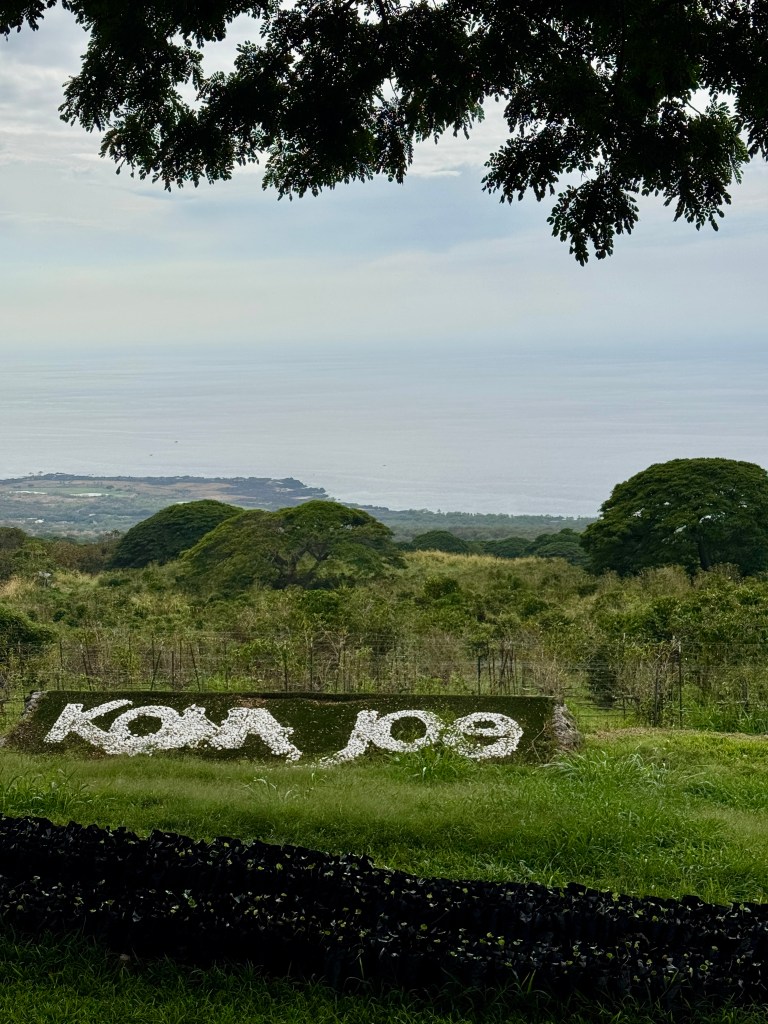

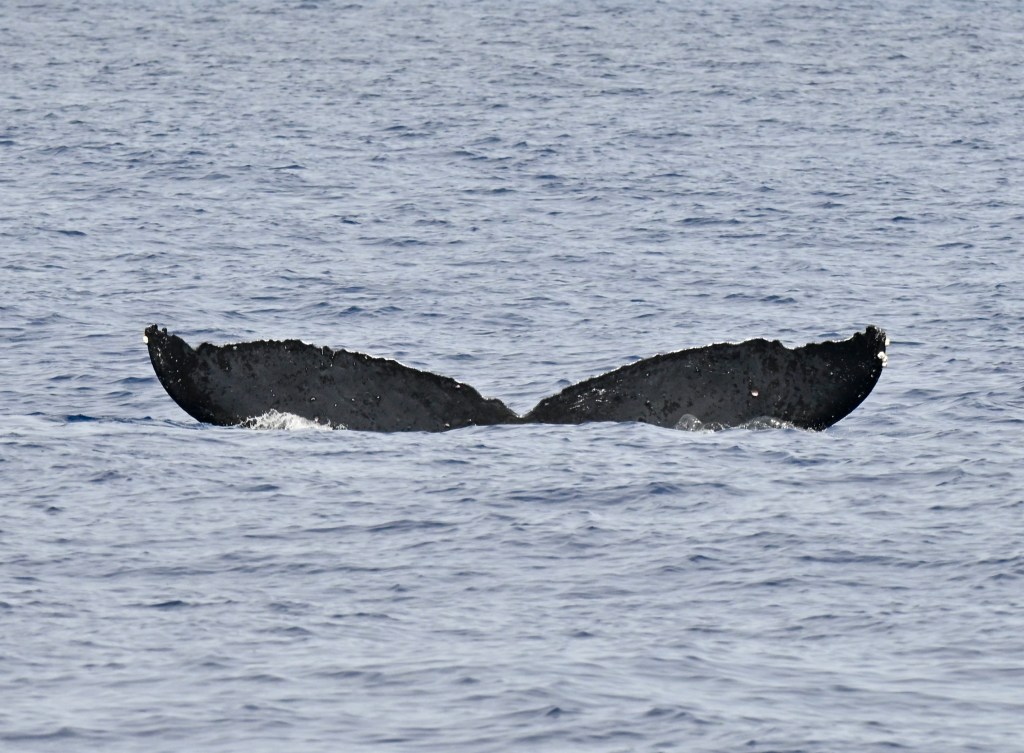


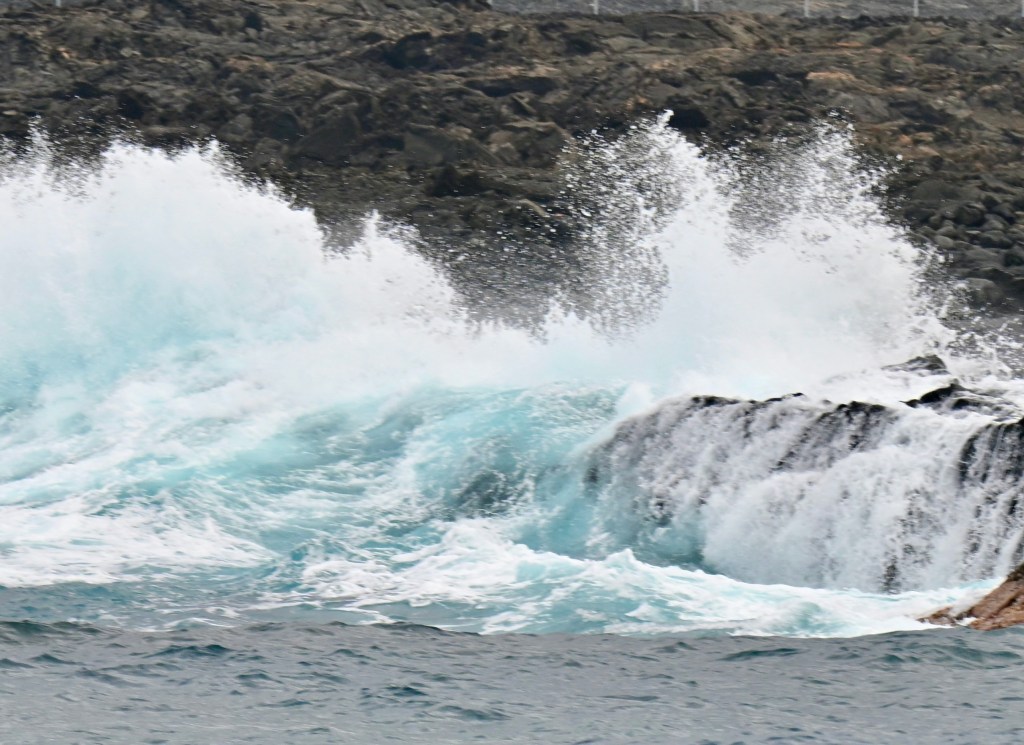

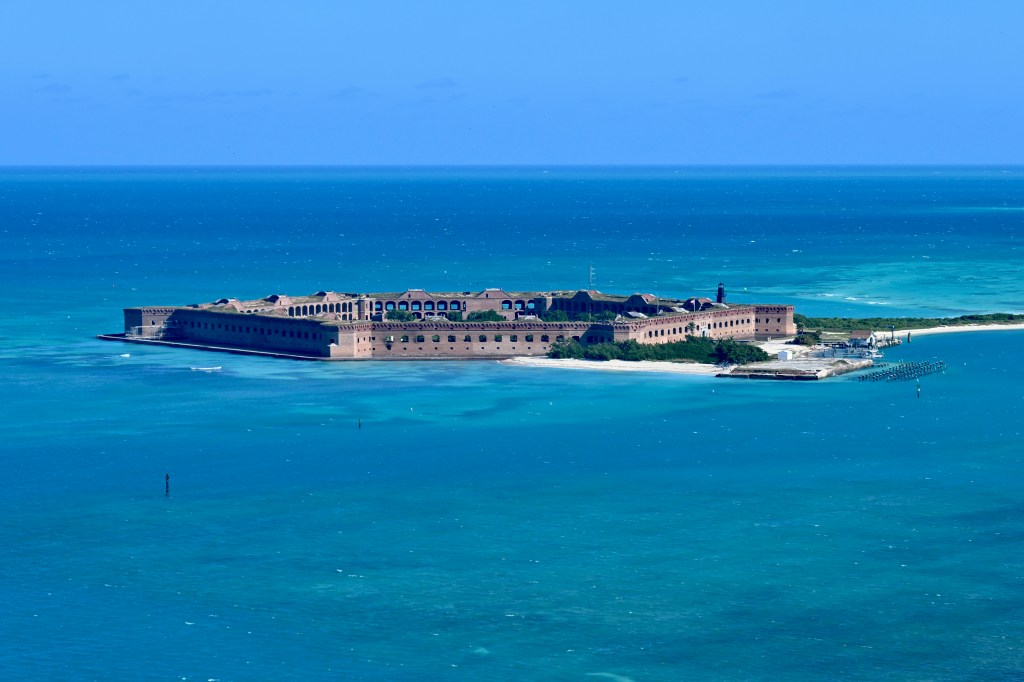

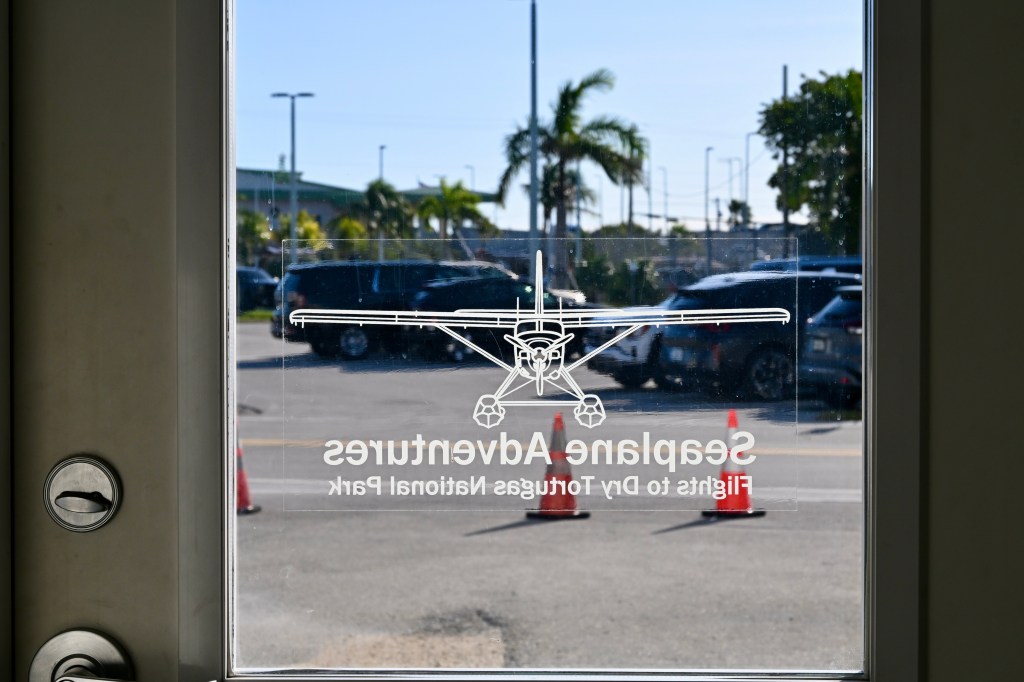
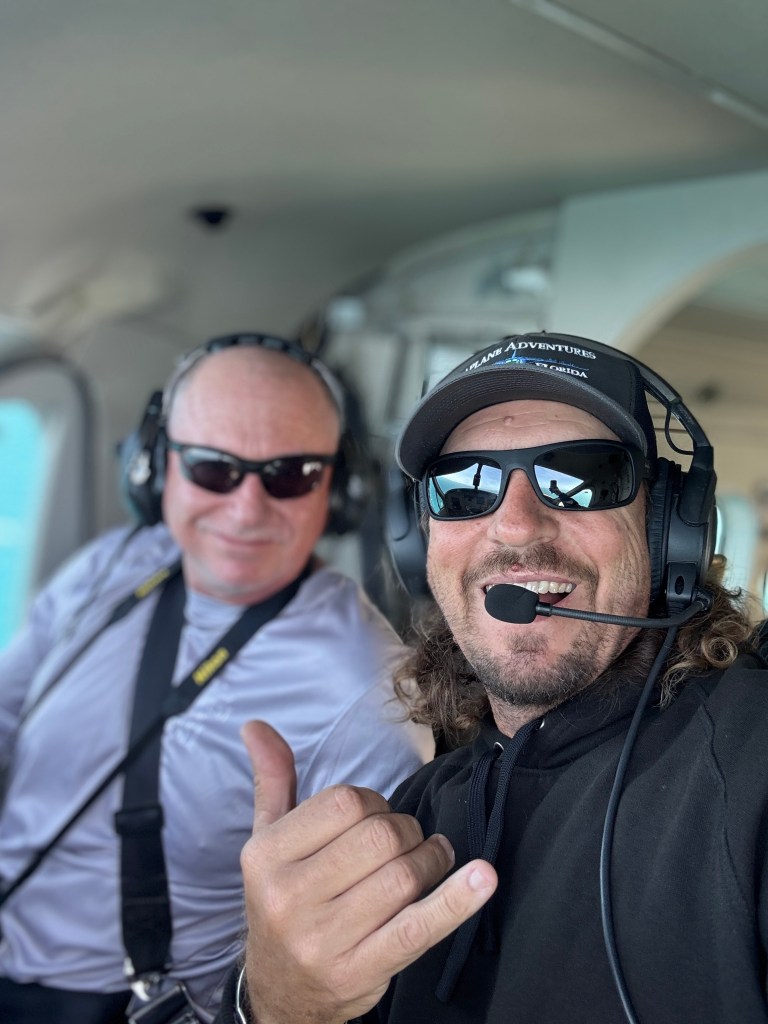
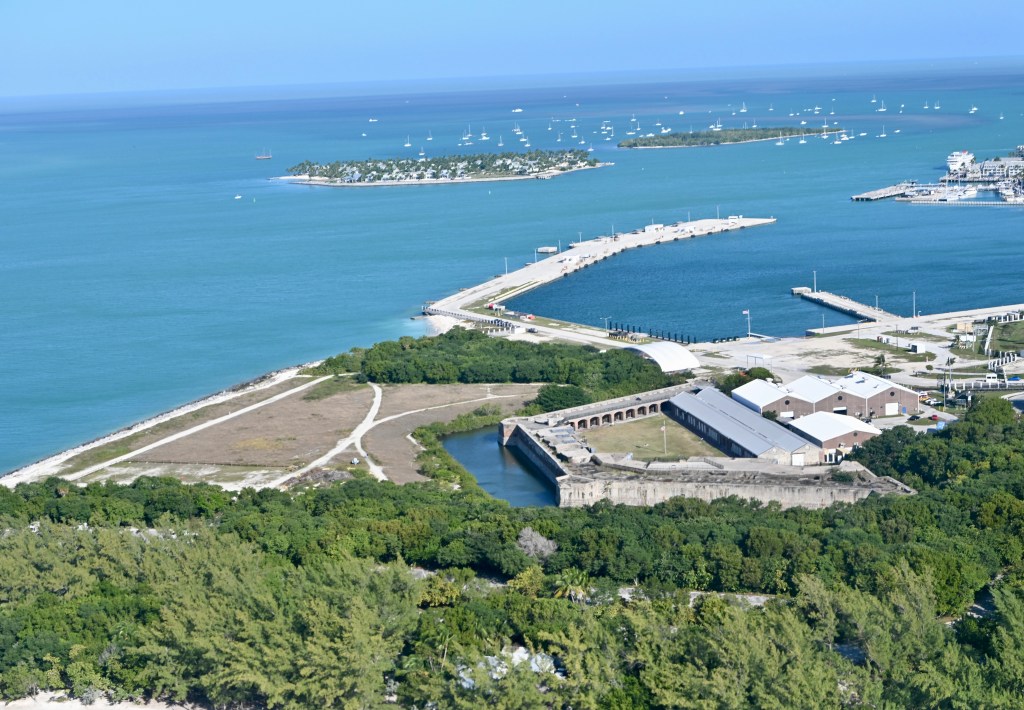
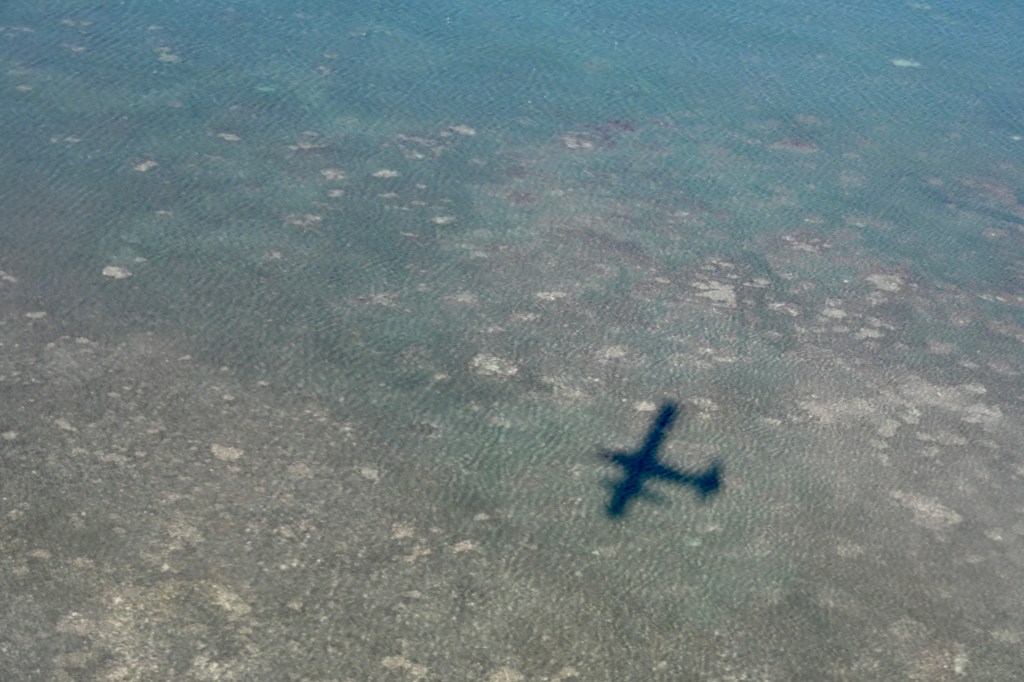
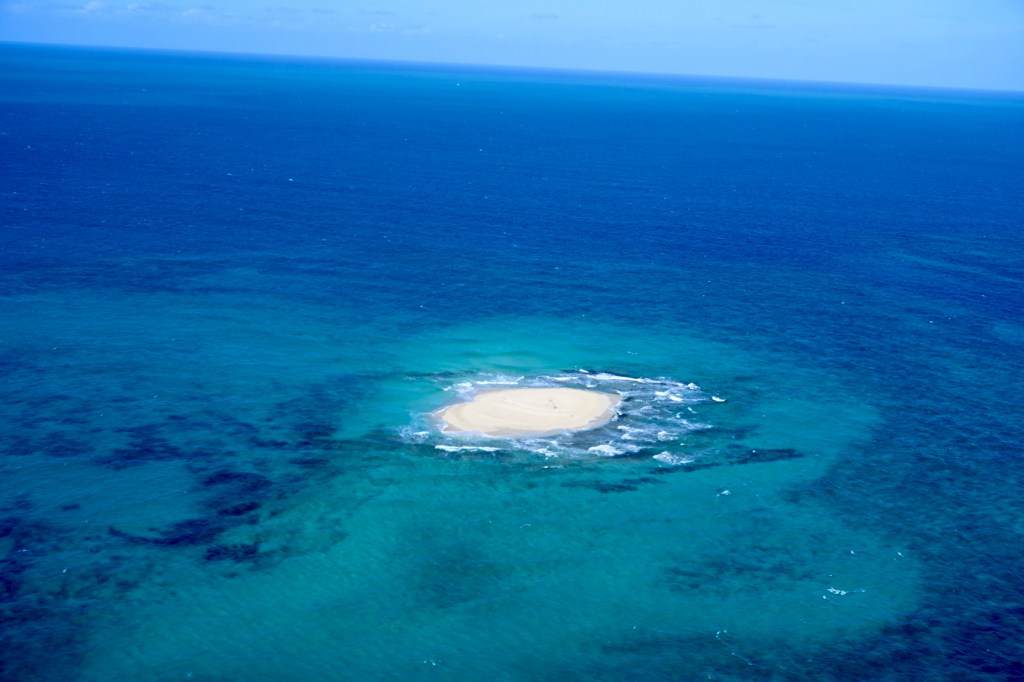
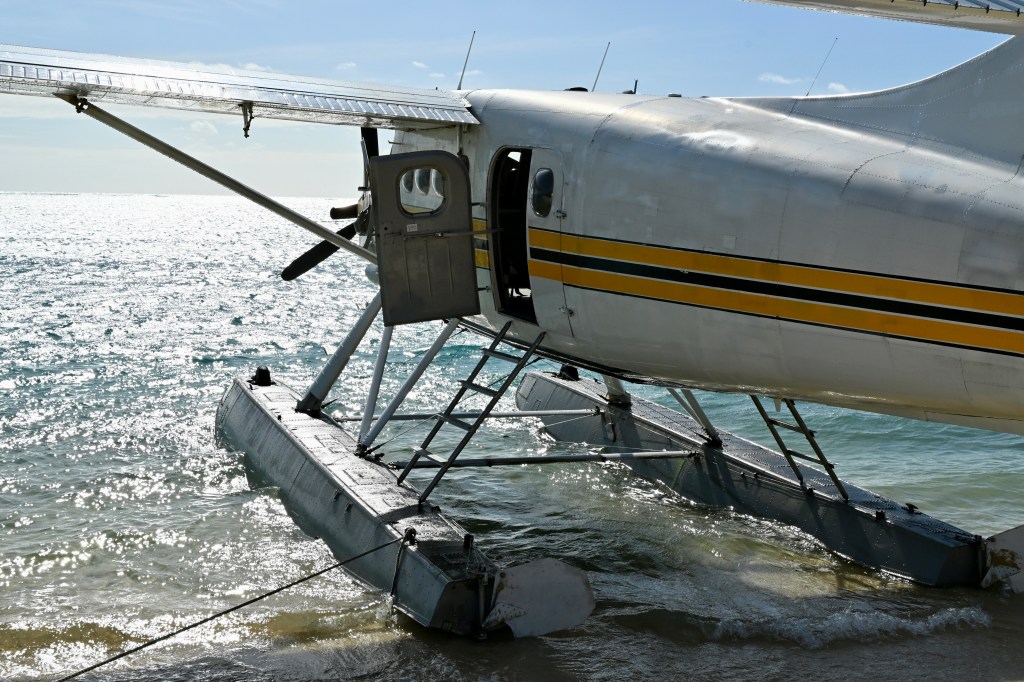
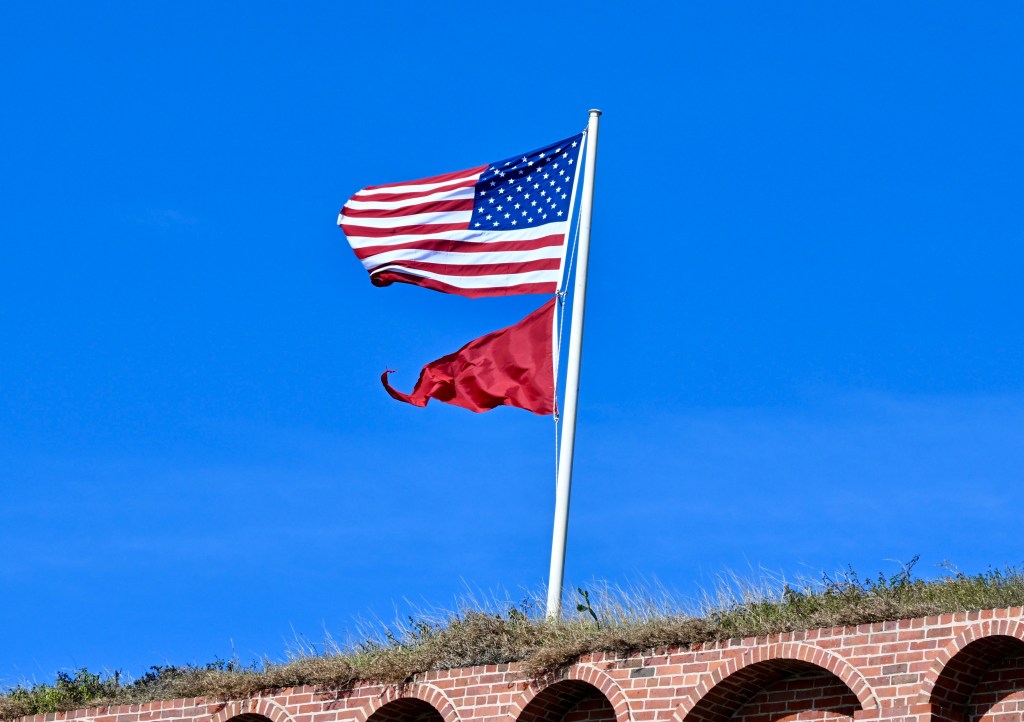
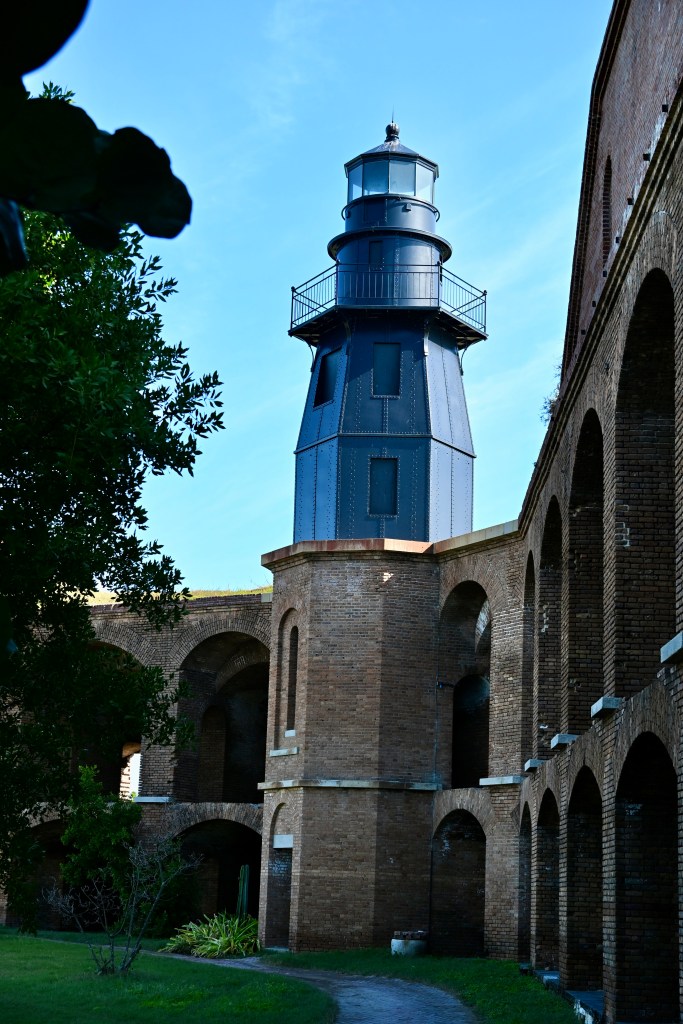
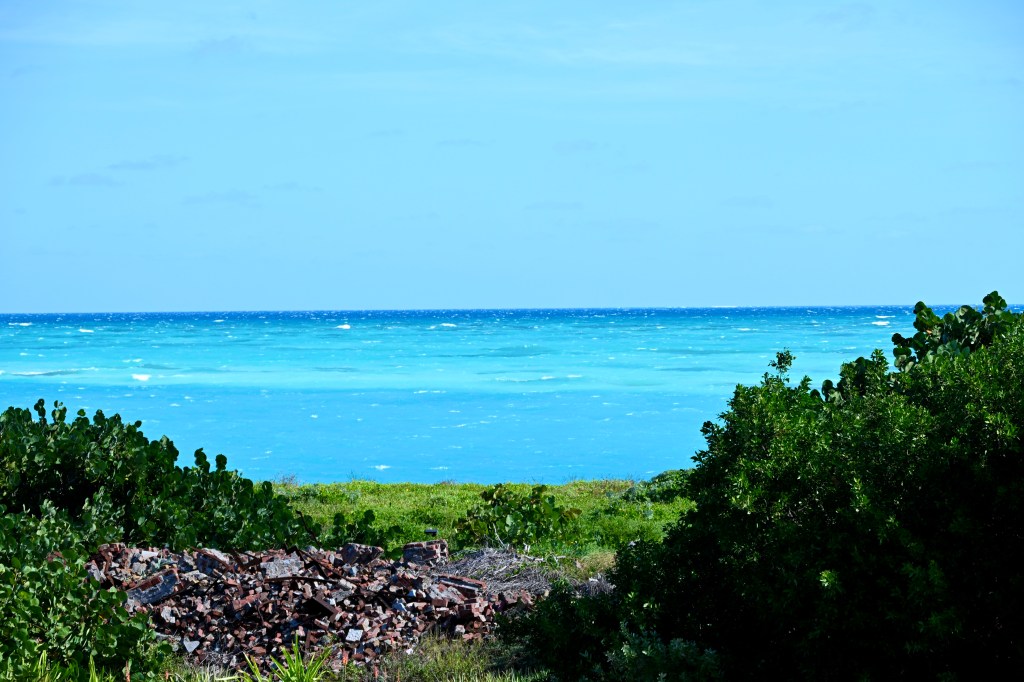
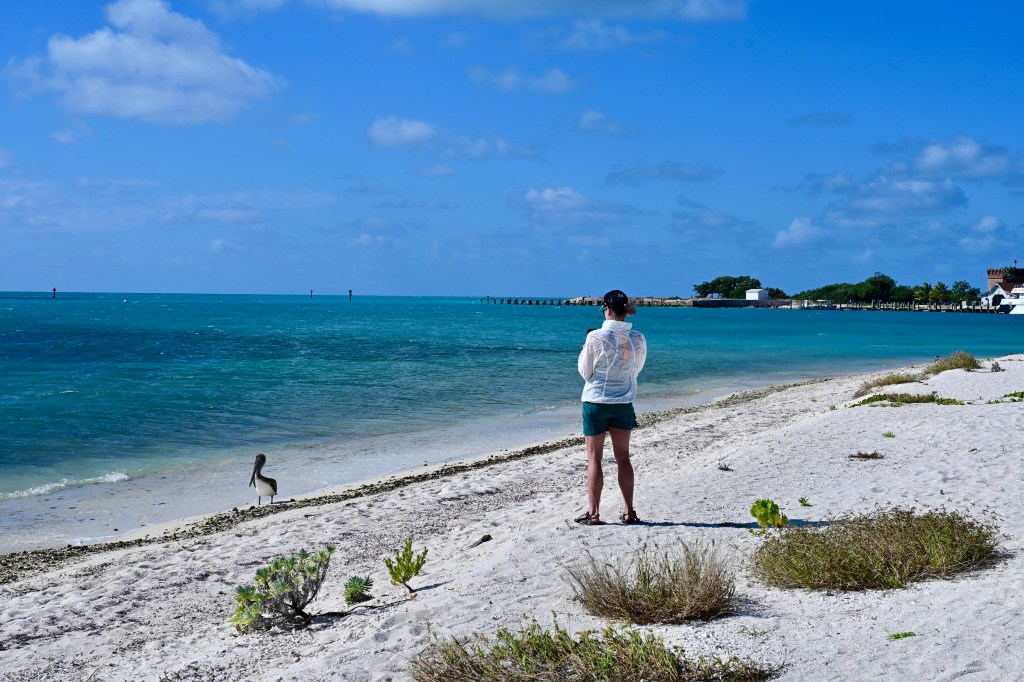
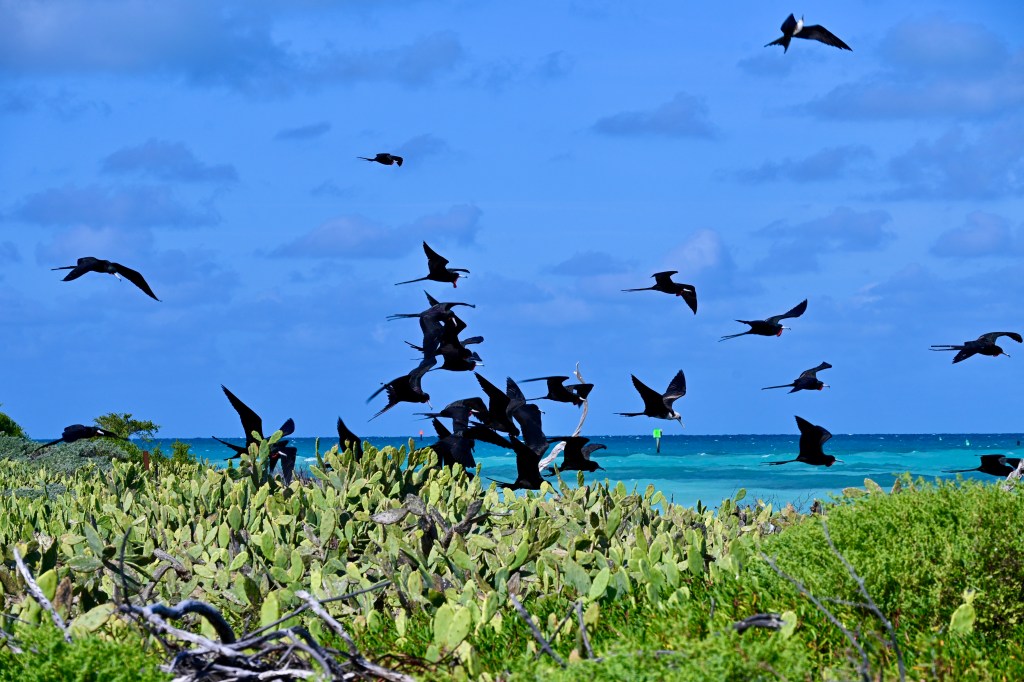
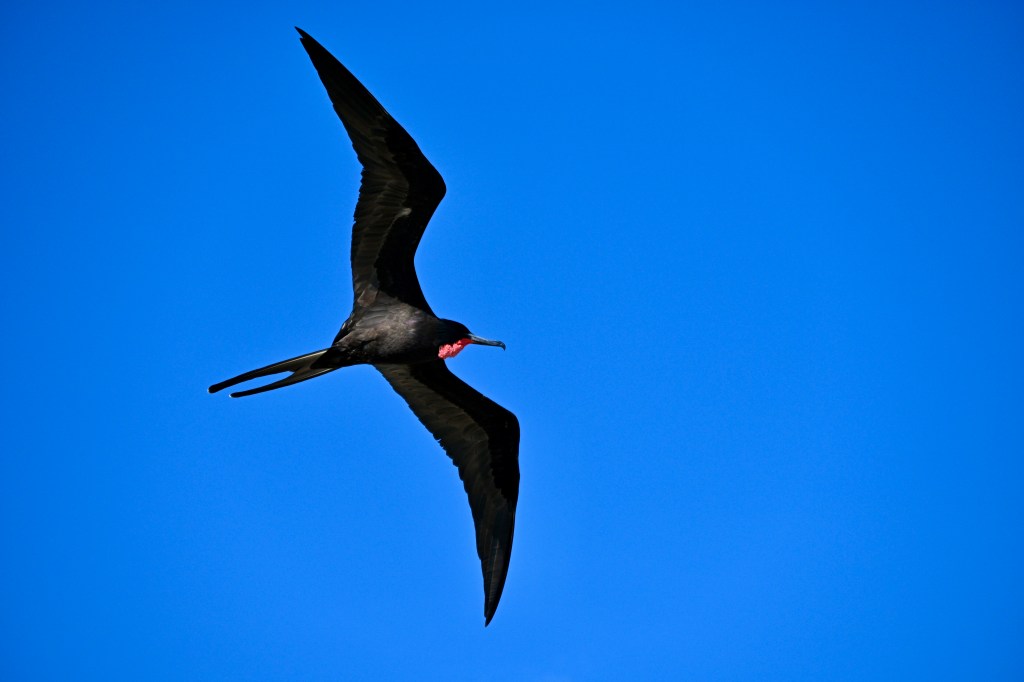
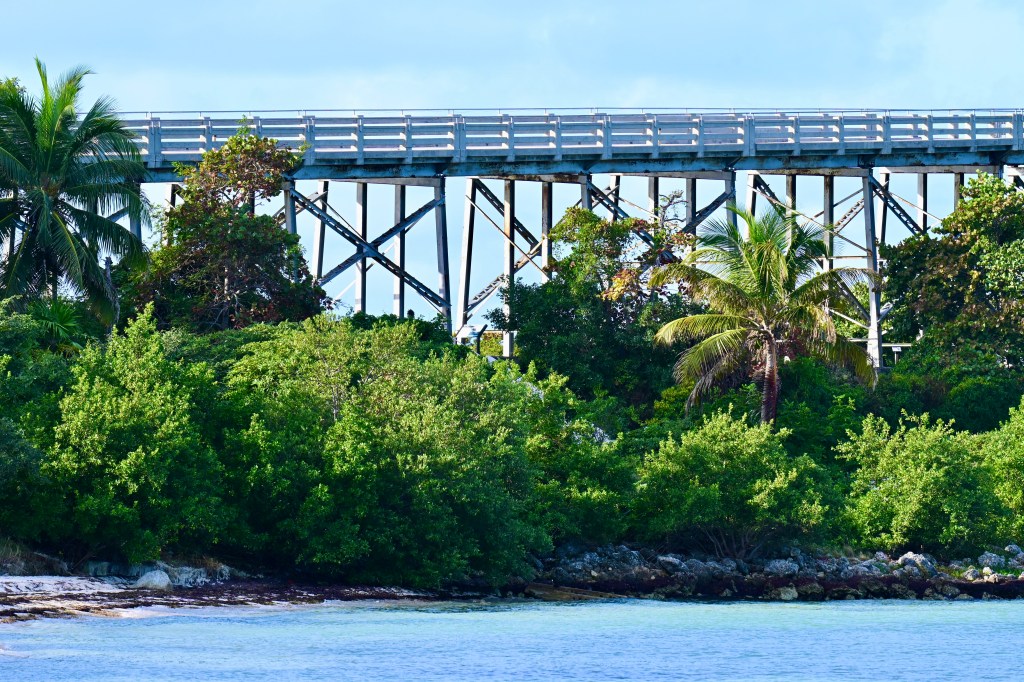
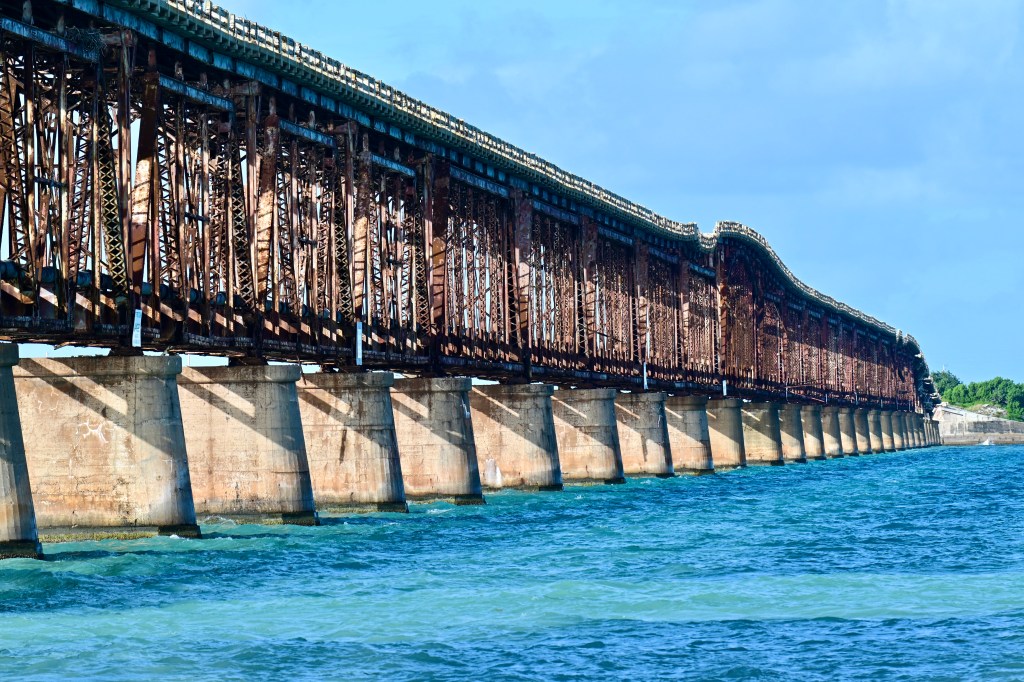

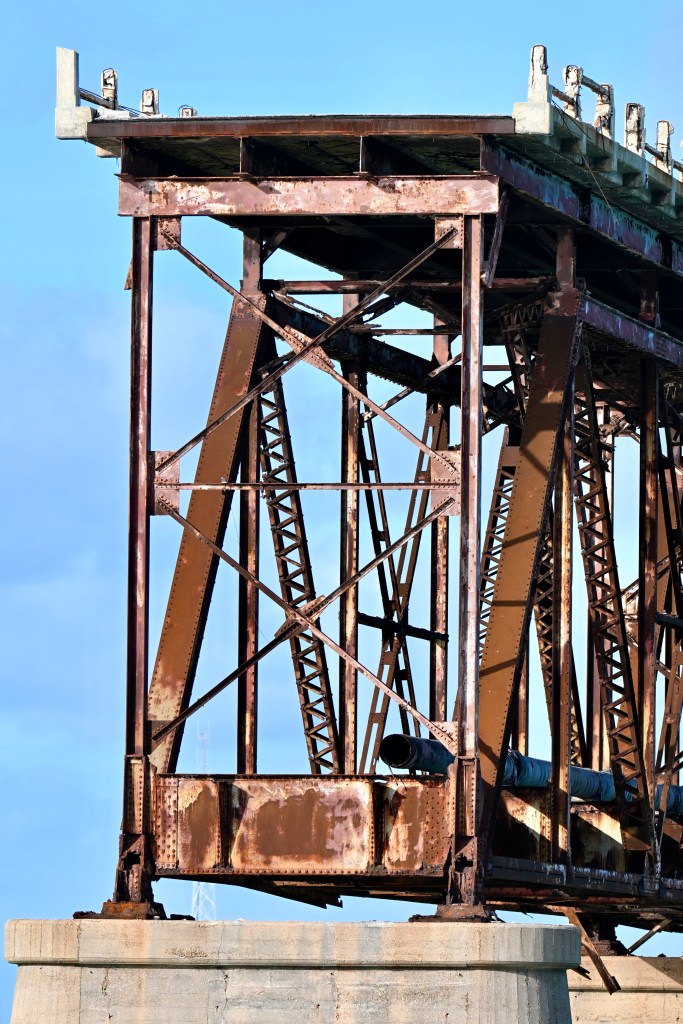
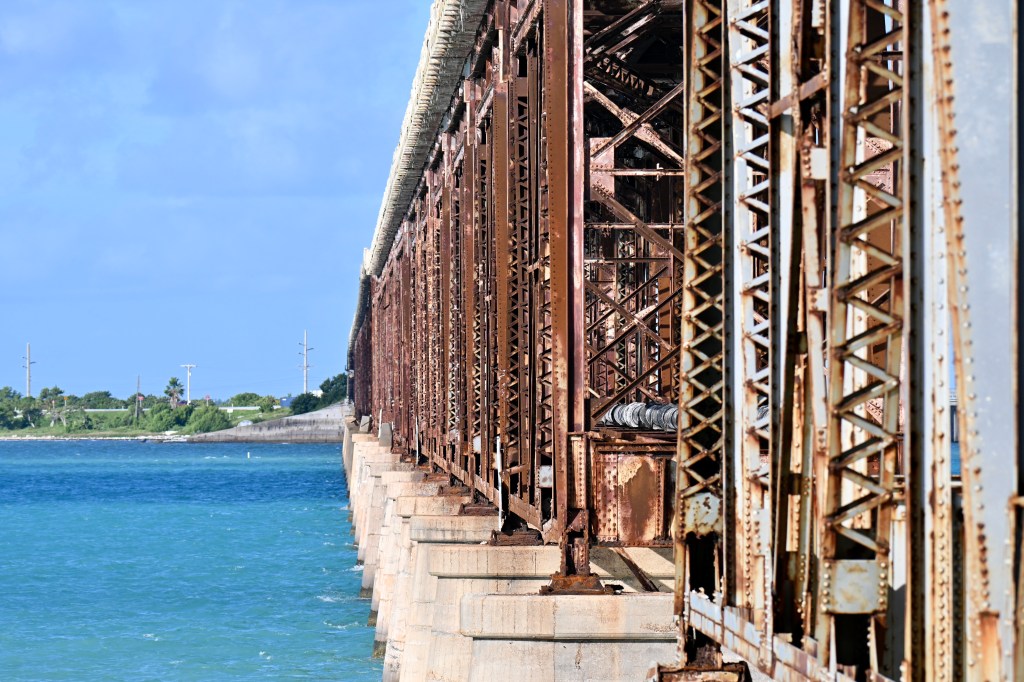
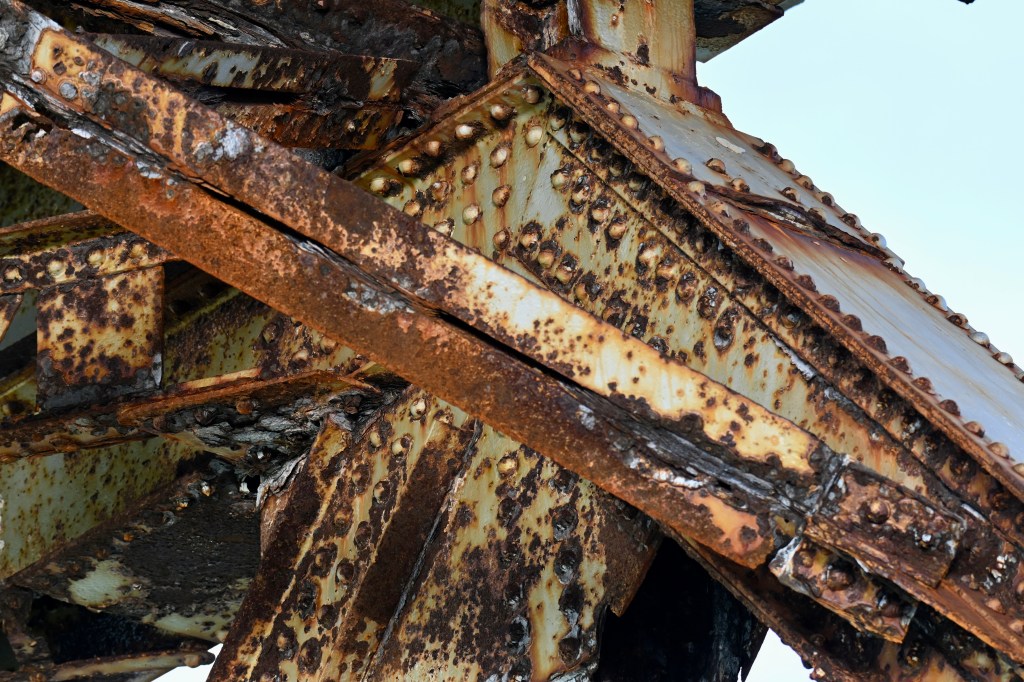
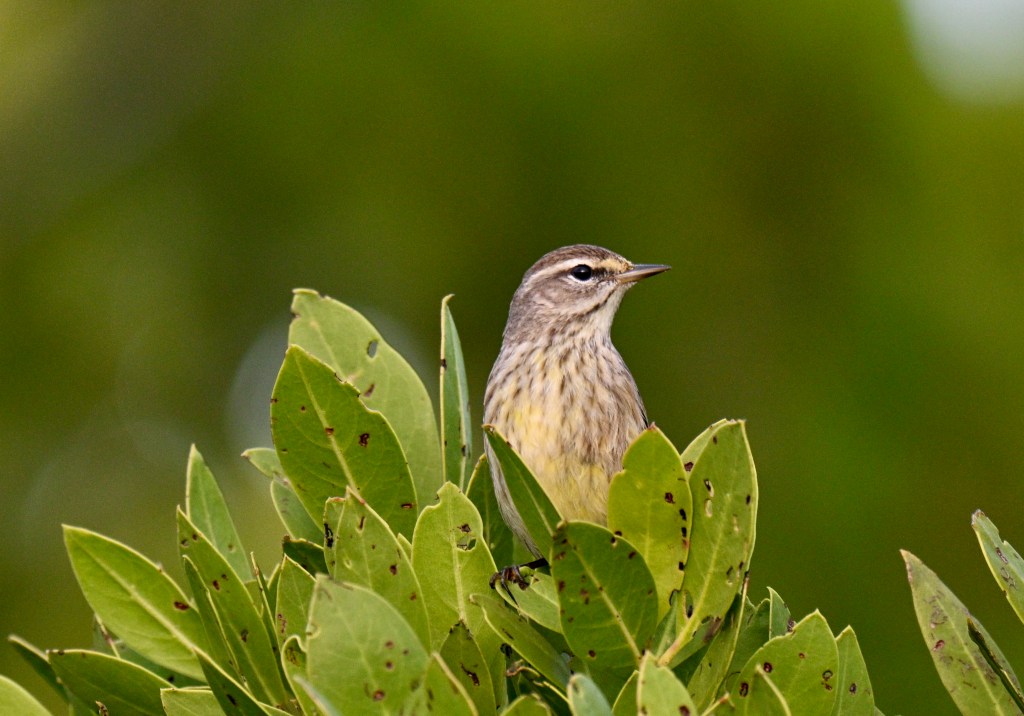
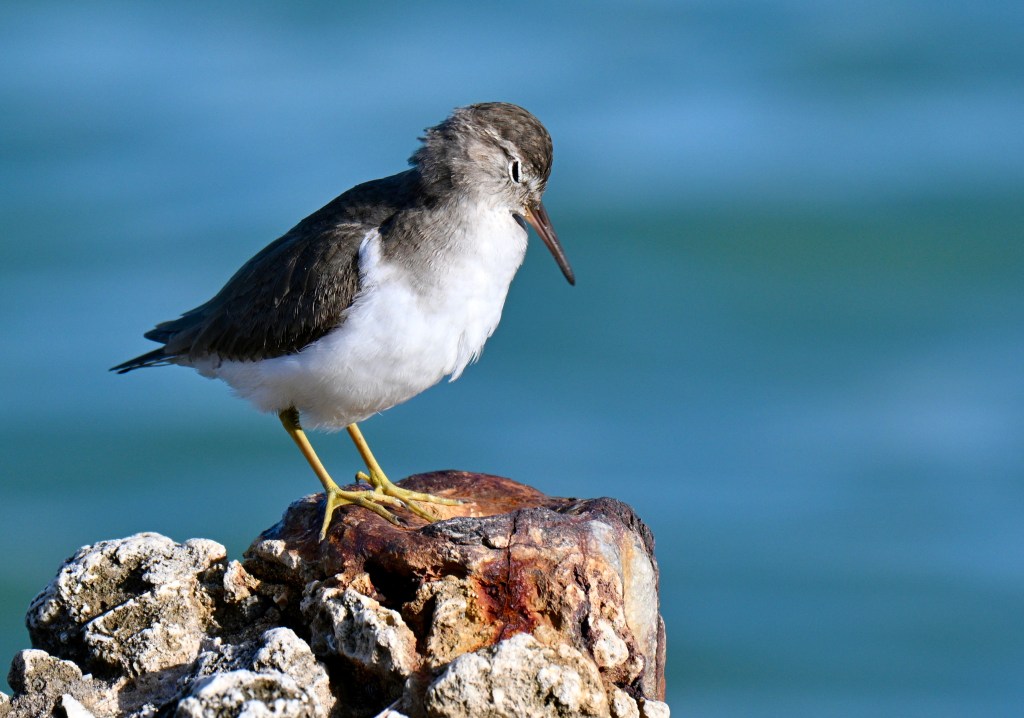
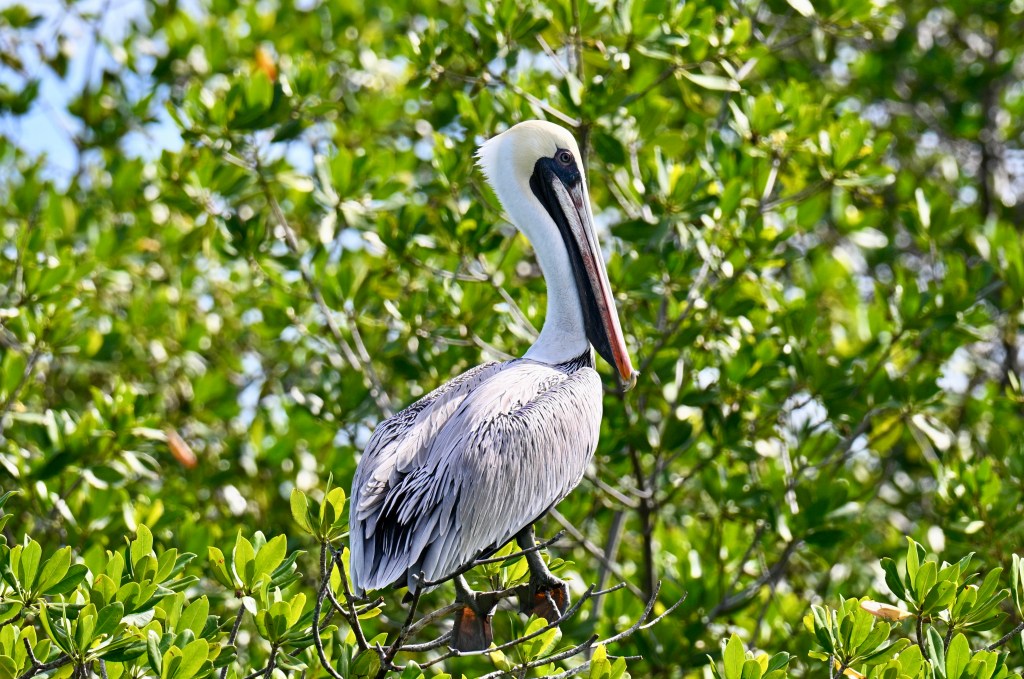
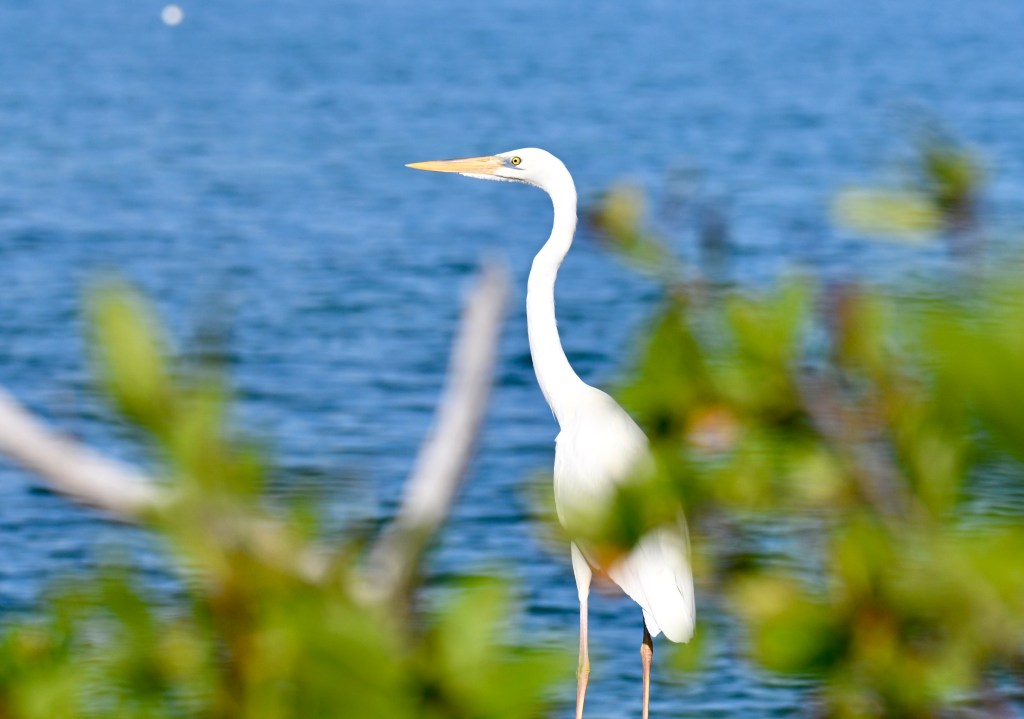
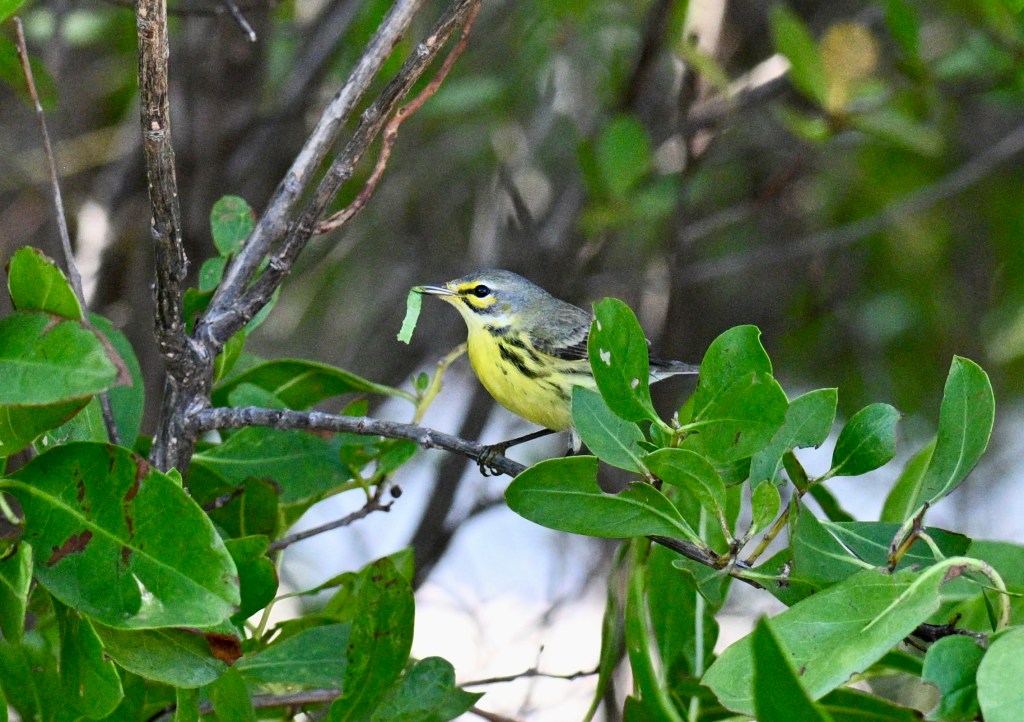
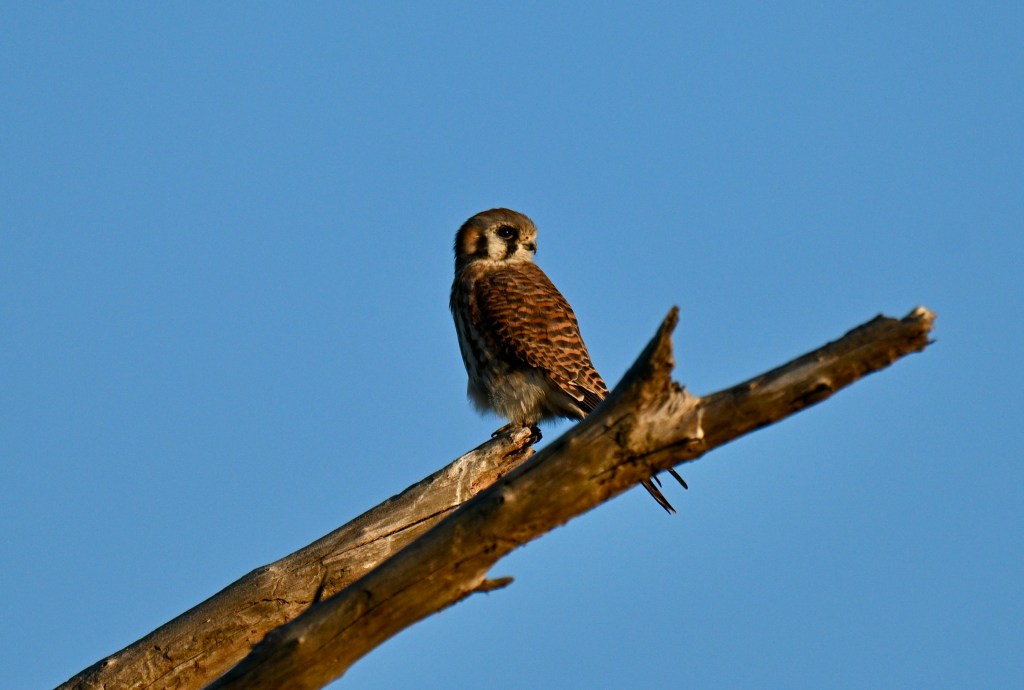
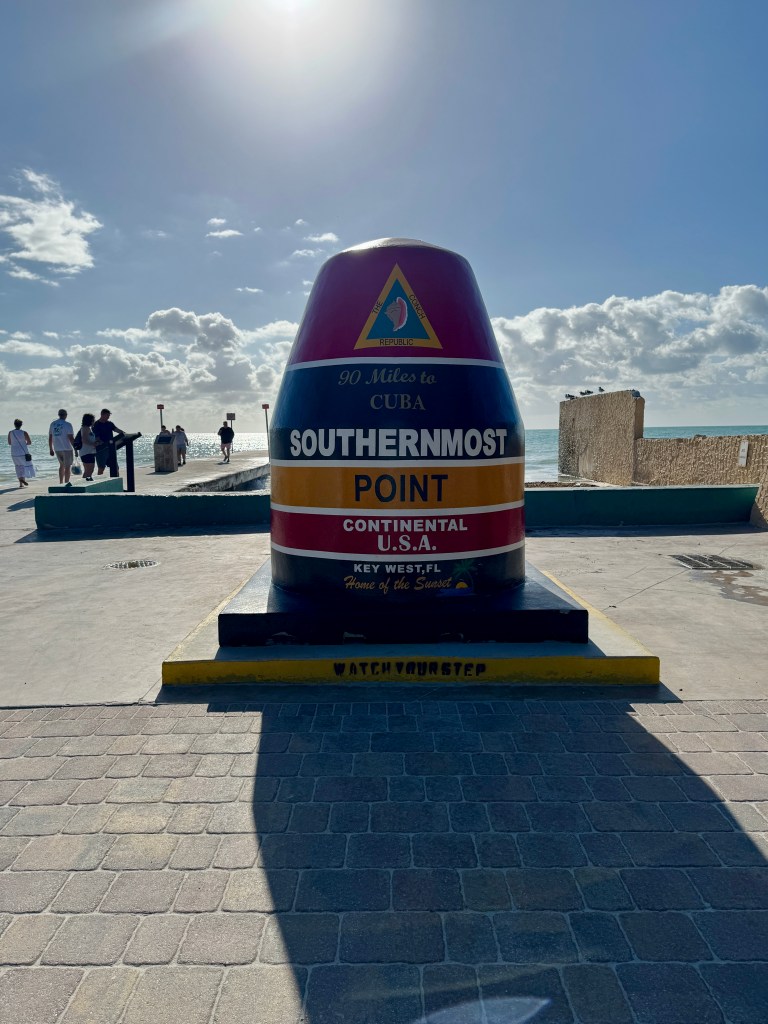
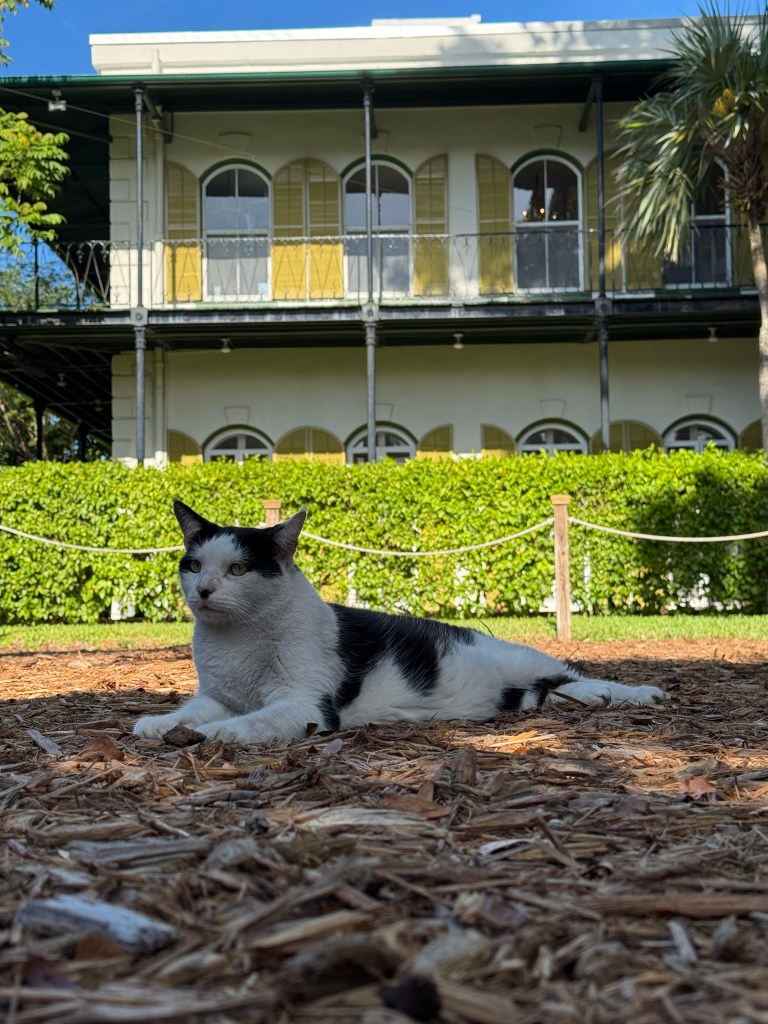
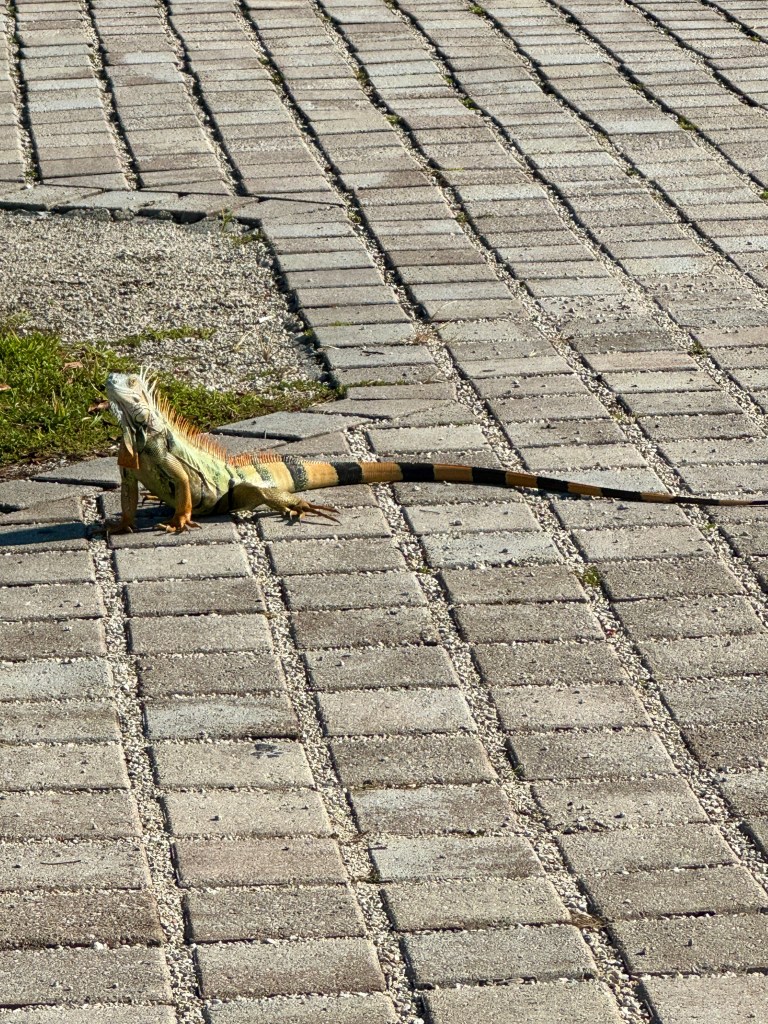
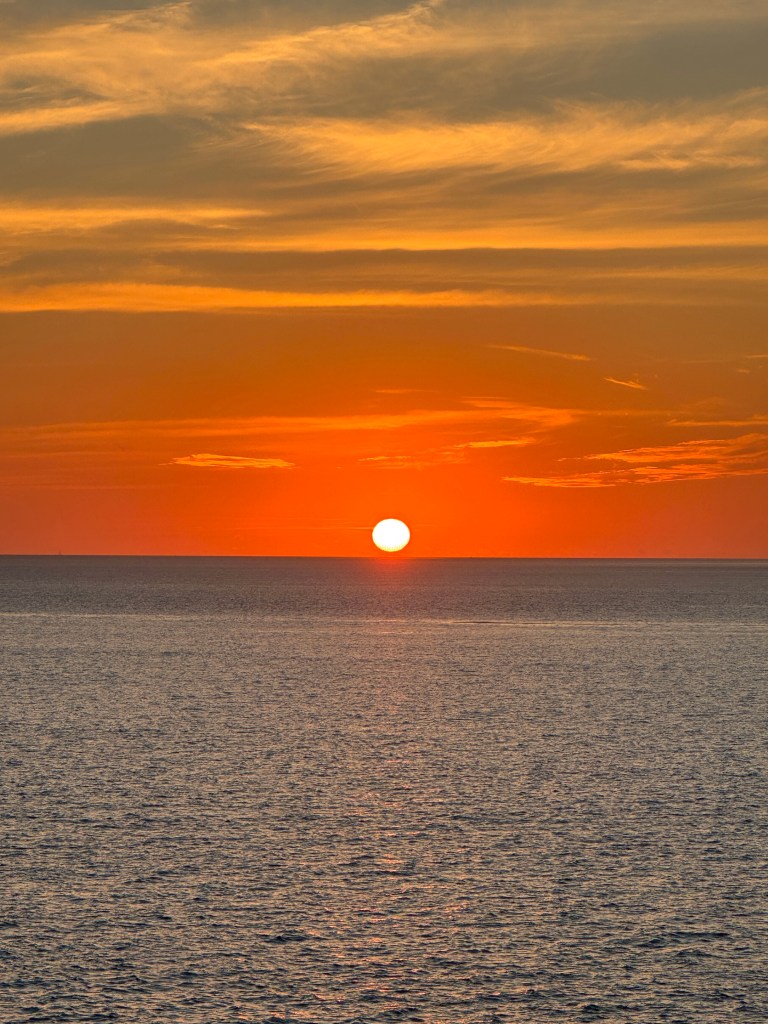
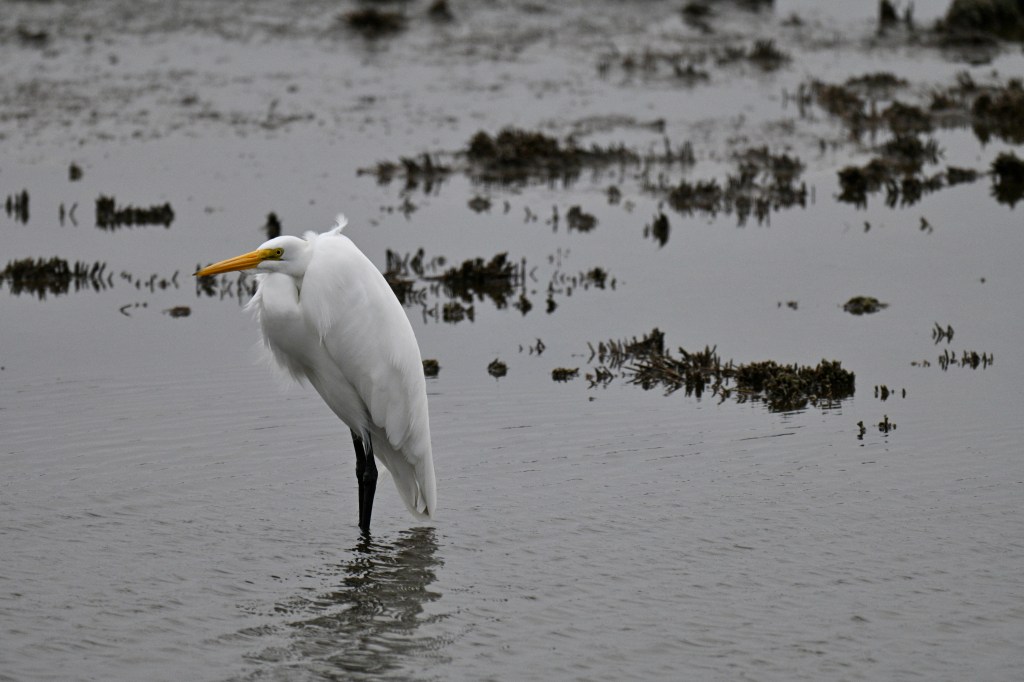
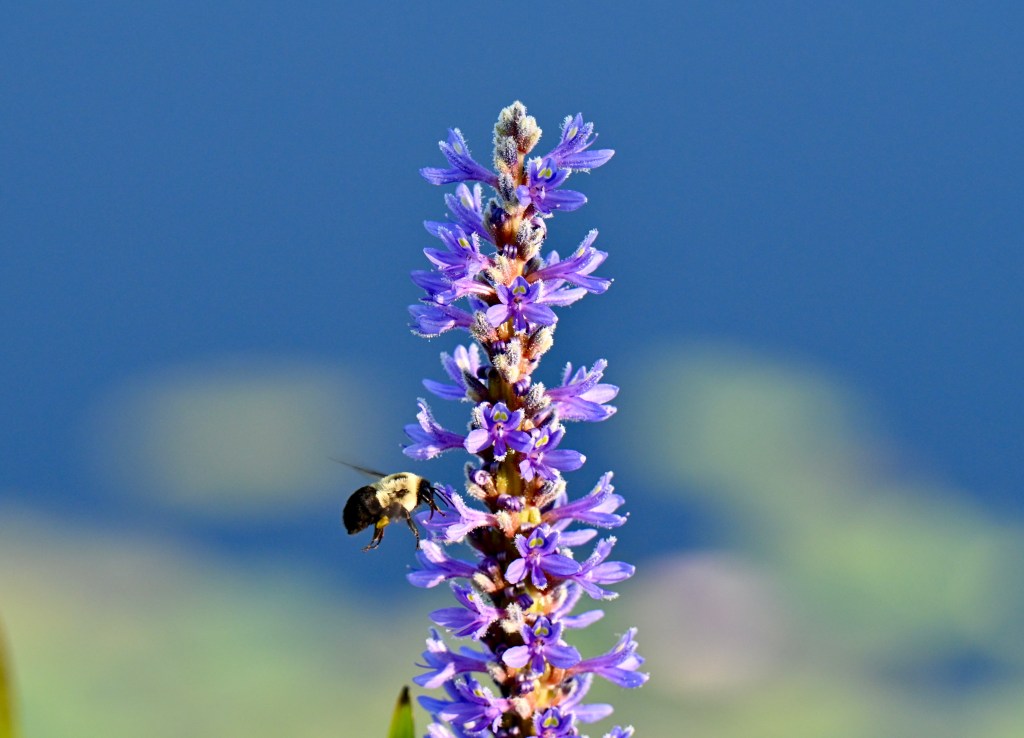
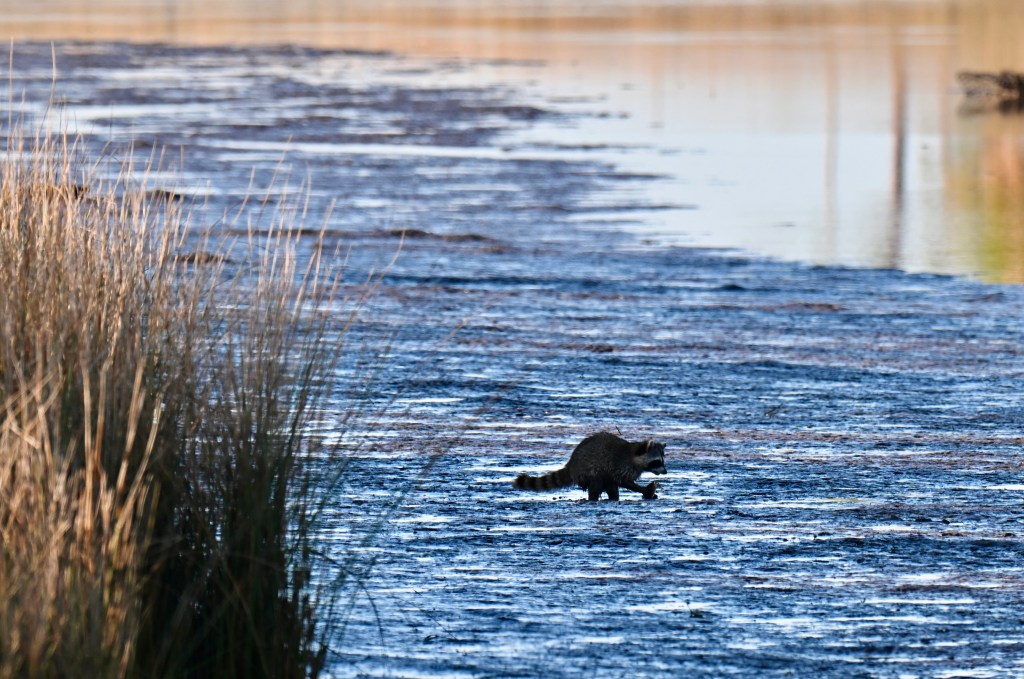

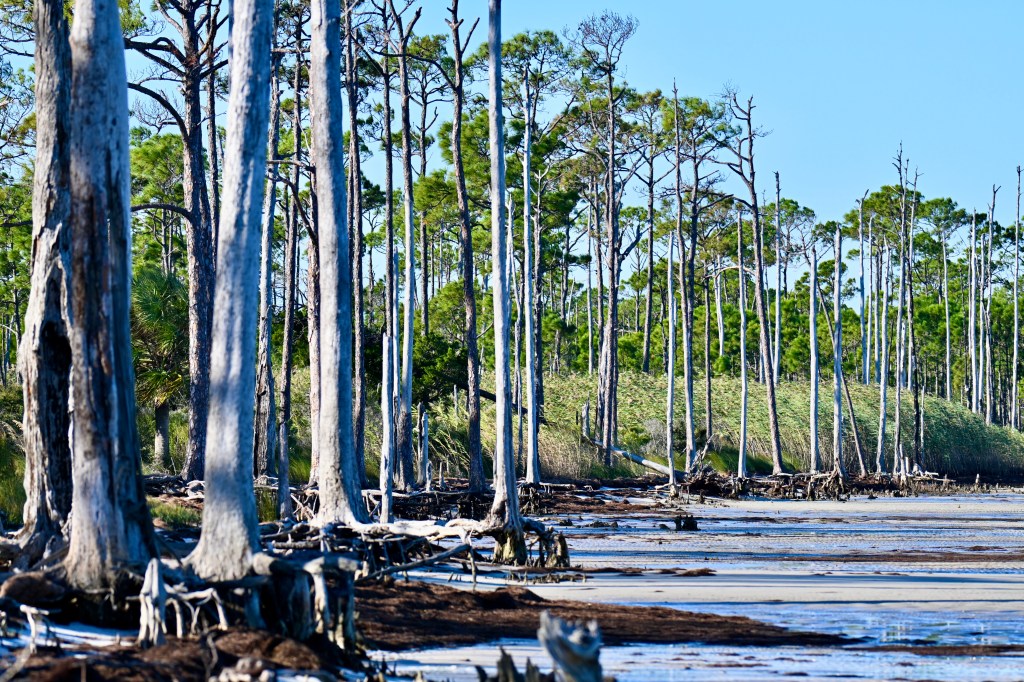
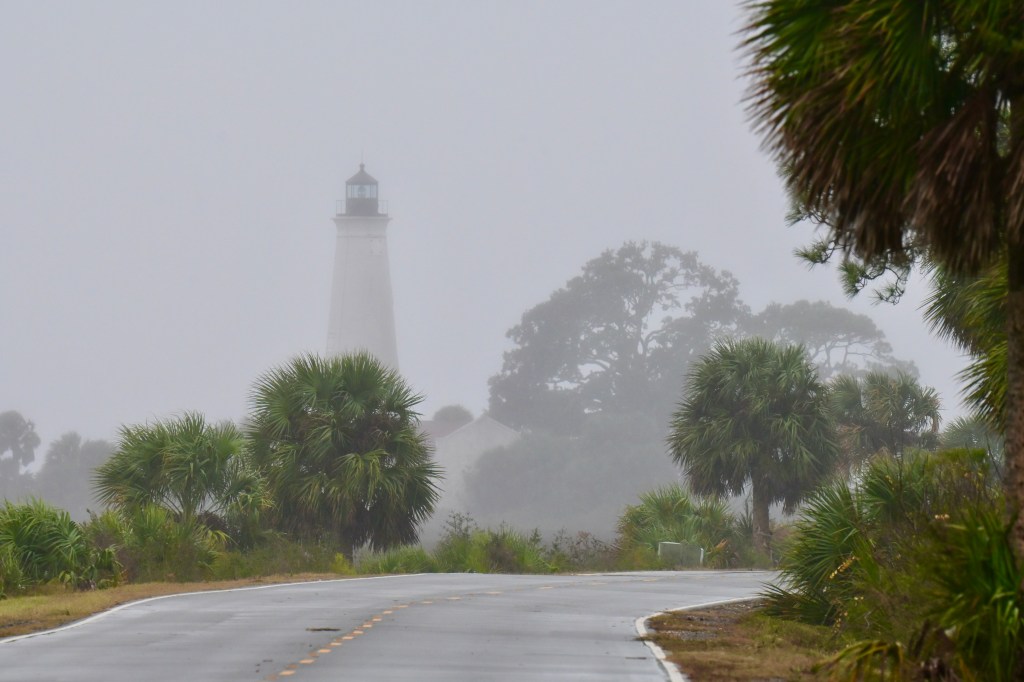
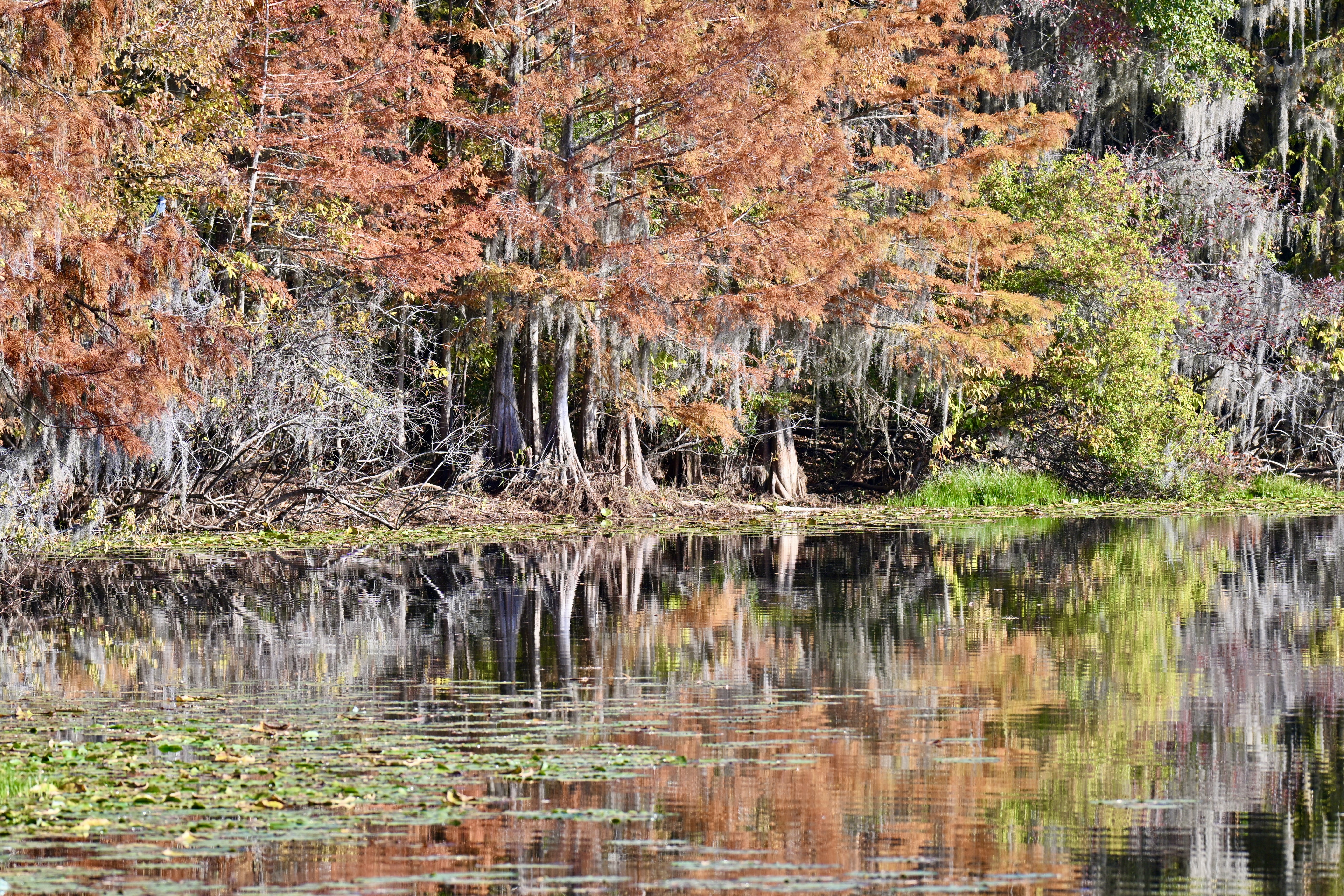

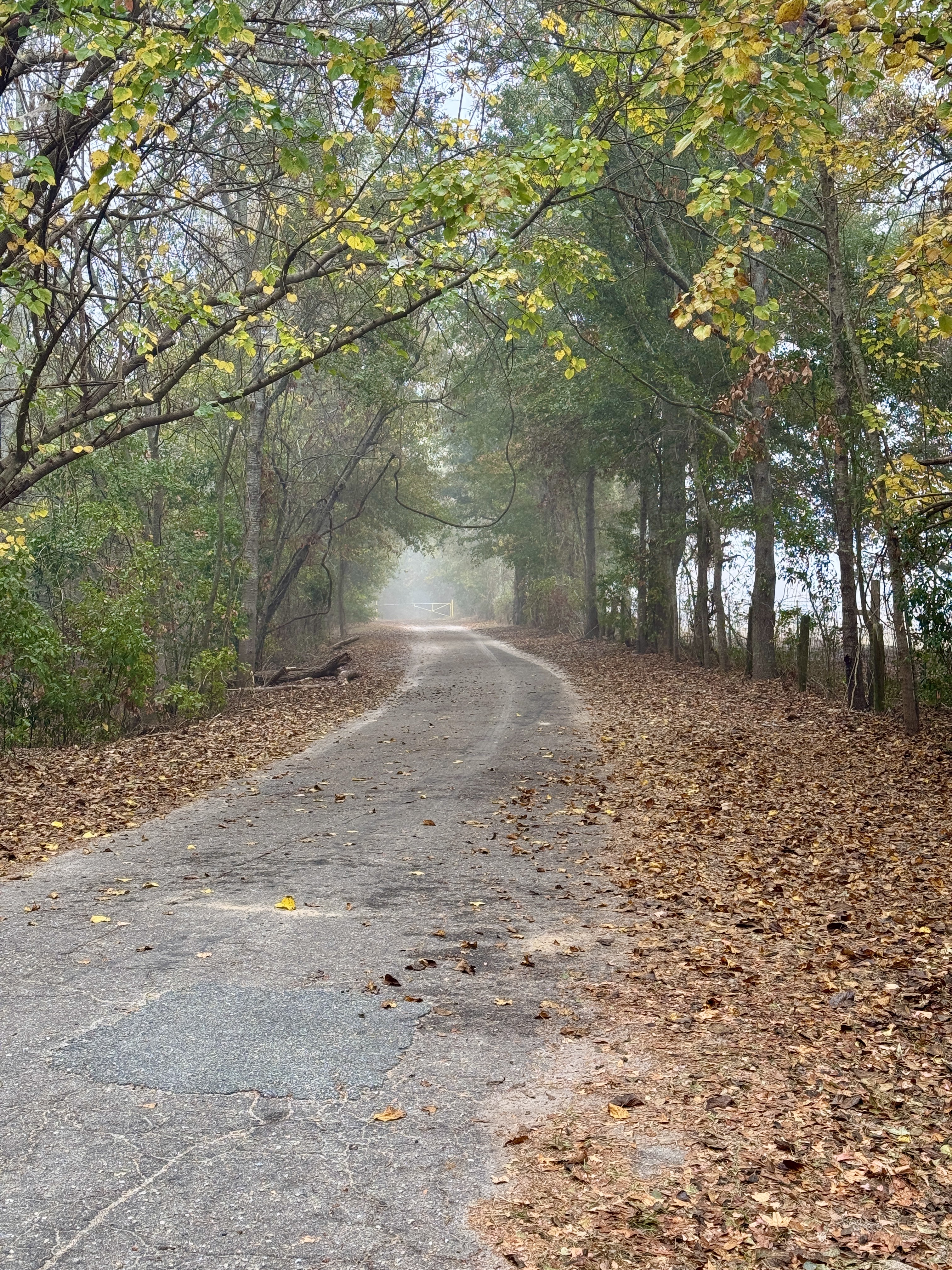
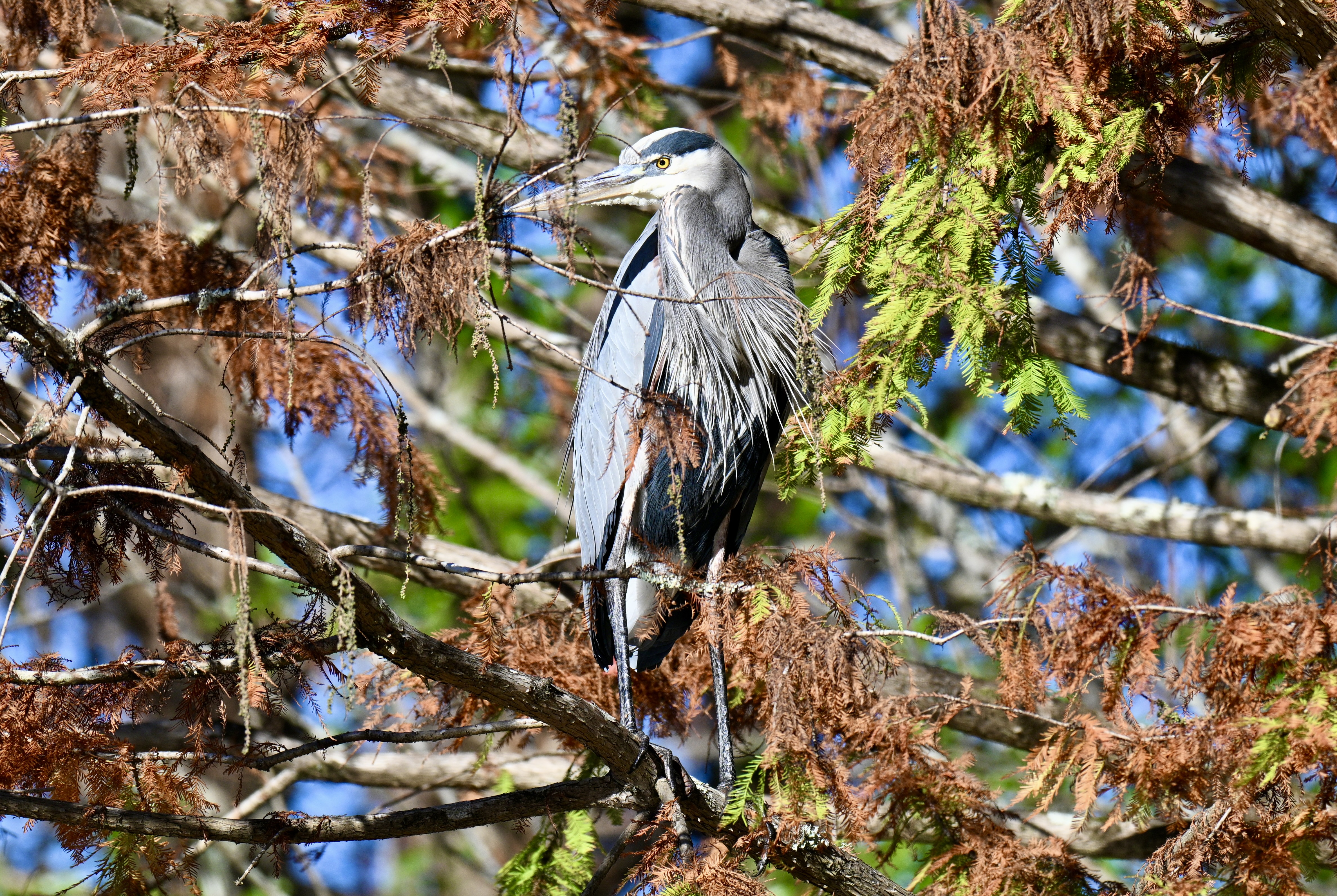
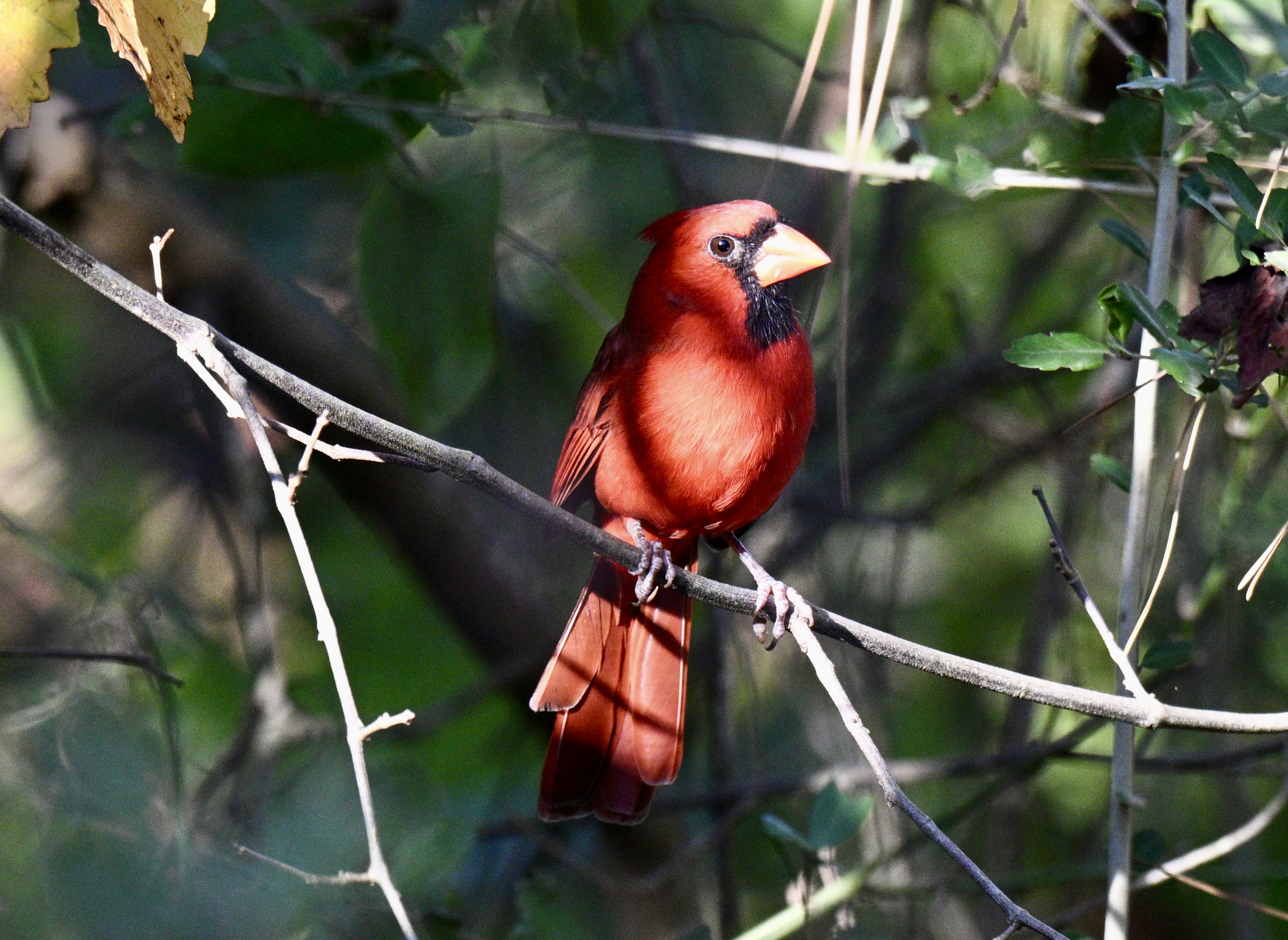

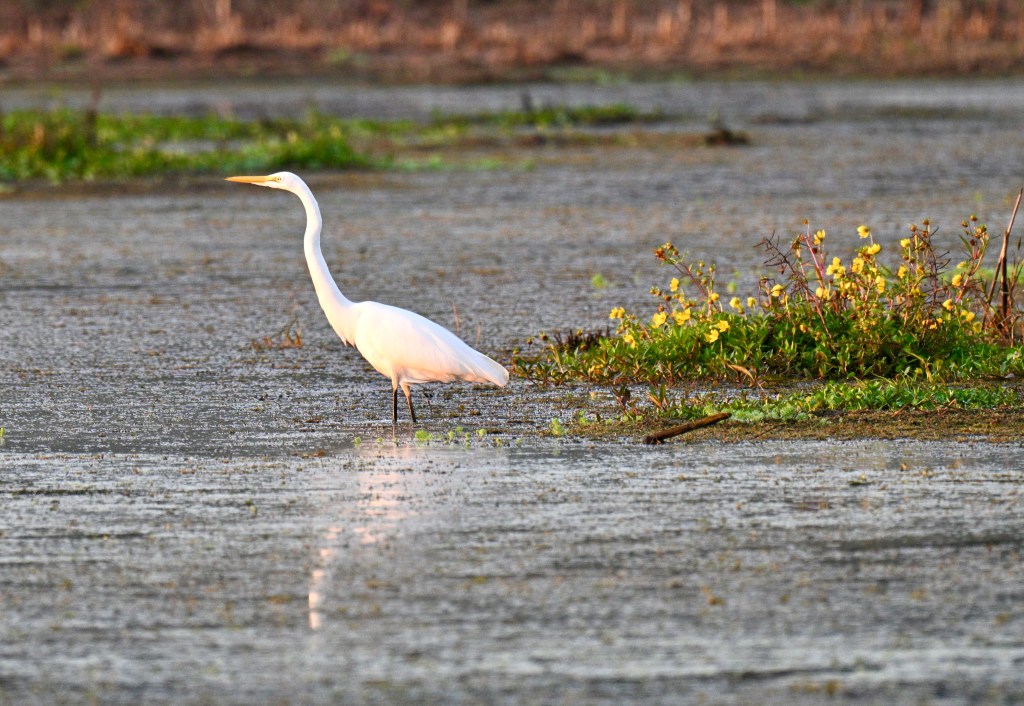
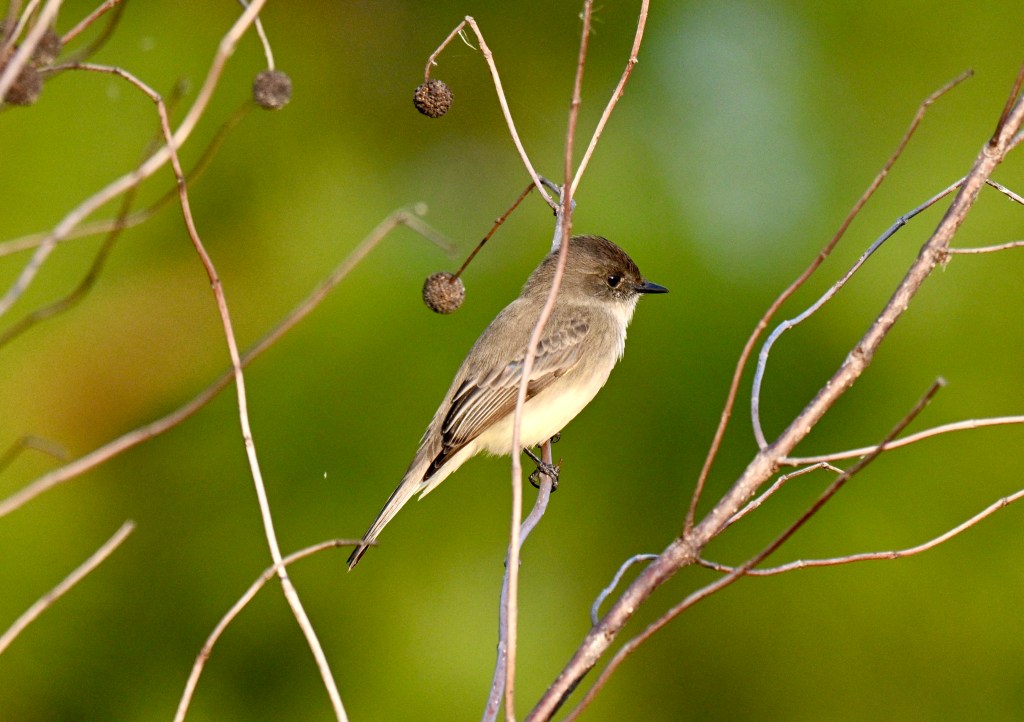
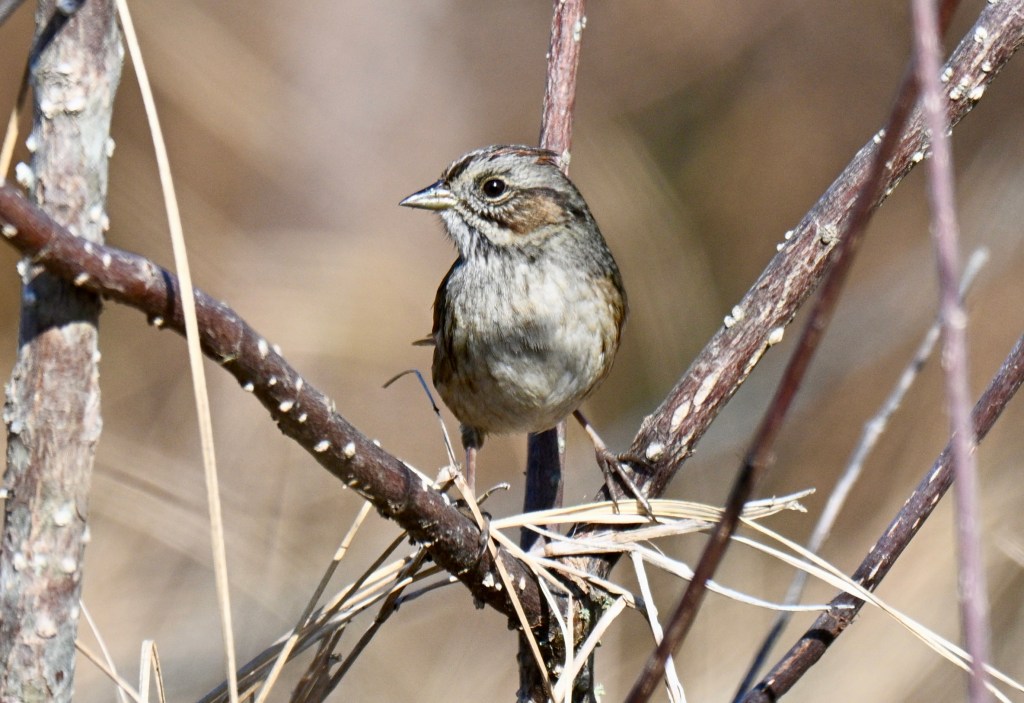

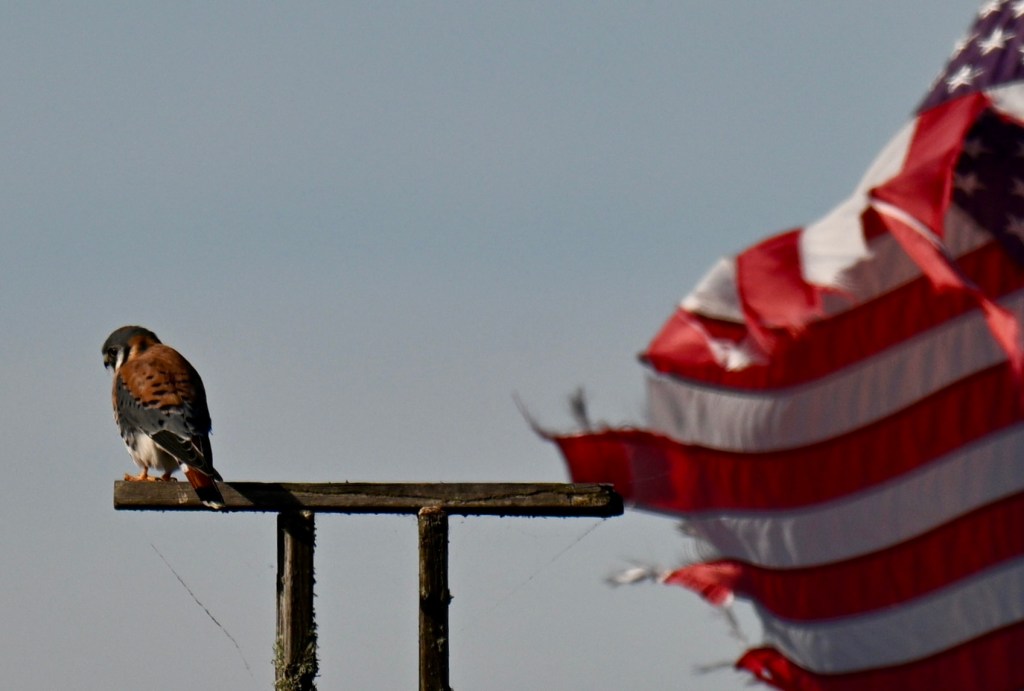
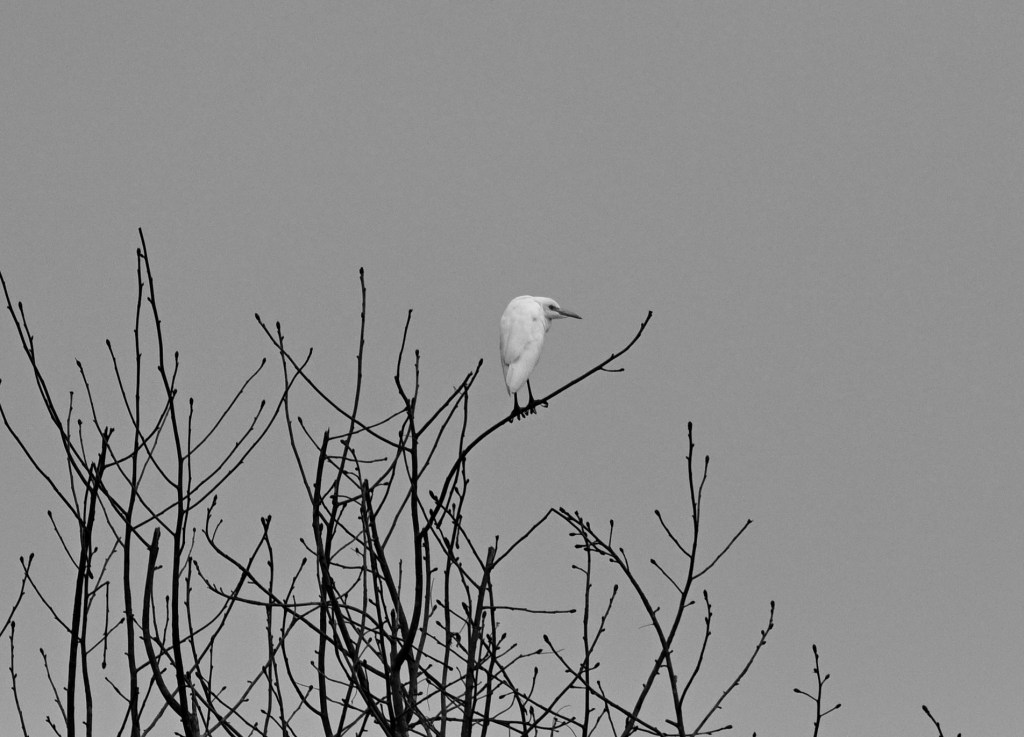
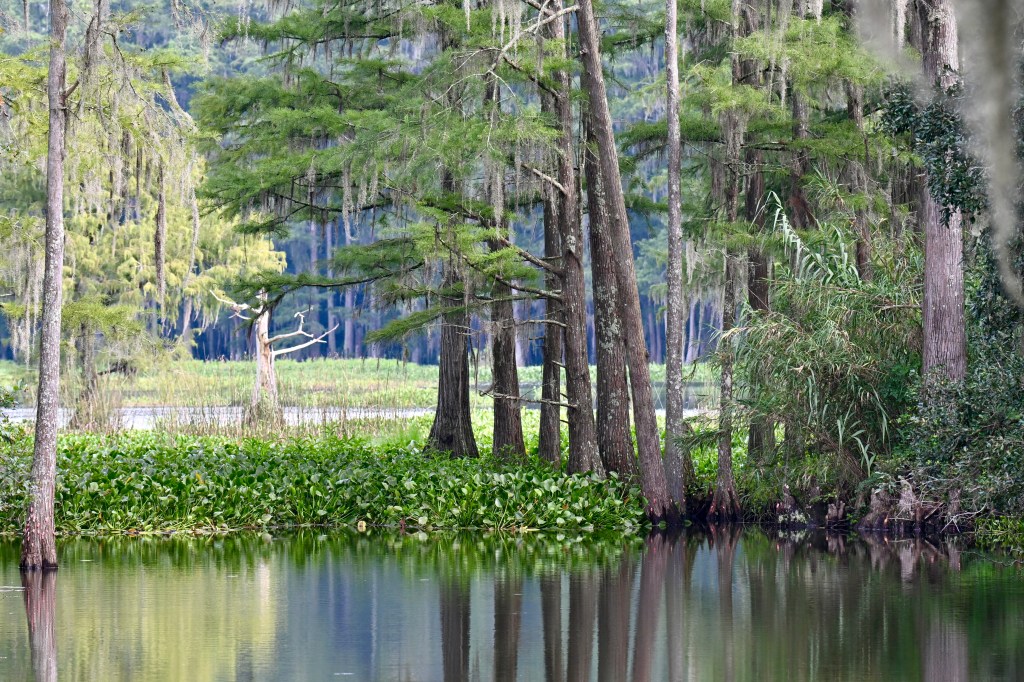
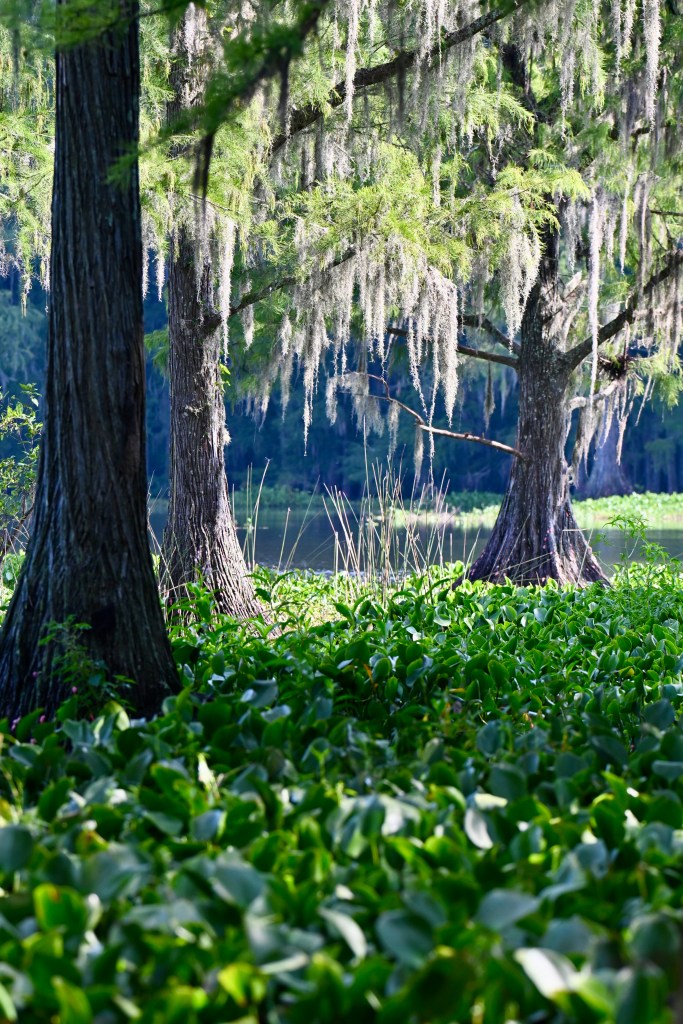
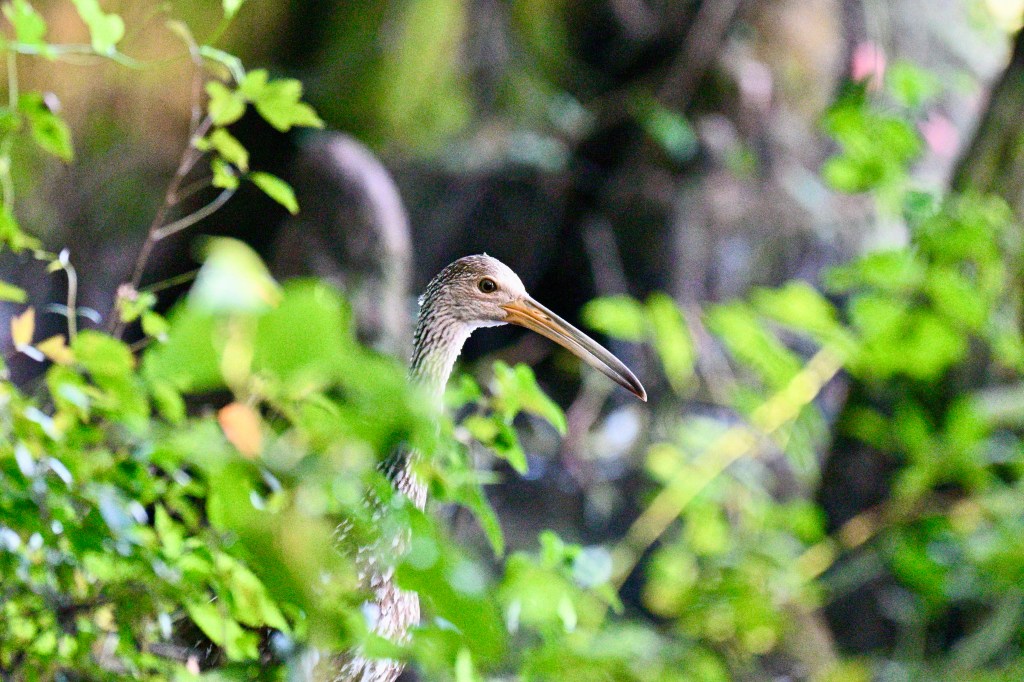
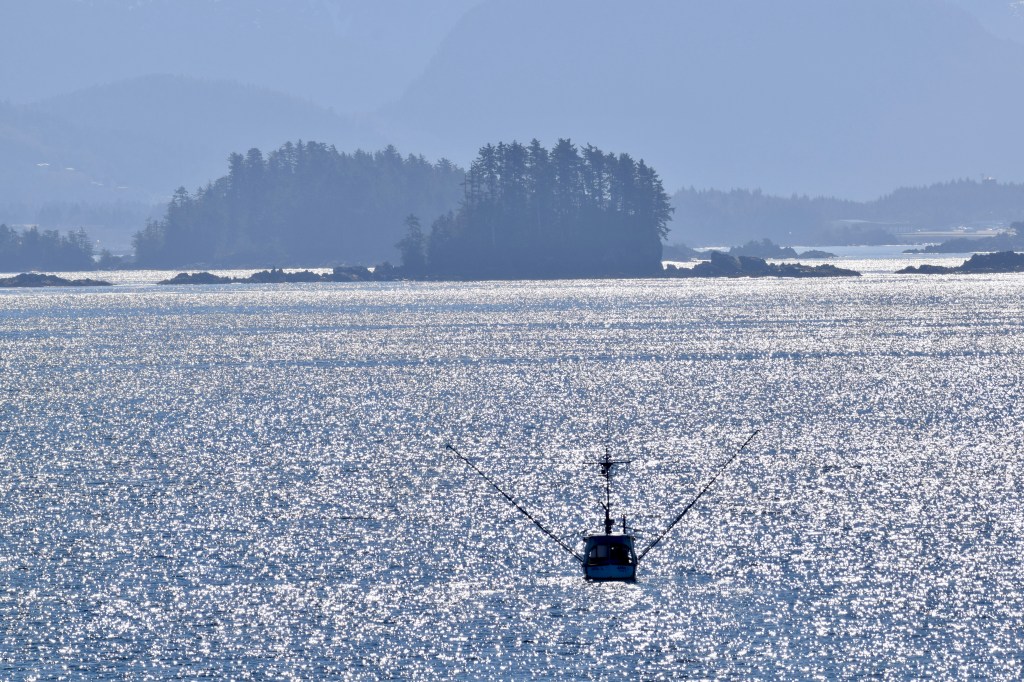
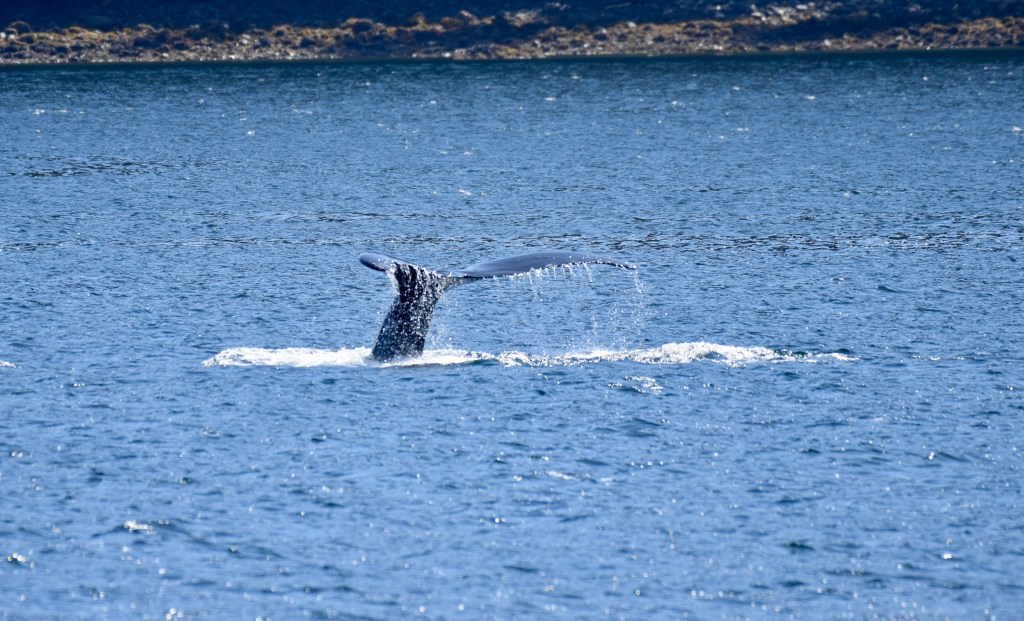
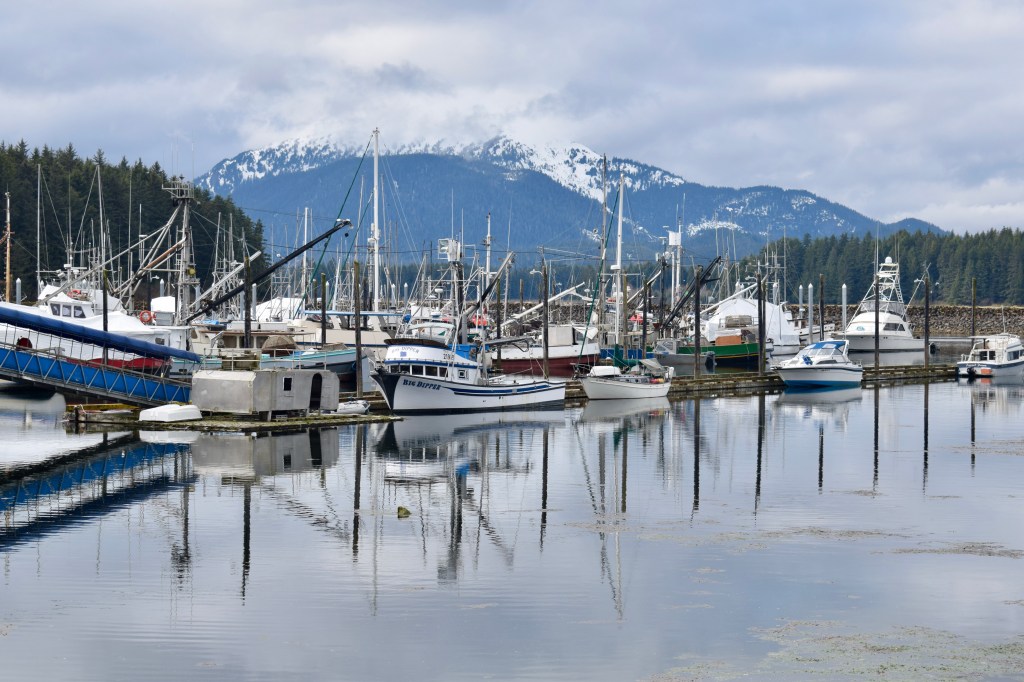
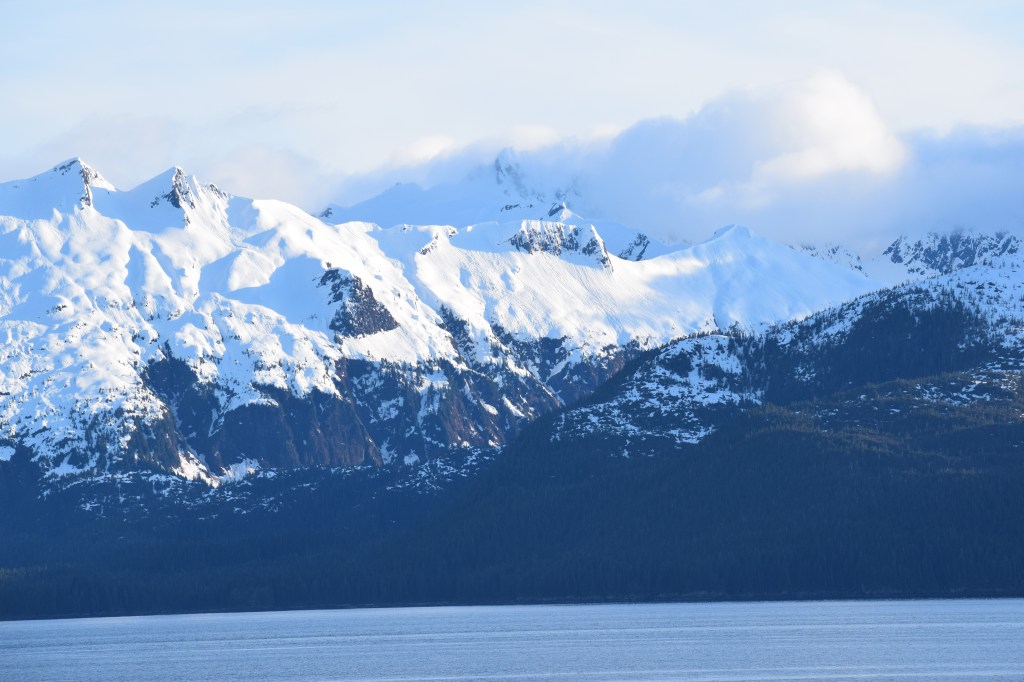
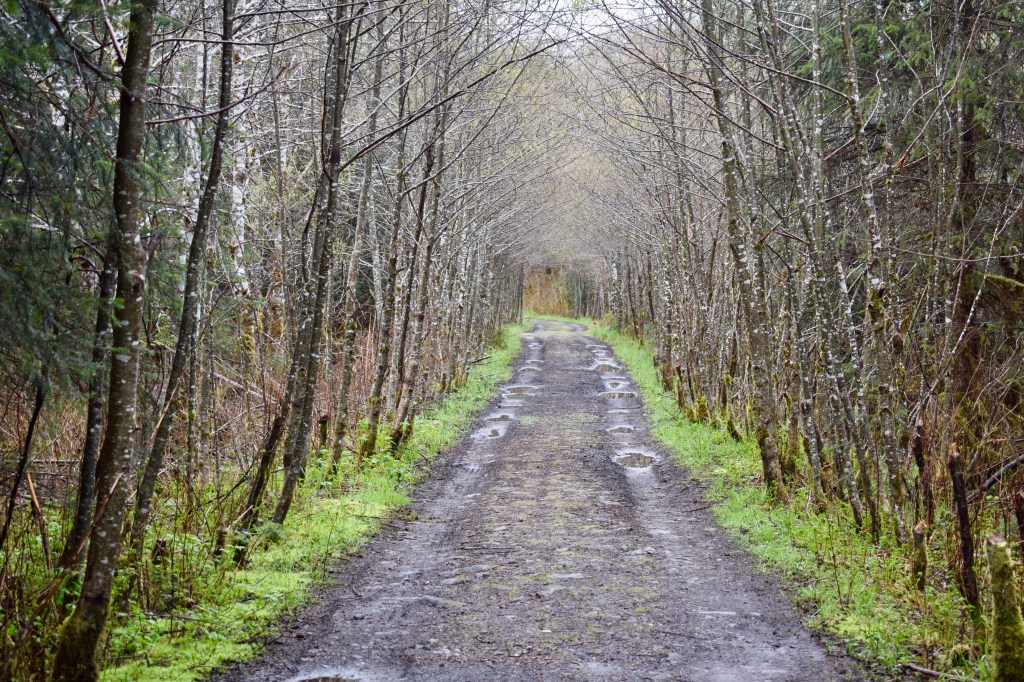

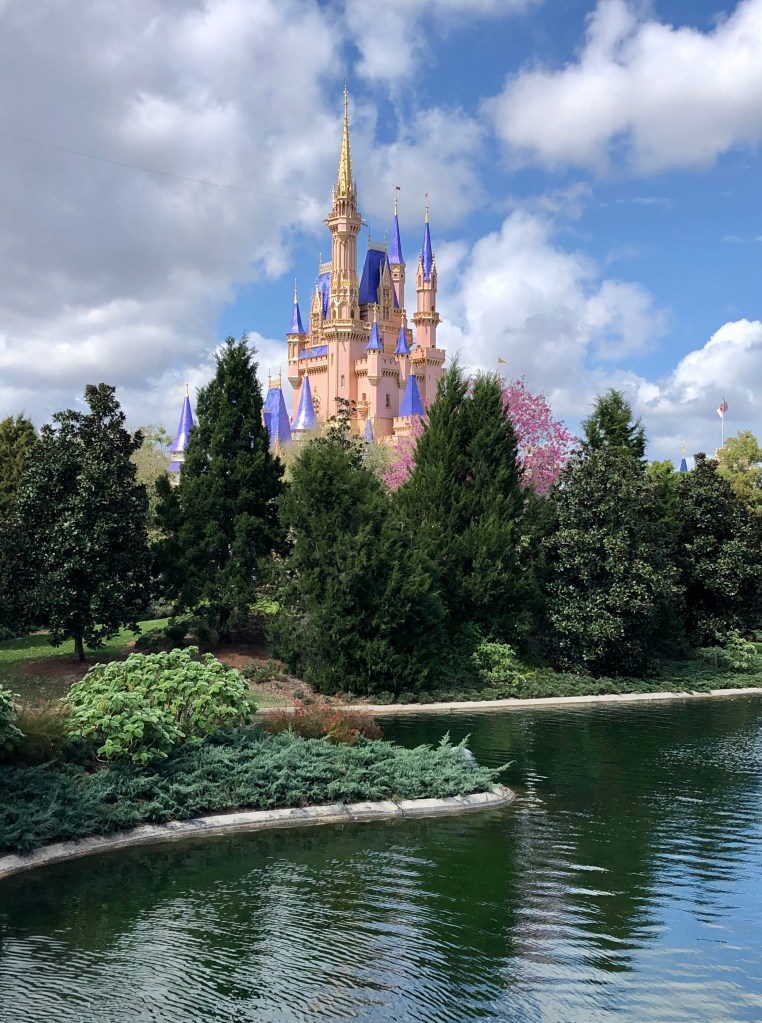
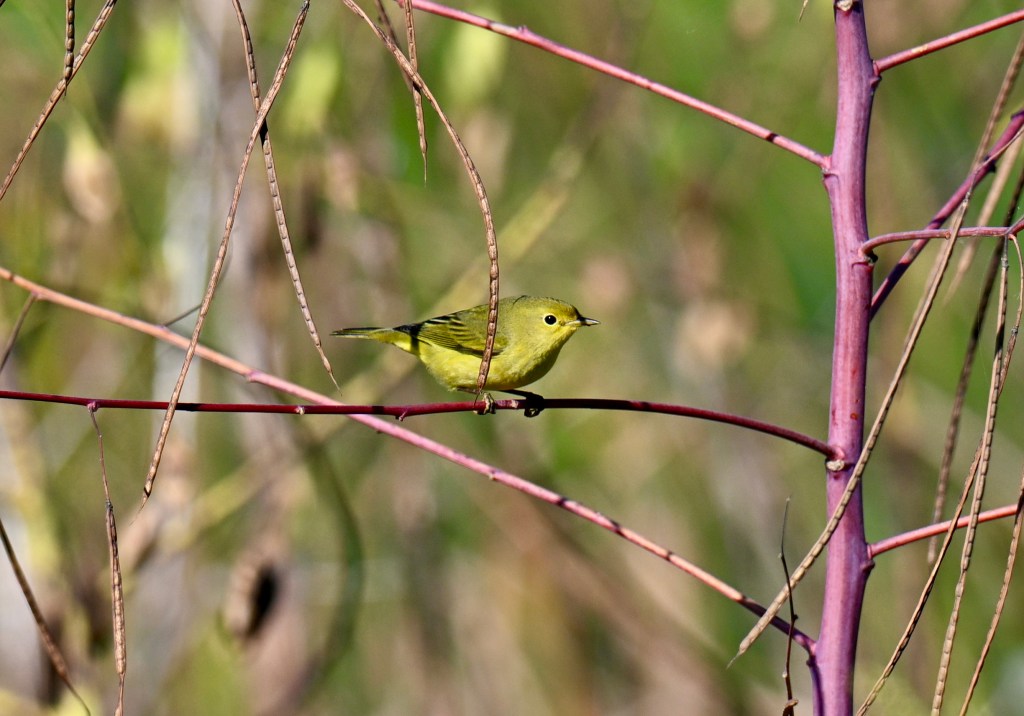
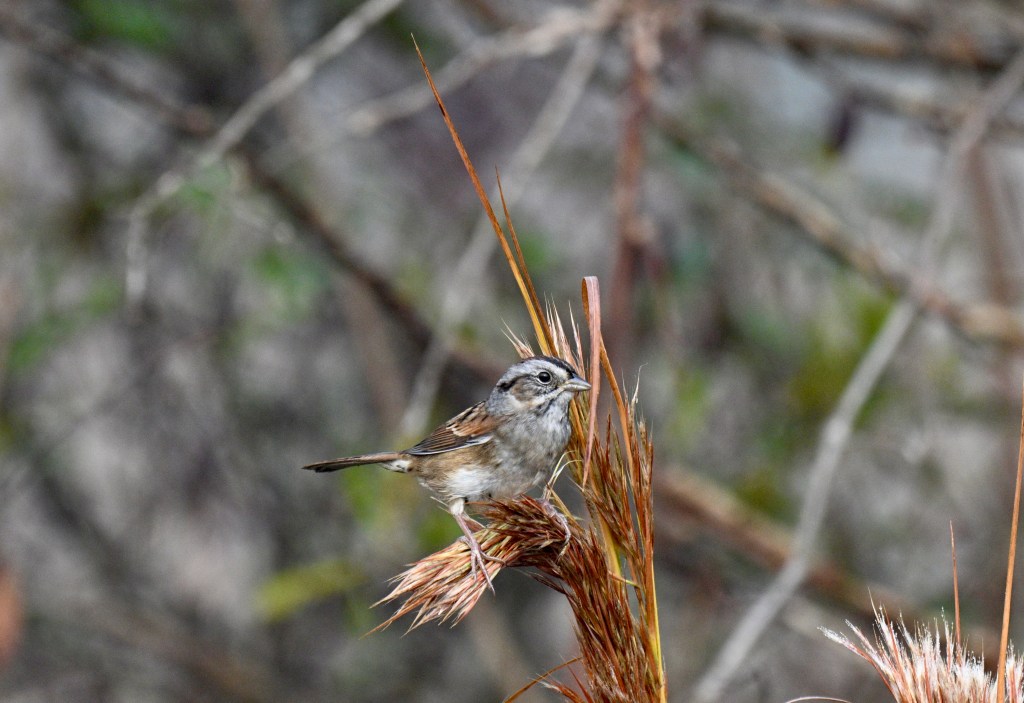

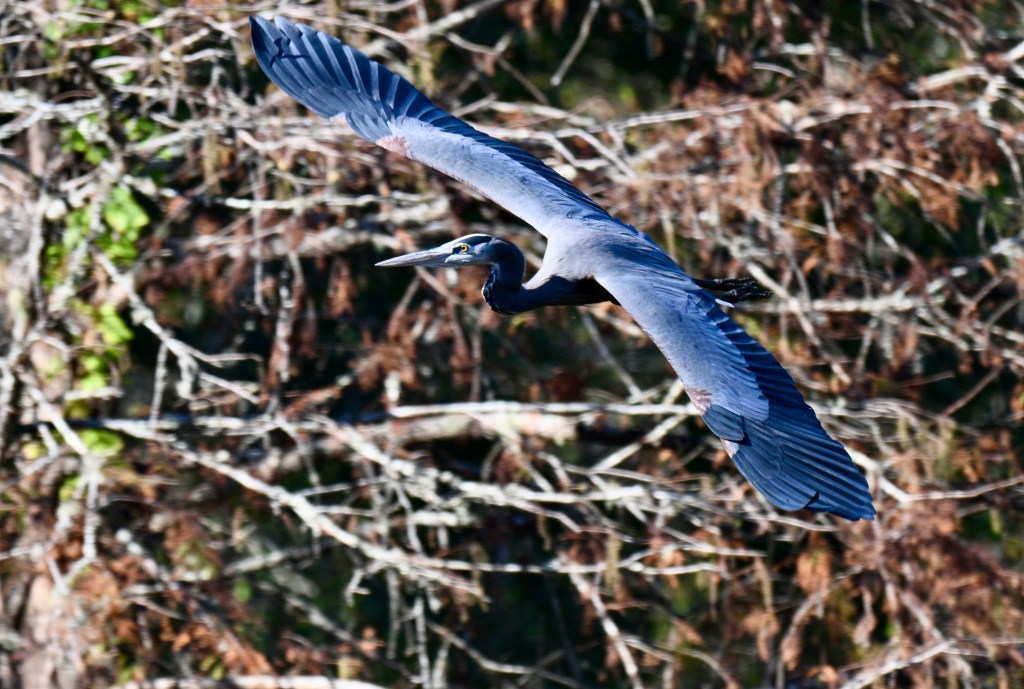
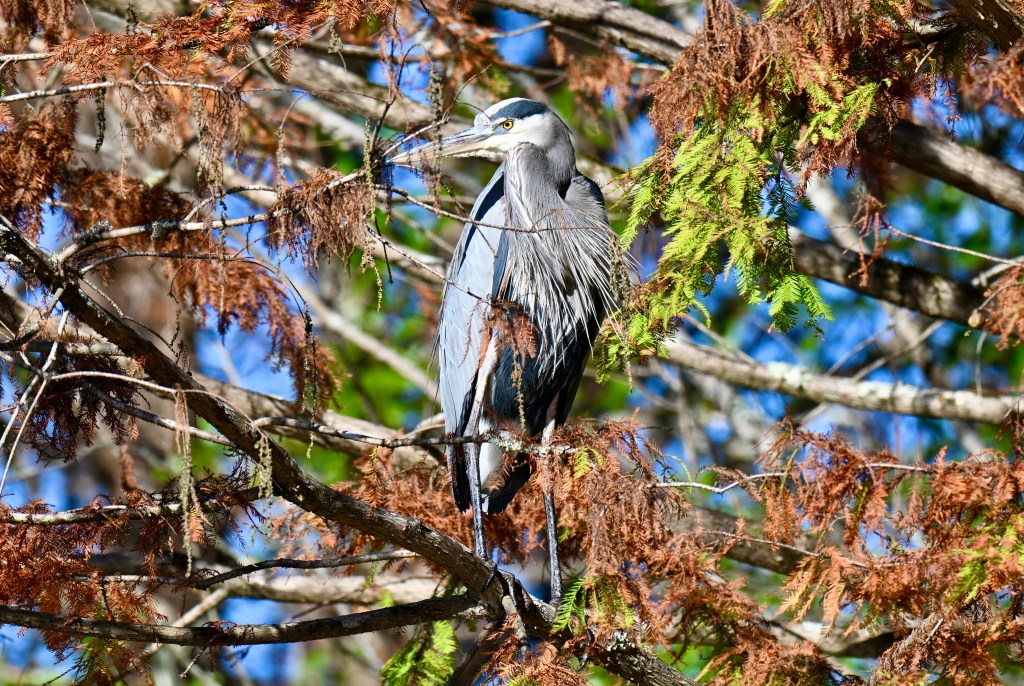
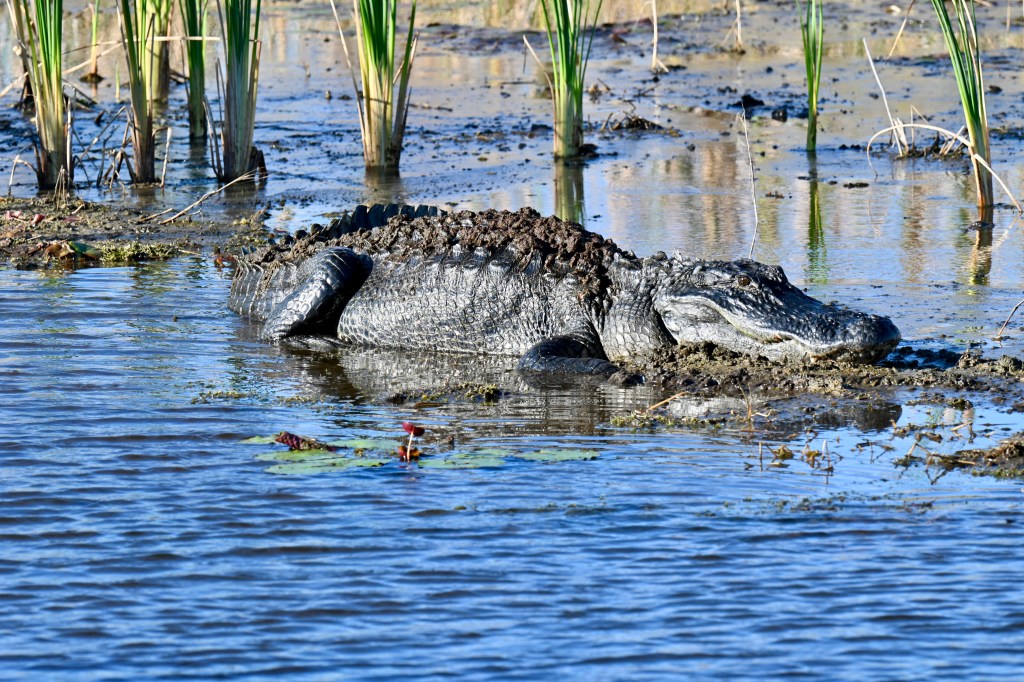
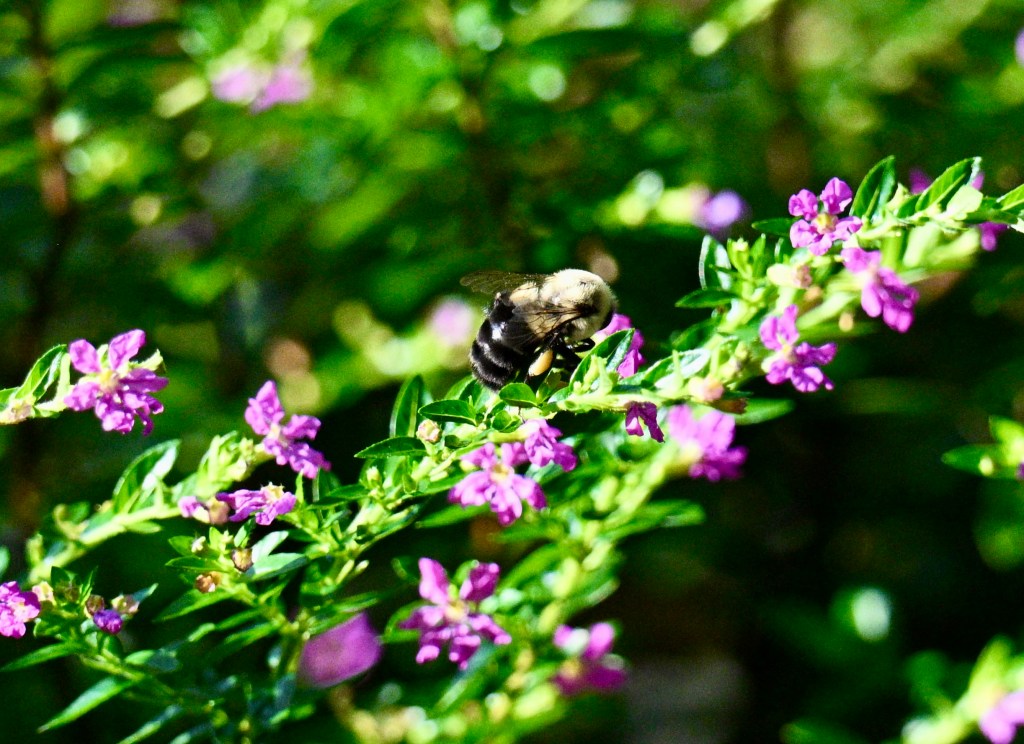
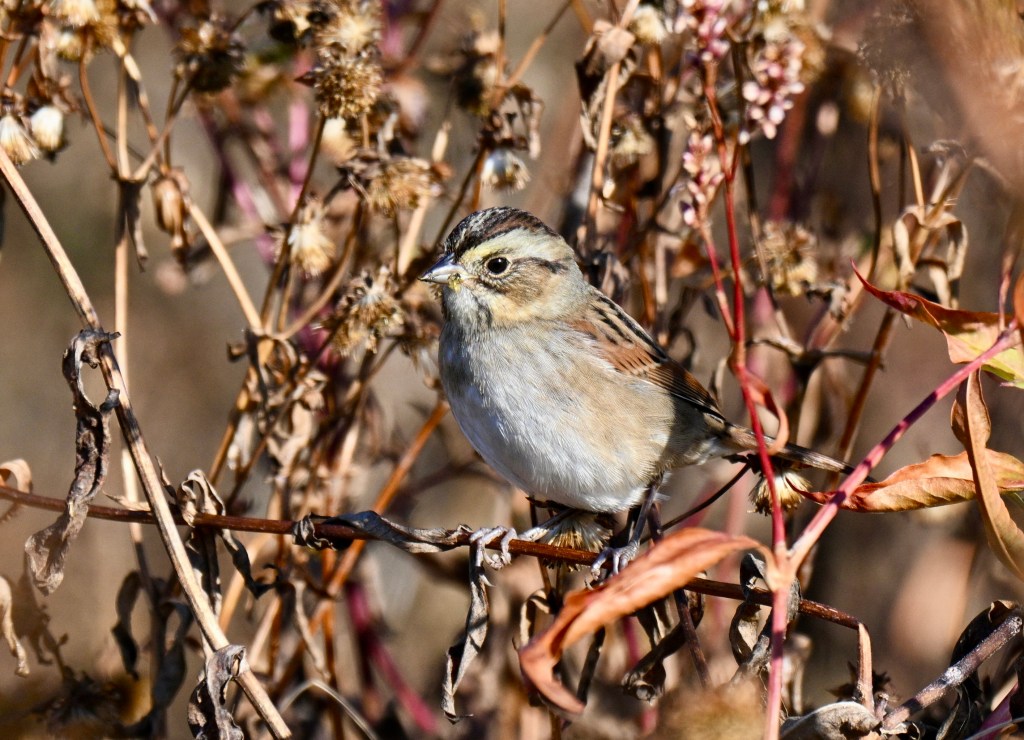
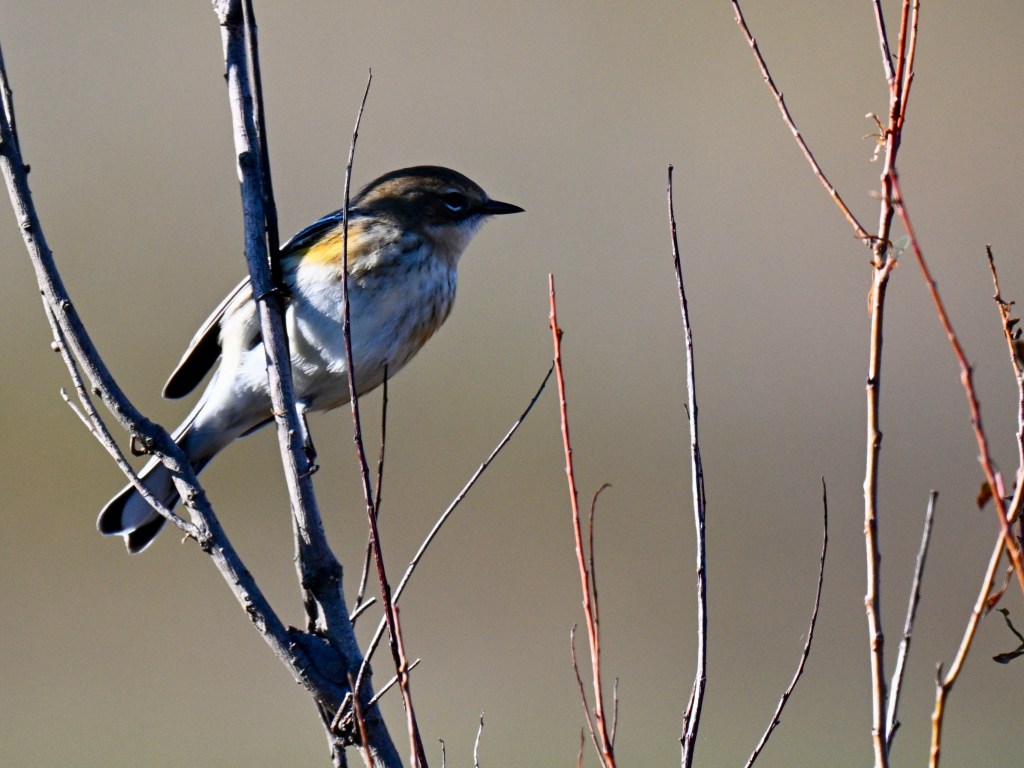
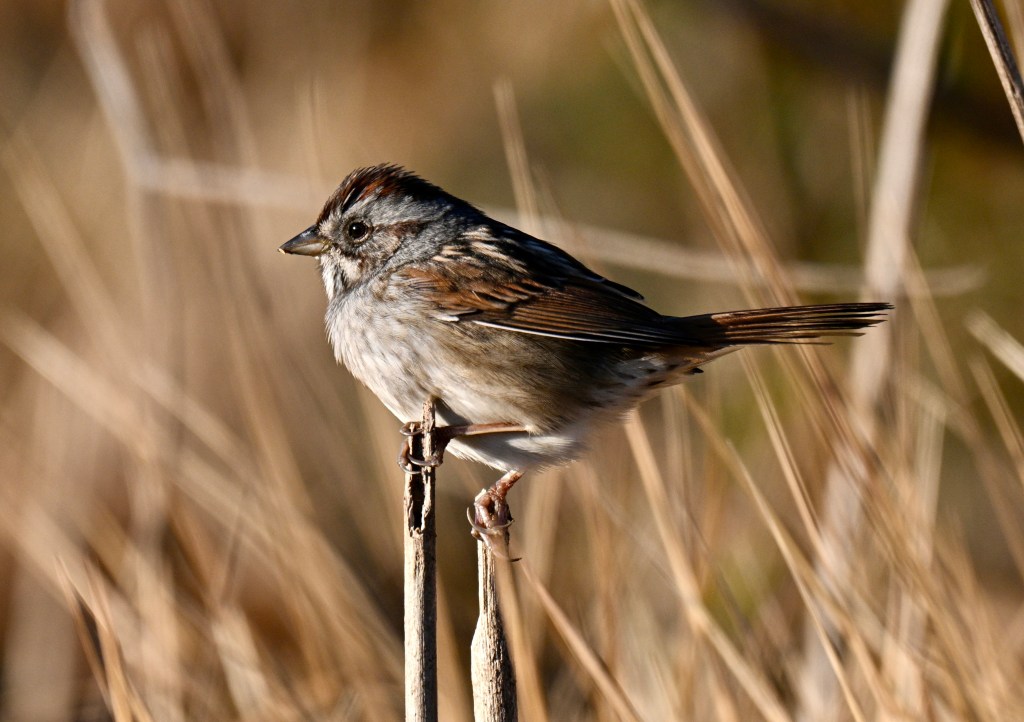
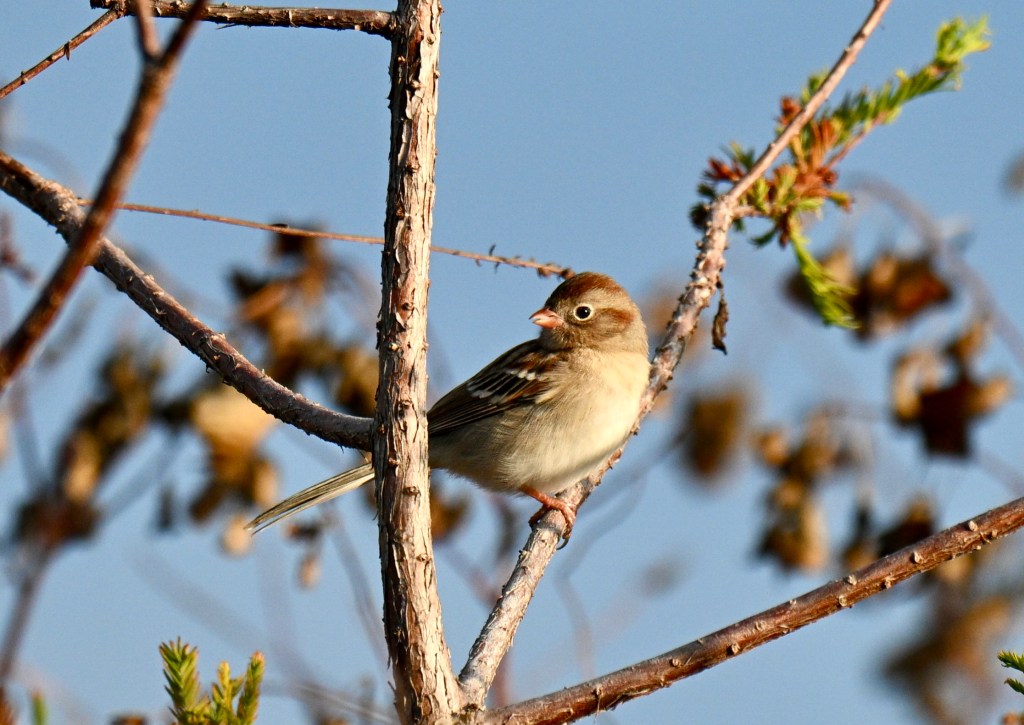
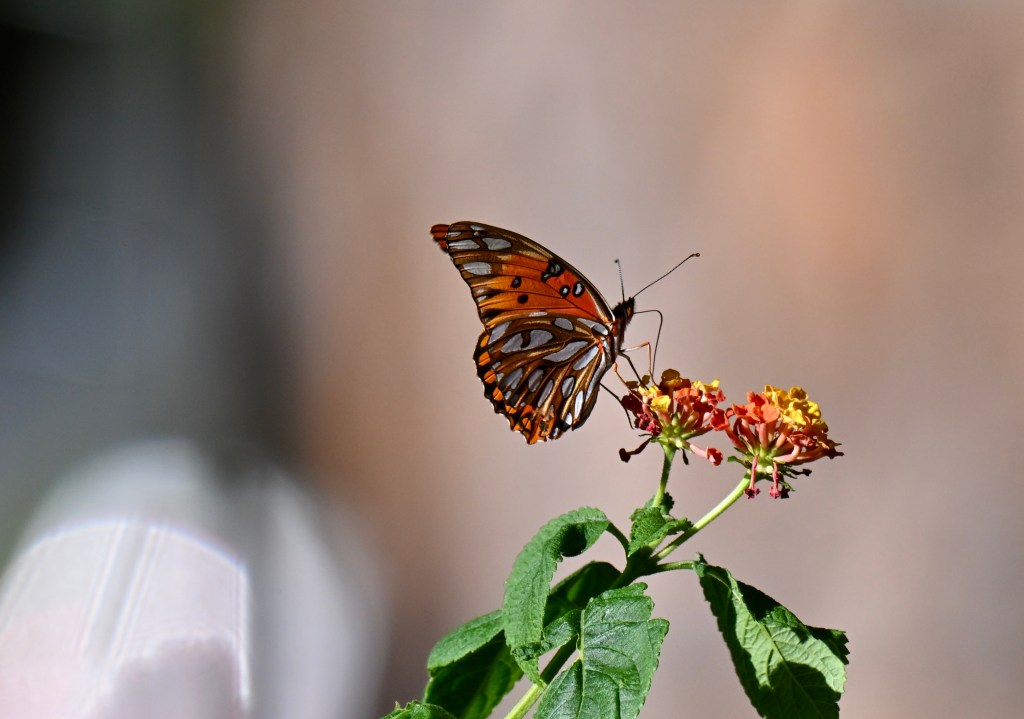
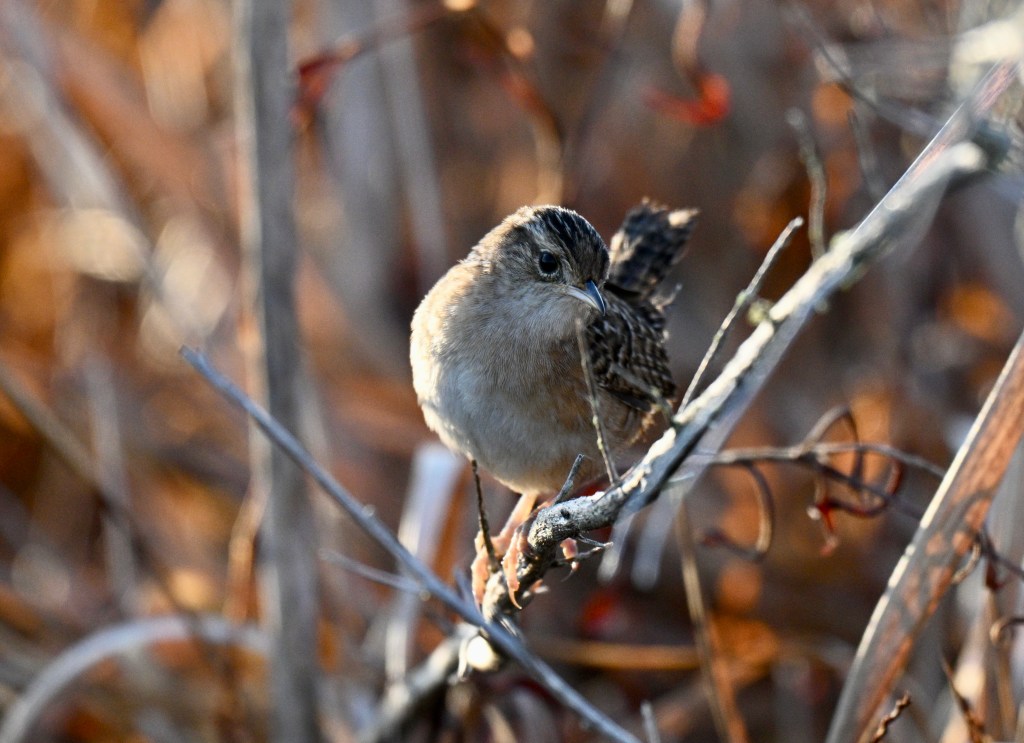
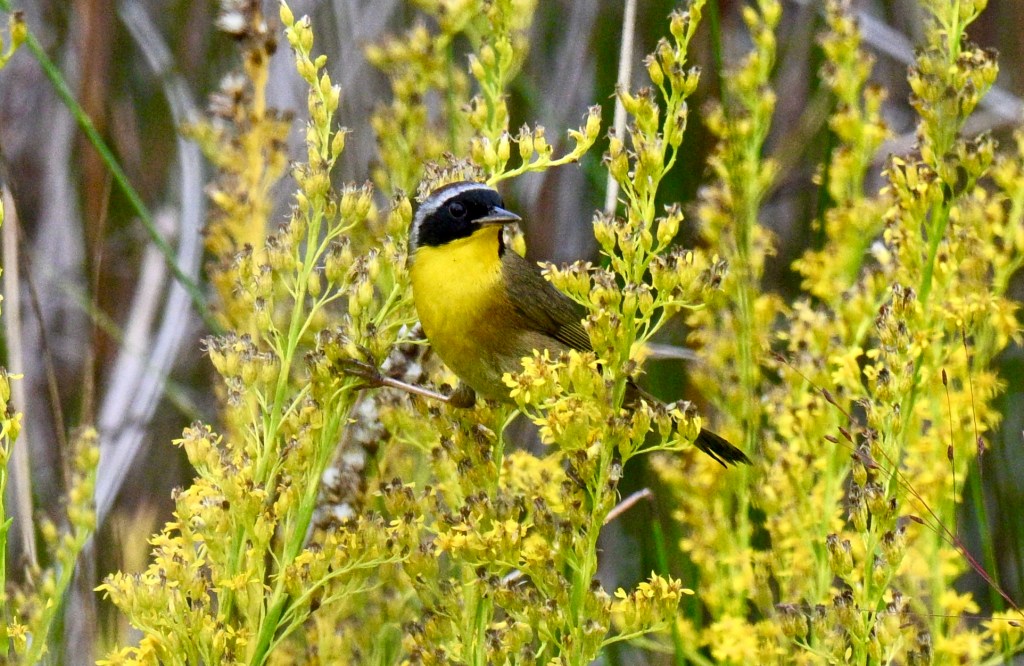

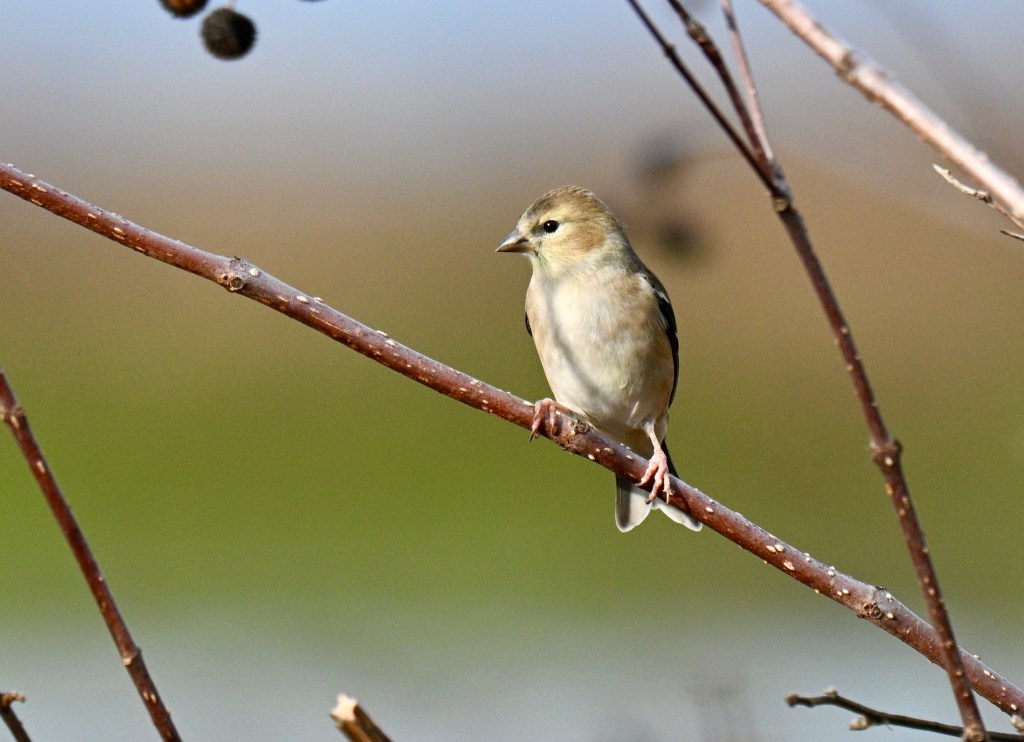
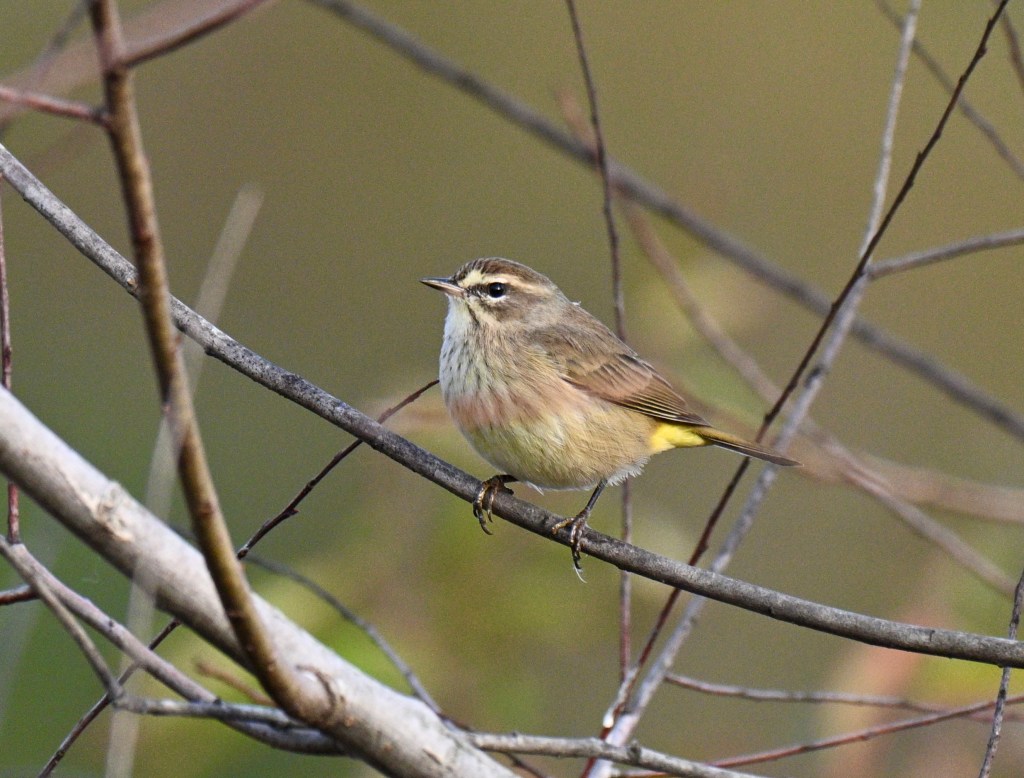
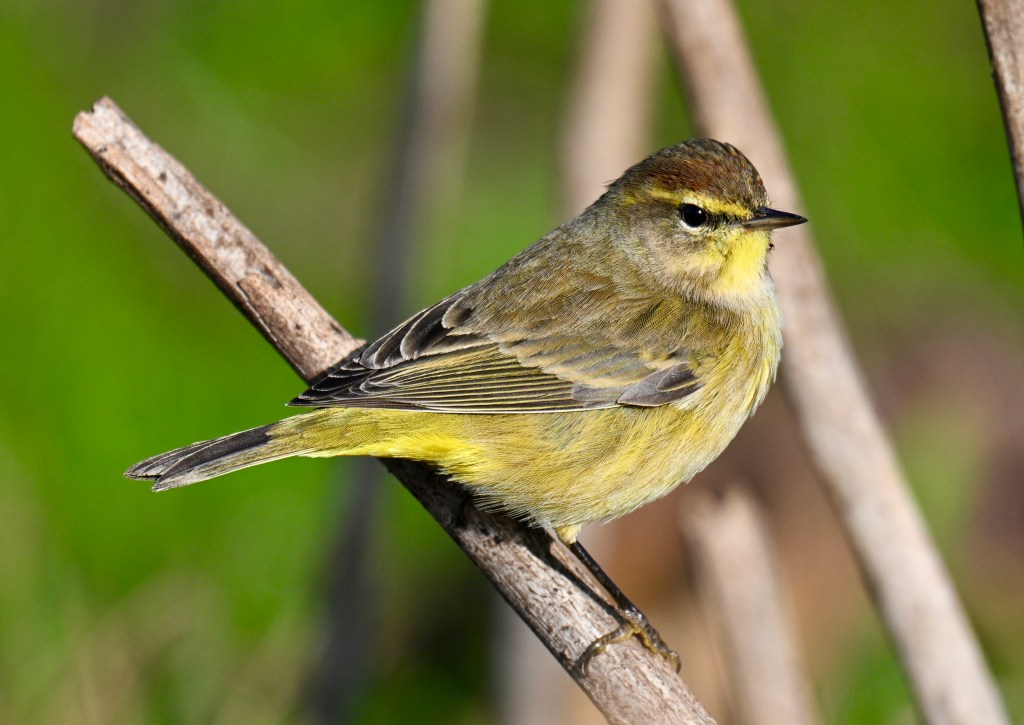
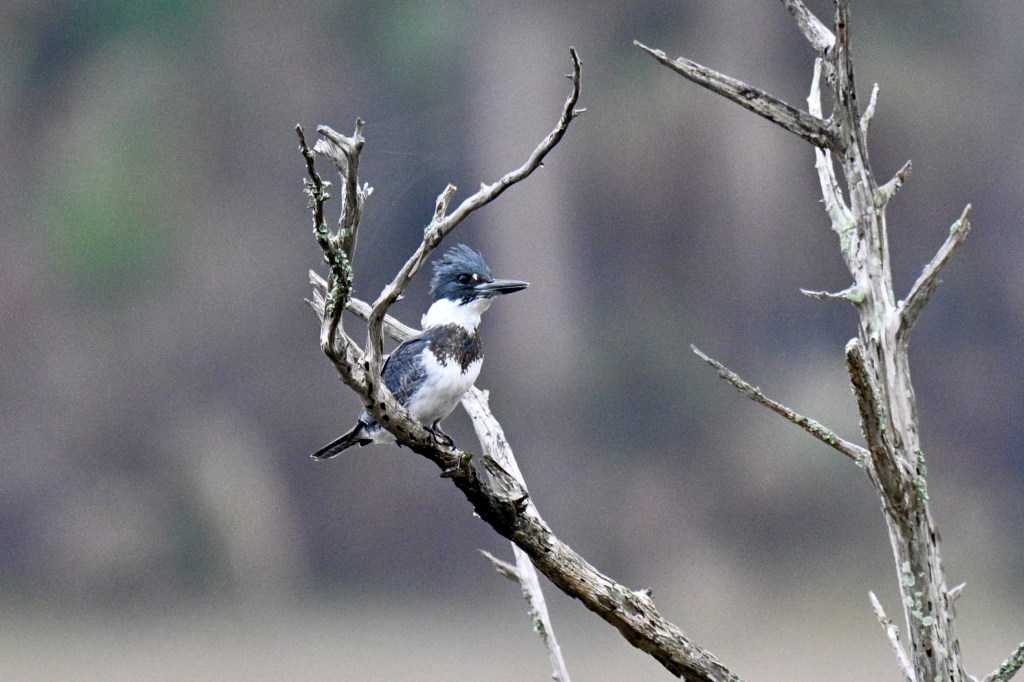
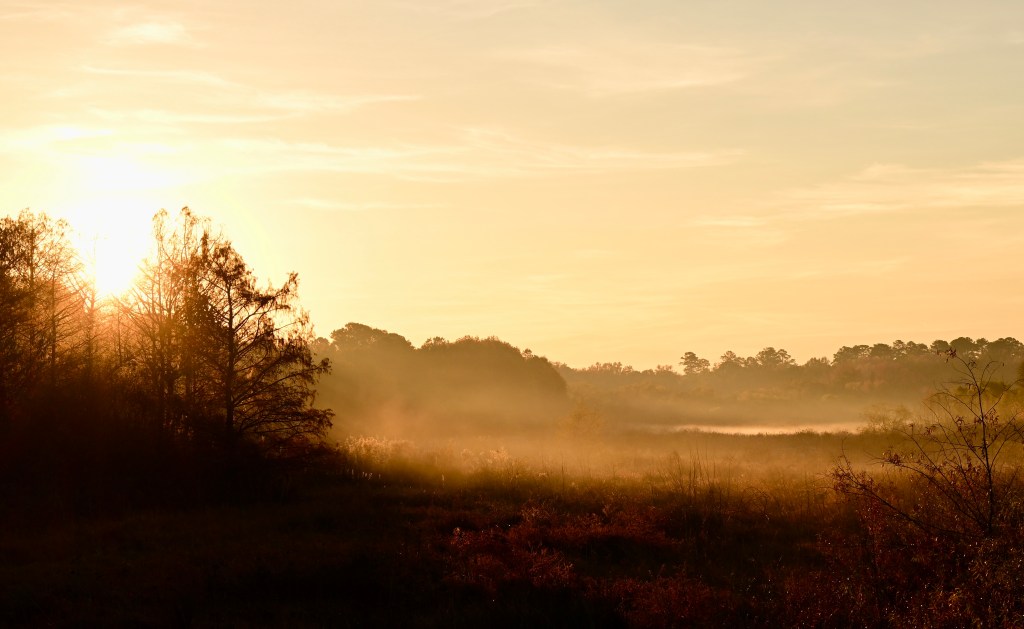

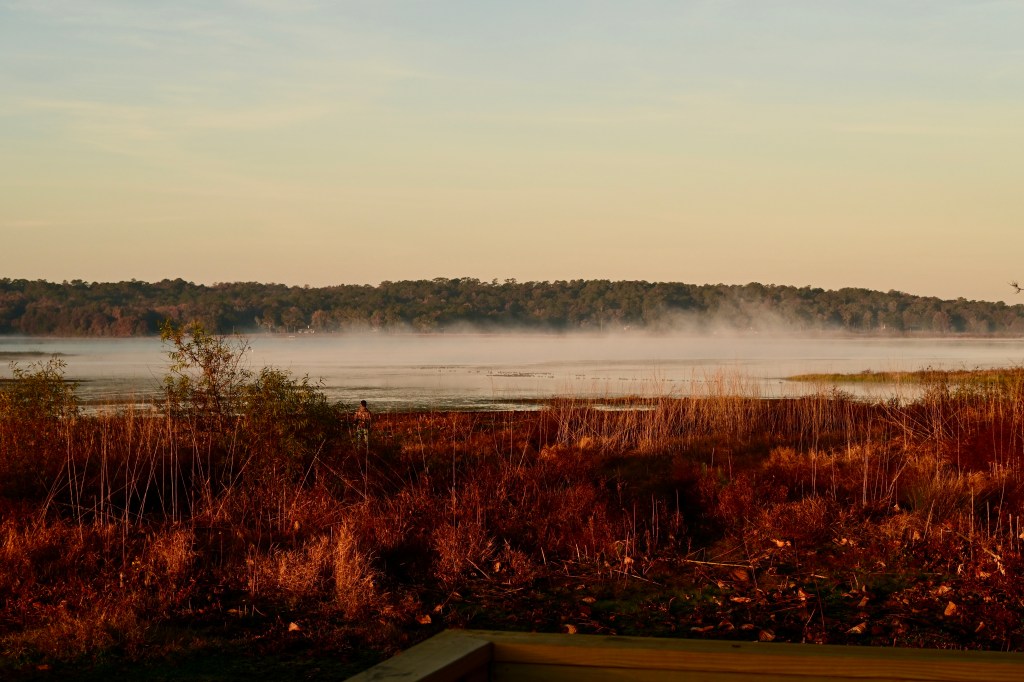
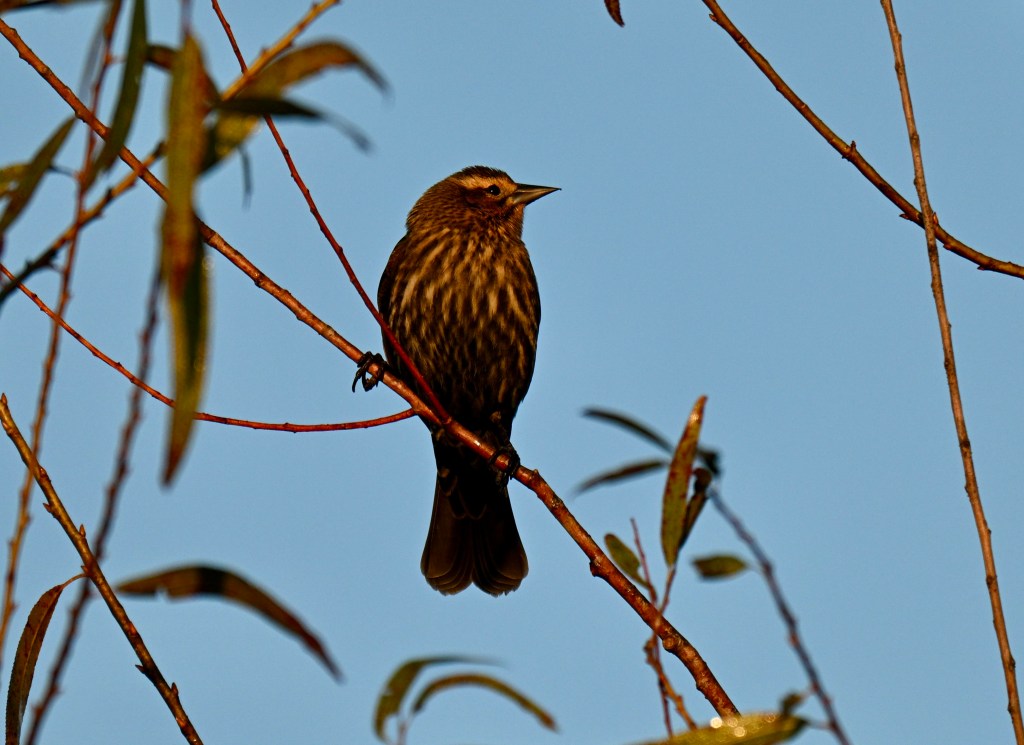
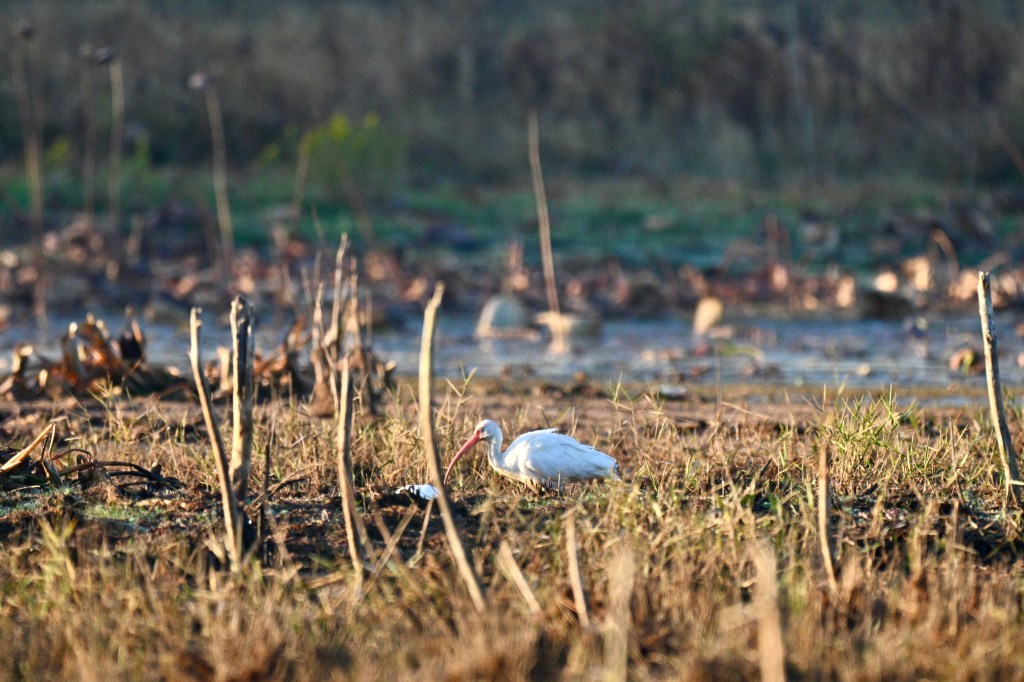

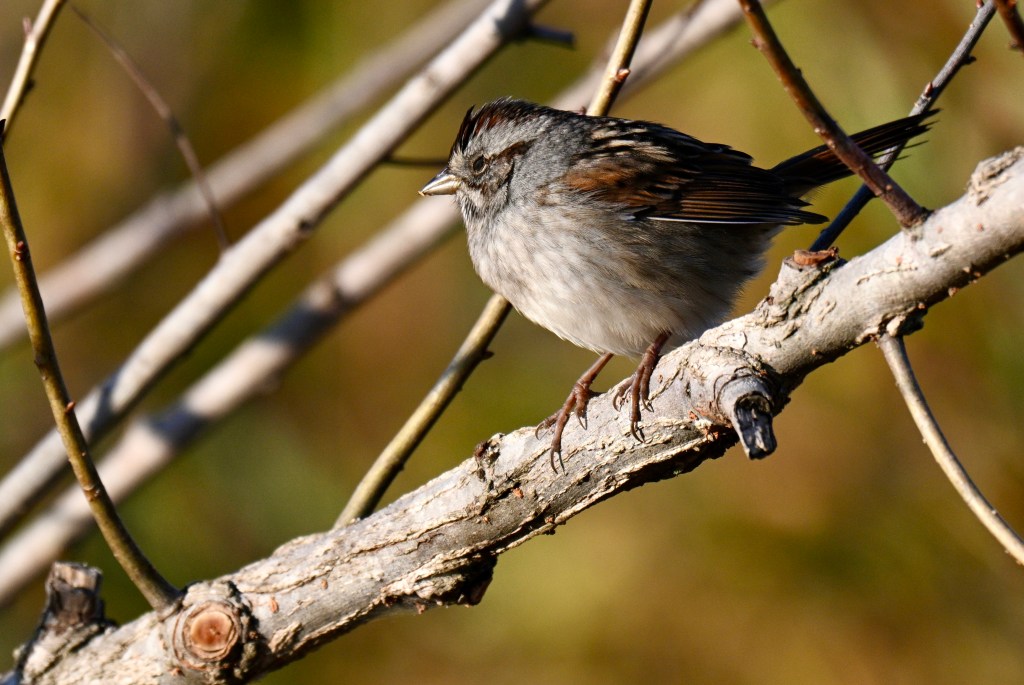
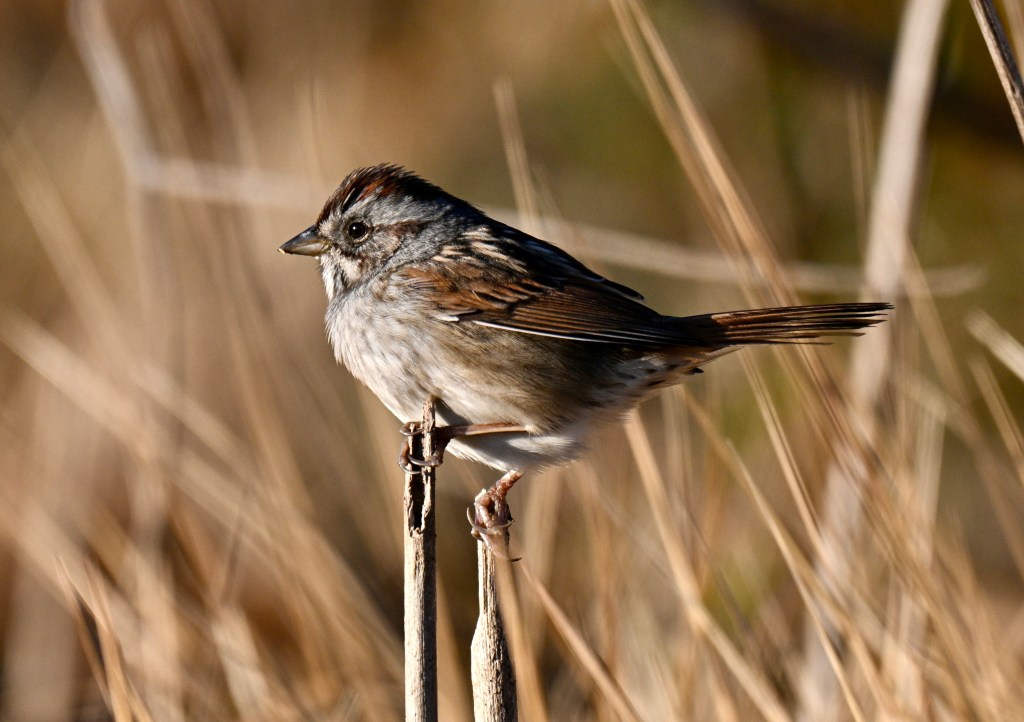
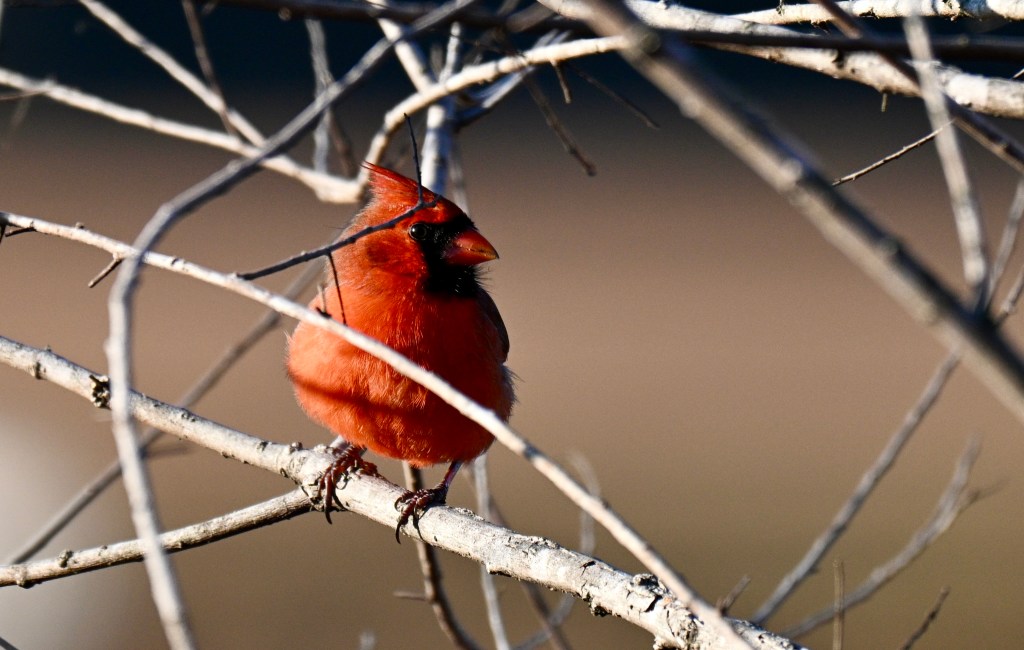
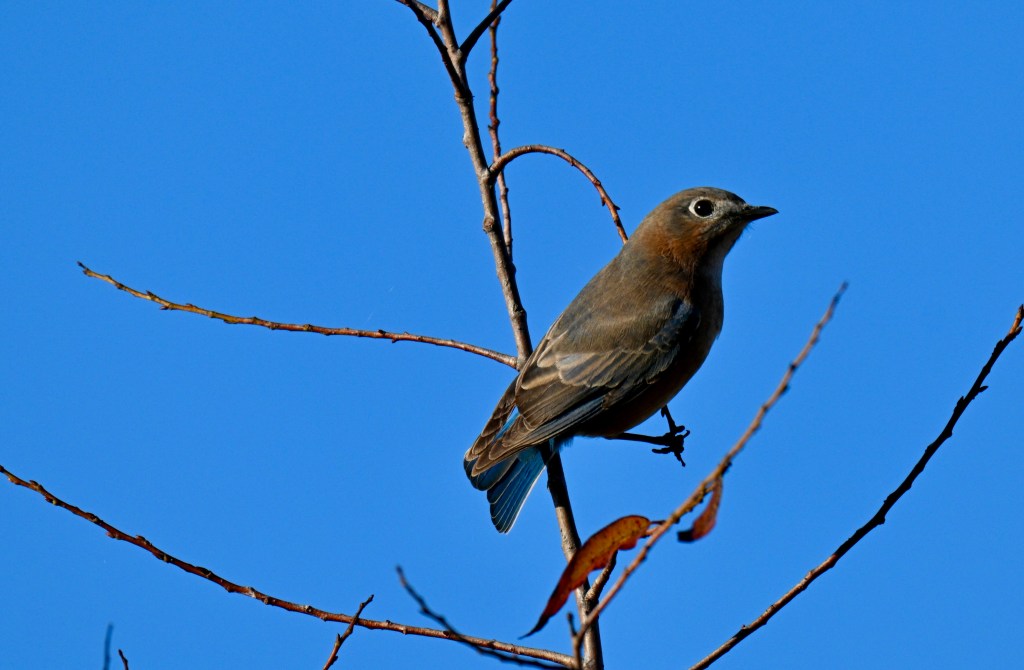
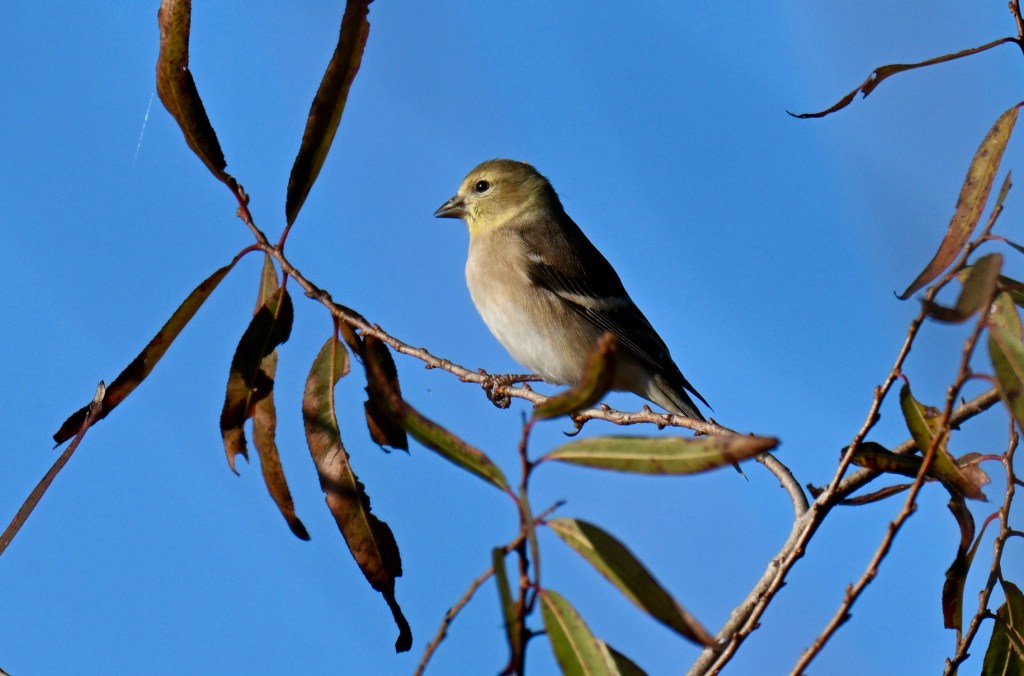
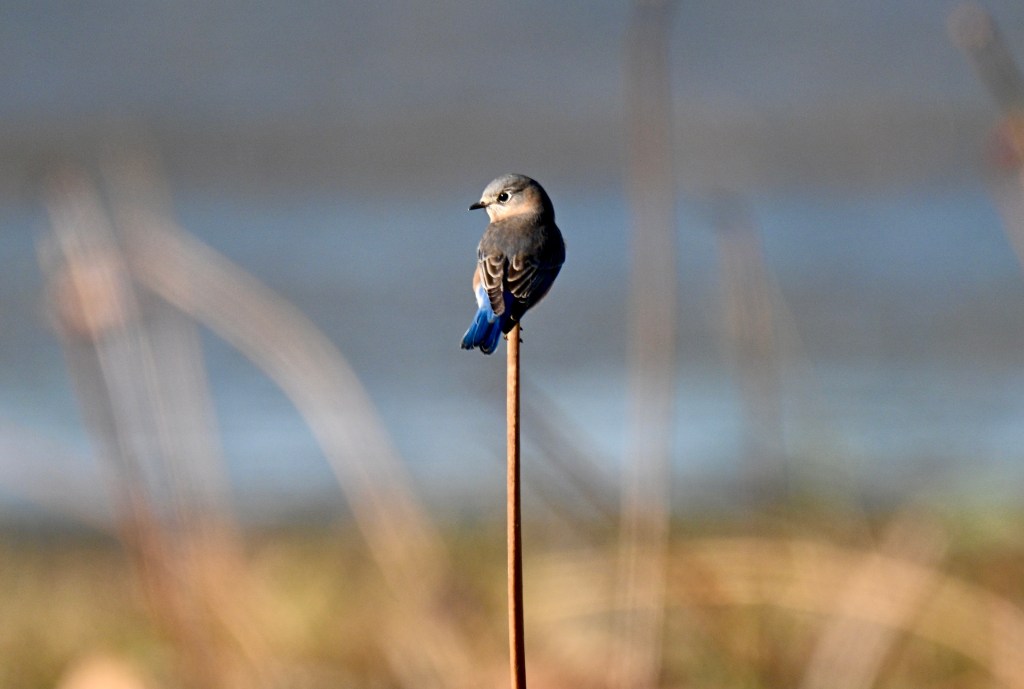

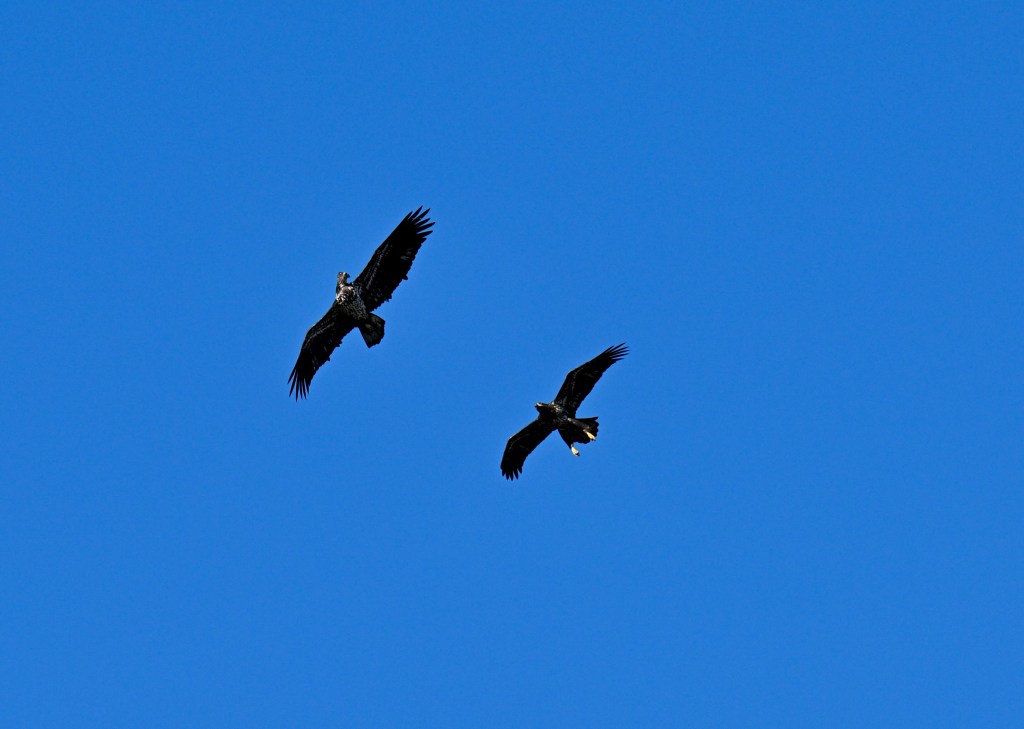

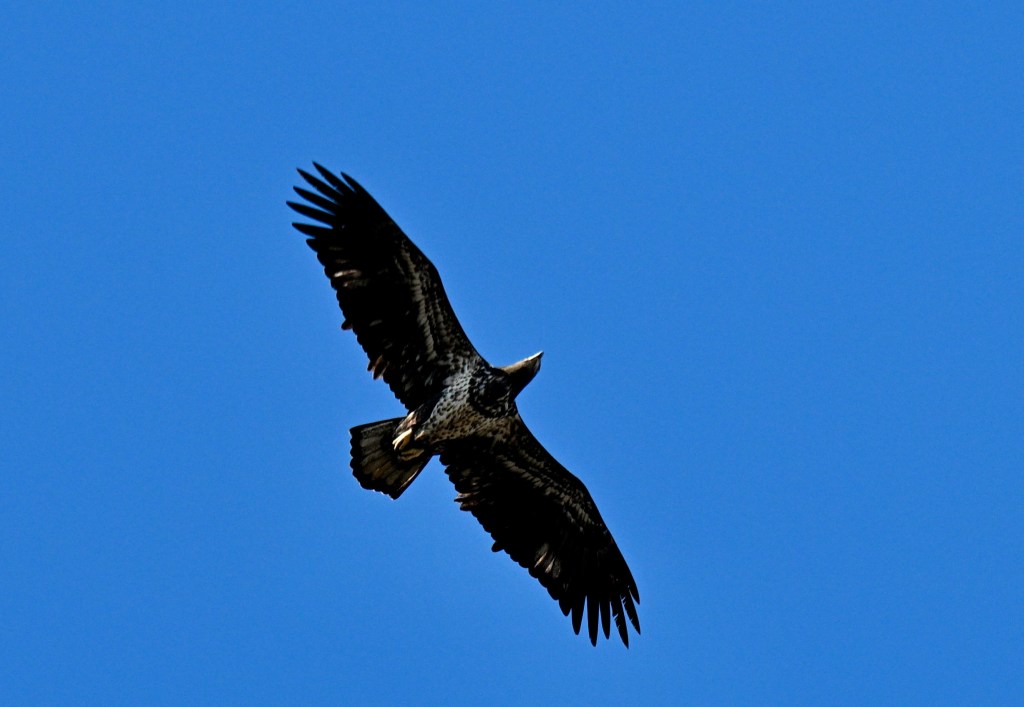
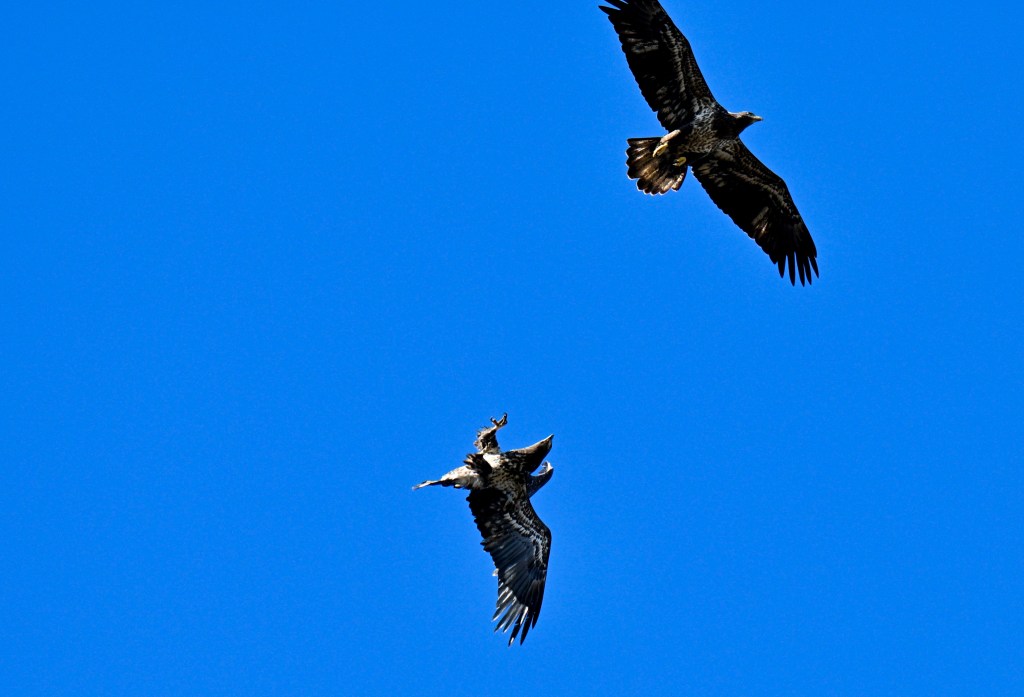
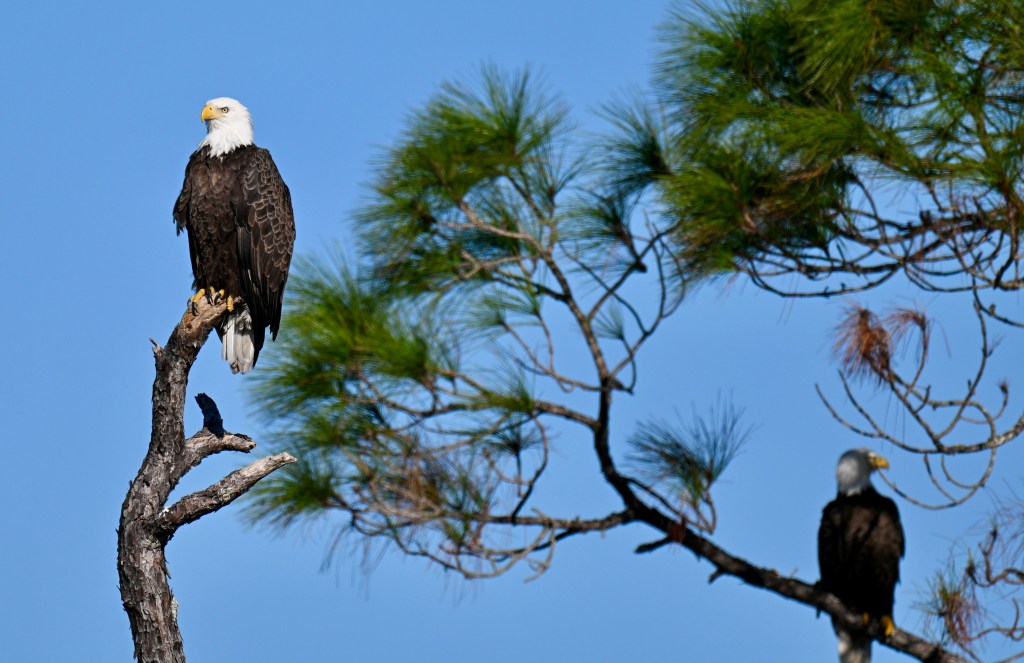
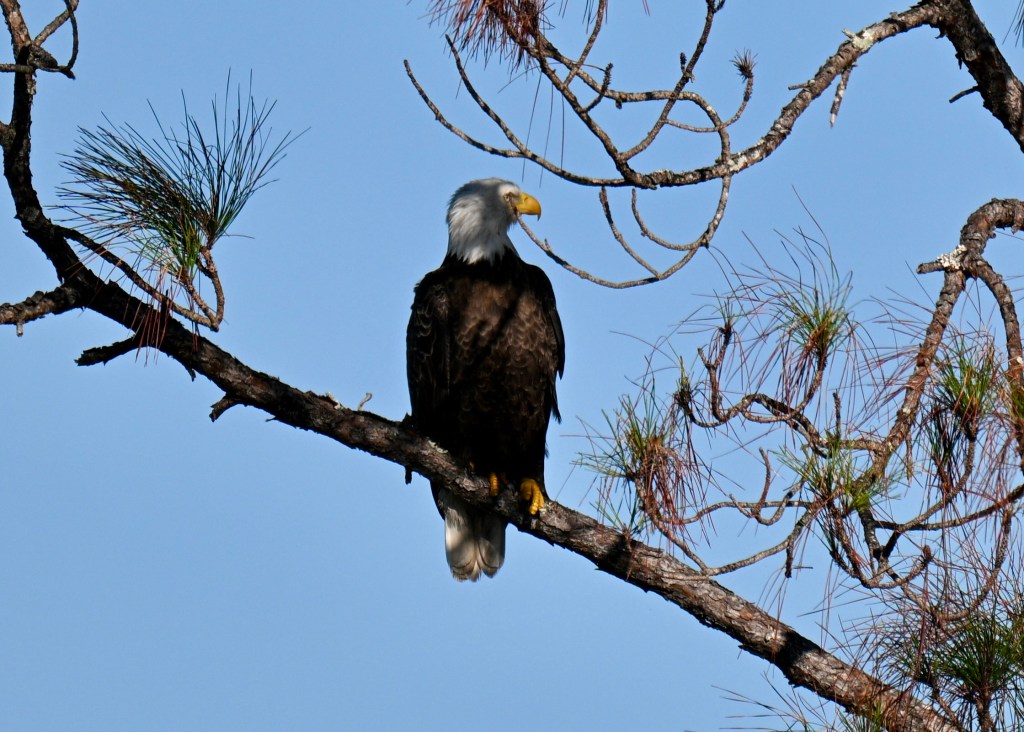
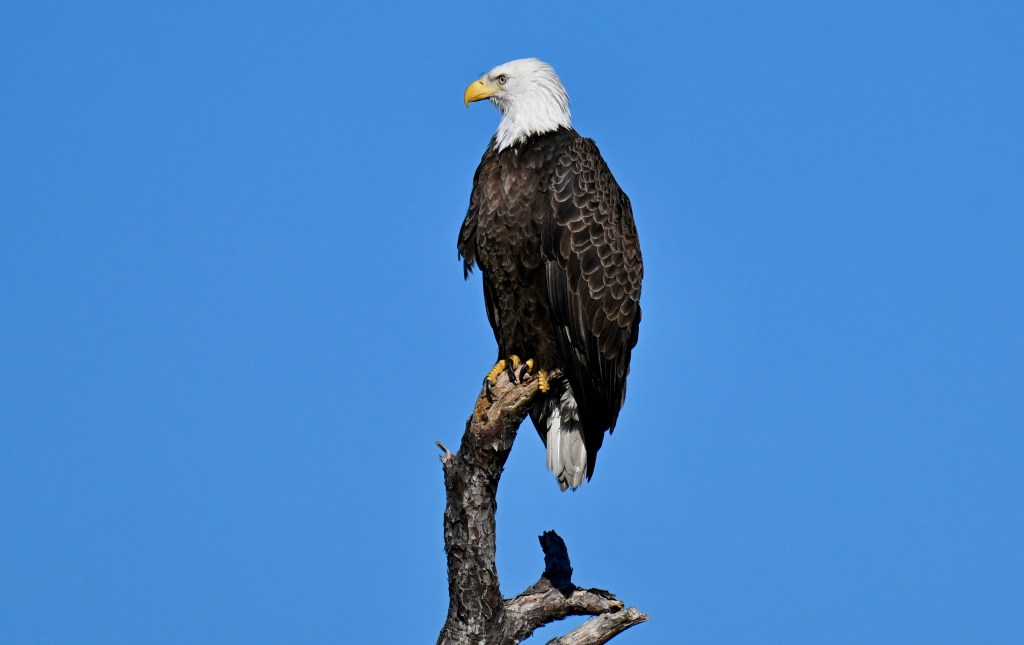
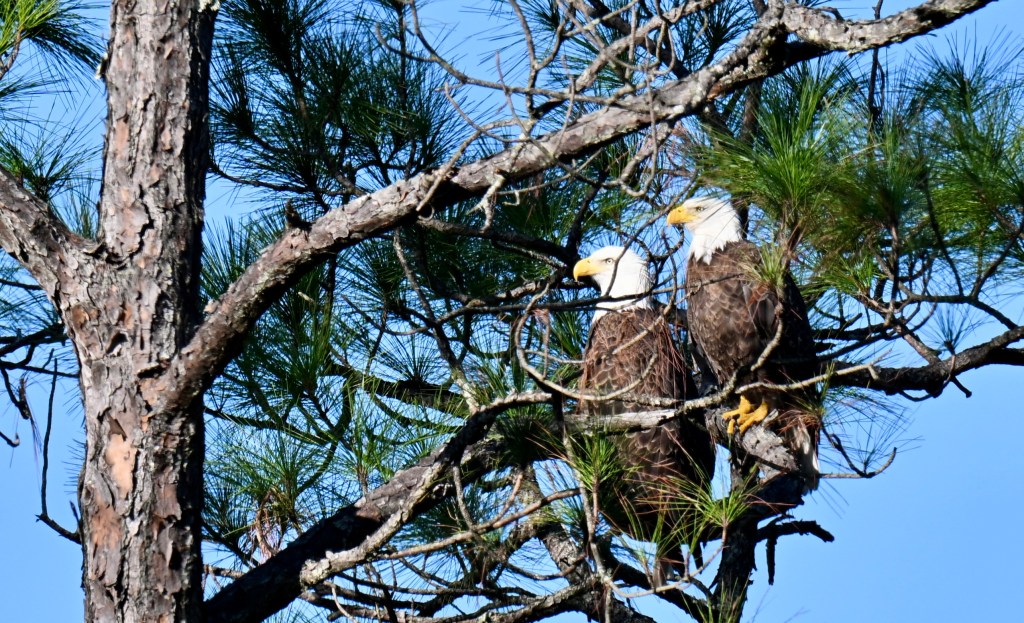
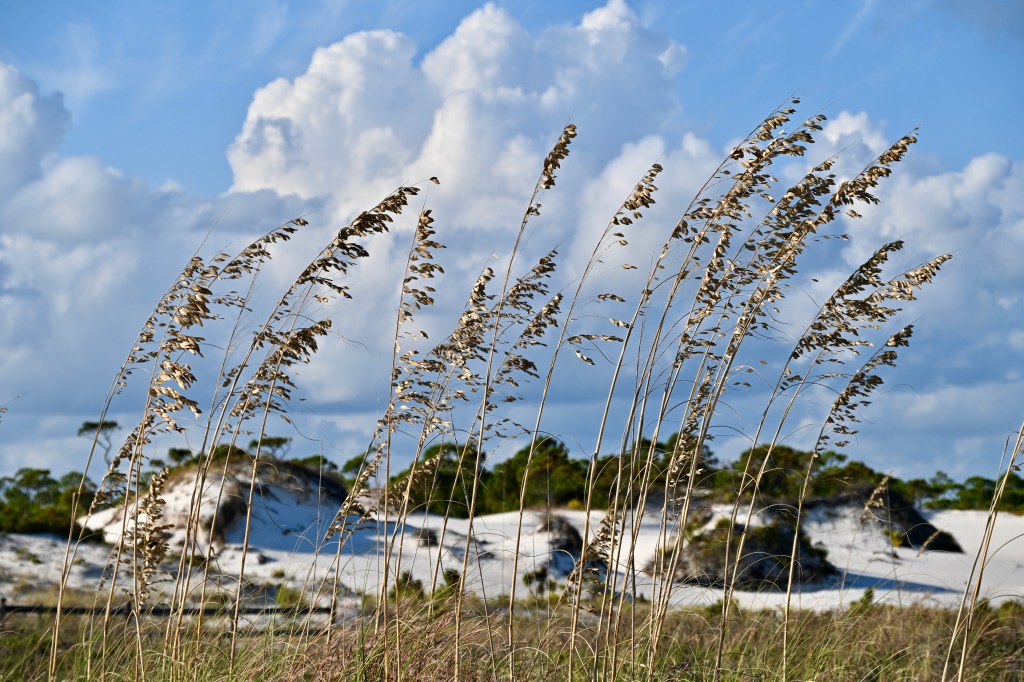
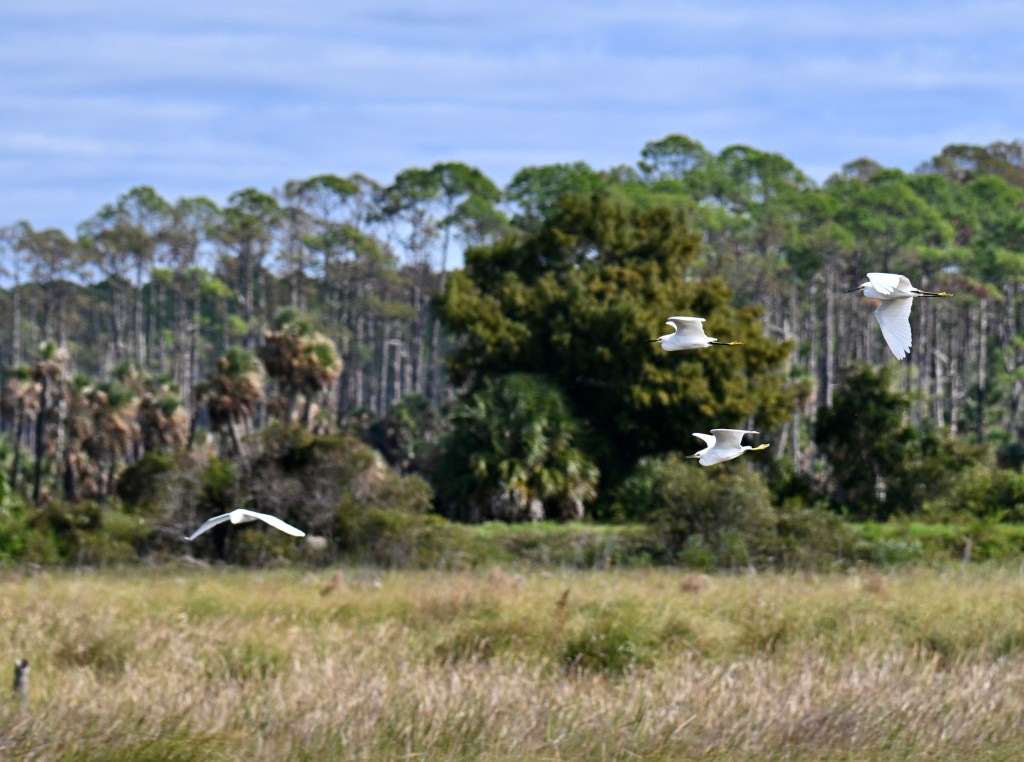
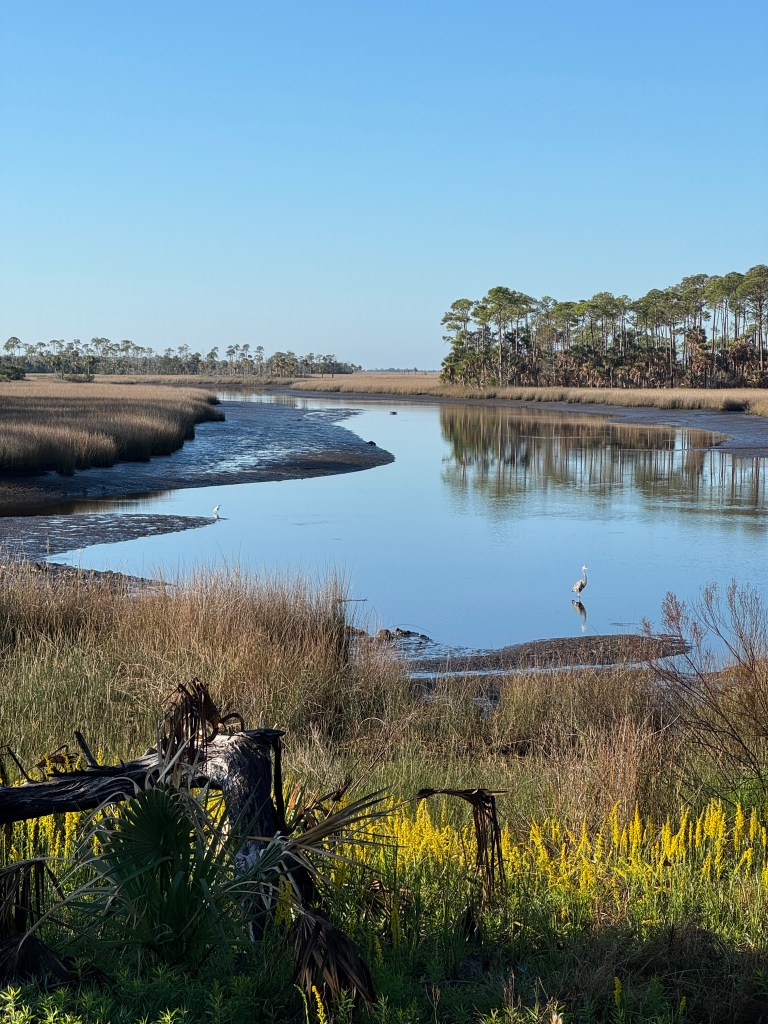
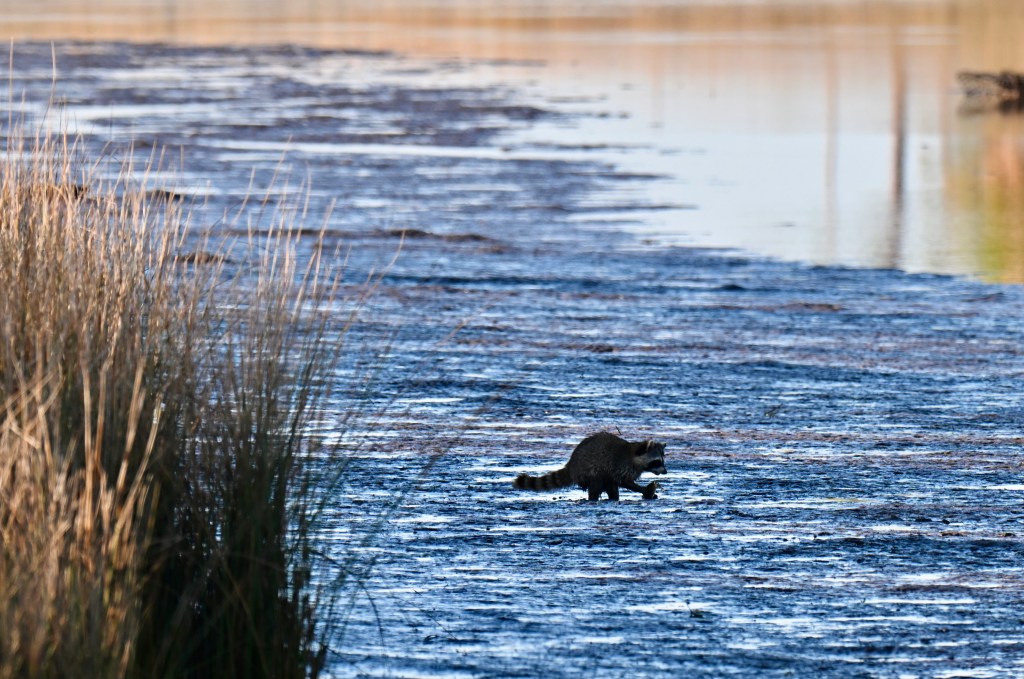
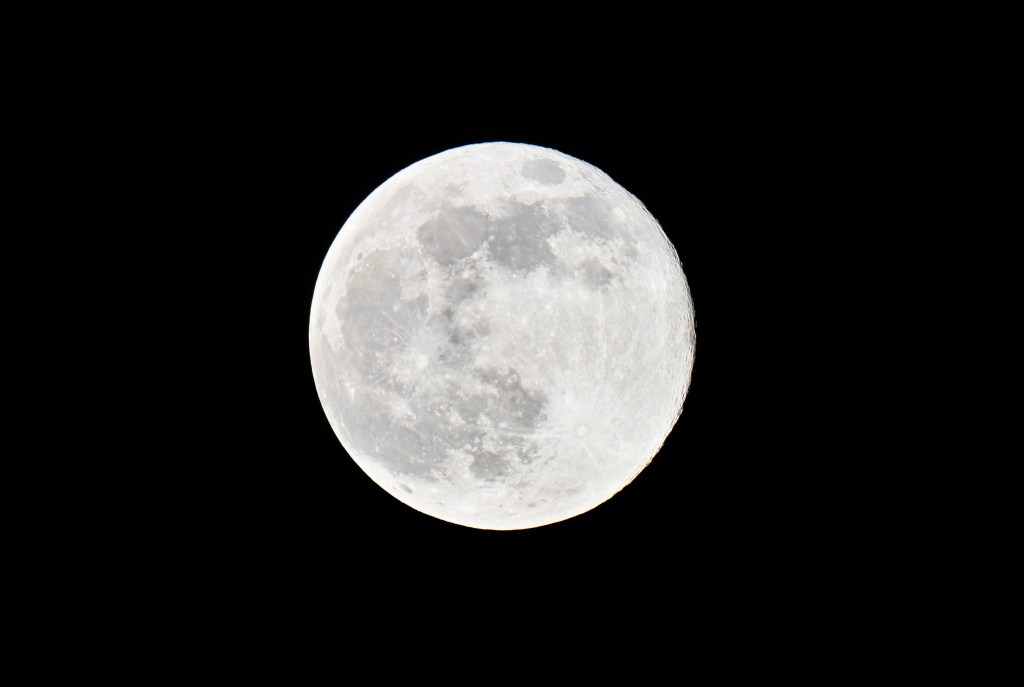
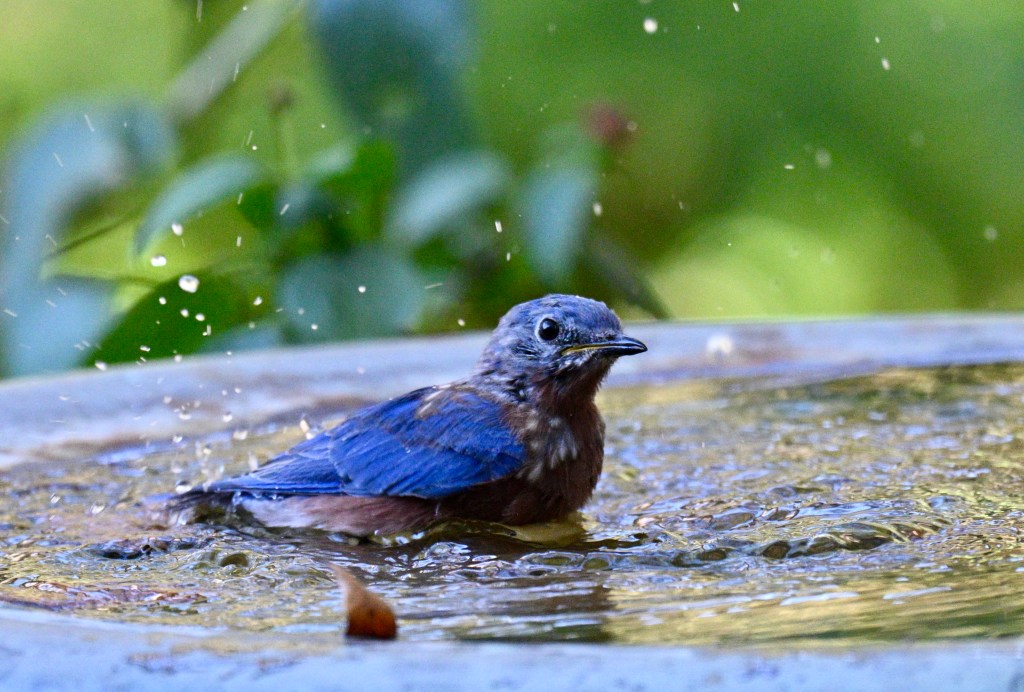

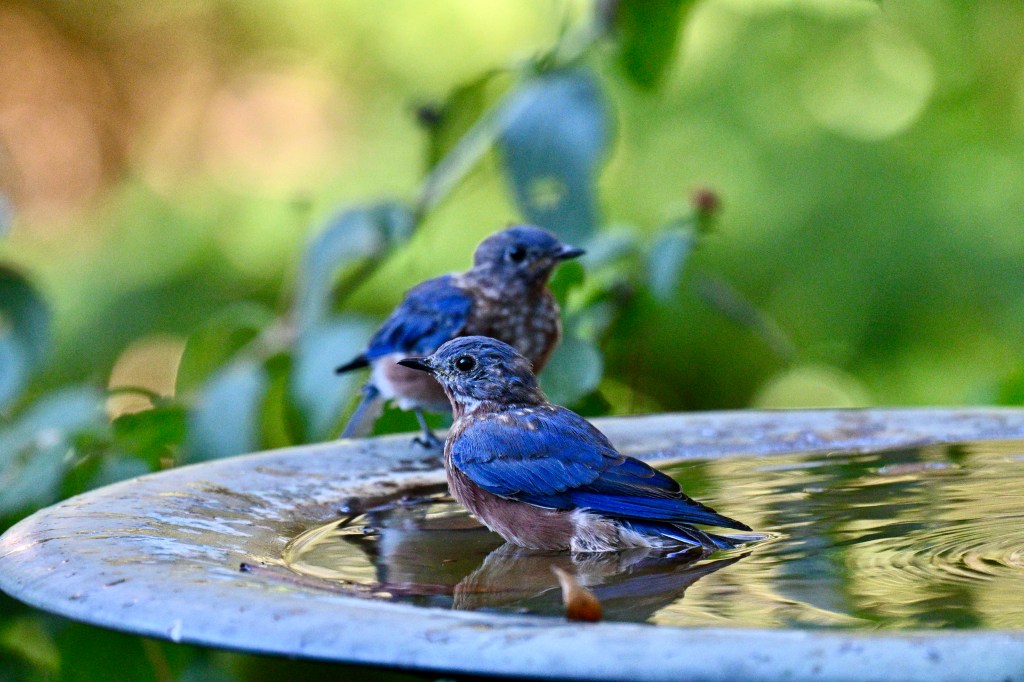
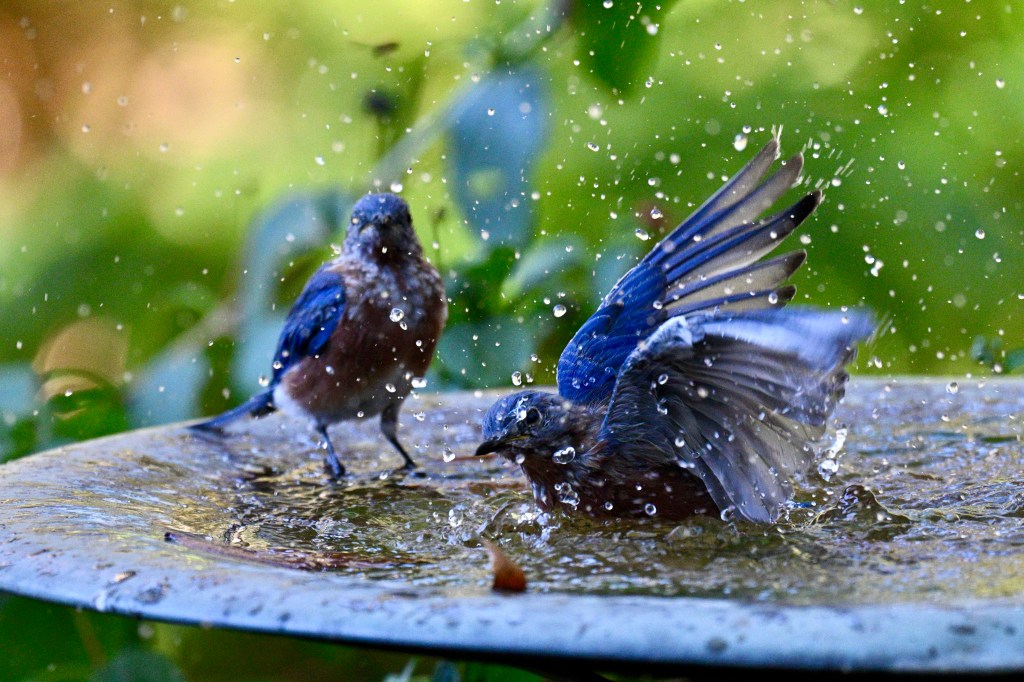
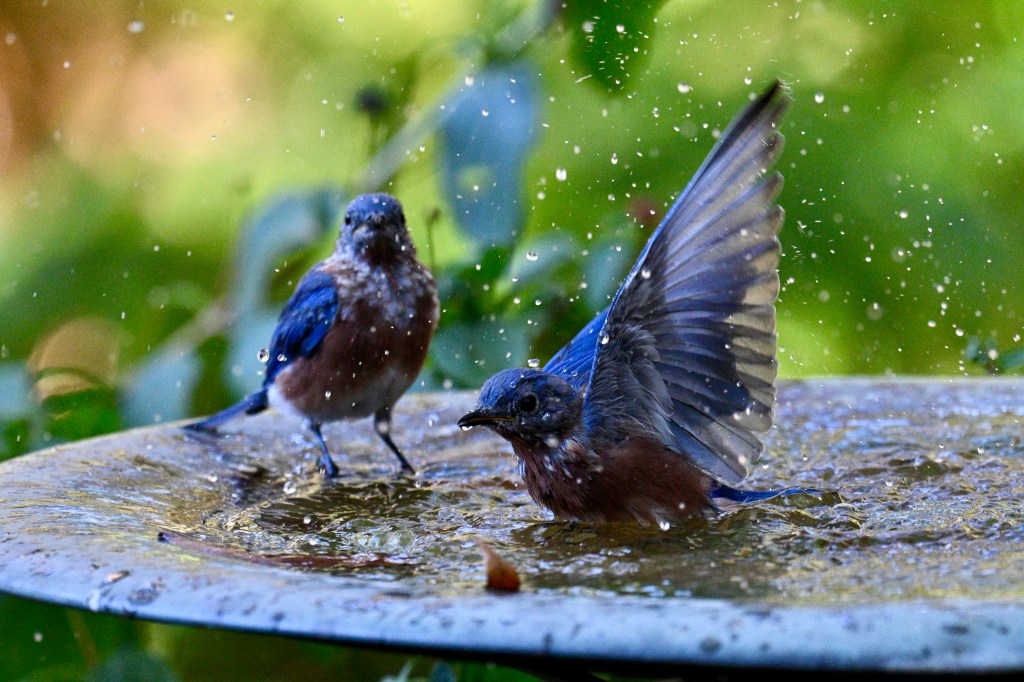
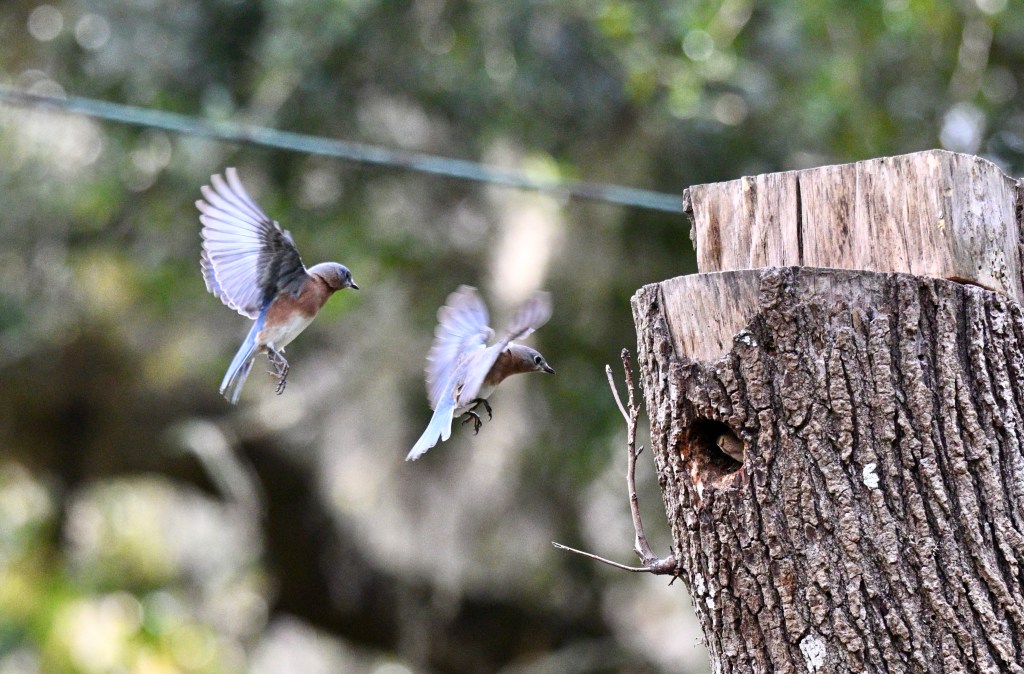

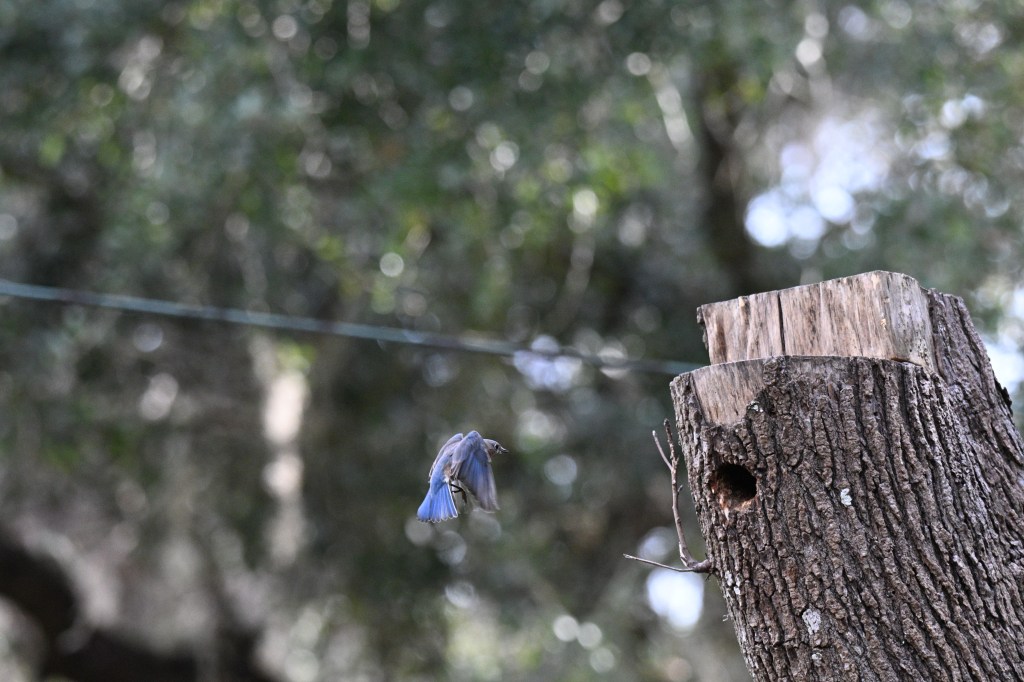
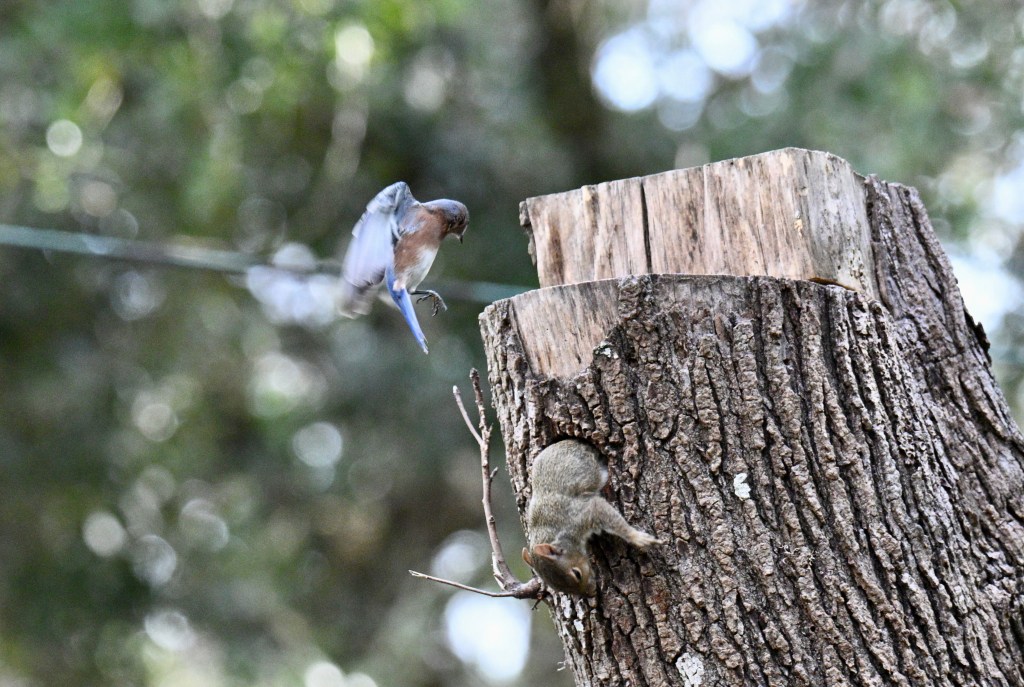

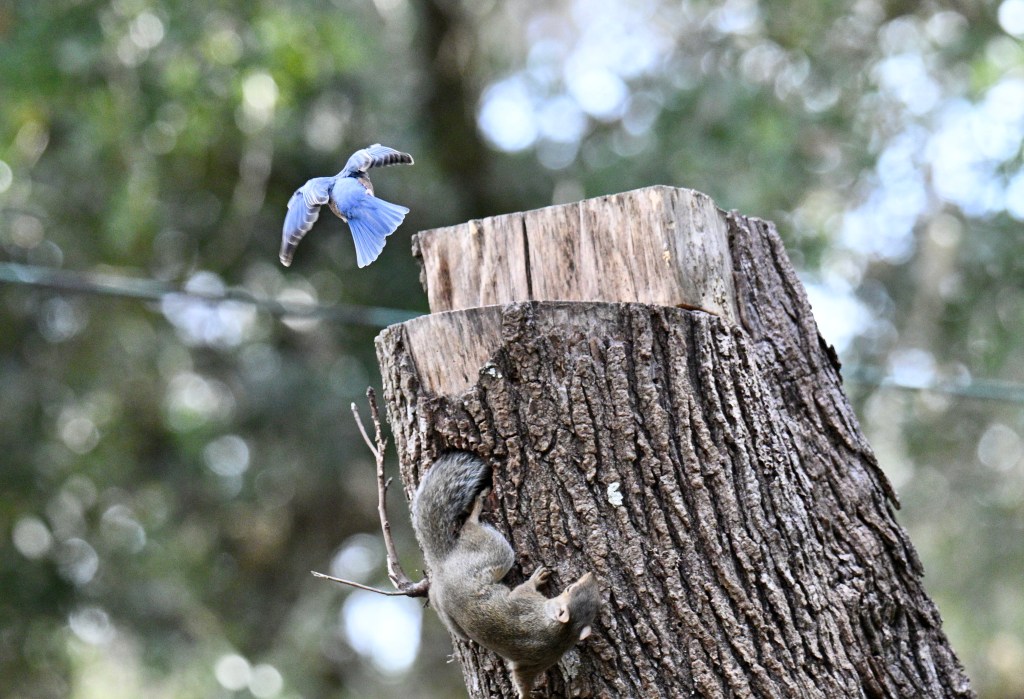
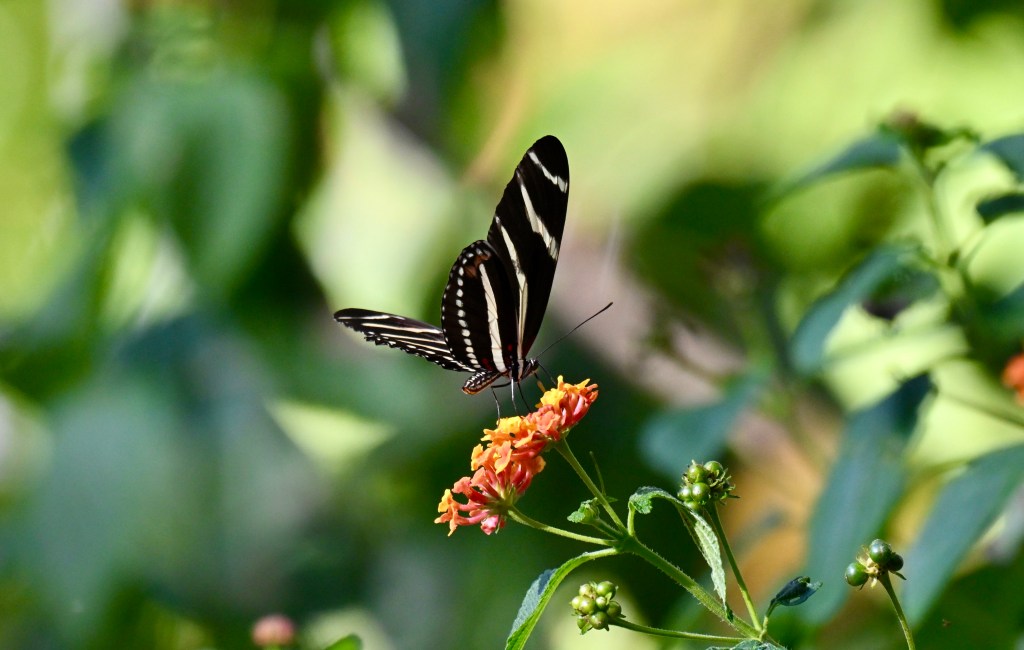
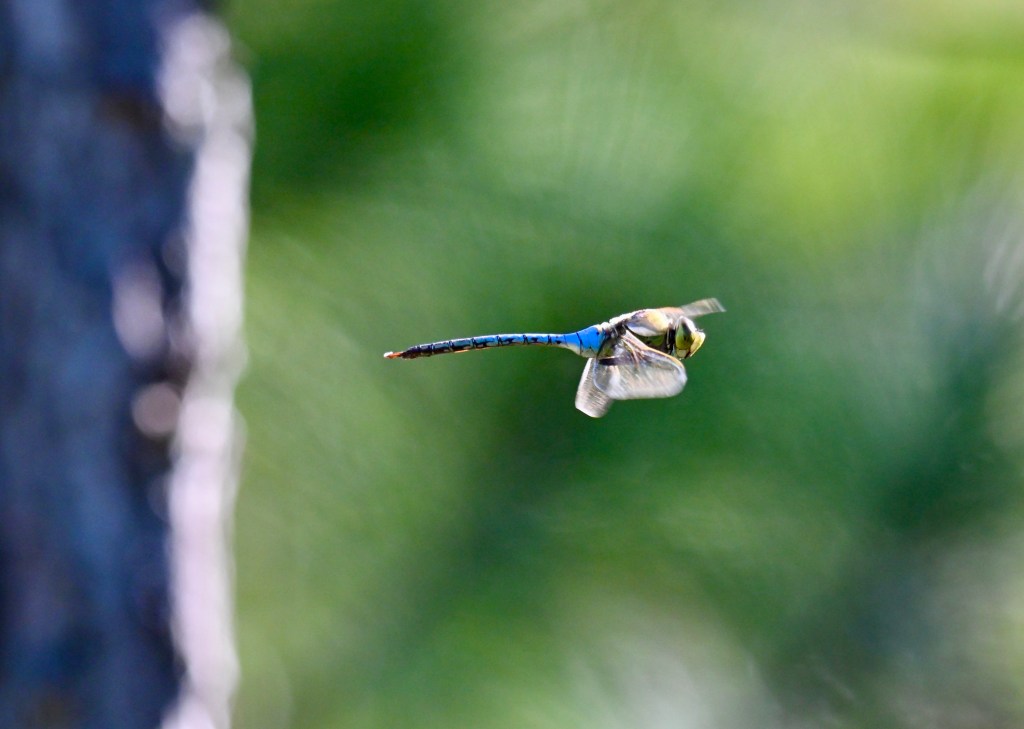
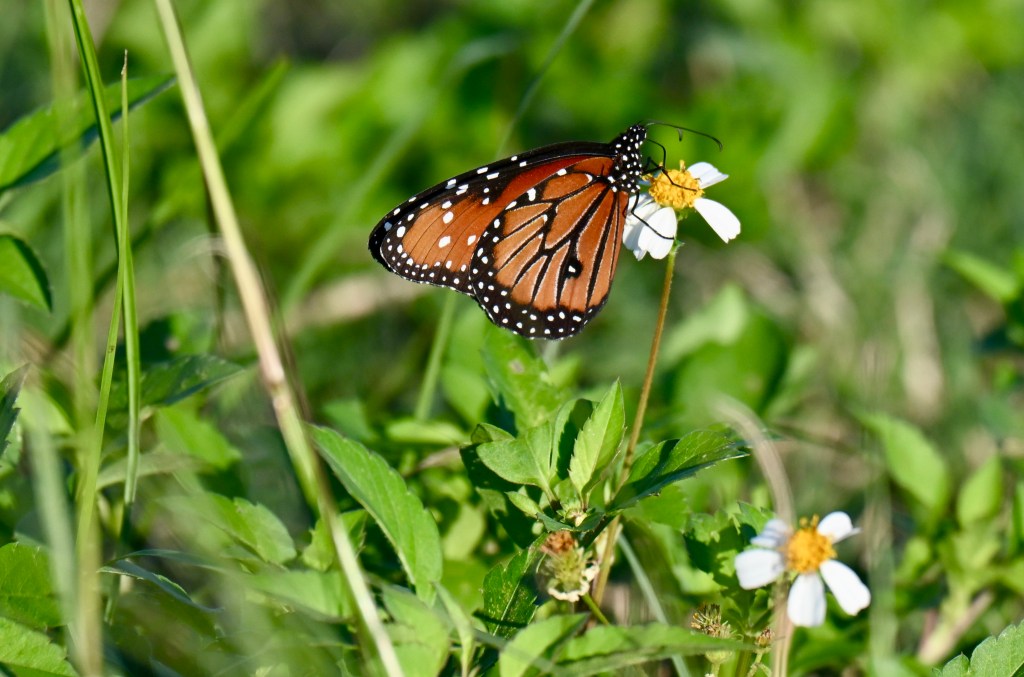
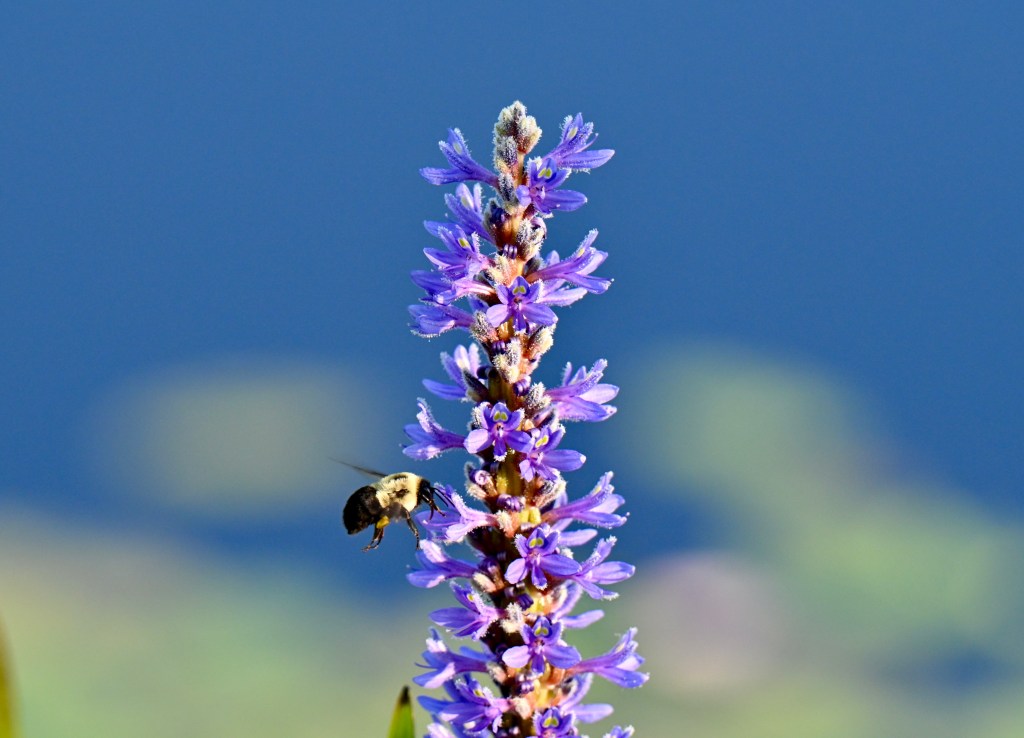
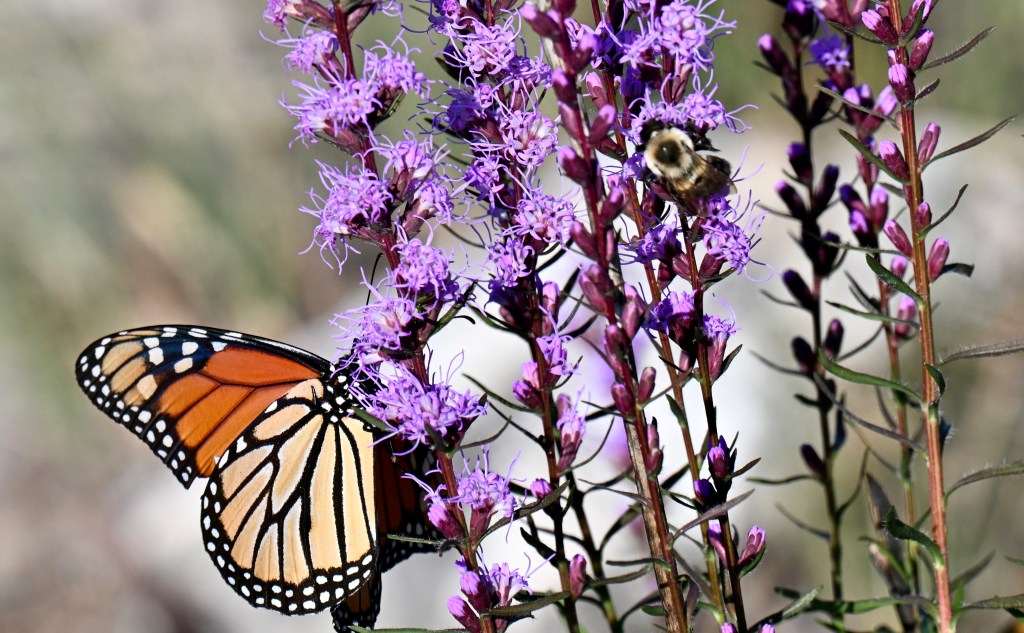
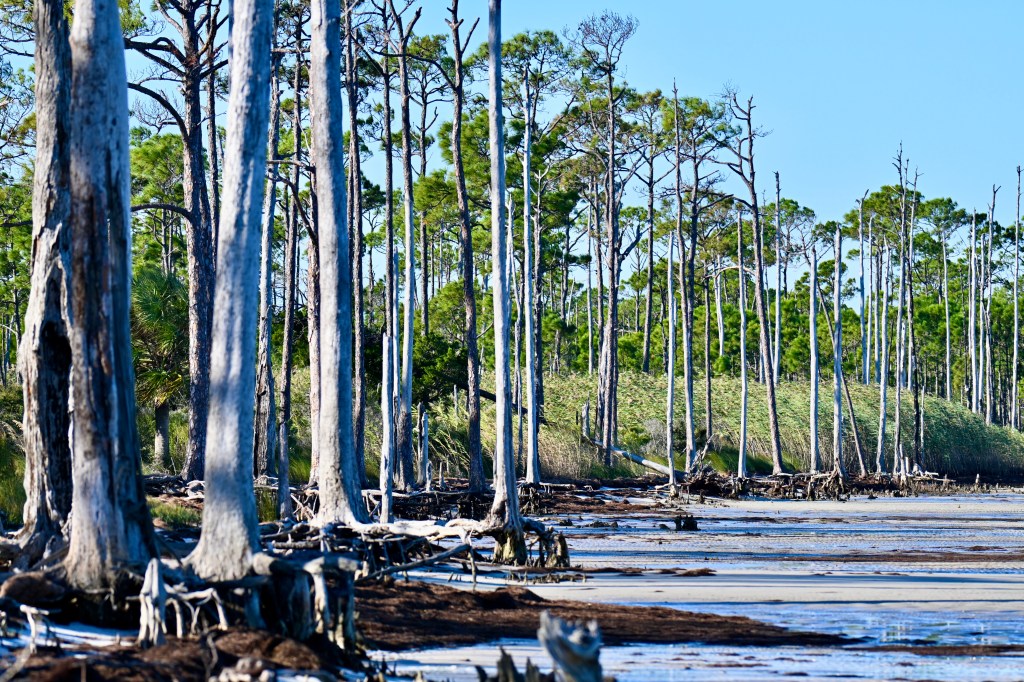
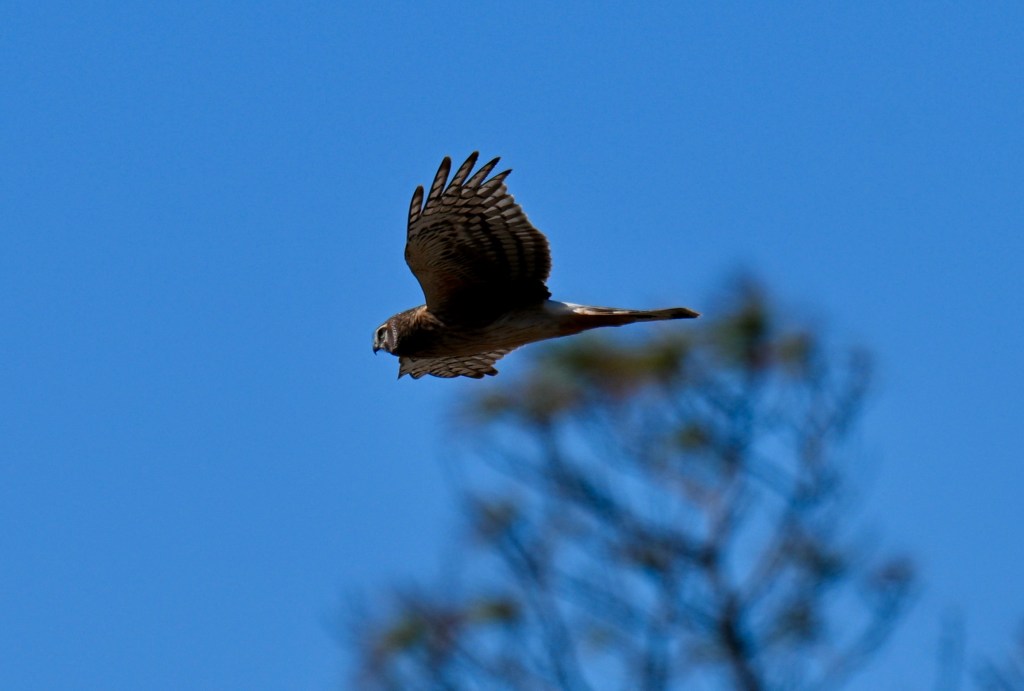
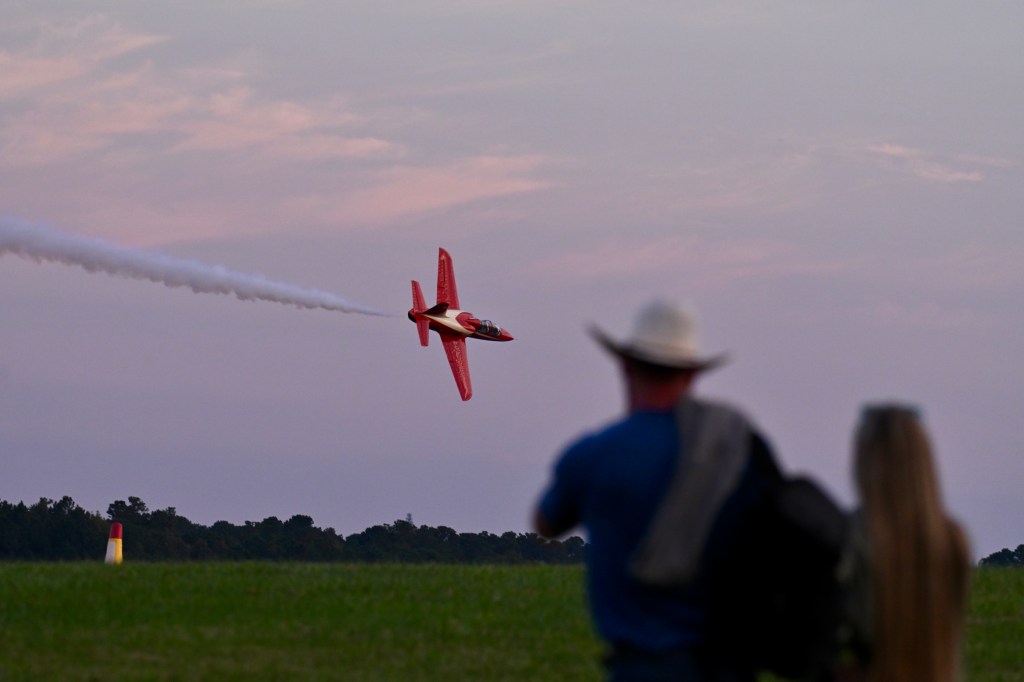


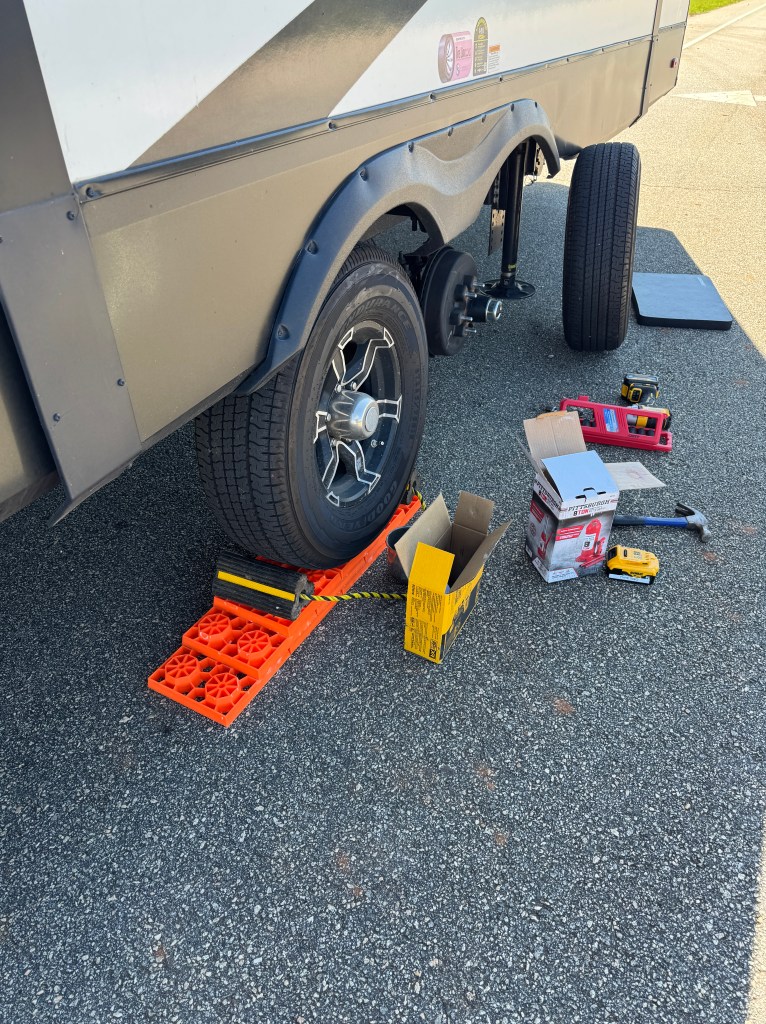
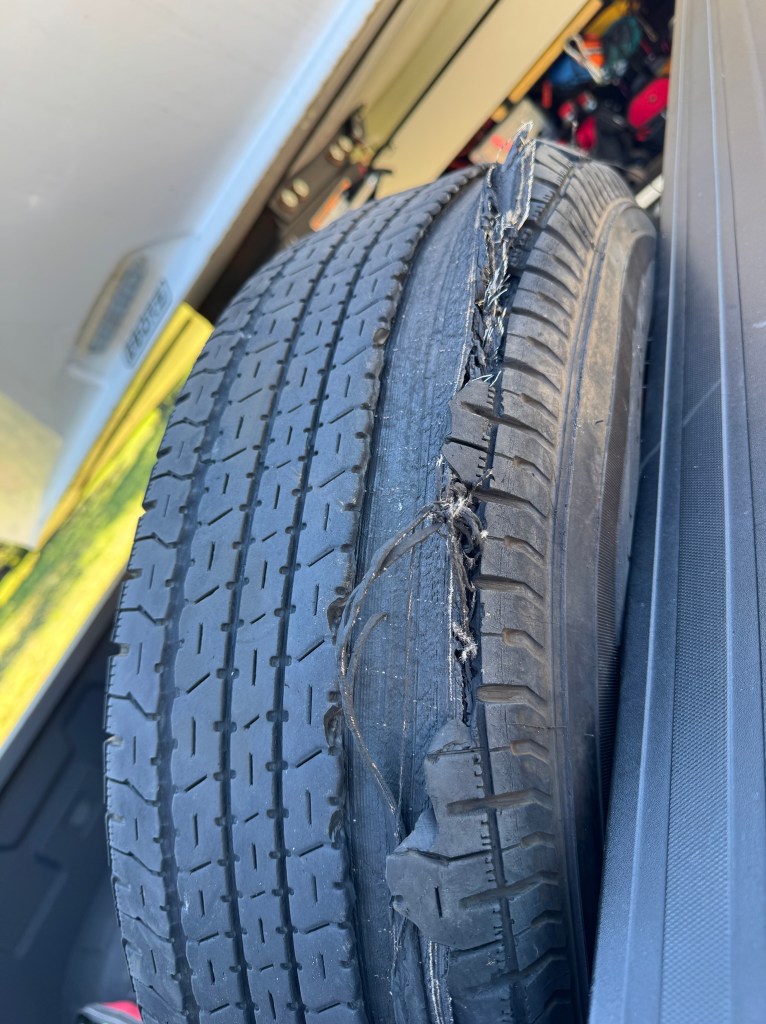


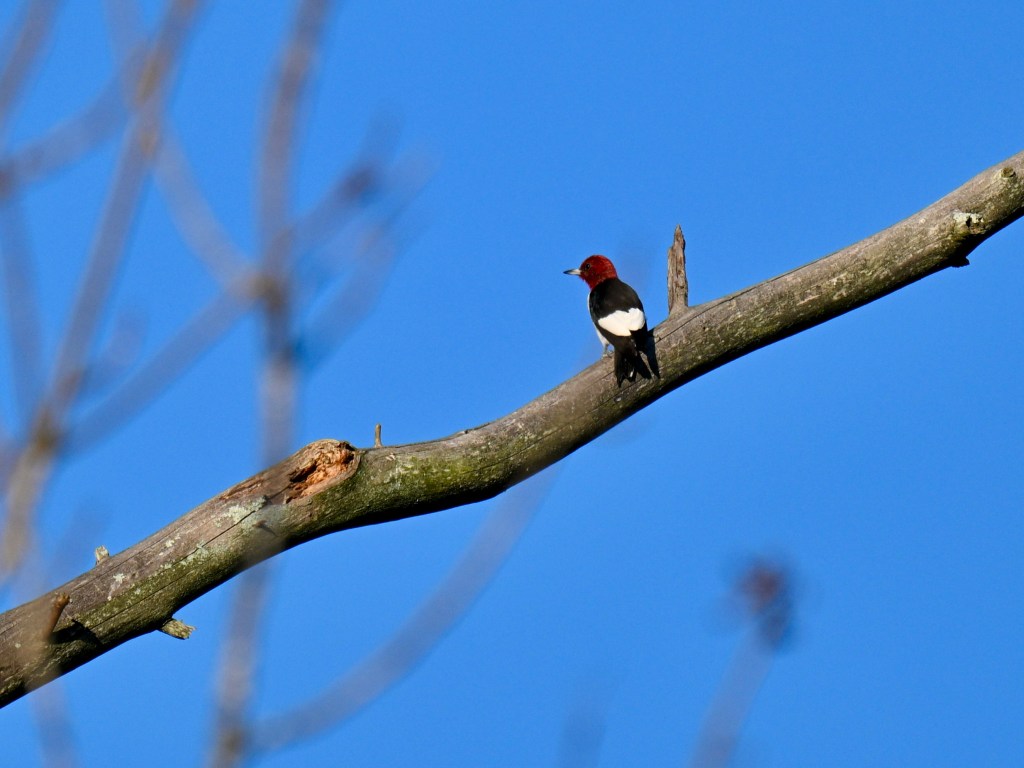
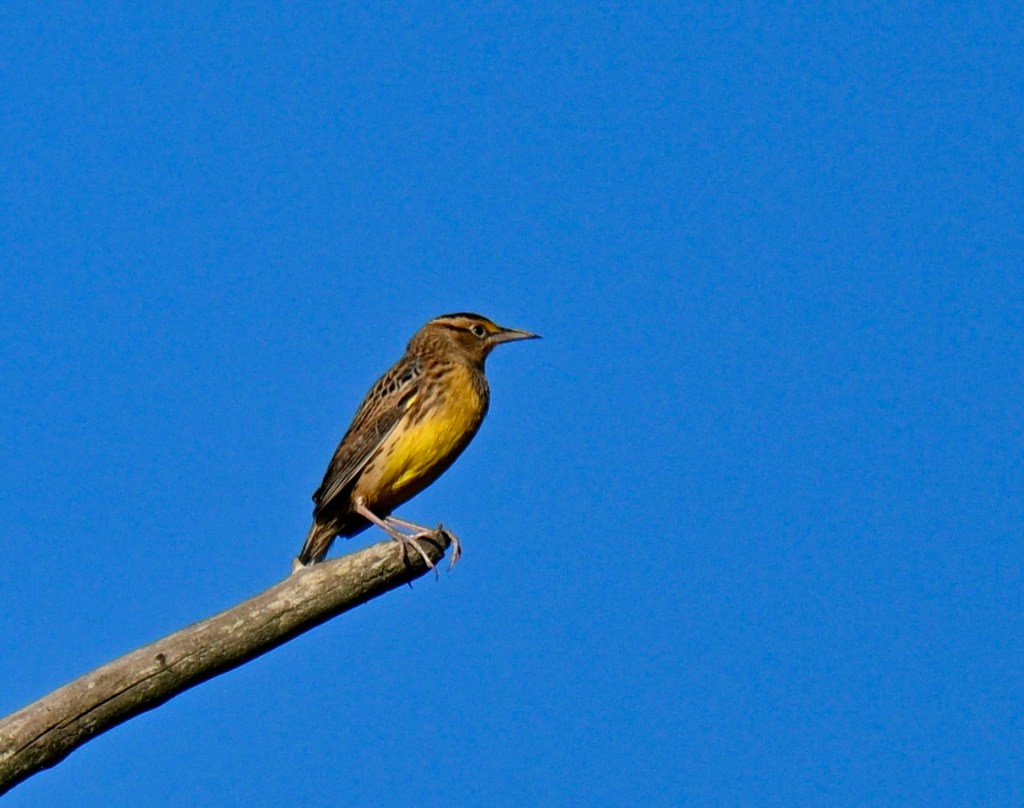
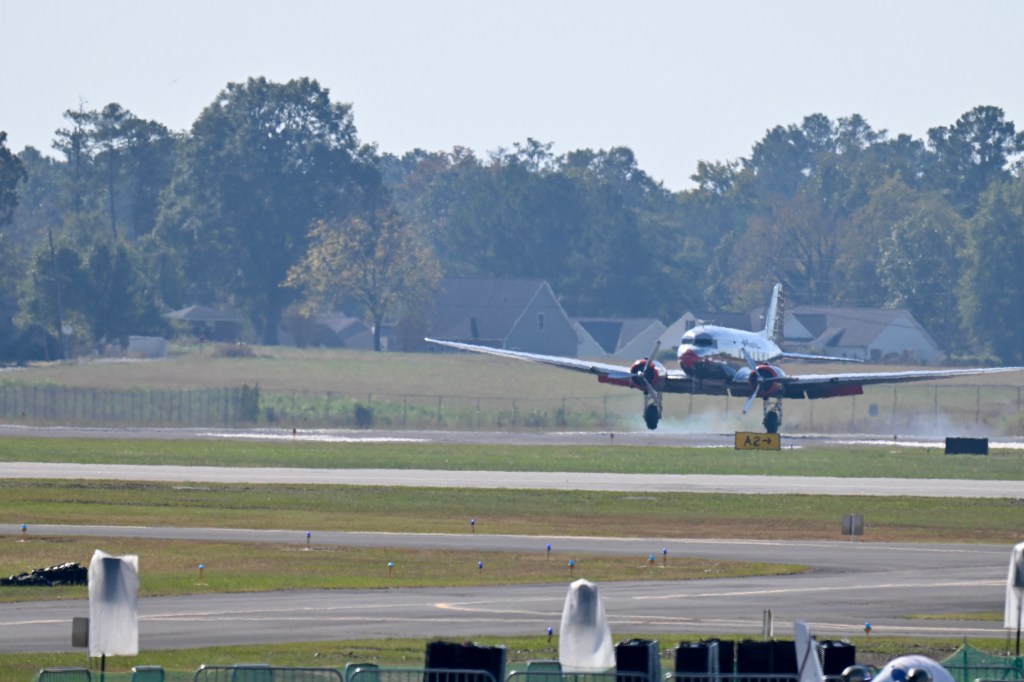
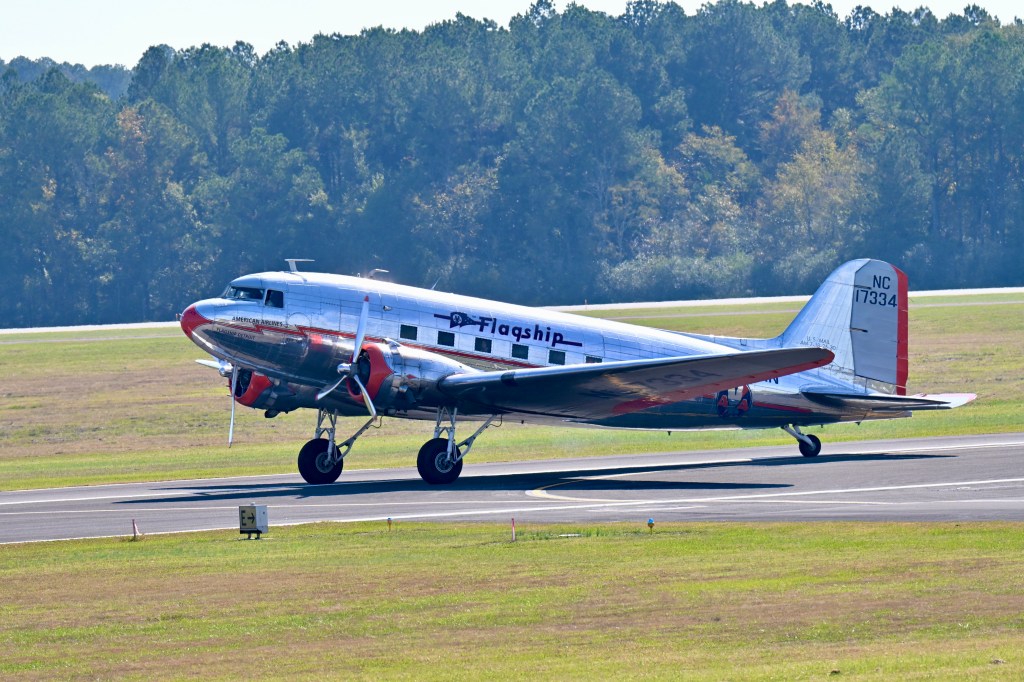
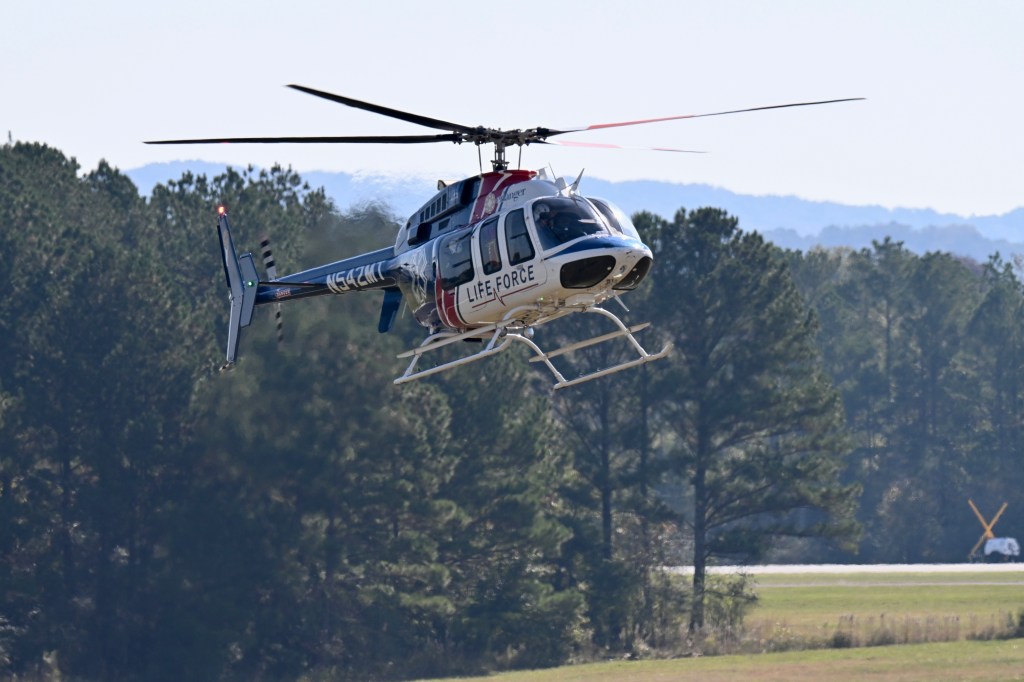
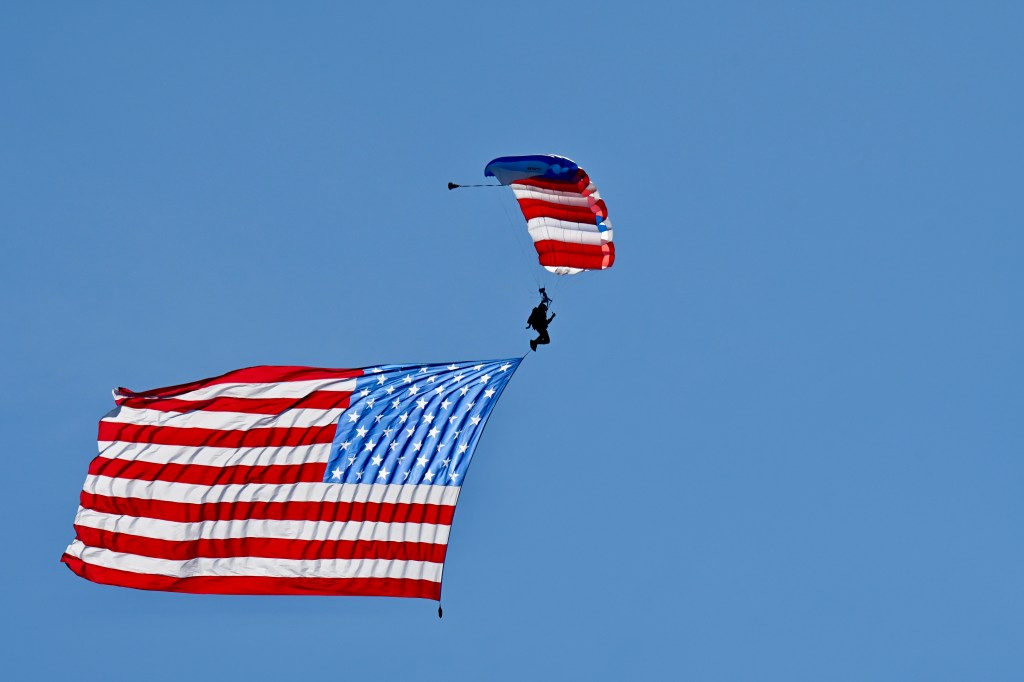

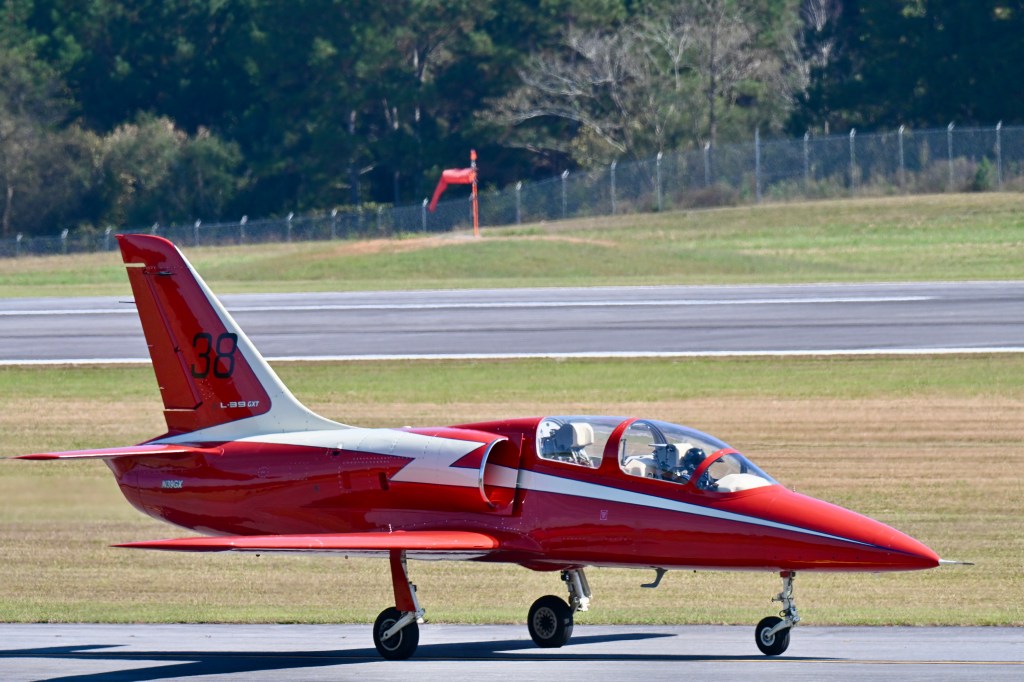

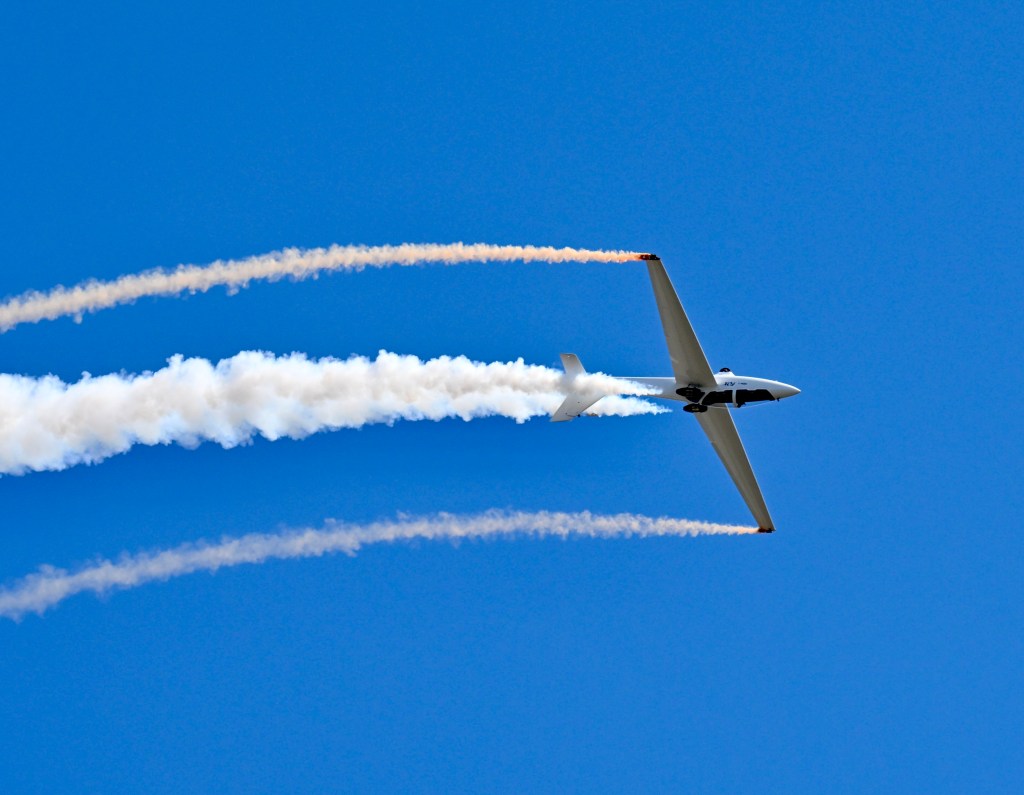
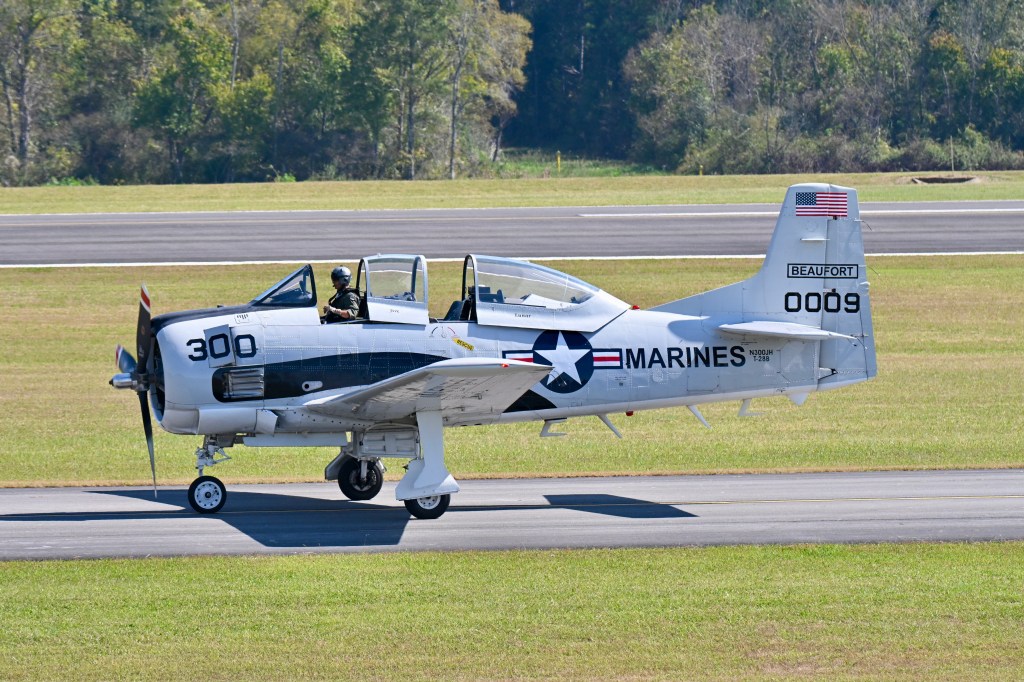
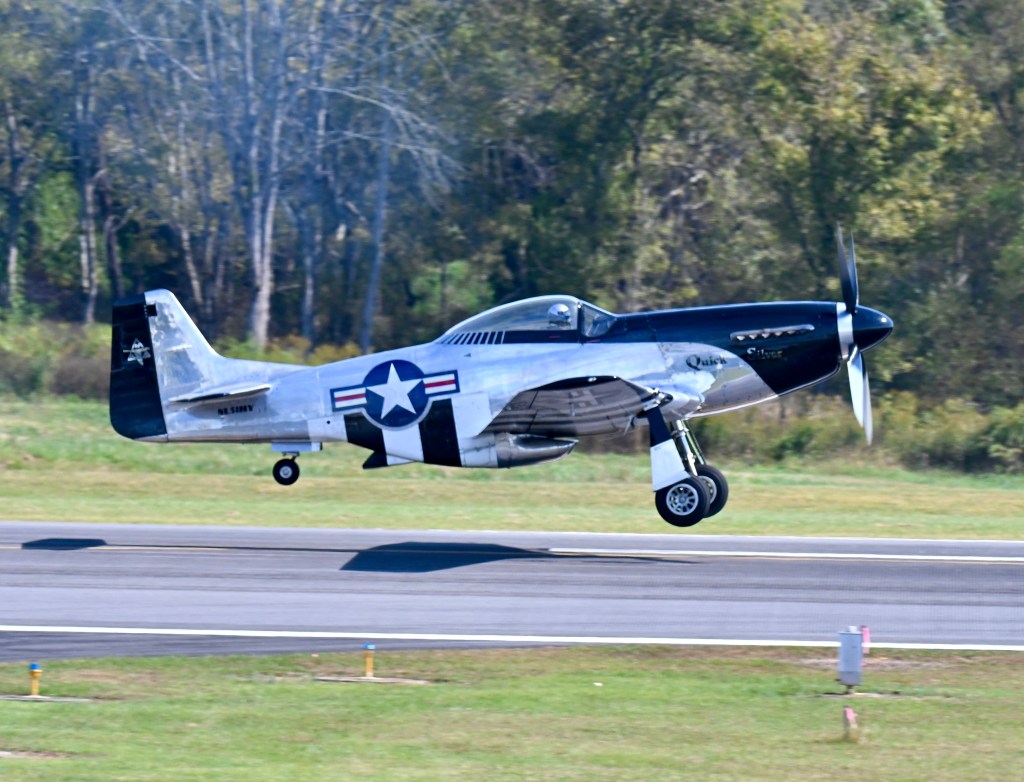
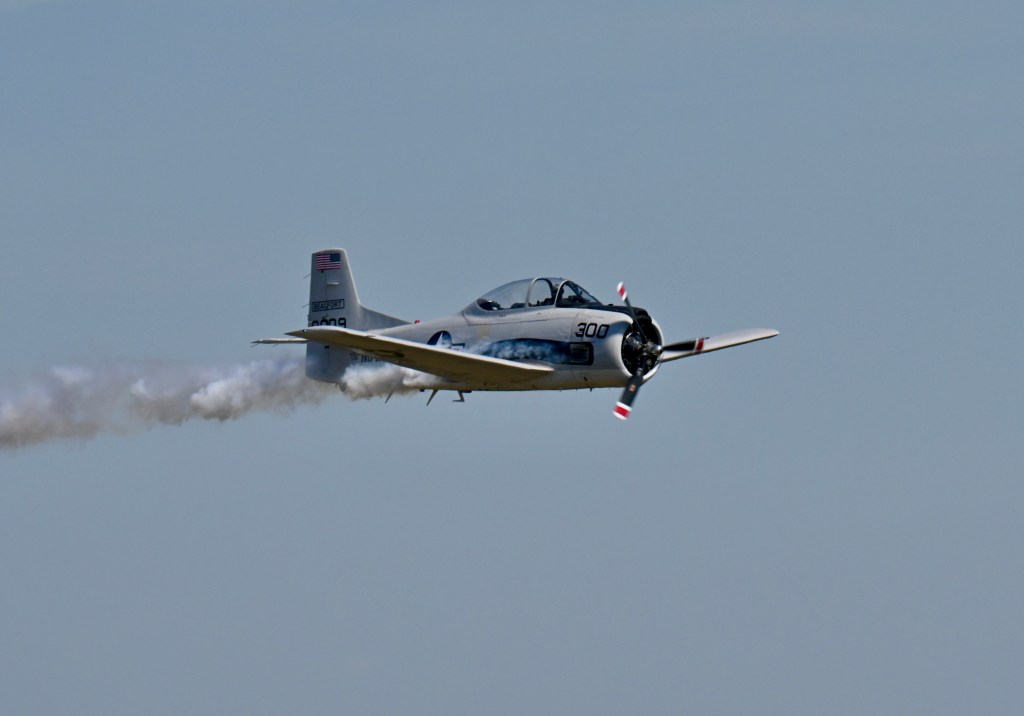
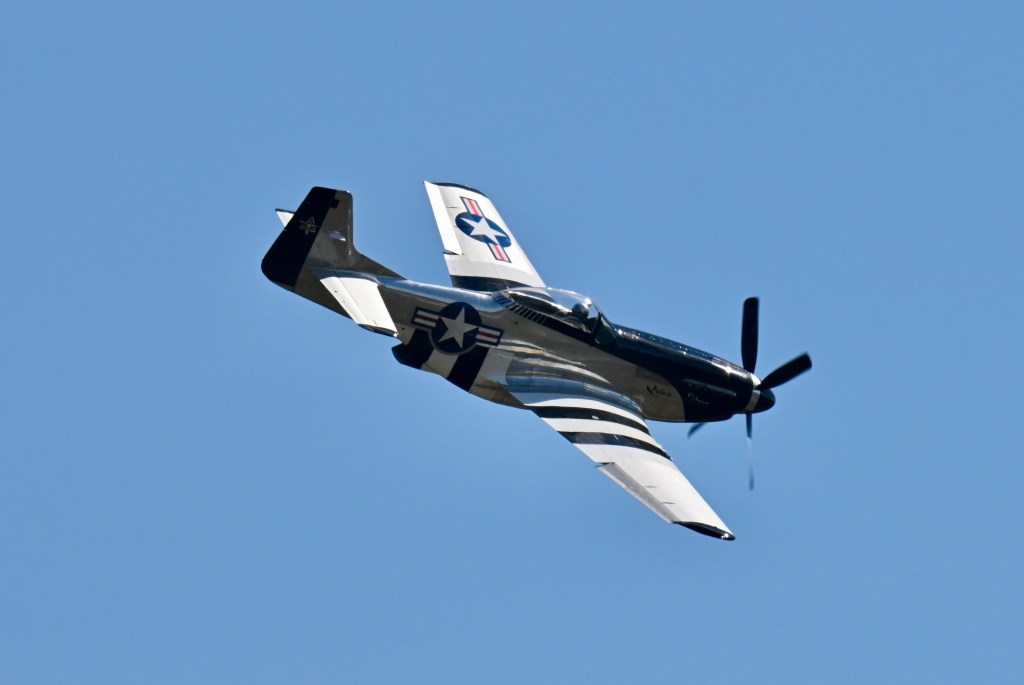
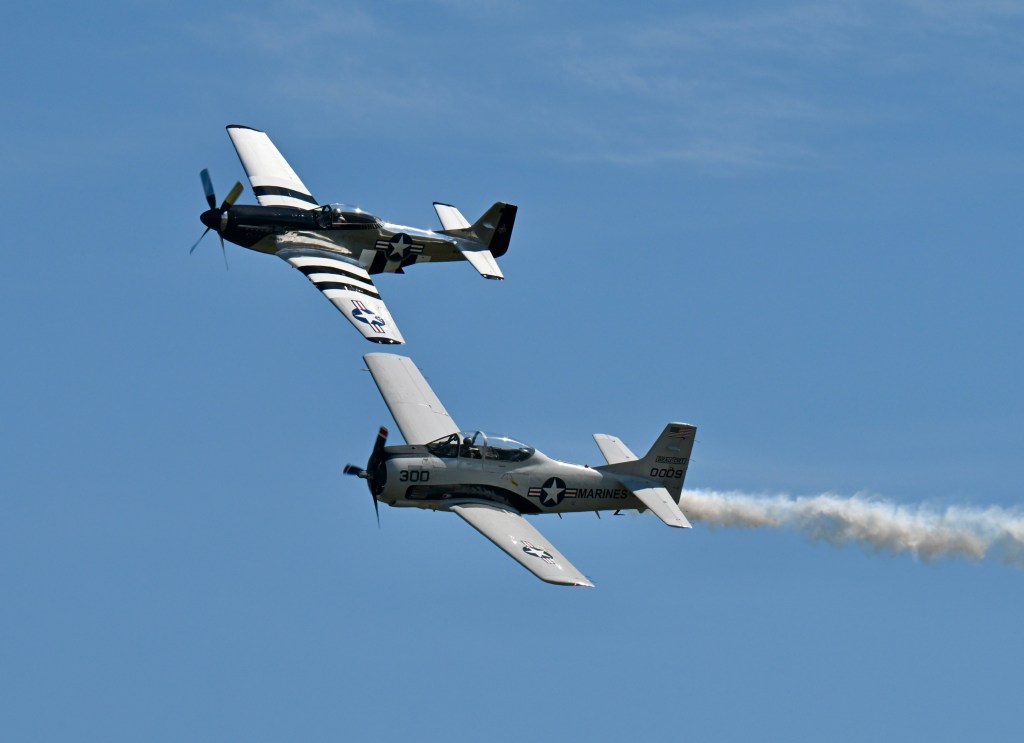
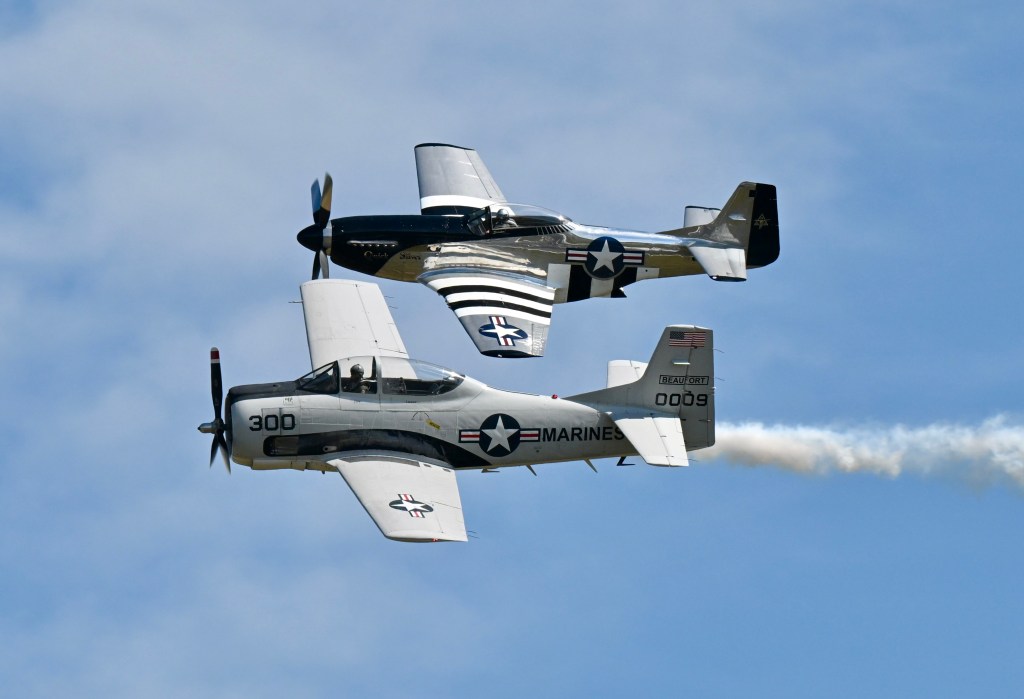
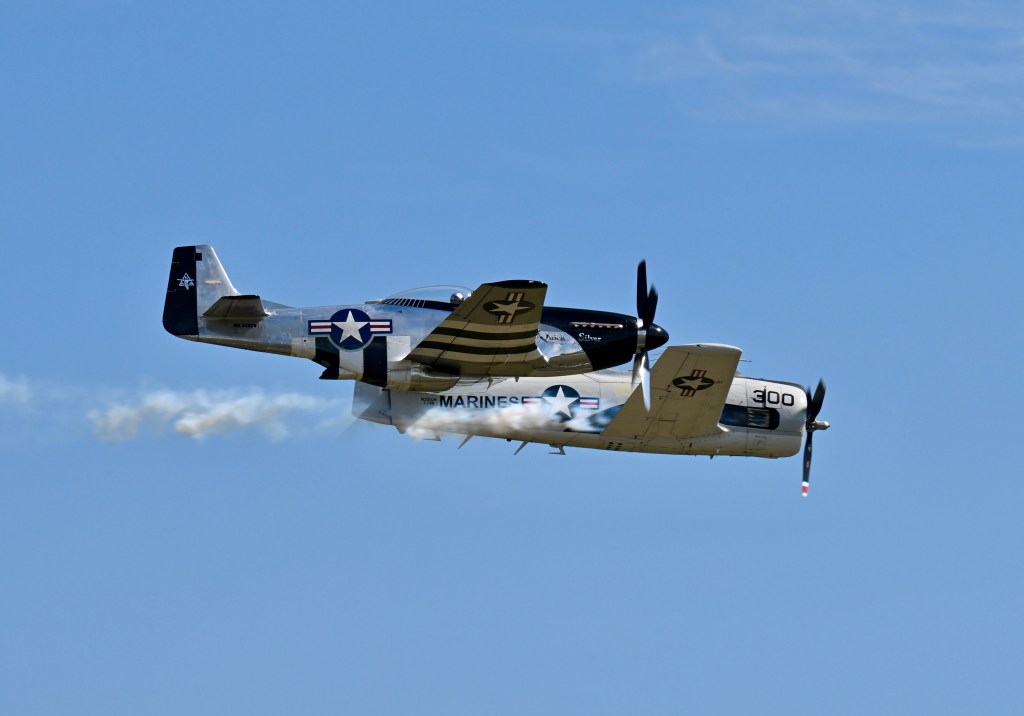
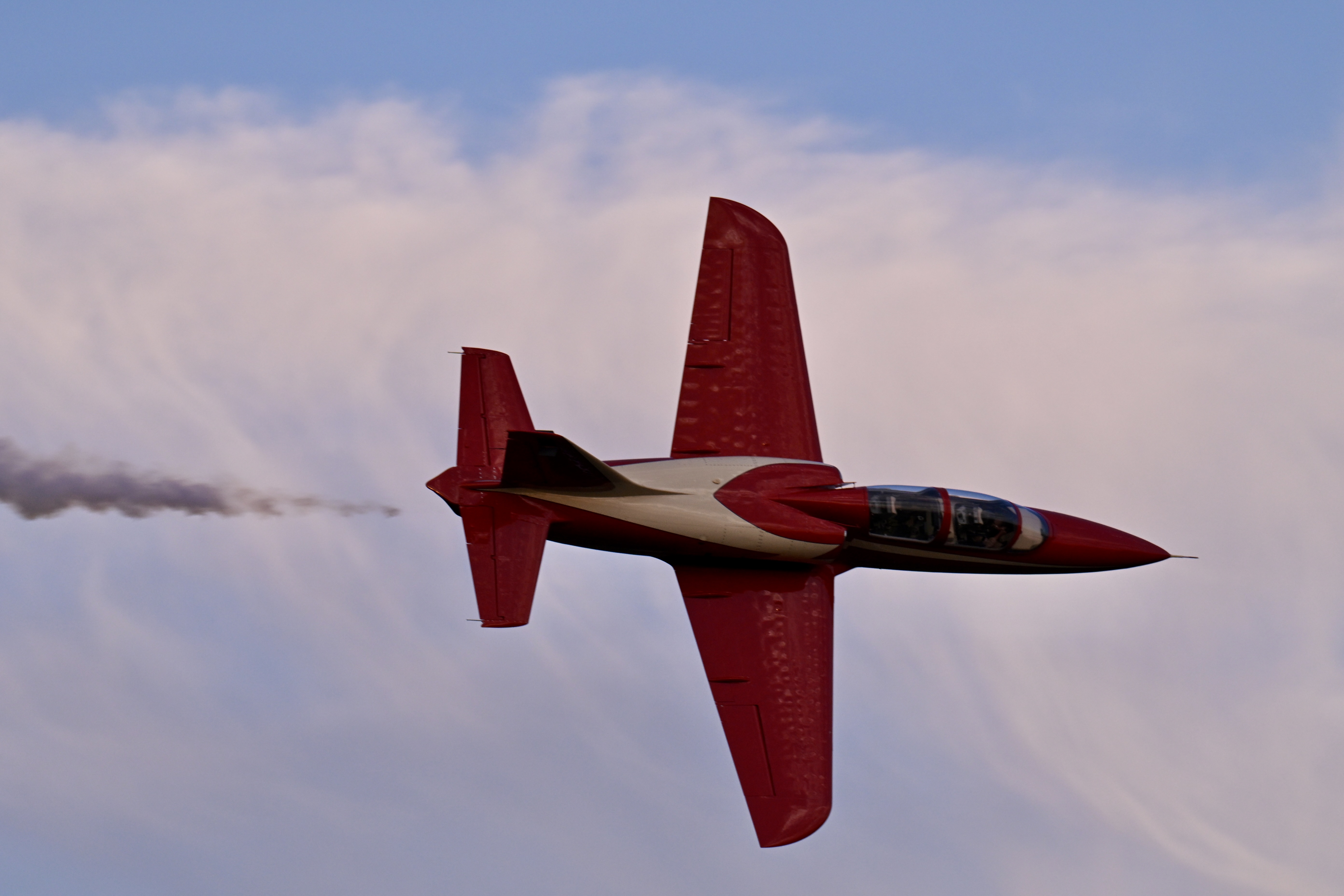


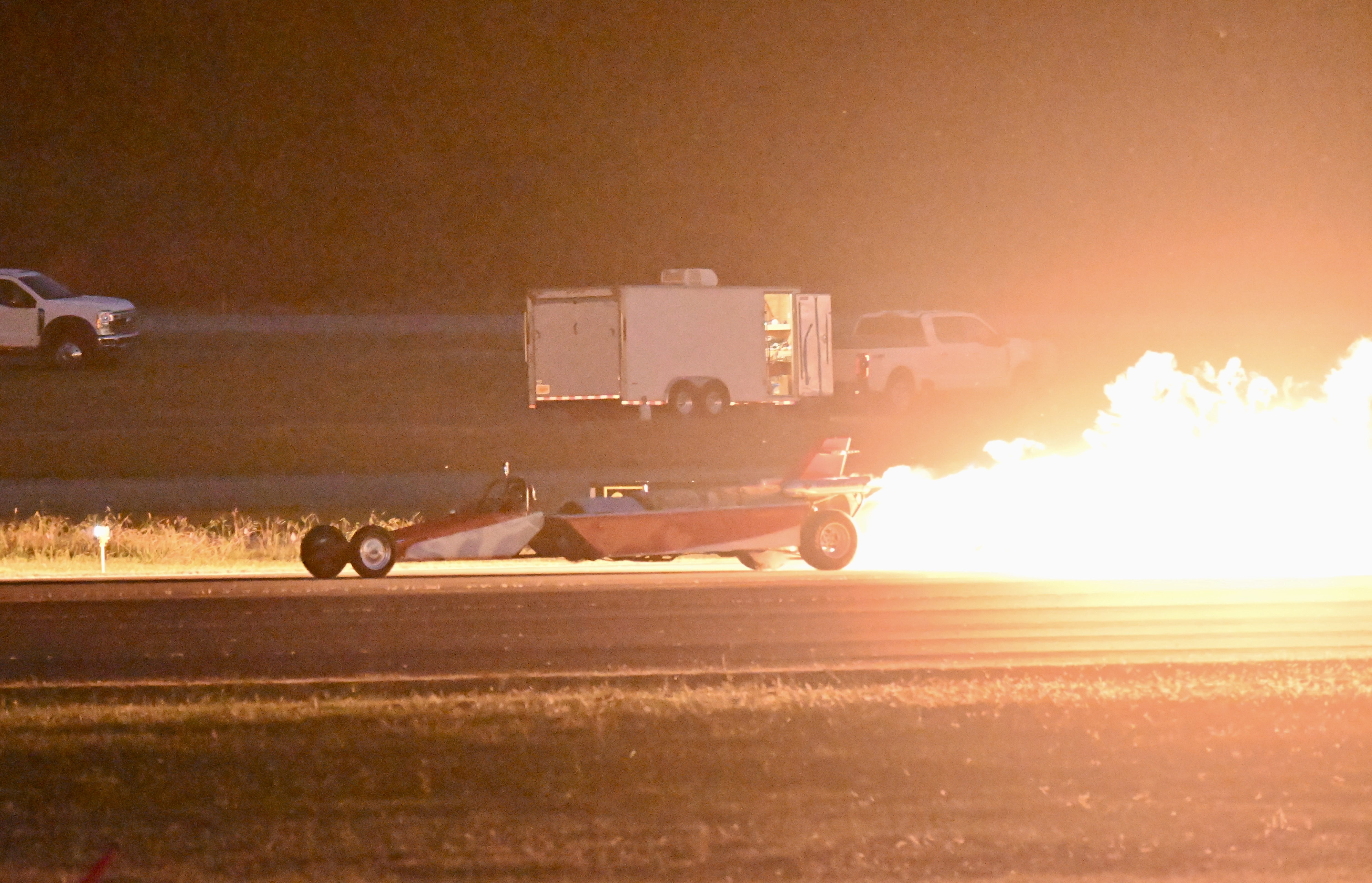
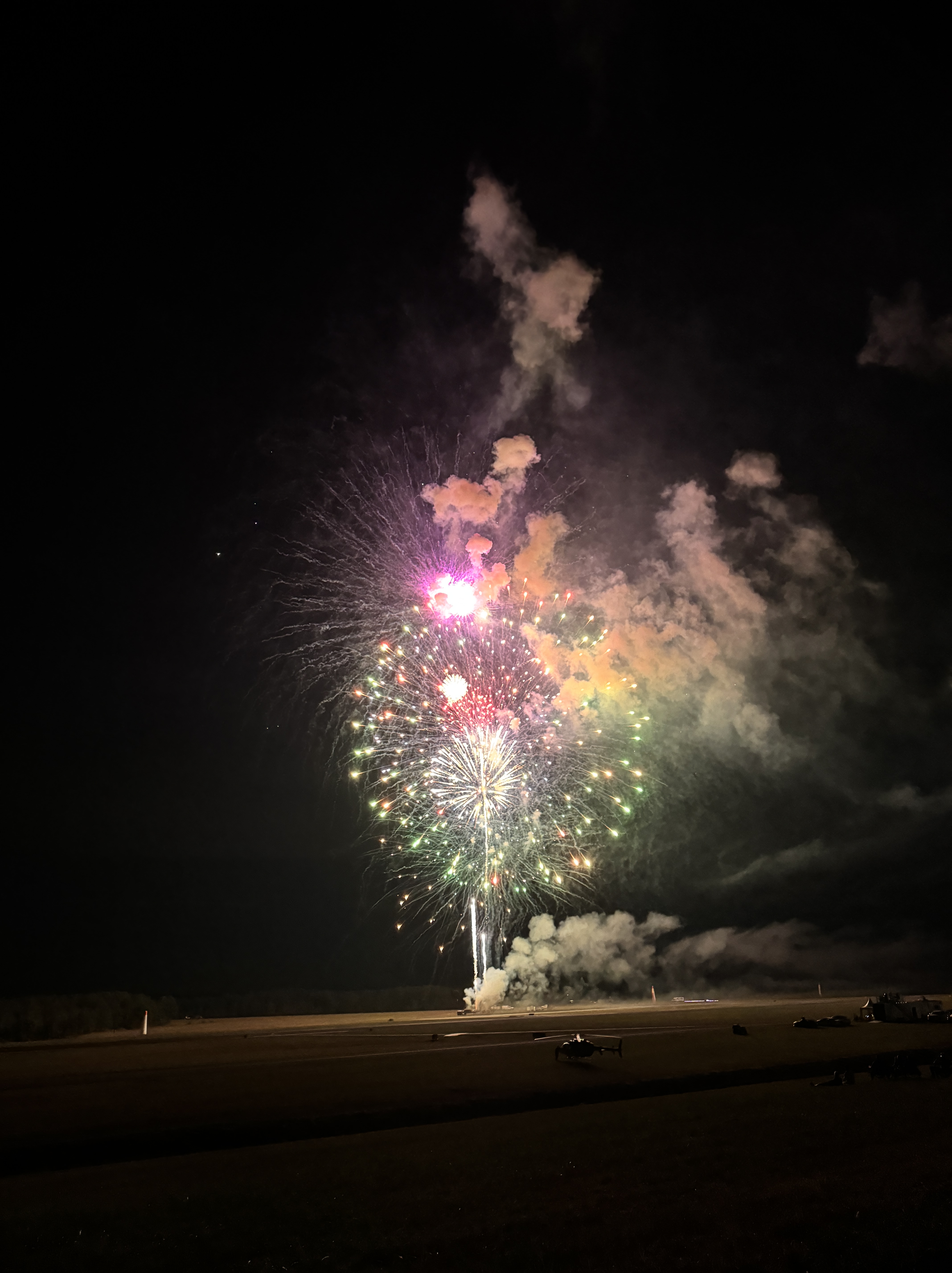
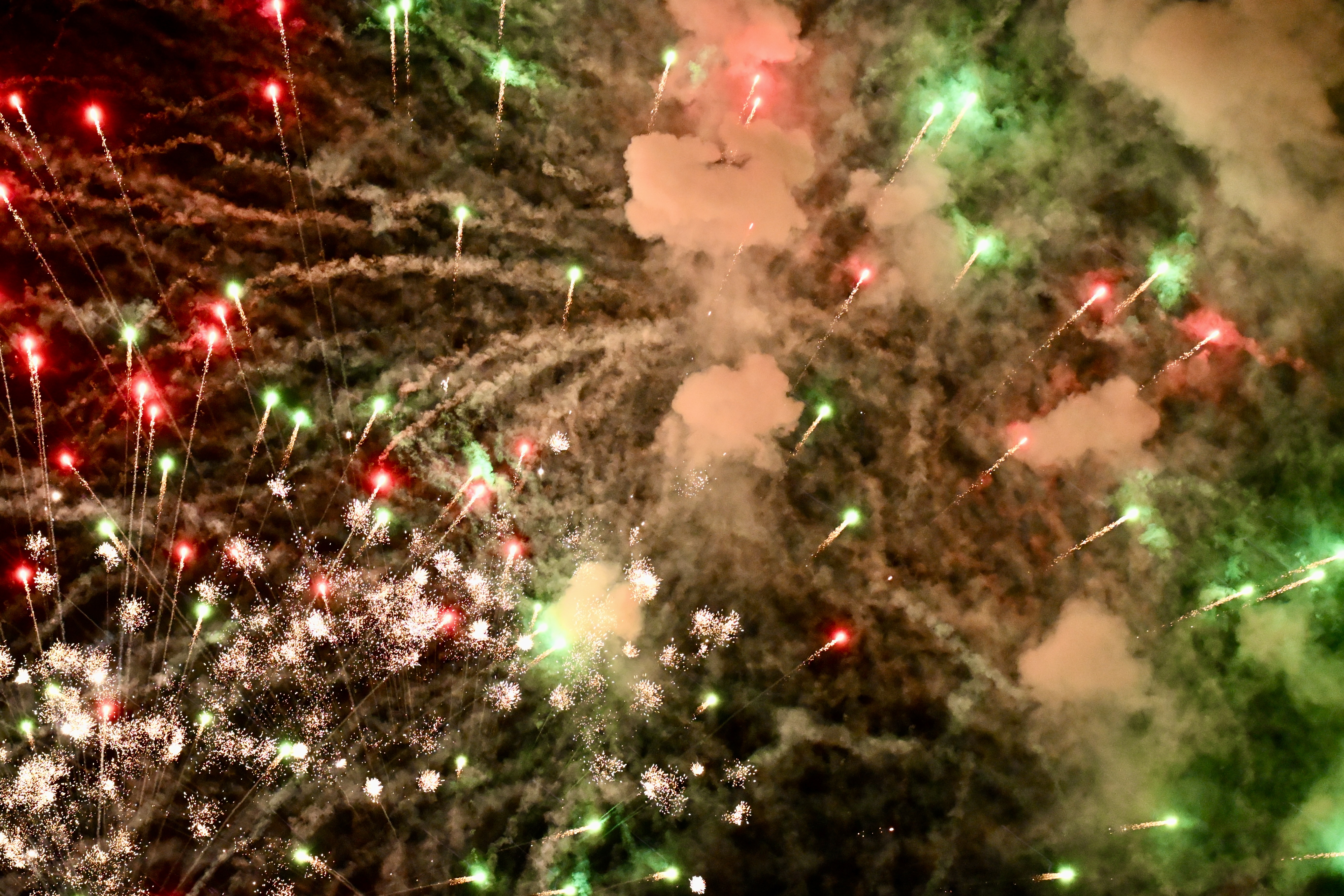
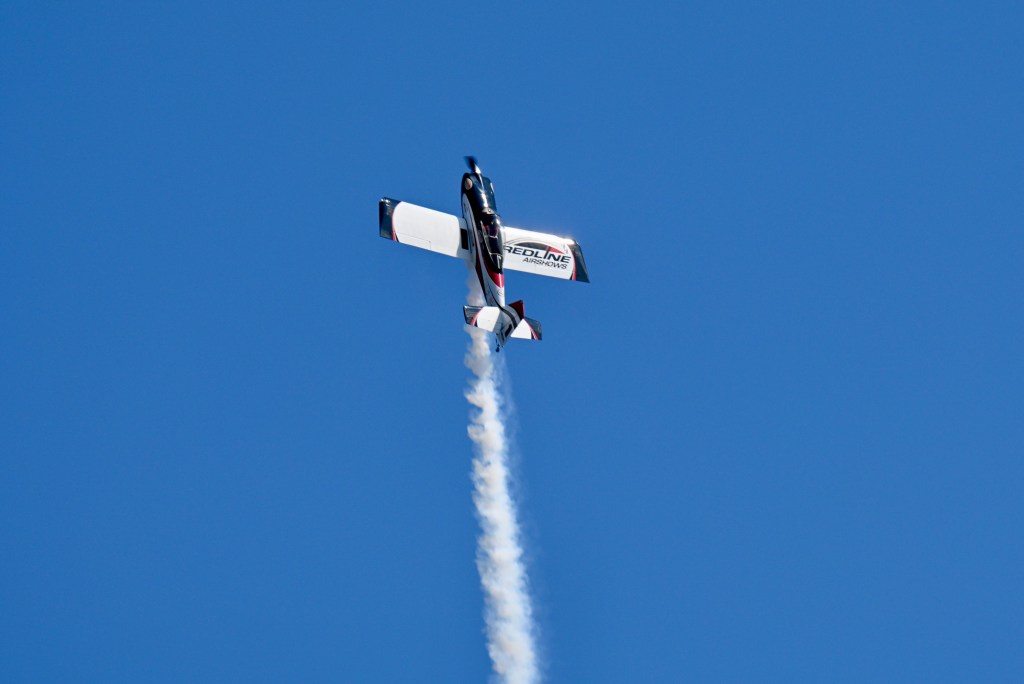
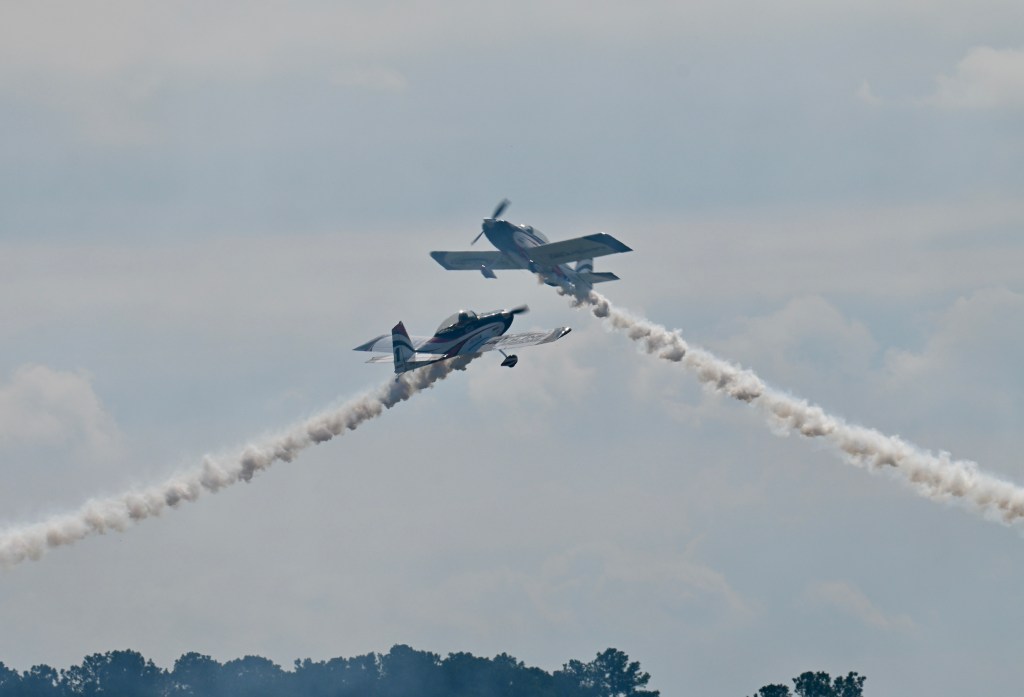
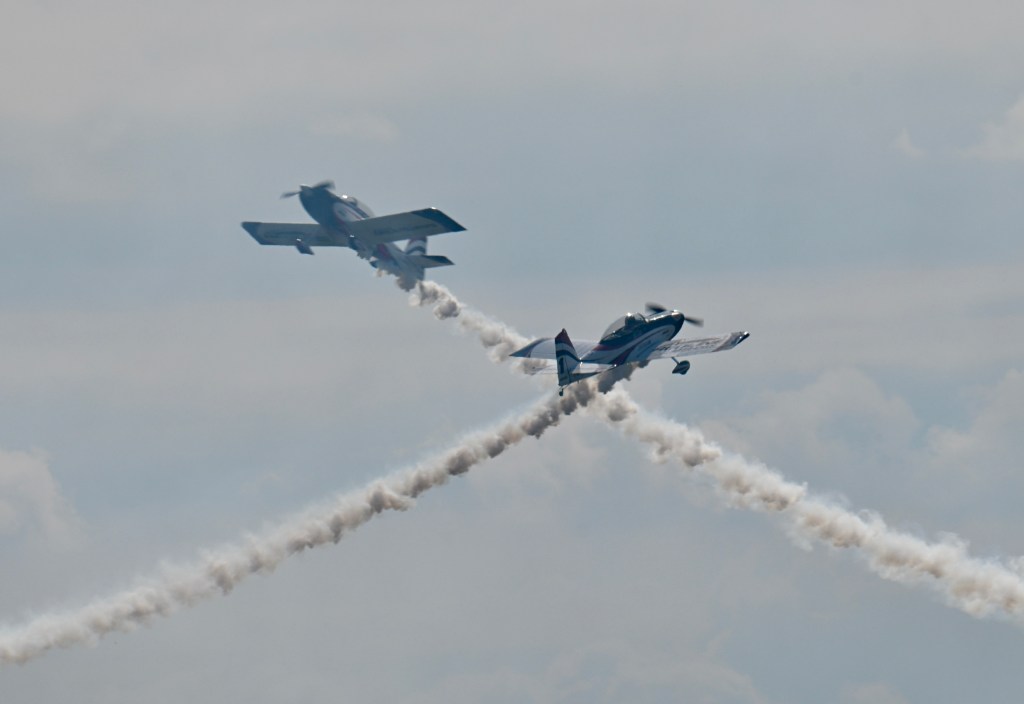

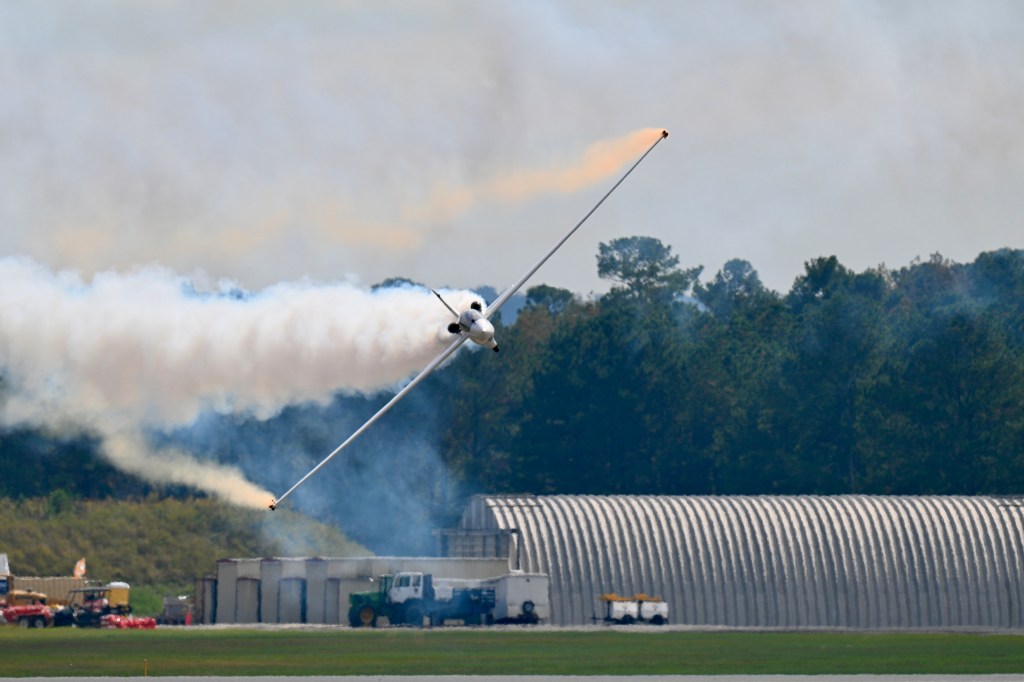
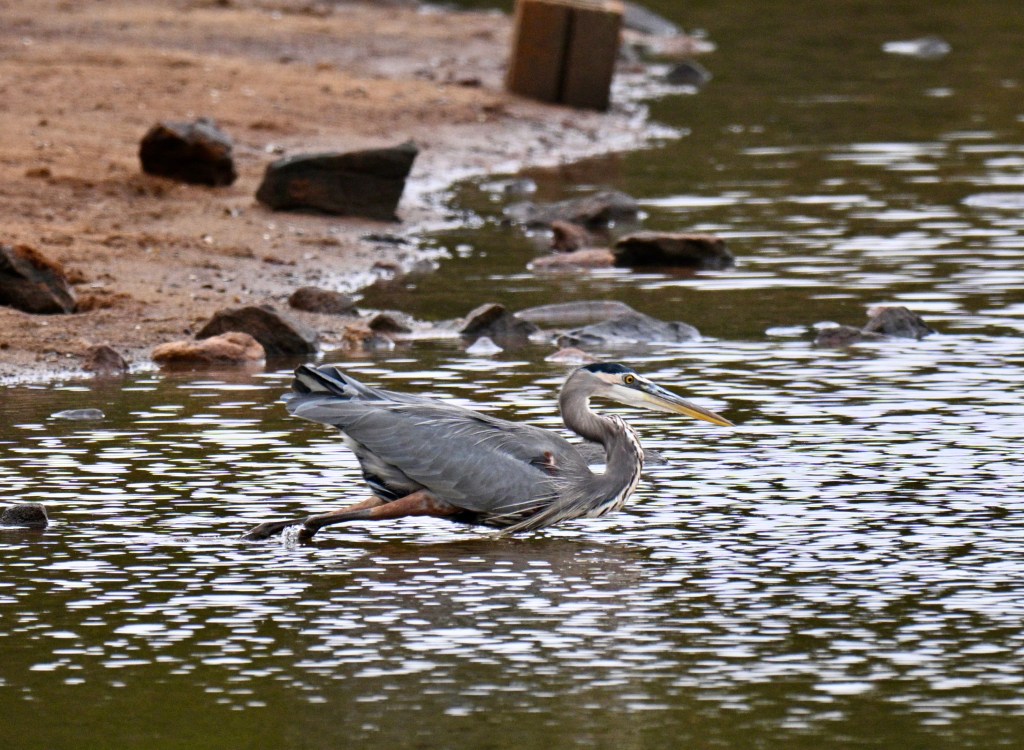

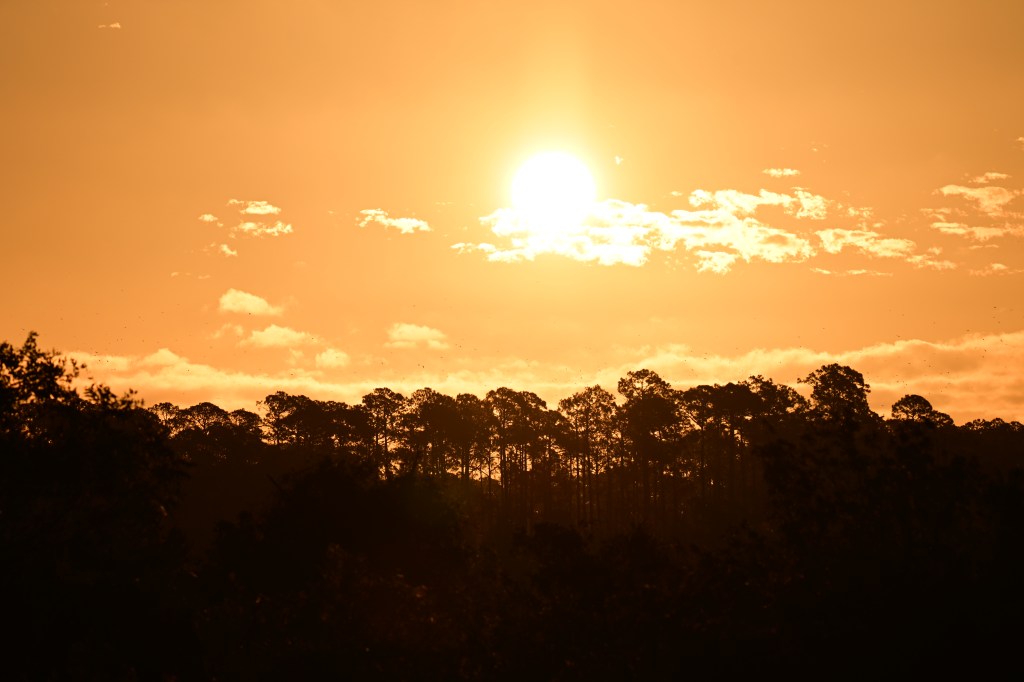
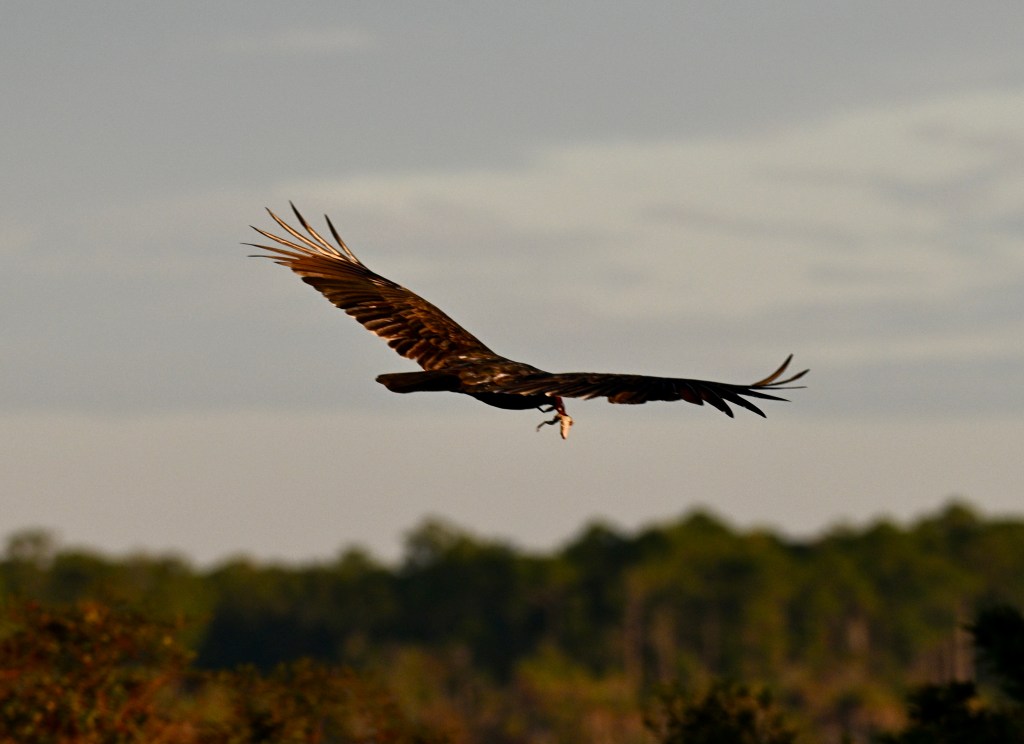
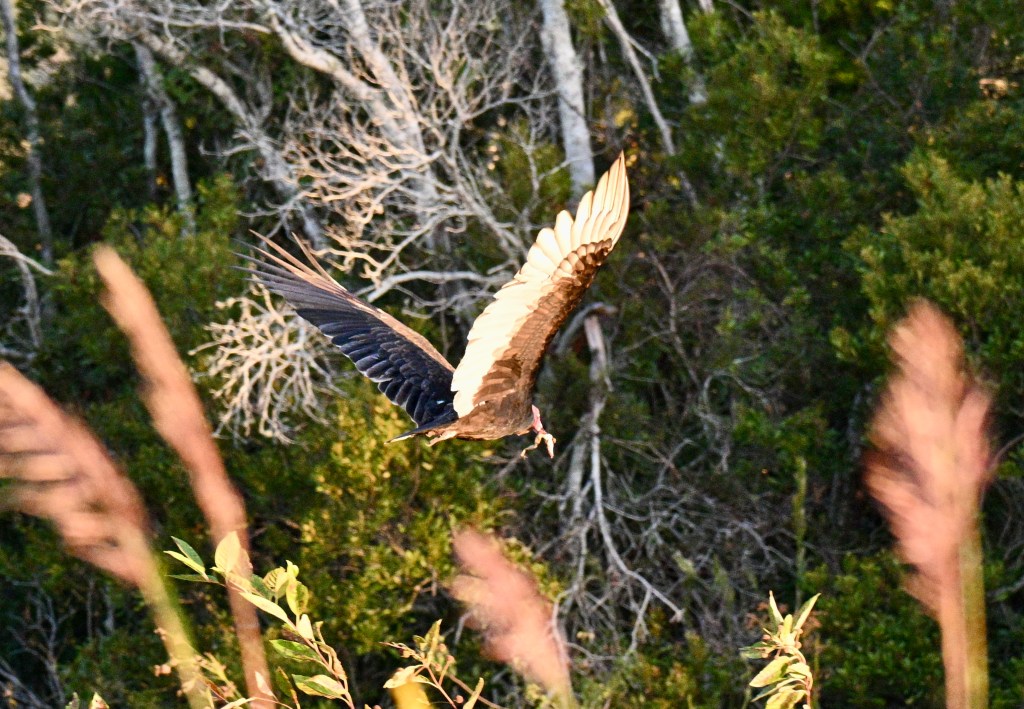

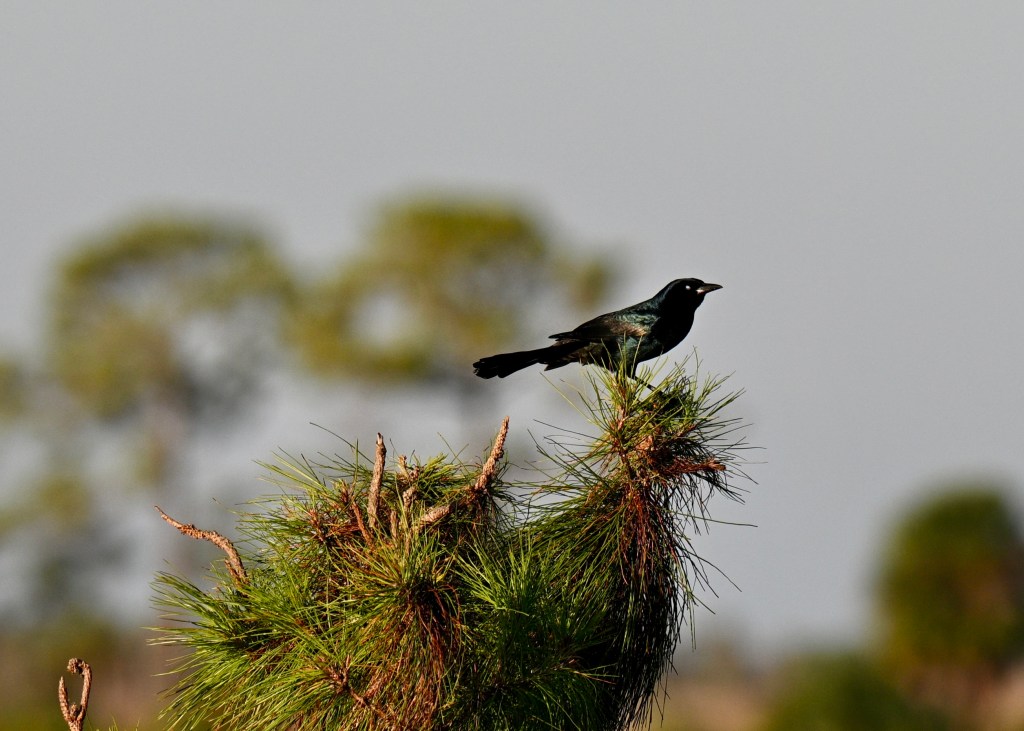
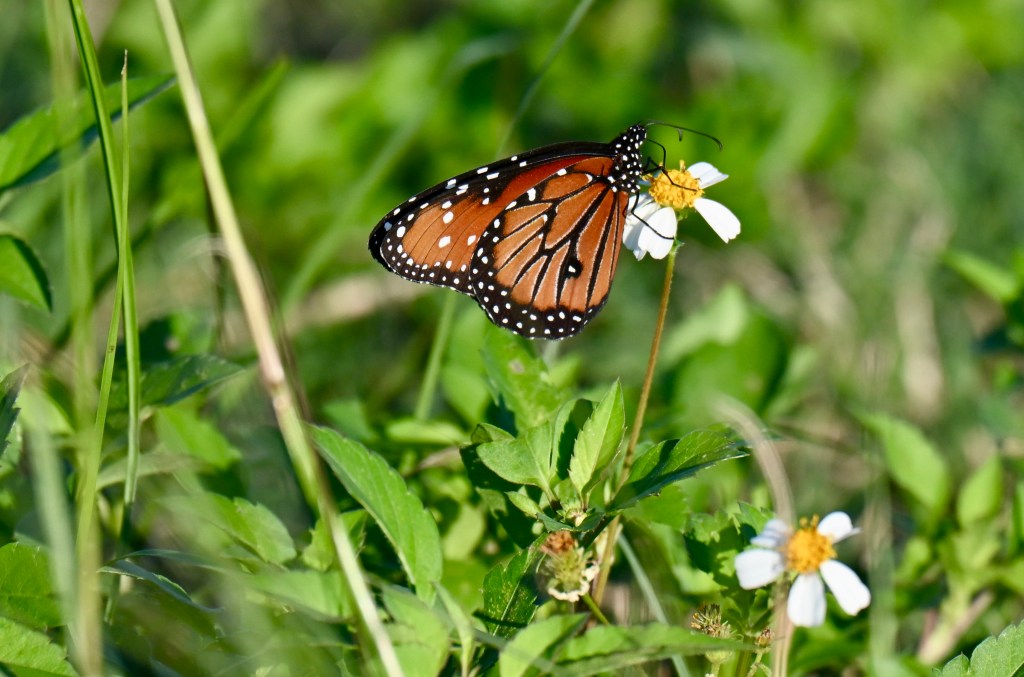
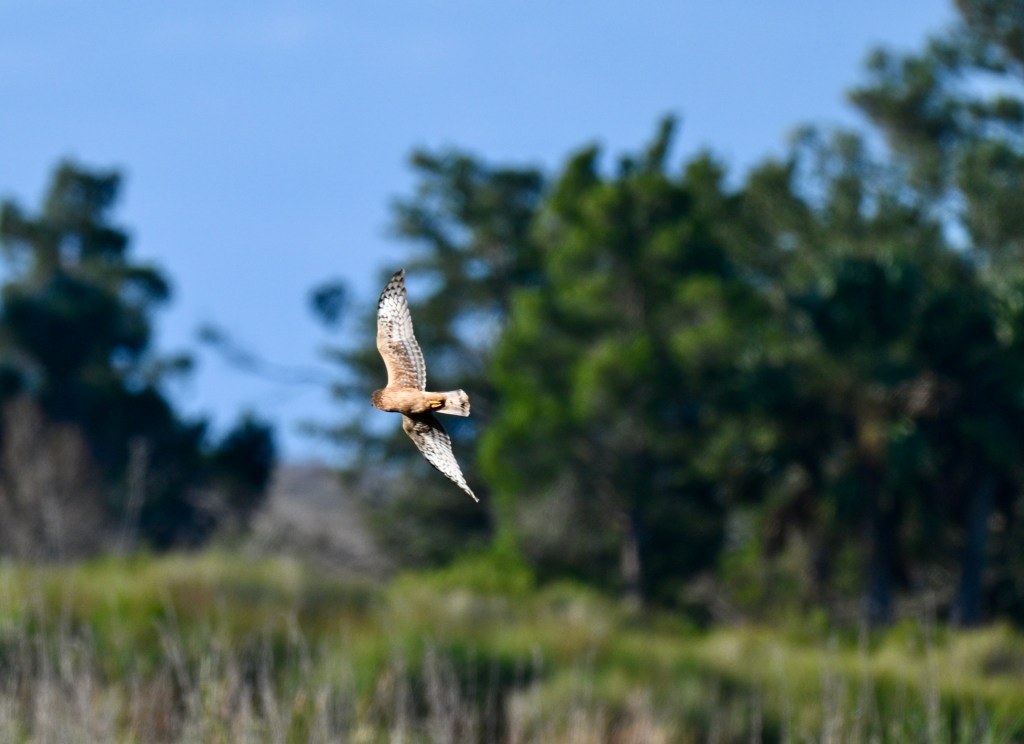
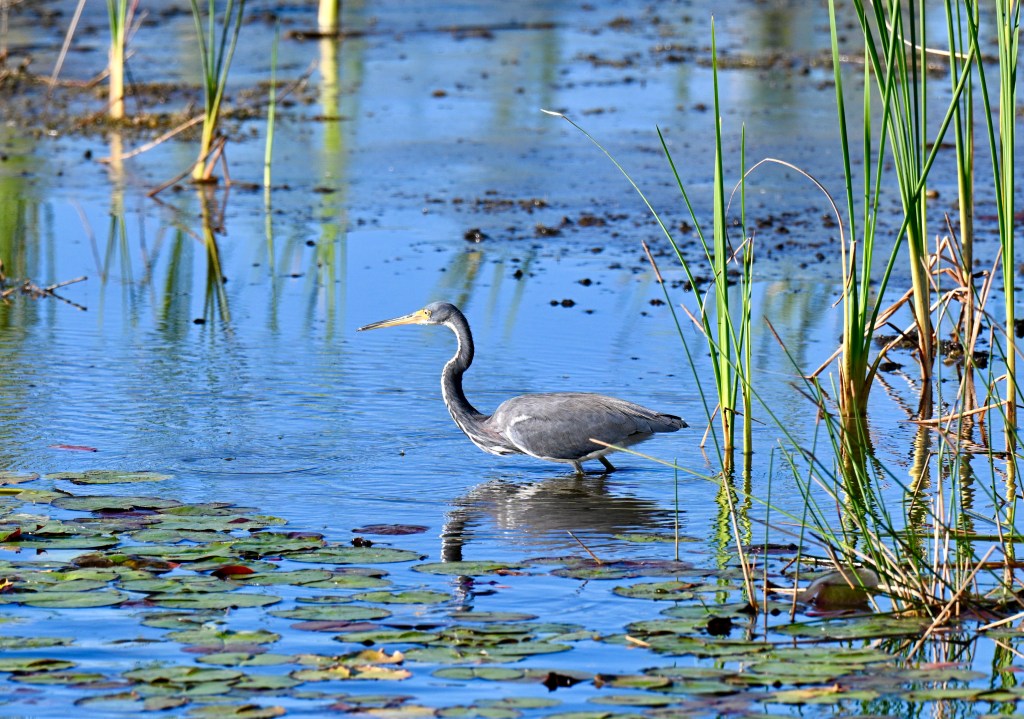

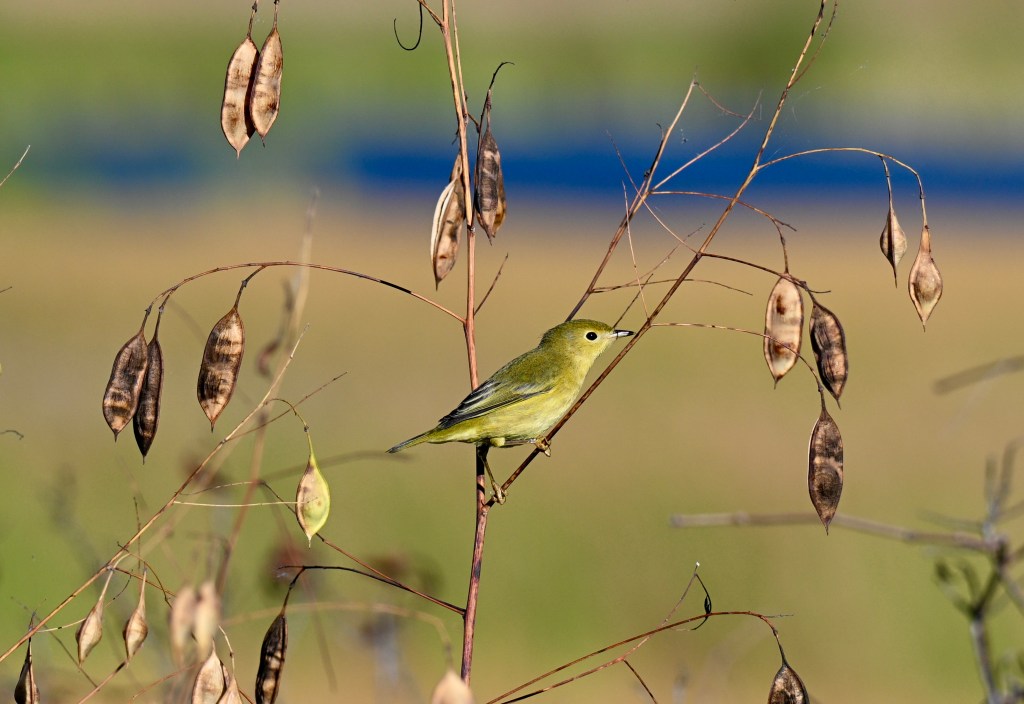
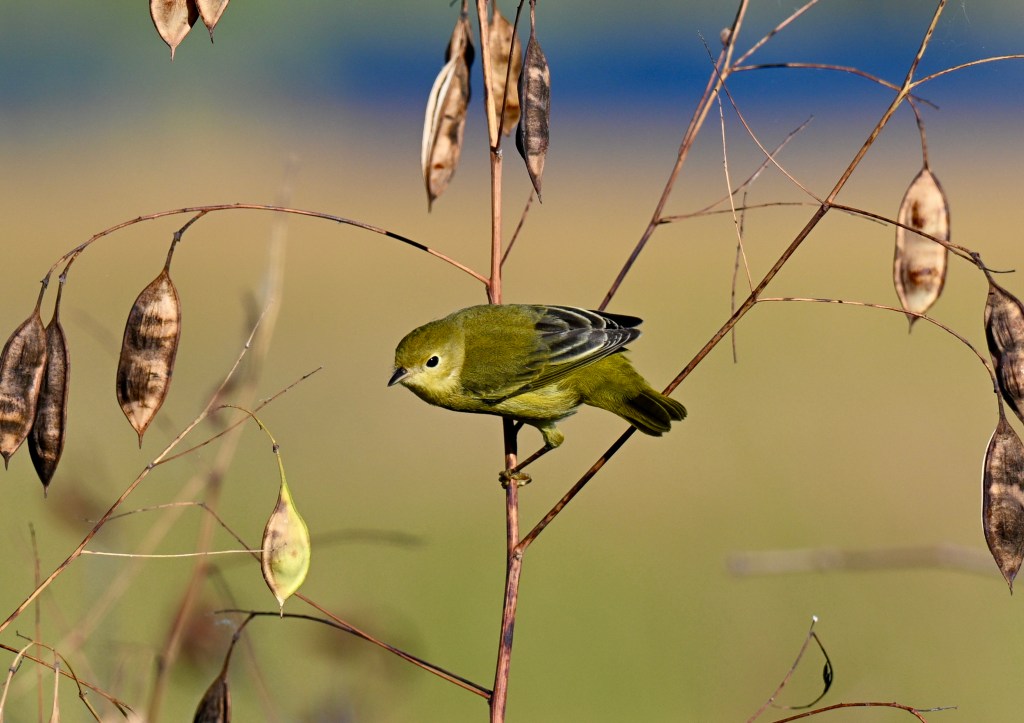

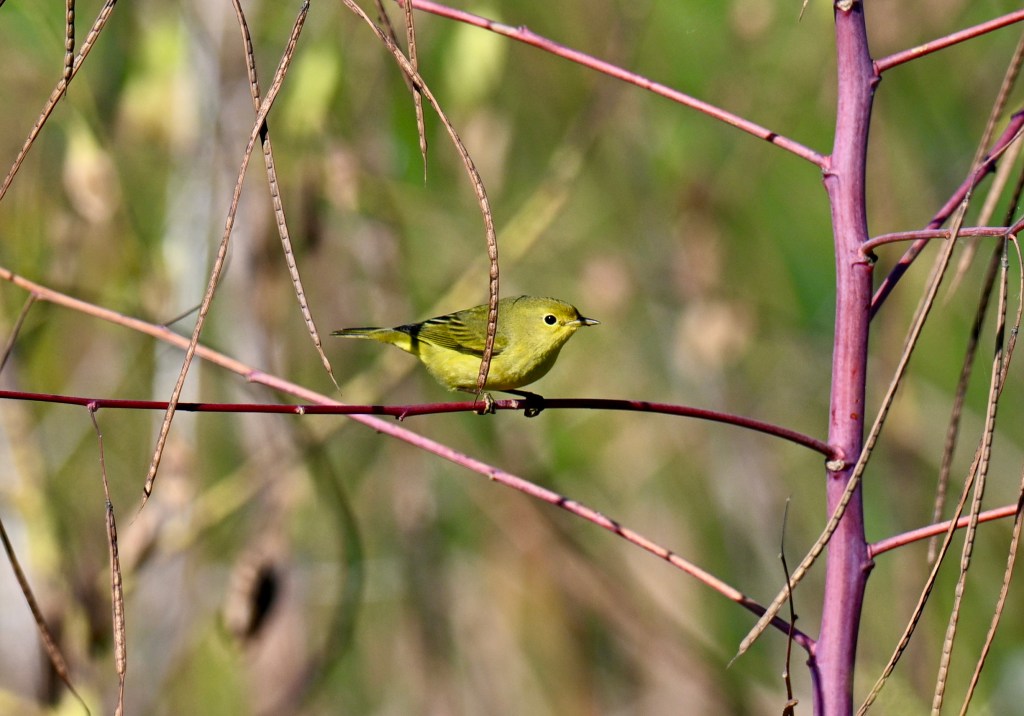
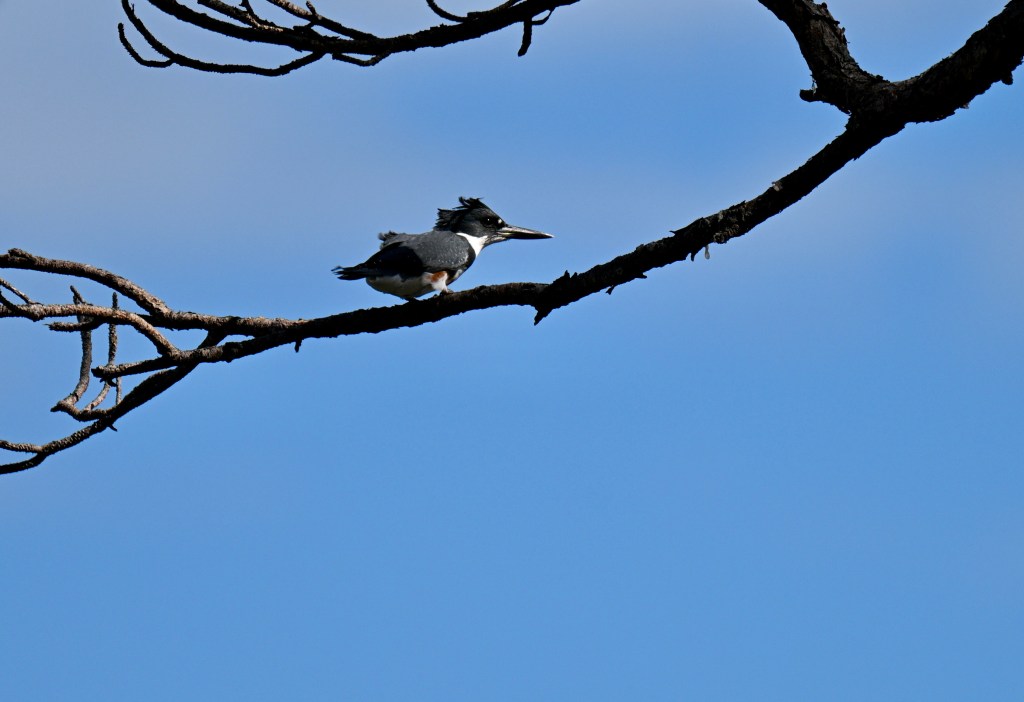
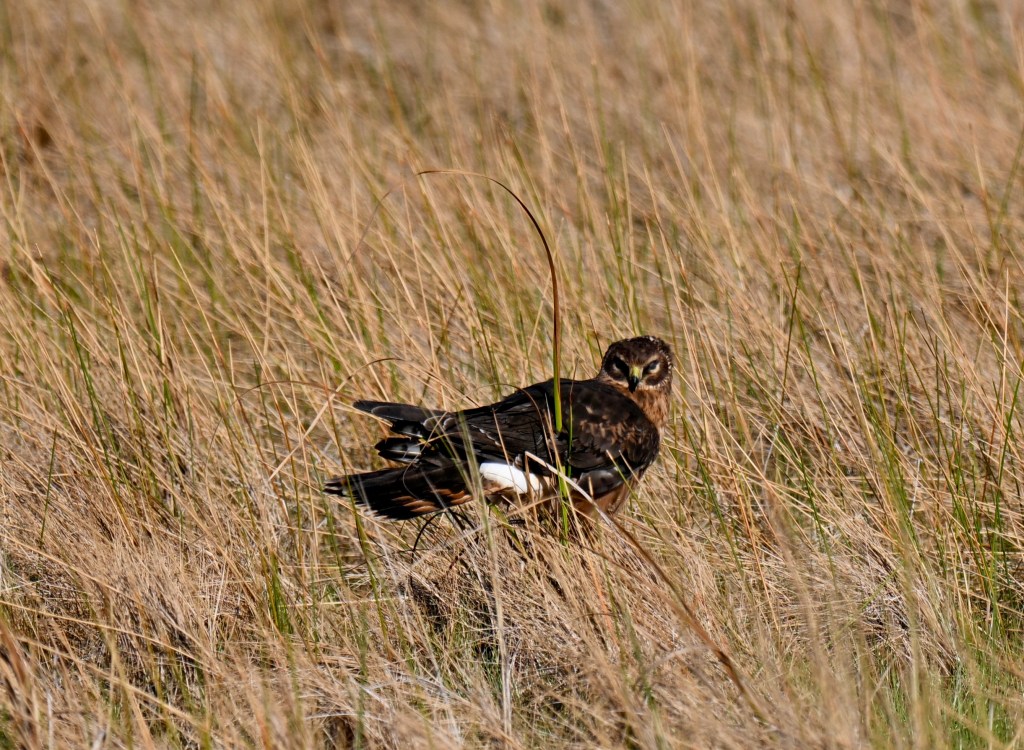
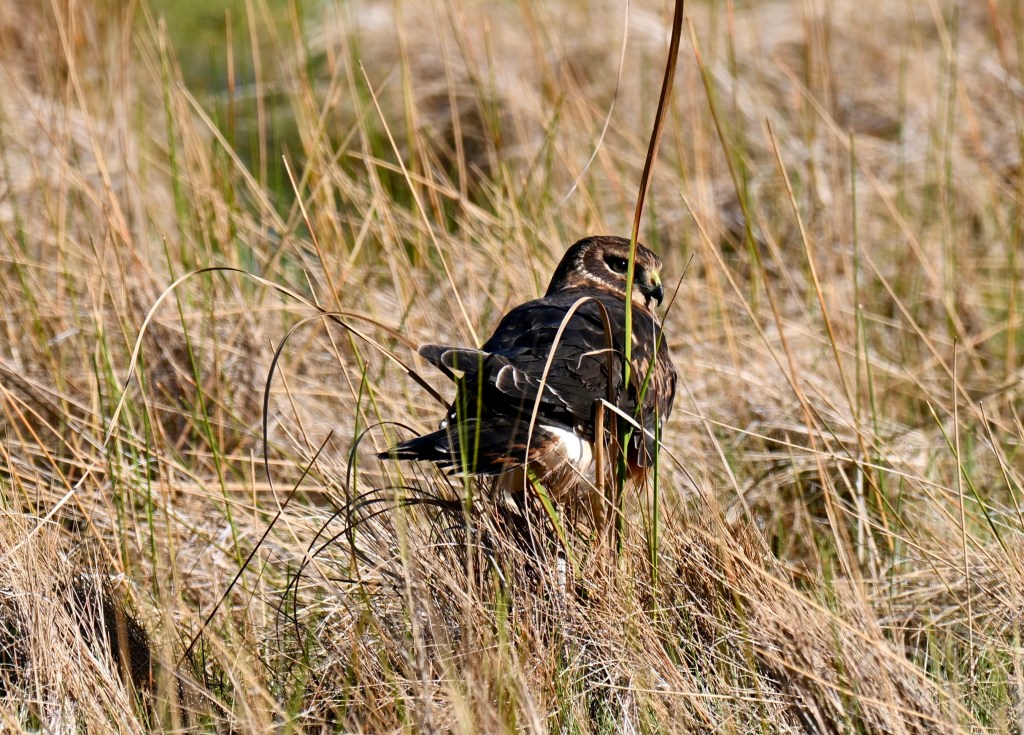
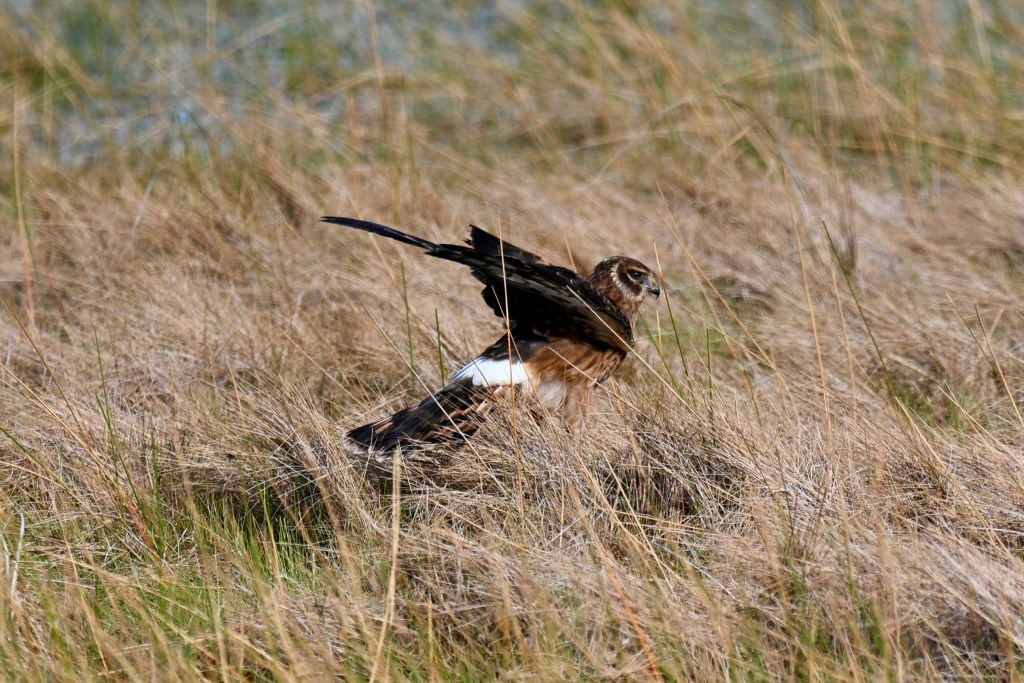
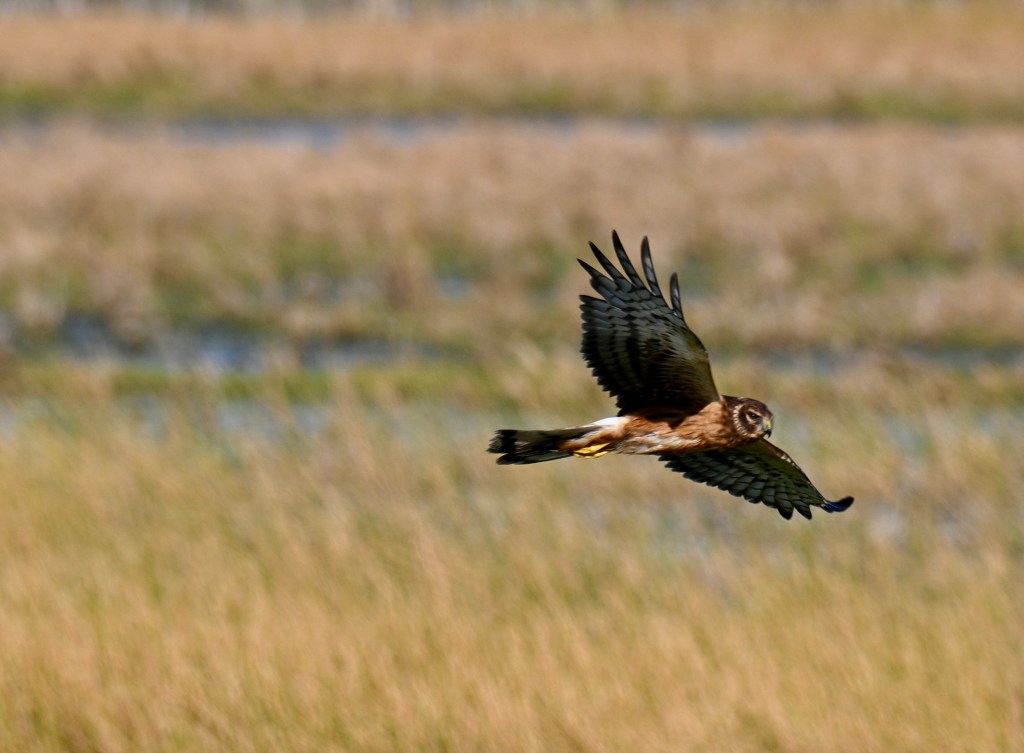
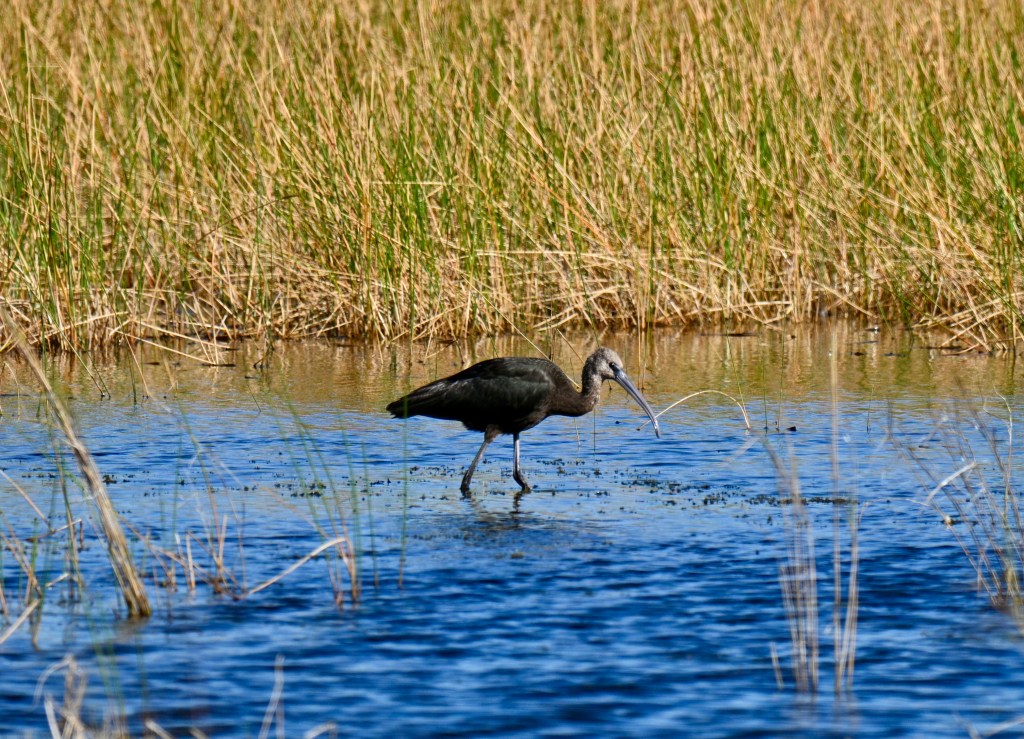
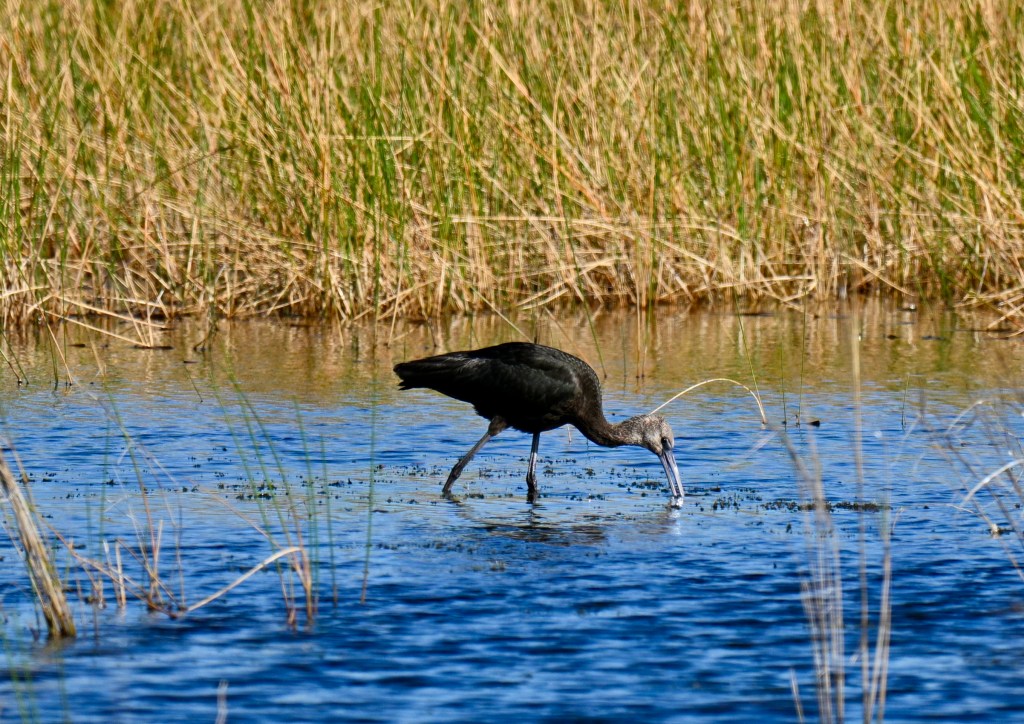


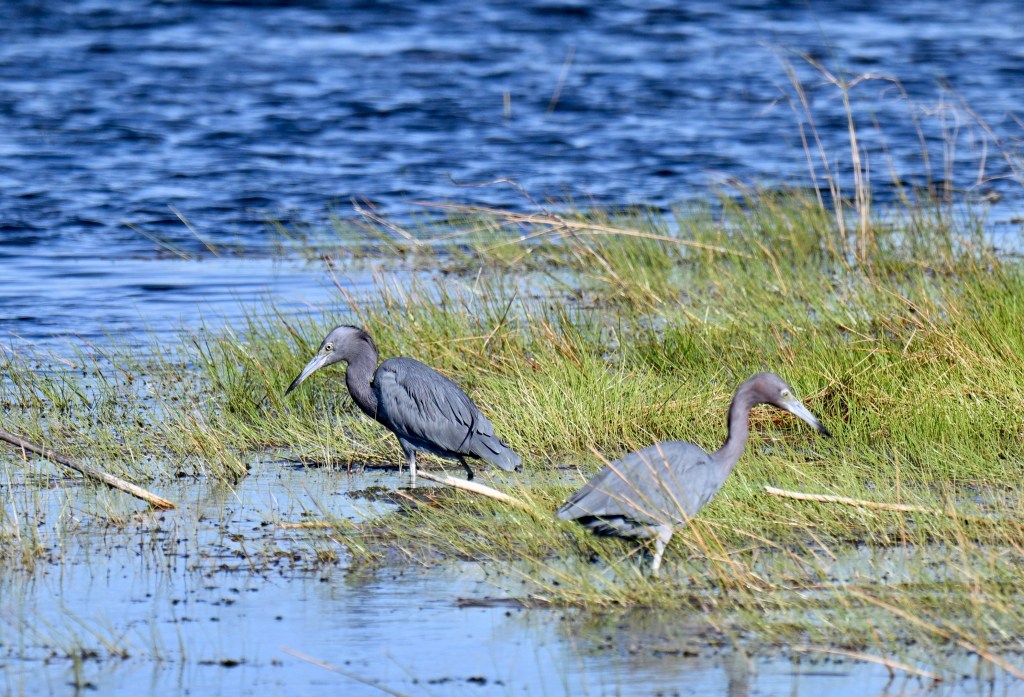

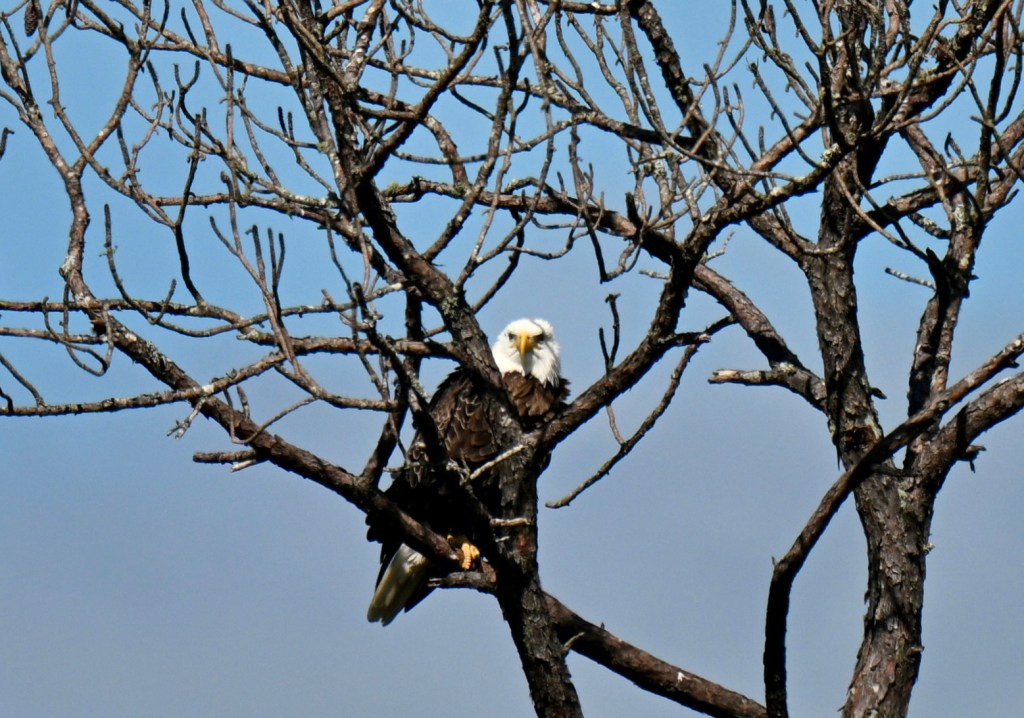
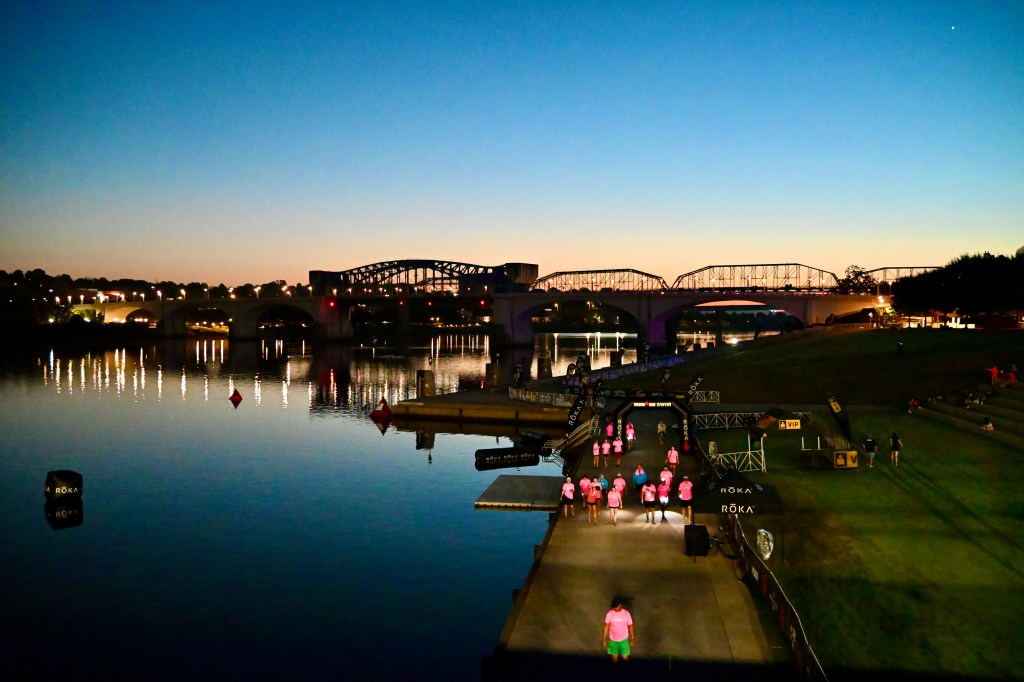

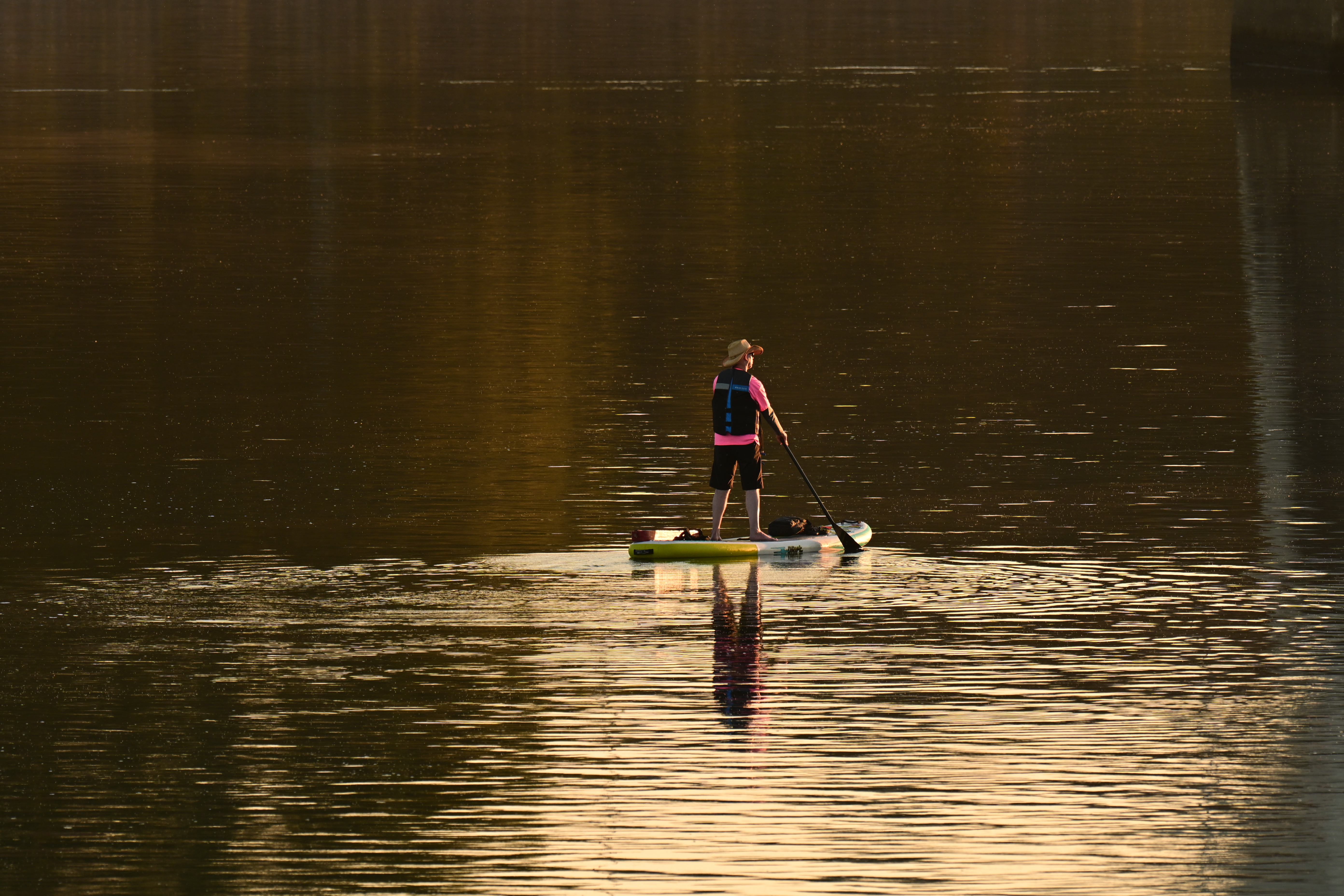

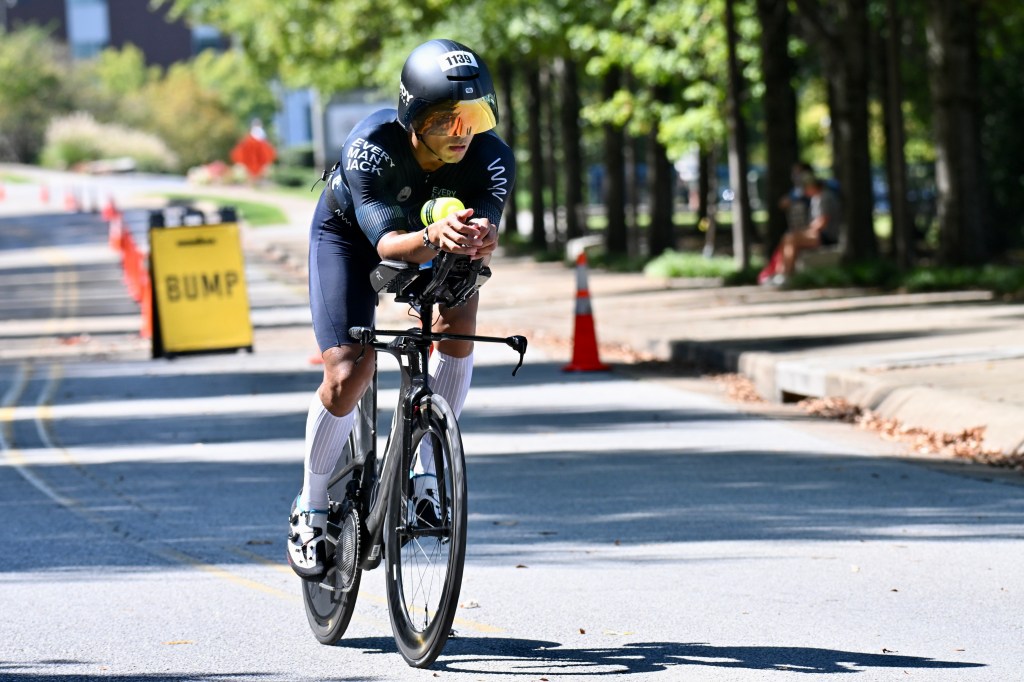
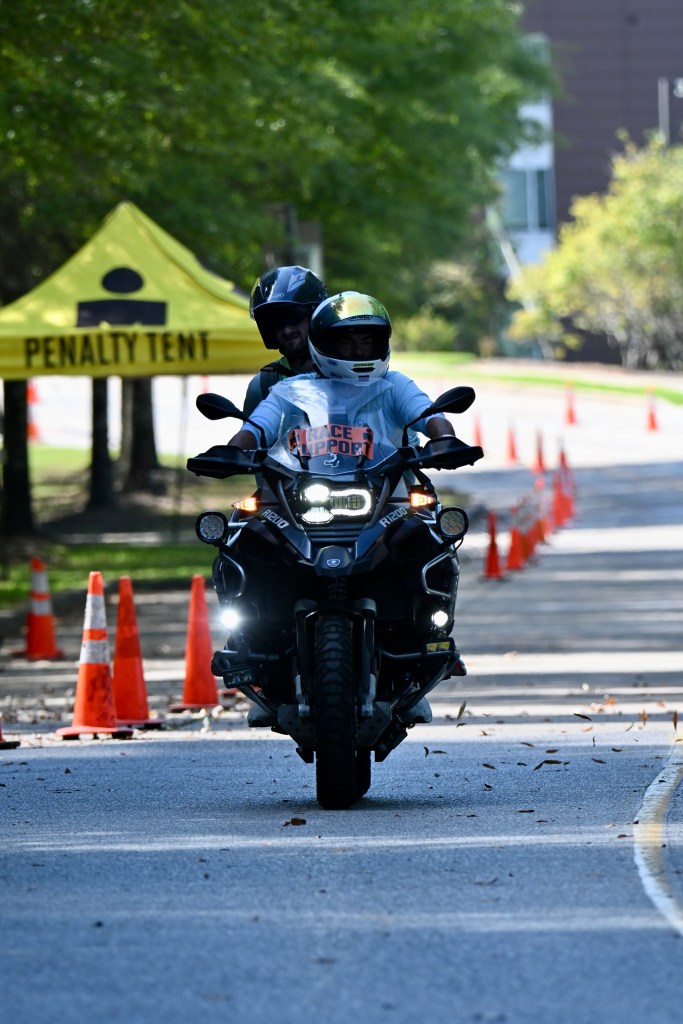

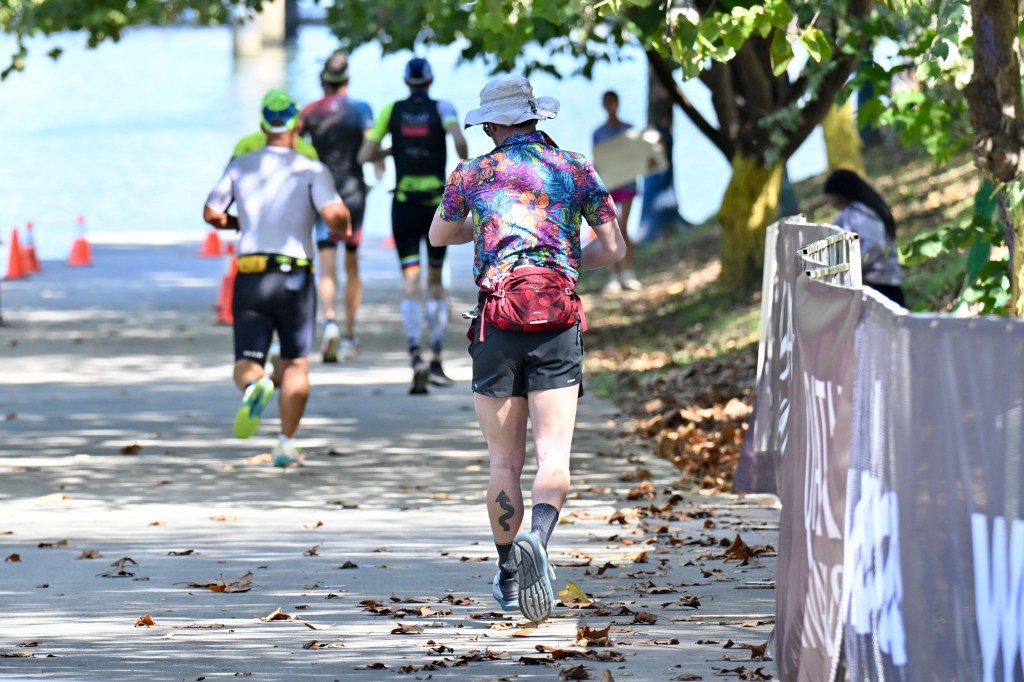









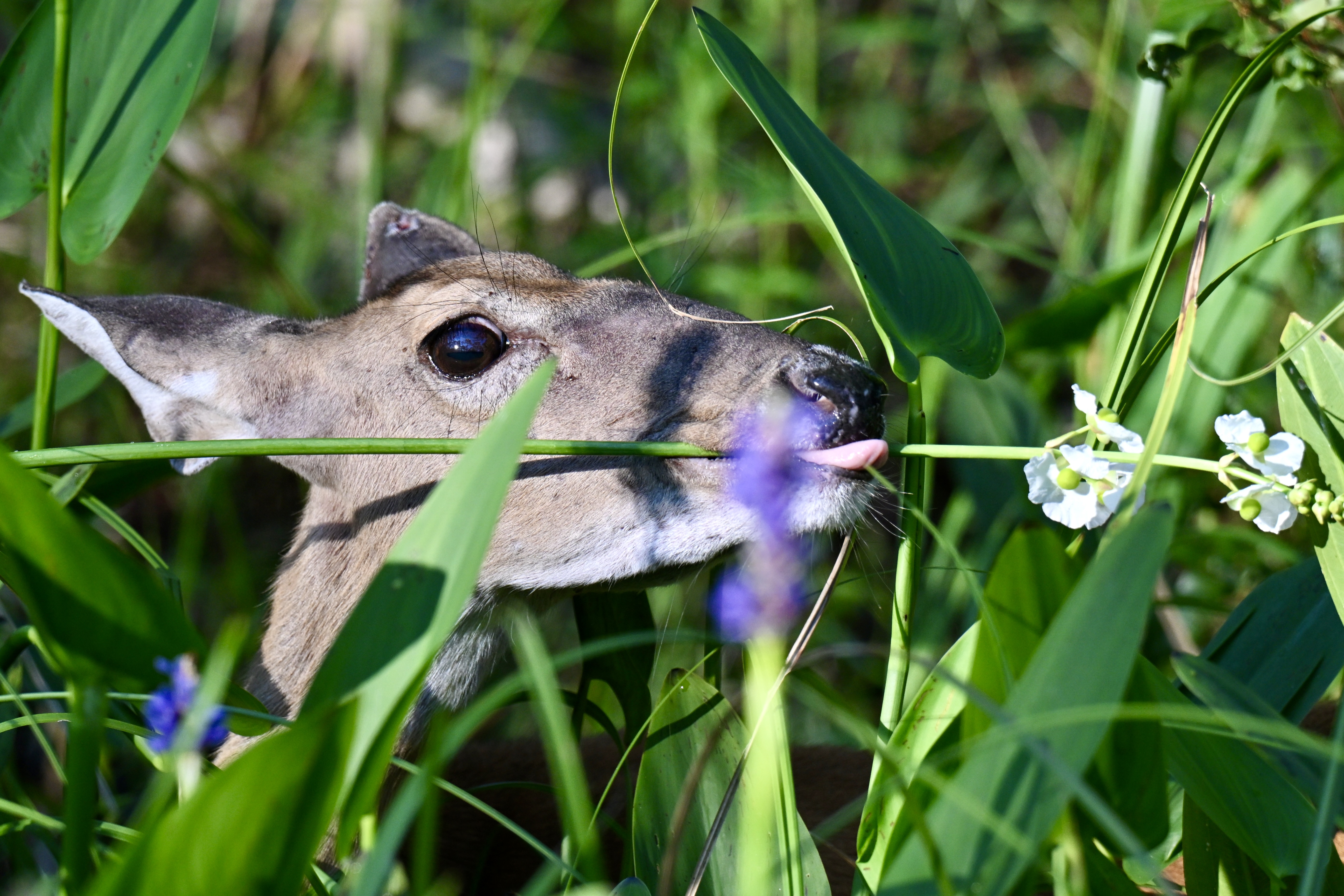

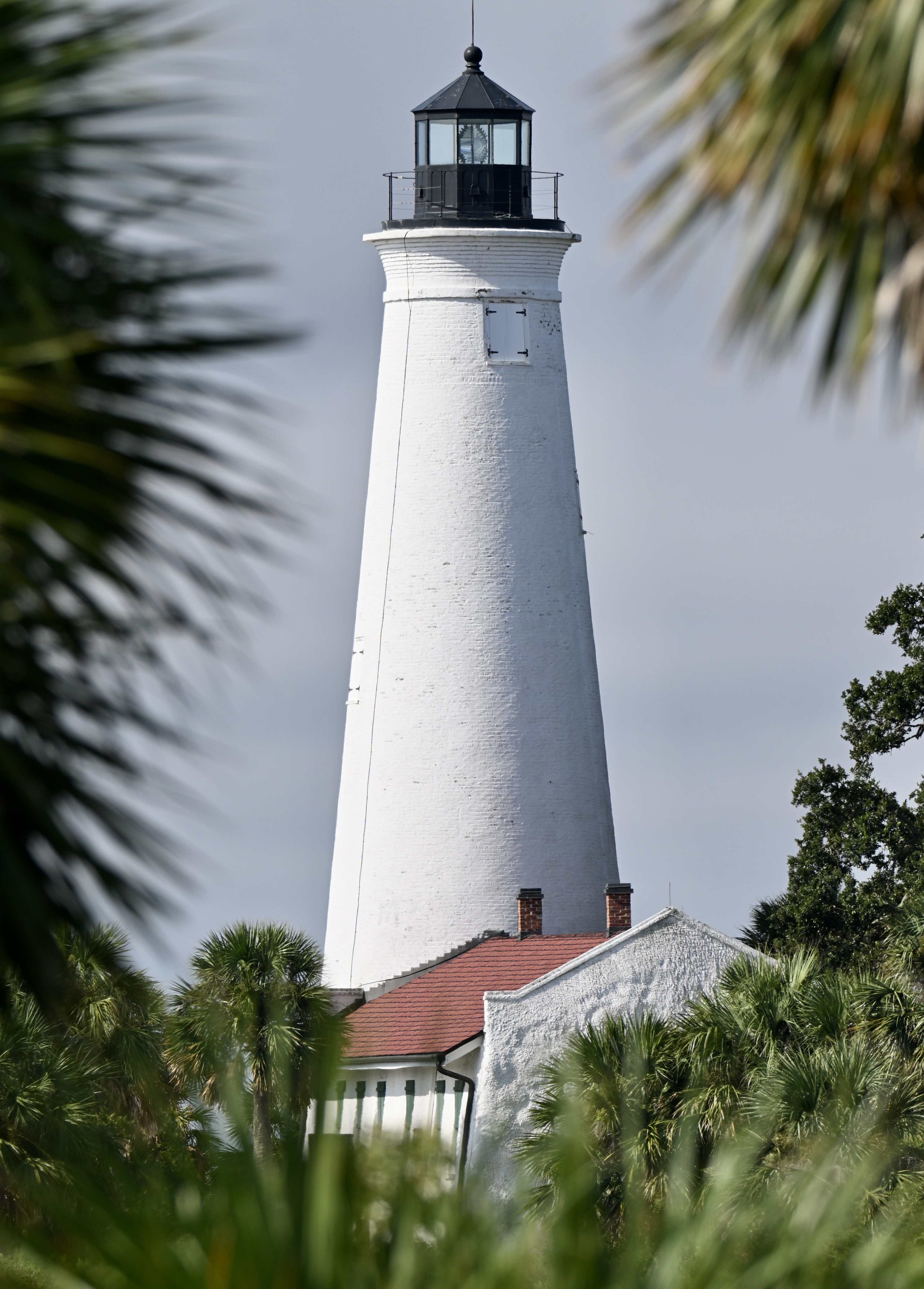
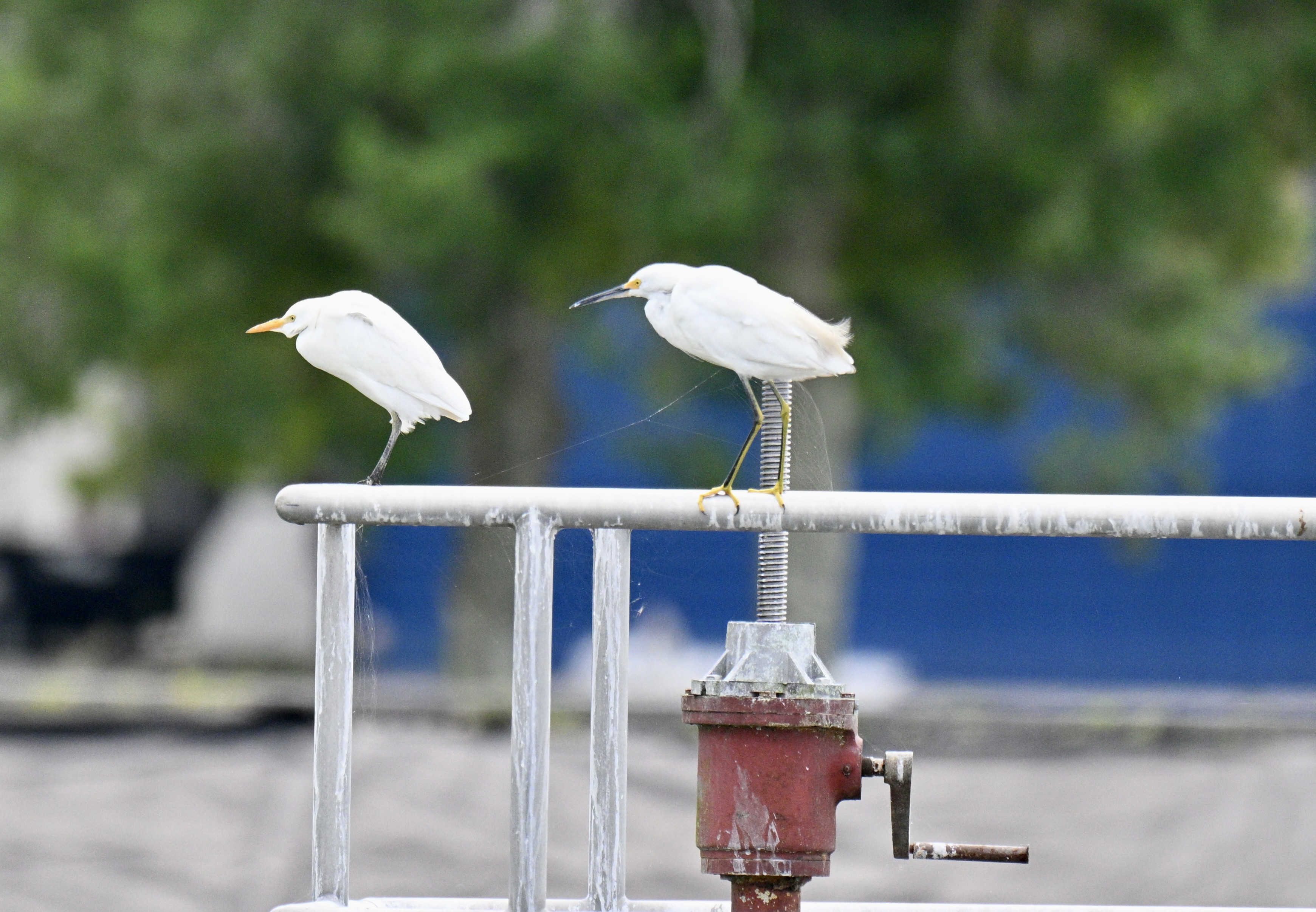
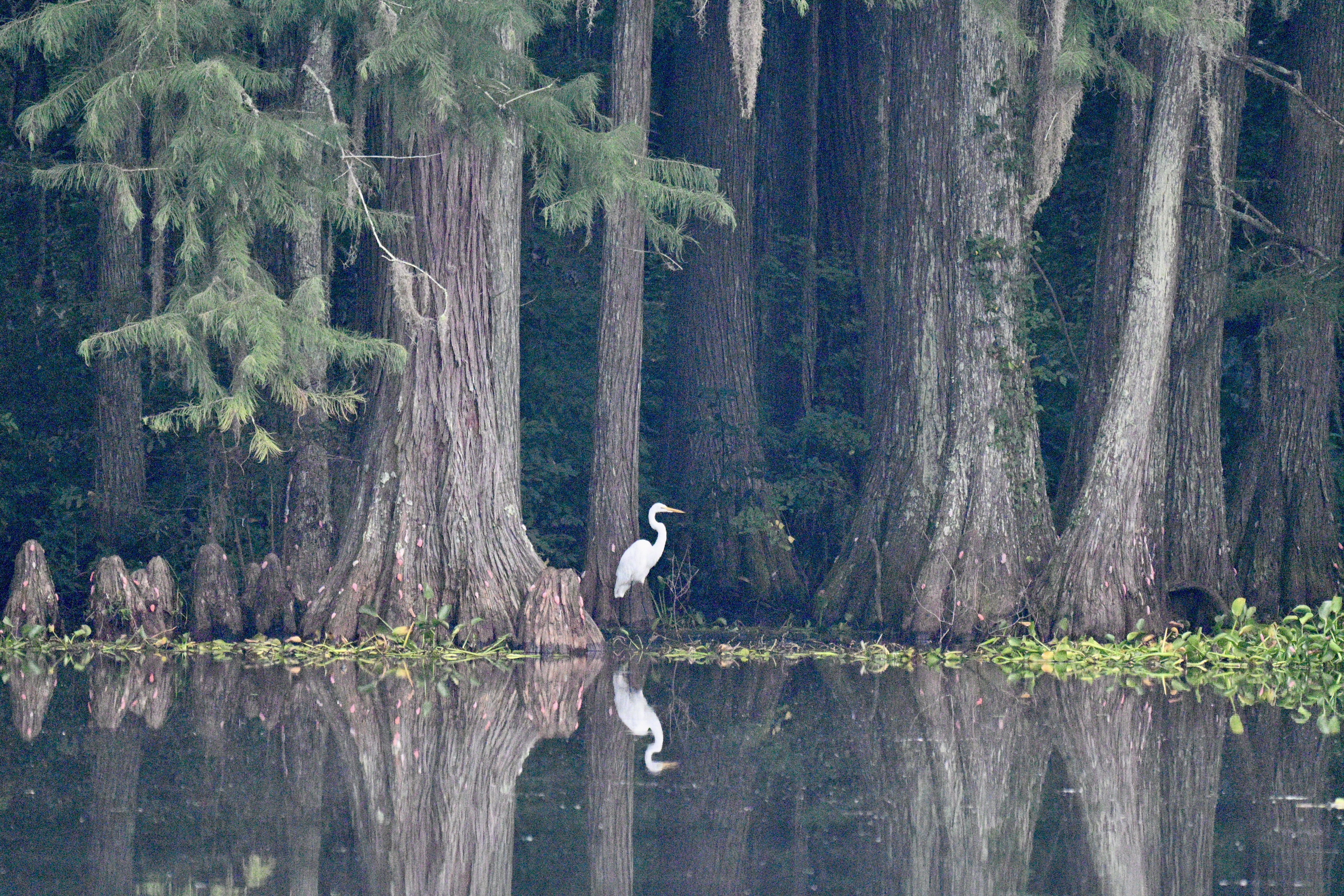
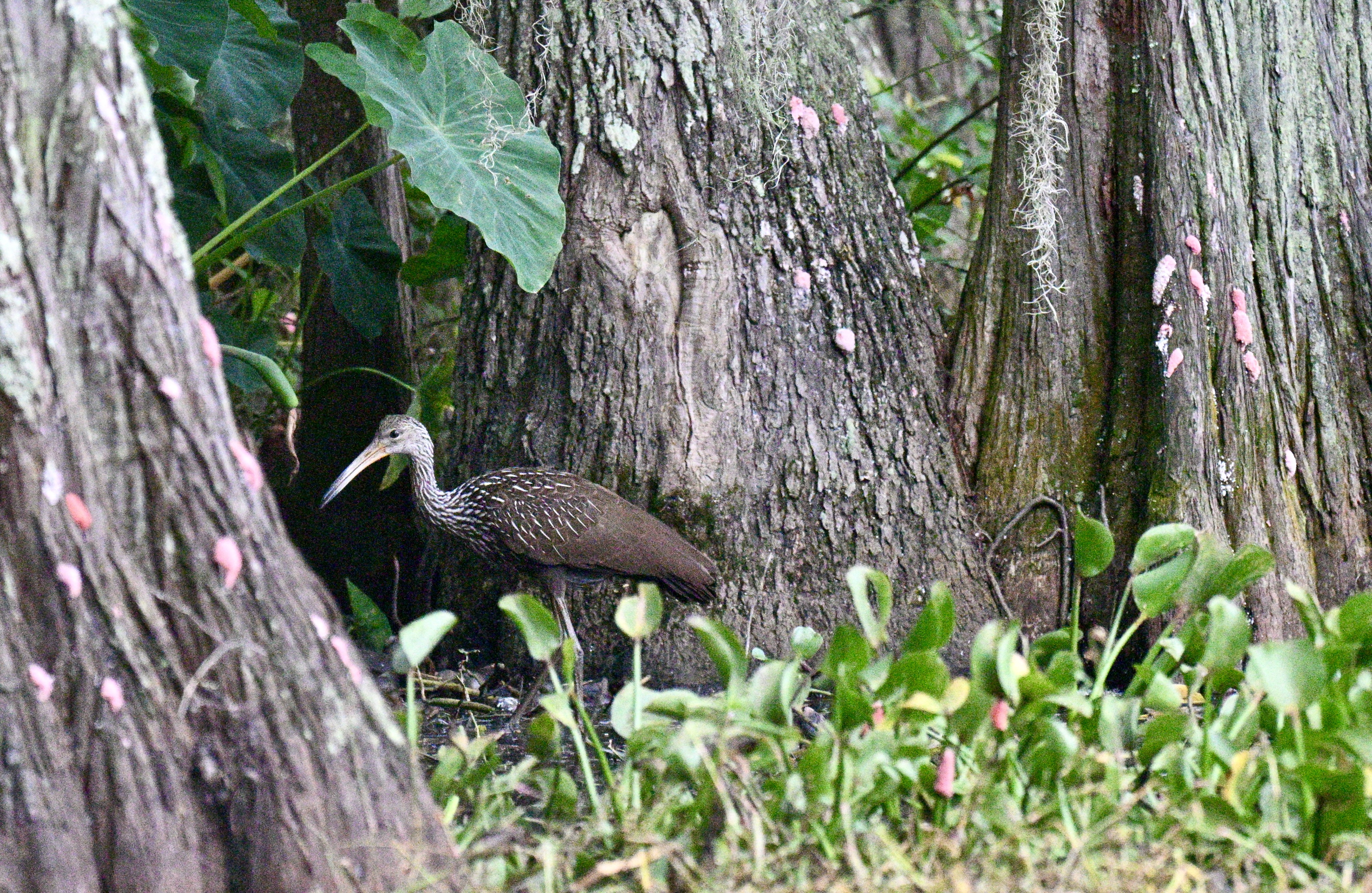
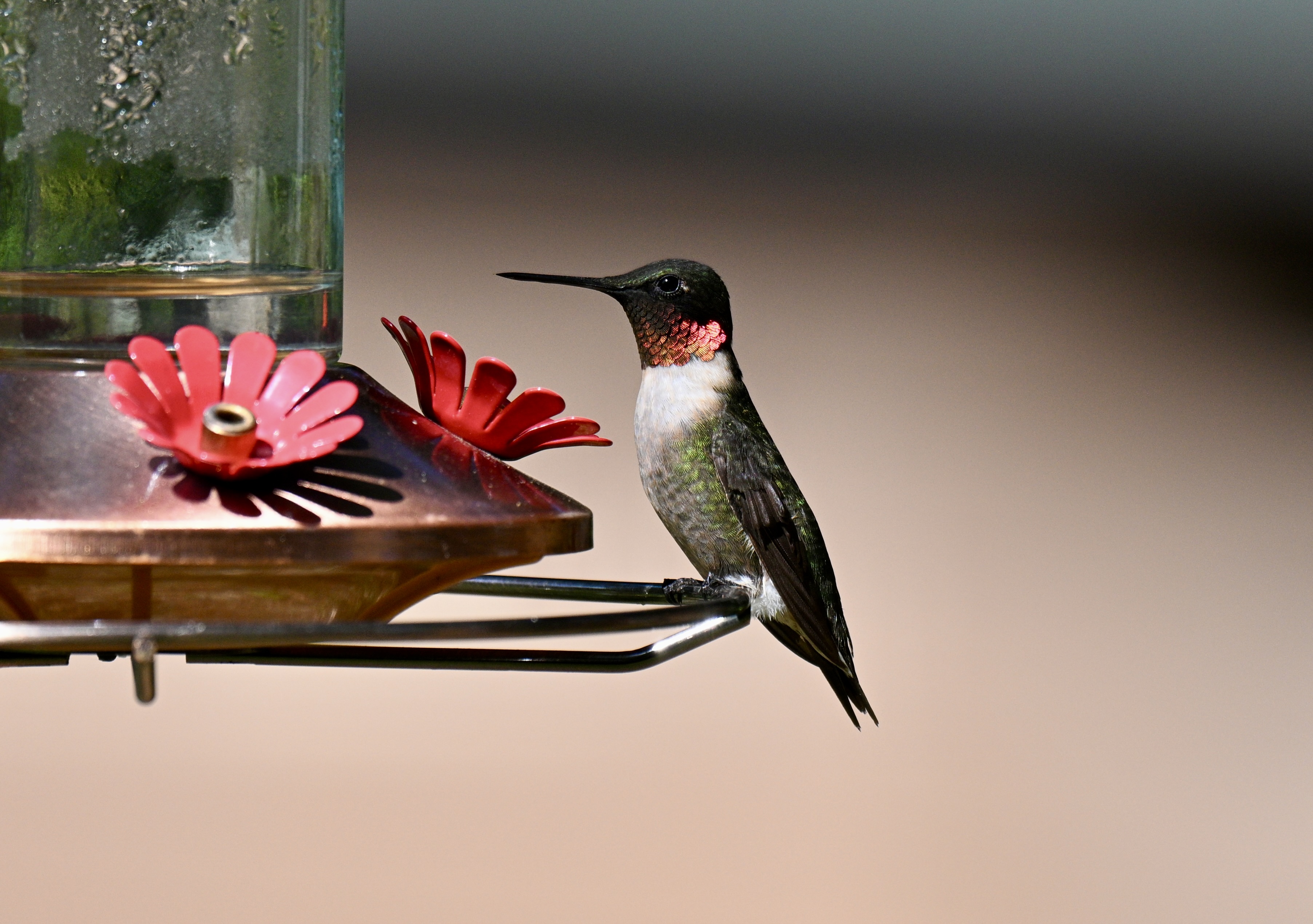
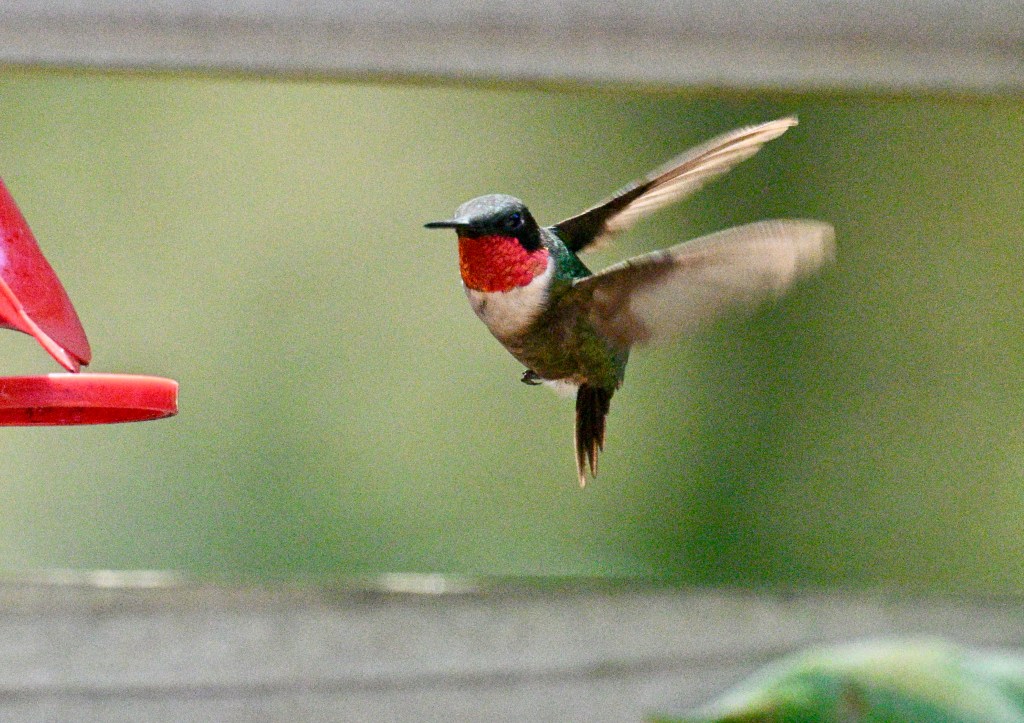
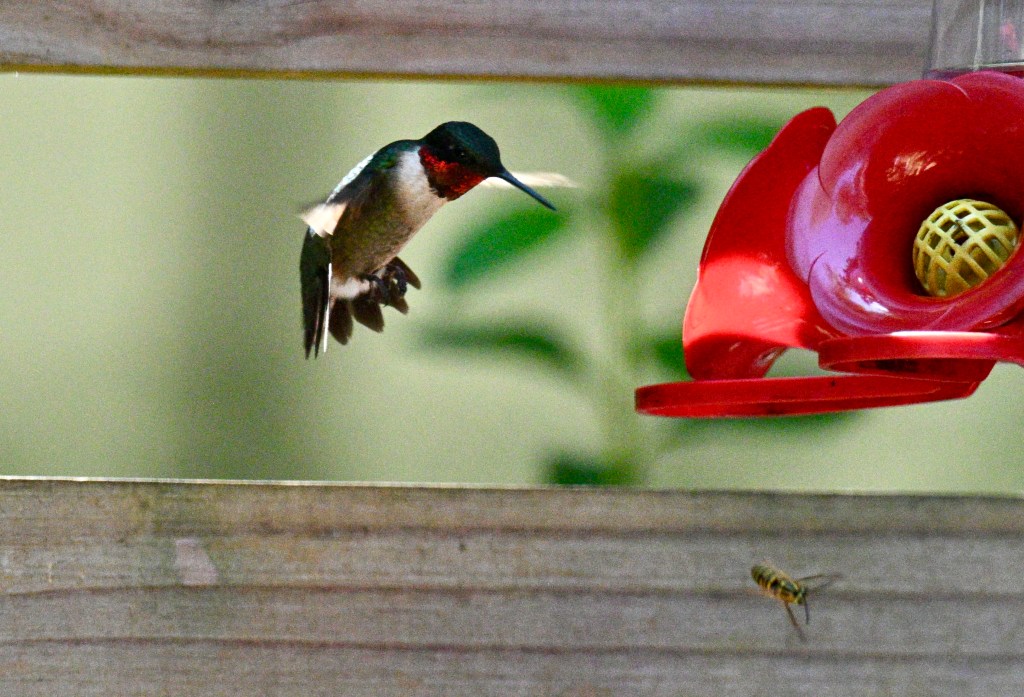


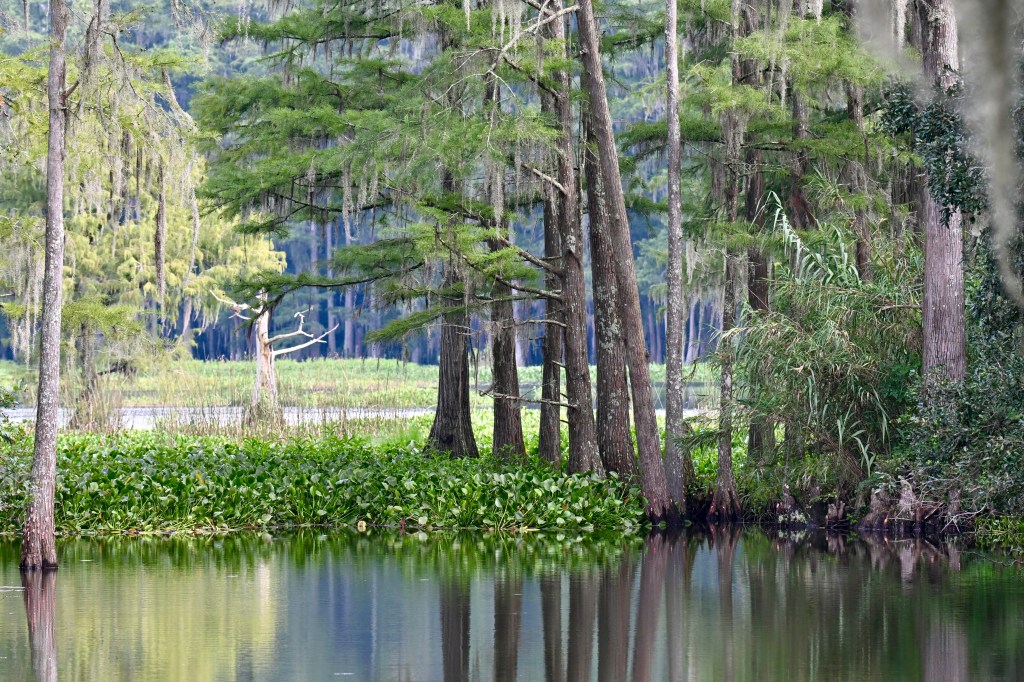
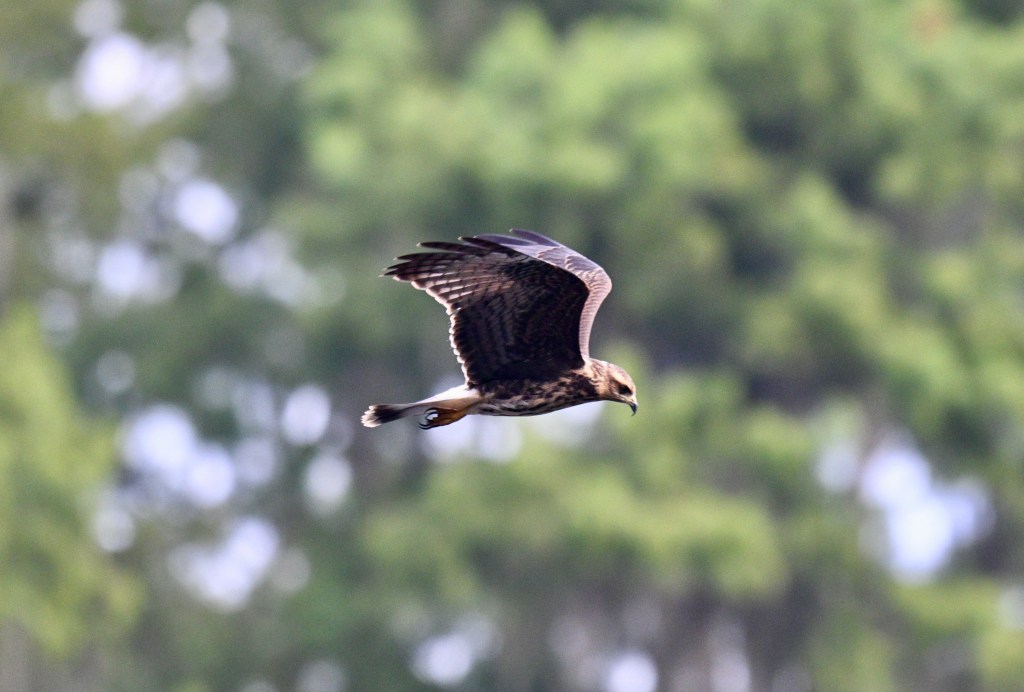
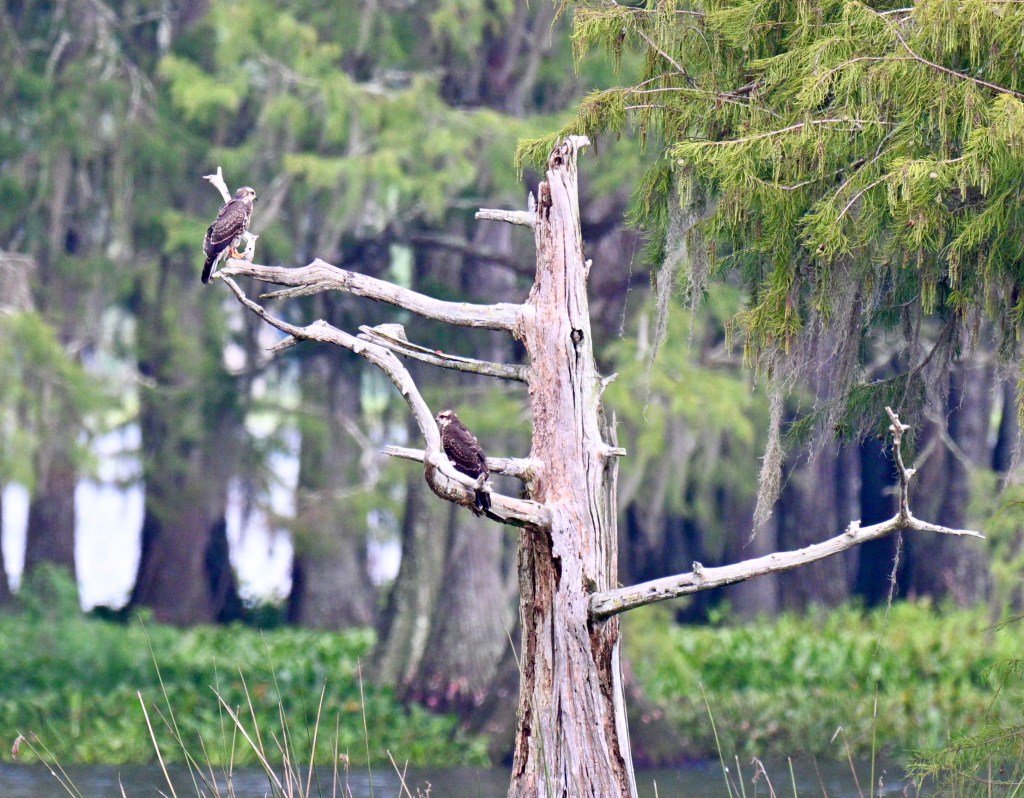
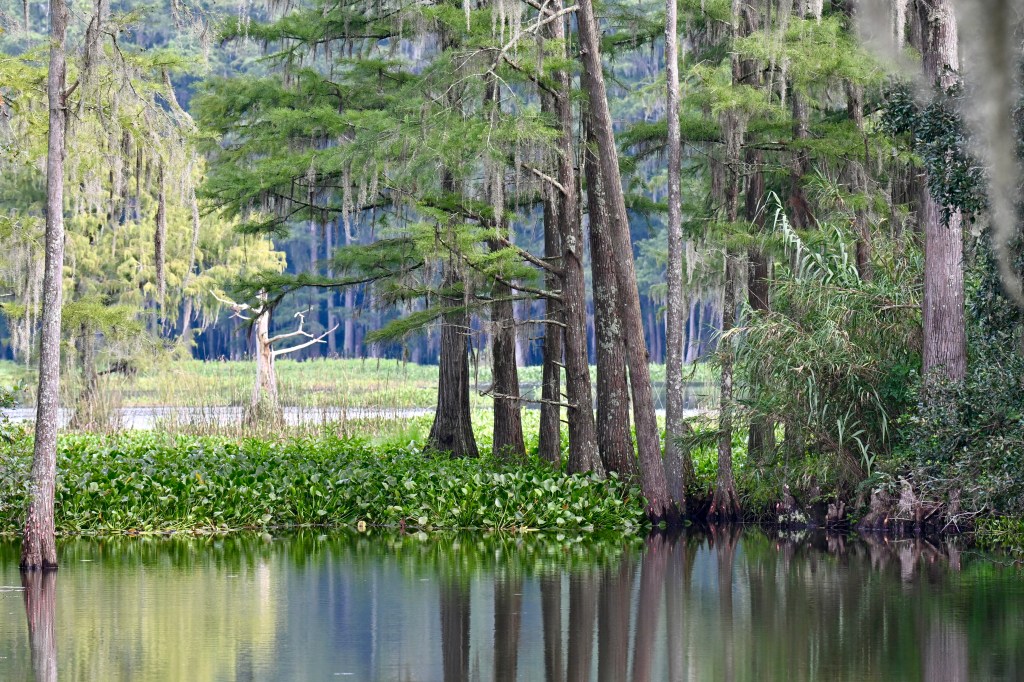

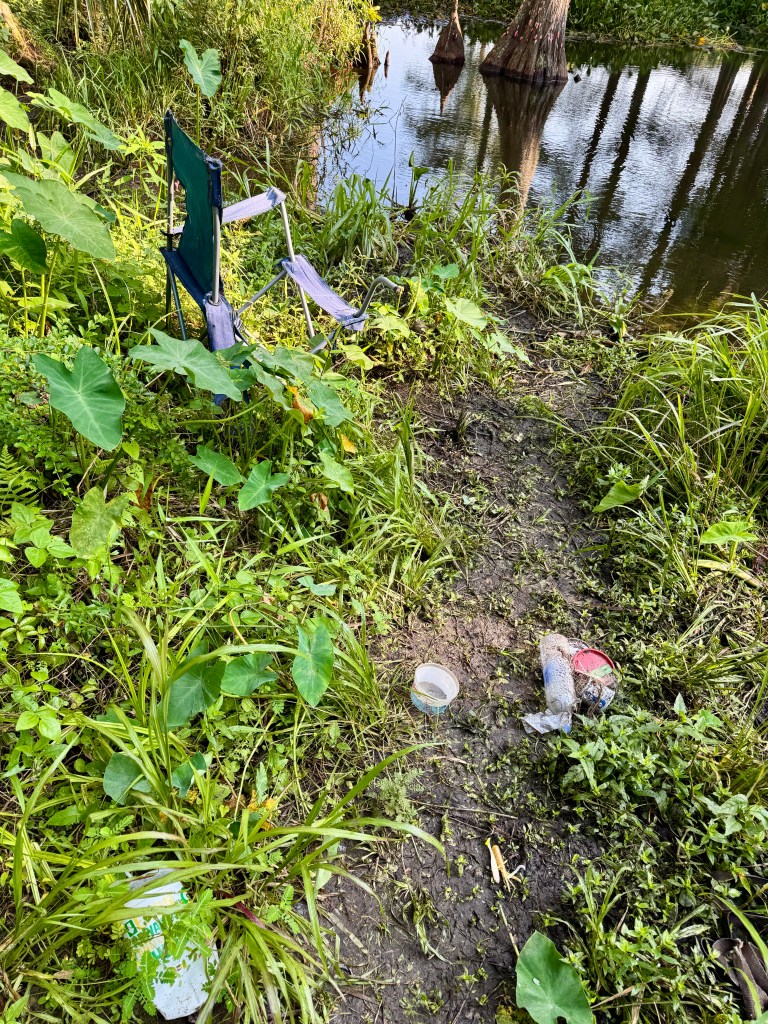
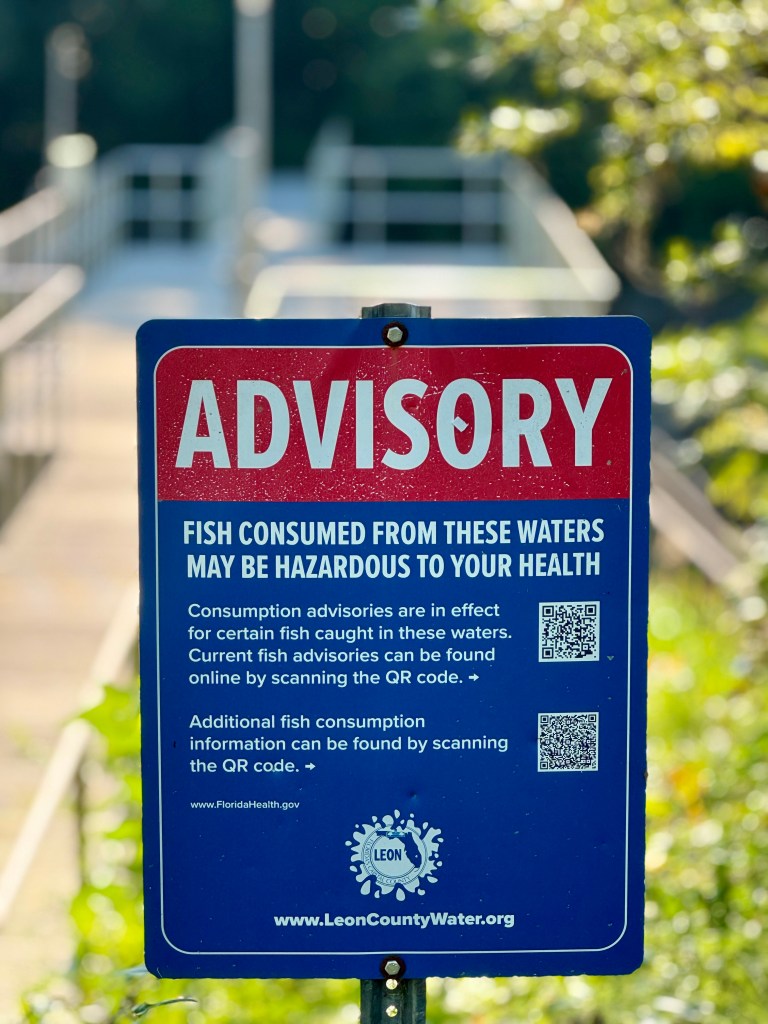

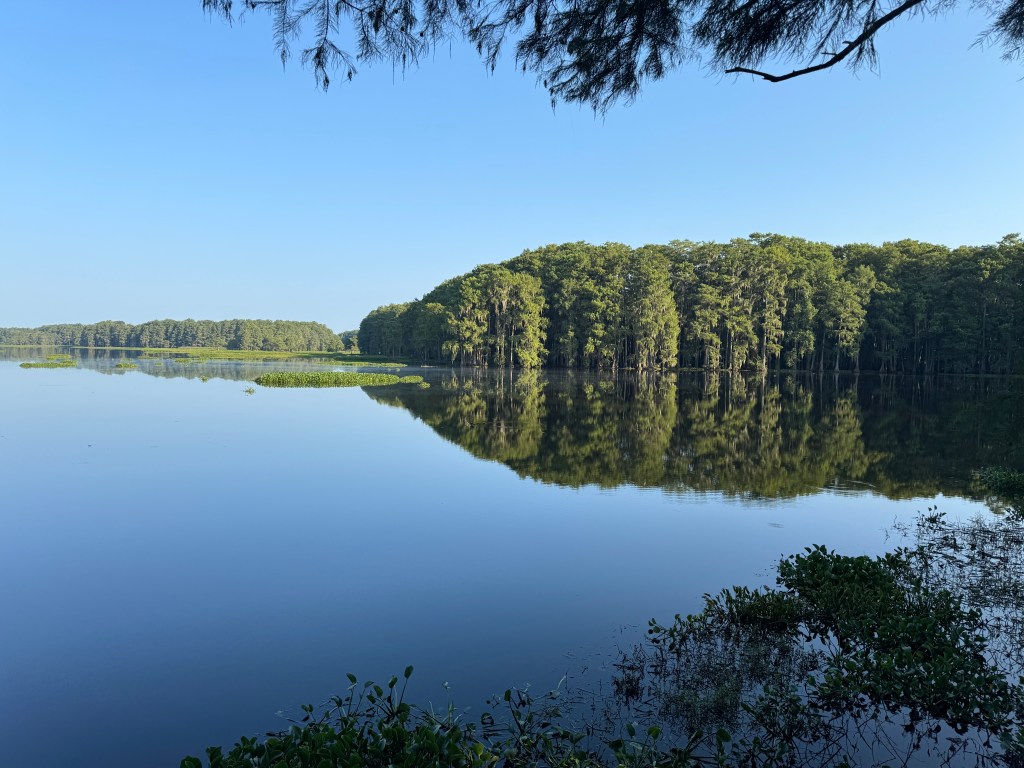

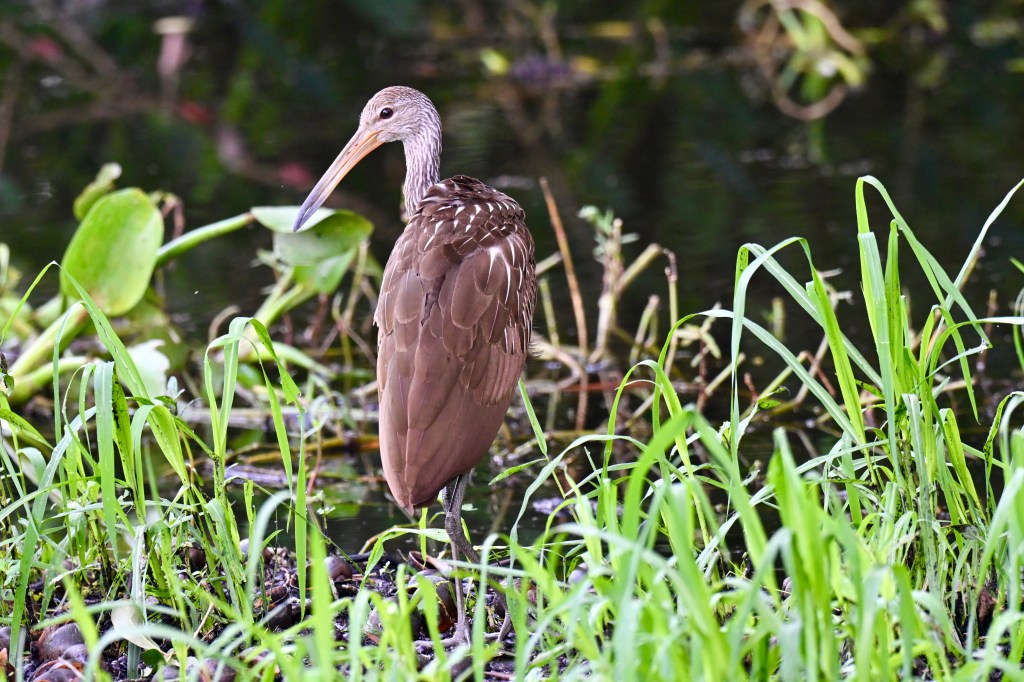
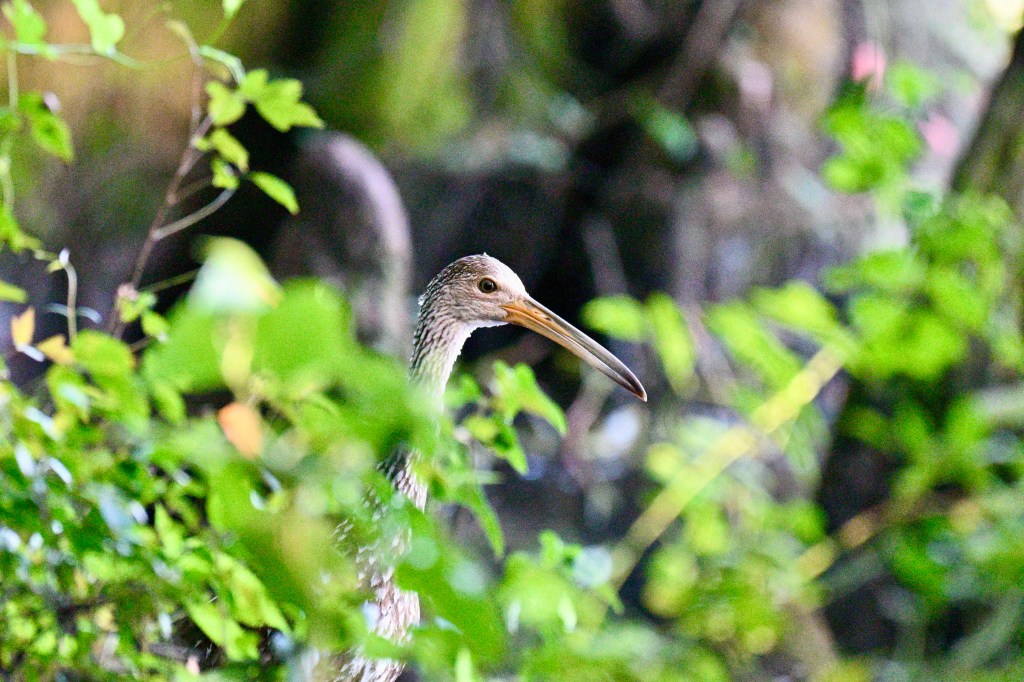
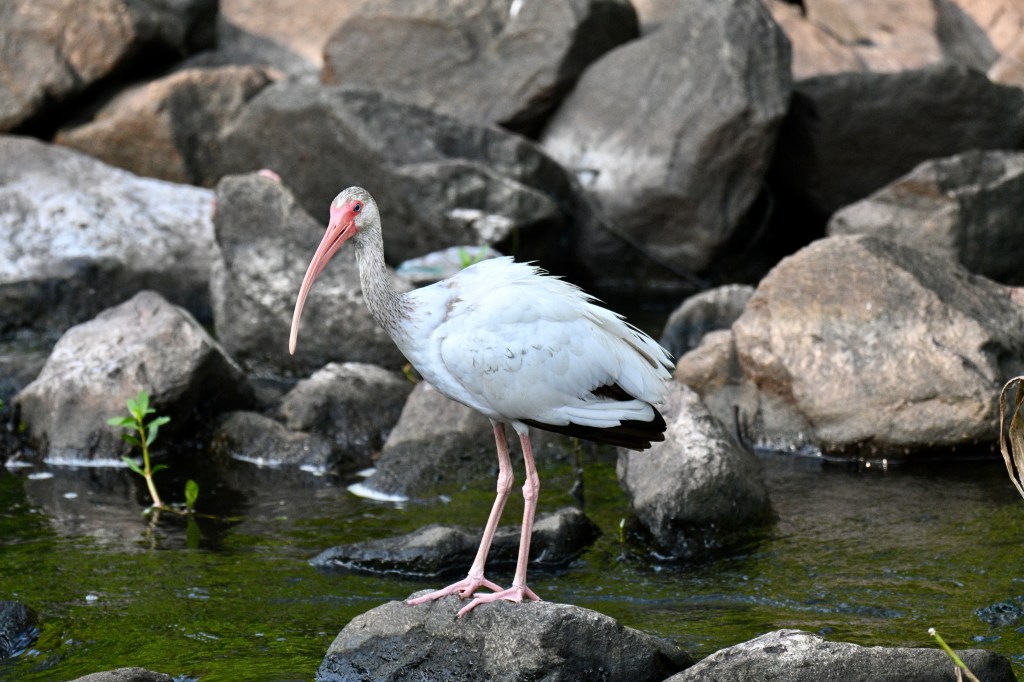
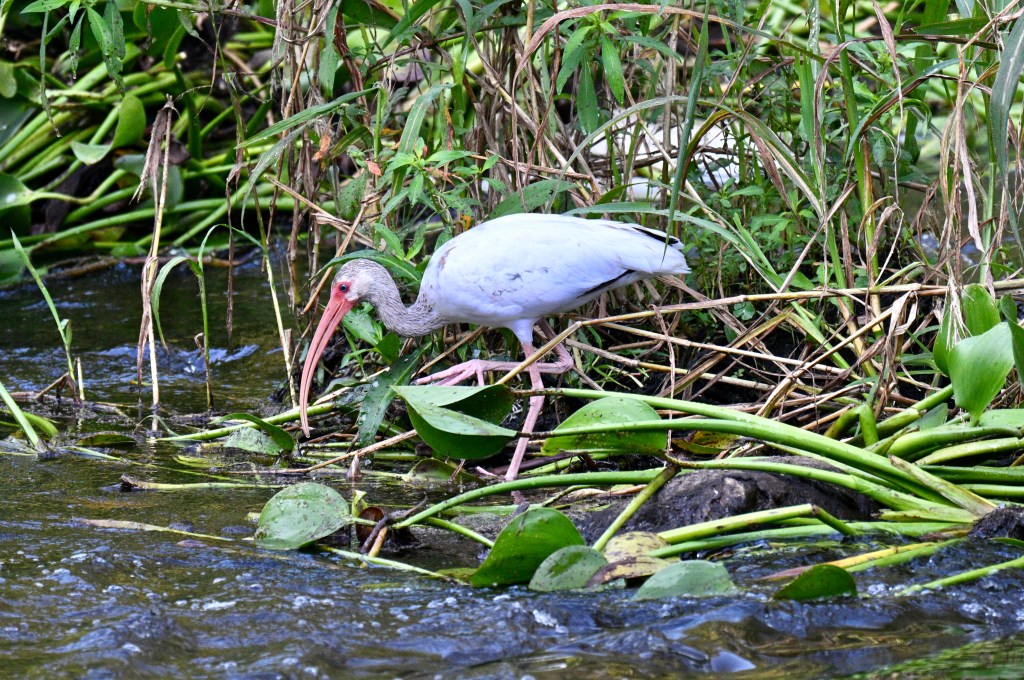

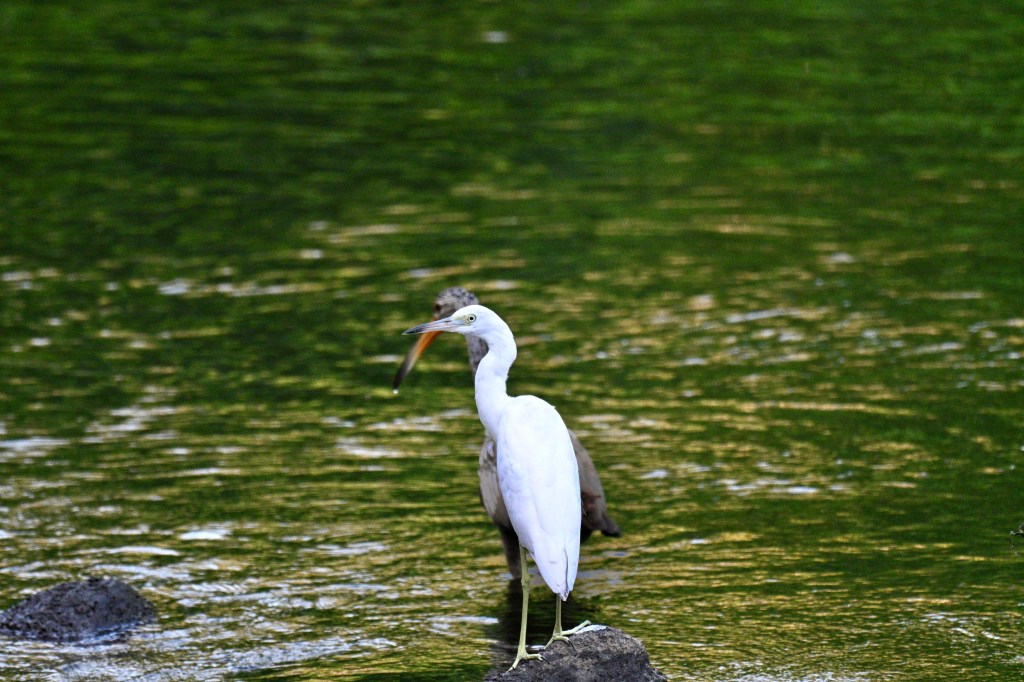

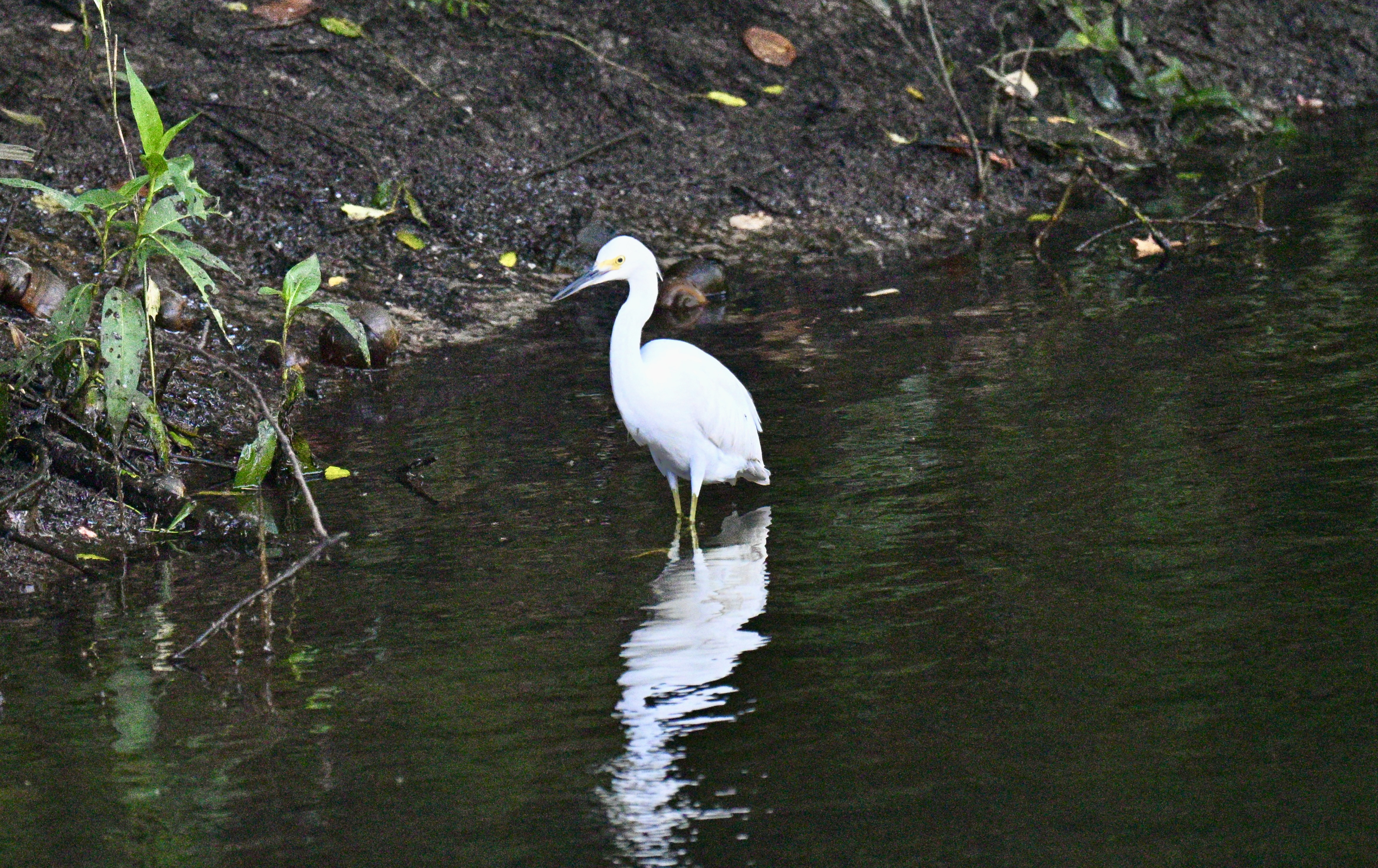
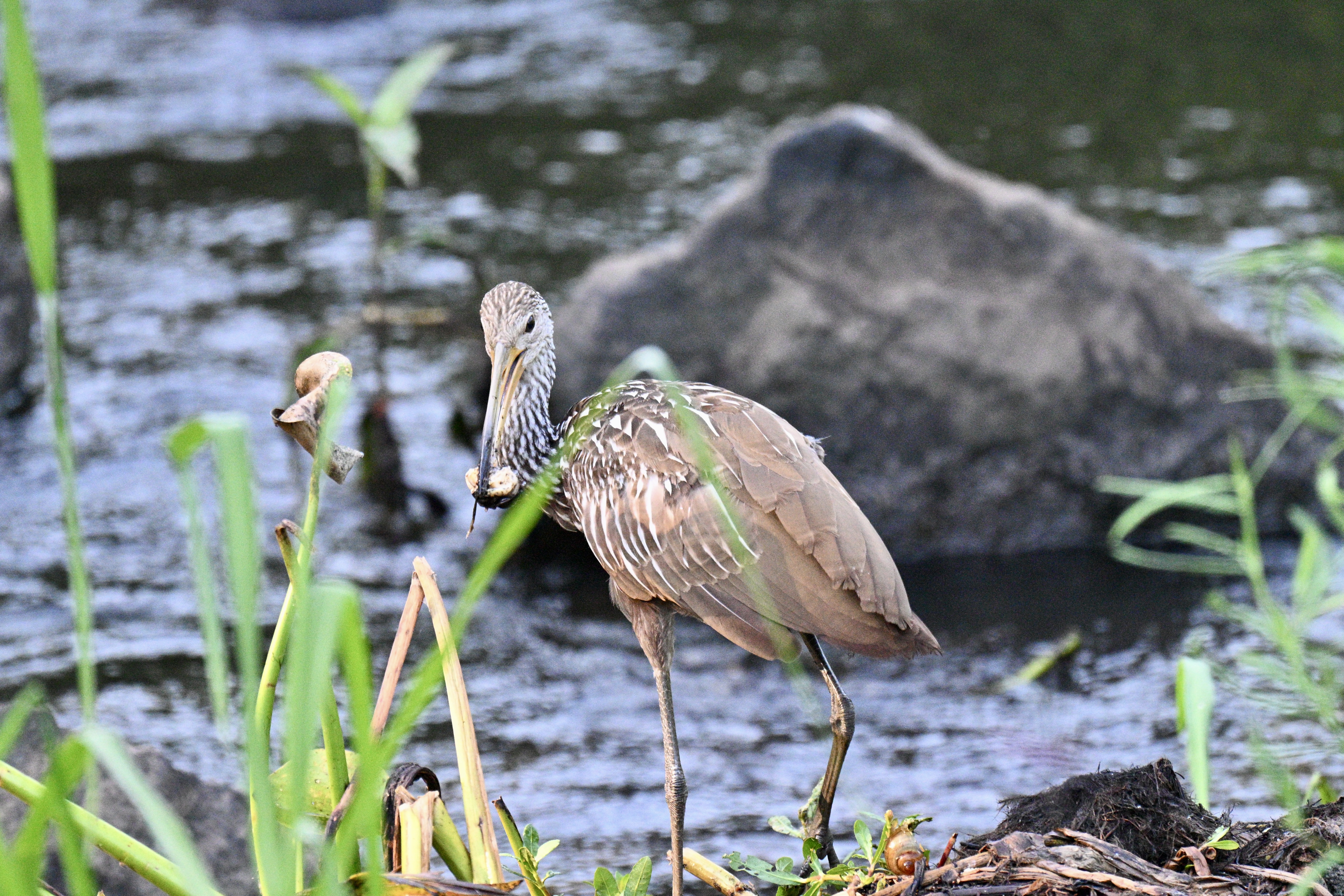
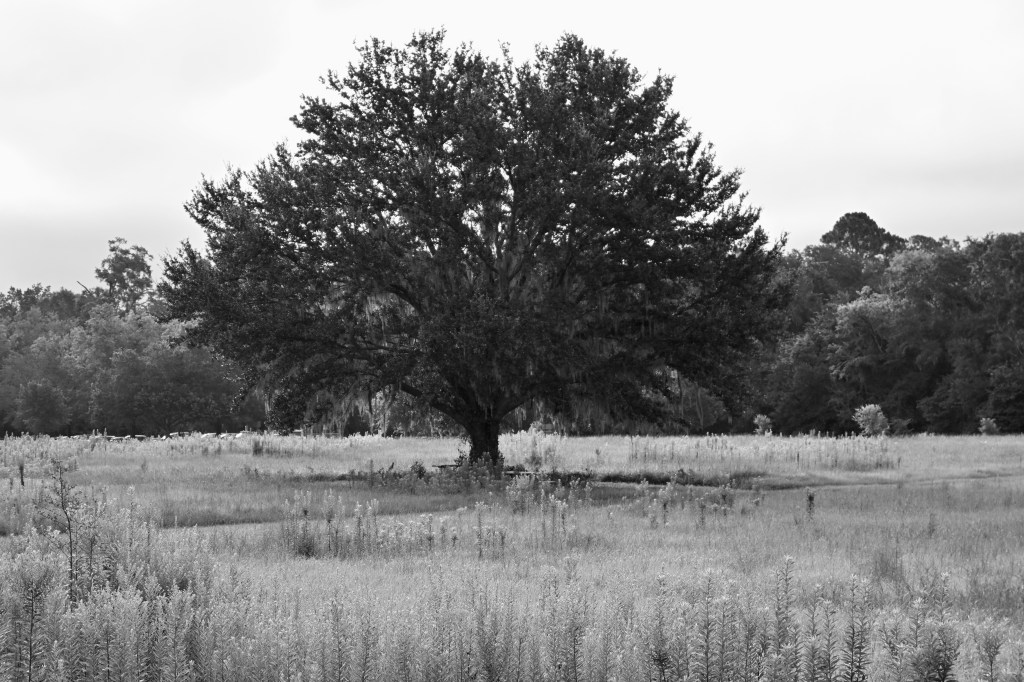
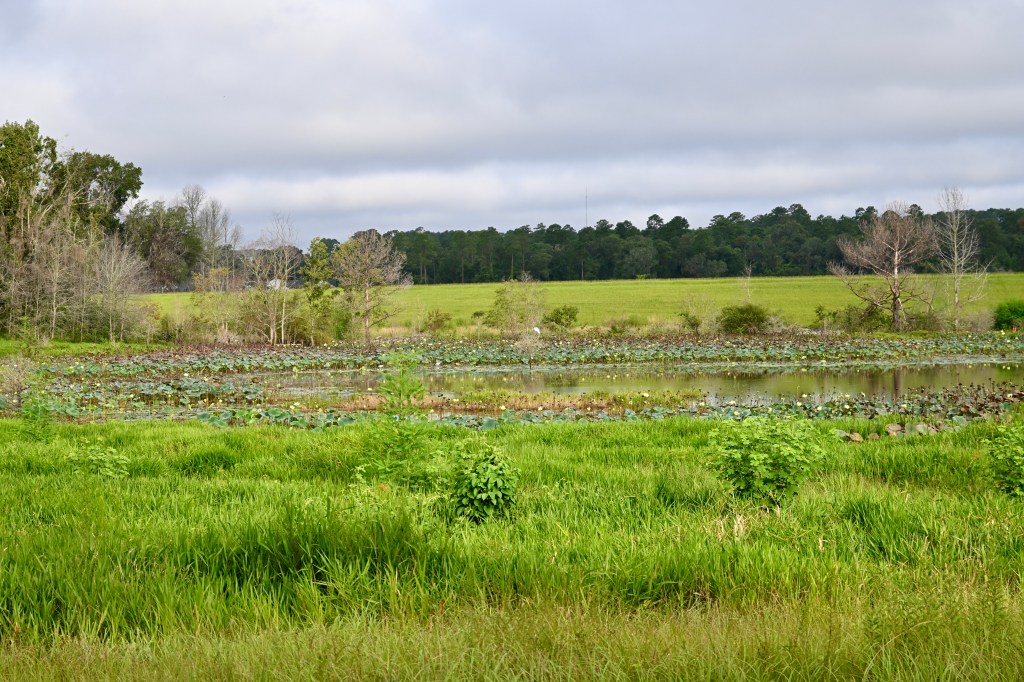
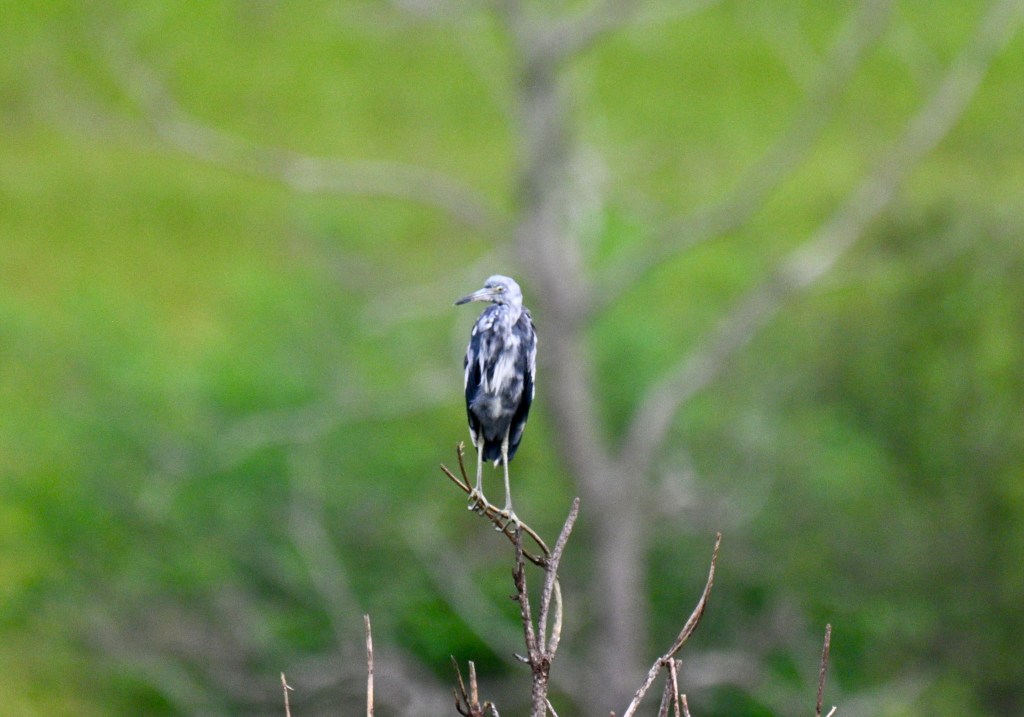
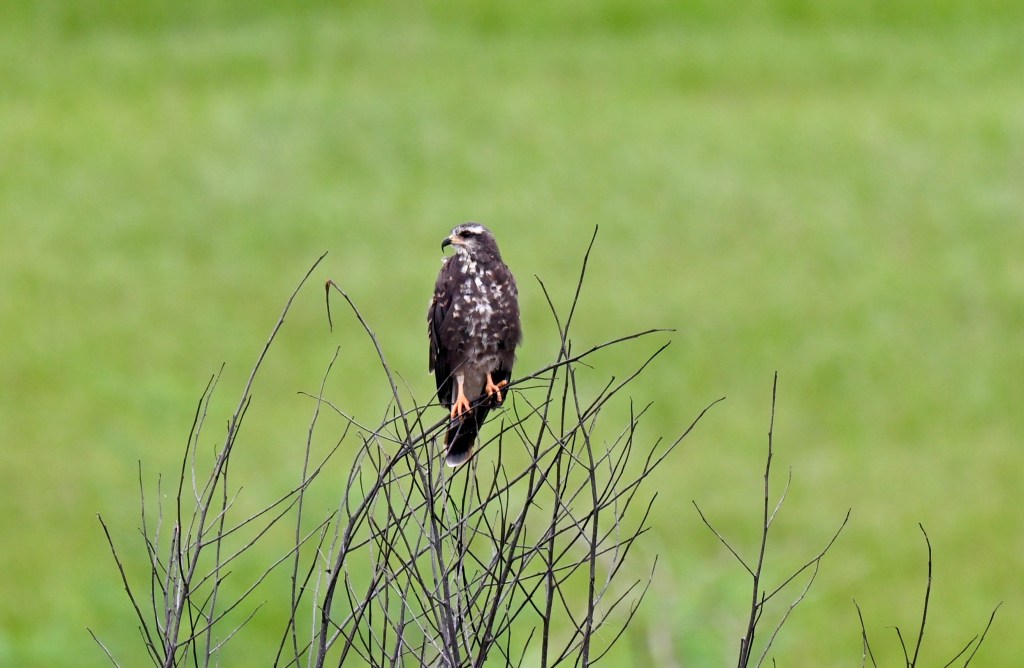

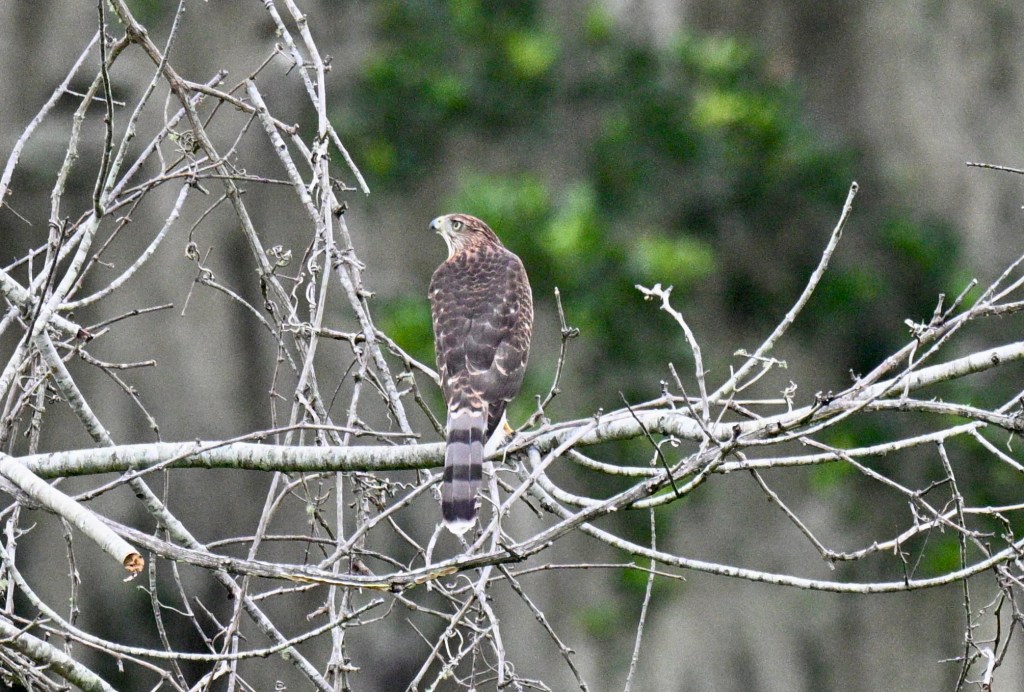
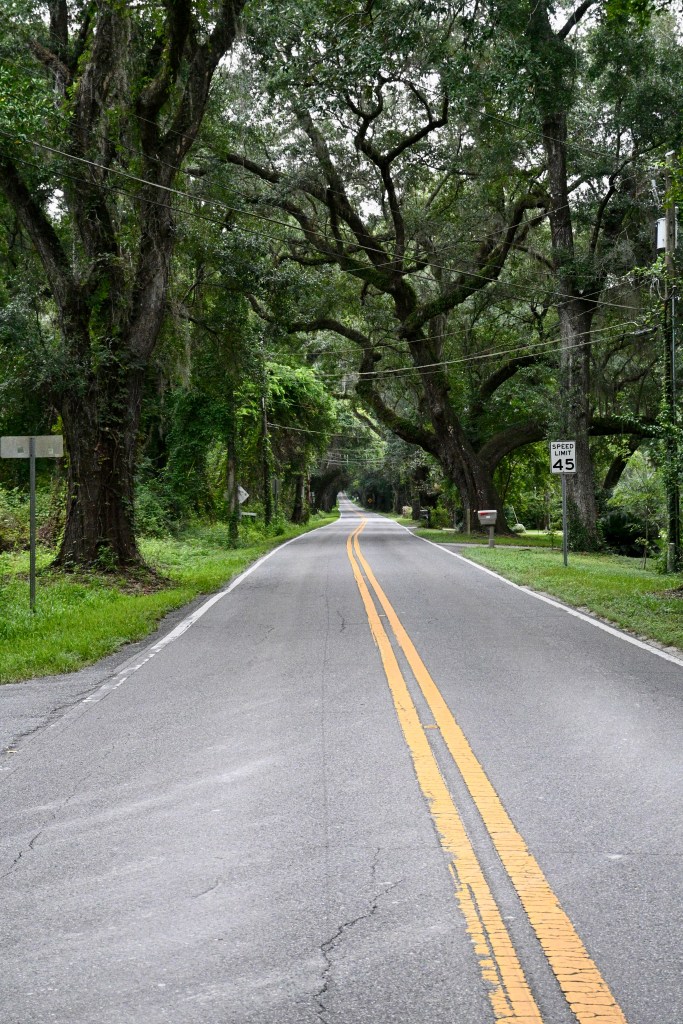
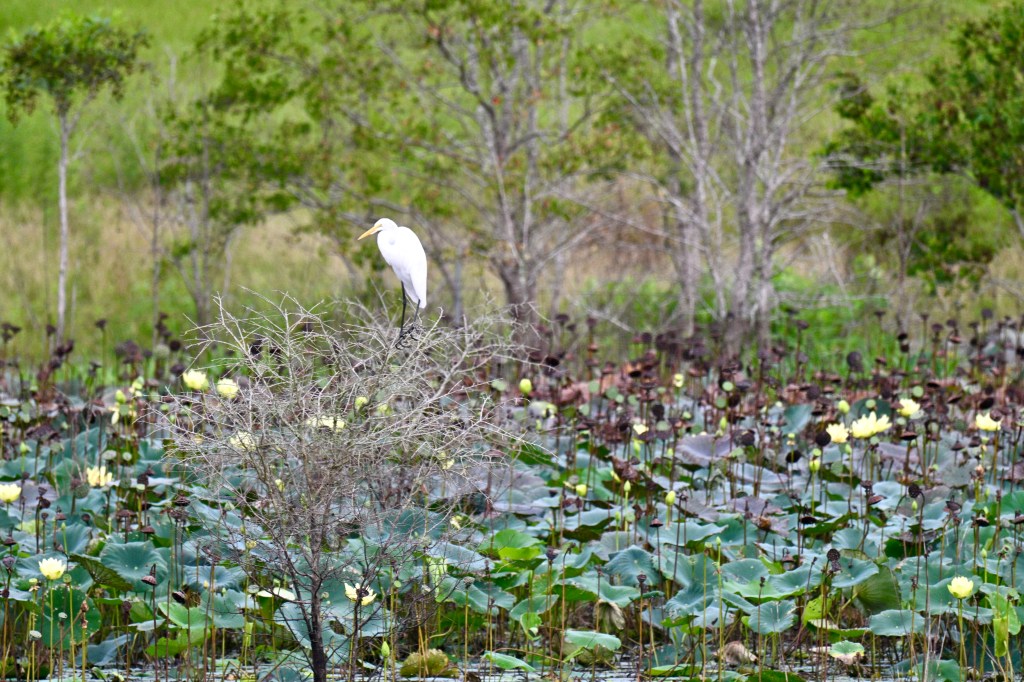
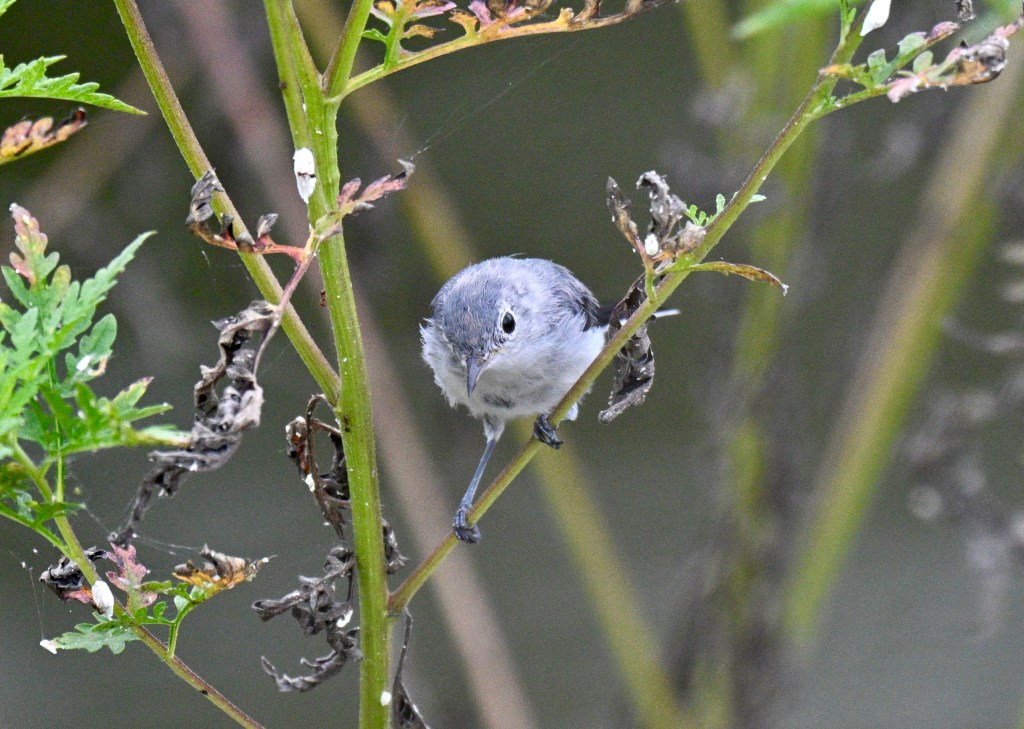

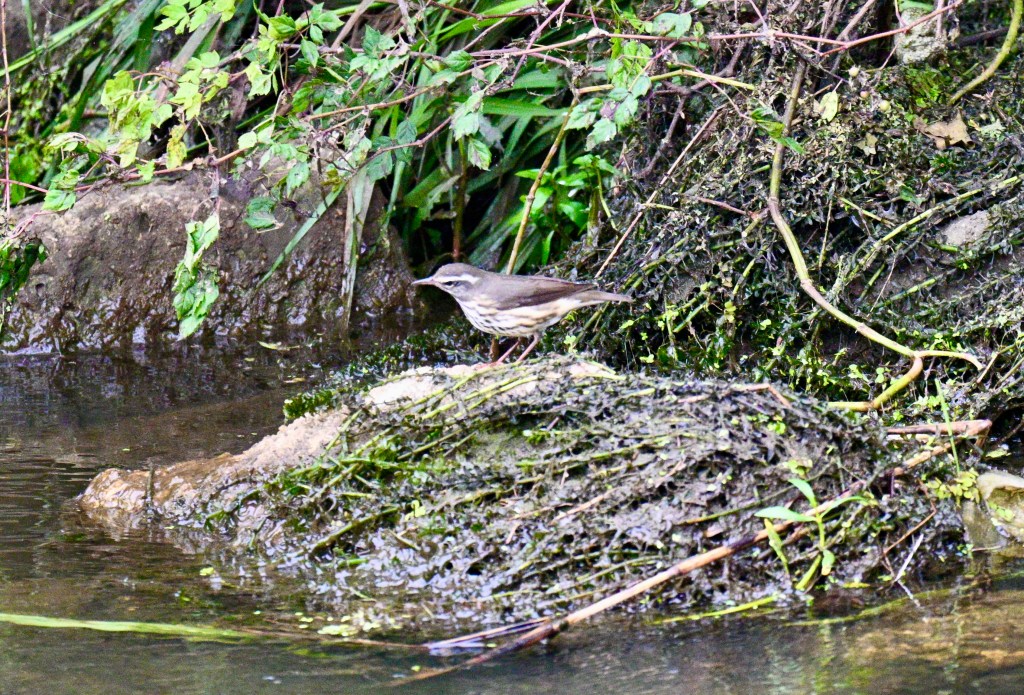

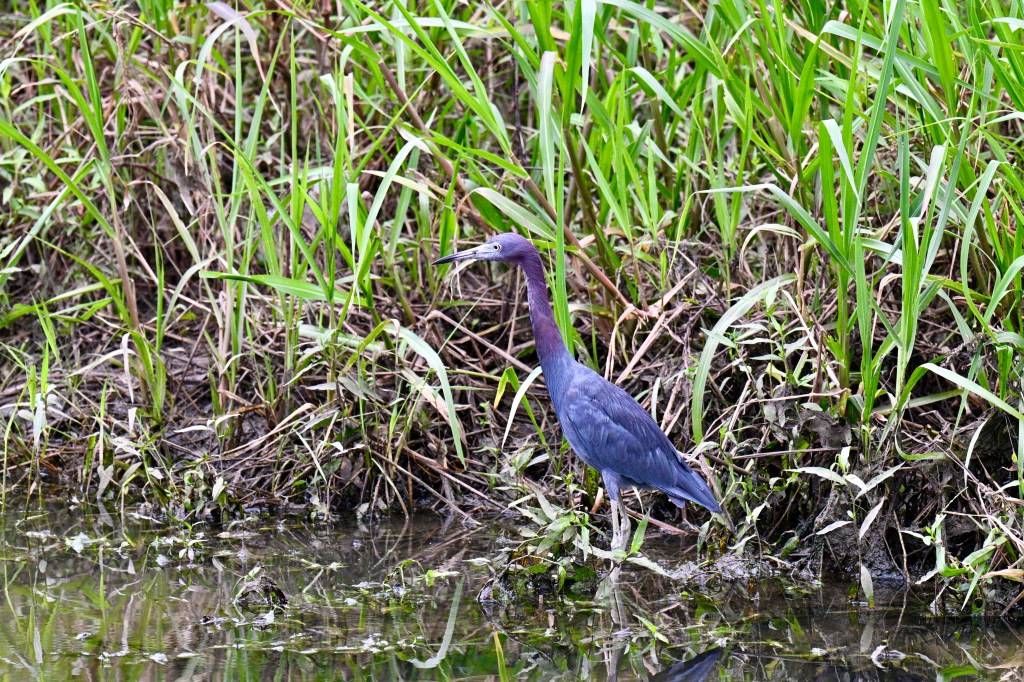
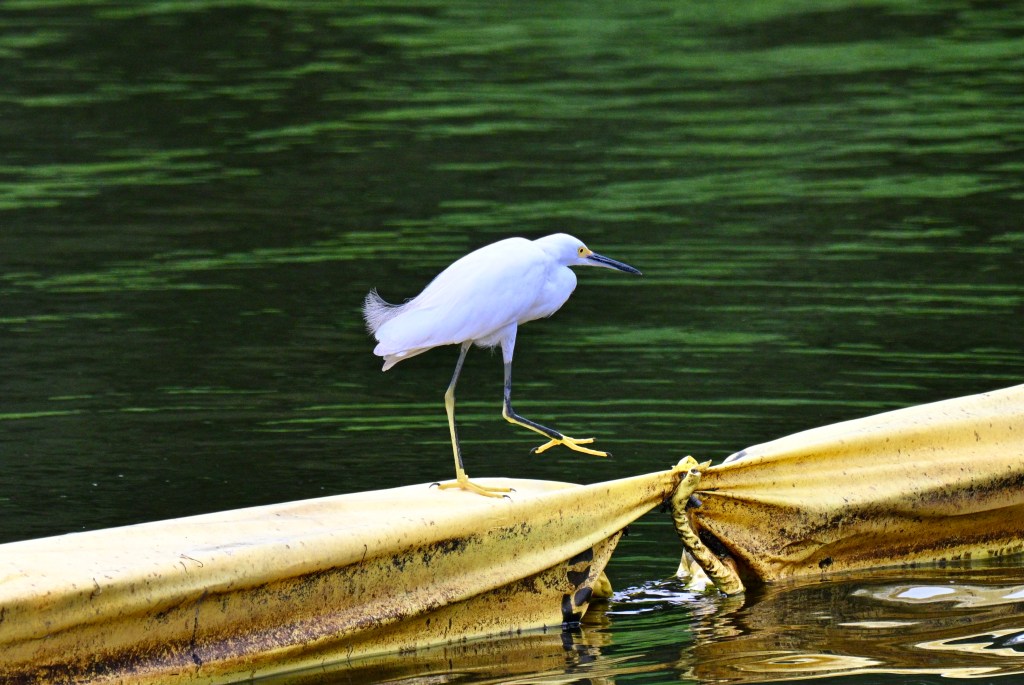


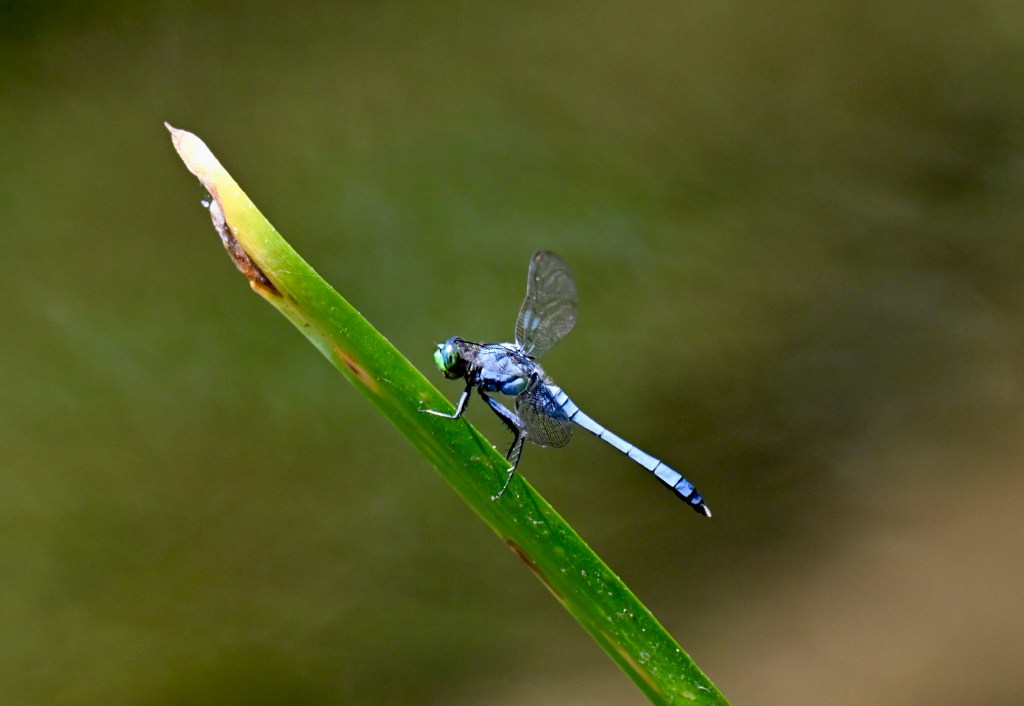
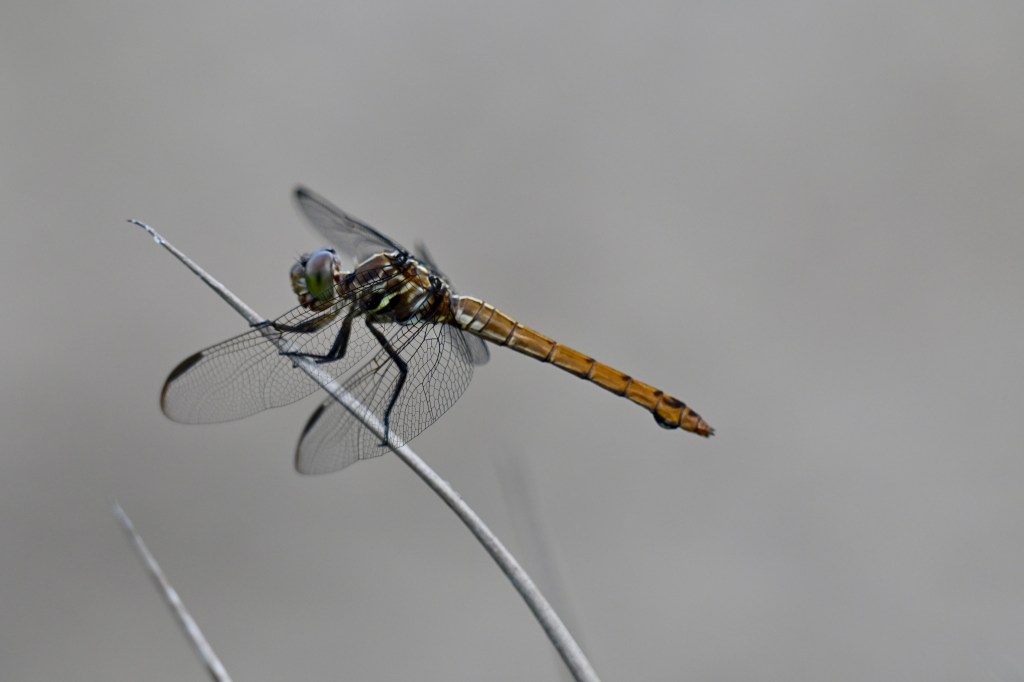
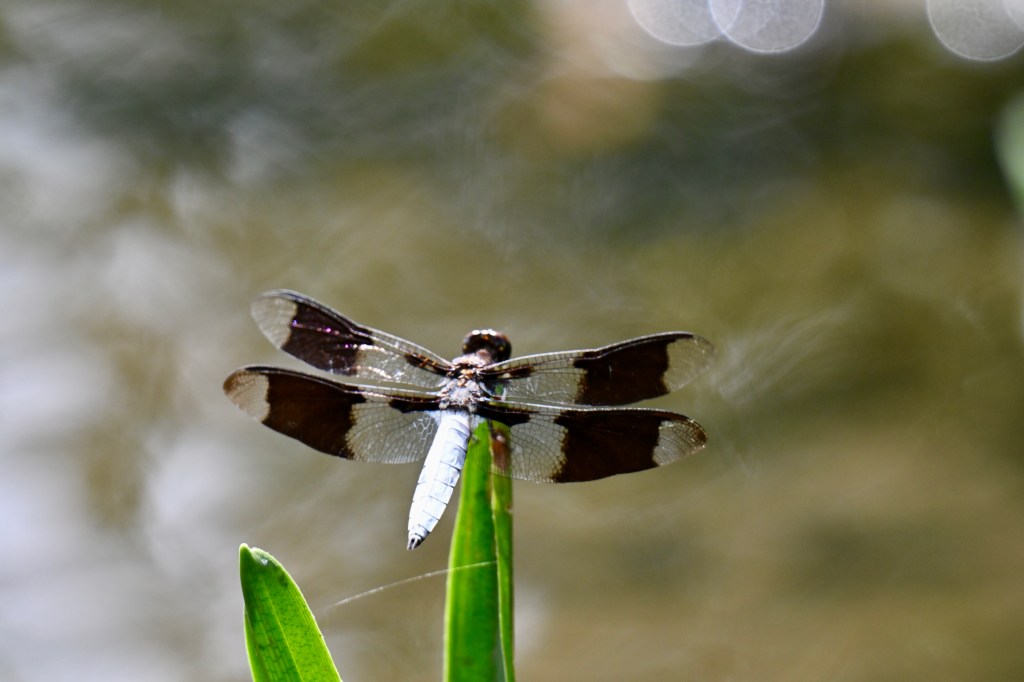

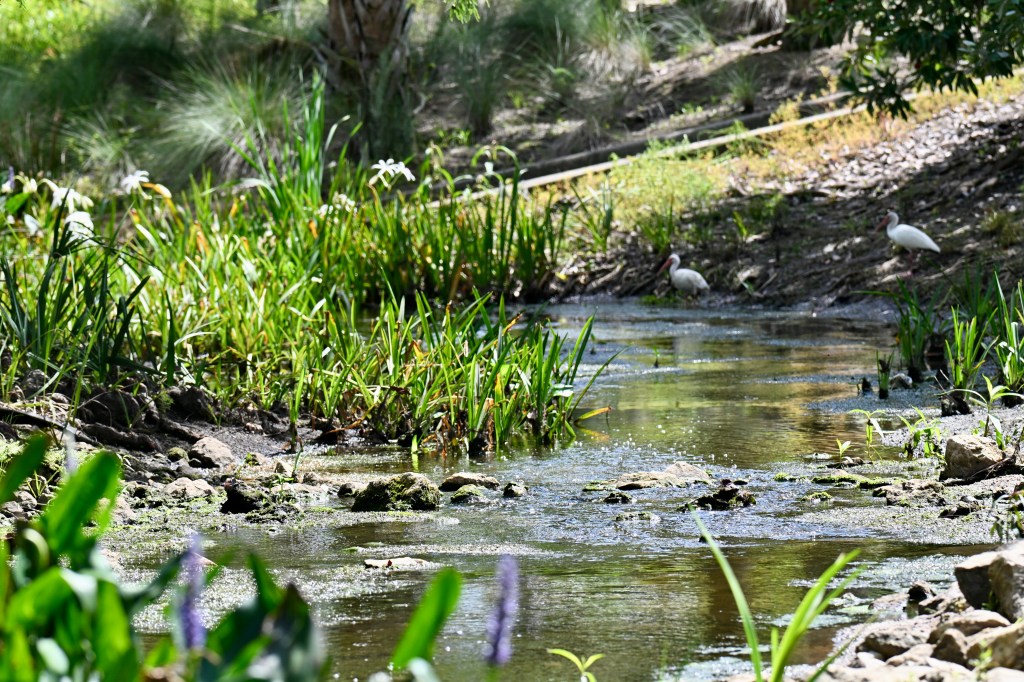
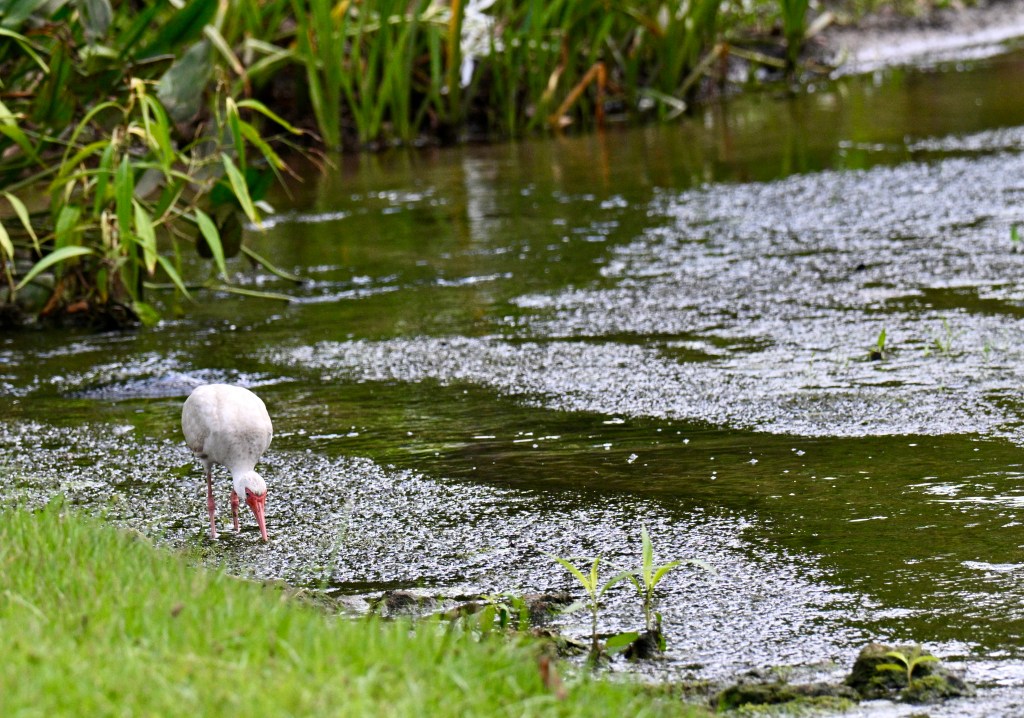
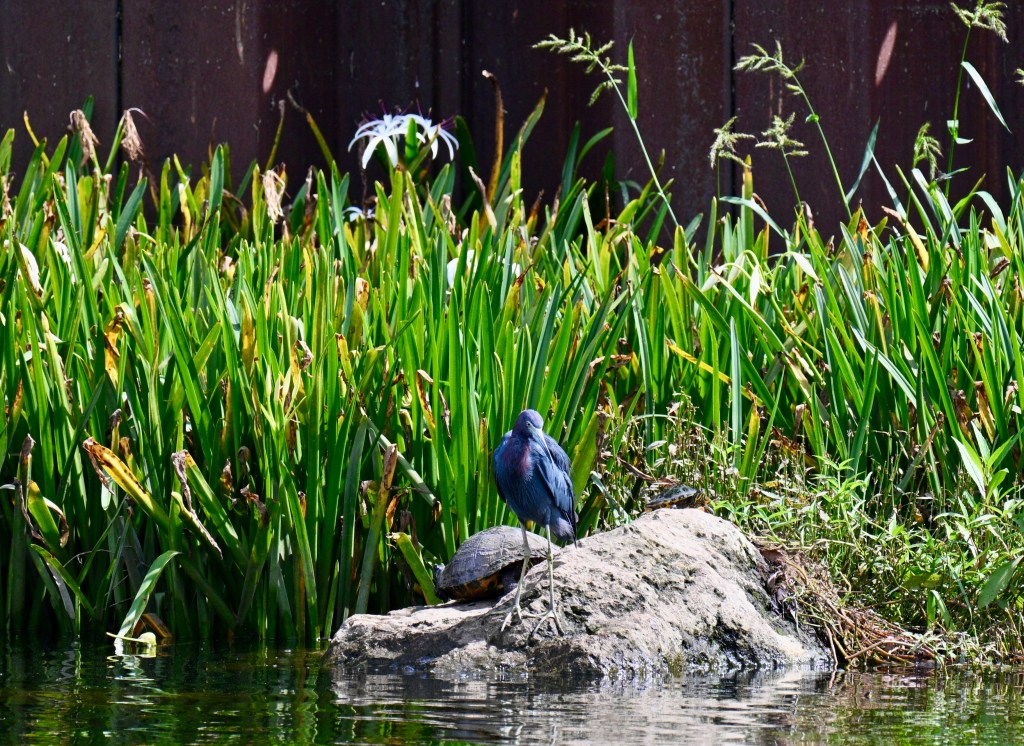
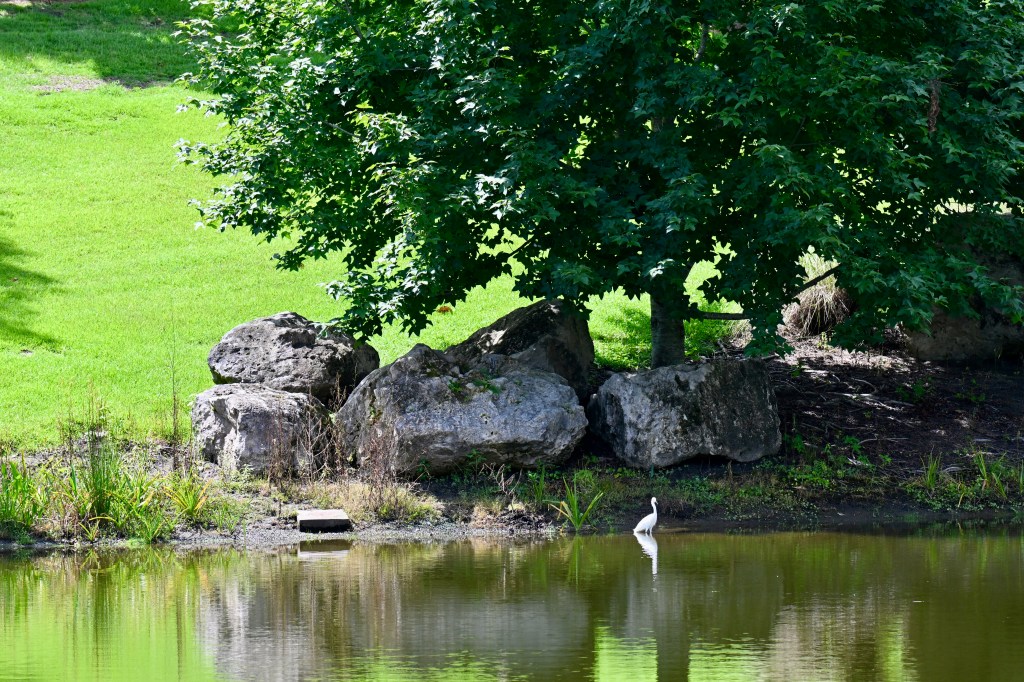

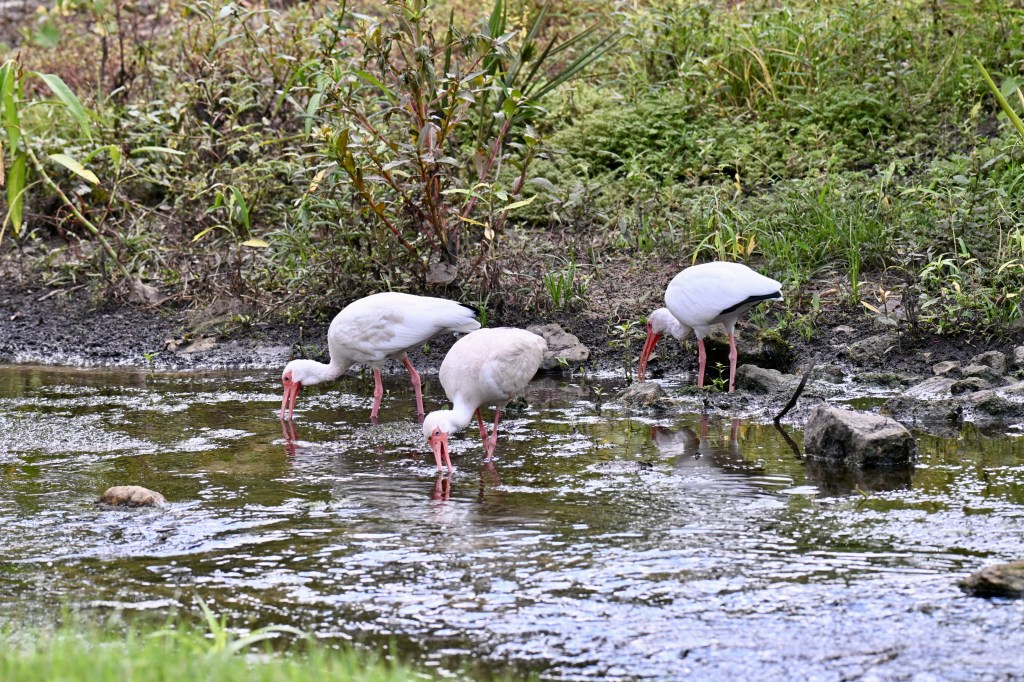
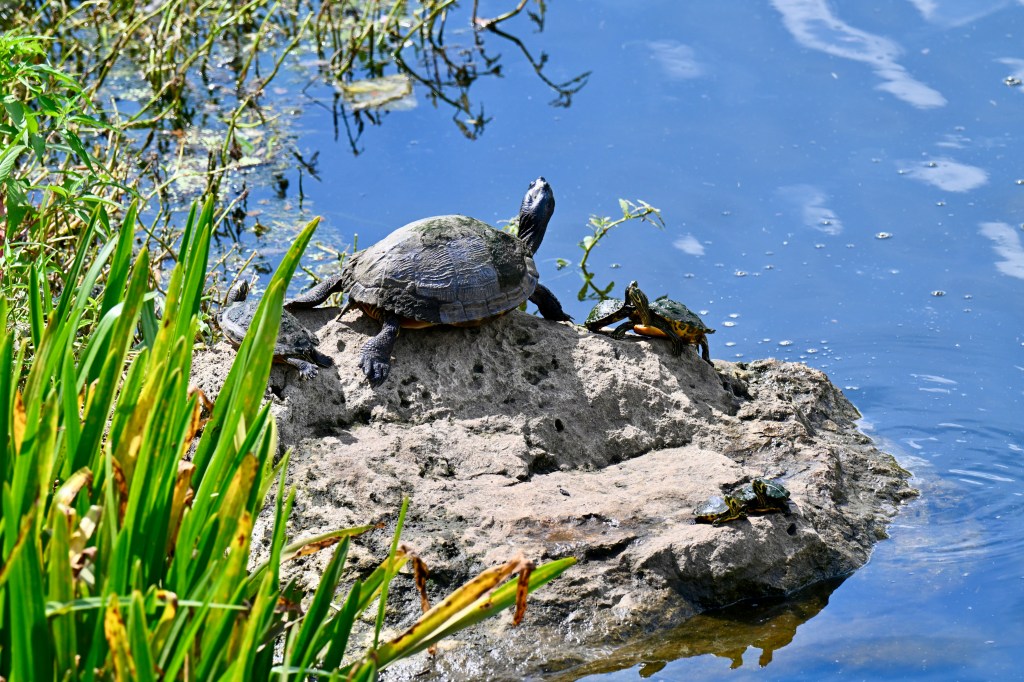
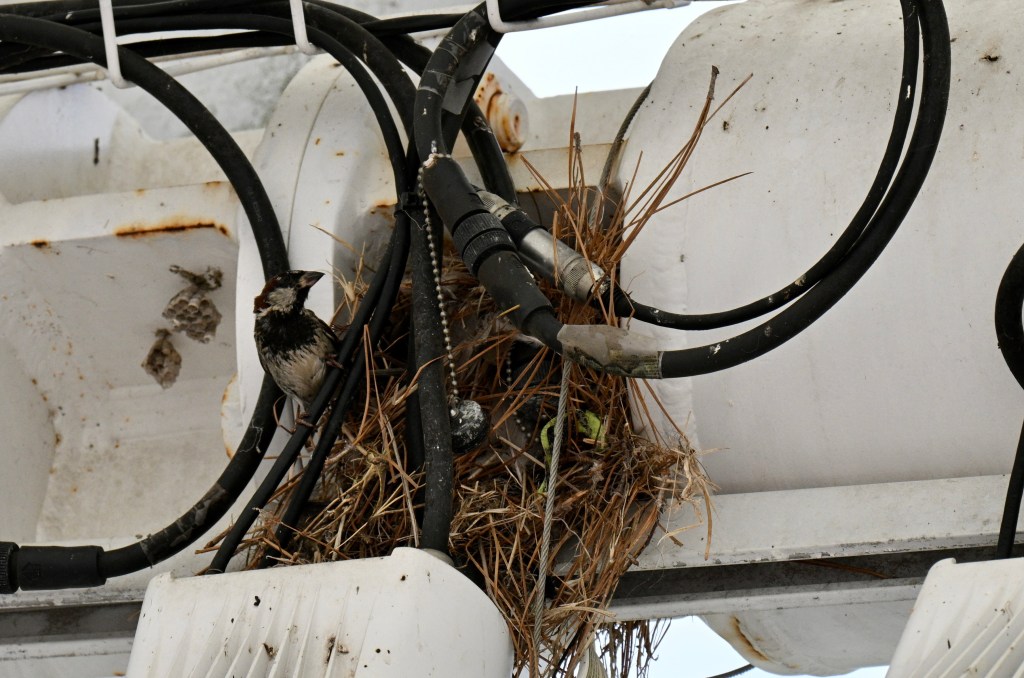

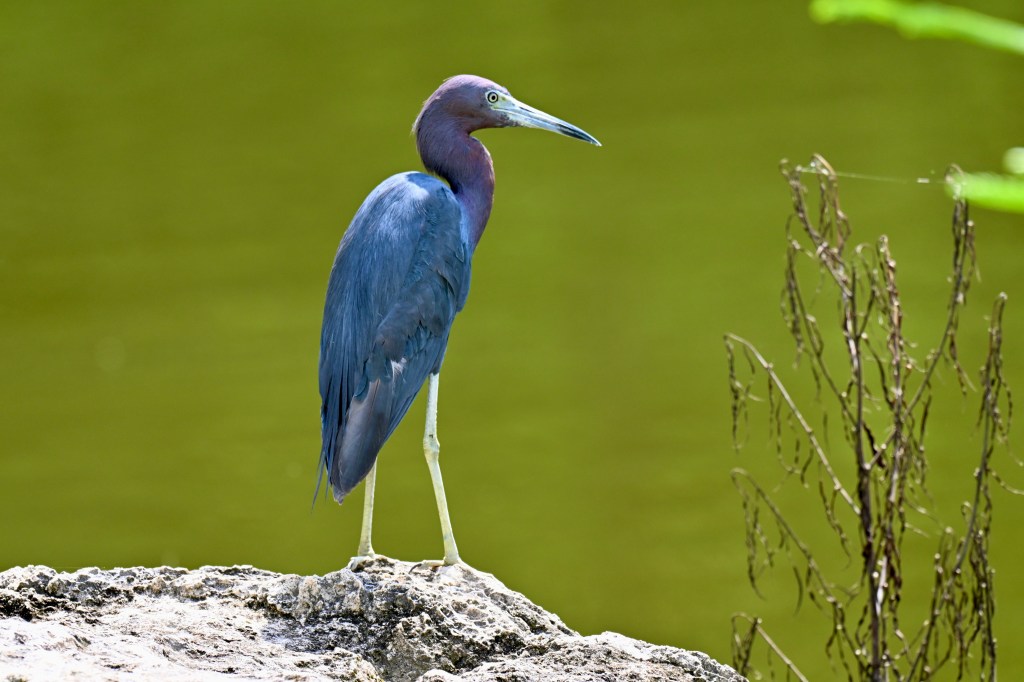
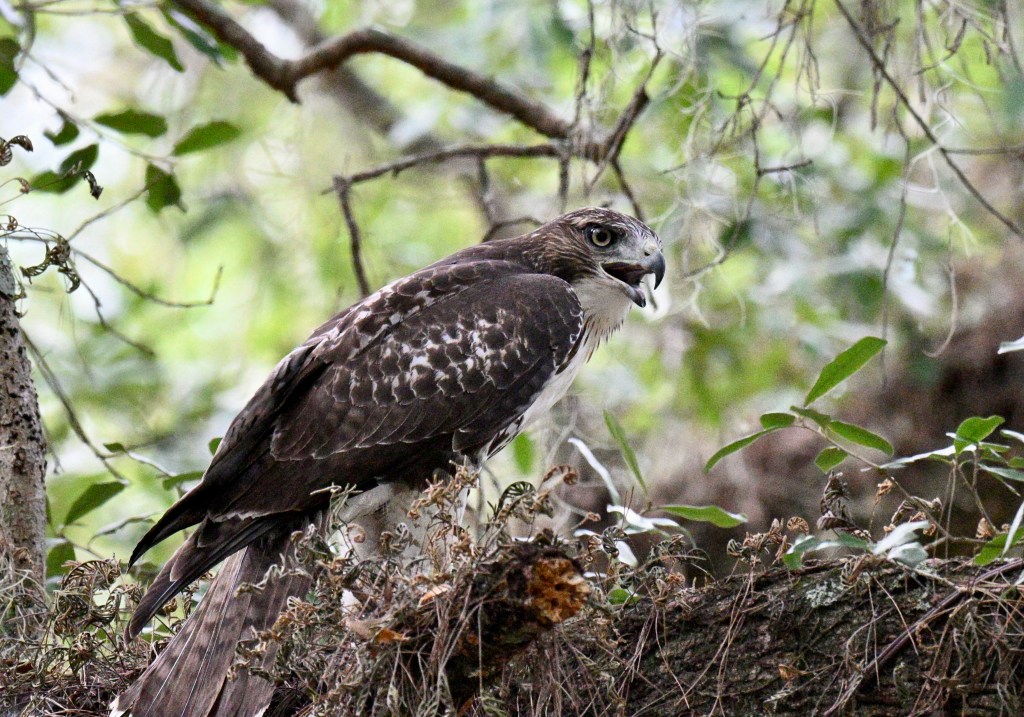
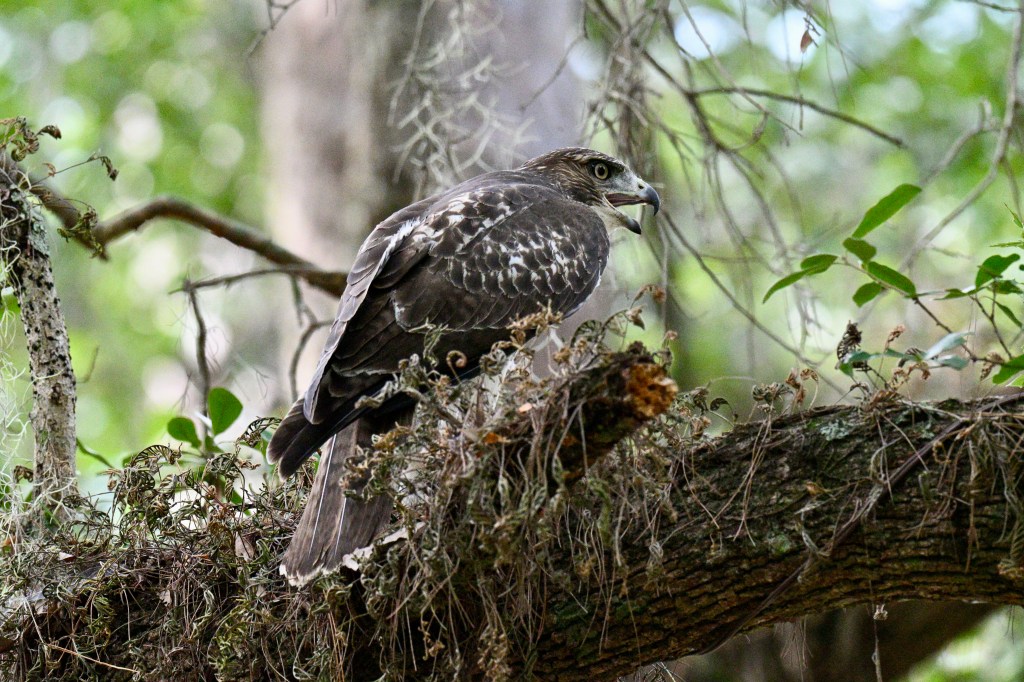


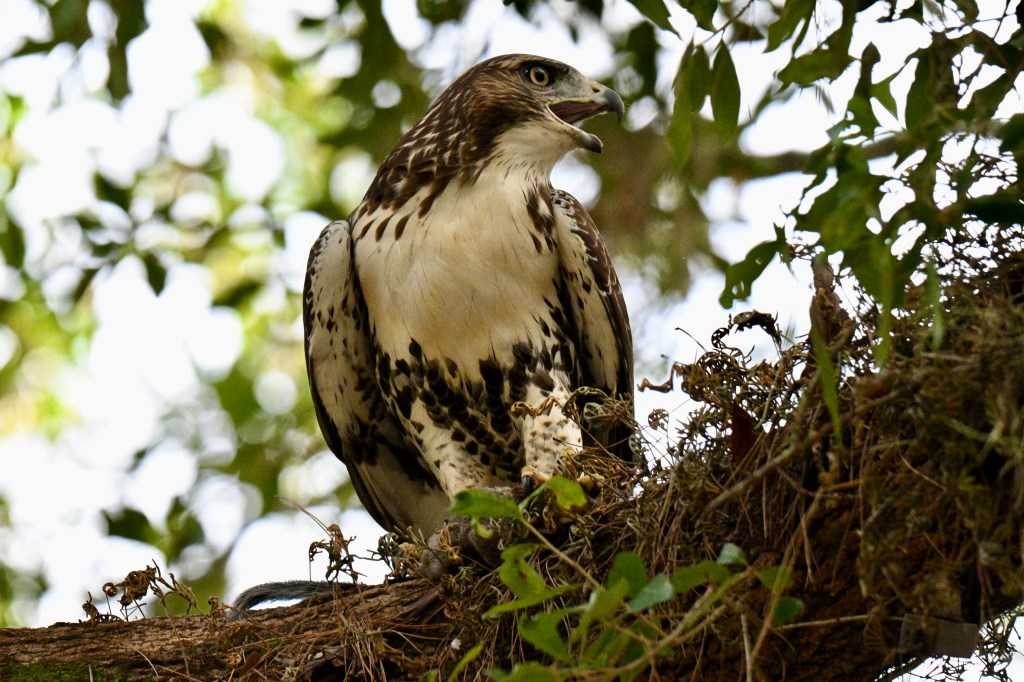
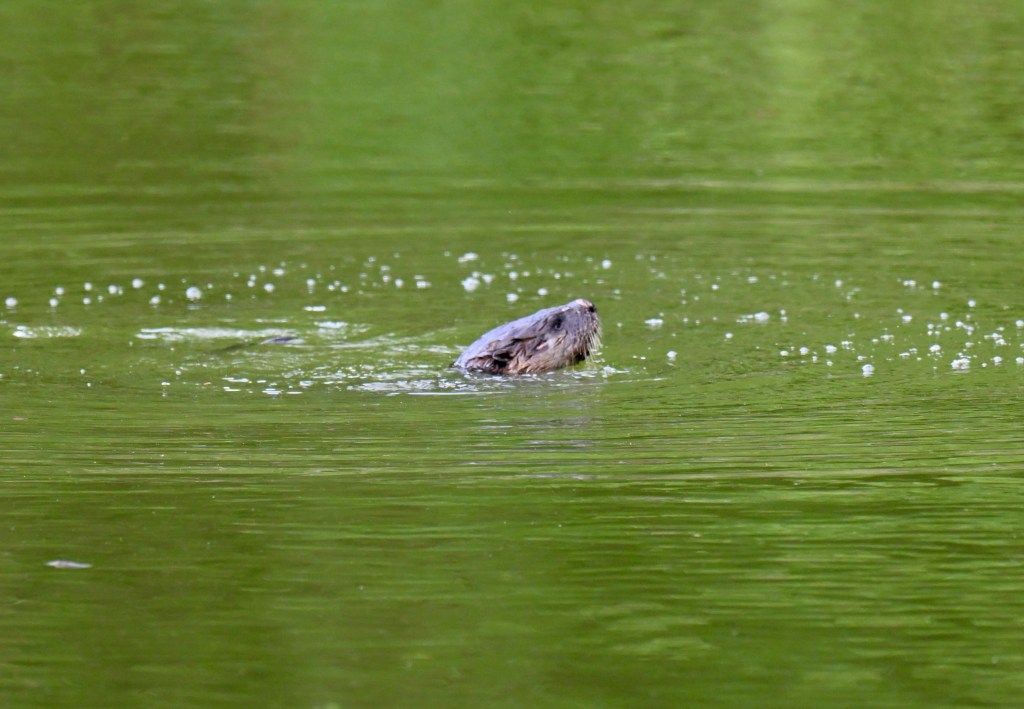
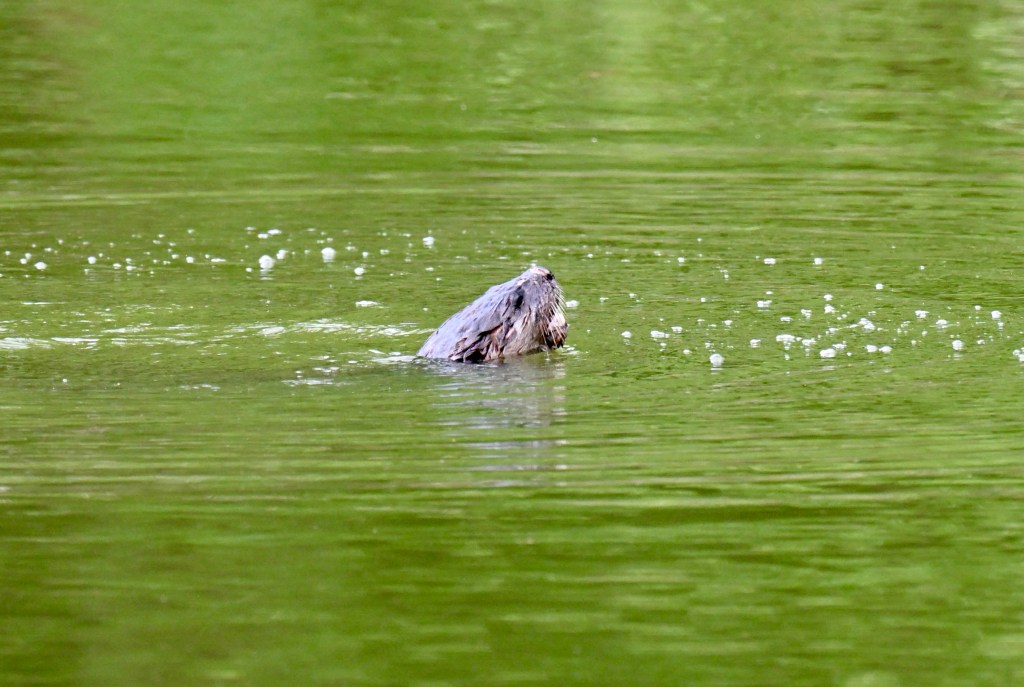
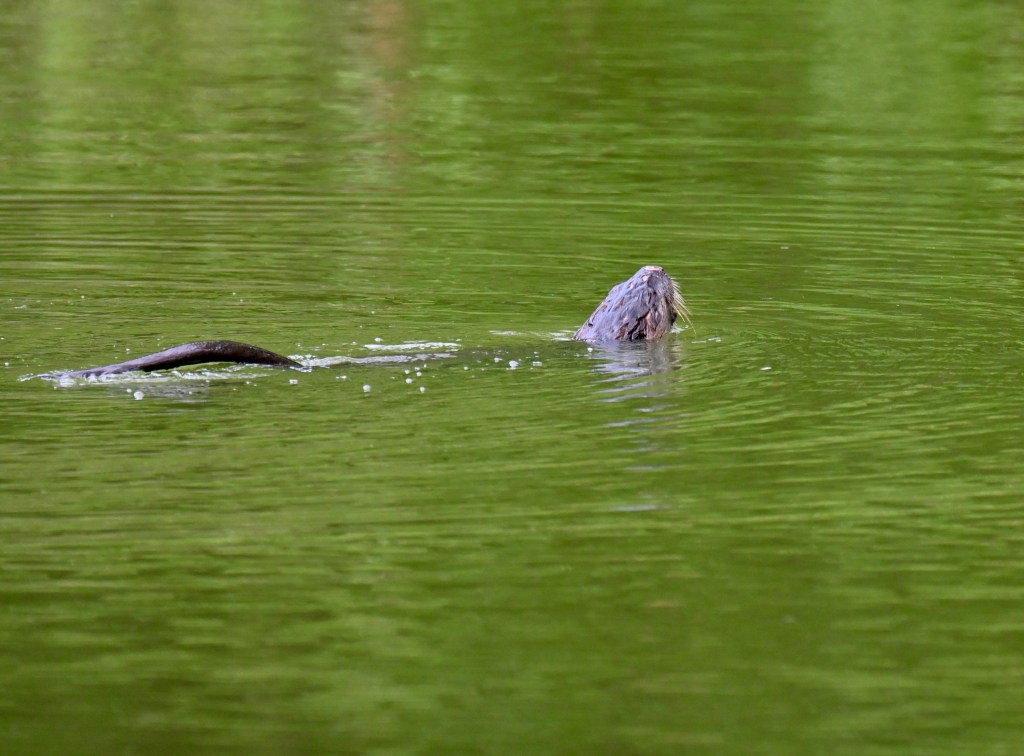
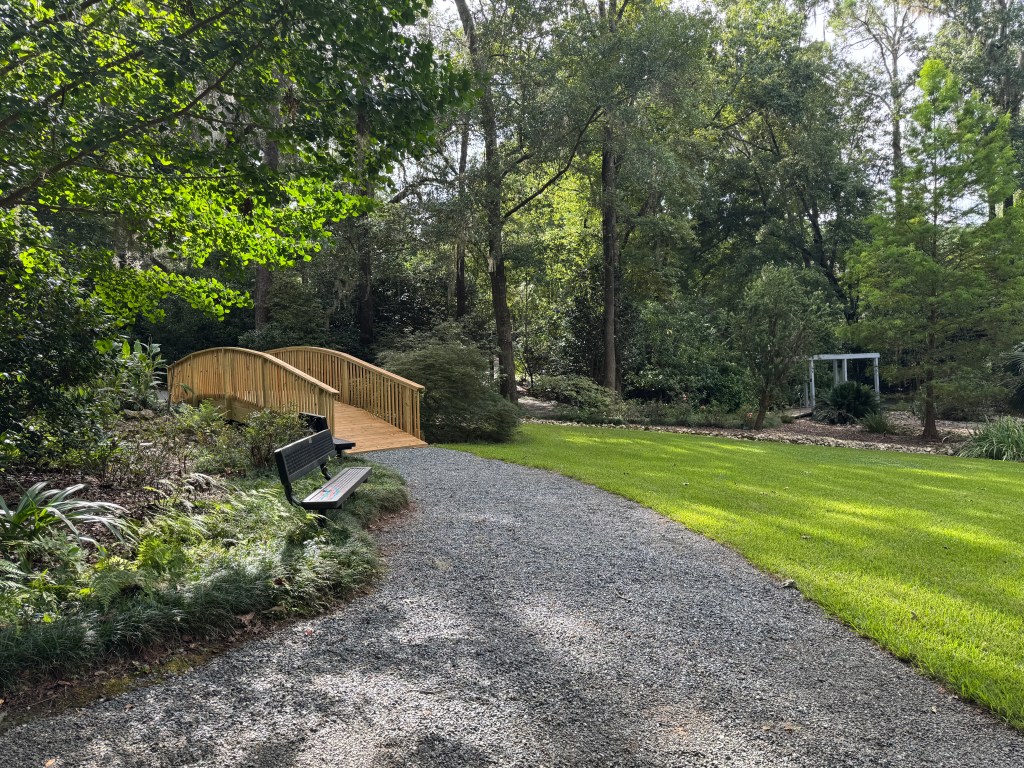


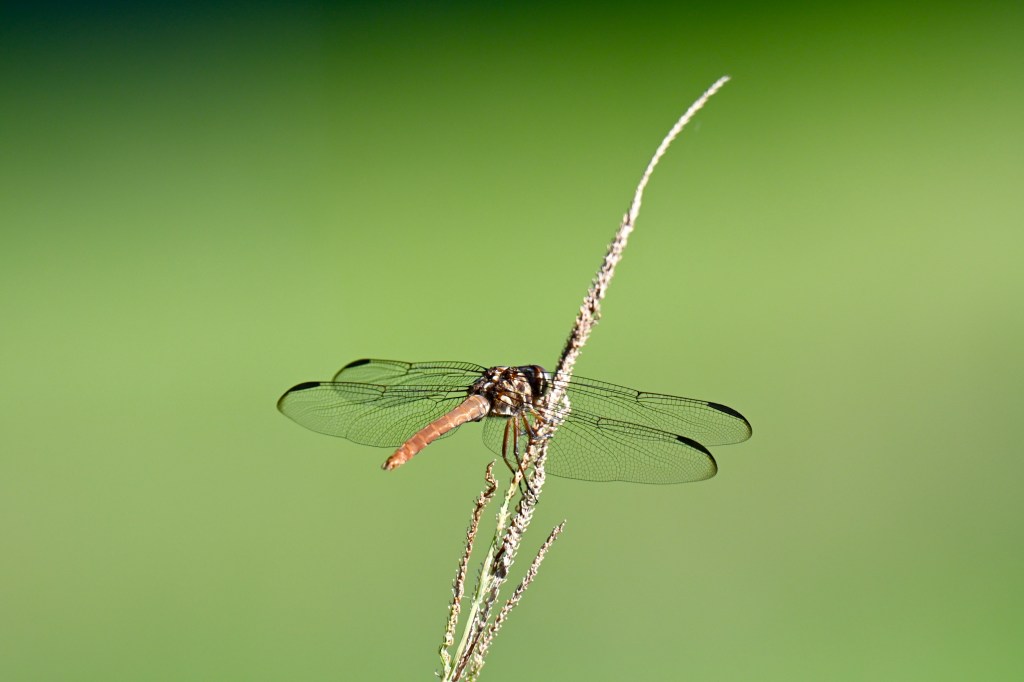


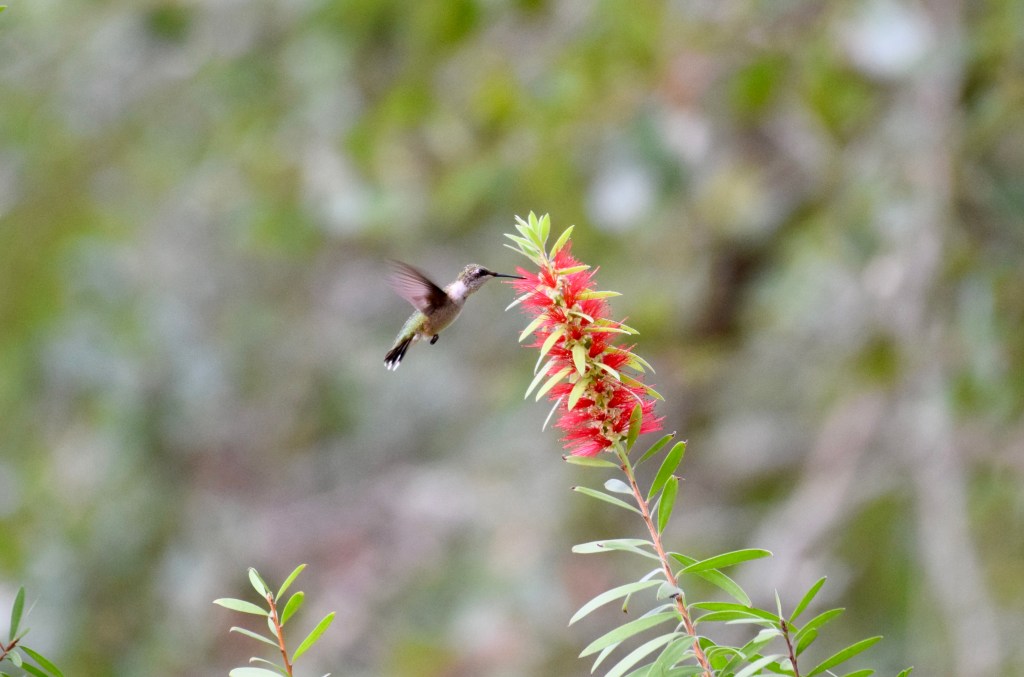
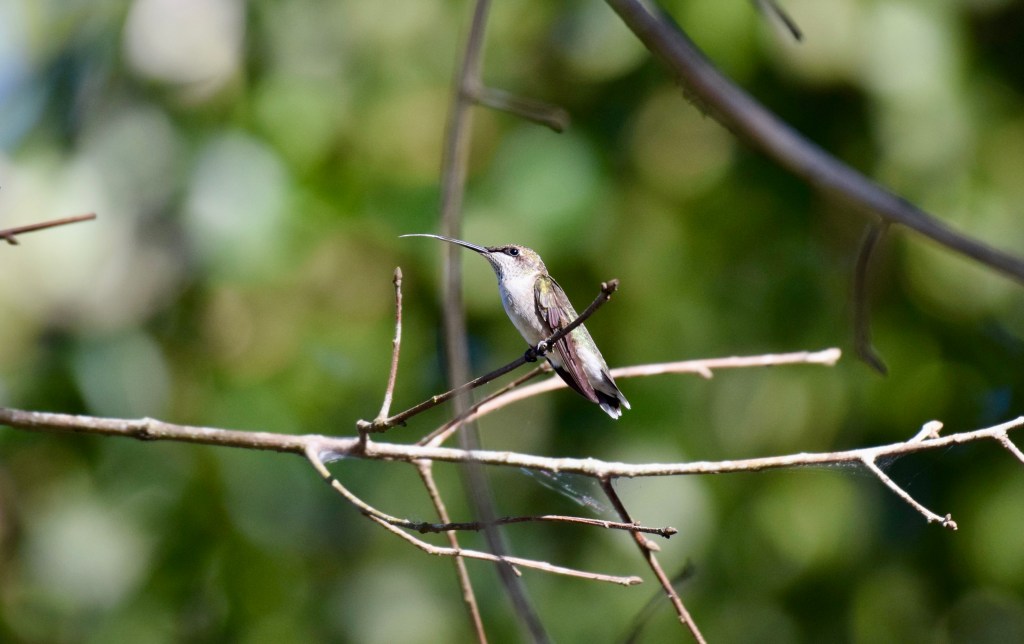
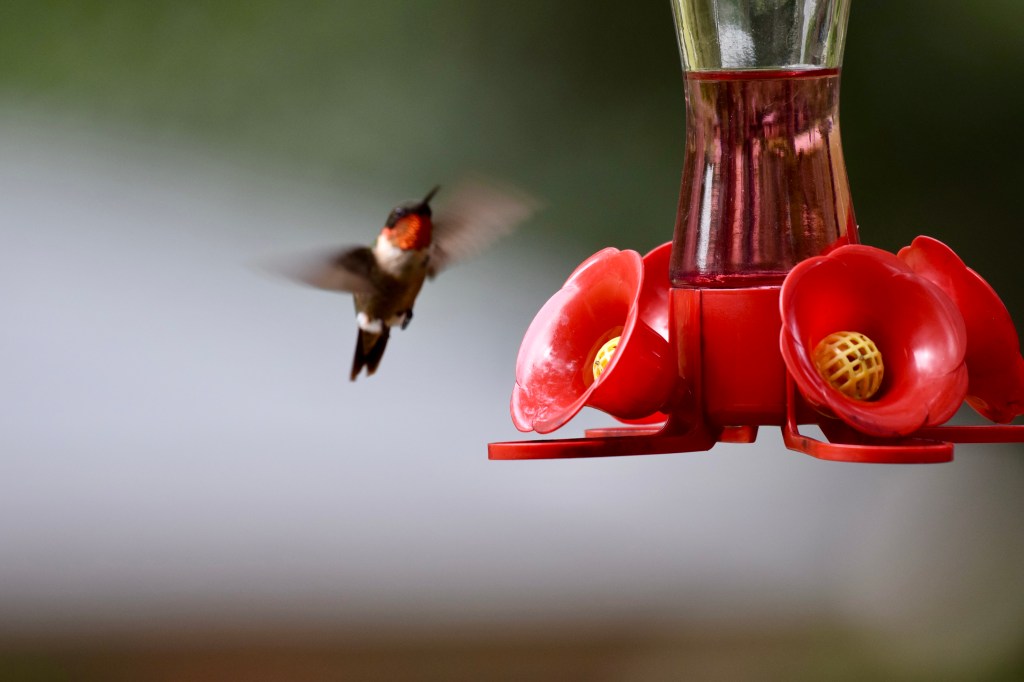

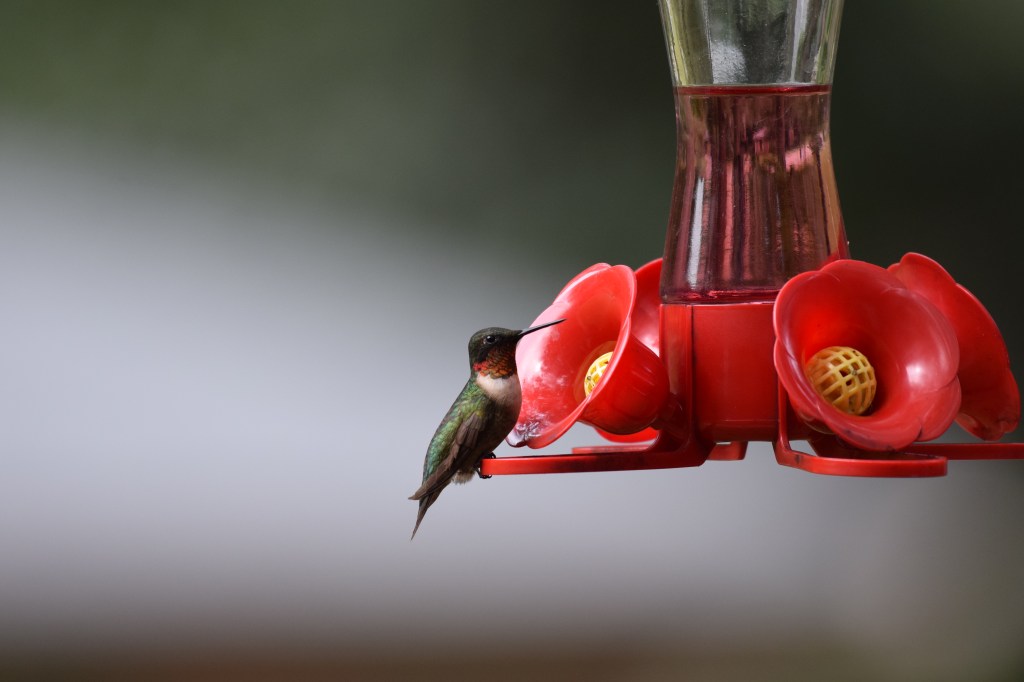
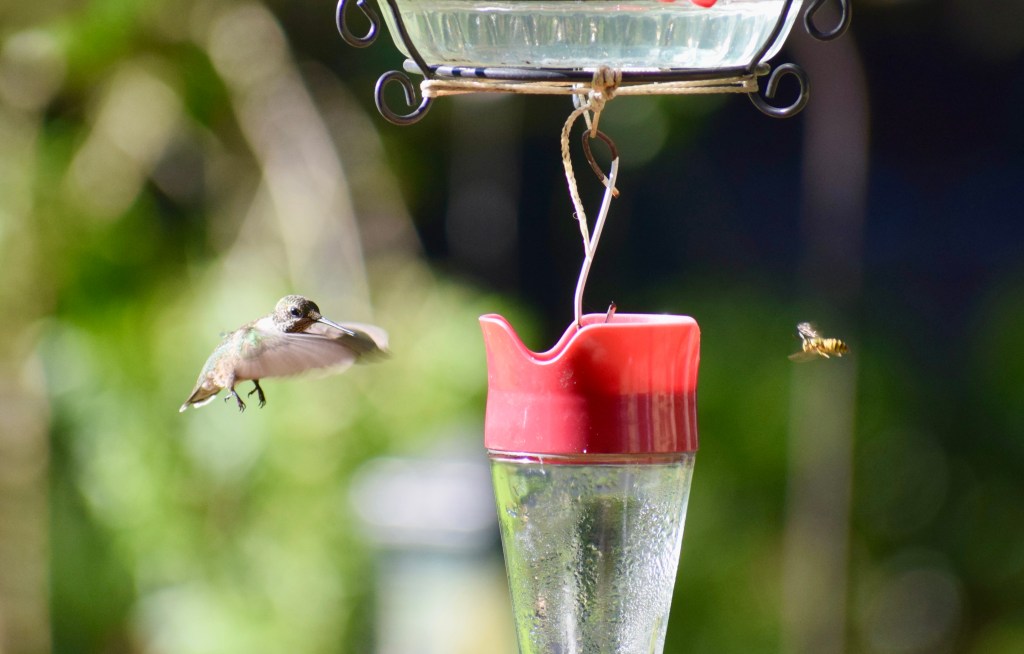
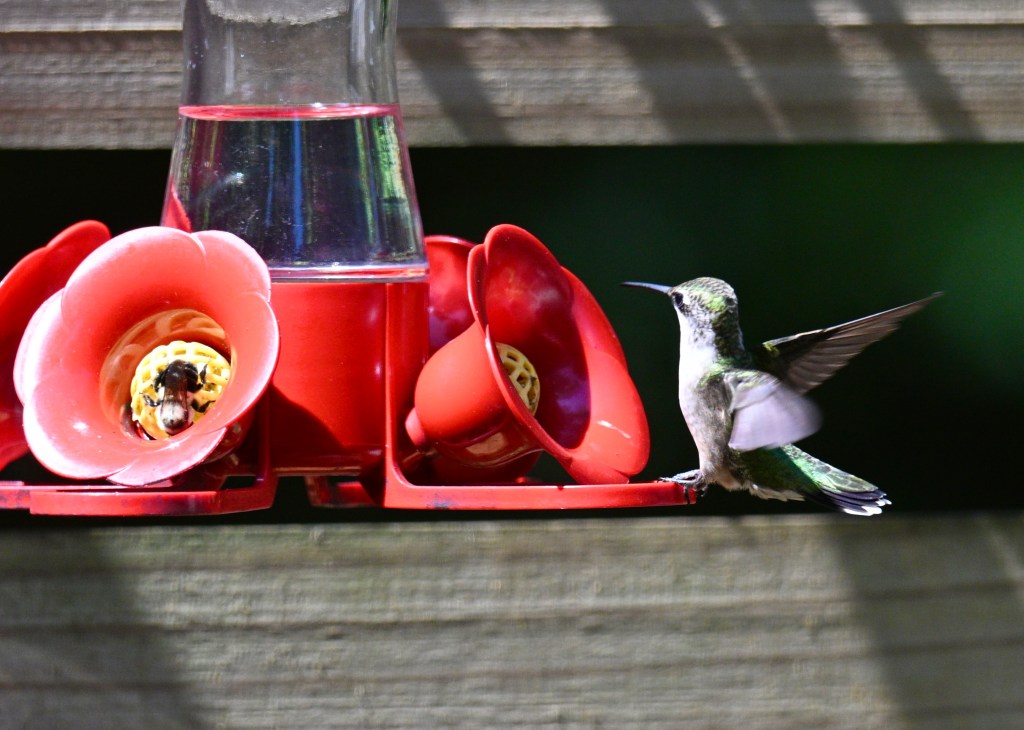
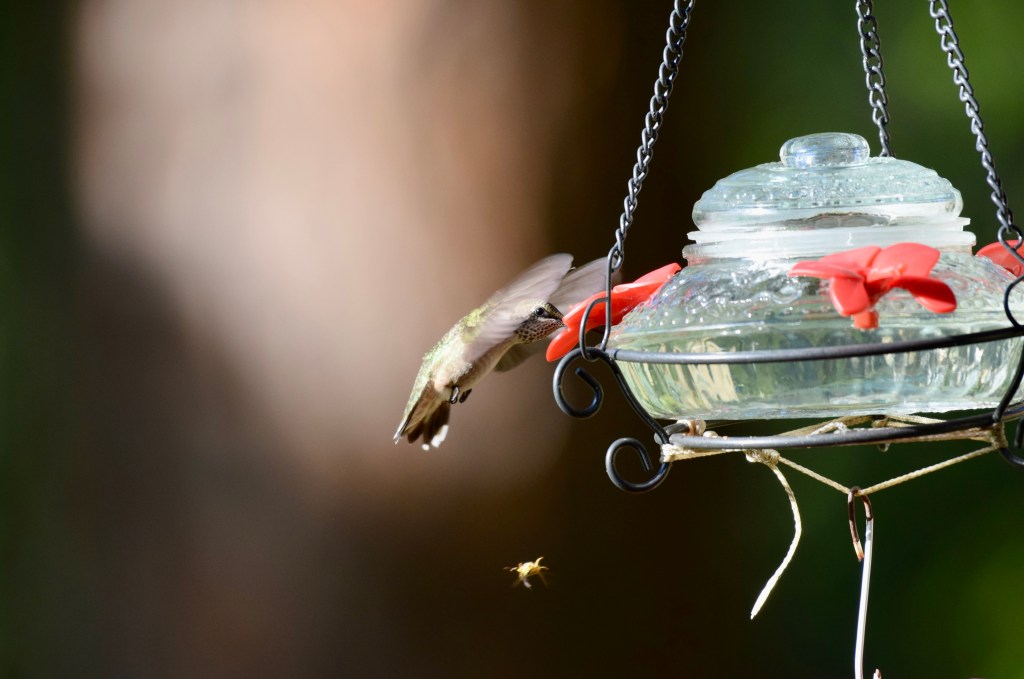
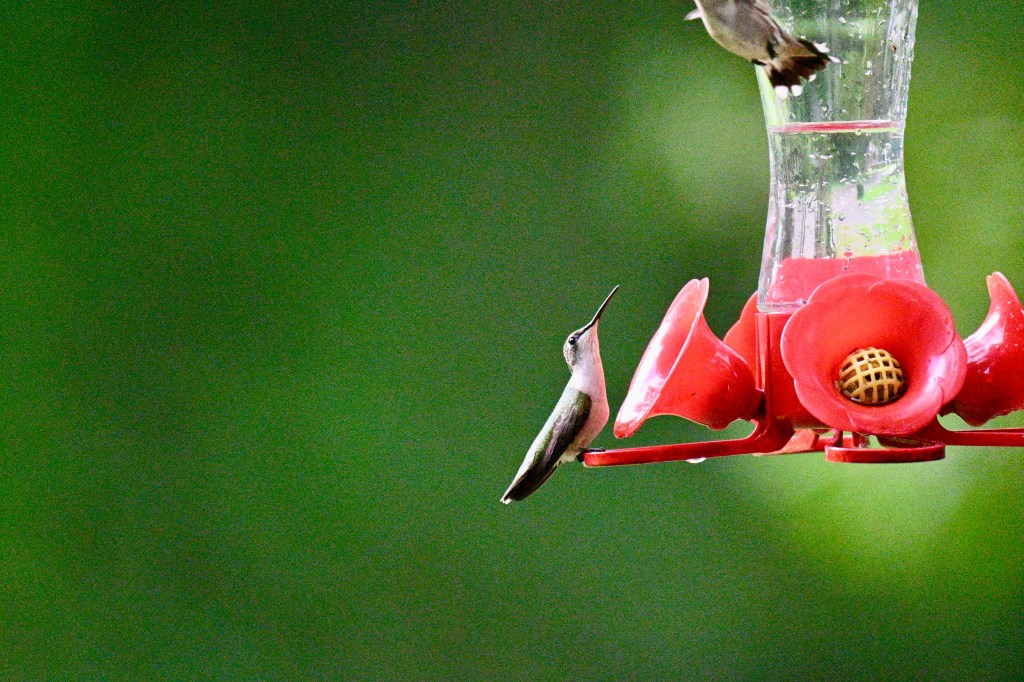
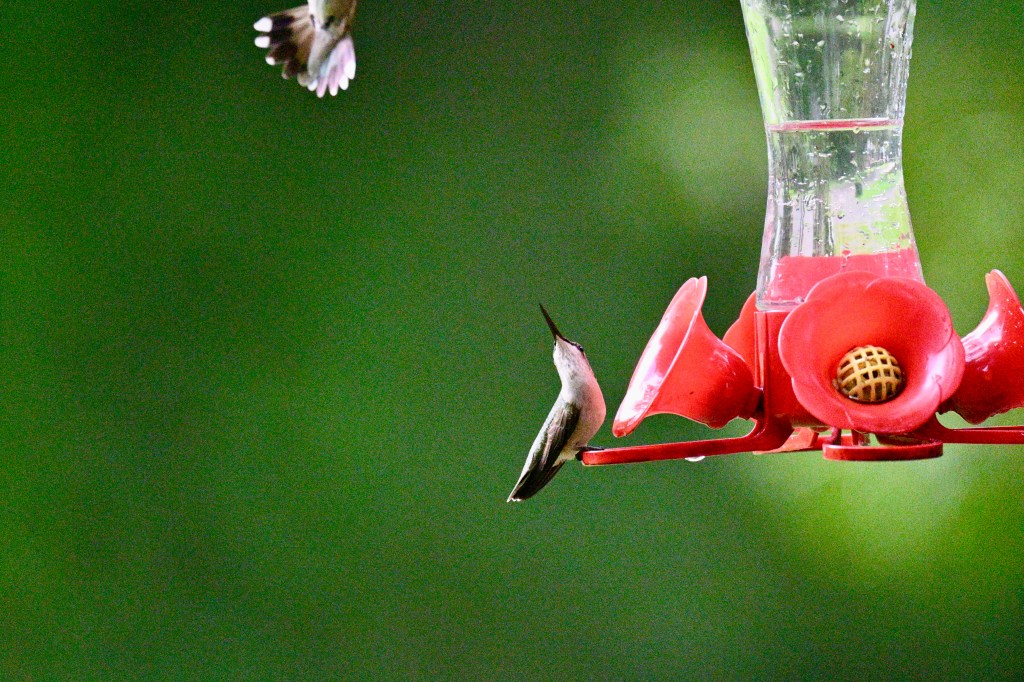
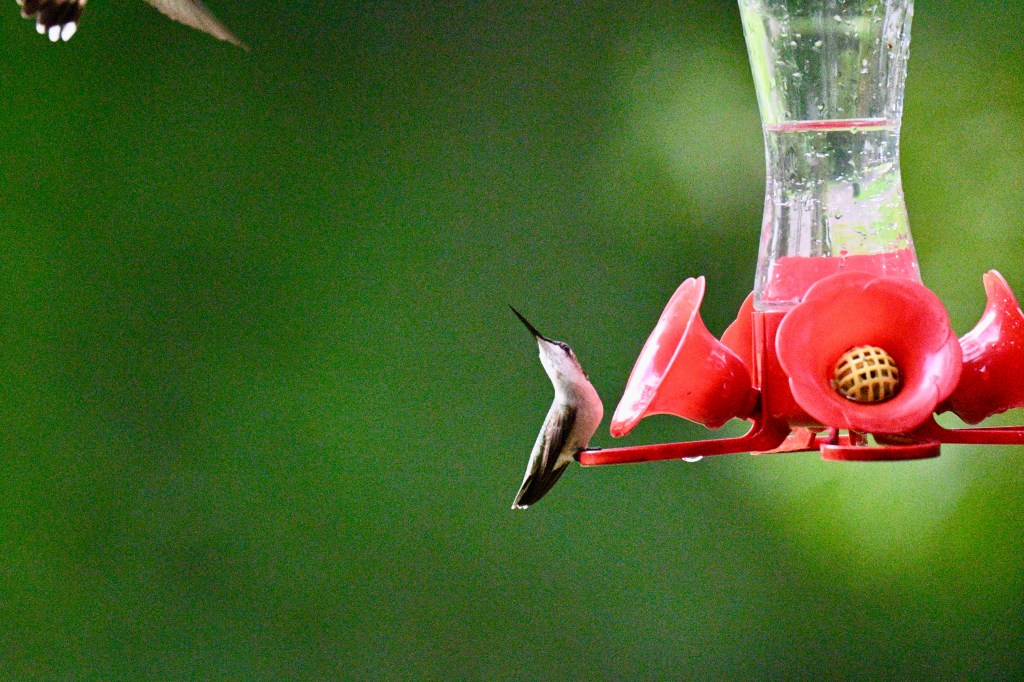
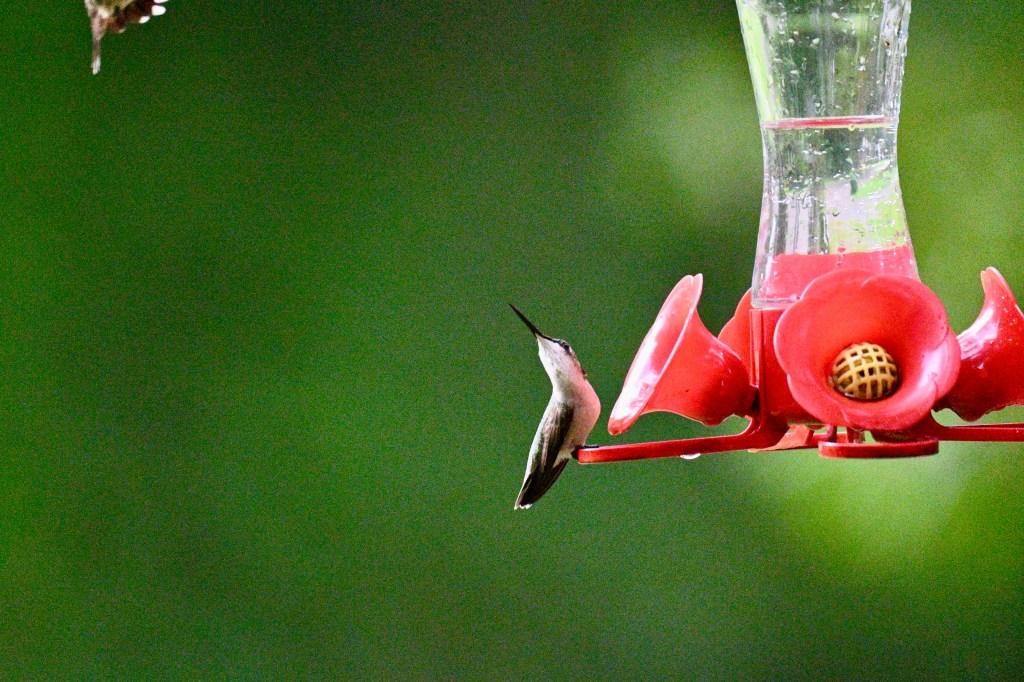

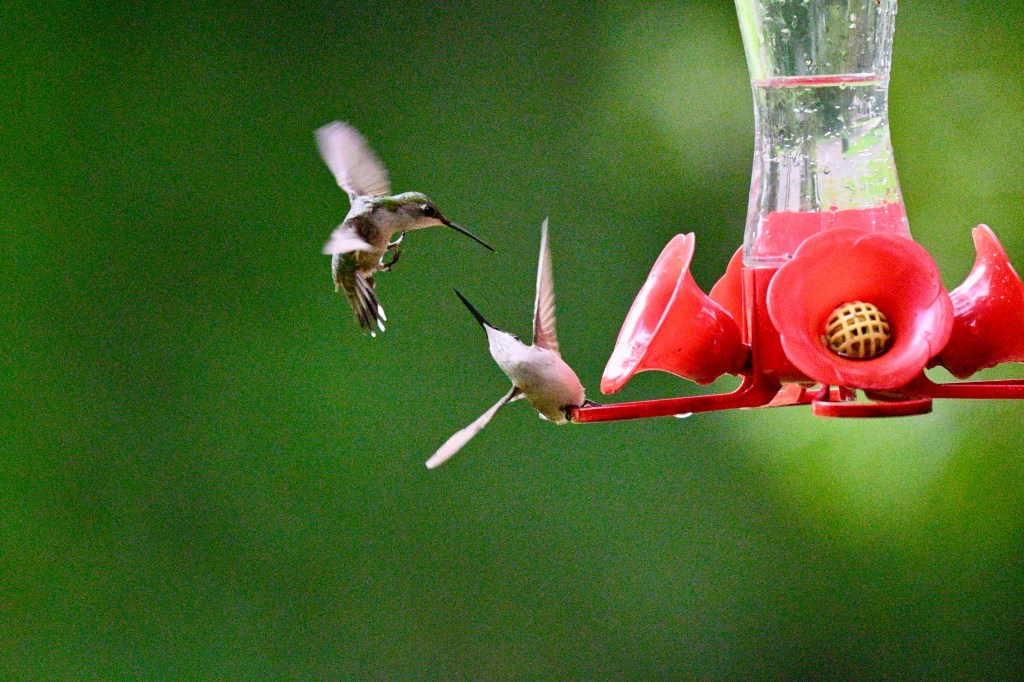
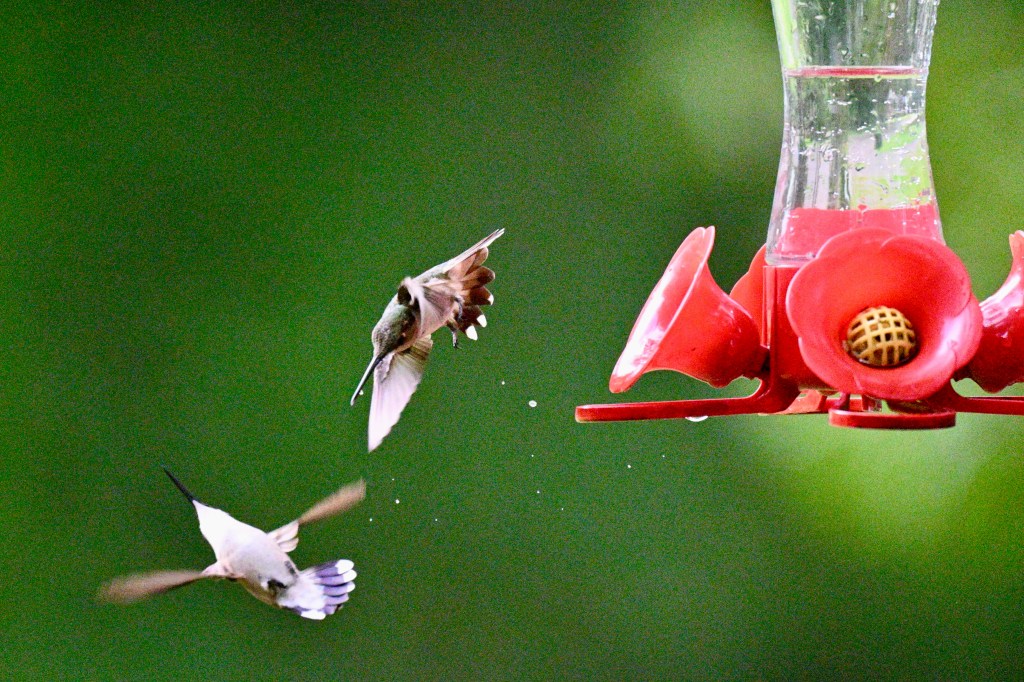
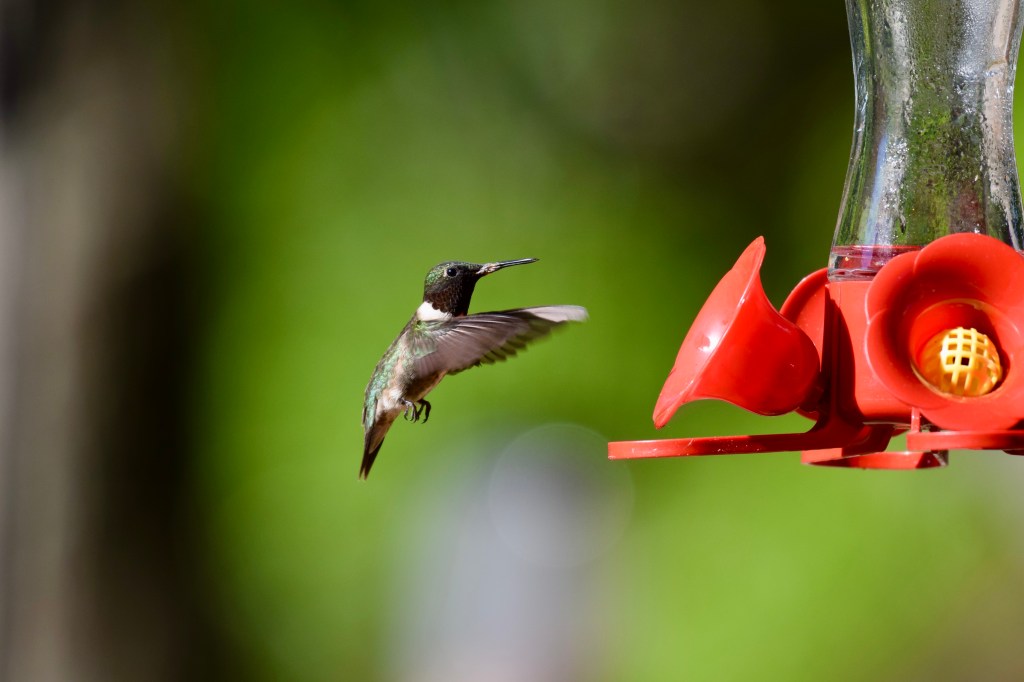

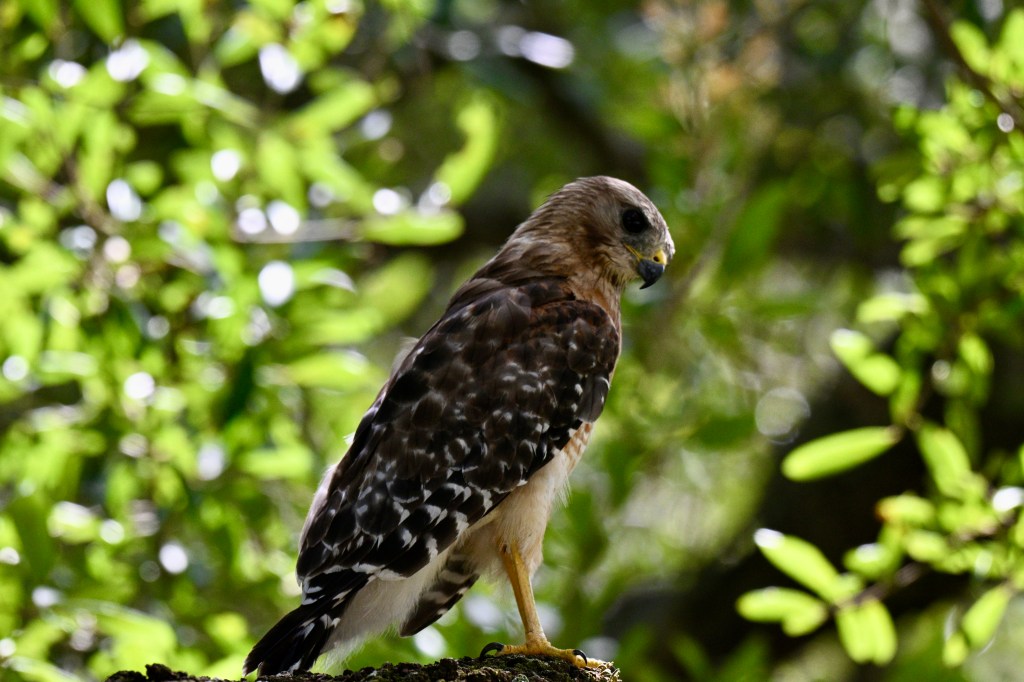


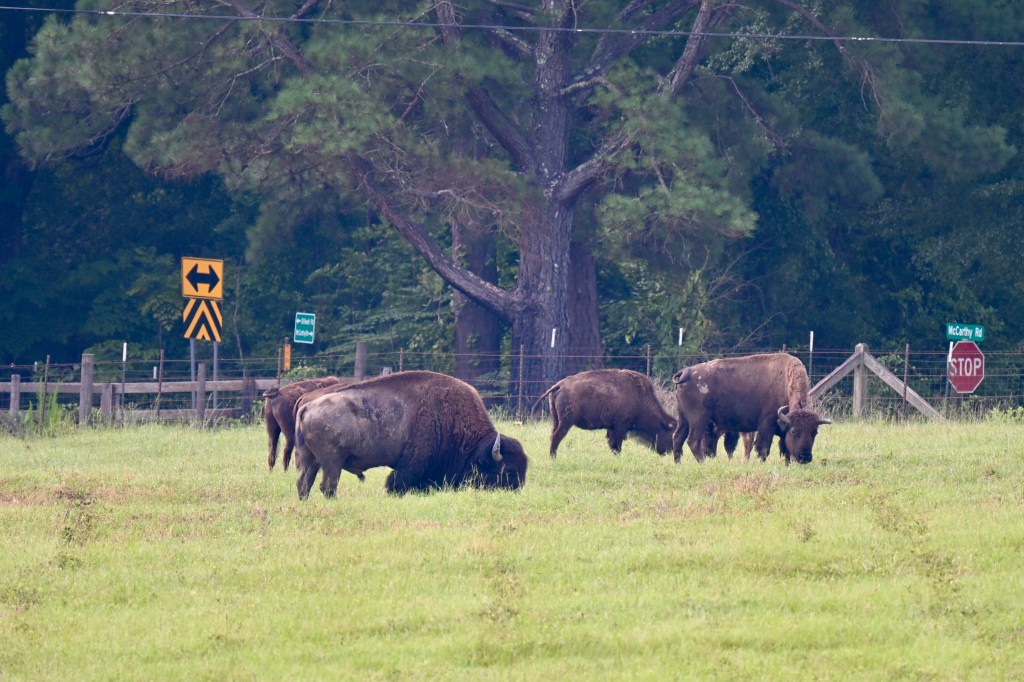
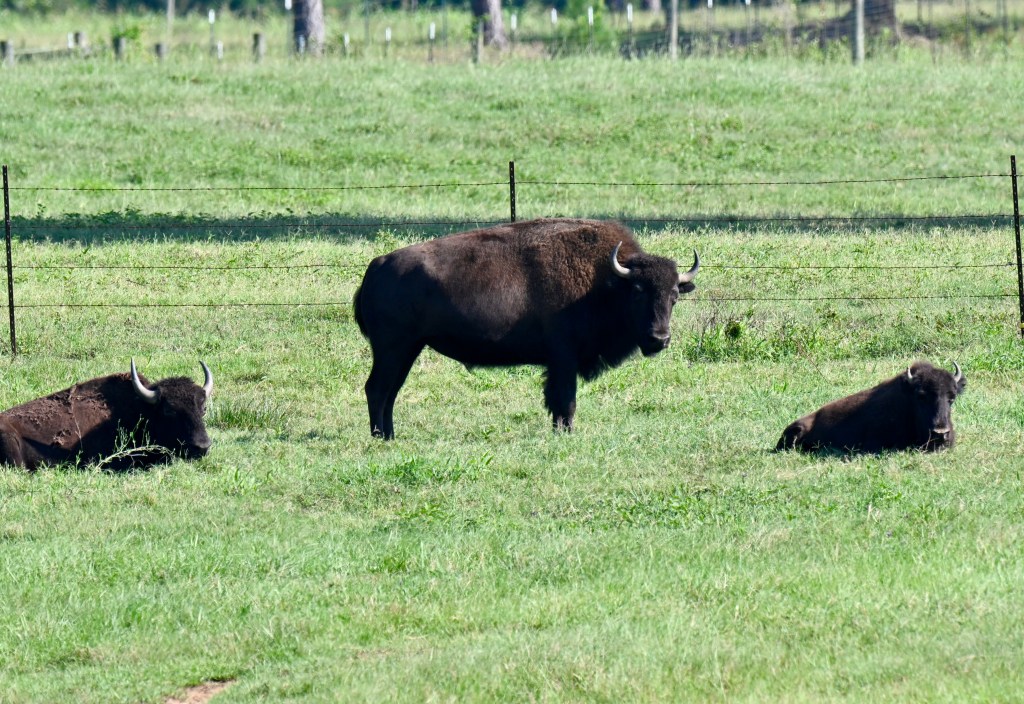
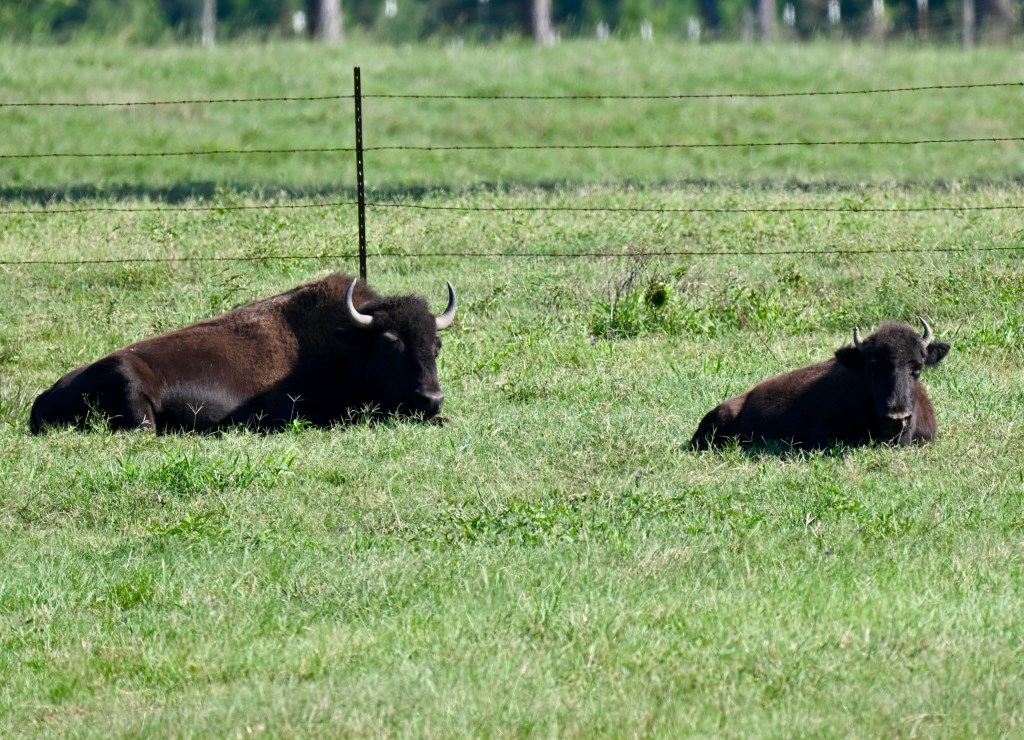
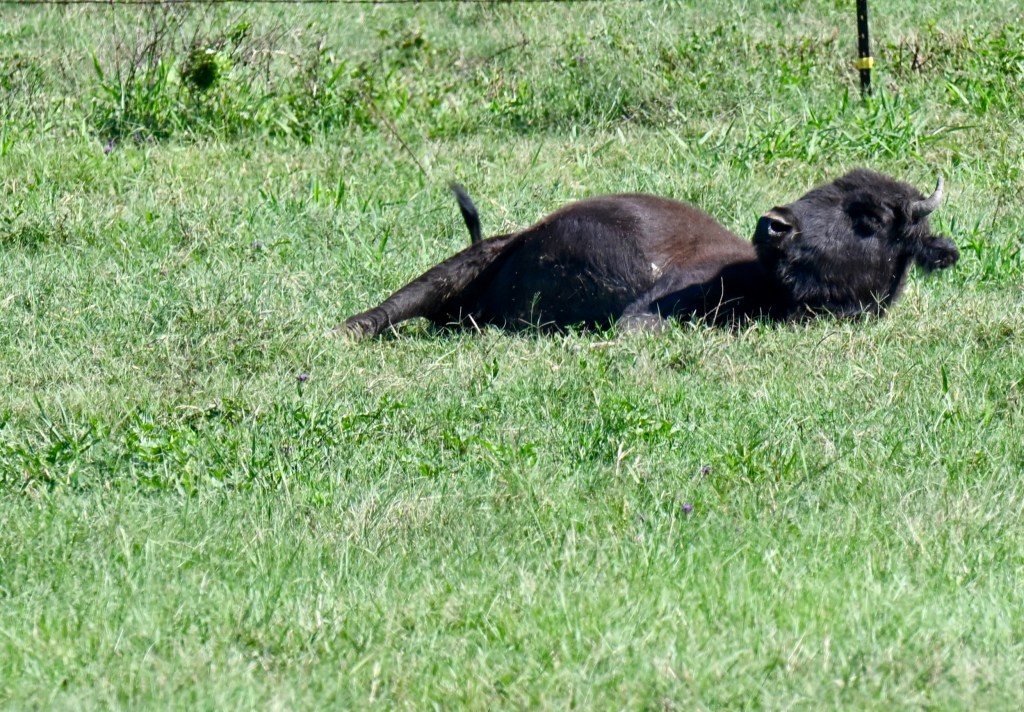
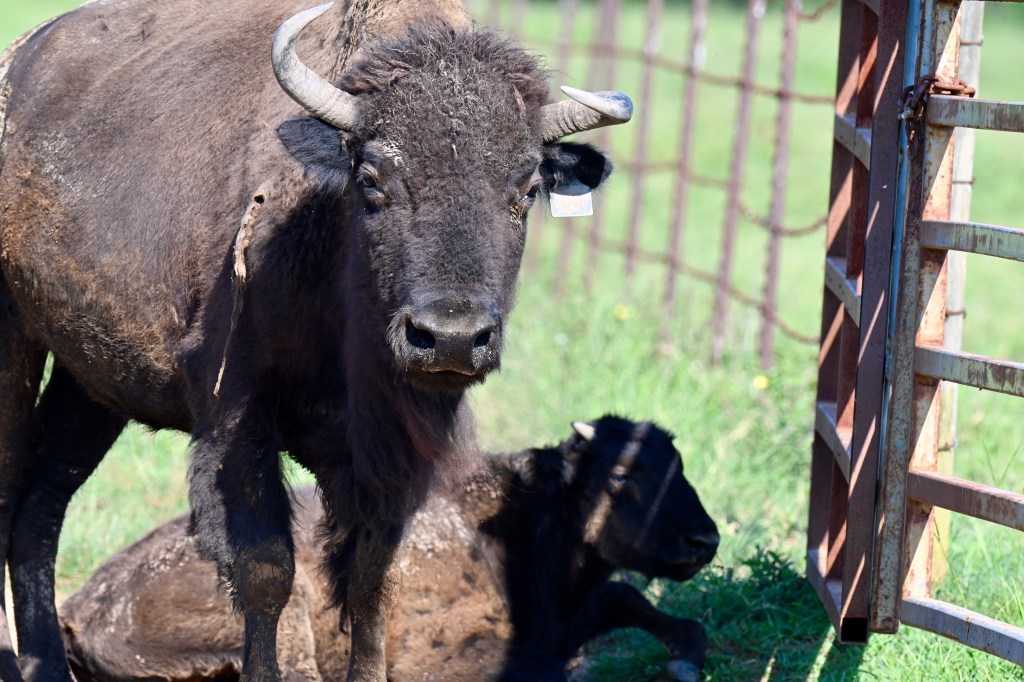


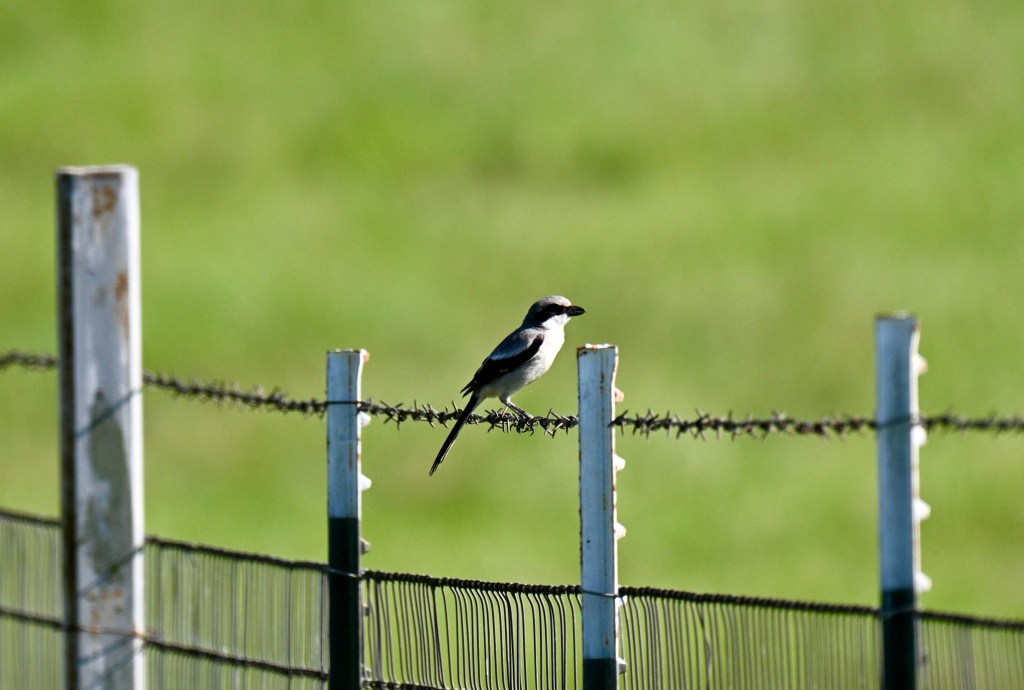
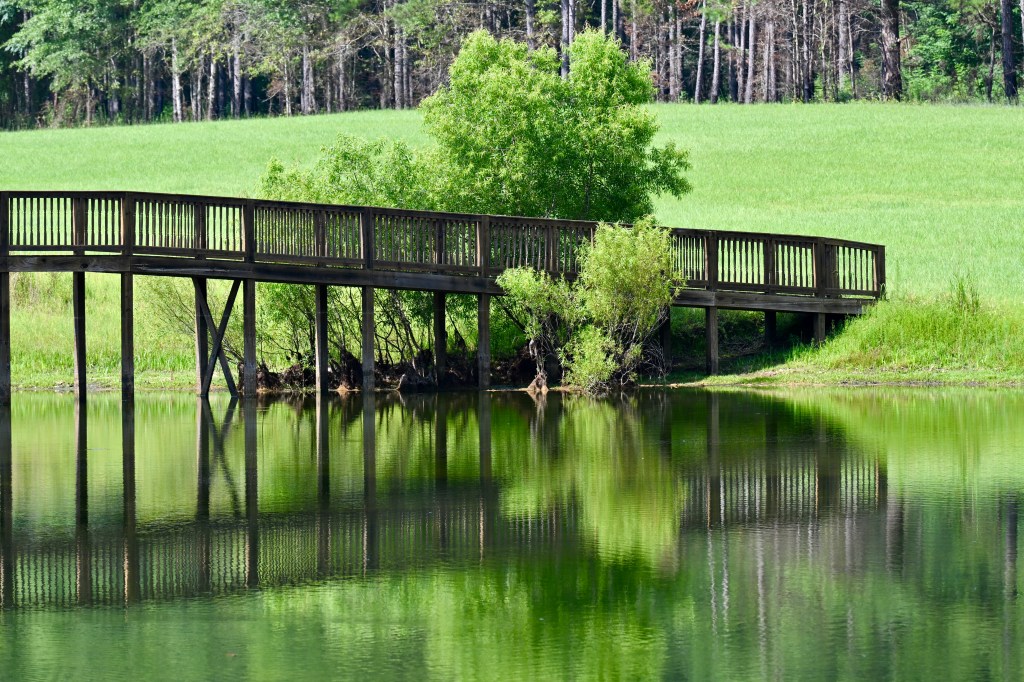
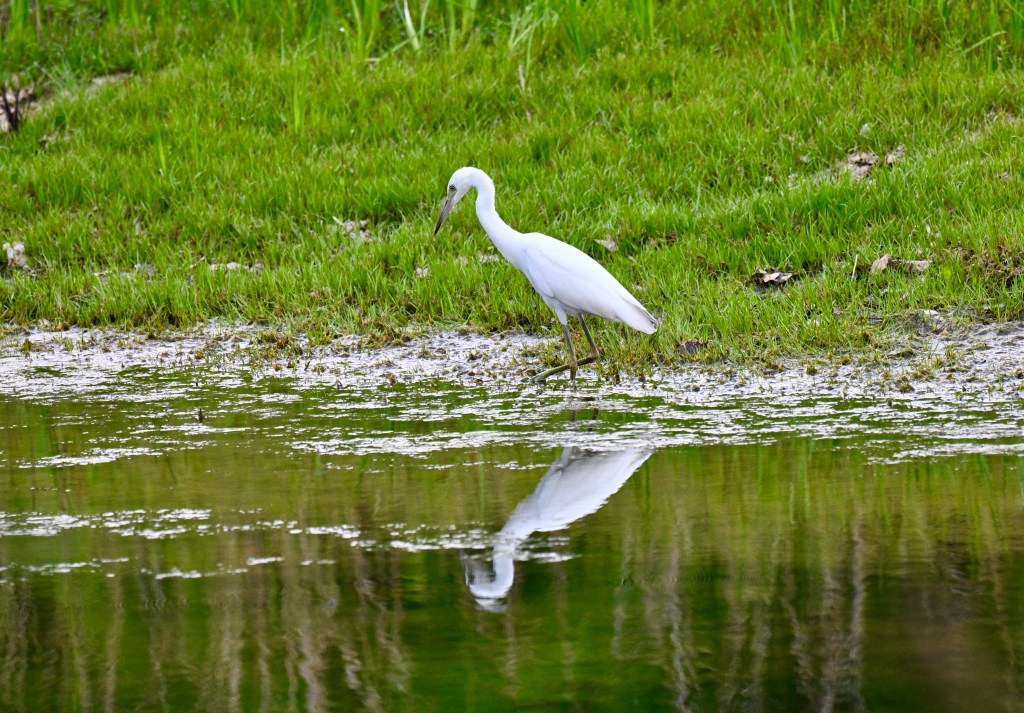
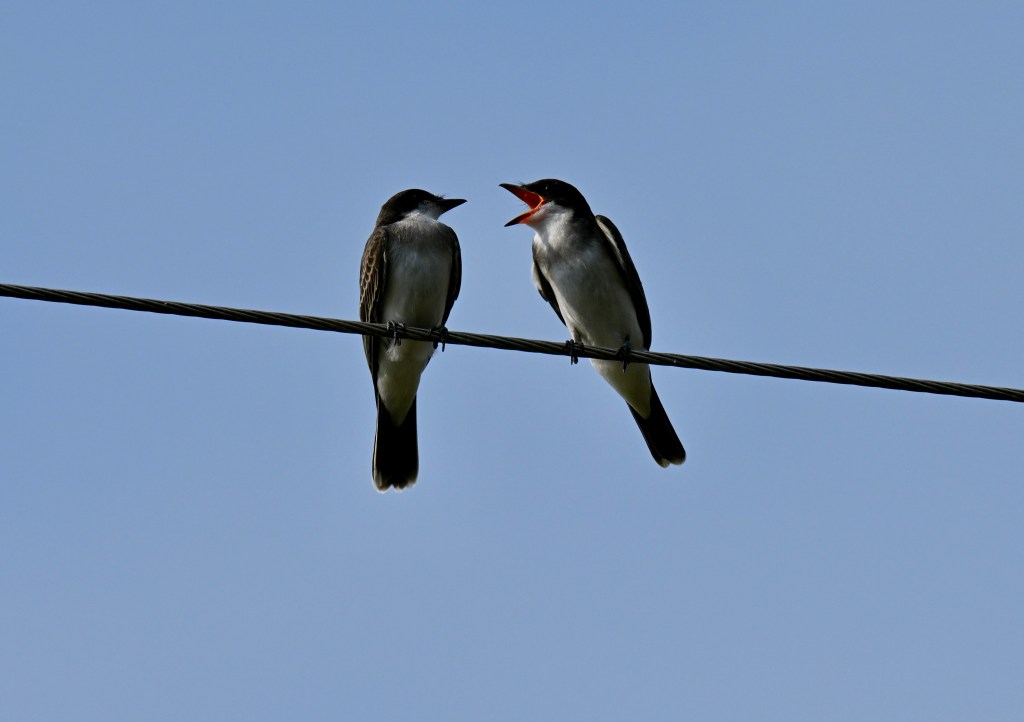
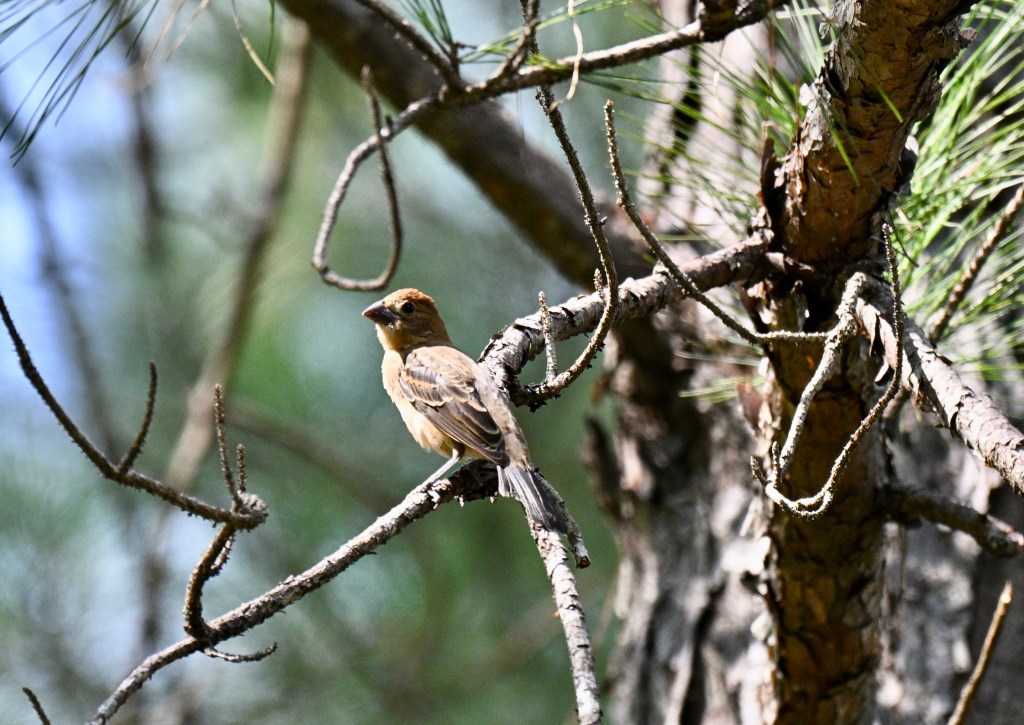
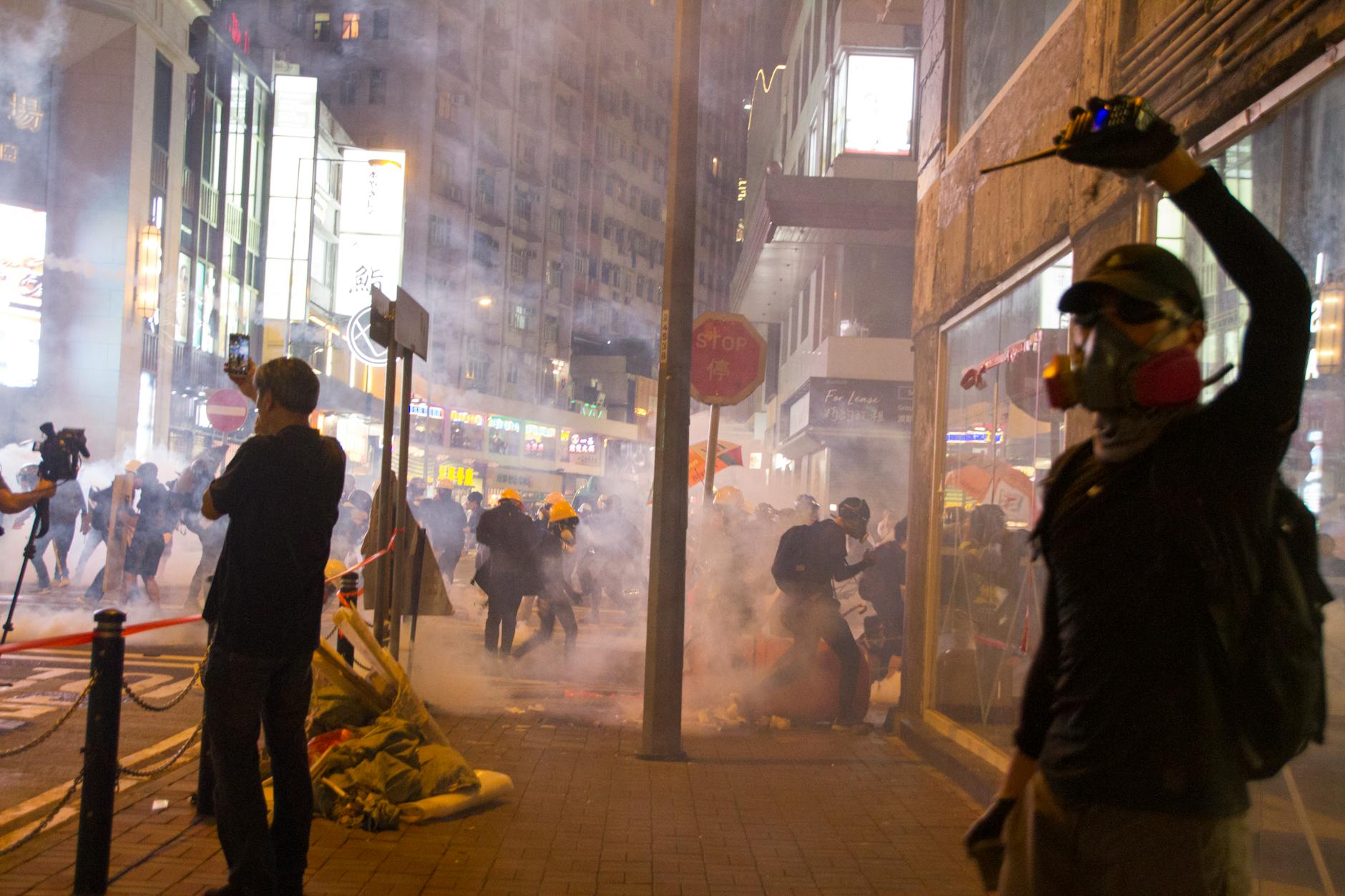
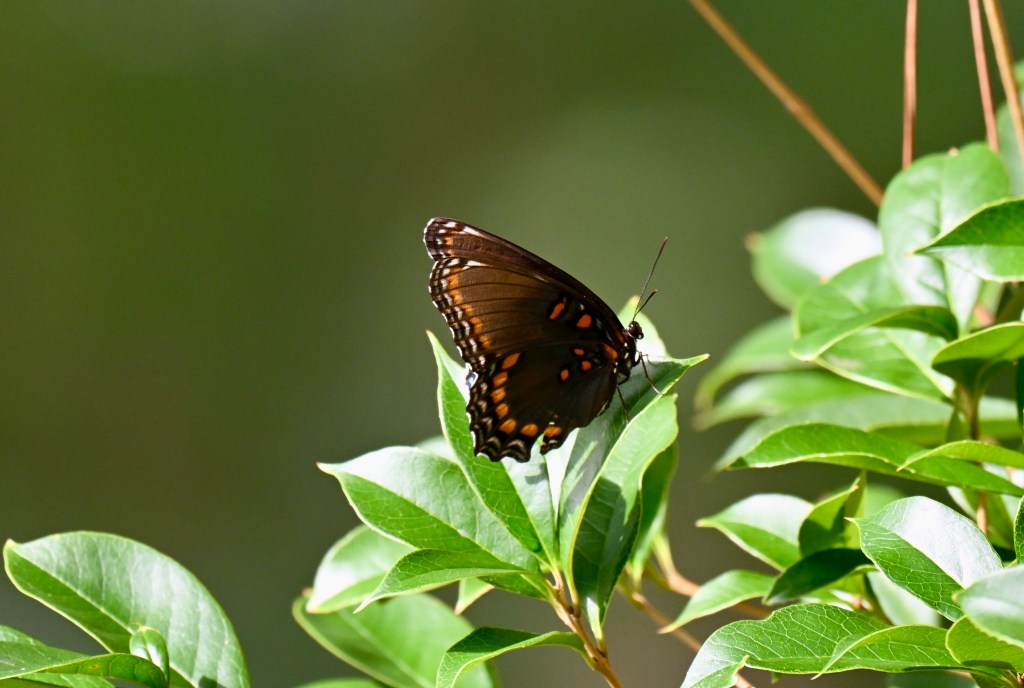
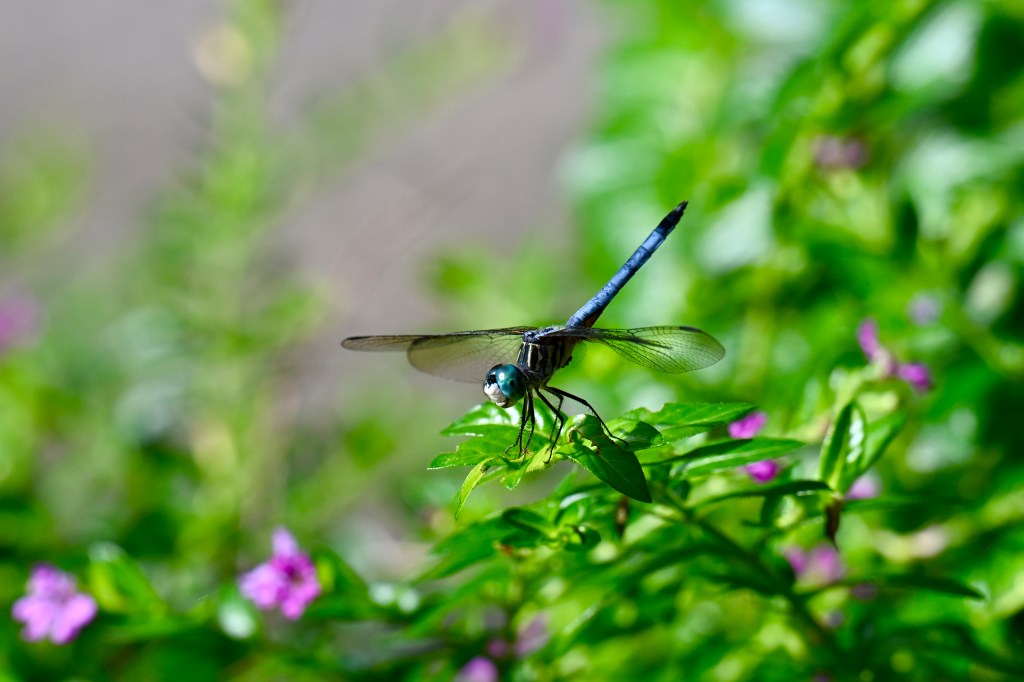
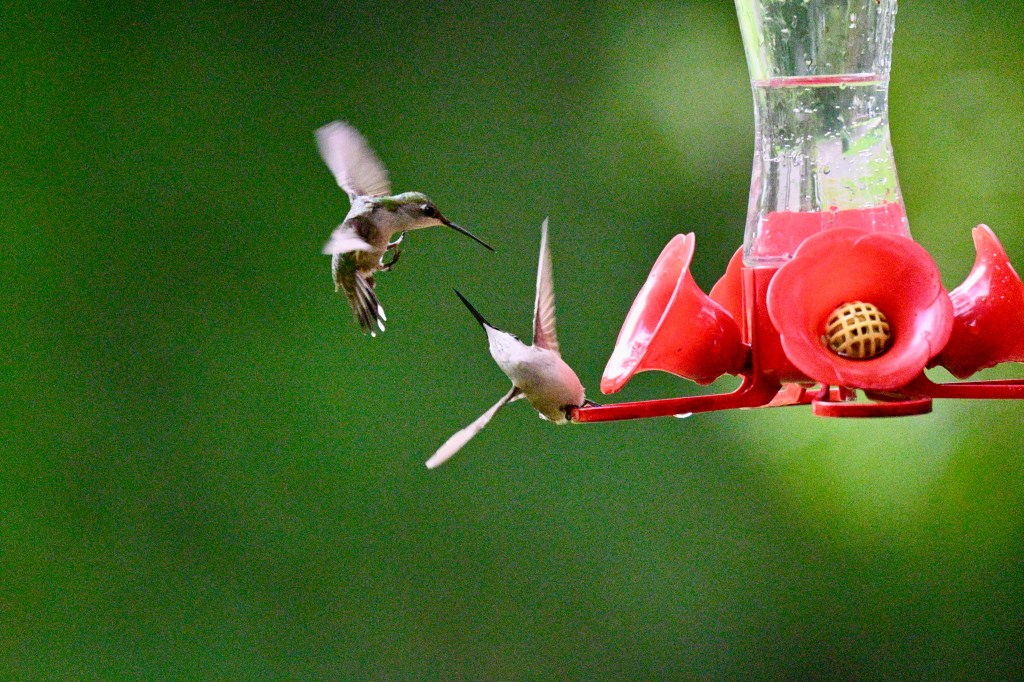

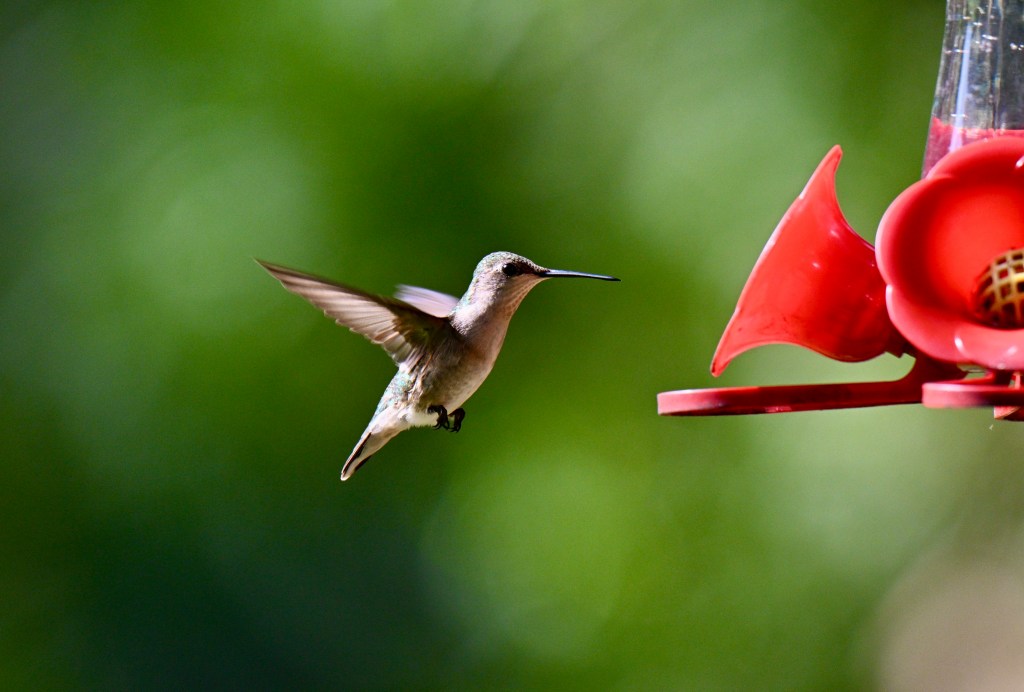
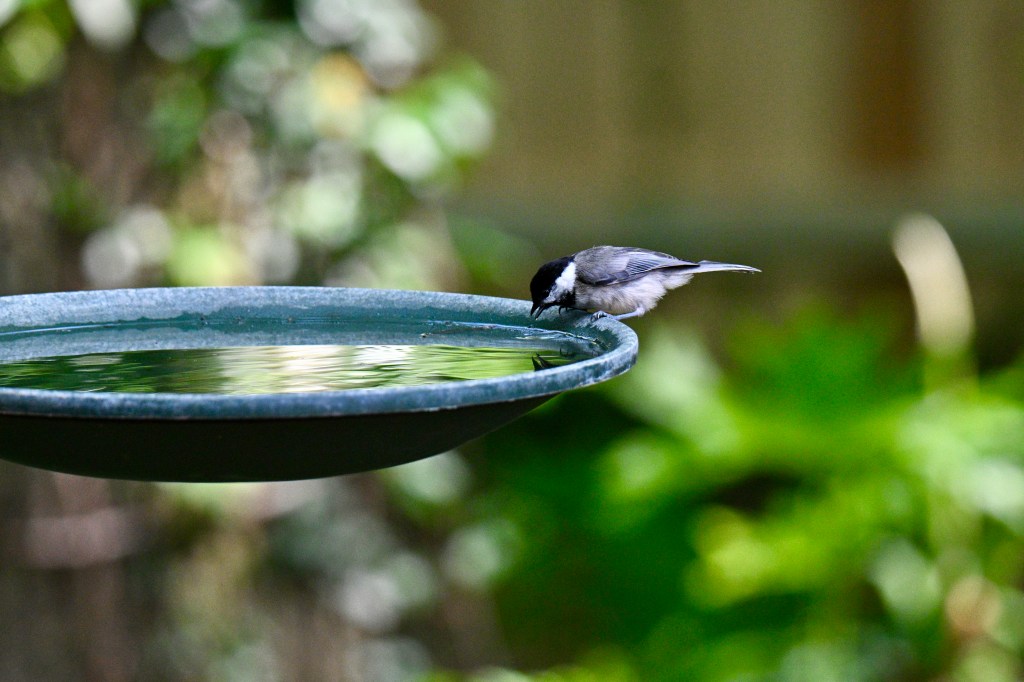

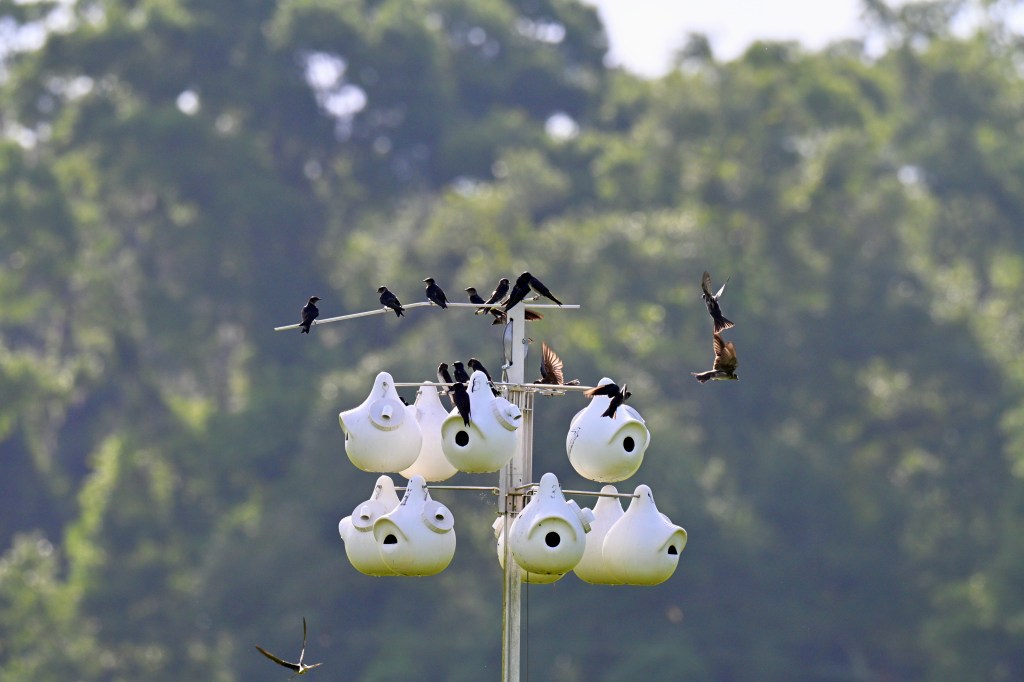
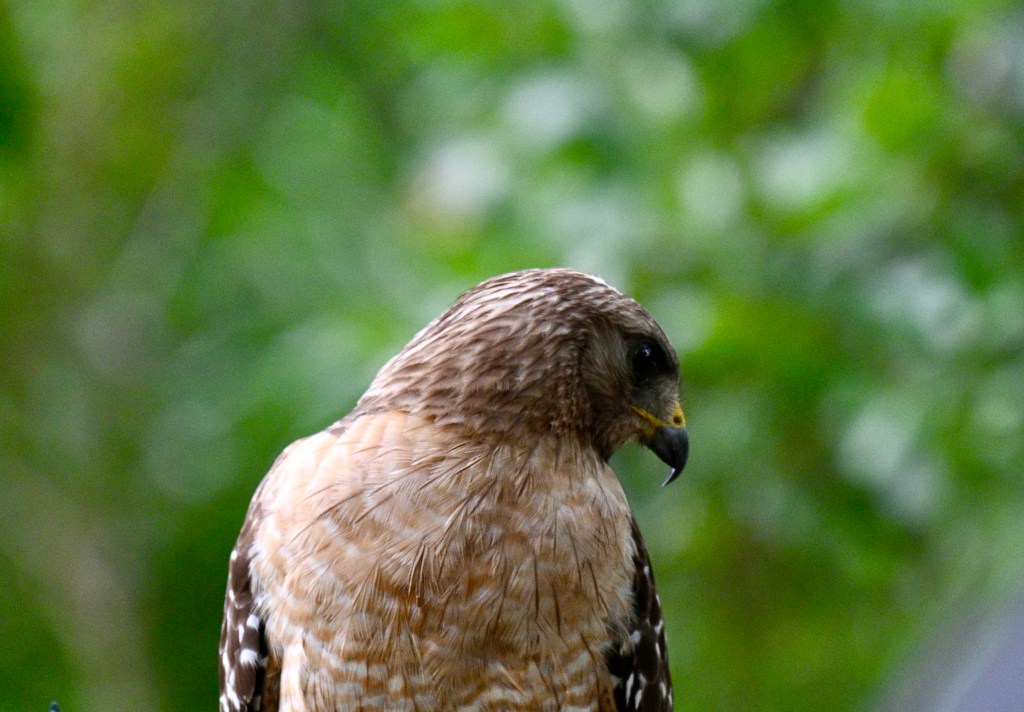
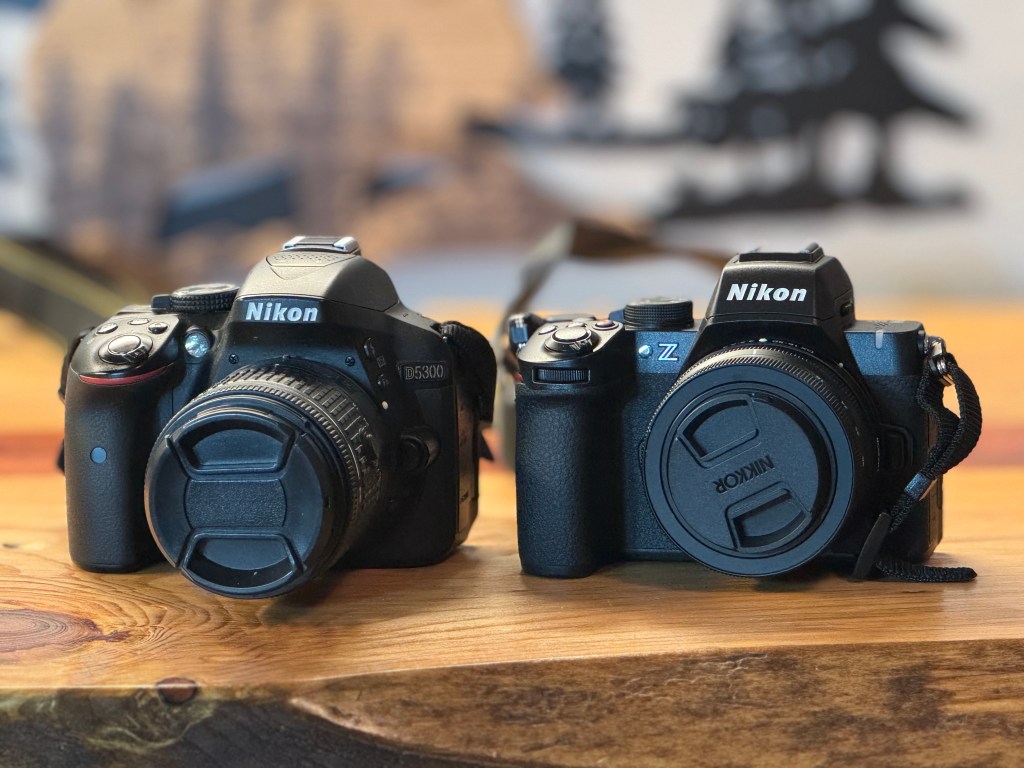
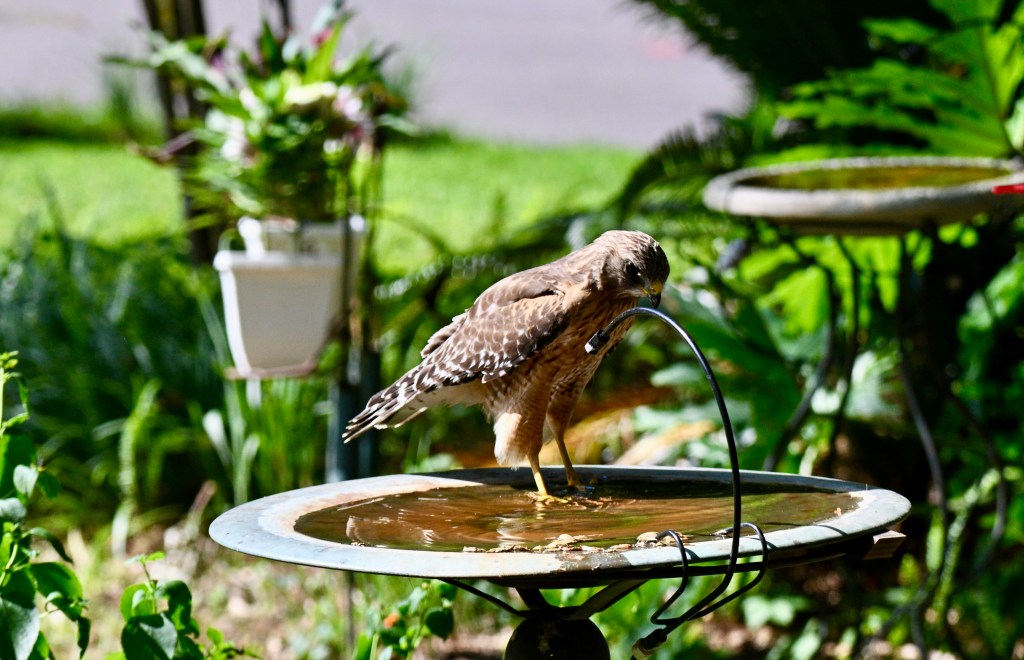
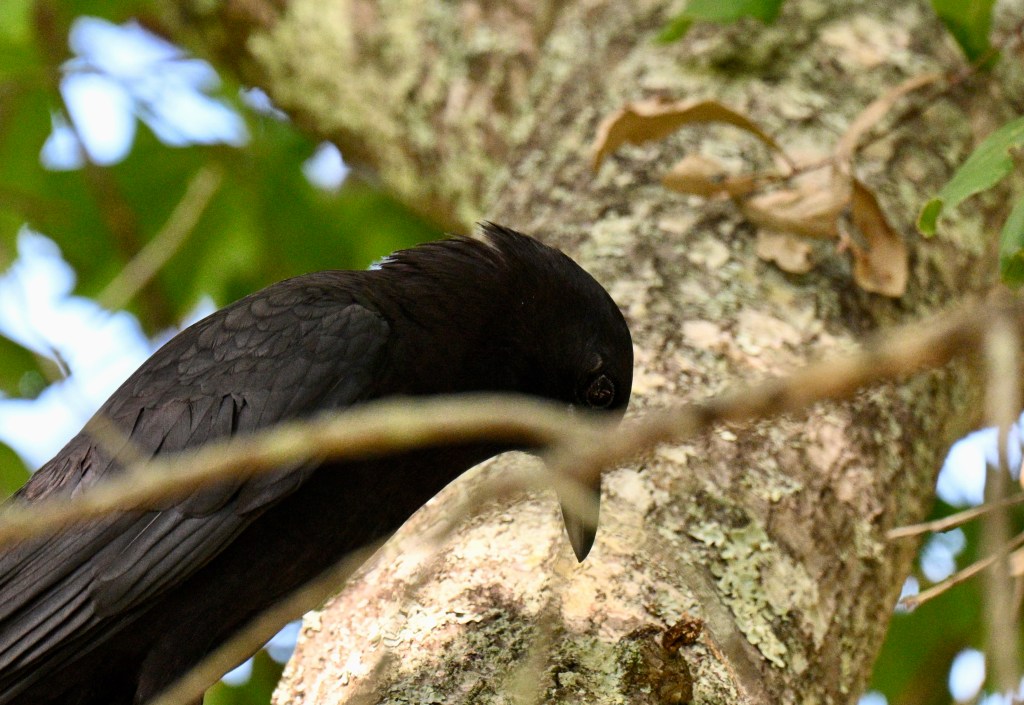
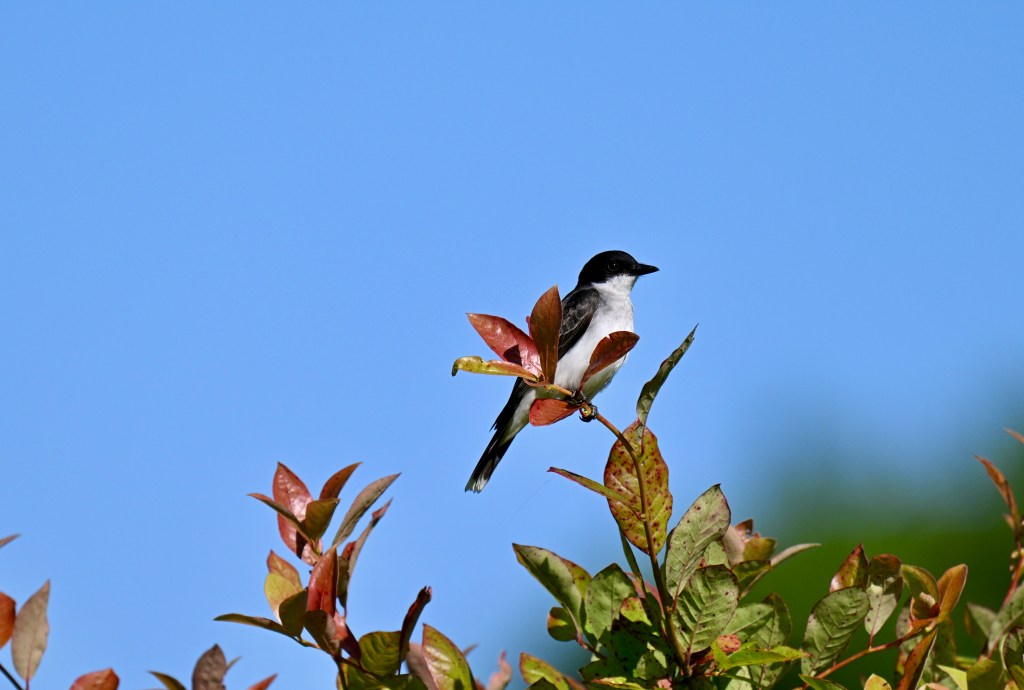
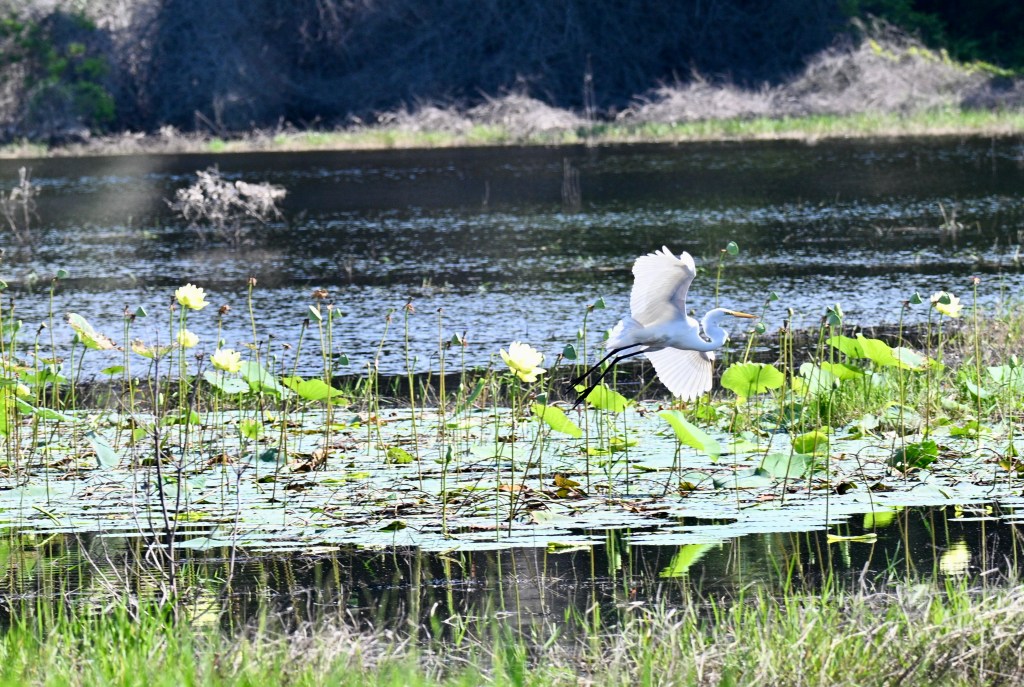
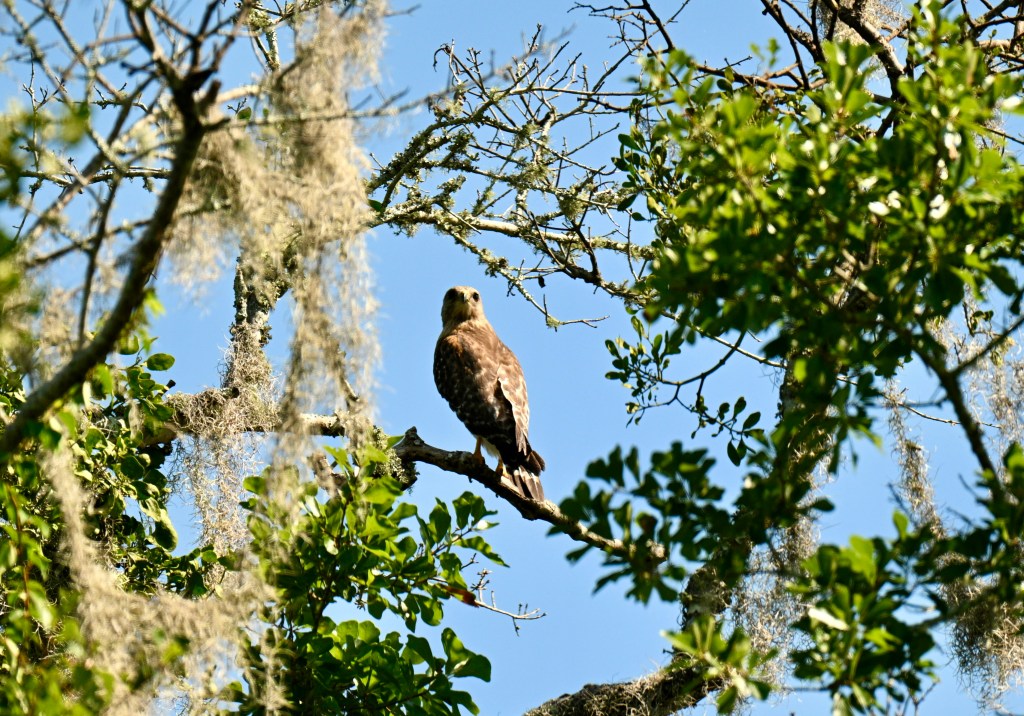
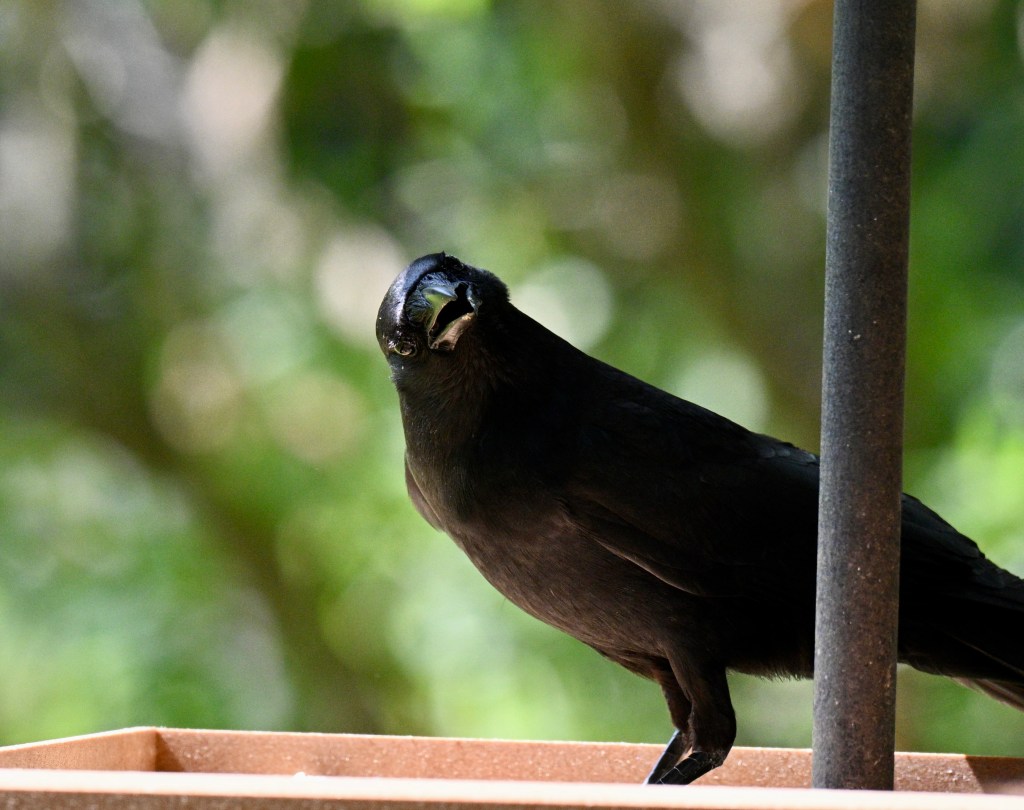
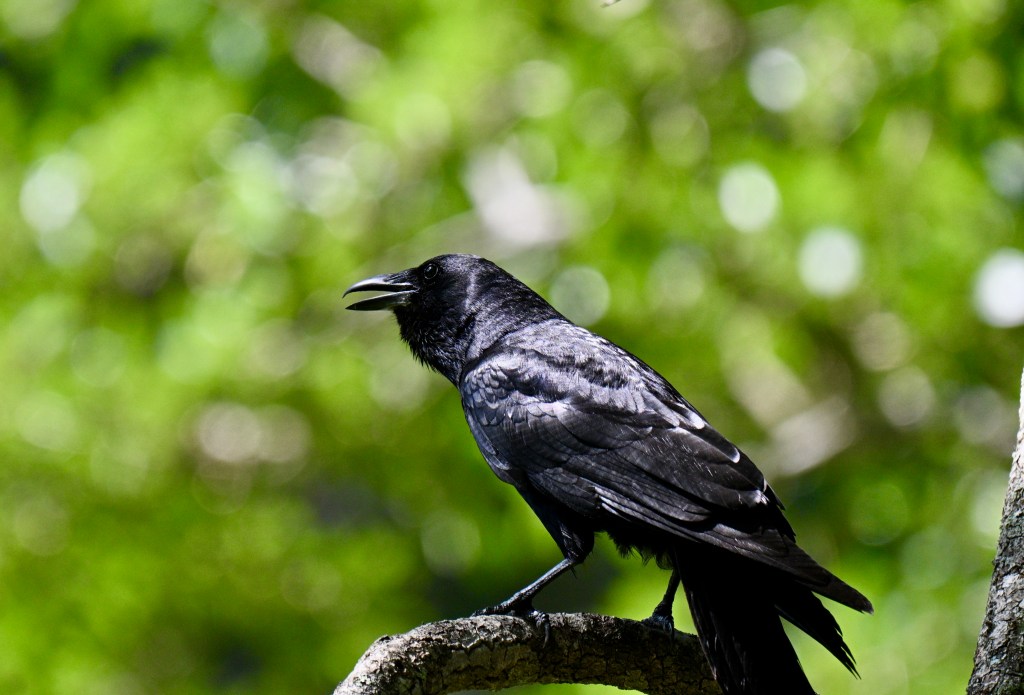
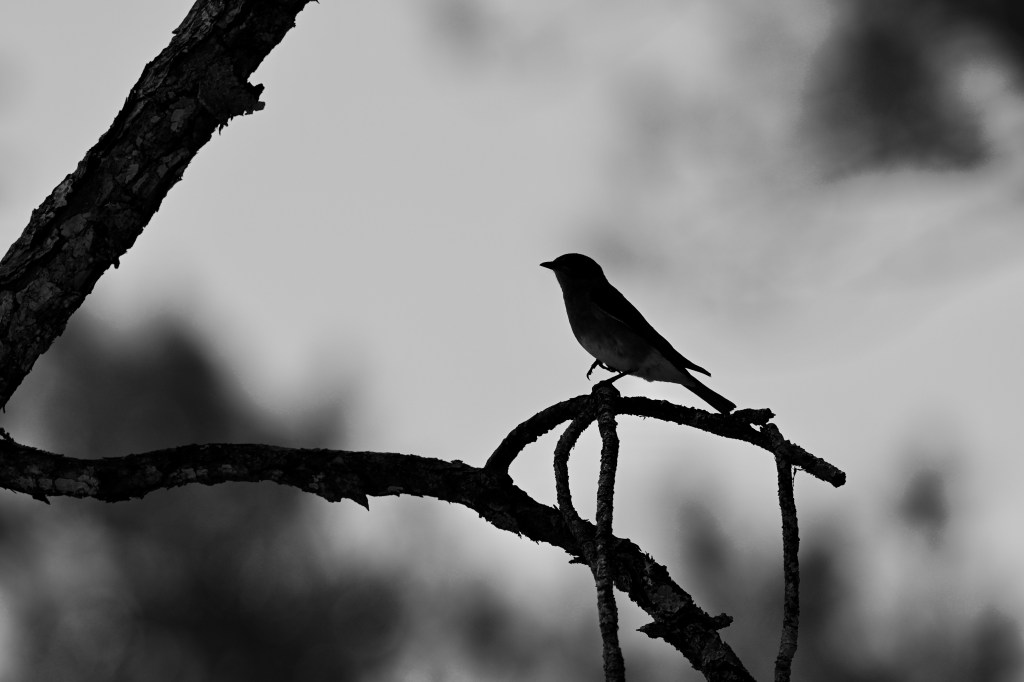
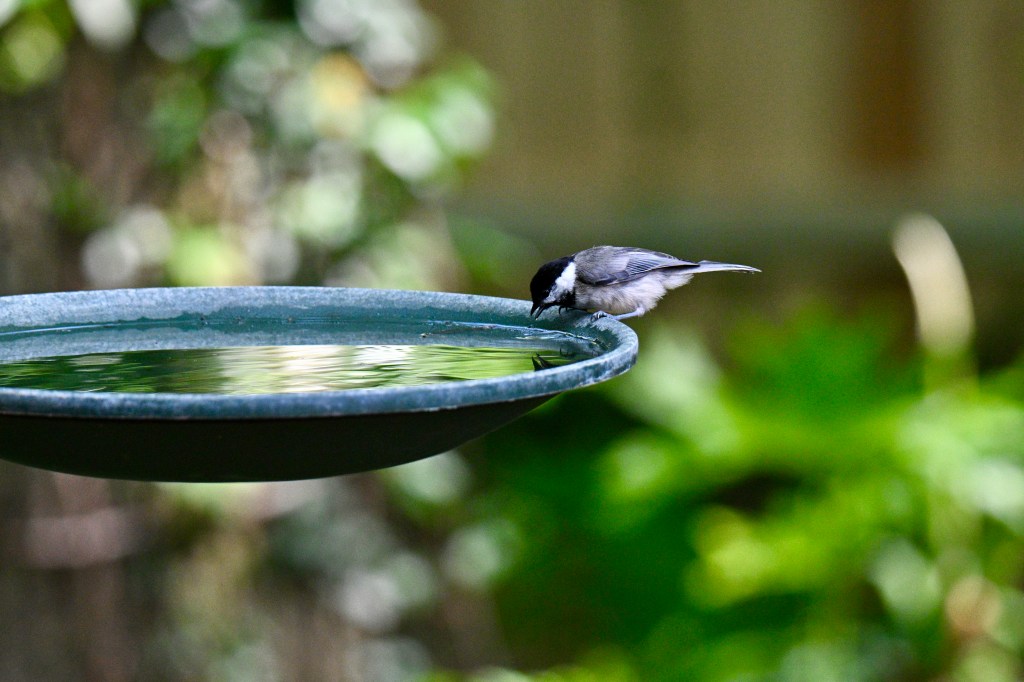

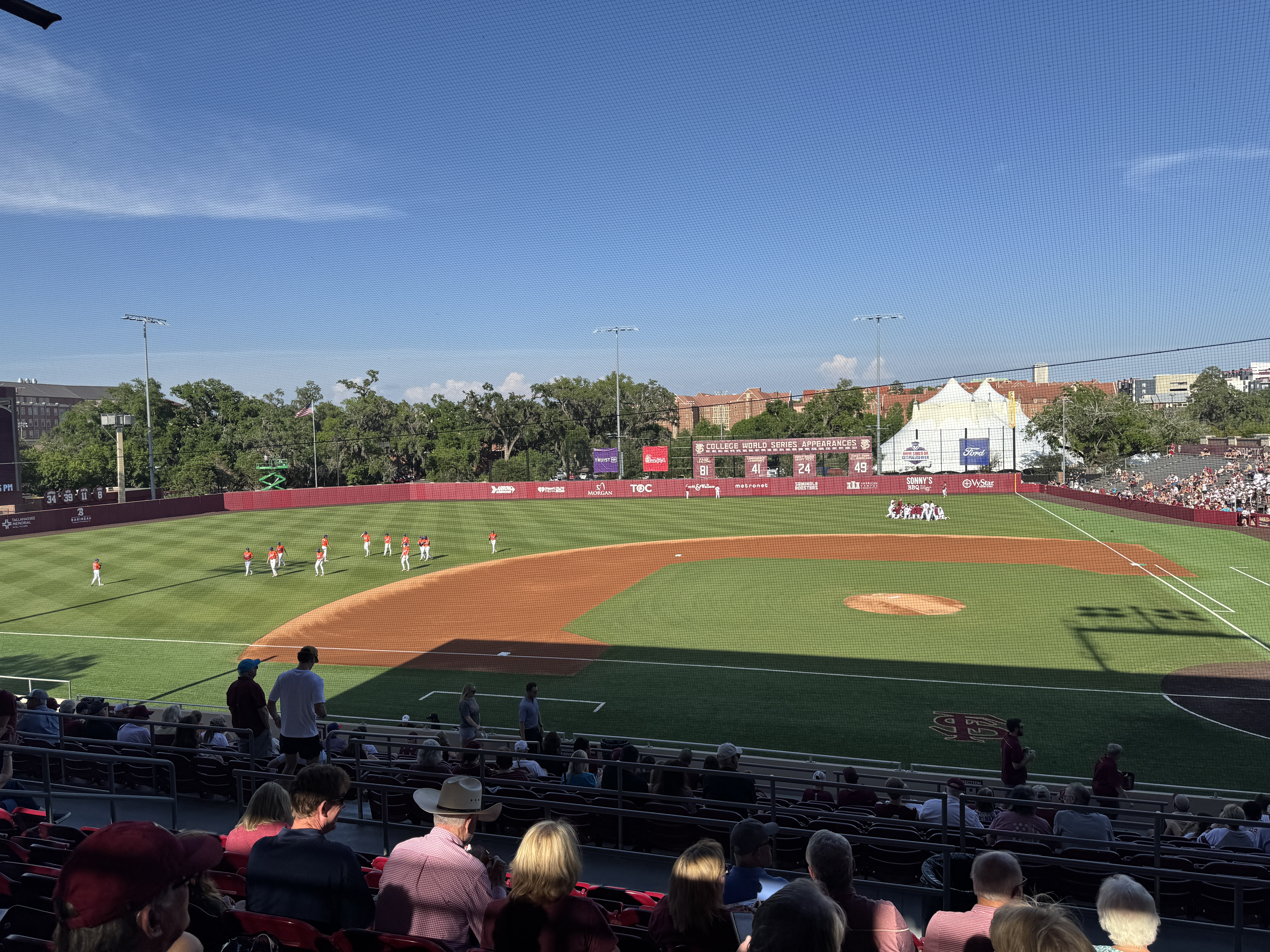
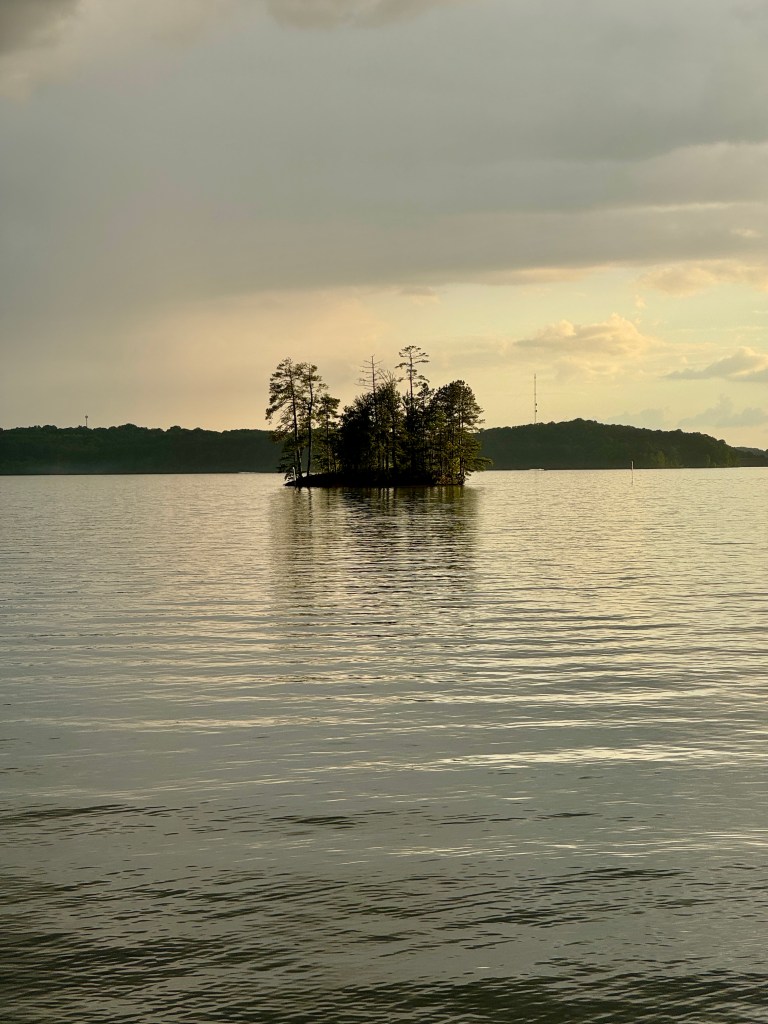
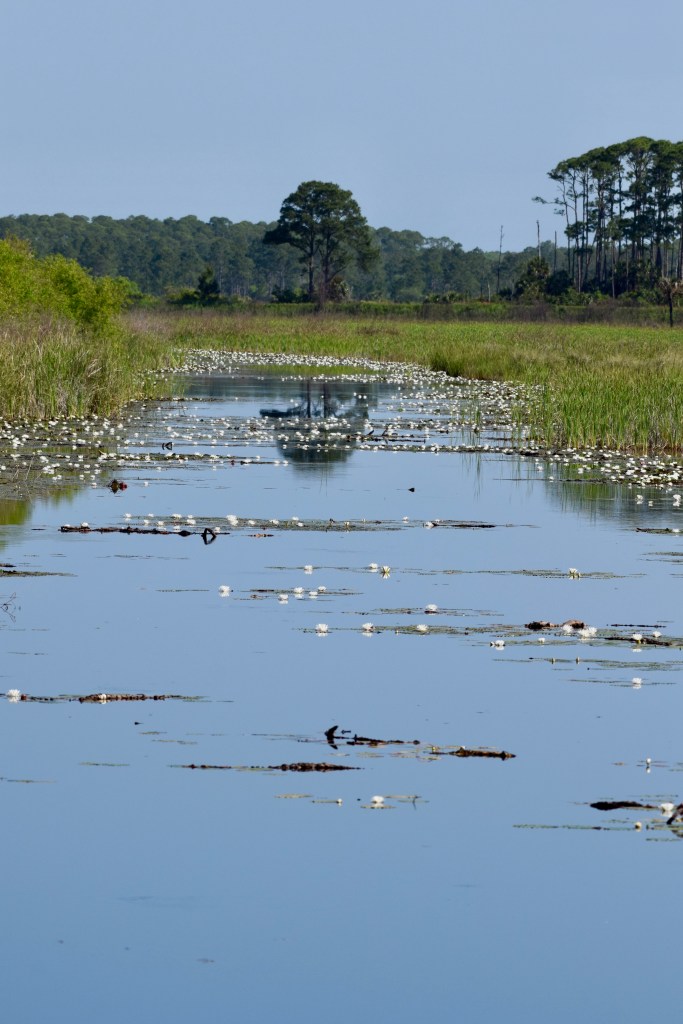
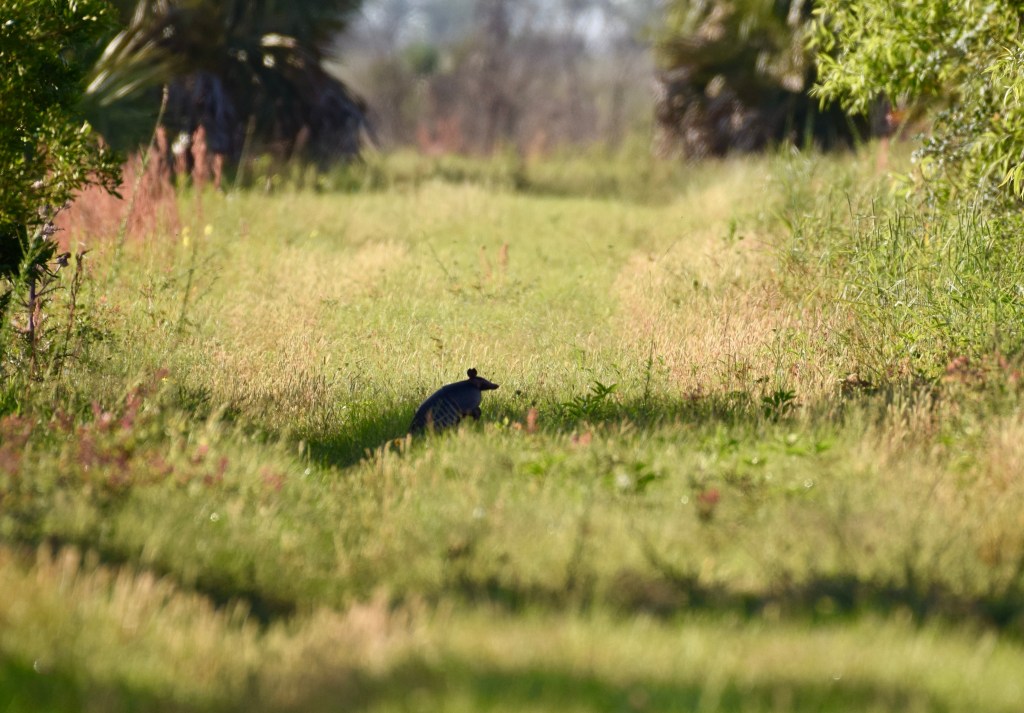
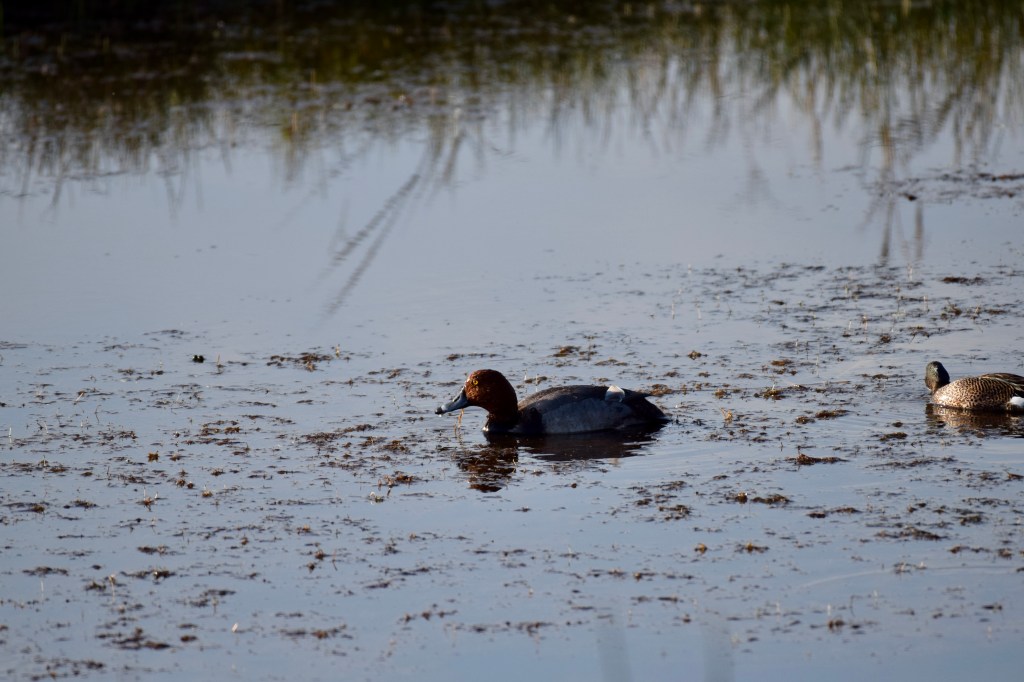
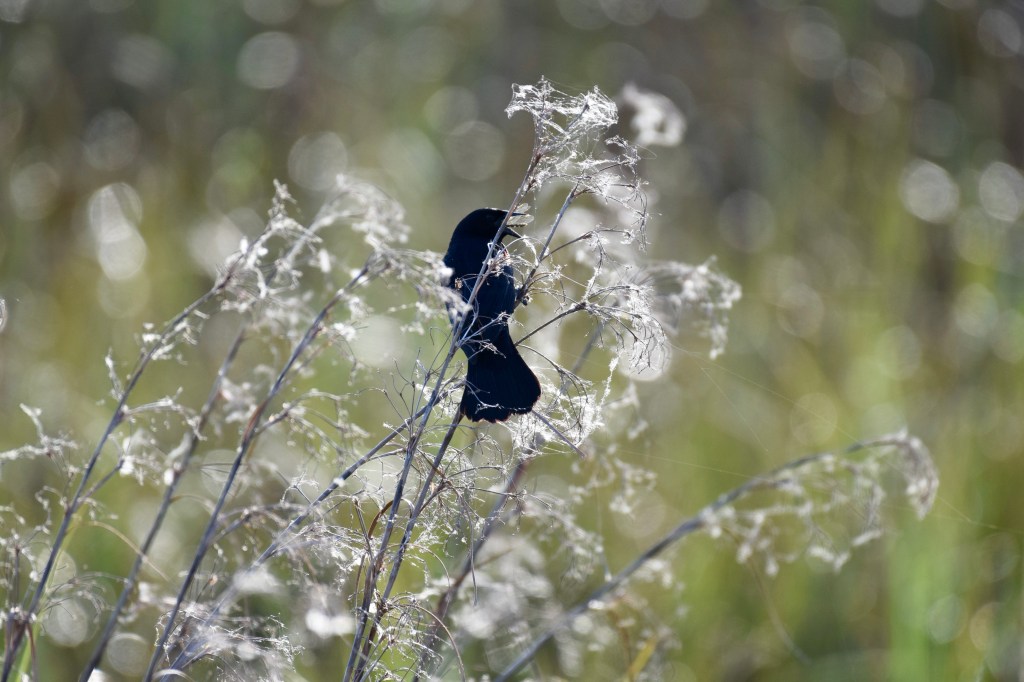
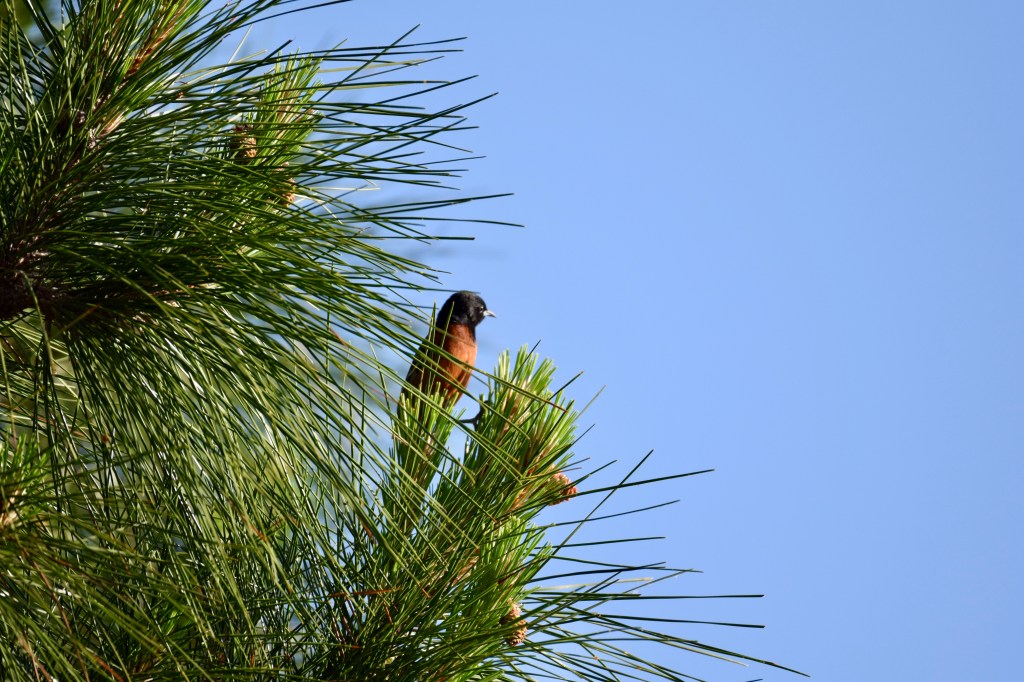
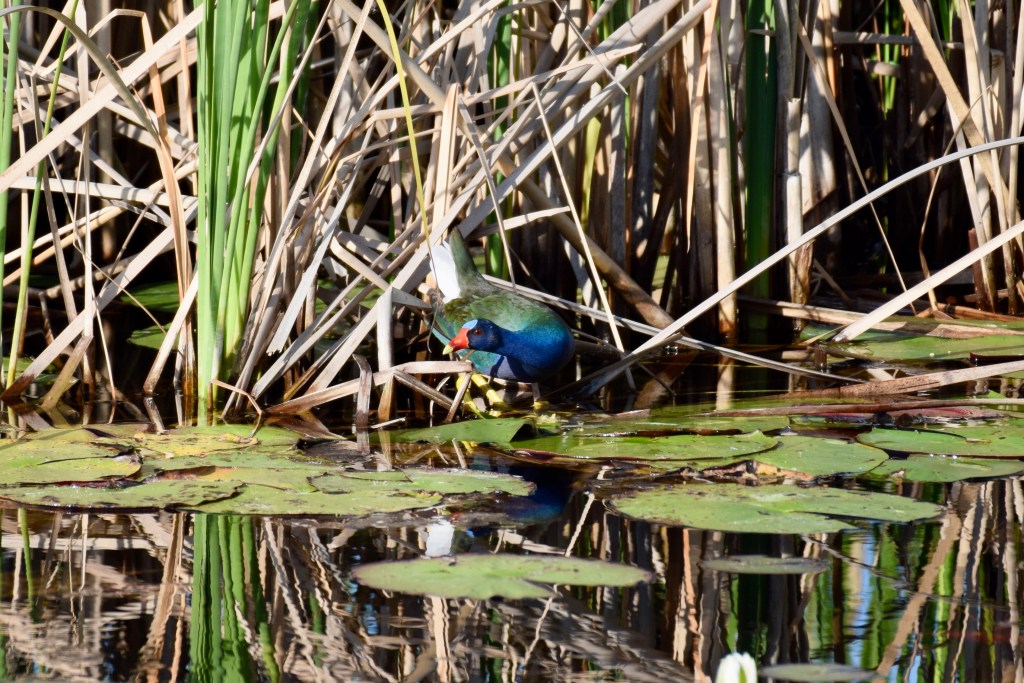
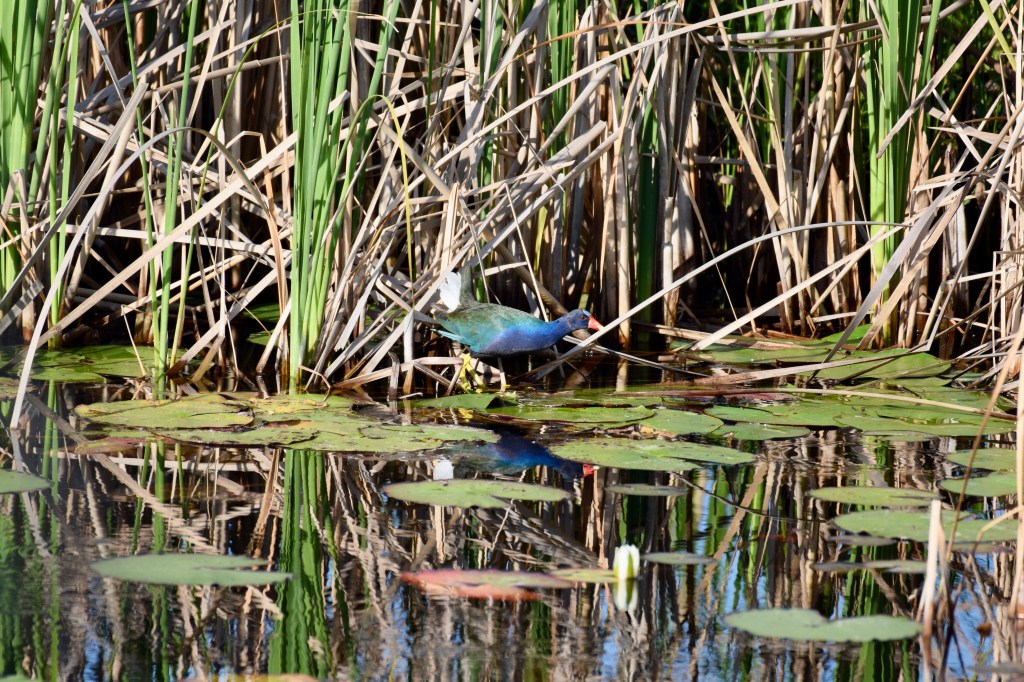
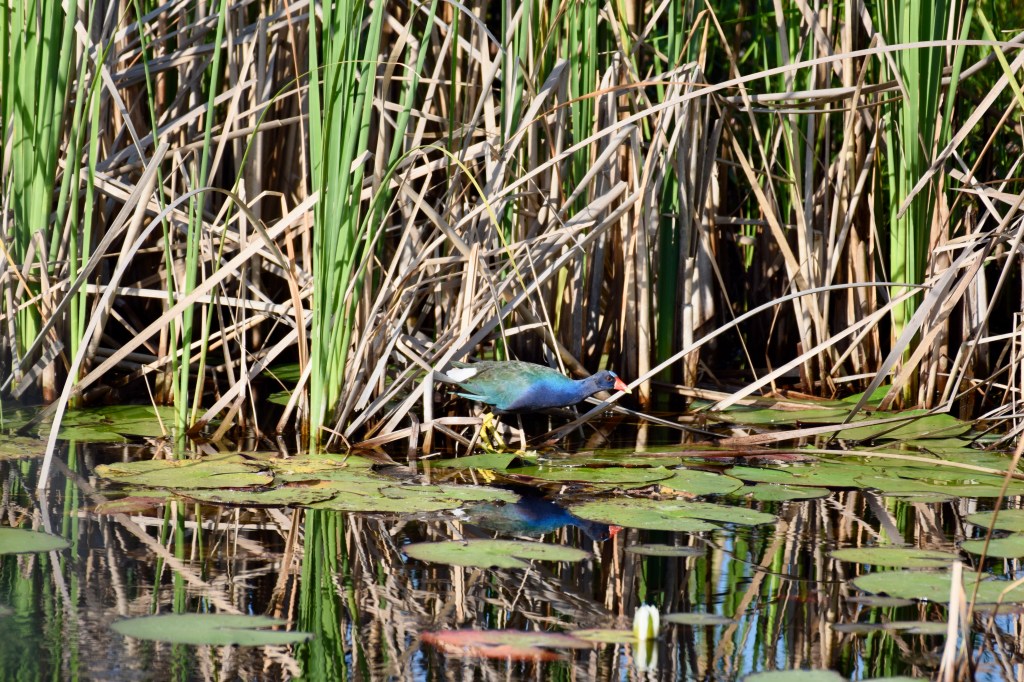
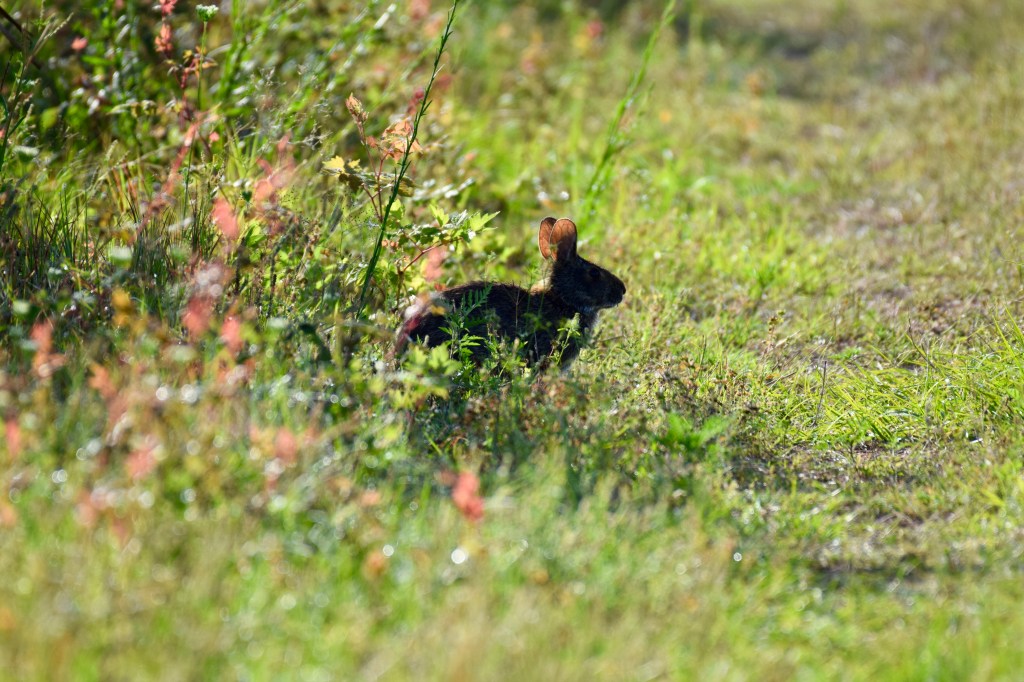
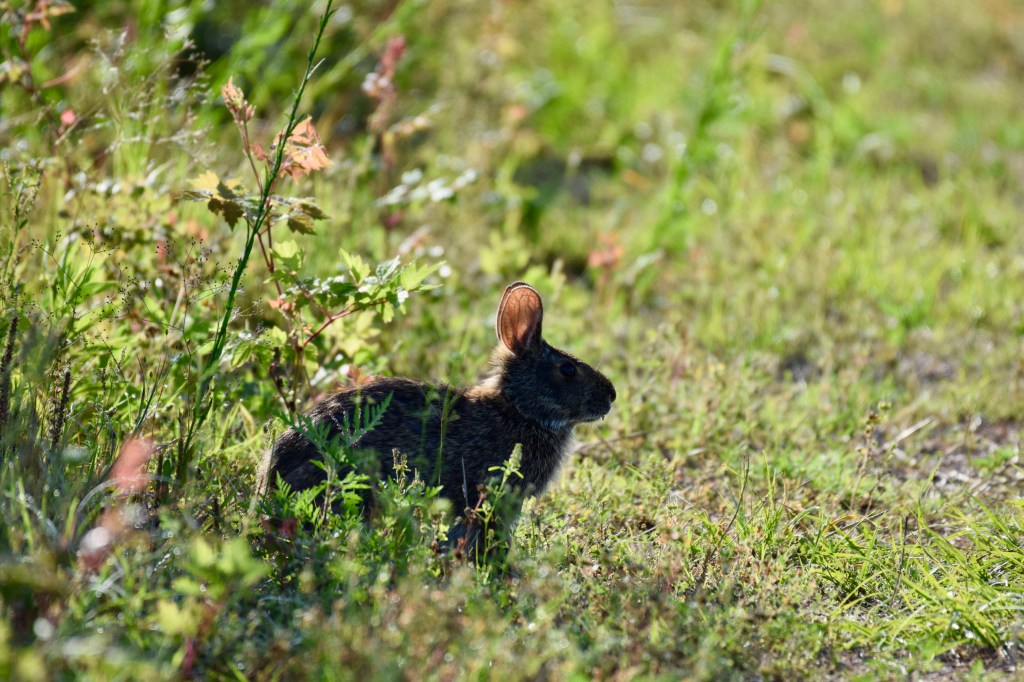
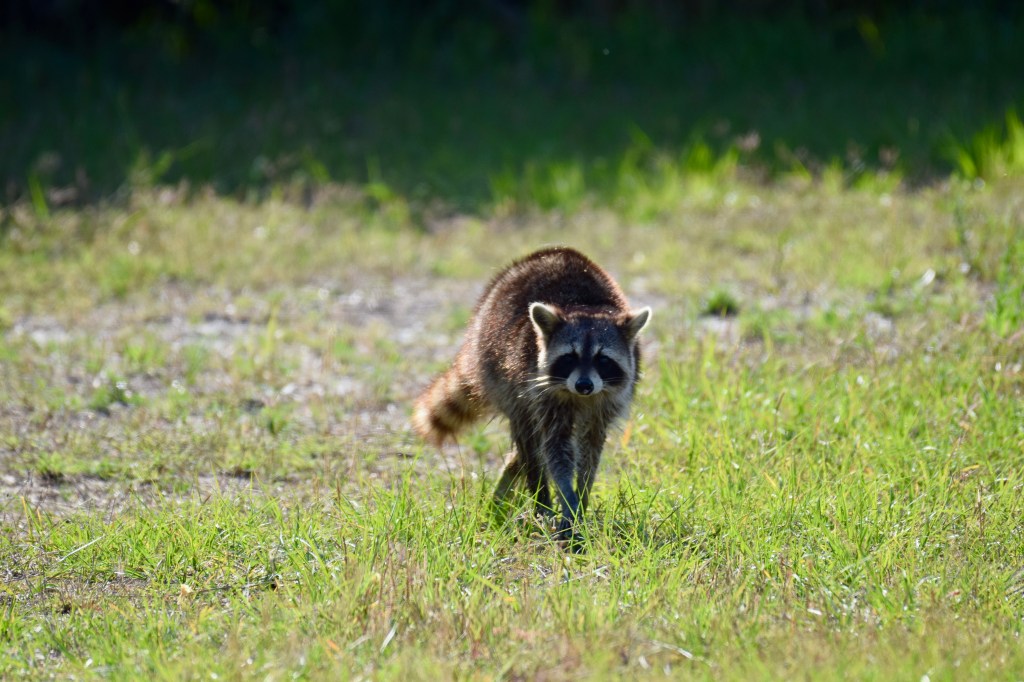
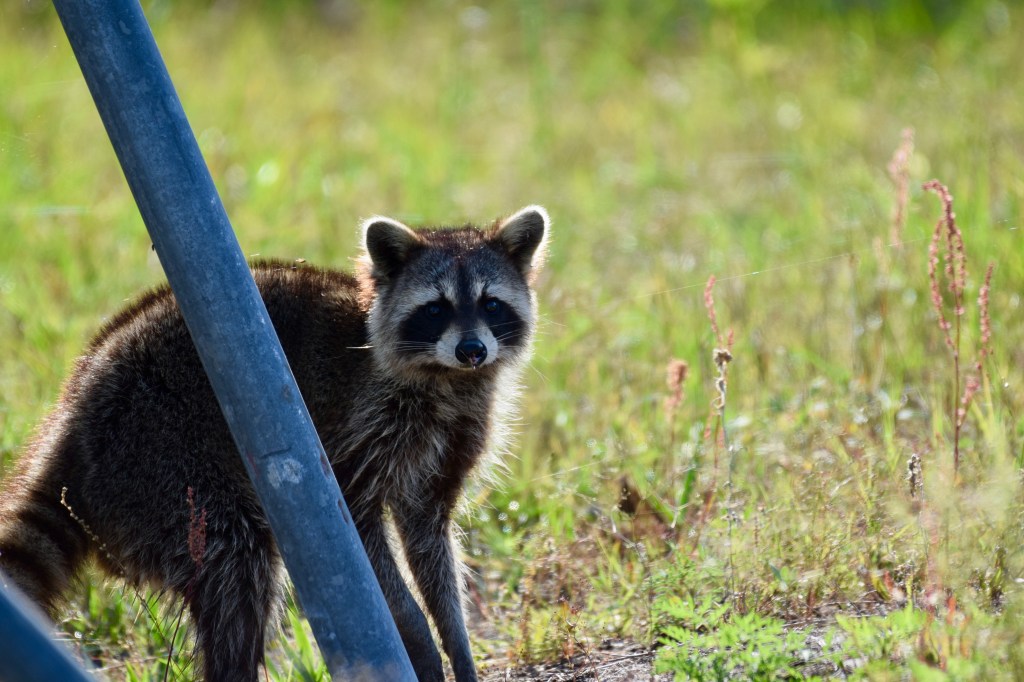
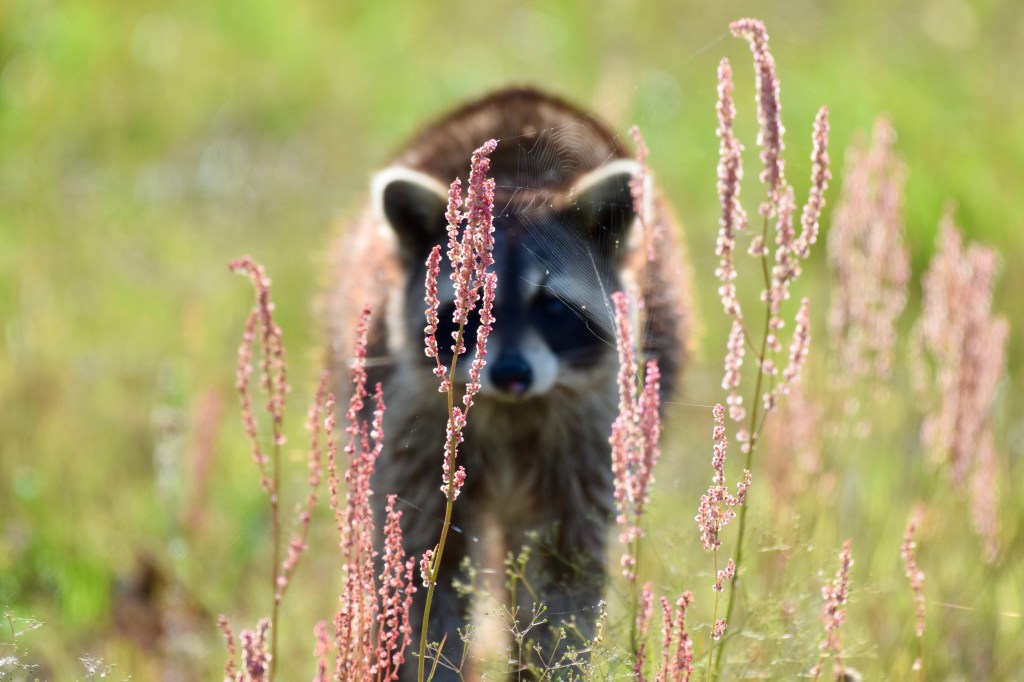
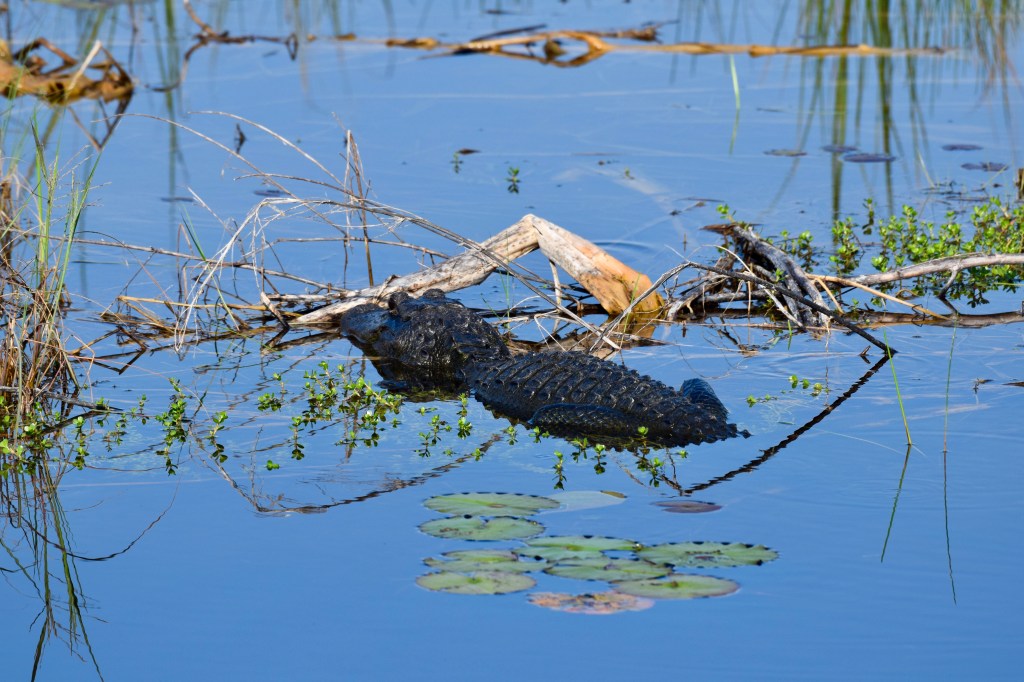
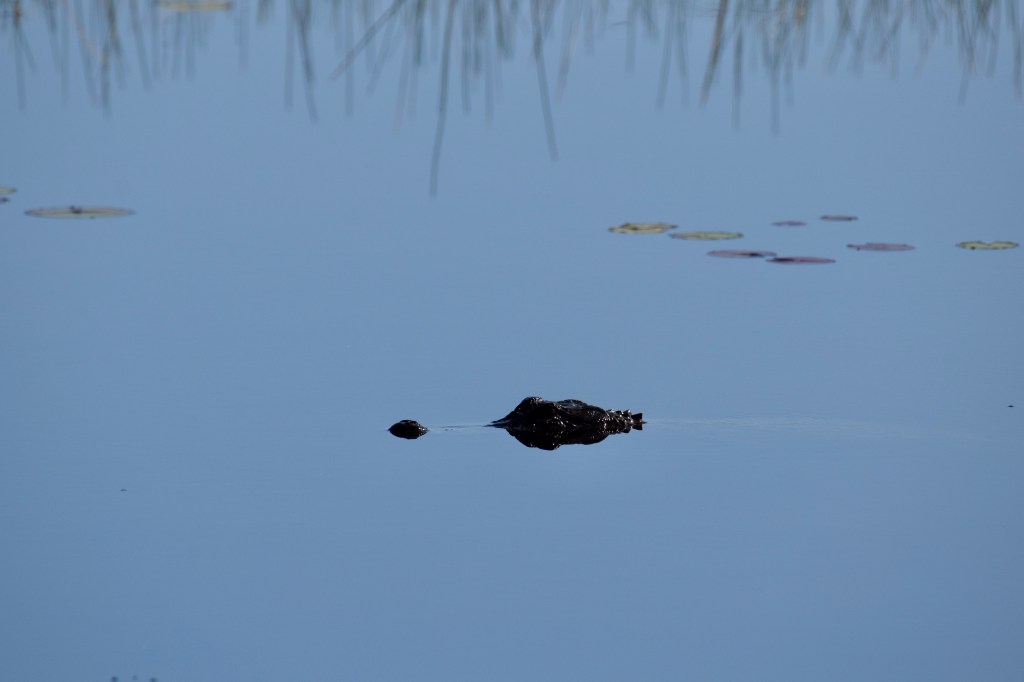
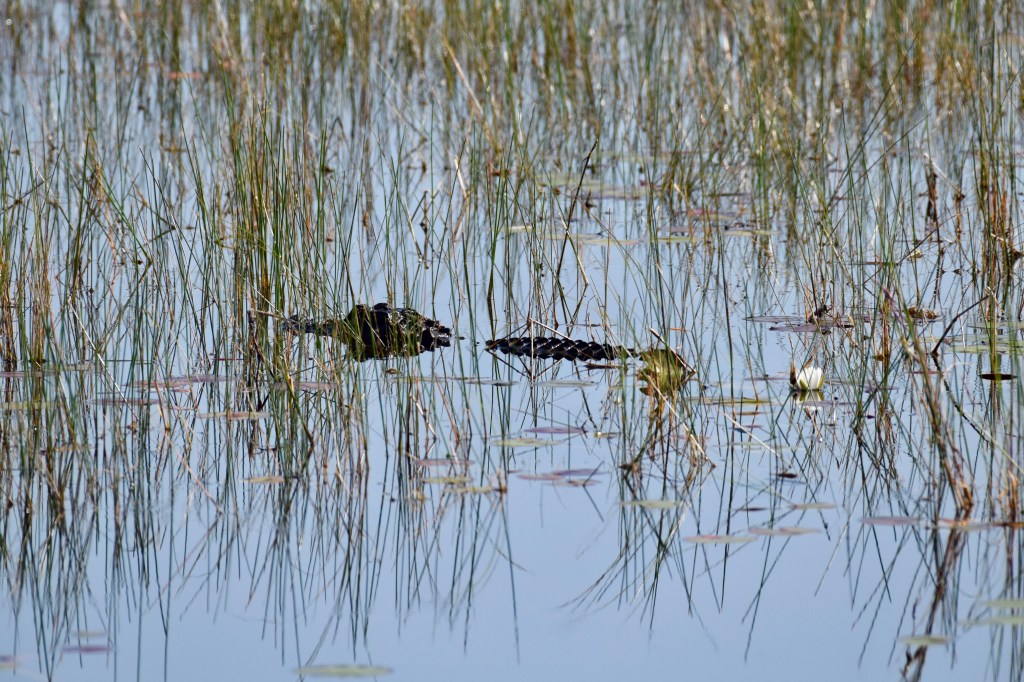
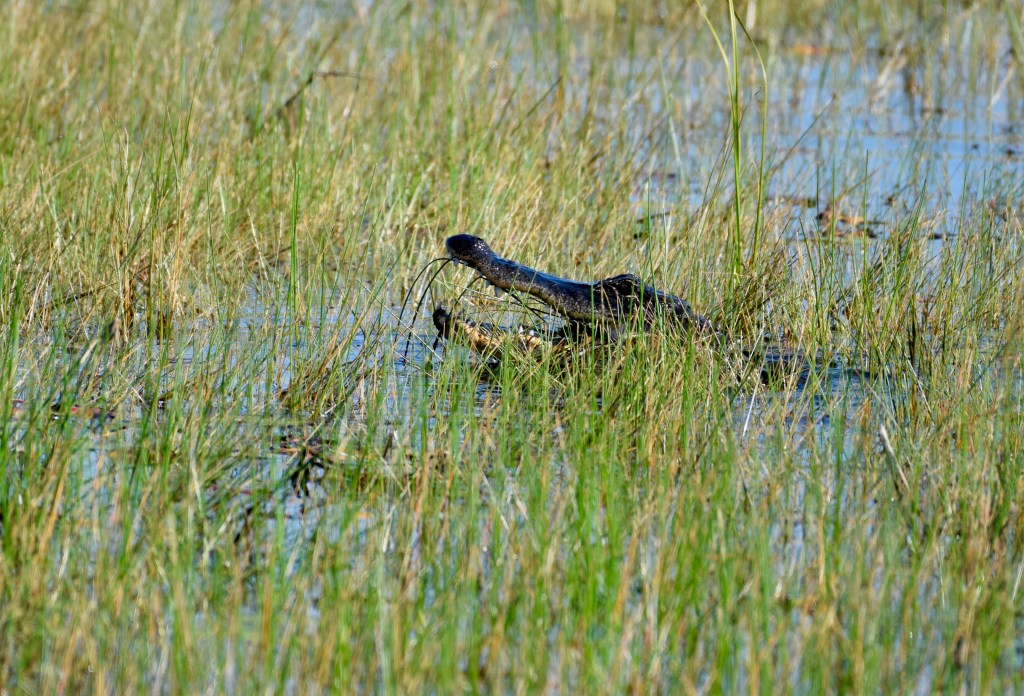
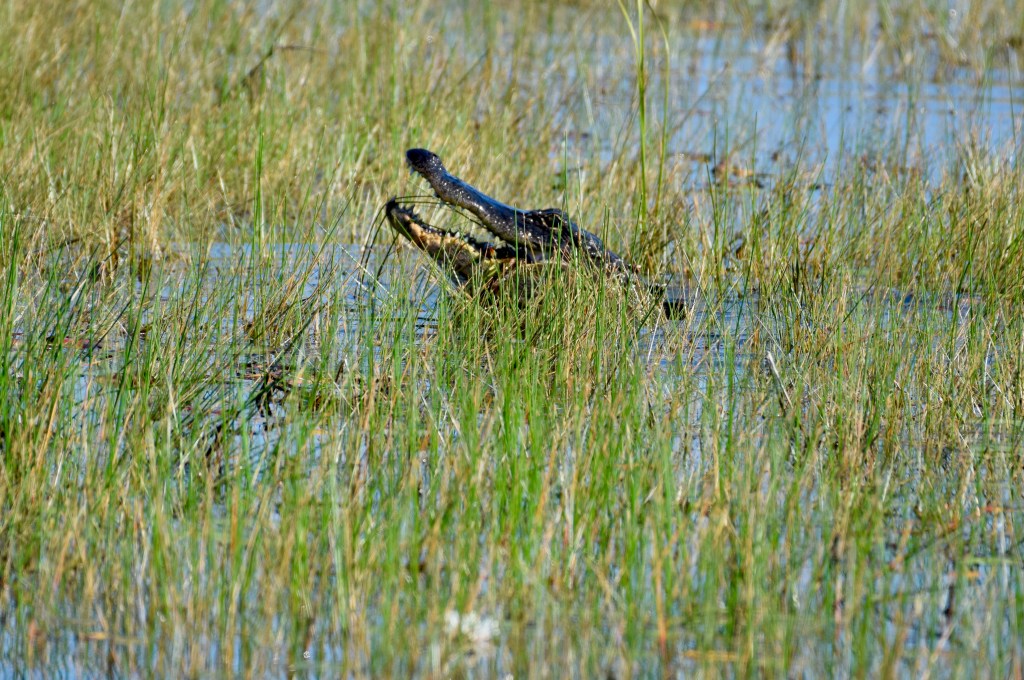
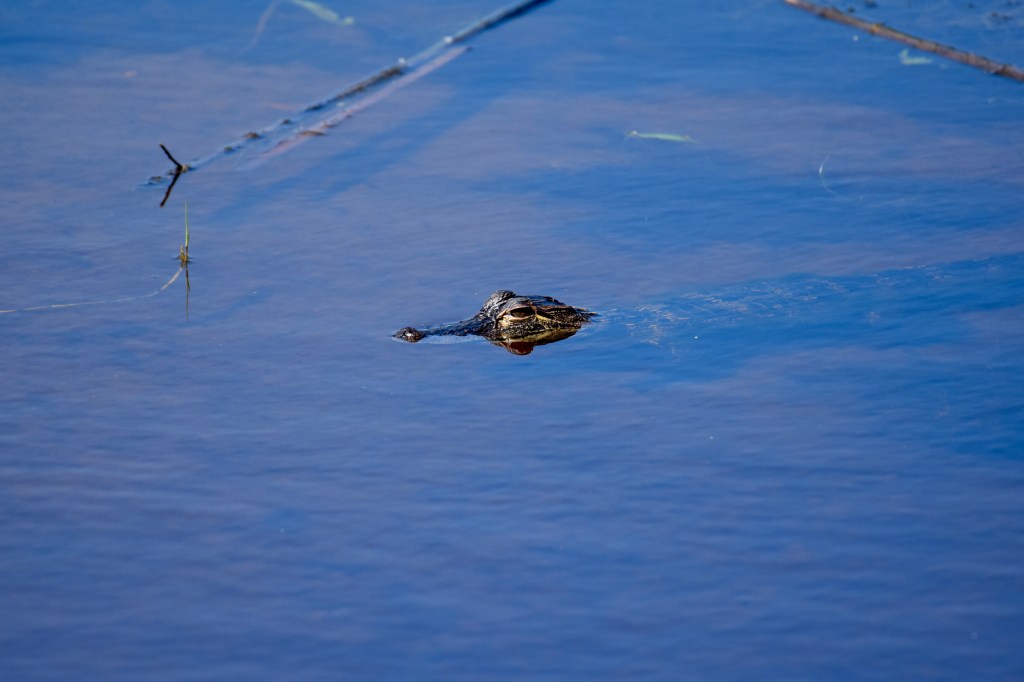
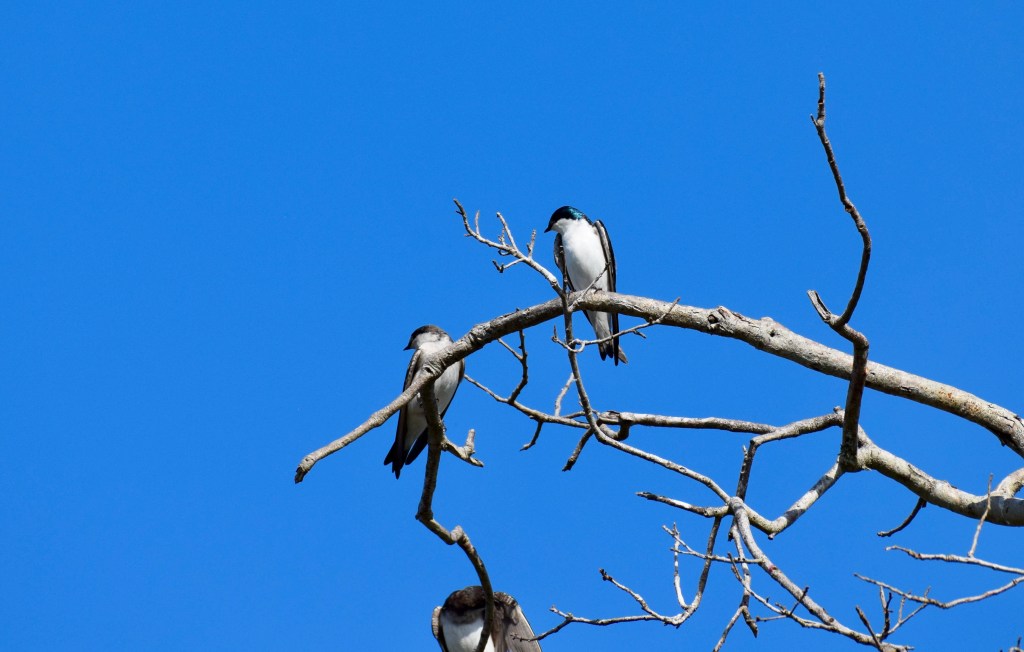
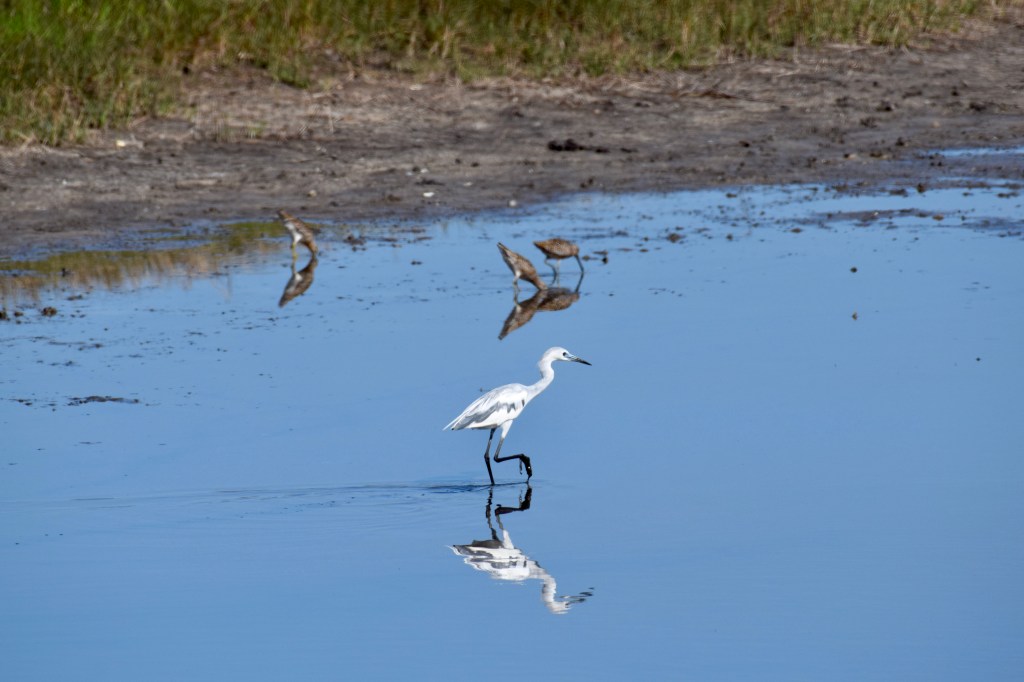

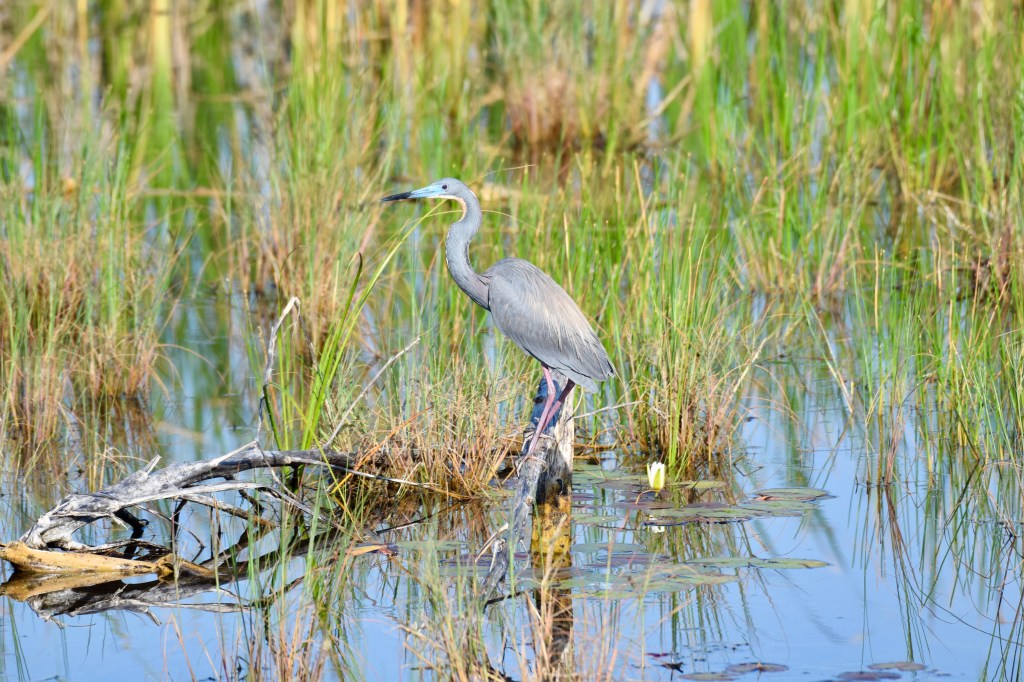

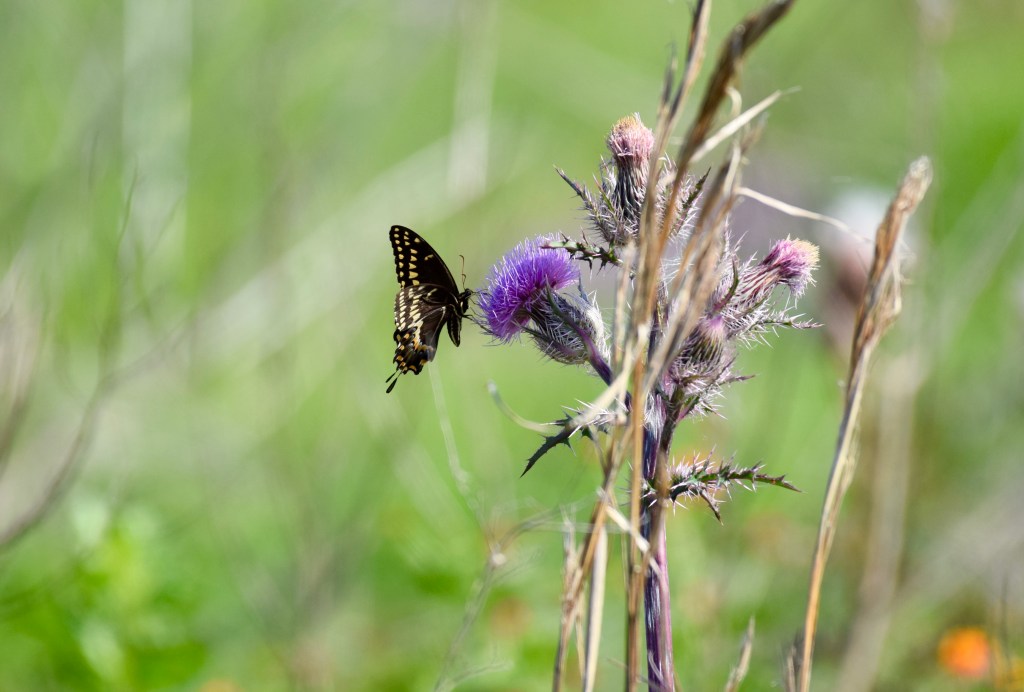
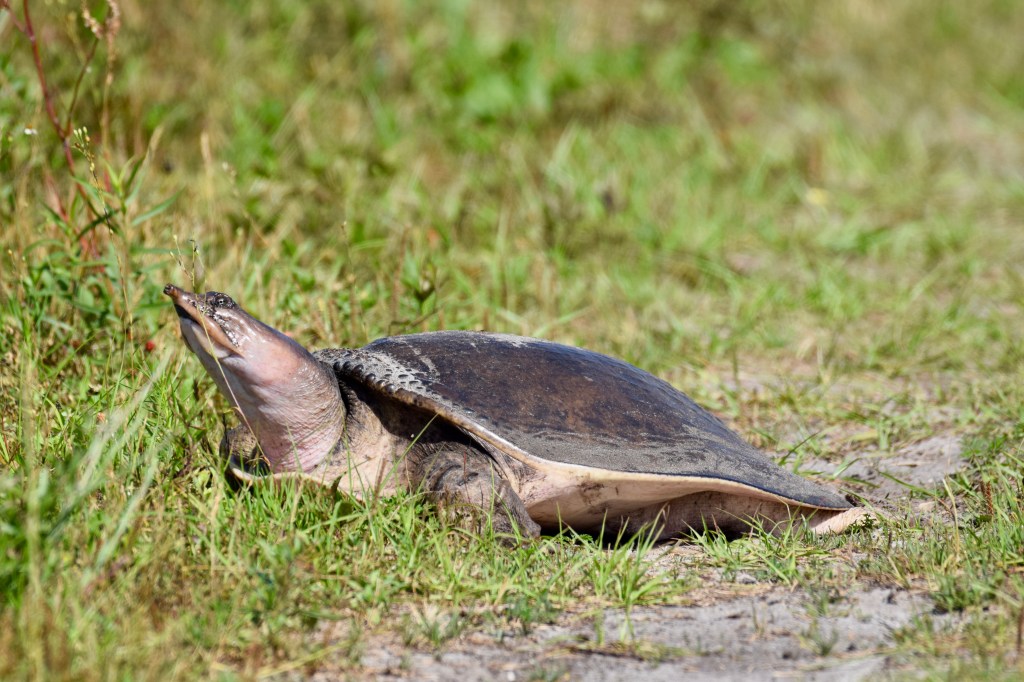
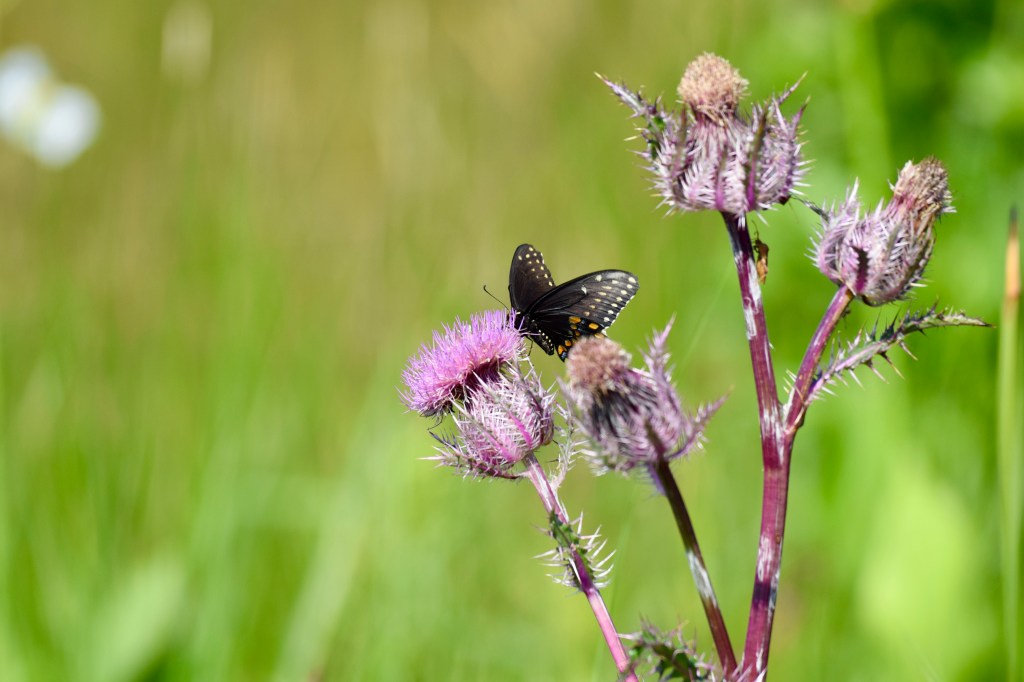
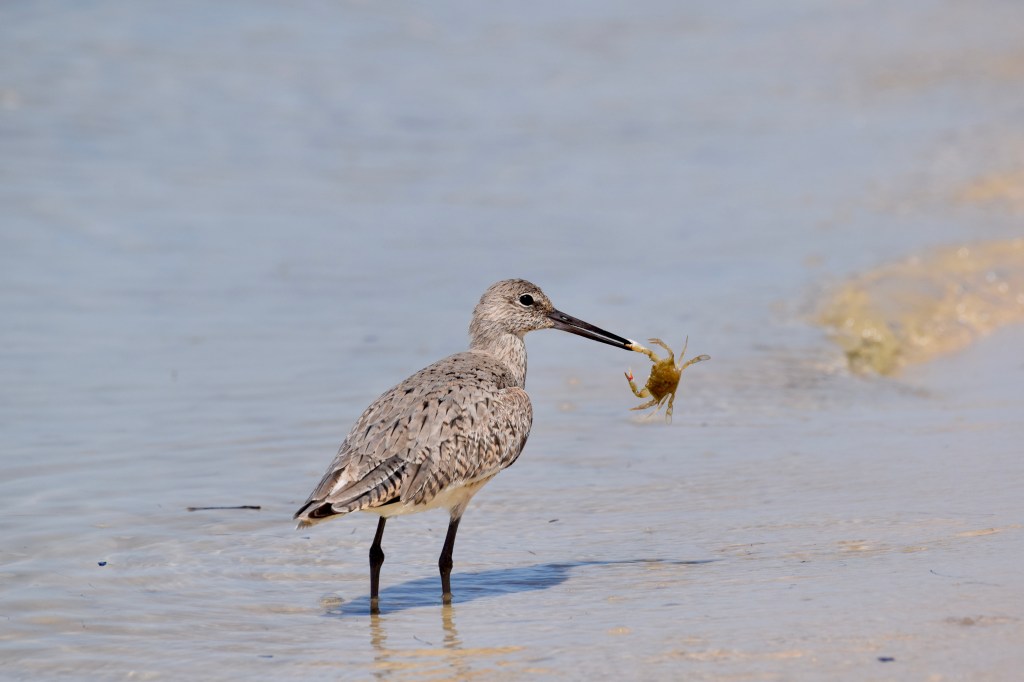
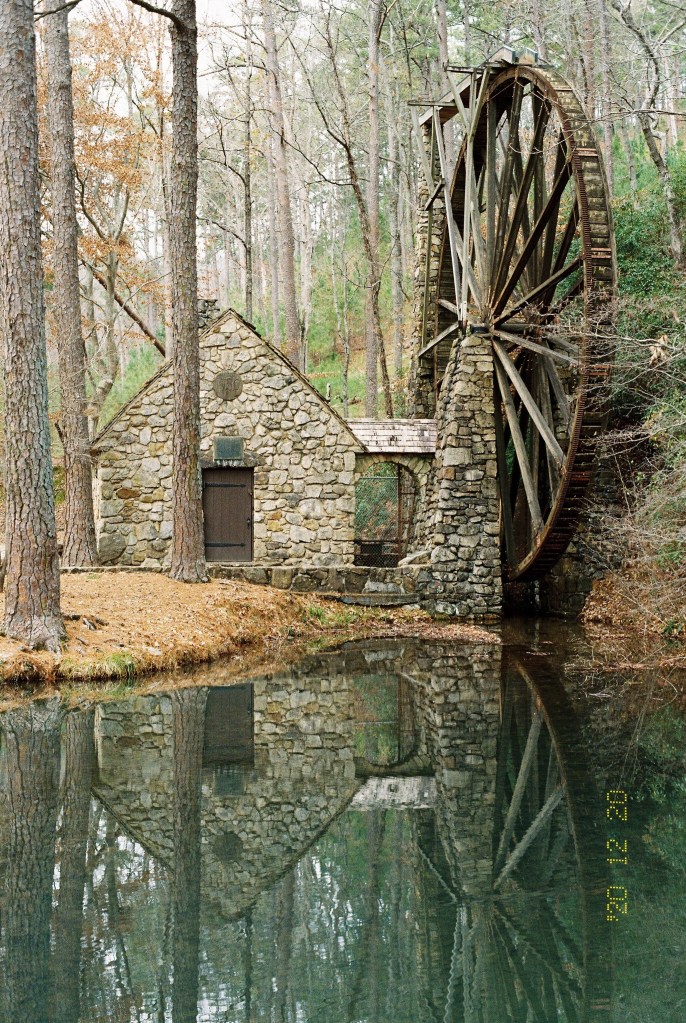
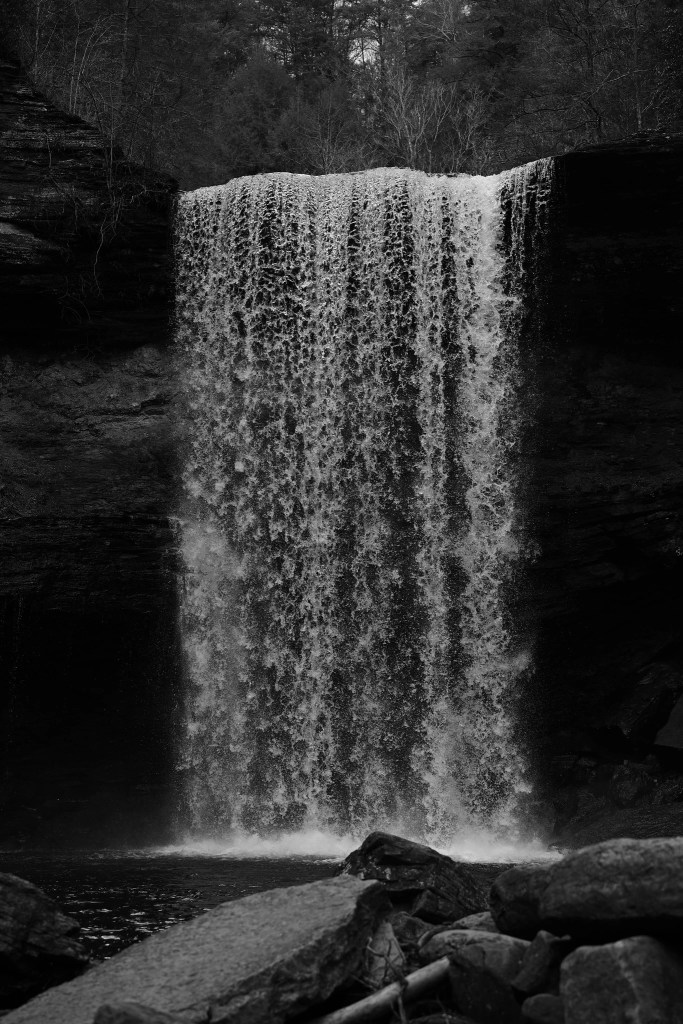

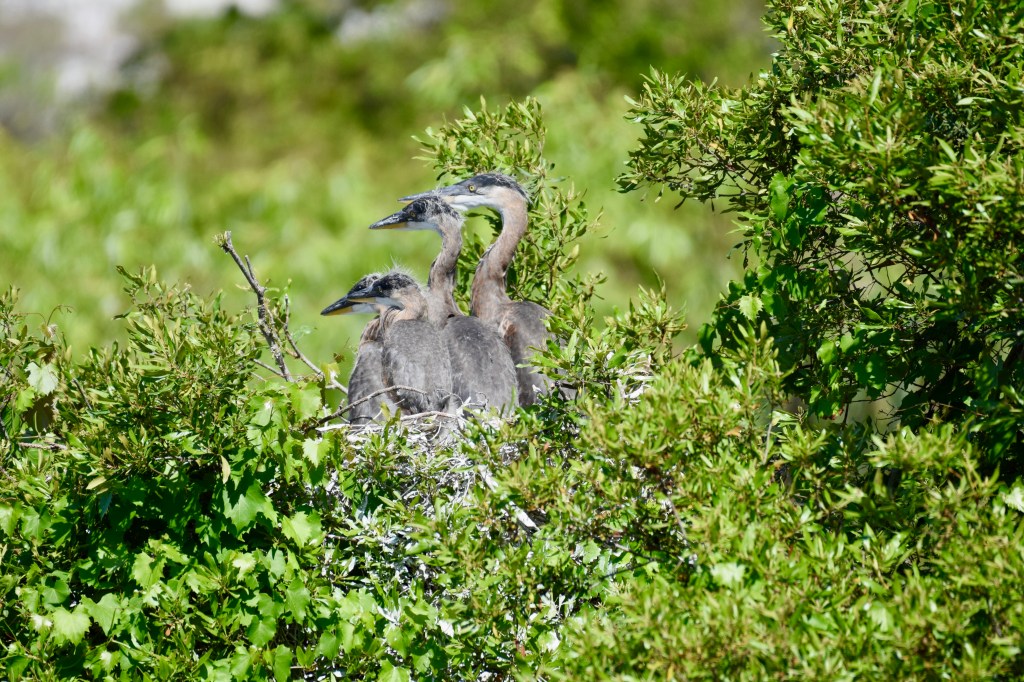
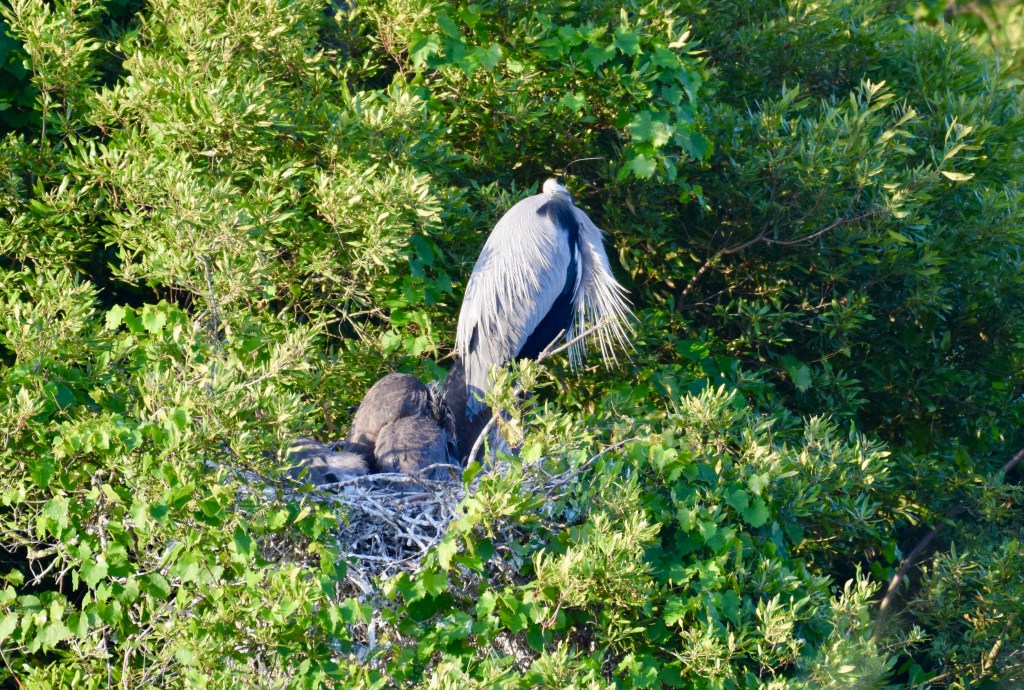
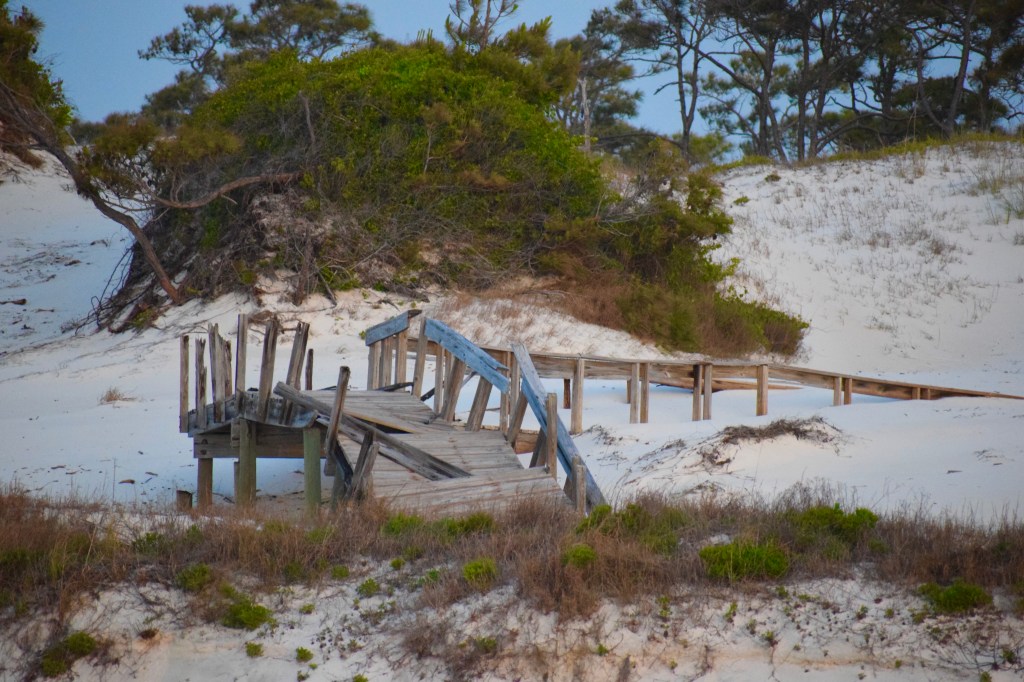
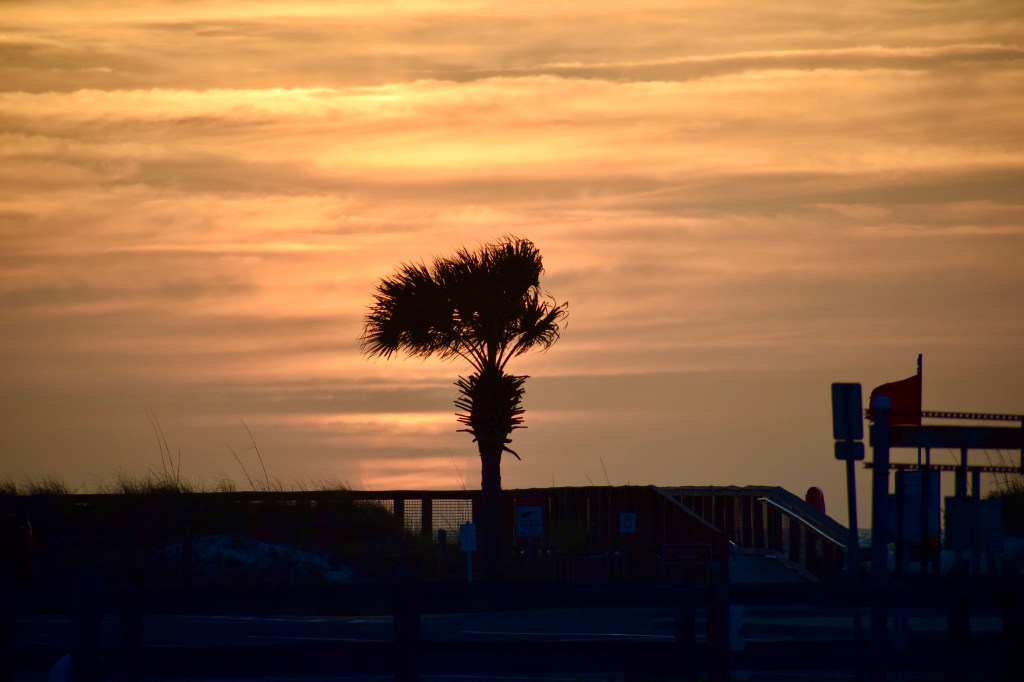

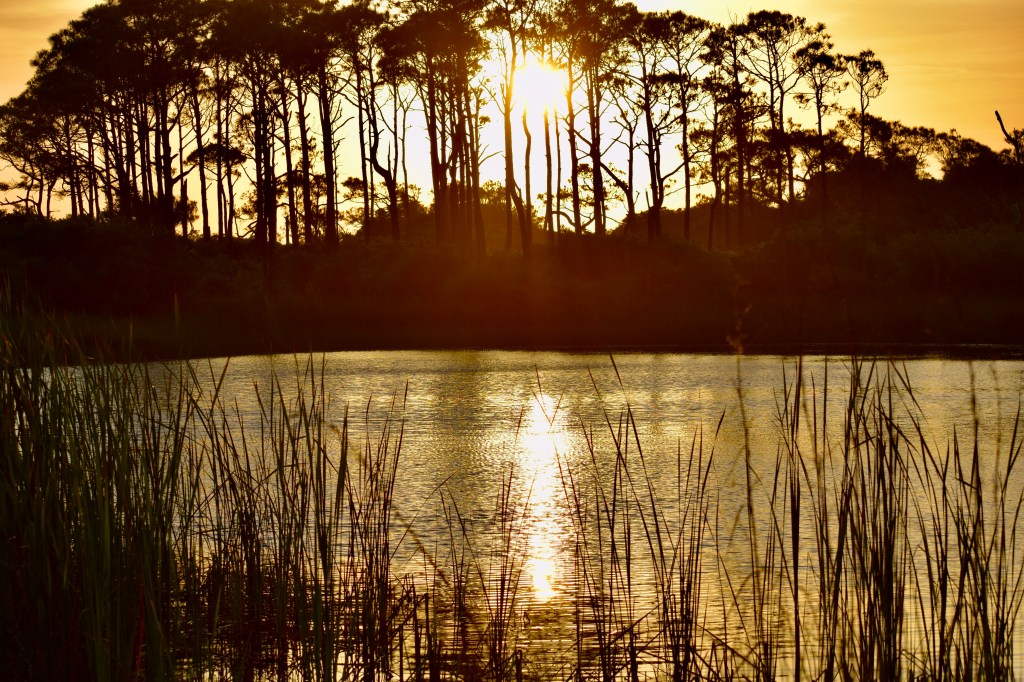
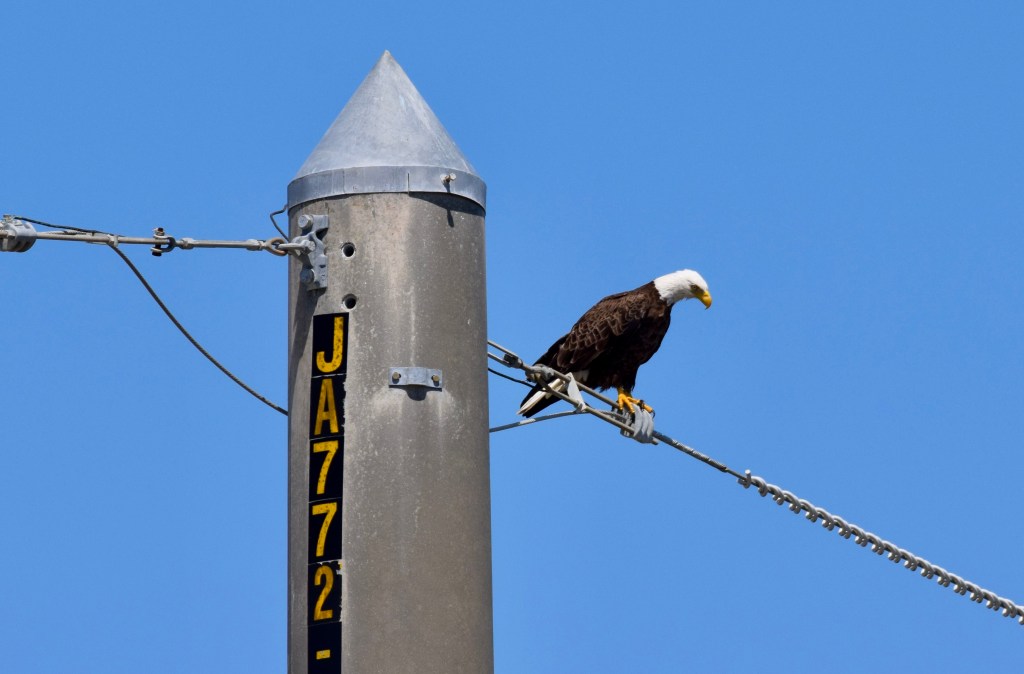
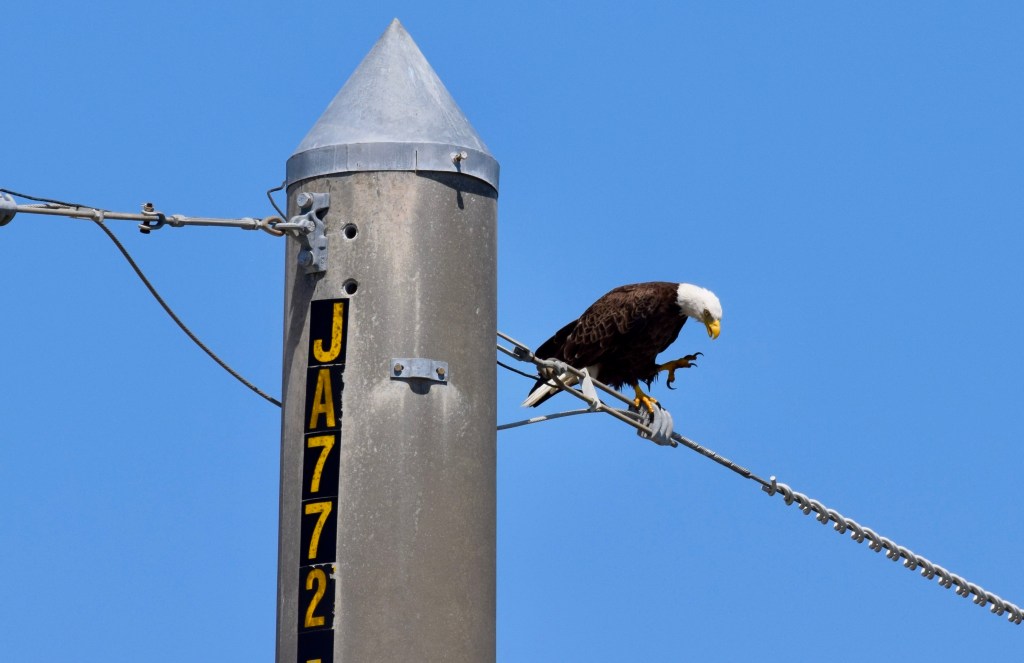
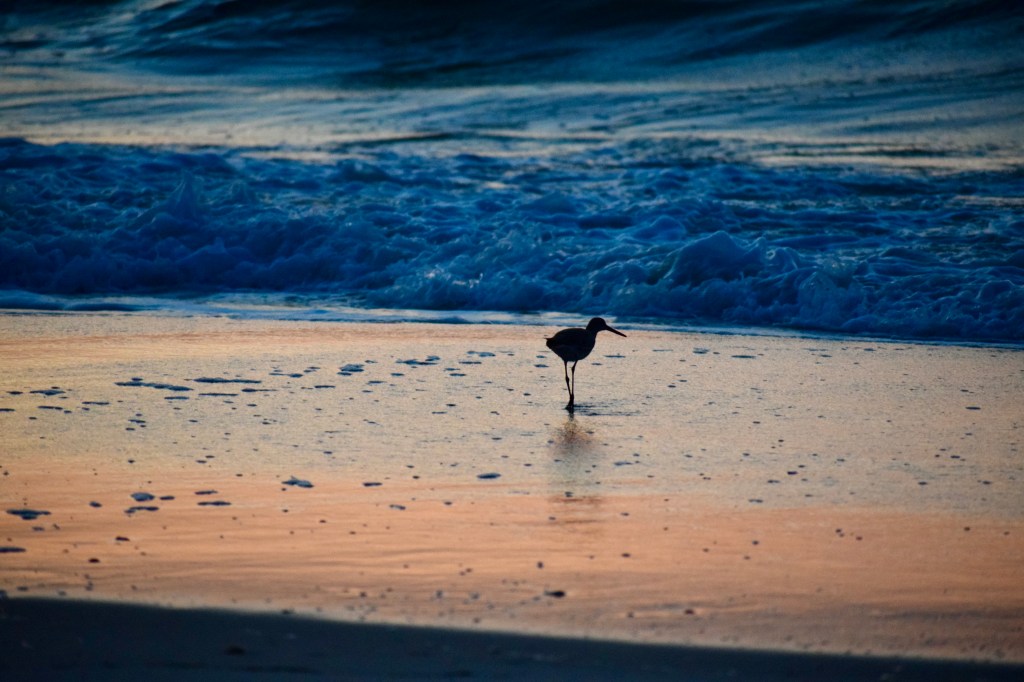
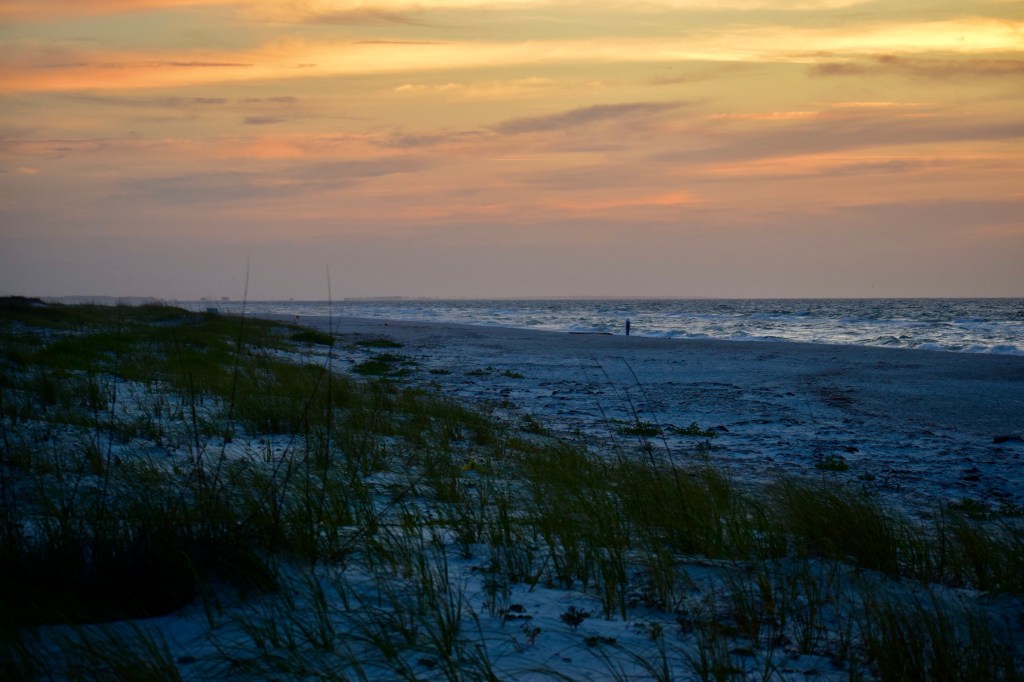
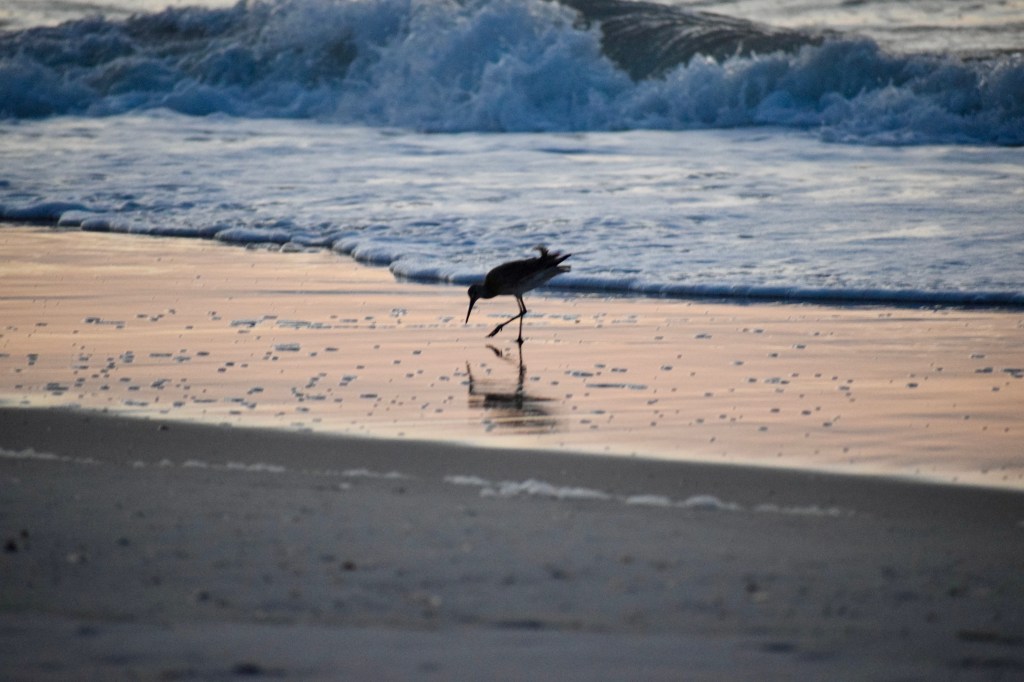
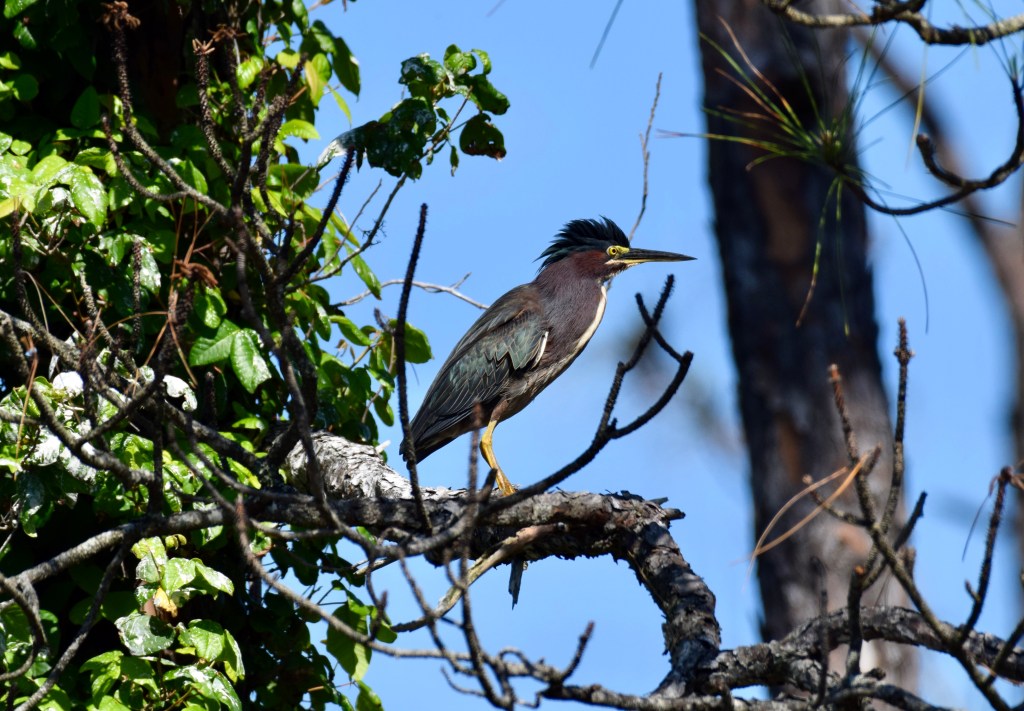
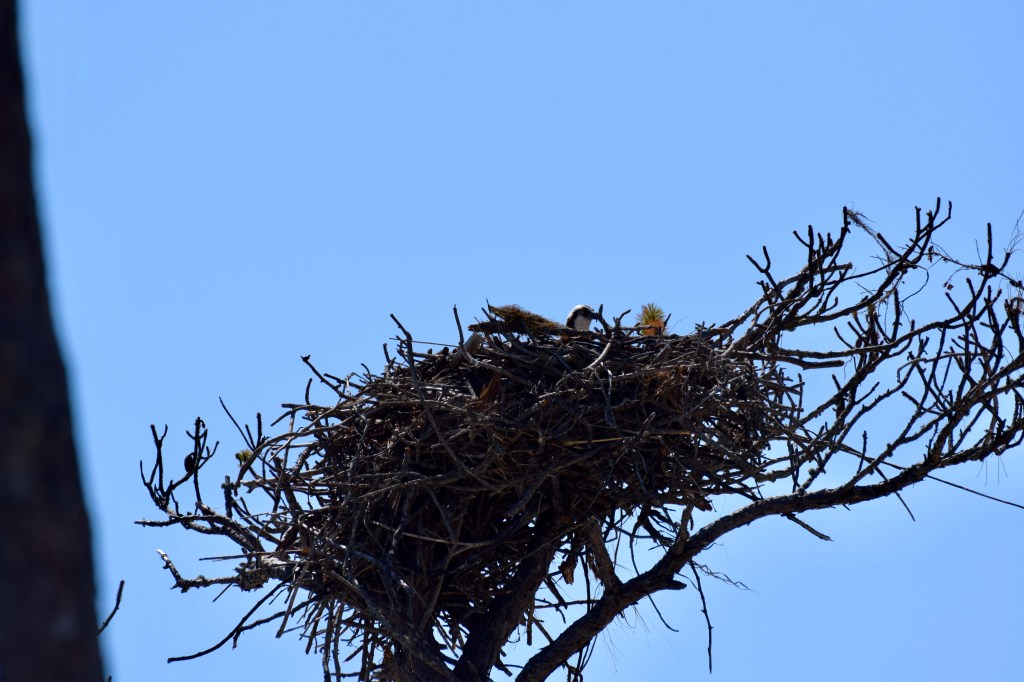
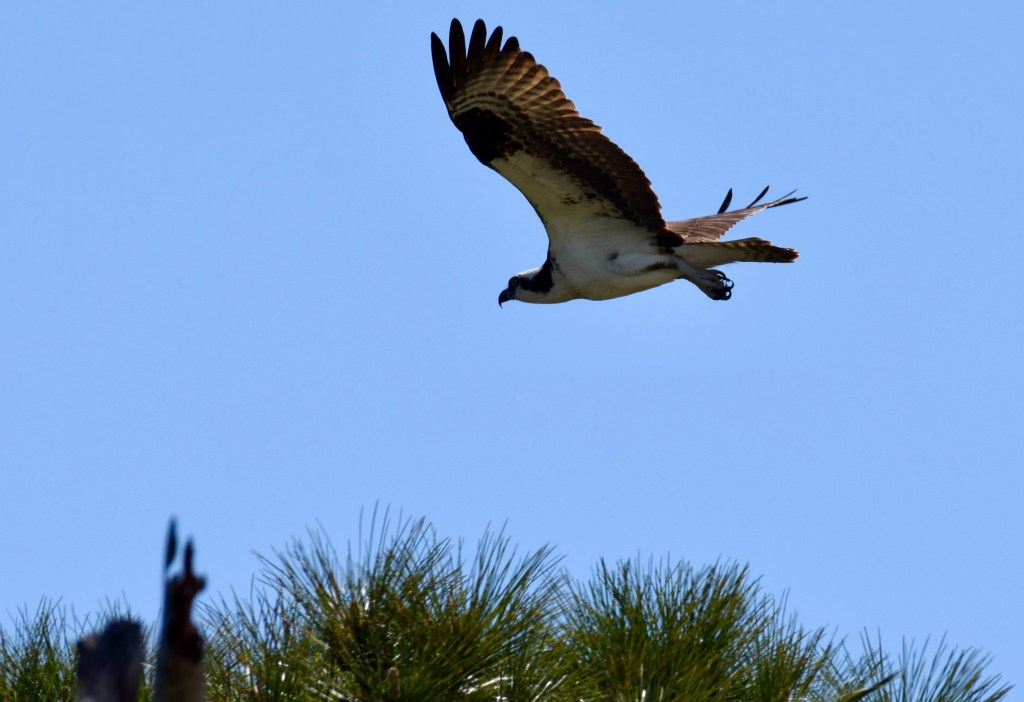
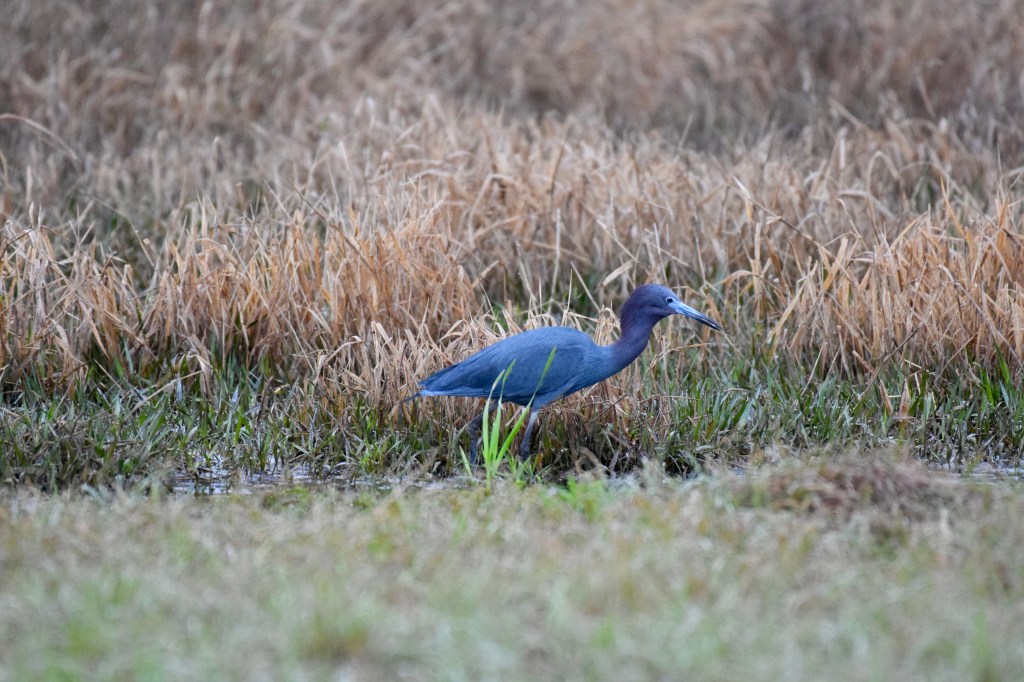
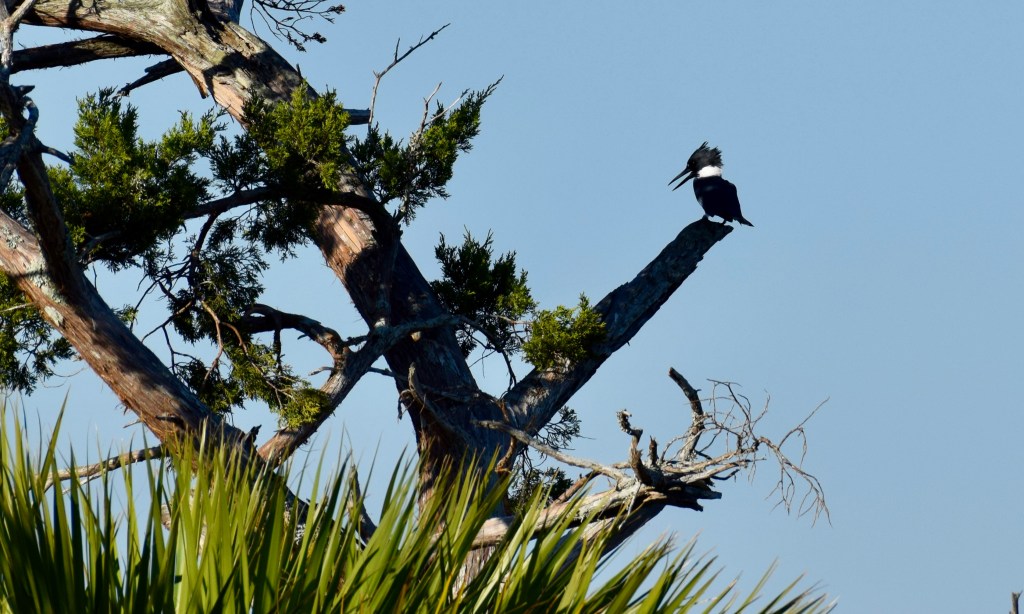
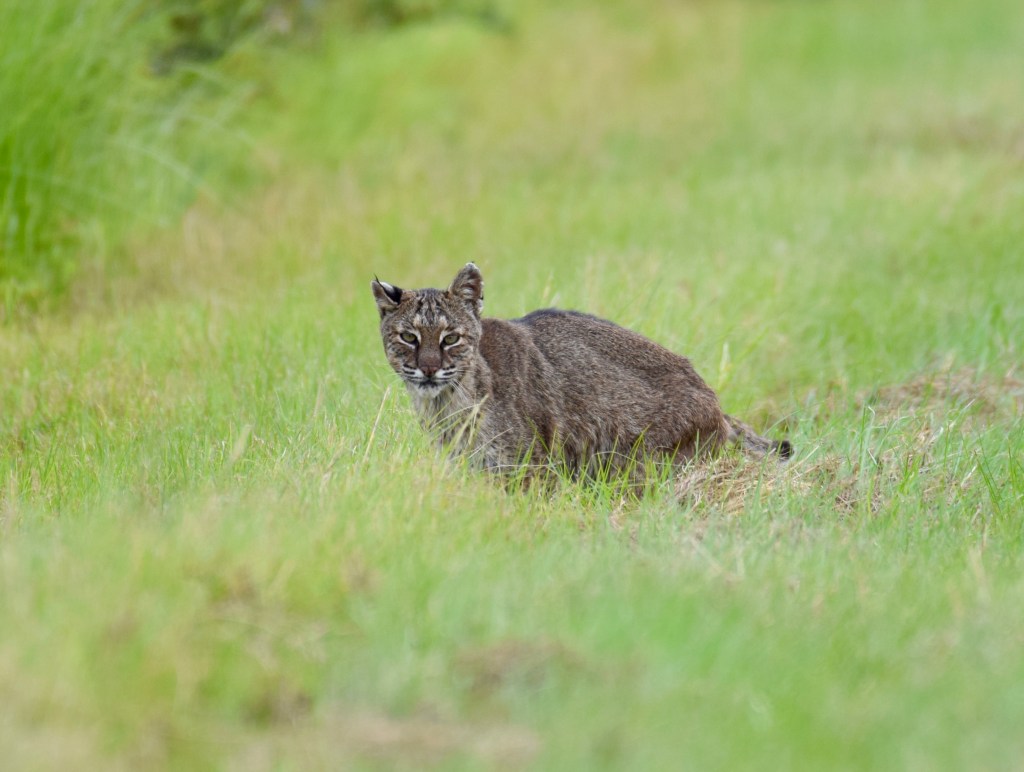
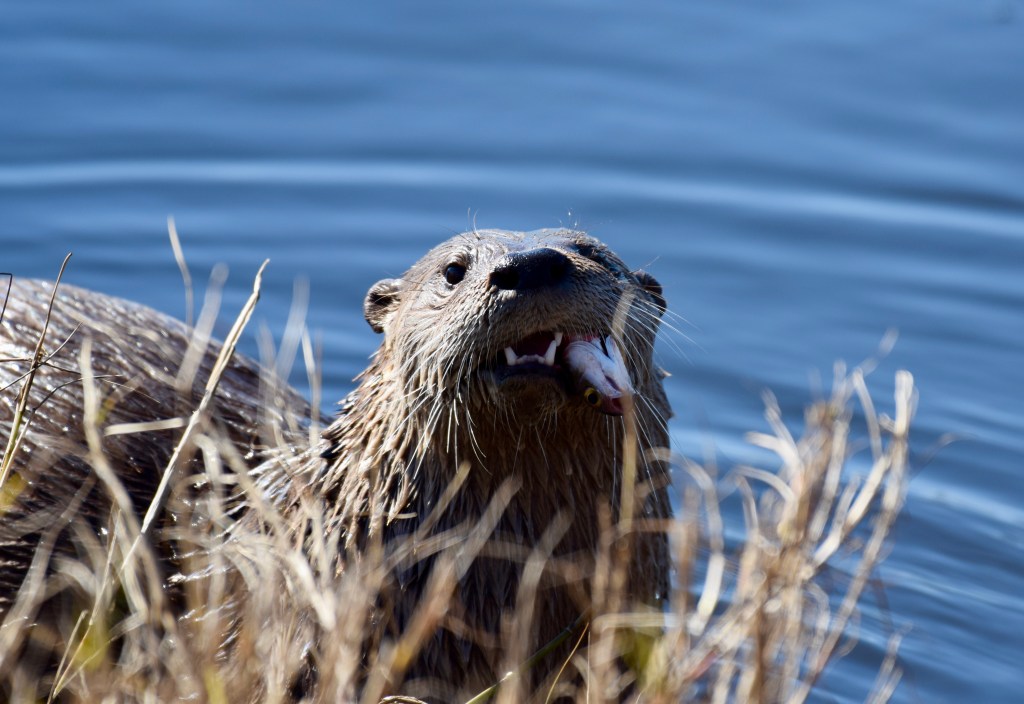
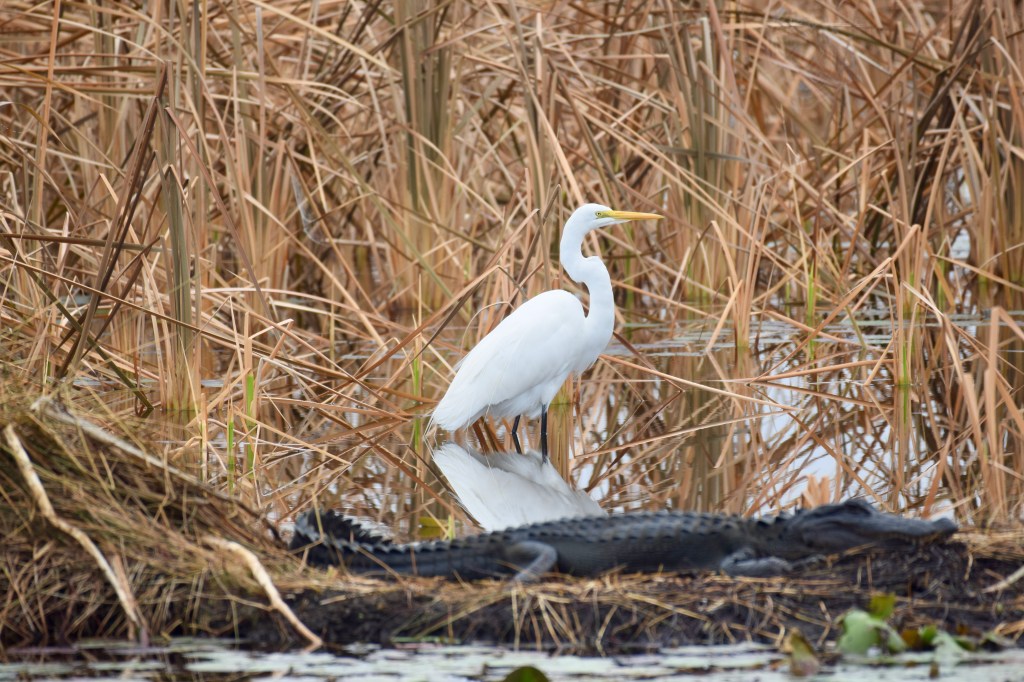
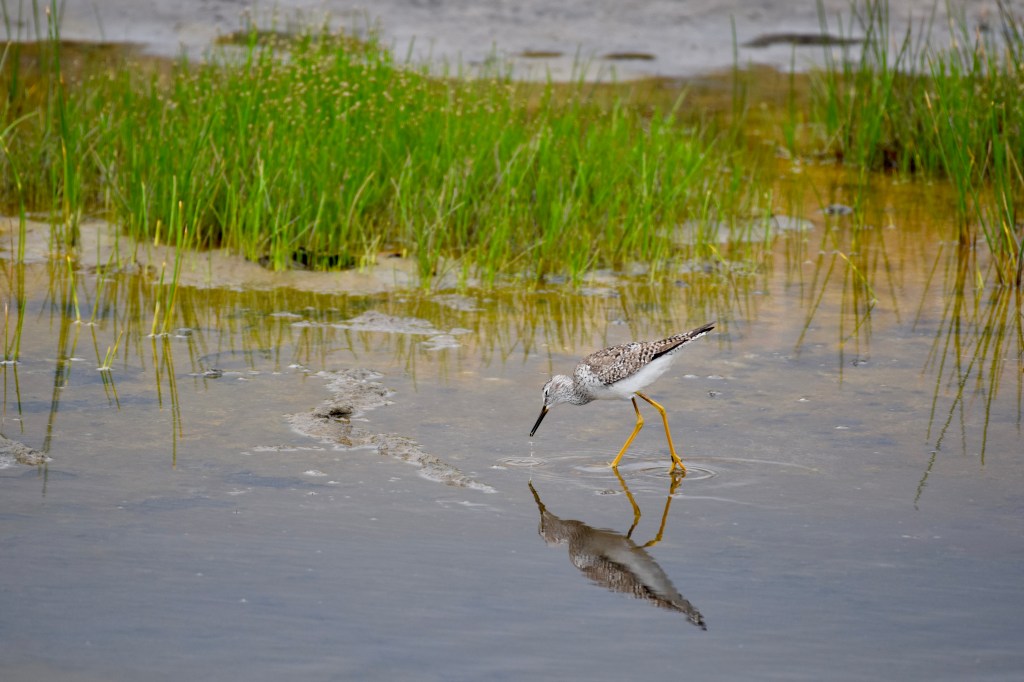
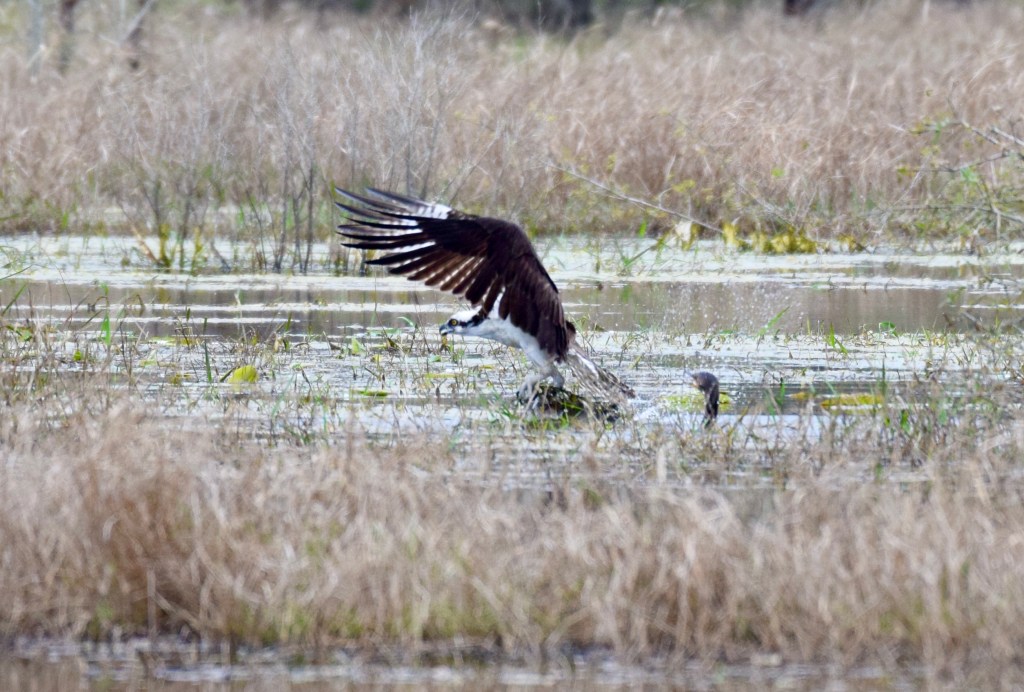

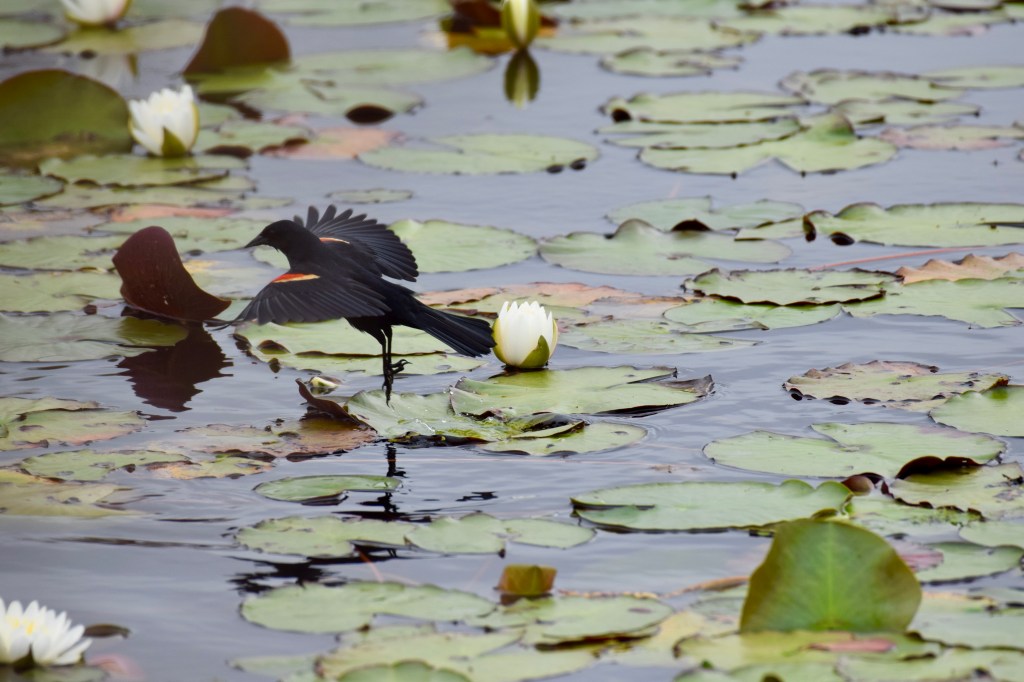


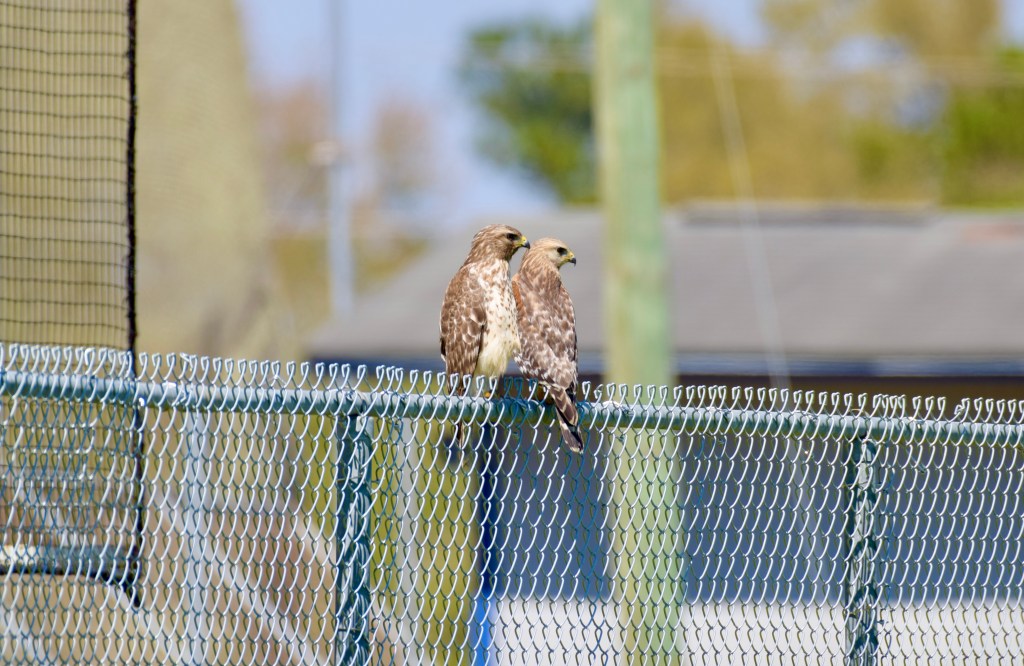
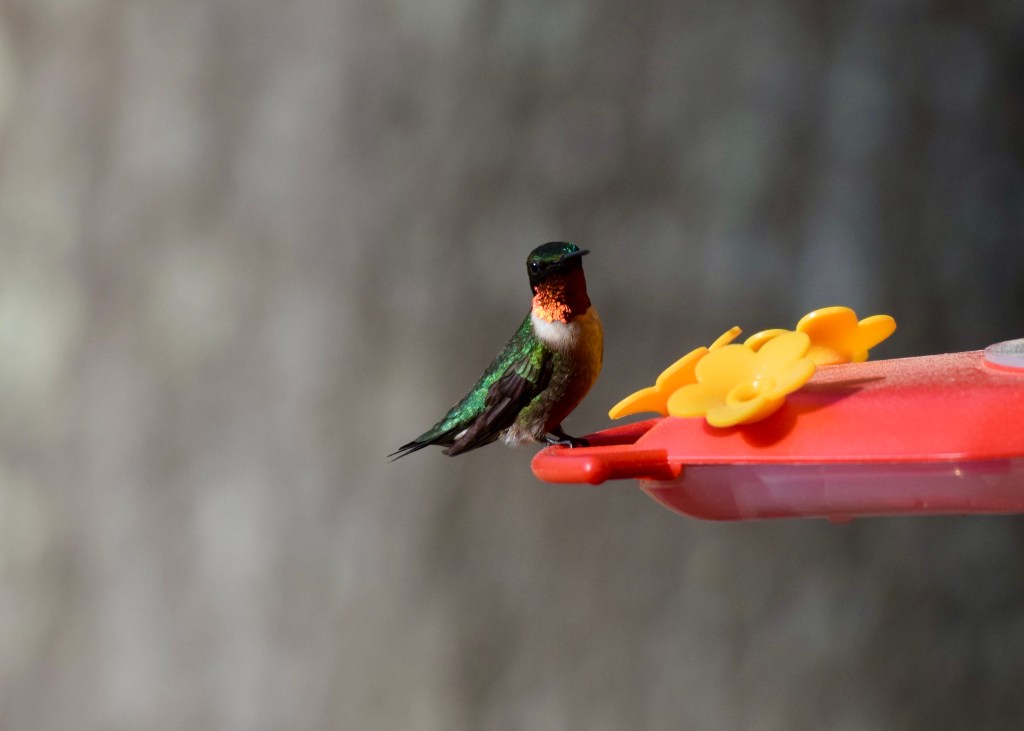

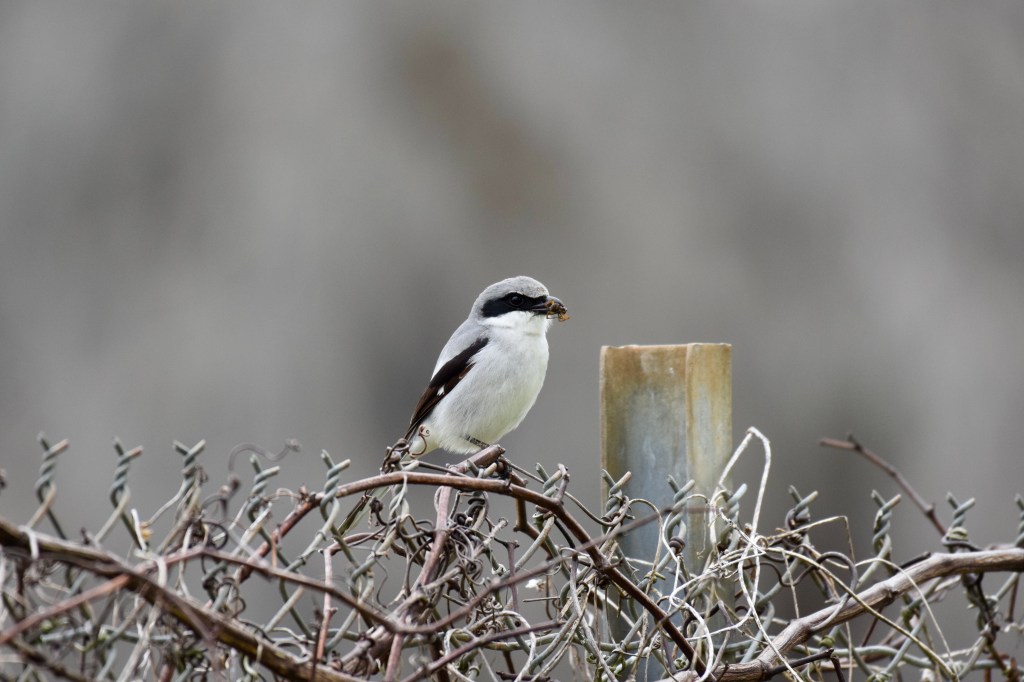
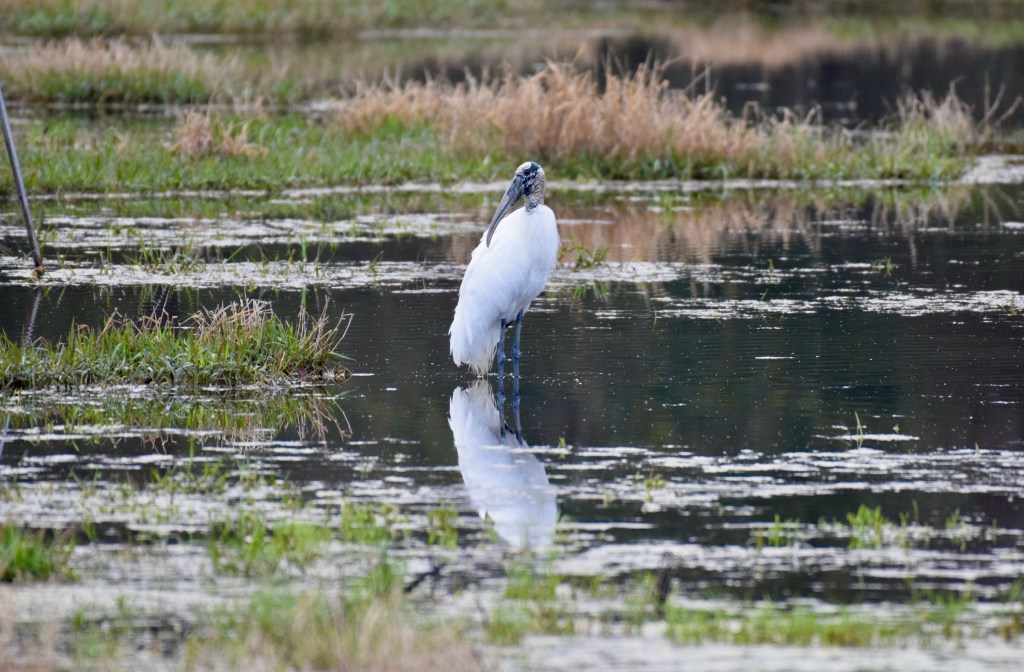
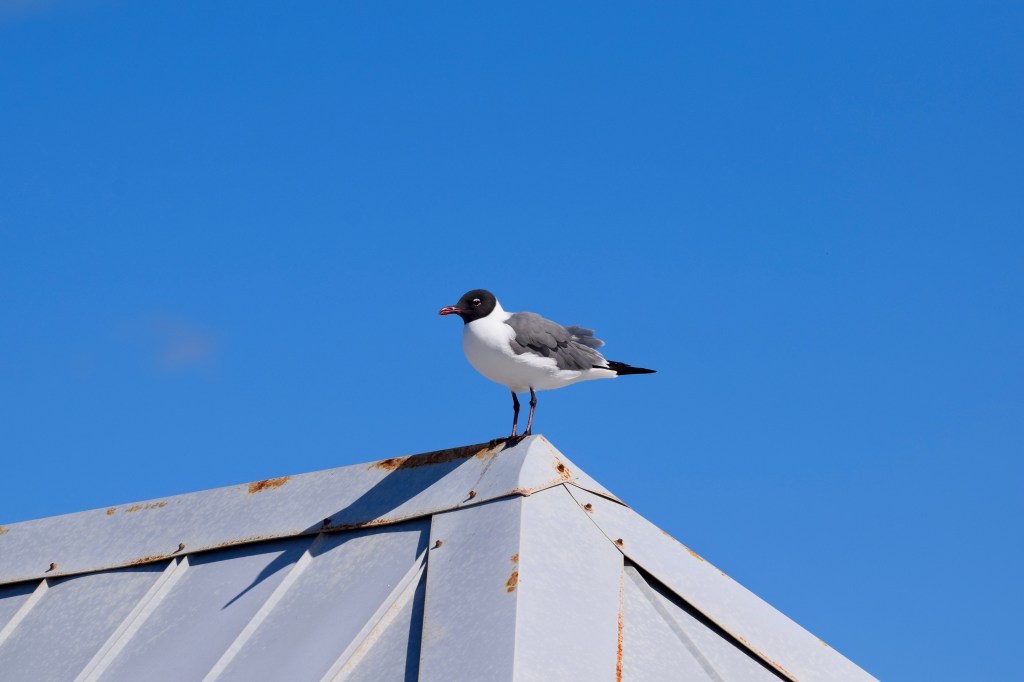
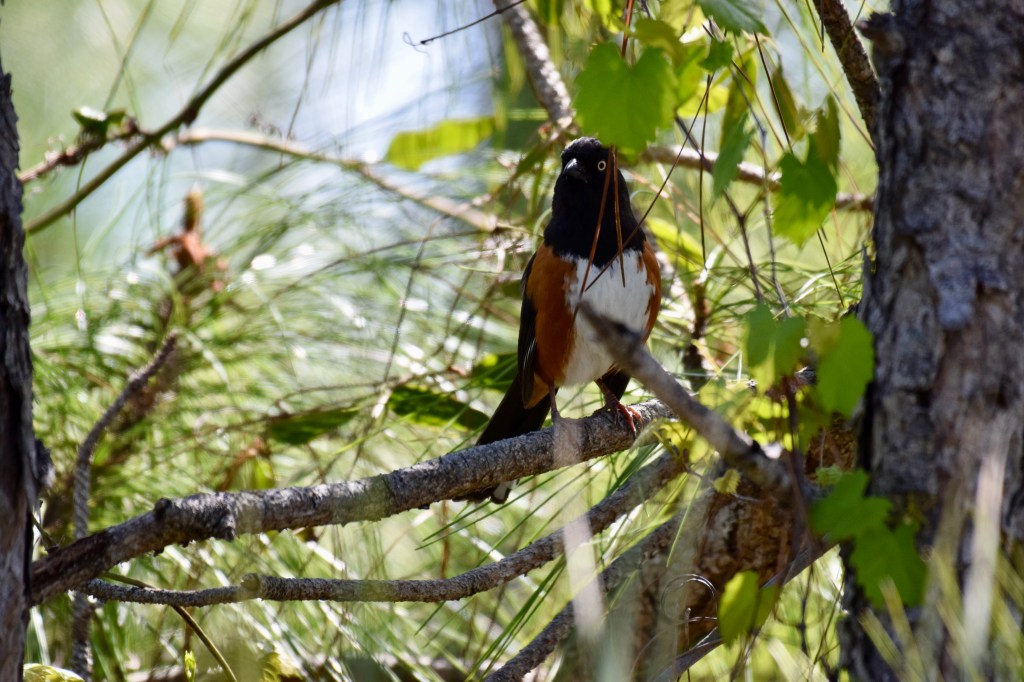
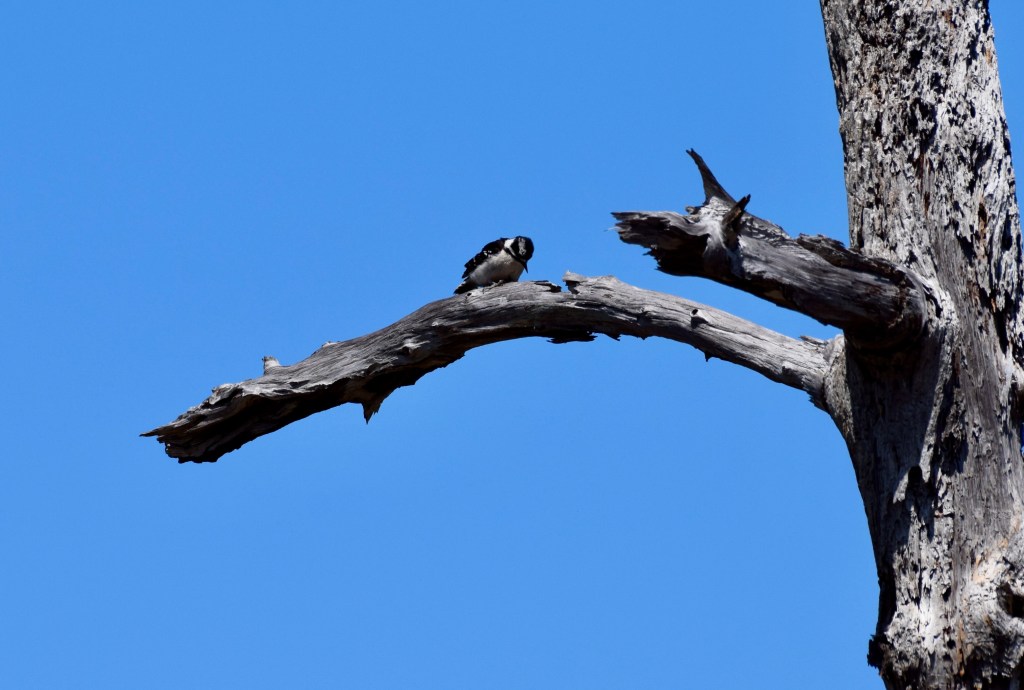
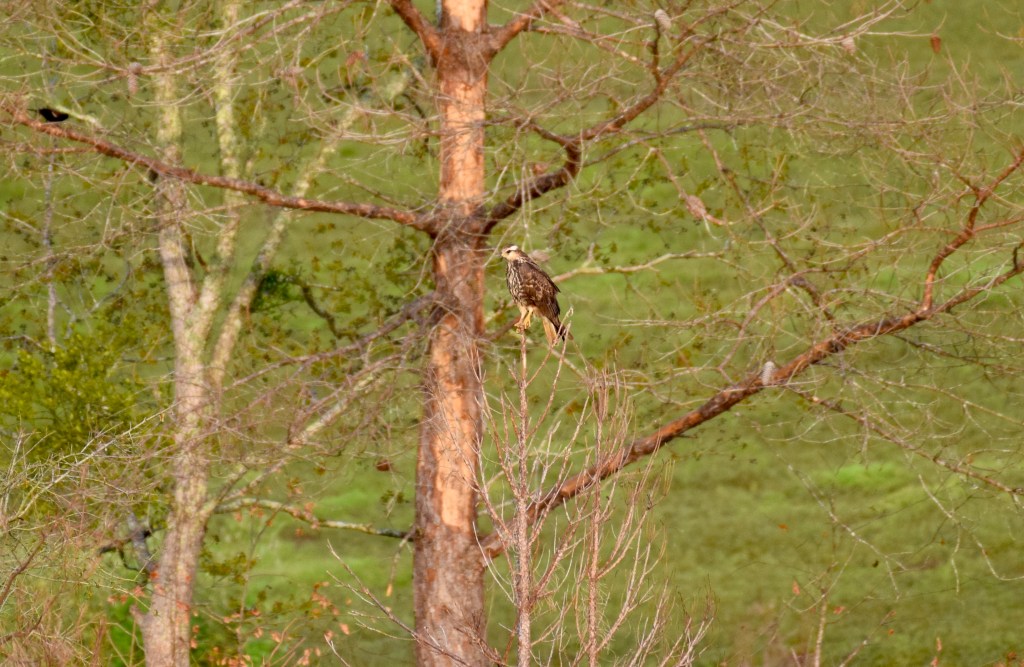

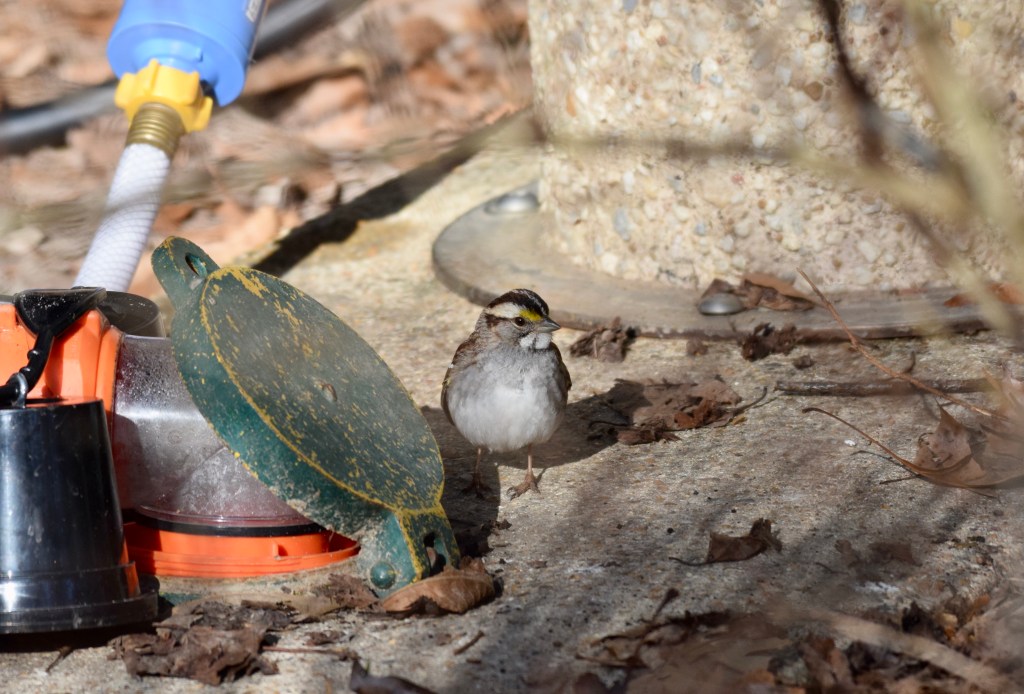
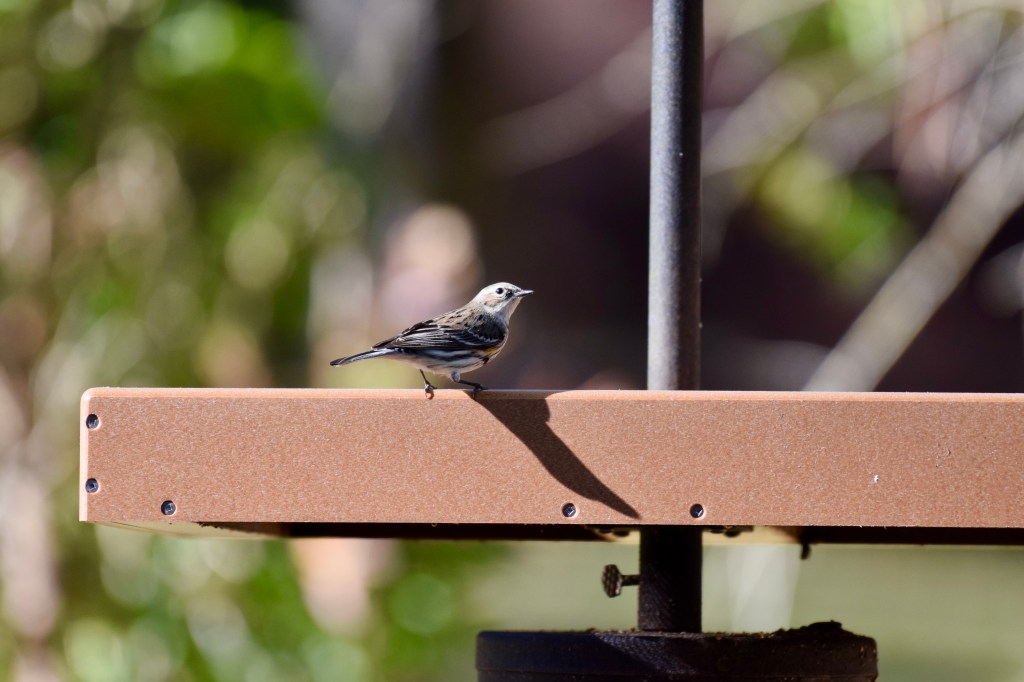
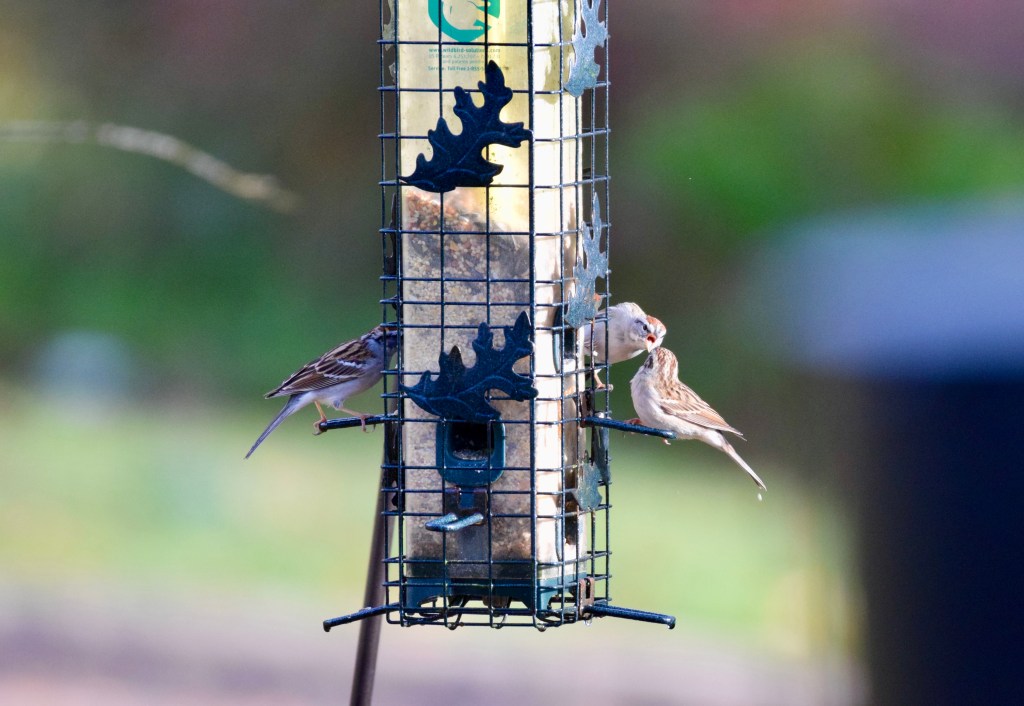
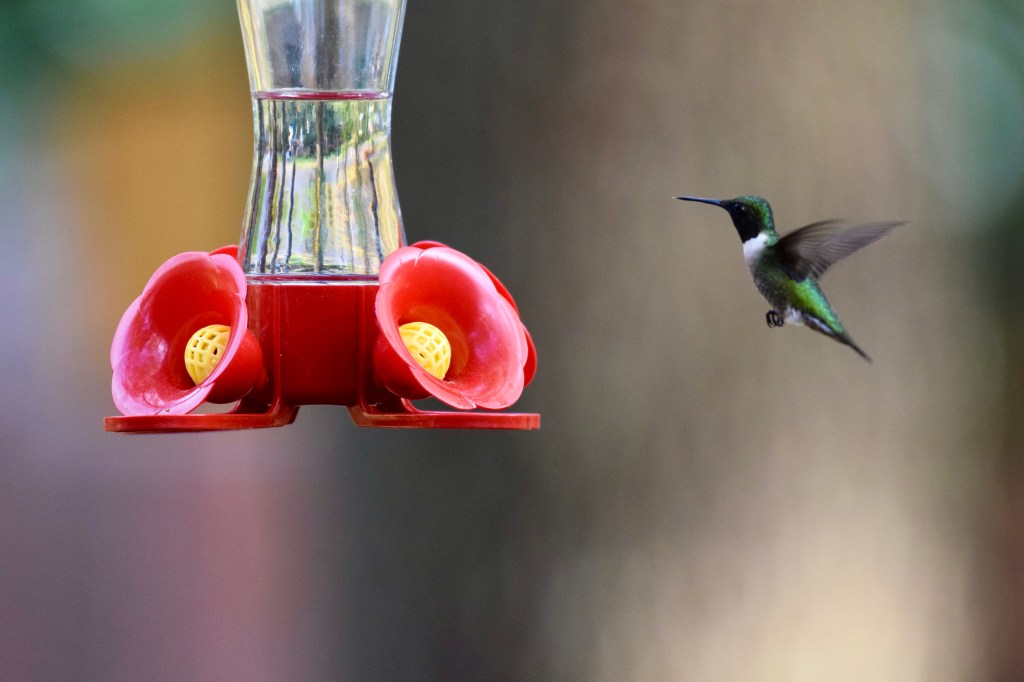
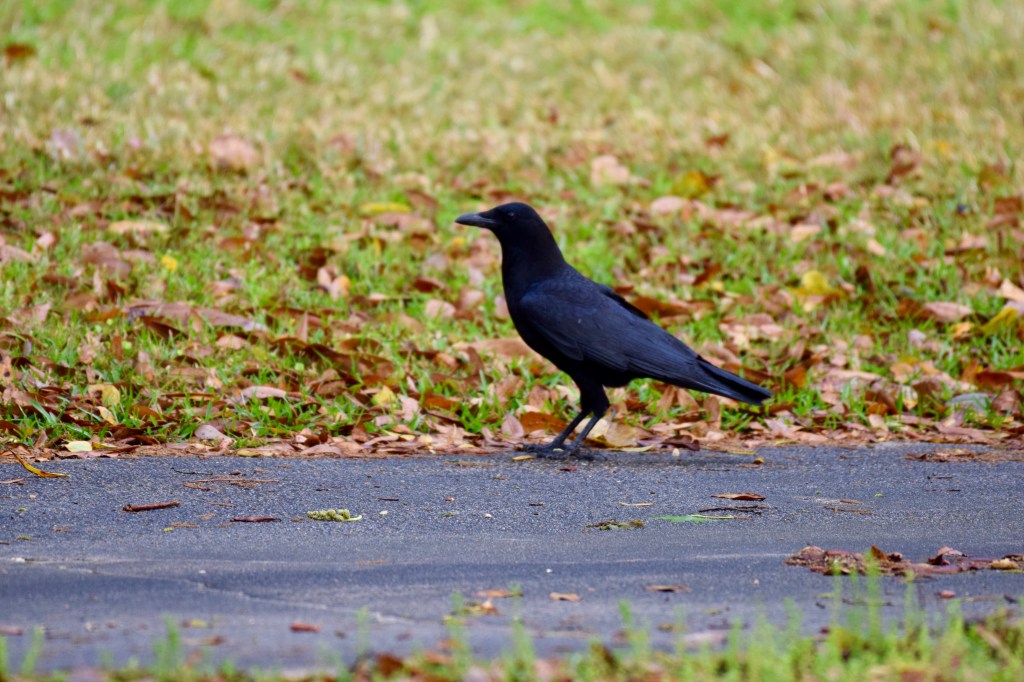
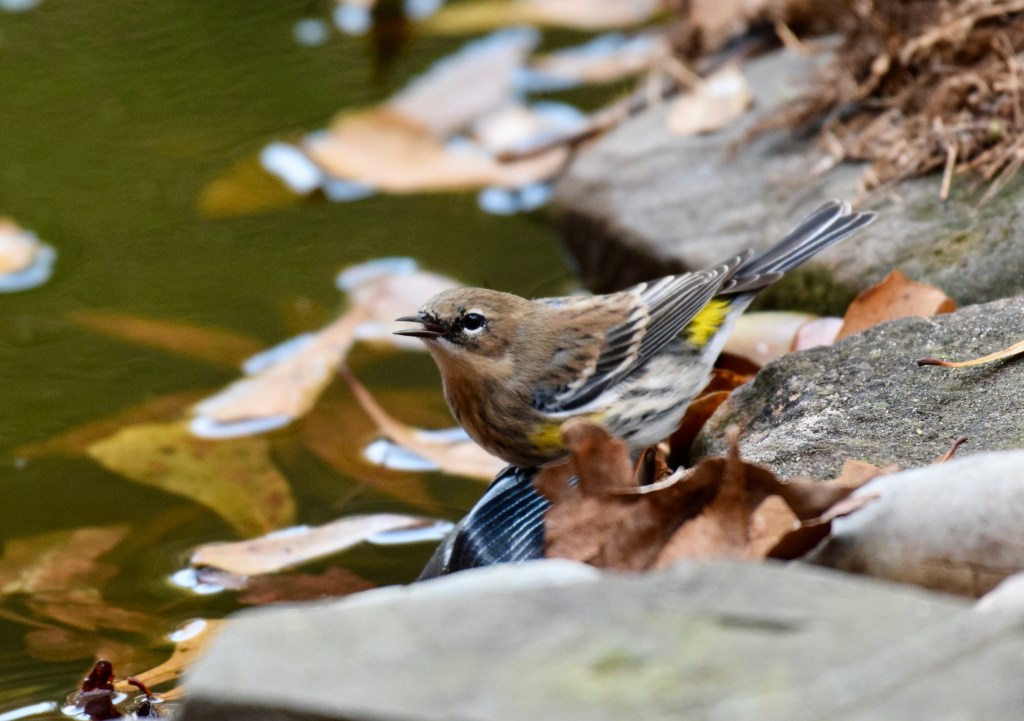
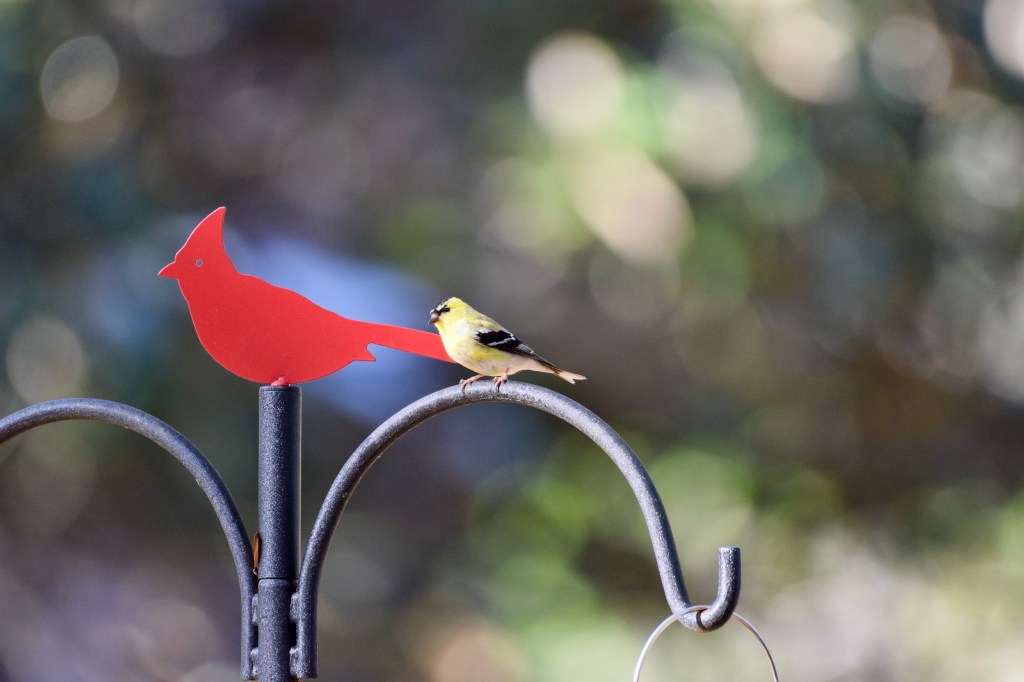
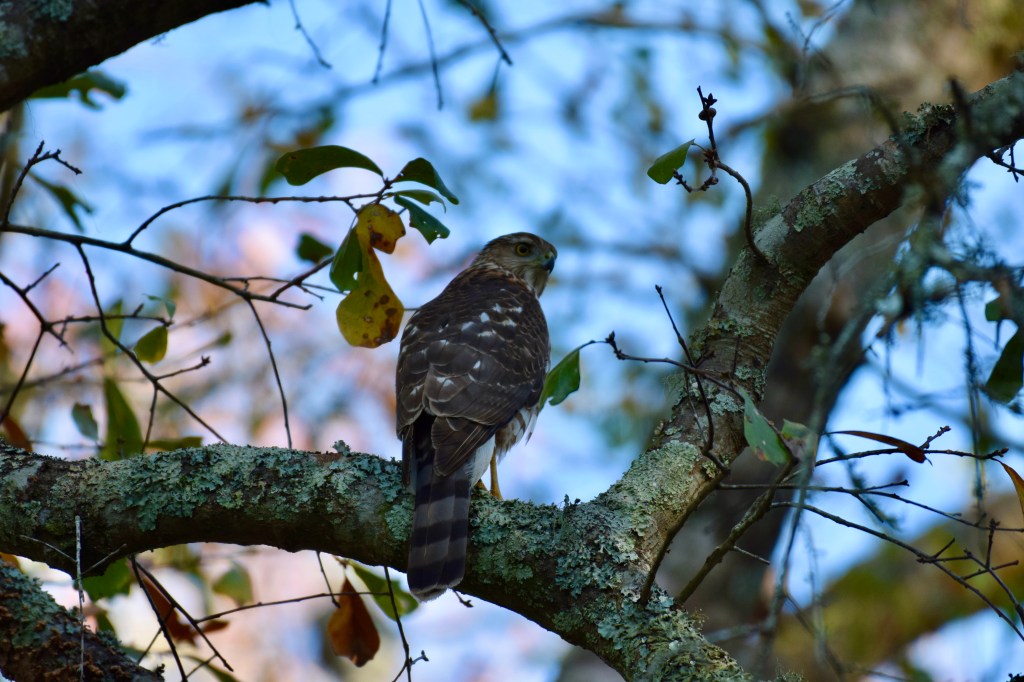
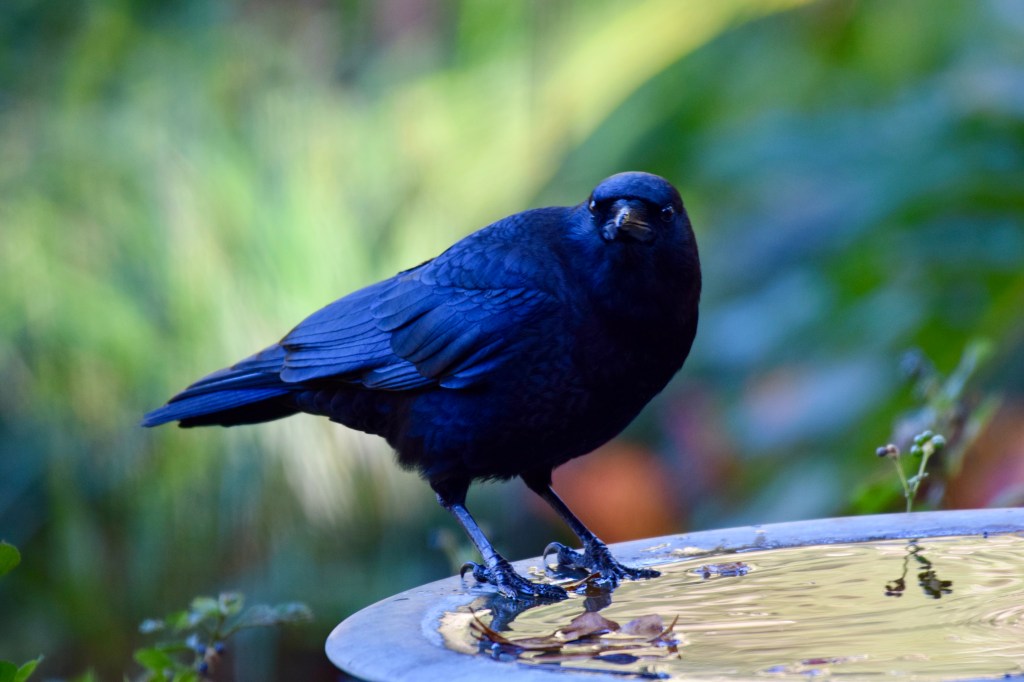
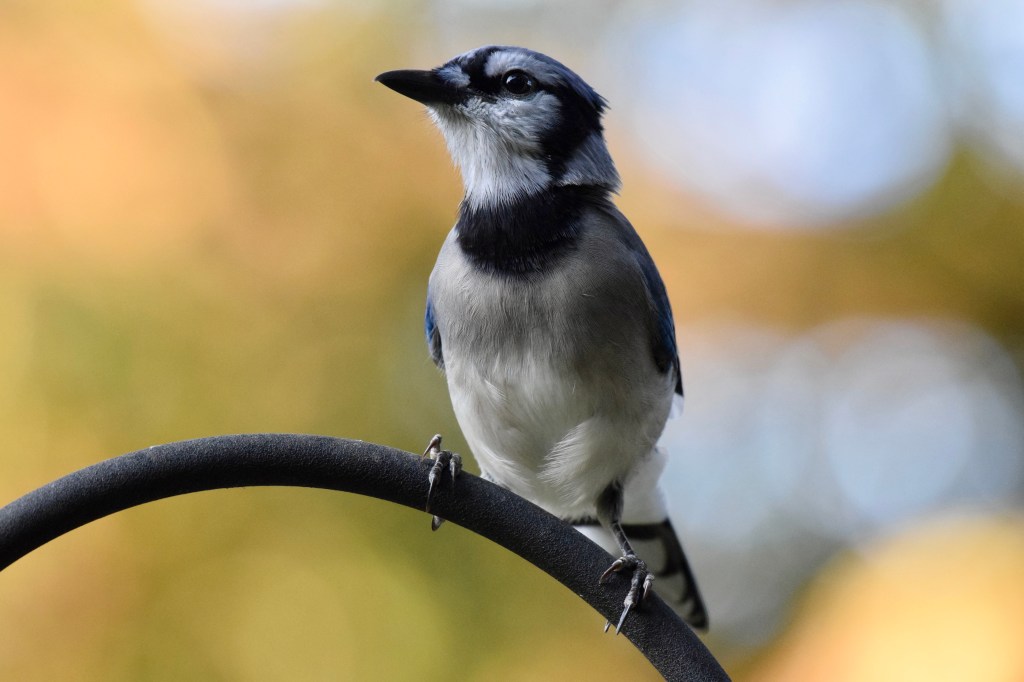
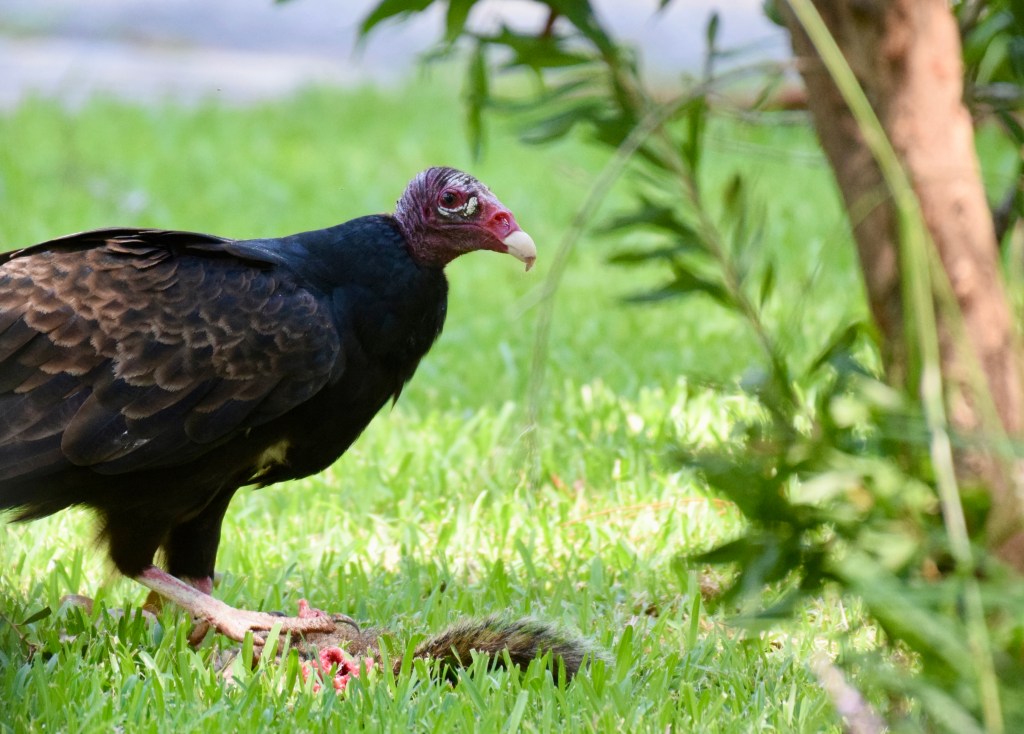
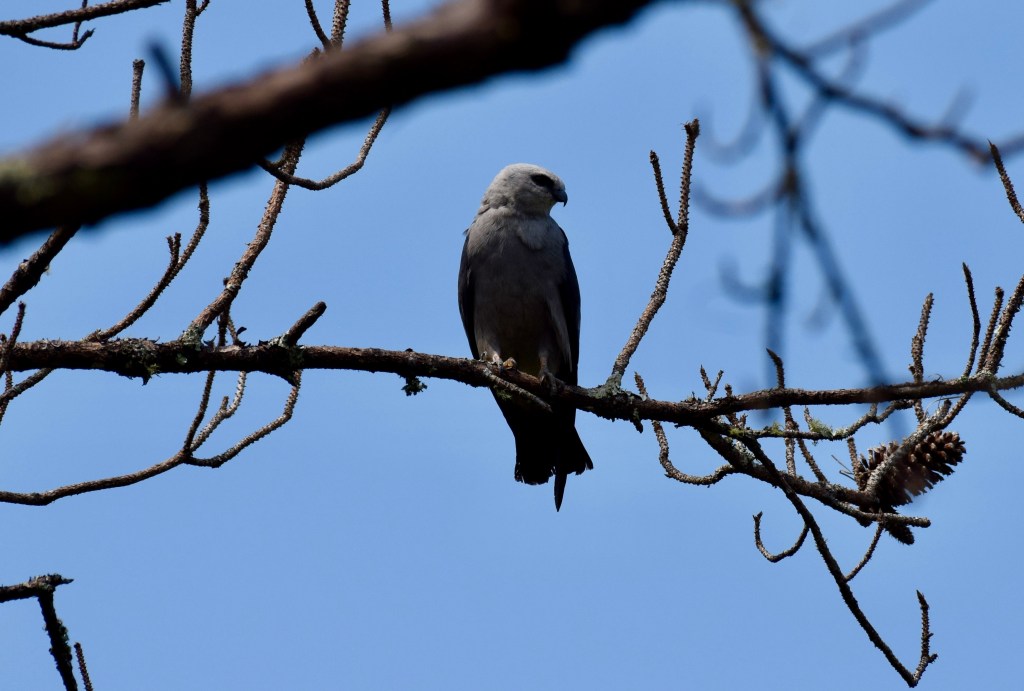
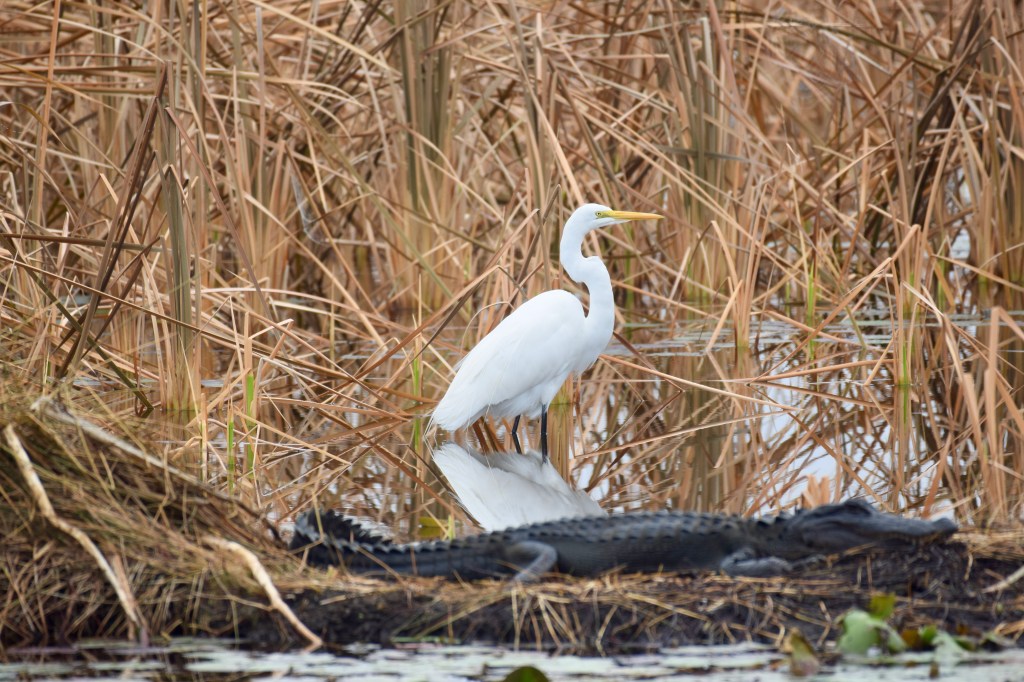
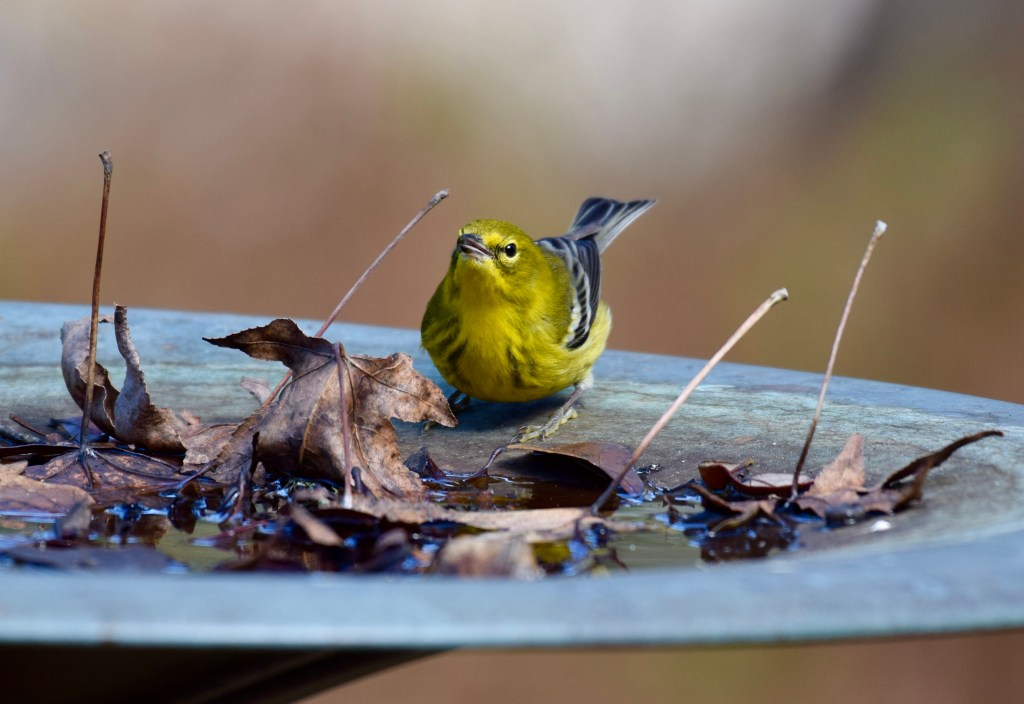
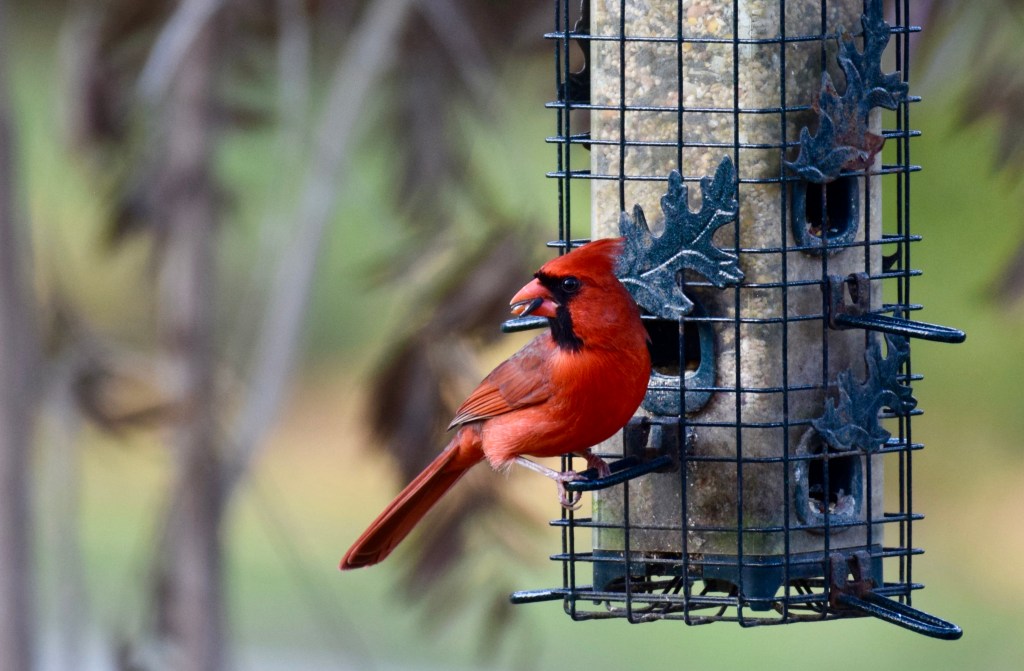
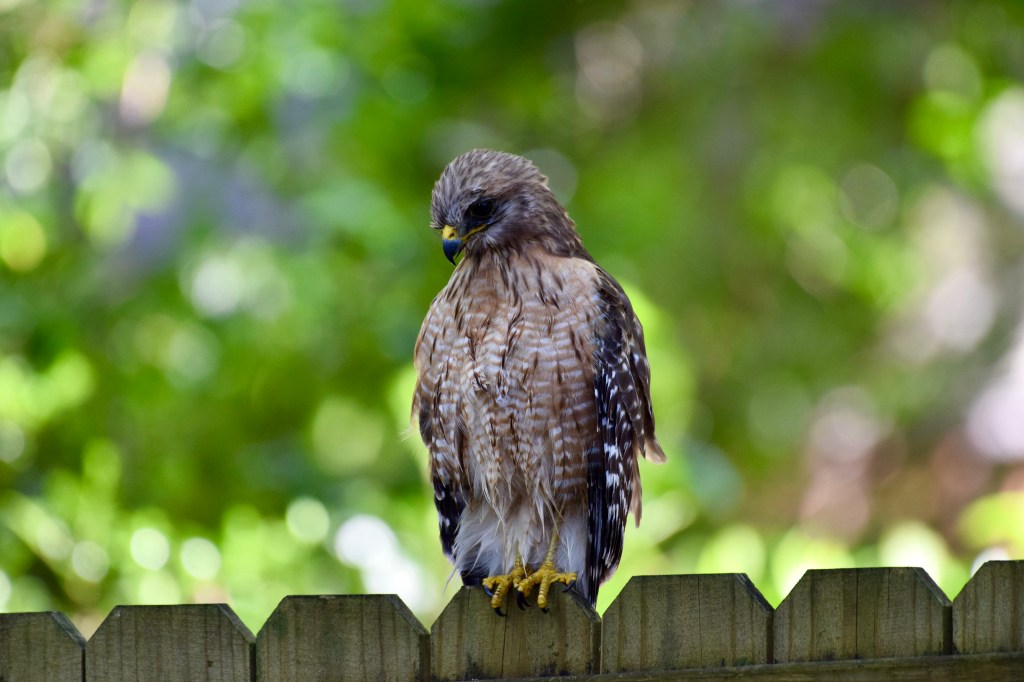
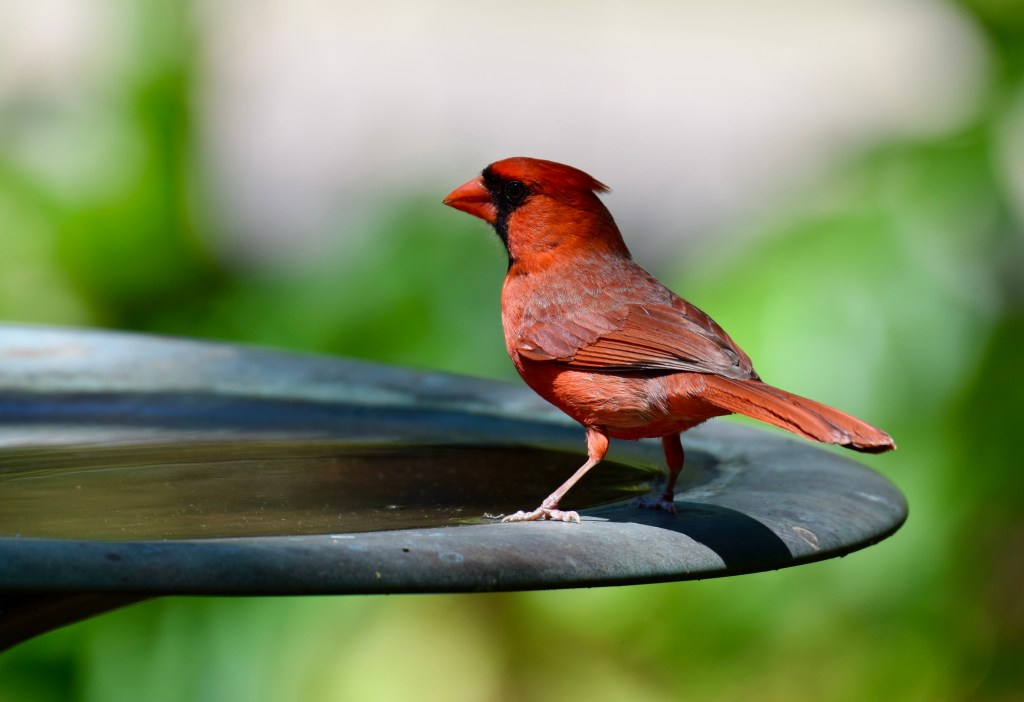
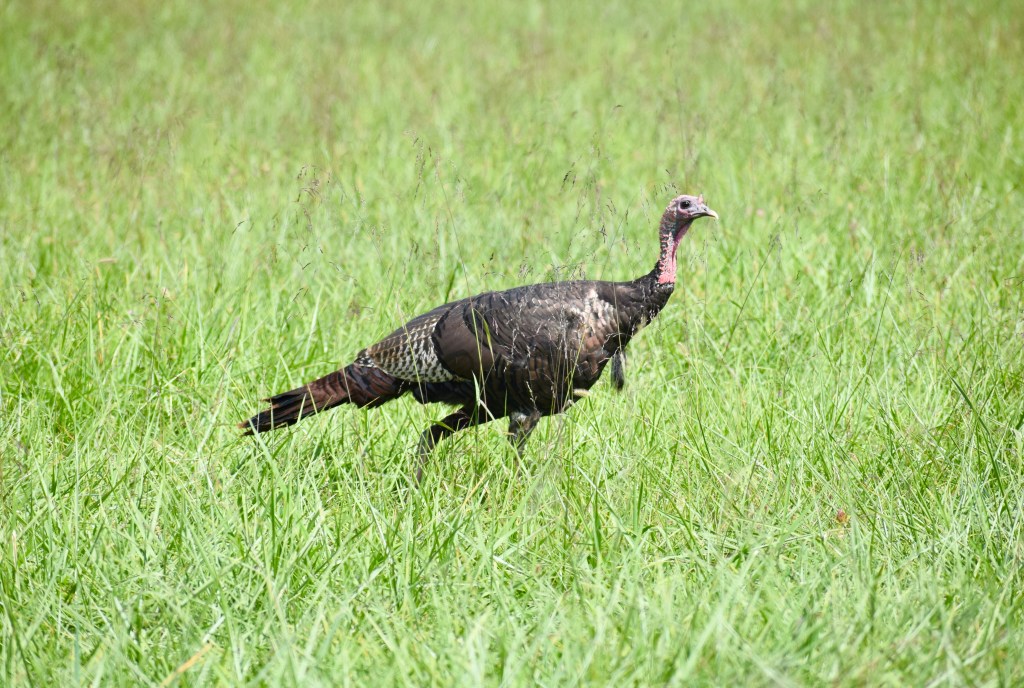
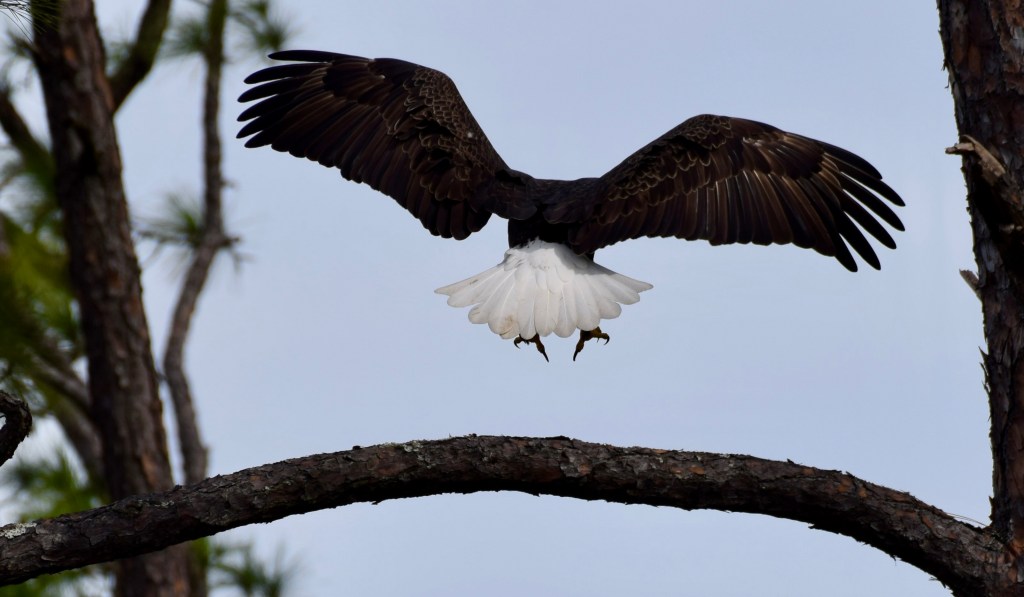
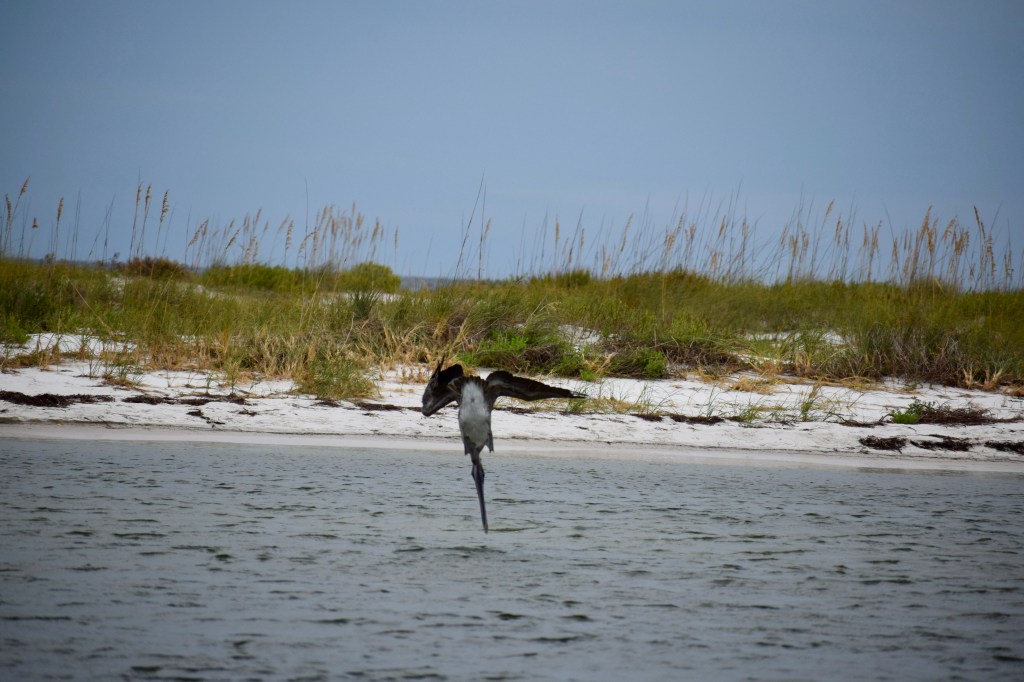
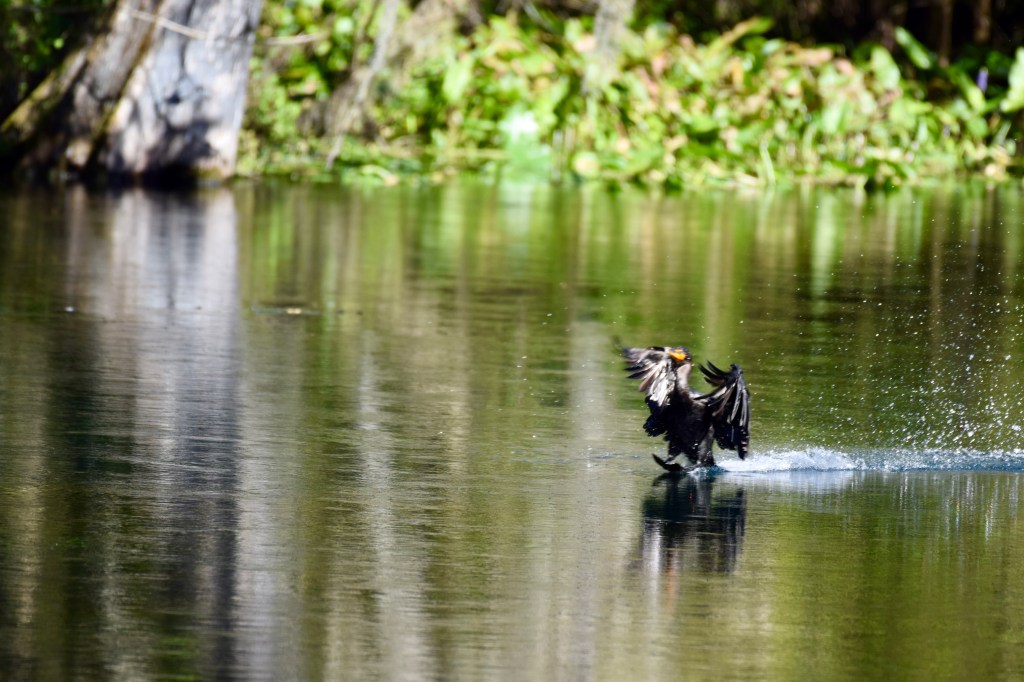
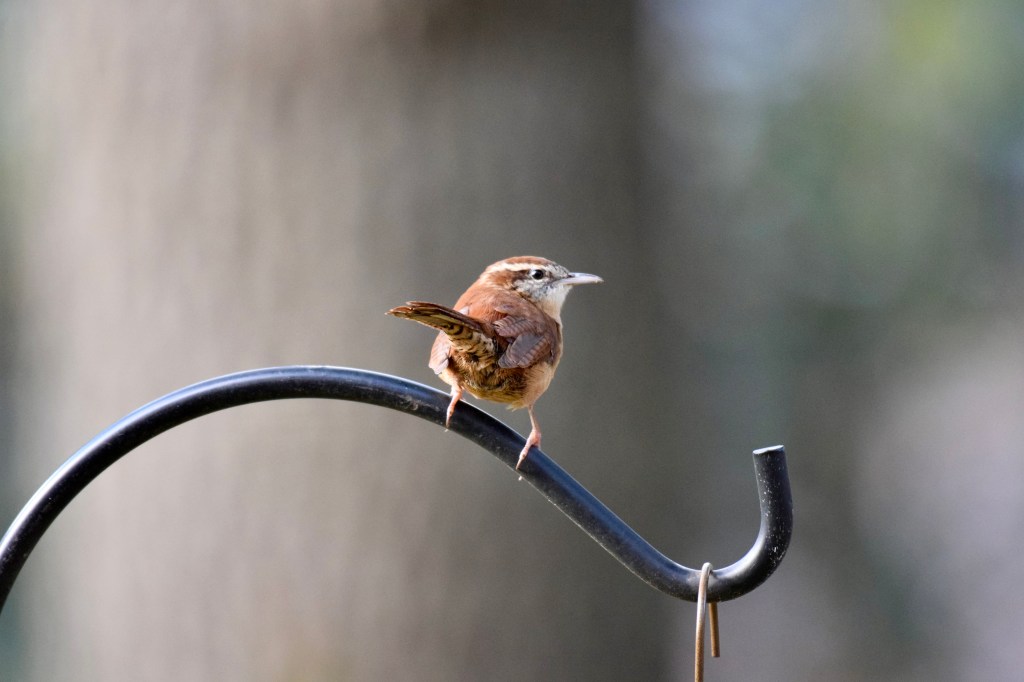
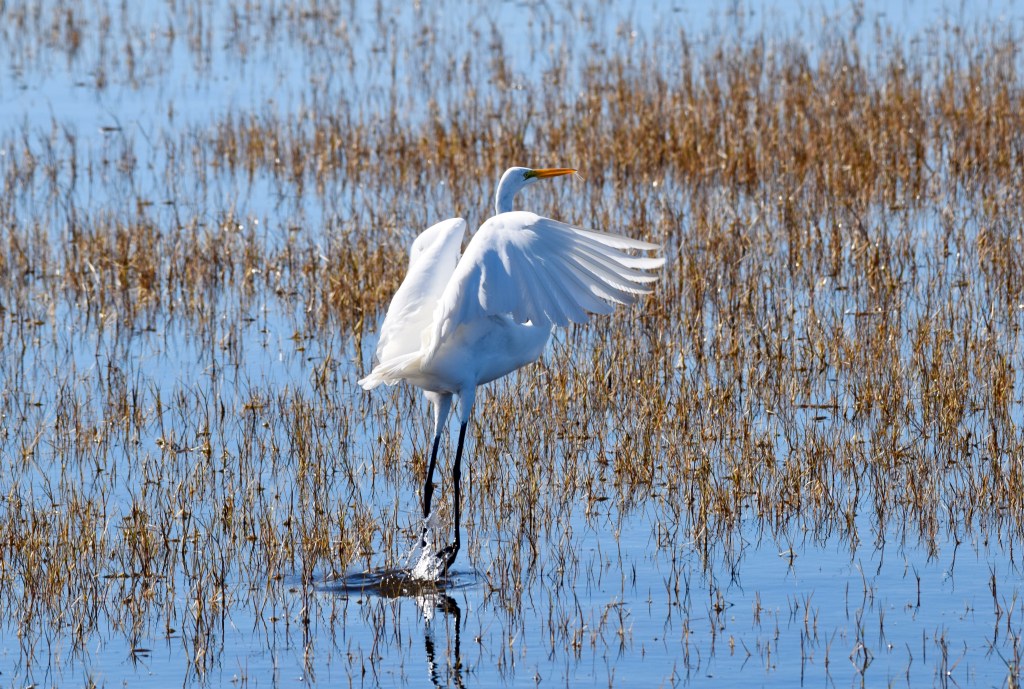
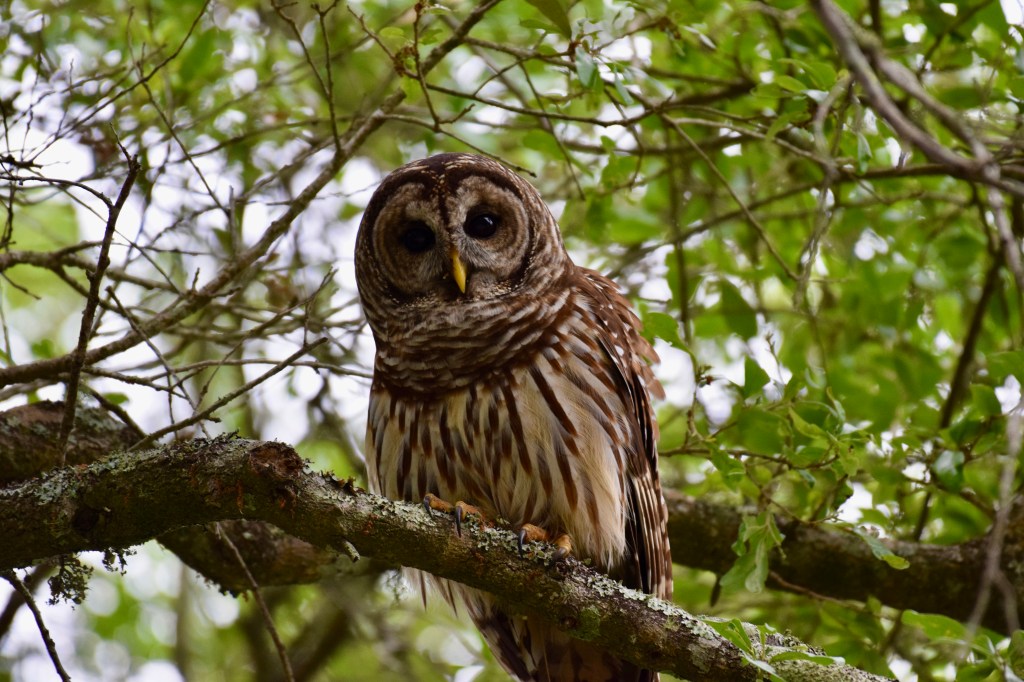
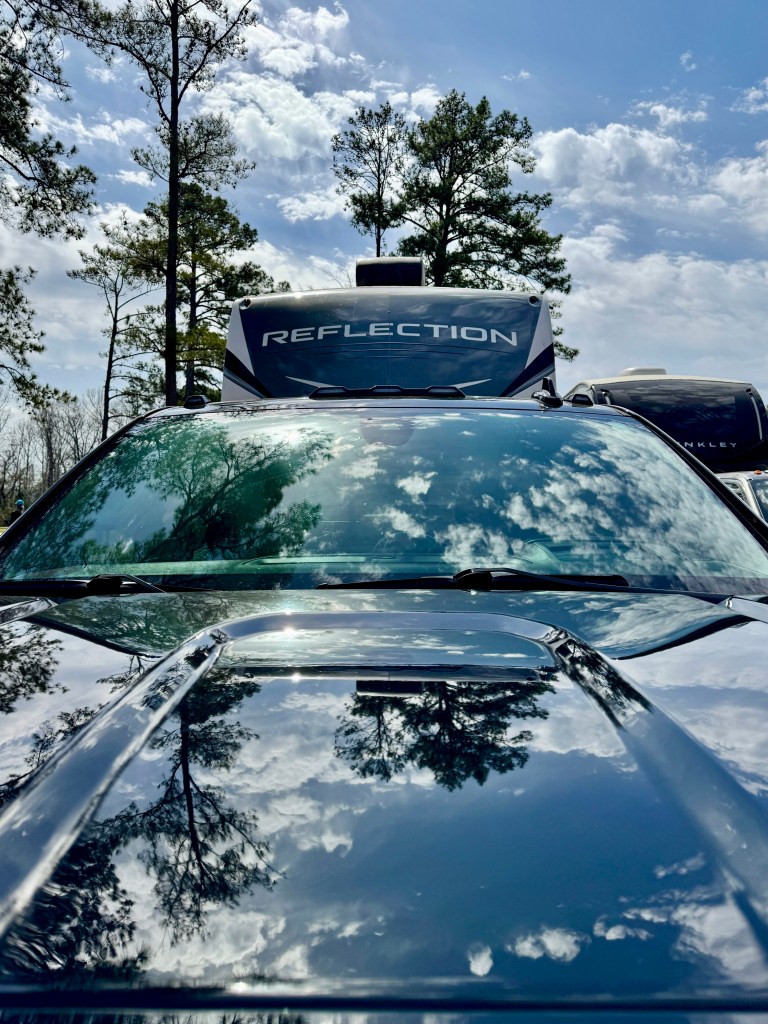


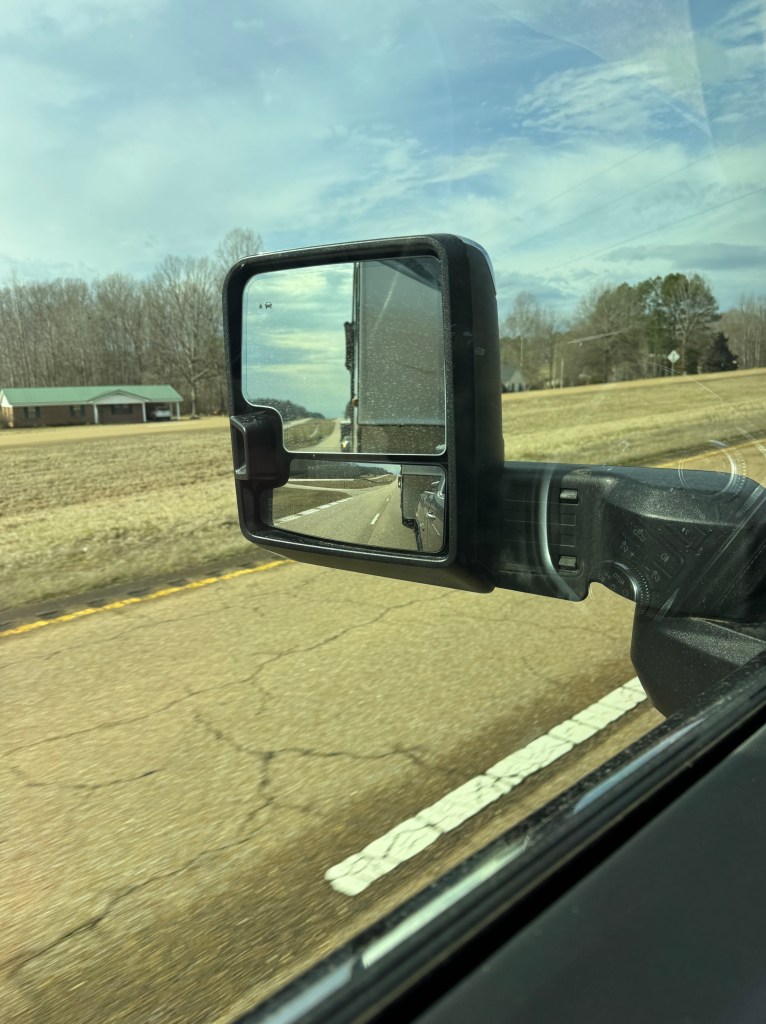
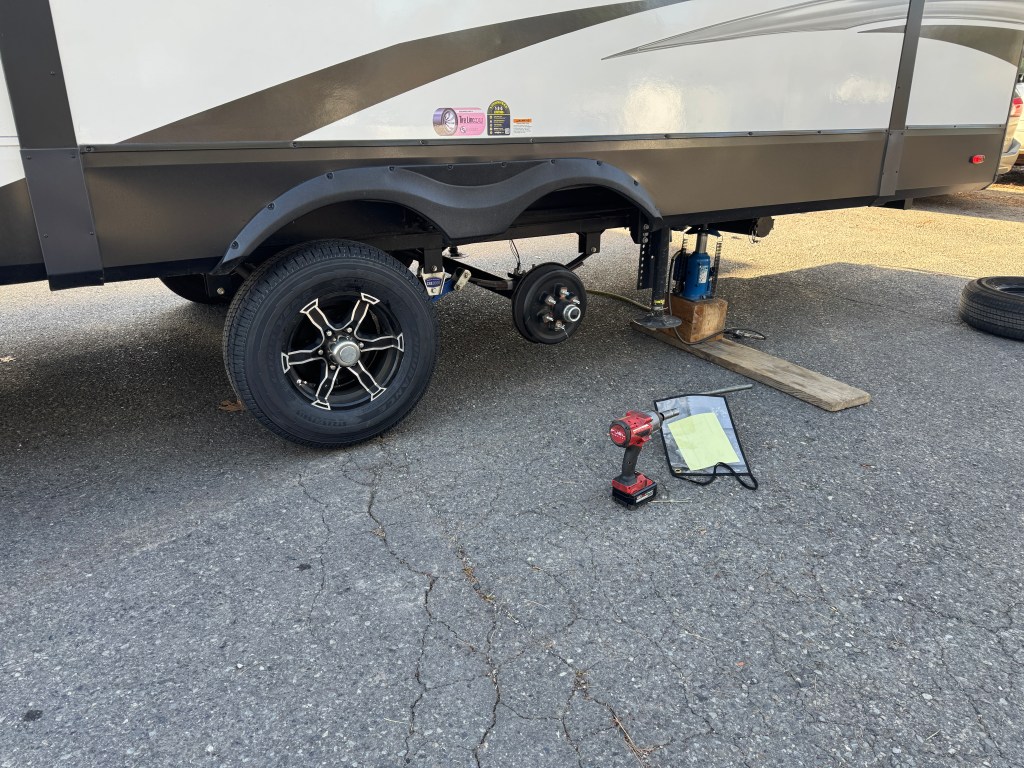
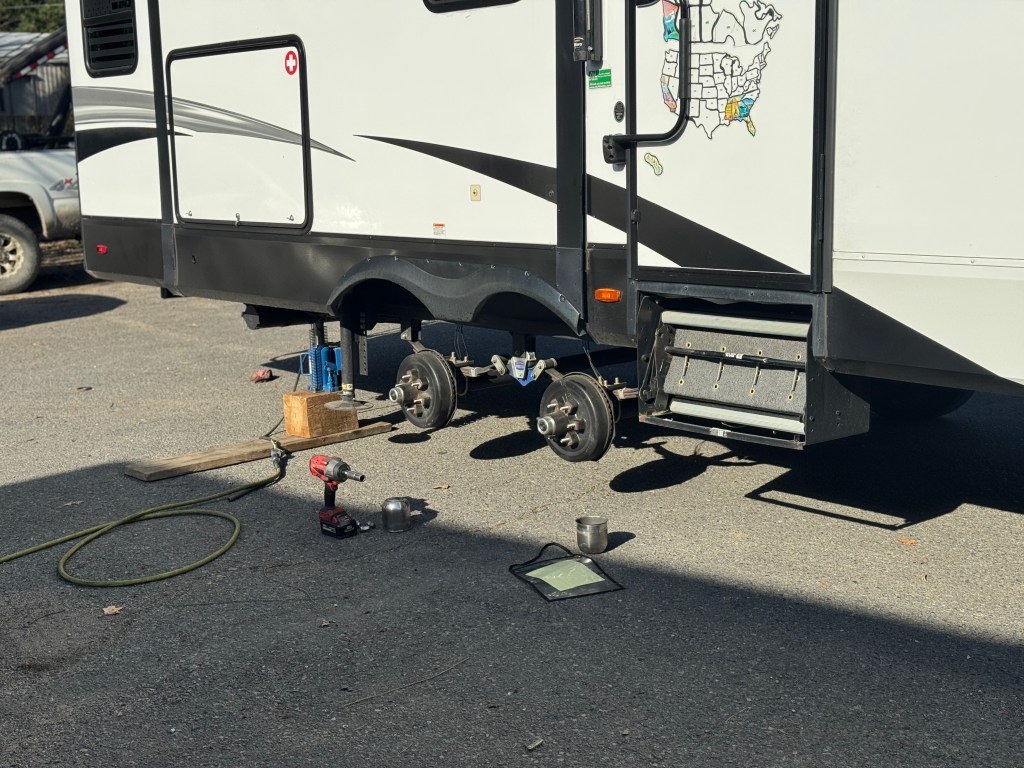
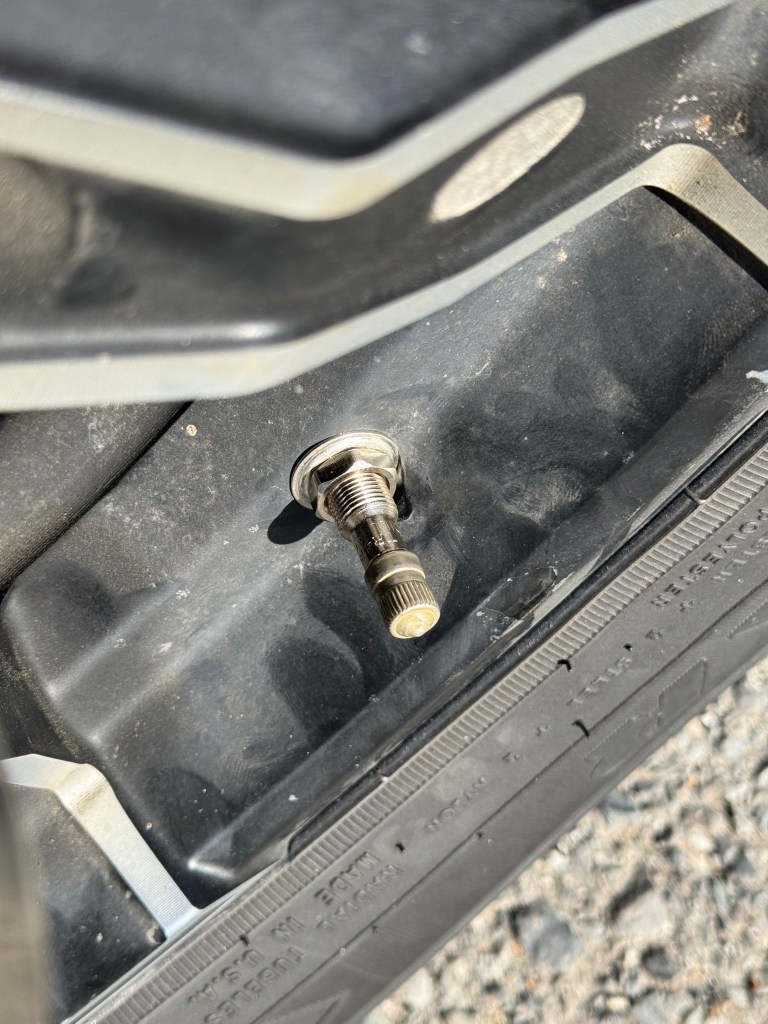
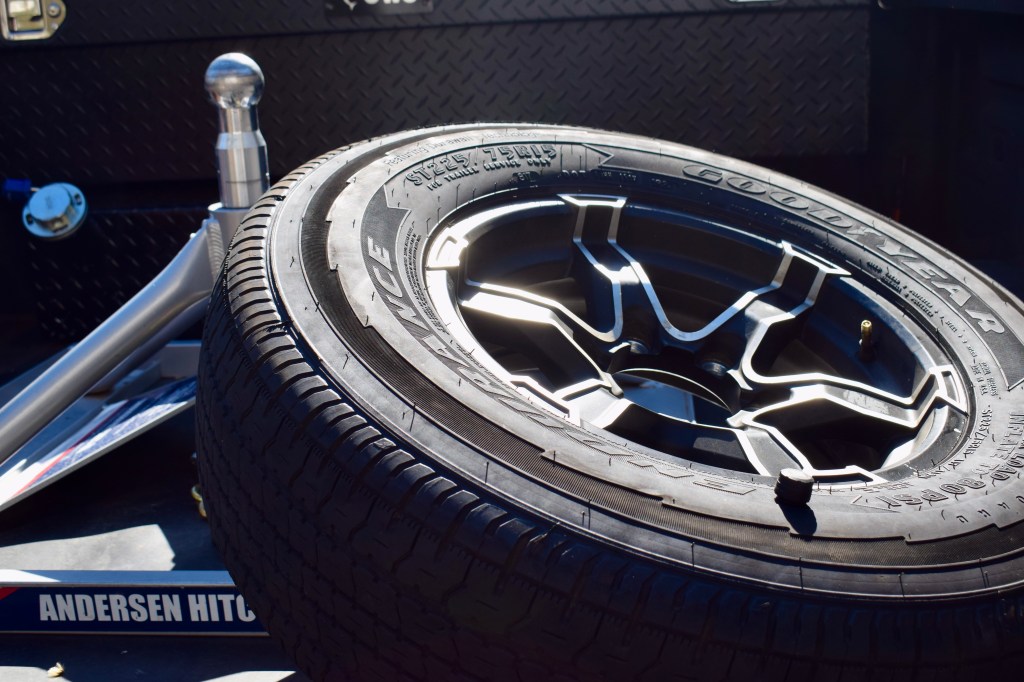


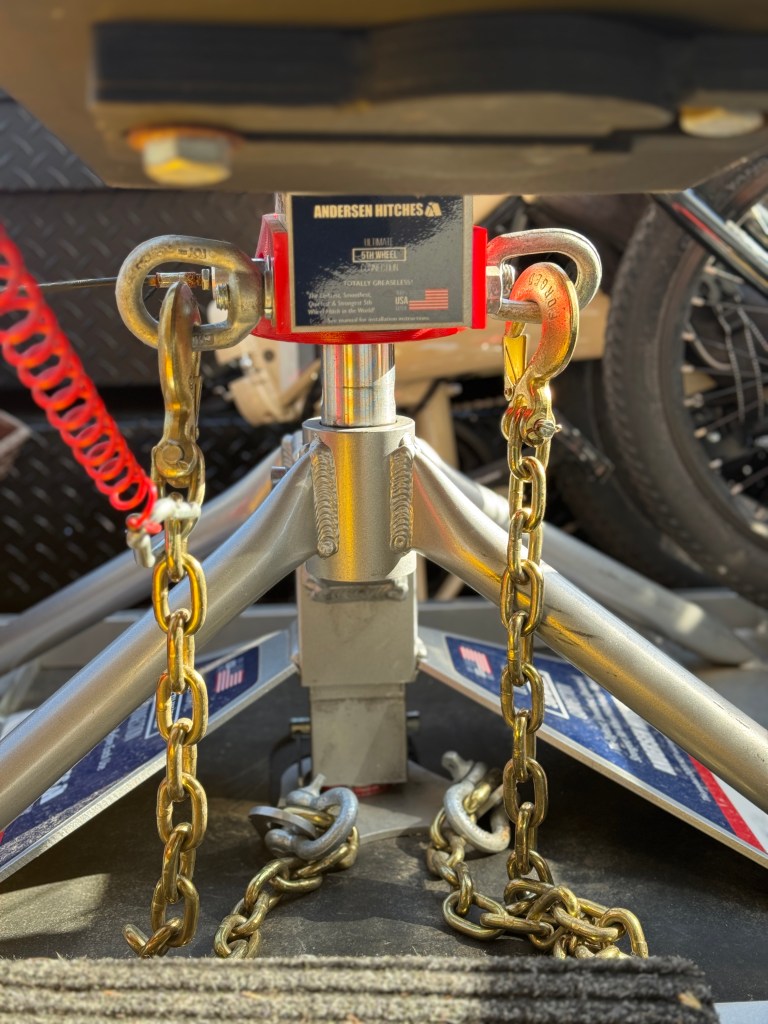
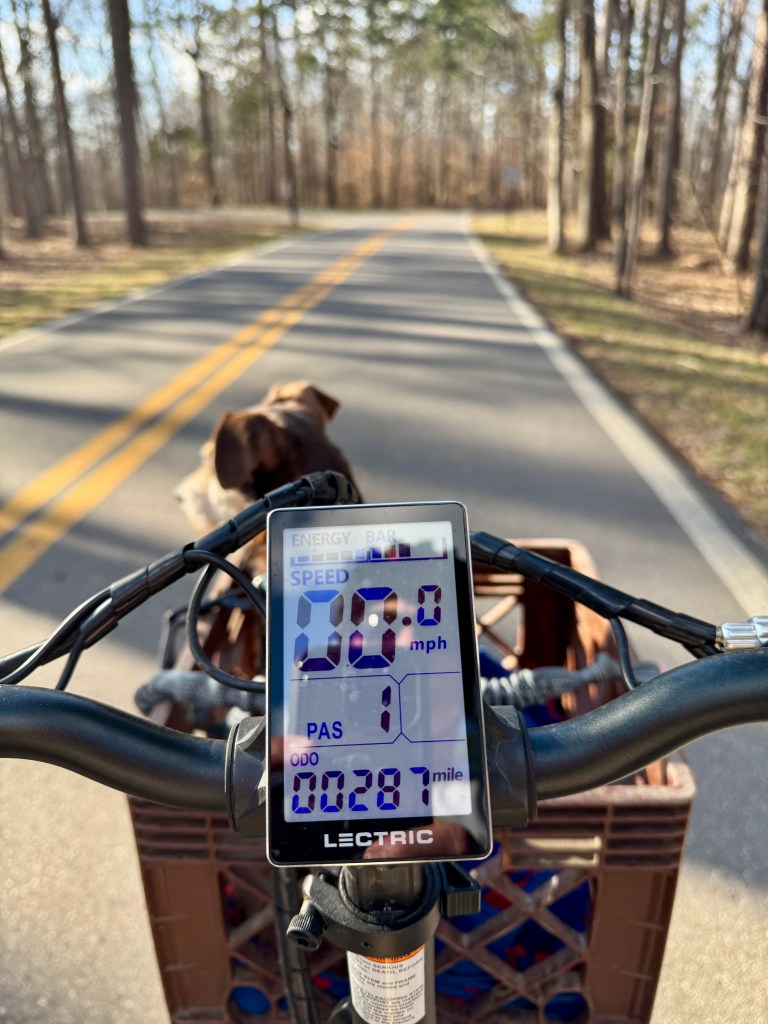
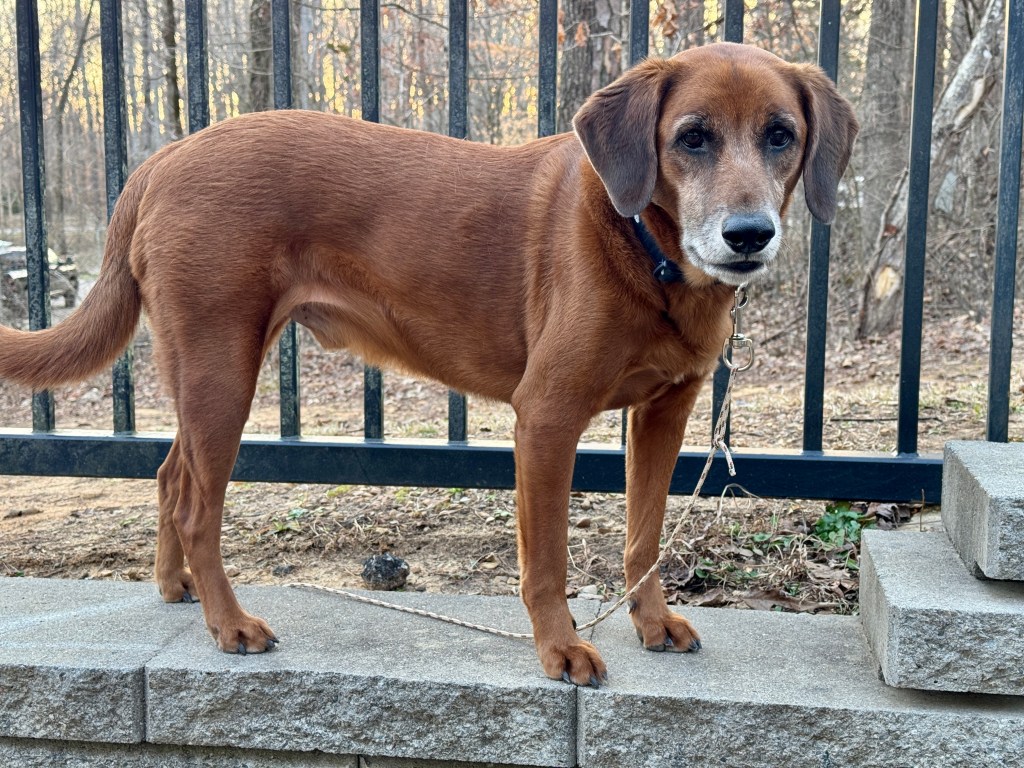


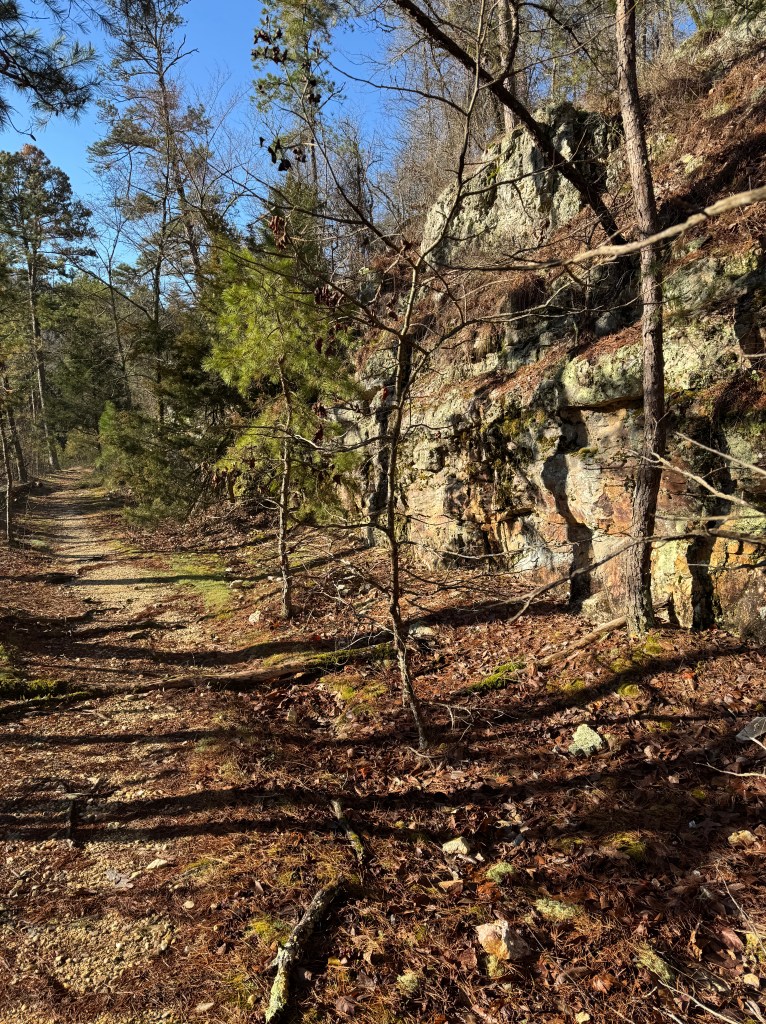

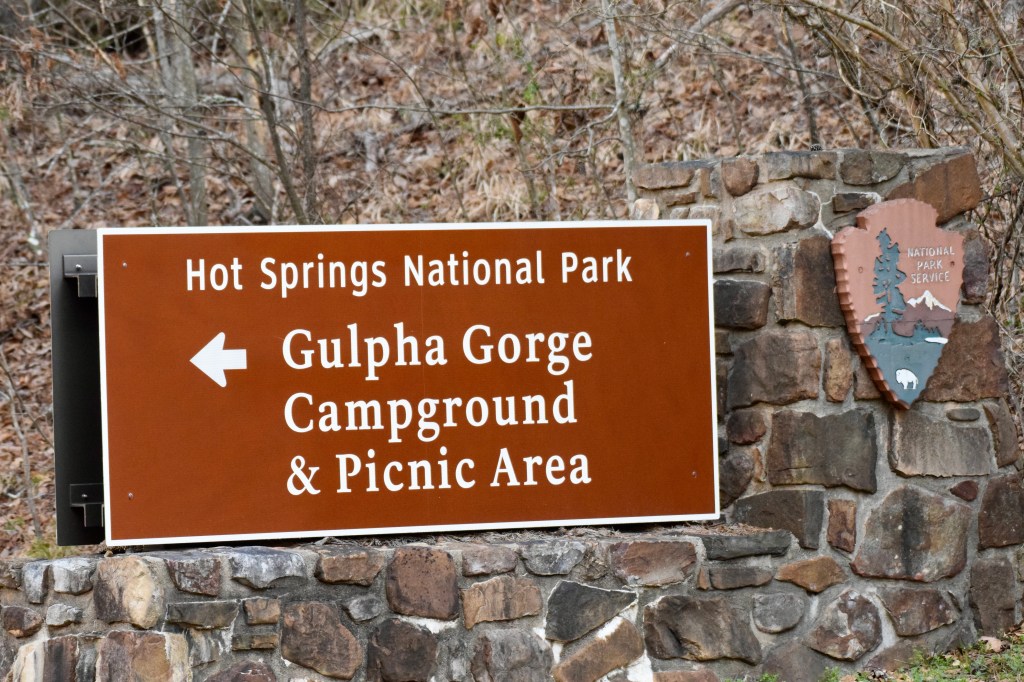

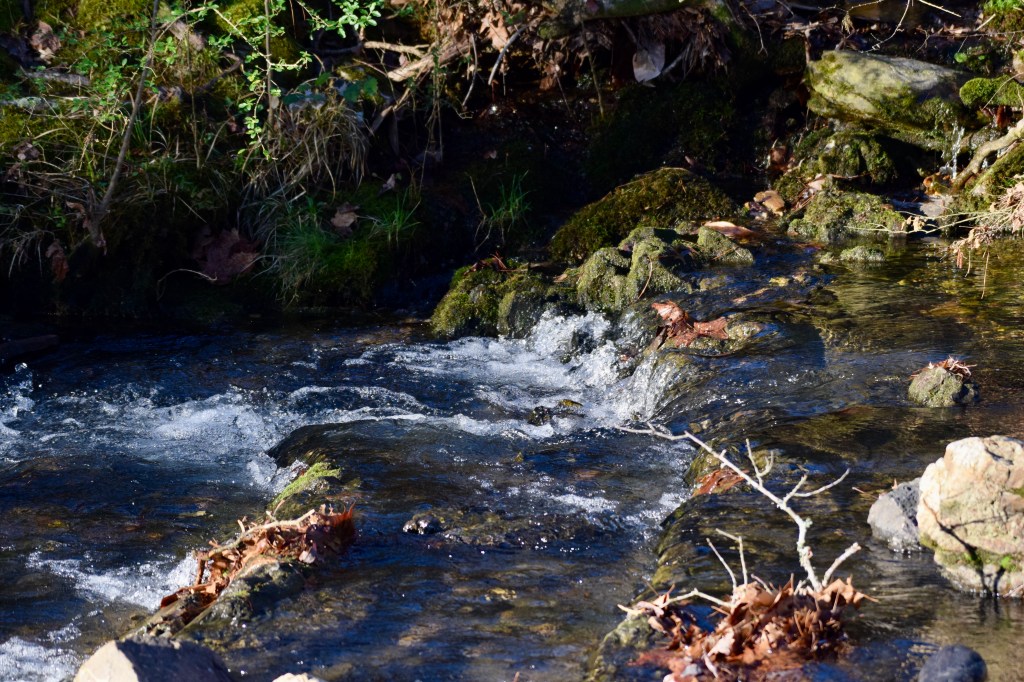
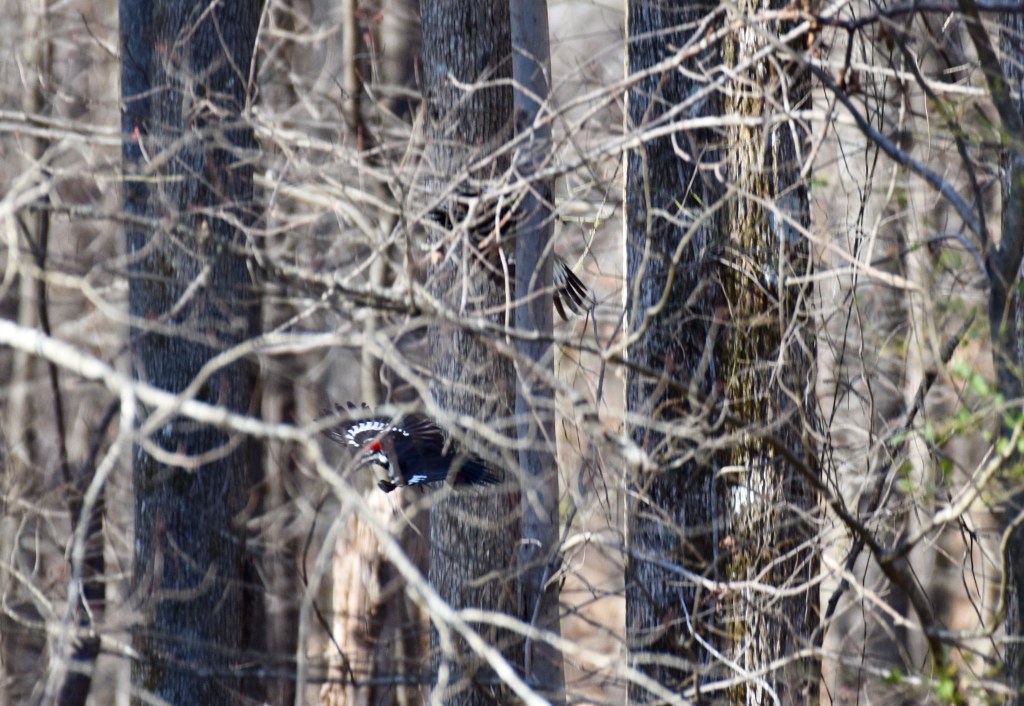
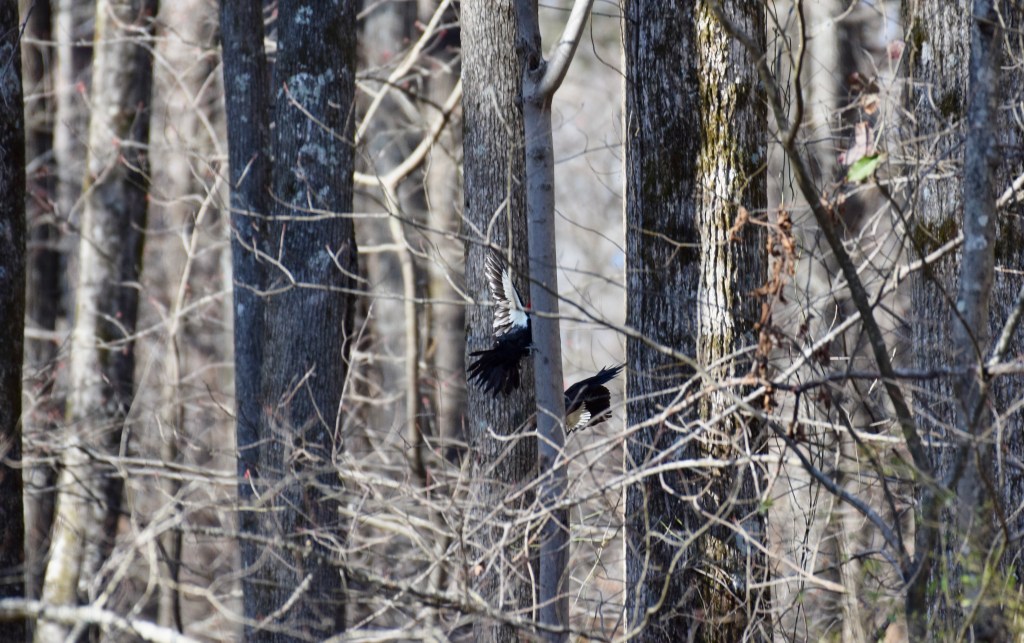
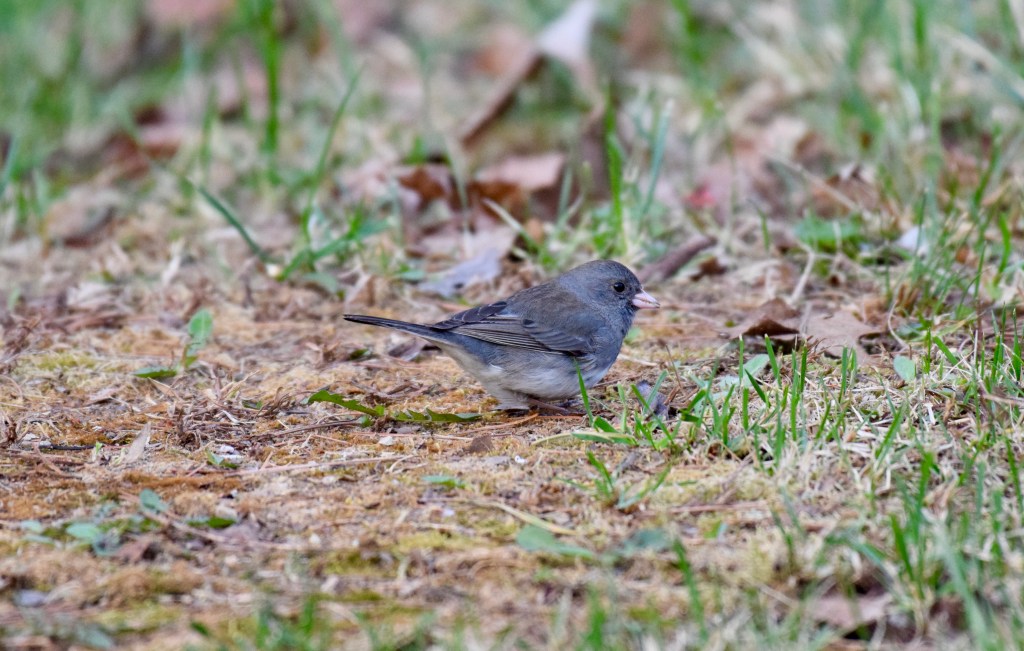


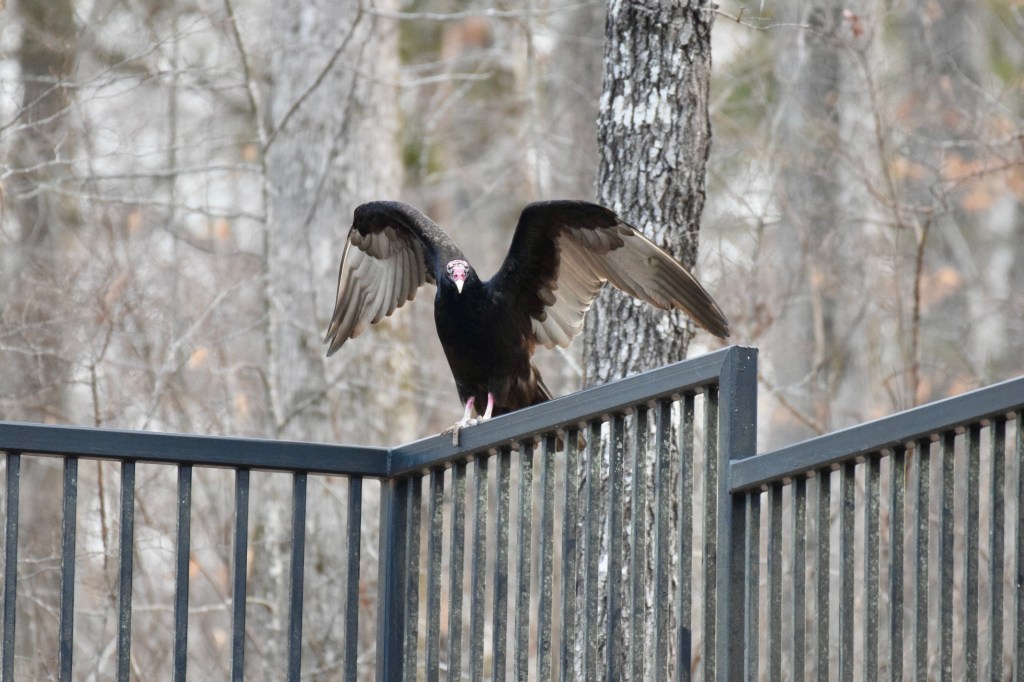
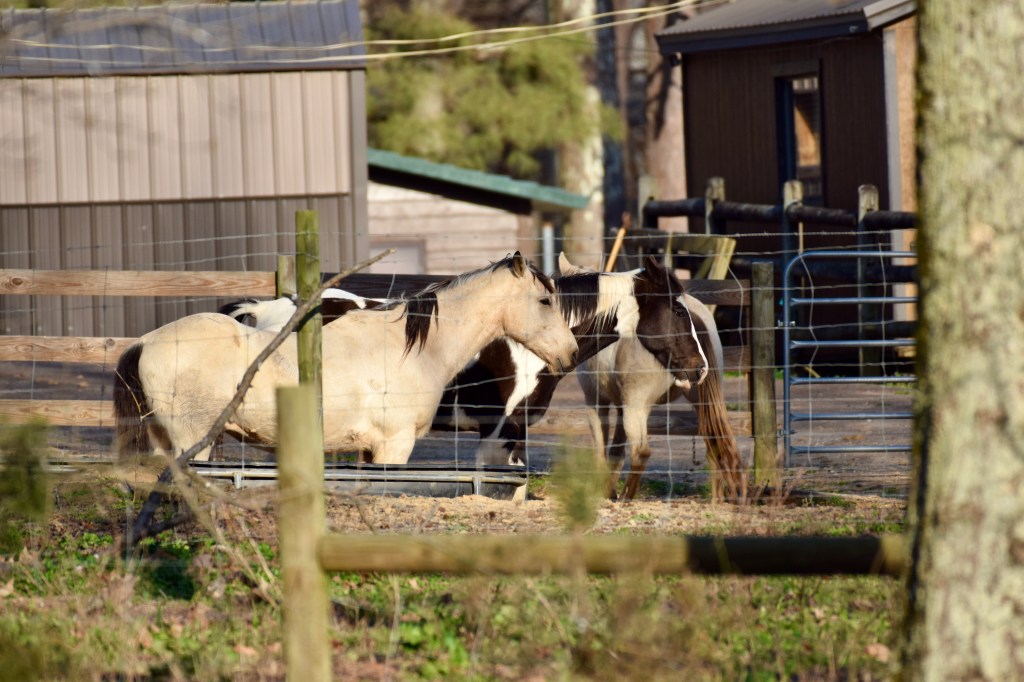

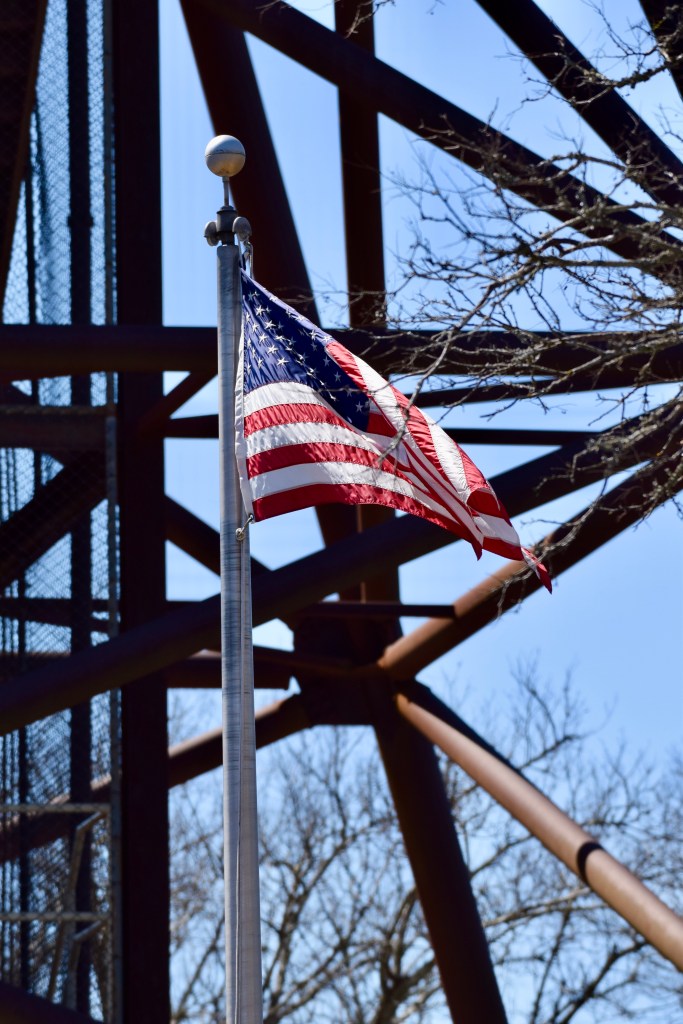


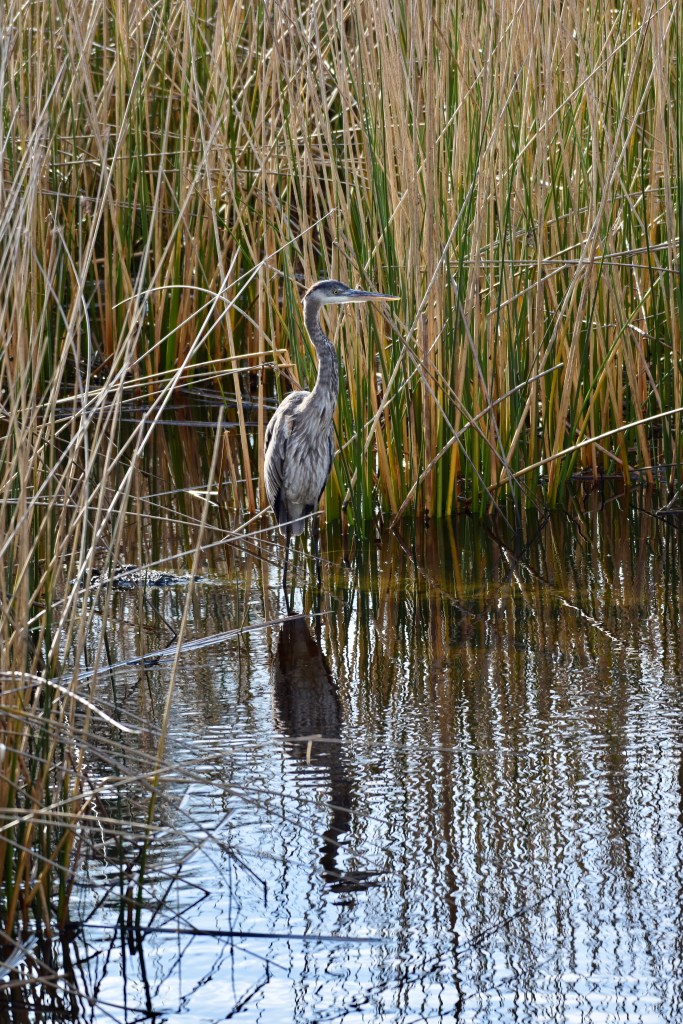
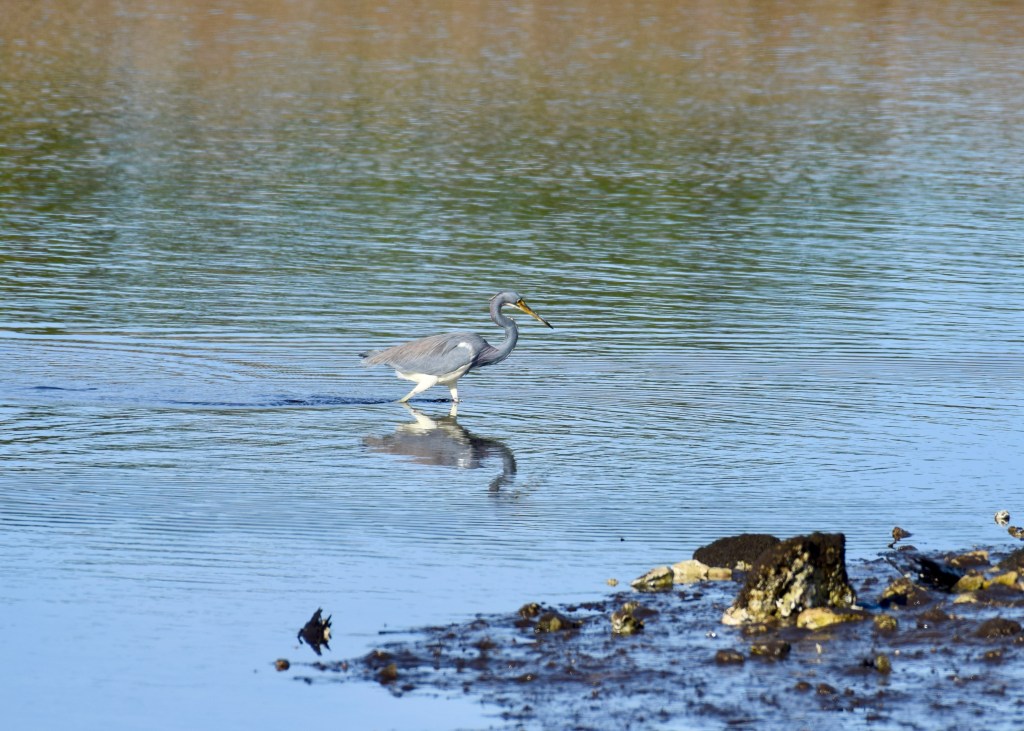
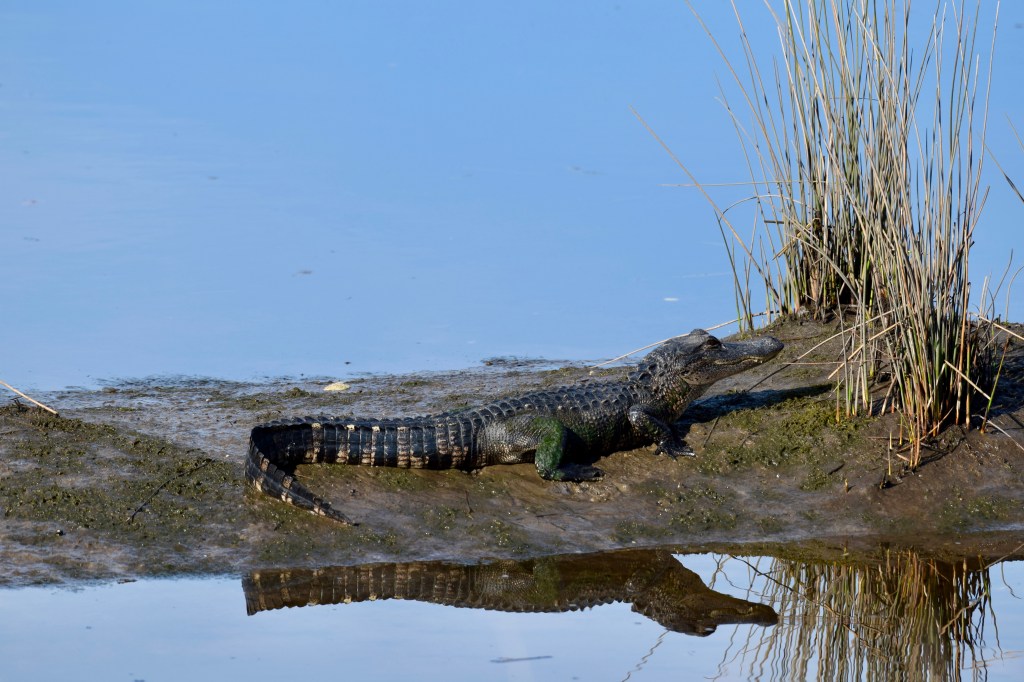
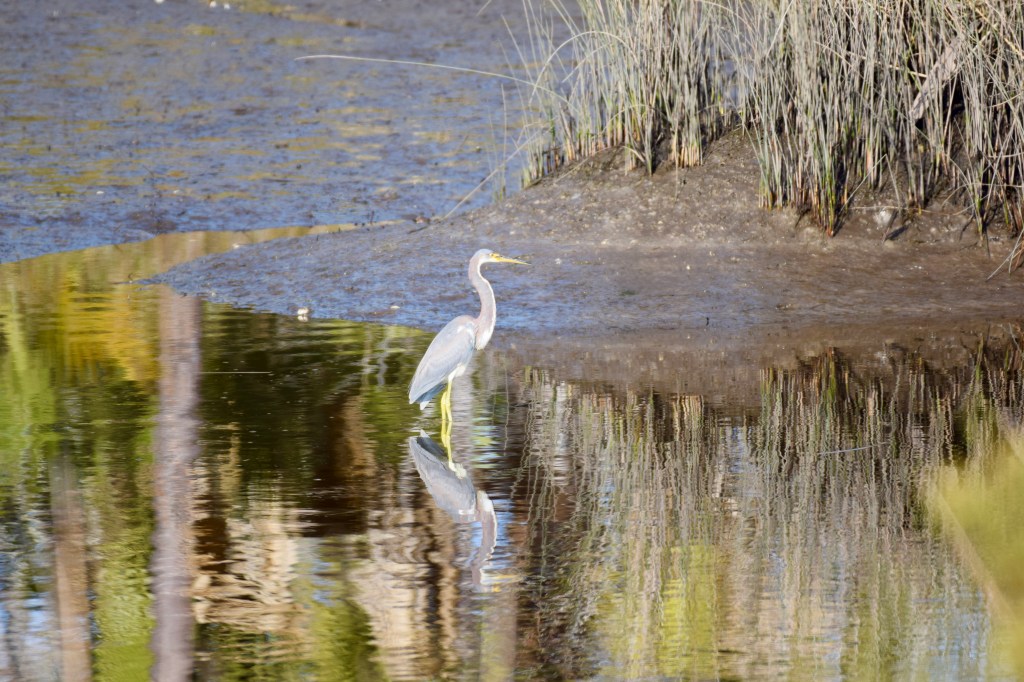
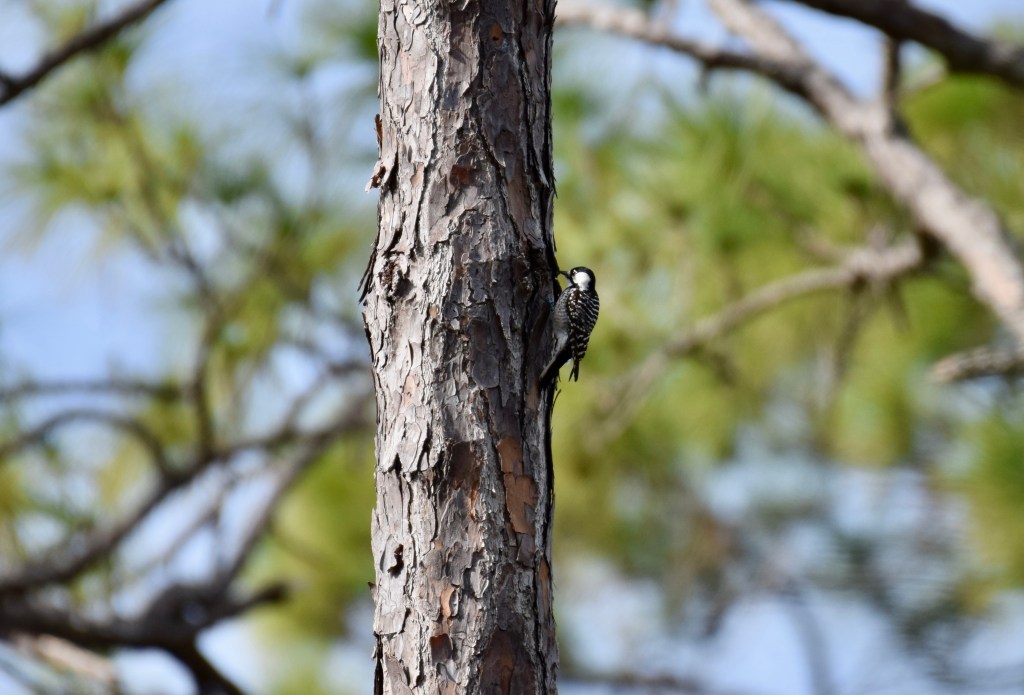
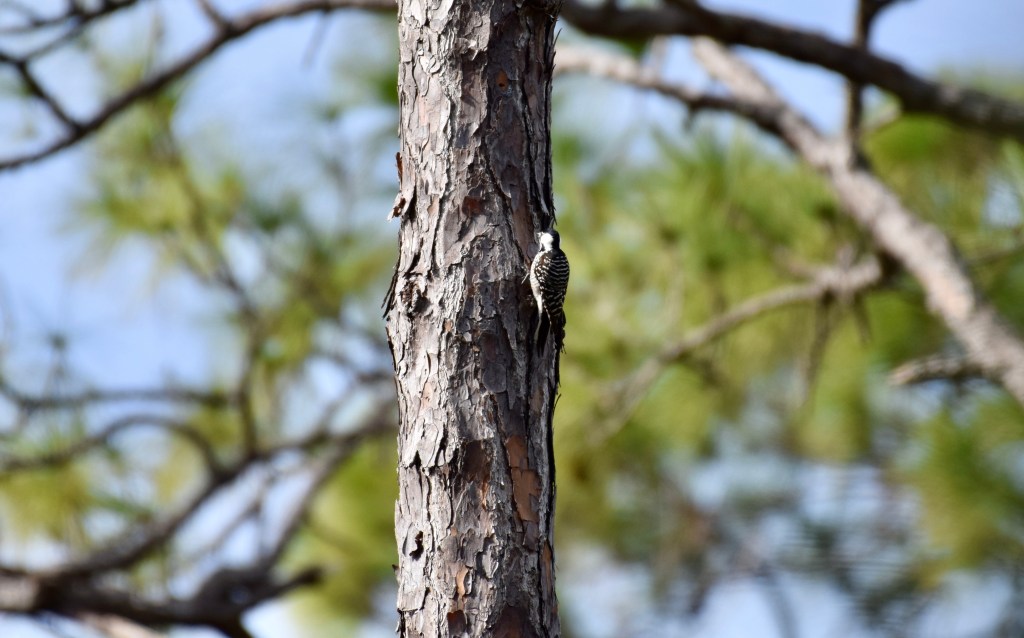

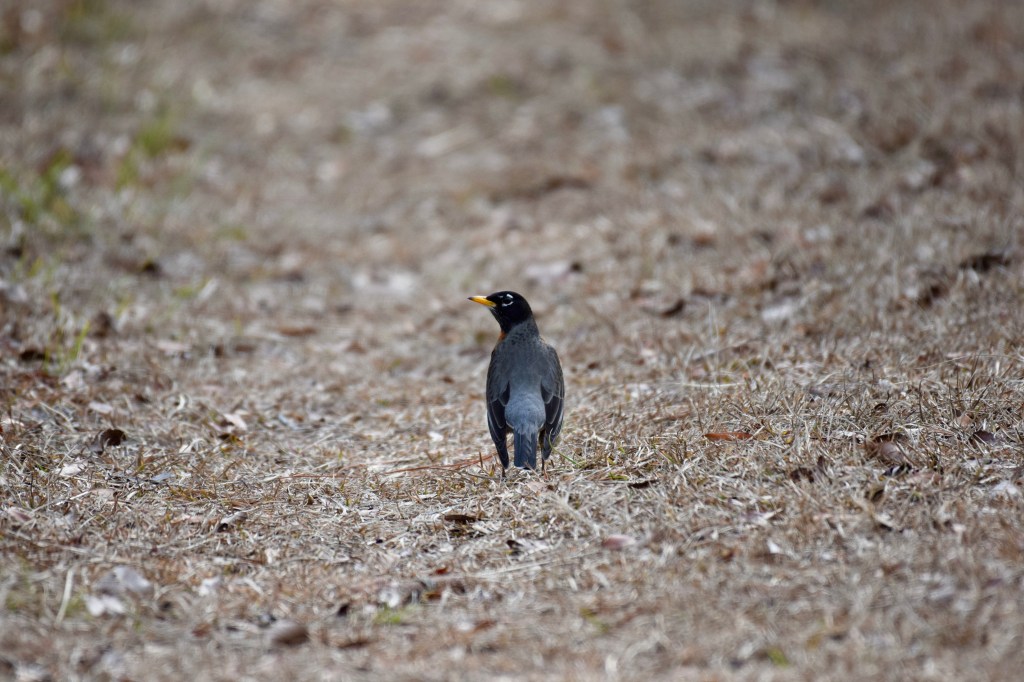
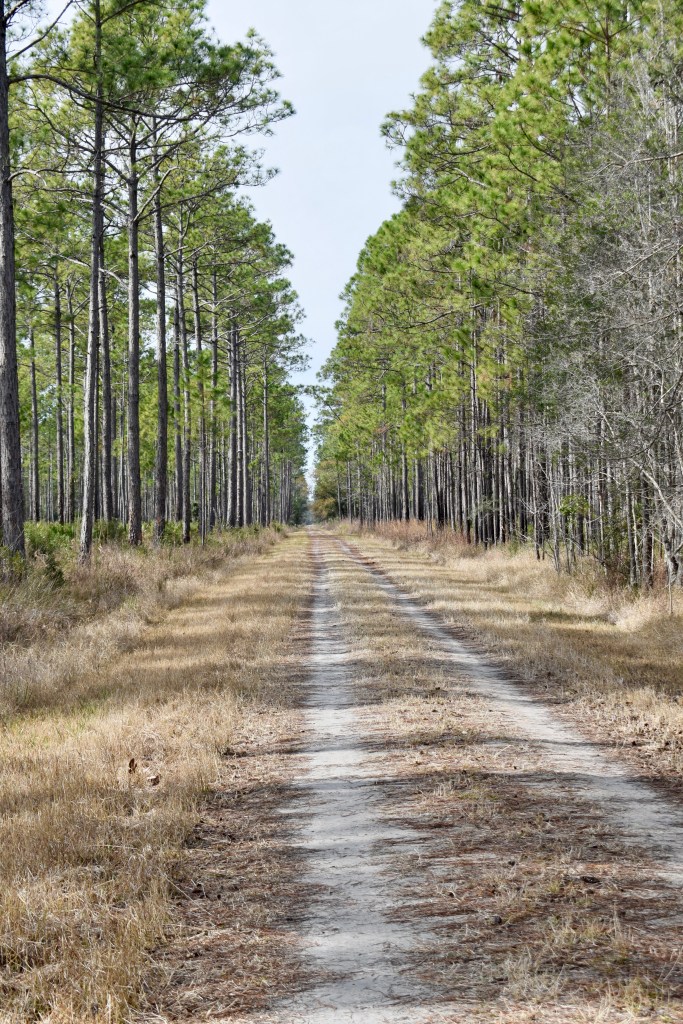
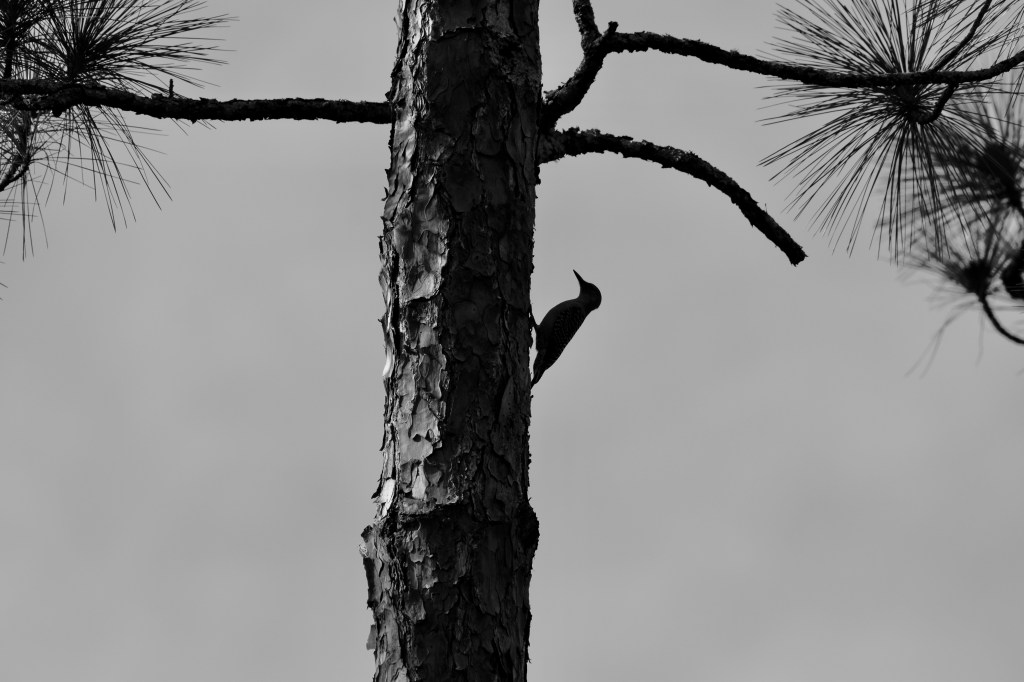

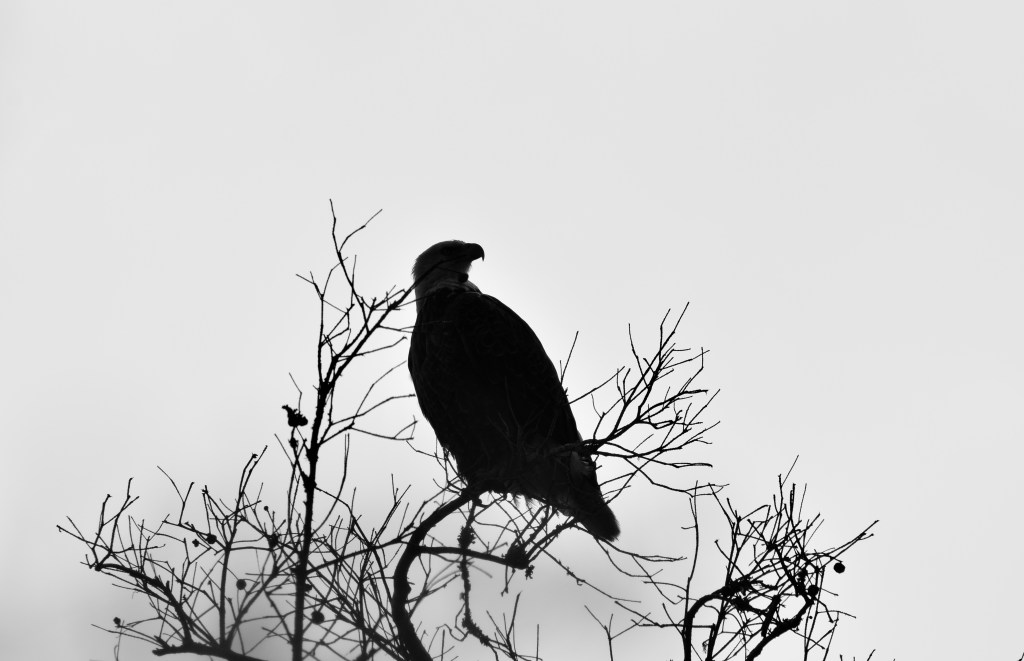
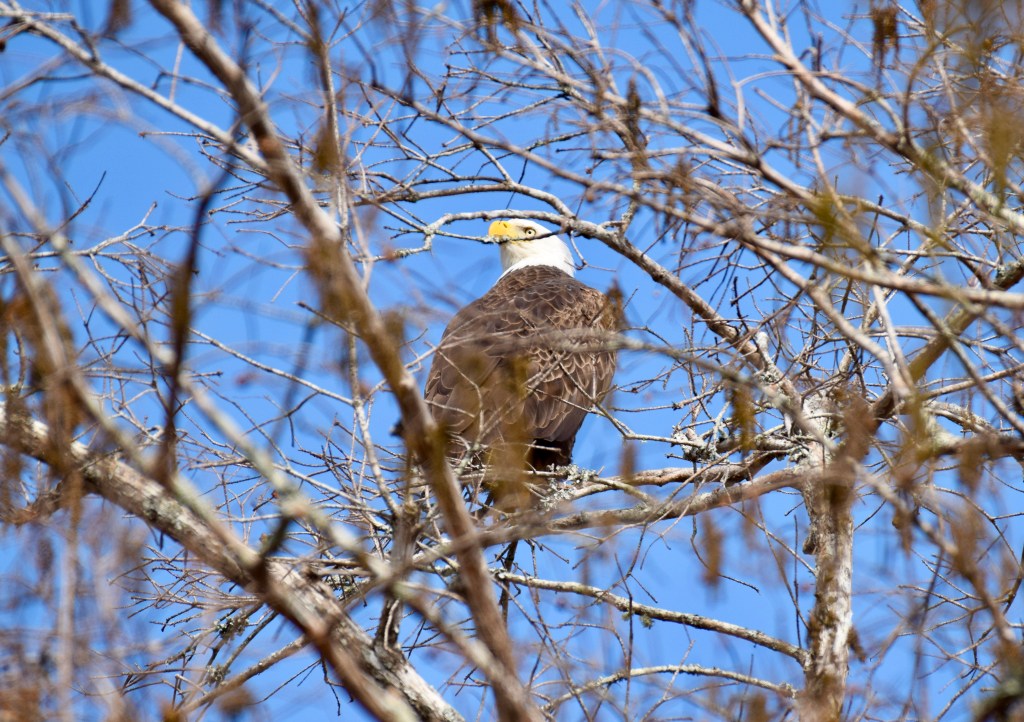
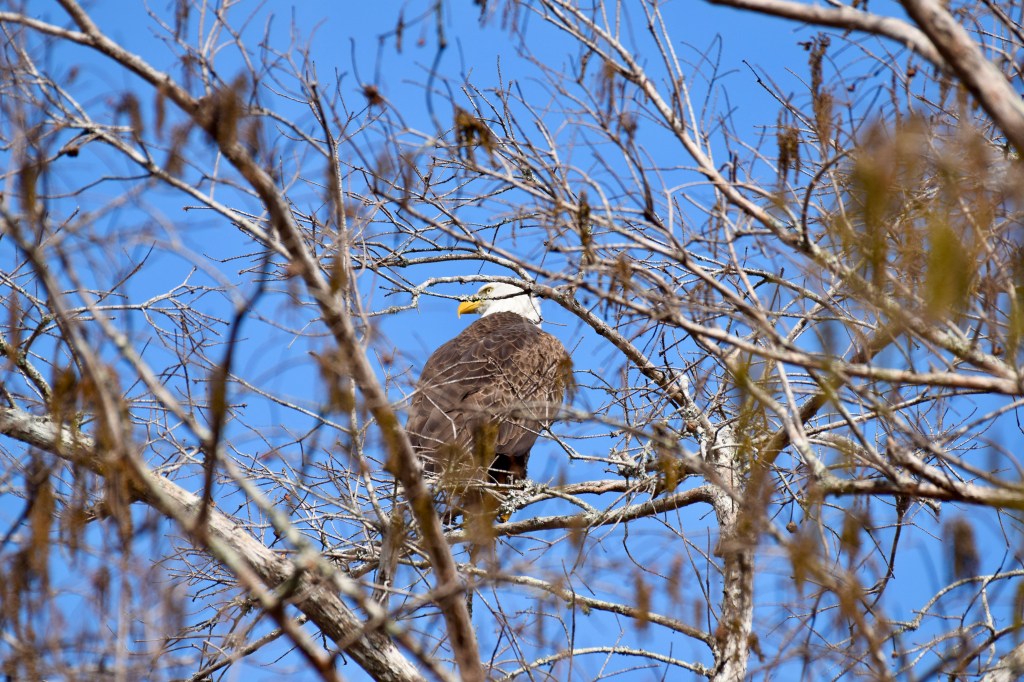
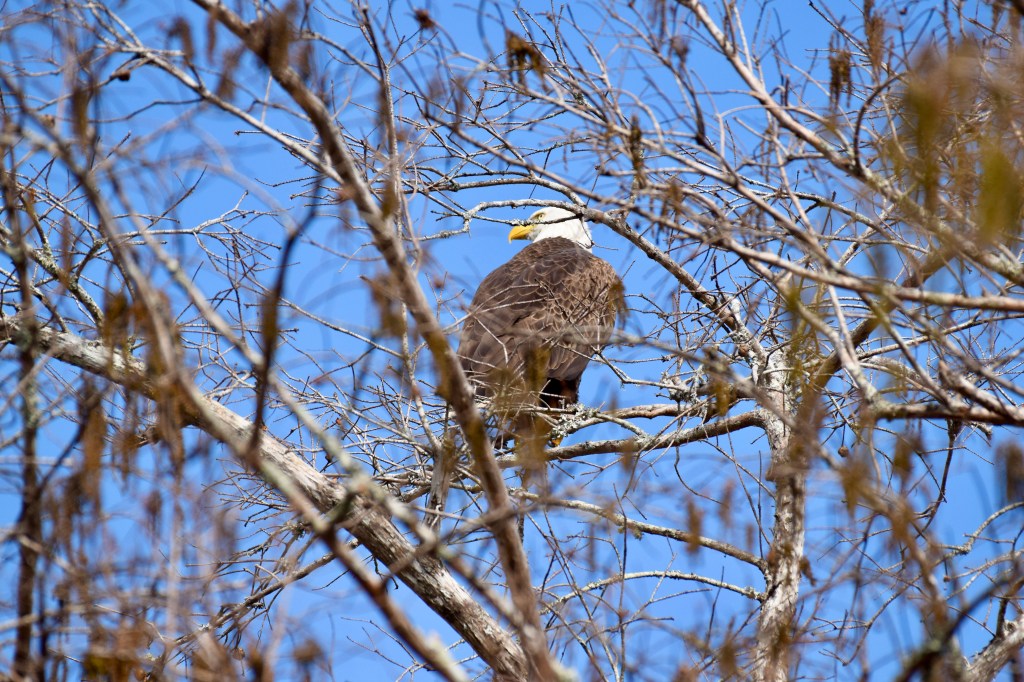


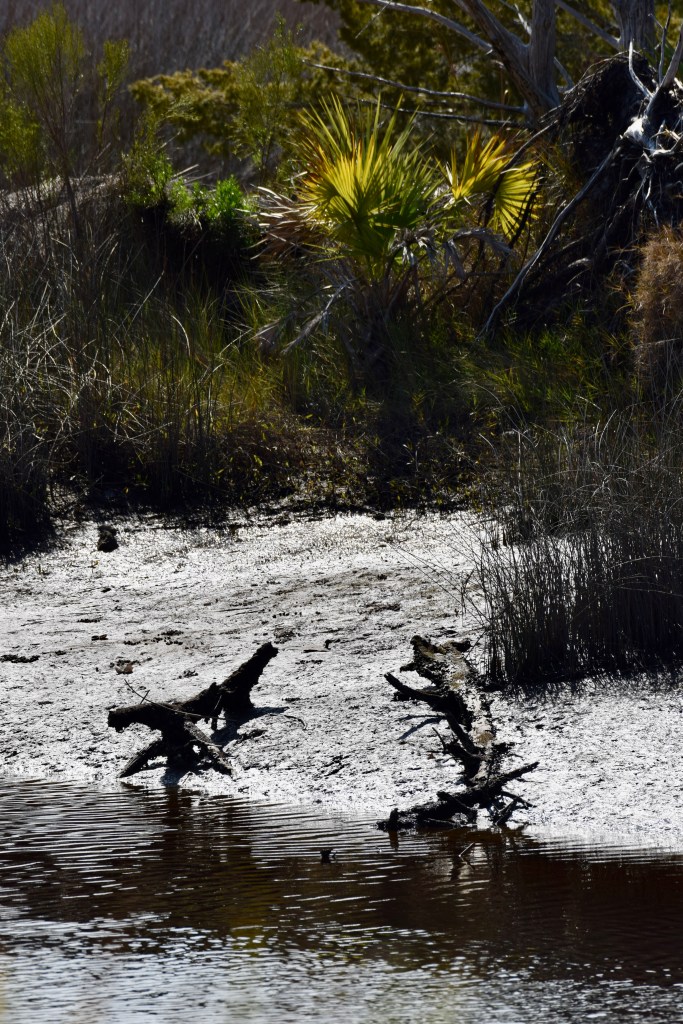
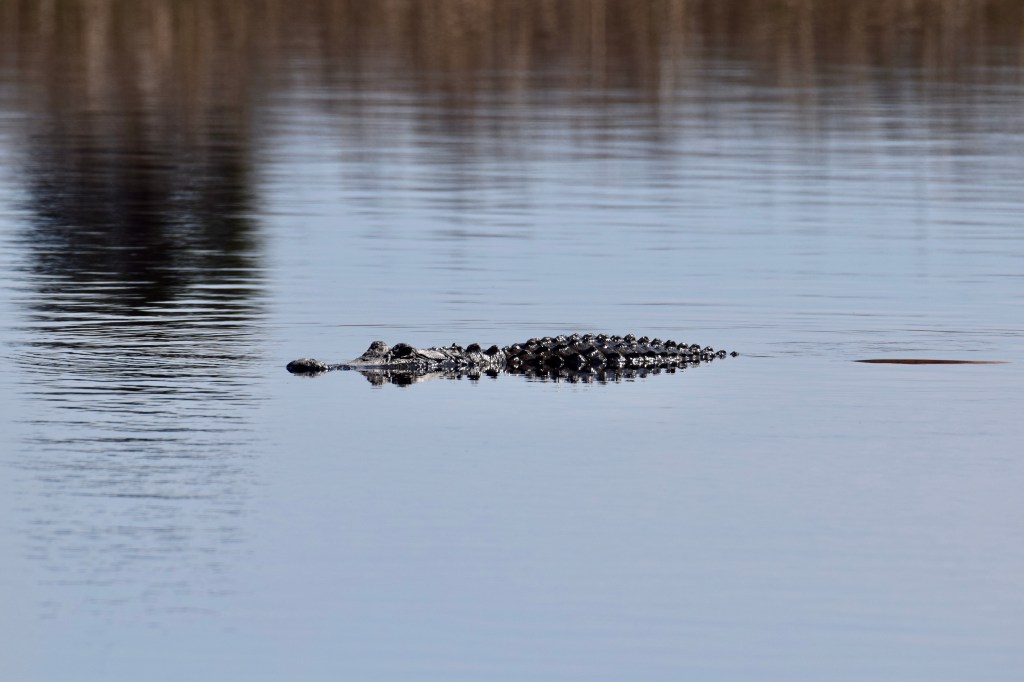
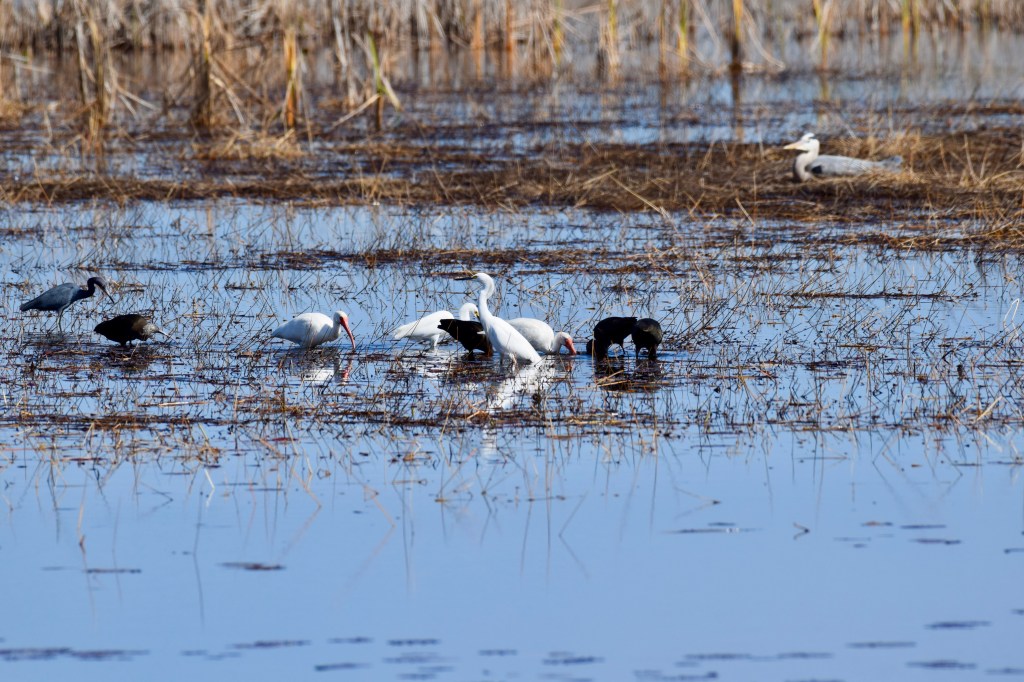
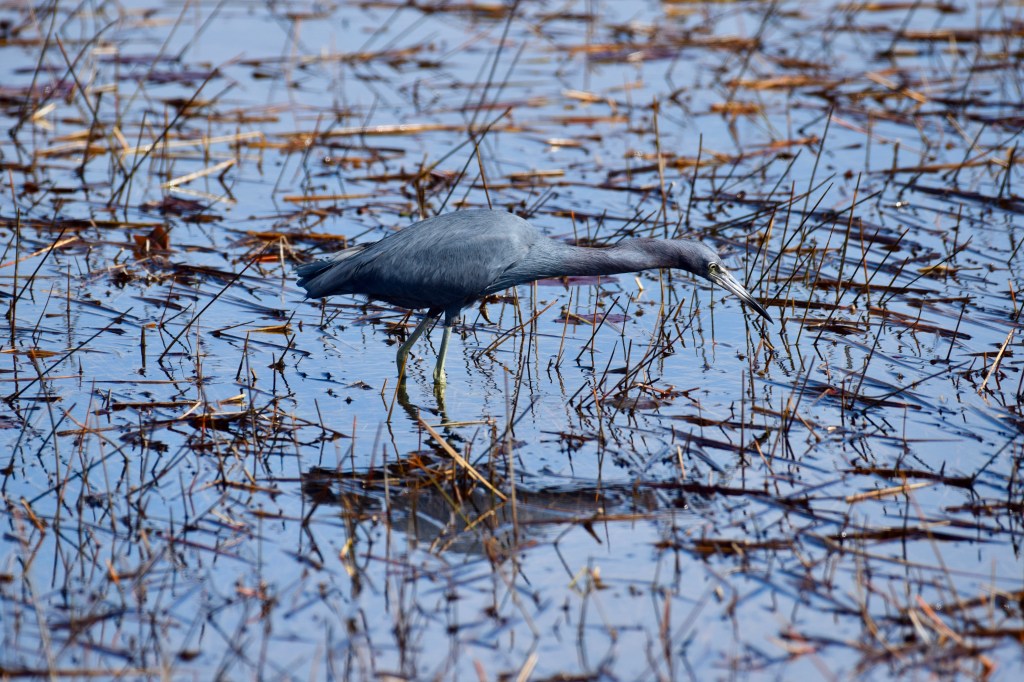


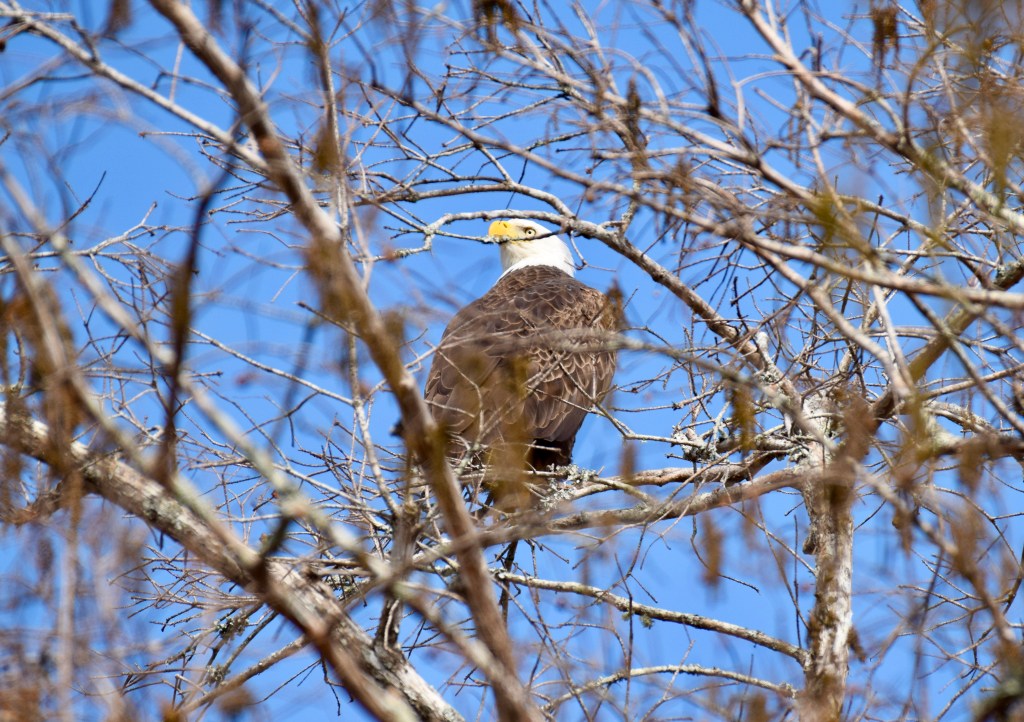
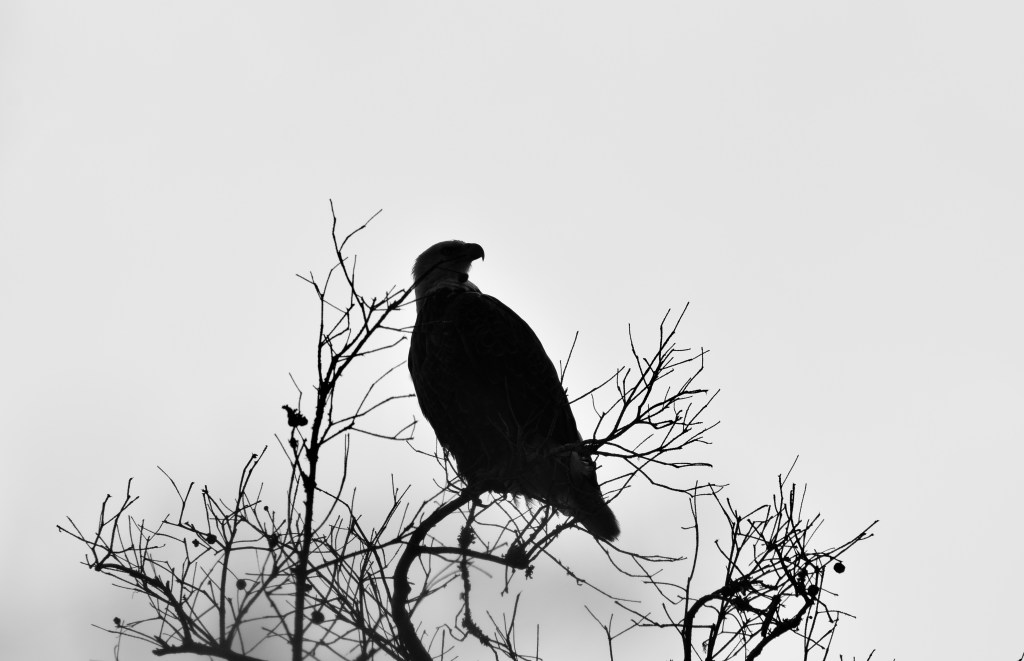






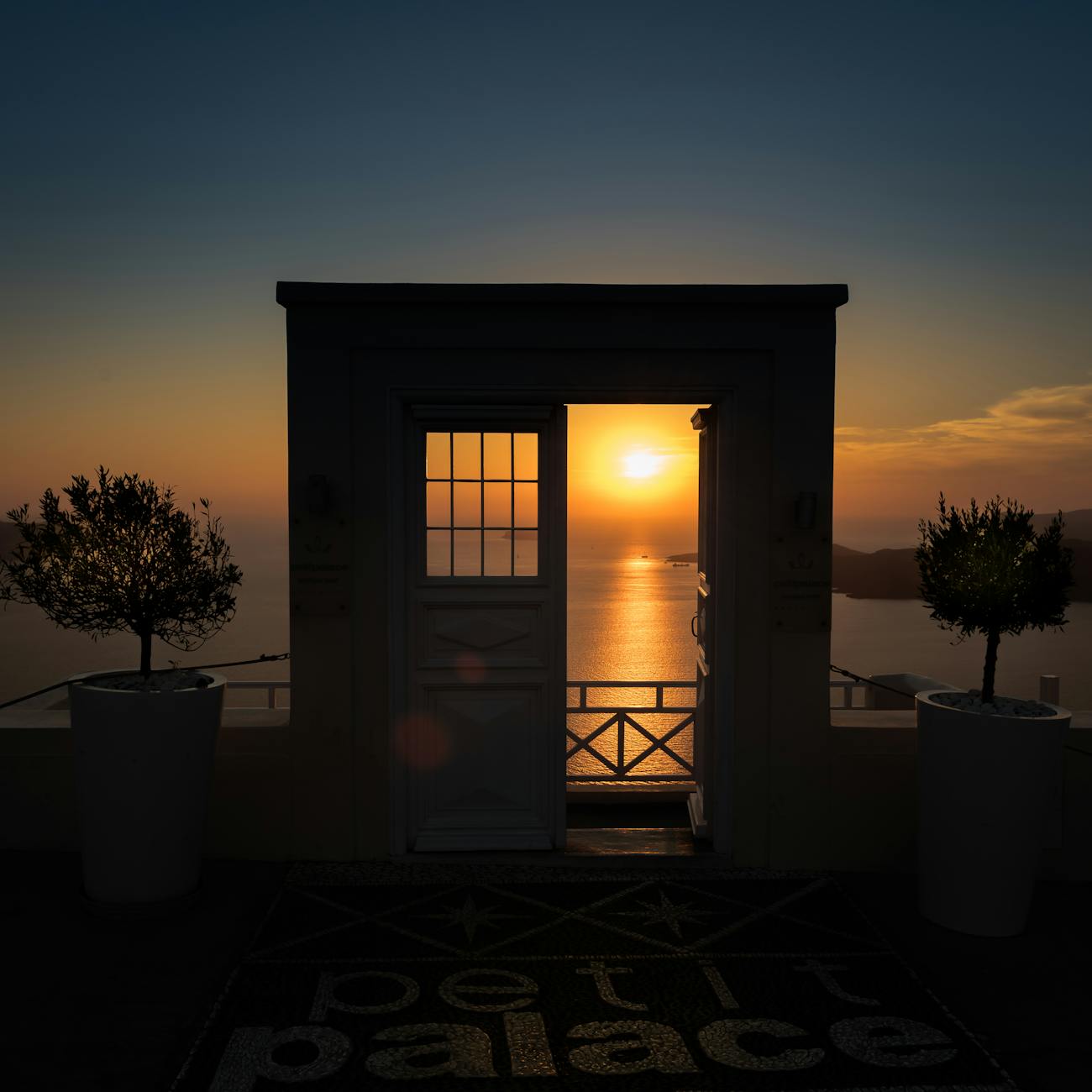
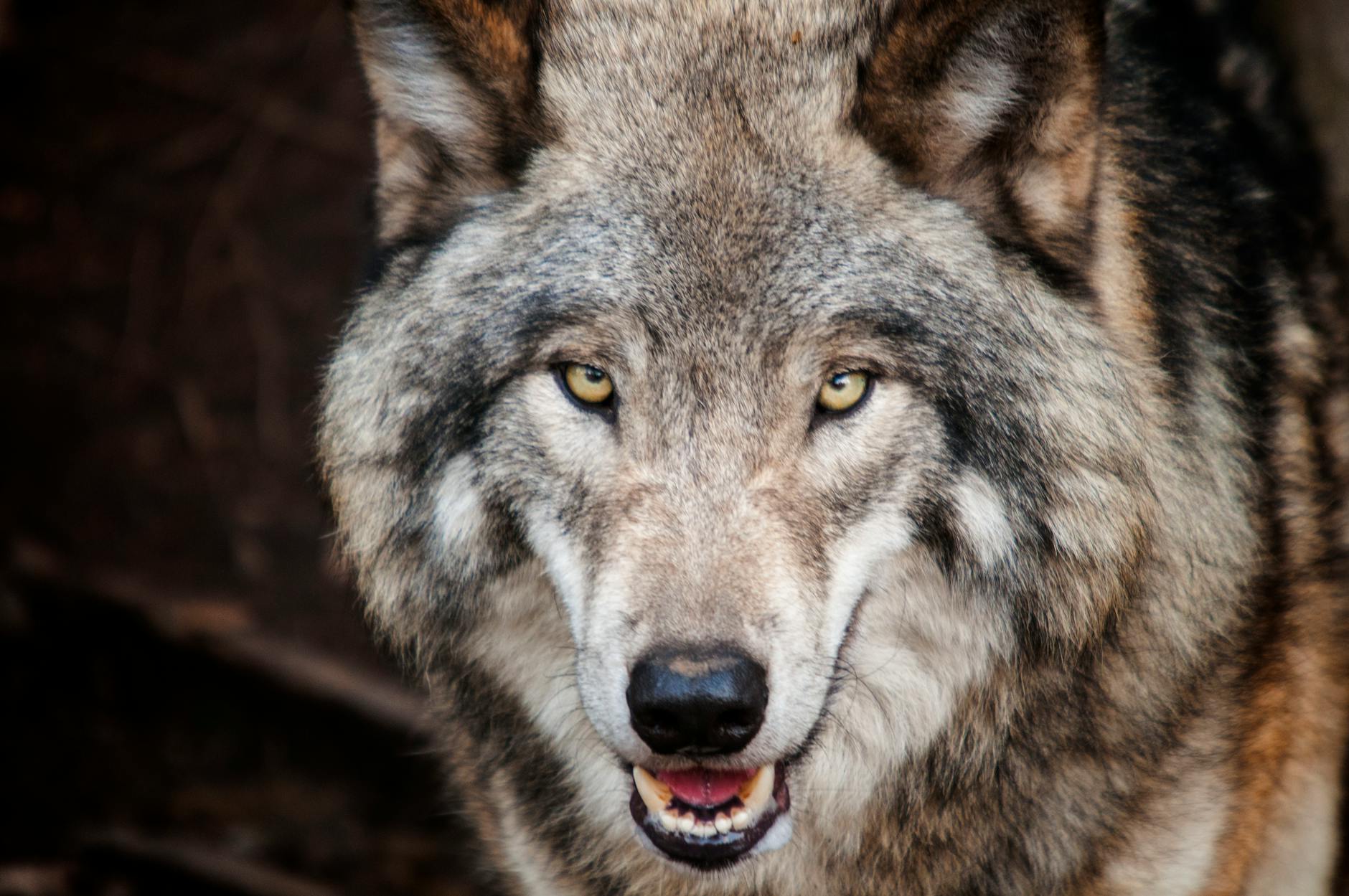

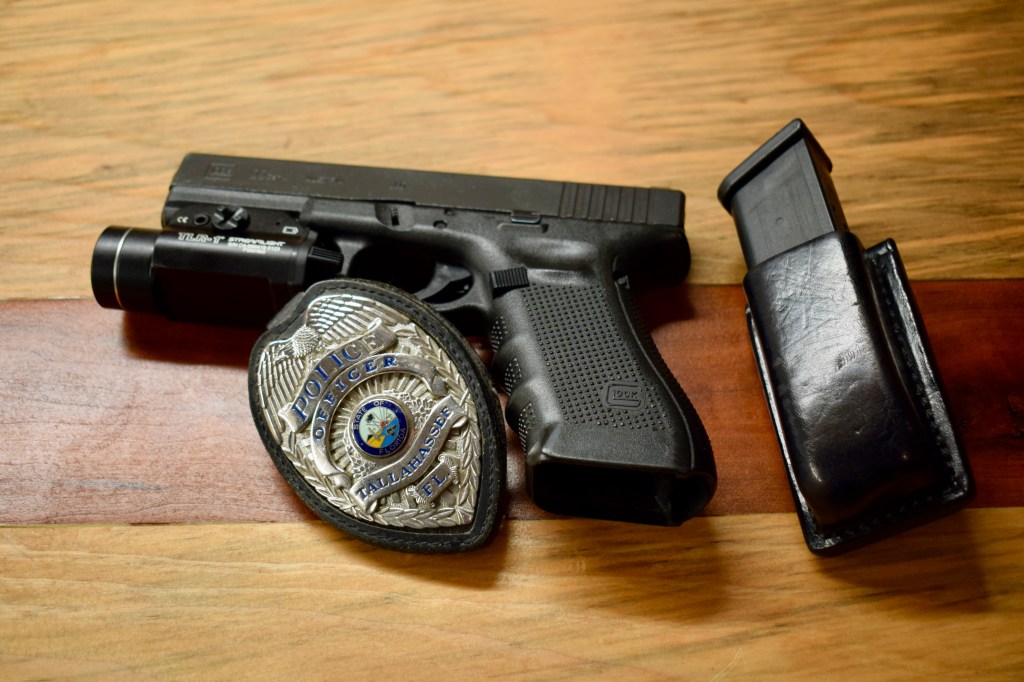
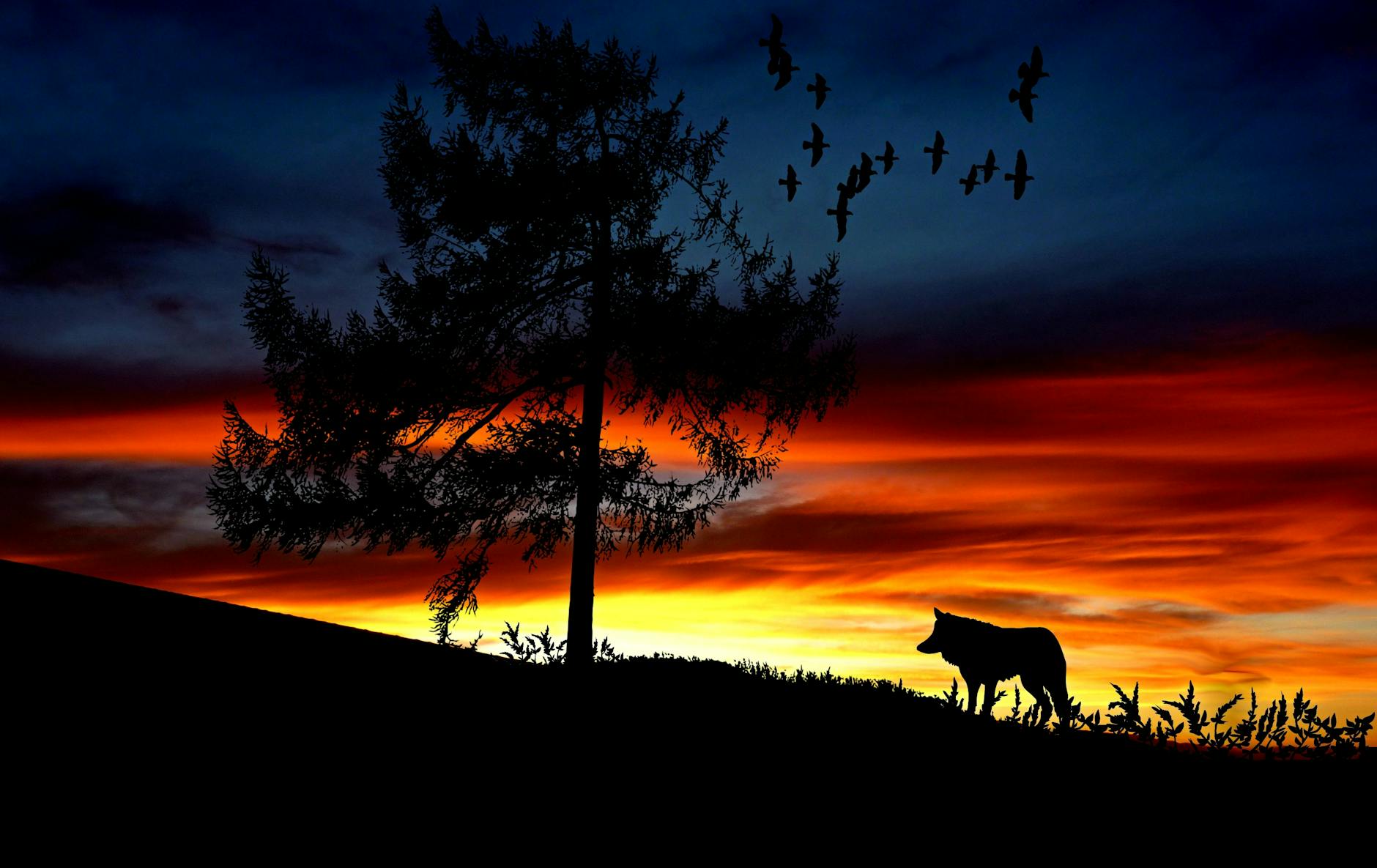
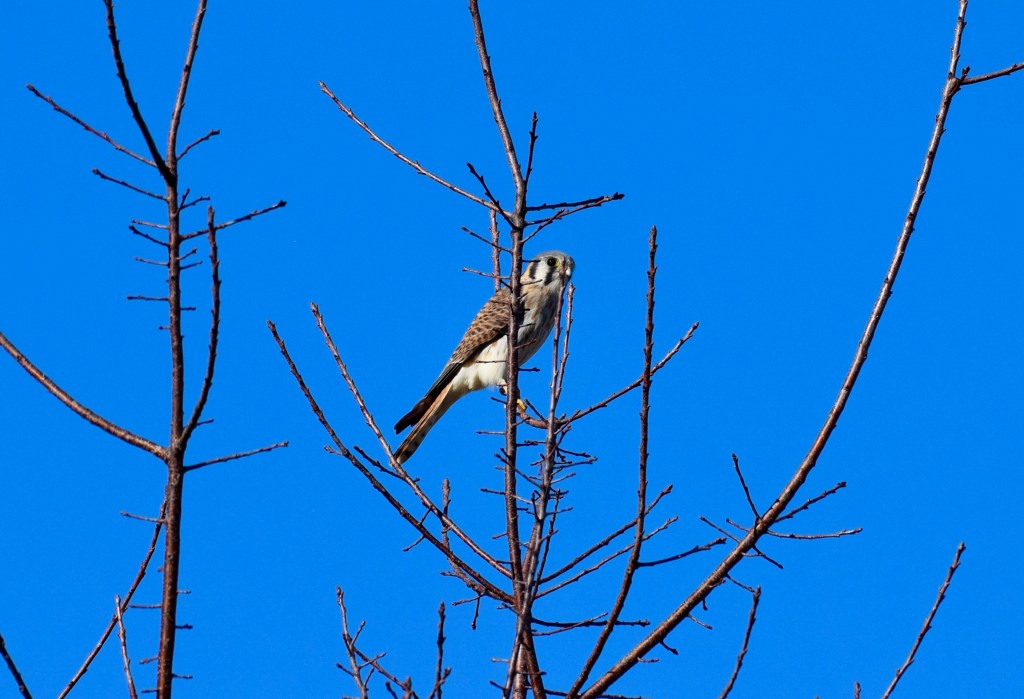
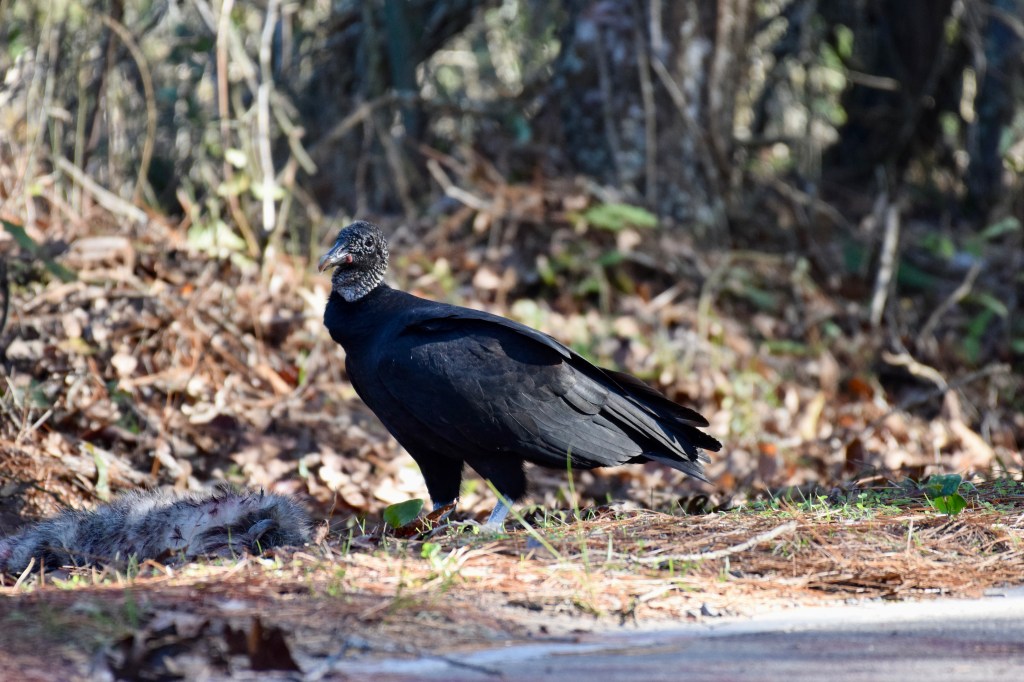

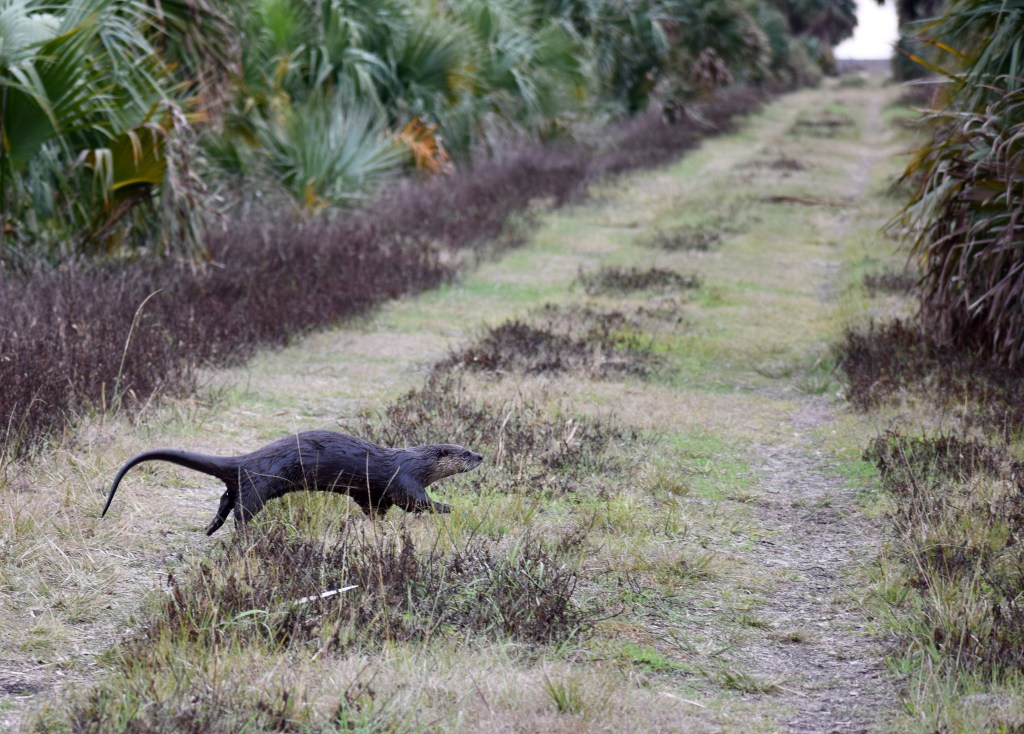
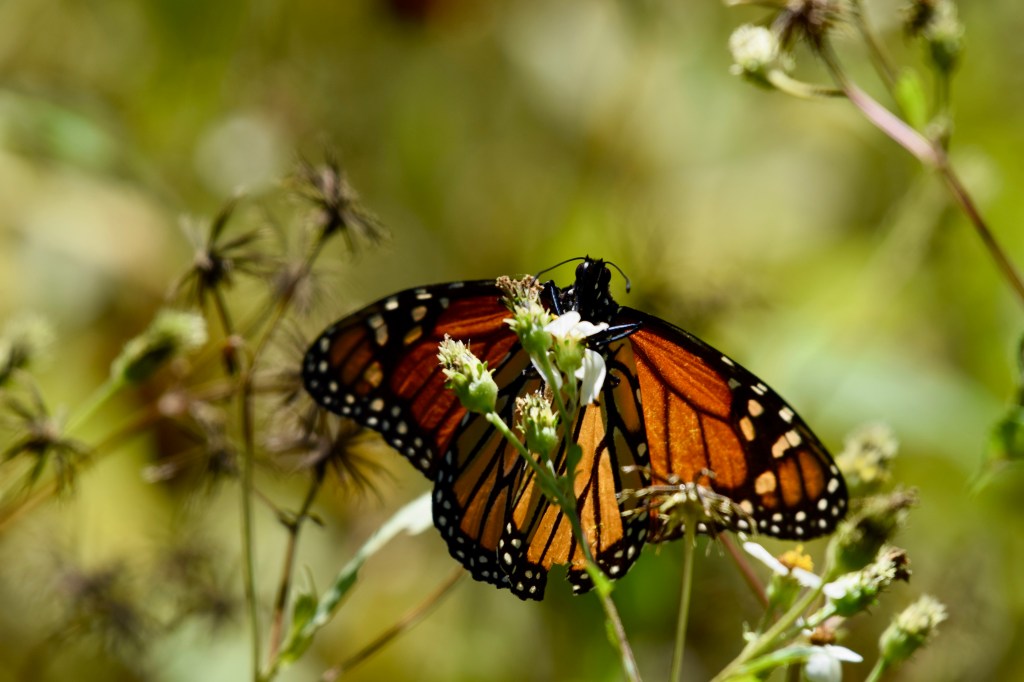
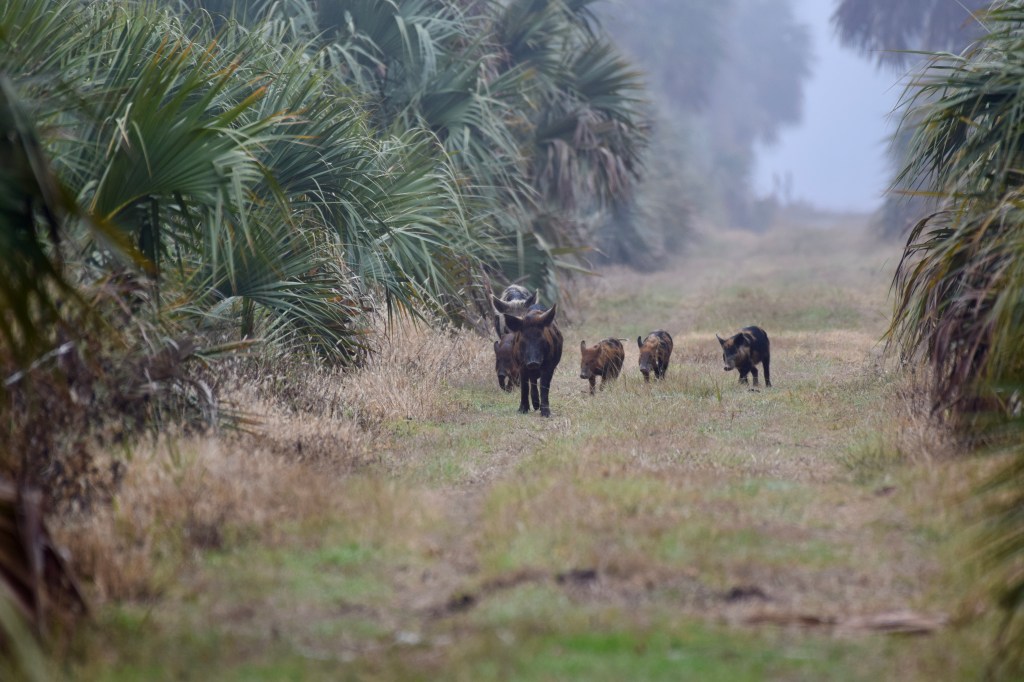
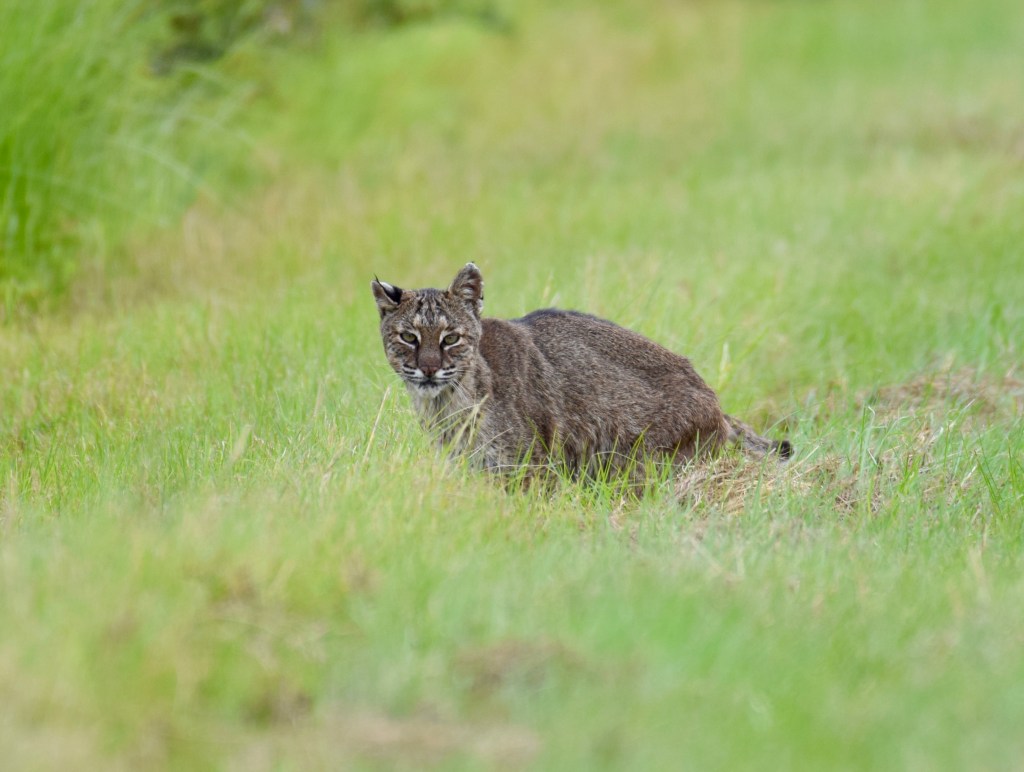
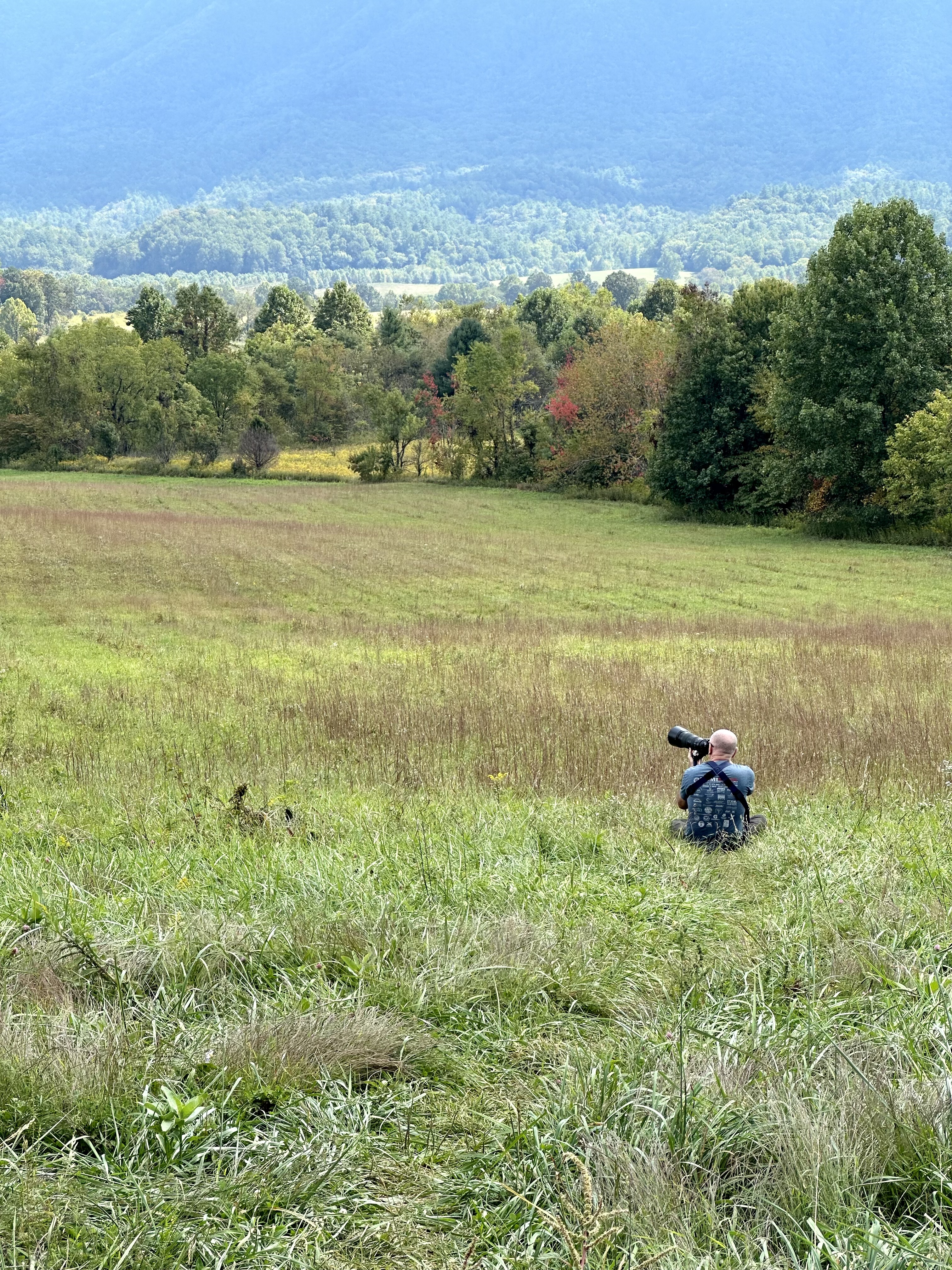
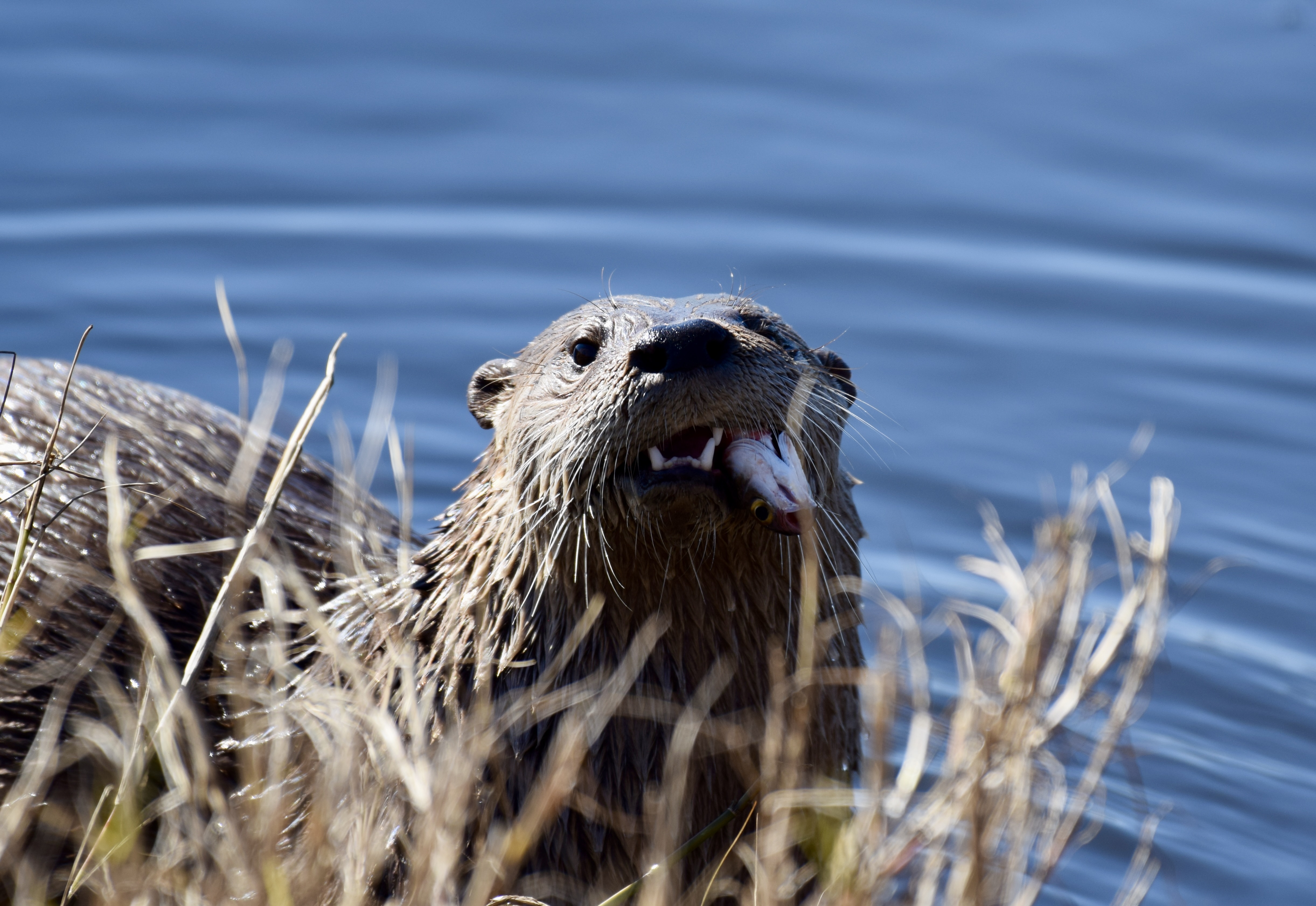
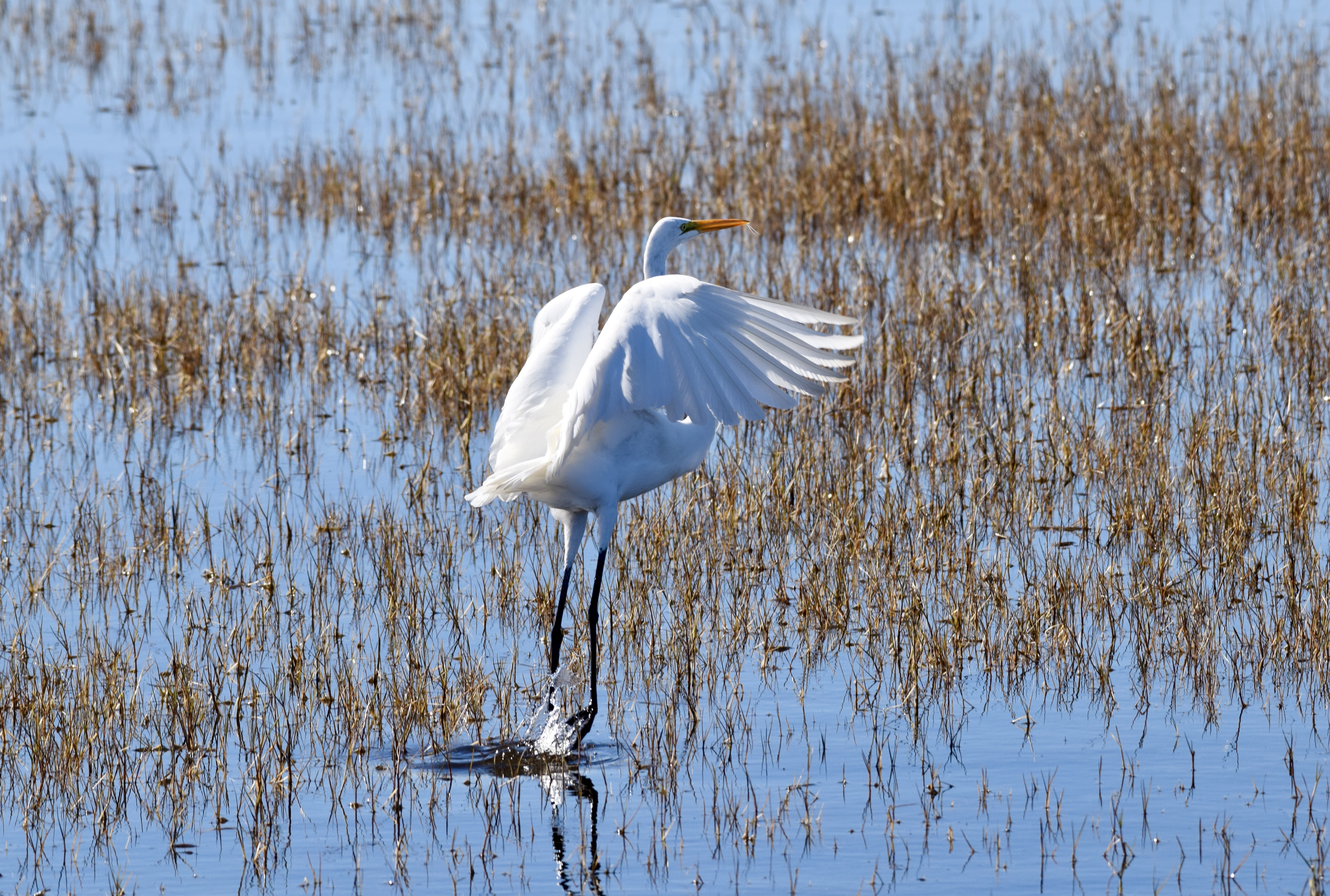
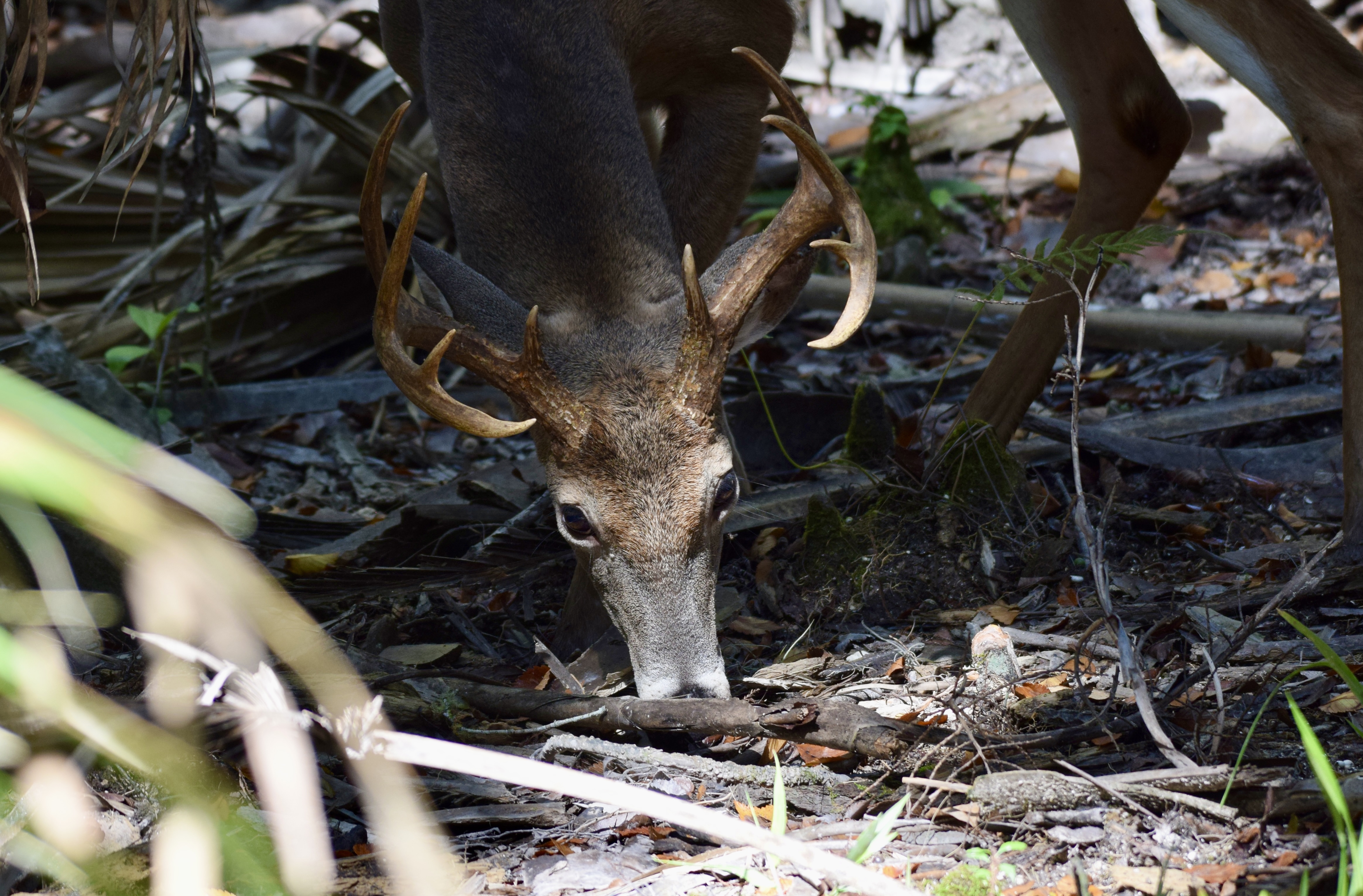


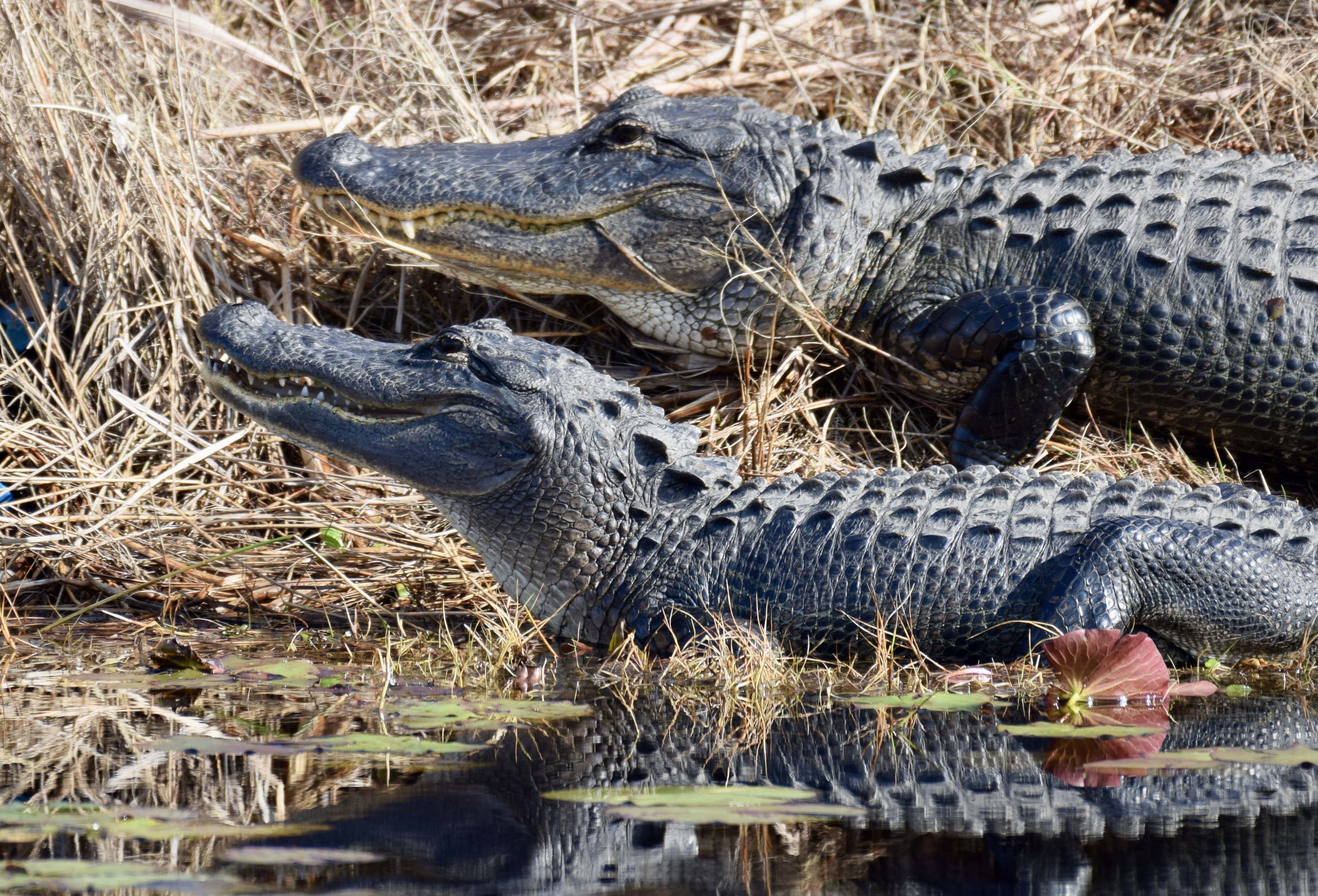
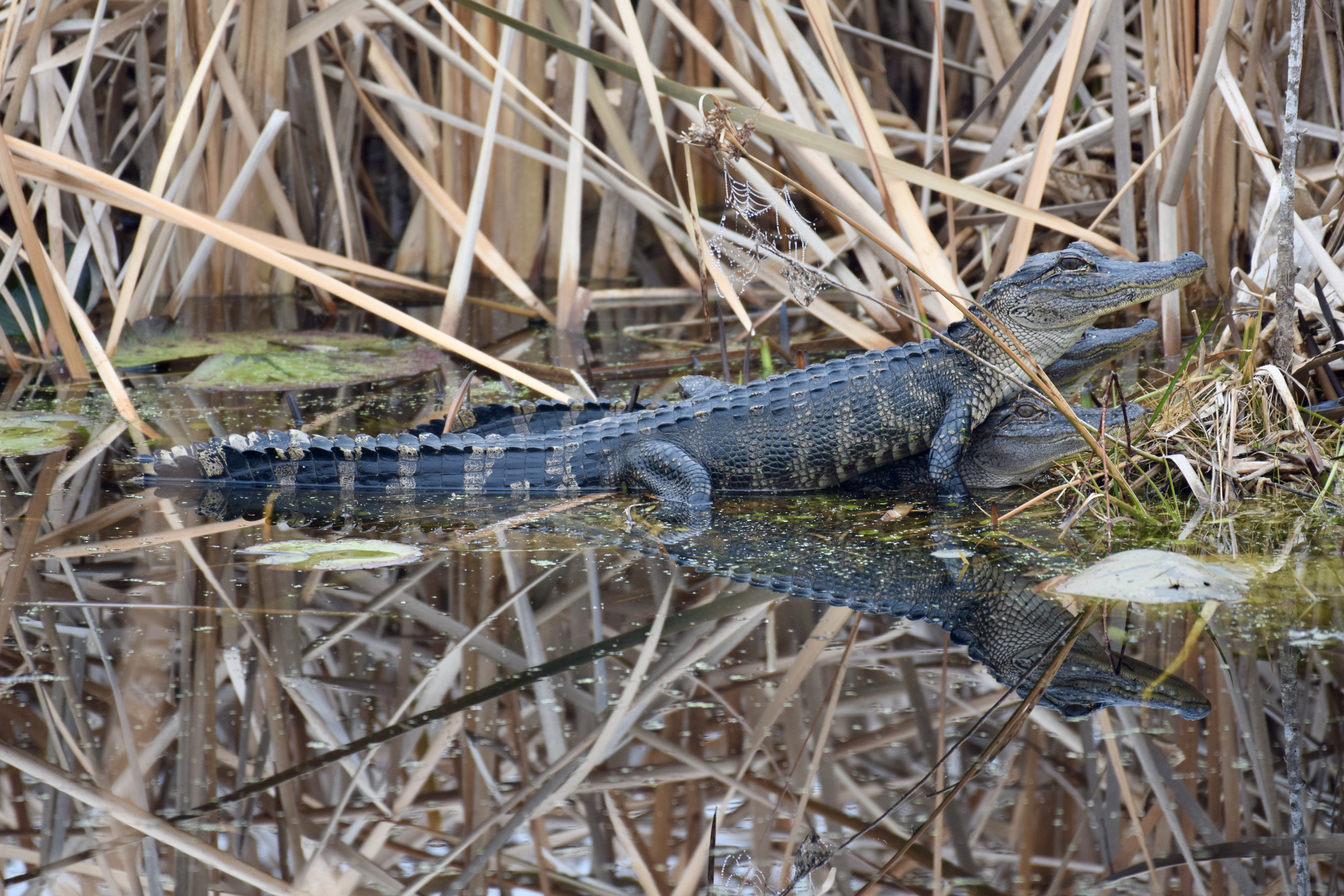
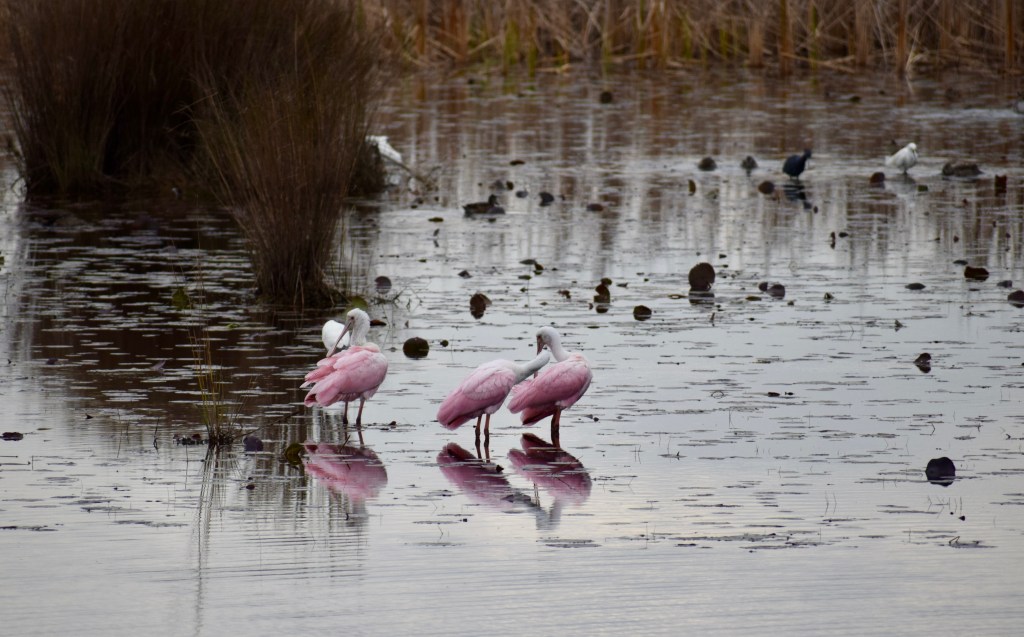
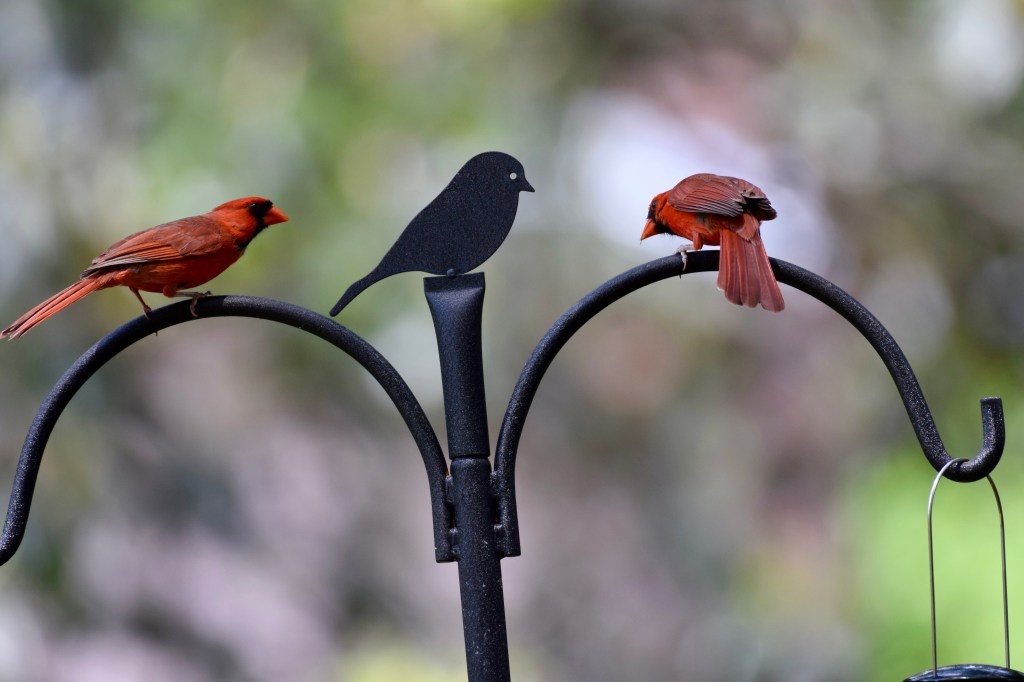
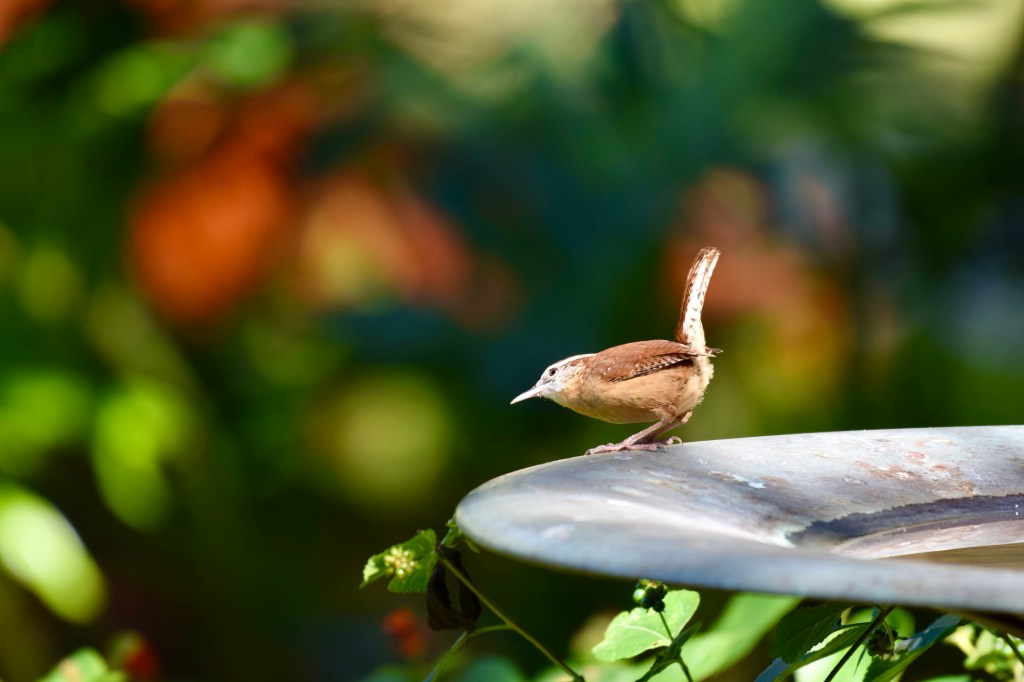
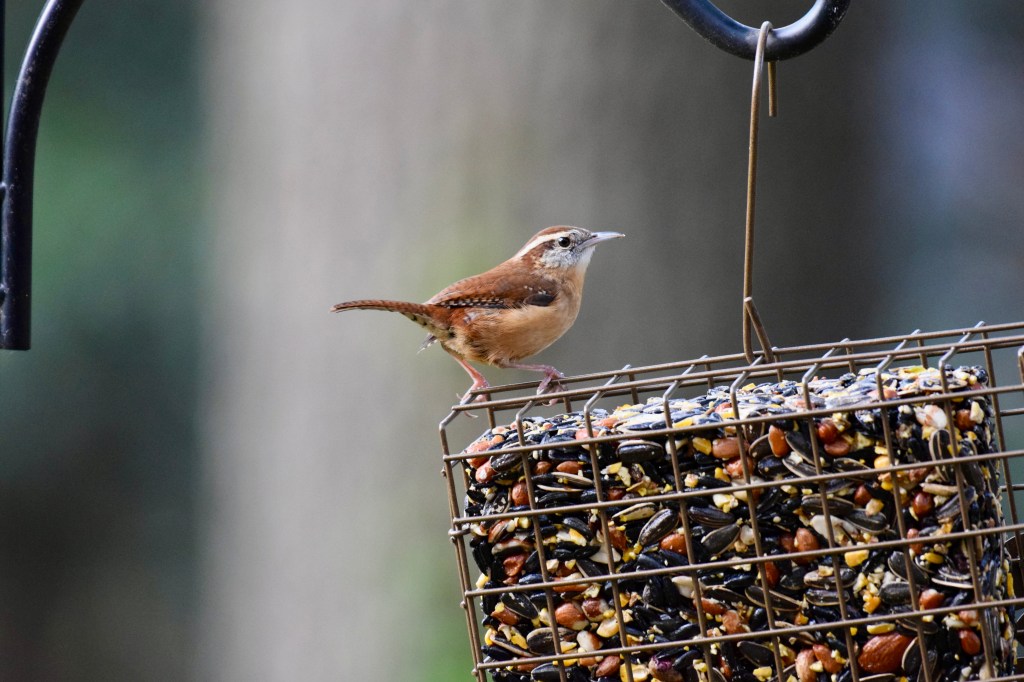
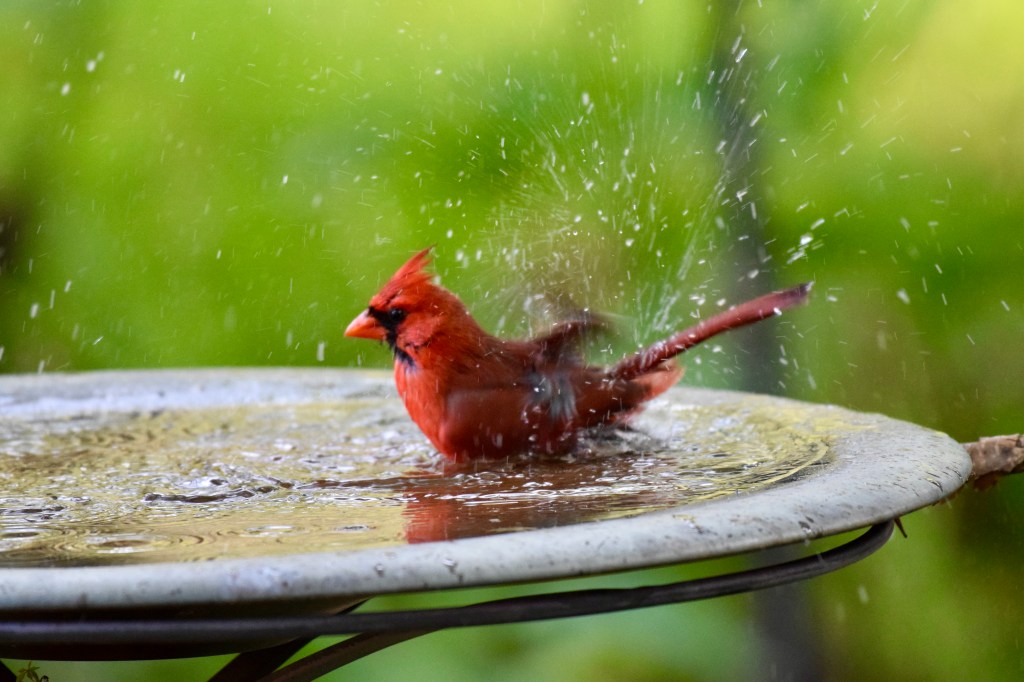
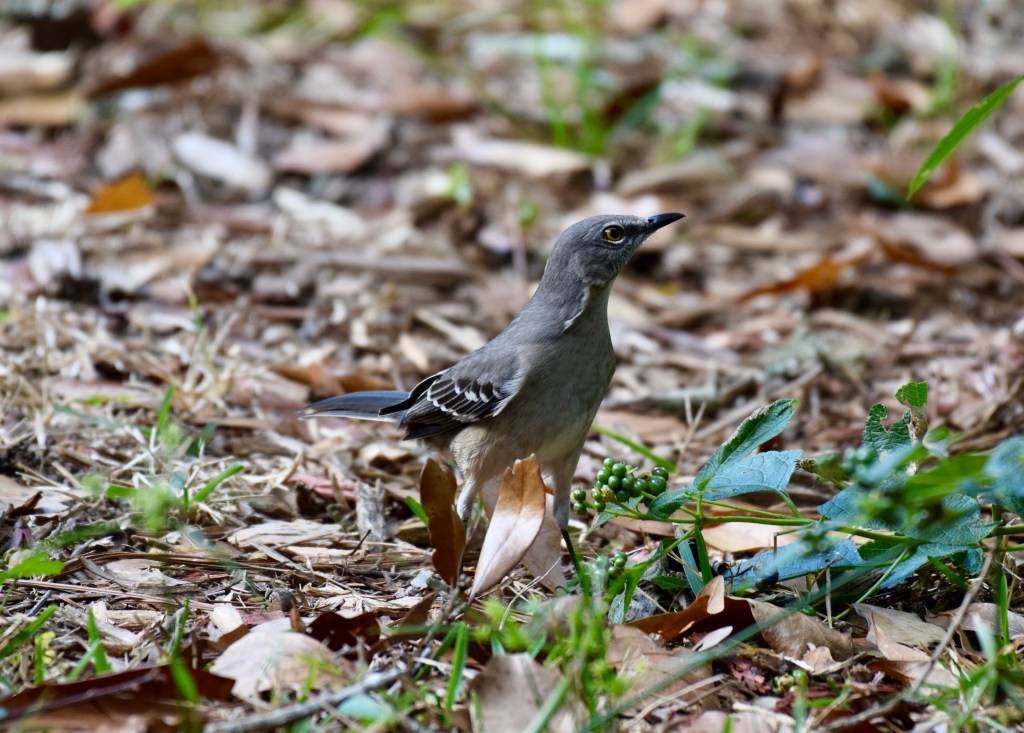
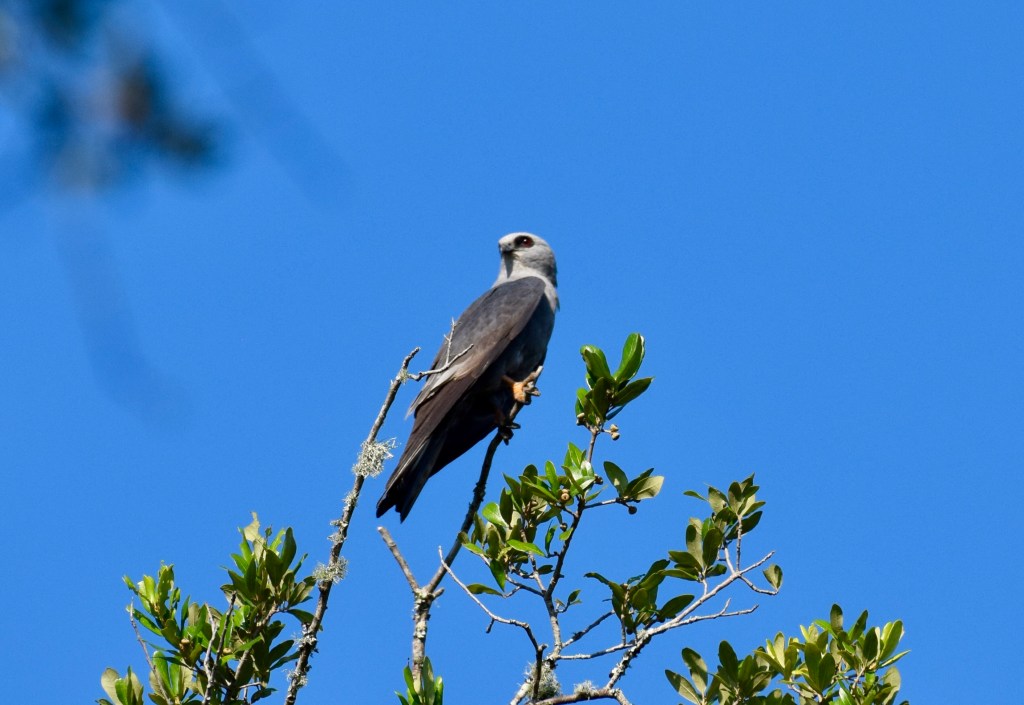
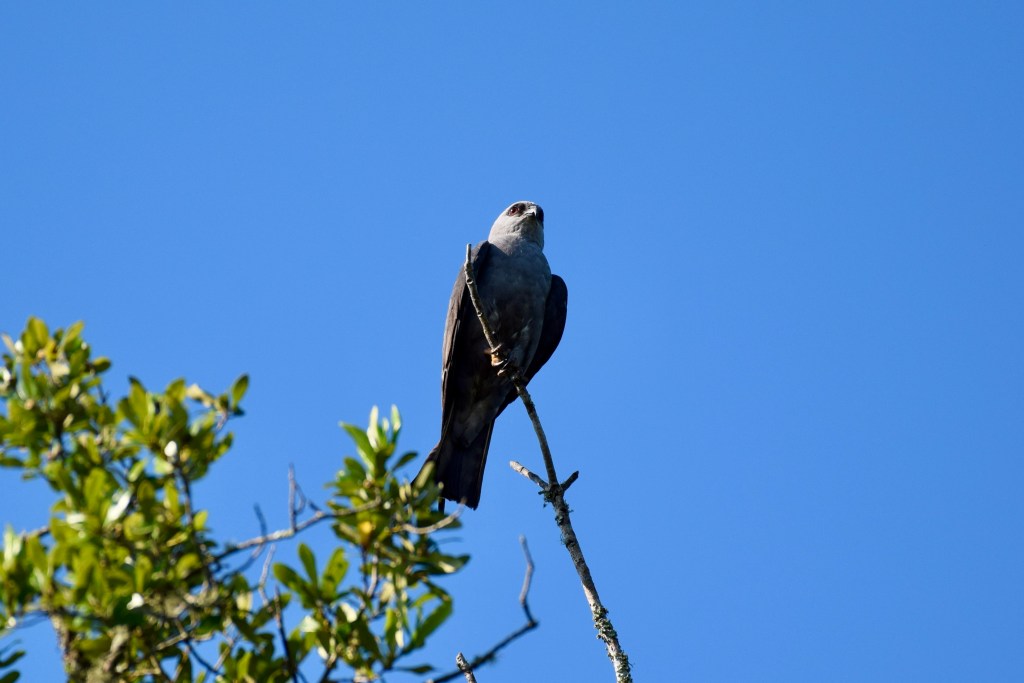

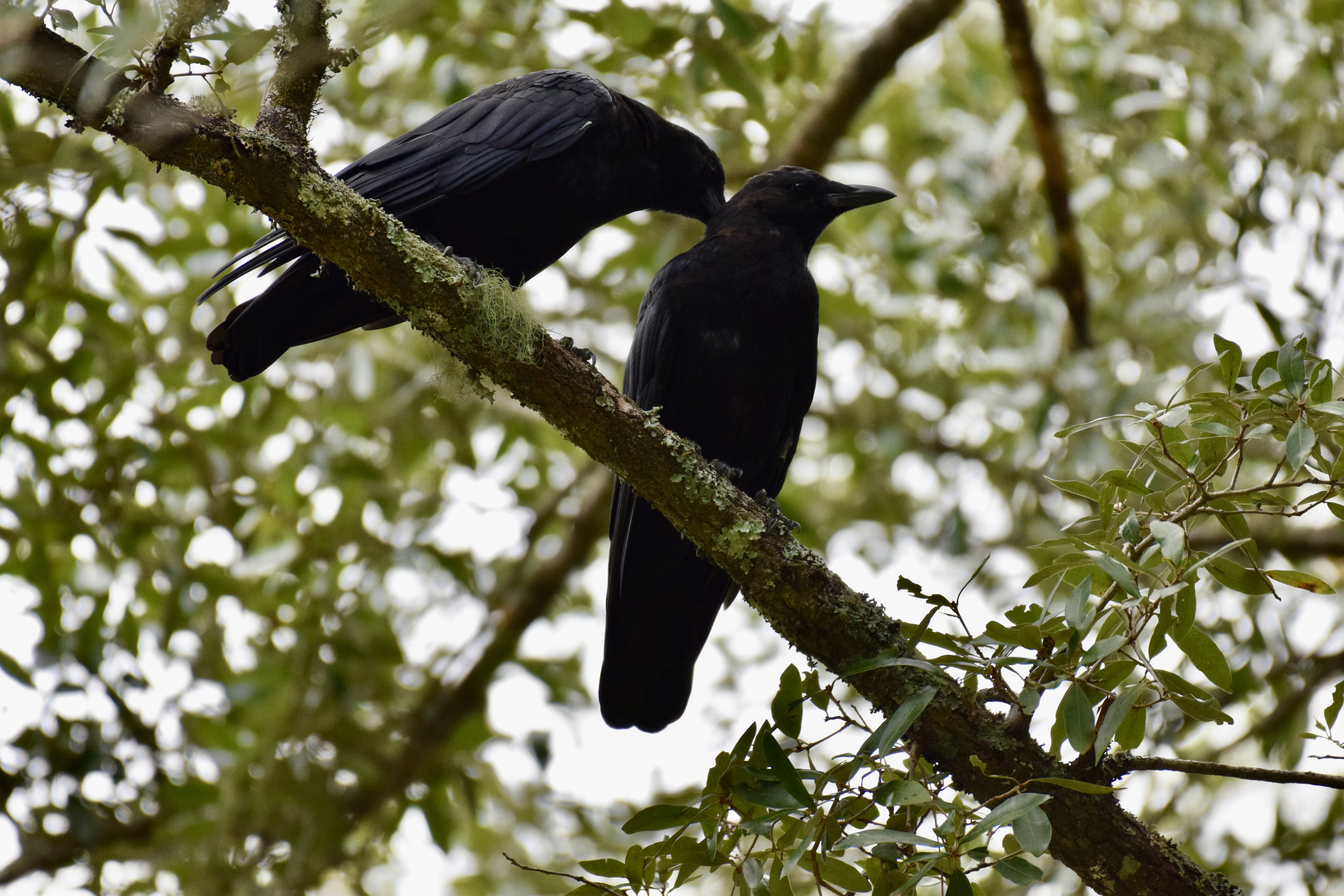
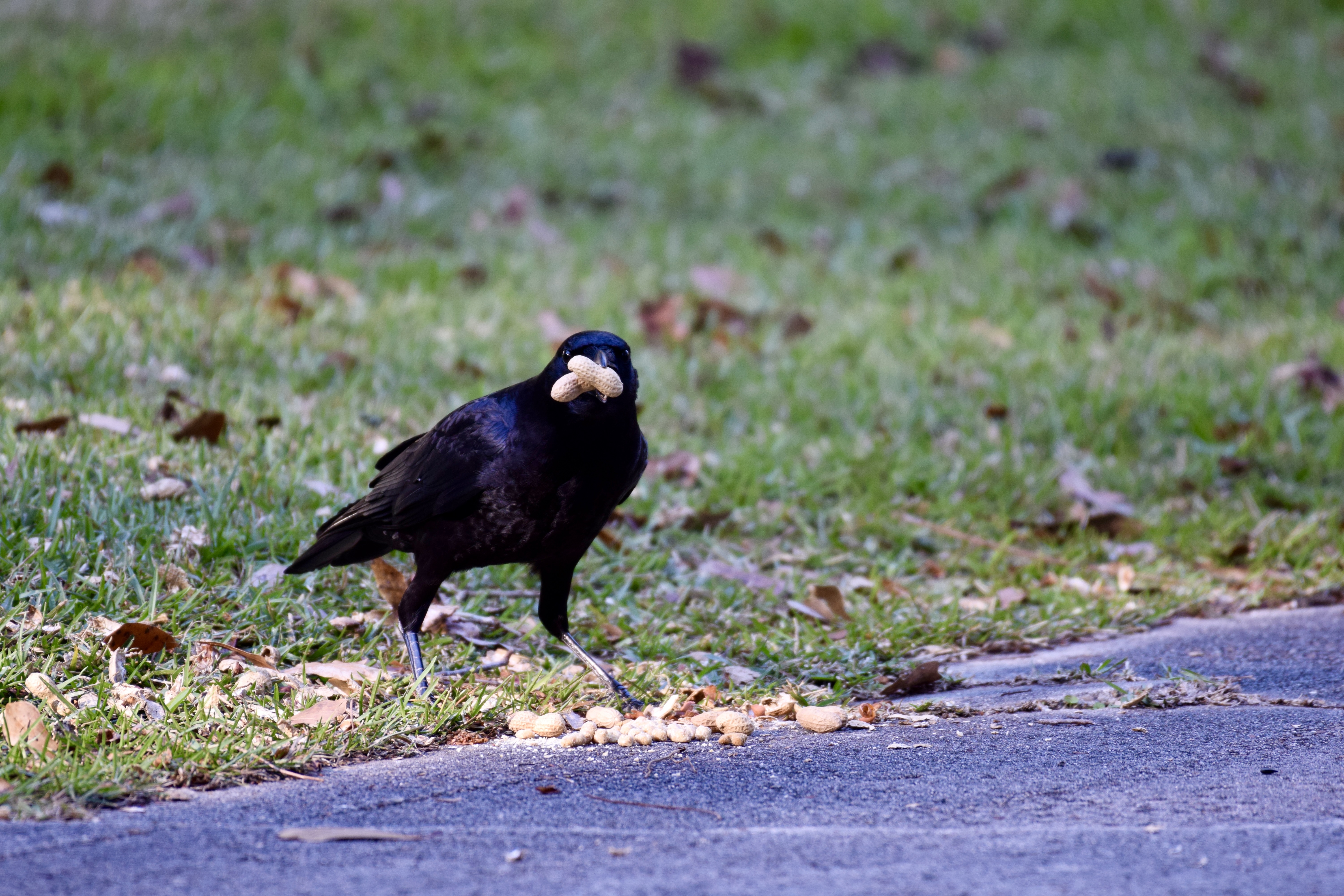
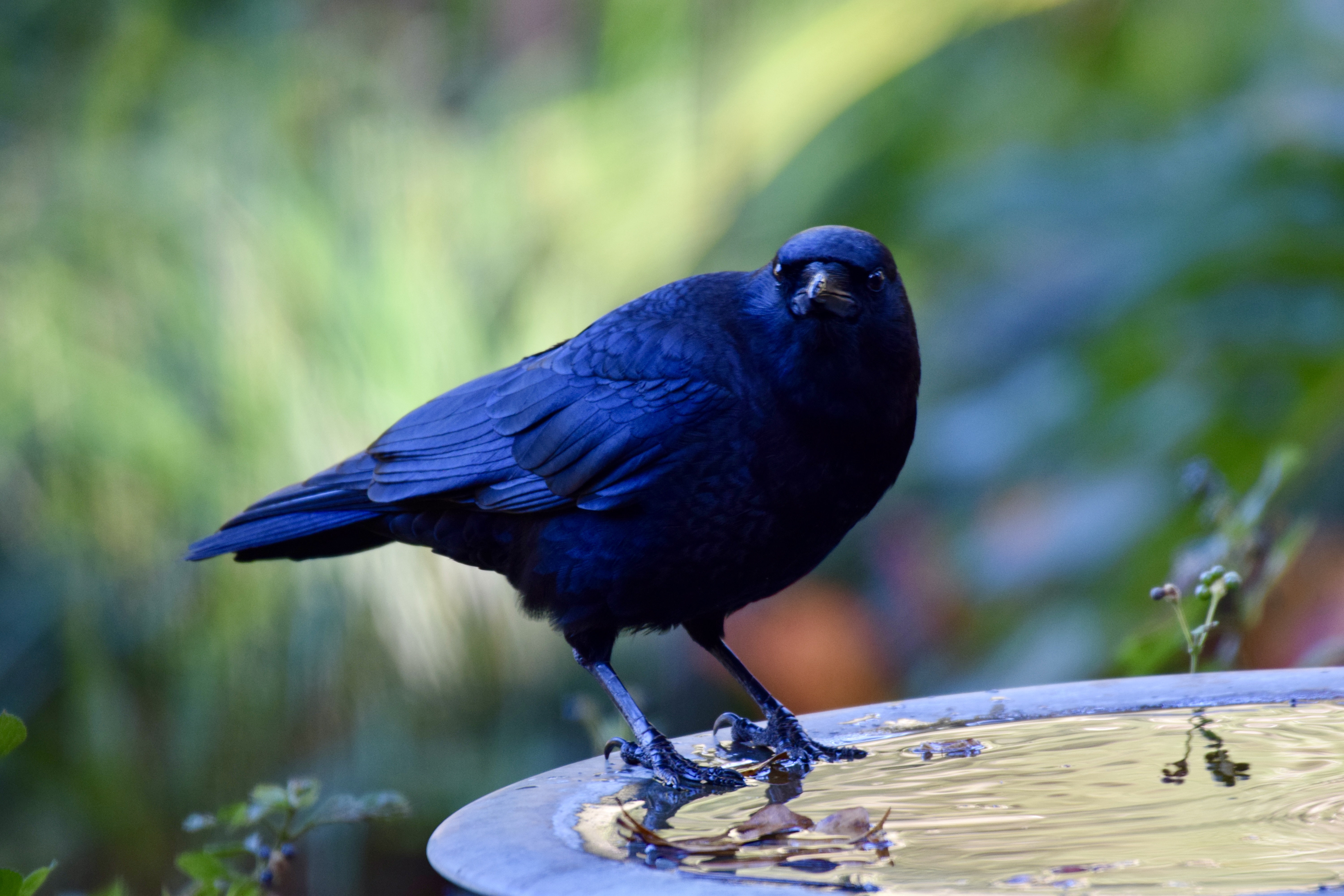
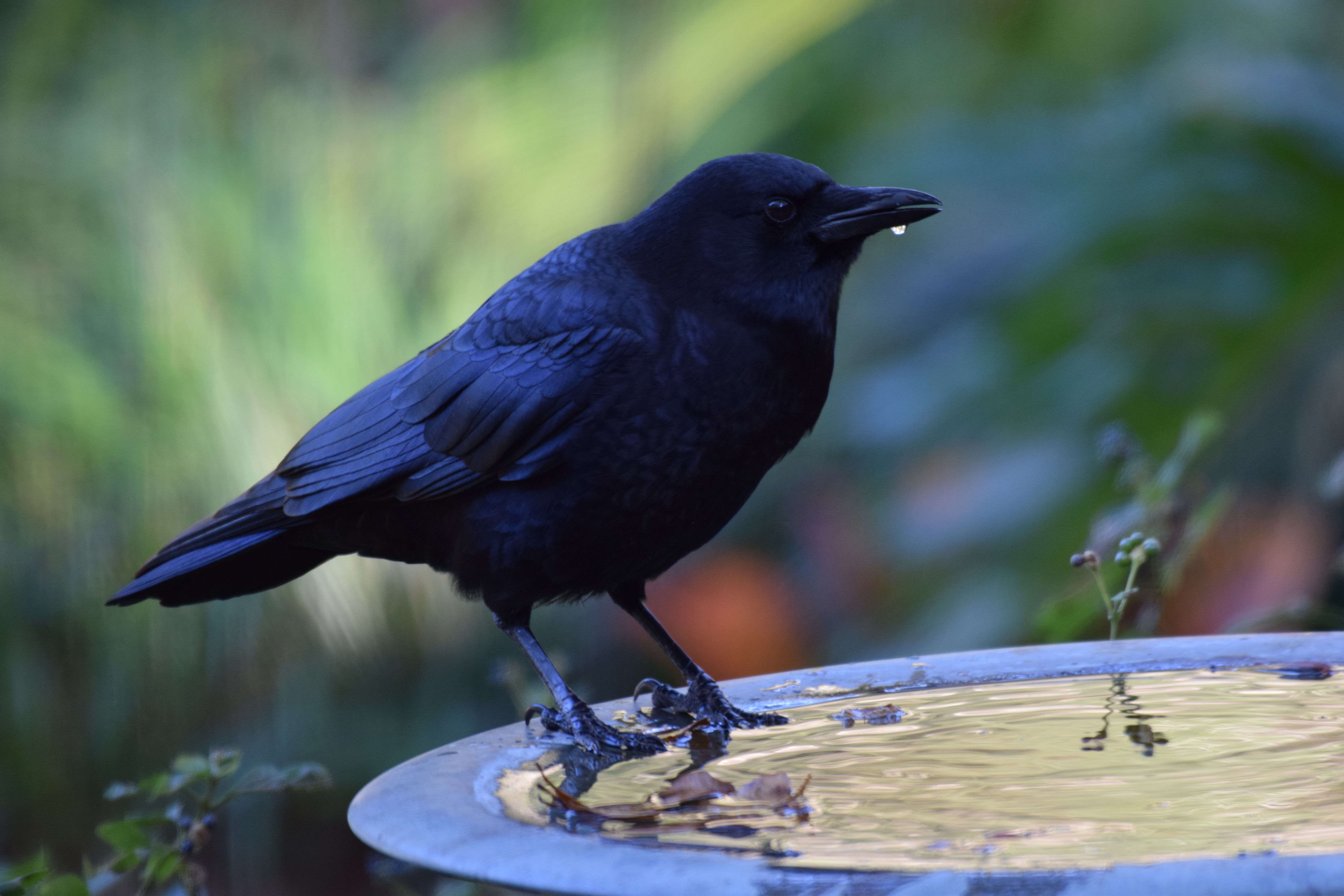
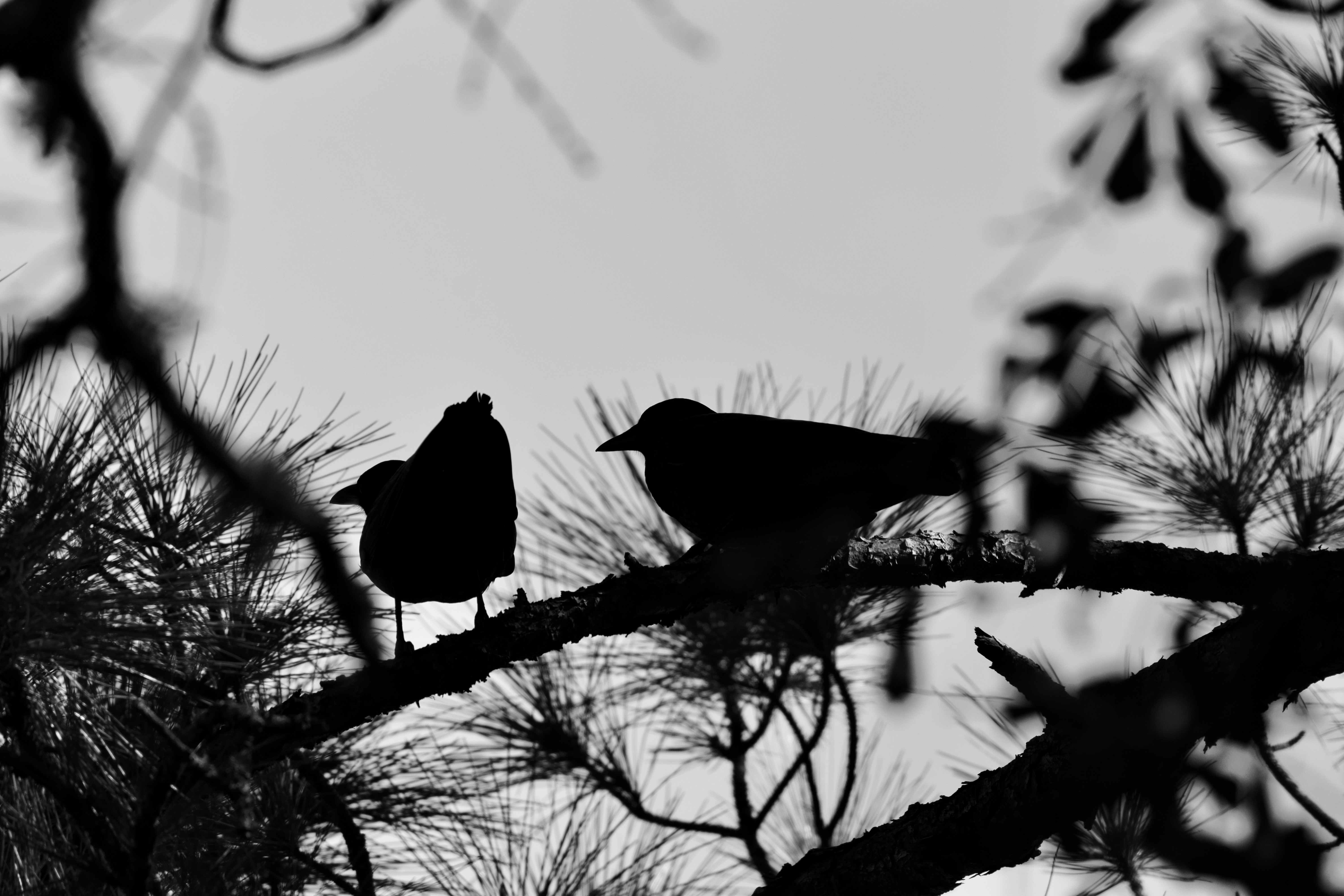
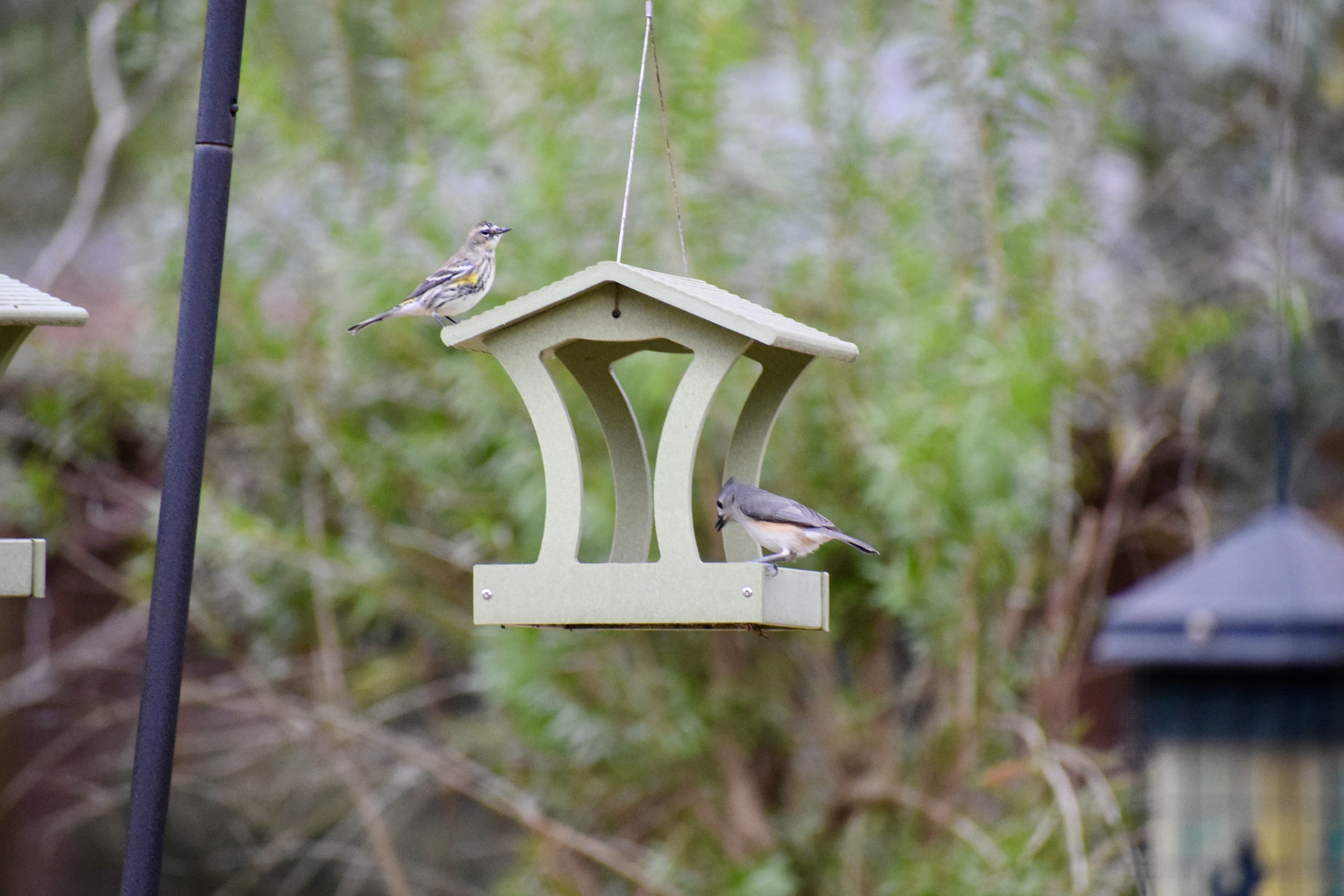
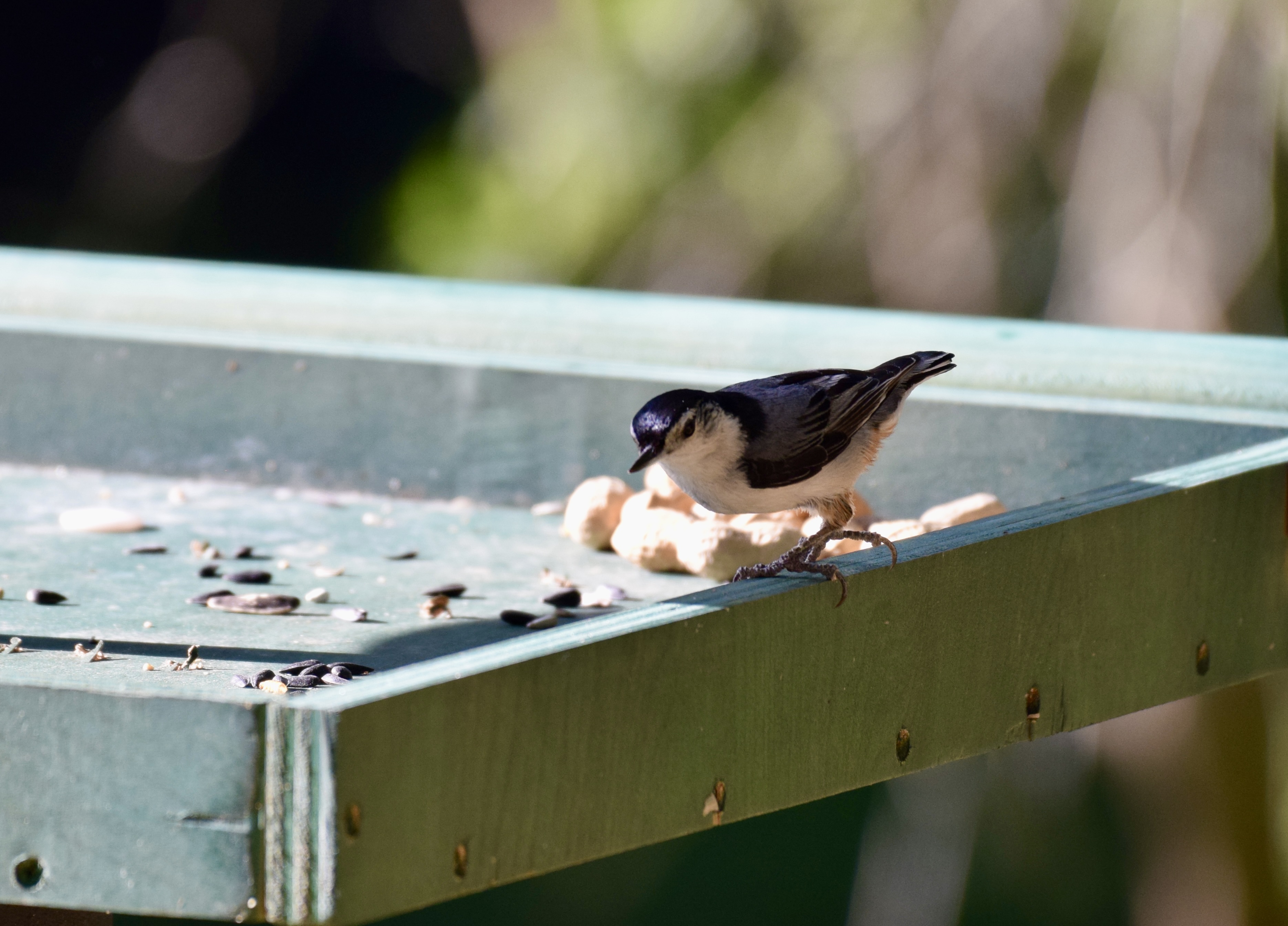
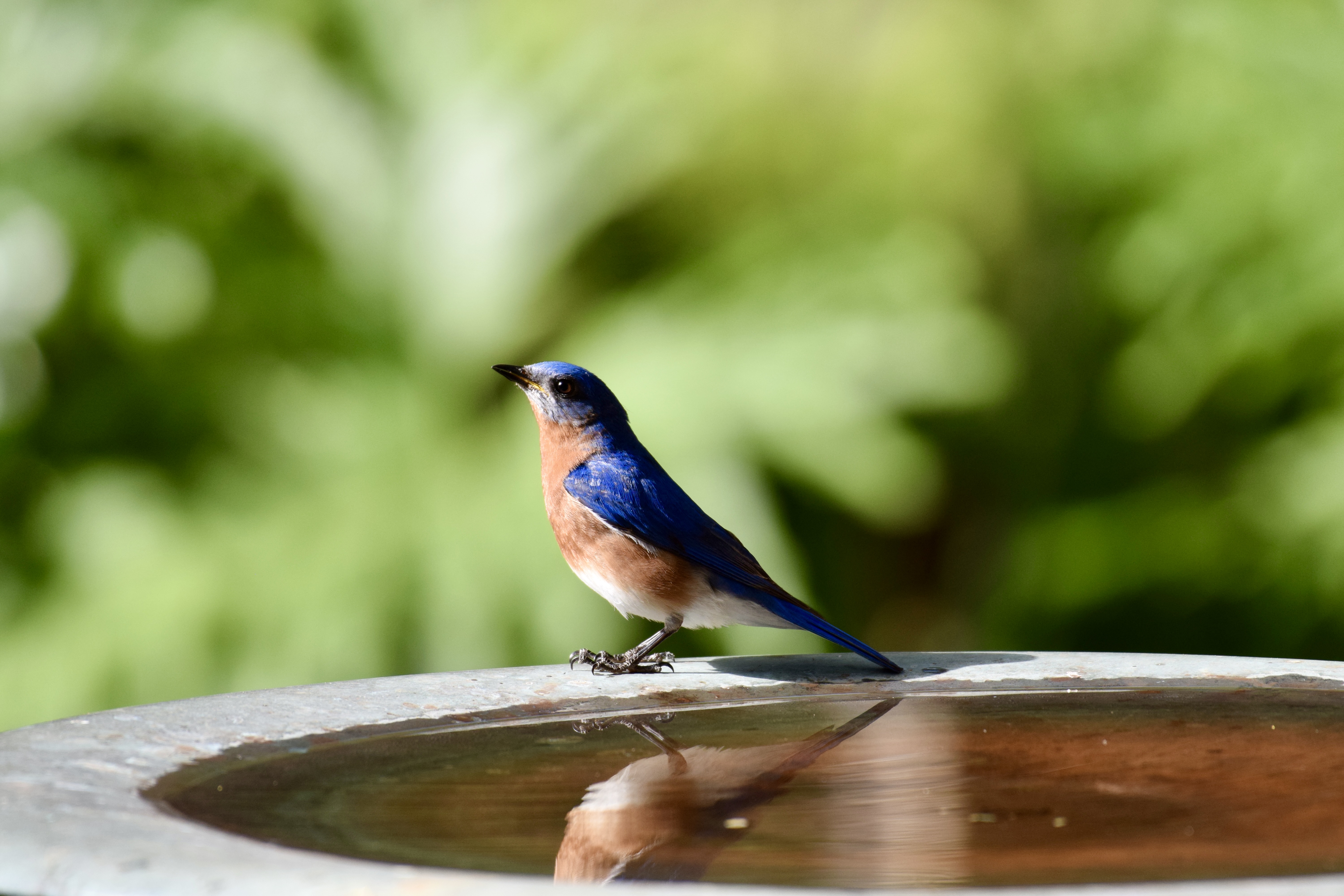
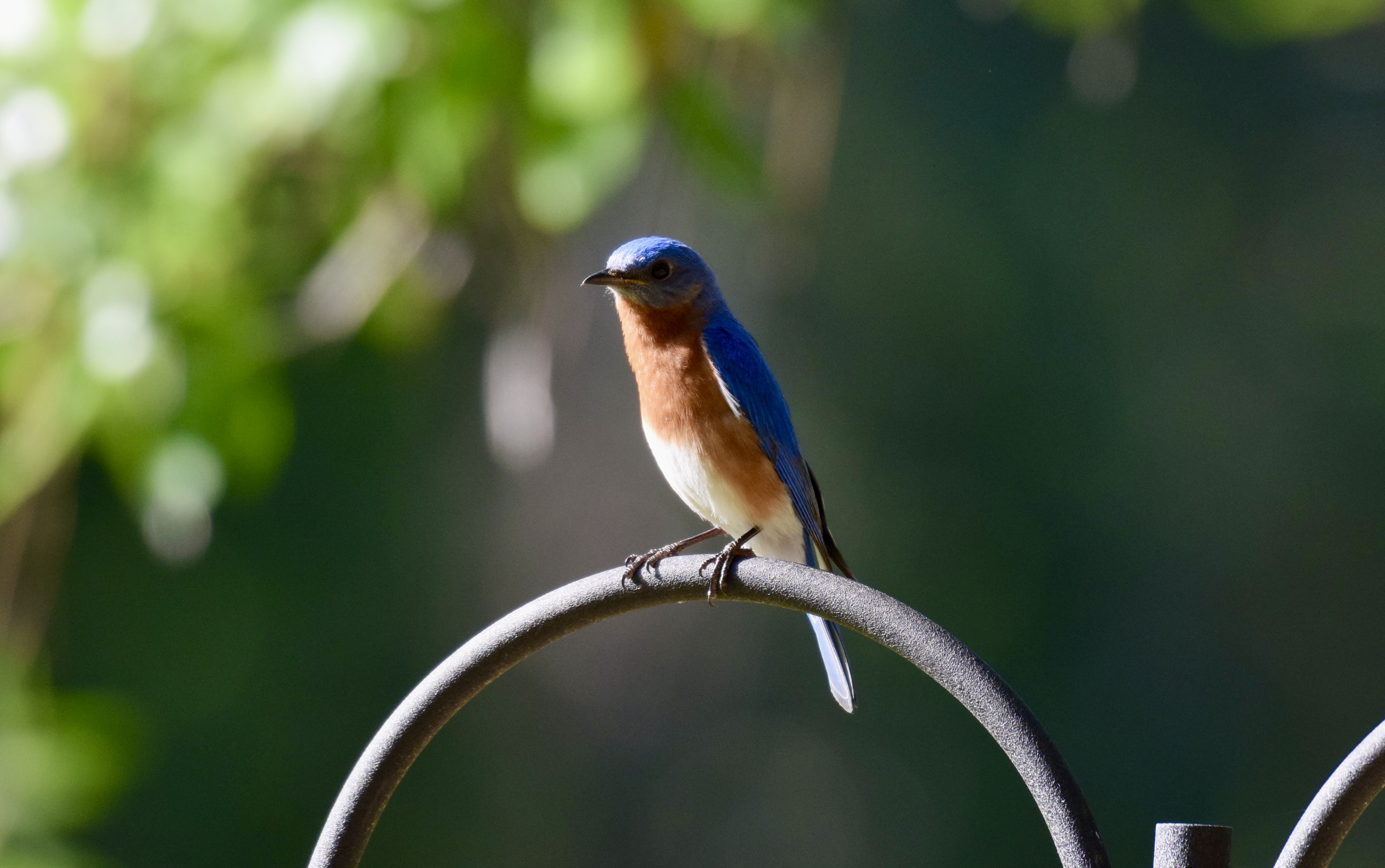
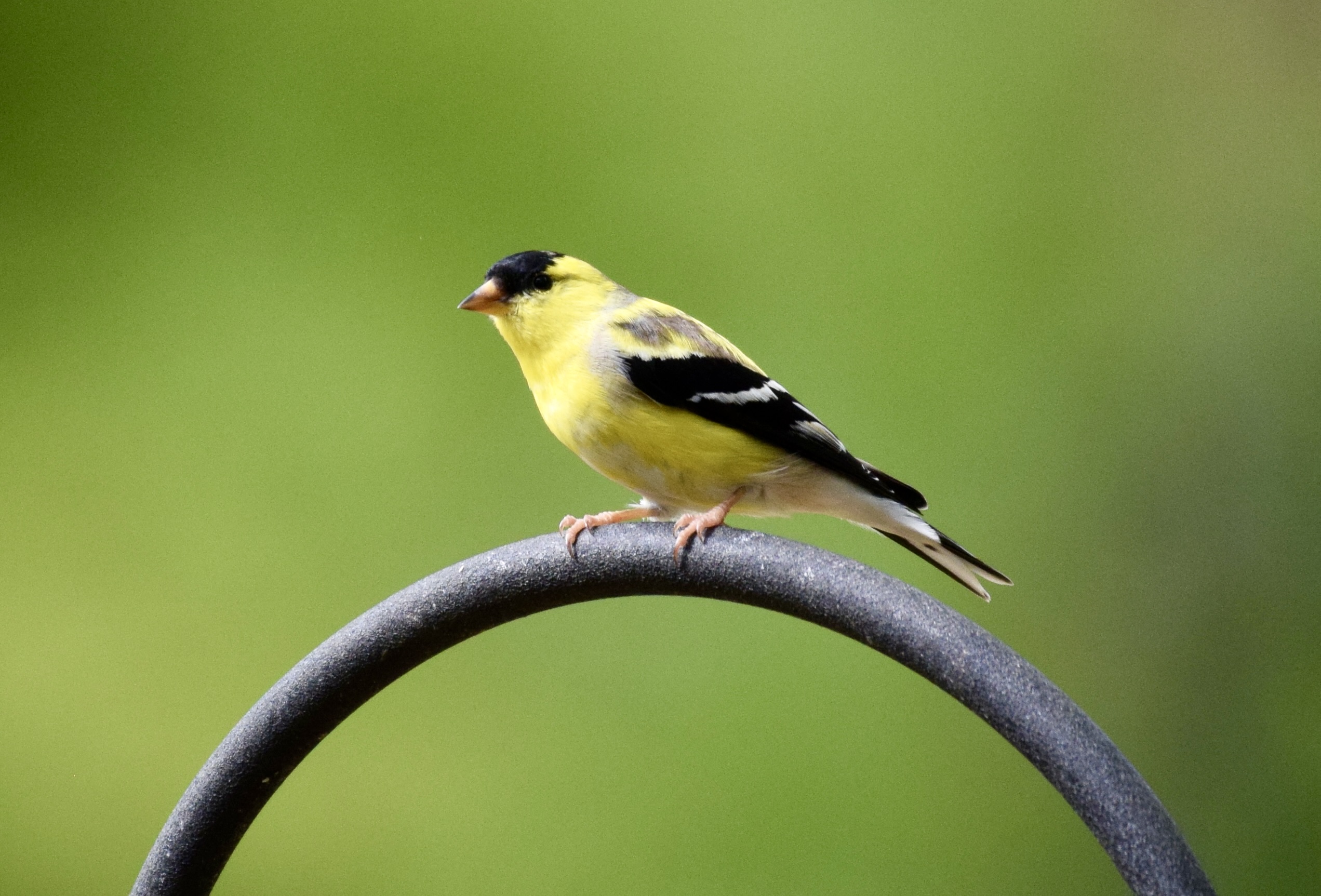
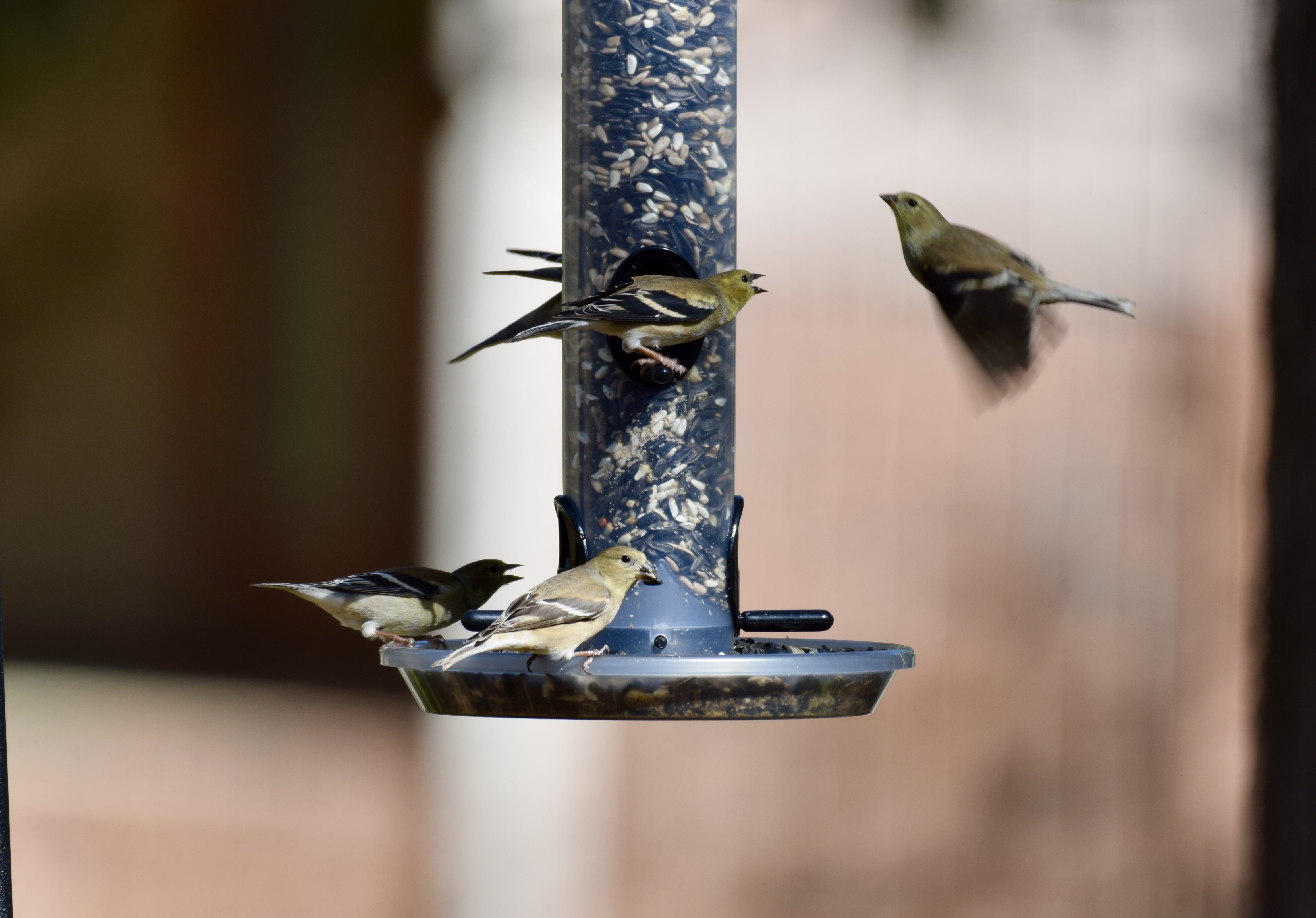
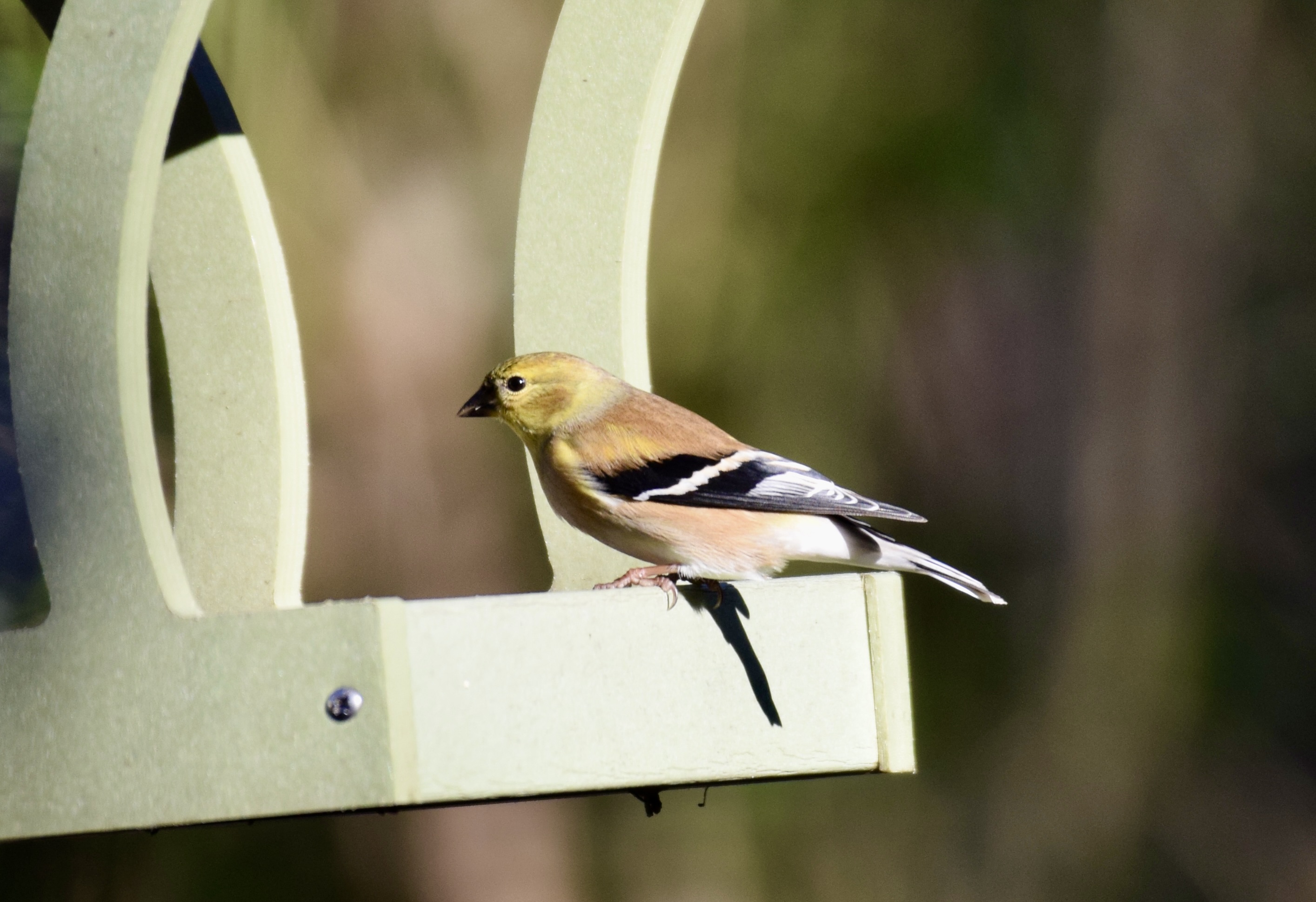

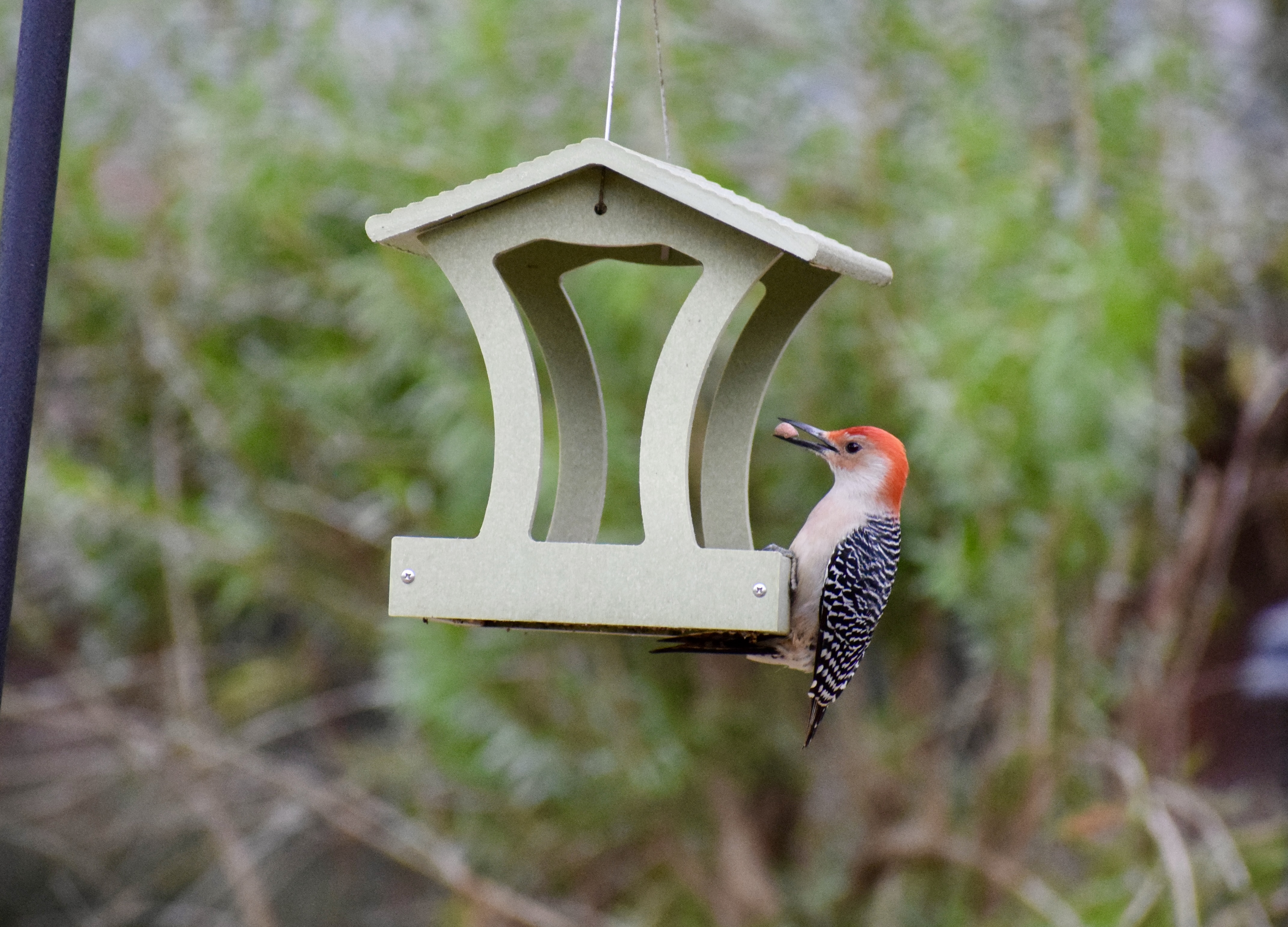
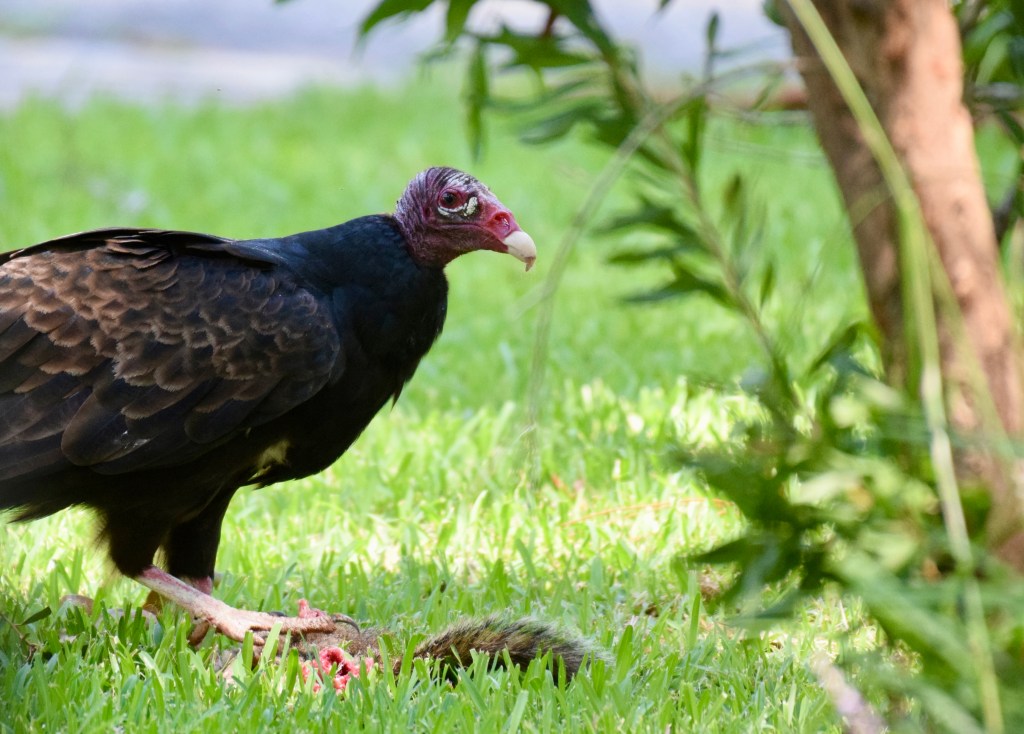
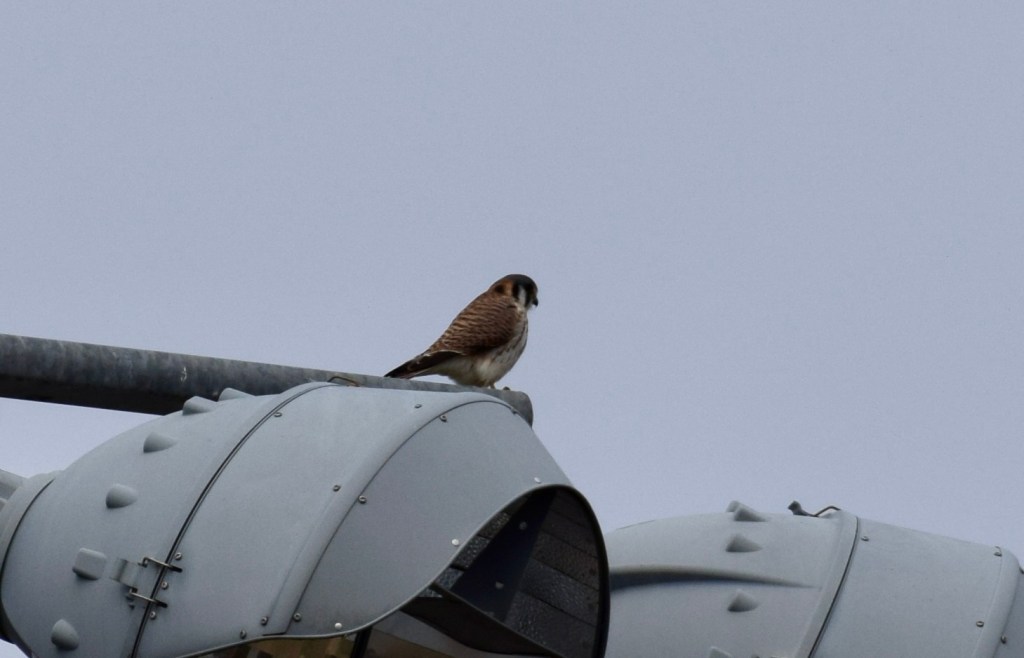
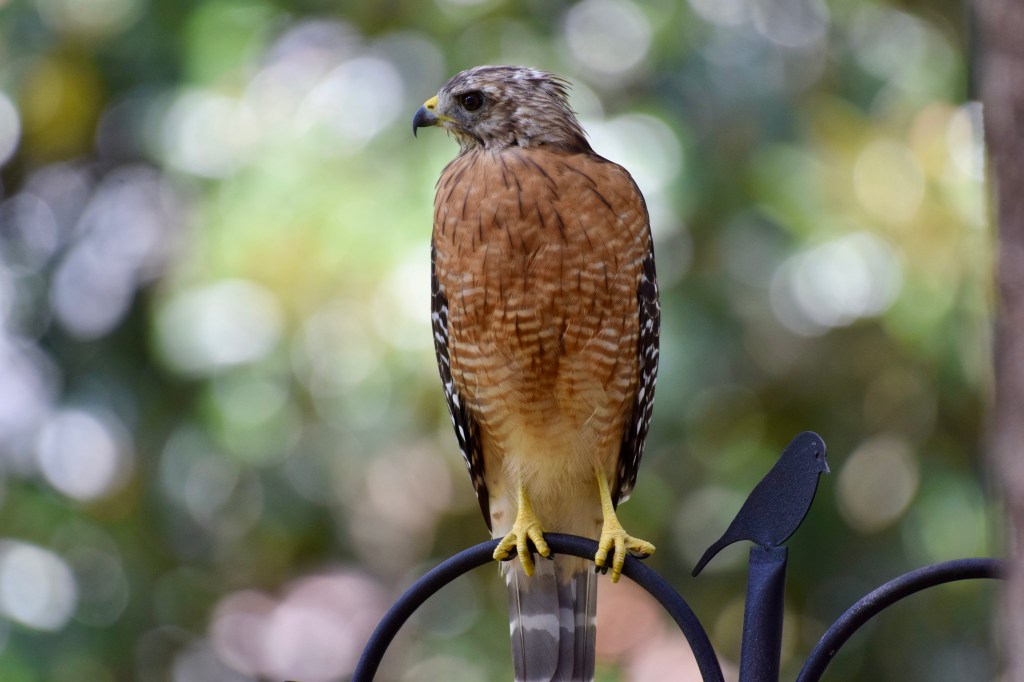
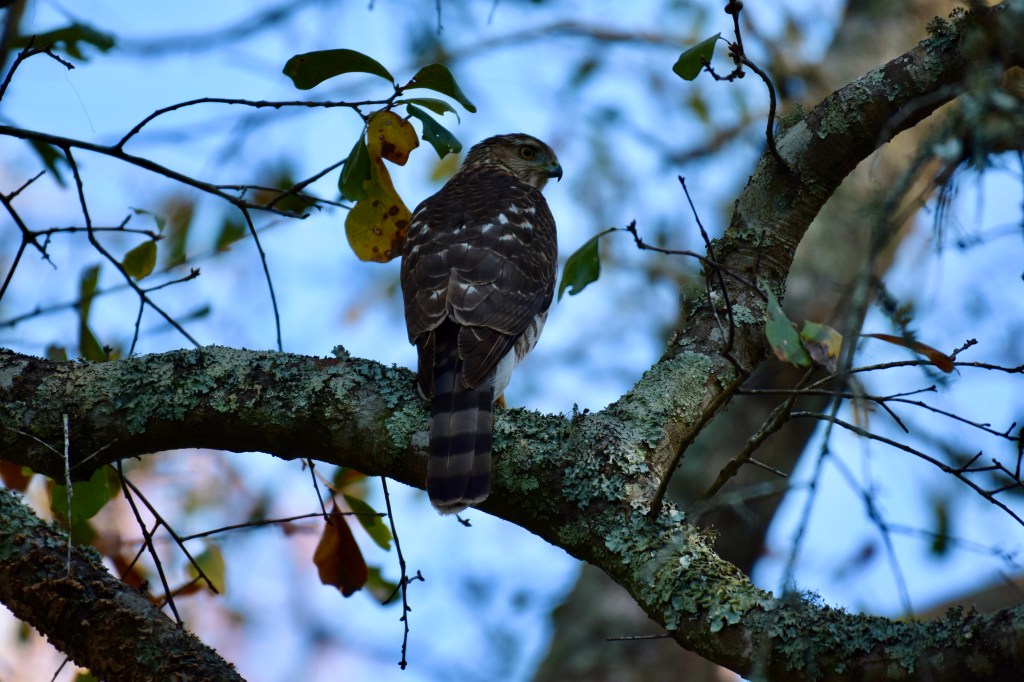

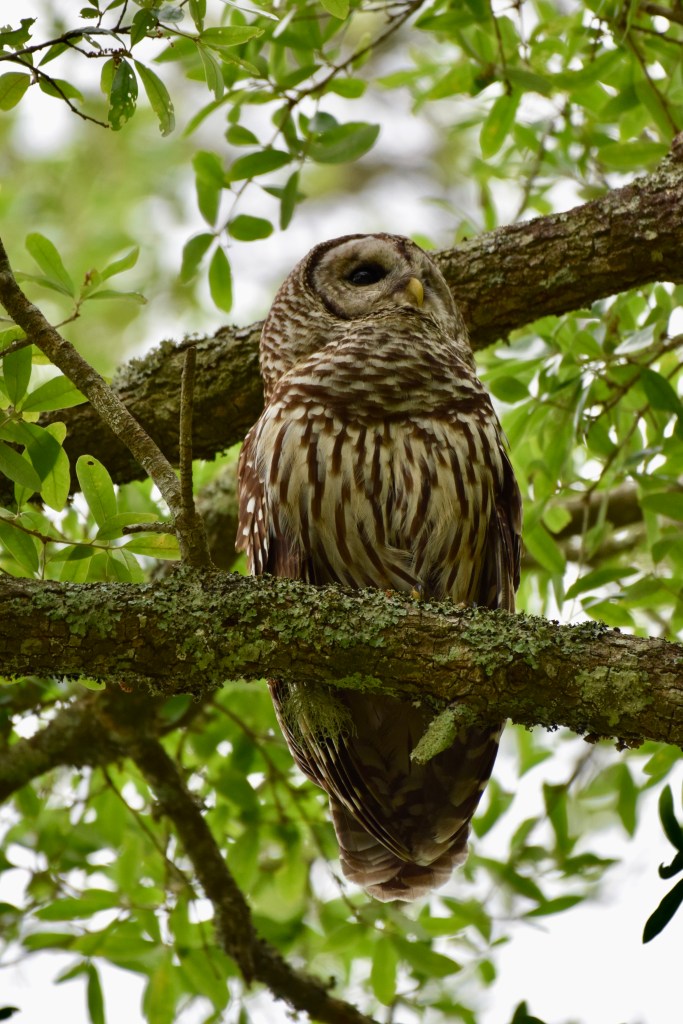
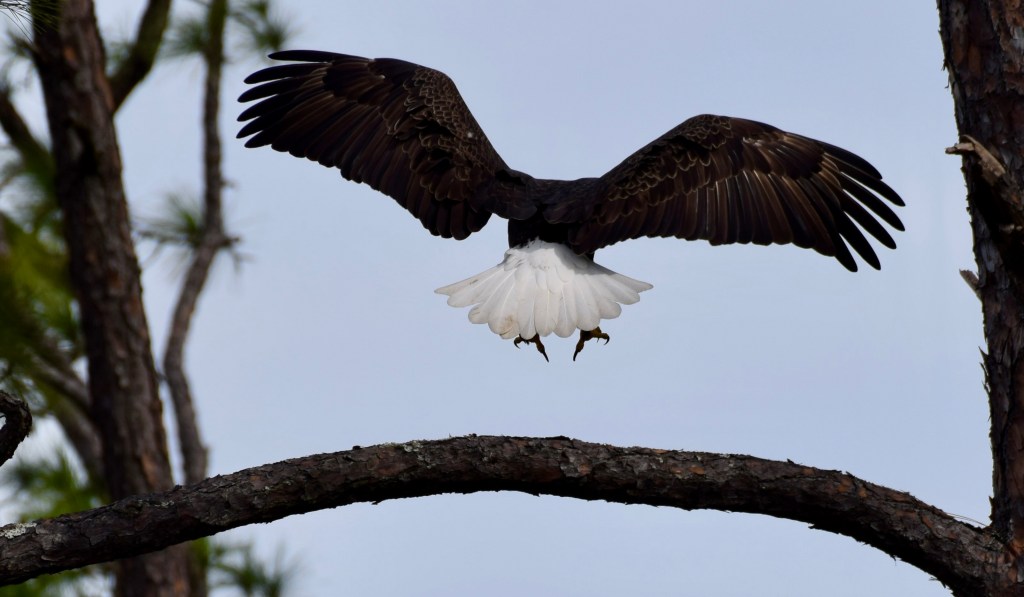
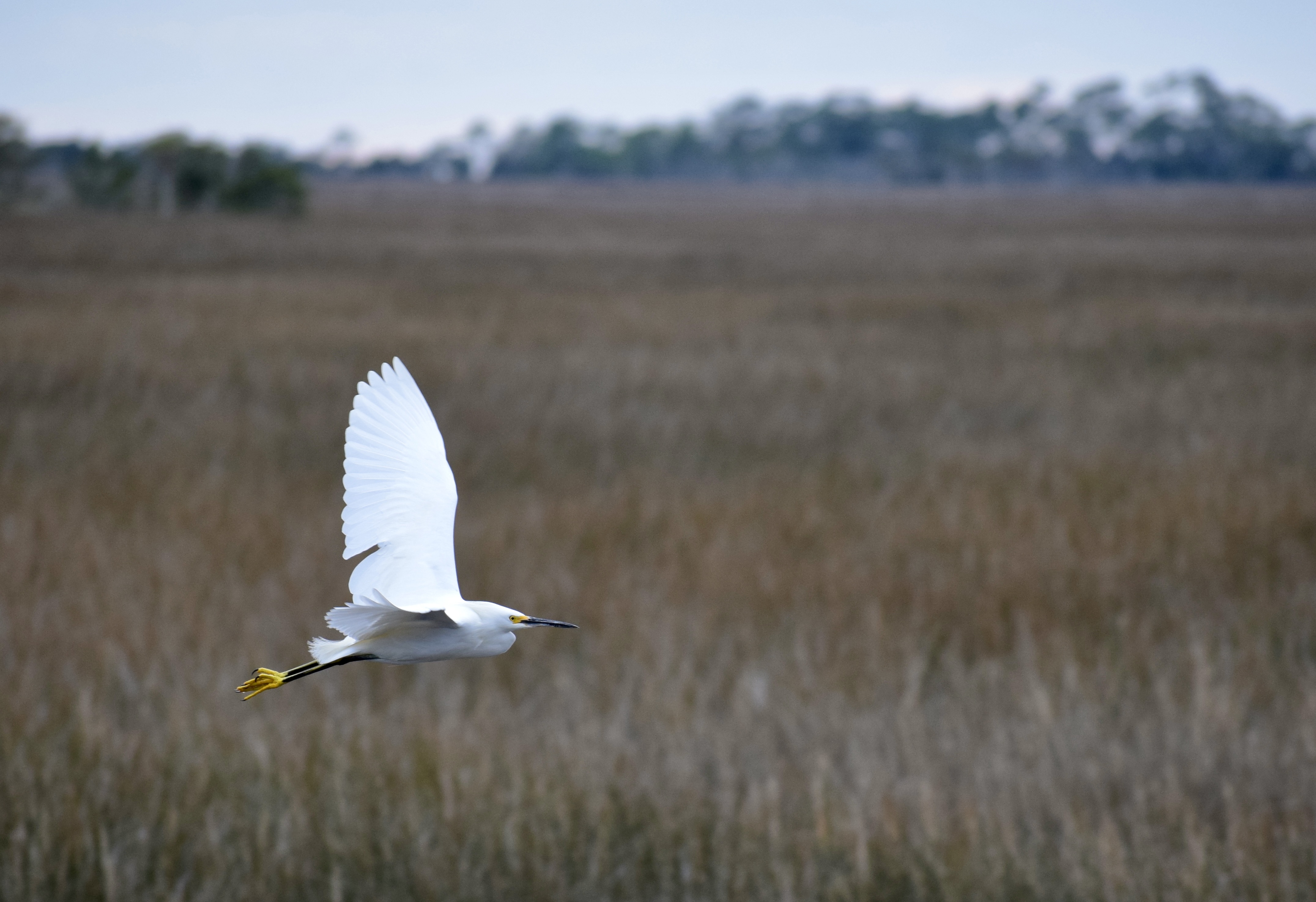
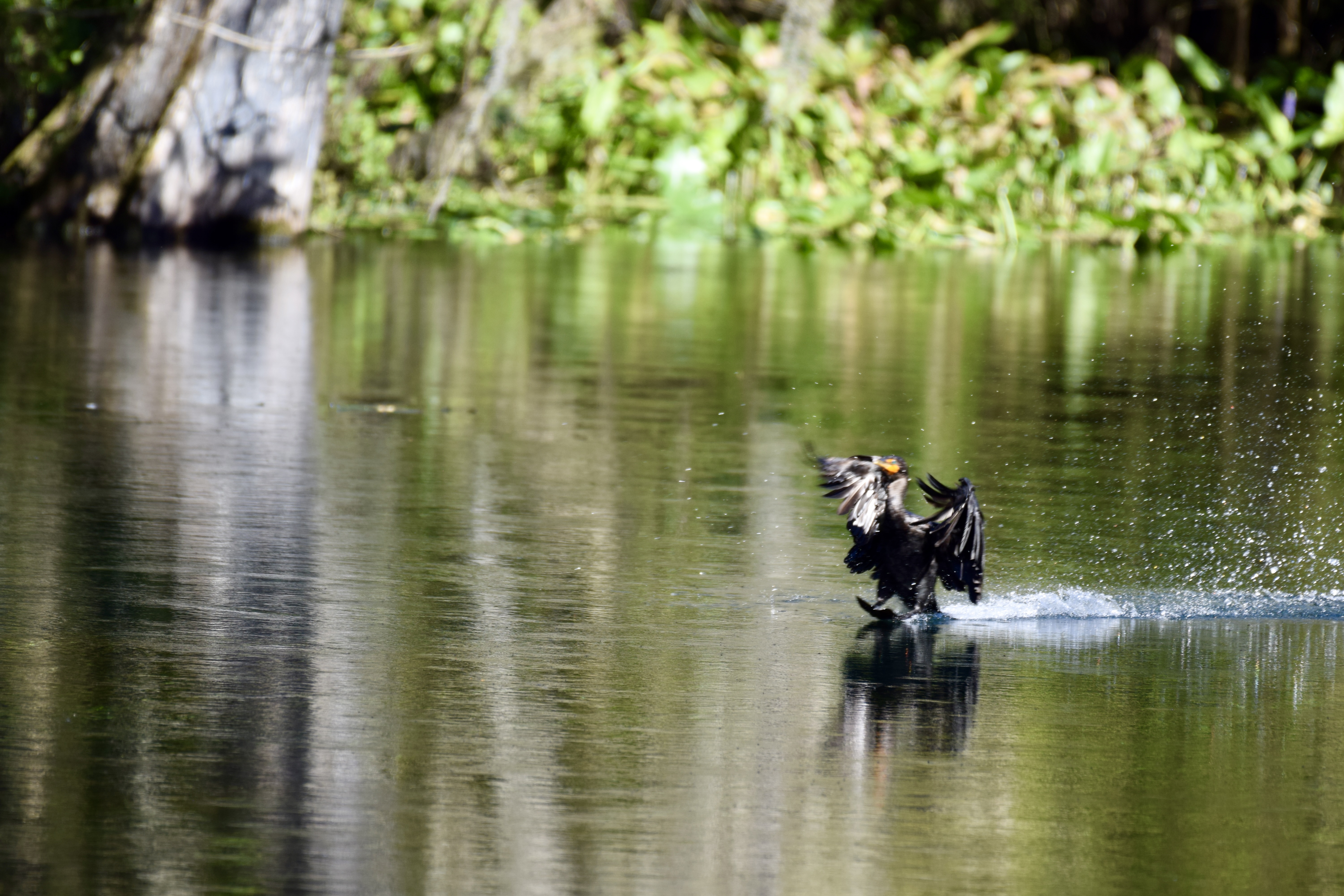

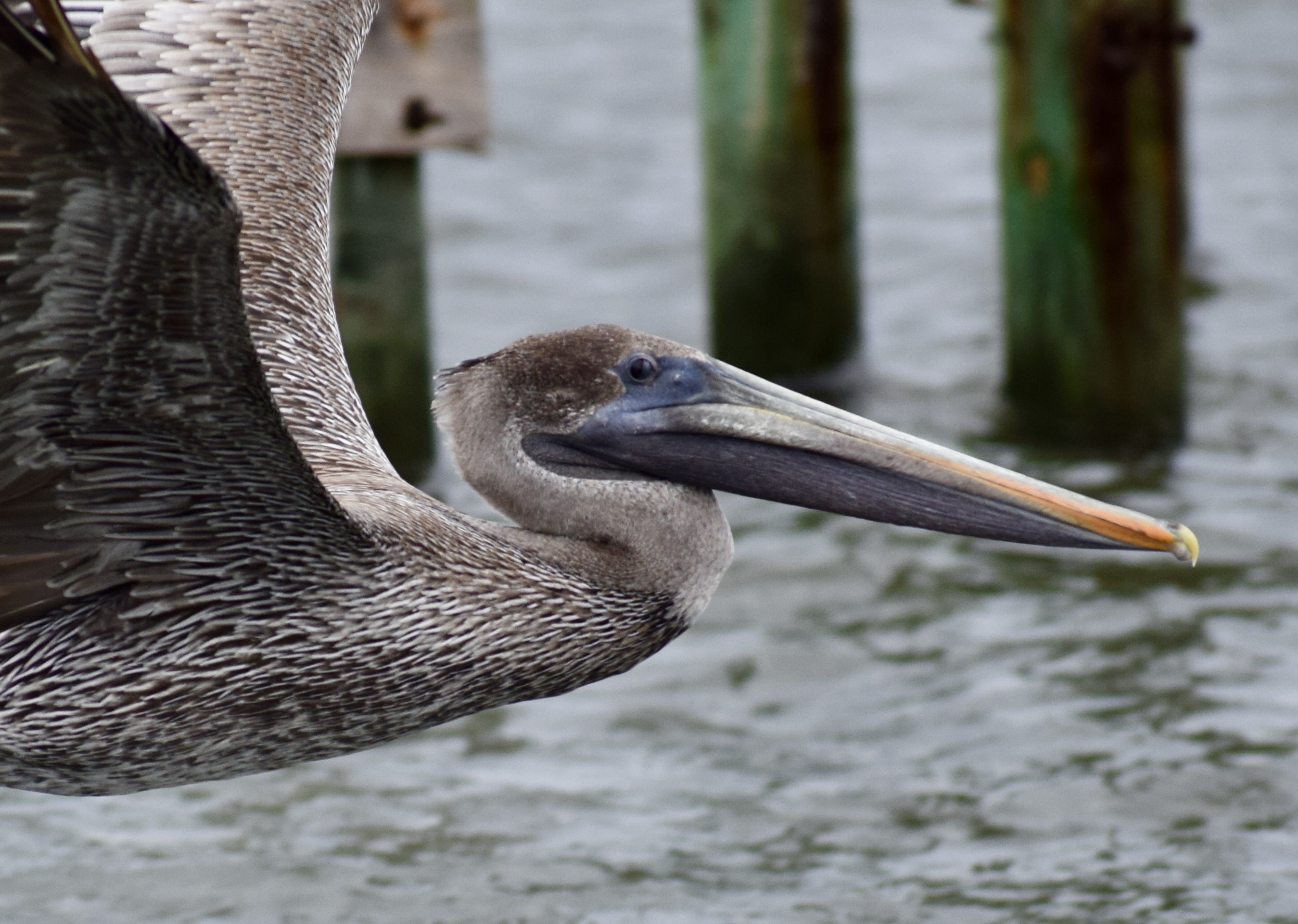
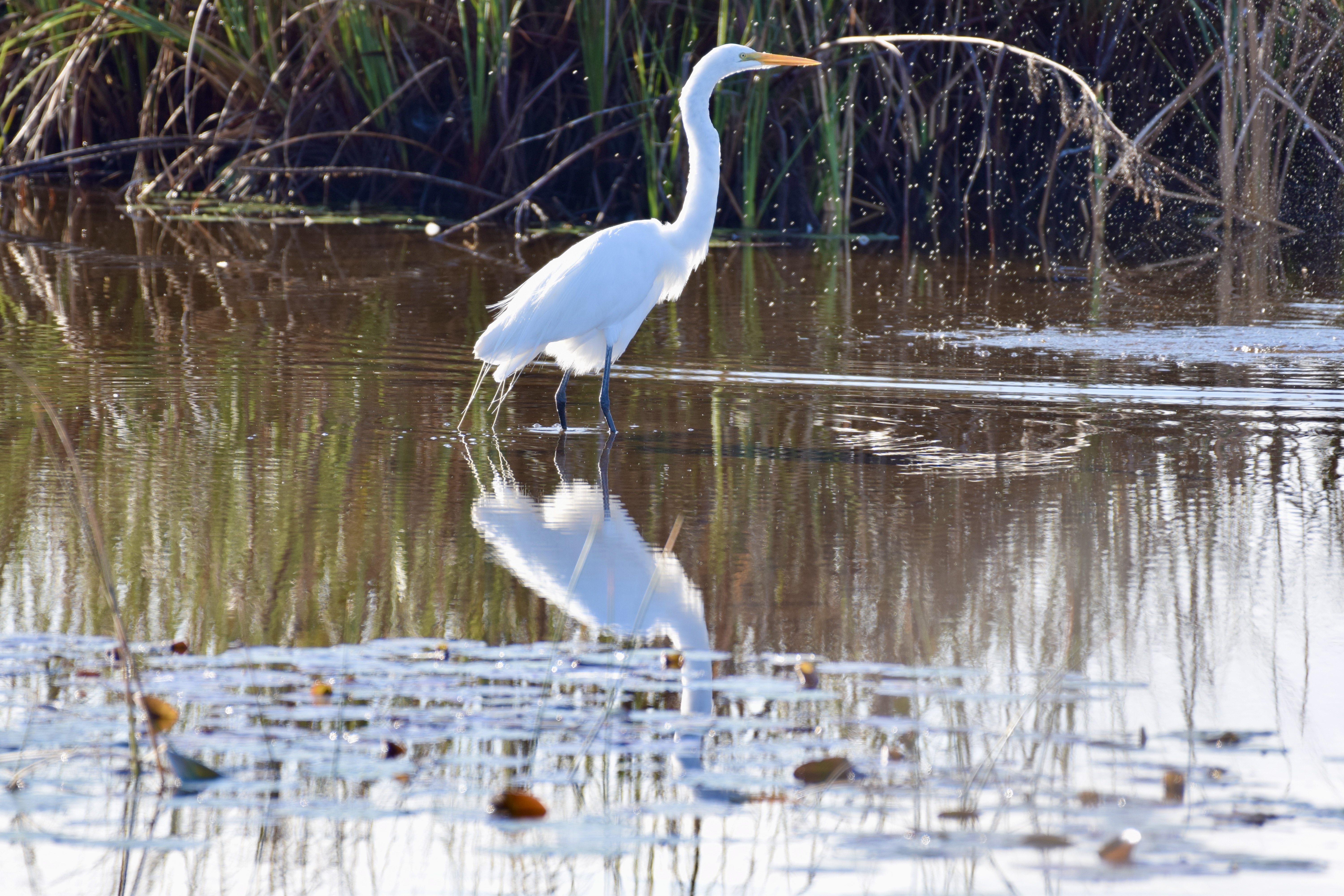
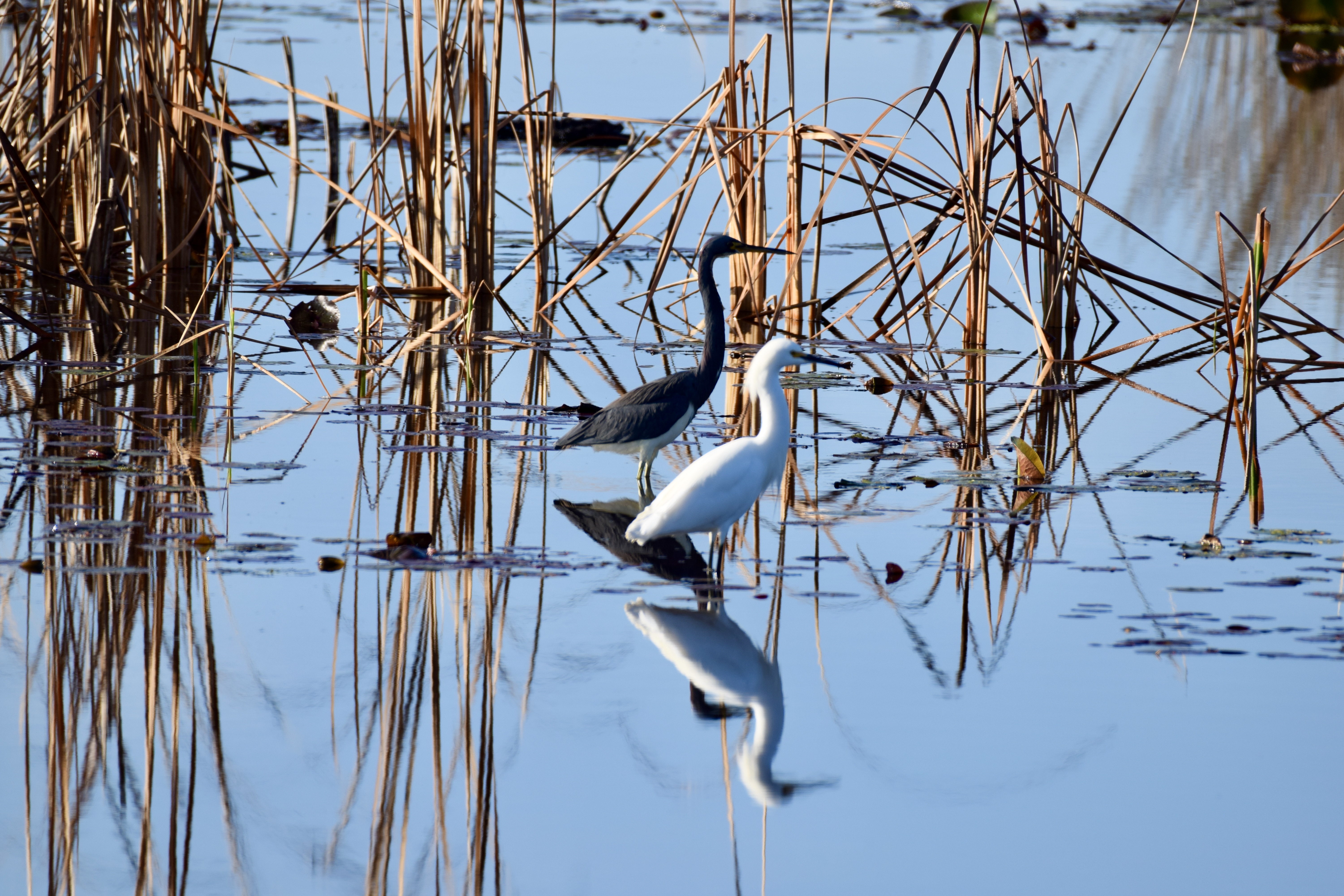

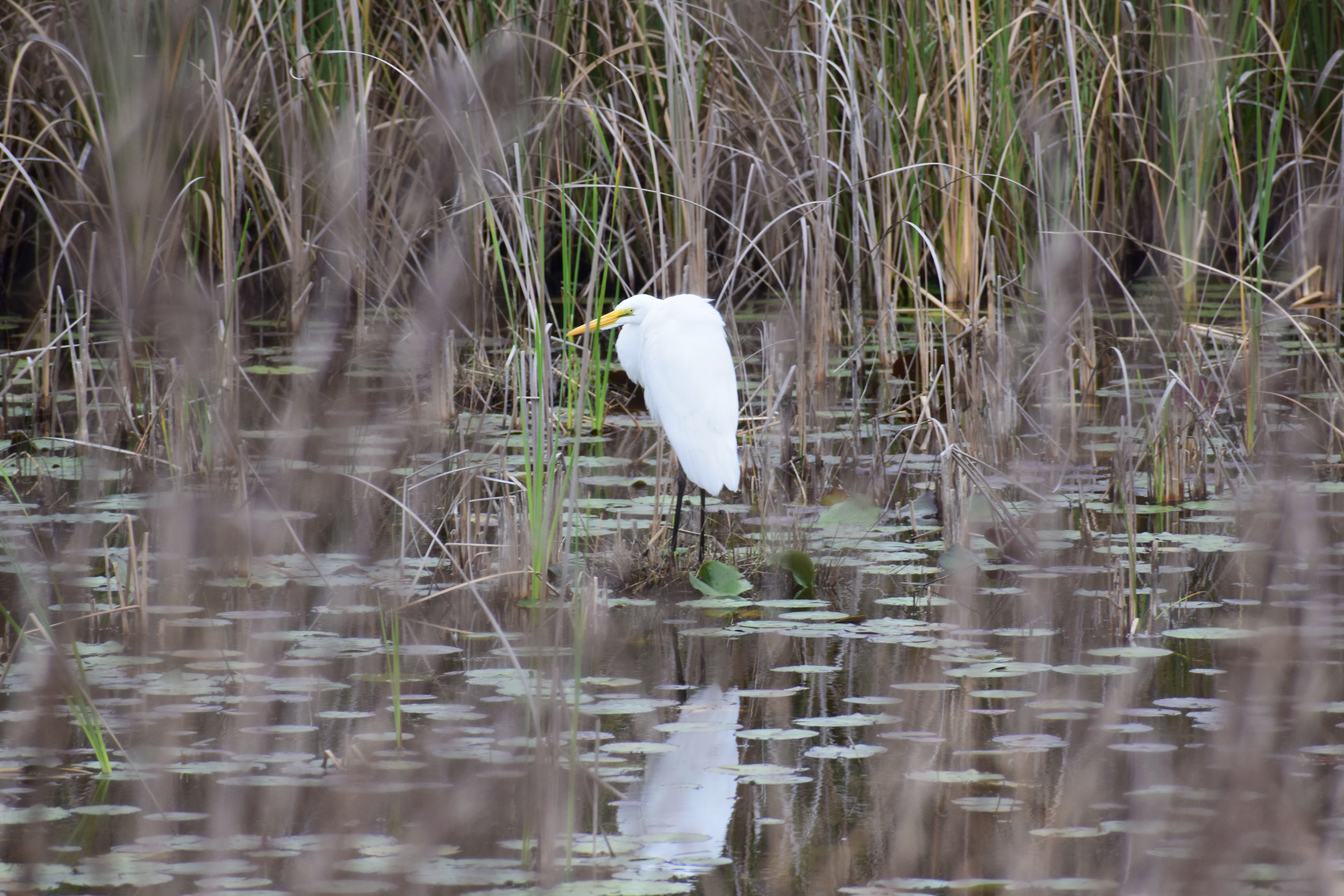
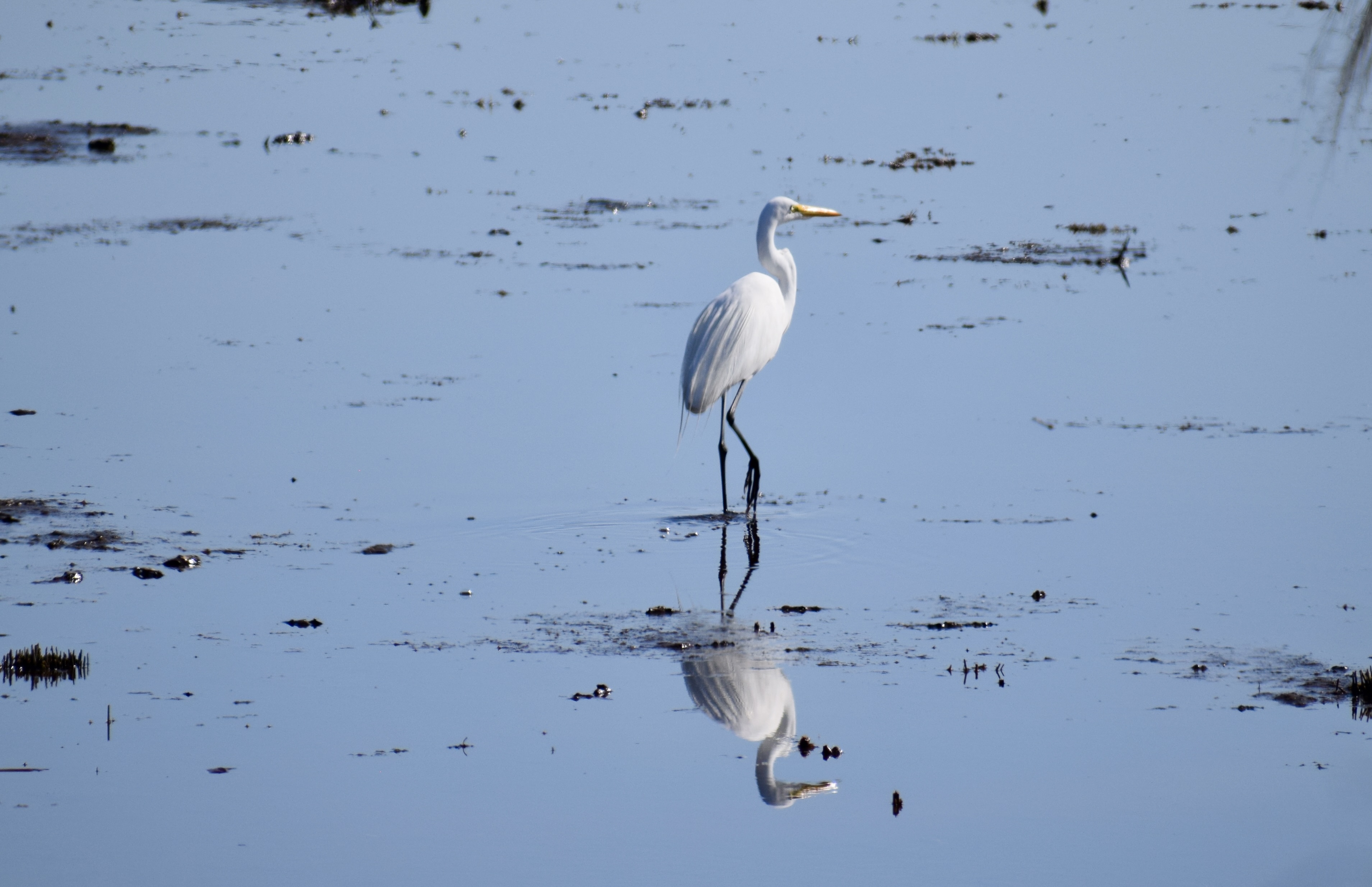
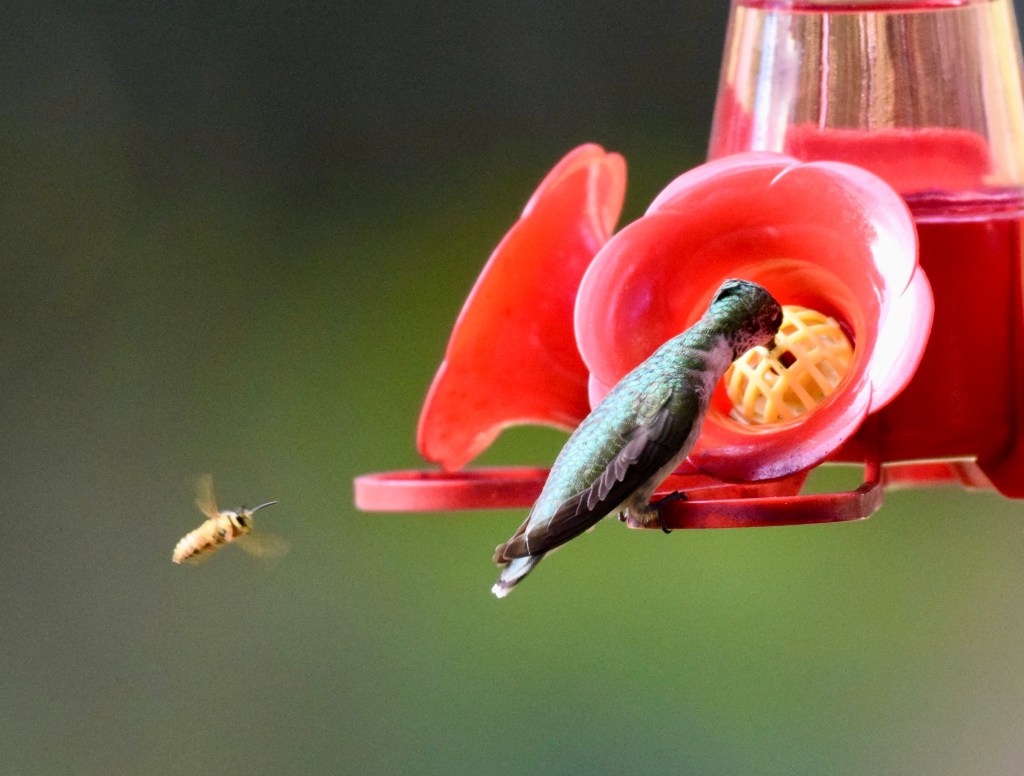
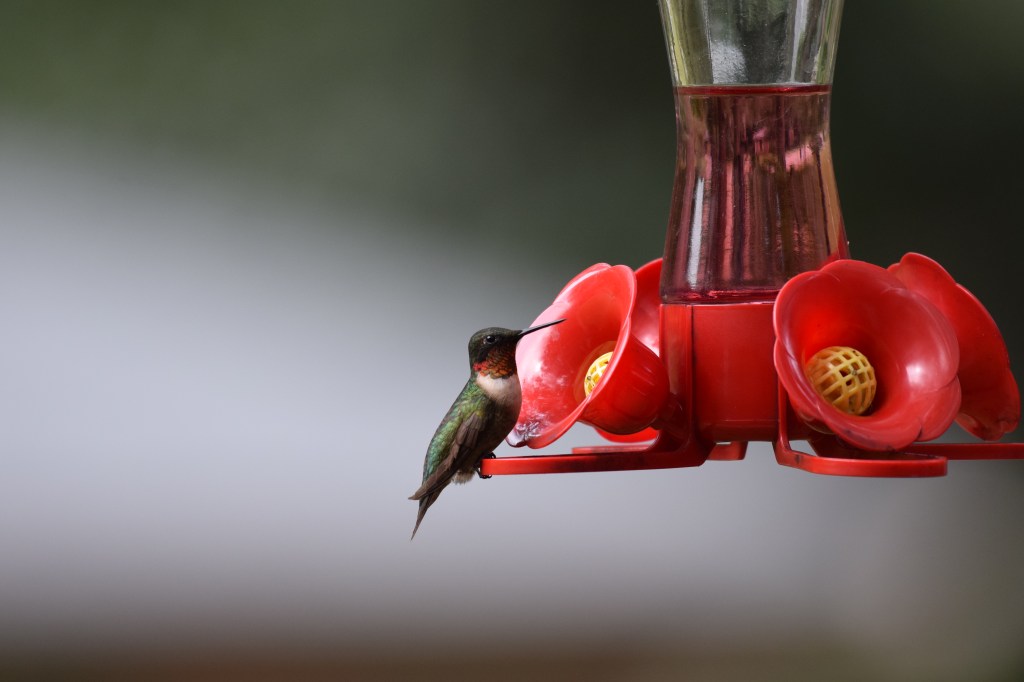
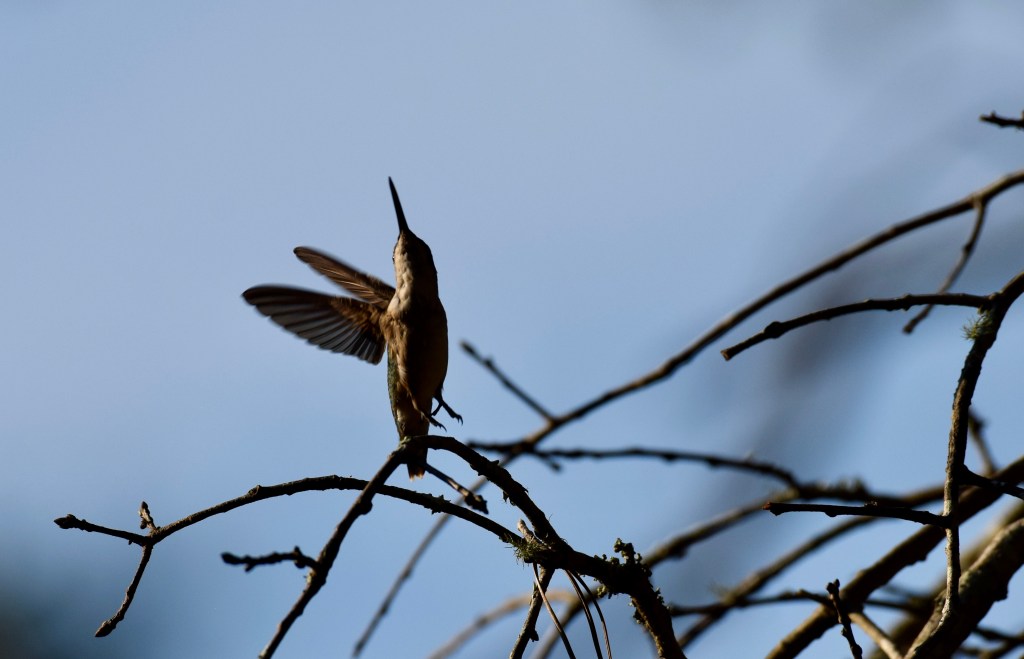
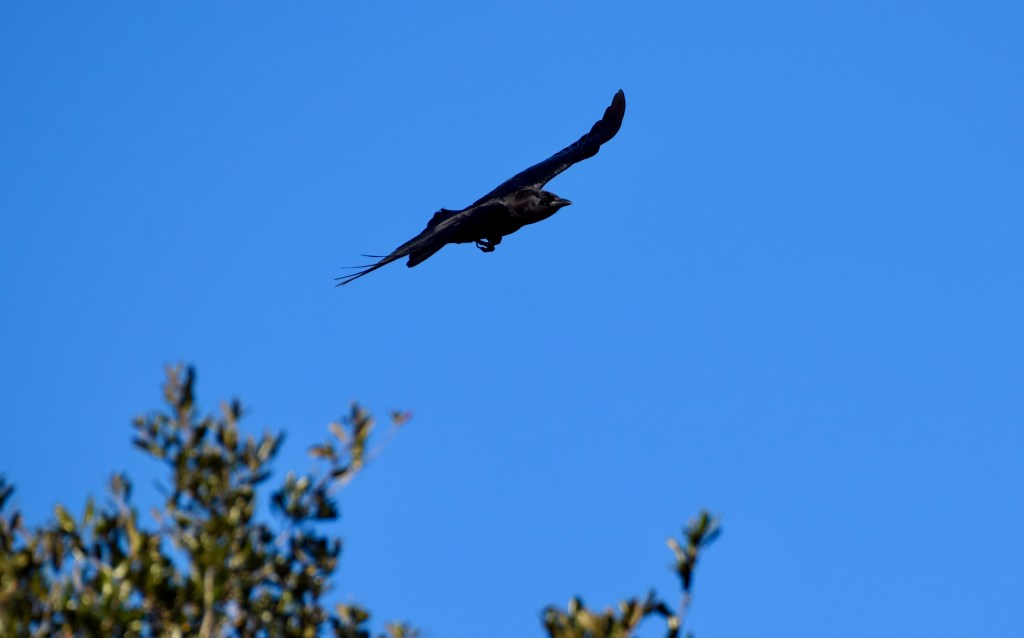
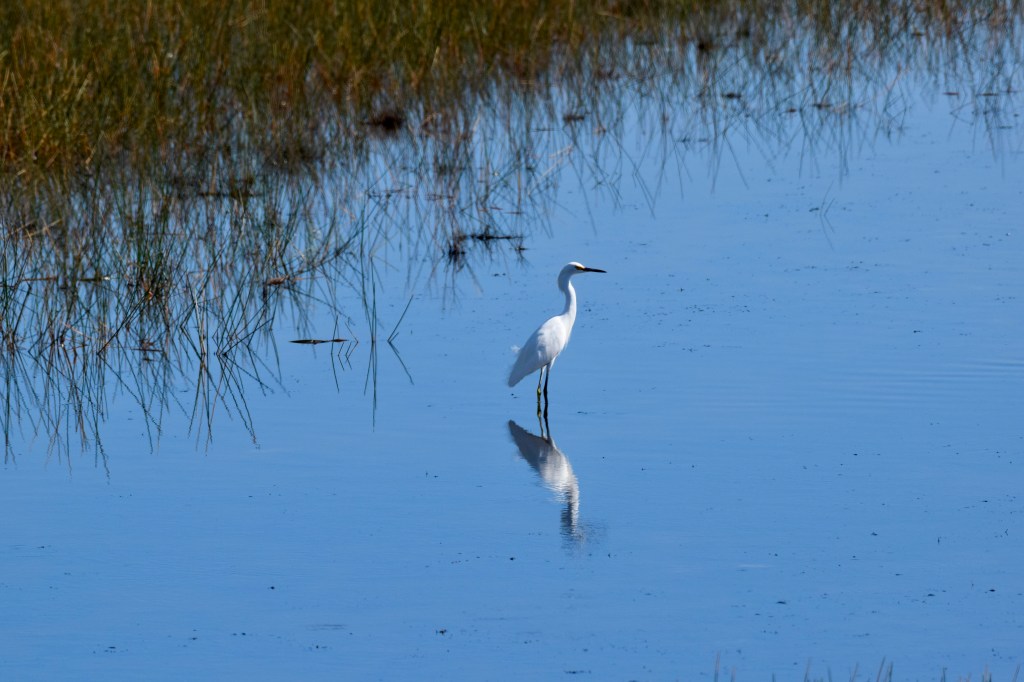
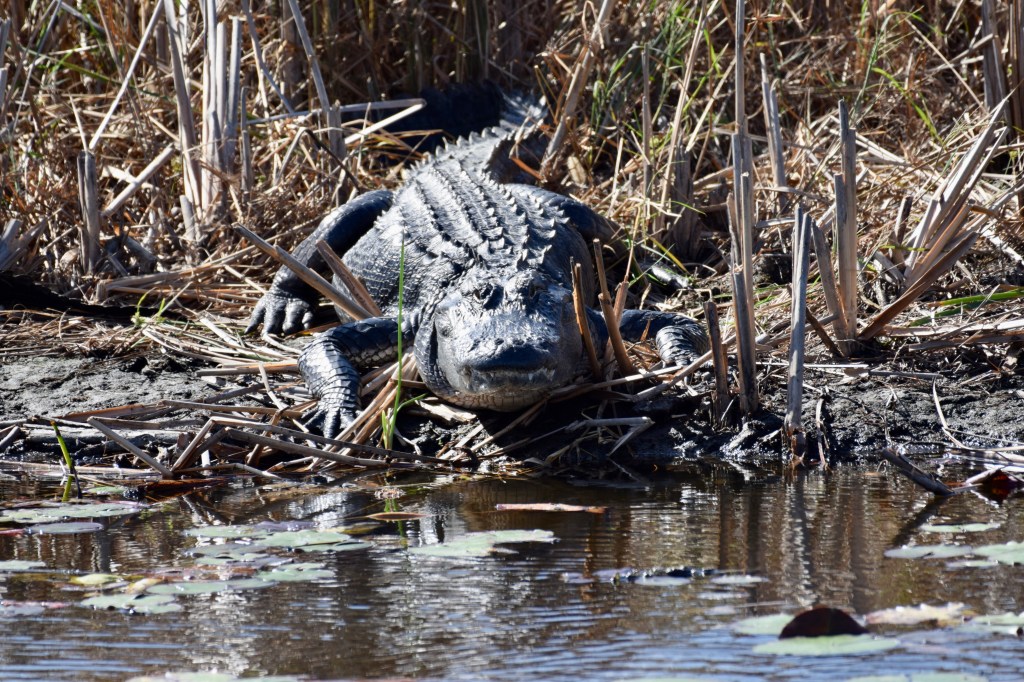
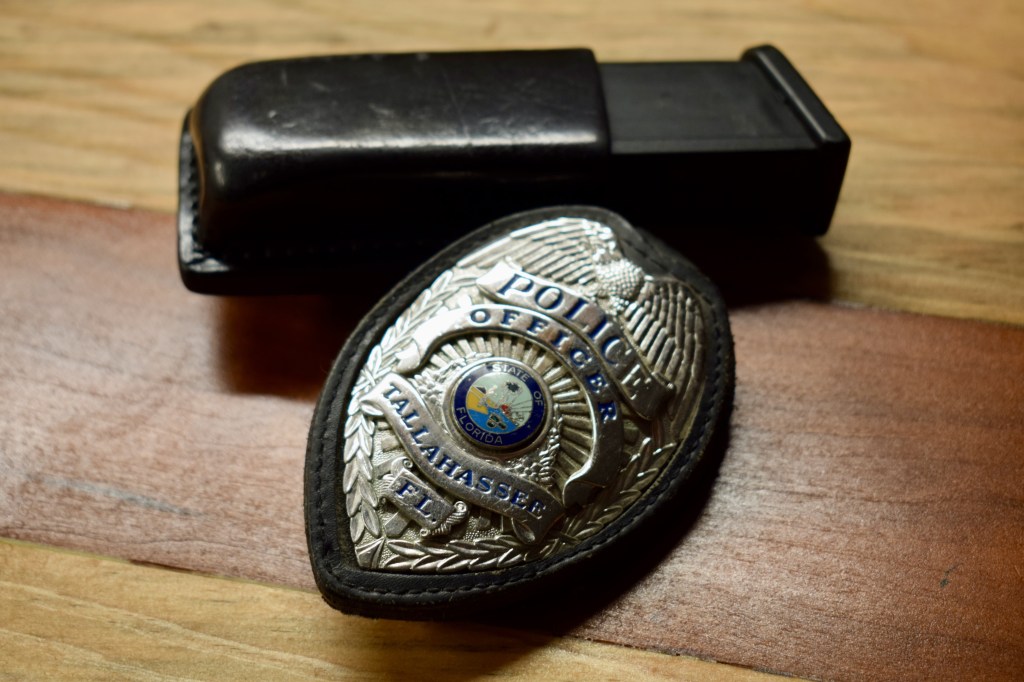
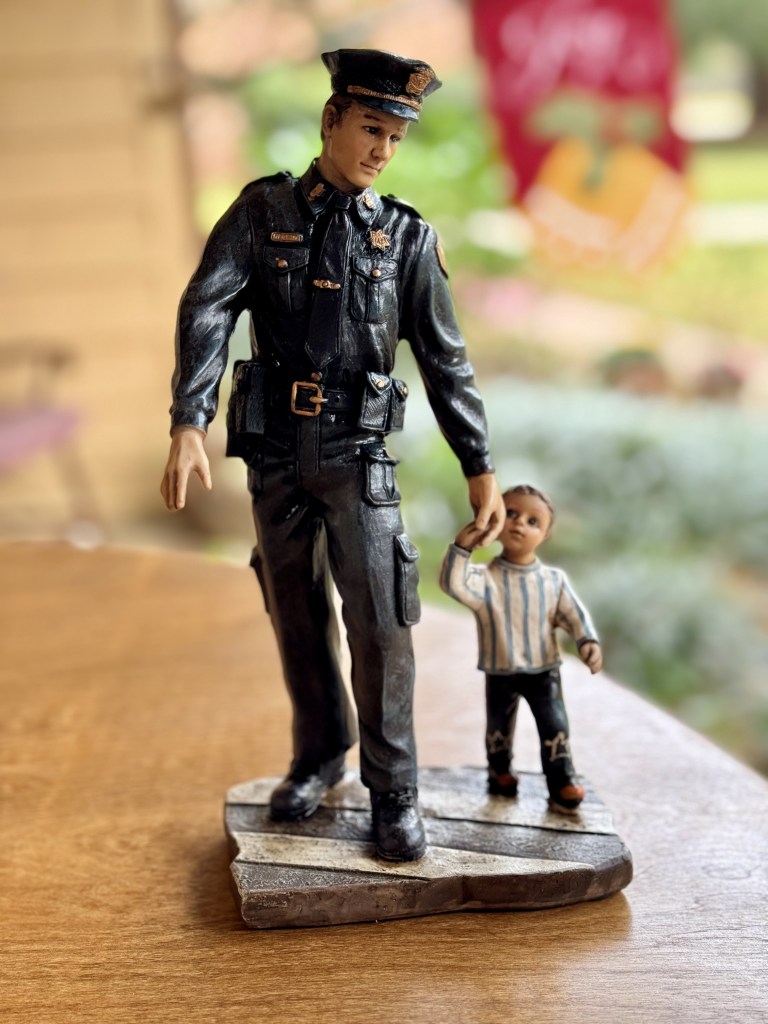
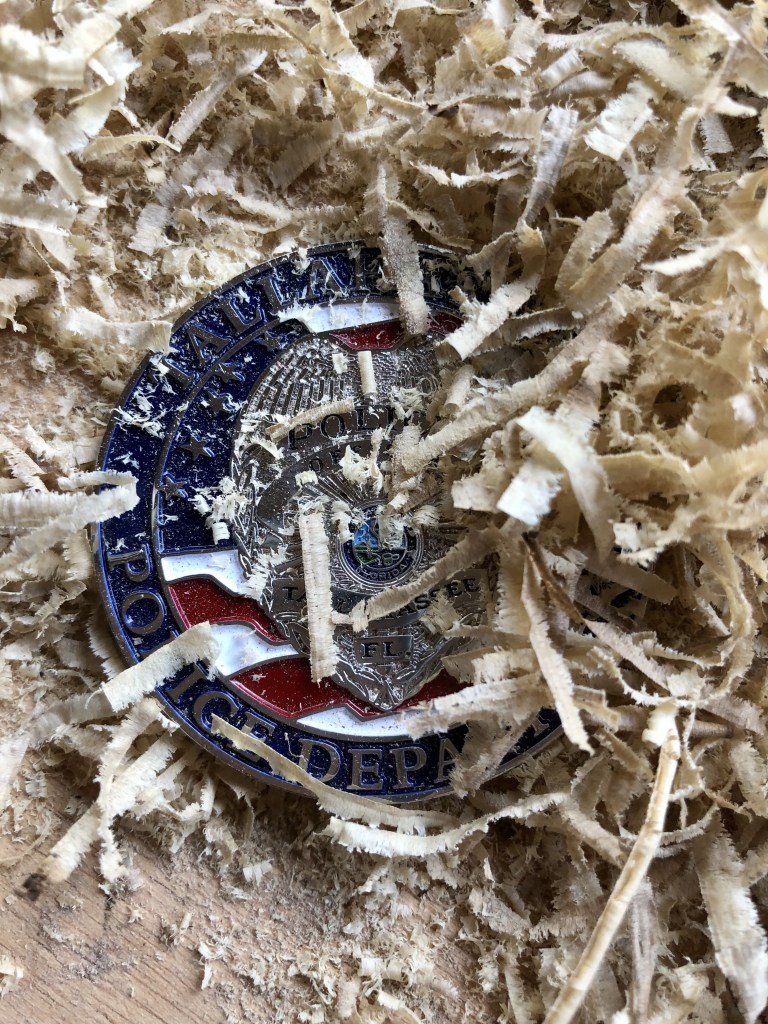
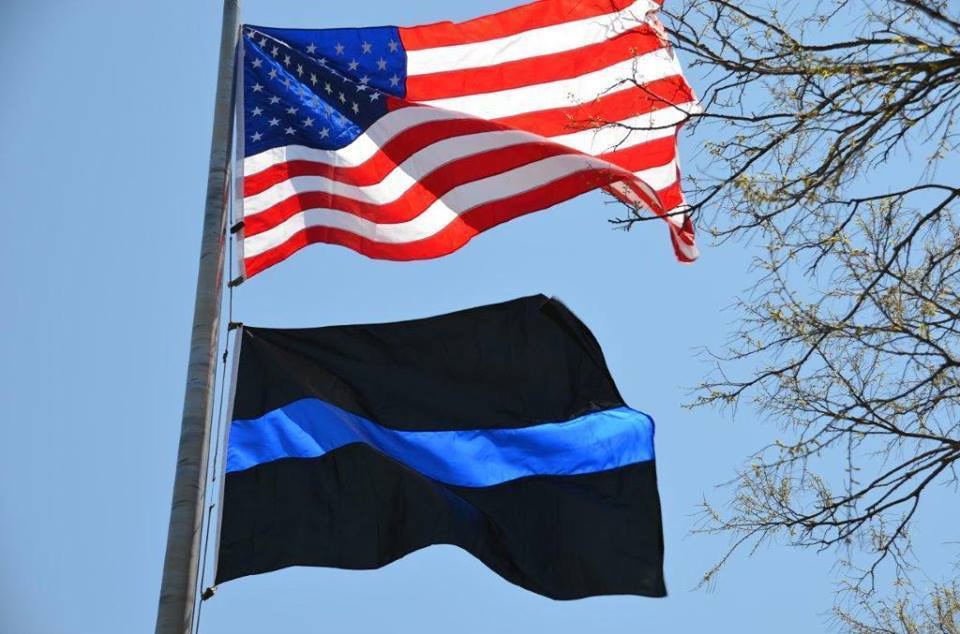



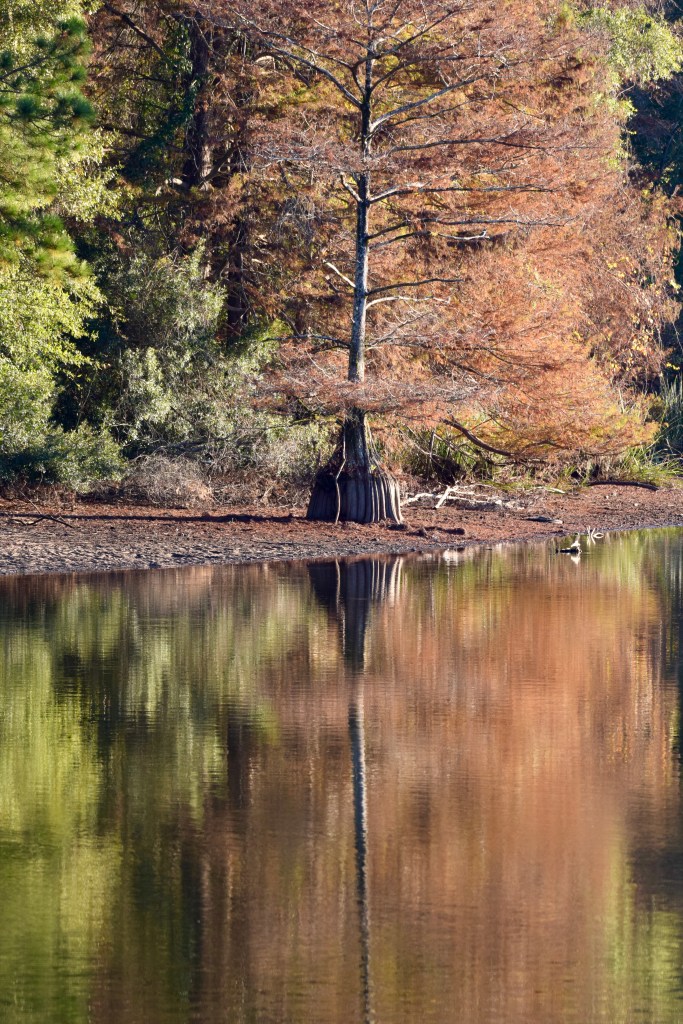
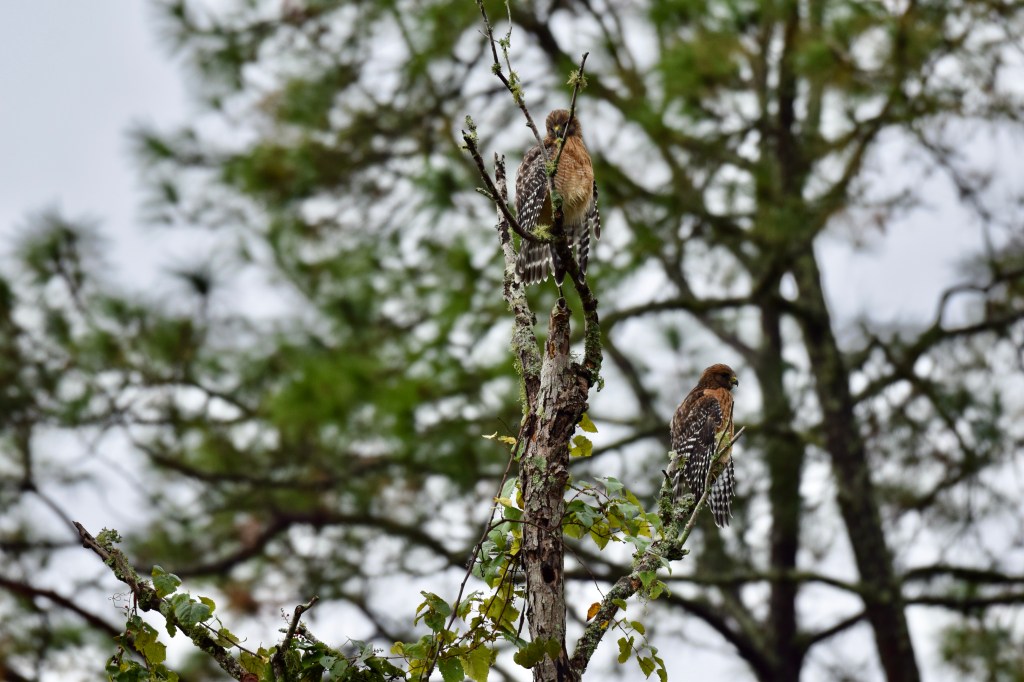

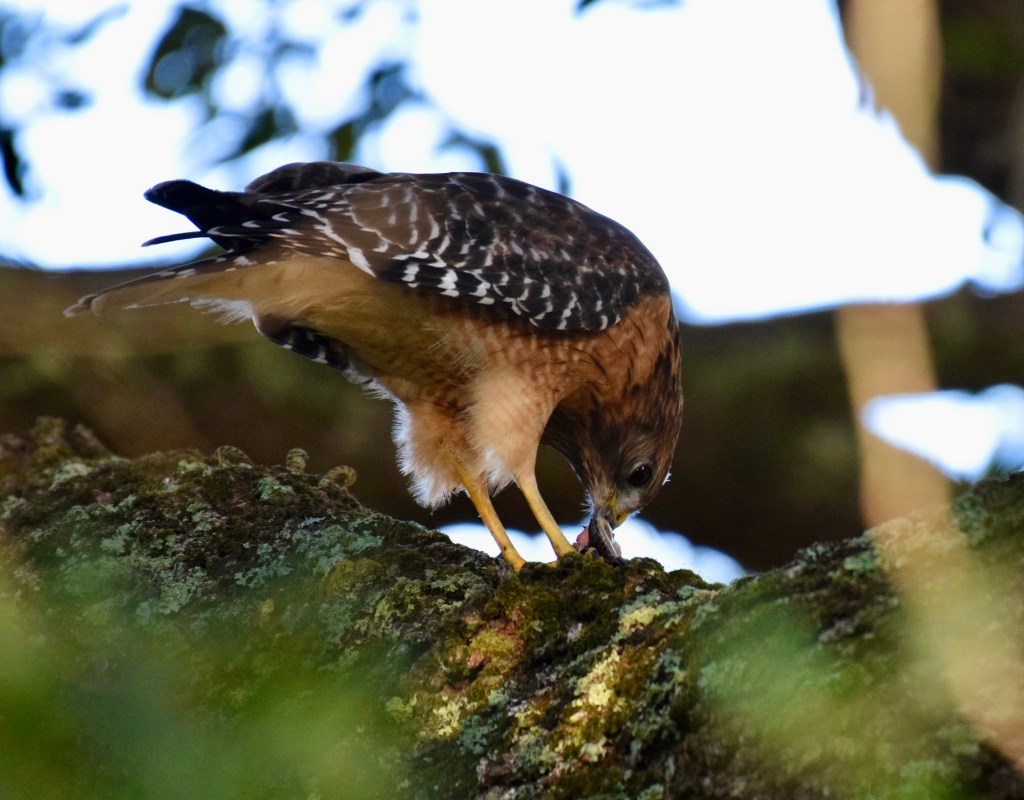
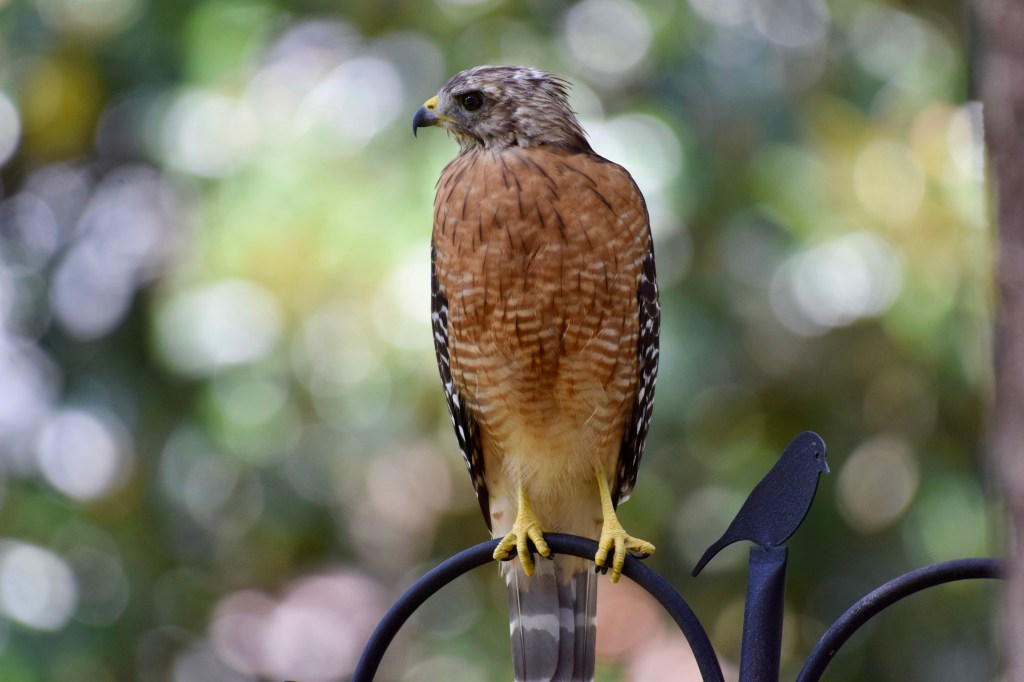
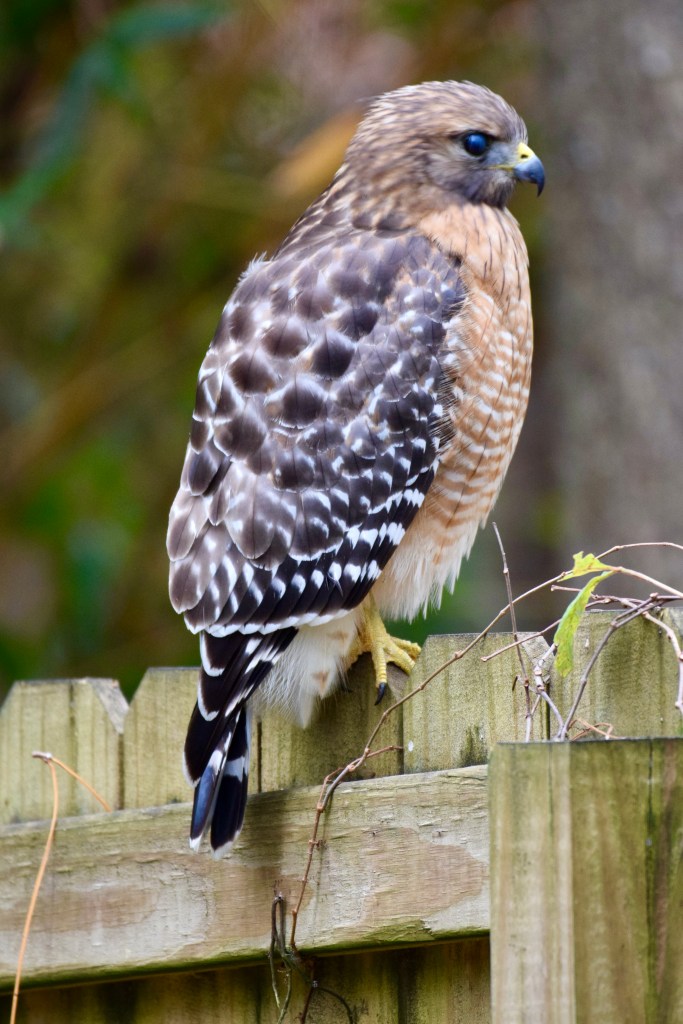

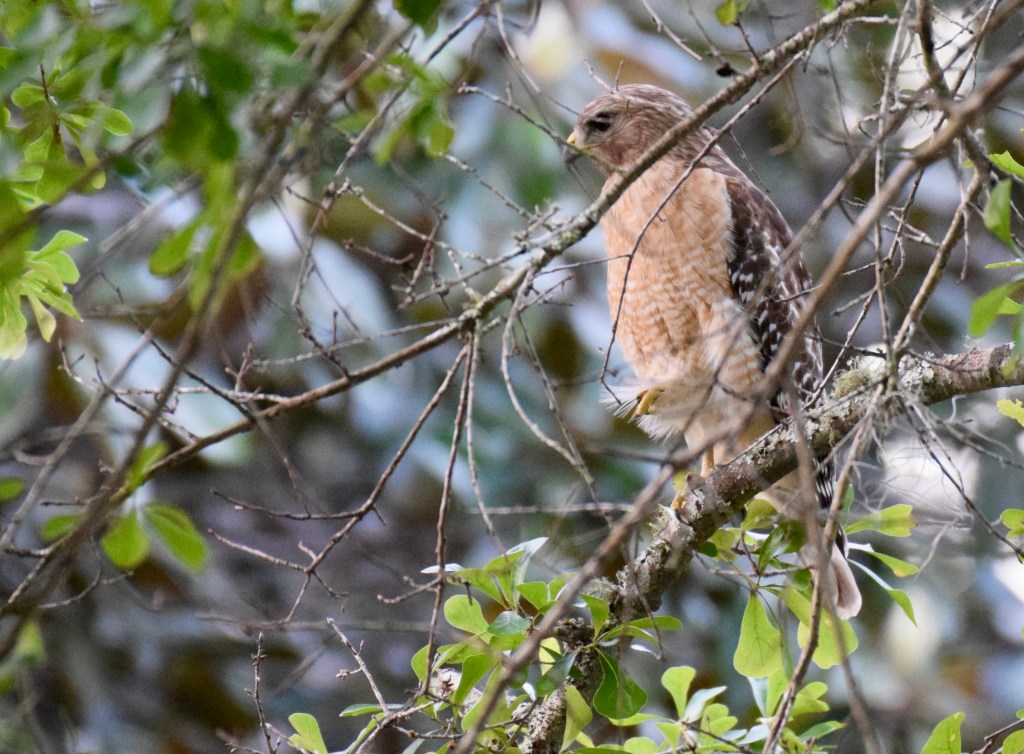
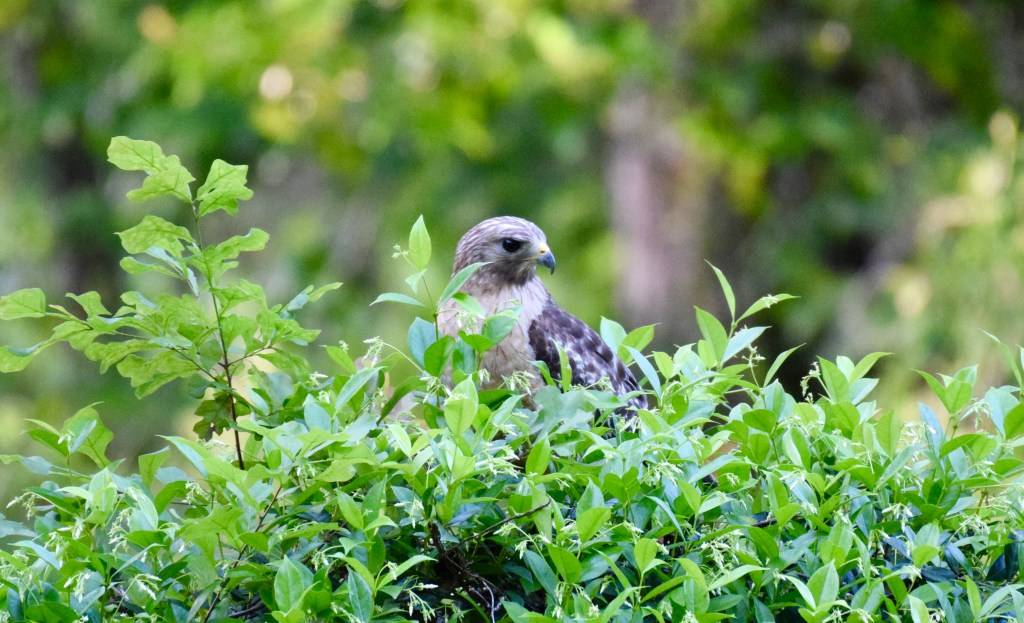
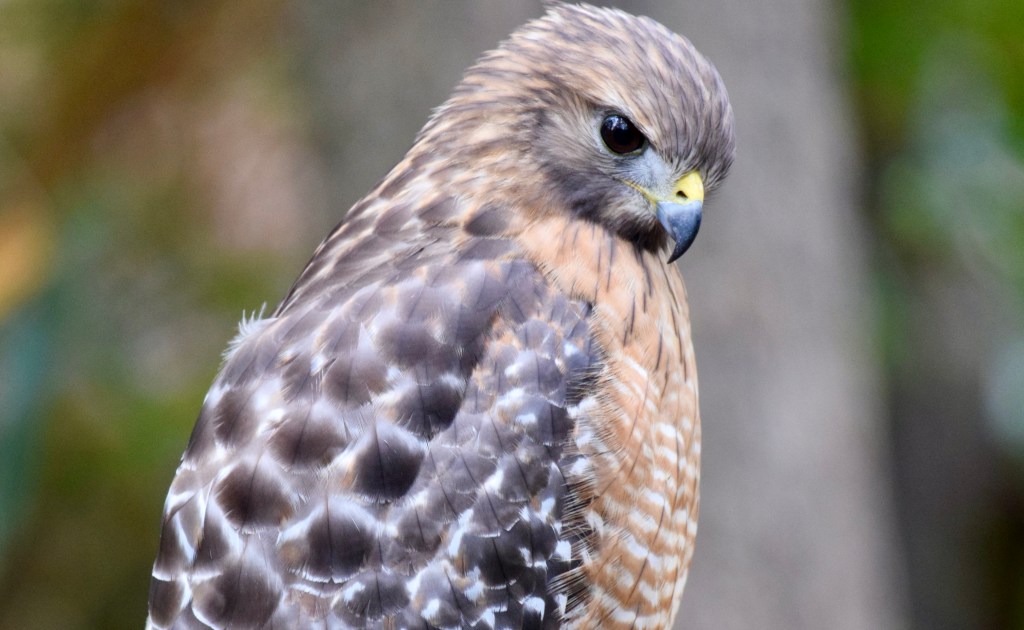
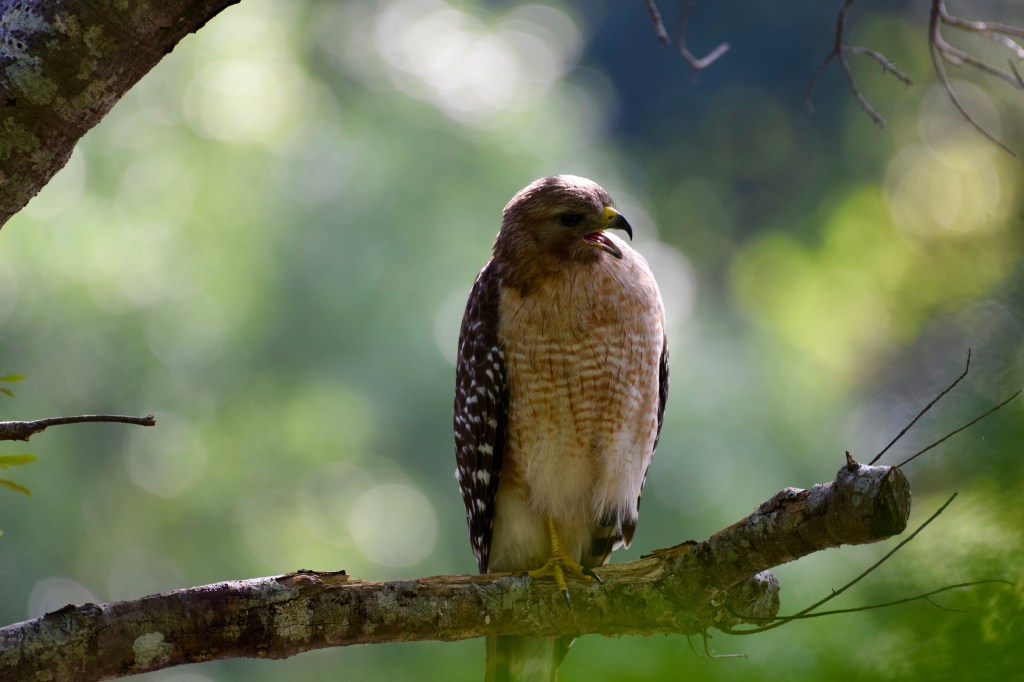
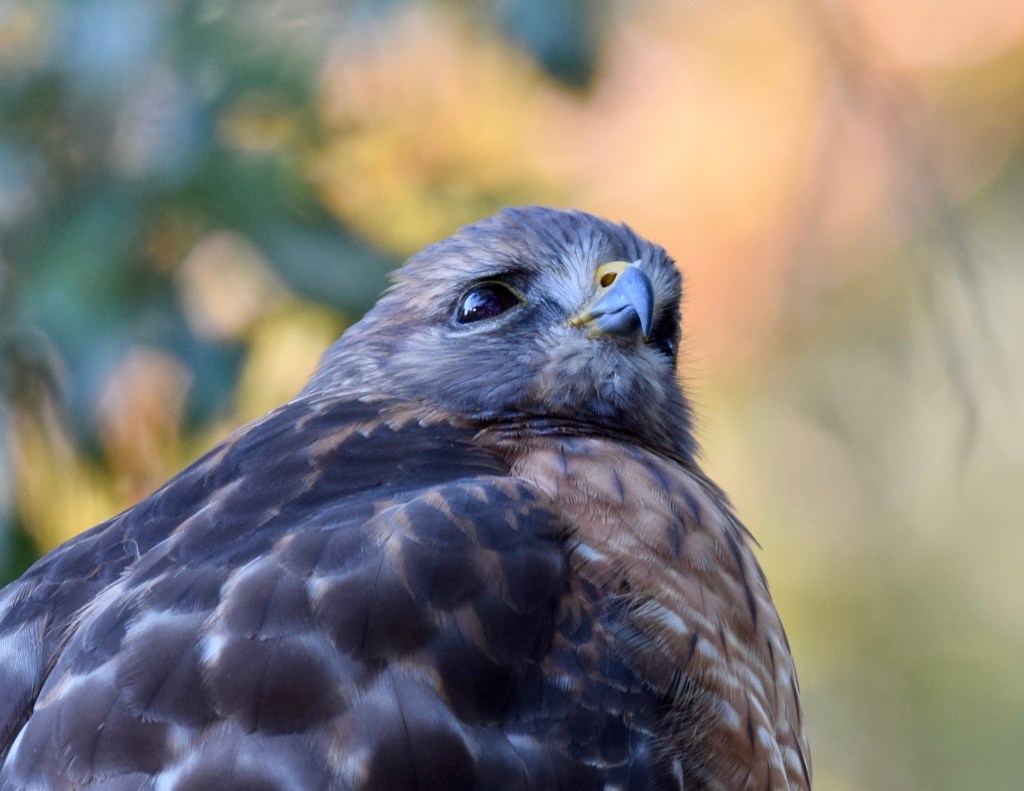
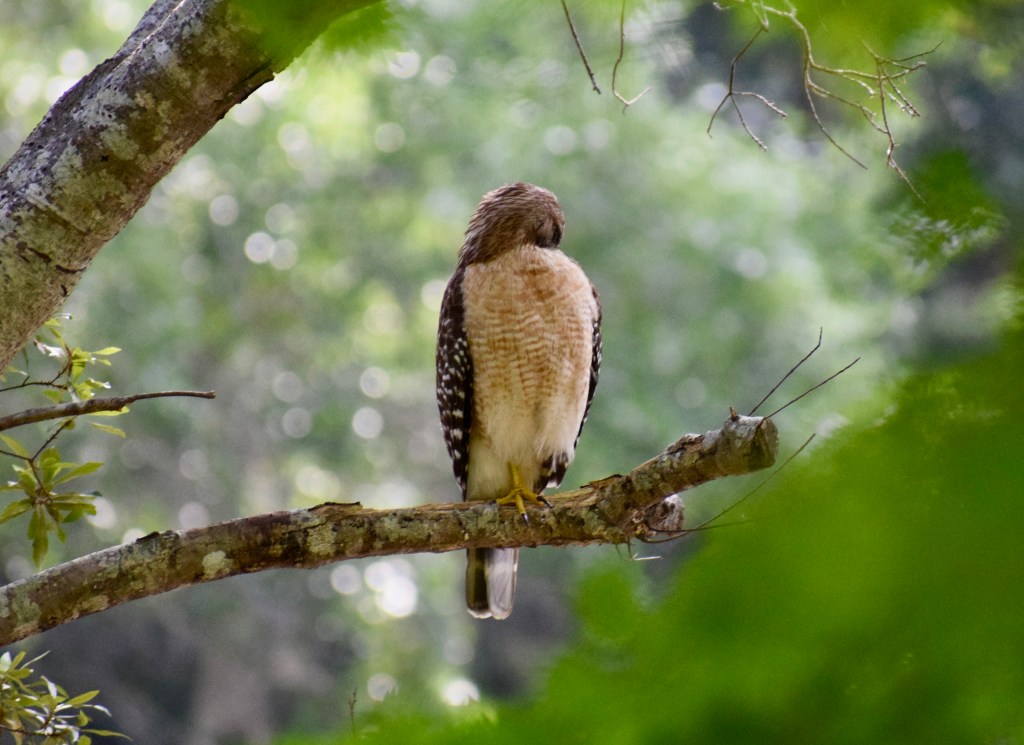
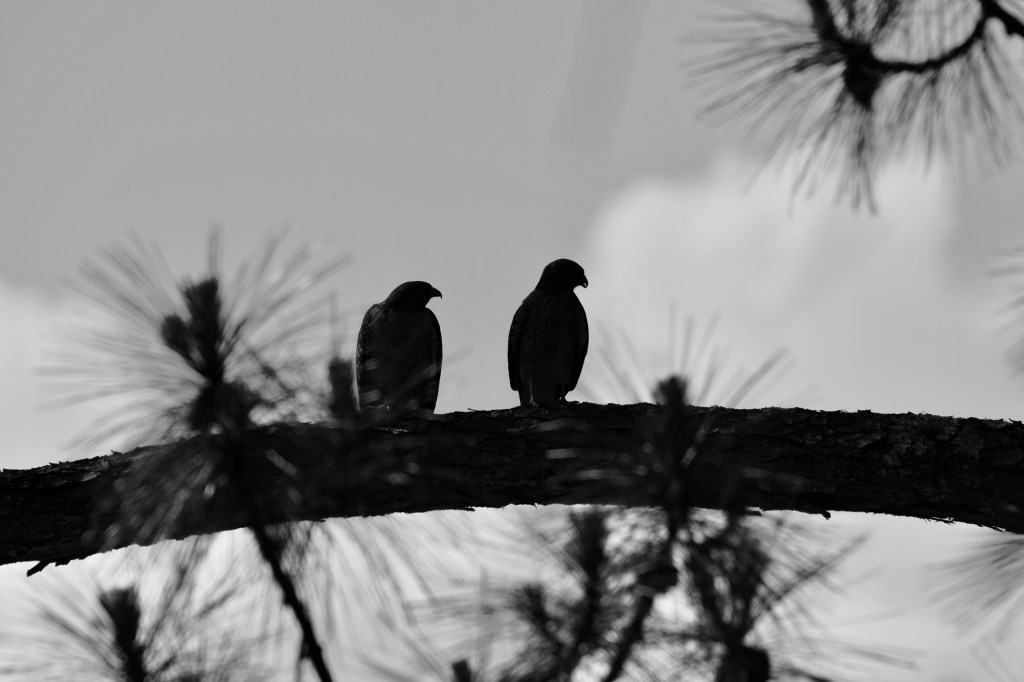
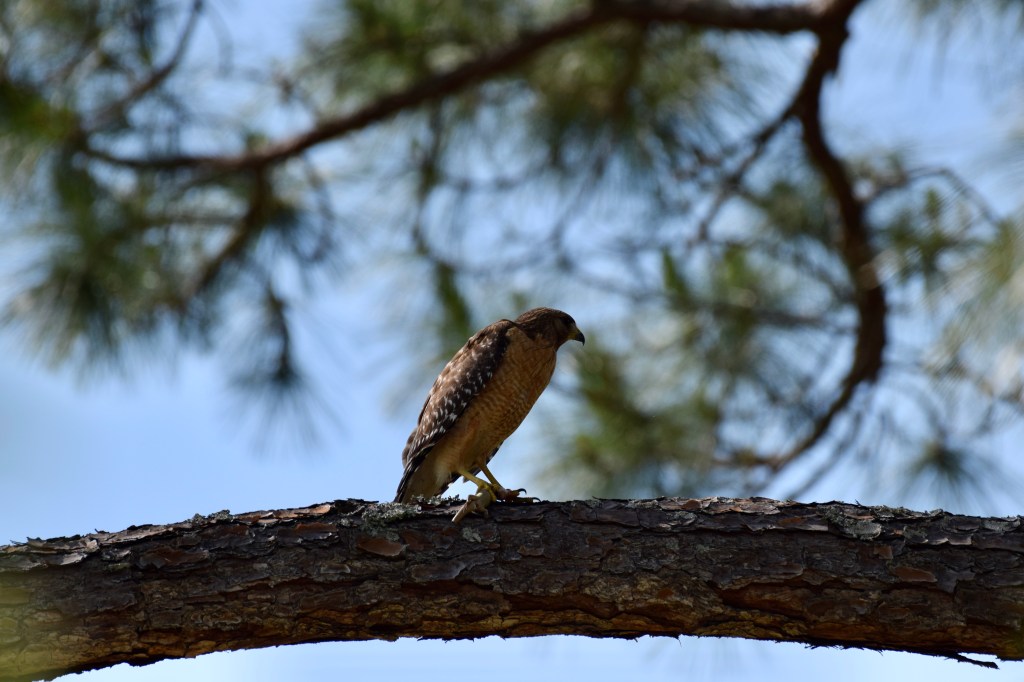
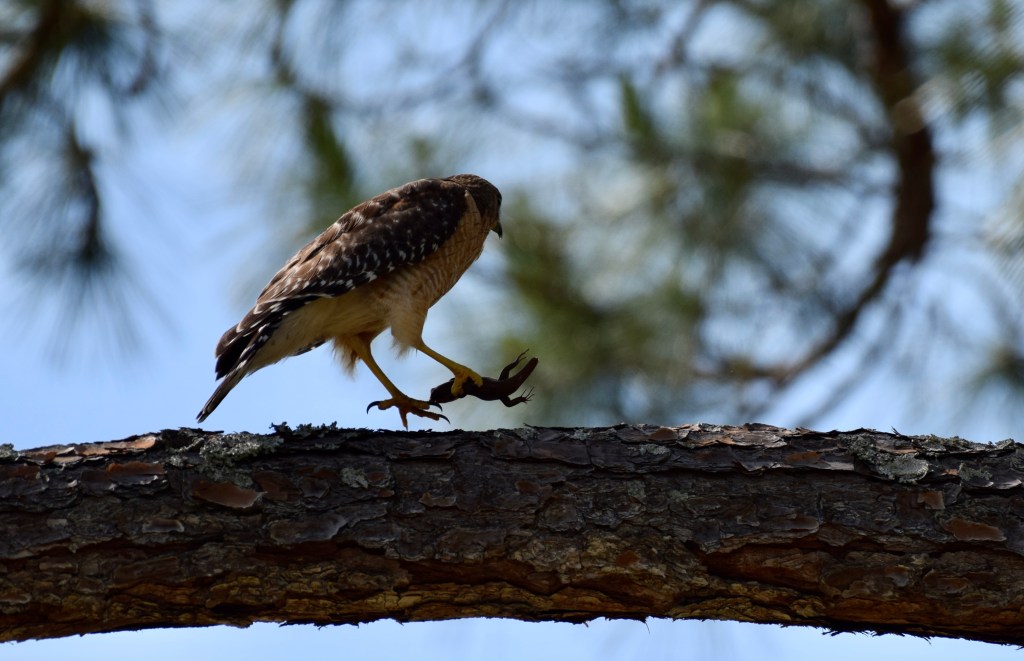

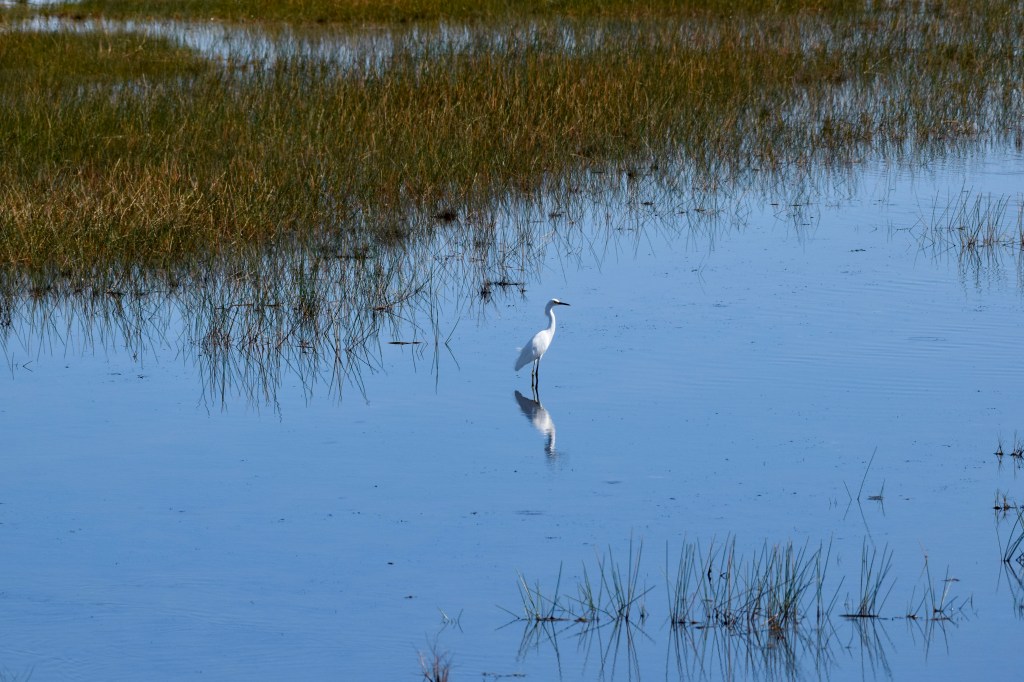
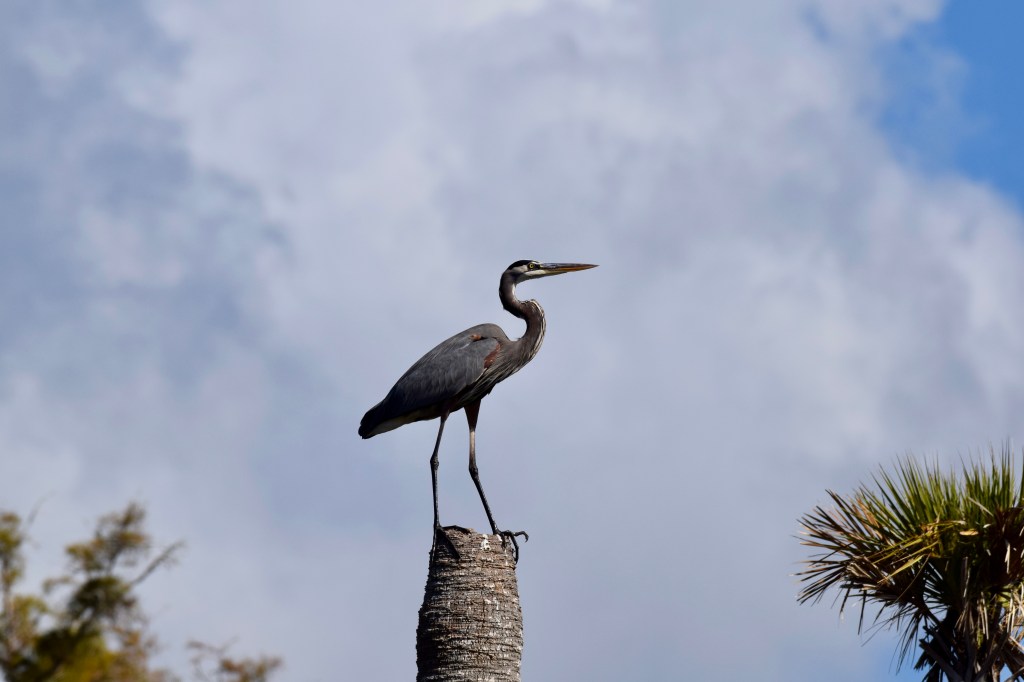
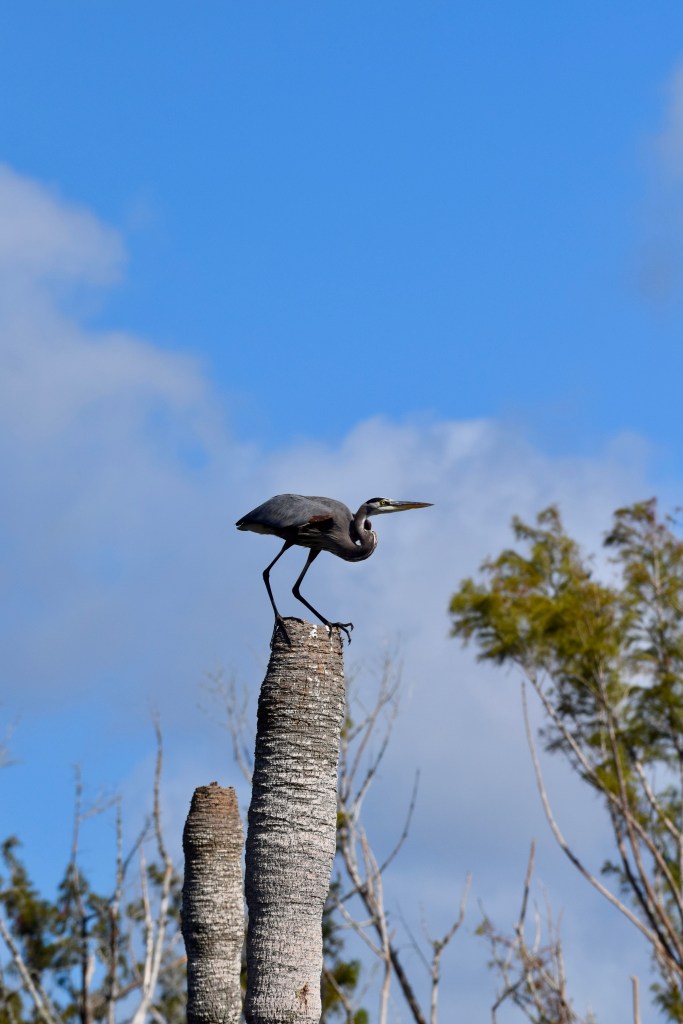
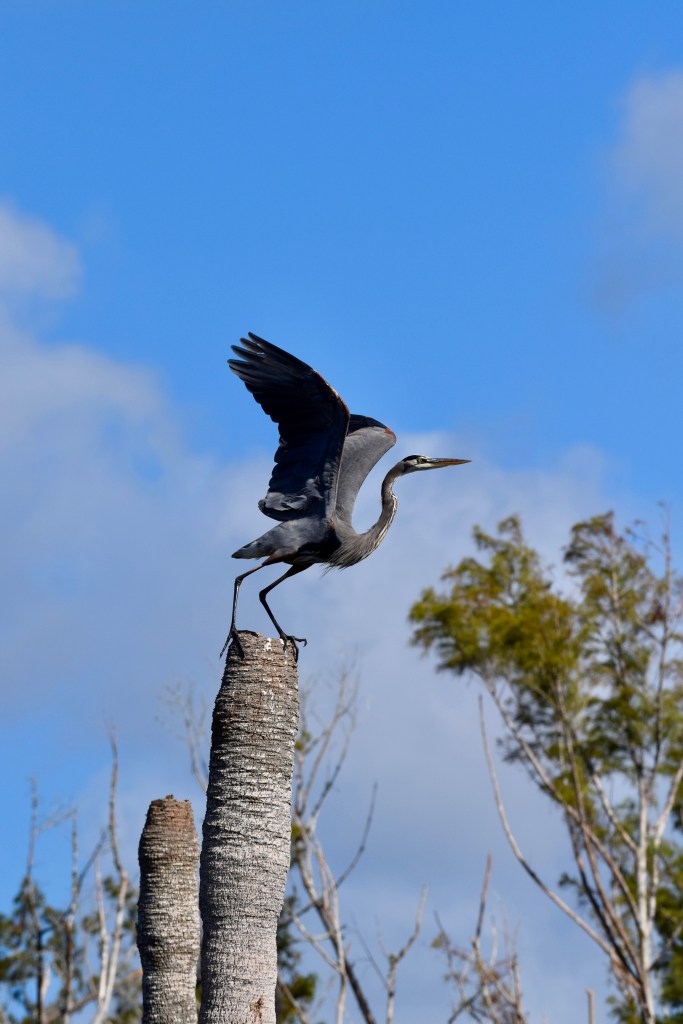
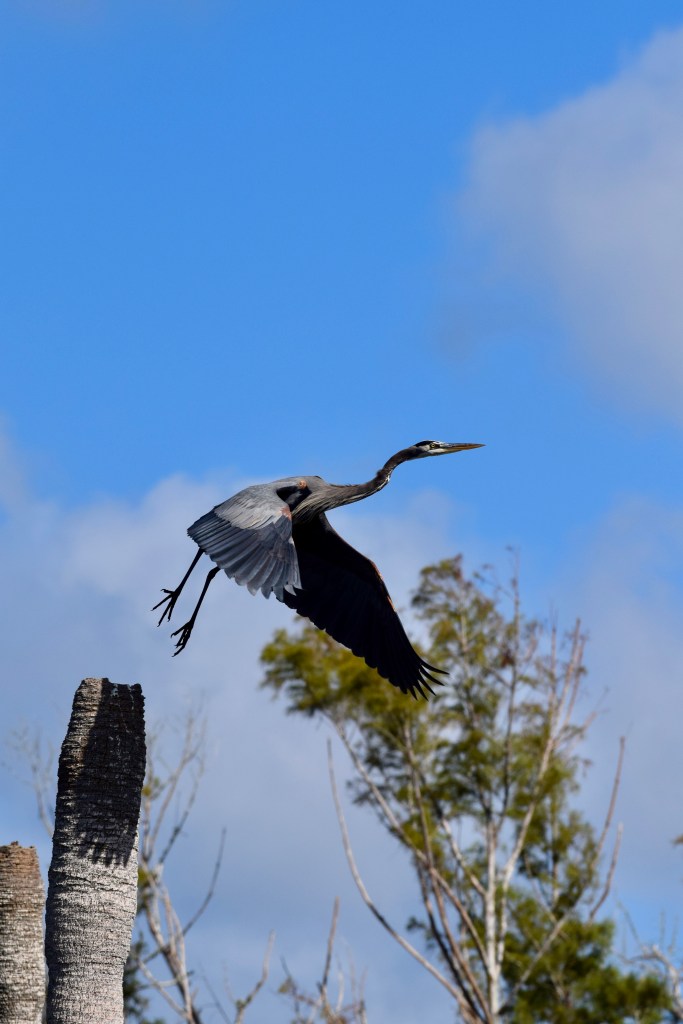
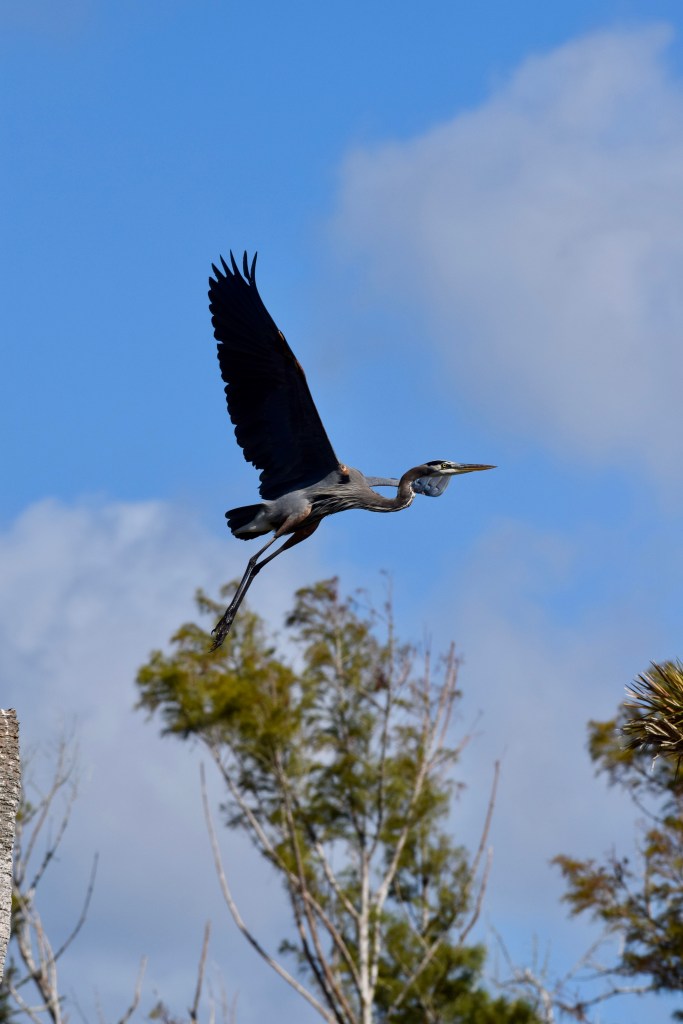
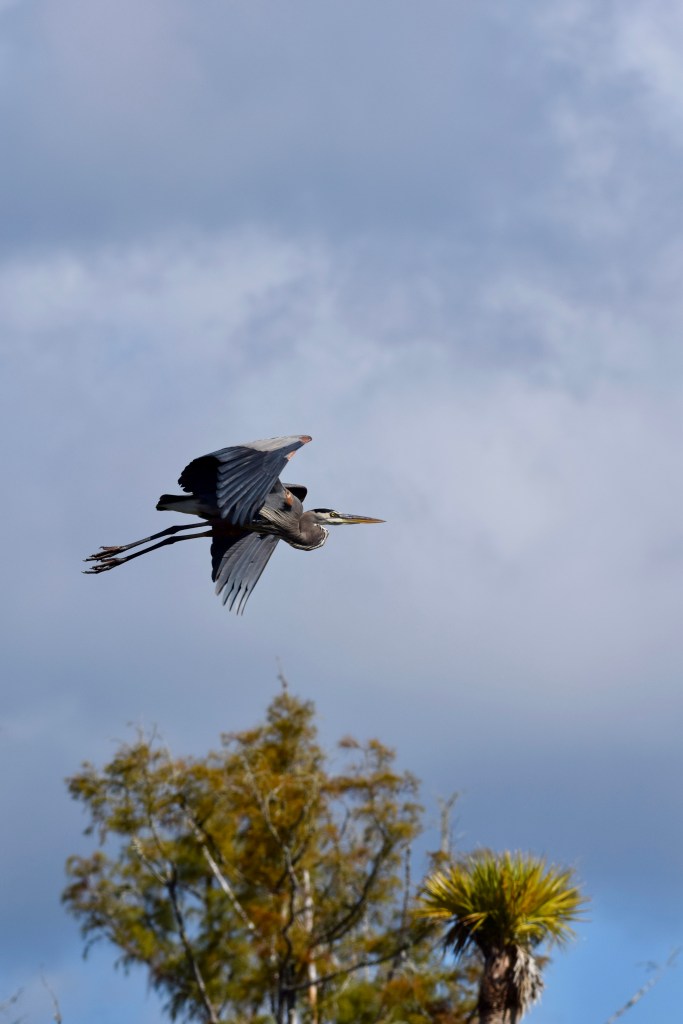

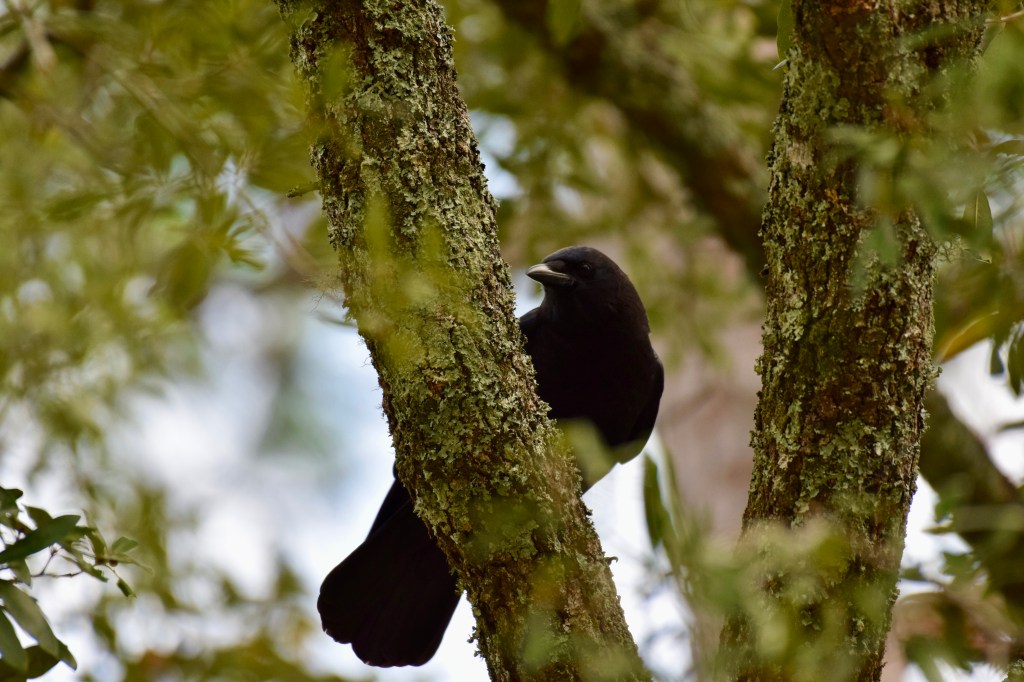

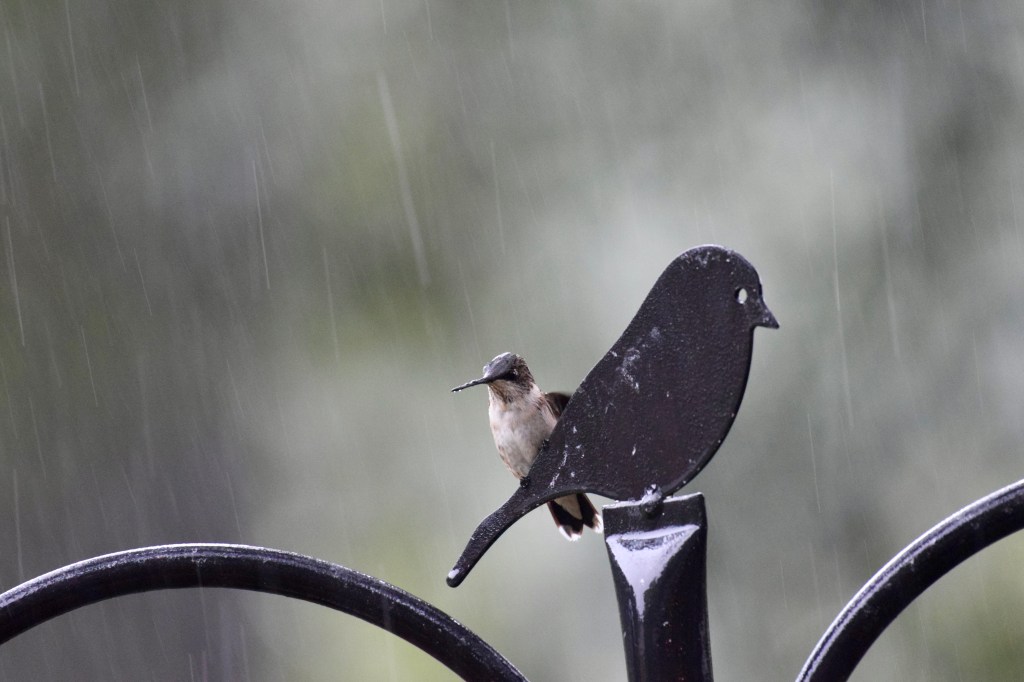
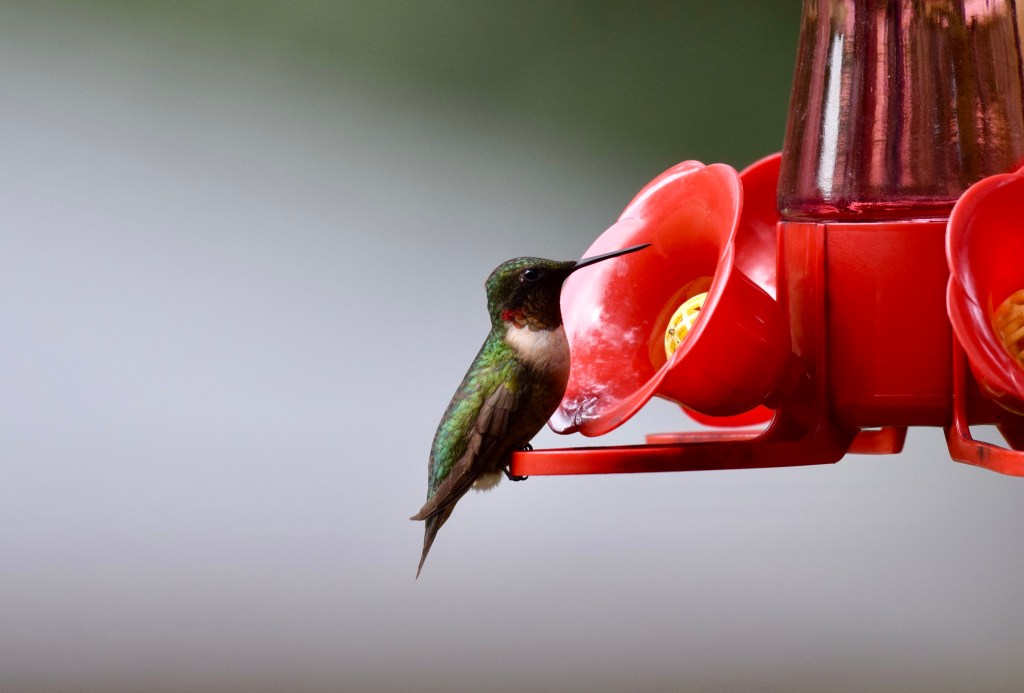

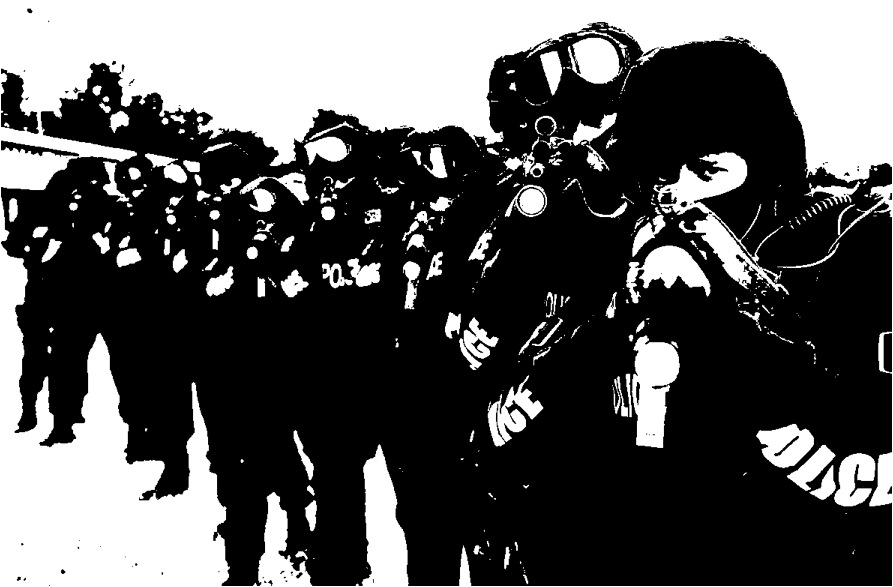
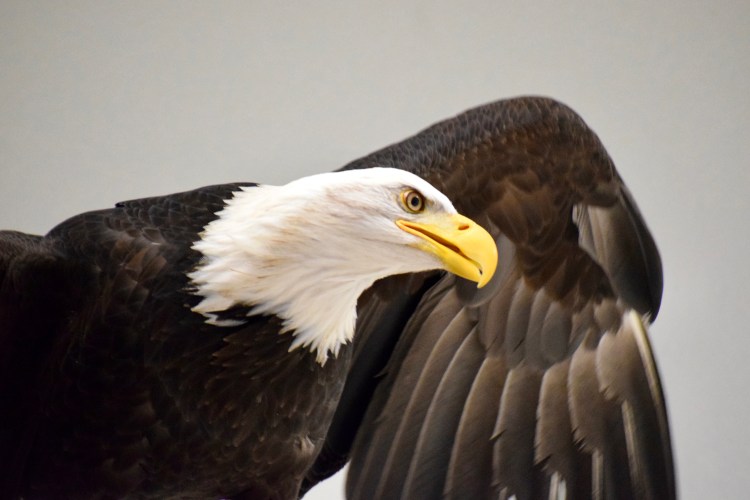
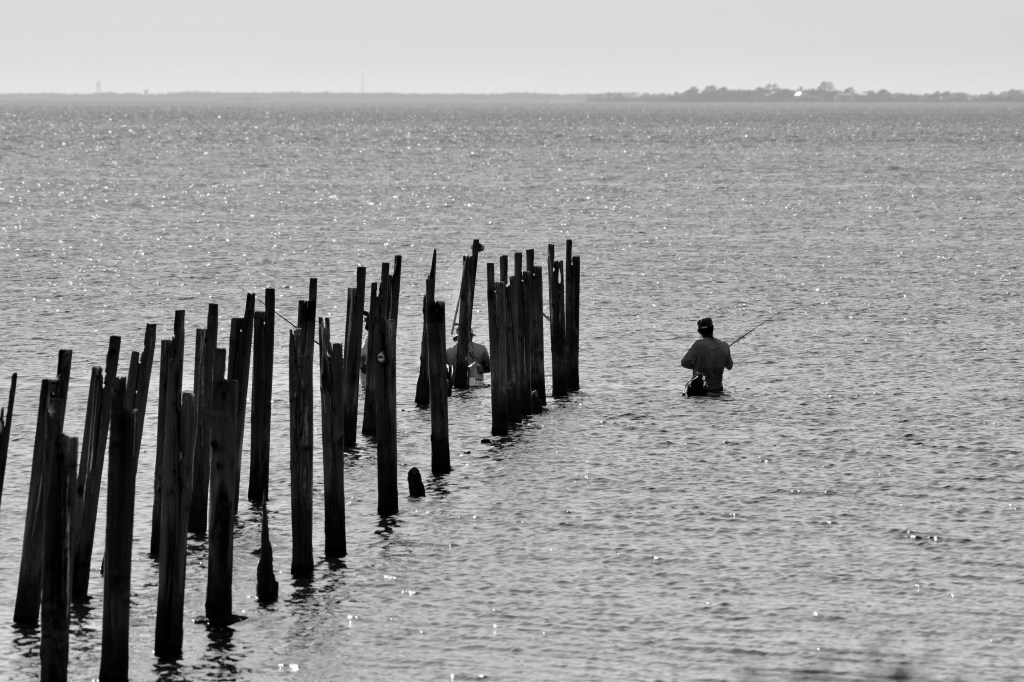
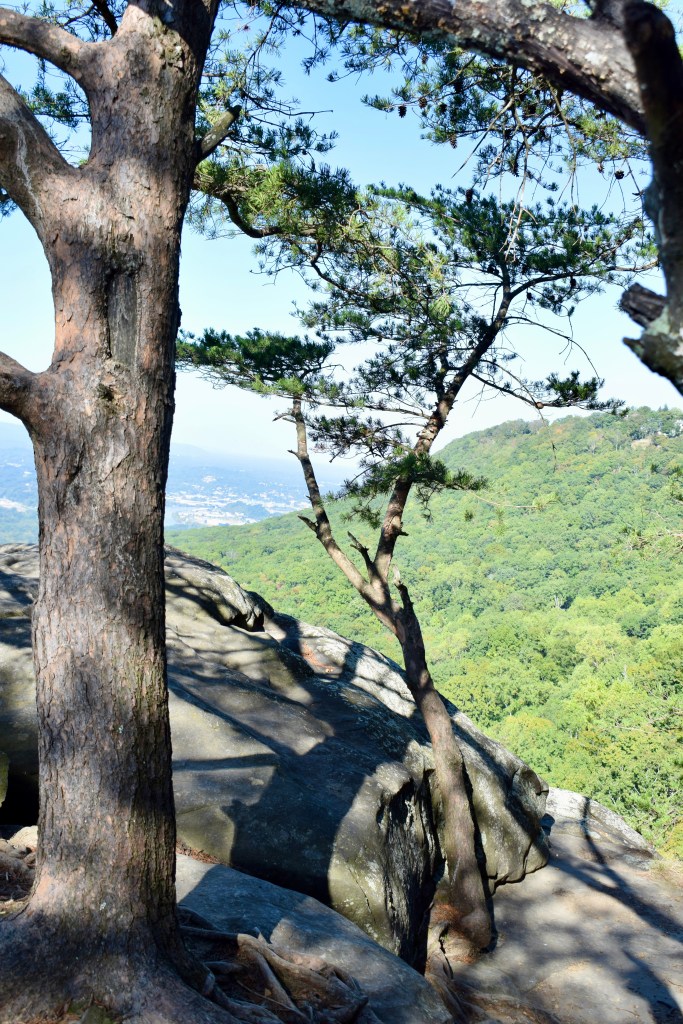
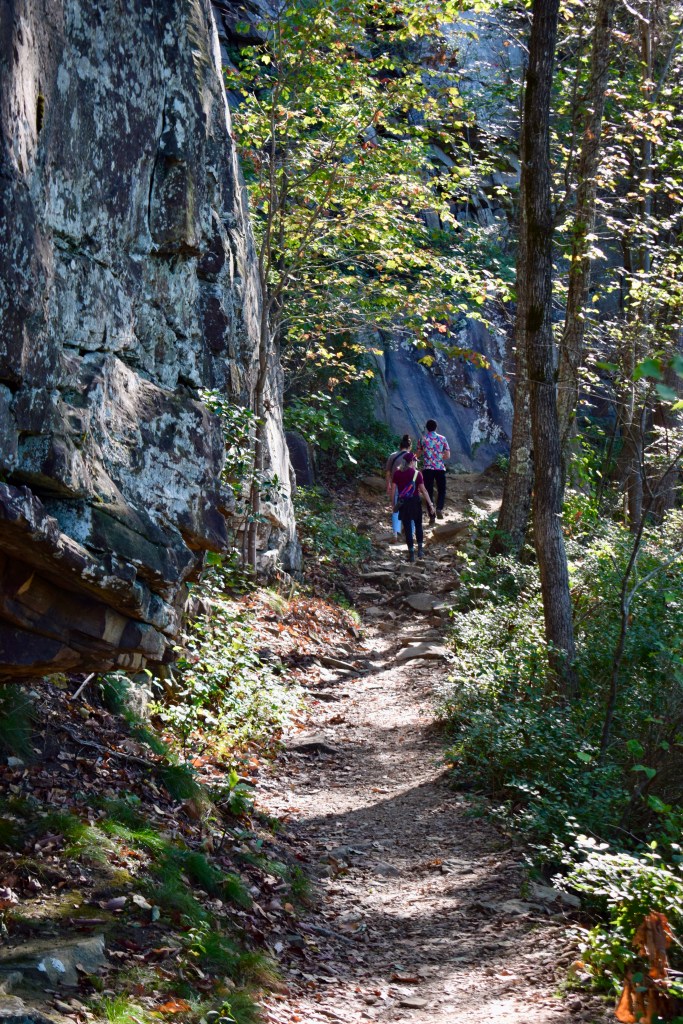
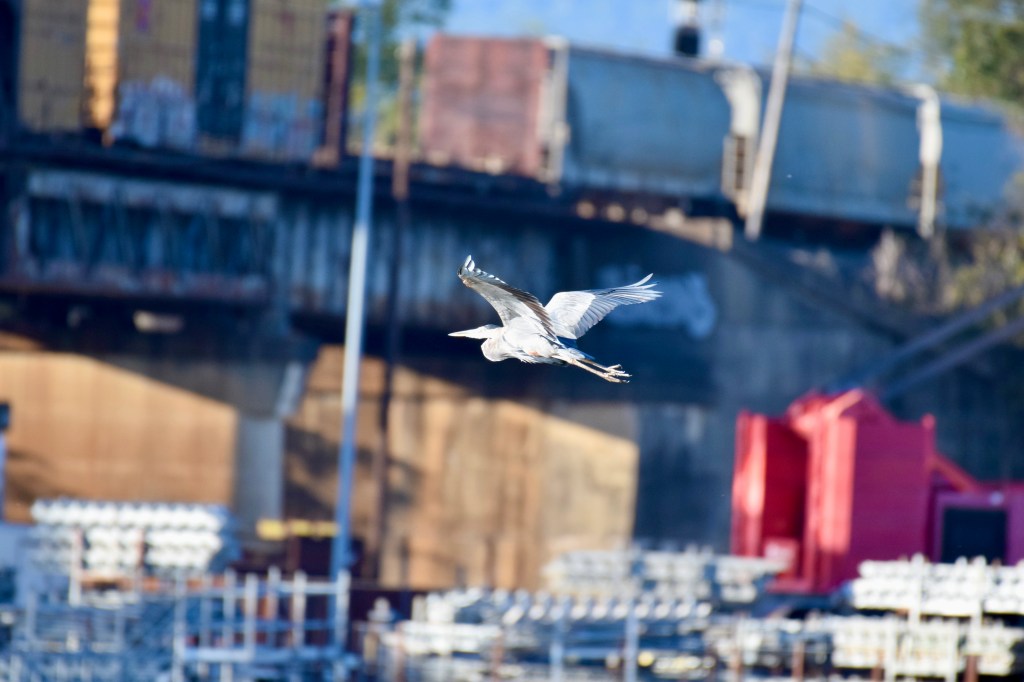

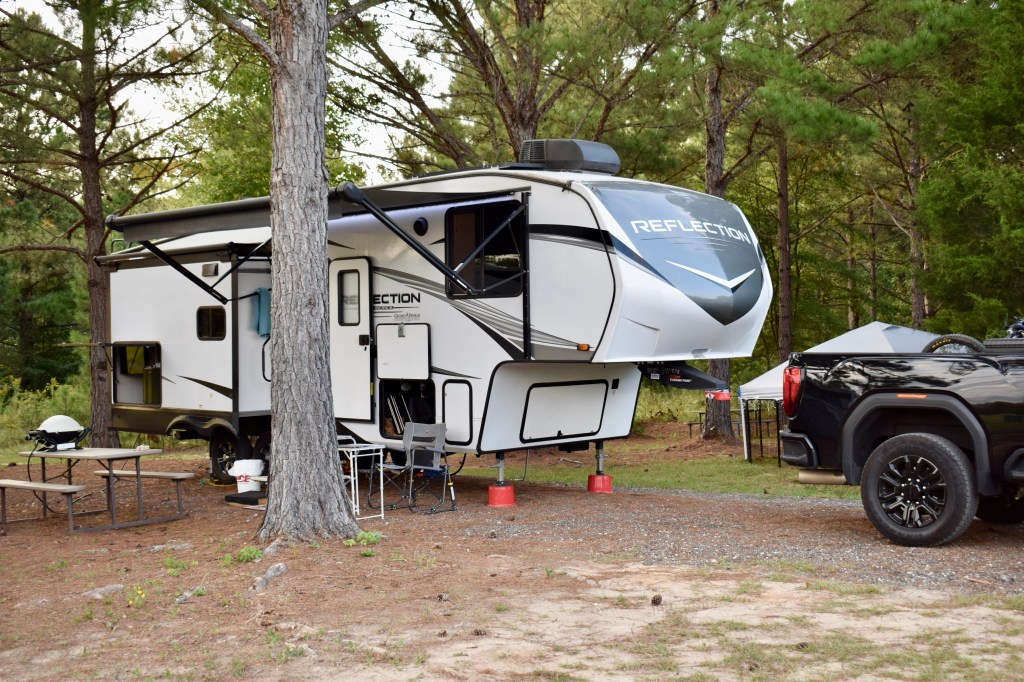

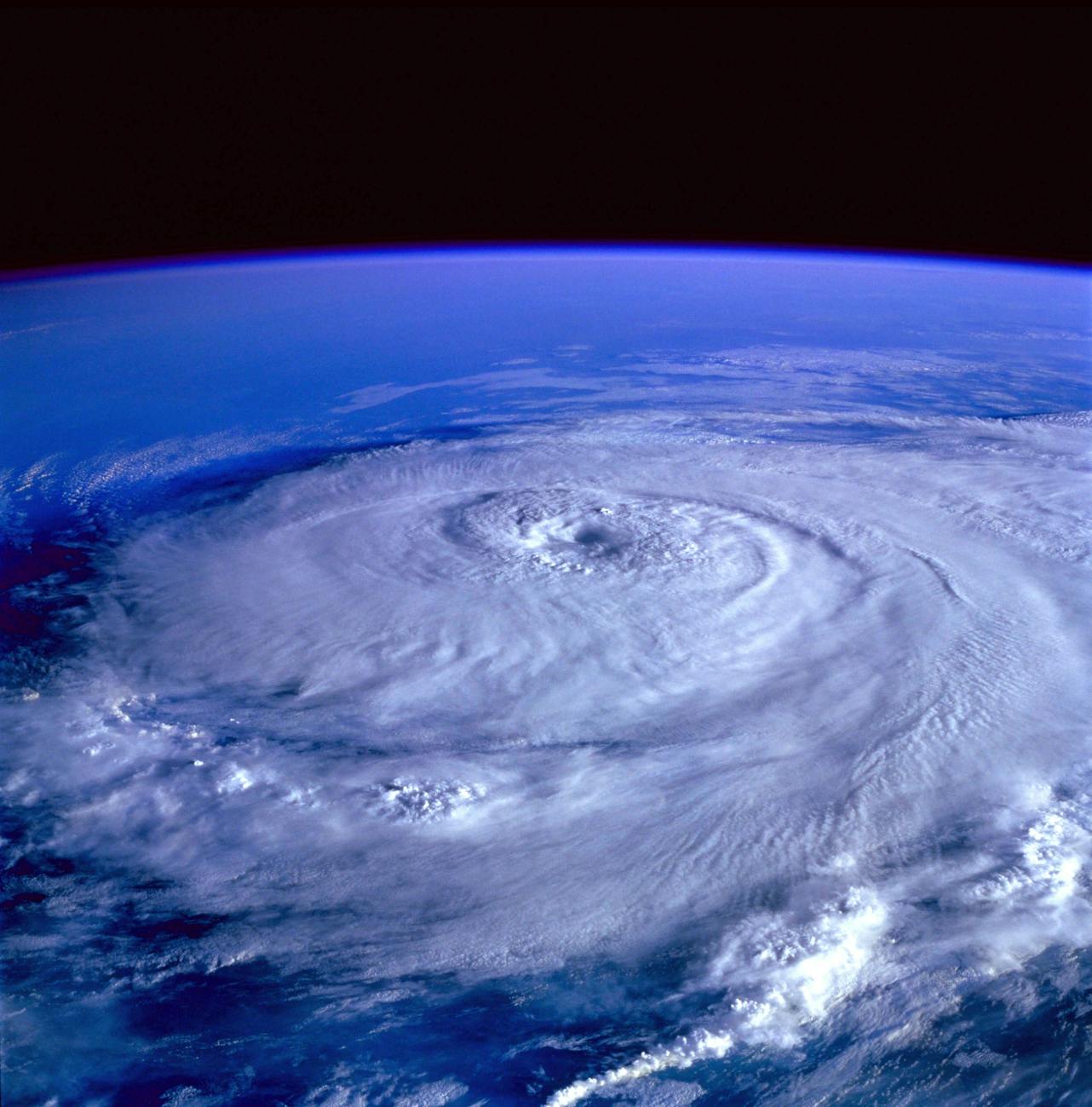
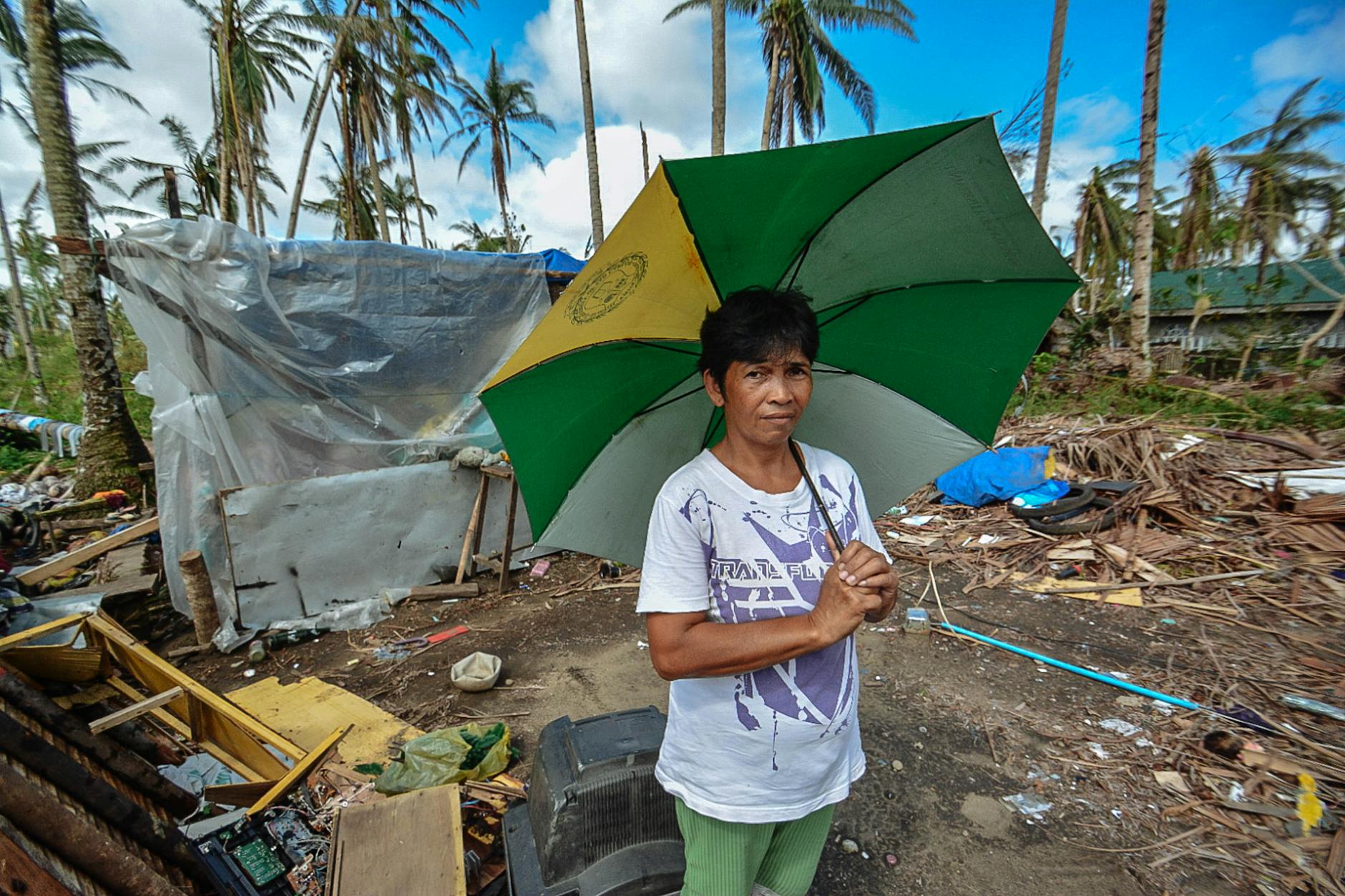
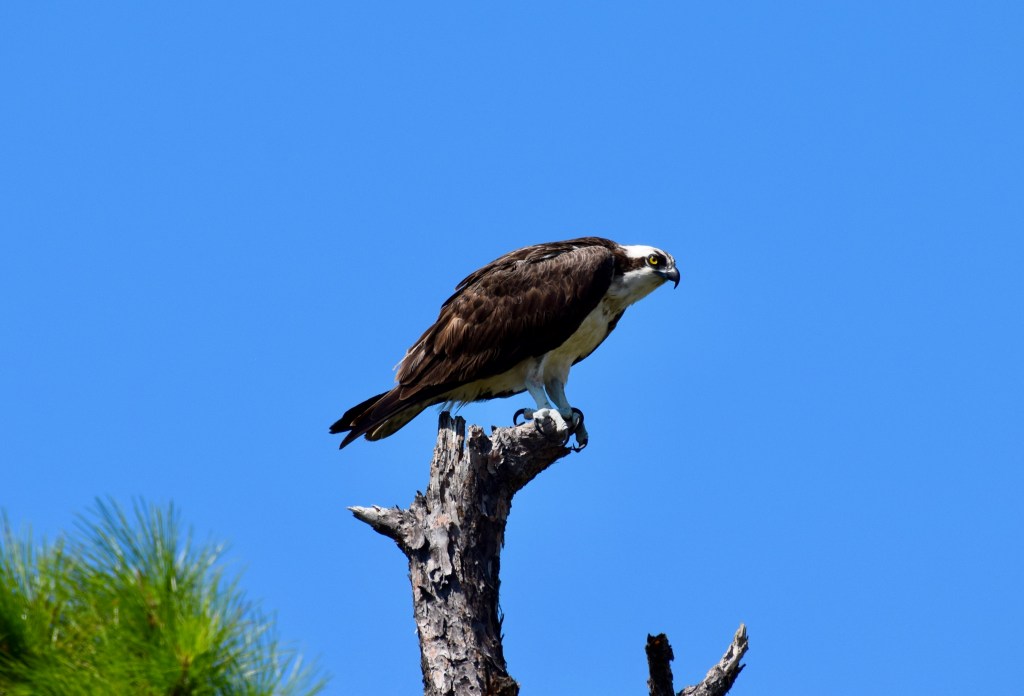
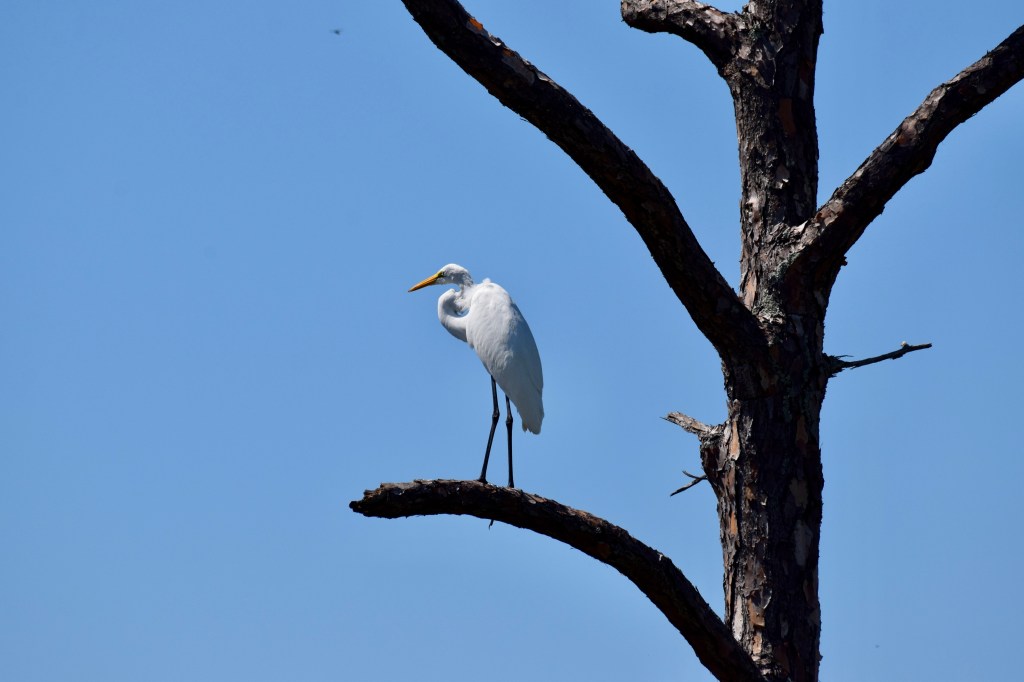
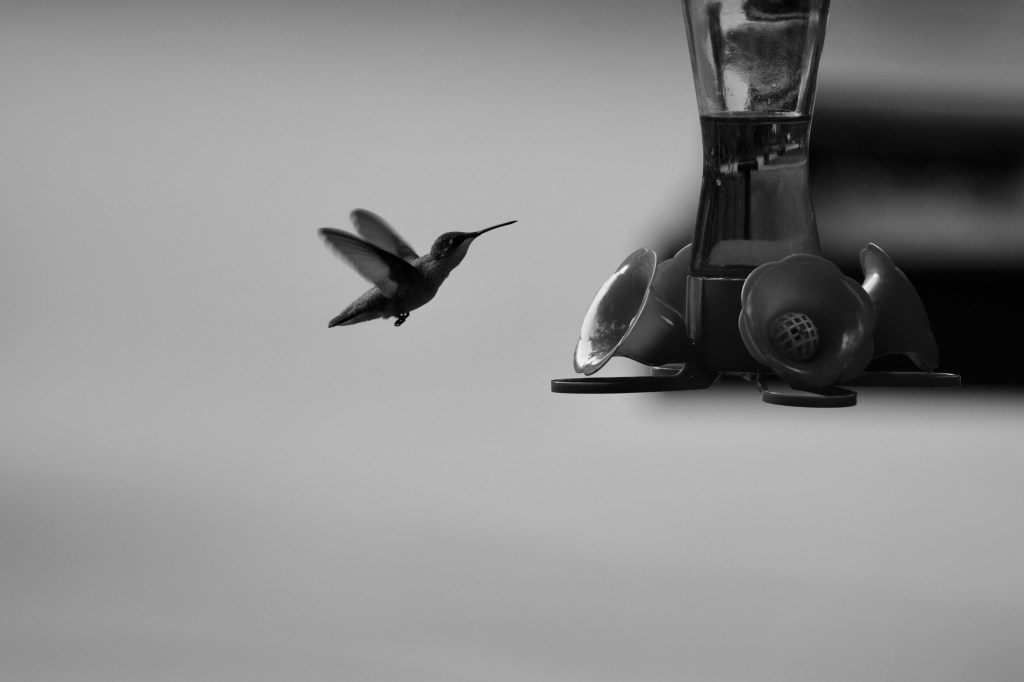
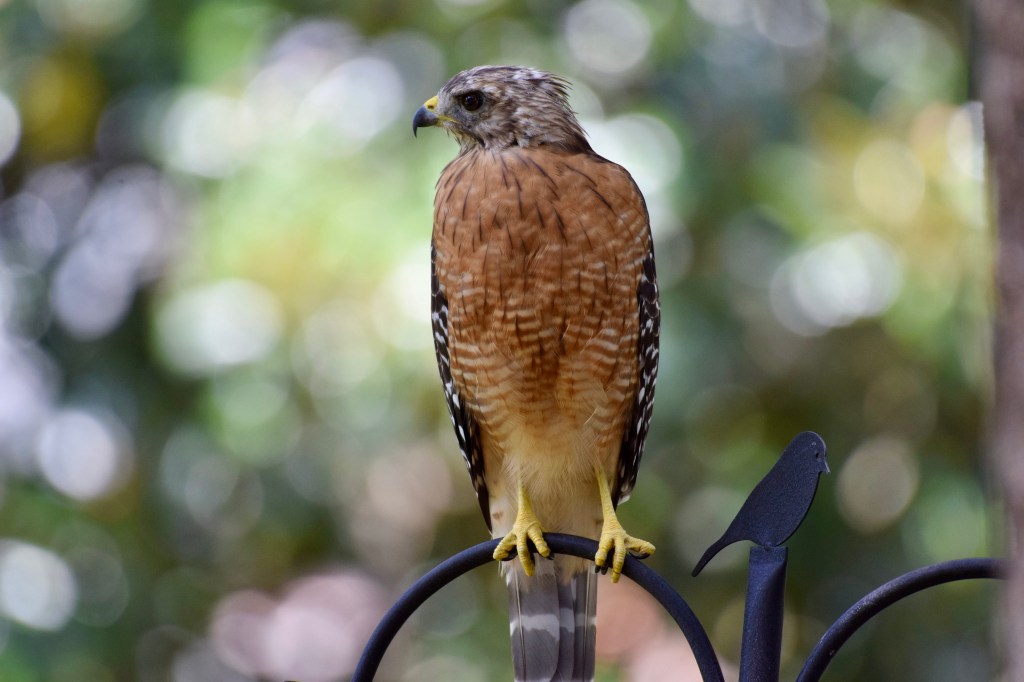
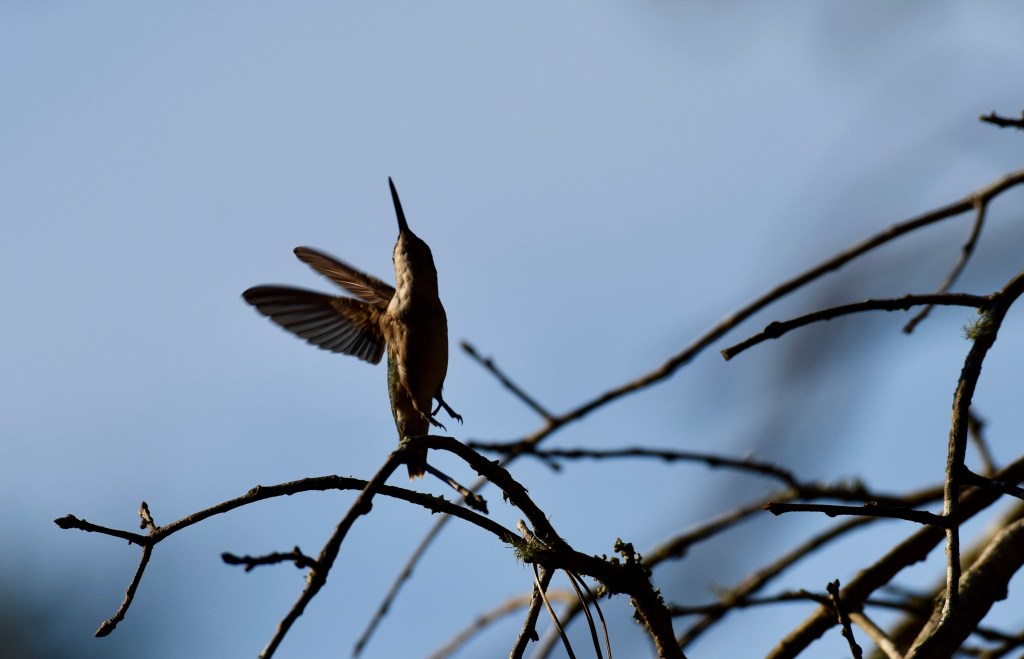
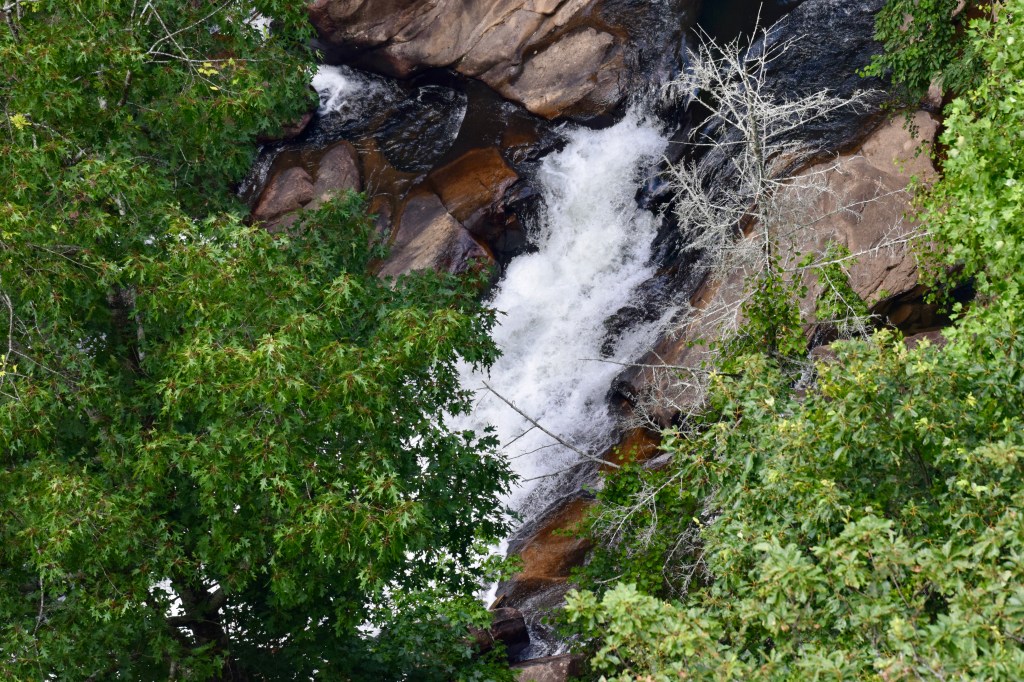
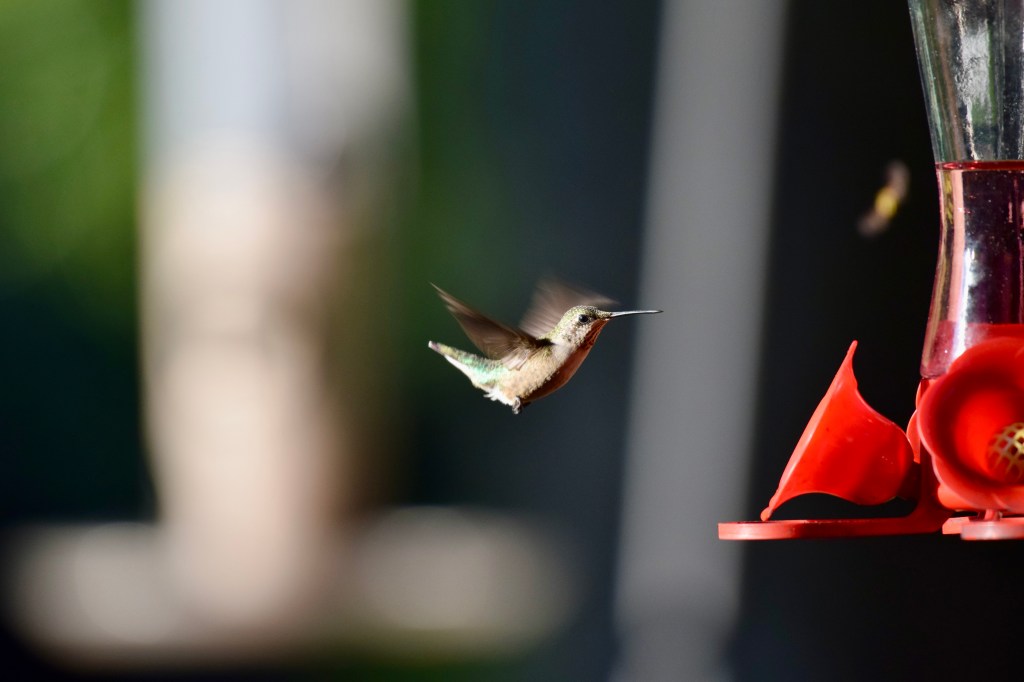
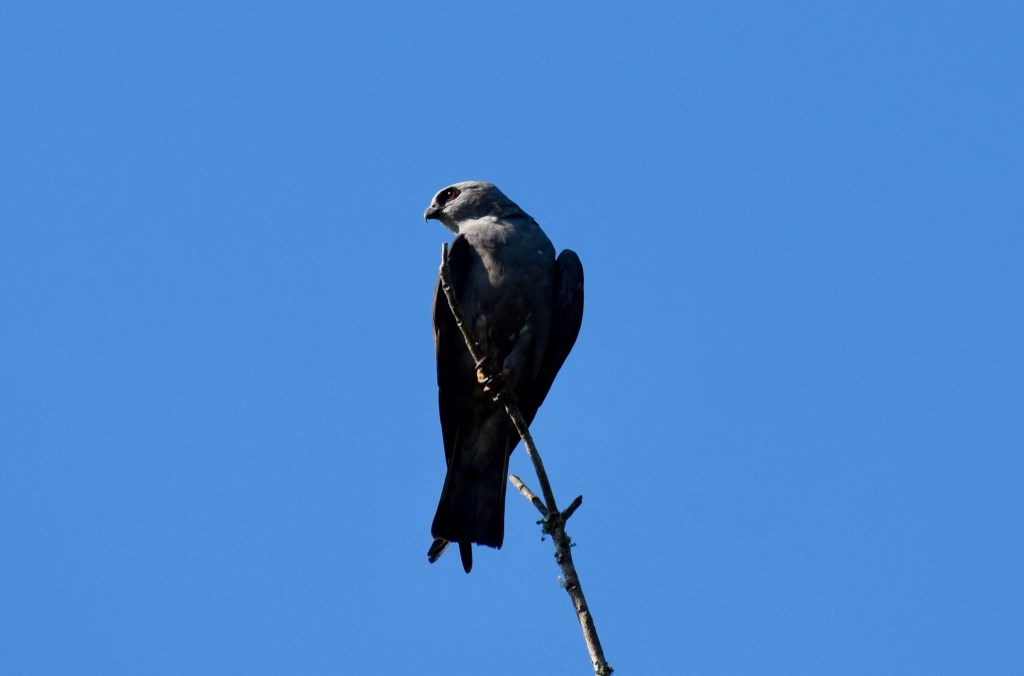
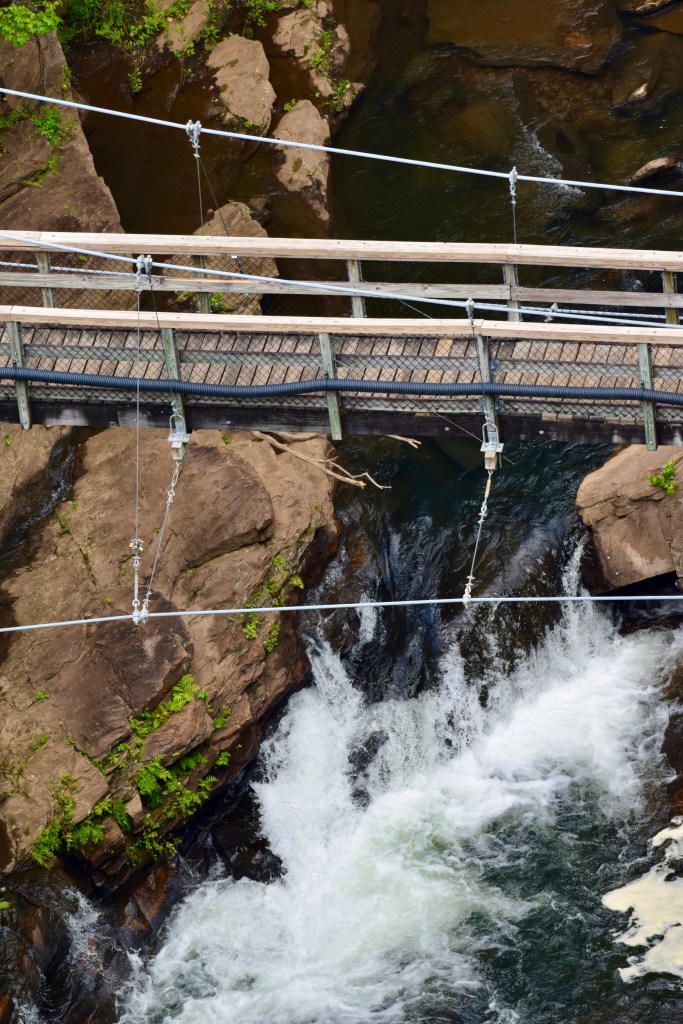
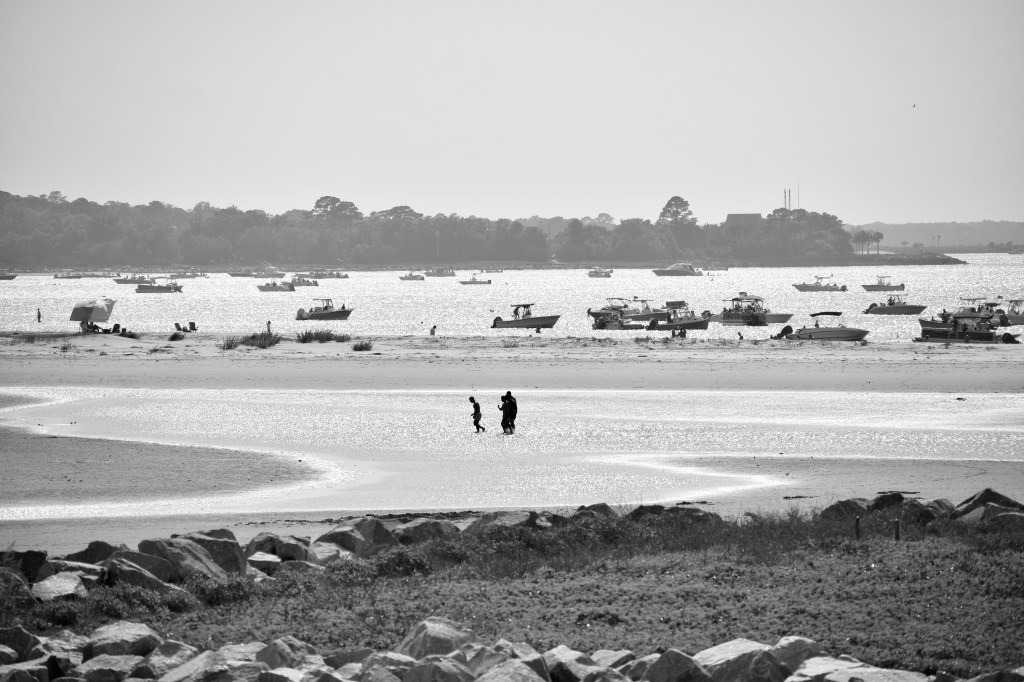
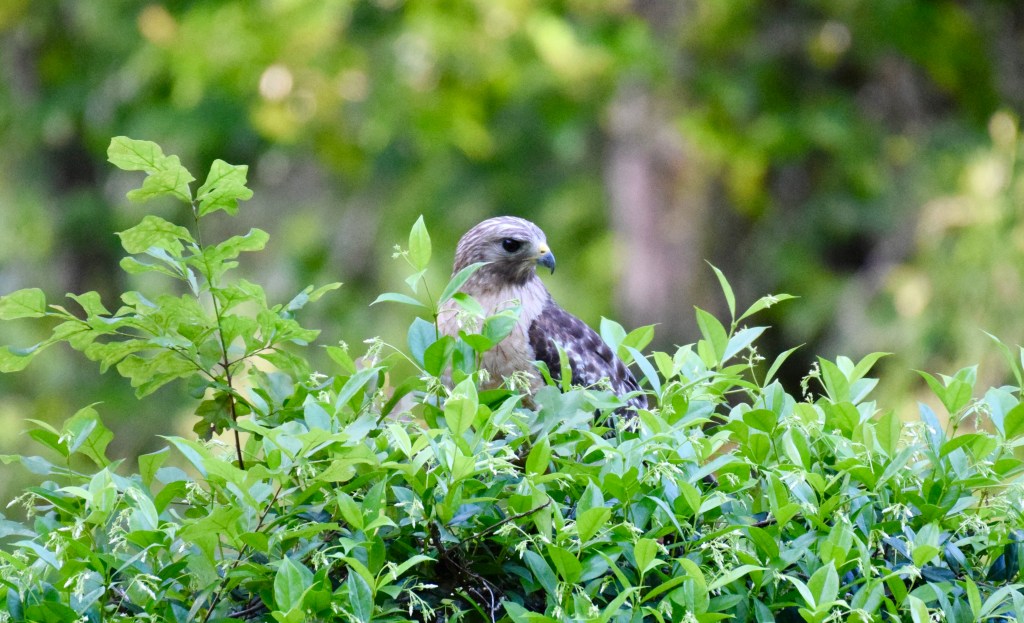




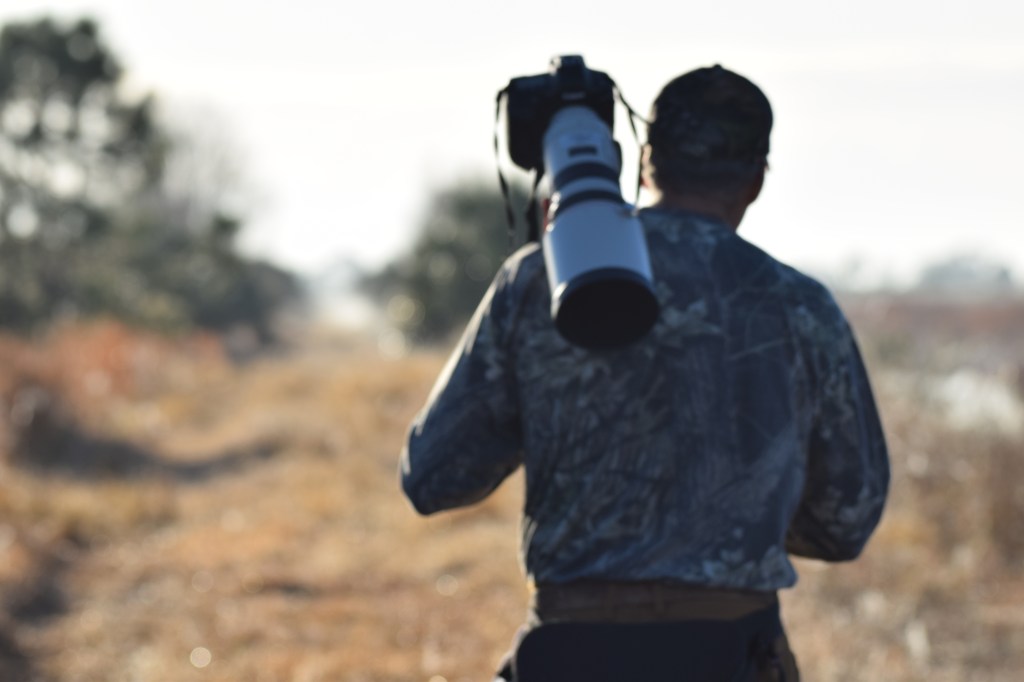
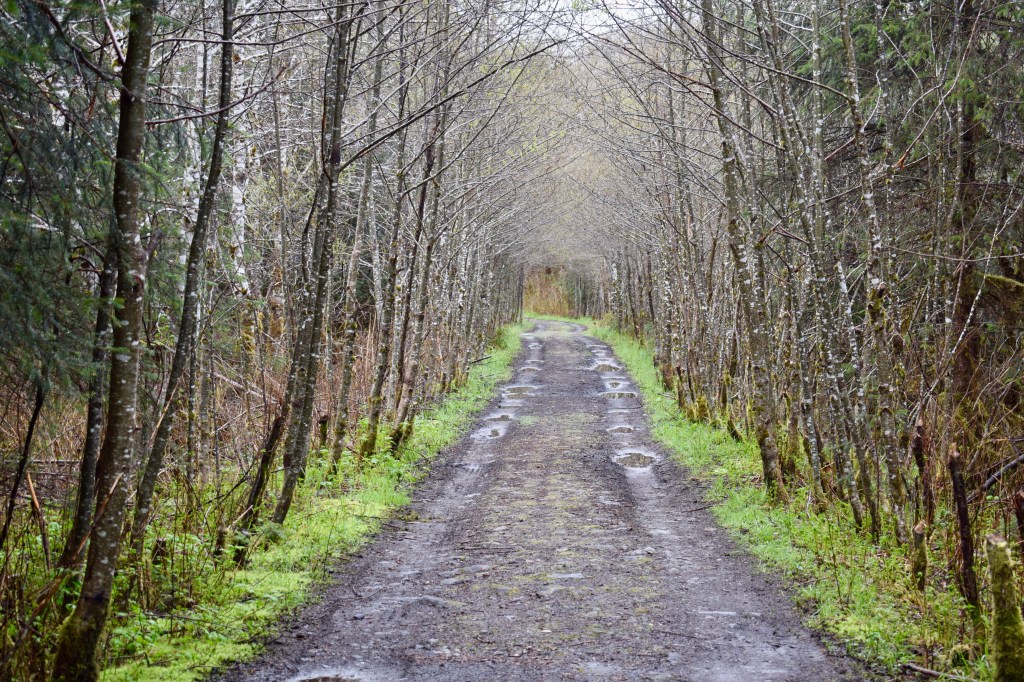
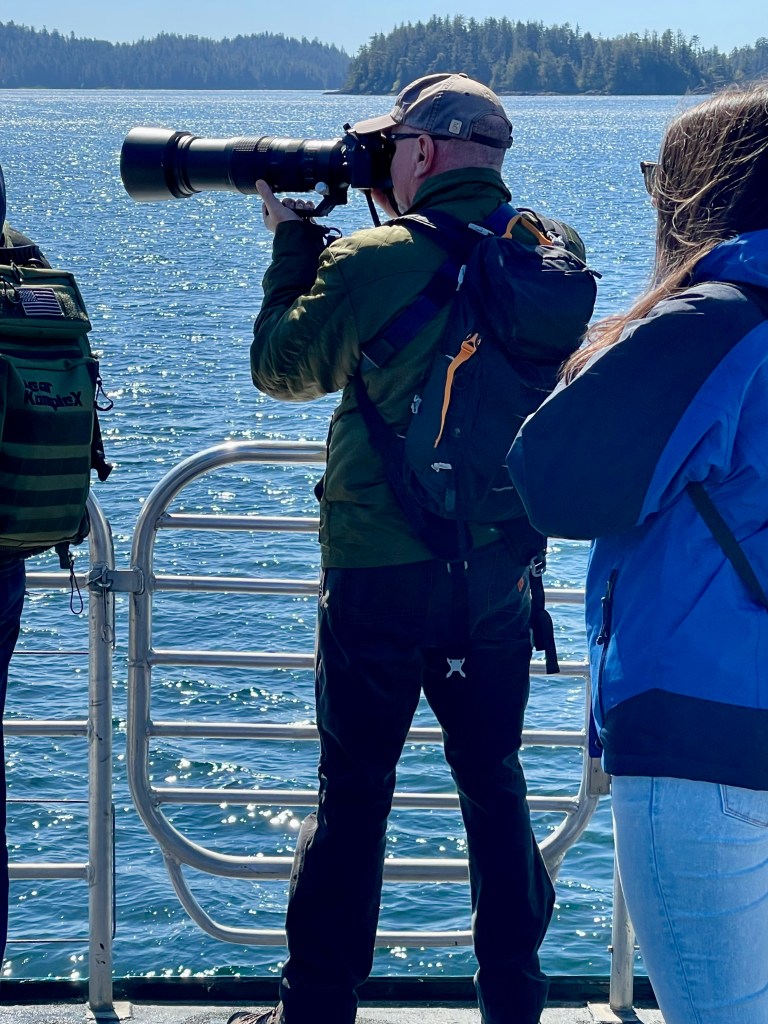
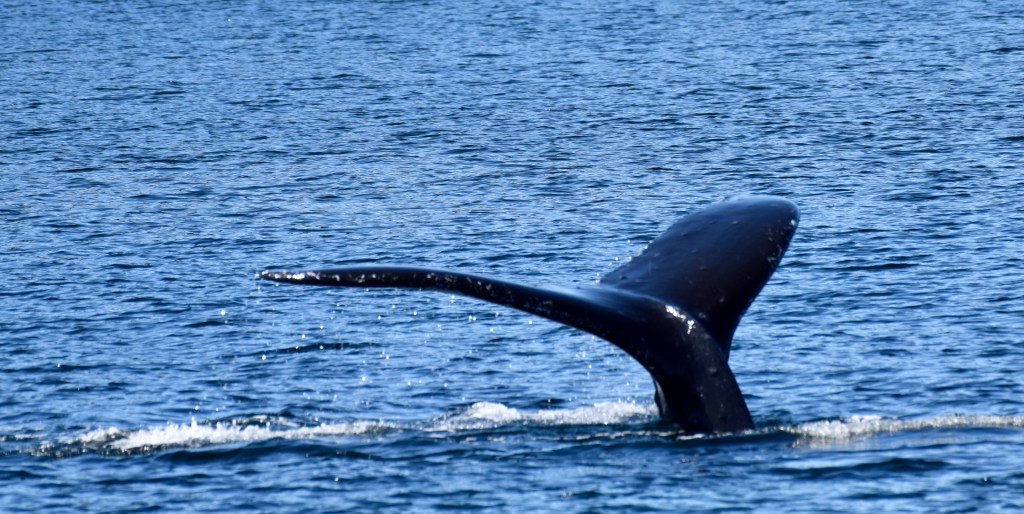
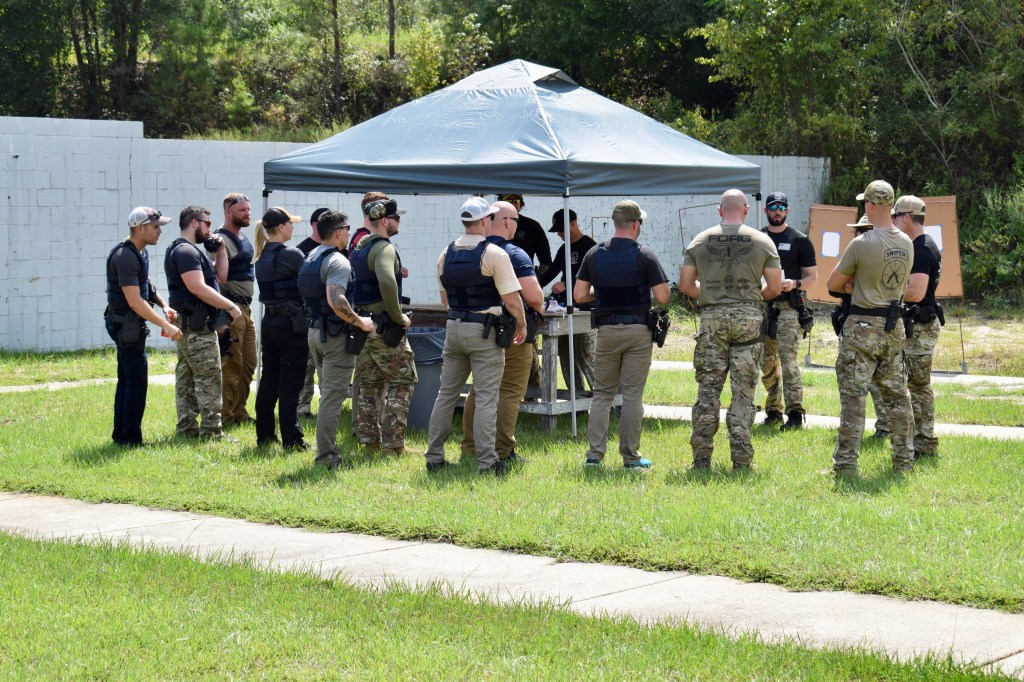

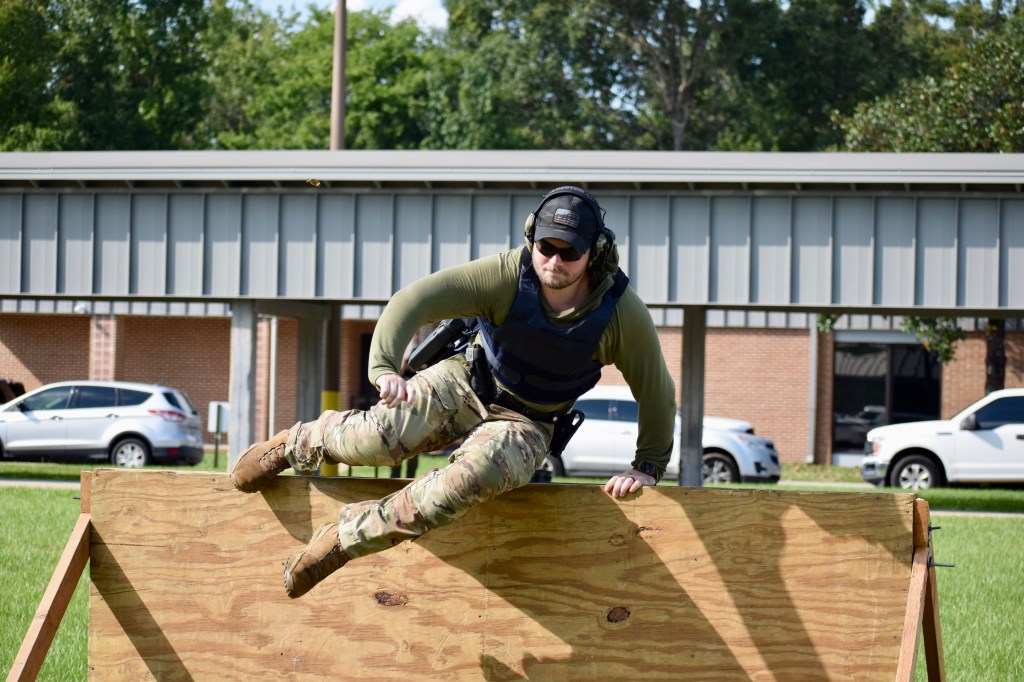

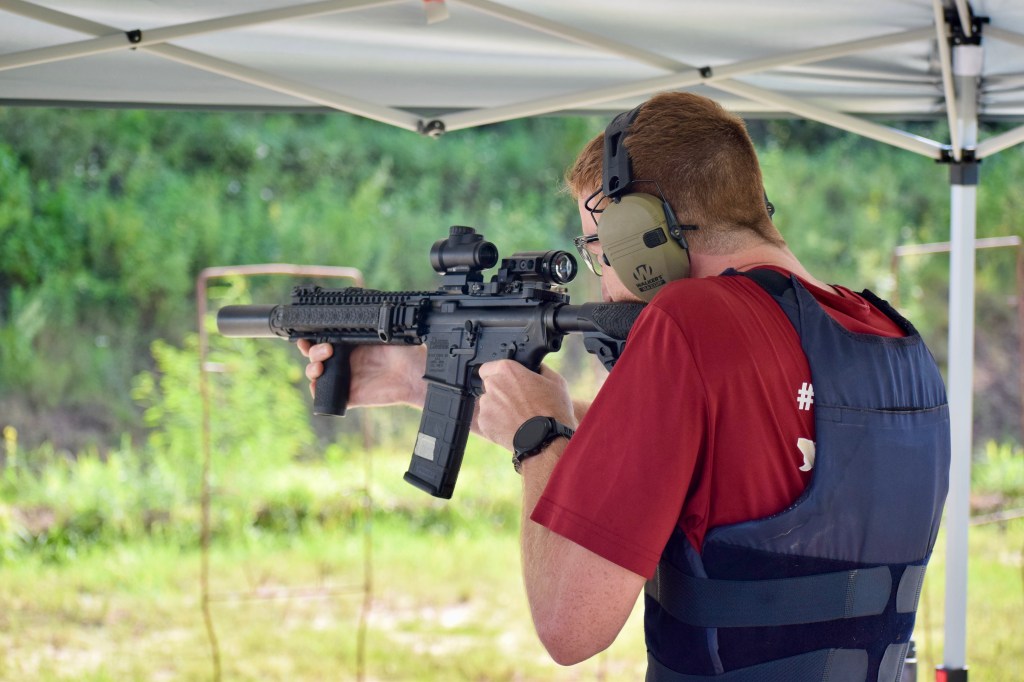
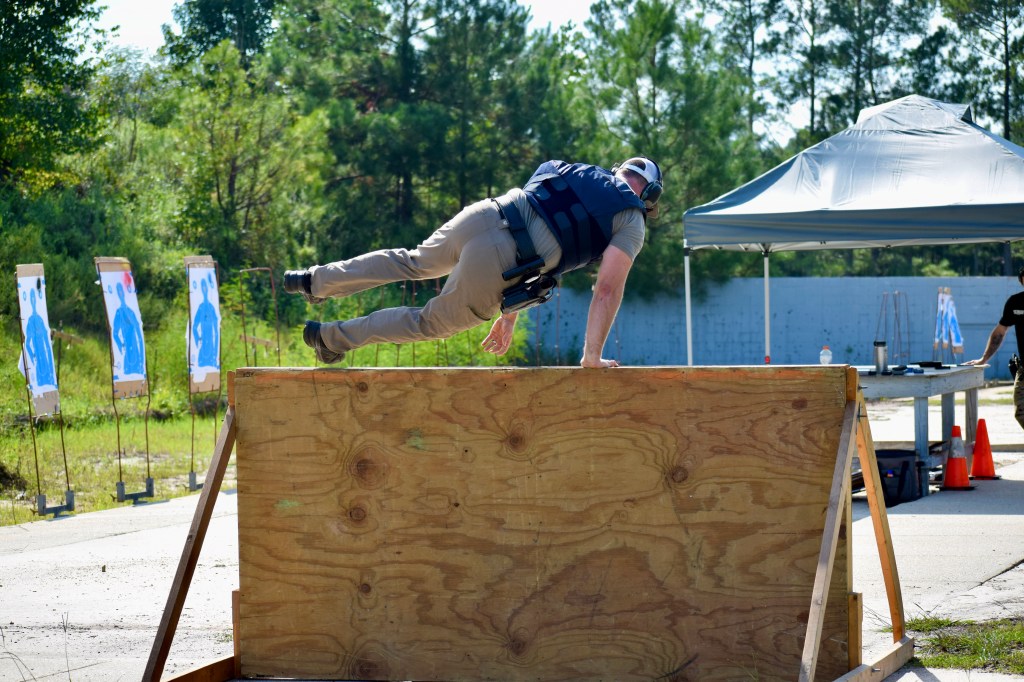
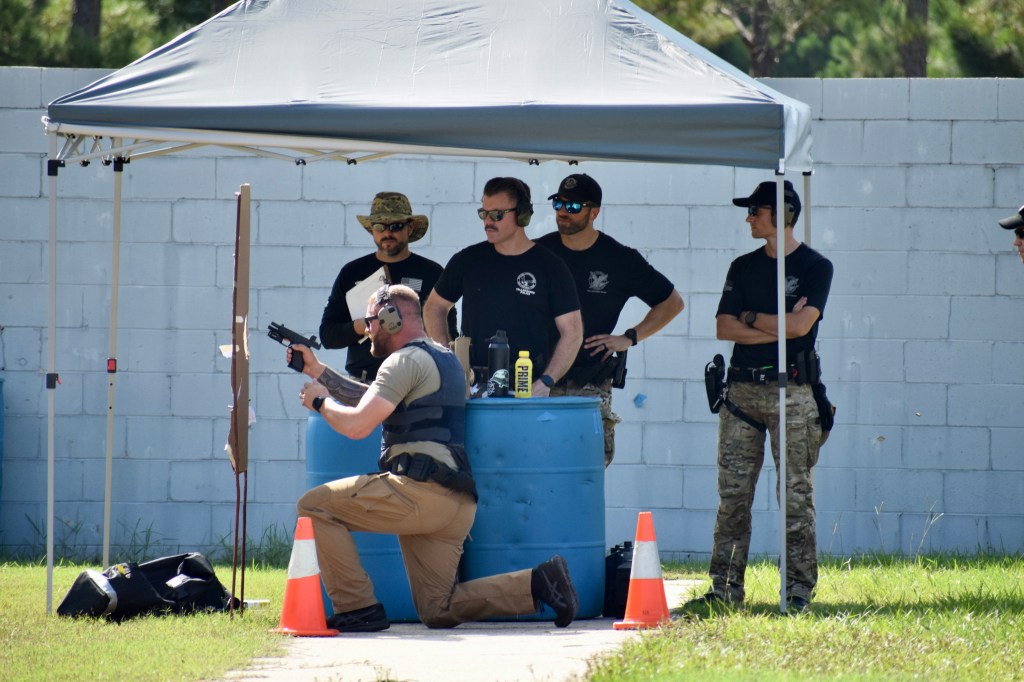
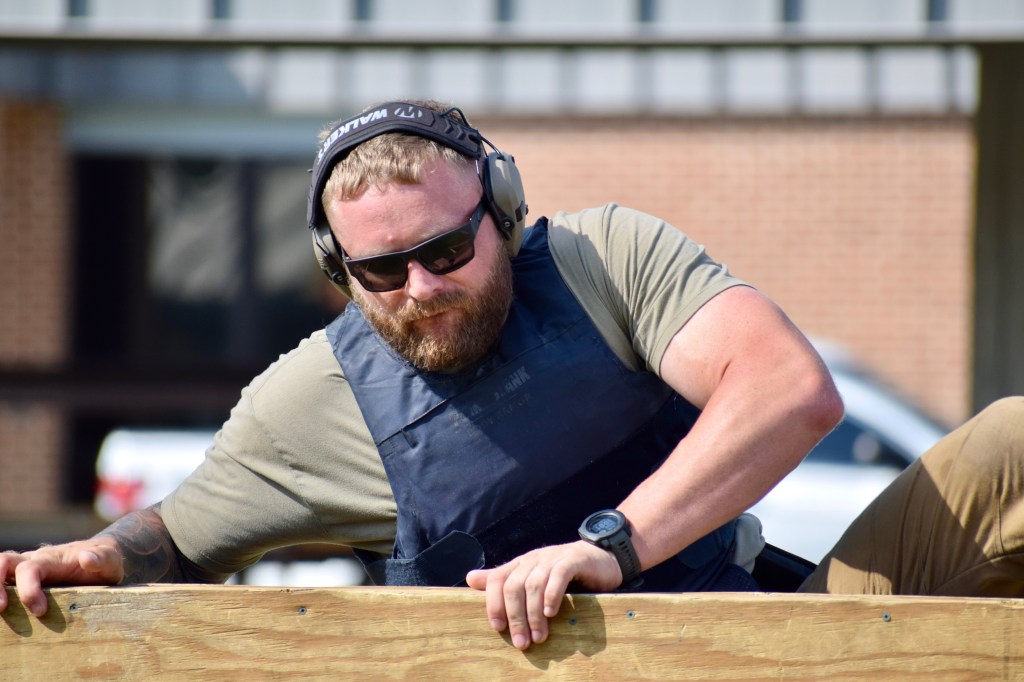
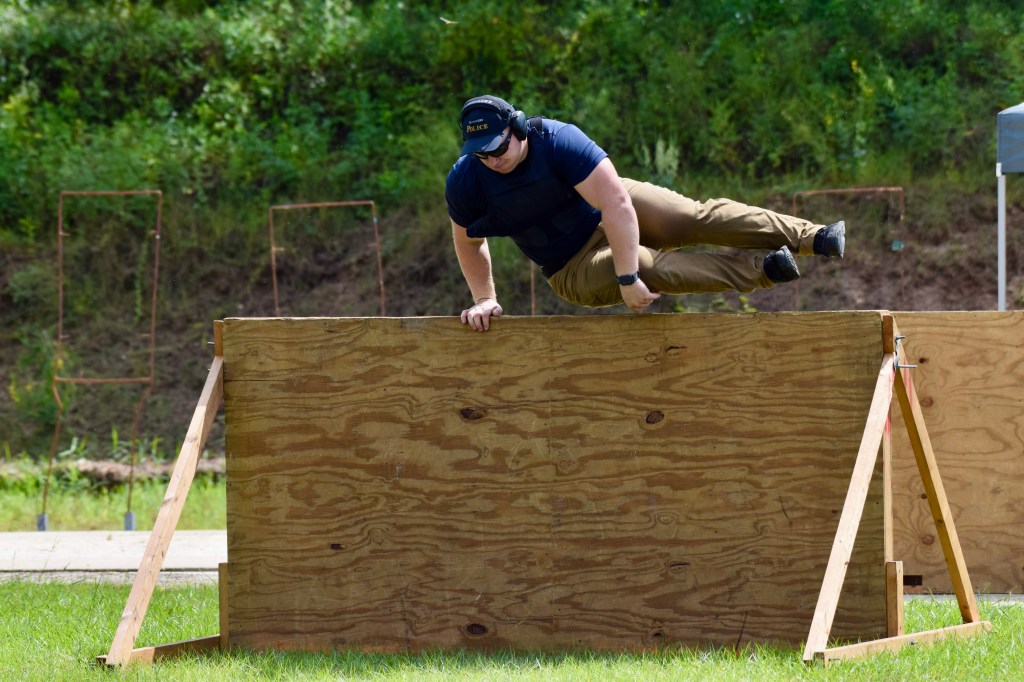
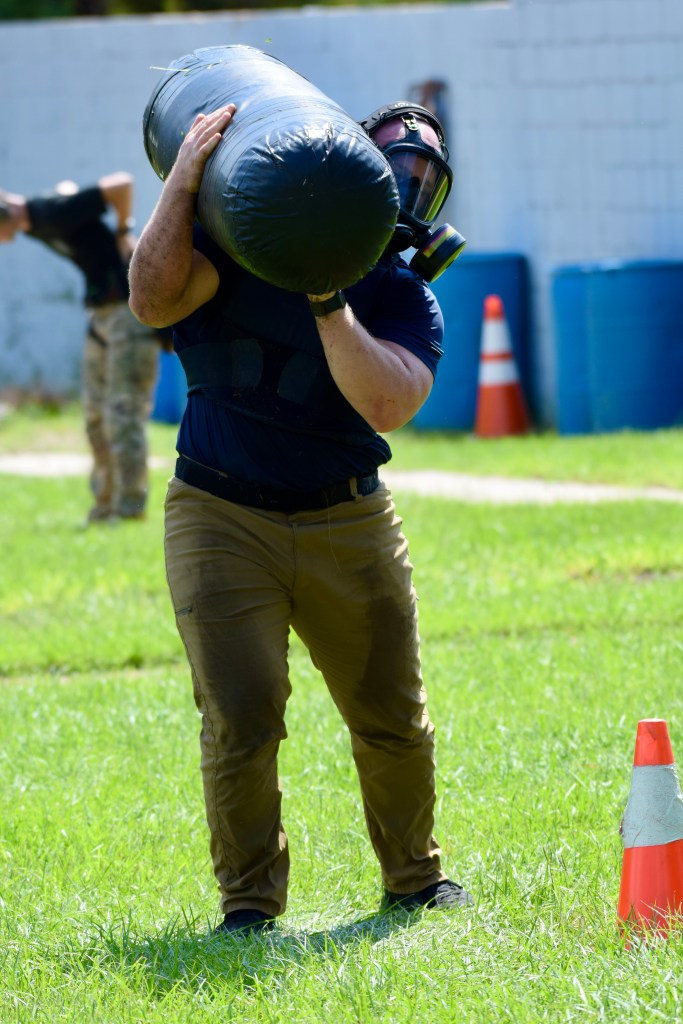
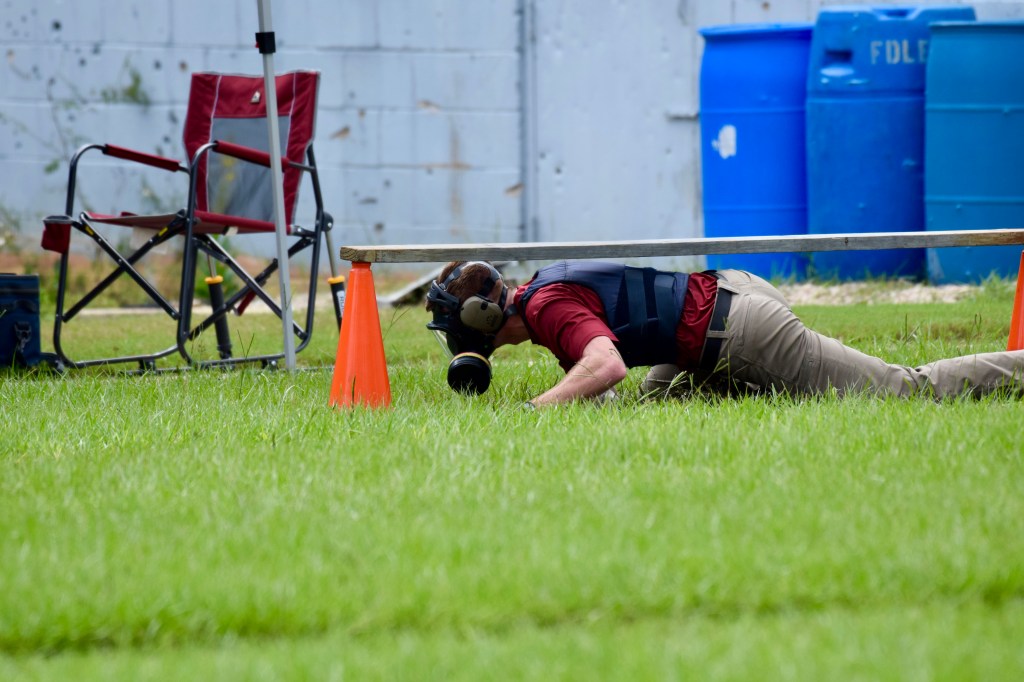
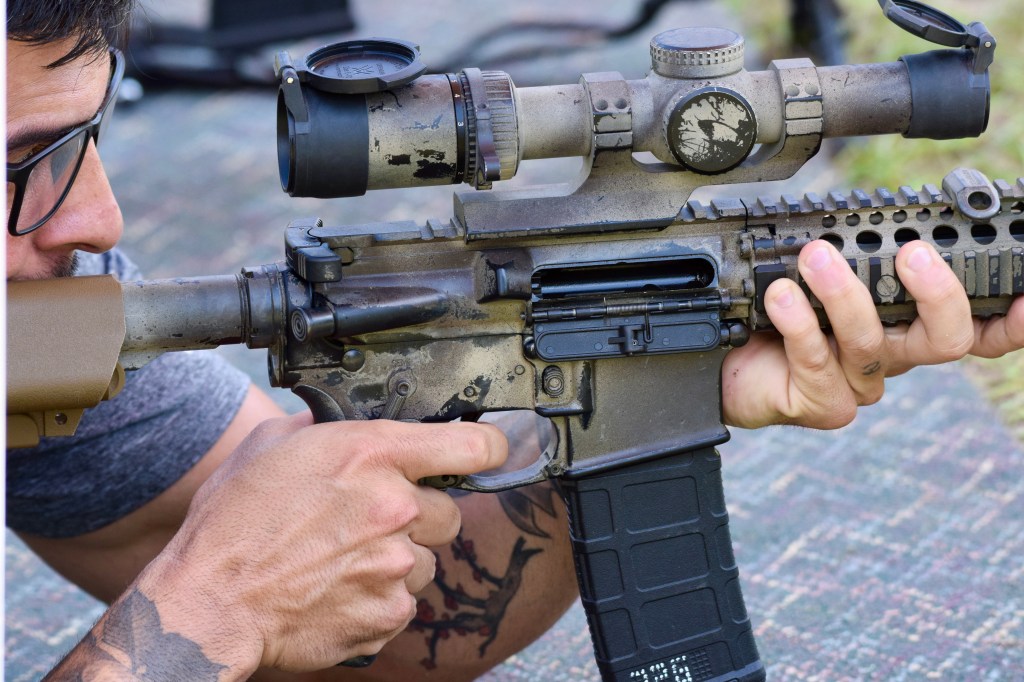
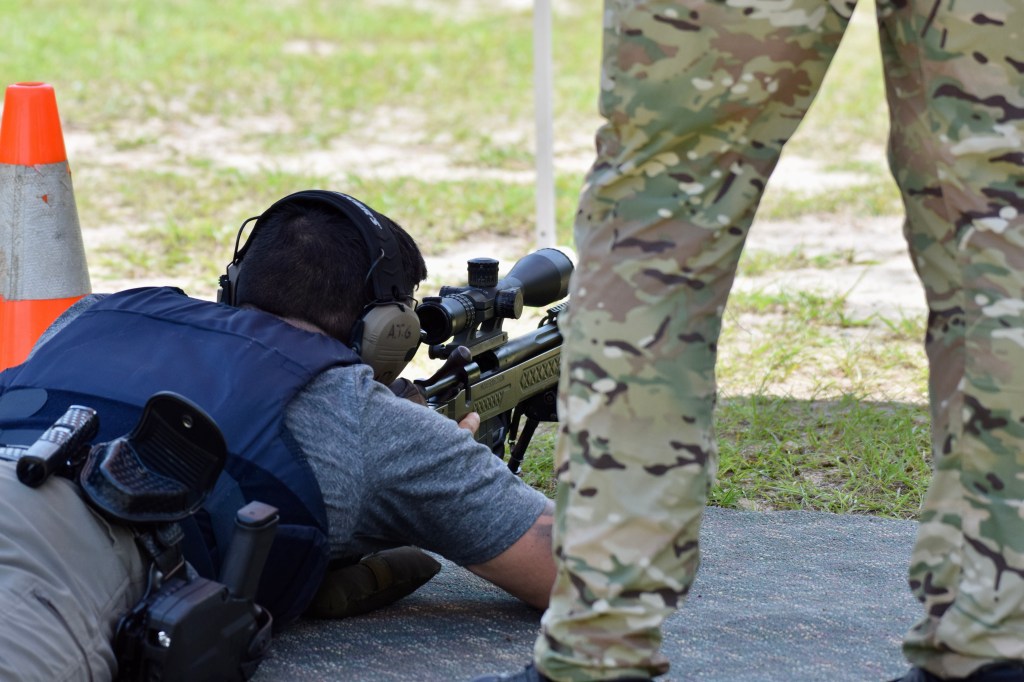

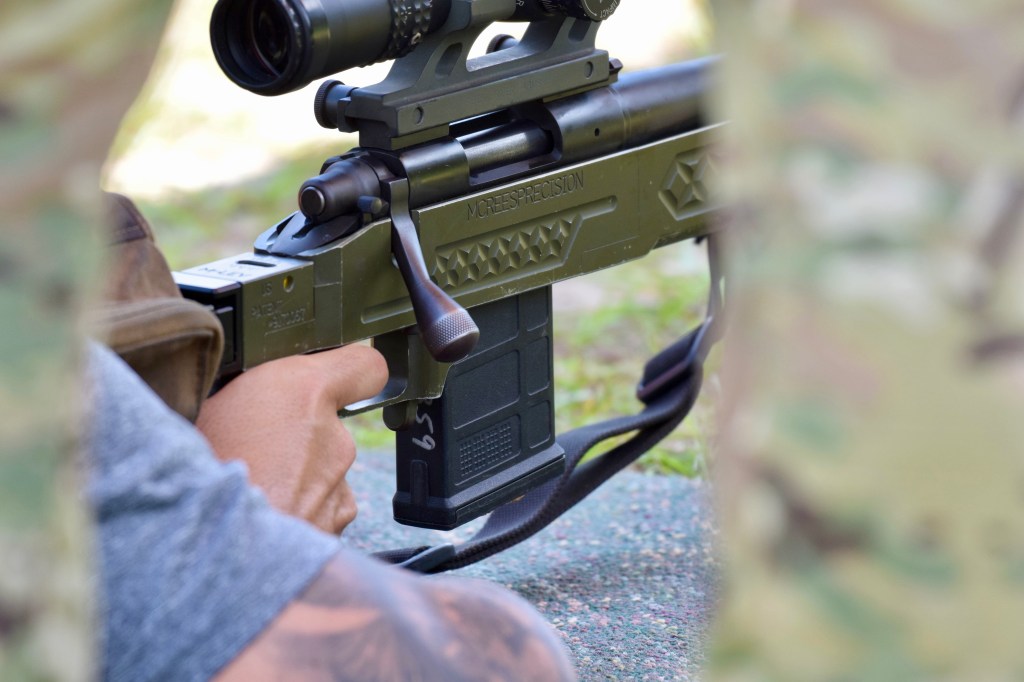
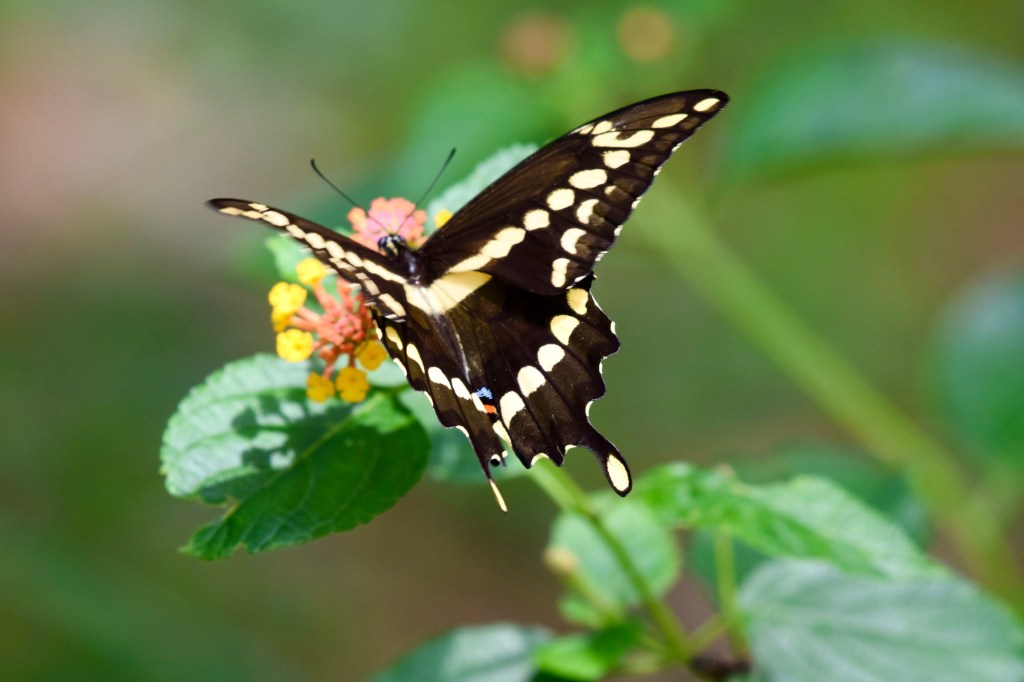
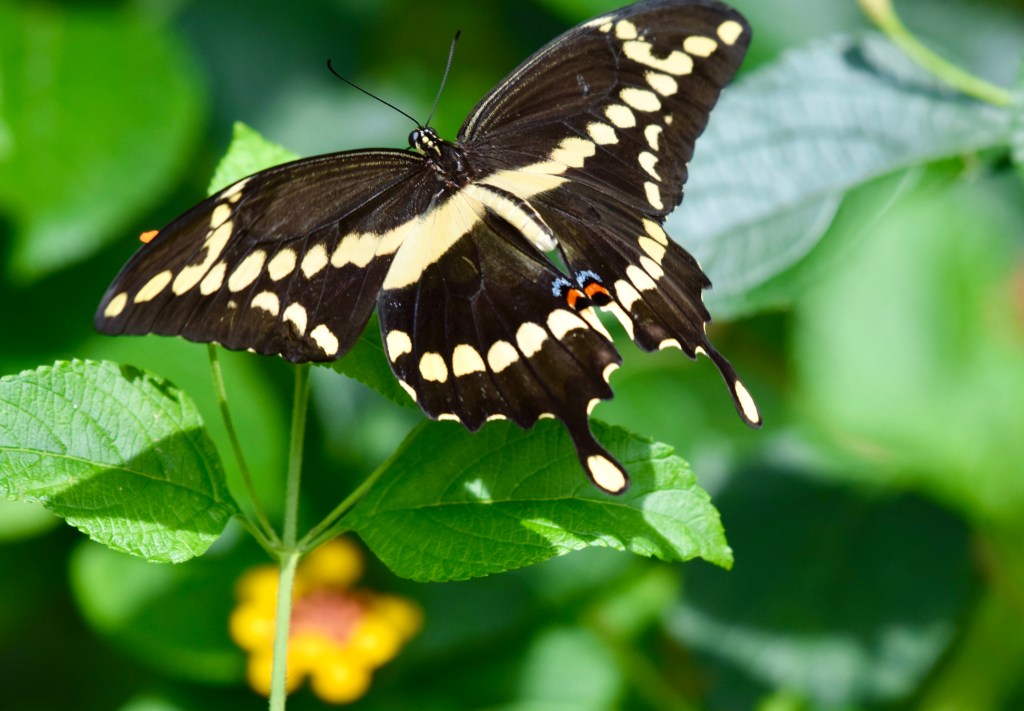
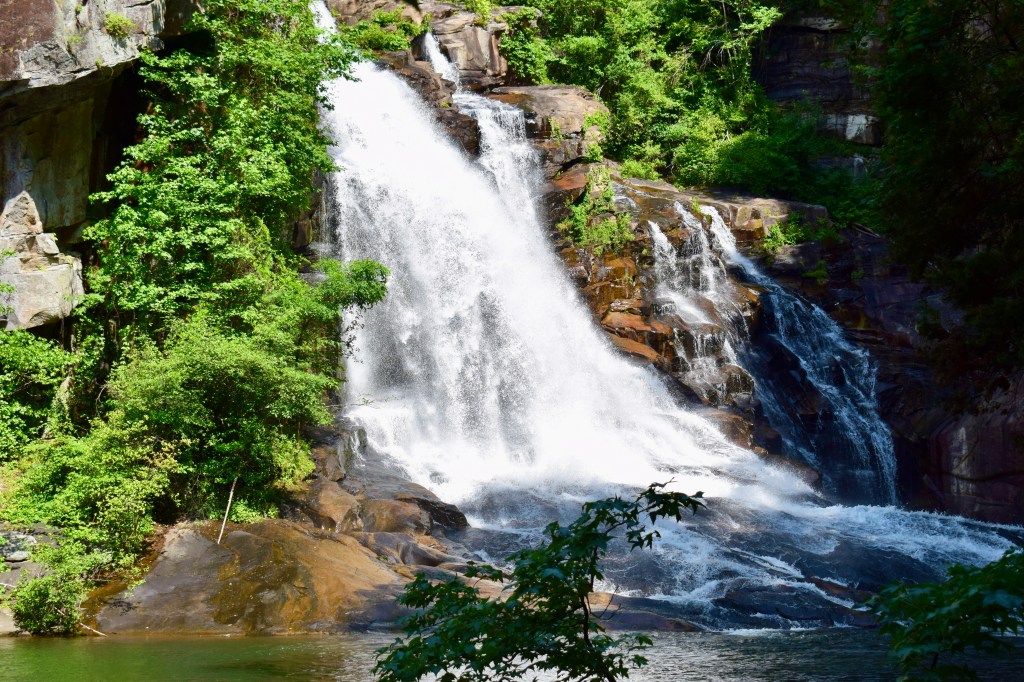
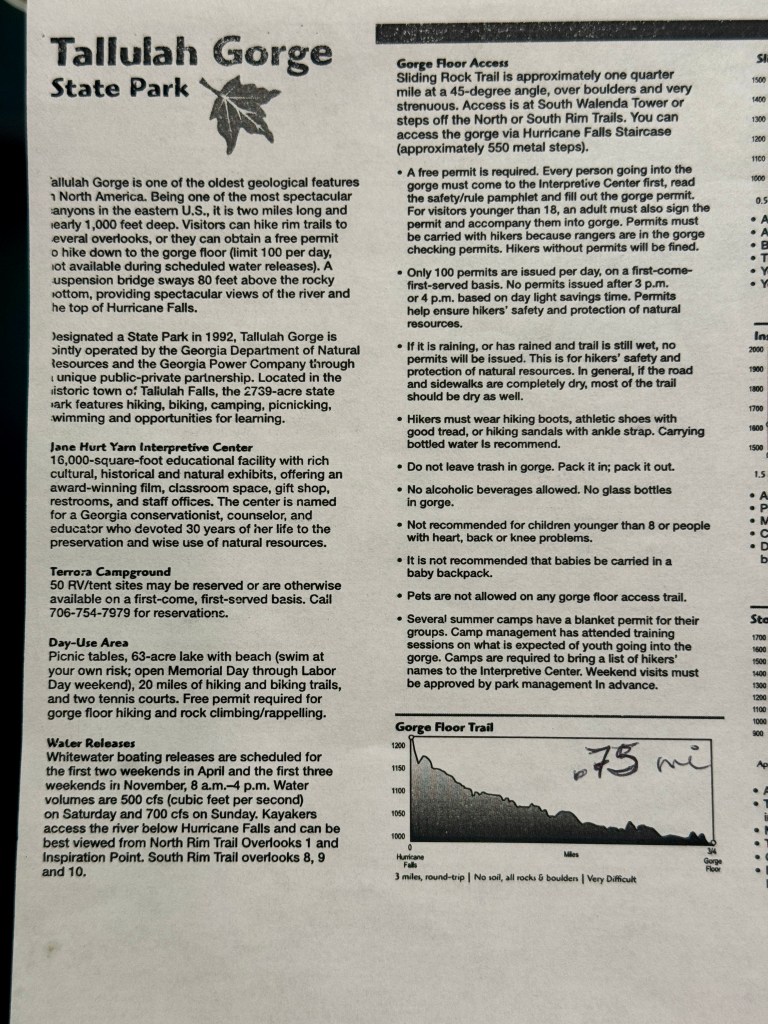
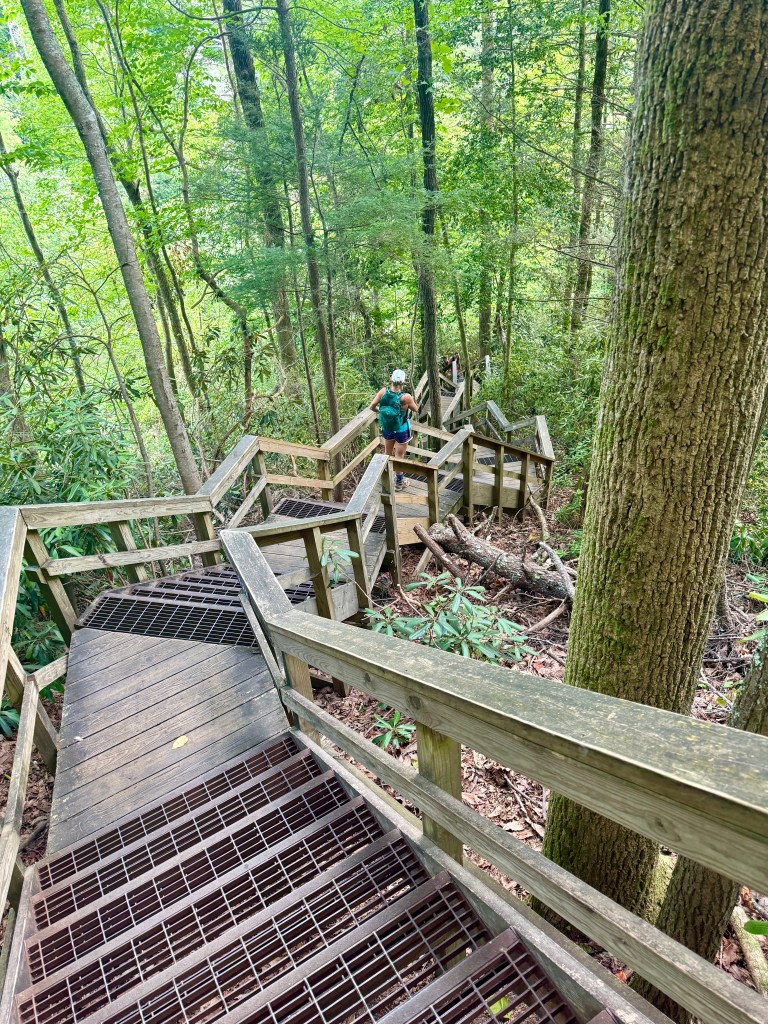
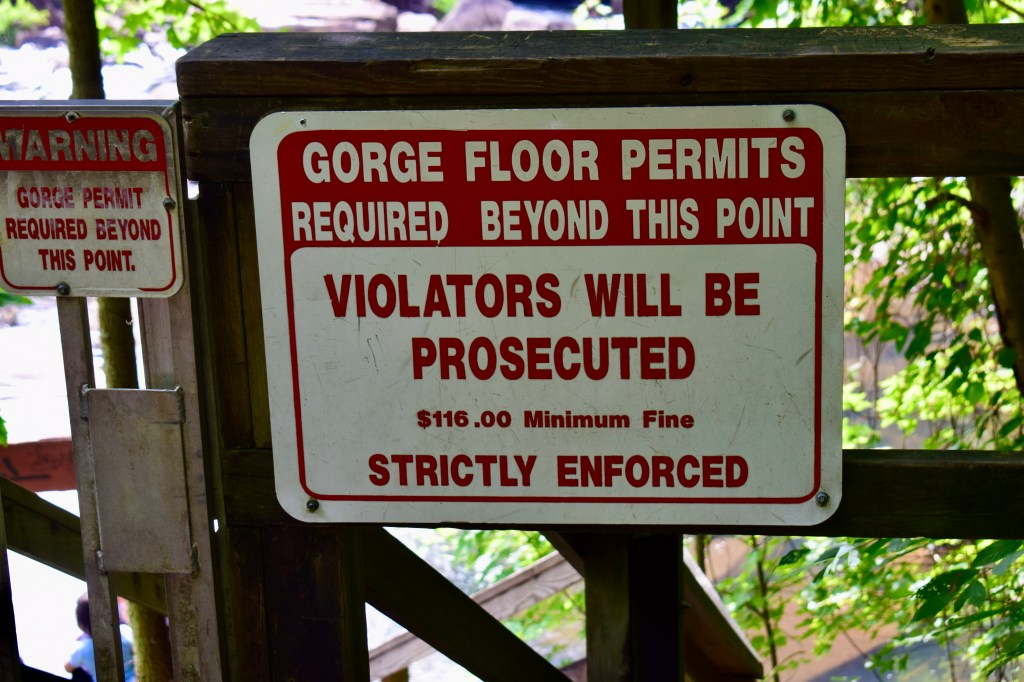
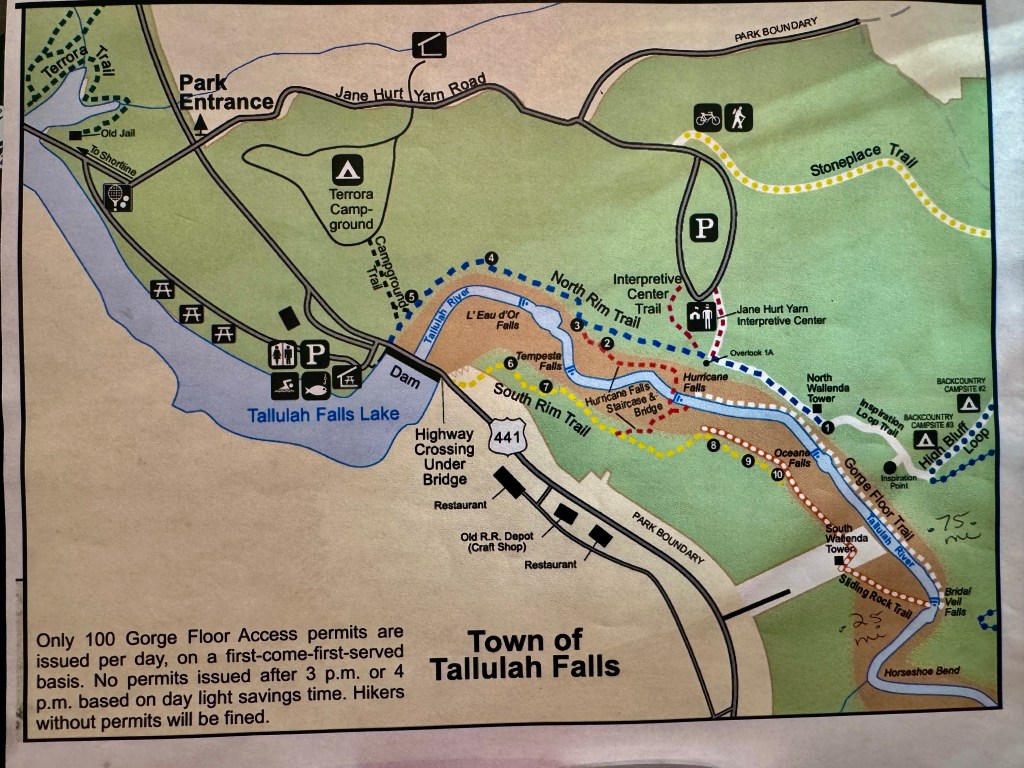
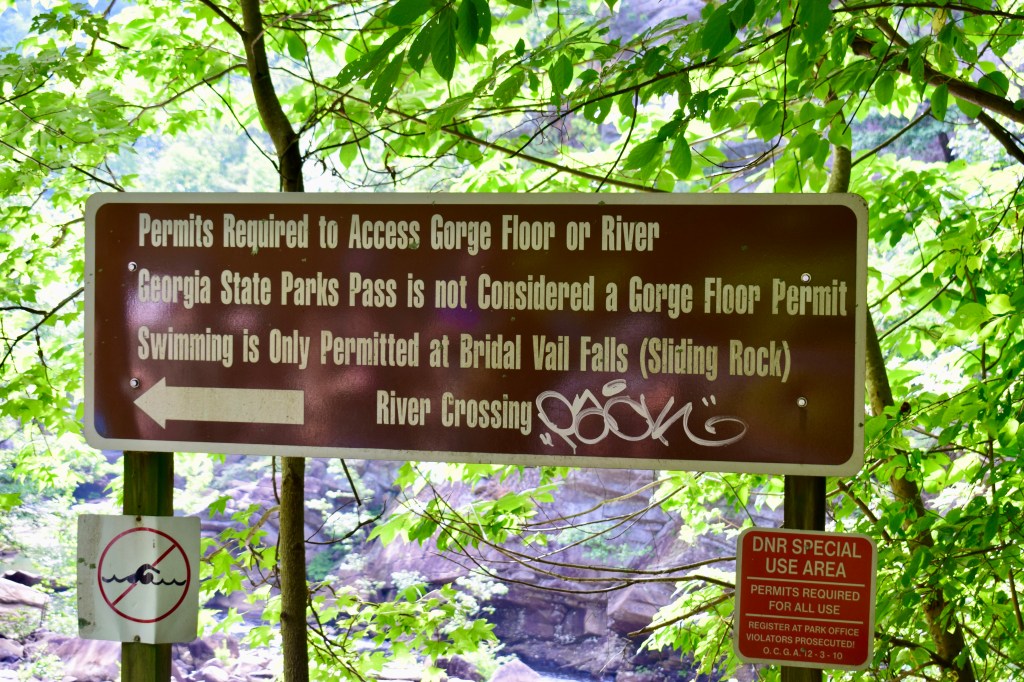


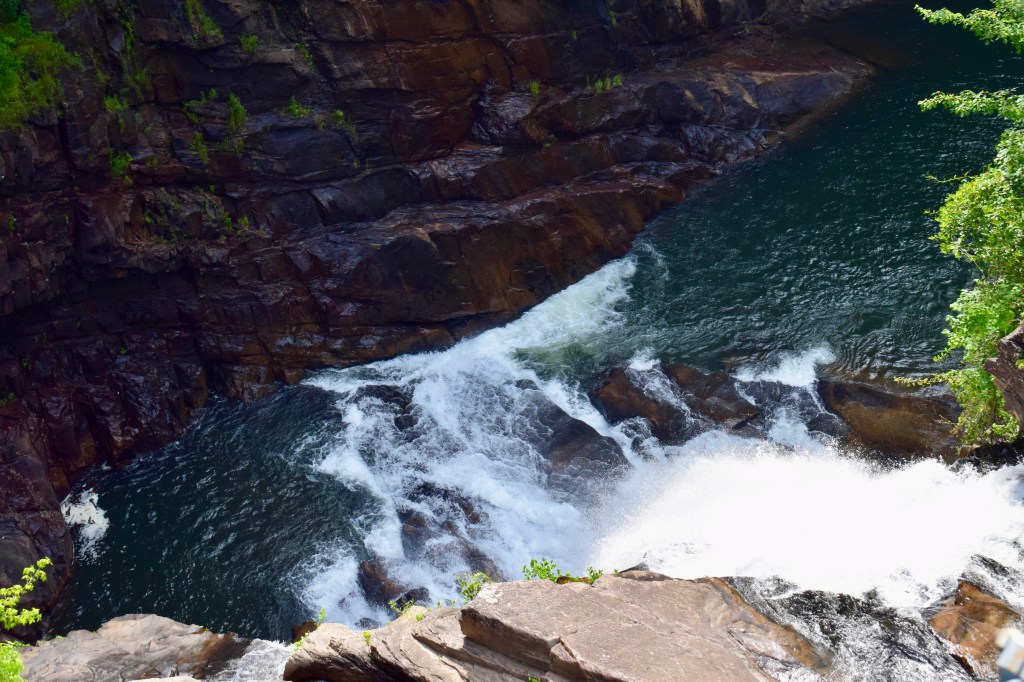
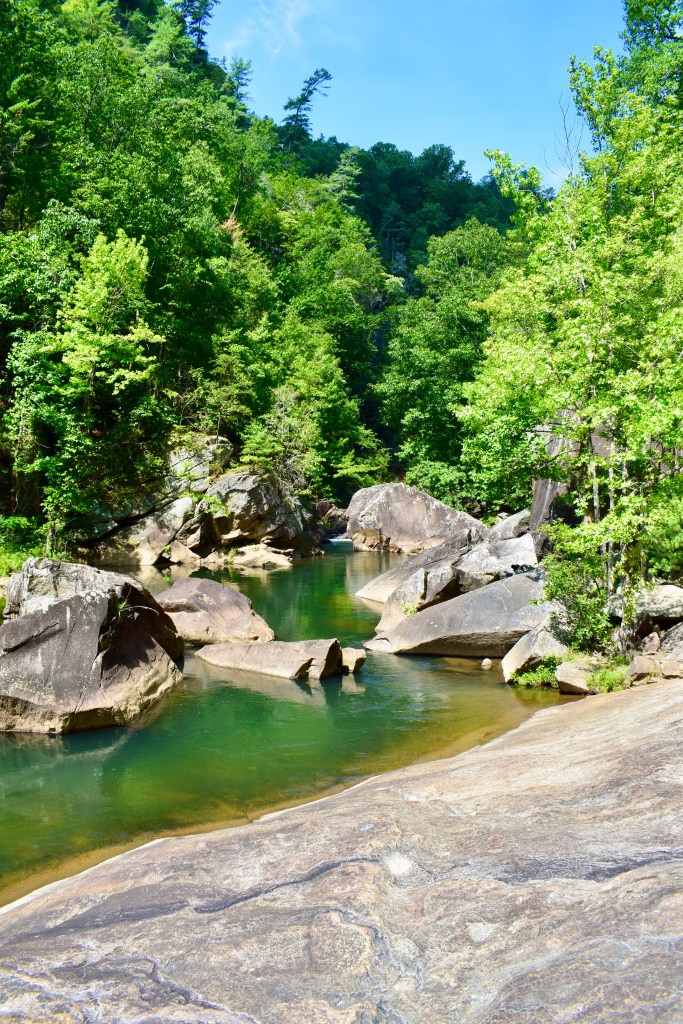
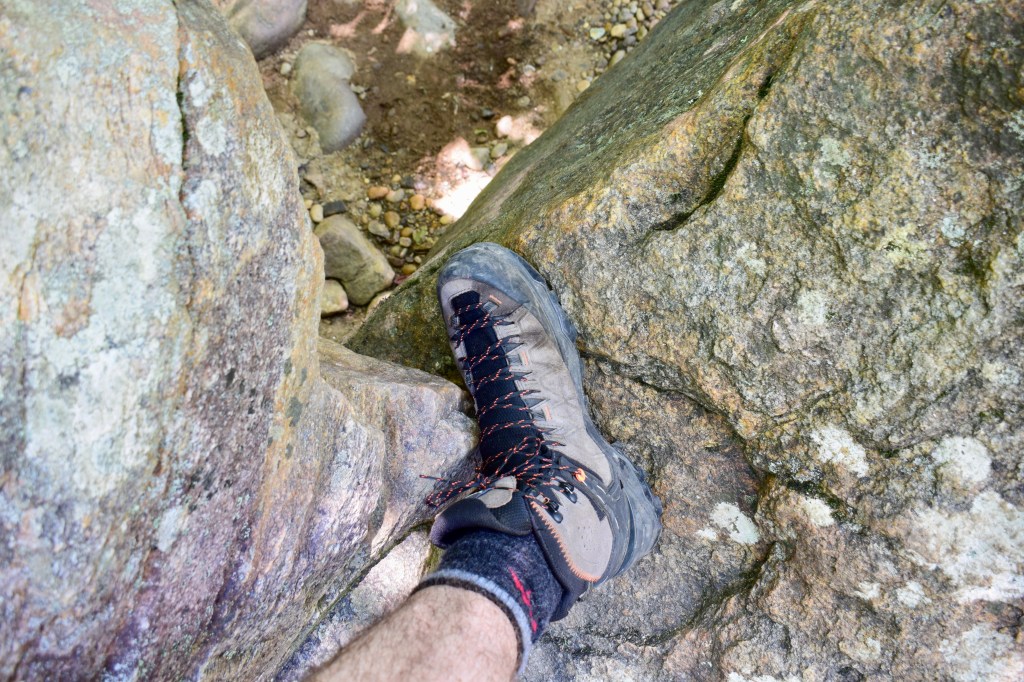
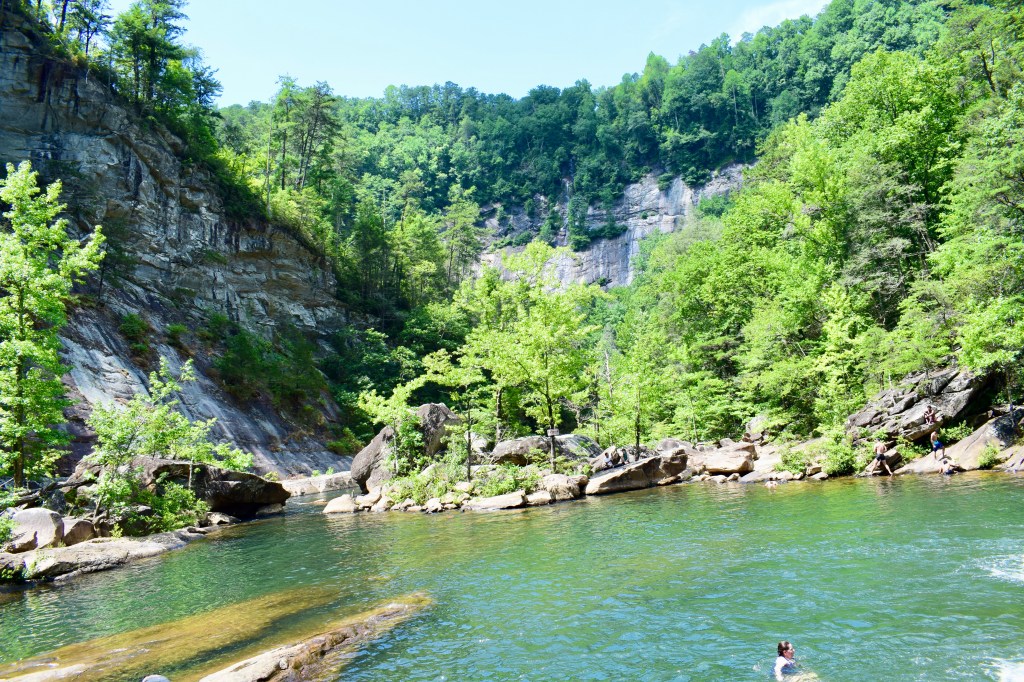
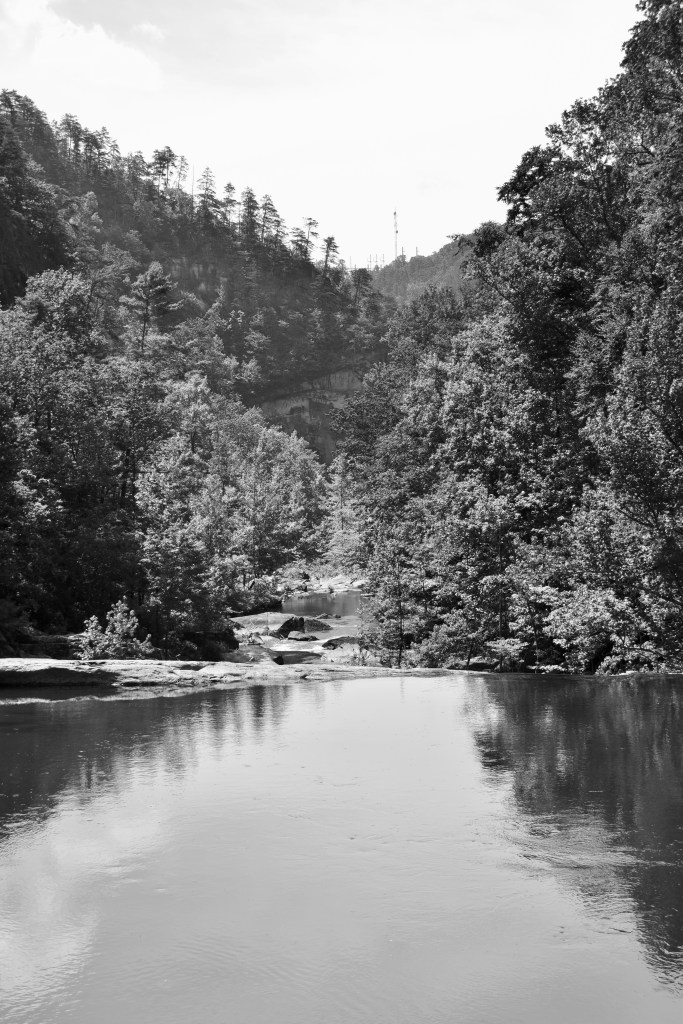

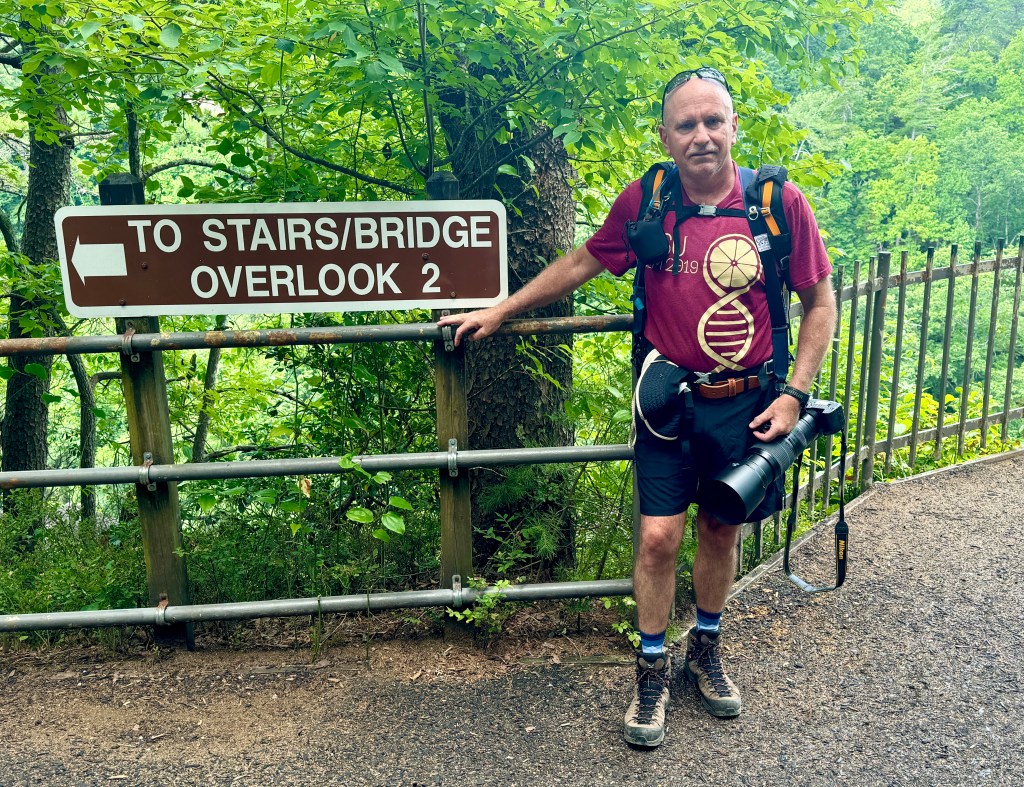

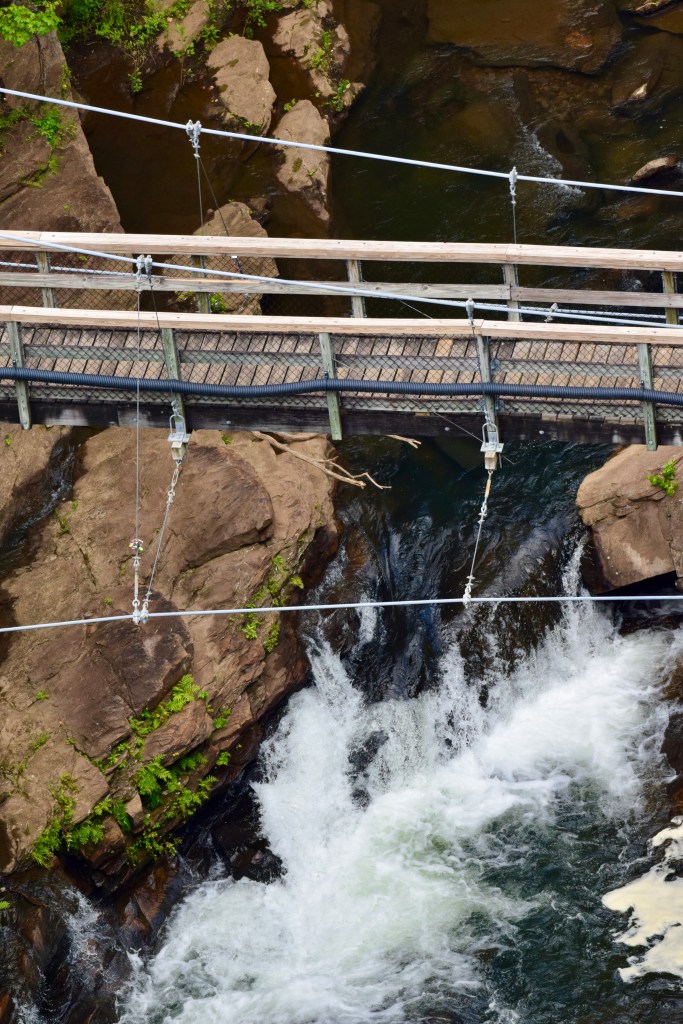
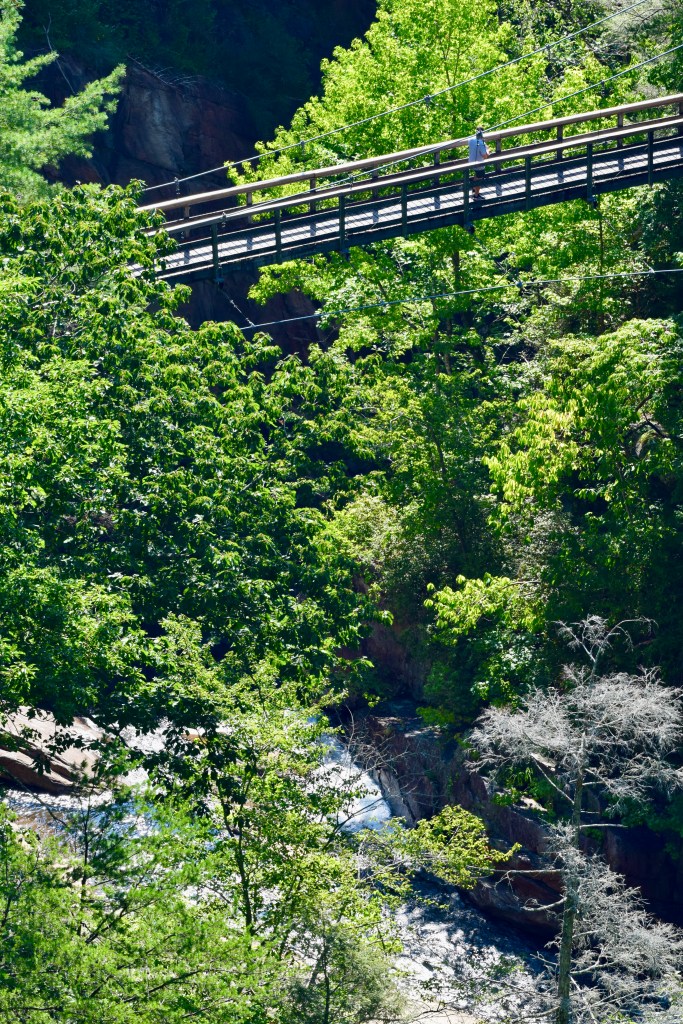

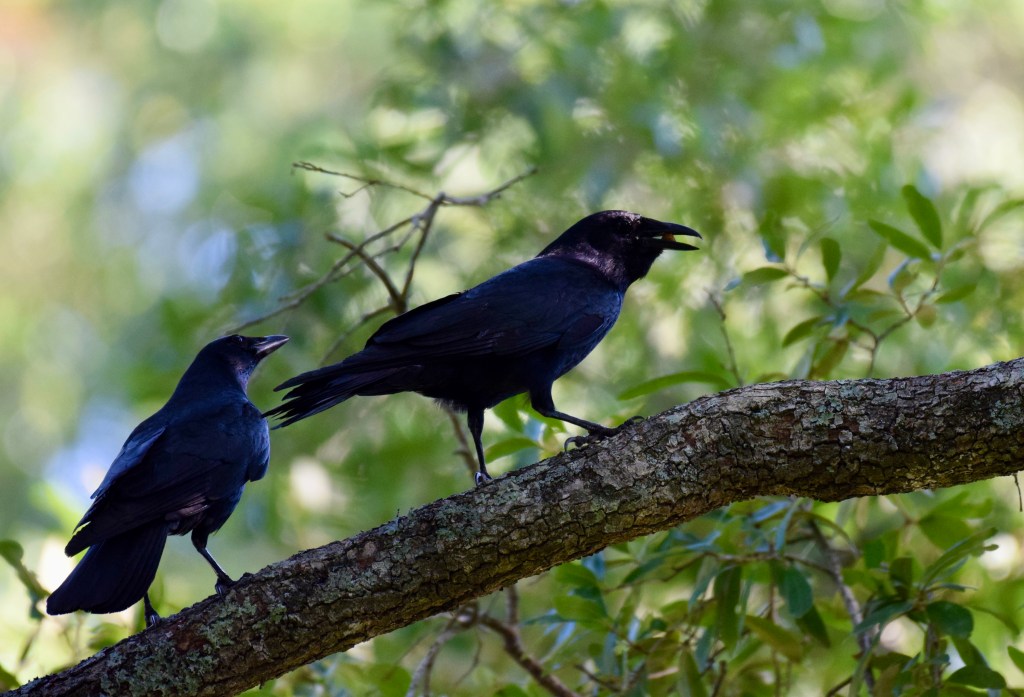
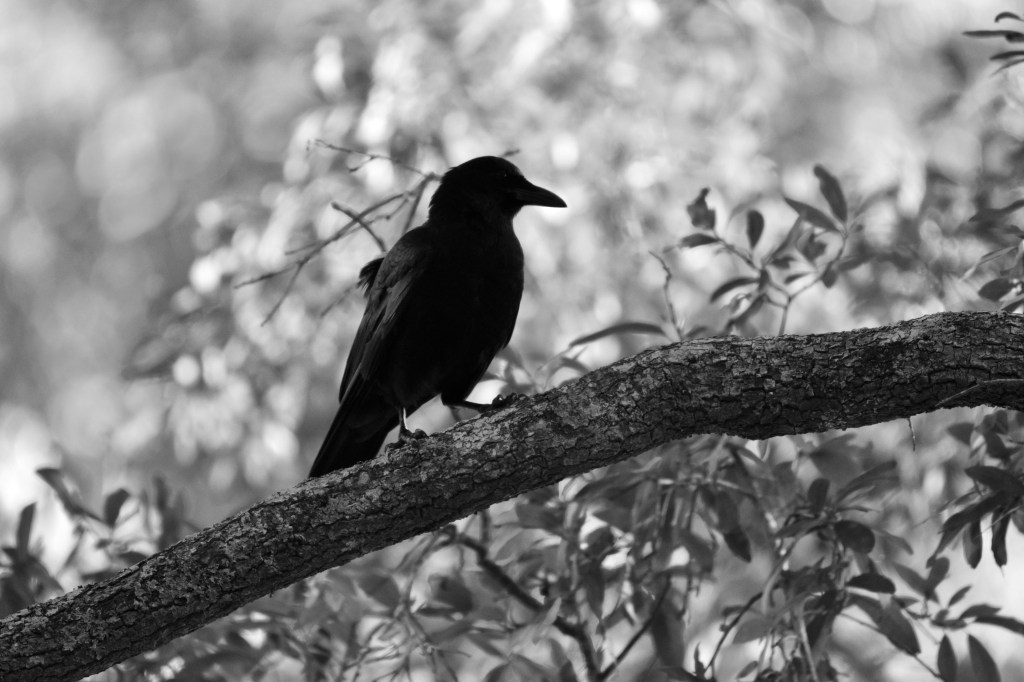
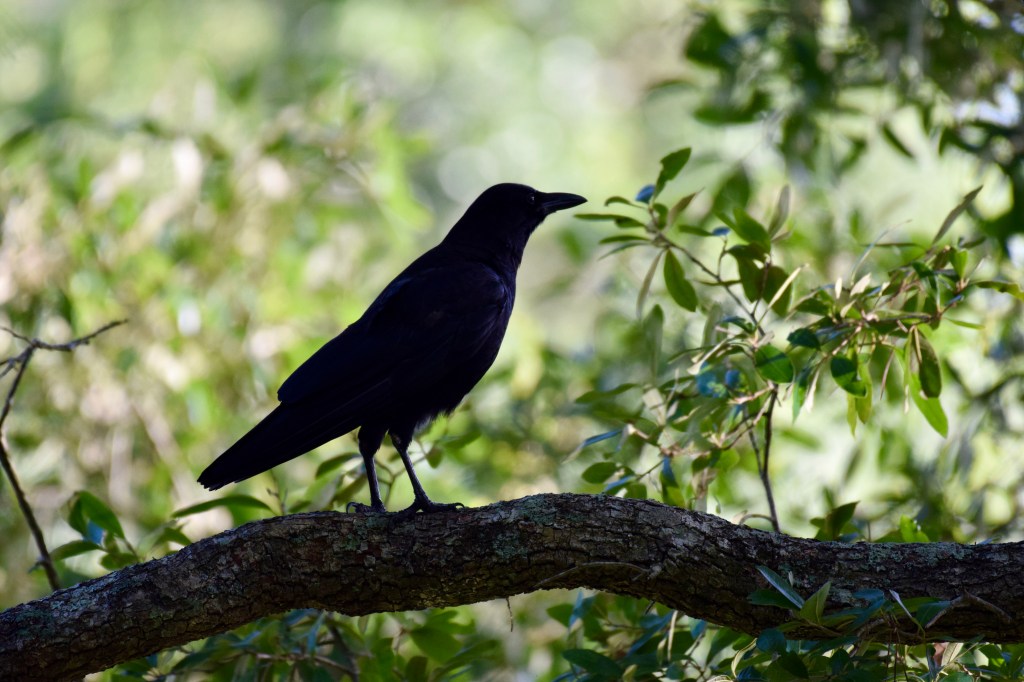

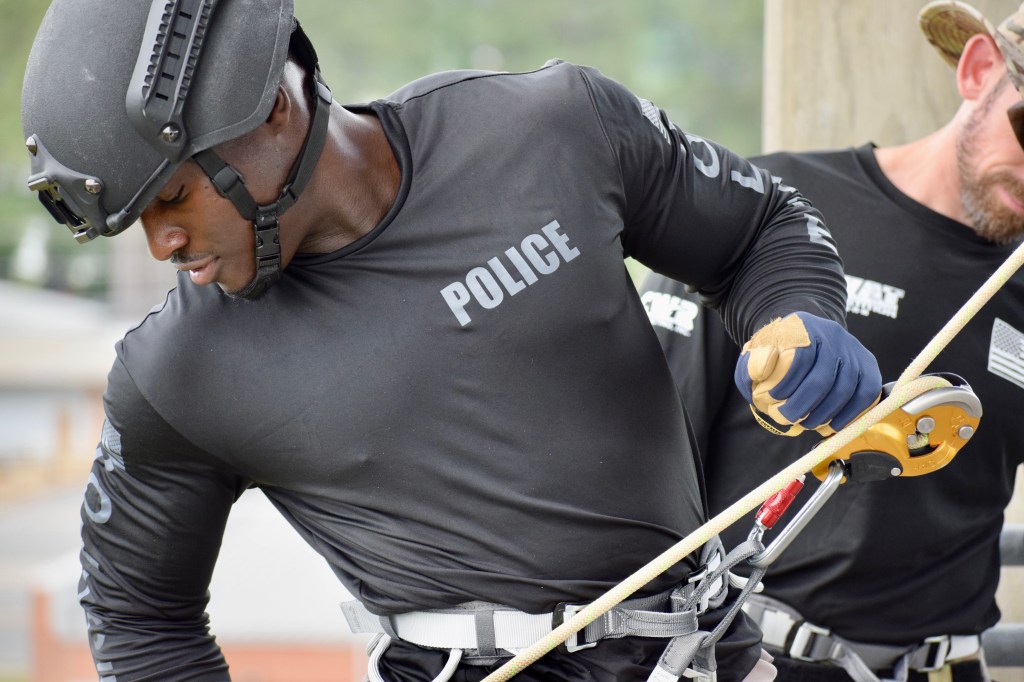
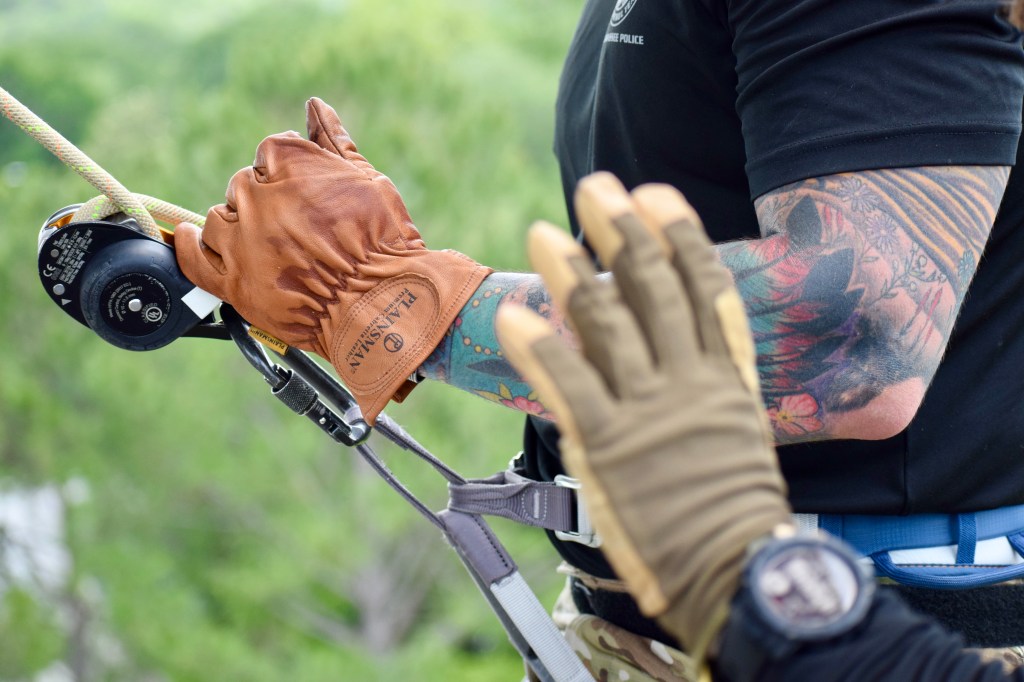
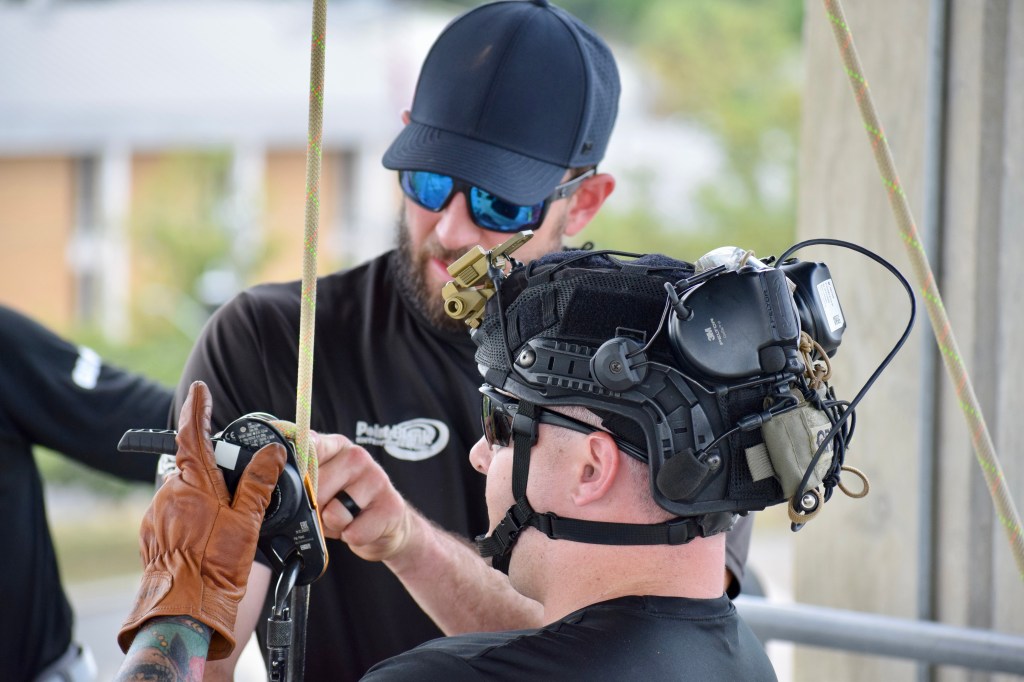
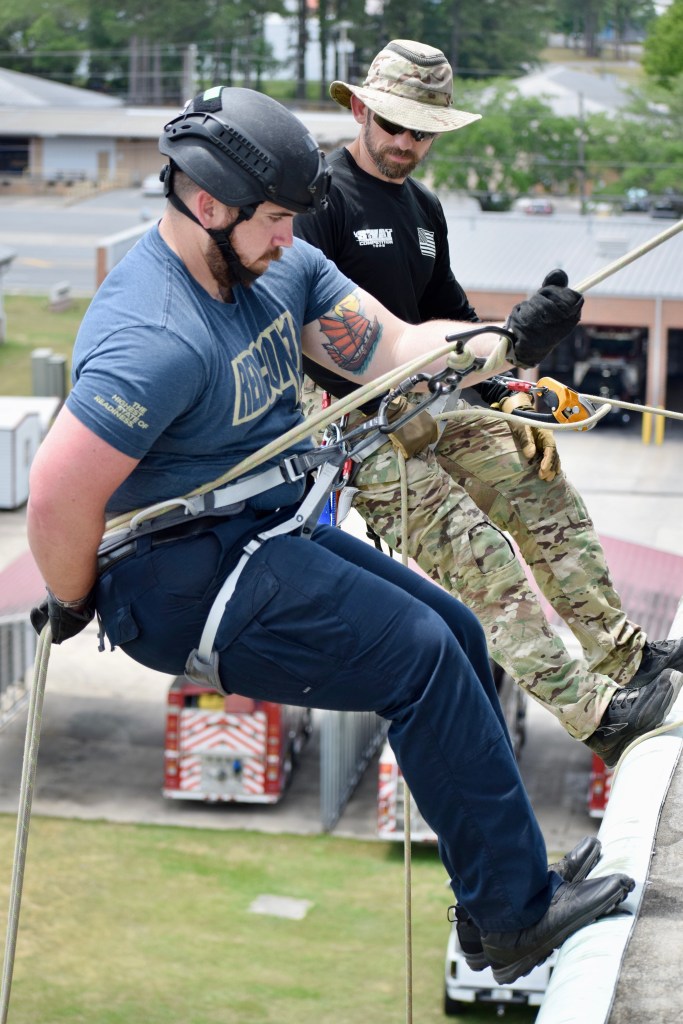
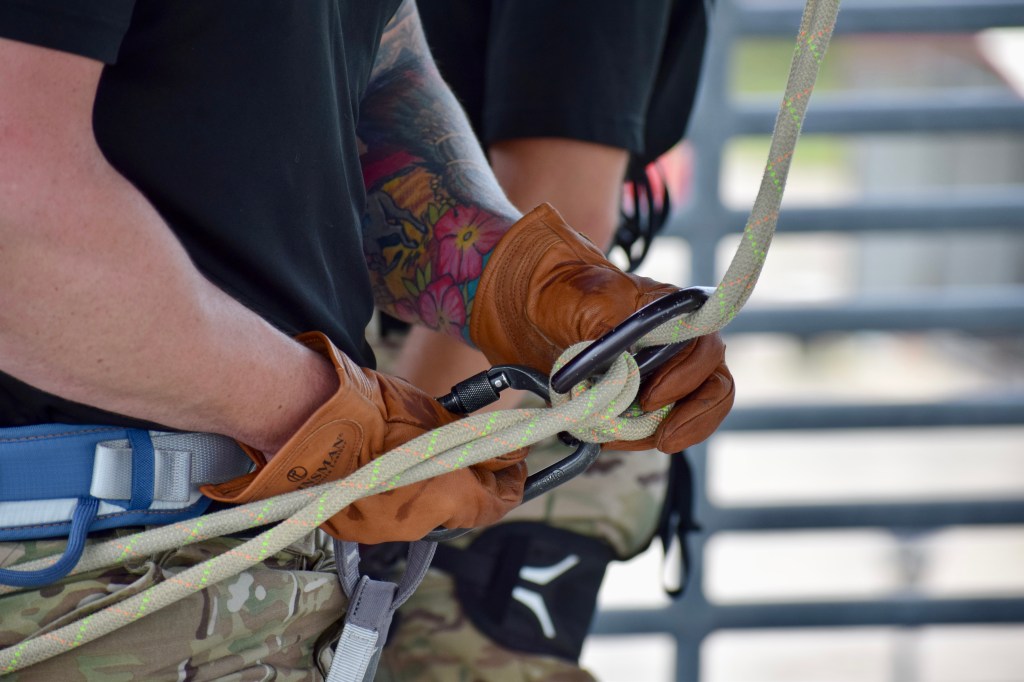

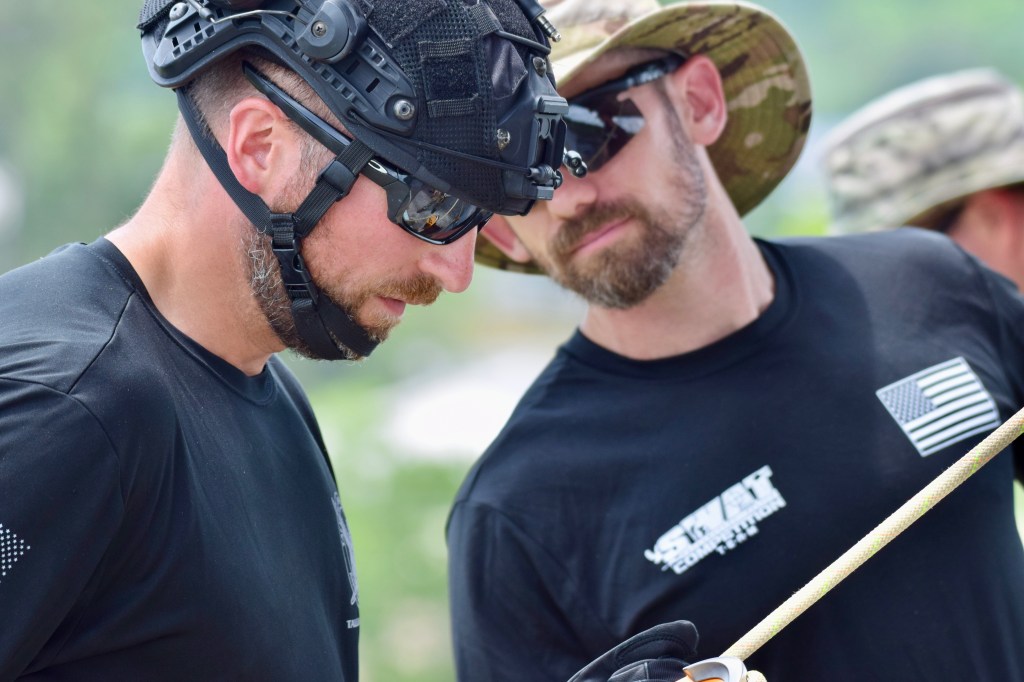
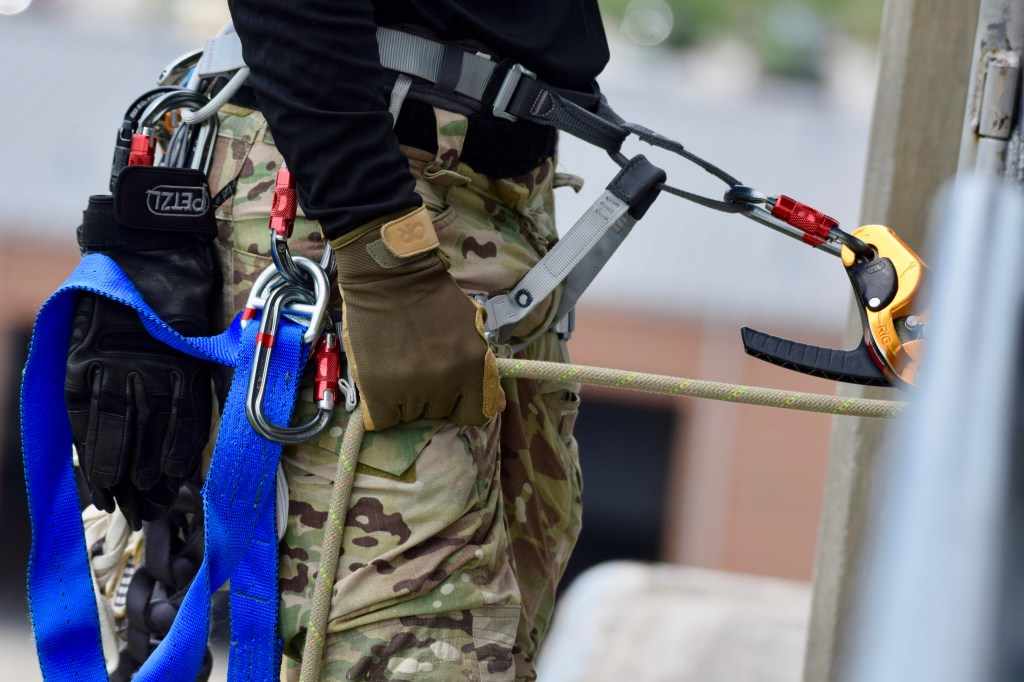
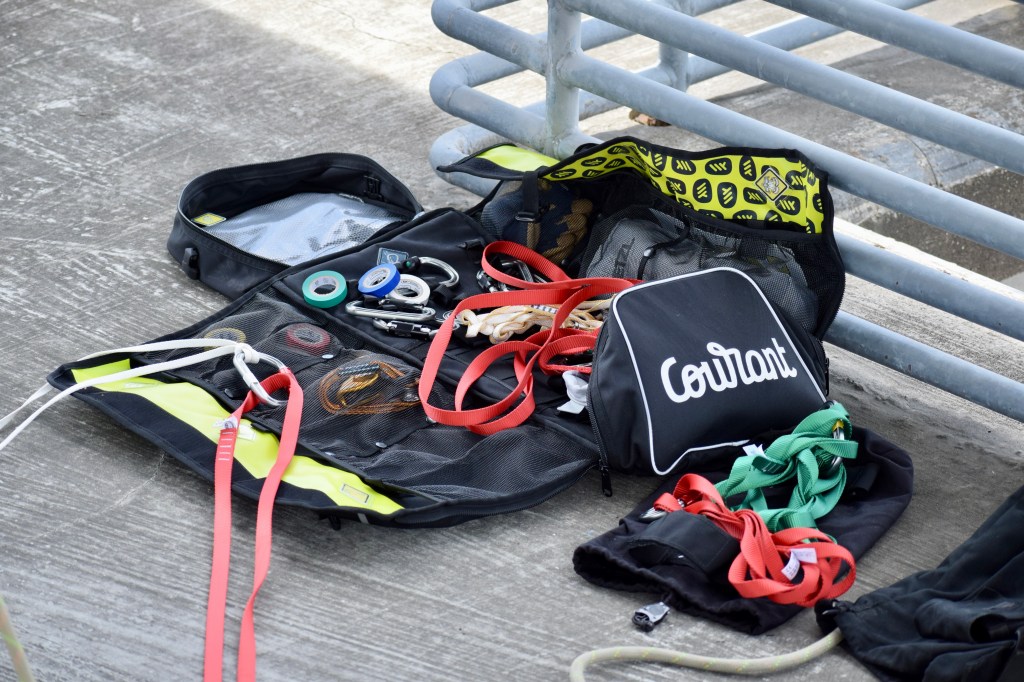

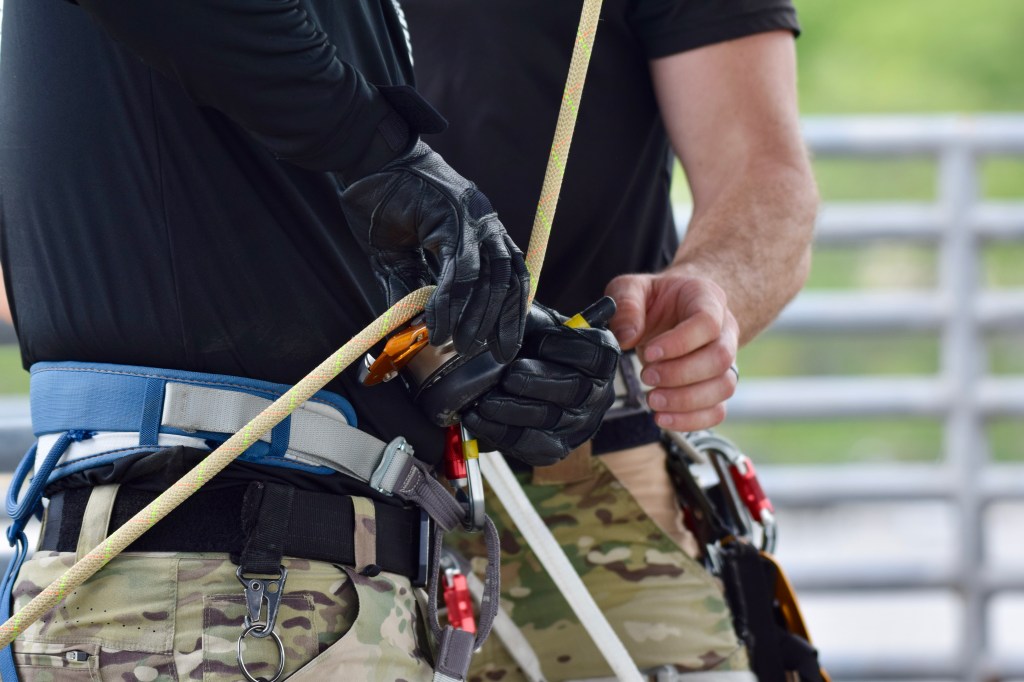
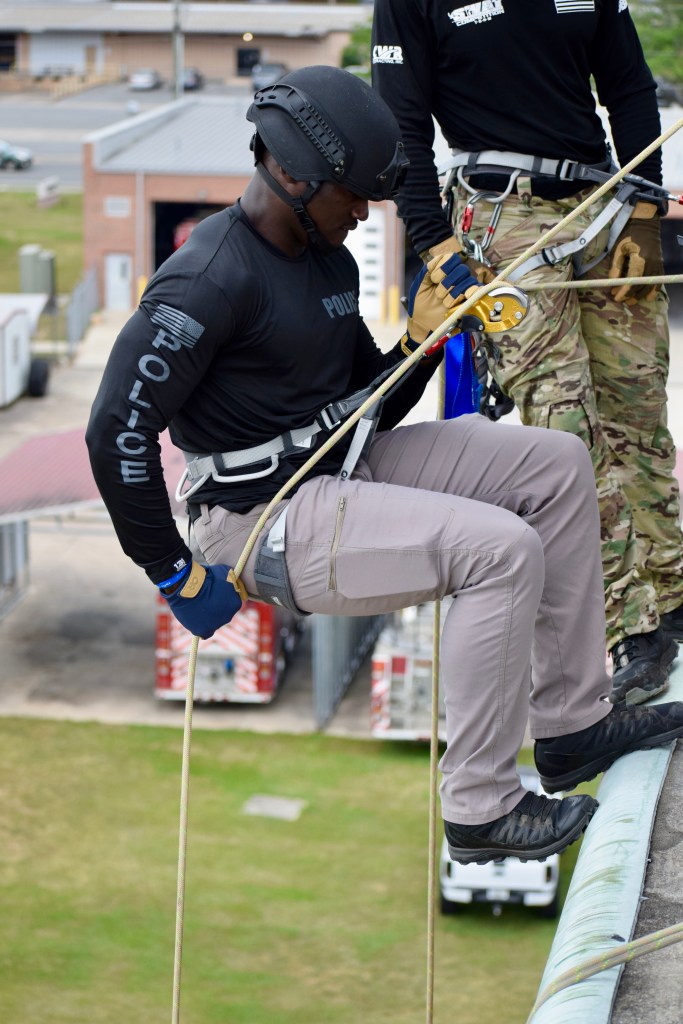
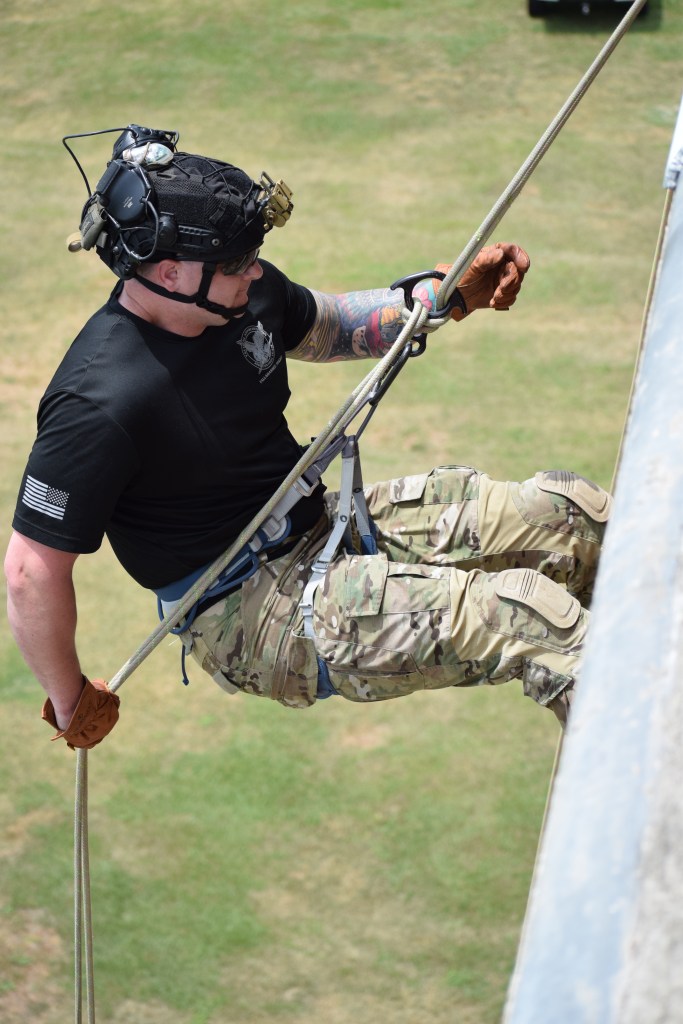

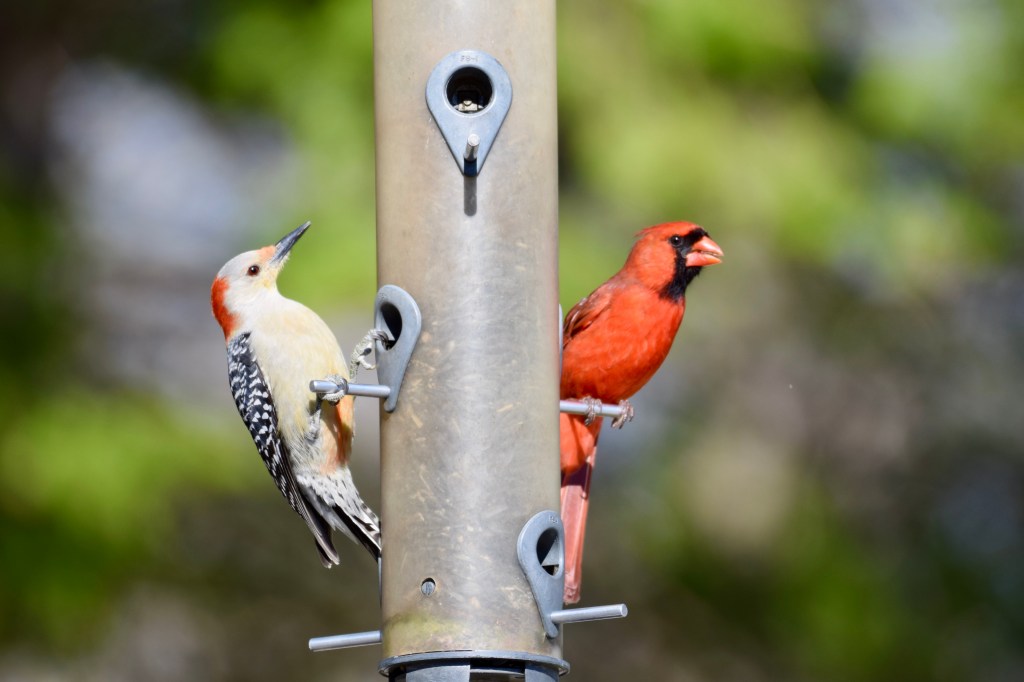
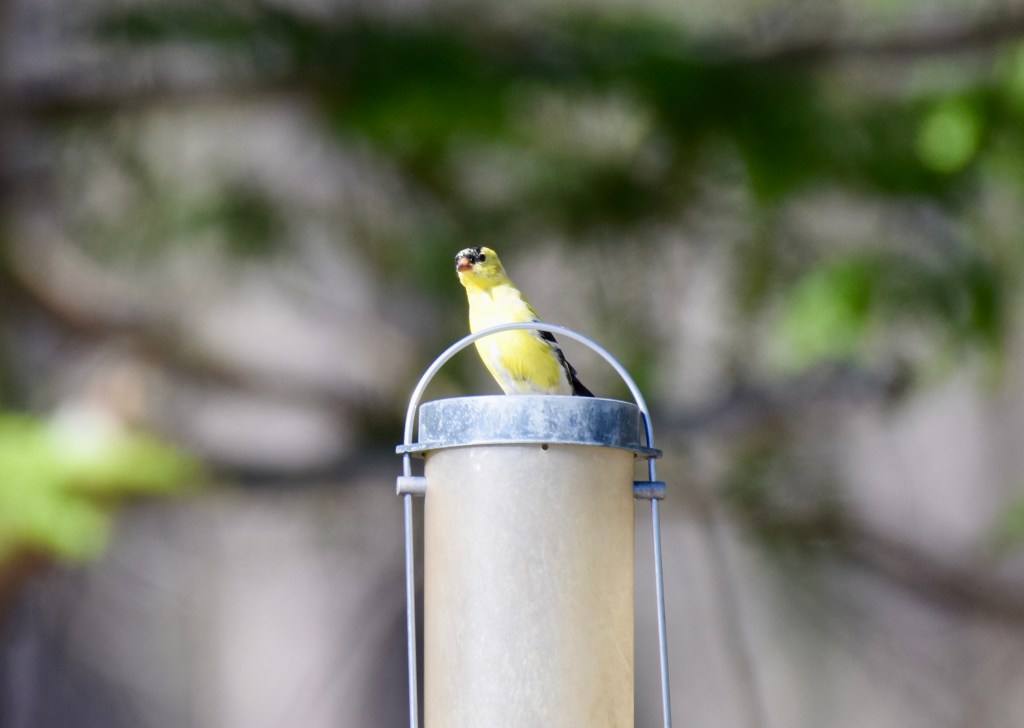
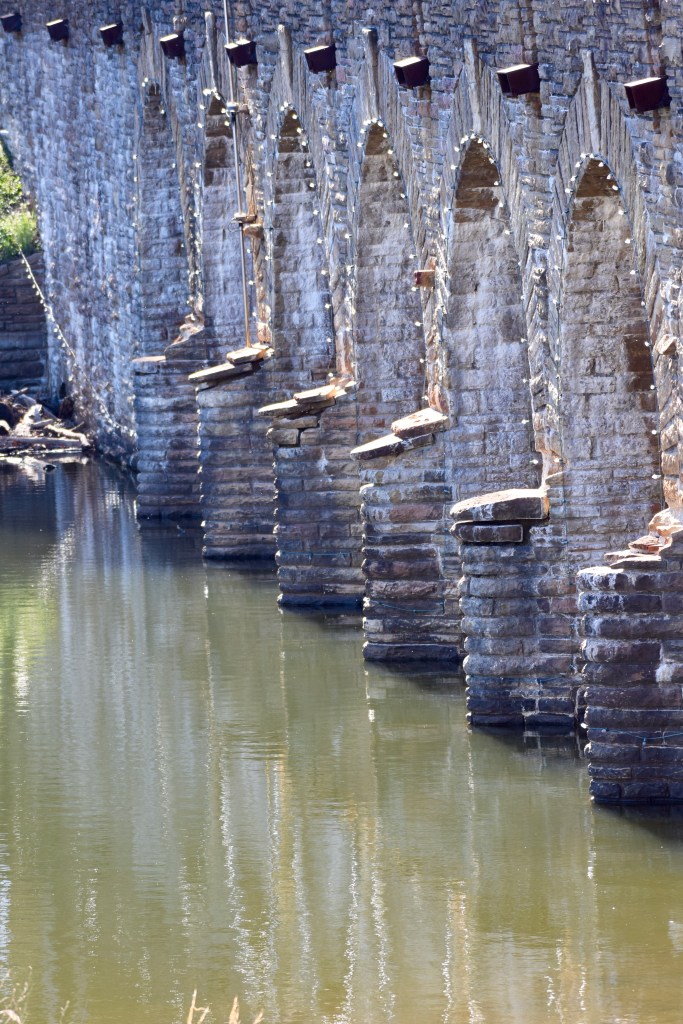
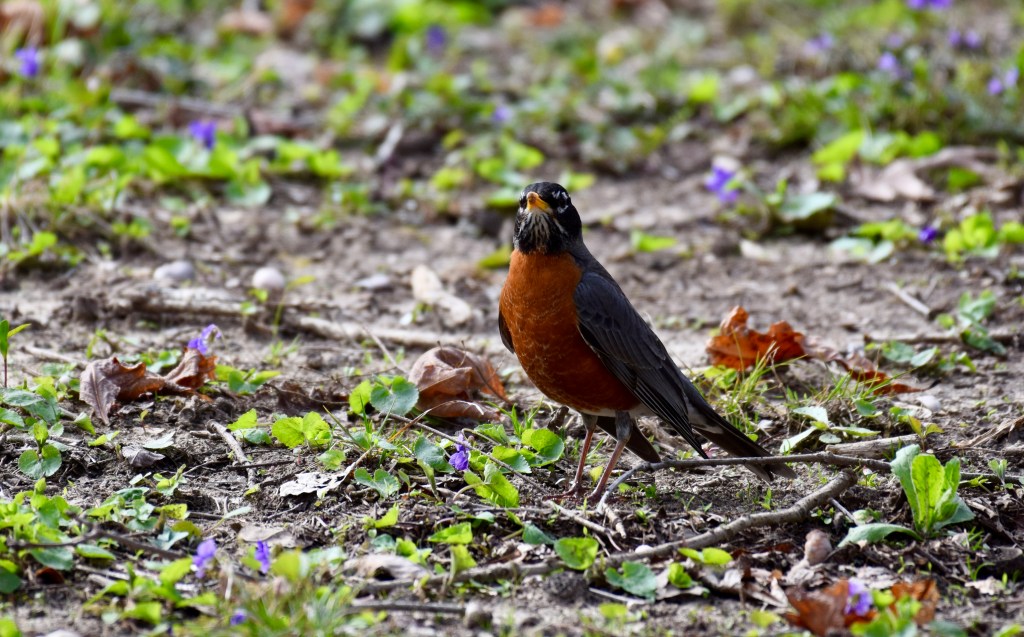
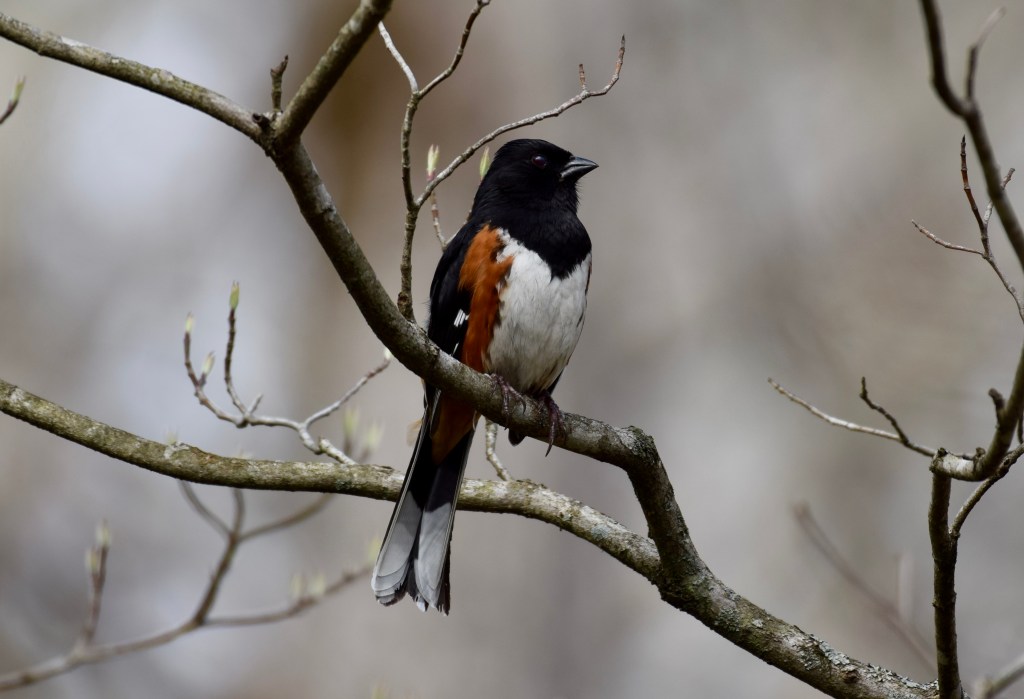
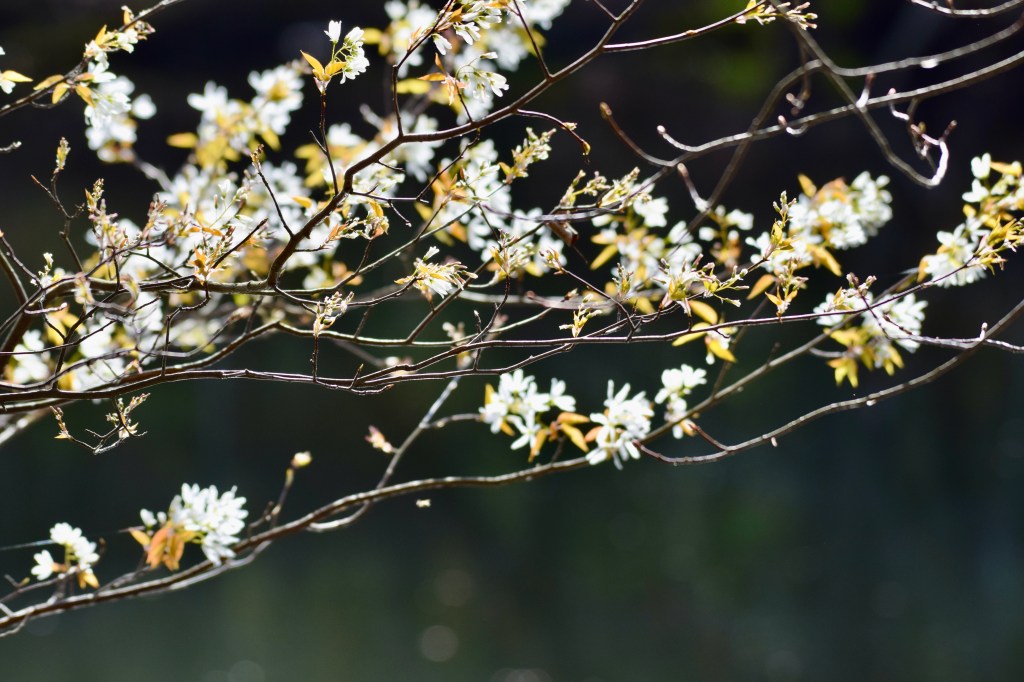

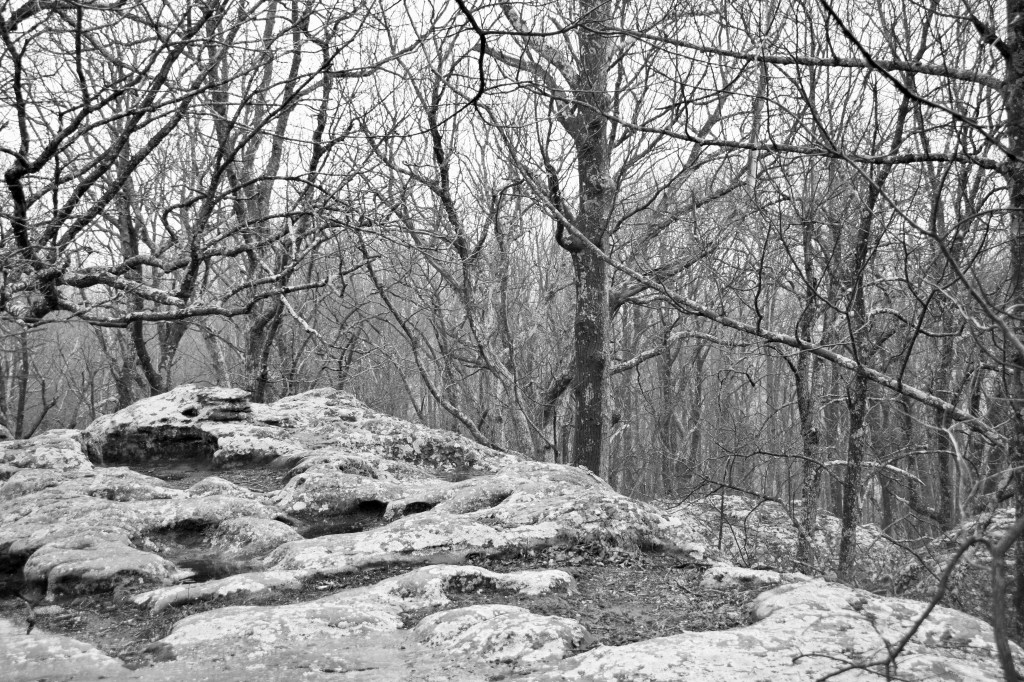


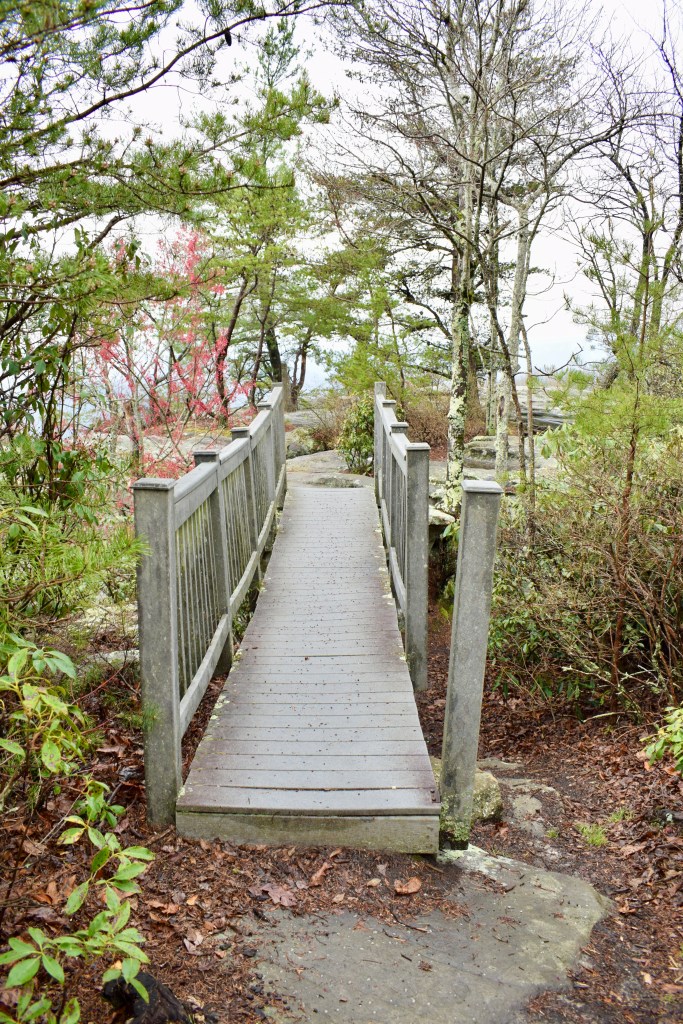




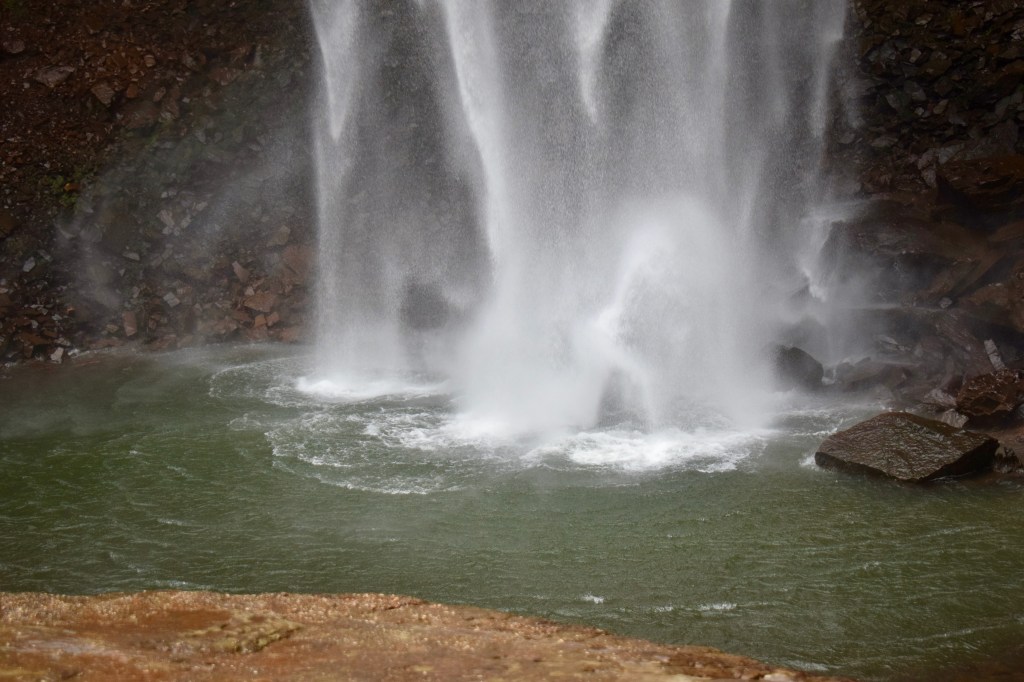

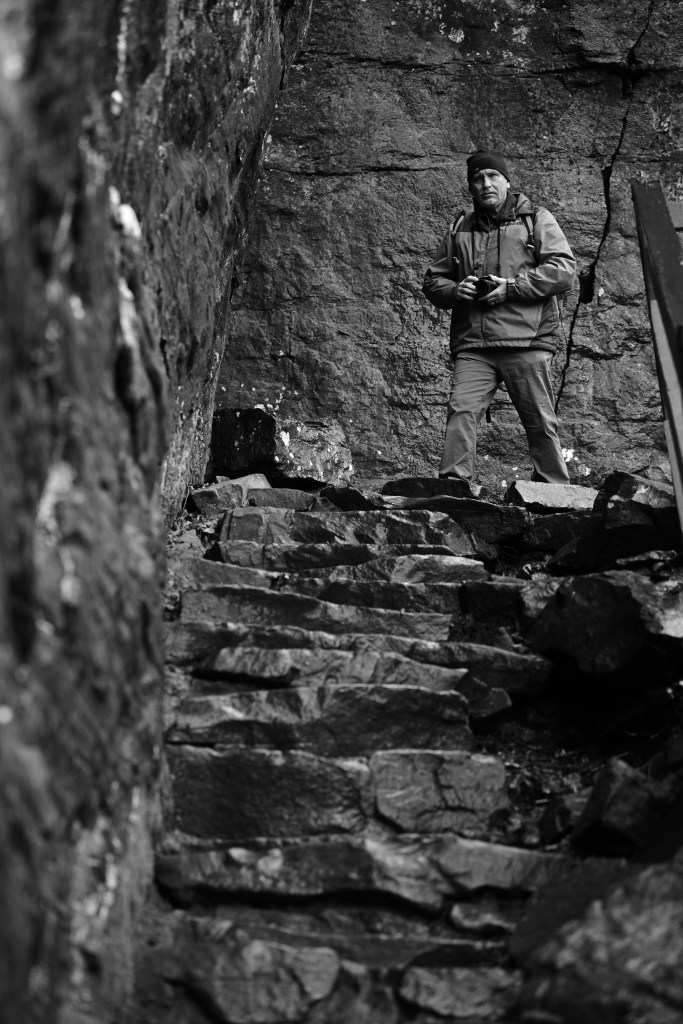

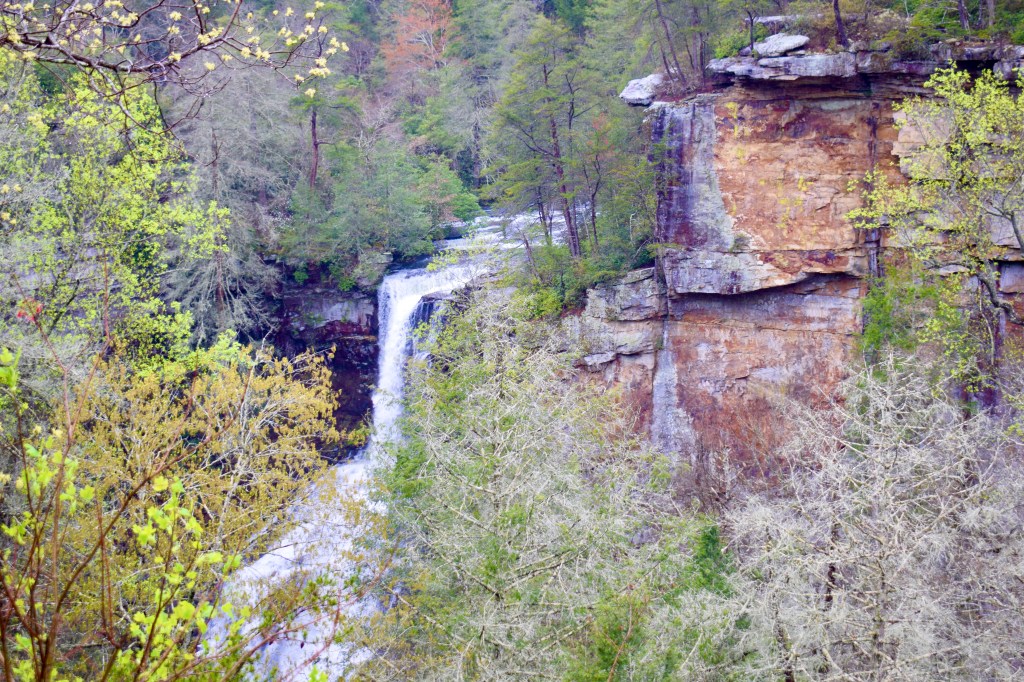
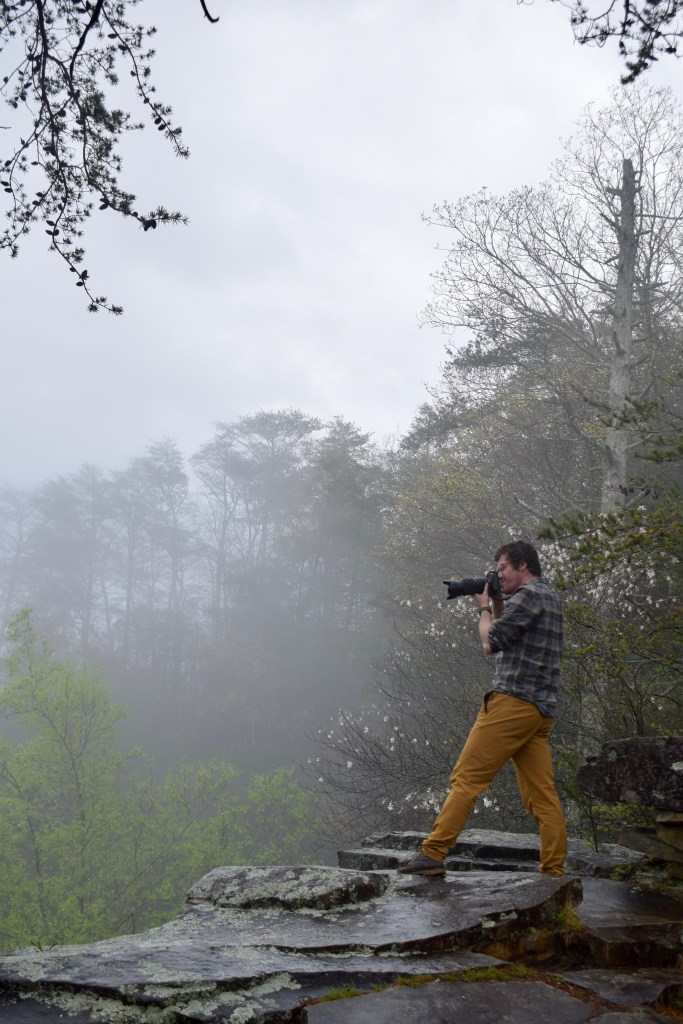

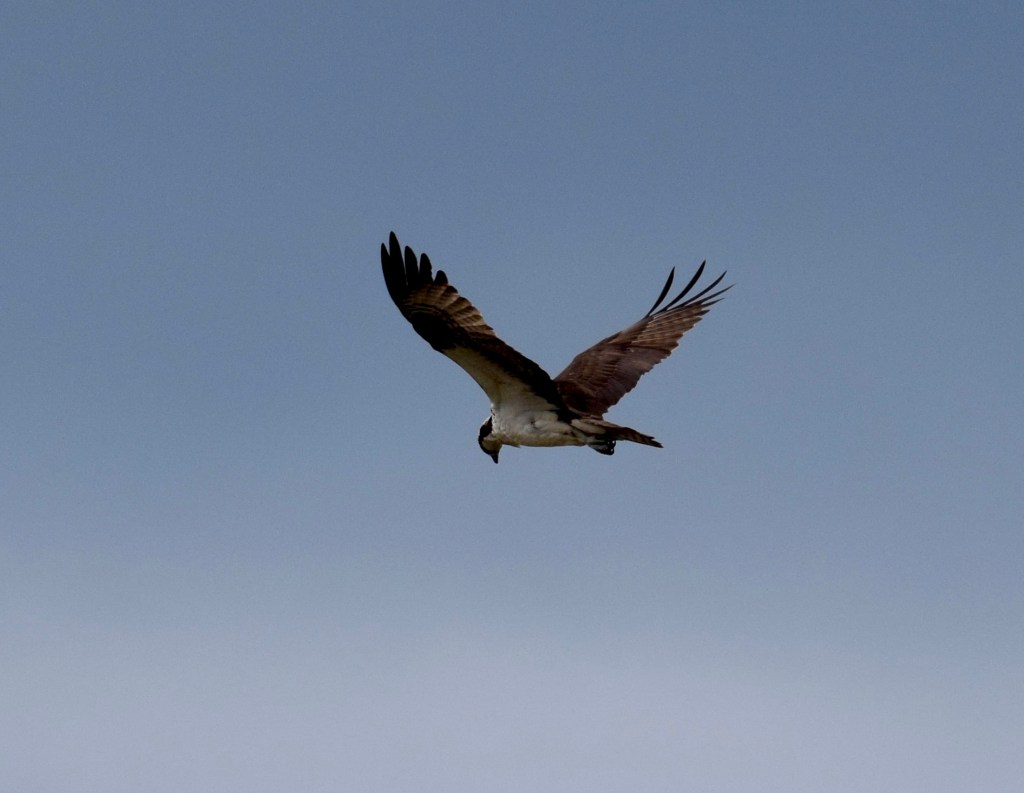

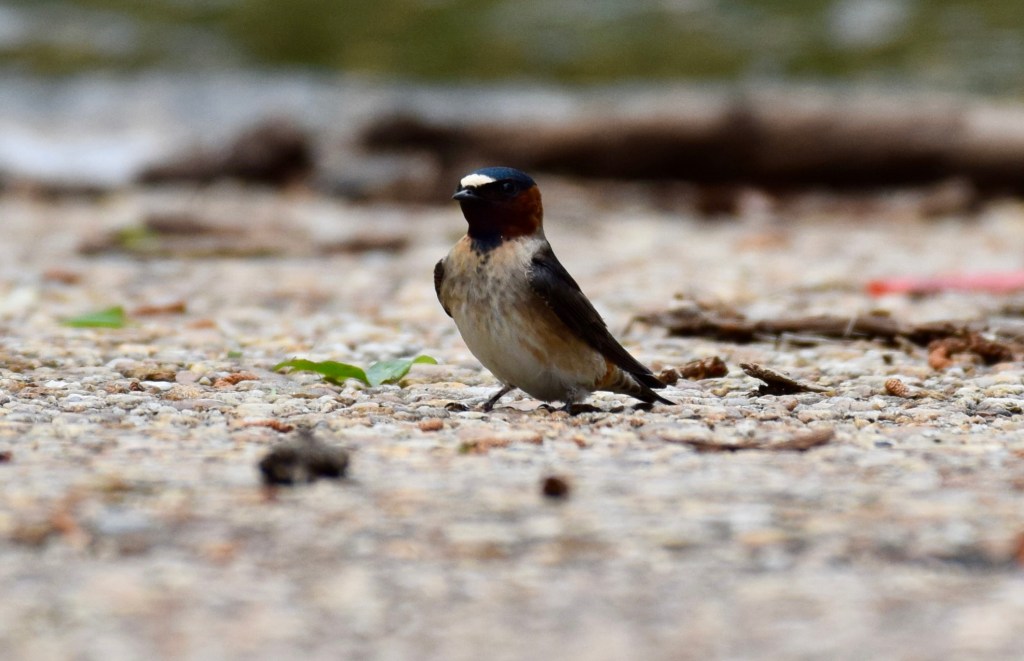
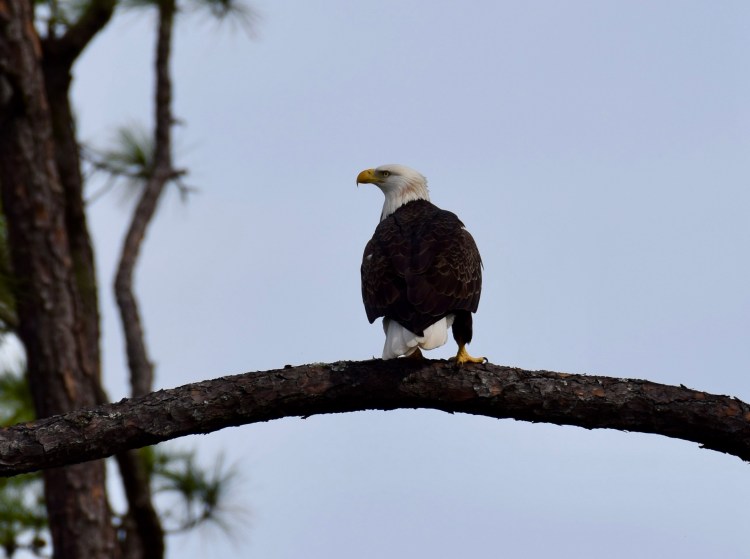

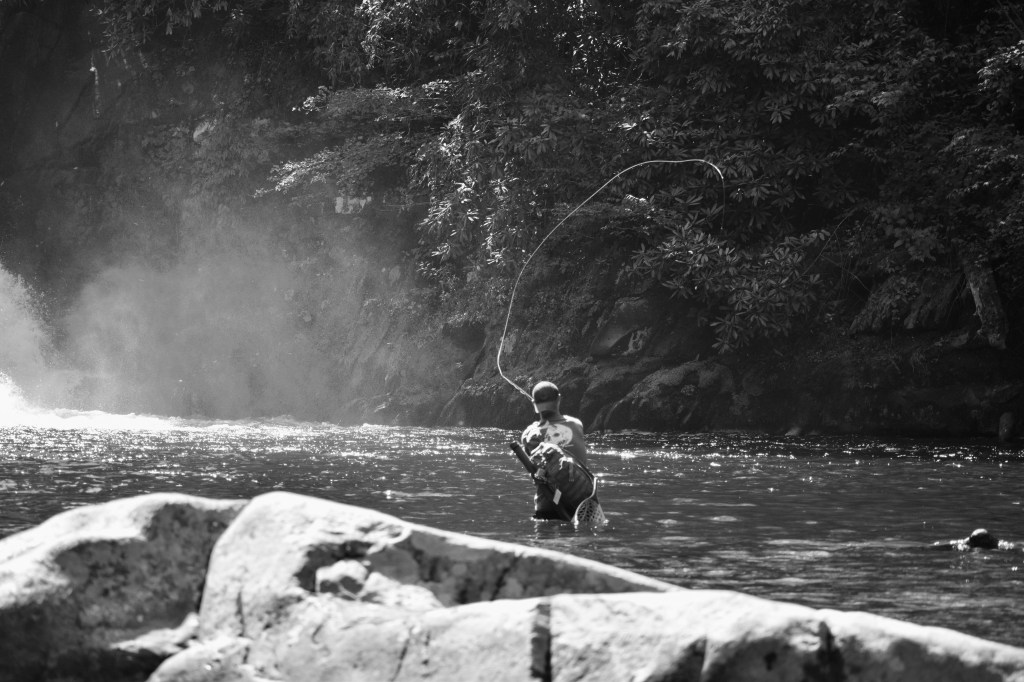
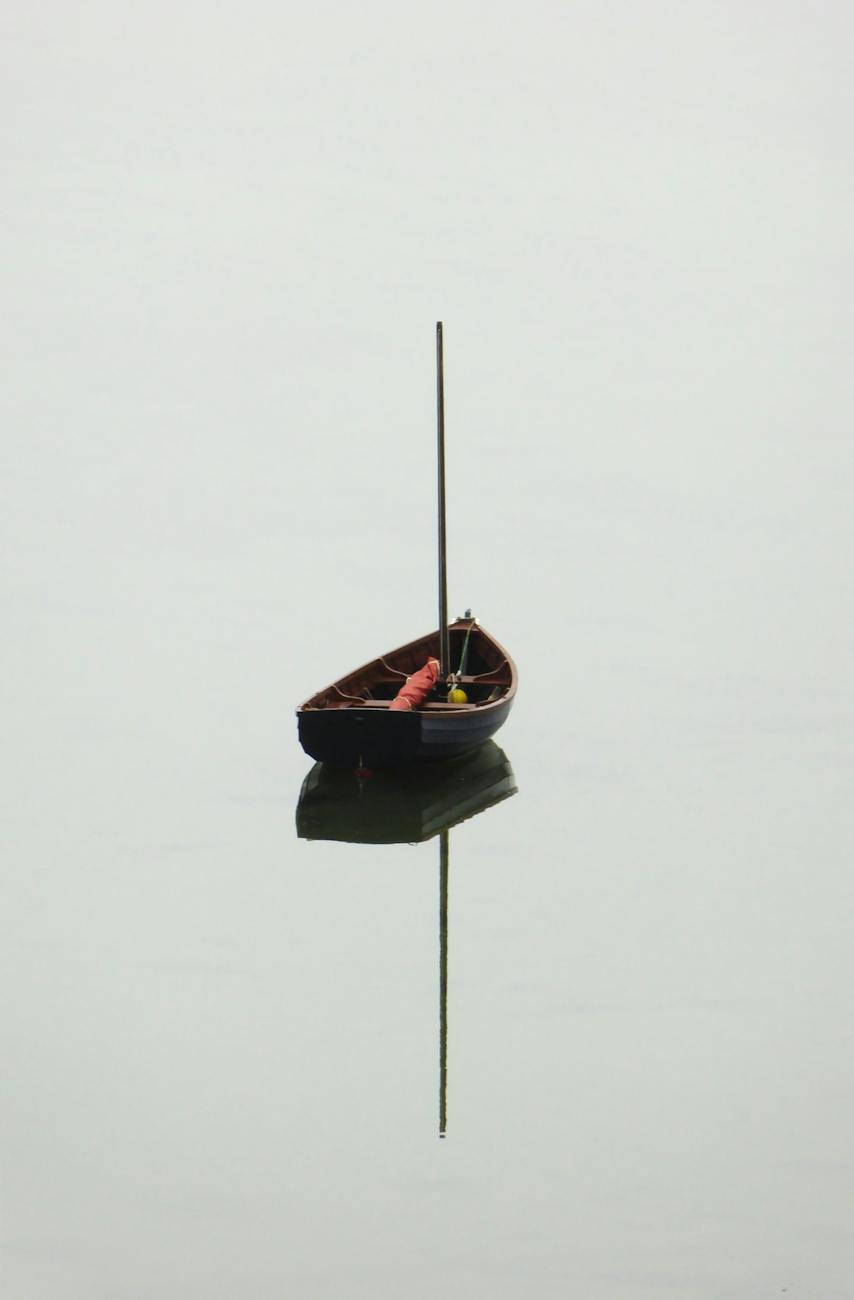

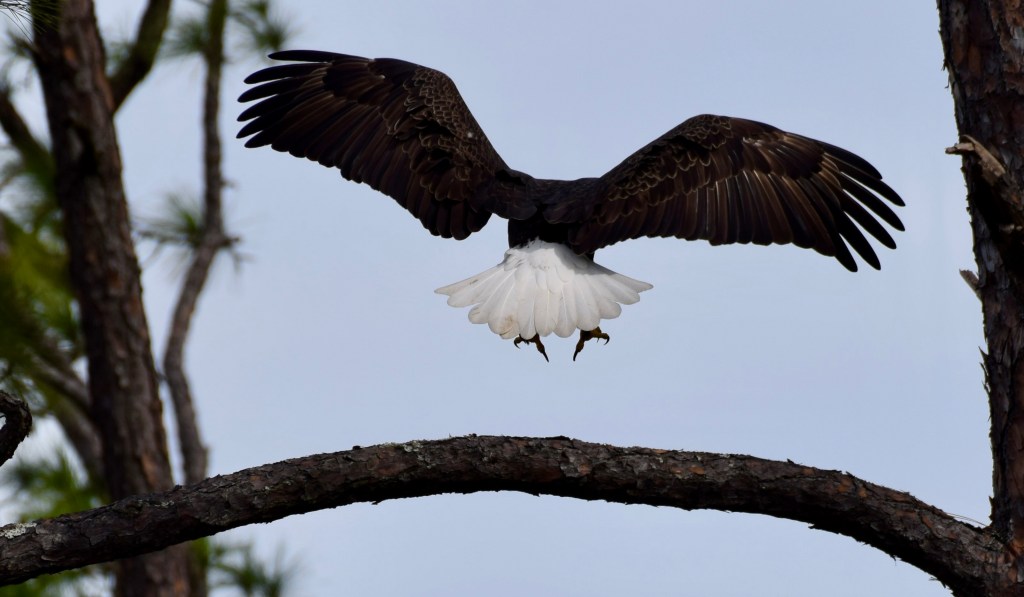
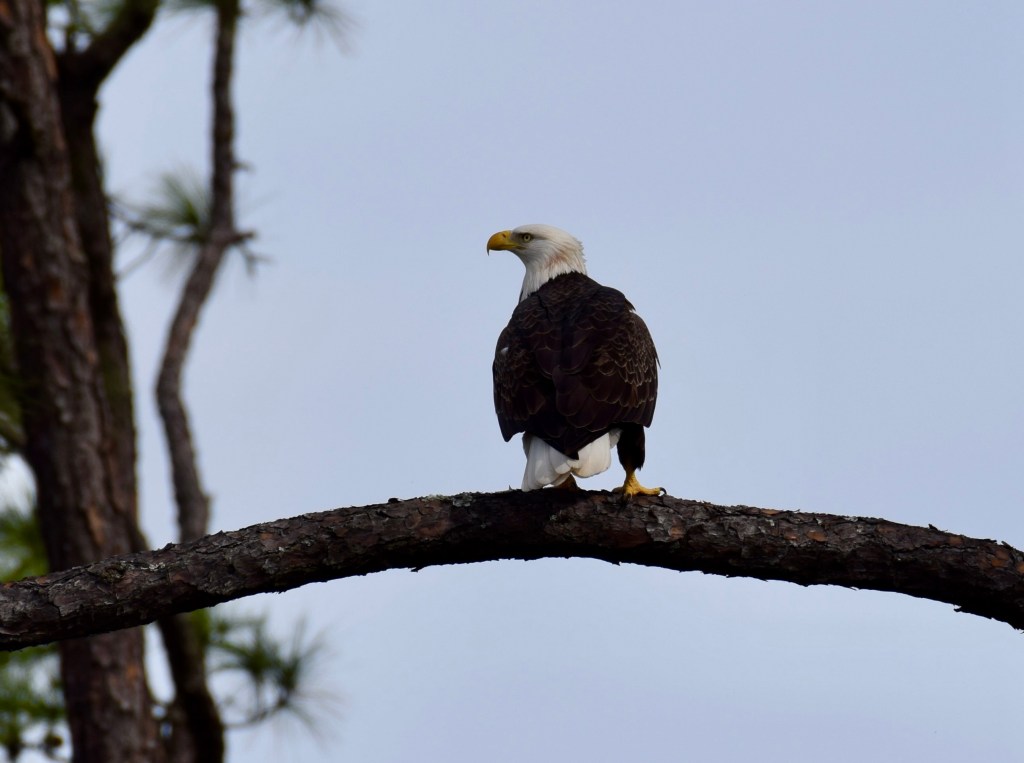
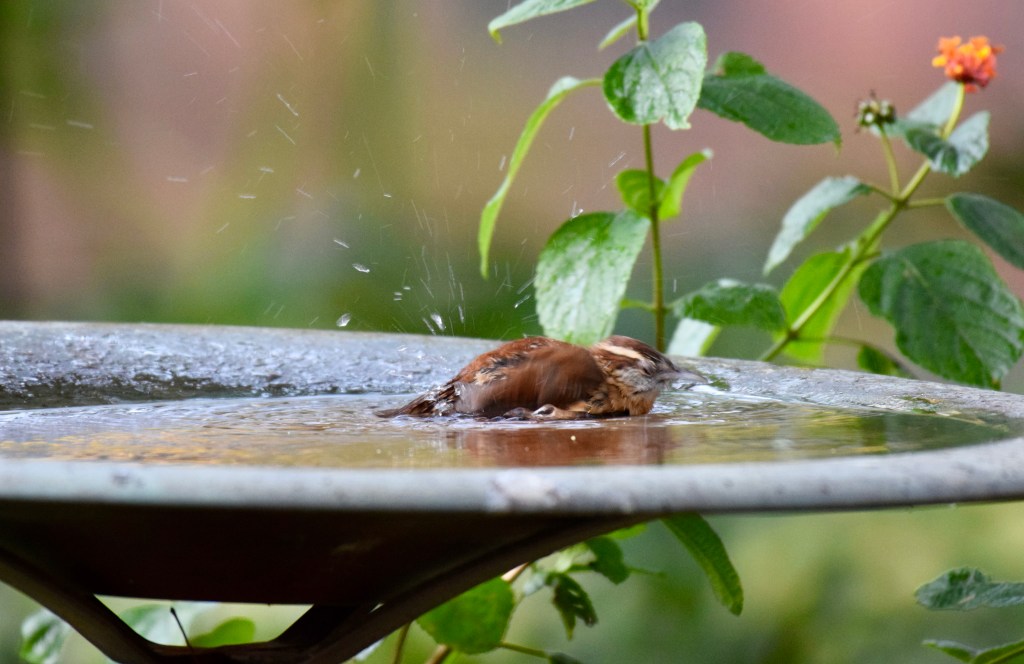
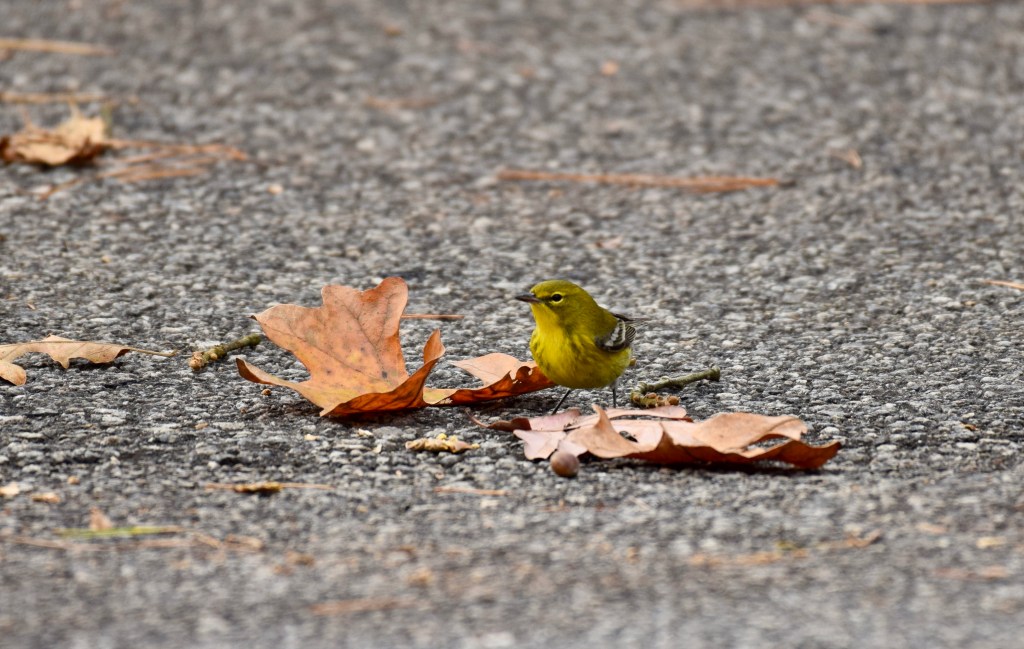
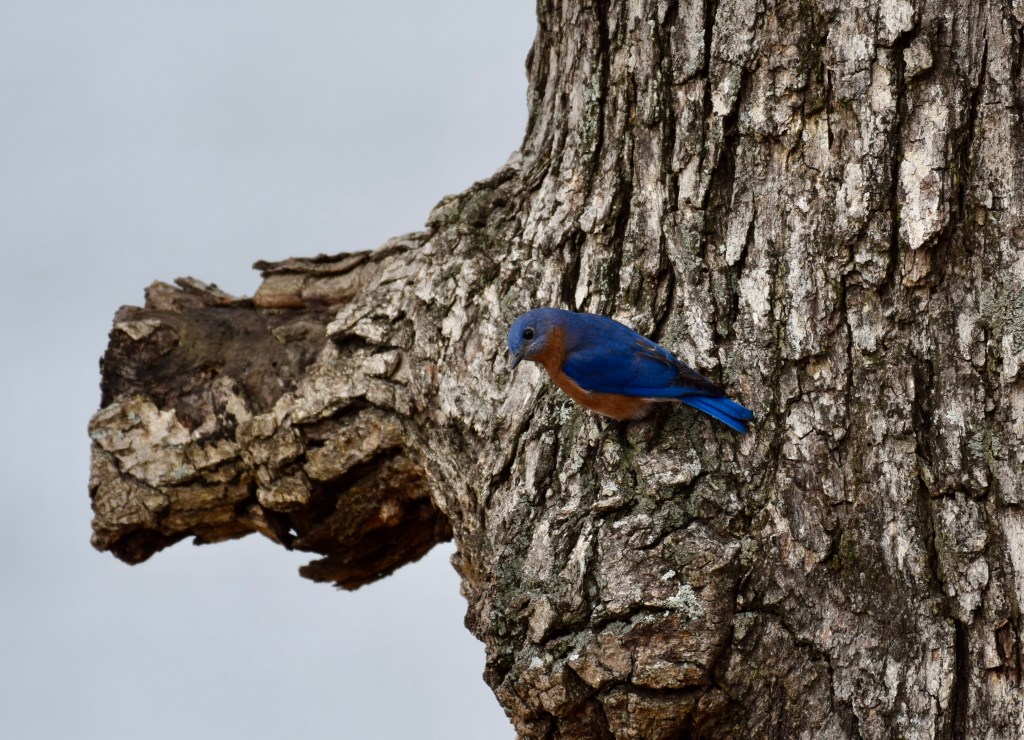
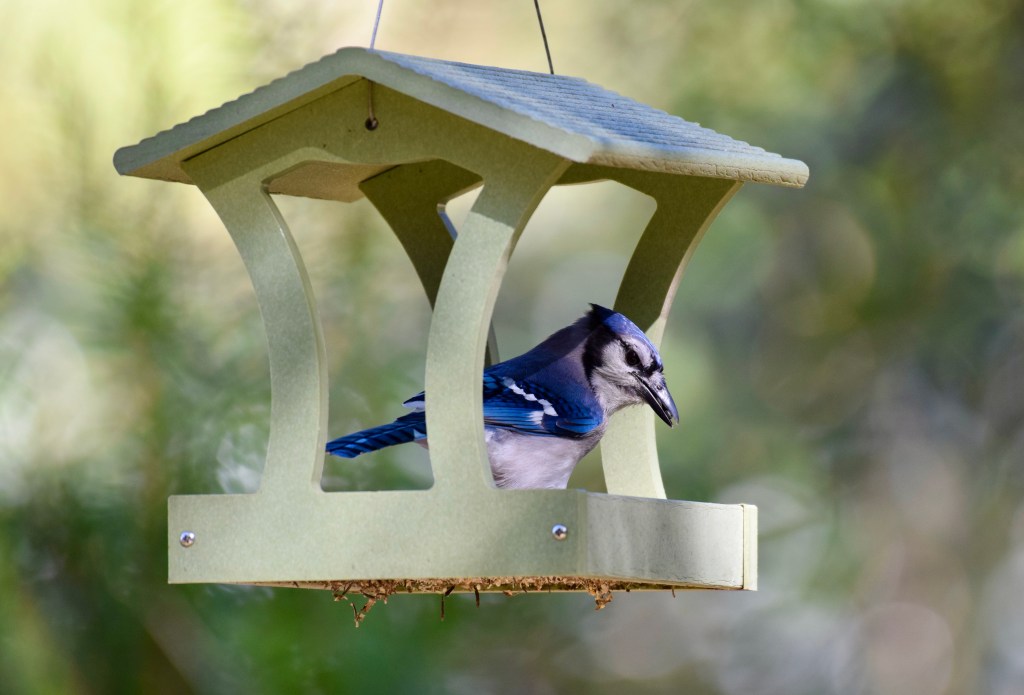
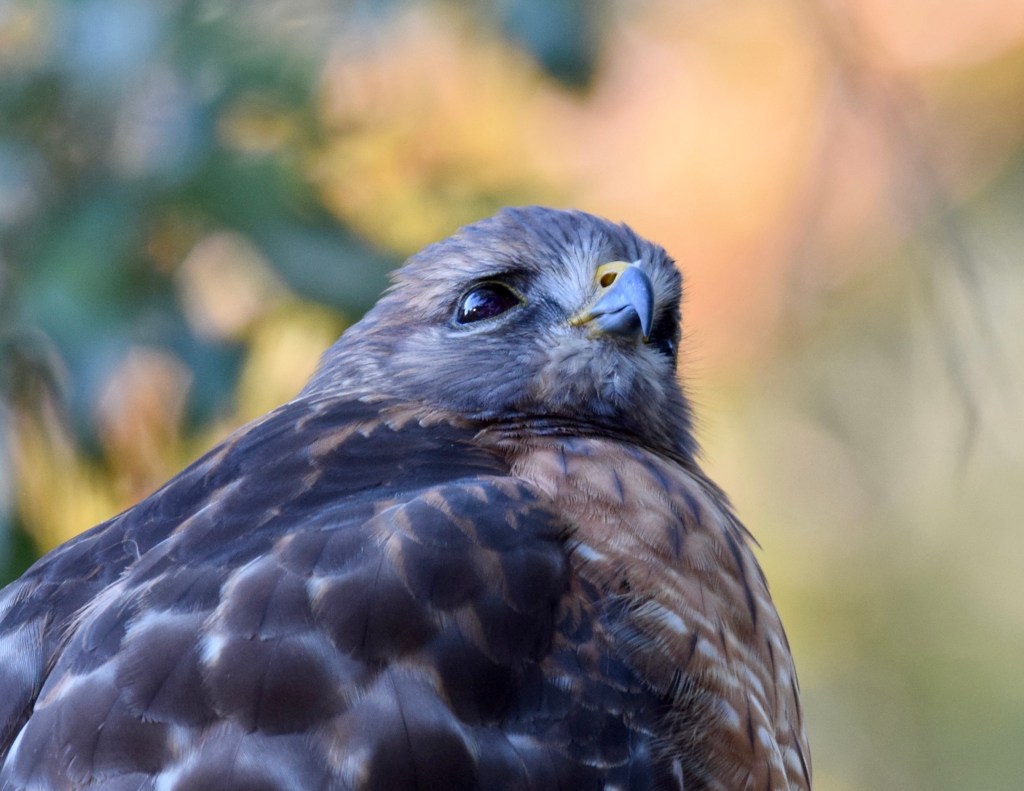
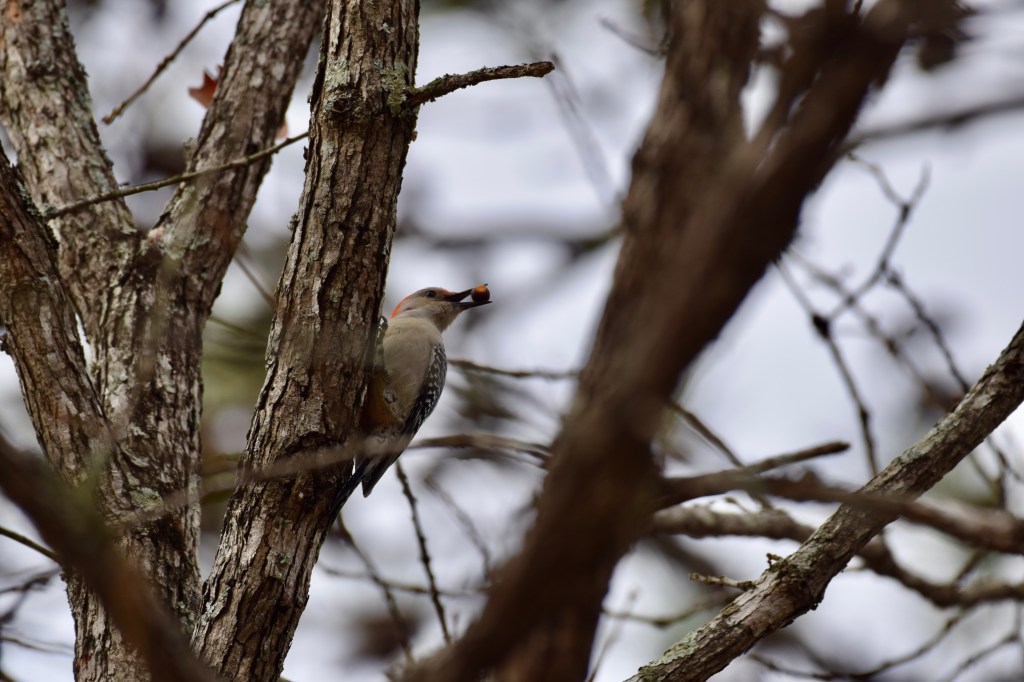

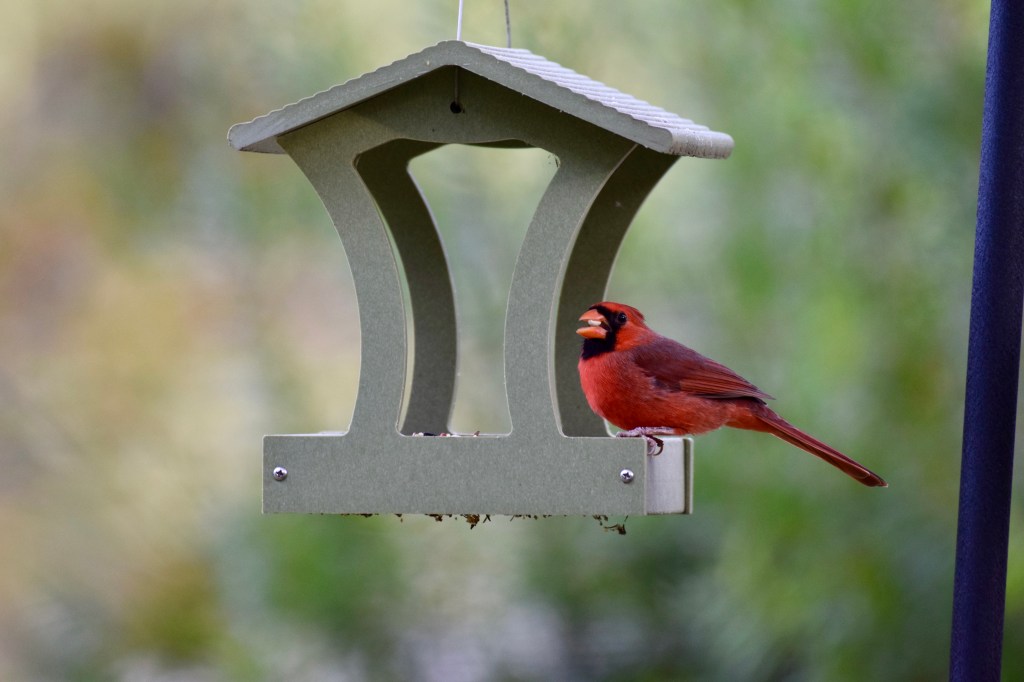
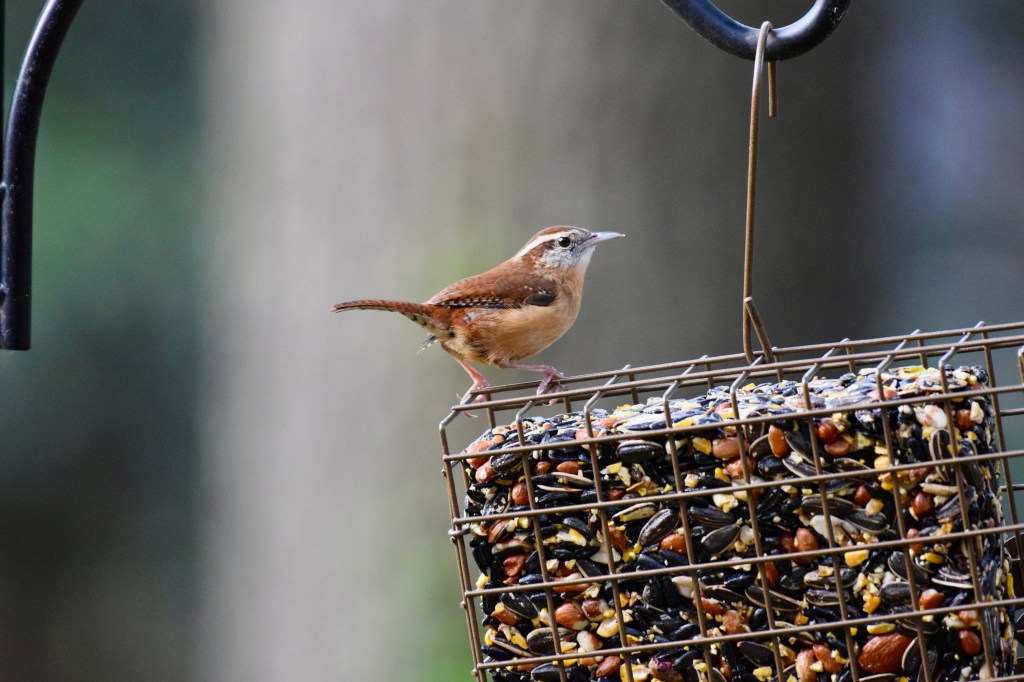
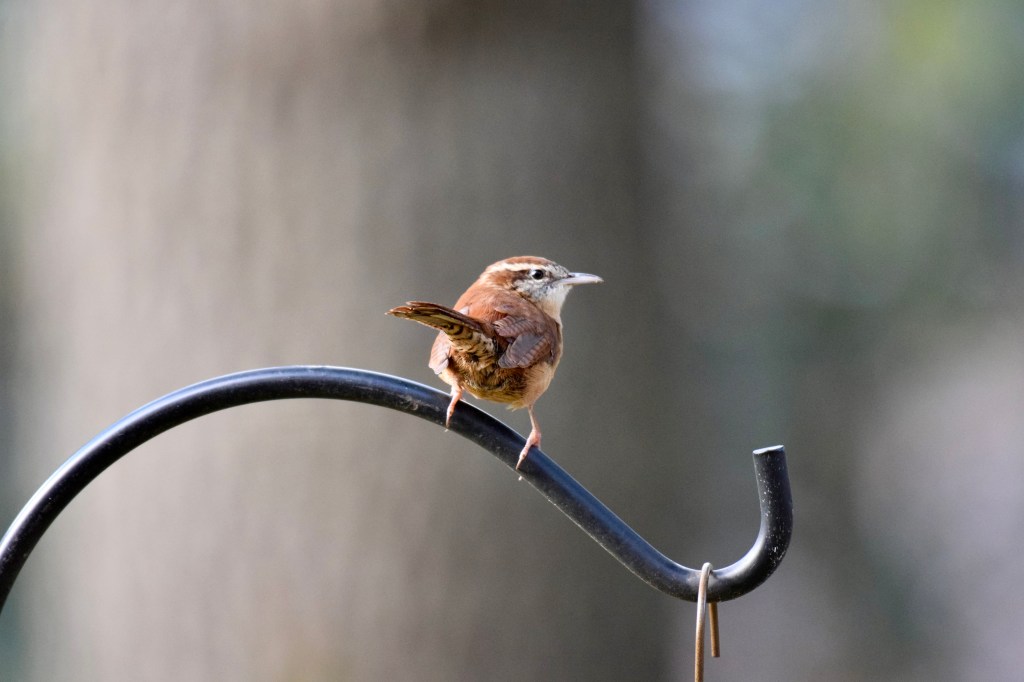
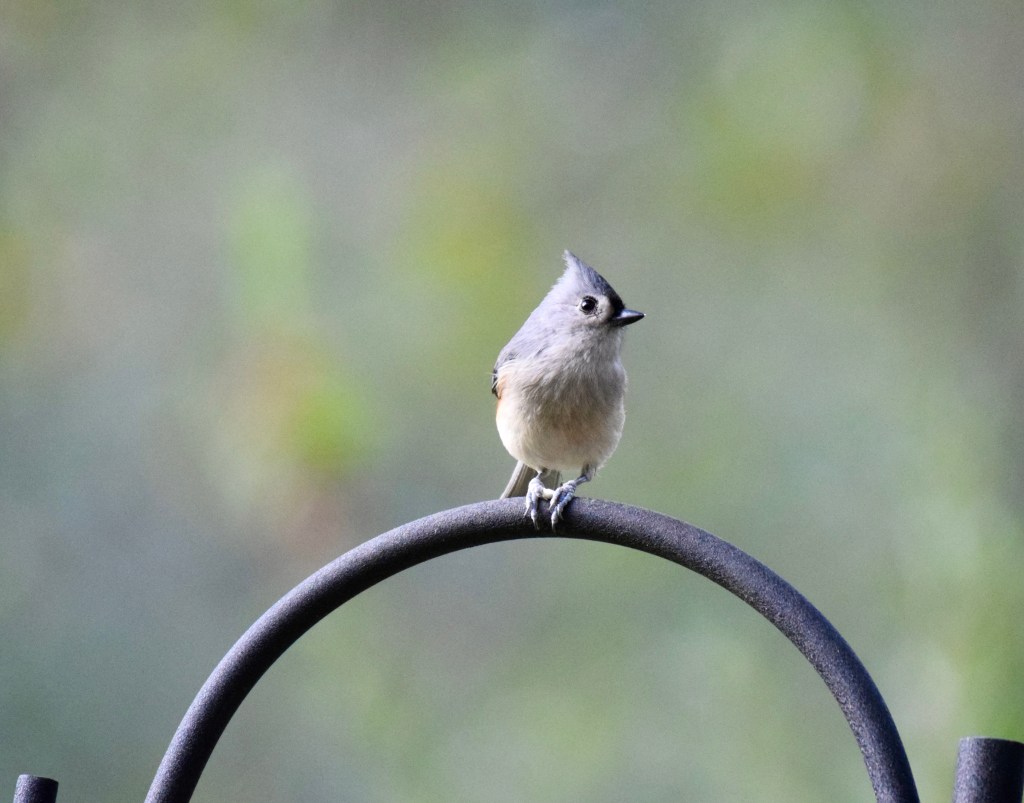
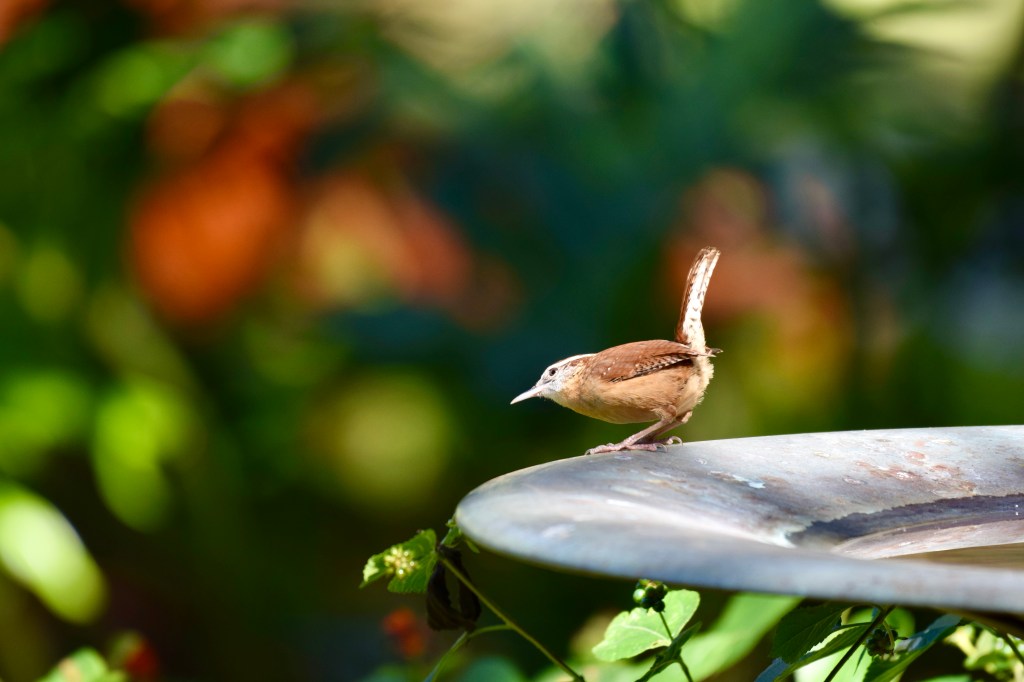
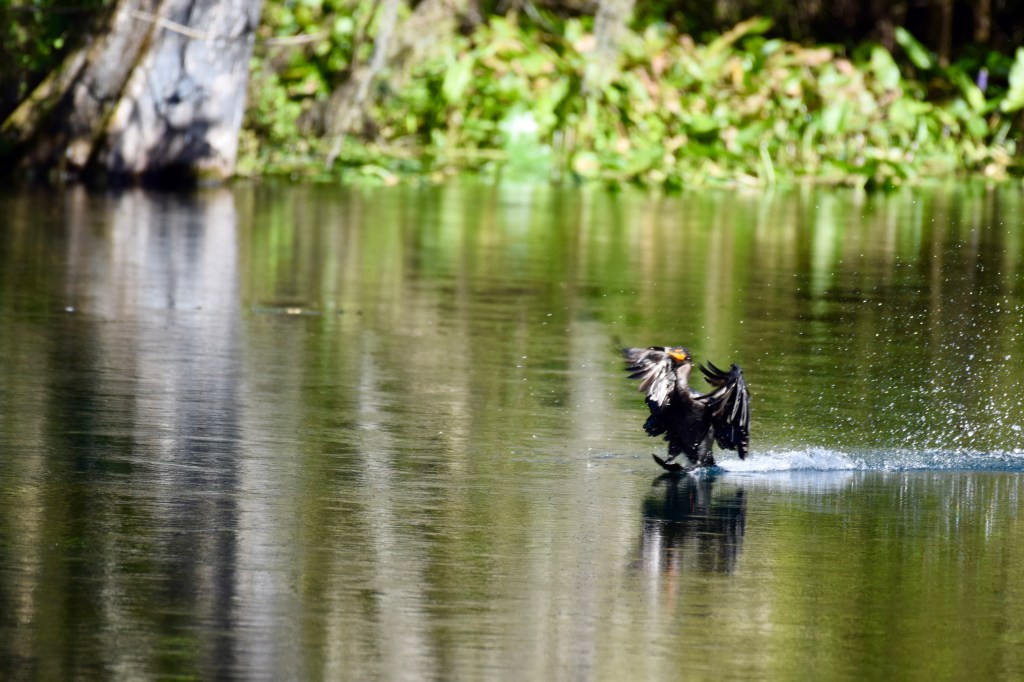
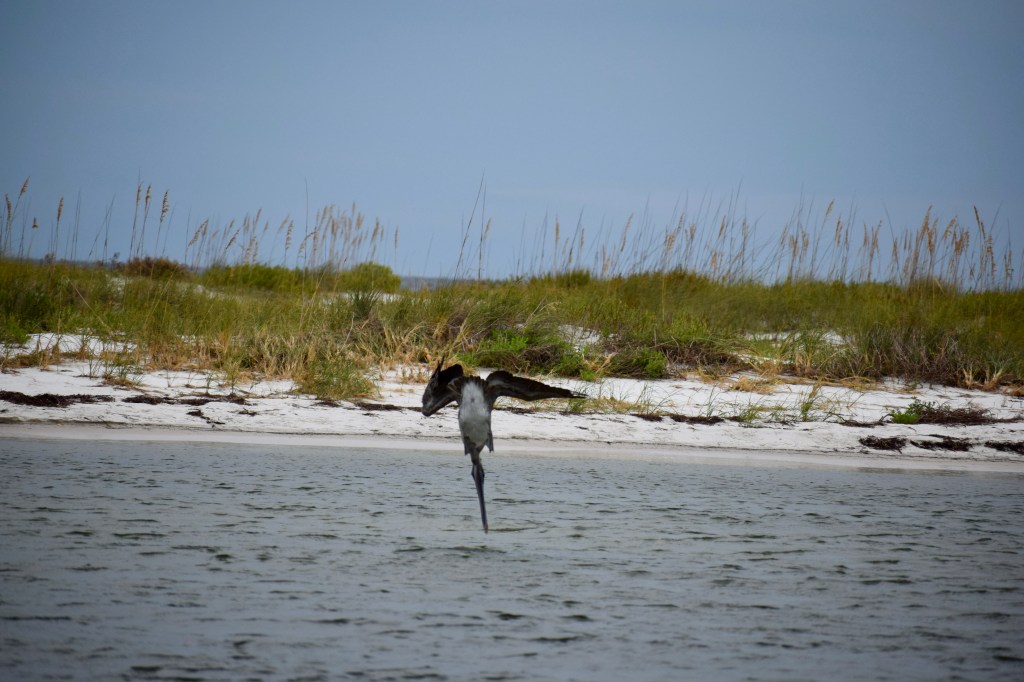
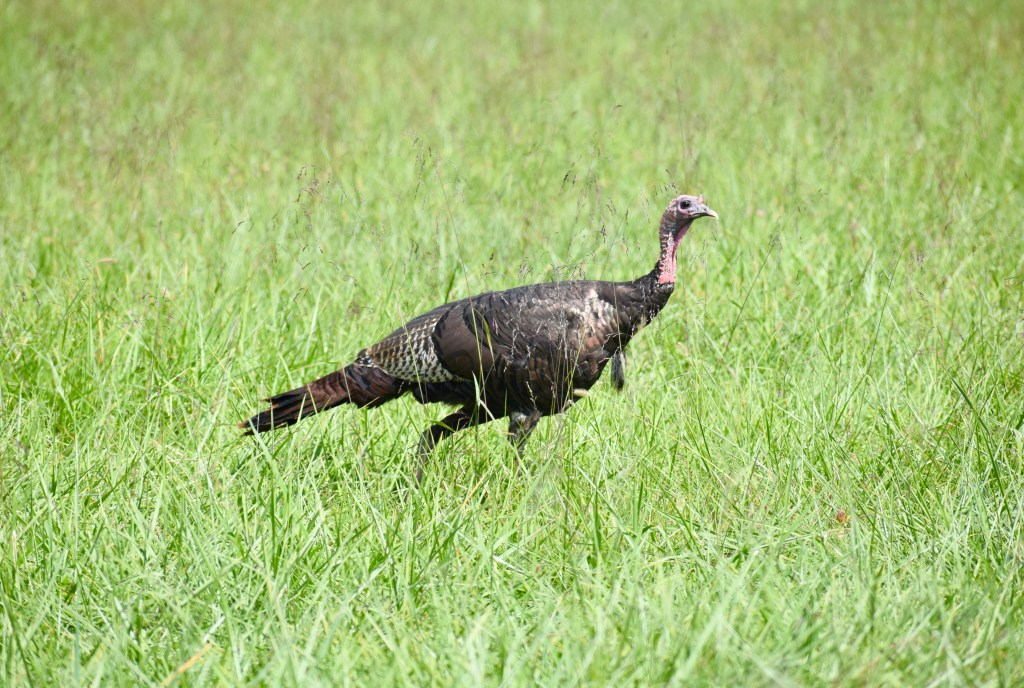
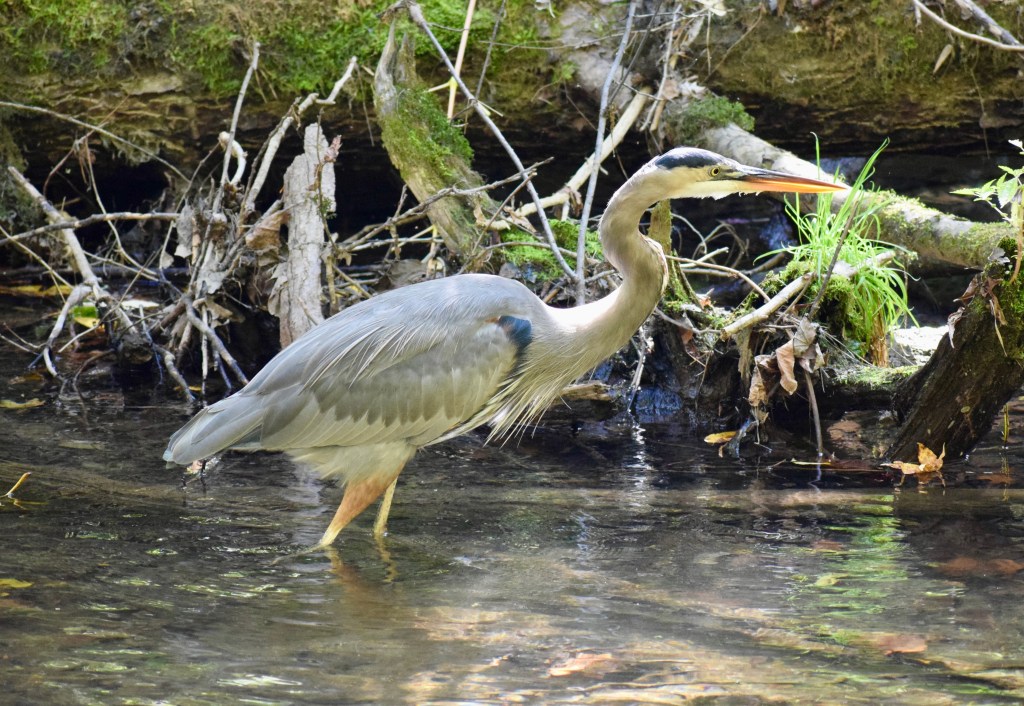
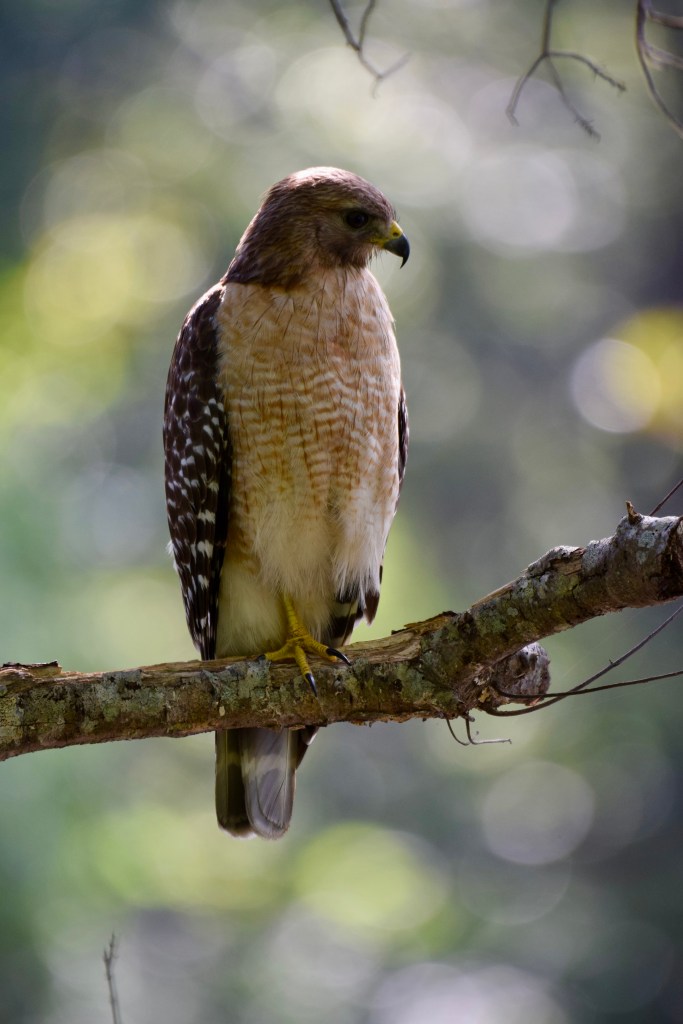
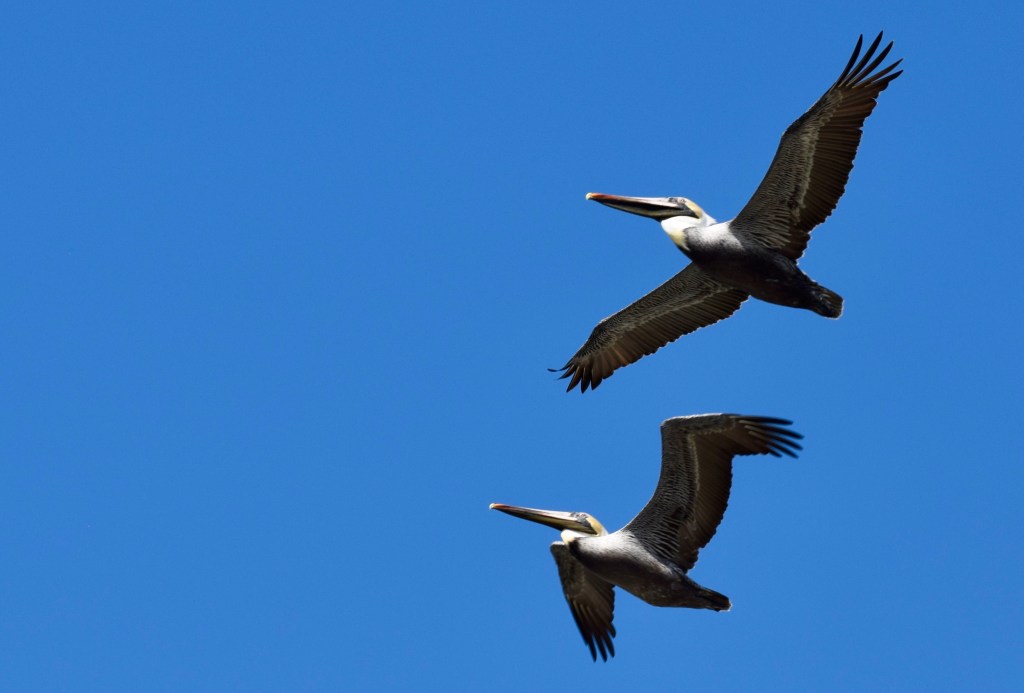
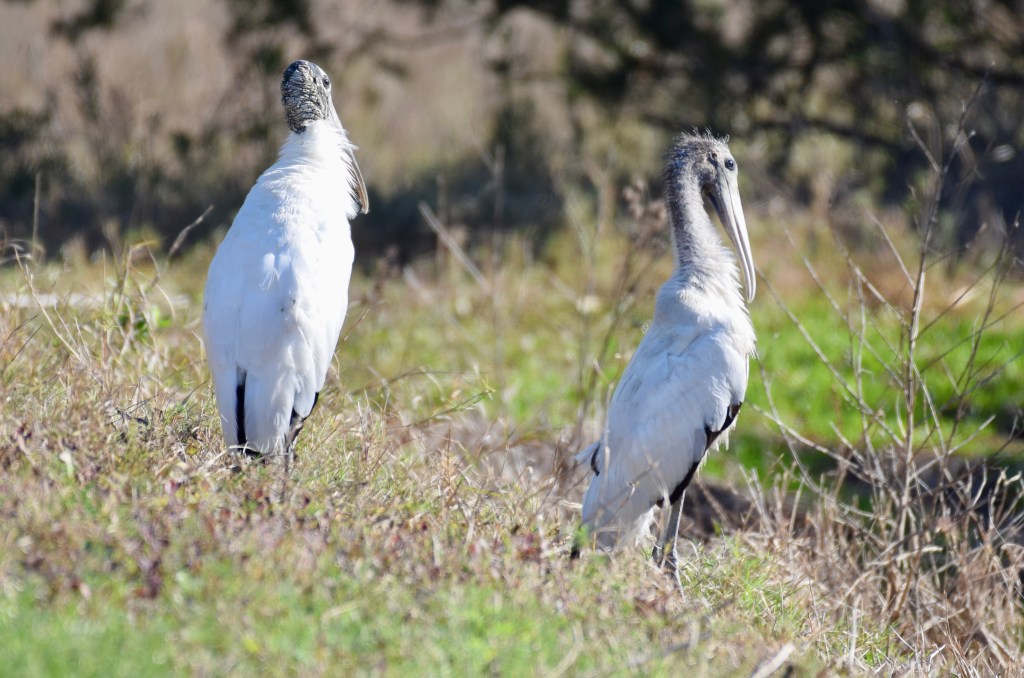
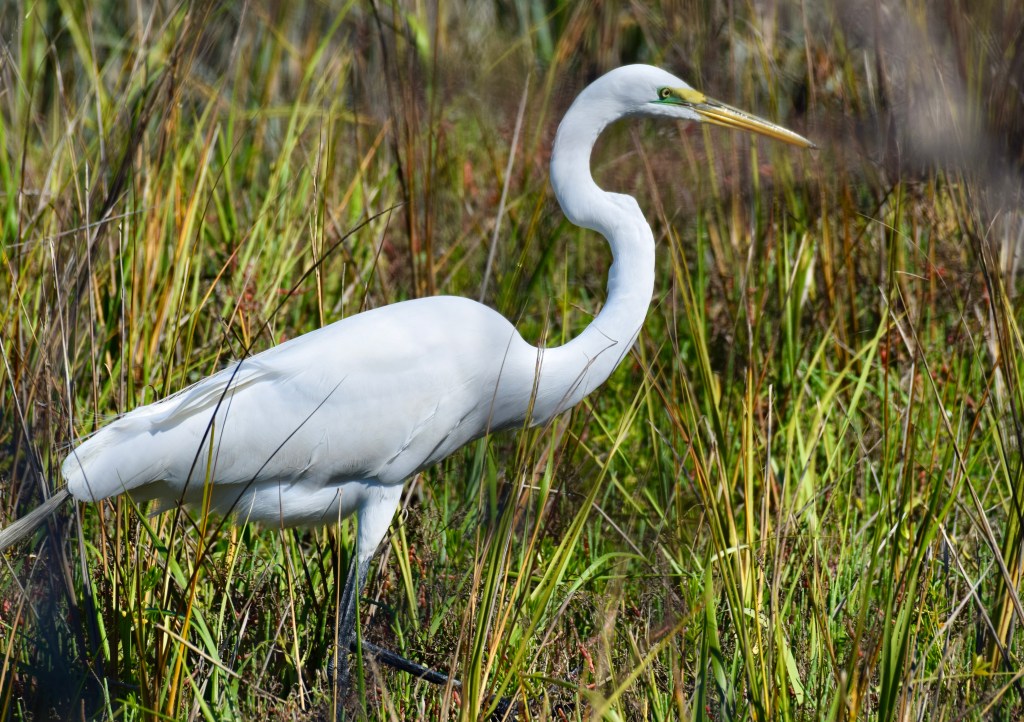
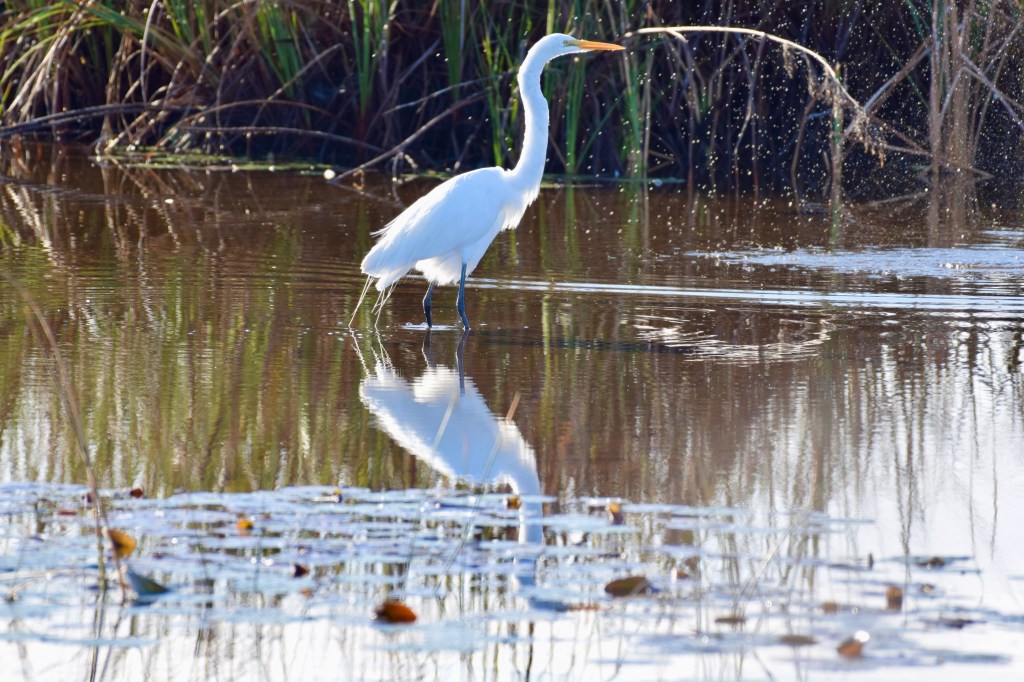
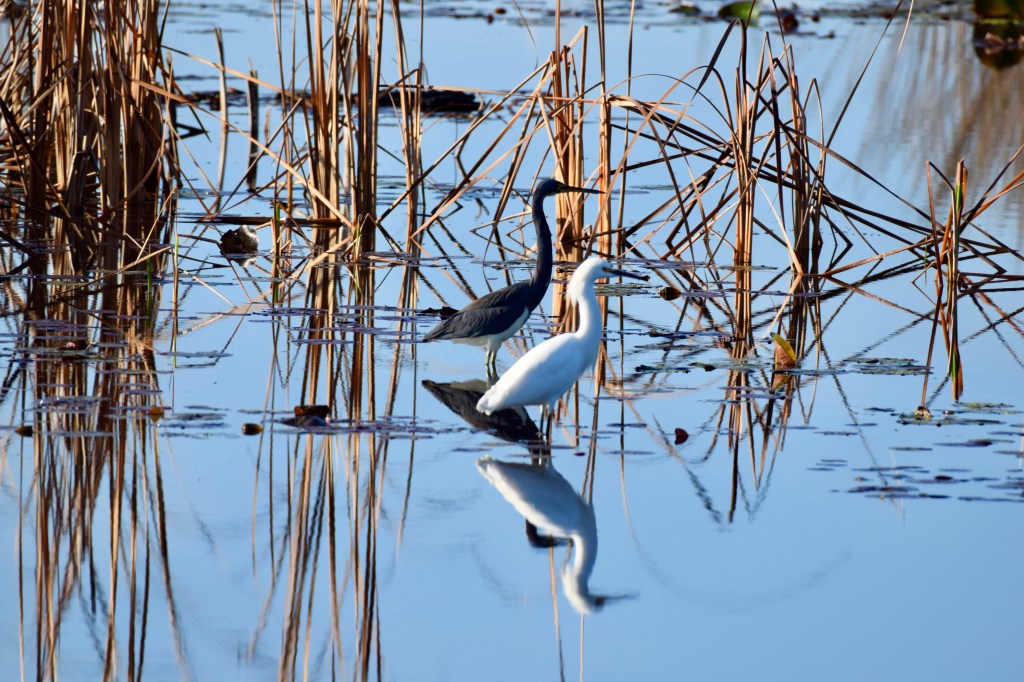
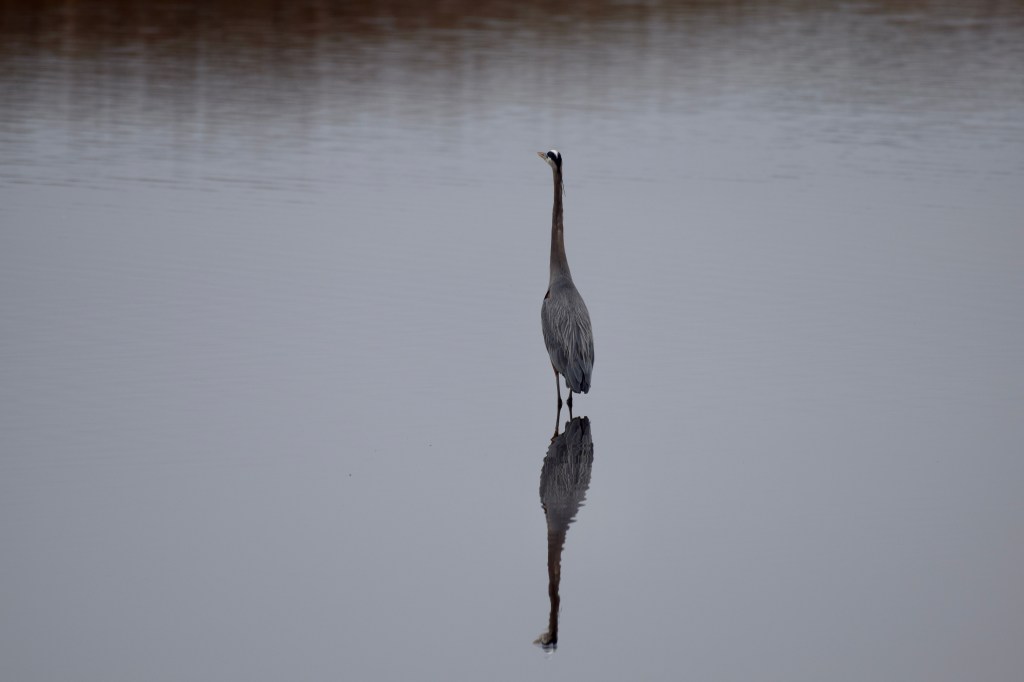

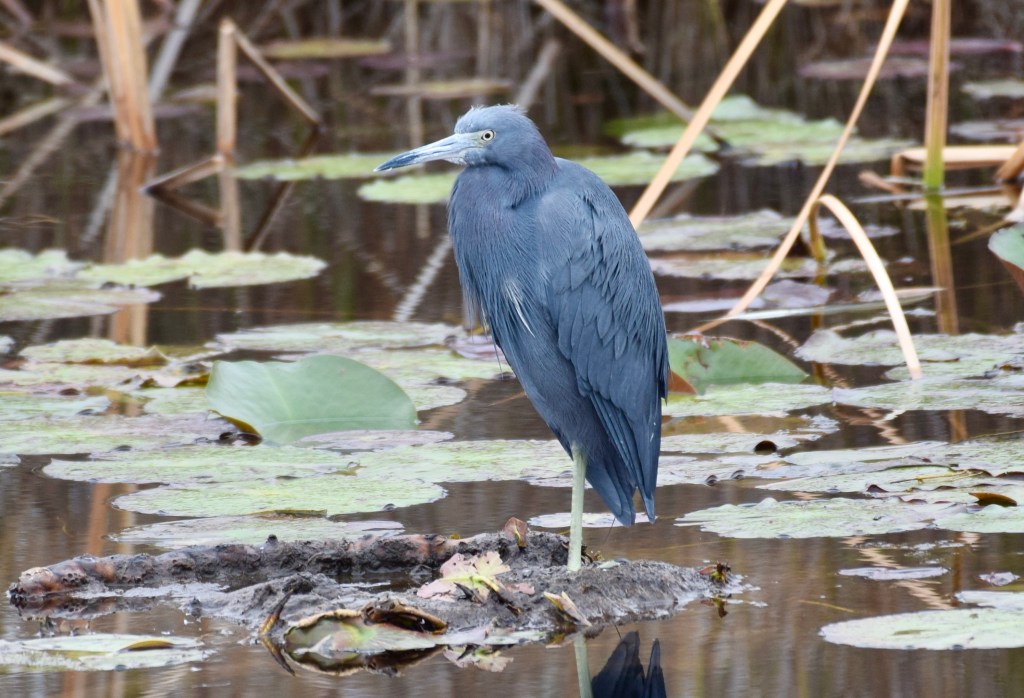

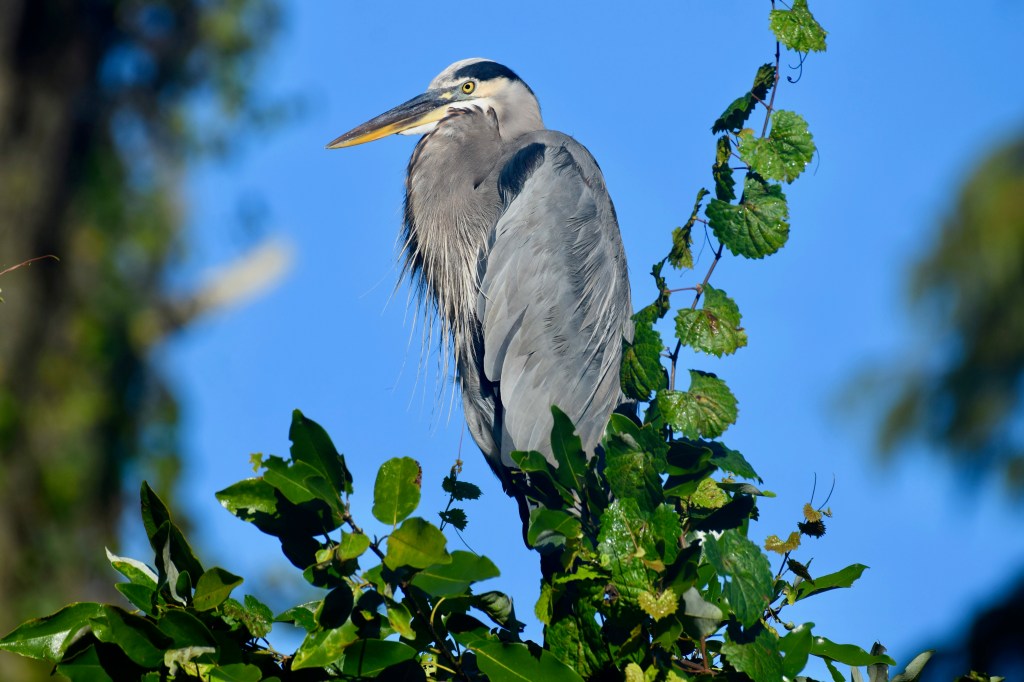
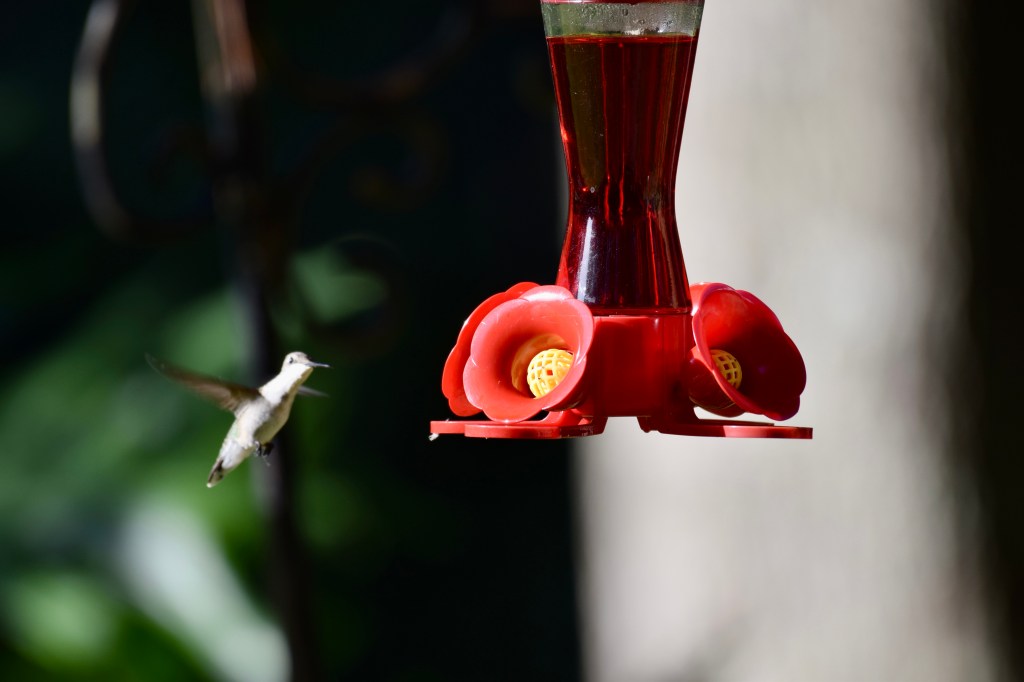
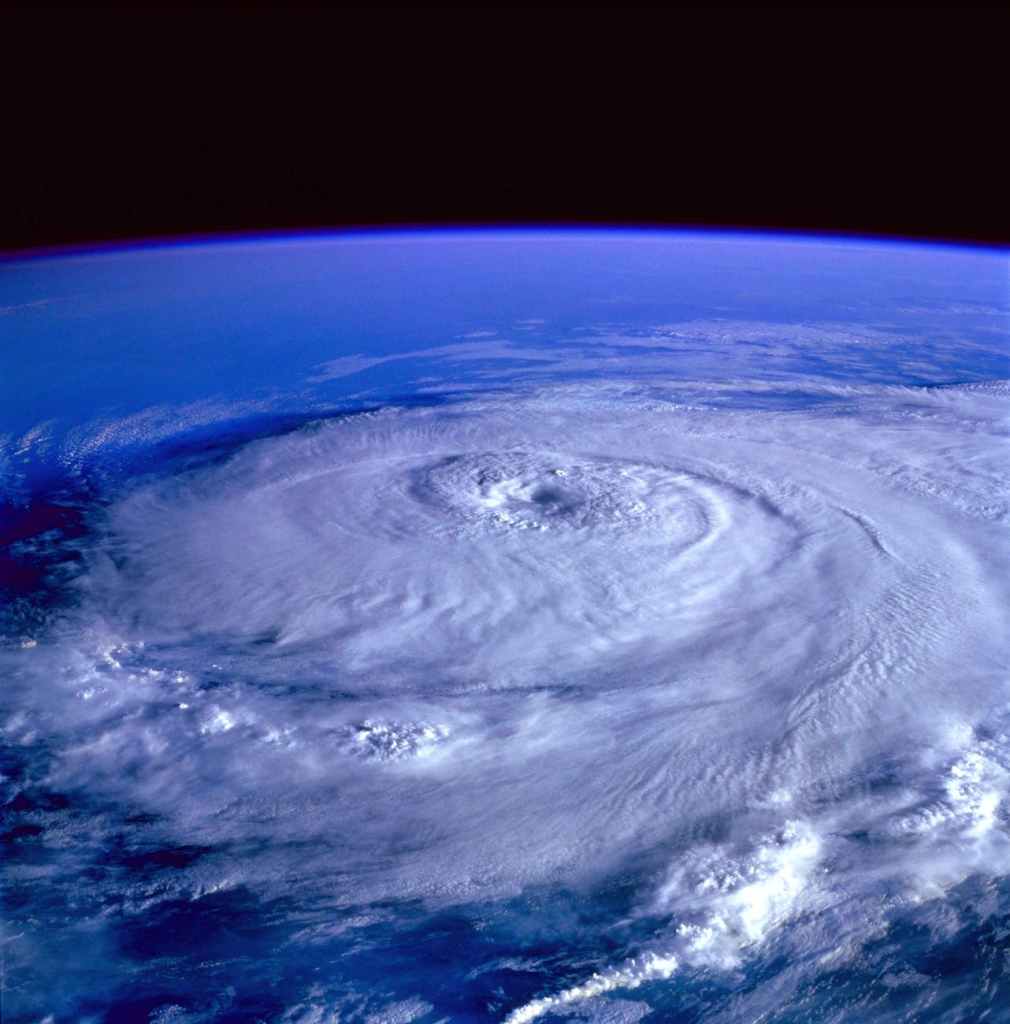
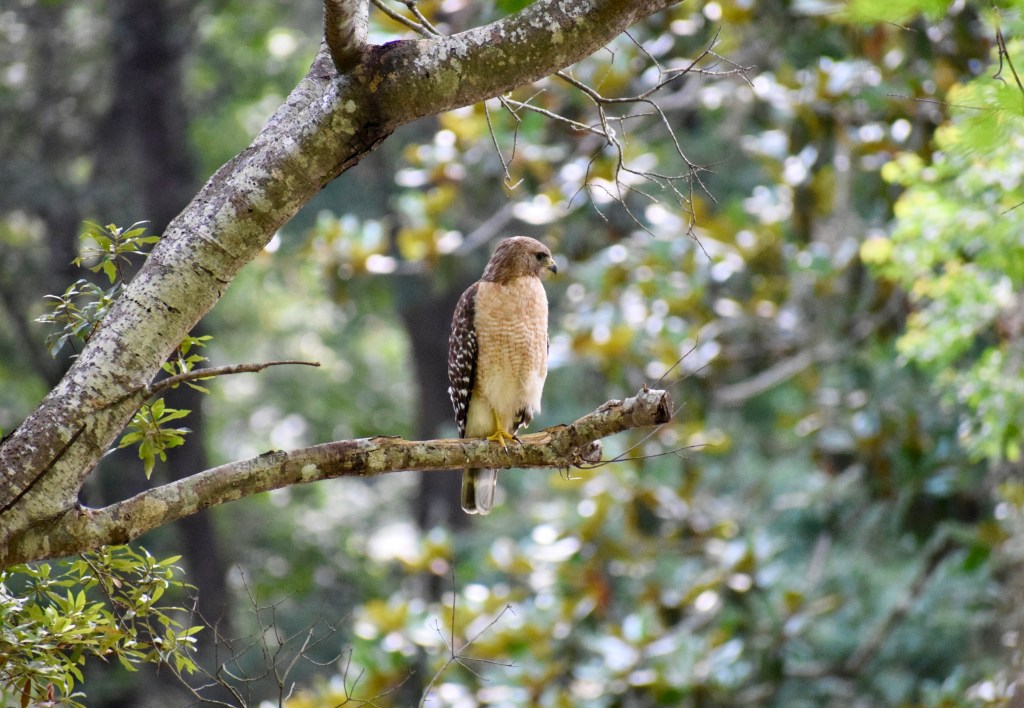
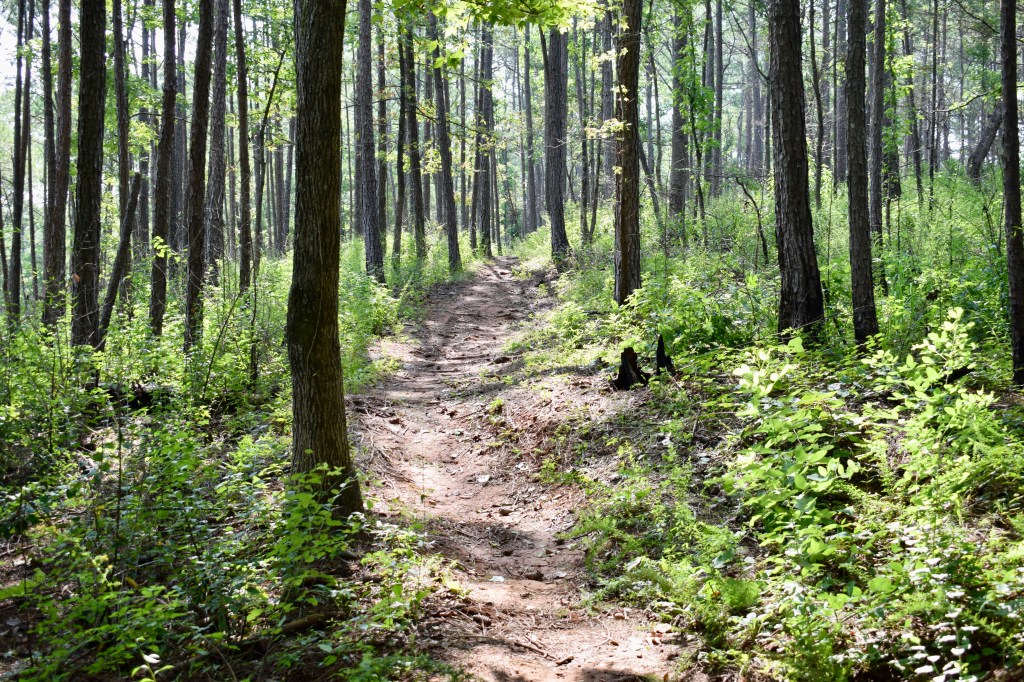
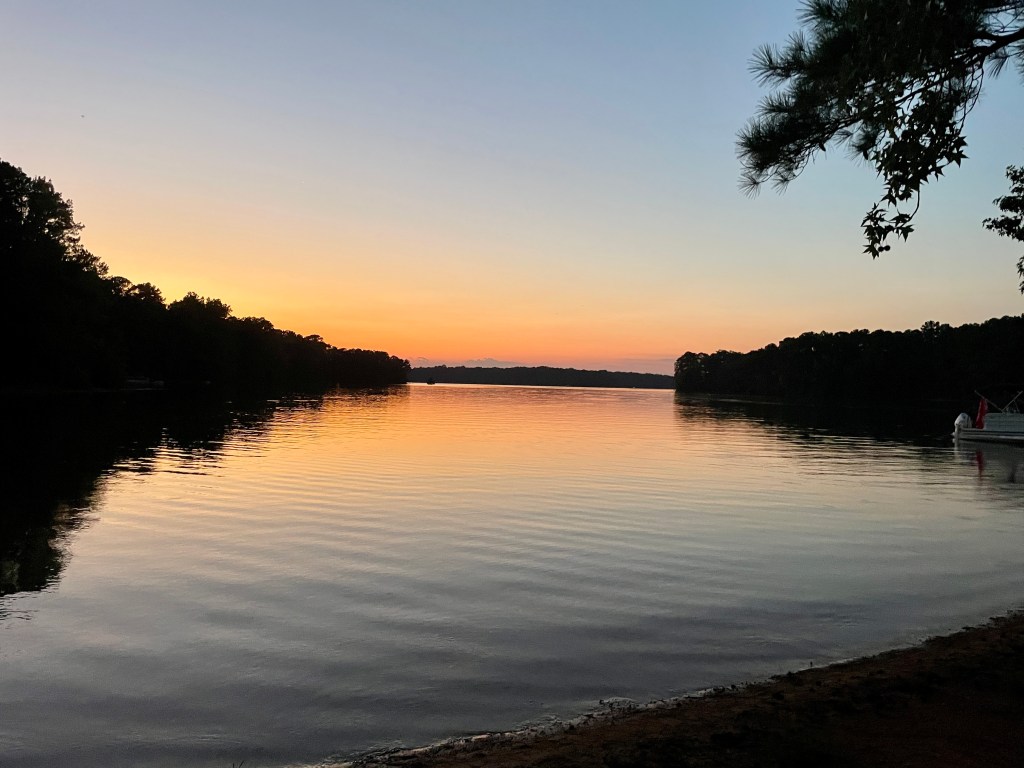
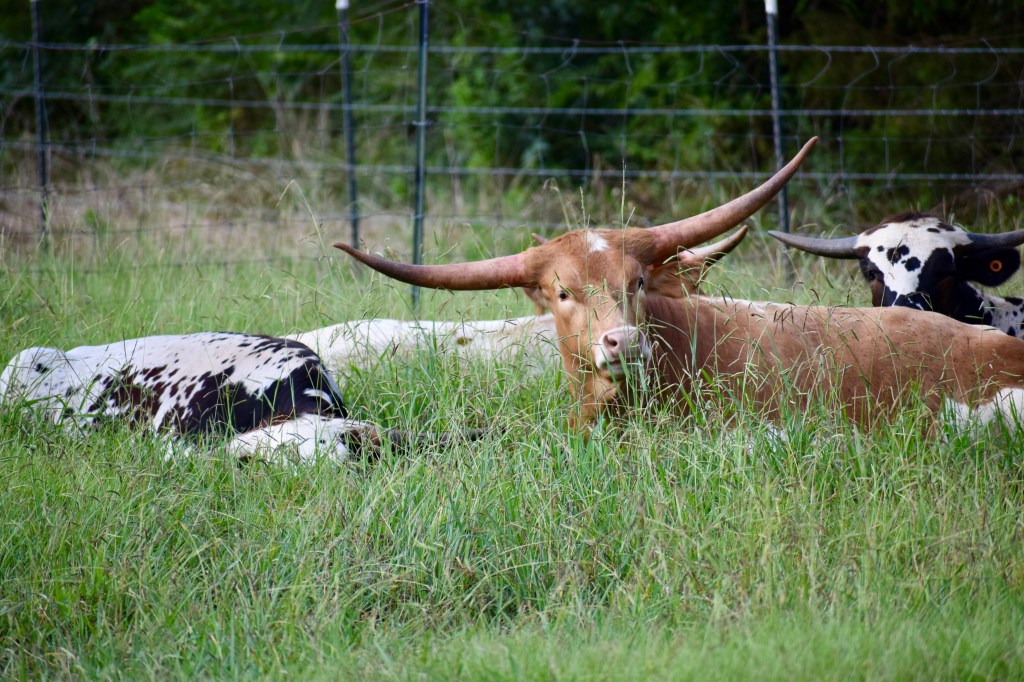
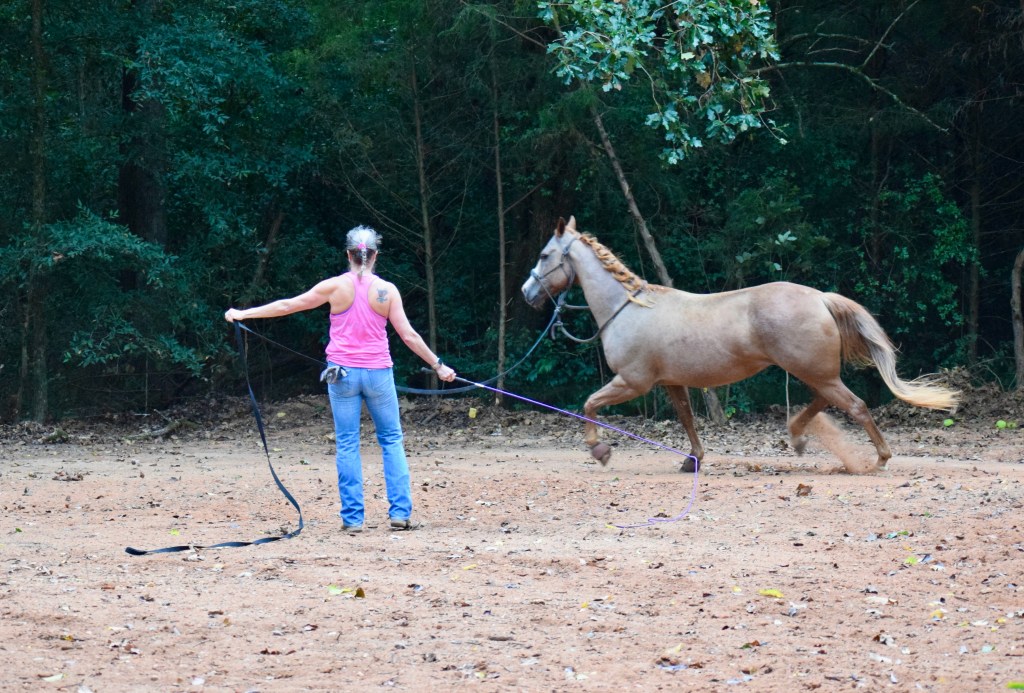
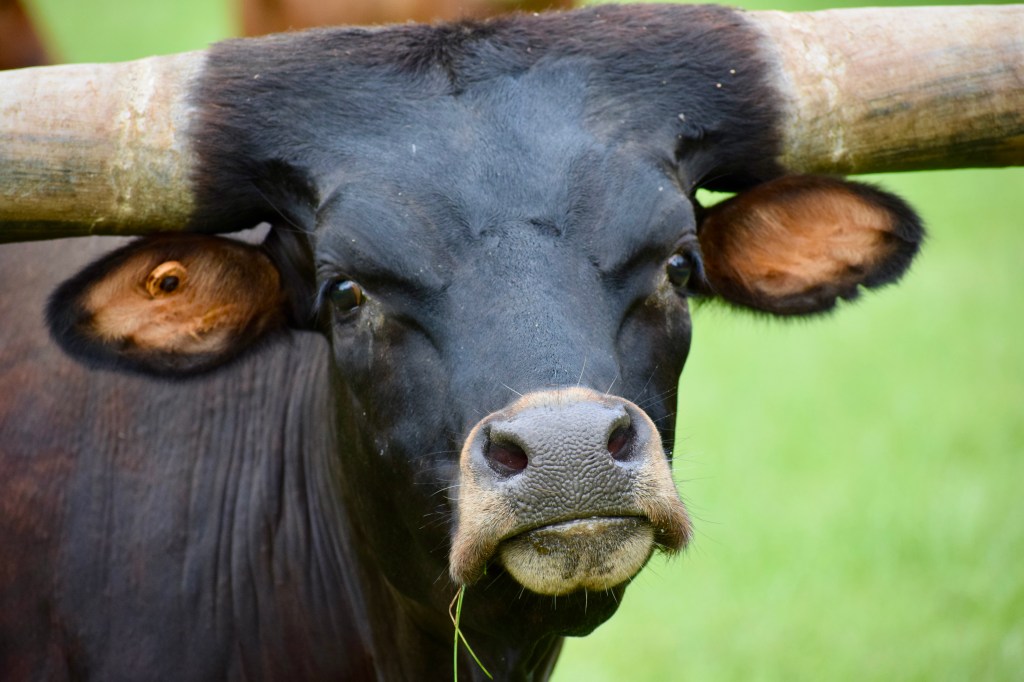


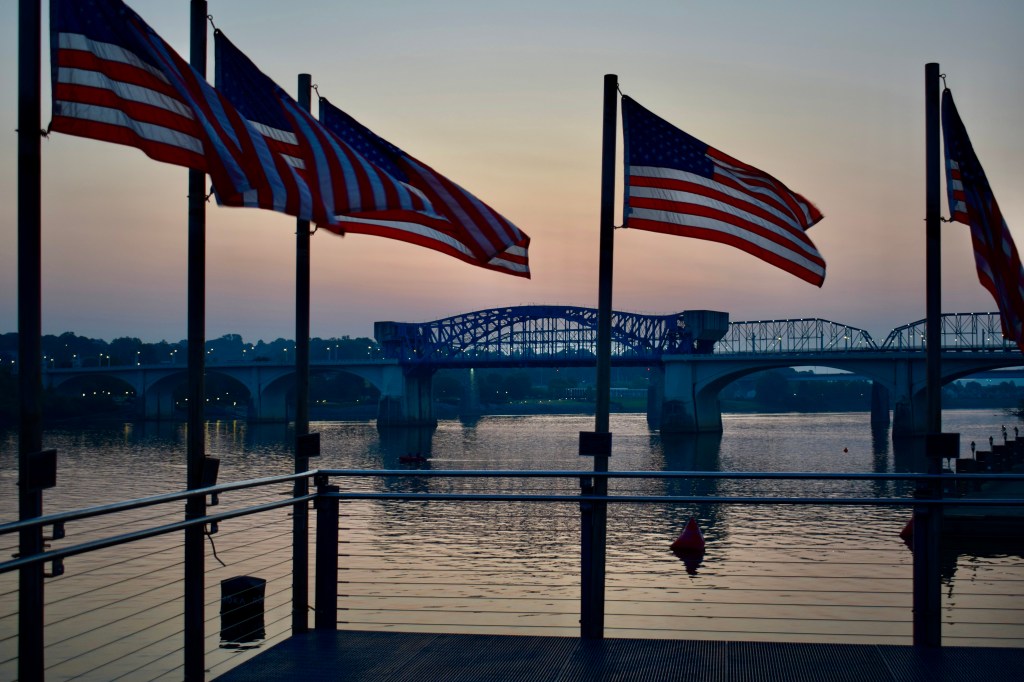



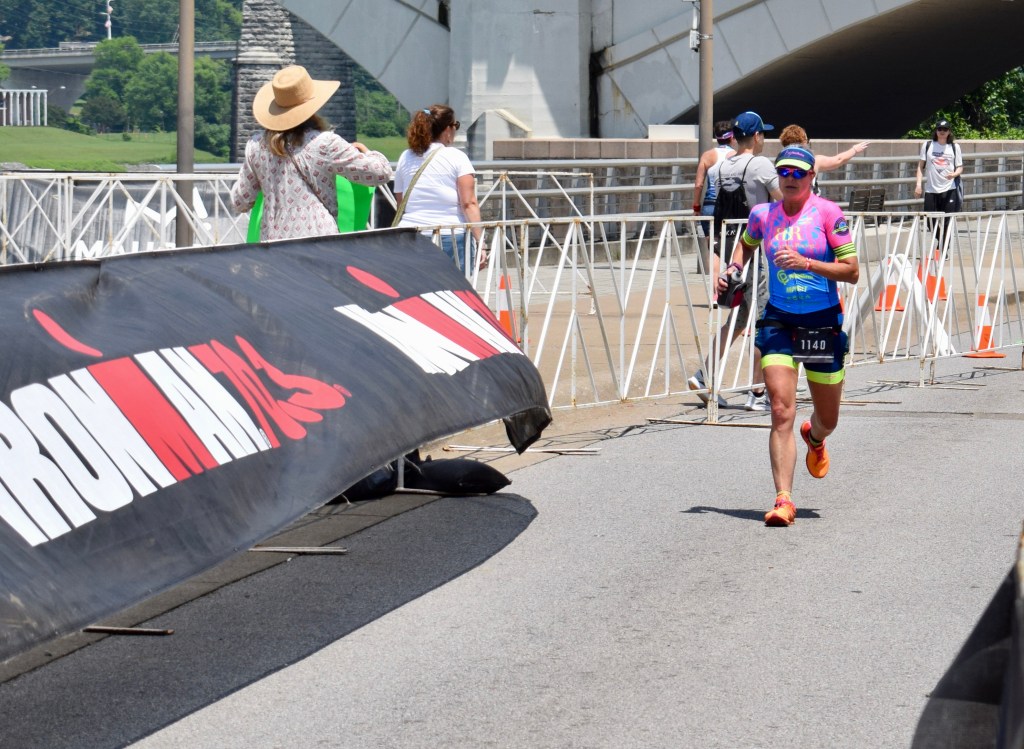

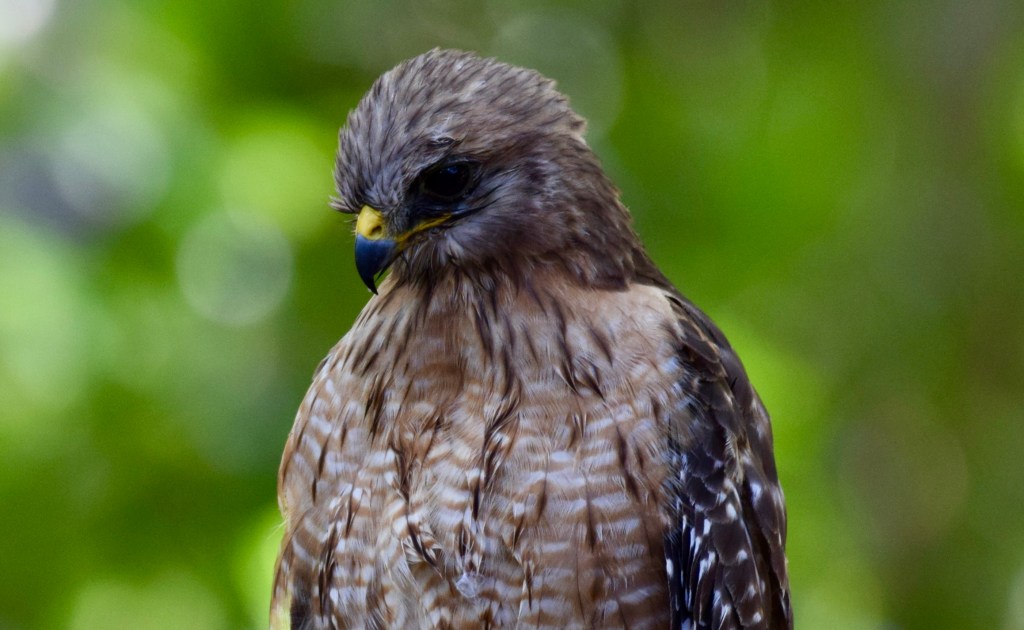
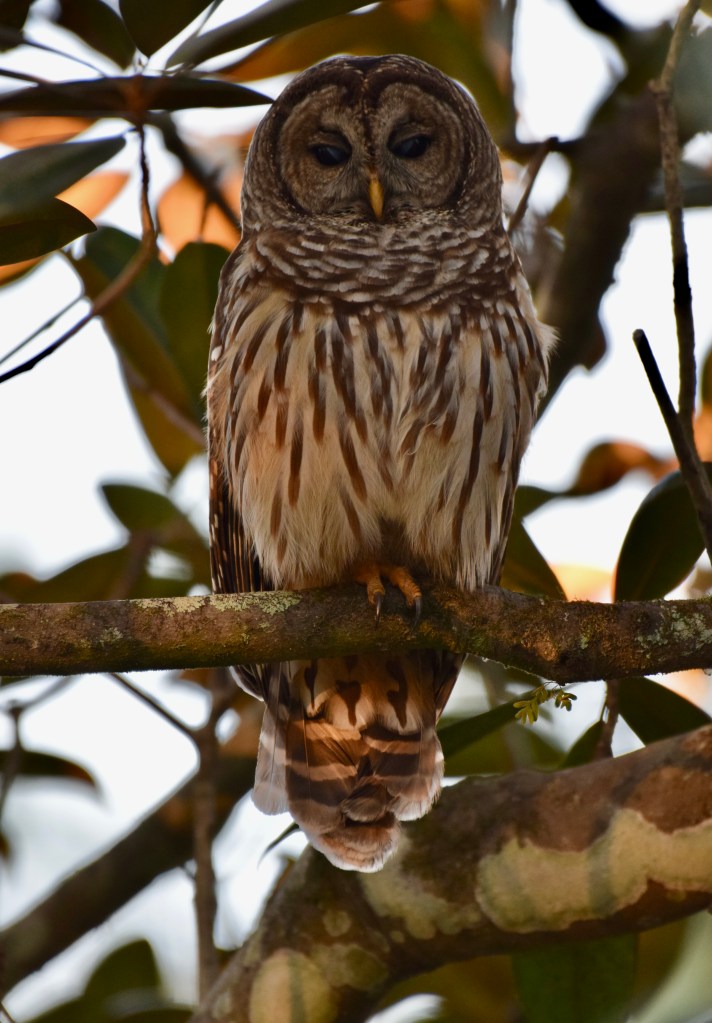
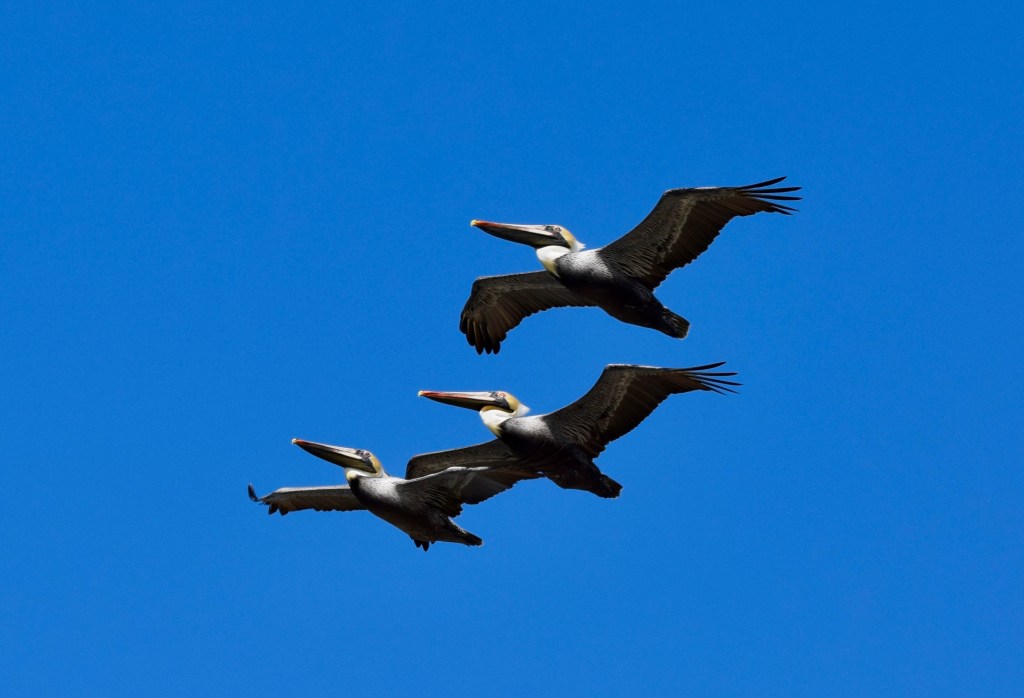
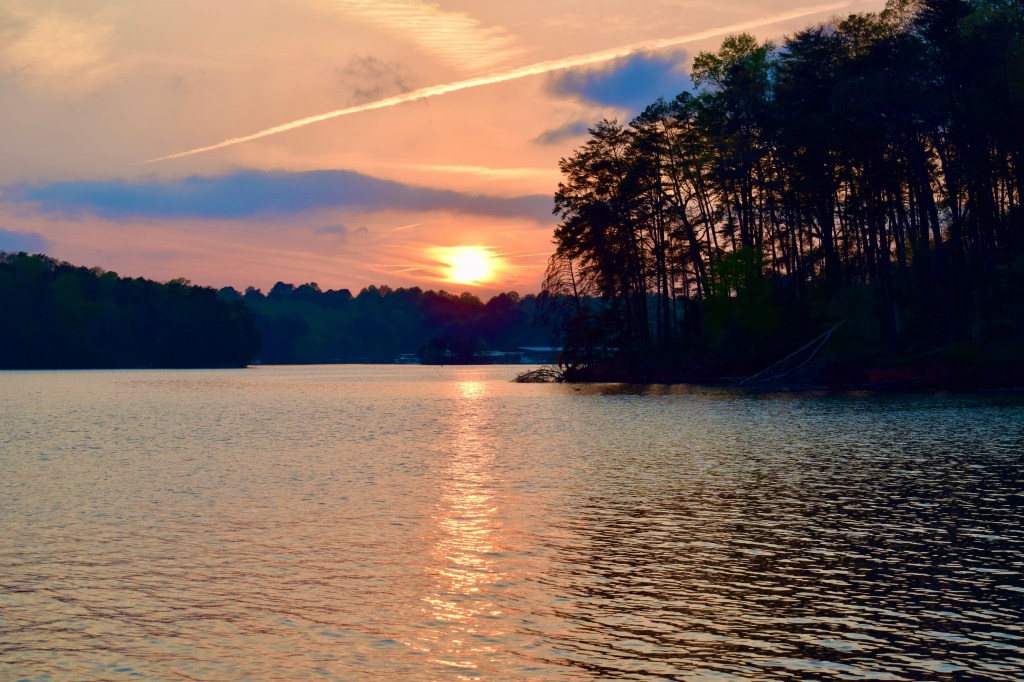



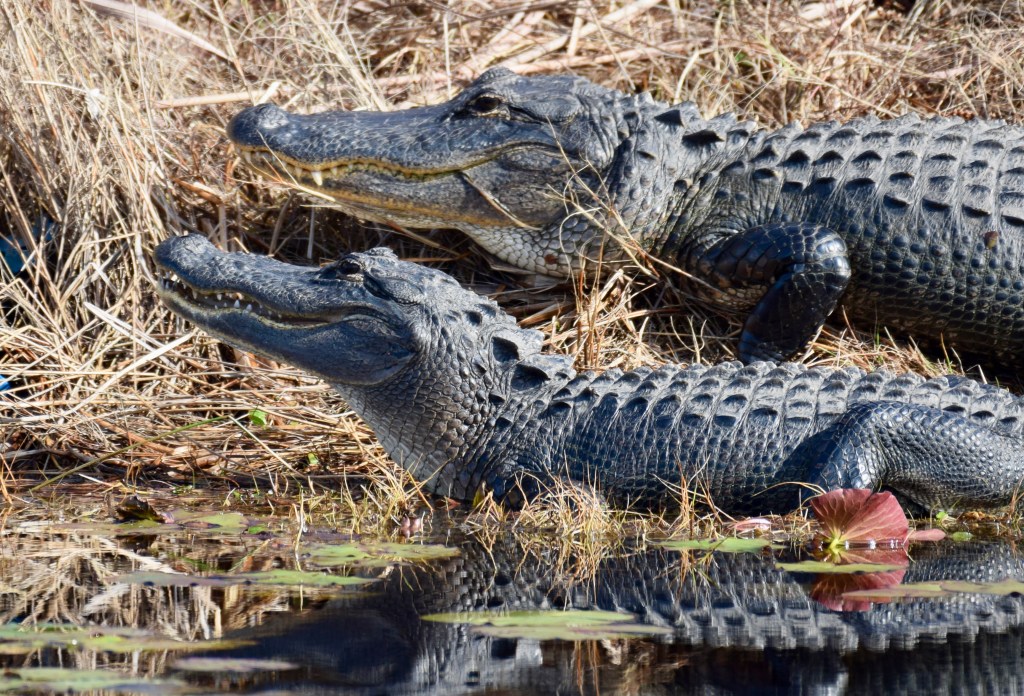

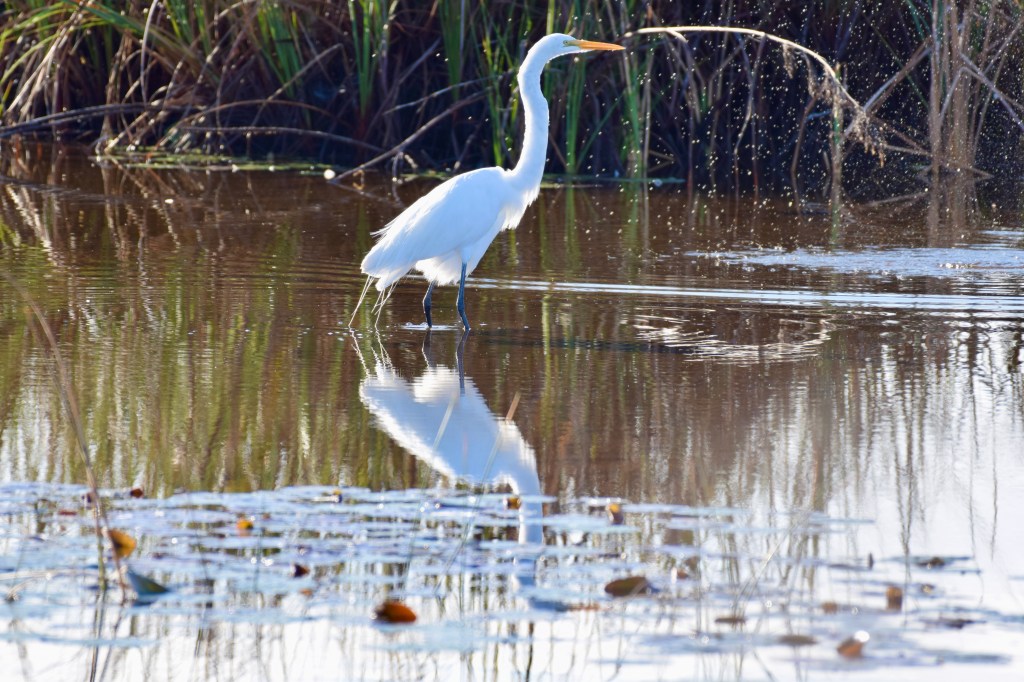

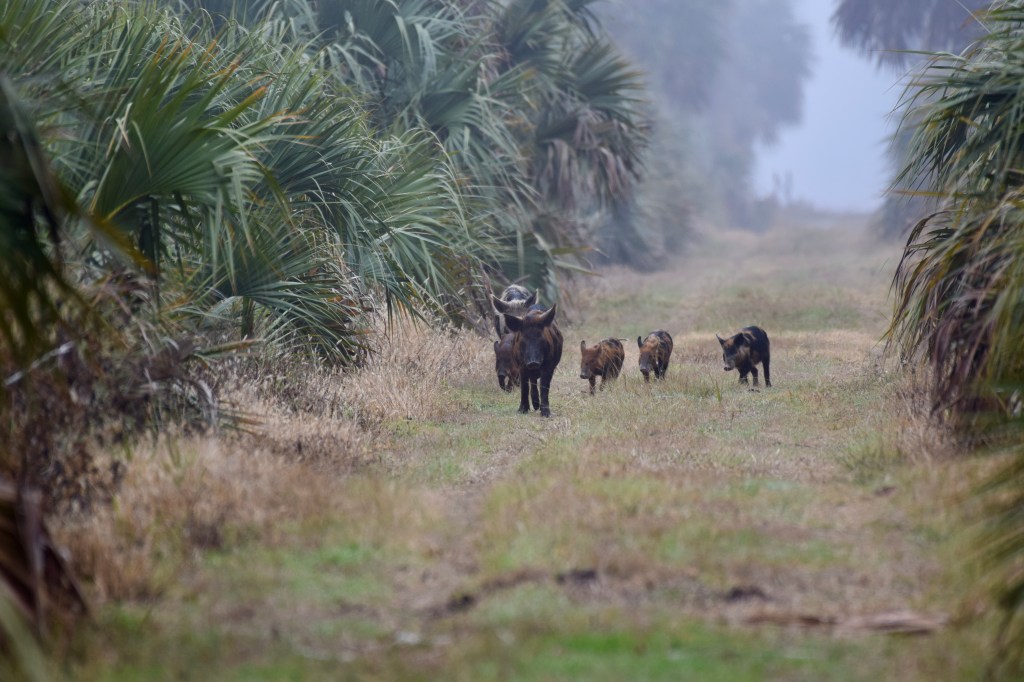
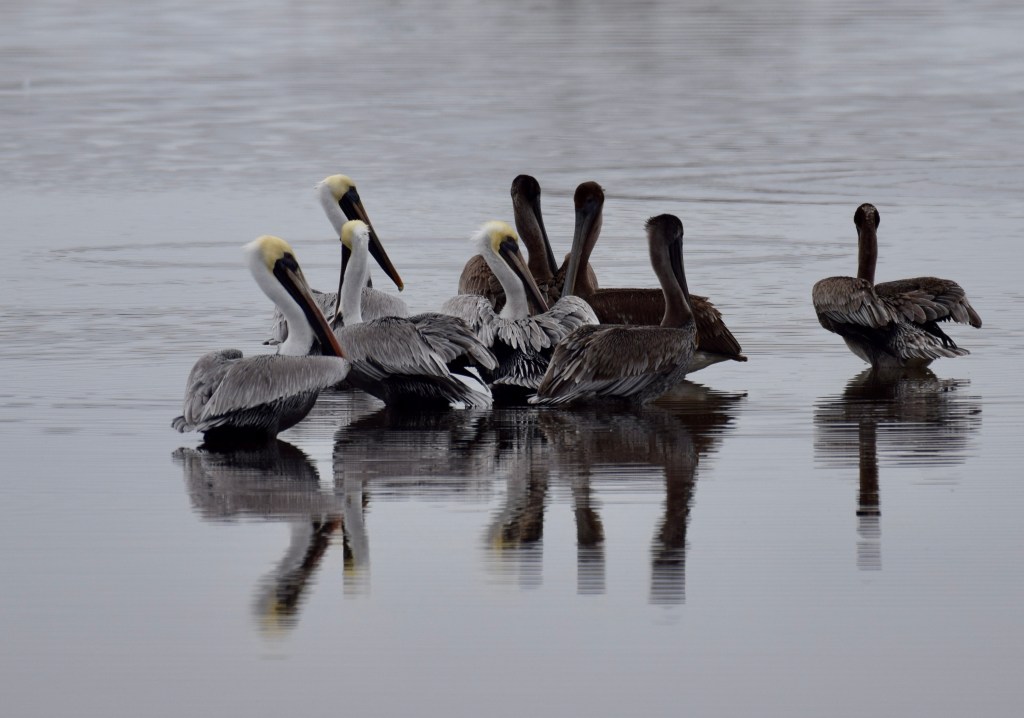
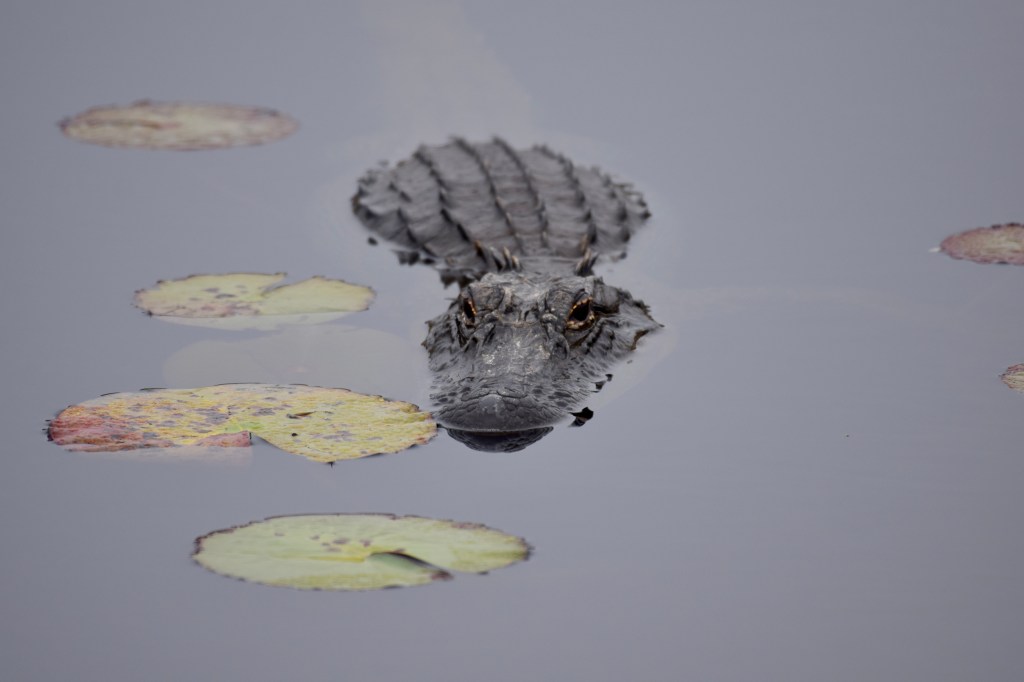
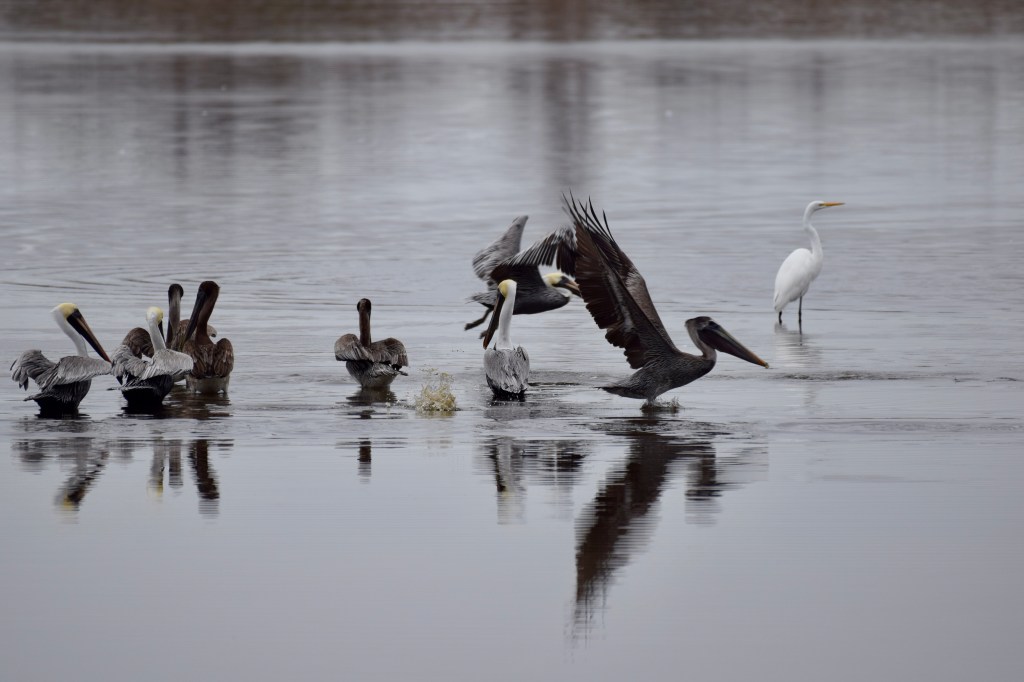
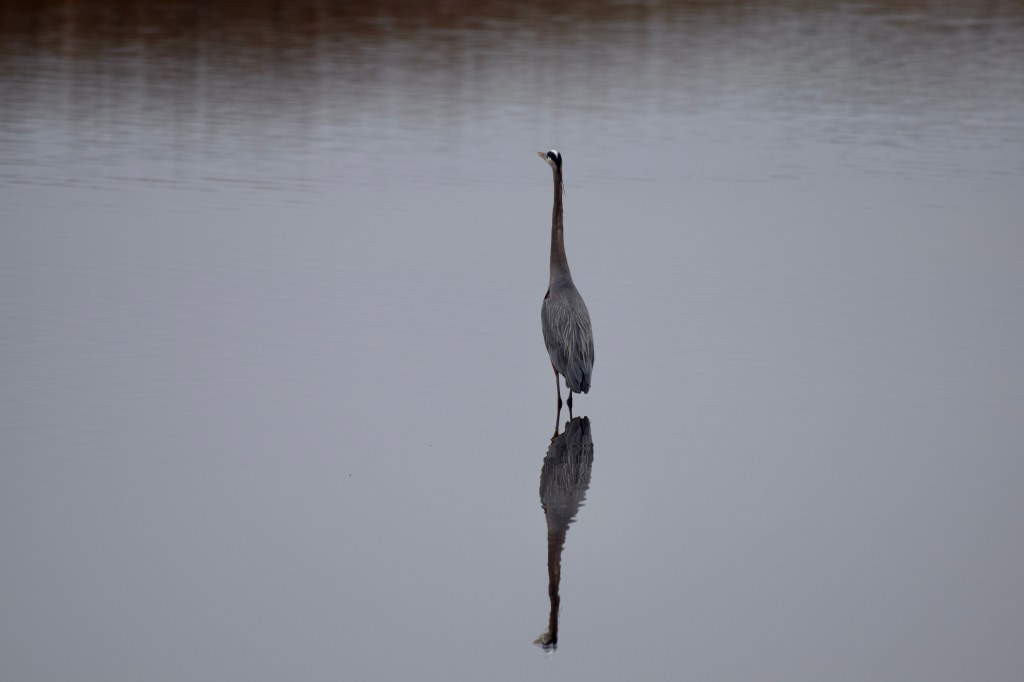
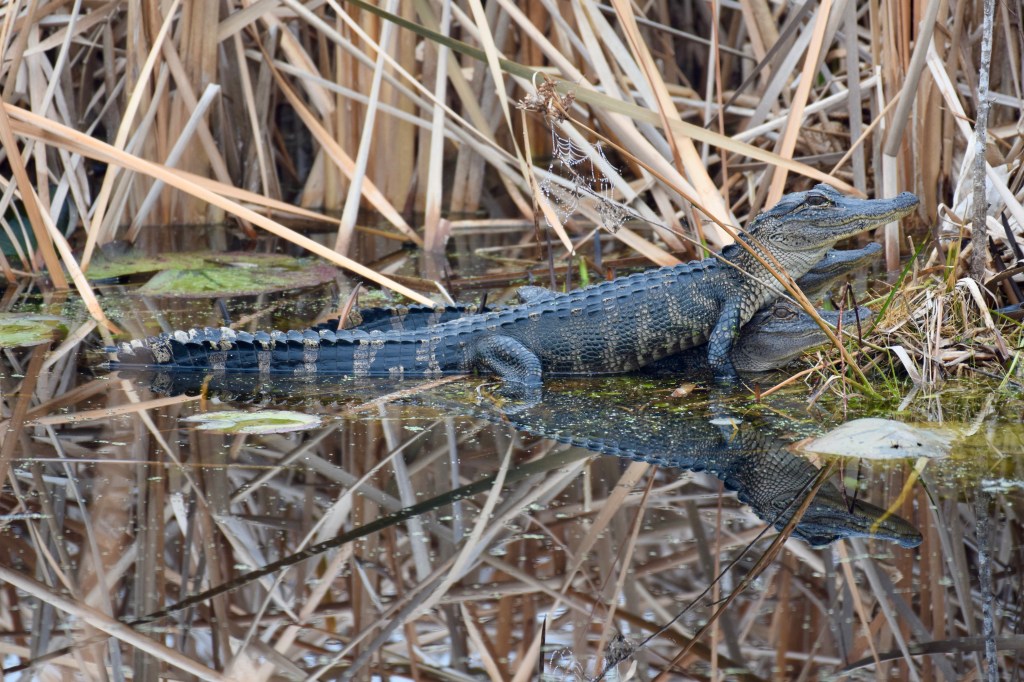
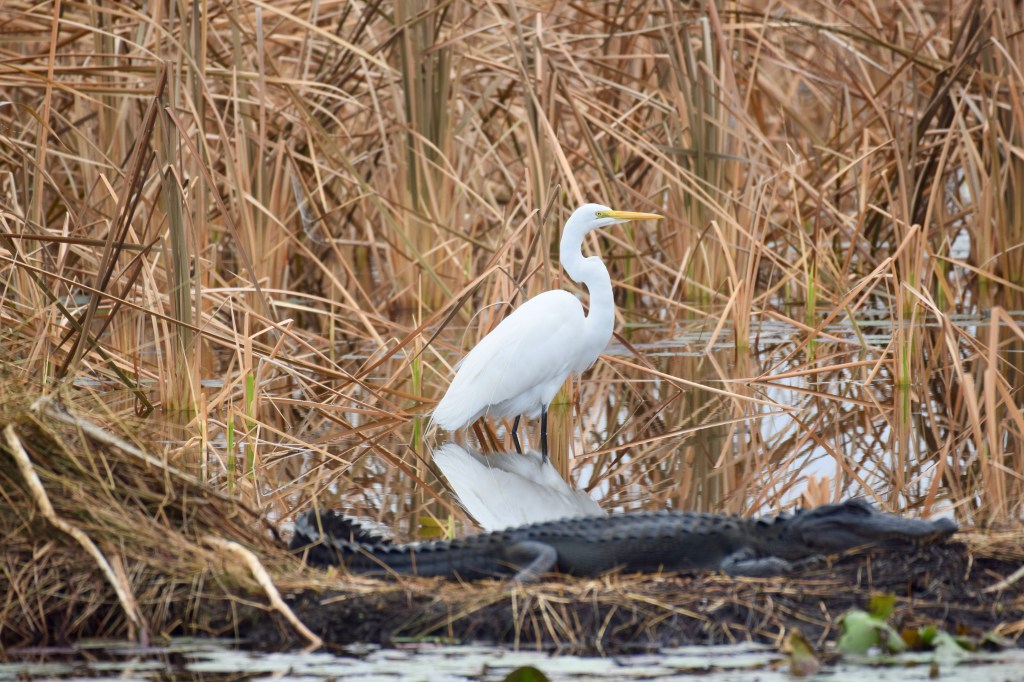
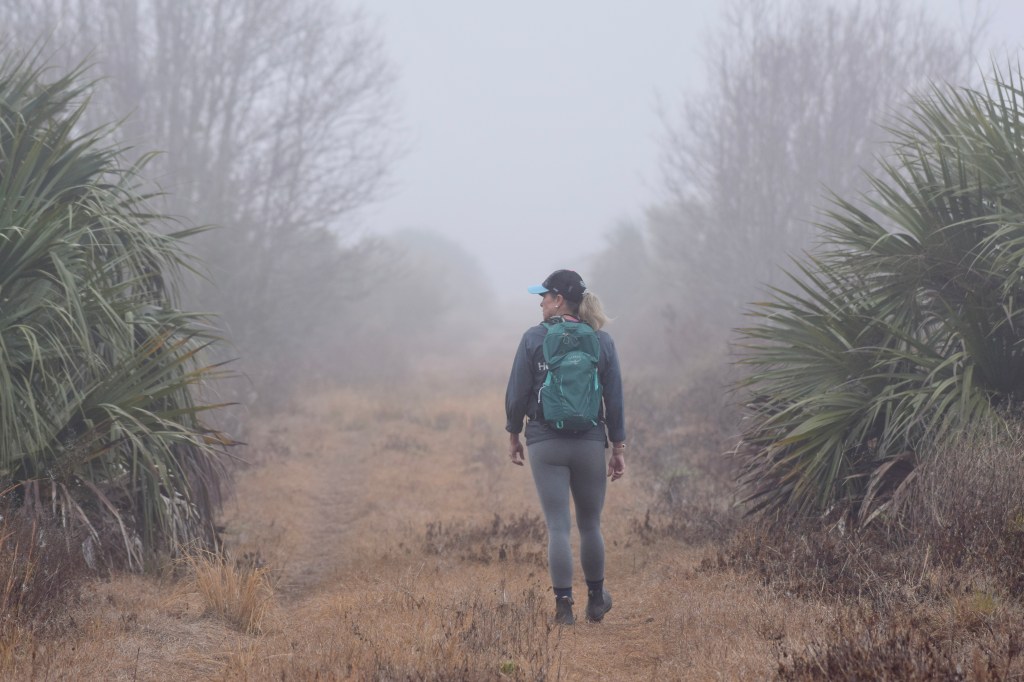
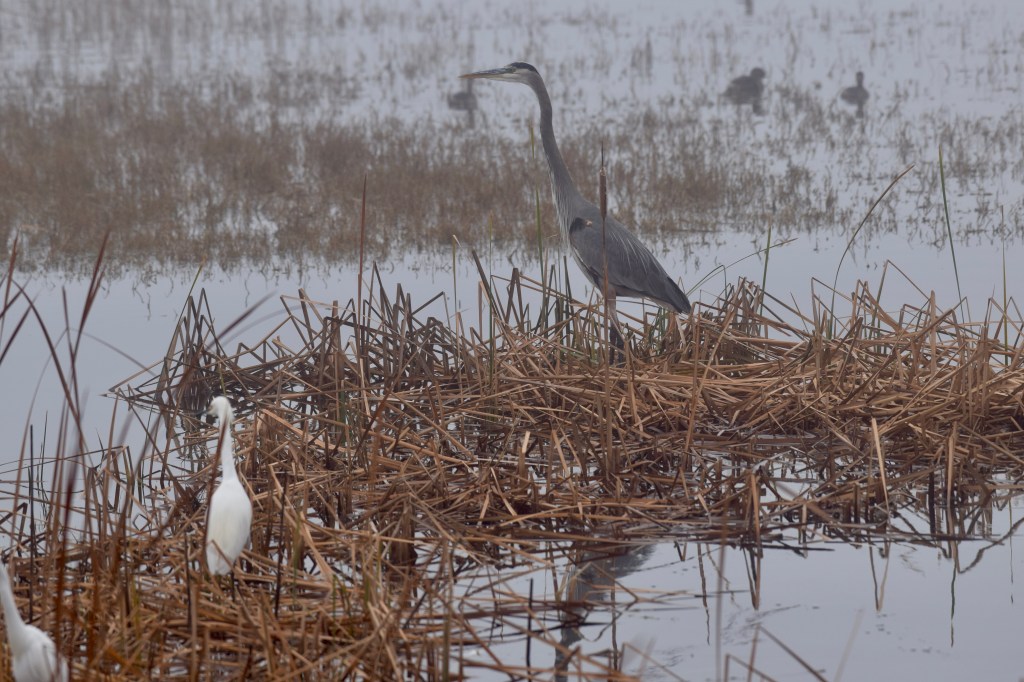
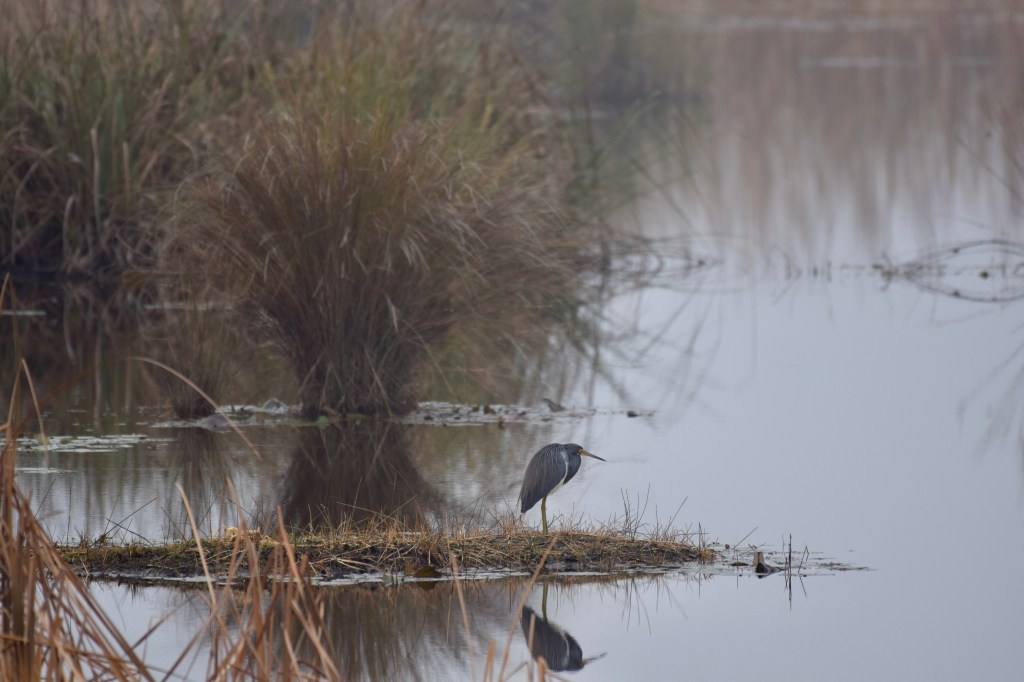


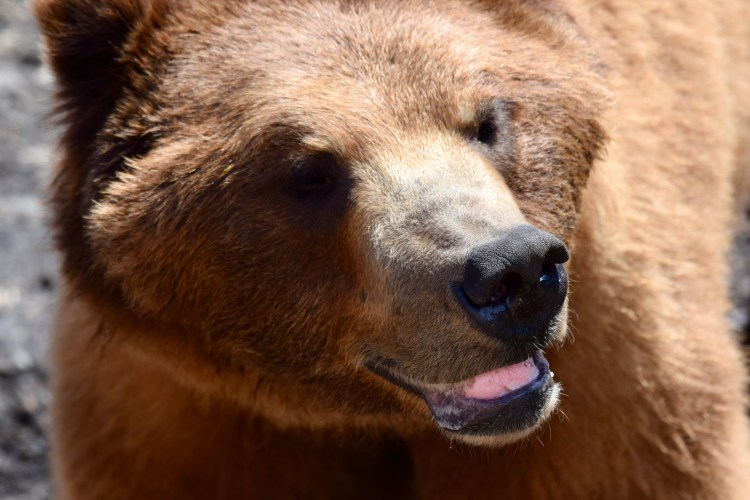

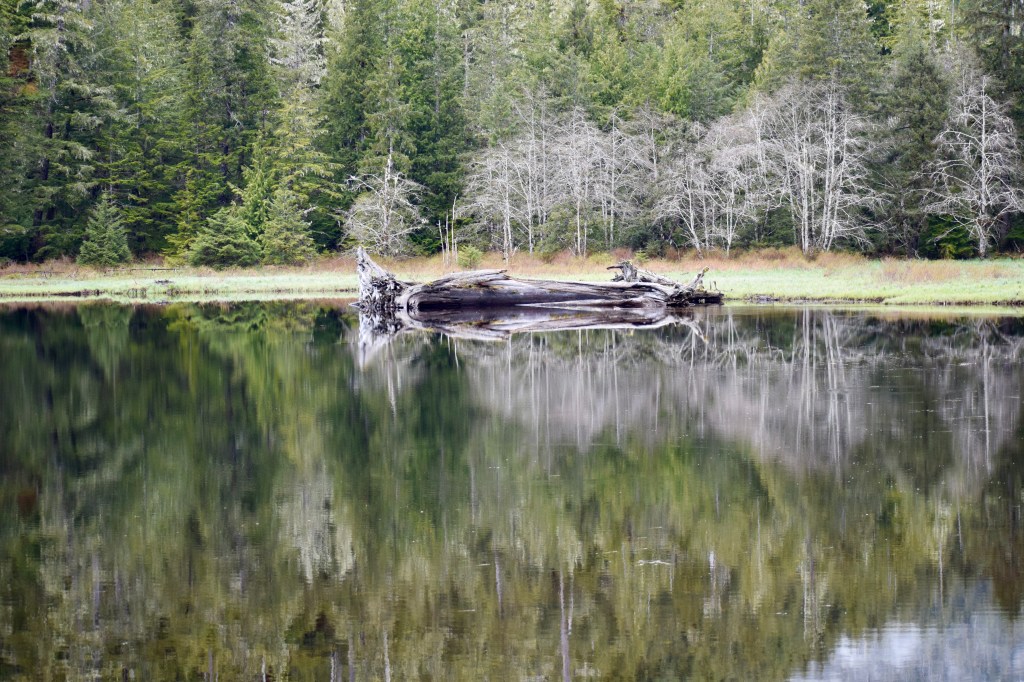


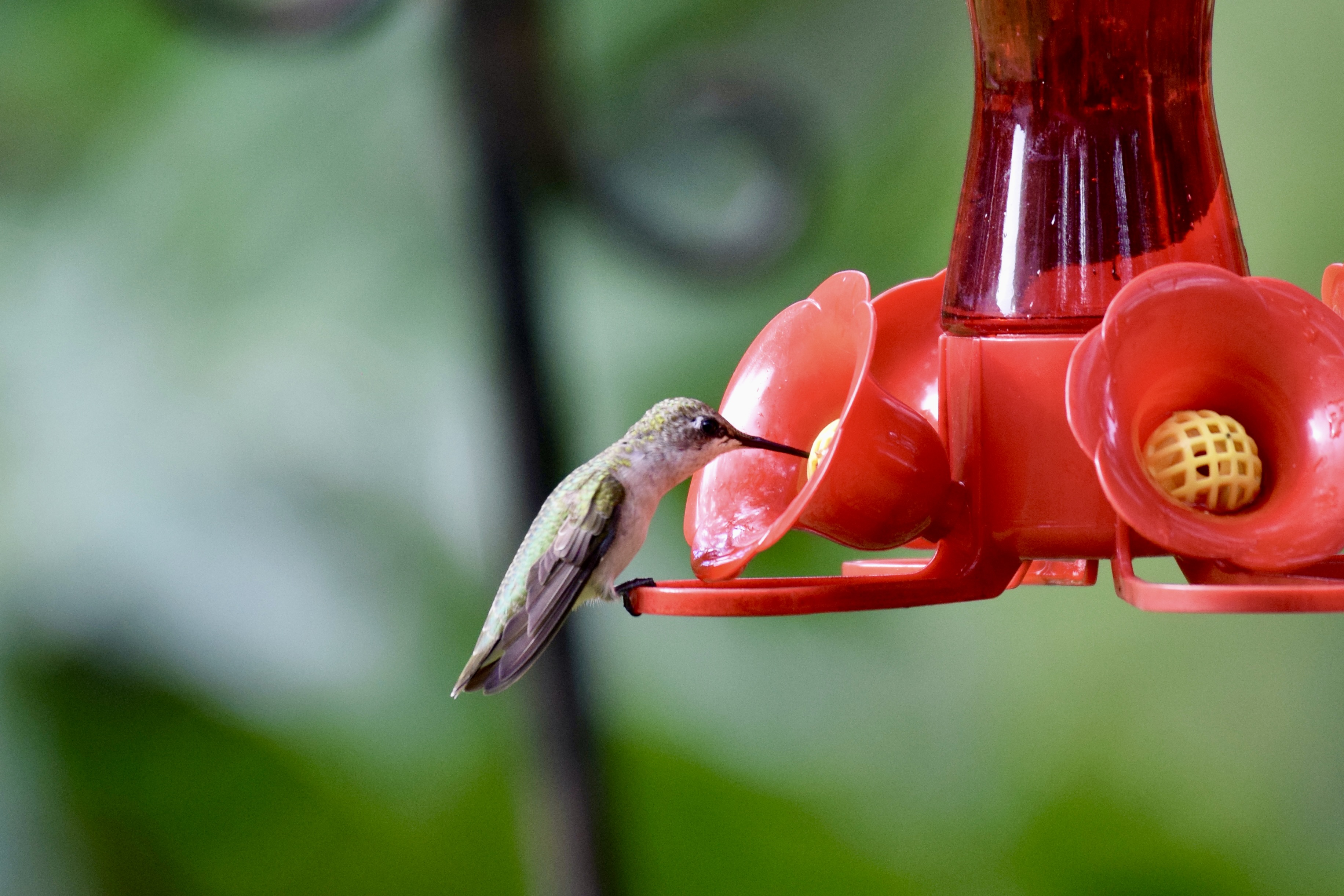
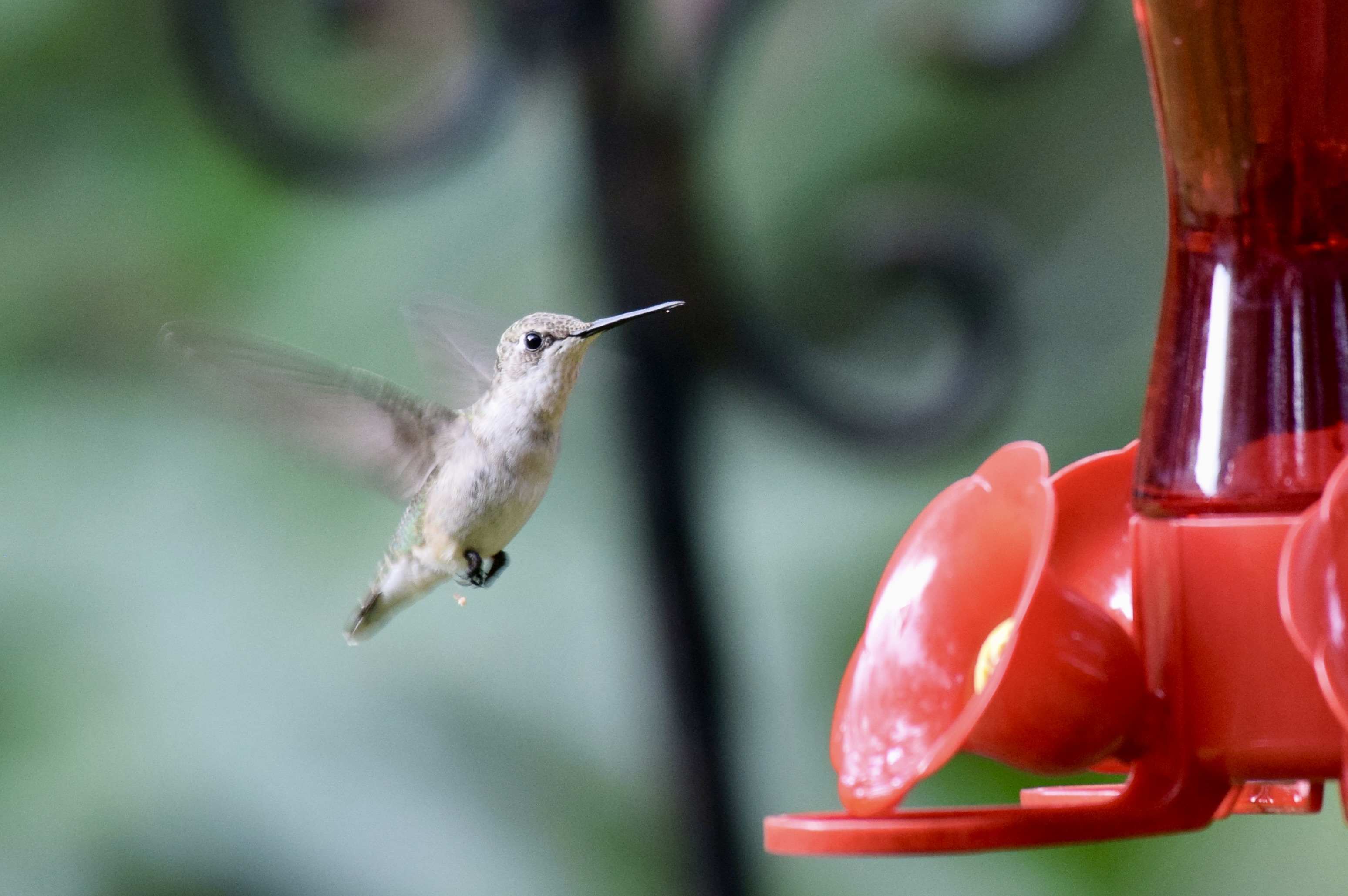
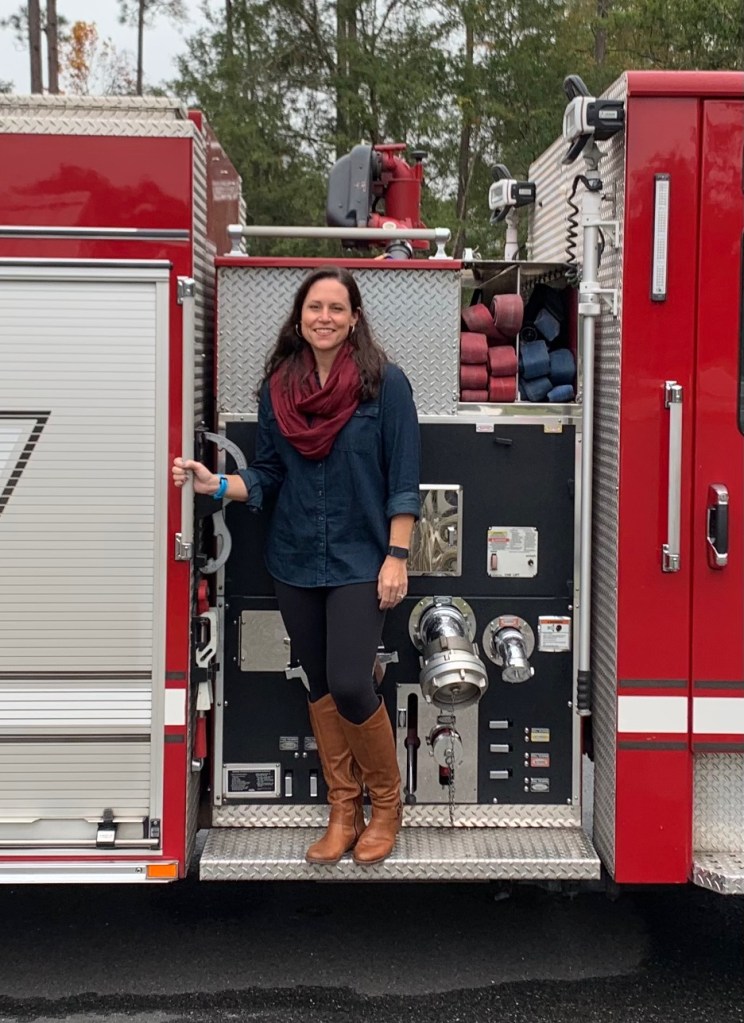
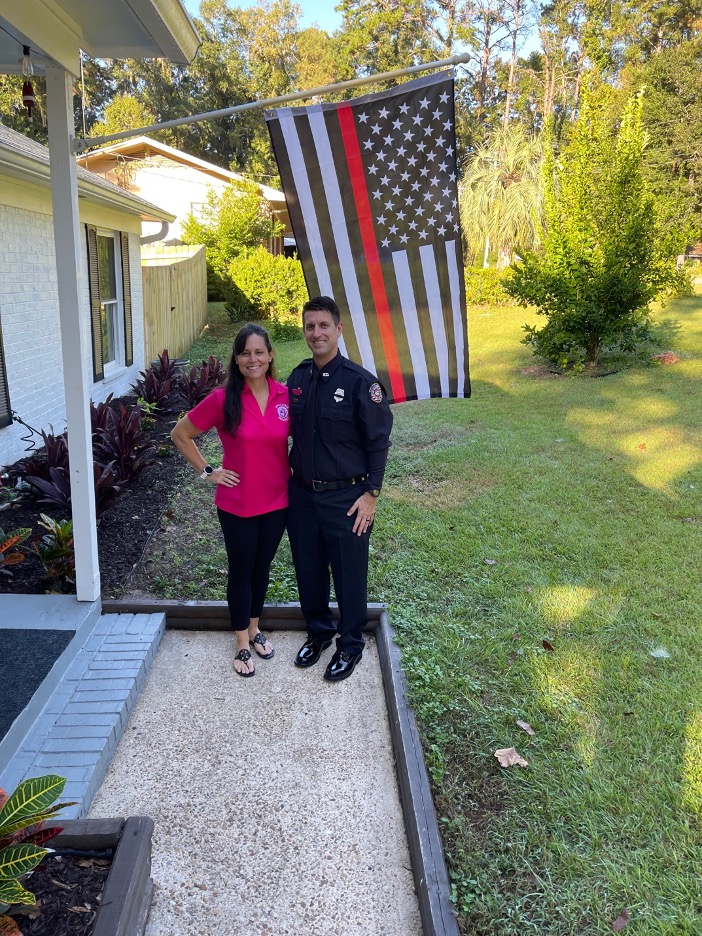
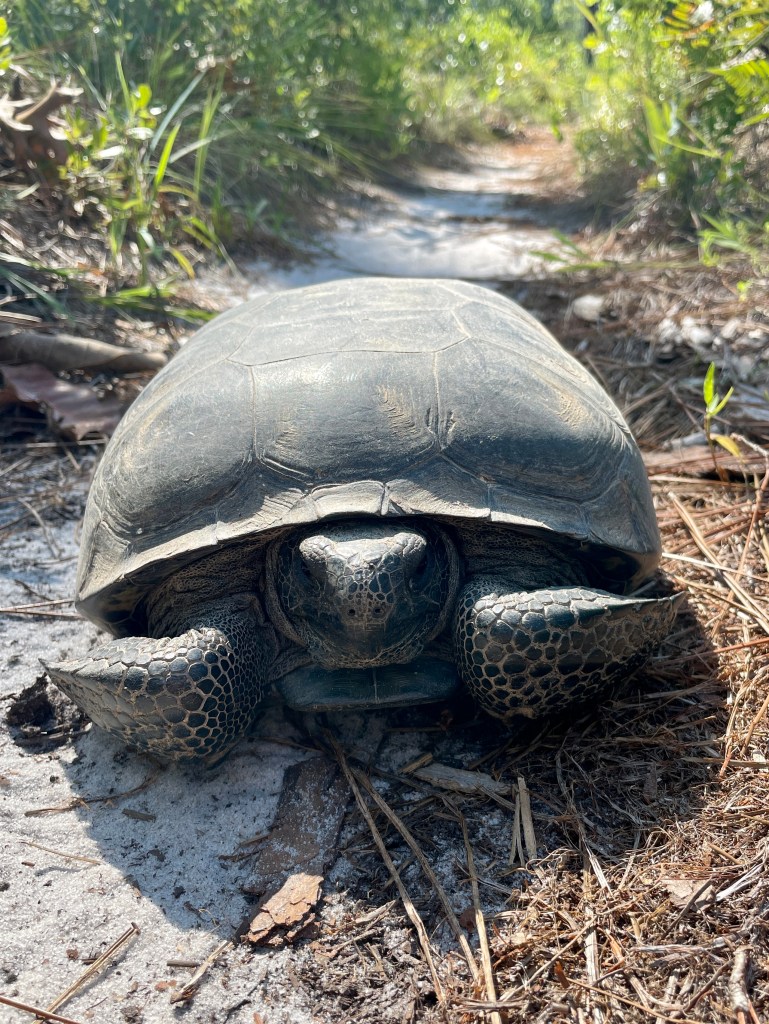
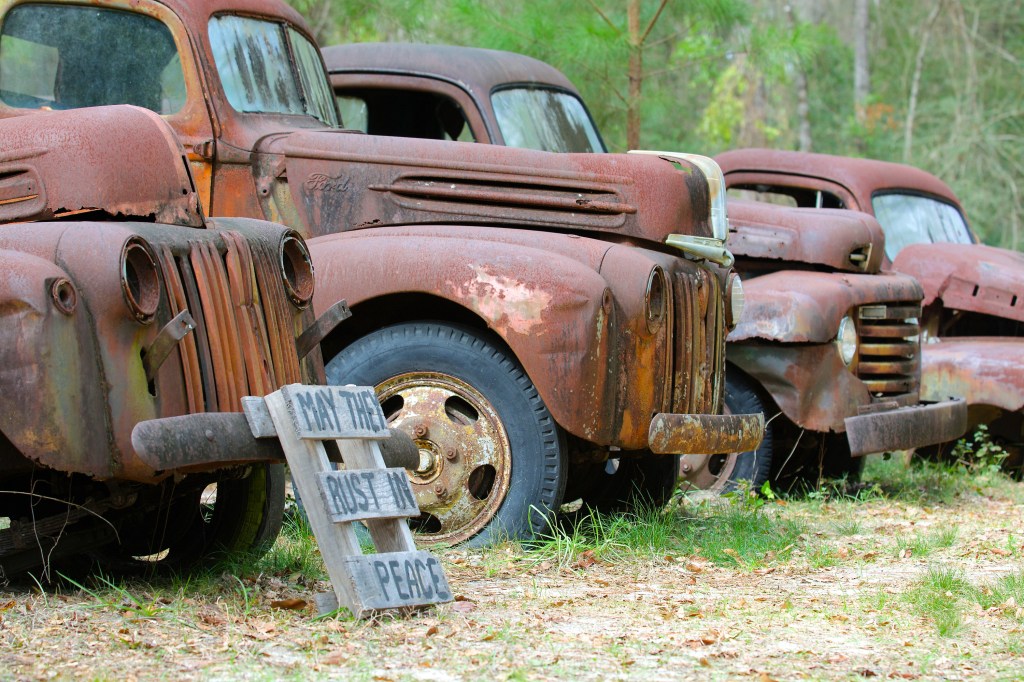
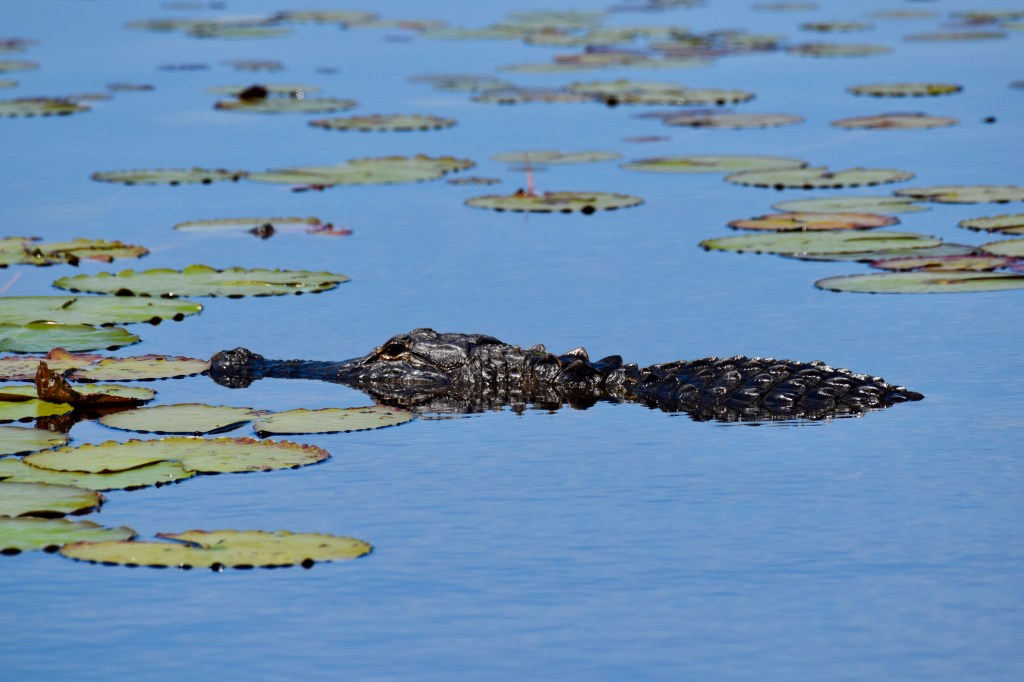
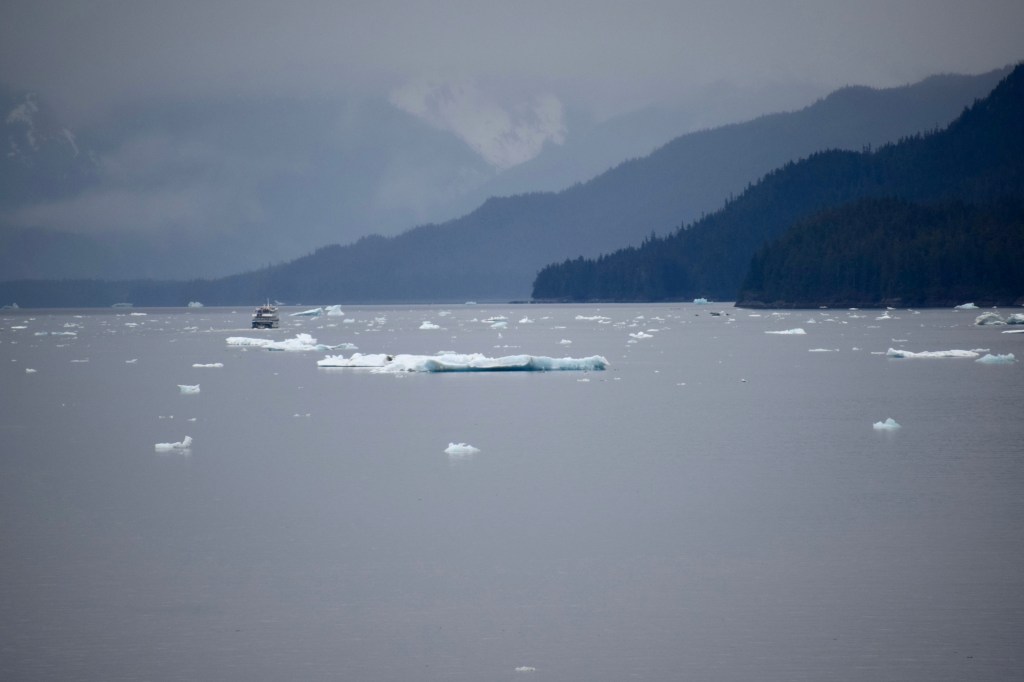
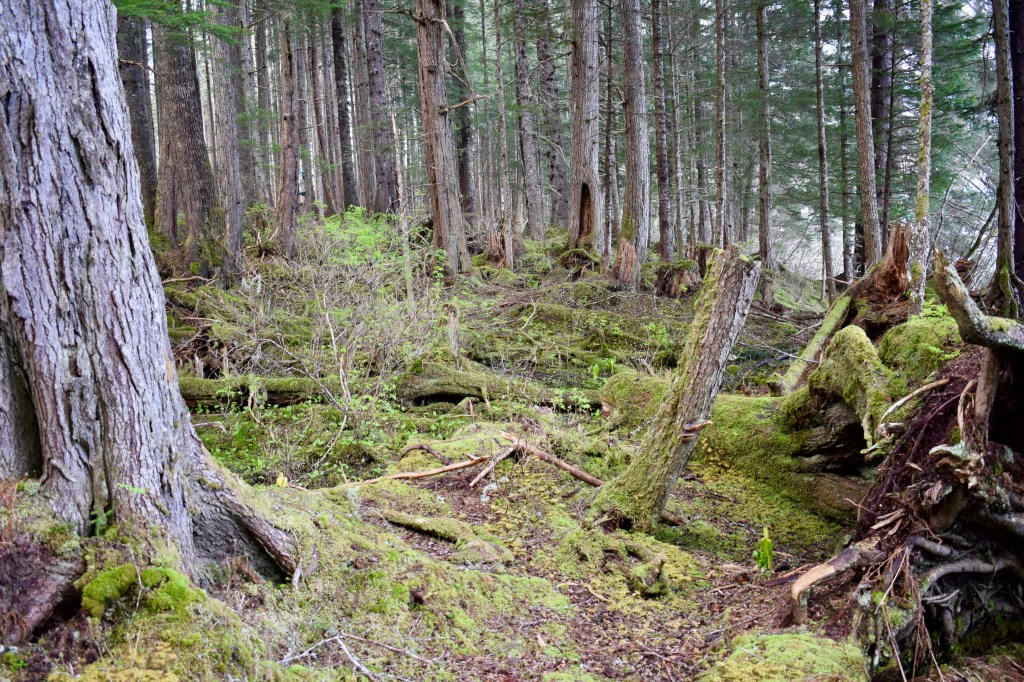
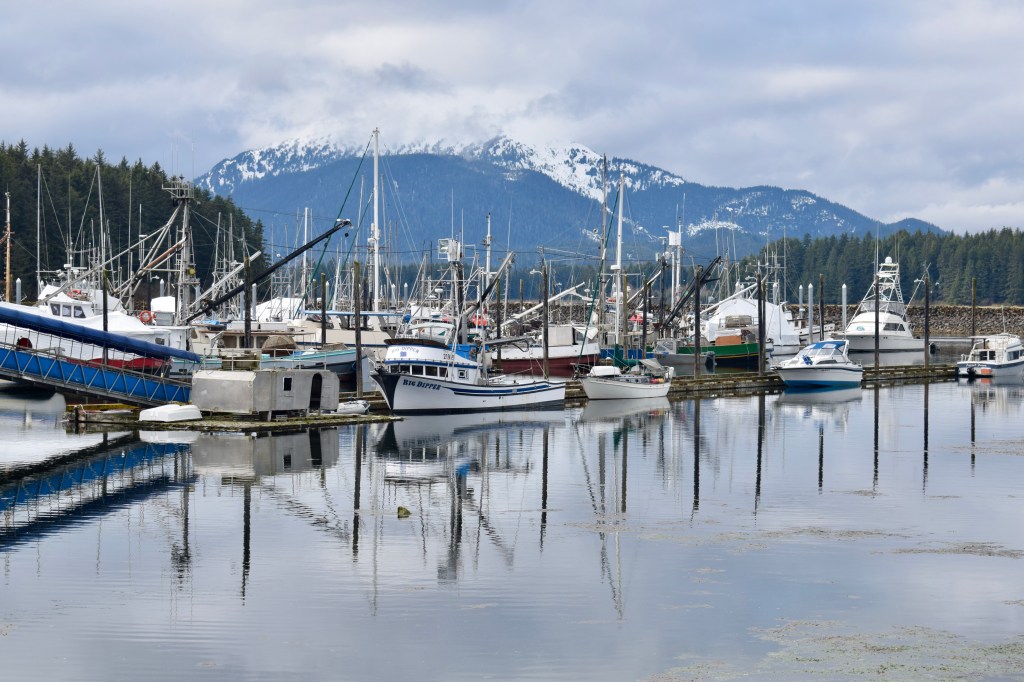
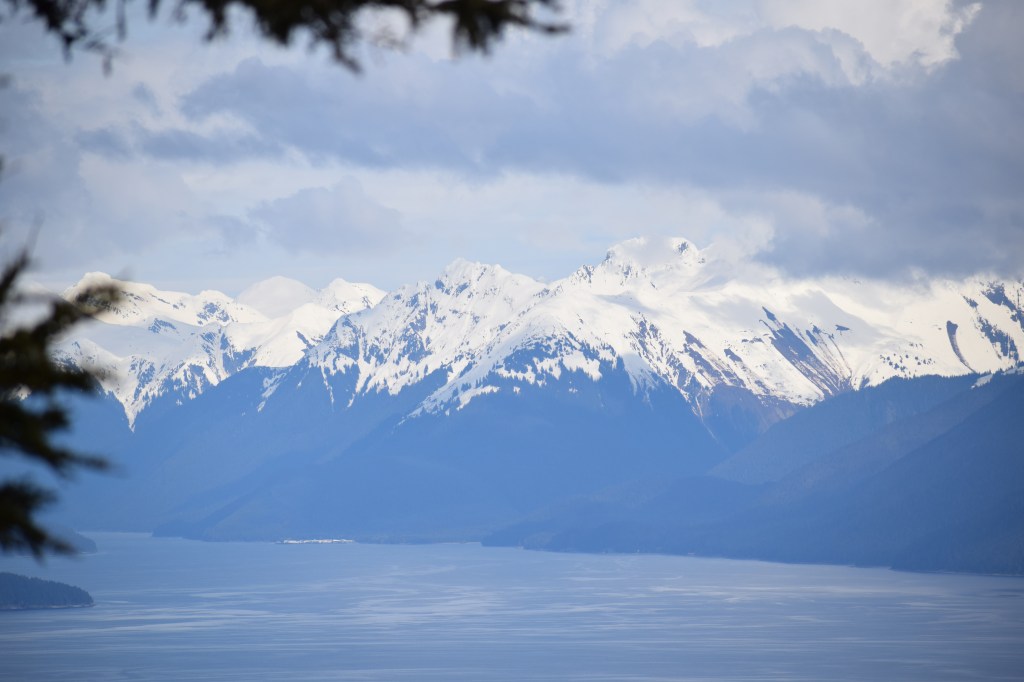
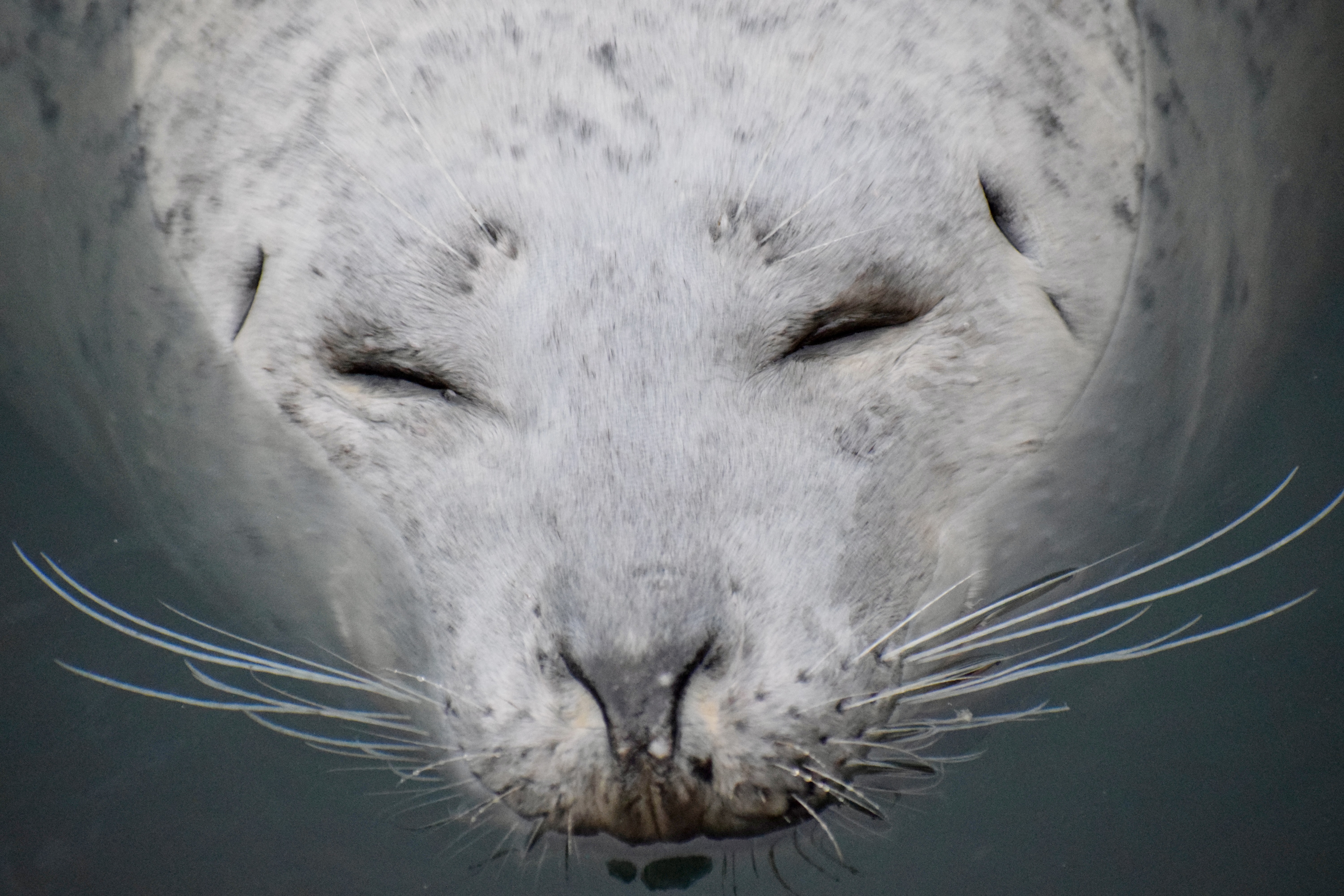



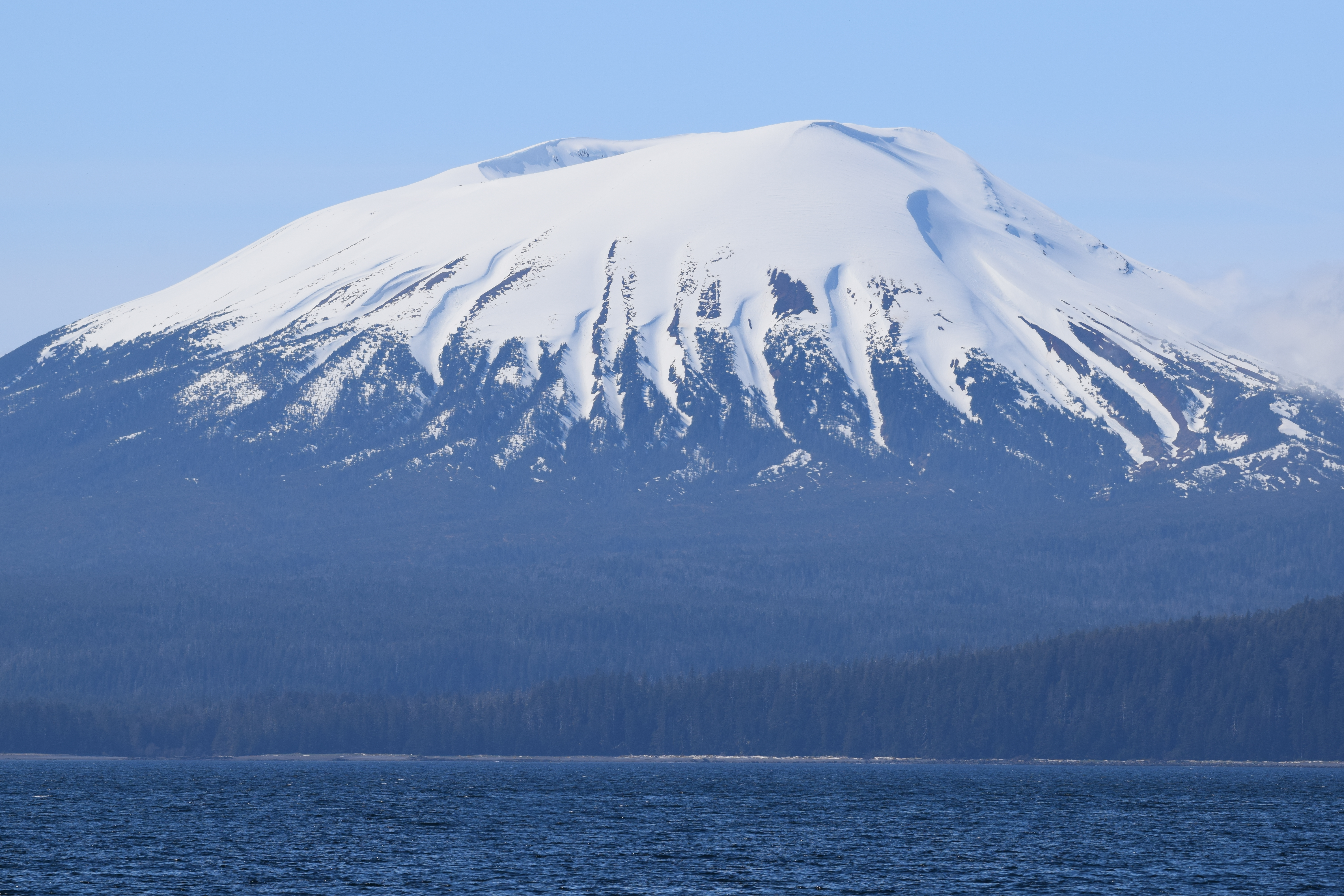

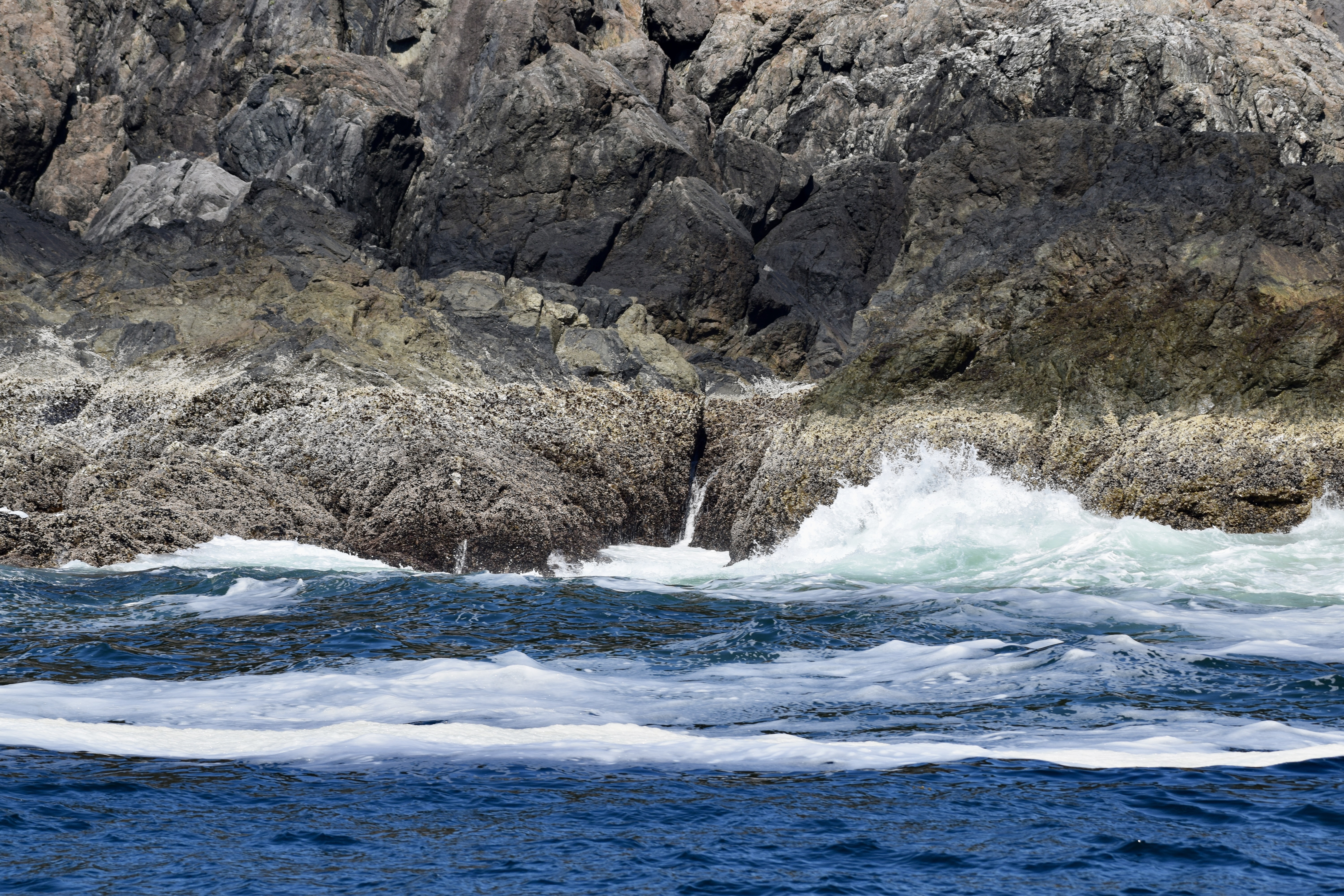
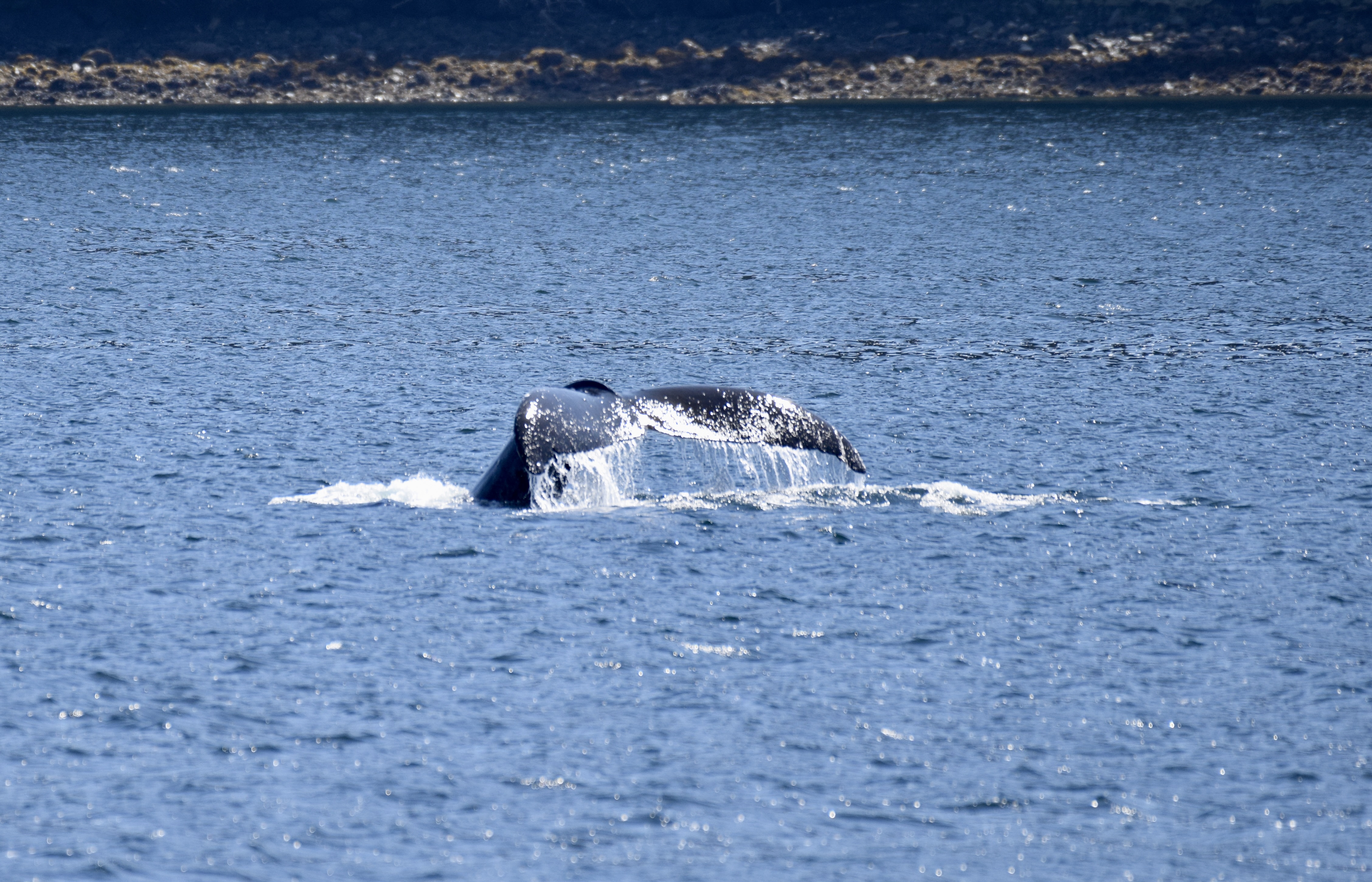
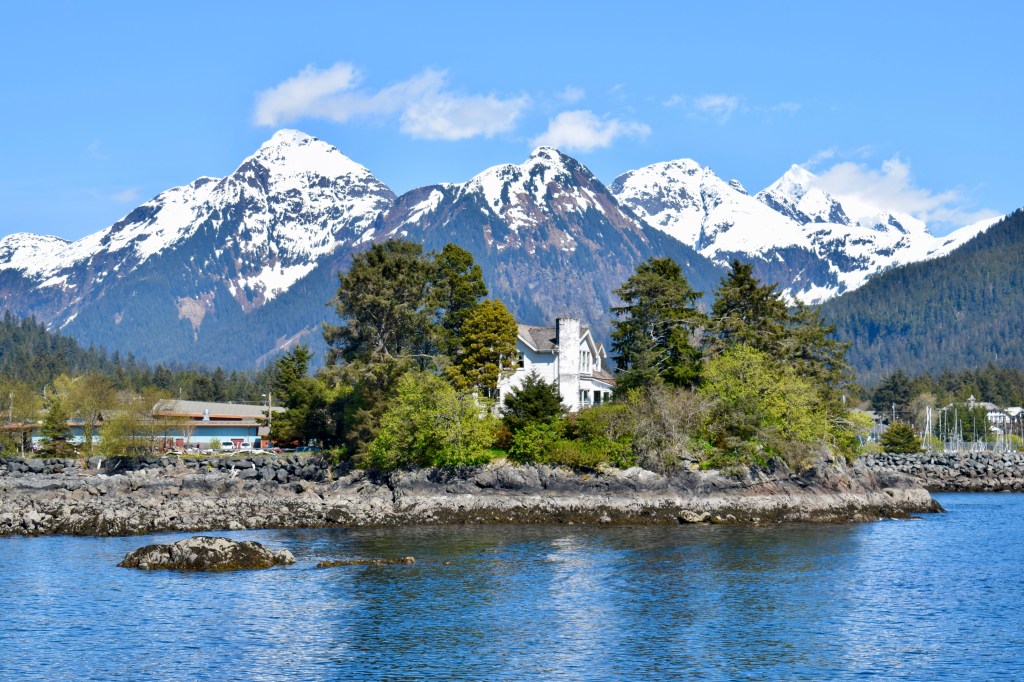
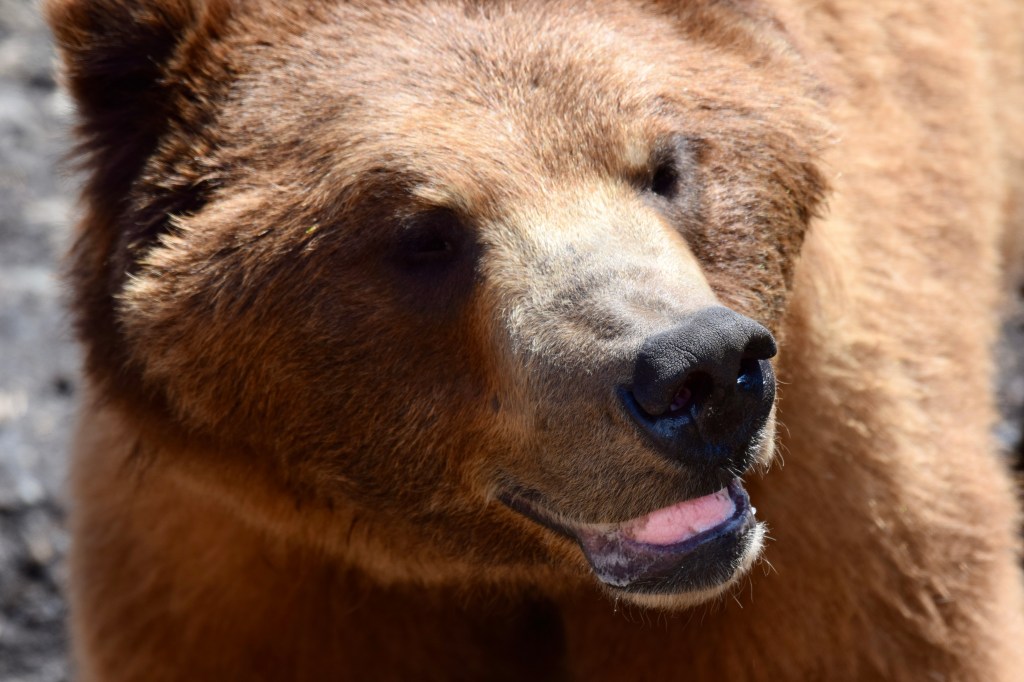
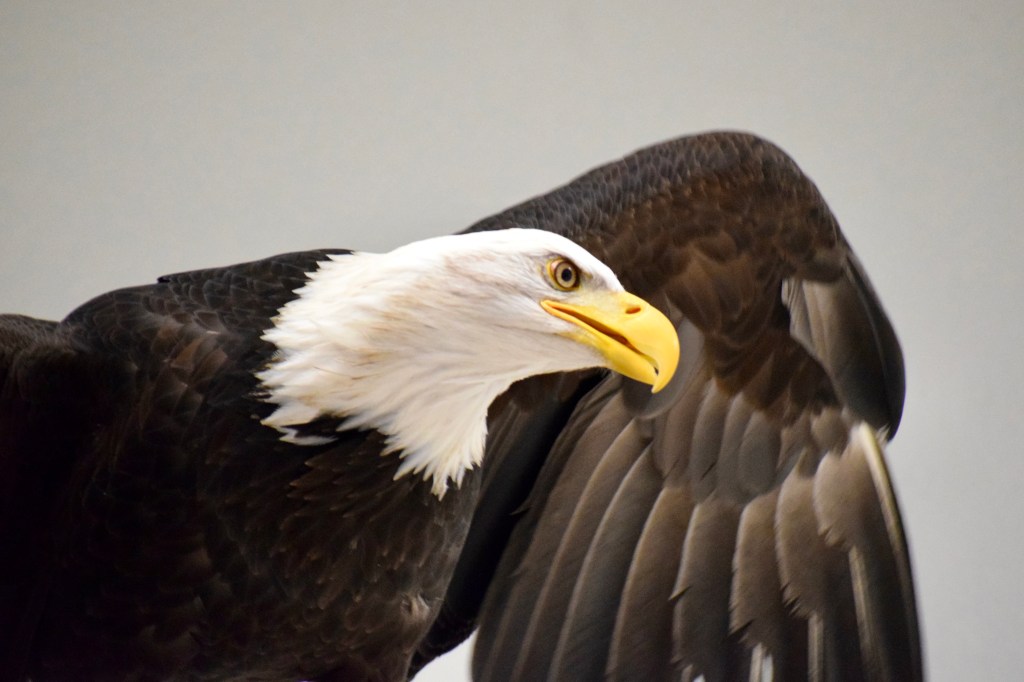
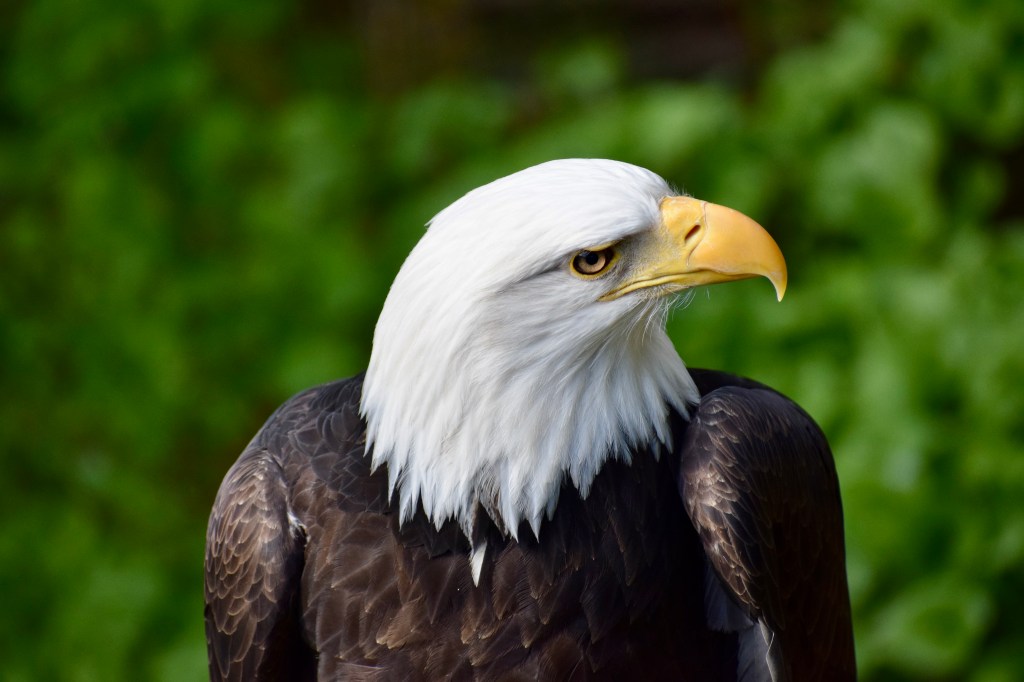
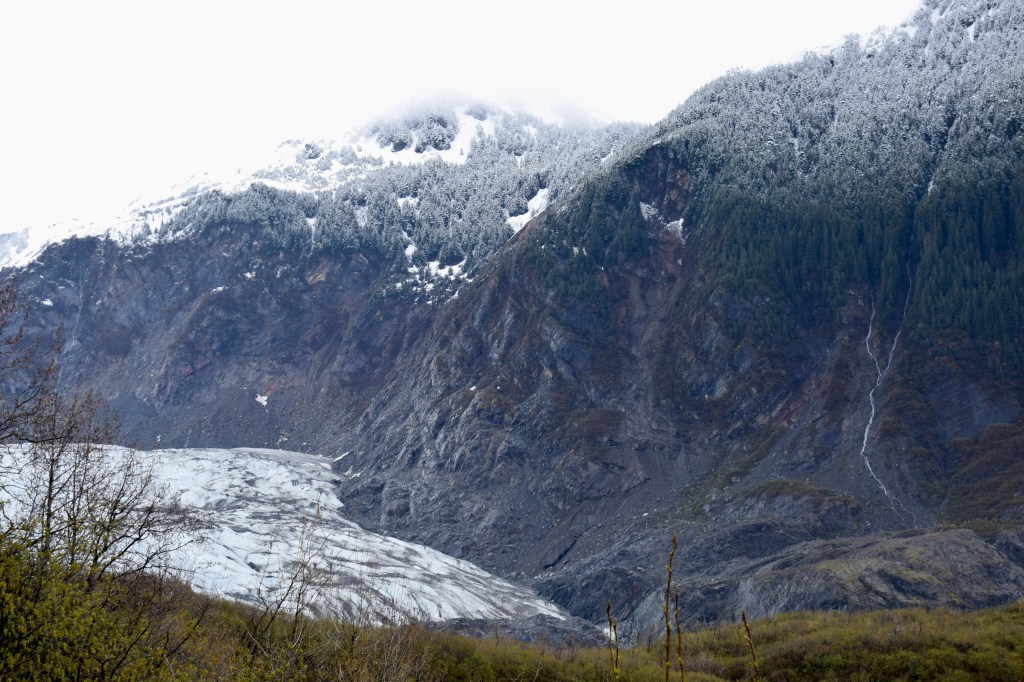

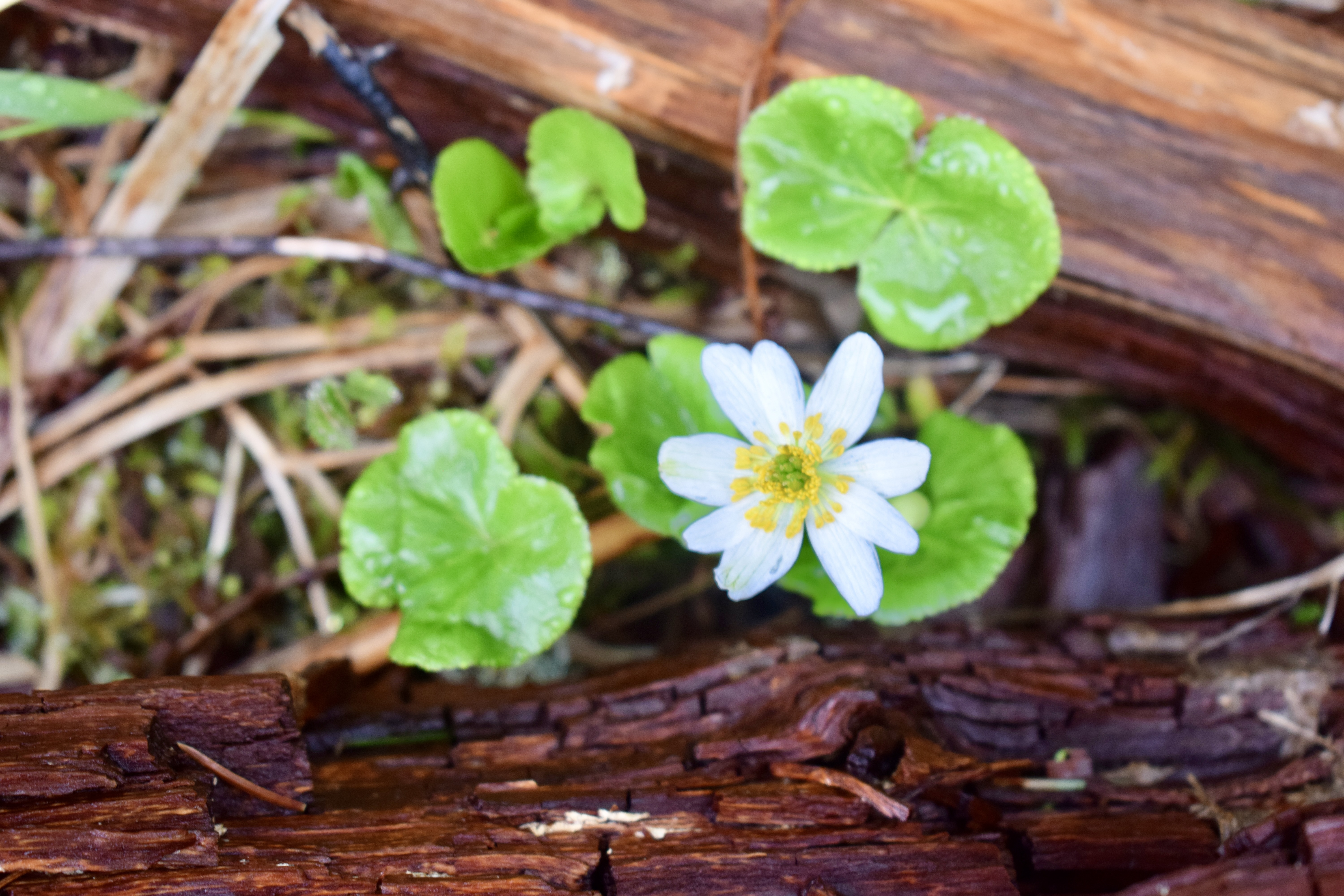
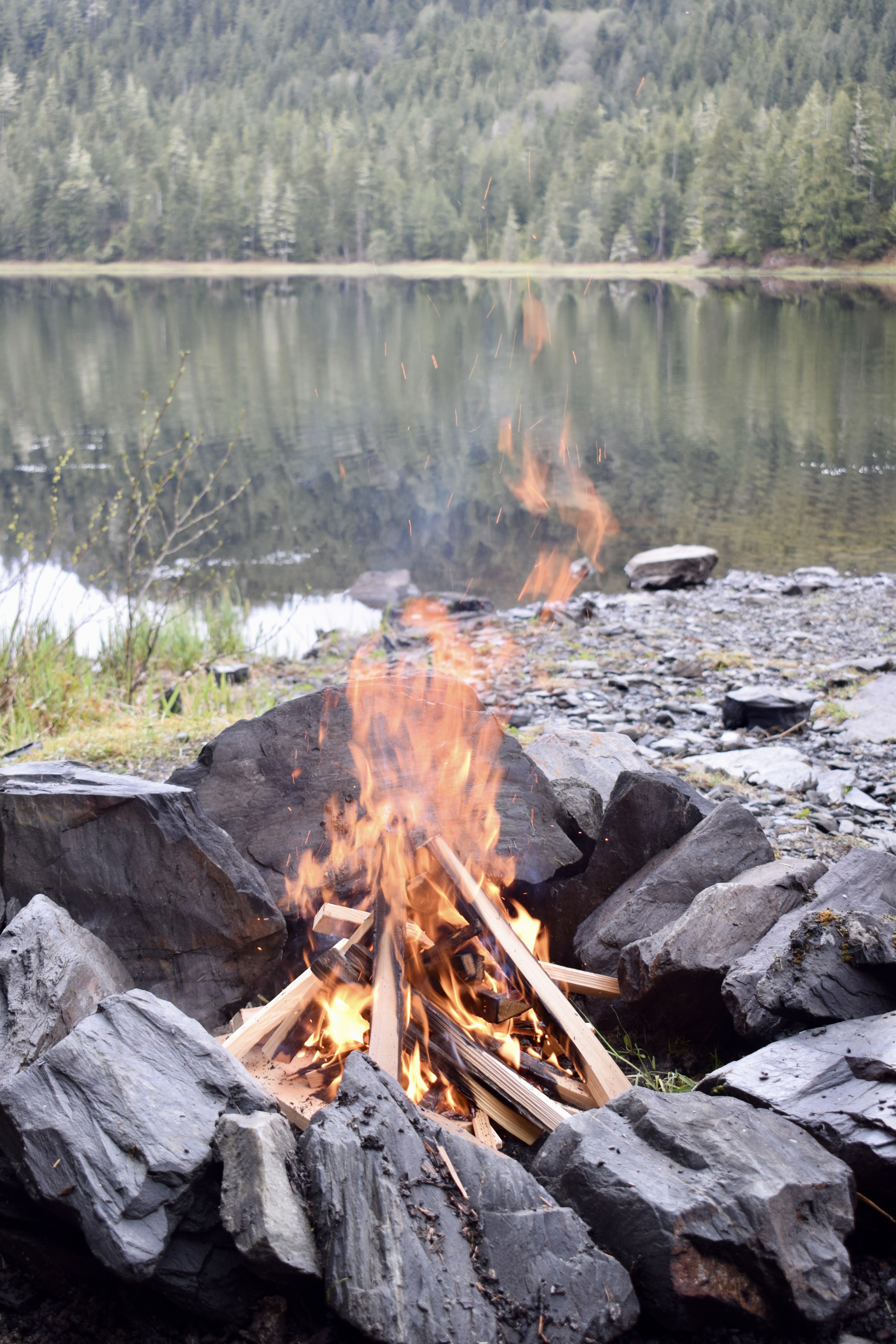
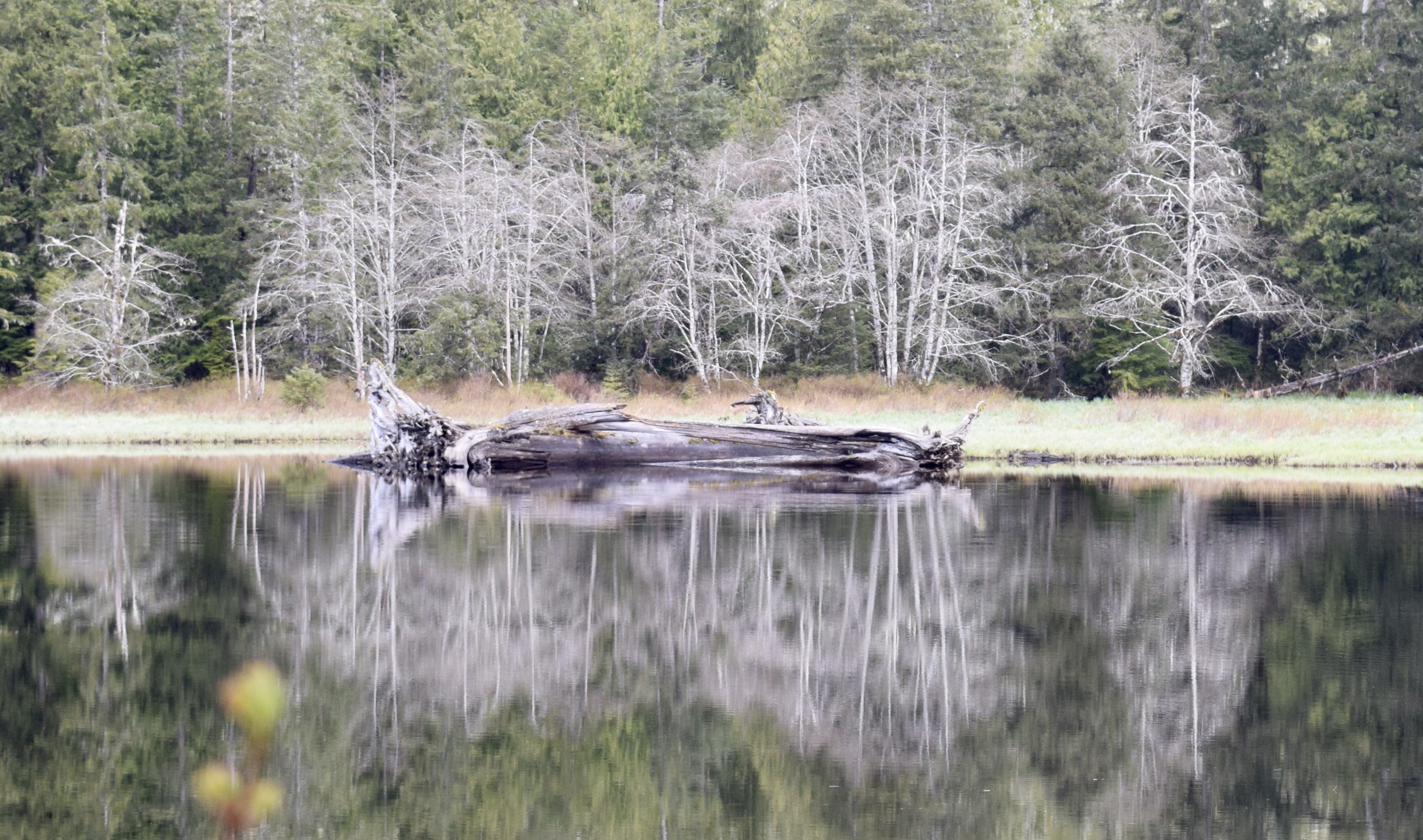
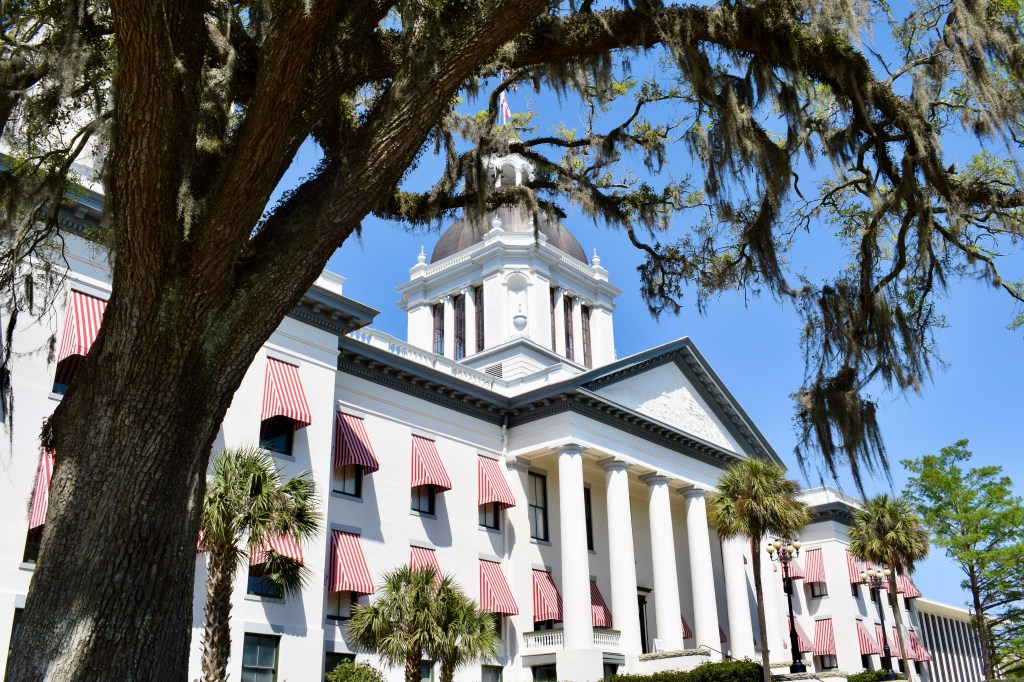
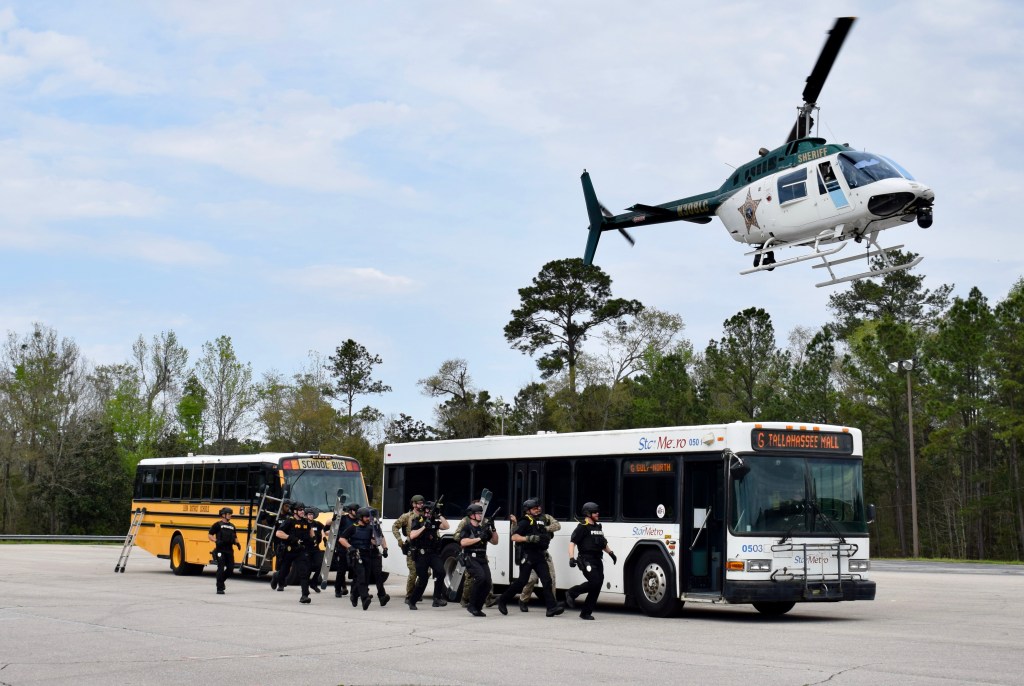
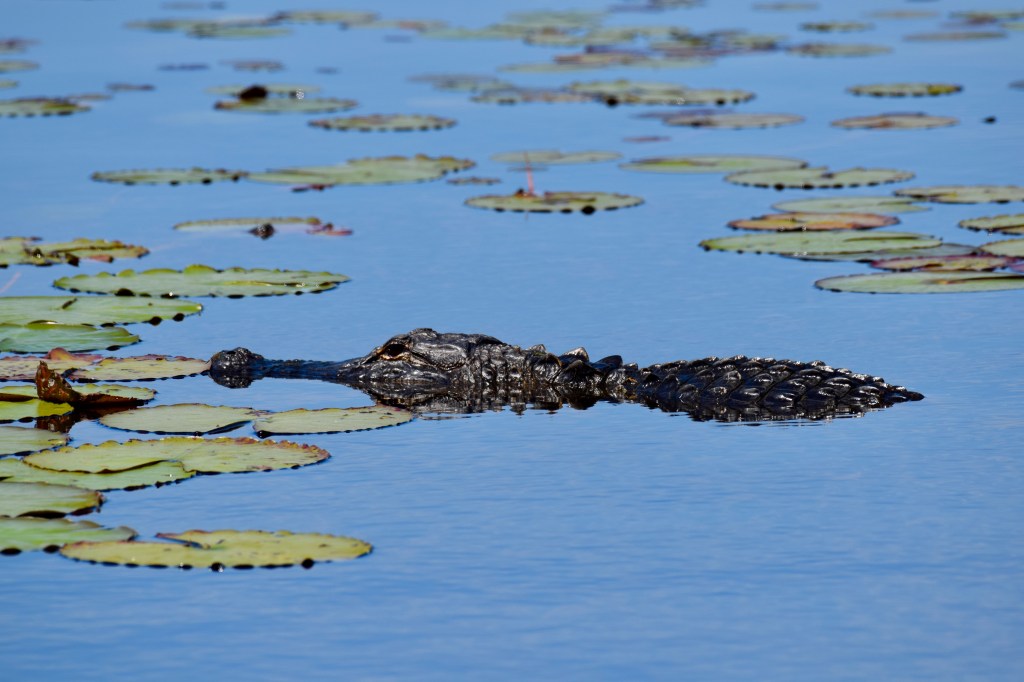
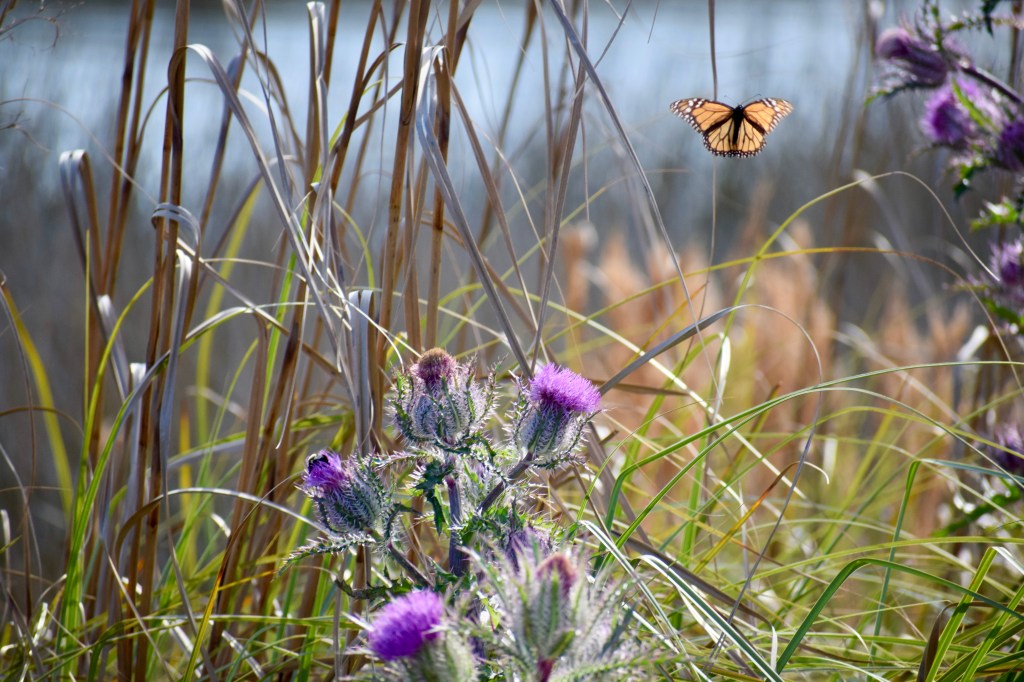
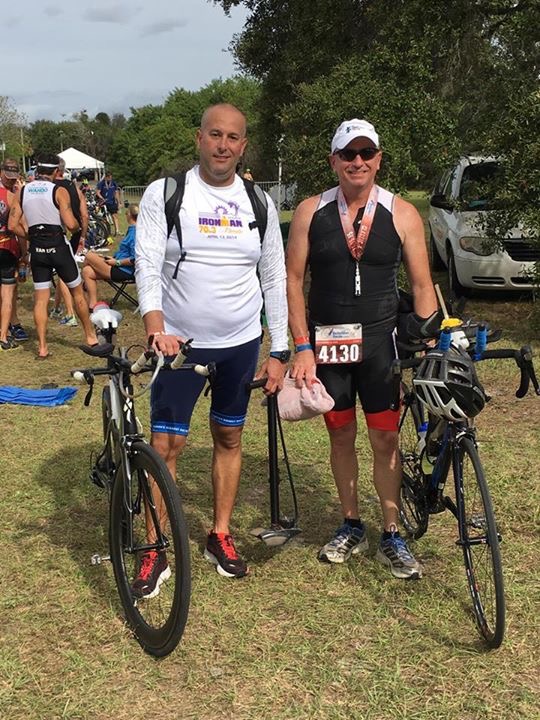
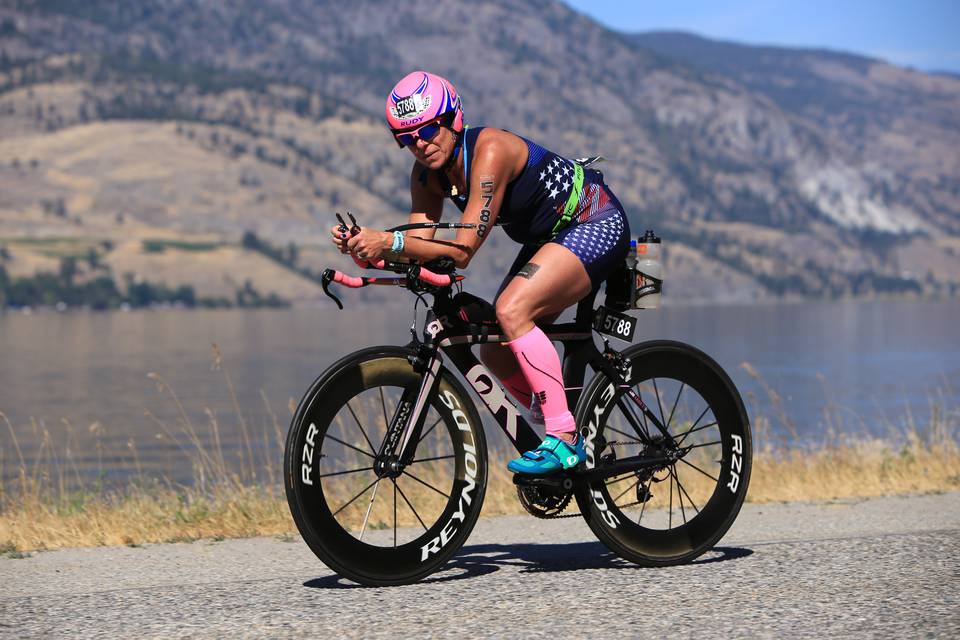
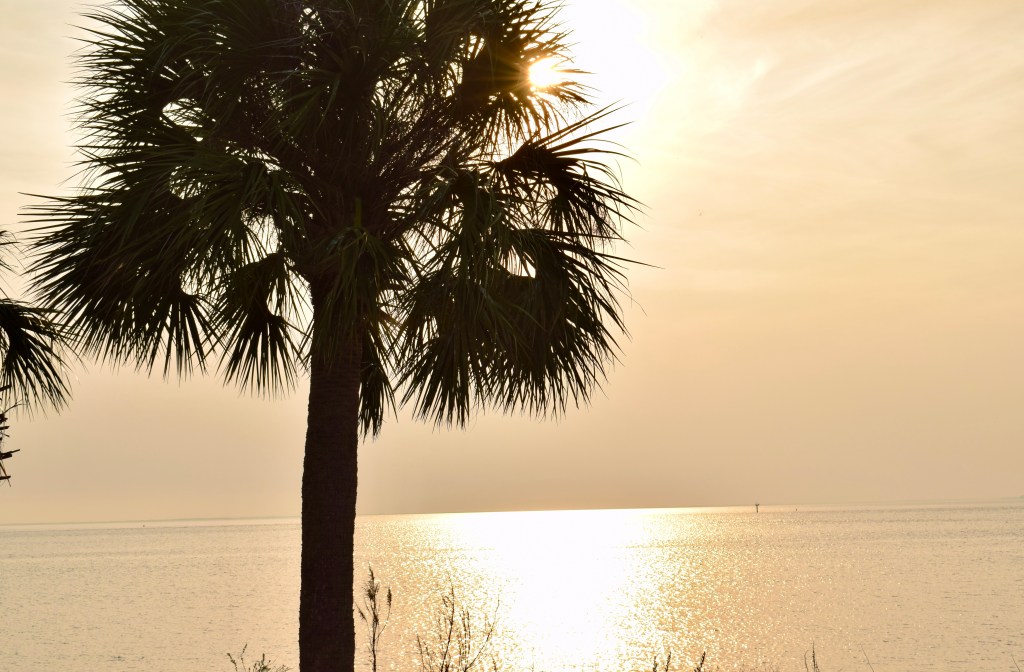
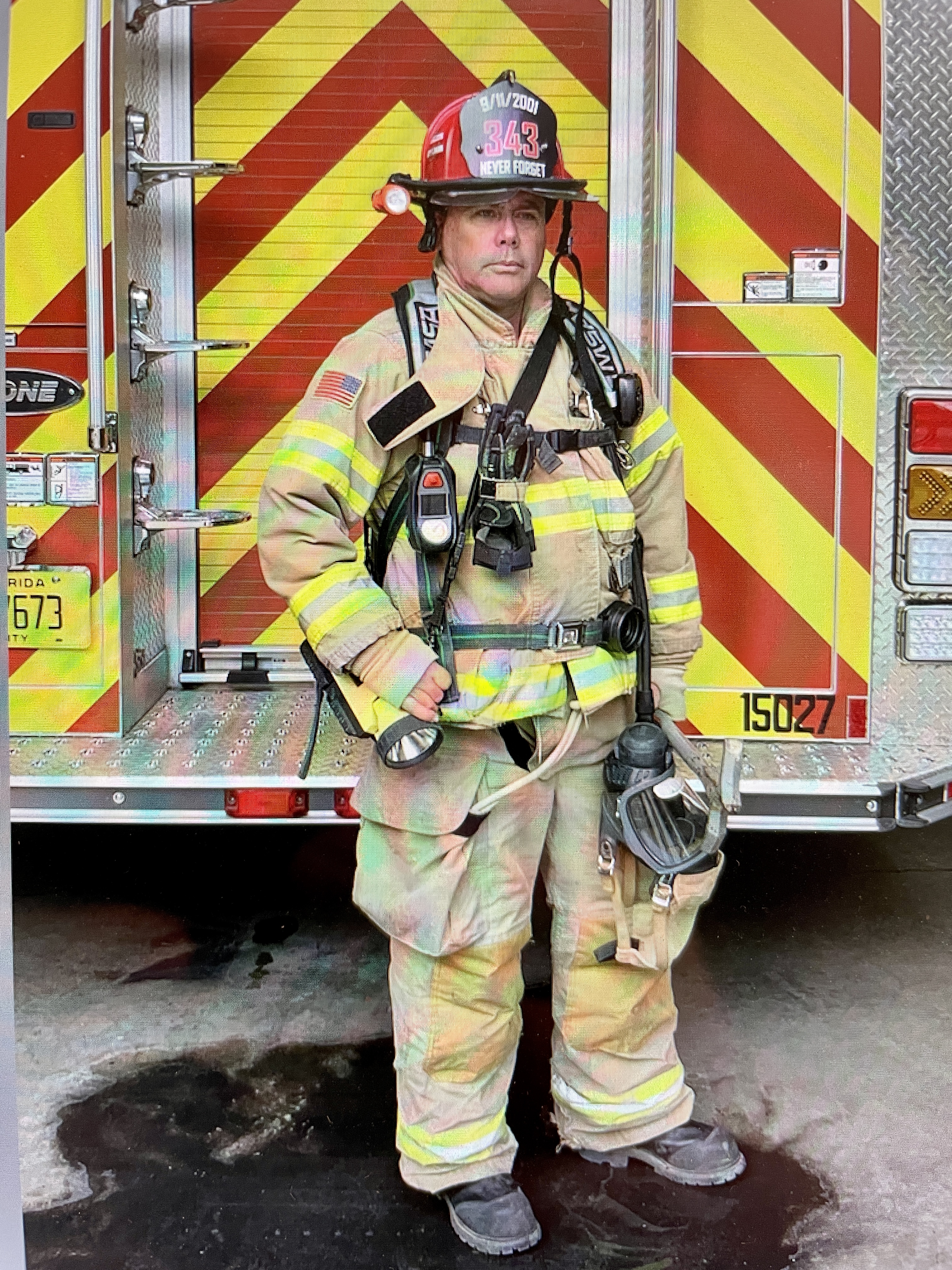
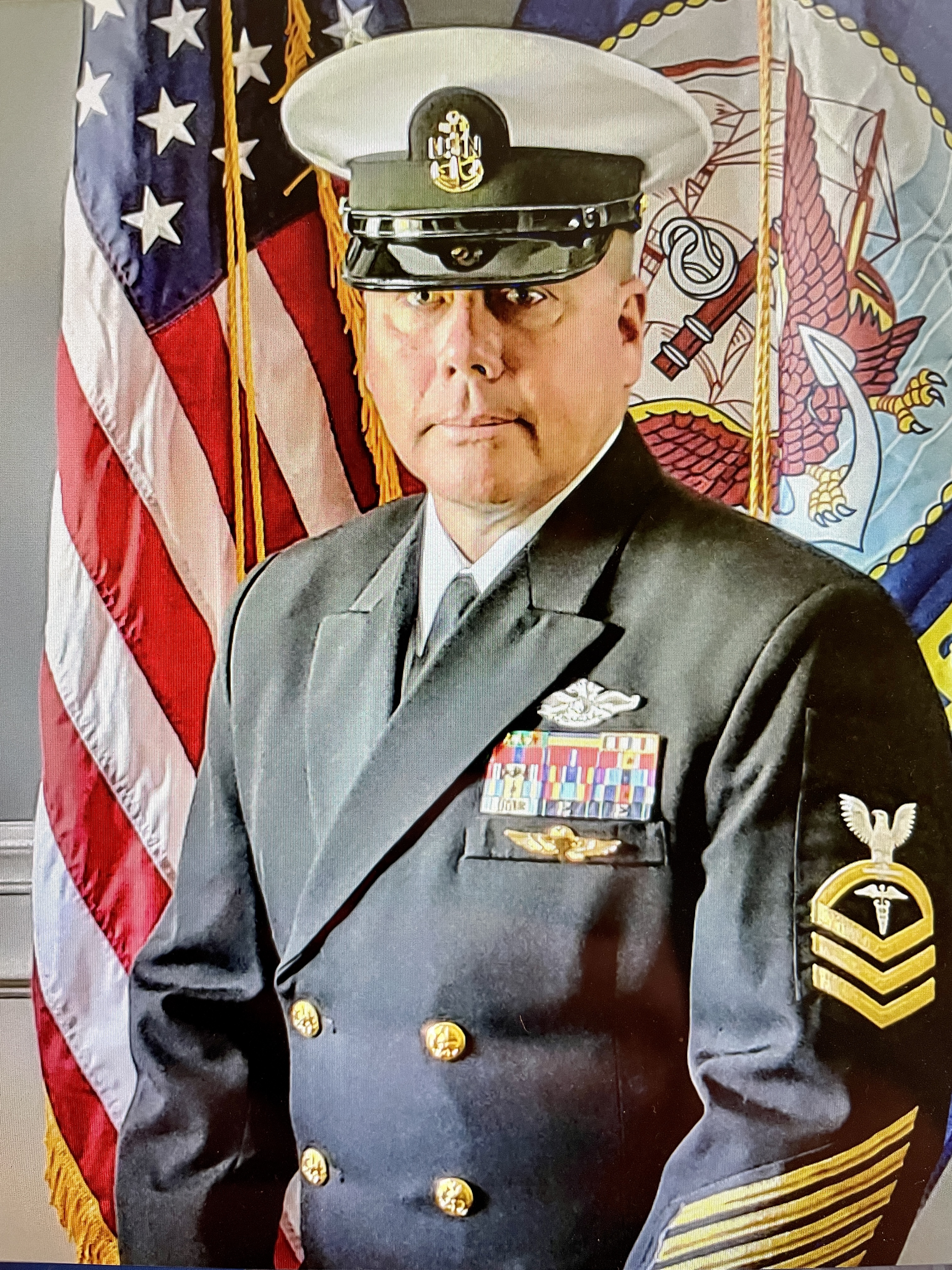


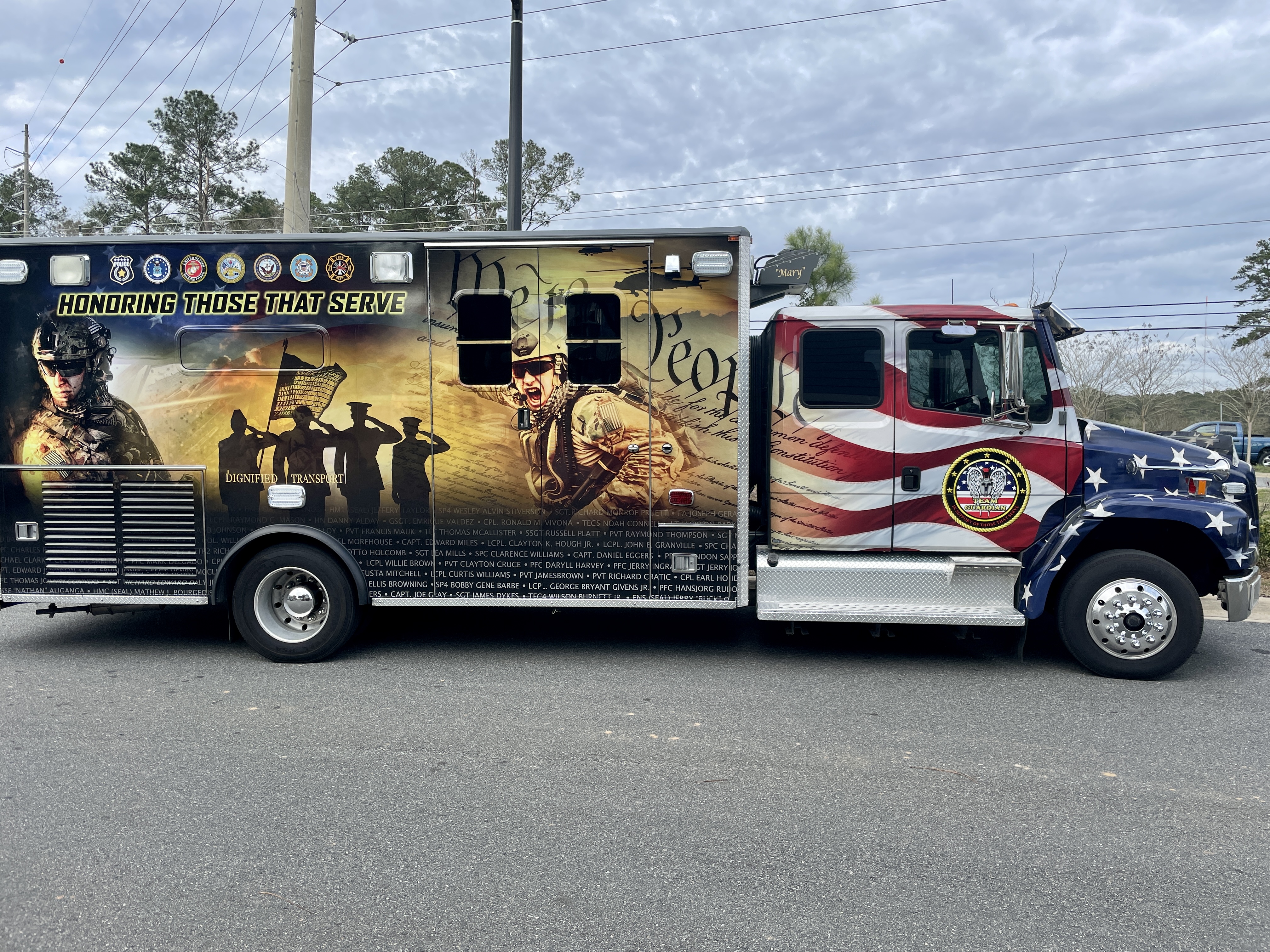

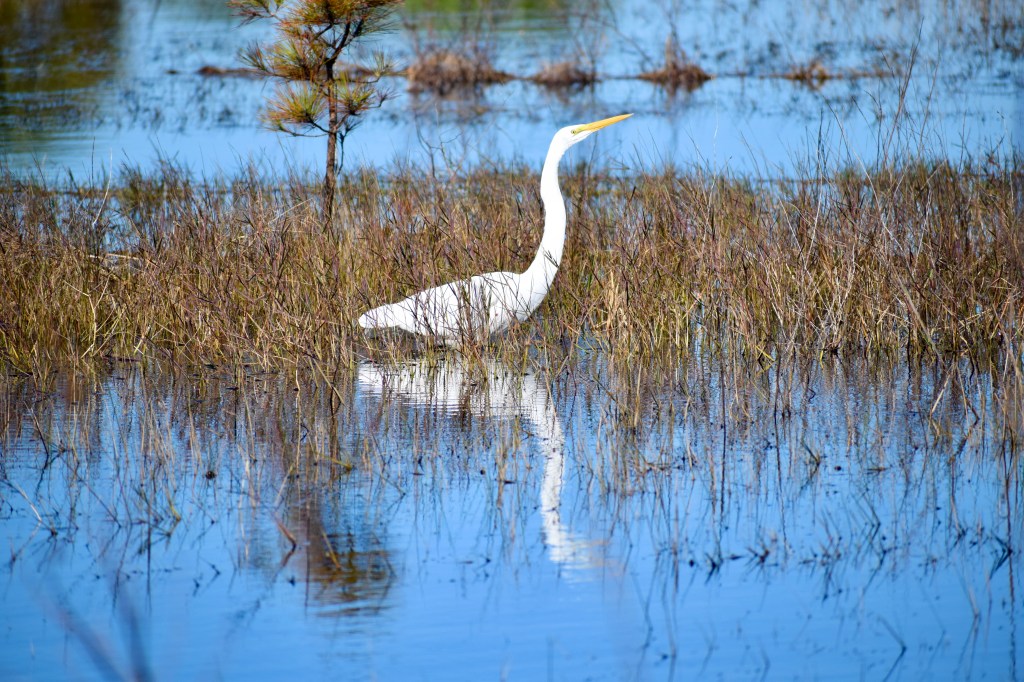

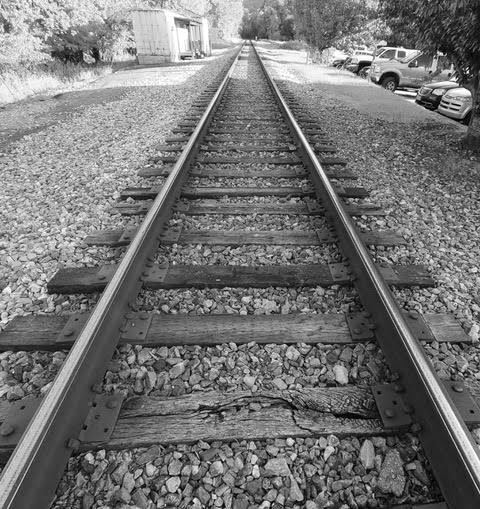
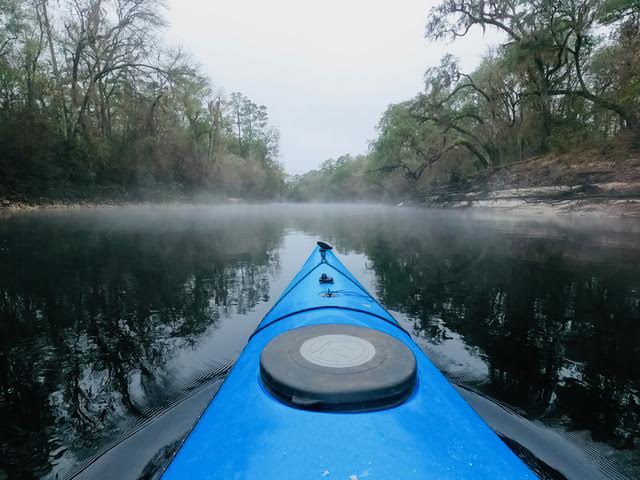


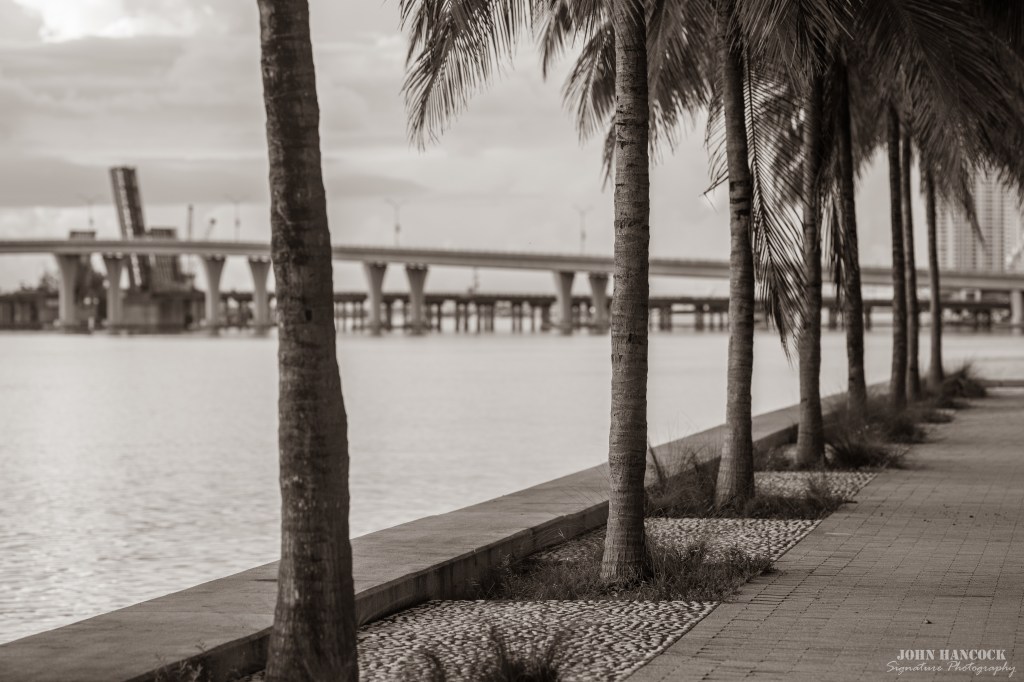
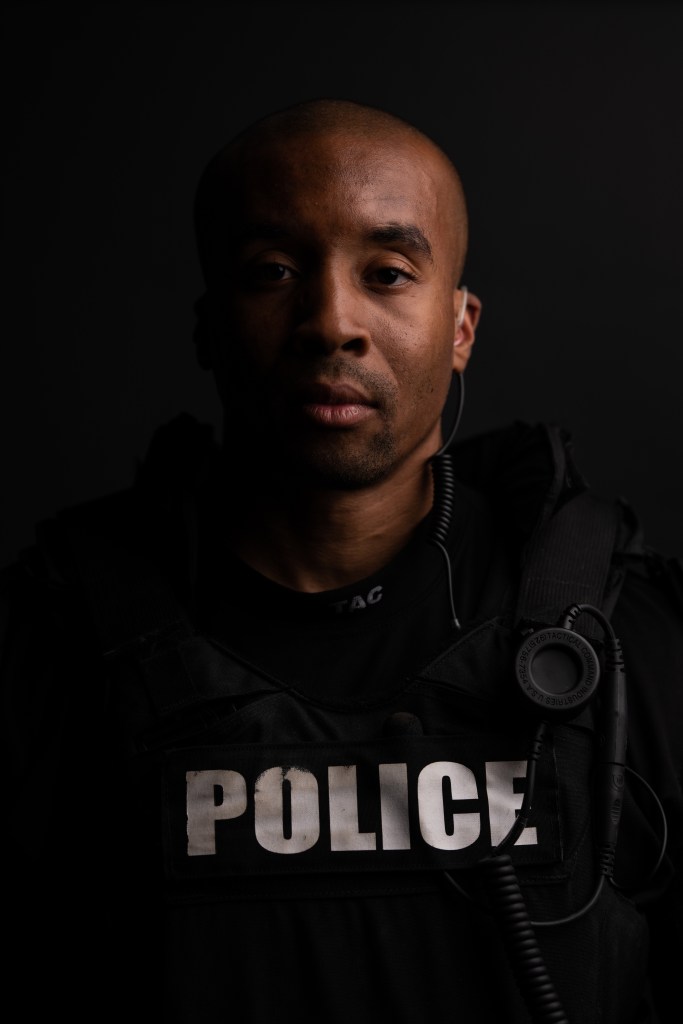
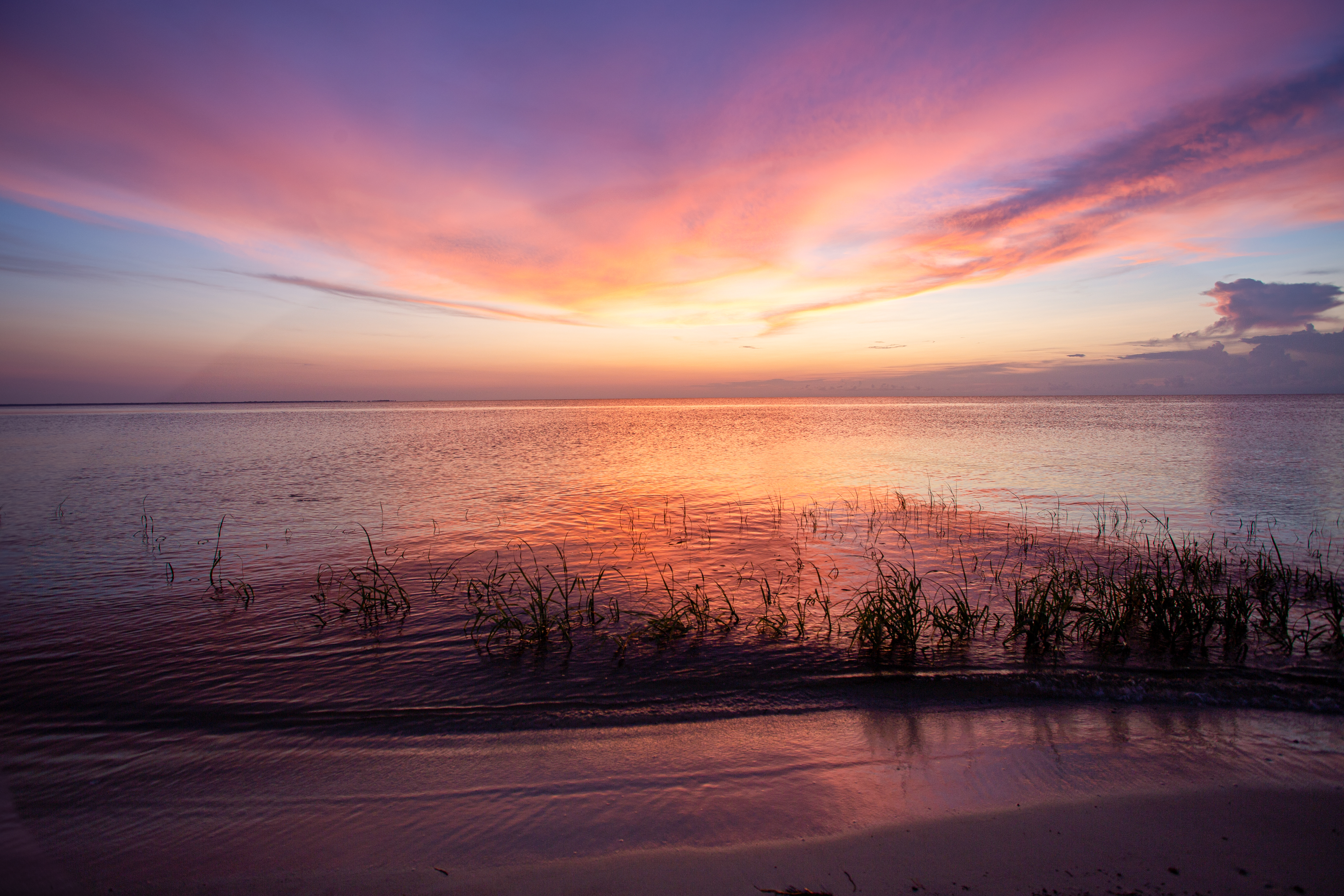
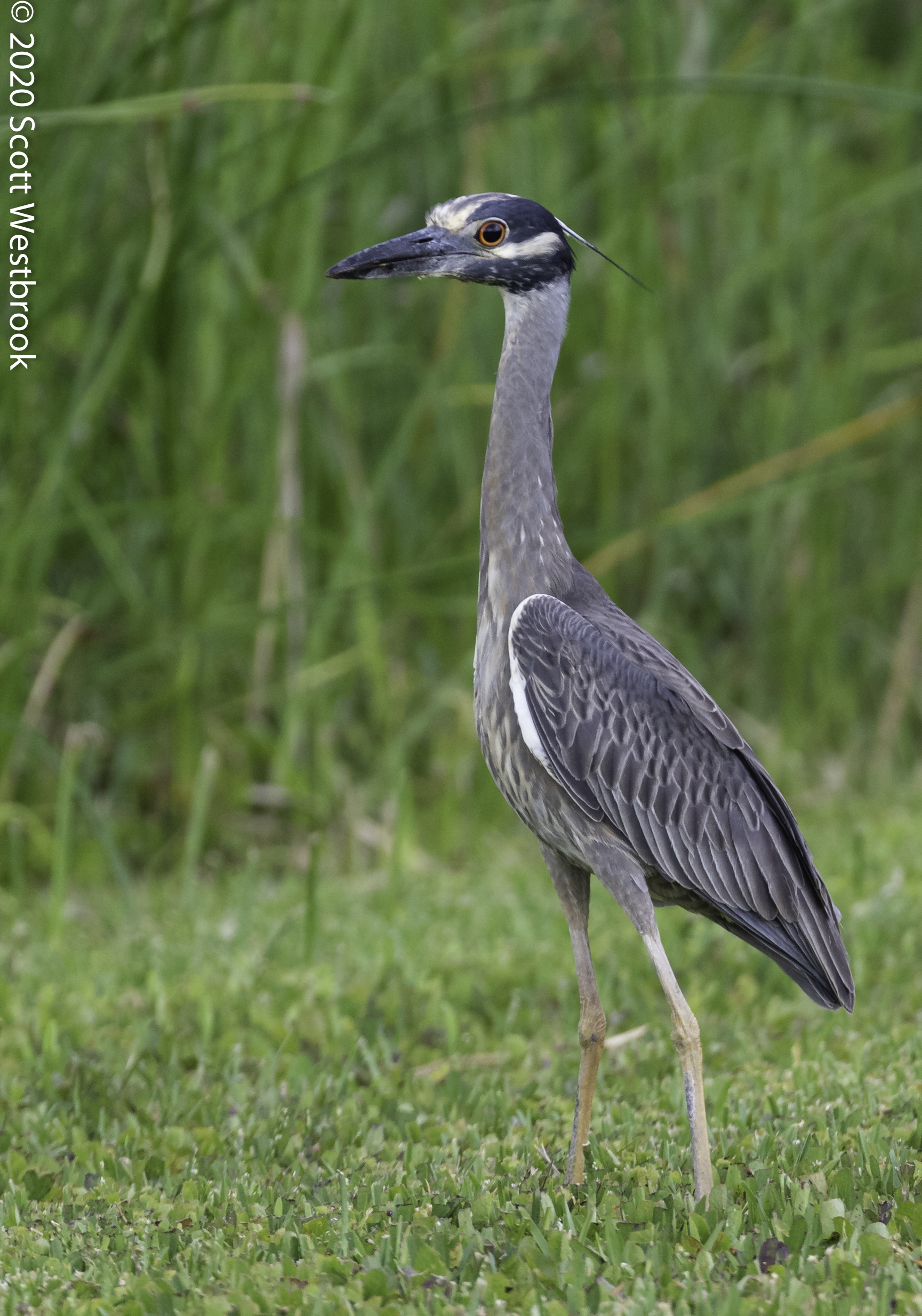
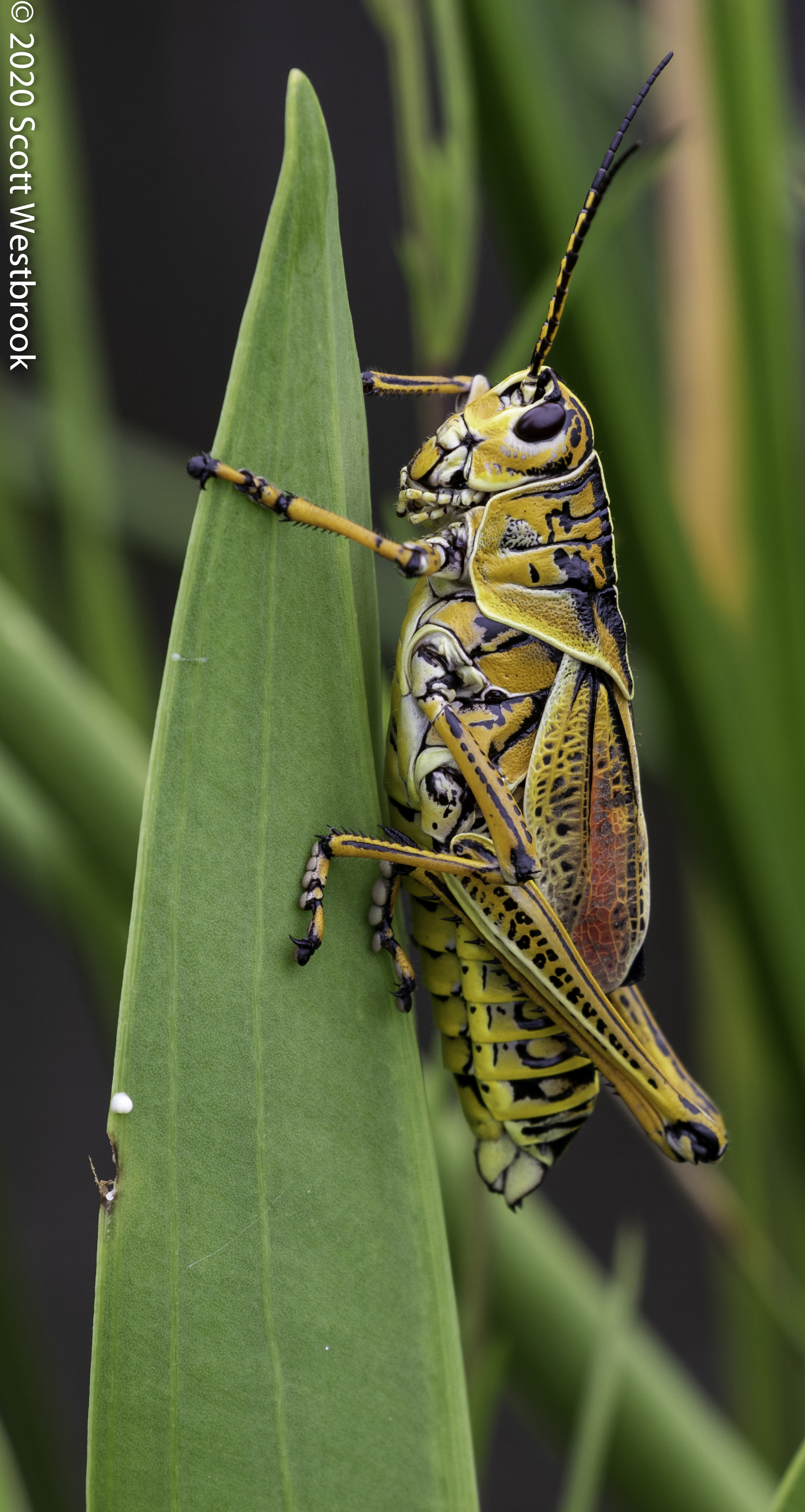
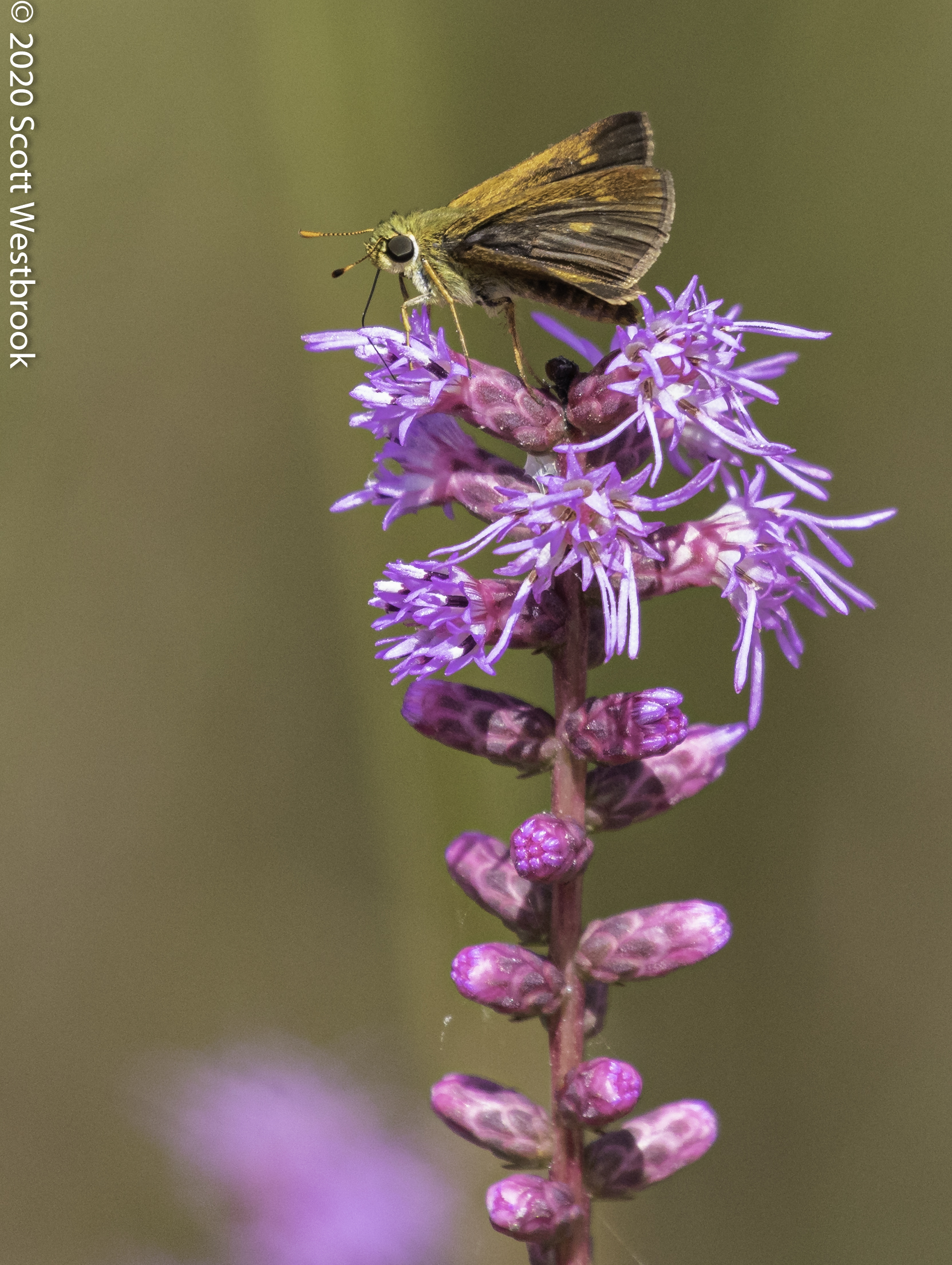
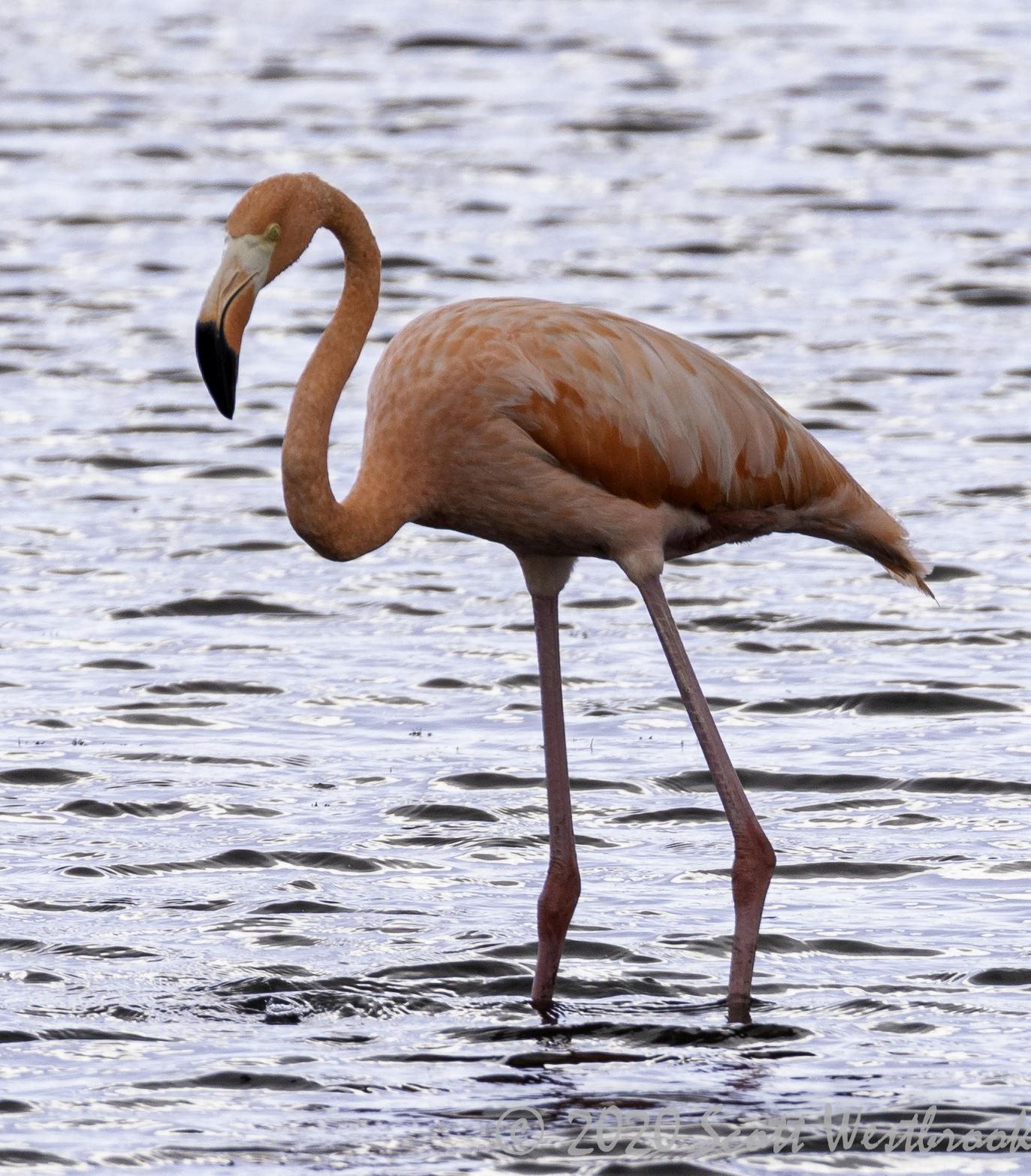

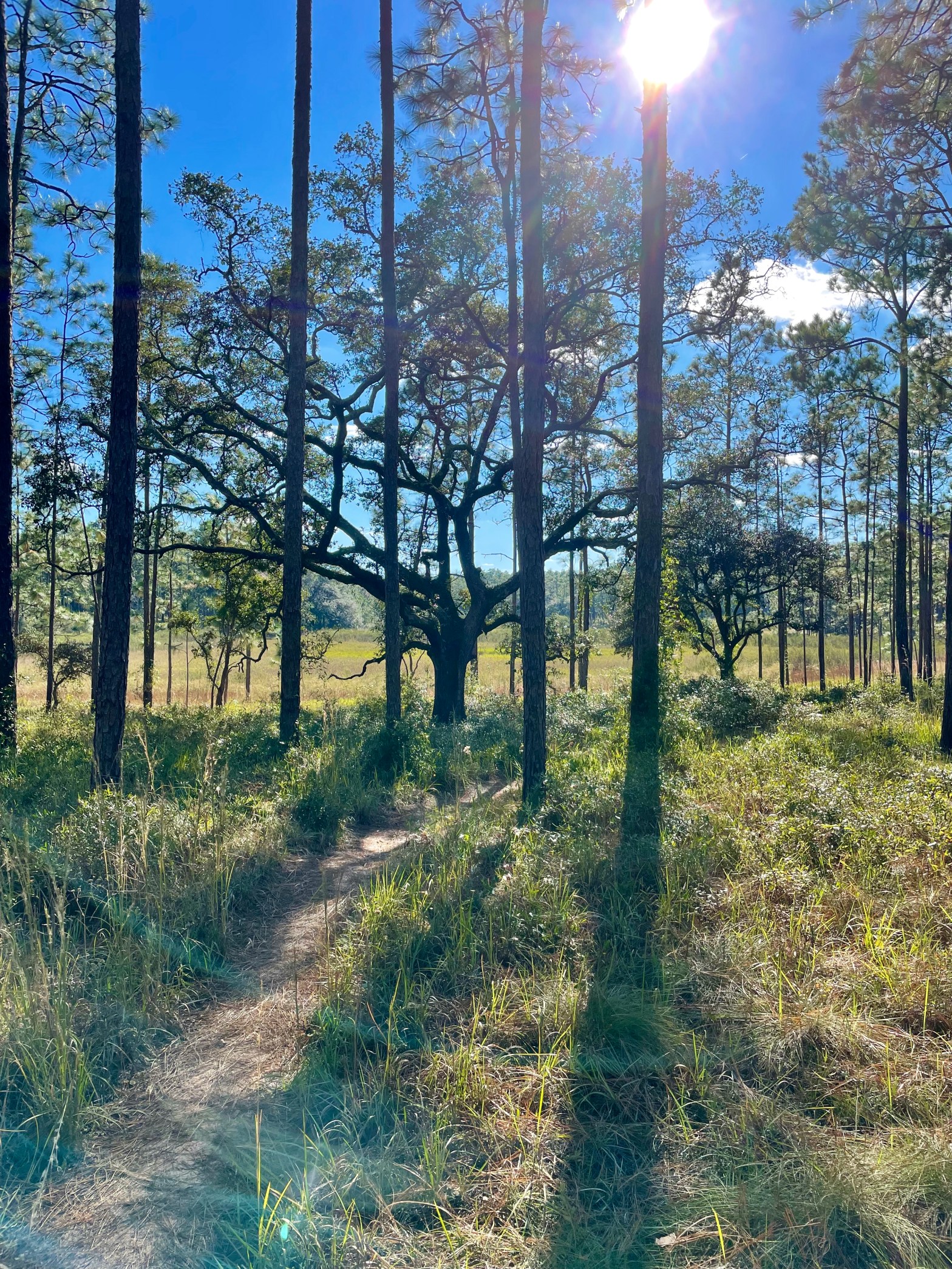
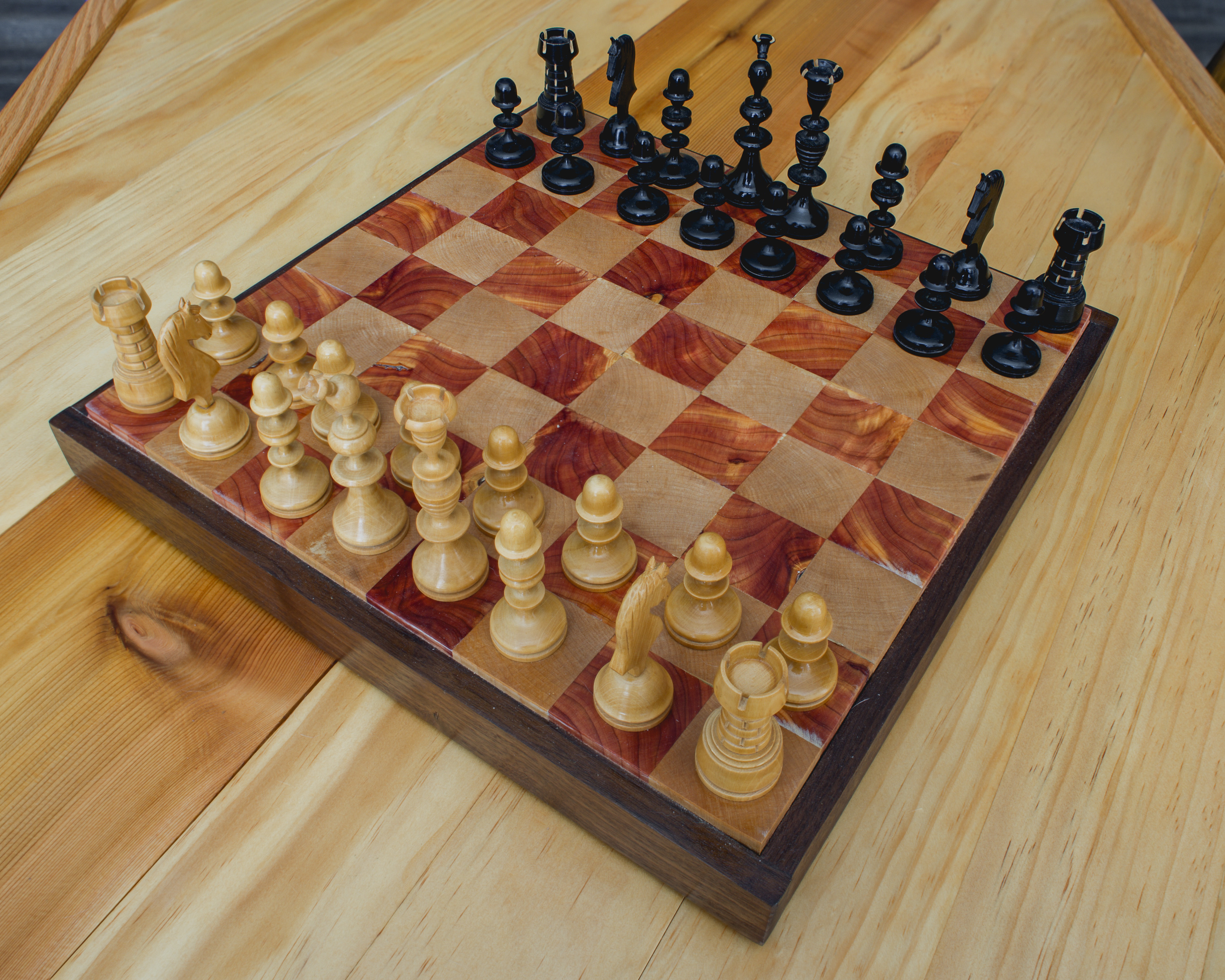
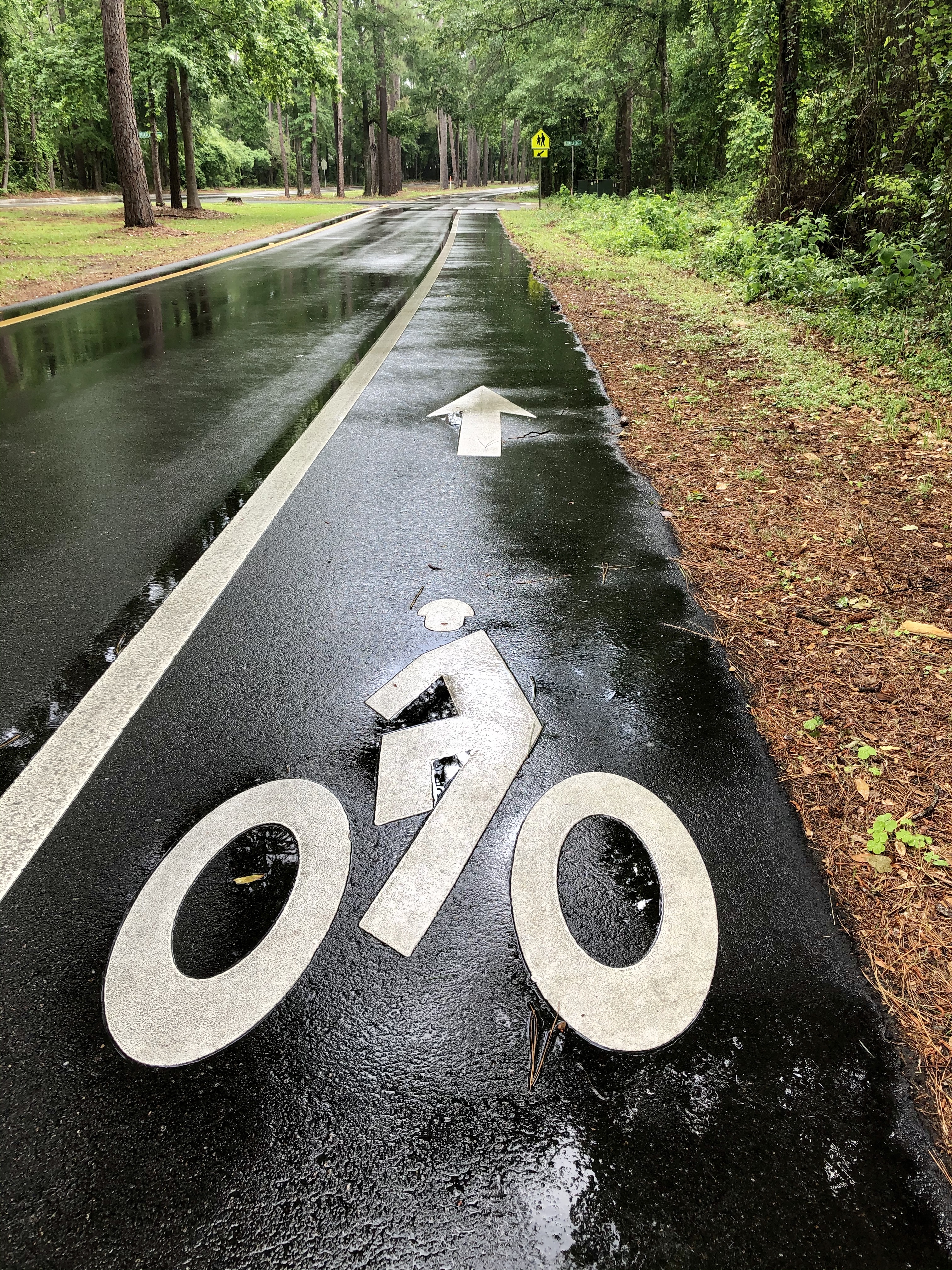
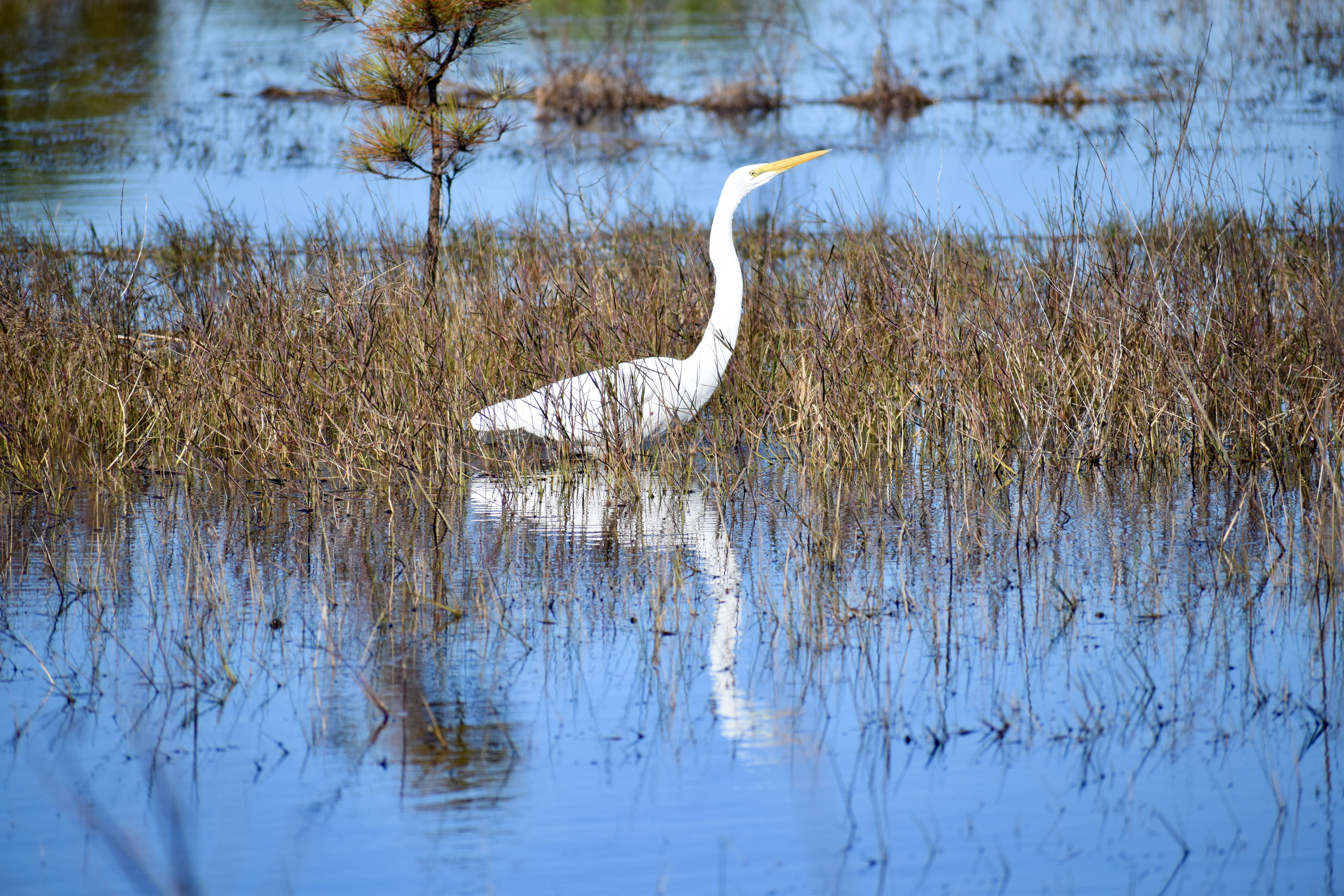
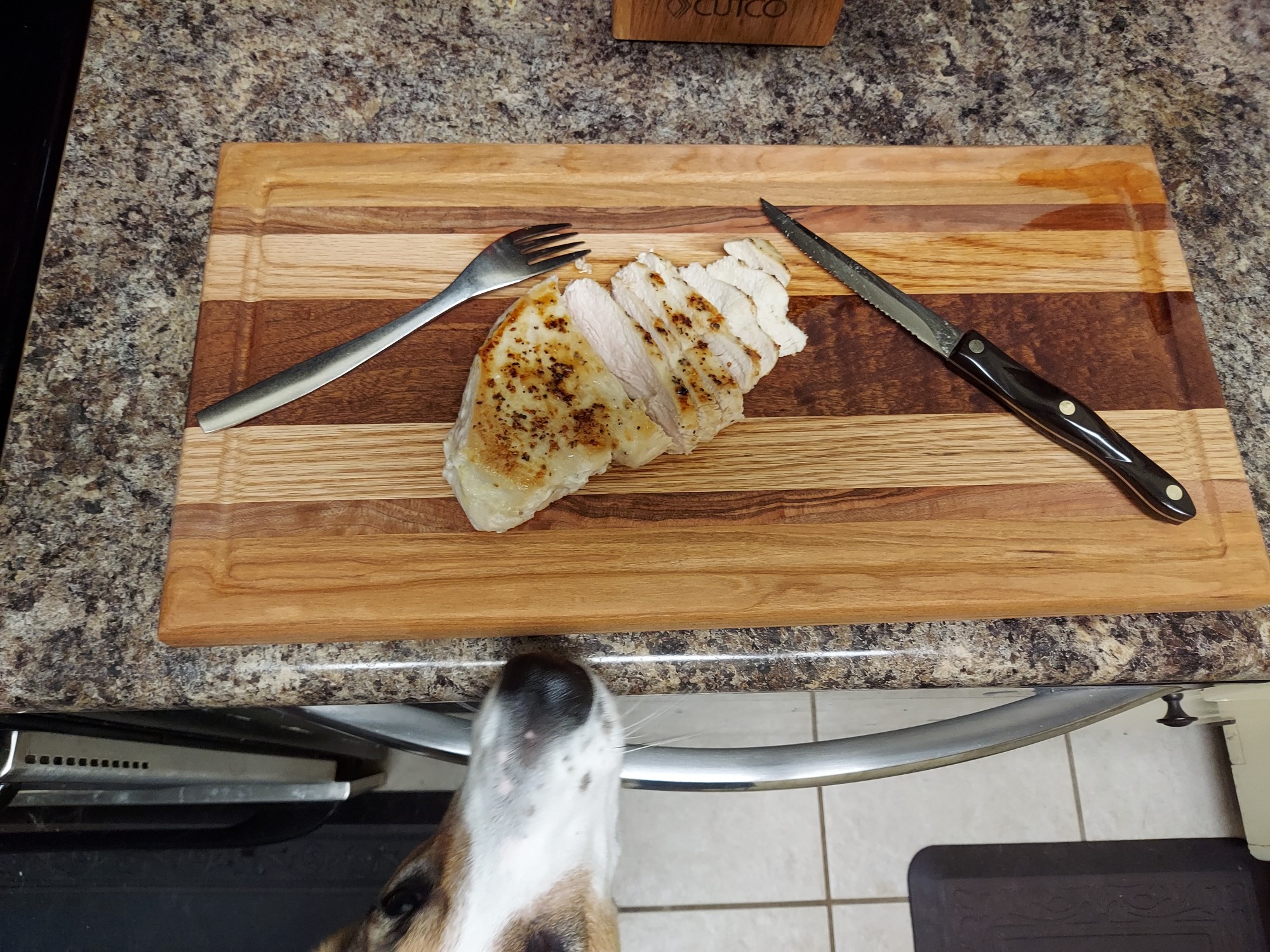
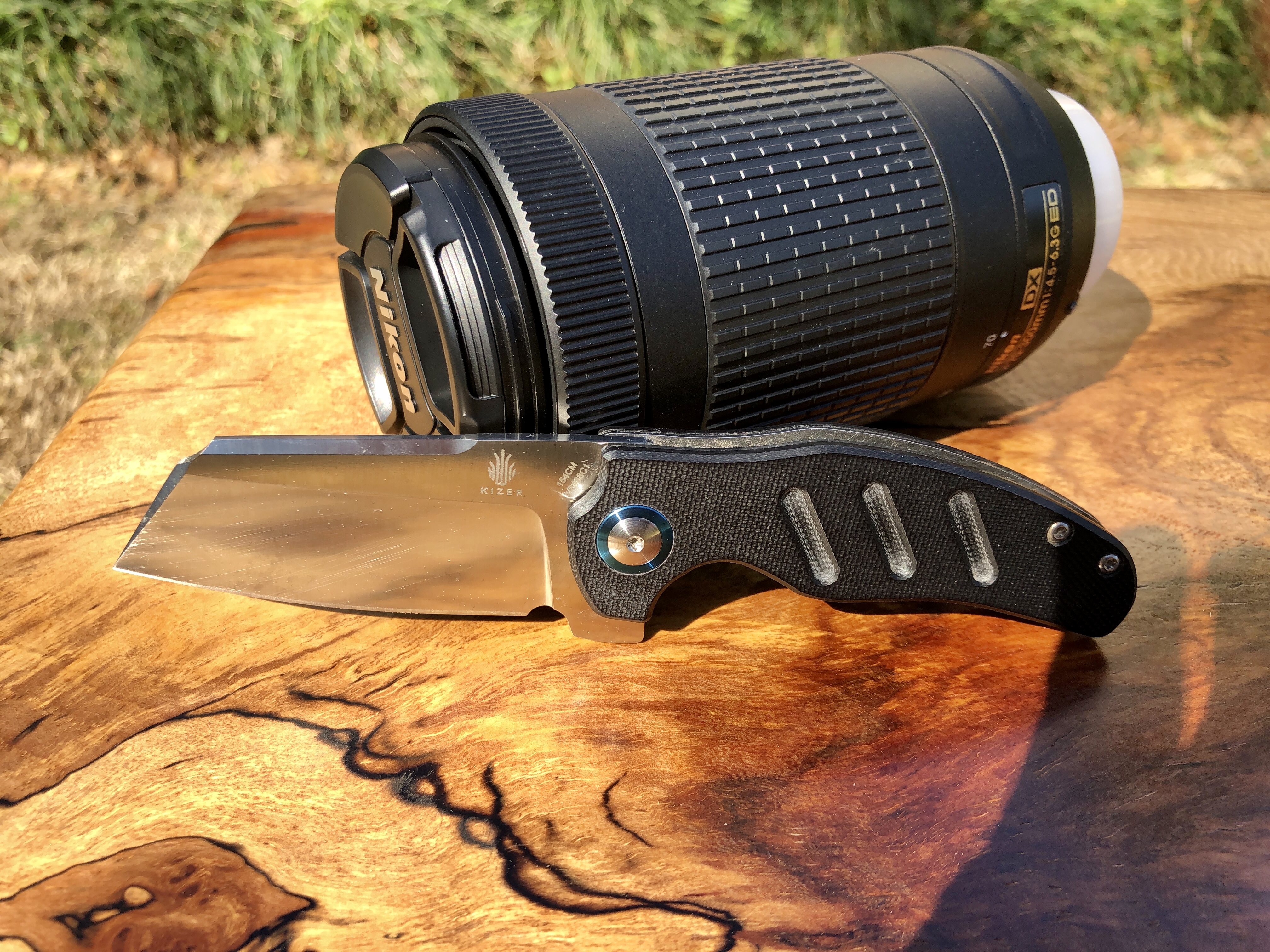
 On Beyond Blue